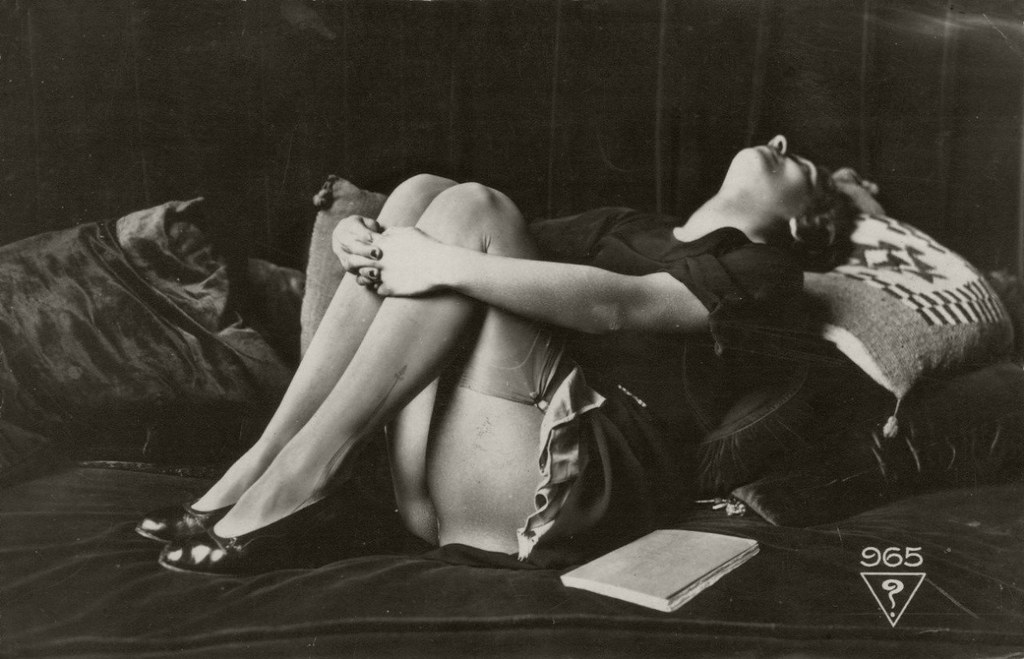
Born Vera Gottliebe Anna Gräfin von Lehndorff-Steinort, the German model known as Veruschka stood 6’3″ tall and carried herself like no one else in the fashion world. Her sharp features, long limbs, and a presence that shifted between raw intensity and quiet vulnerability set her apart from every other face of the era. She had lived through the trauma of World War II, and that weight gave her an emotional depth that the camera could not ignore.
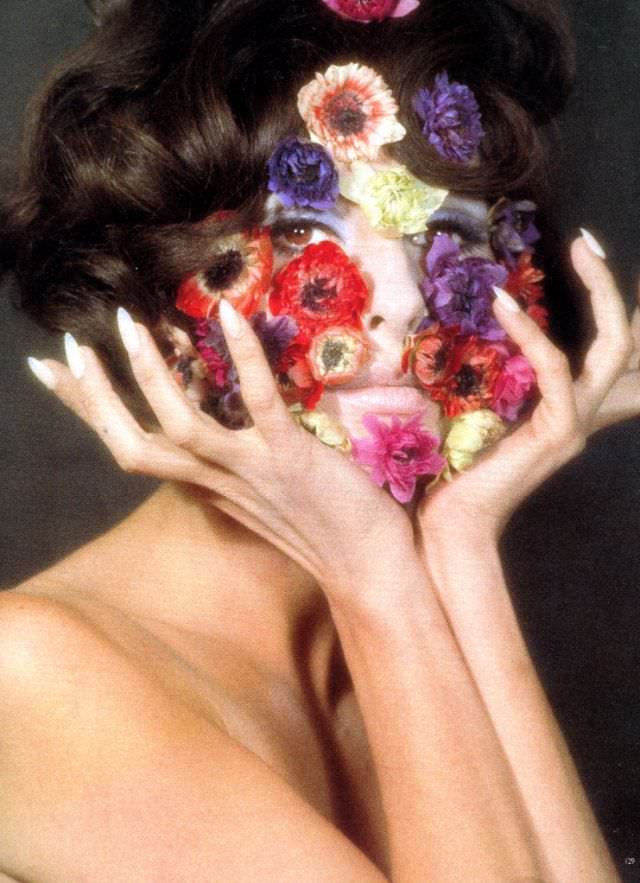
Franco Rubartelli was the photographer who understood exactly what to do with that depth. He did not simply point a lens and shoot. He studied his subjects, waited for the unguarded moments, and pulled out something true. When he and Veruschka began working together in the mid-1960s, the results were immediate and striking. Their photographs for Vogue became some of the most talked-about images of the decade.
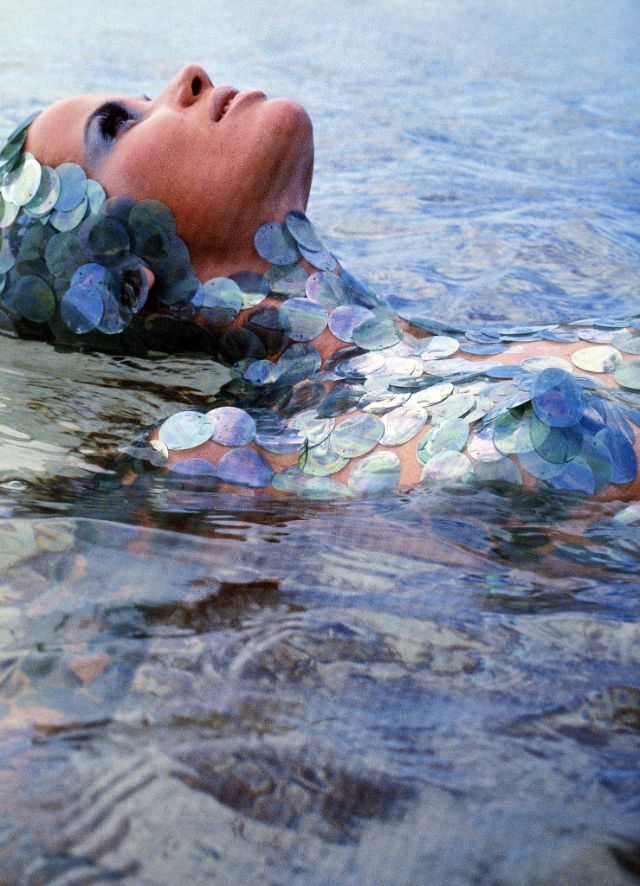
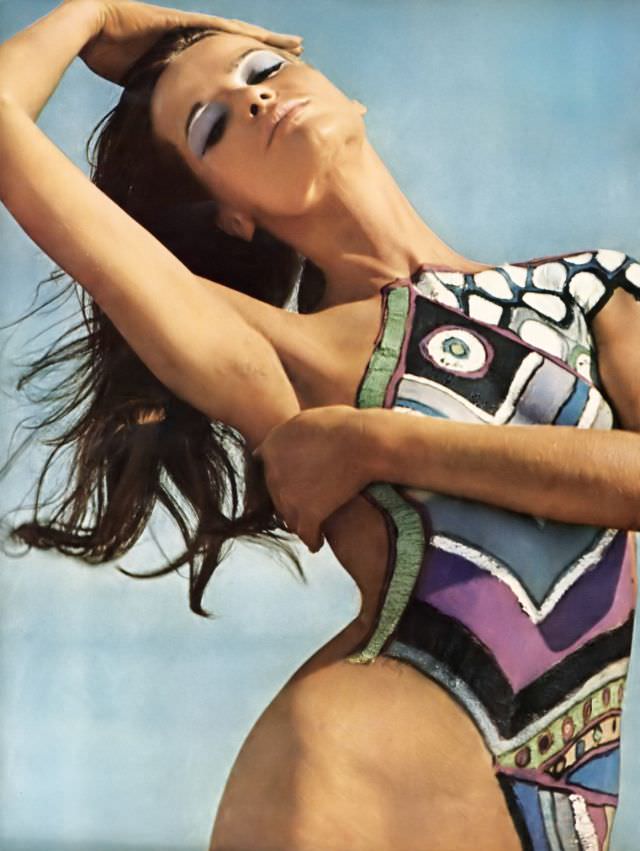
By 1966, their Vogue work pushed boundaries well beyond standard fashion photography. Rubartelli placed Veruschka in elaborate body paint, draped her in bold jewelry, and framed her against compositions that felt more like paintings than editorial spreads.
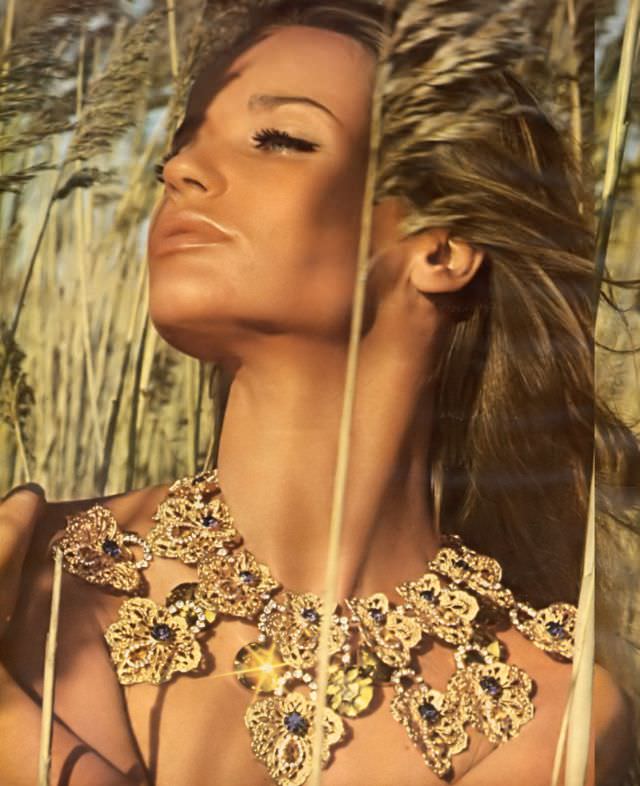
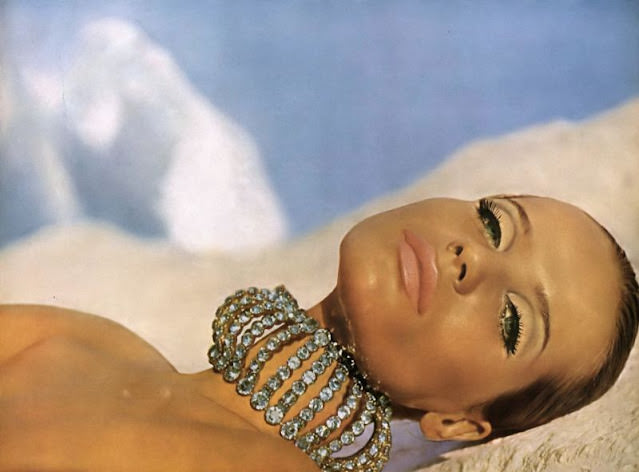
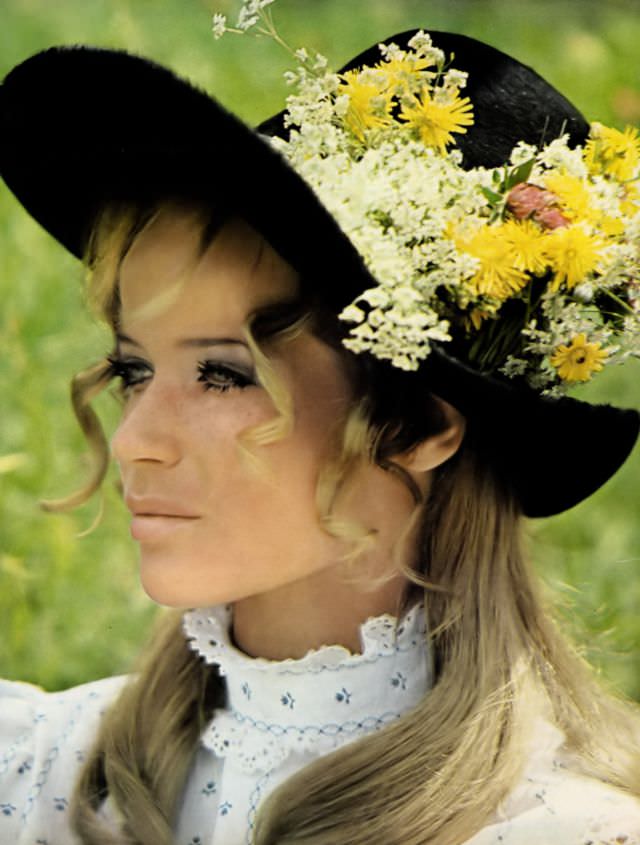
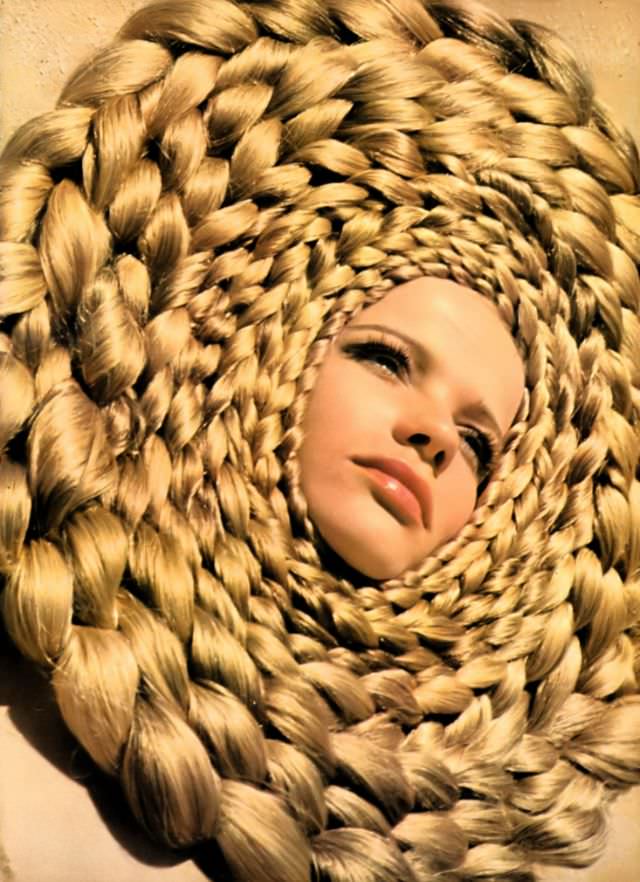
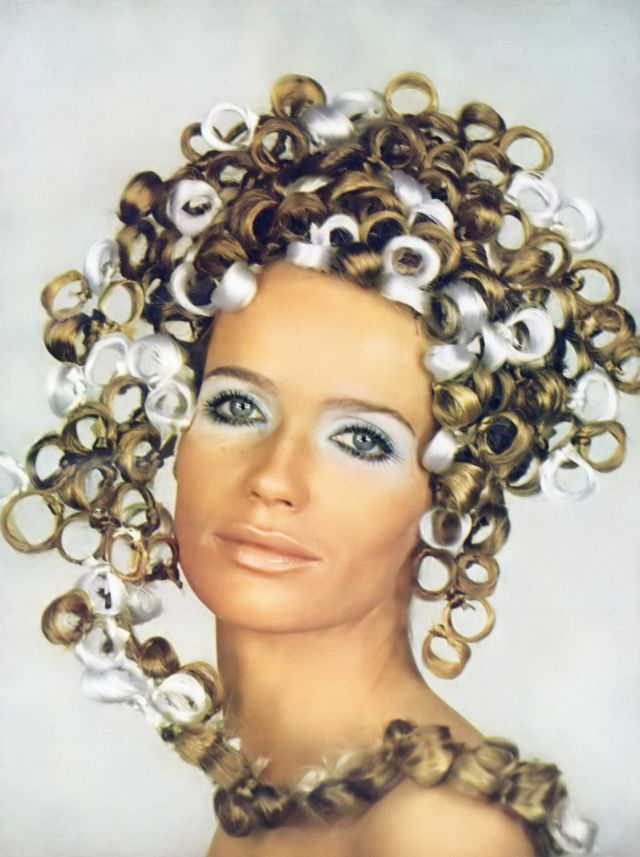
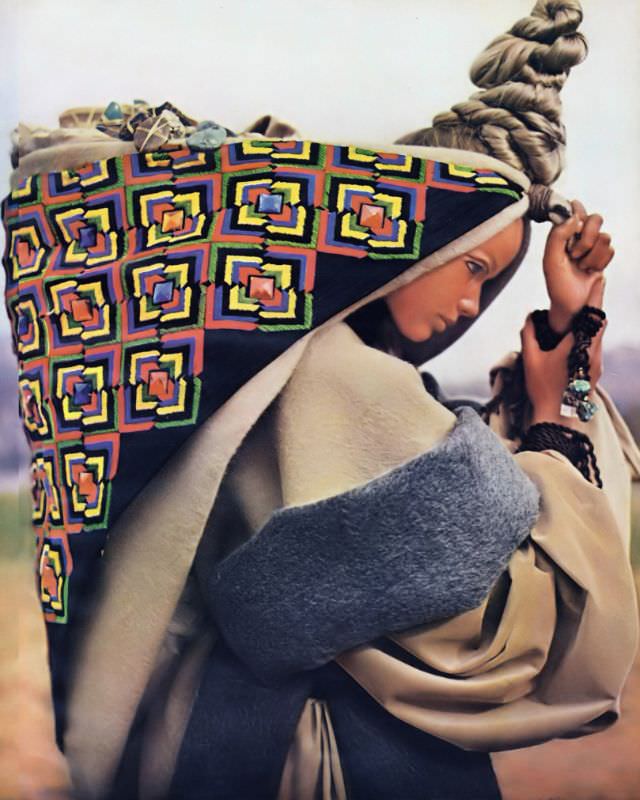
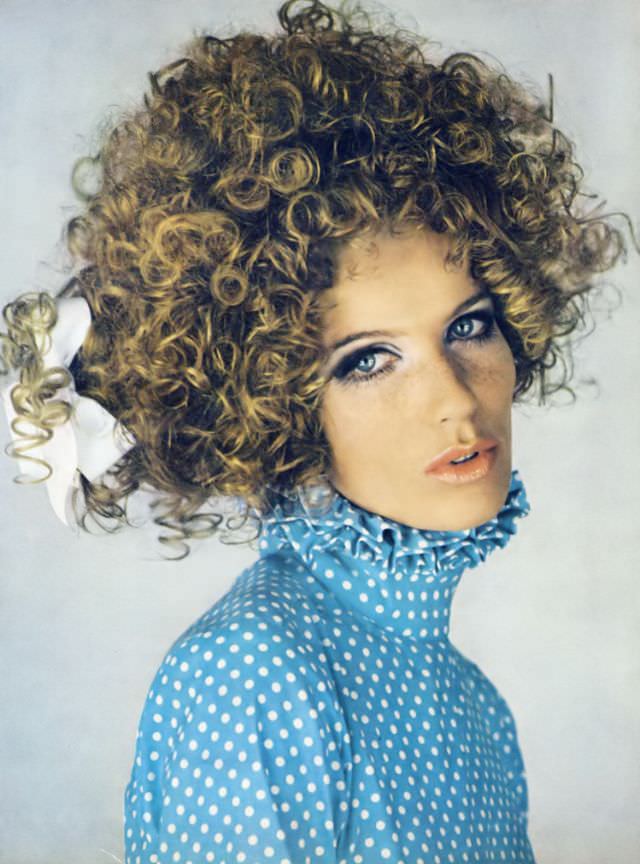
In 1967, the work grew more adventurous. Rubartelli shot Veruschka in sculptural hairstyles crafted by Ara Gallant, in Egyptian-inspired looks, in Bulgari jewelry, and in garments she designed herself. The range within a single year was remarkable.
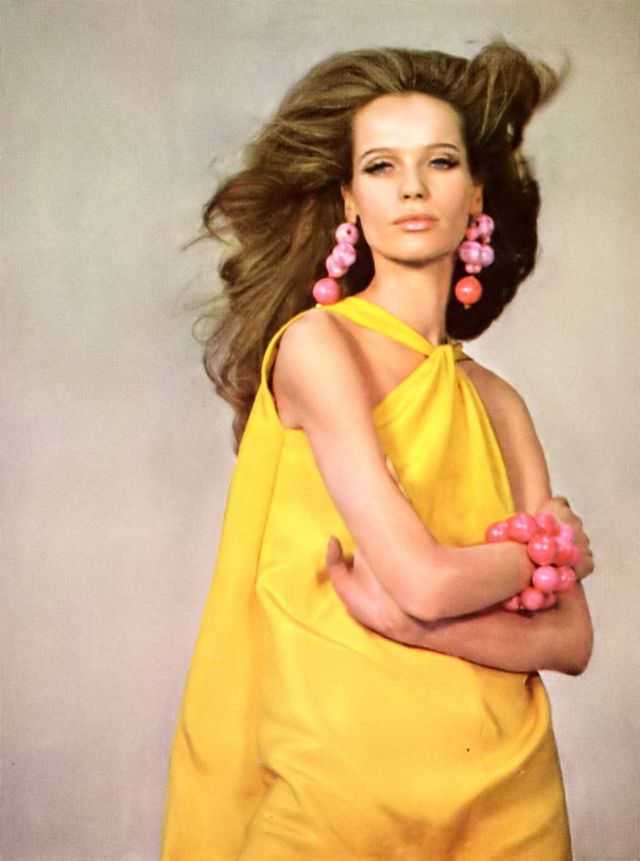
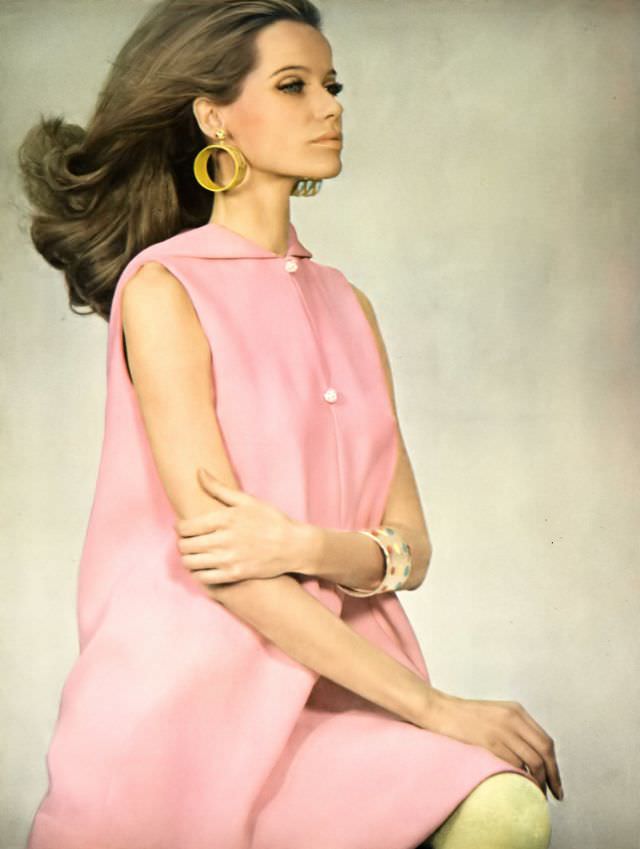
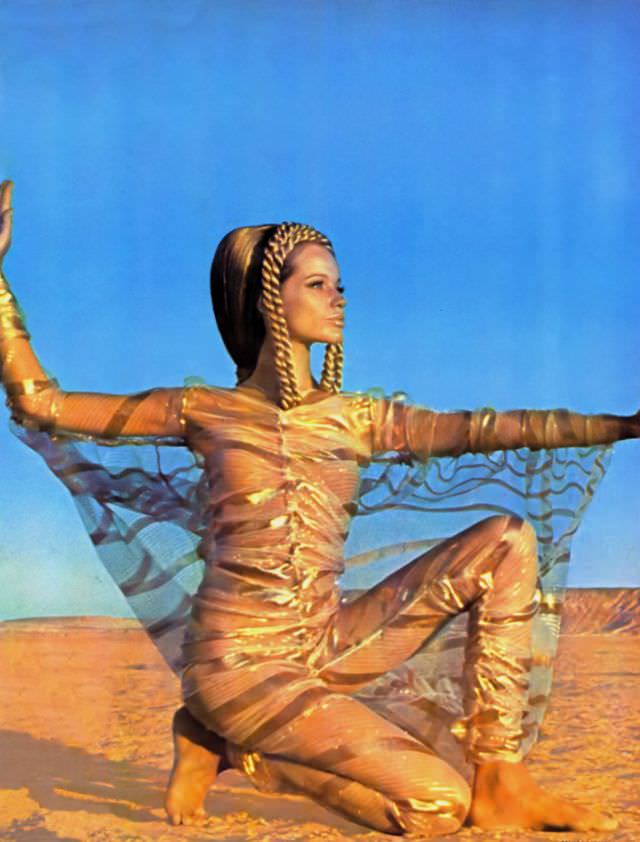
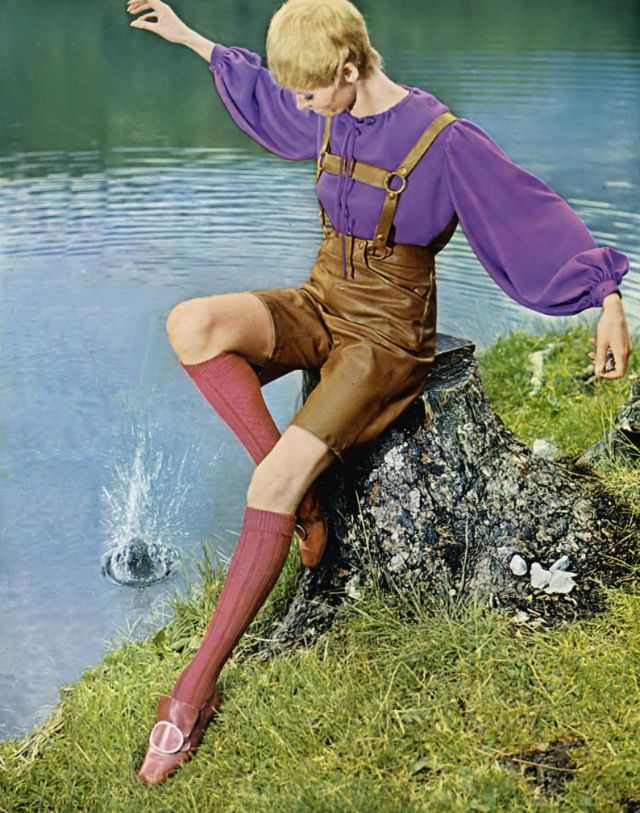
Rubartelli also took Veruschka on location to the Tyrol in Austria, grounding high fashion in the textures of real landscapes. The contrast between her otherworldly appearance and the earthy Alpine setting gave the images a unique tension.
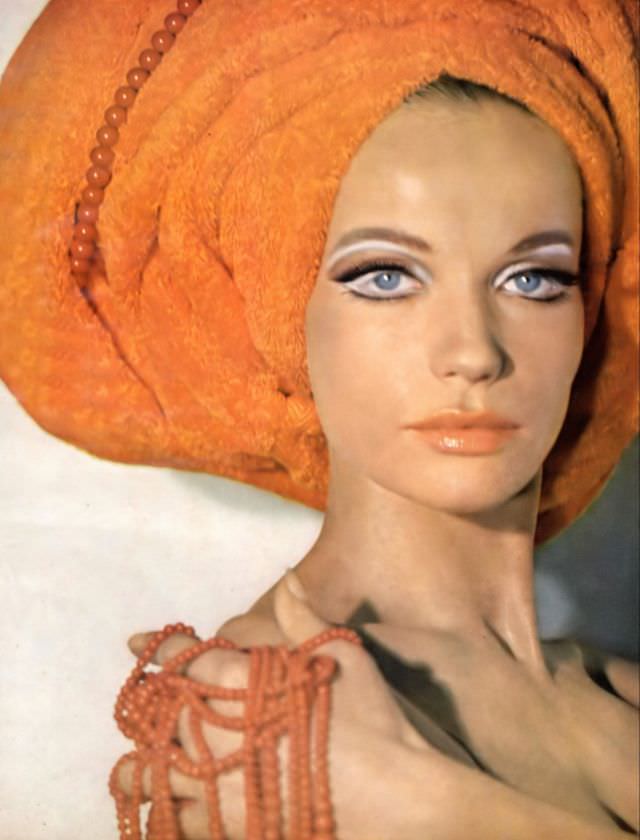
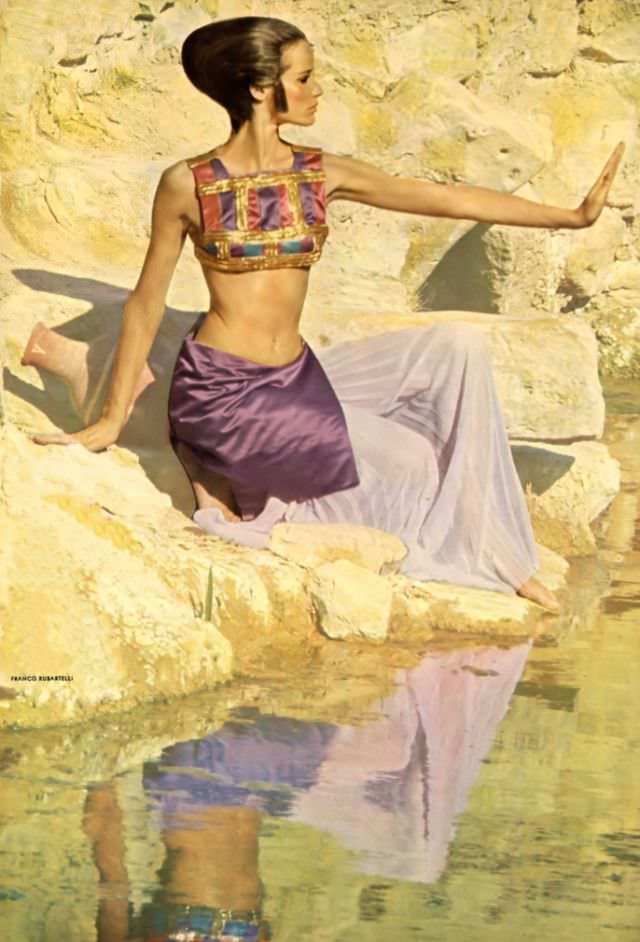
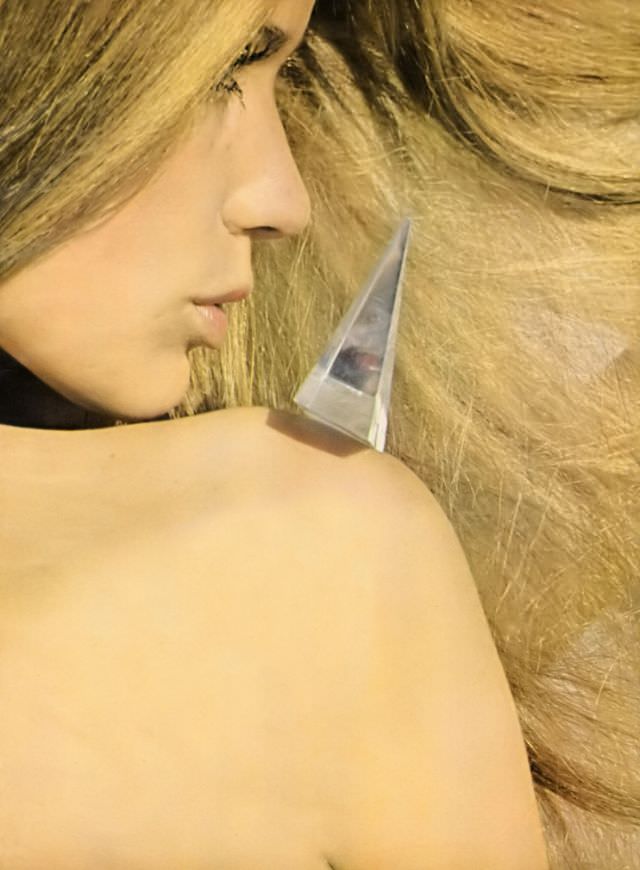
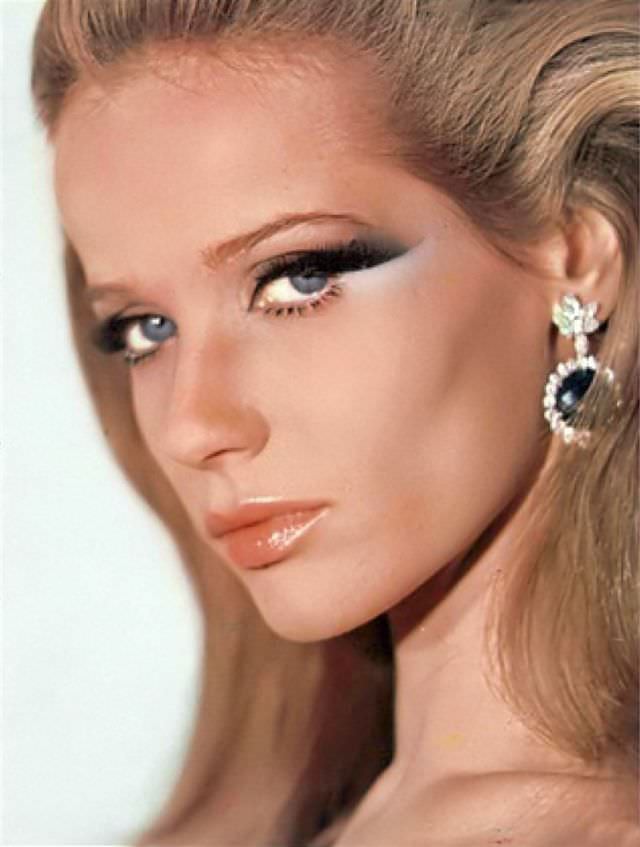
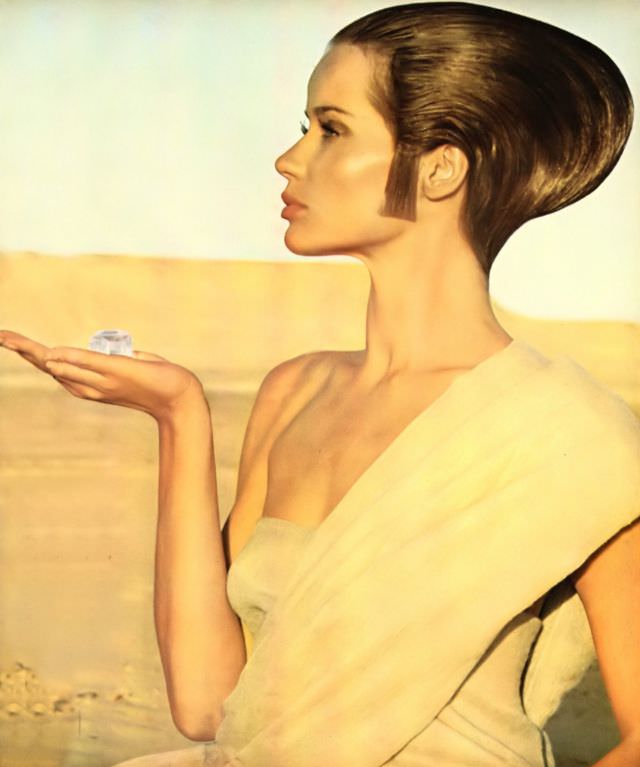
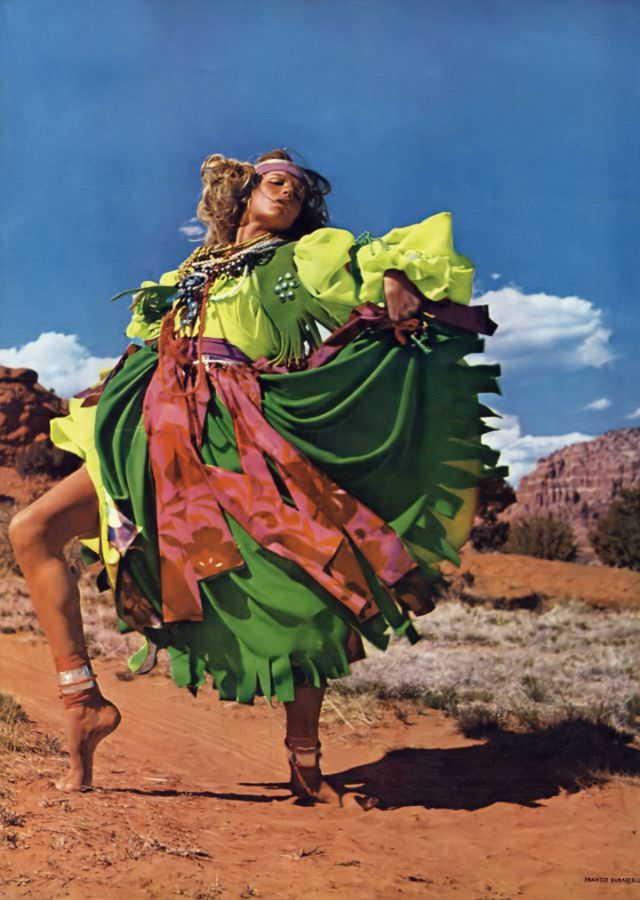
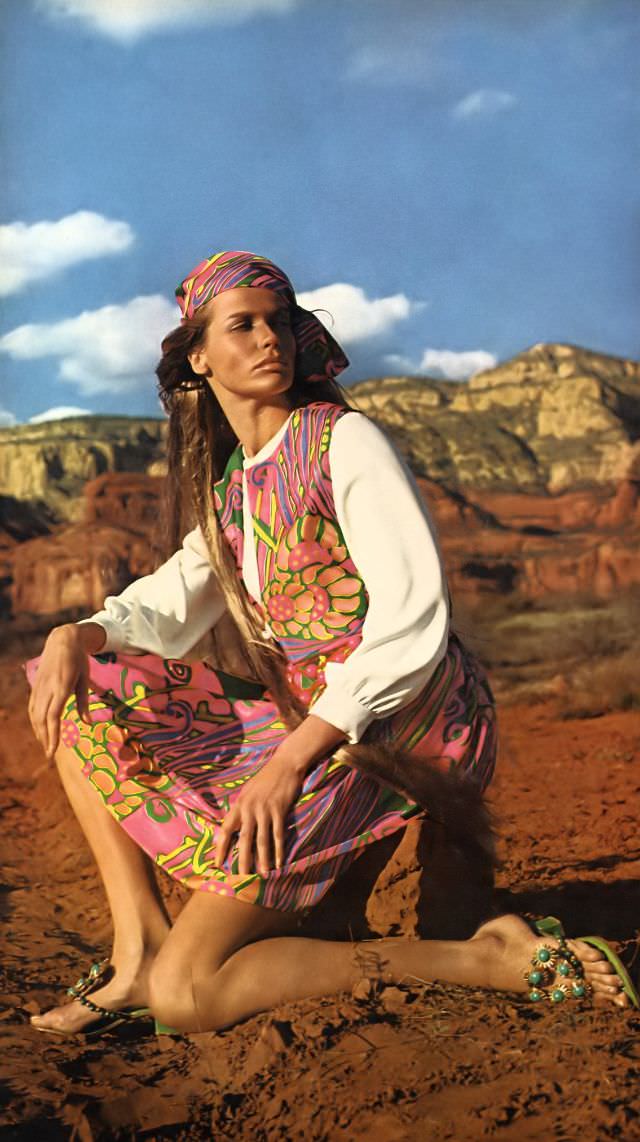
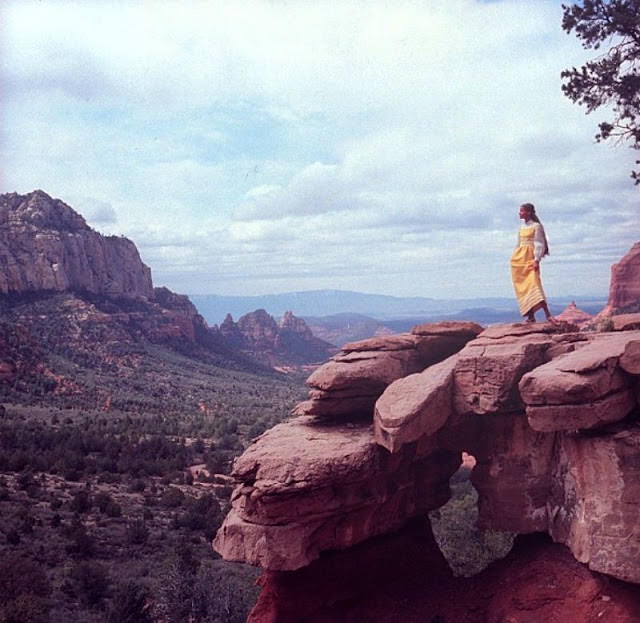
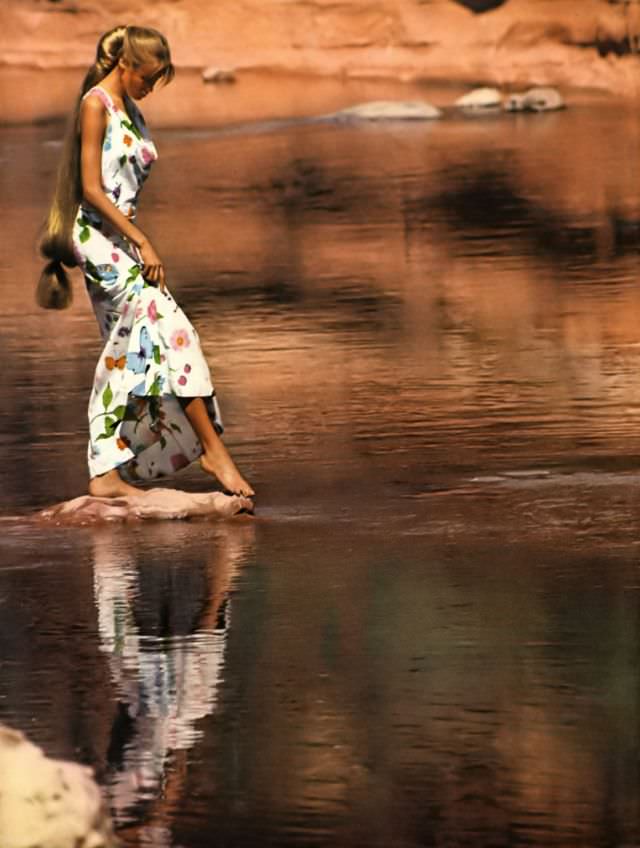
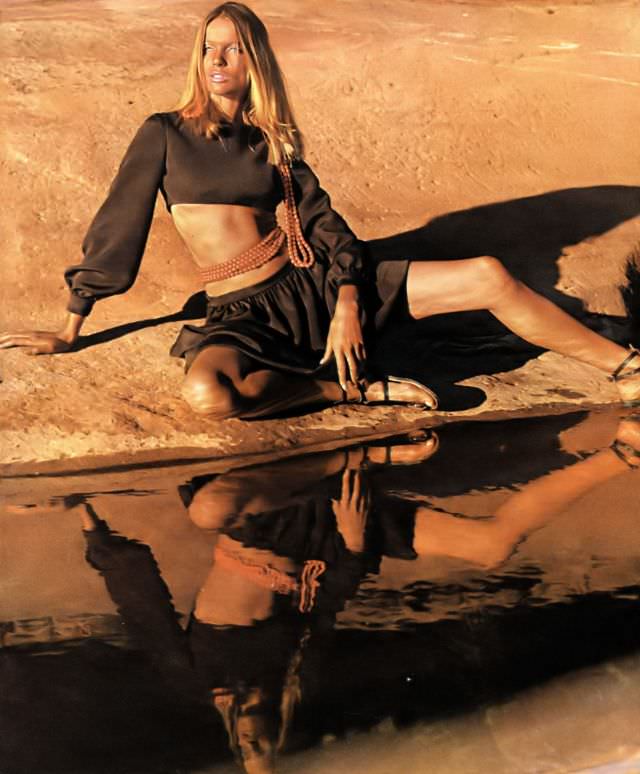
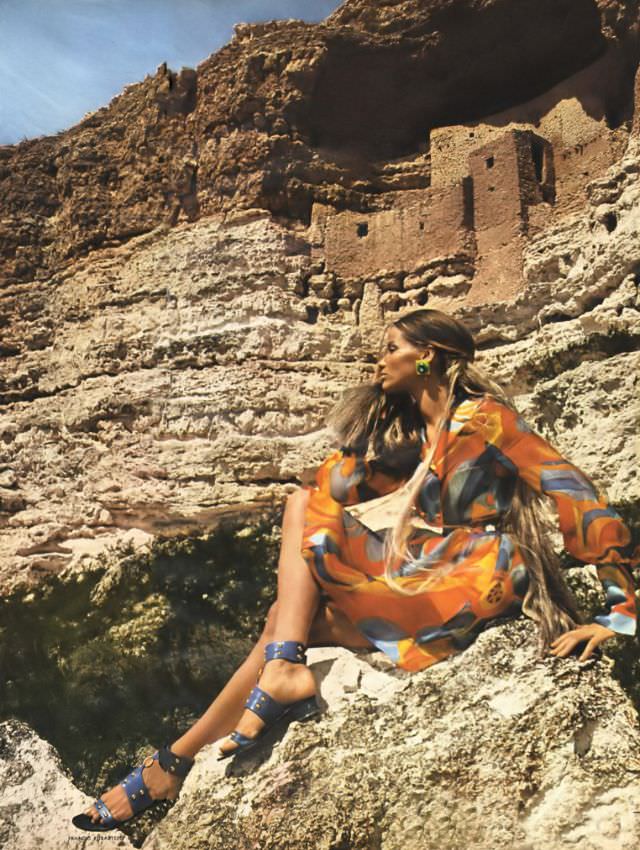
In 1968, Rubartelli moved the work to the American Southwest and beyond. He shot Veruschka dancing through the Painted Desert in Arizona, posing in Giorgio di Sant’ Angelo’s bold colors, and standing against the vast open terrain of Texas and Sedona. The landscapes dwarfed everything except her presence.
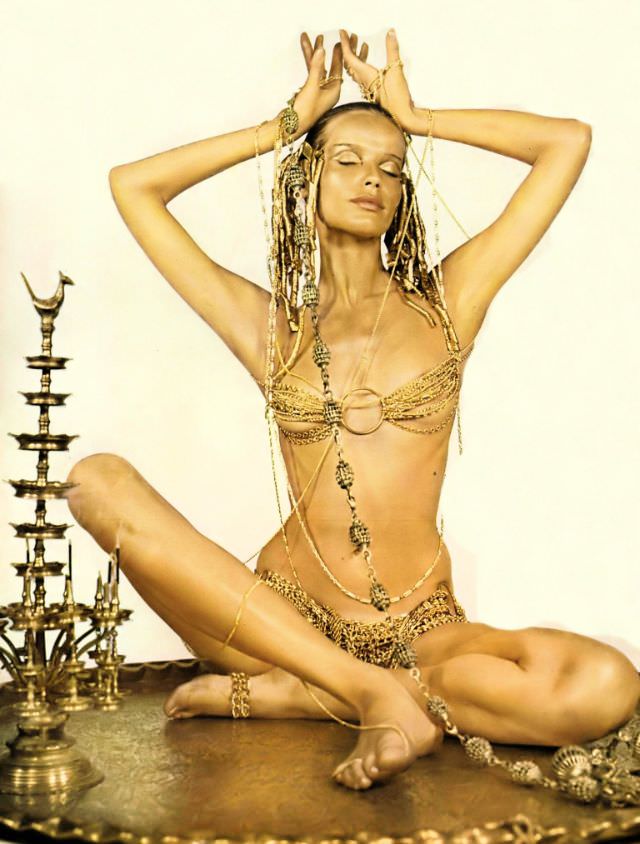
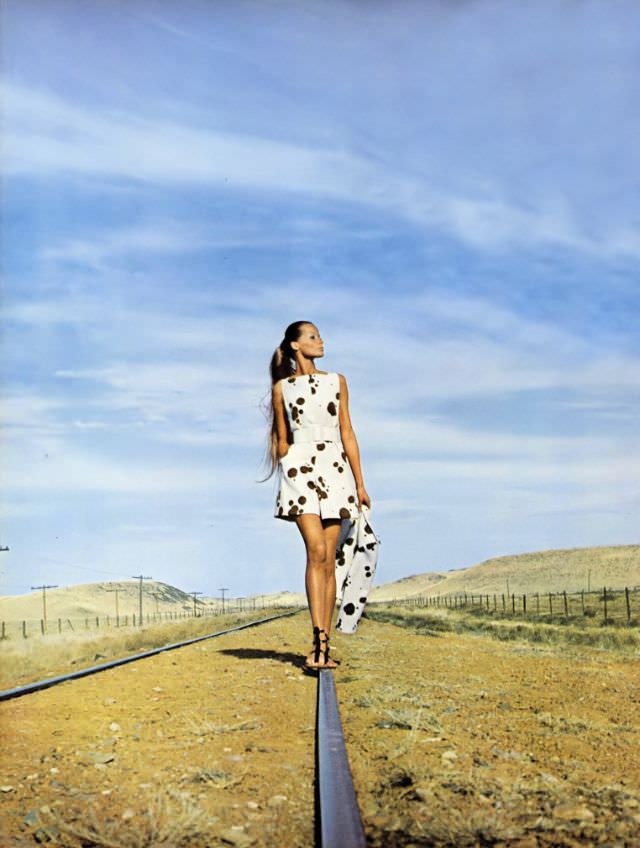
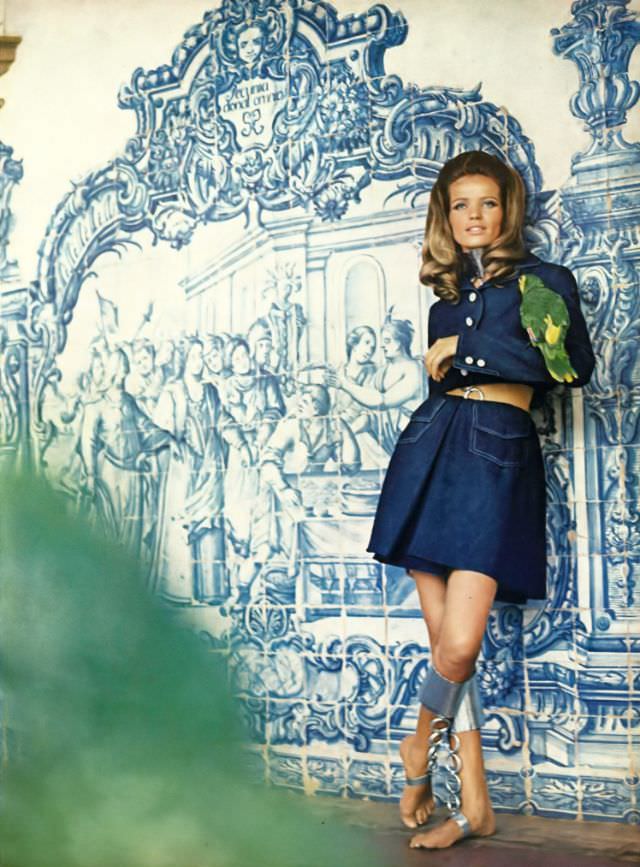
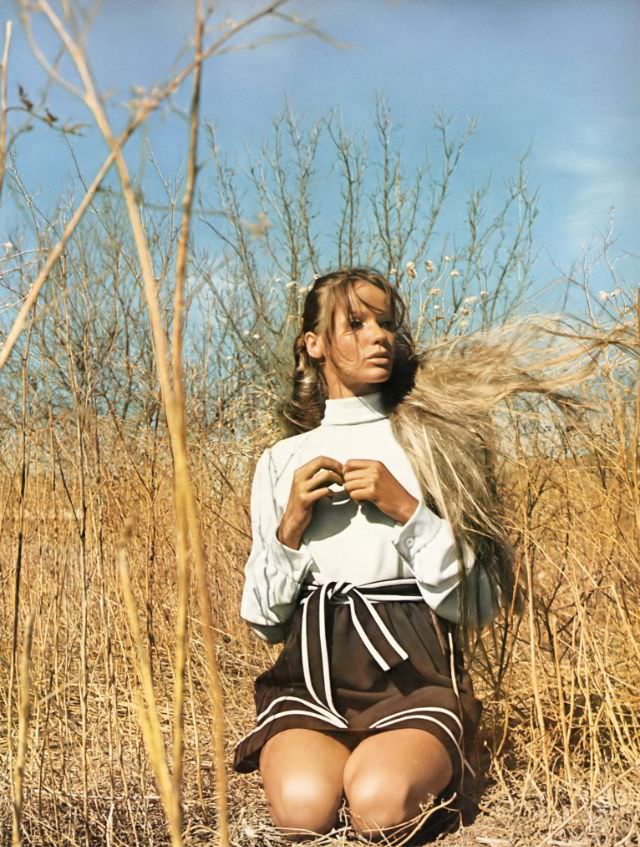
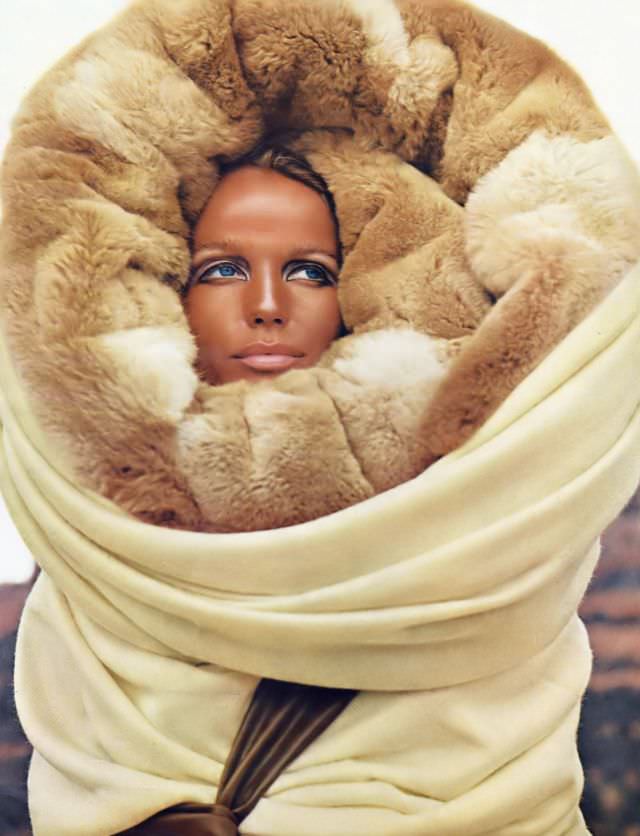
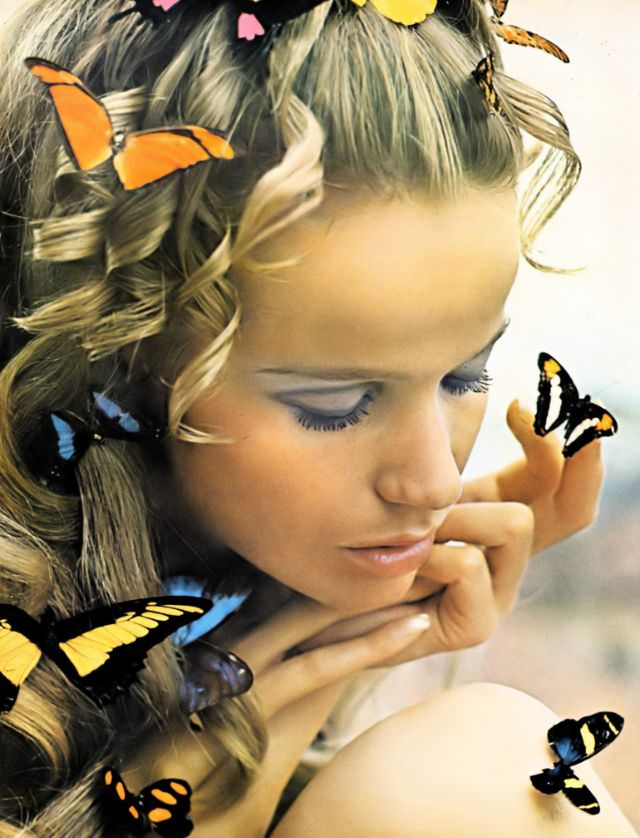
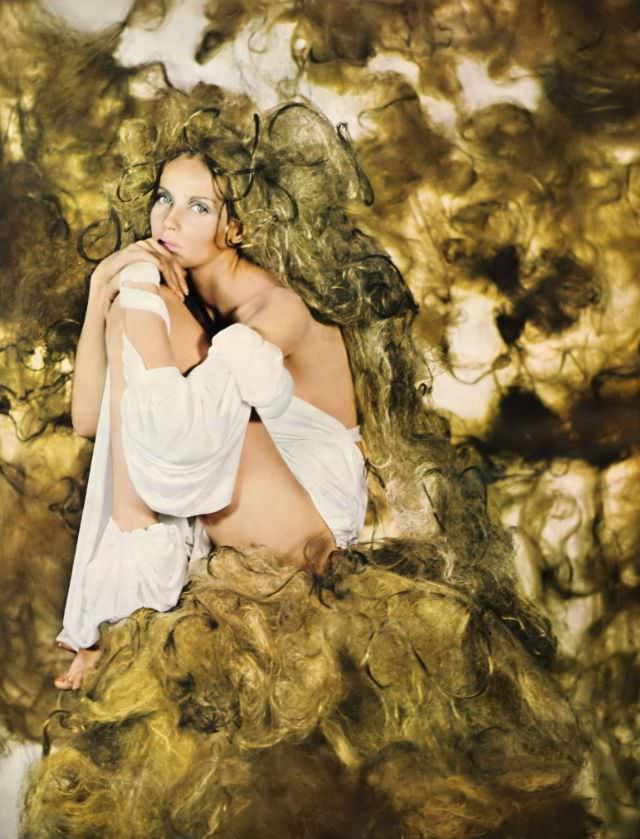
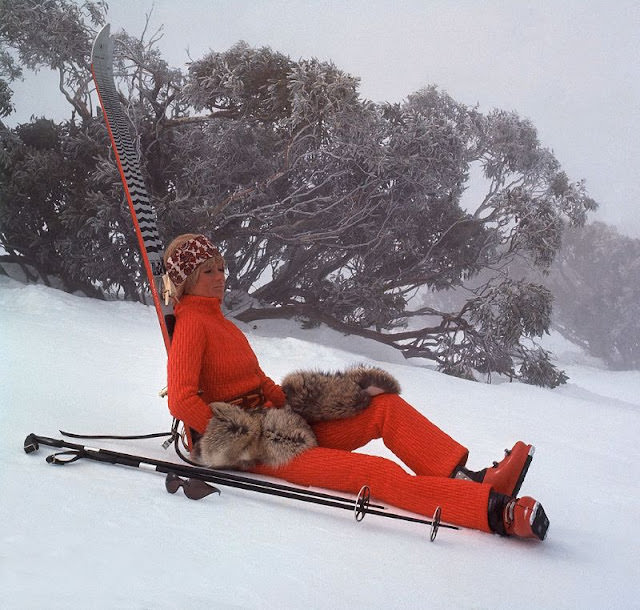
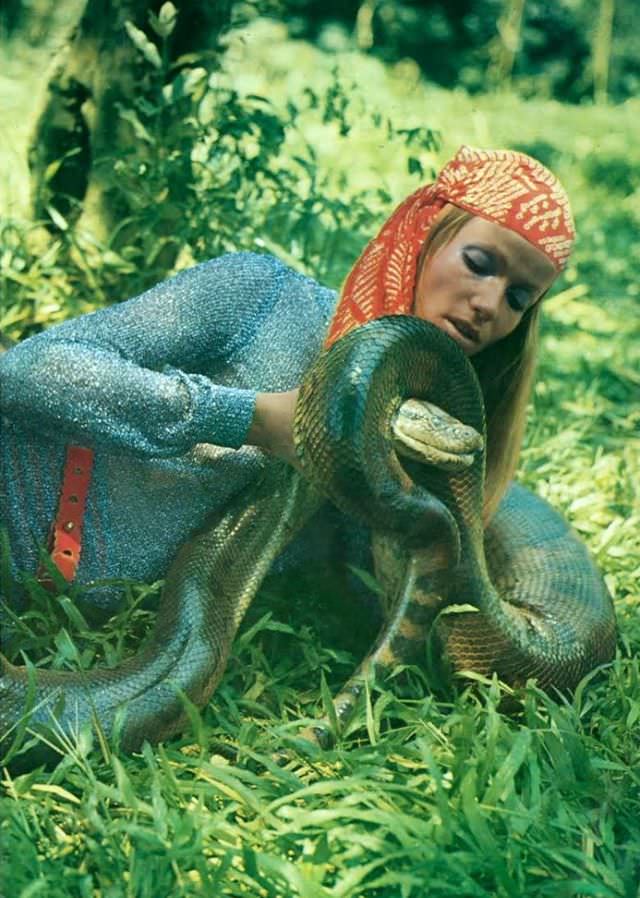
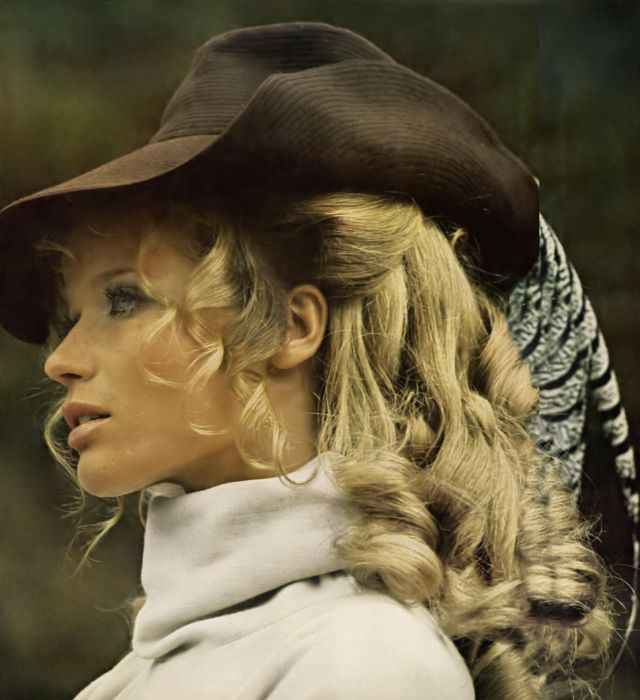
As the decade closed, Rubartelli continued documenting Veruschka across new locations and looks. From a fur-trimmed ski-suit to a lurex mini shot in Colombia, each frame added to a body of work that chronicled her transformations season by season, year by year. What Rubartelli built through his lens was not a catalog of clothes — it was a portrait of a singular woman in full motion through one of fashion’s most restless decades.