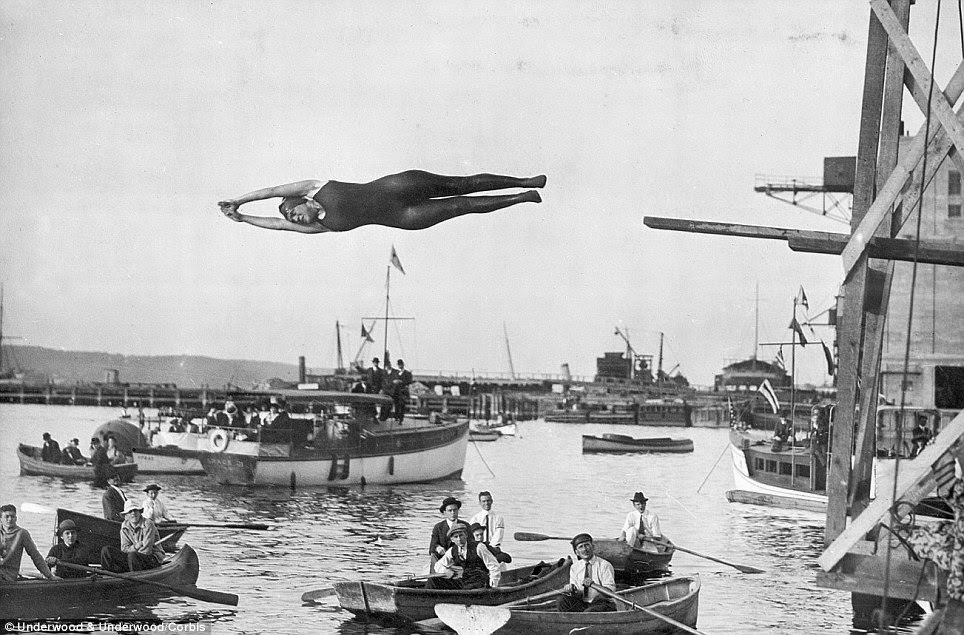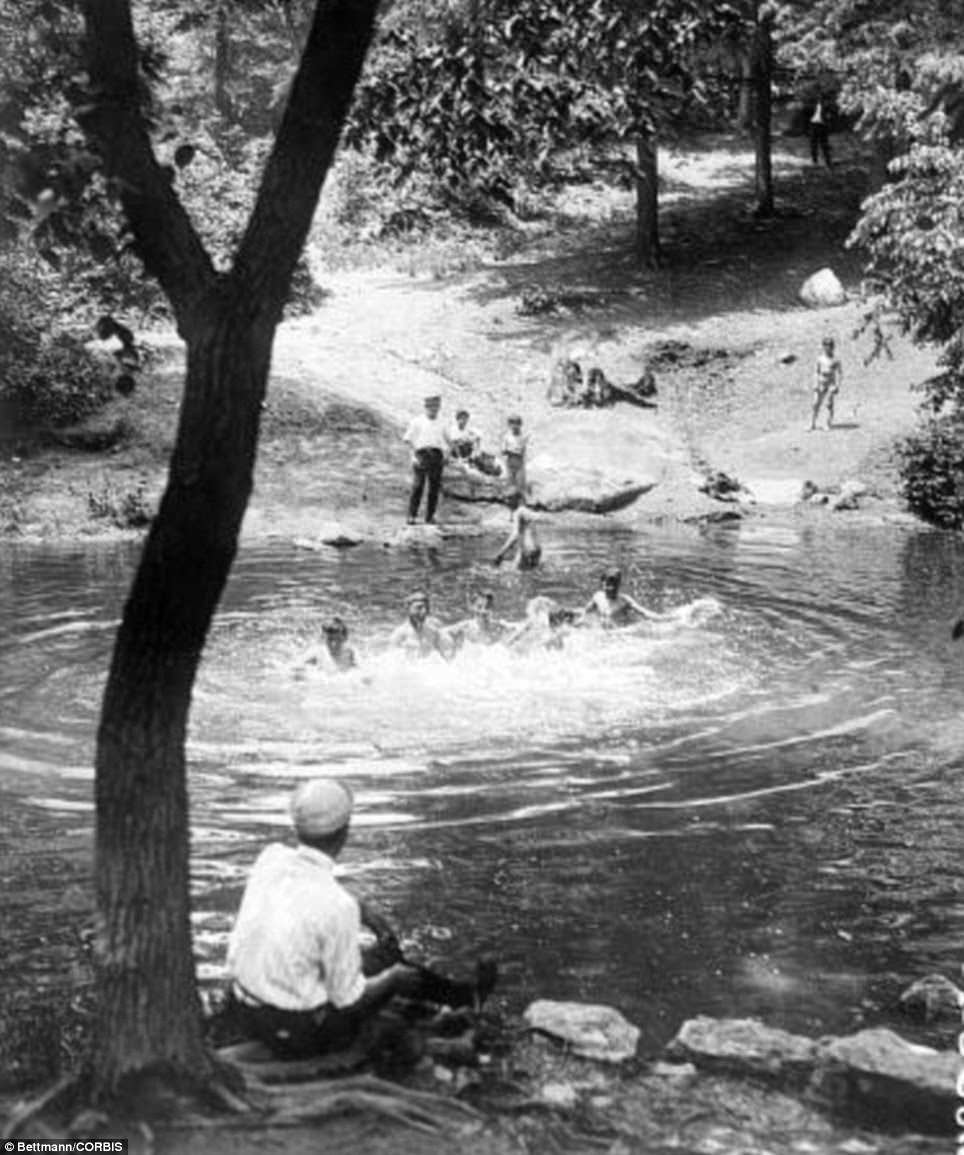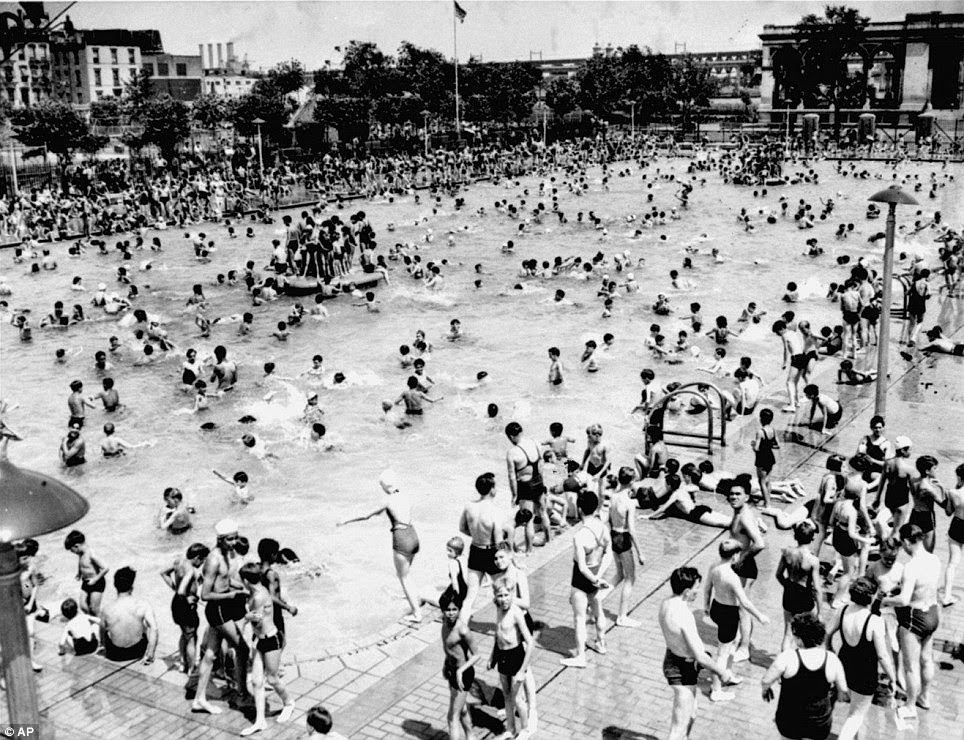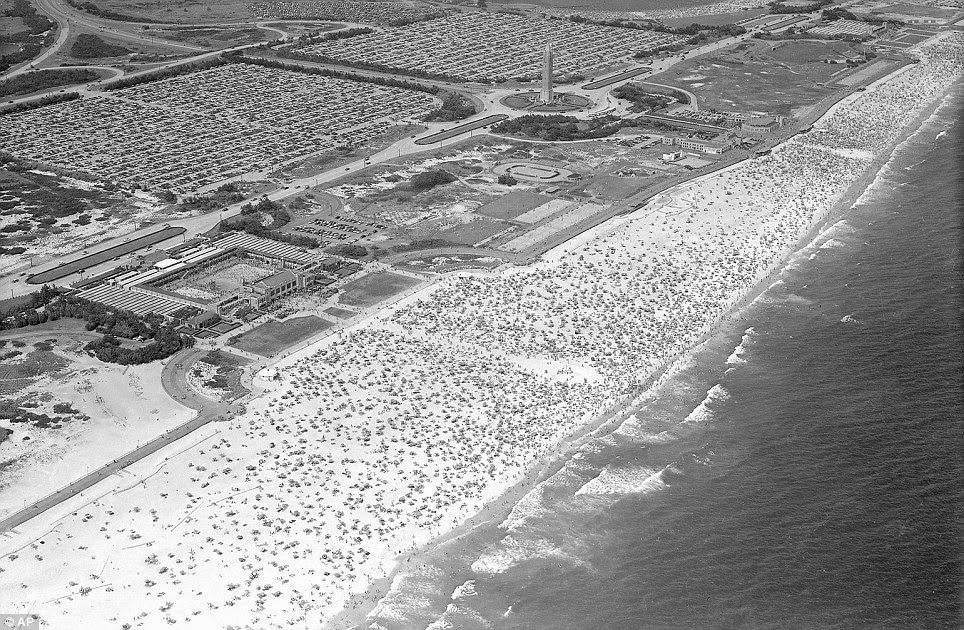

Before modern swimming pools became common, New Yorkers looked to the rivers for relief. In the early 1900s, the Hudson River and the East River served as the city’s unofficial bathing spots. Young boys often ignored health warnings and “No Swimming” signs to jump from the wooden piers. They dove into the murky water right alongside active shipping lanes. Tugboats and barges moved past as children treaded water near the pilings. In some neighborhoods, floating wooden bathhouses were tethered to the docks to provide a slightly safer, enclosed area for adults to soak in the river water.
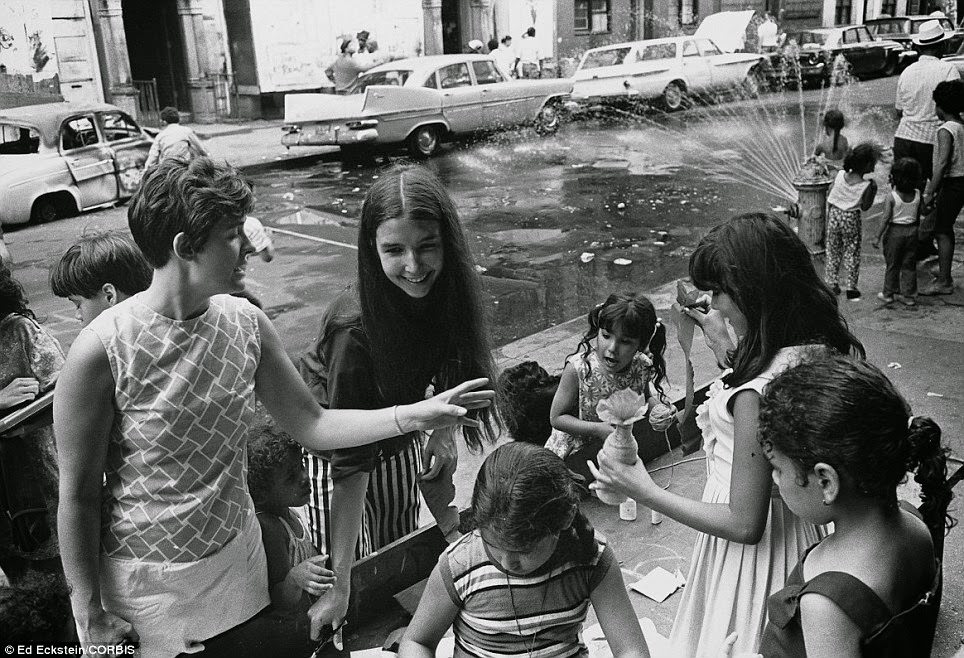
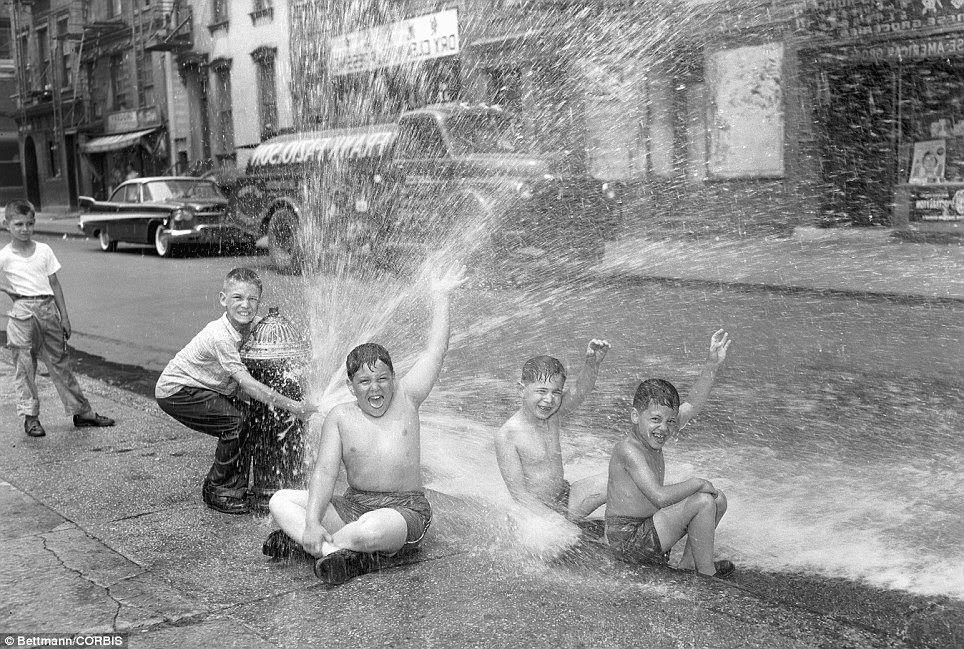
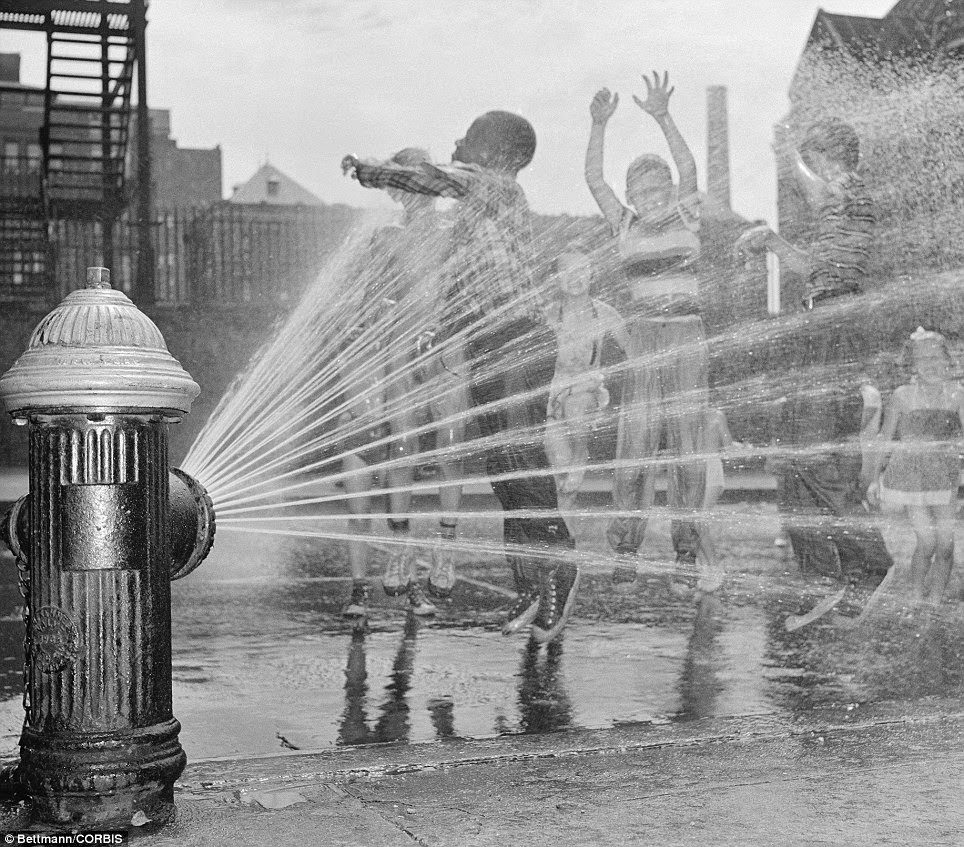
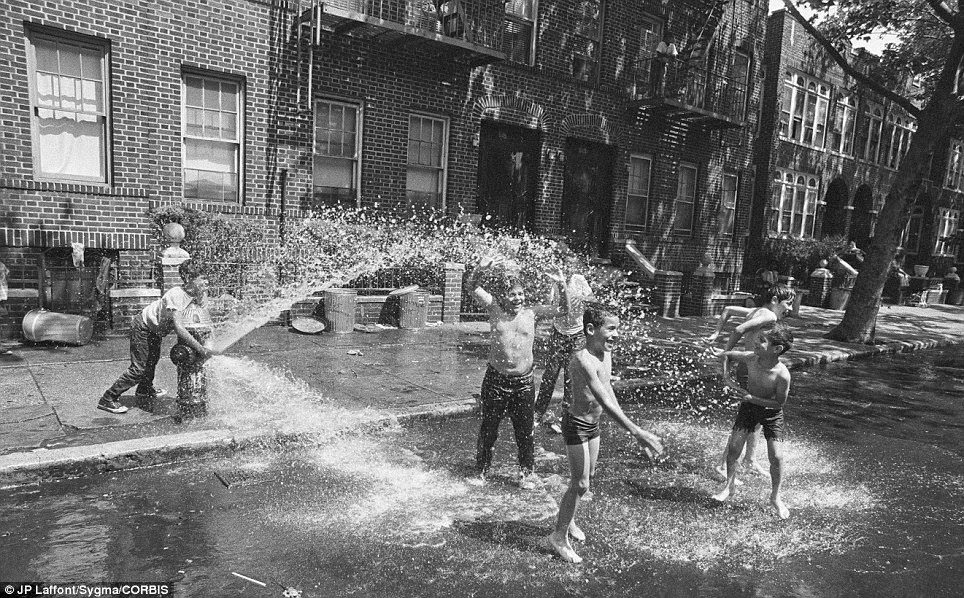
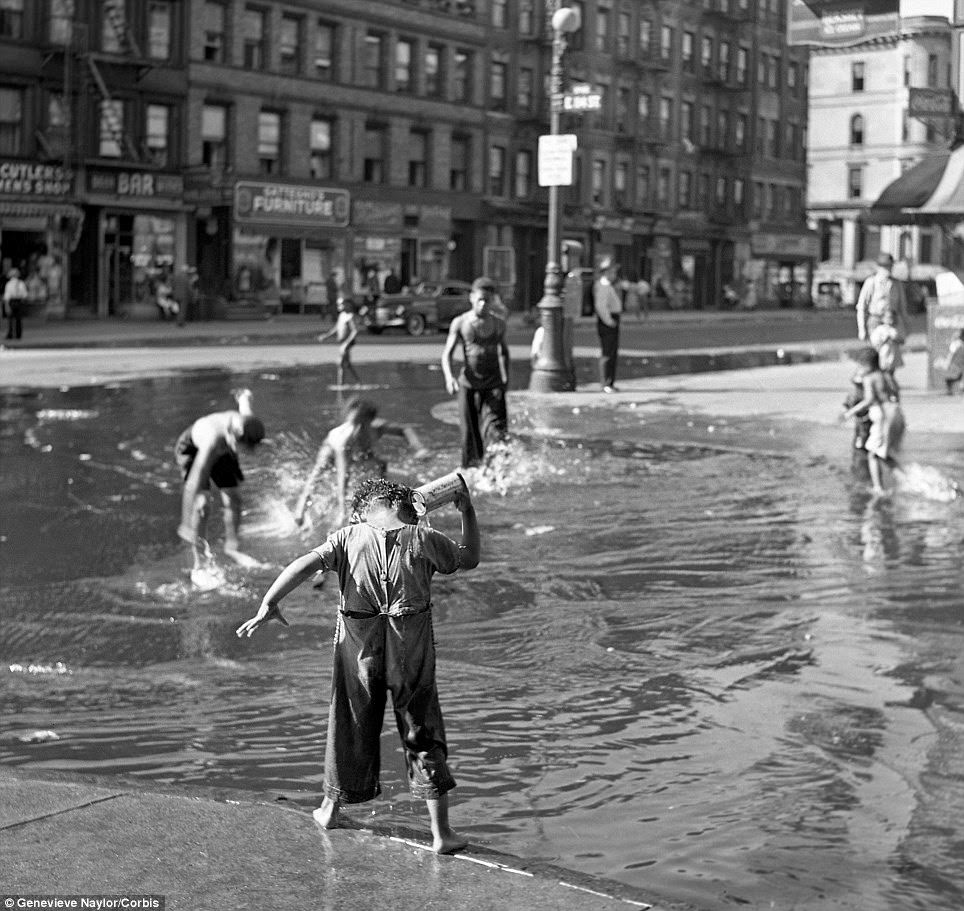
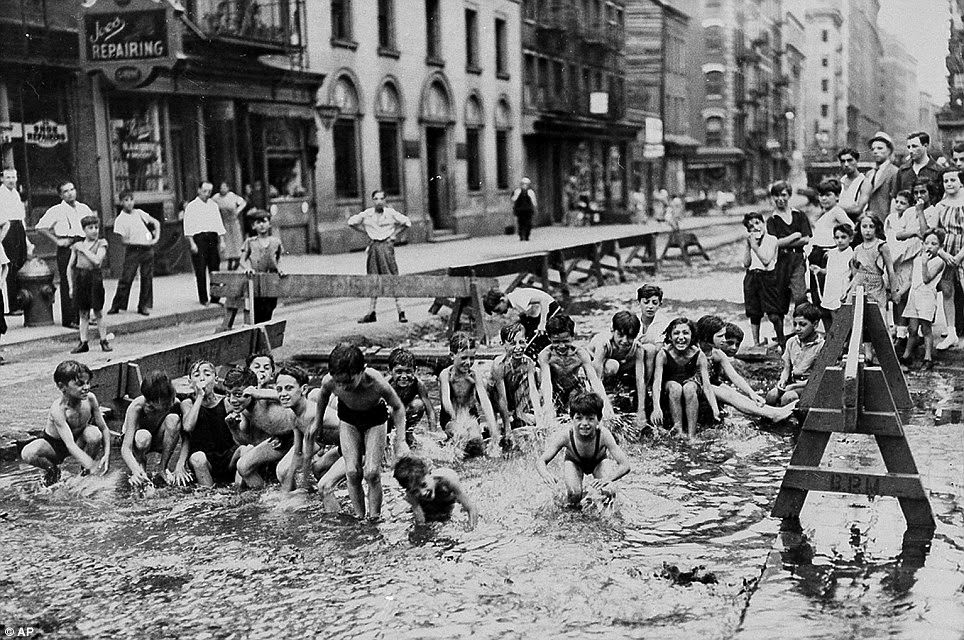
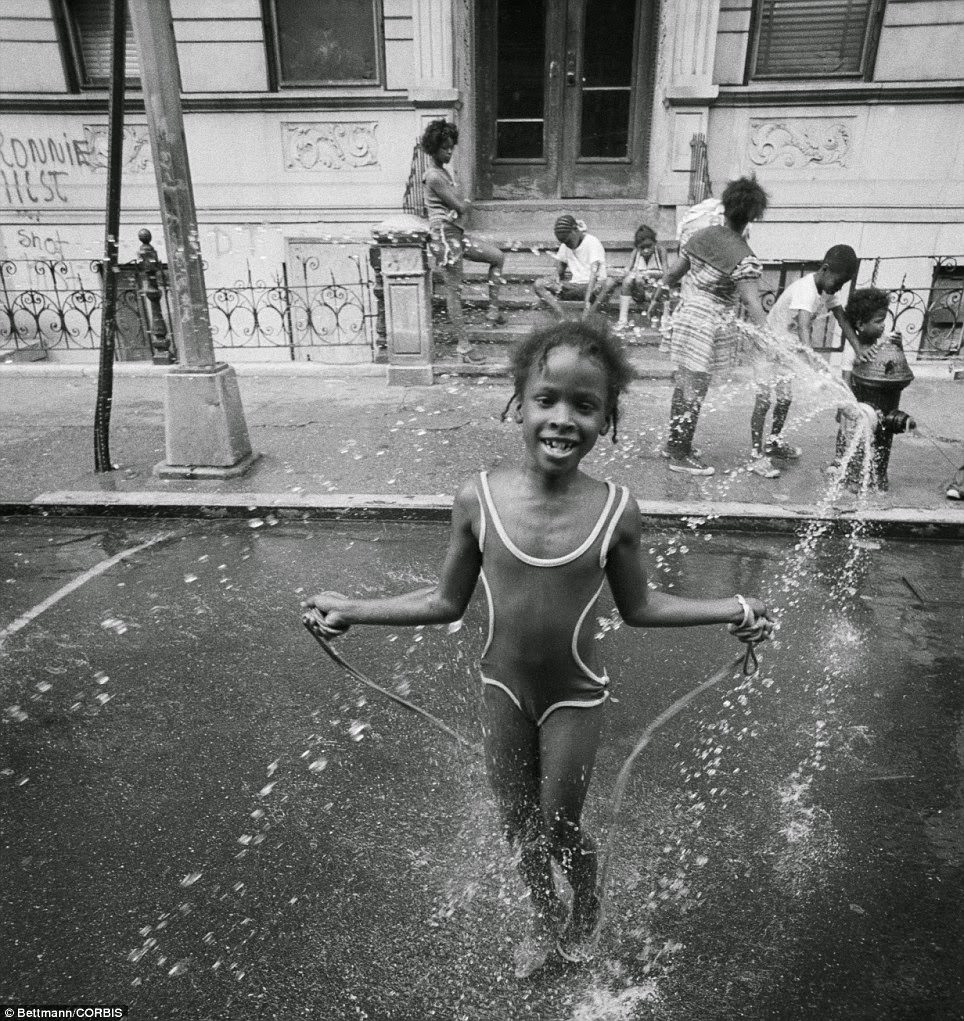
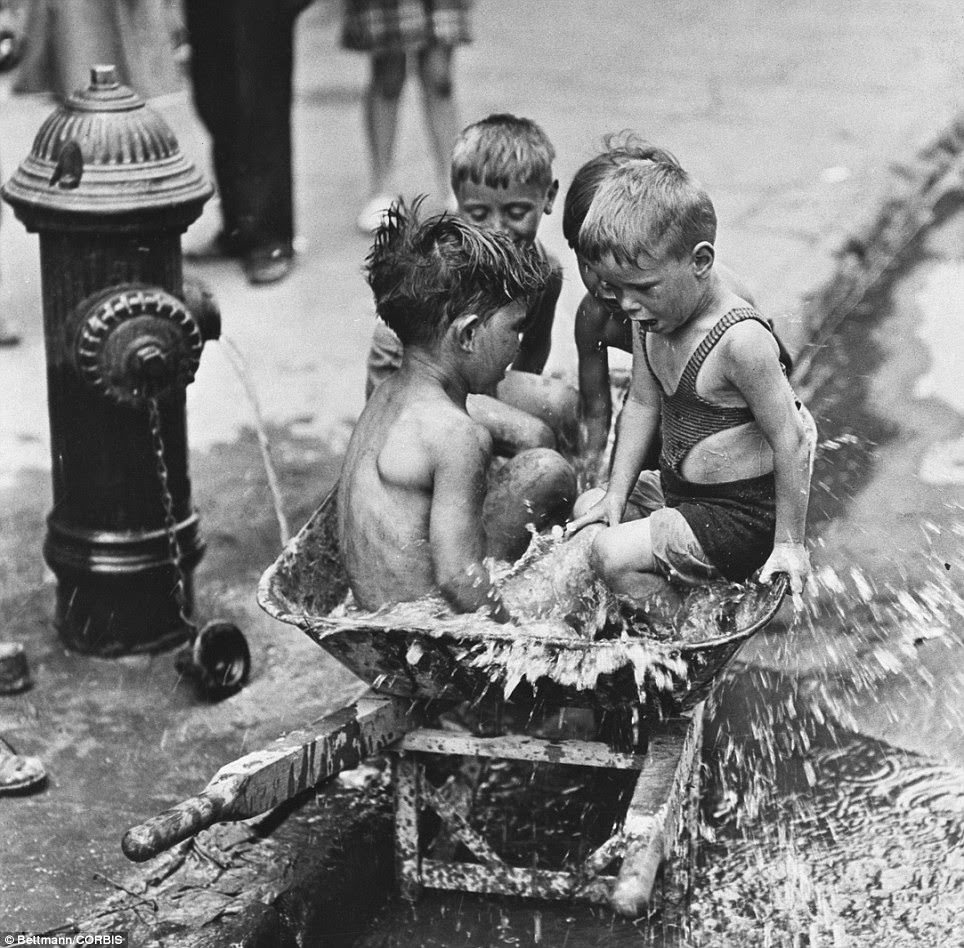
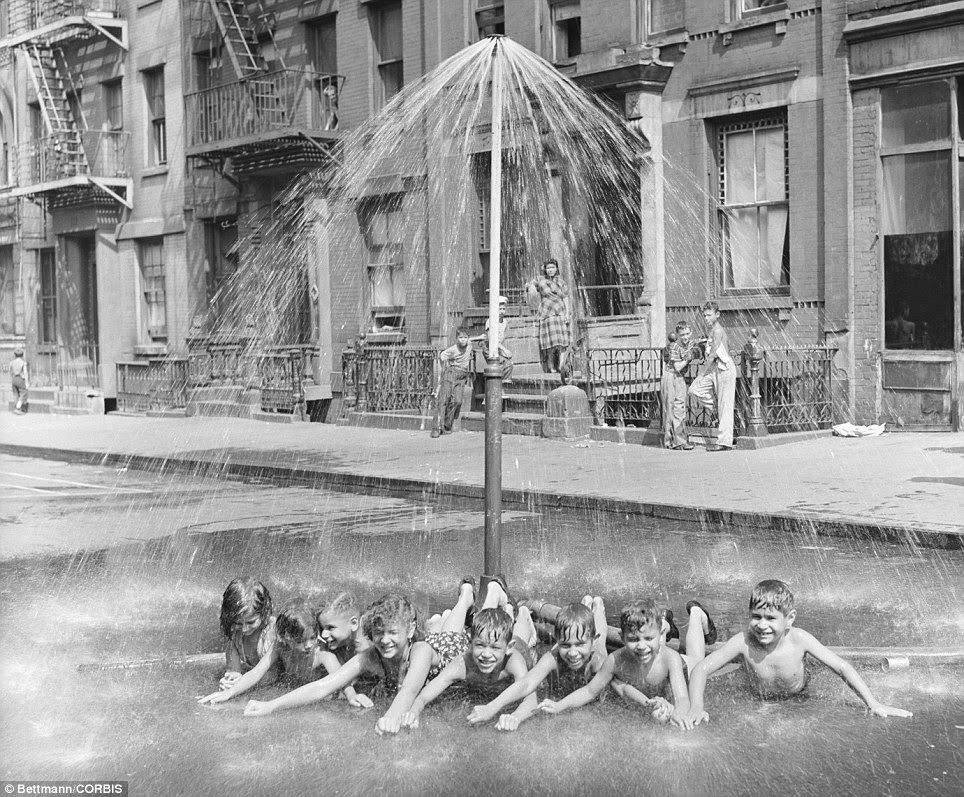
By the mid-20th century, the fire hydrant became the centerpiece of summer play on the sweltering streets. Local children, or sometimes a sympathetic adult, used a heavy wrench to crank open the valve of a “Johnny pump.” The water pressure in New York City was strong enough to shoot a stream halfway across the block. To create a shower effect, kids placed a tin can with both ends removed over the nozzle. This diverted the blast into a high, wide arc of water. The cold spray cooled down the hot asphalt and provided a free water park for the entire neighborhood.
Read more
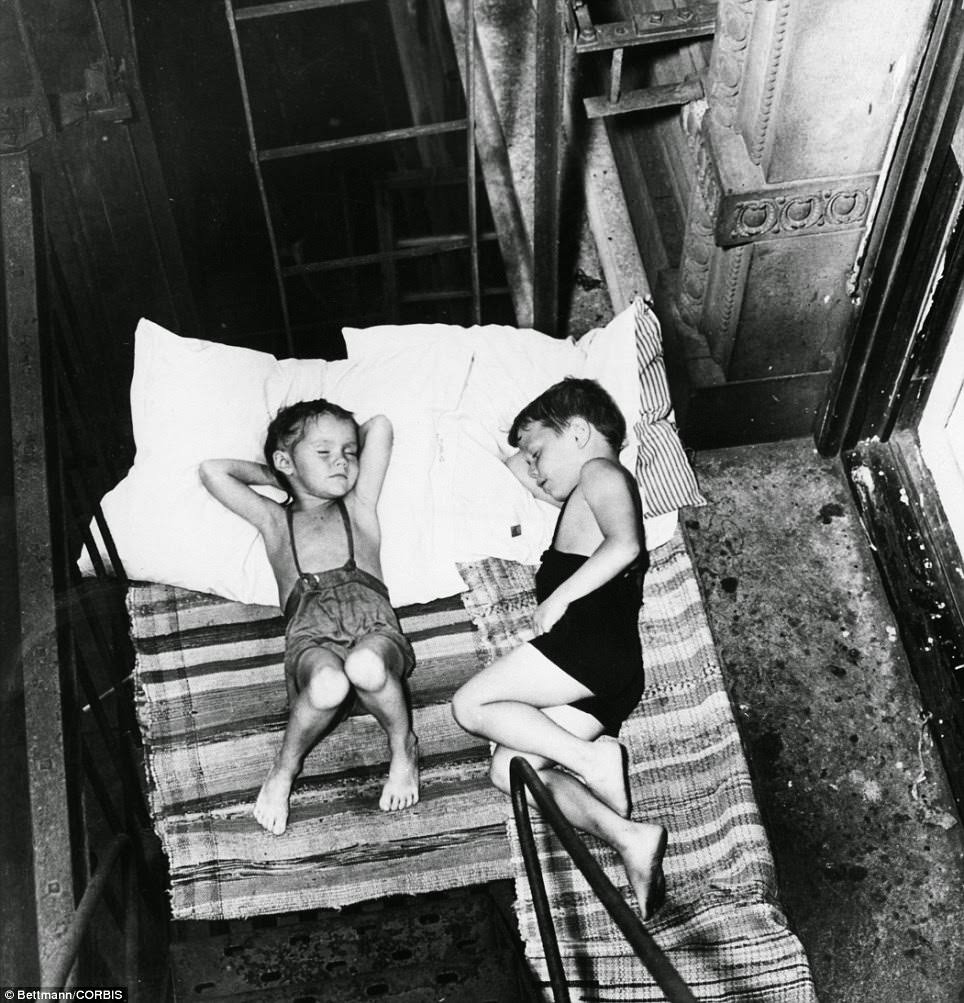
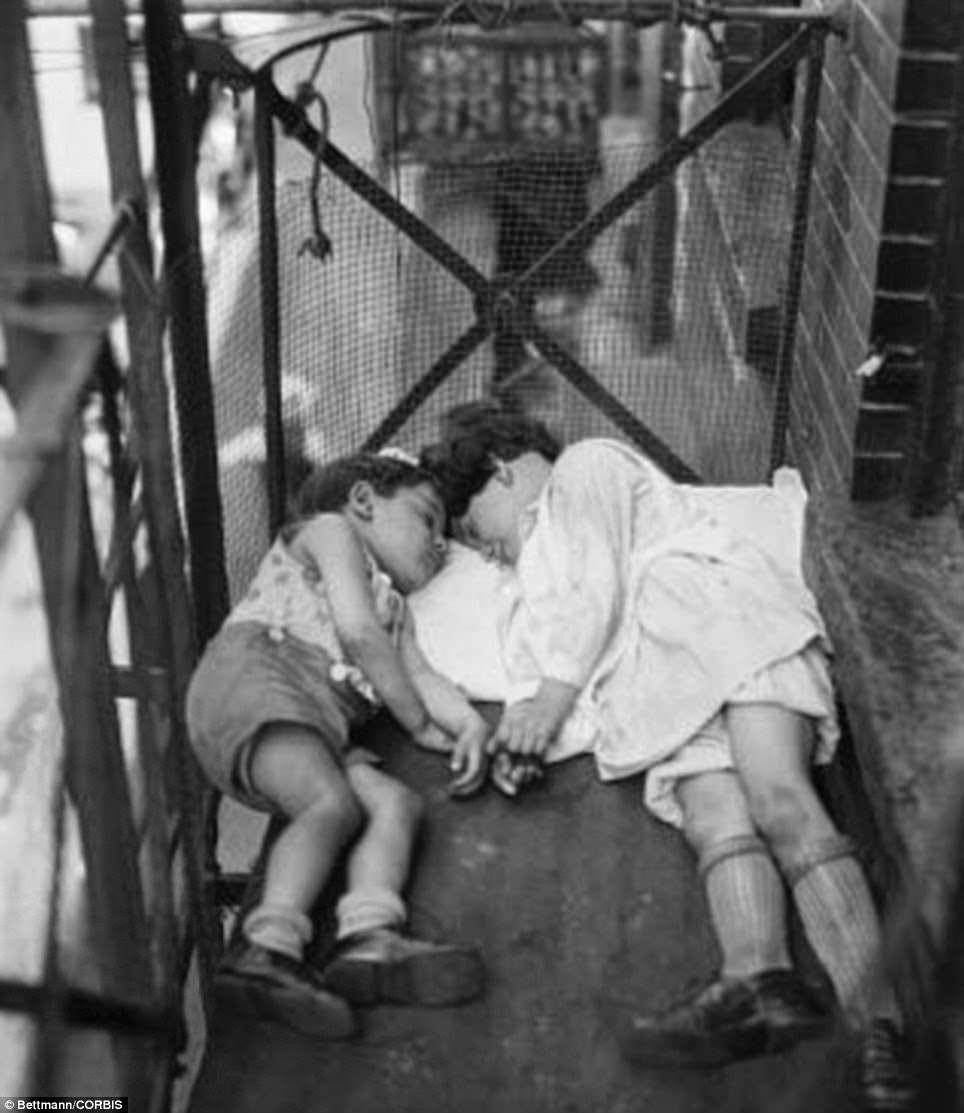
Nighttime offered little relief in the brick tenement buildings of the Lower East Side and Harlem. These structures absorbed heat during the day and radiated it inward at night, turning apartments into ovens. To escape the stifling air, families moved their sleeping quarters outside. They dragged mattresses, pillows, and sheets through the windows and onto the iron fire escapes. Entire blocks featured residents sleeping on these metal balconies stacked one above the other. Those on the top floors often went up to the roof, known affectionately as “Tar Beach,” to catch the breeze coming off the harbor.
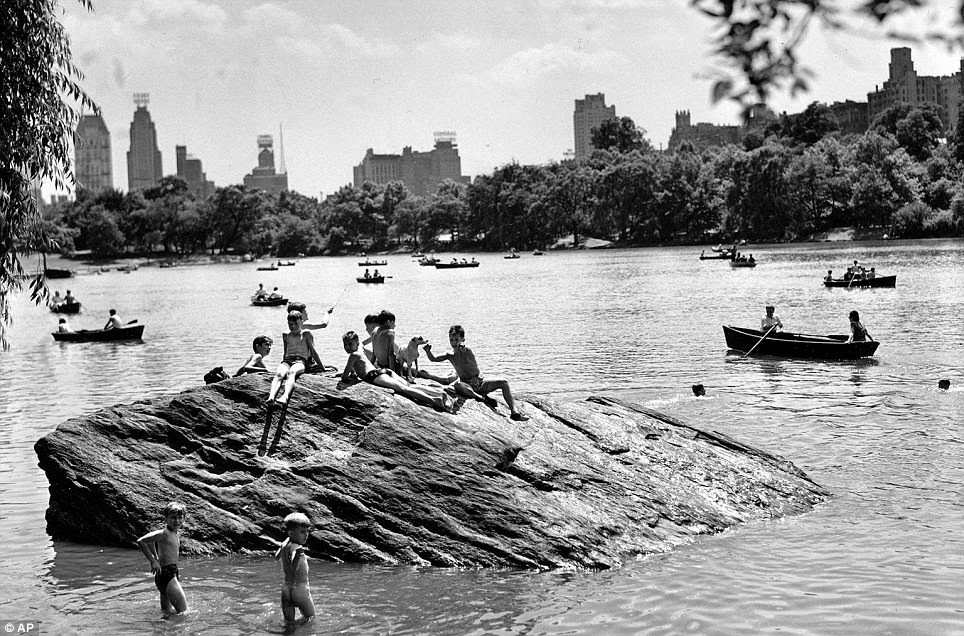
Central Park acted as the collective backyard for Manhattan residents. During severe heat waves, the rules regarding the park’s water features were often relaxed or ignored. Children and adults waded into the waters of the Conservatory Water and the Lake. The Bethesda Fountain was another popular spot. Instead of just admiring the angel statue, people rolled up their pant legs and climbed into the fountain’s basin. The large, open lawns like the Sheep Meadow also transformed into campgrounds at night, where thousands of people slept on the grass to escape their hot apartments.