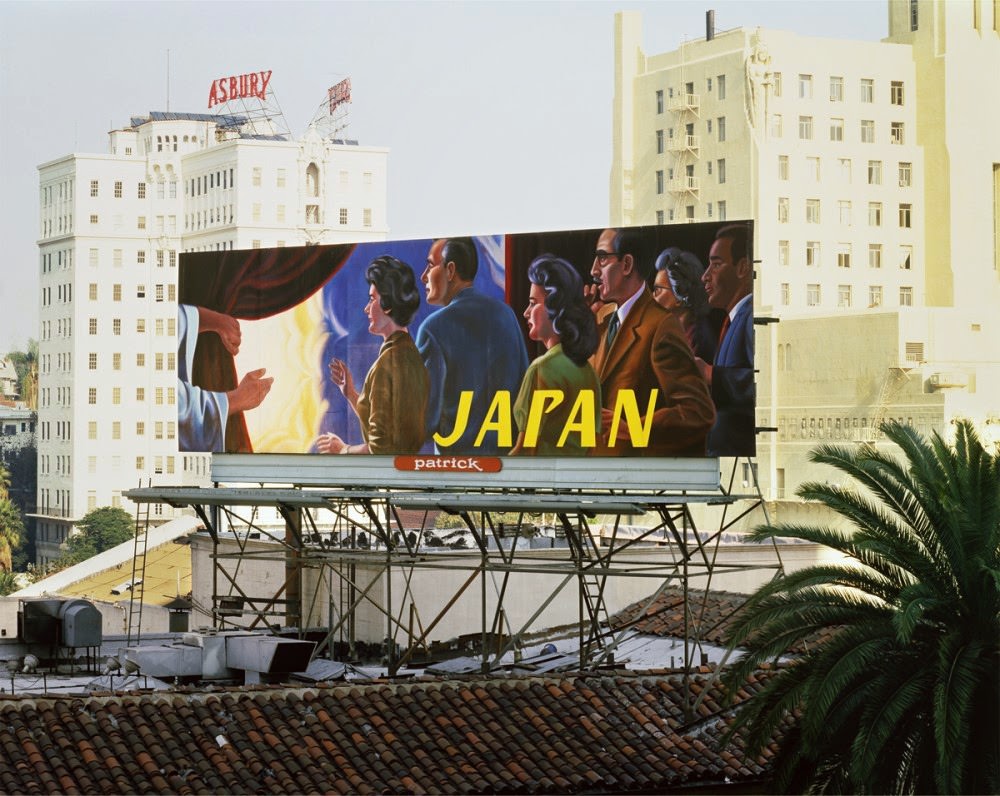
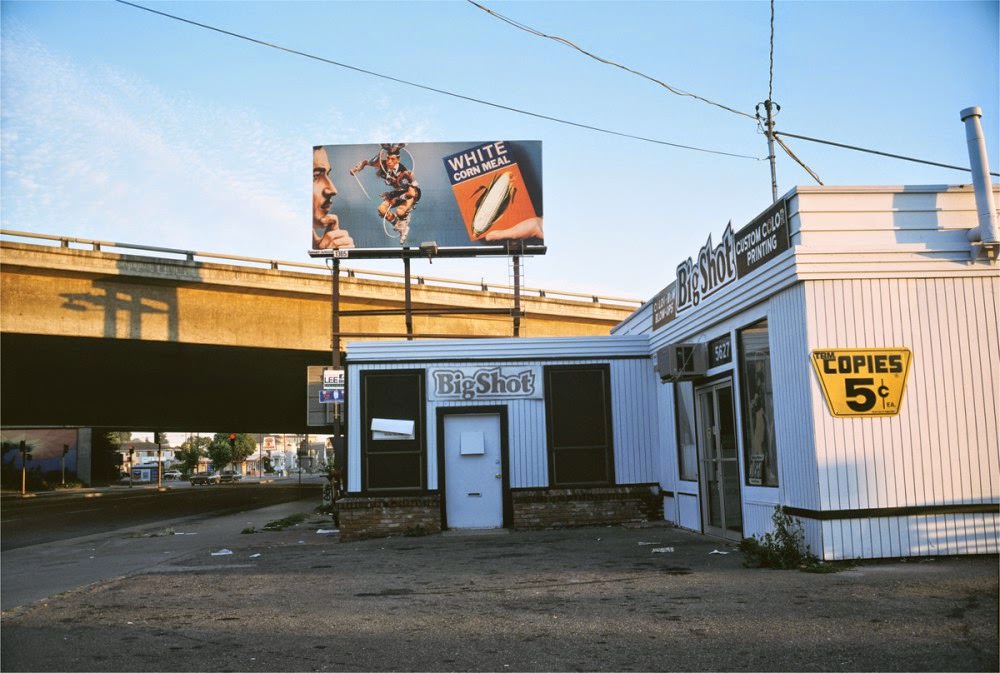
In 1973, artists Larry Sultan and Mike Mandel launched an unusual project on the streets of San Francisco. Working under the fictional business name “Clatworthy Colorvues,” they used that official-sounding title to gain access to the commercial world of outdoor advertising. Their goal was simple but bold: replace product ads on city billboards with art.
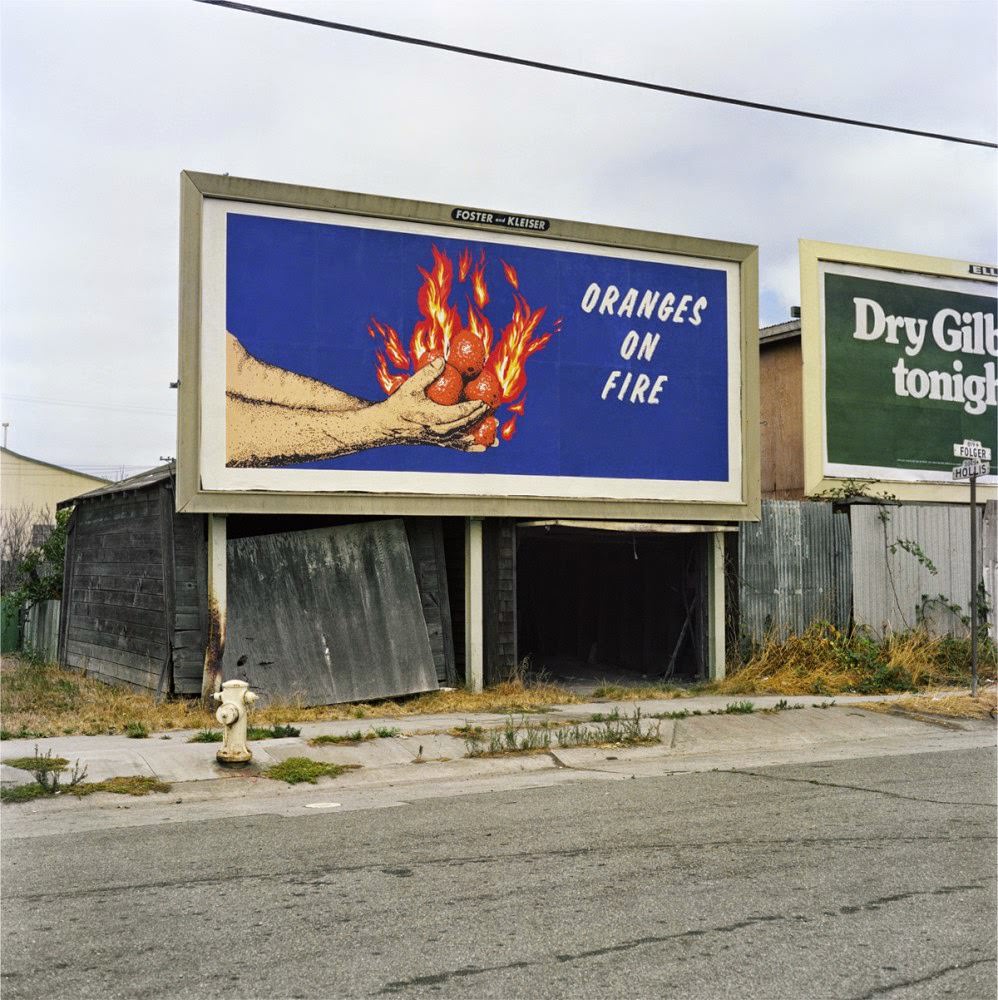
Their billboards matched the scale, bold colors, and polished production of real advertisements. But no product was being sold. There were no slogans, no logos, and no brand names. The images were open-ended — a giant, mysterious visual that looked familiar yet offered no explanation.
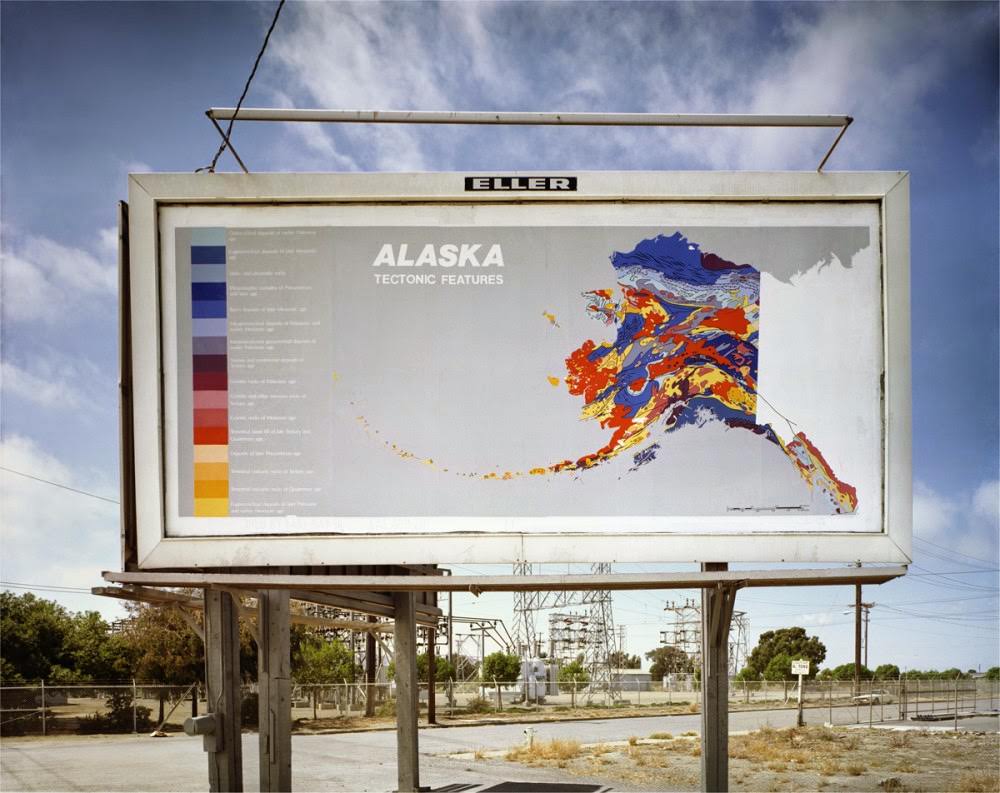
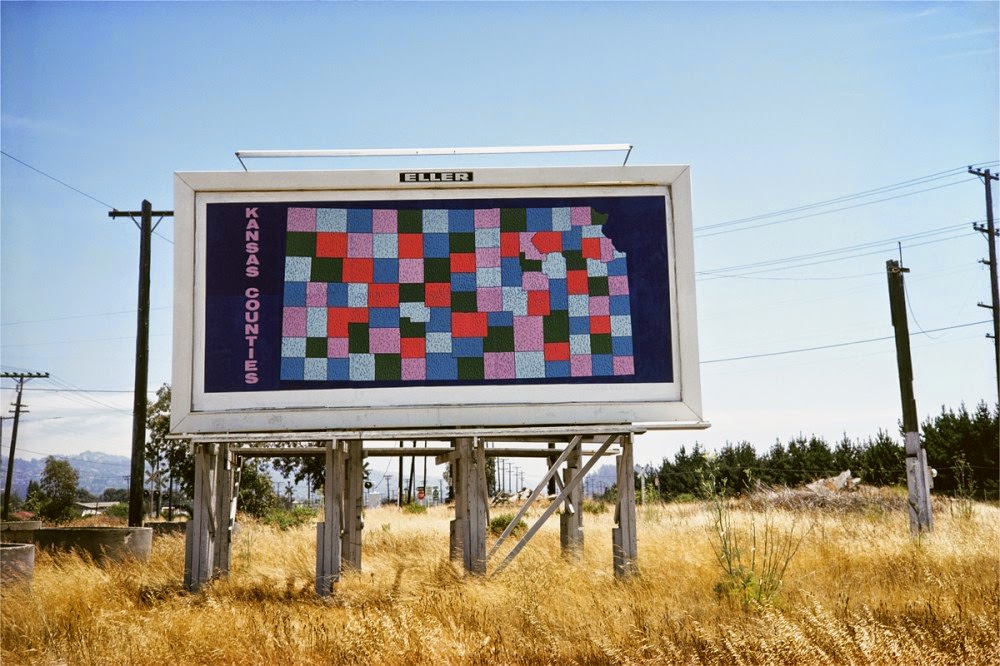
The duo deliberately chose billboards to reach people who would never visit a museum. Construction workers, office clerks, and tourists encountered the work daily without choosing to. The highway itself became a gallery.
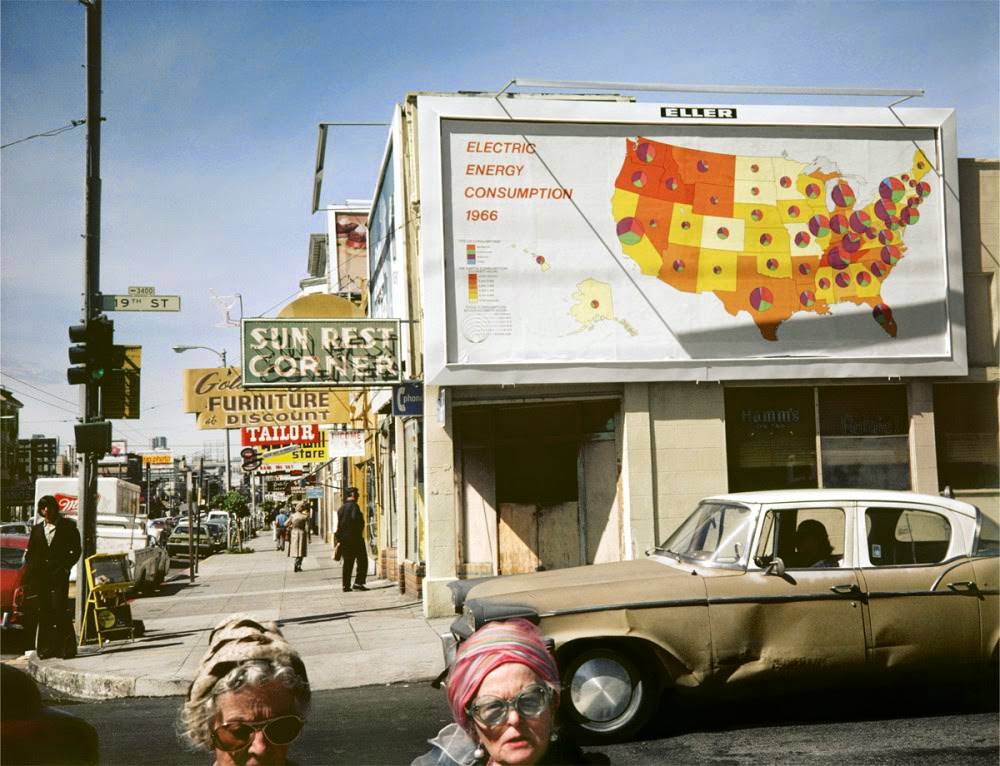
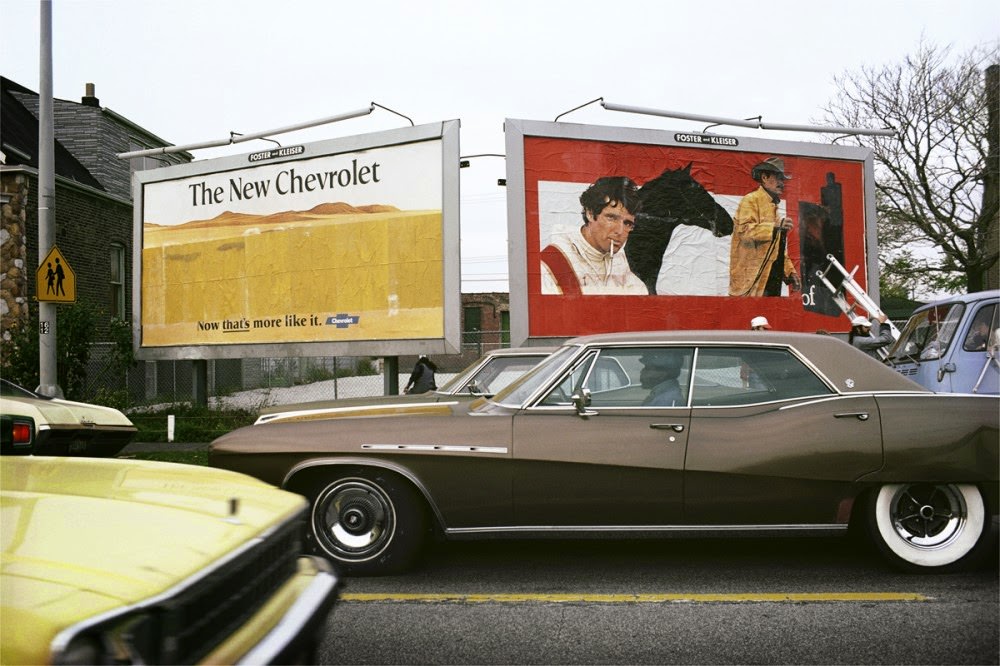
Sultan and Mandel eventually expanded beyond San Francisco. They led workshops with graduate students and took part in public art exhibitions across the country, installing their appropriated imagery in new cities and contexts.
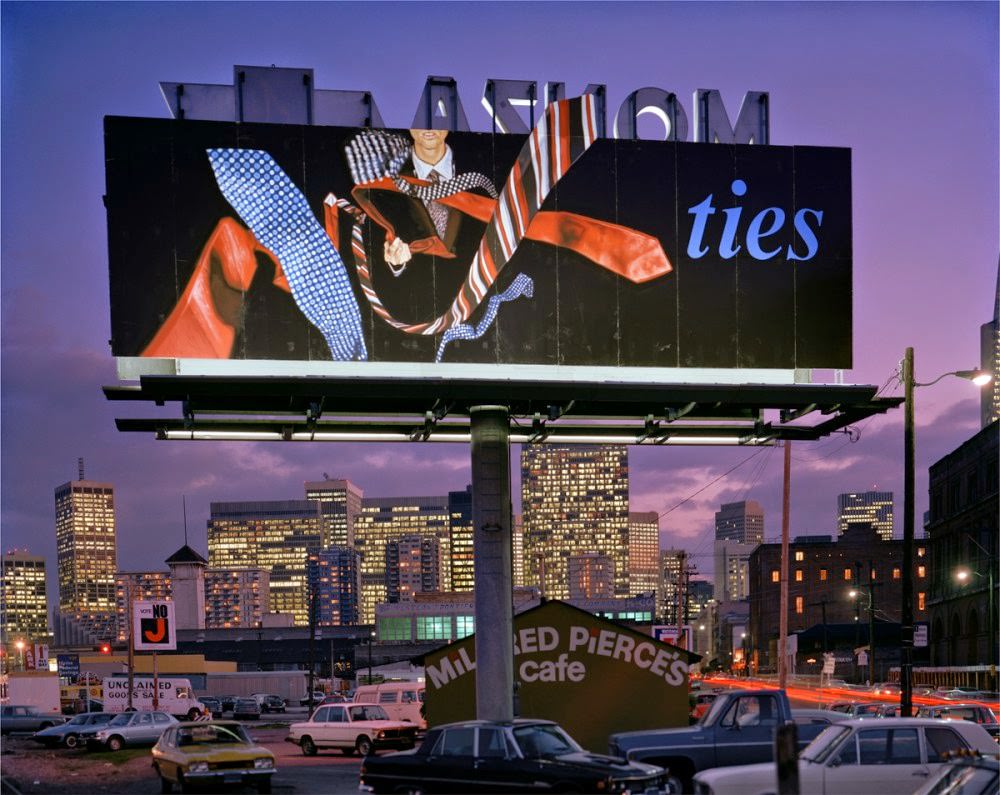
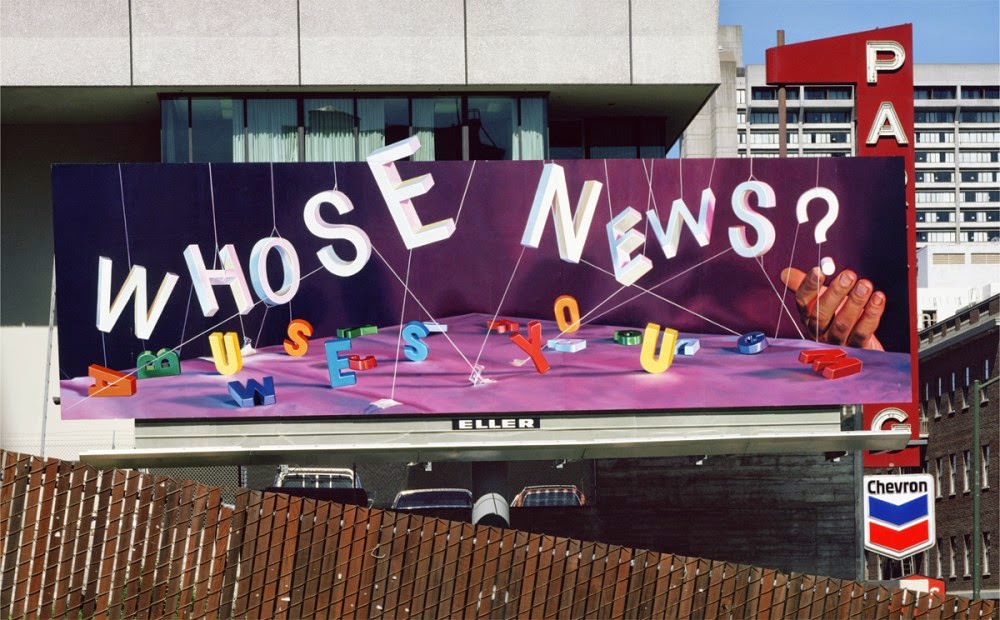
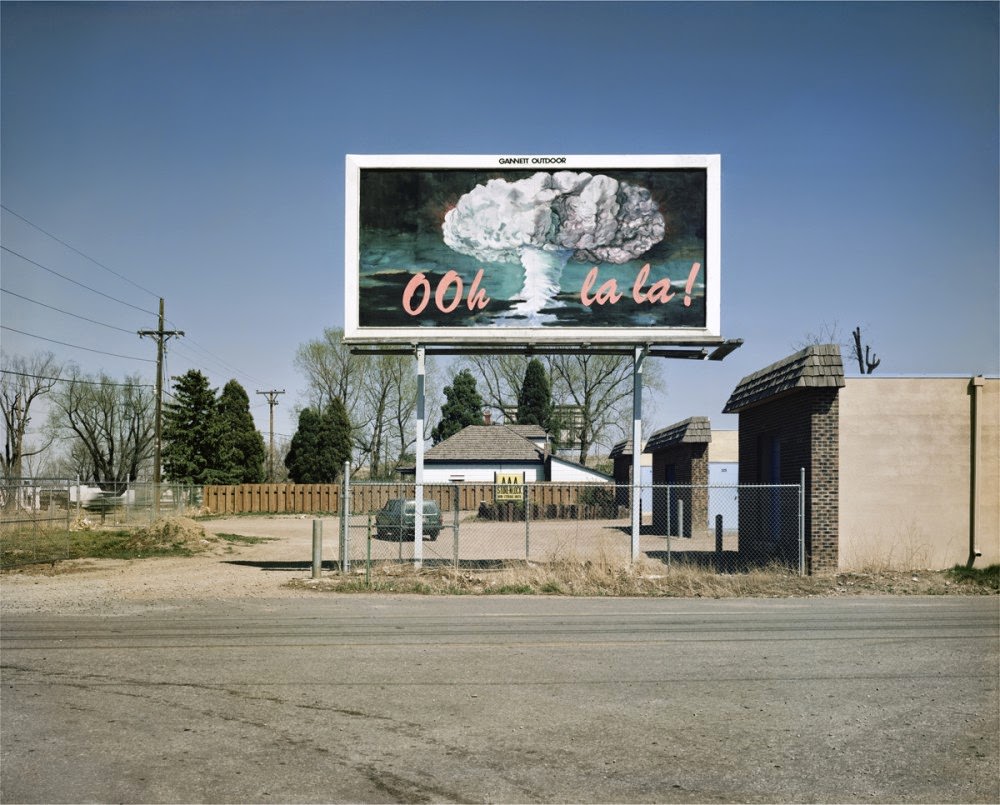
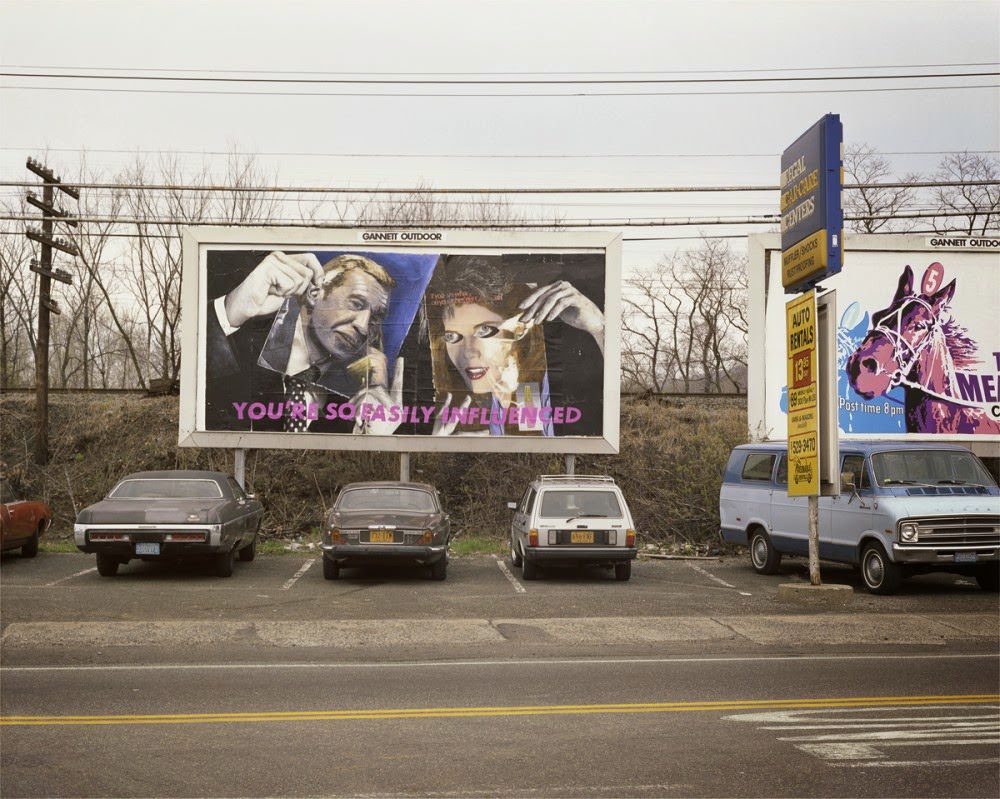
As the project continued into the 1980s, their work grew more direct in questioning advertising’s power over the public. Titles like “You’re So Easily Influenced” pointed straight at the culture of commercial persuasion they had been quietly disrupting for years.
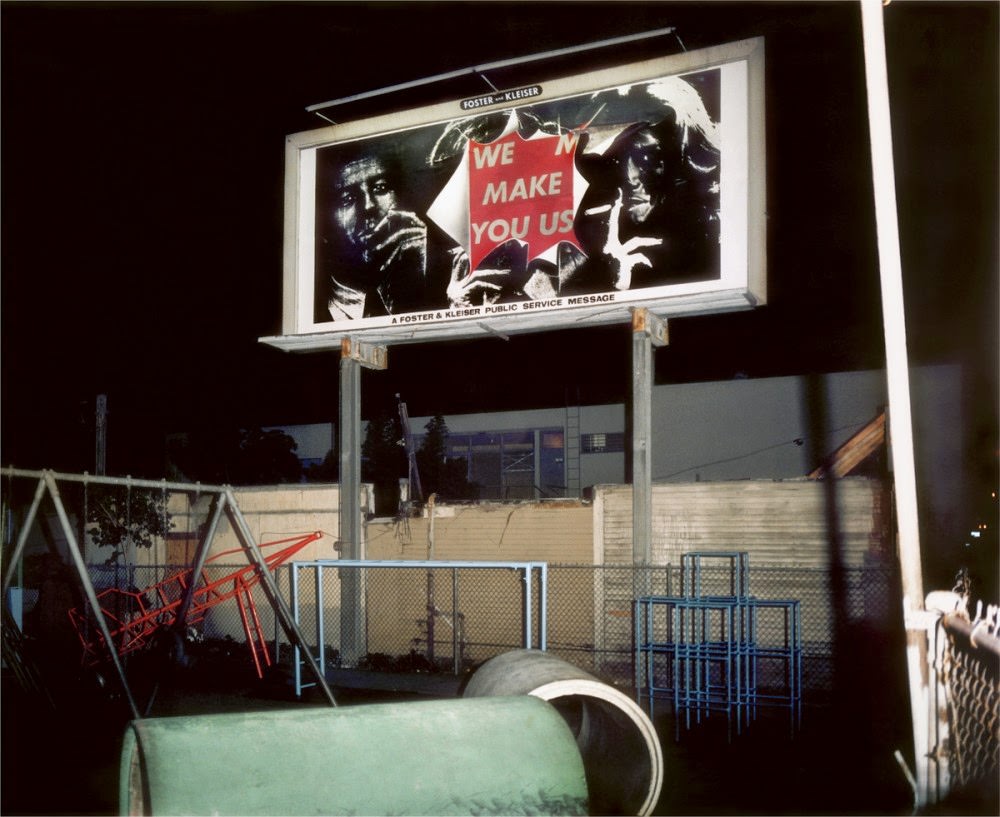
The collaboration ran until 1989, producing a steady stream of colorful, thought-provoking billboard art that used the language of advertising to disrupt it entirely.