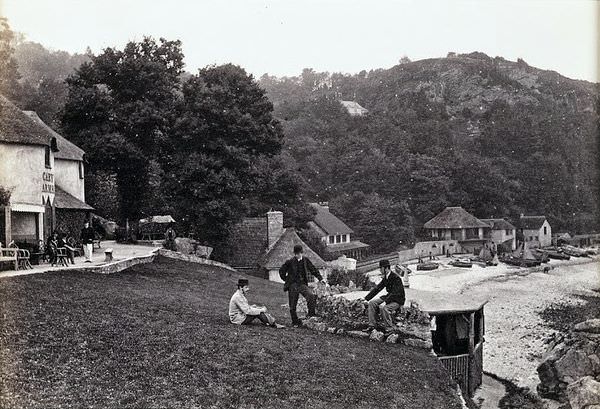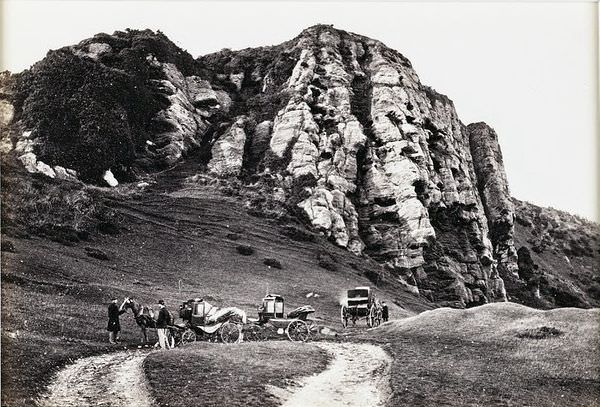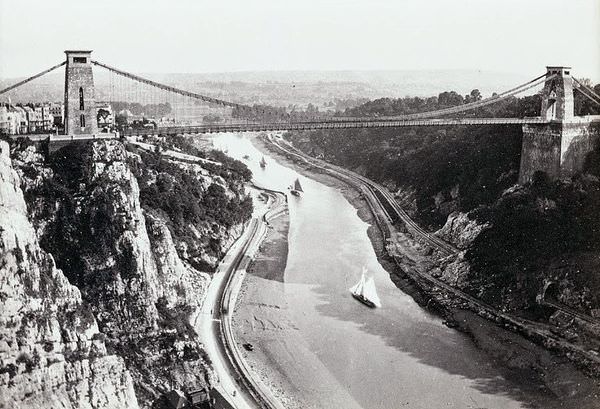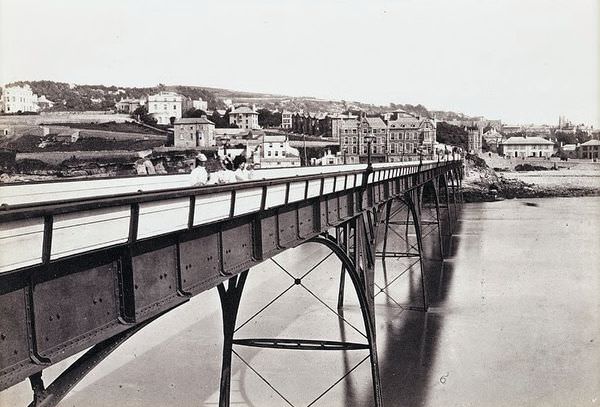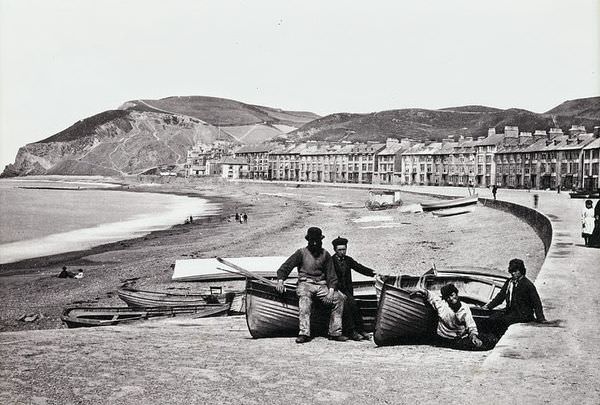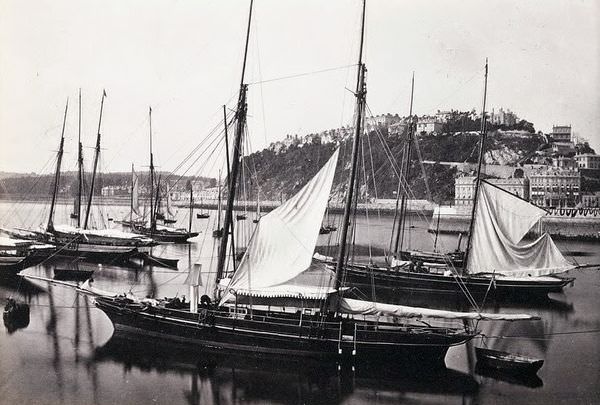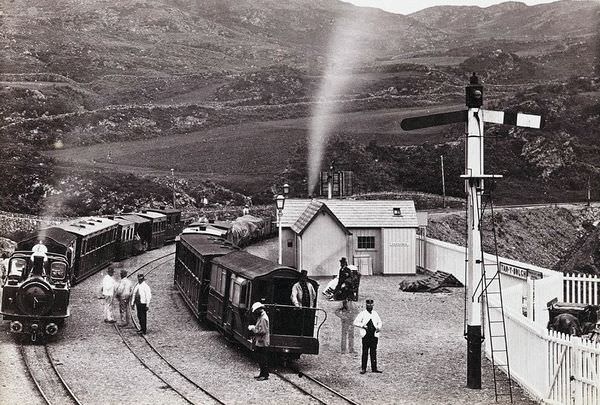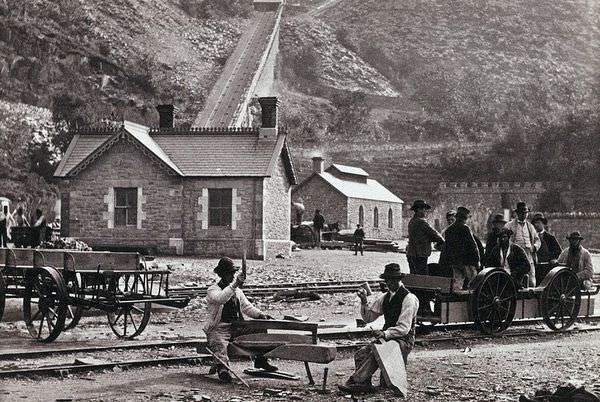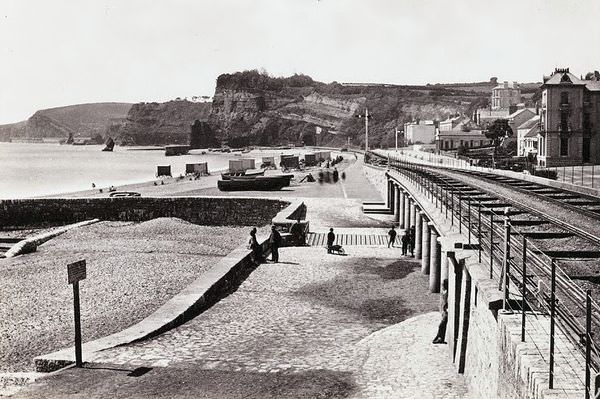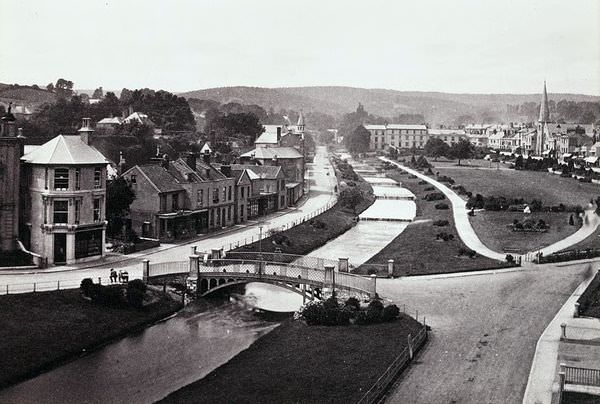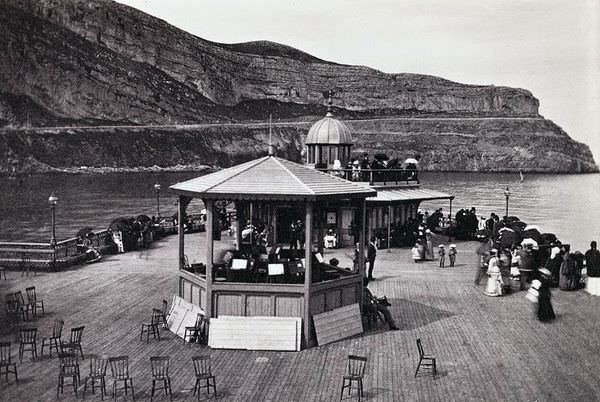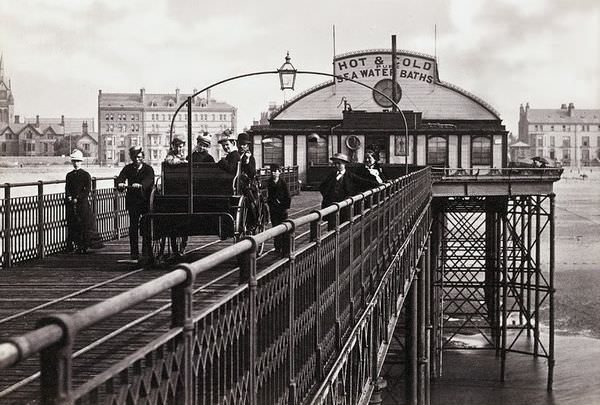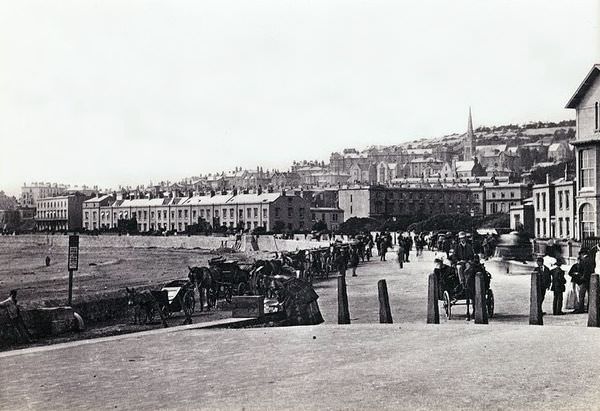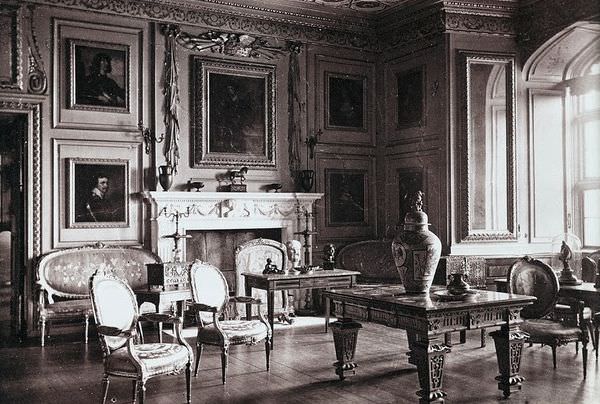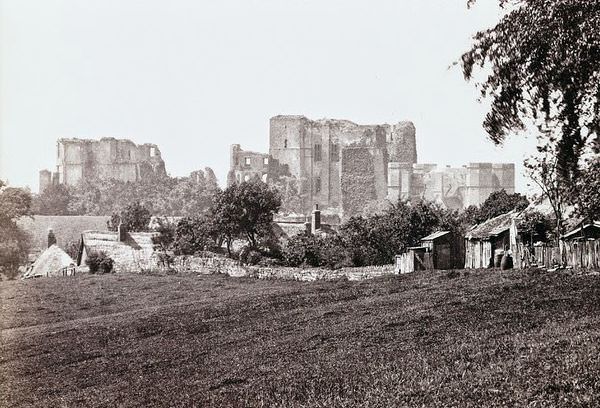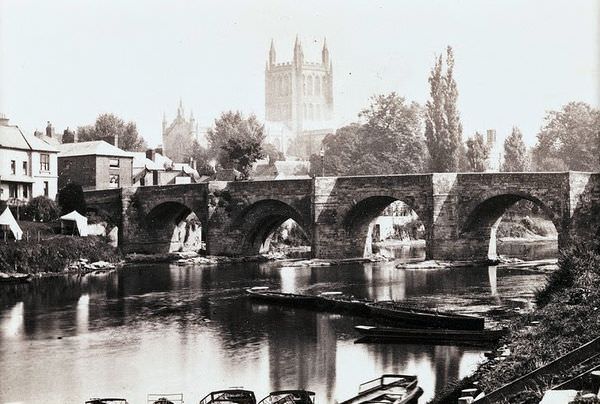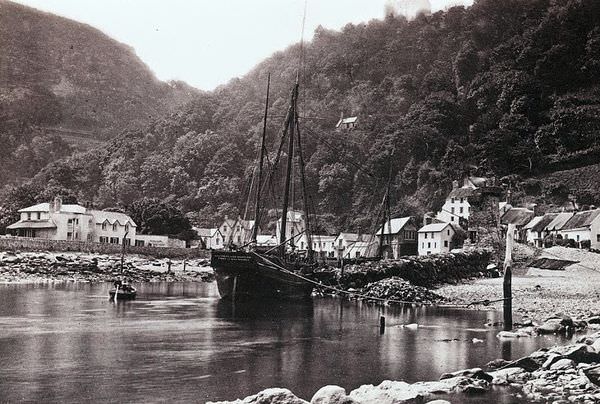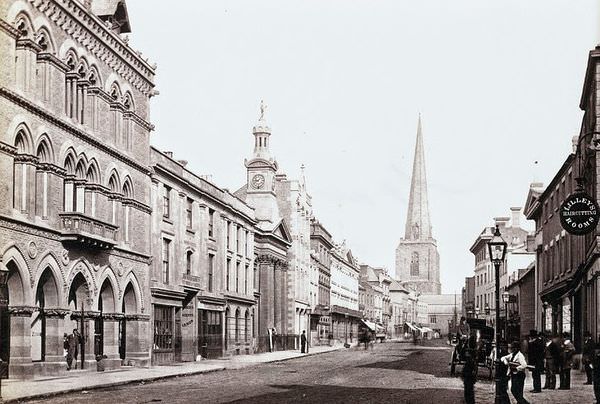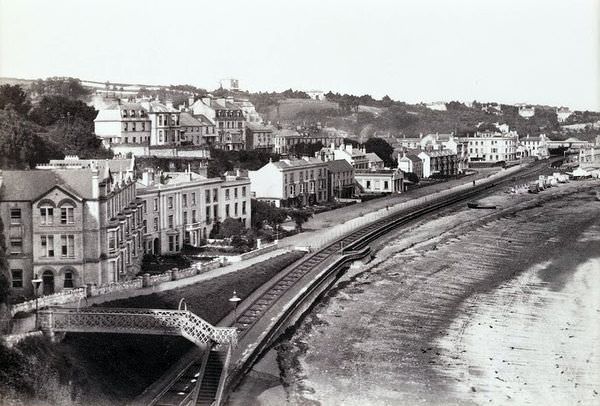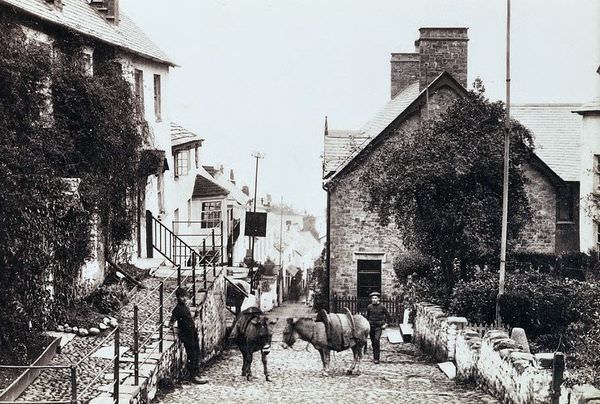

By the mid-19th century, Britain had transformed into an industrial powerhouse. A massive network of railways connected major cities to rural towns, replacing the slow pace of canal boats and horse-drawn carriages. Steam trains transported coal, manufactured goods, and people at unprecedented speeds. This railway boom allowed citizens to travel extensively for leisure for the first time. The ease of travel enabled photographers like Francis Bedford to move heavy equipment across the country to document the changing landscape.
Documenting the Architectural Landscape
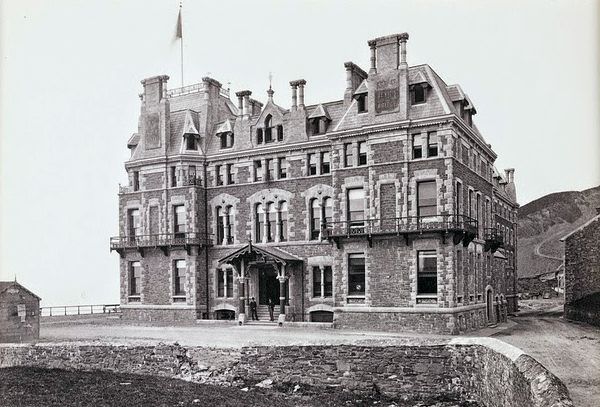
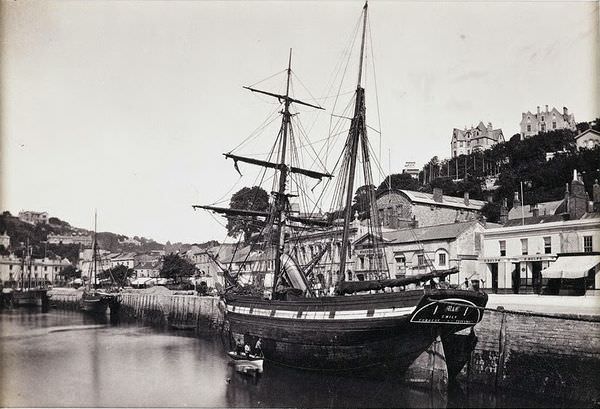
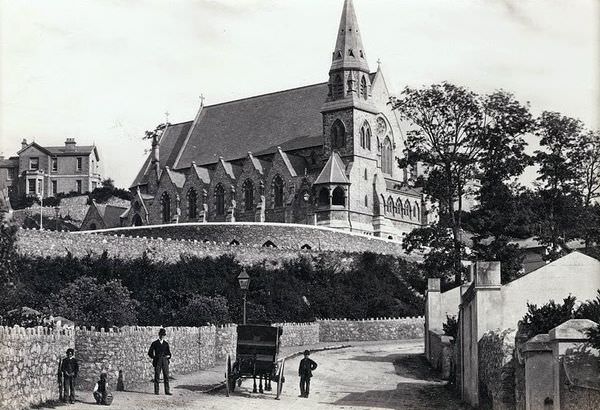
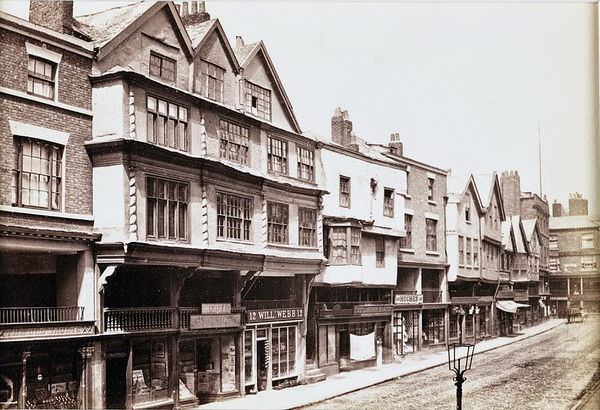
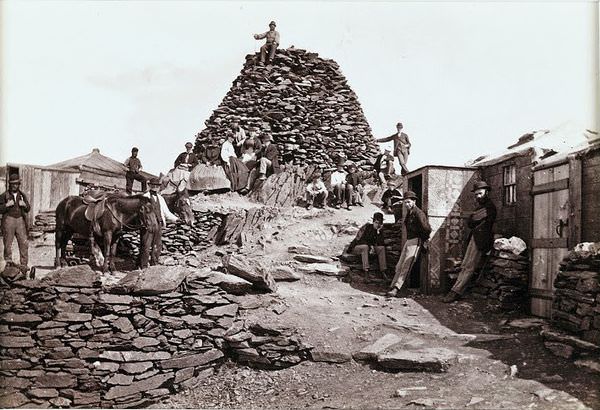
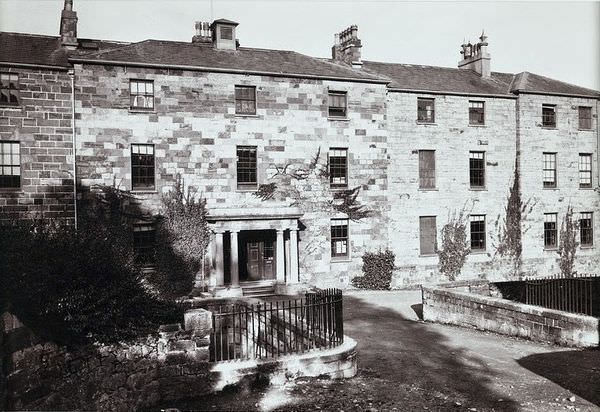
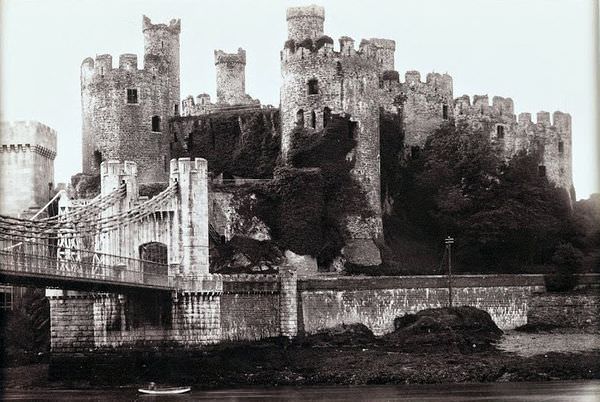
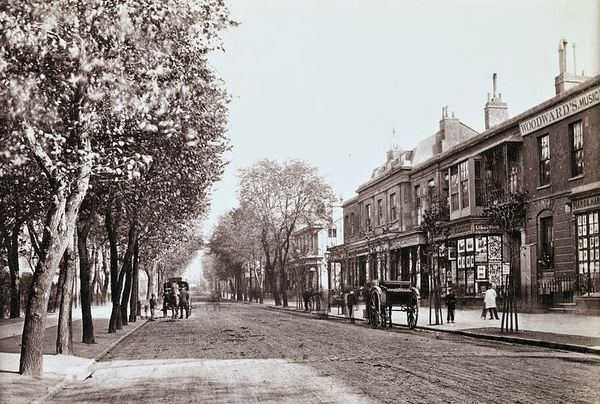
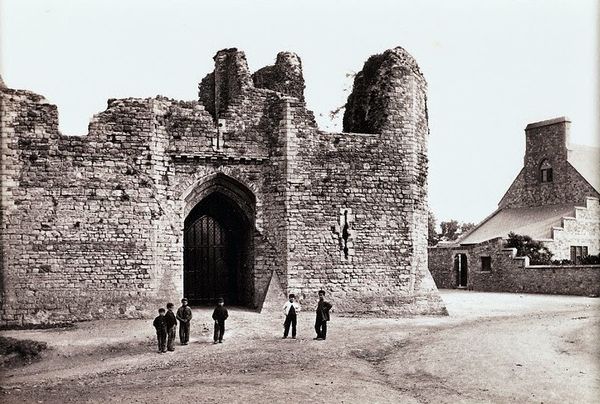
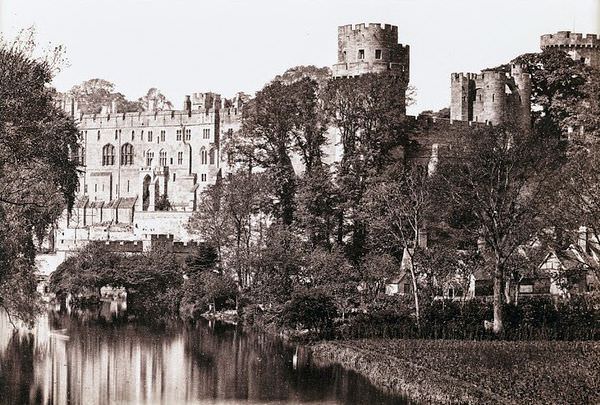
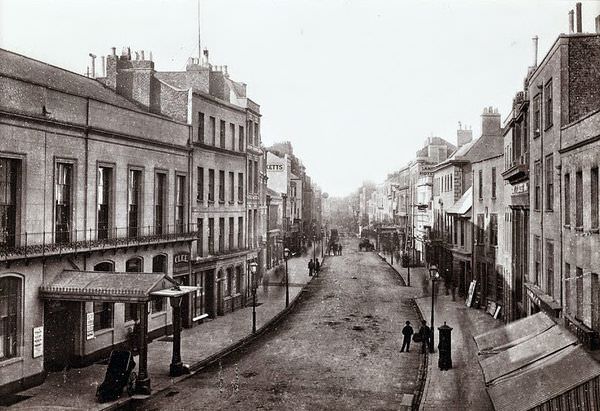
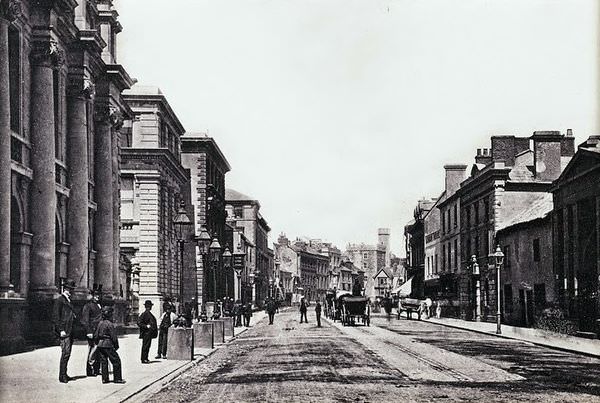
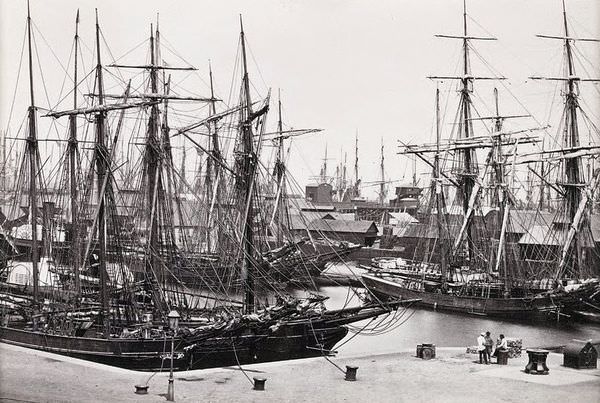
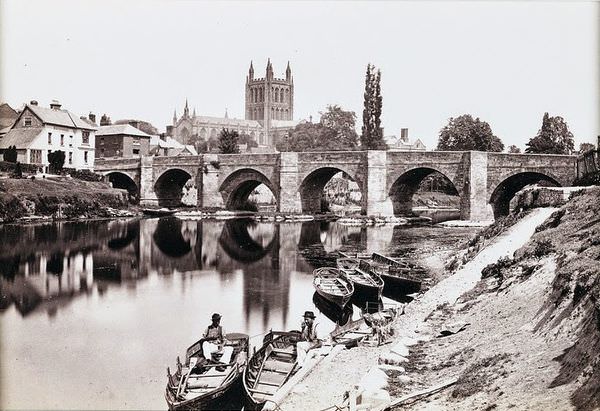
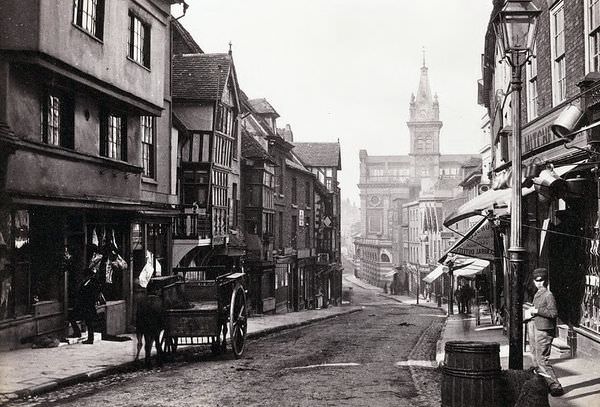
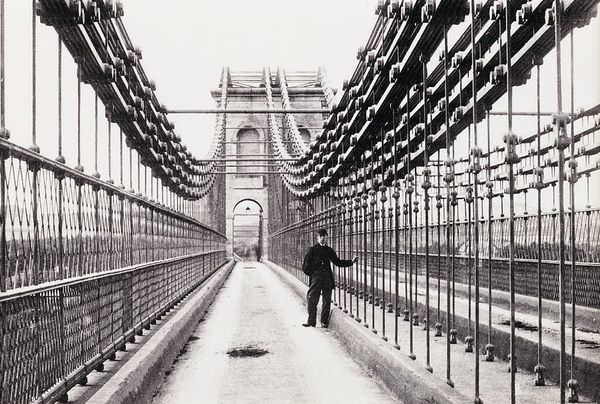
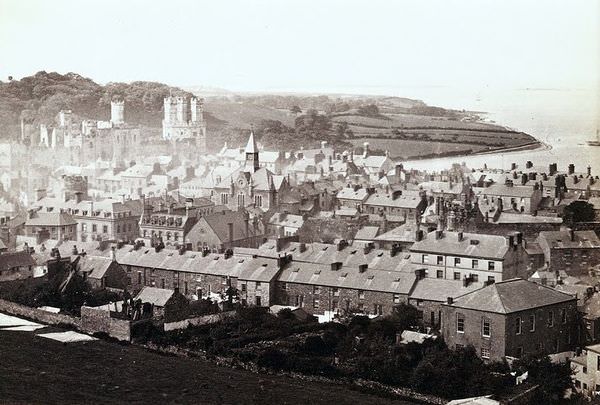
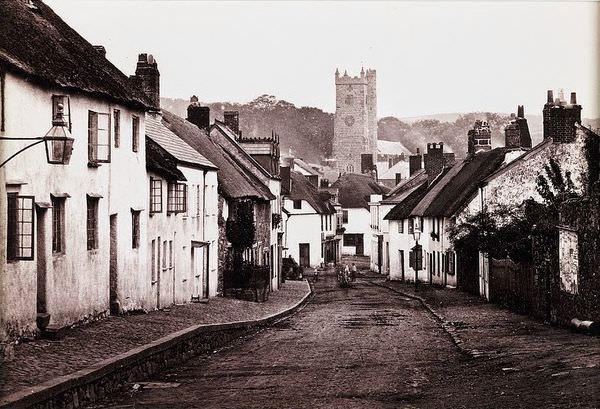
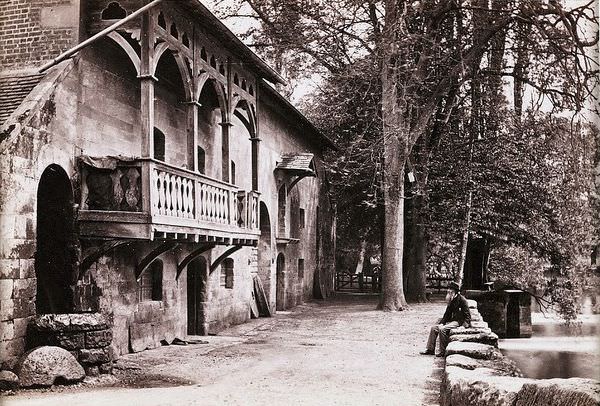
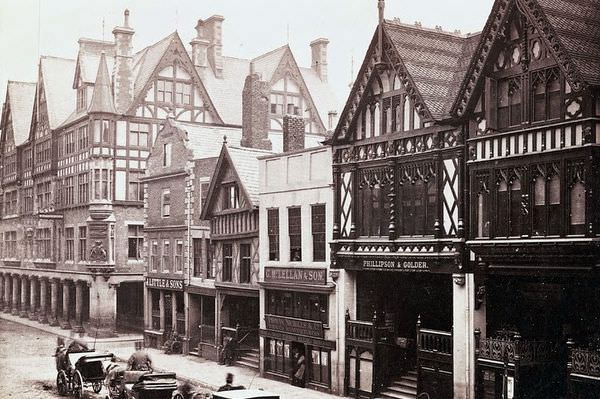
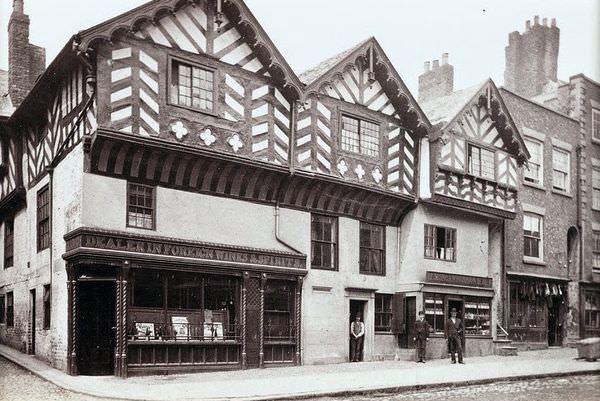
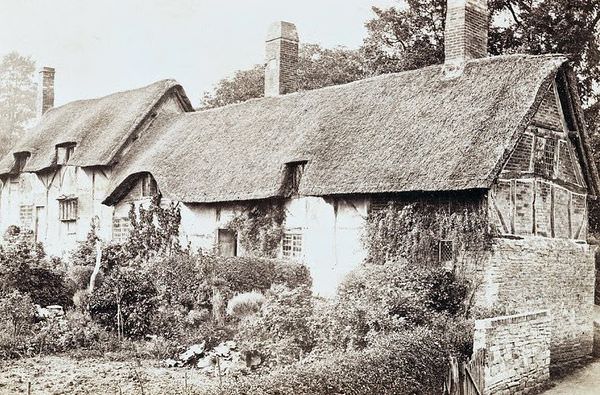
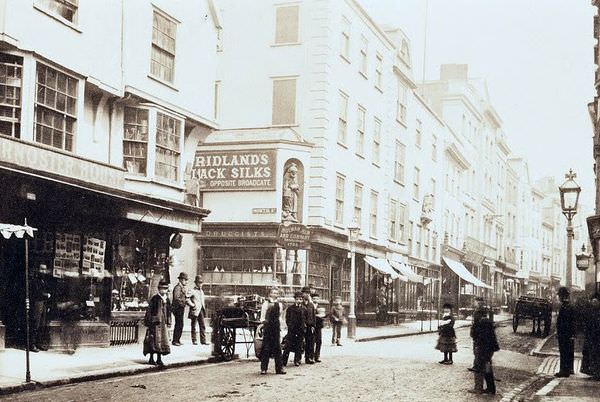
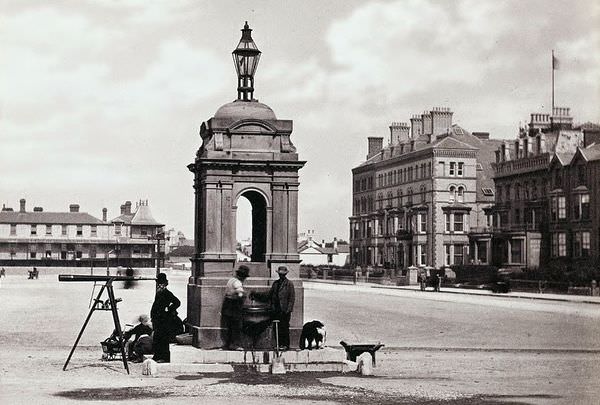
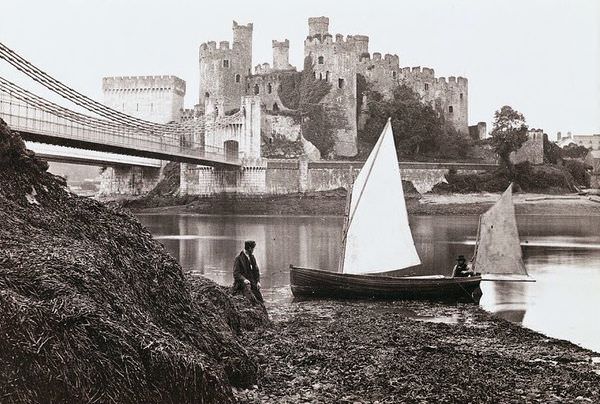
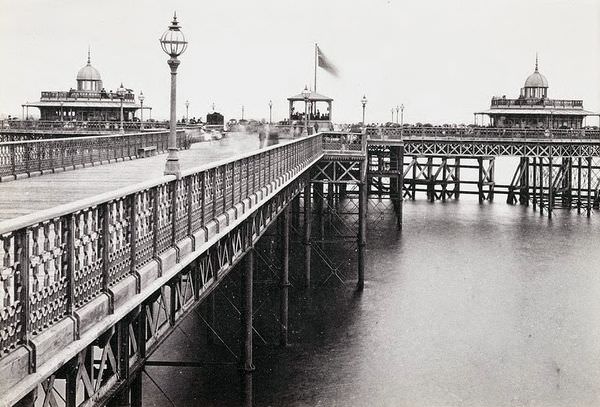
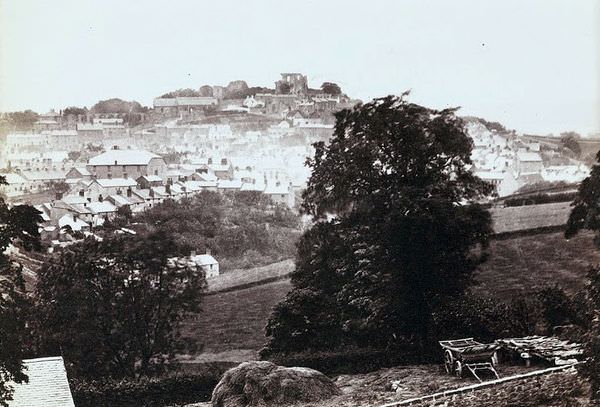
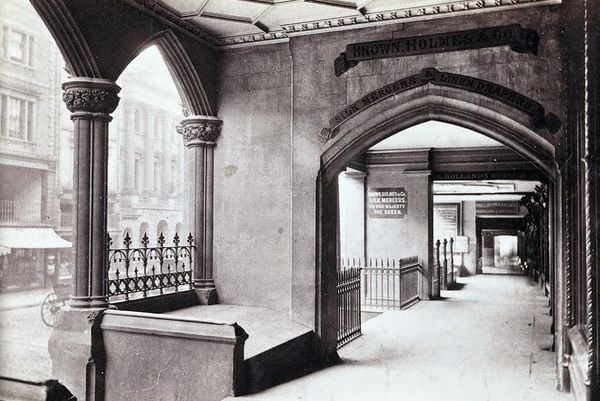
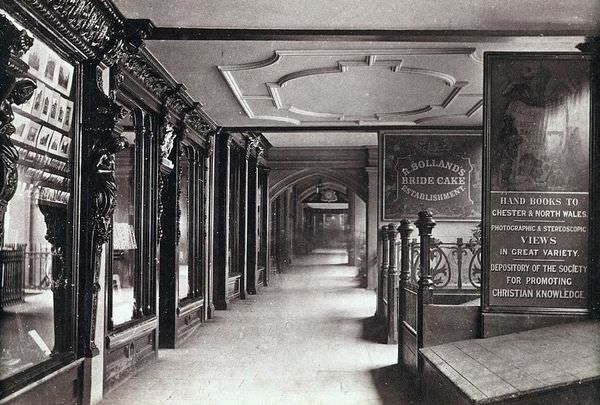
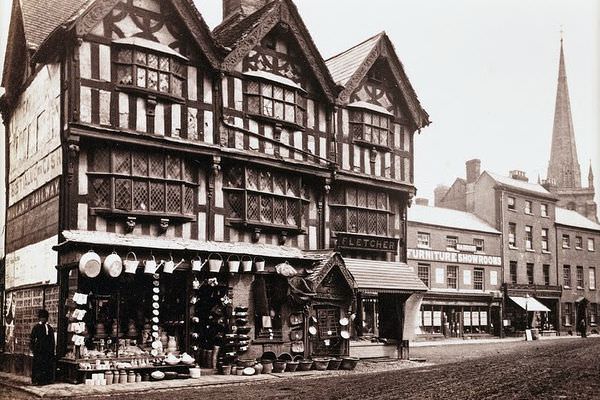
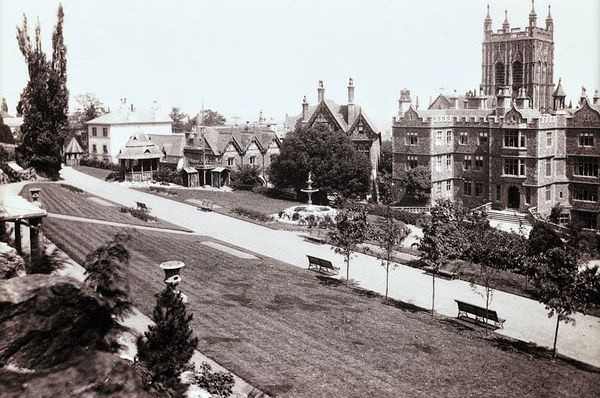
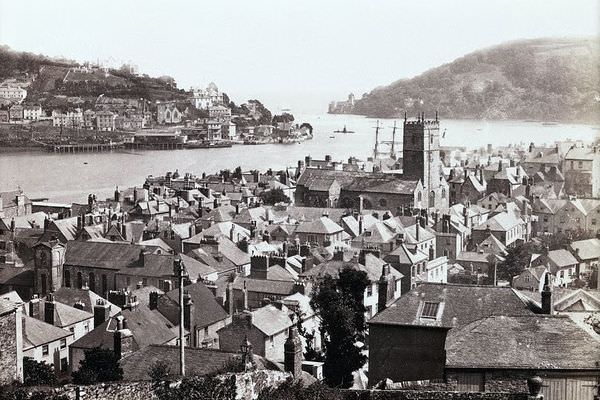
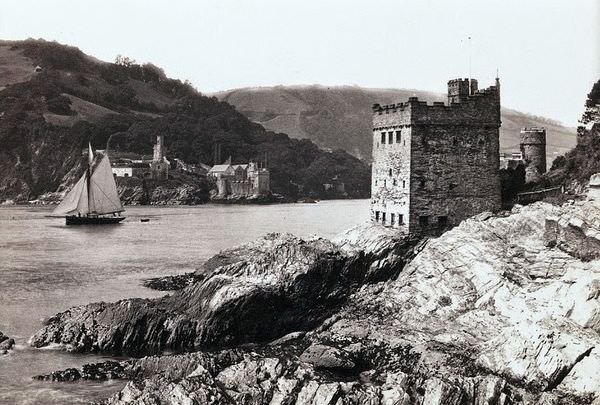
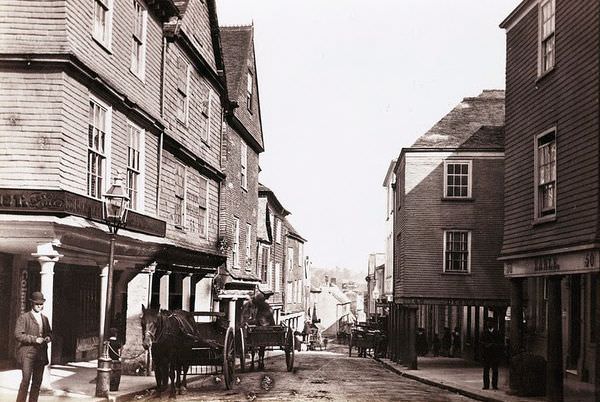
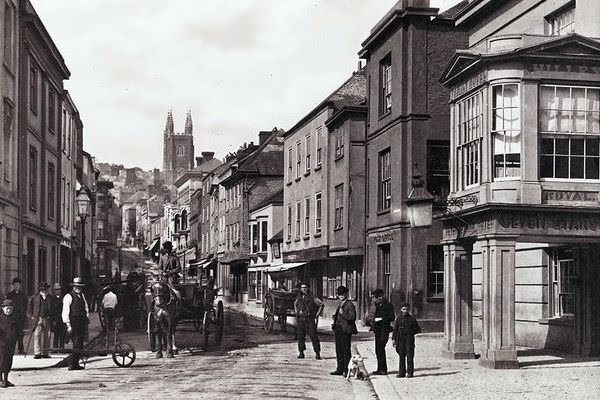
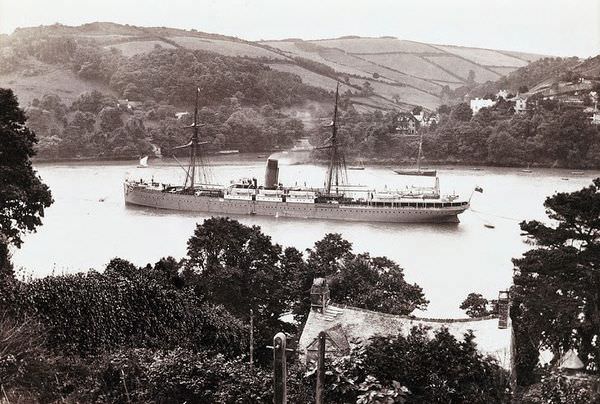
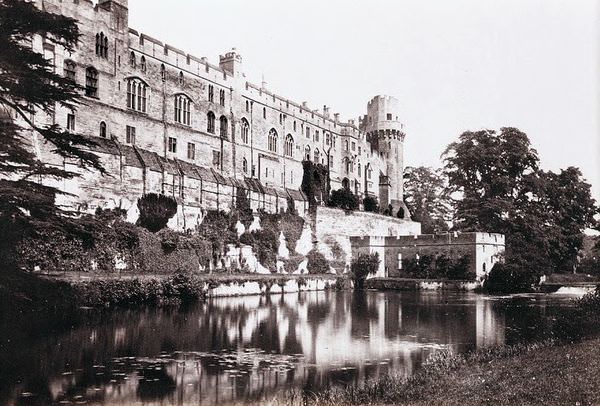
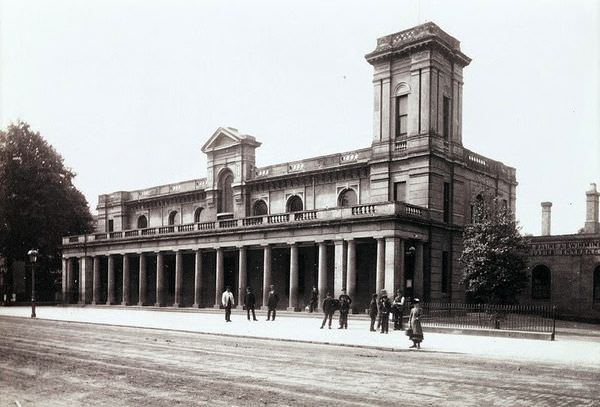
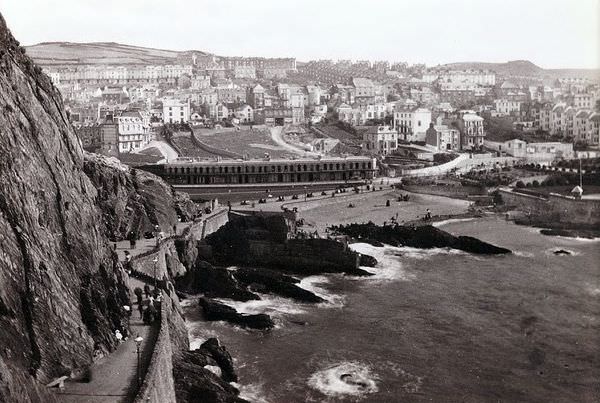
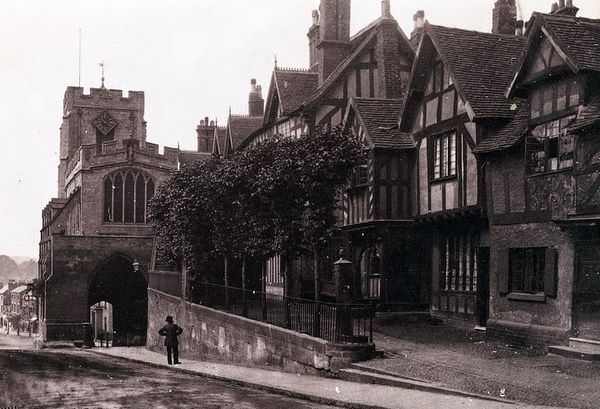
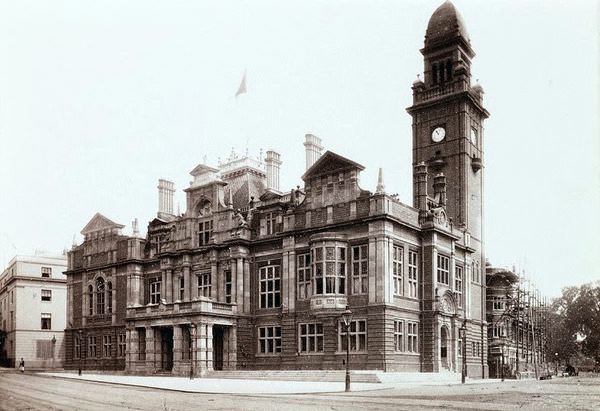
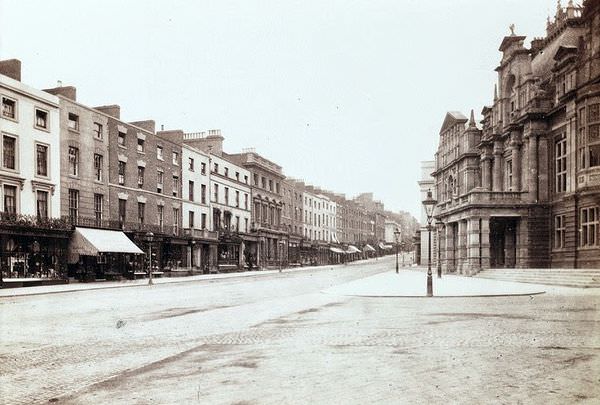
The Victorian era saw a surge of interest in both new engineering feats and historic architecture. Architects restored crumbling medieval cathedrals and built new town halls in the Gothic Revival style. Photographers played a crucial role in recording these structures for the public. Francis Bedford, a highly respected figure in this field, captured detailed topographic and architectural views of the nation. His work provided a visual inventory of Britain’s castles, abbeys, and bustling city streets during a time of rapid modernization.
The Rise of Professional Photography
Photography evolved from a scientific curiosity into a respected profession and art form during the 1850s. The Photographic Society was established to promote this new medium, and Bedford became a member in 1857. The technology required glass plates and toxic chemicals, making the process difficult and technical. Despite these challenges, photographers produced sharp, high-quality images that were sold as prints to the growing middle class. These images allowed people to see detailed views of places they might never visit in person.
Read more
Royal Patronage and Global Reach
The British monarchy embraced the new technology of photography to document their reign and travels. In 1862, the royal family selected Francis Bedford to accompany the Prince of Wales, the future Edward VII, on a tour of the Middle East. This appointment as the official photographer signaled the high status of the profession. While the tour took place abroad, the images returned to Britain, feeding the public’s appetite for views of the wider world and reinforcing the connection between the crown and the emerging sciences.
A Family Business in a Changing Market
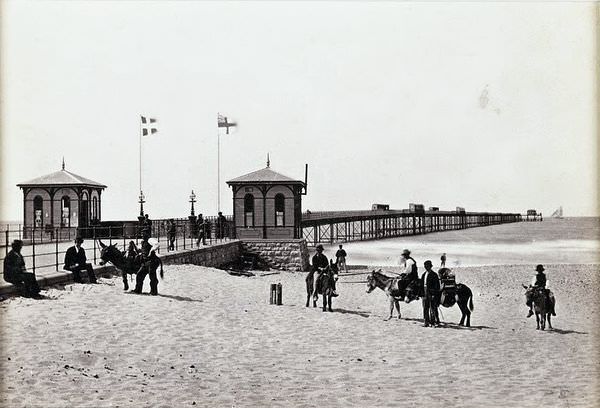
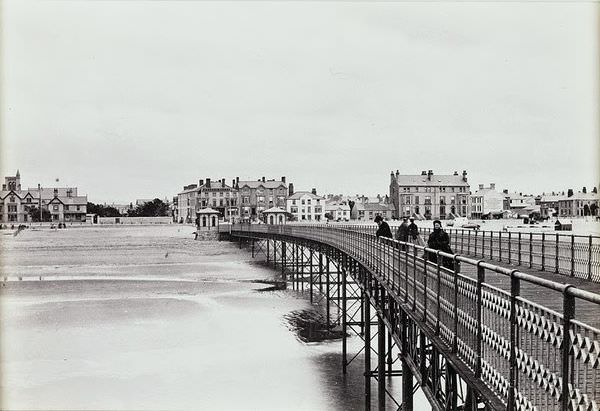
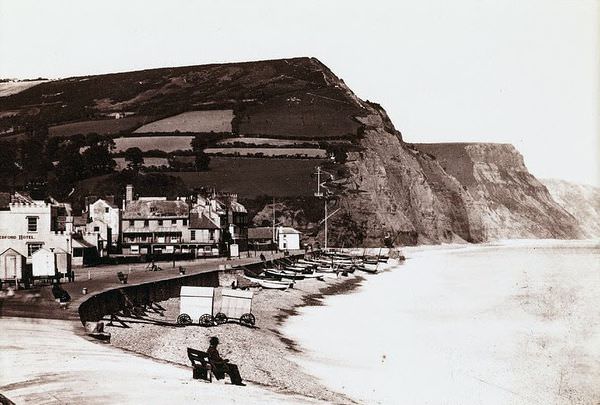
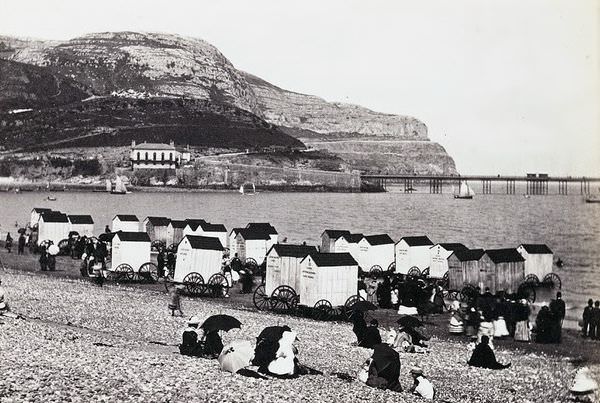
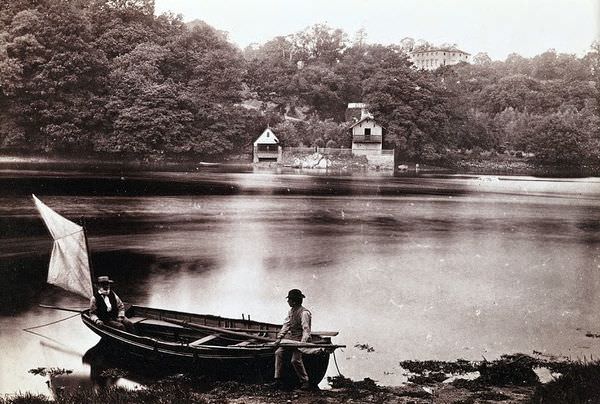
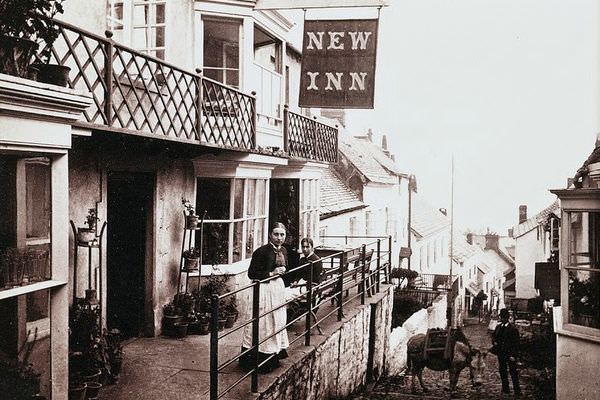
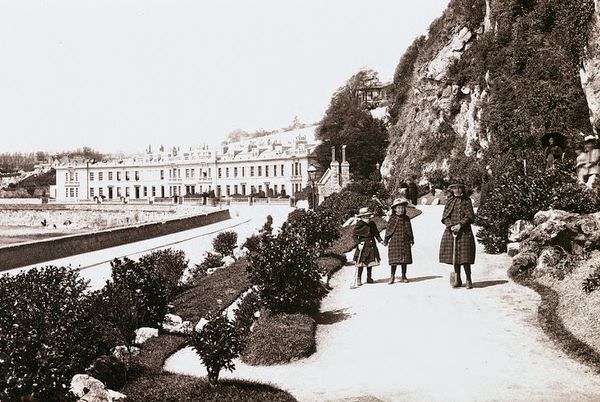
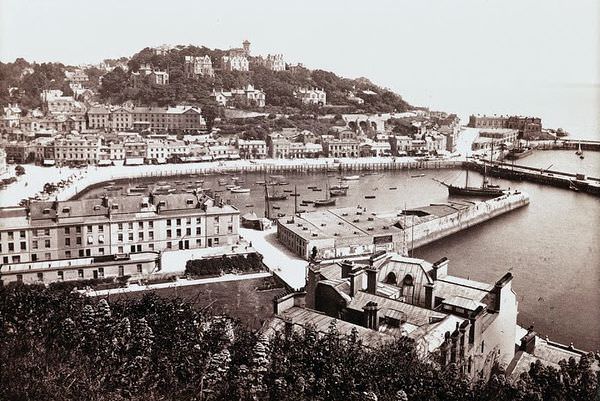
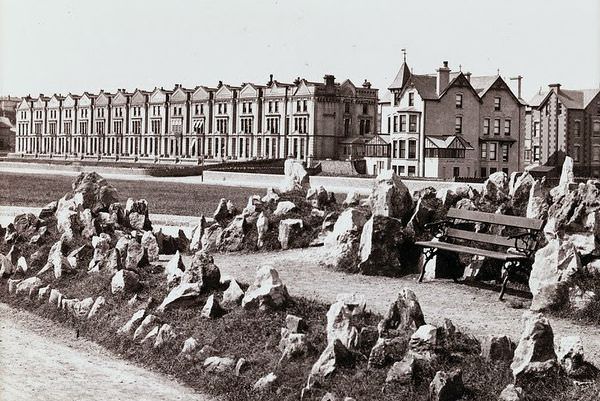
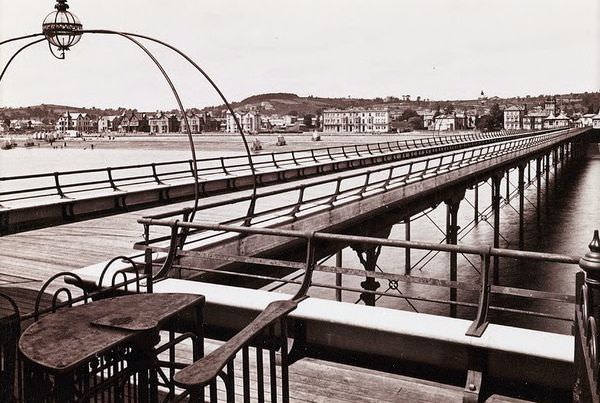
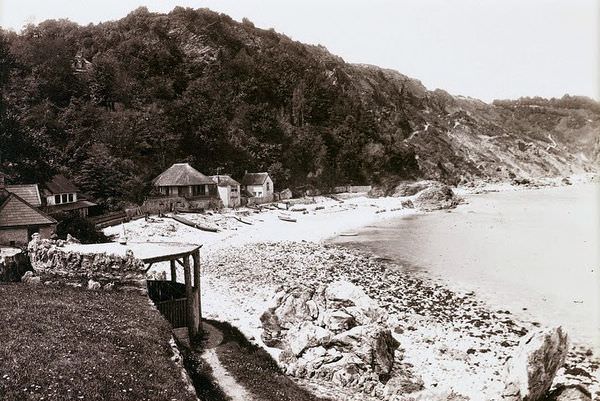
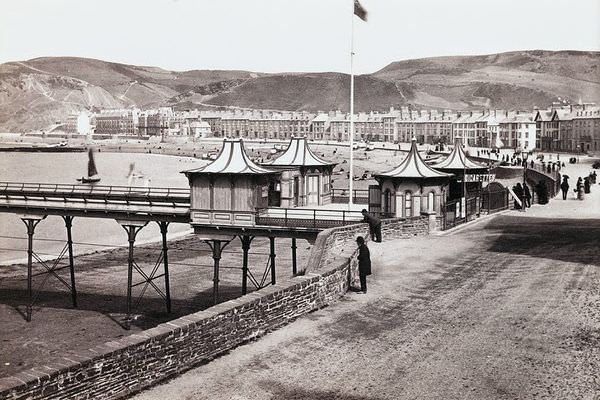
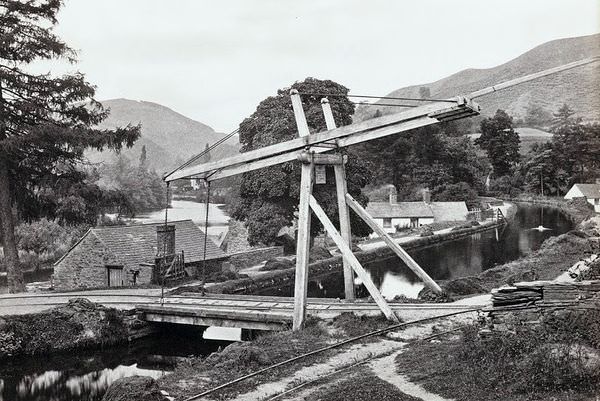
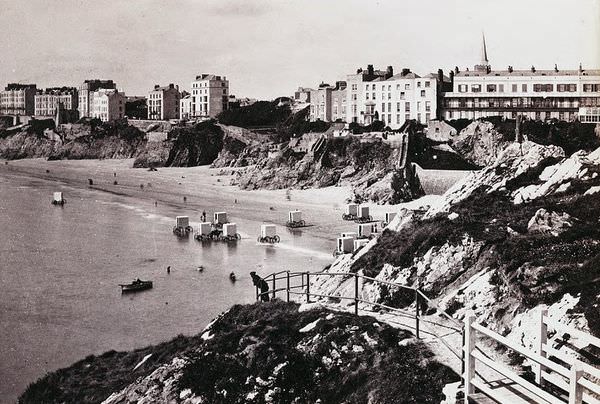
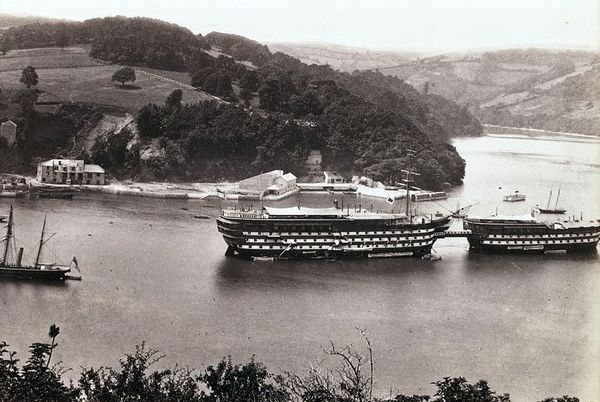
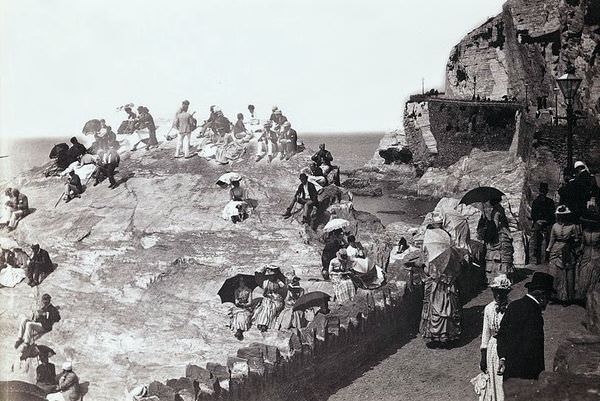
By the 1860s and 1870s, the demand for scenic photographs of Britain grew intense. Francis Bedford traveled constantly to meet this need, producing hundreds of views of the countryside. He did not work alone; his son, William, assisted him in the field. The two worked so closely that their styles became indistinguishable. As the decades passed, William assumed responsibility for running the family business. The transition from father to son mirrored the broader shift in British industry, where family-owned firms passed down skills and trade secrets to the next generation to maintain their commercial success.