Liberty Magazine launched in 1924 under McCormick-Patterson, a publisher with strong progressive values. From the start, it stood apart from other general-interest magazines by mixing sharp political commentary with fiction, poetry, cartoons, and cultural coverage. It drew readers from all walks of life — artists, intellectuals, and everyday Americans looking for something worth reading.
One of Liberty’s most notable achievements was its early support of rising writers. F. Scott Fitzgerald, who went on to become one of the most recognized American authors of the 20th century, was among those who appeared in its pages. Liberty gave emerging voices a national platform at a time when few magazines were willing to take that chance.
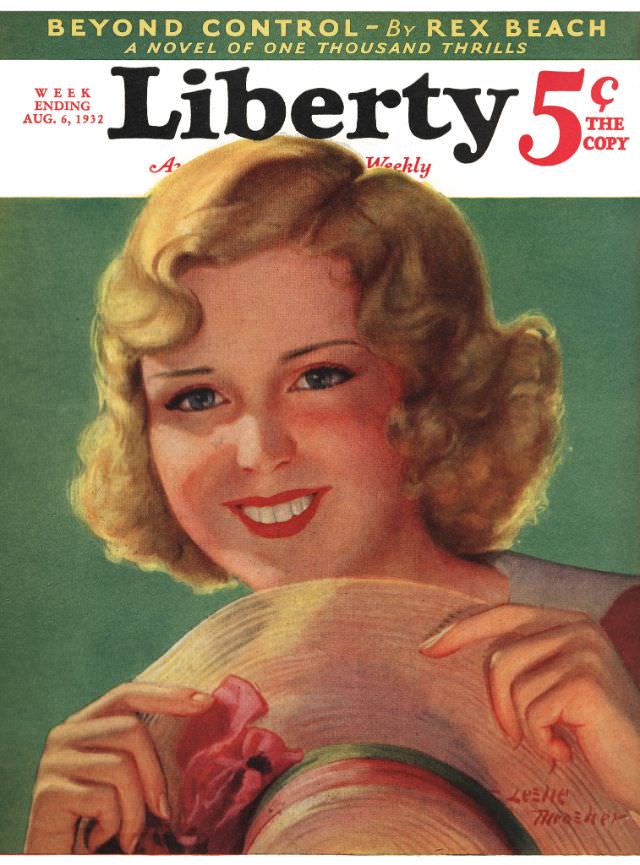
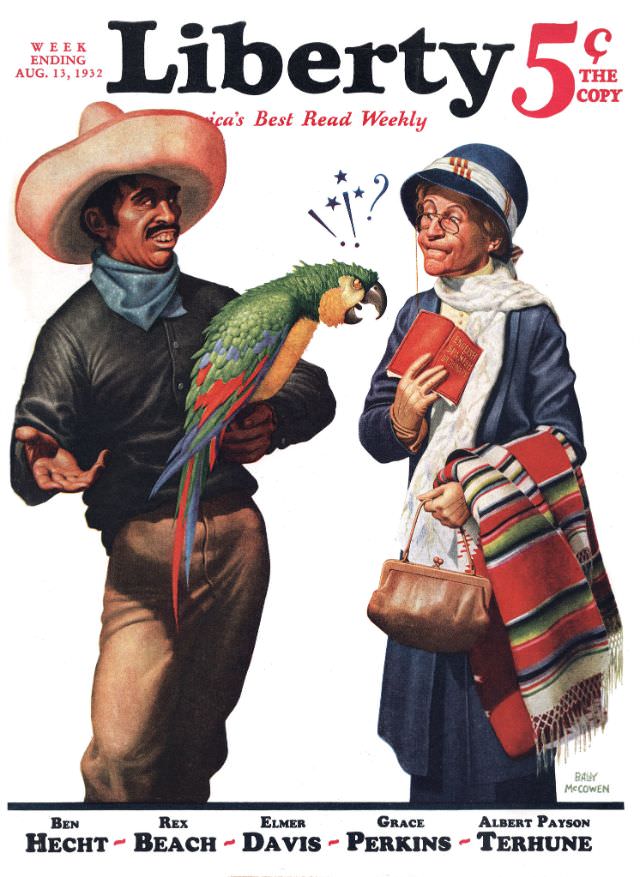
The magazine’s political stance was clearly liberal. McCormick-Patterson used Liberty as a platform to advocate for social justice, and those views shaped its editorial choices throughout the late 1920s and into the 1930s. As the Great Depression gripped the country, Liberty’s progressive voice resonated with readers navigating economic hardship and social upheaval.
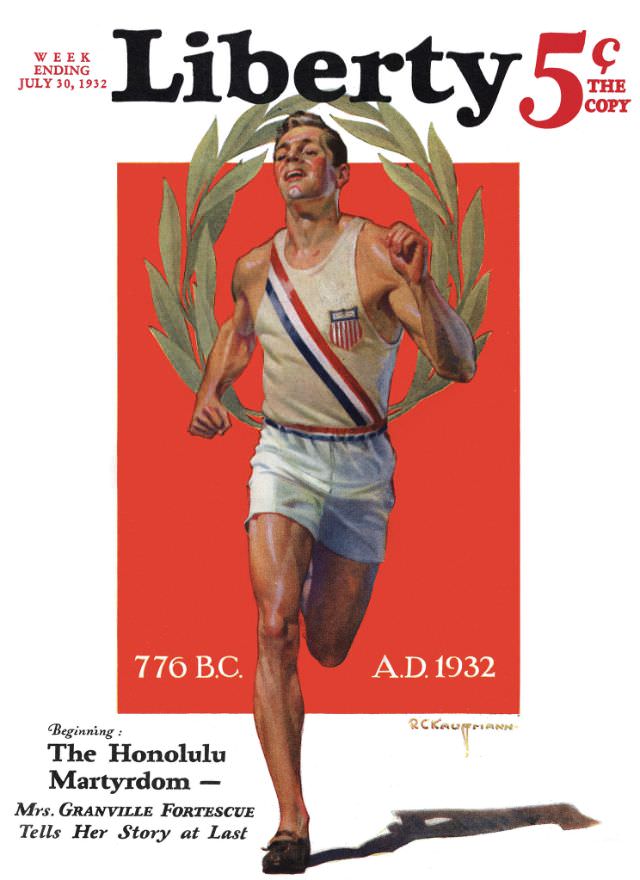
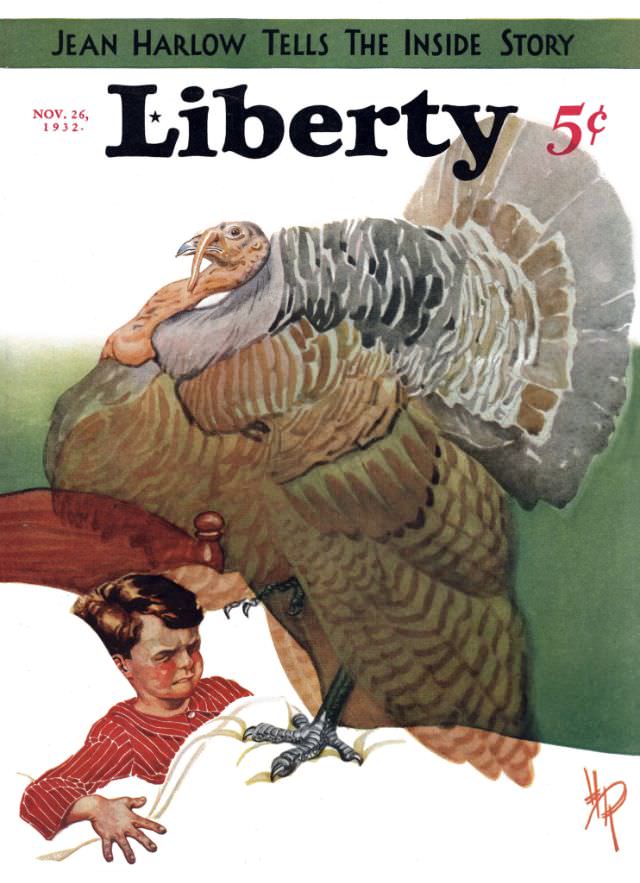
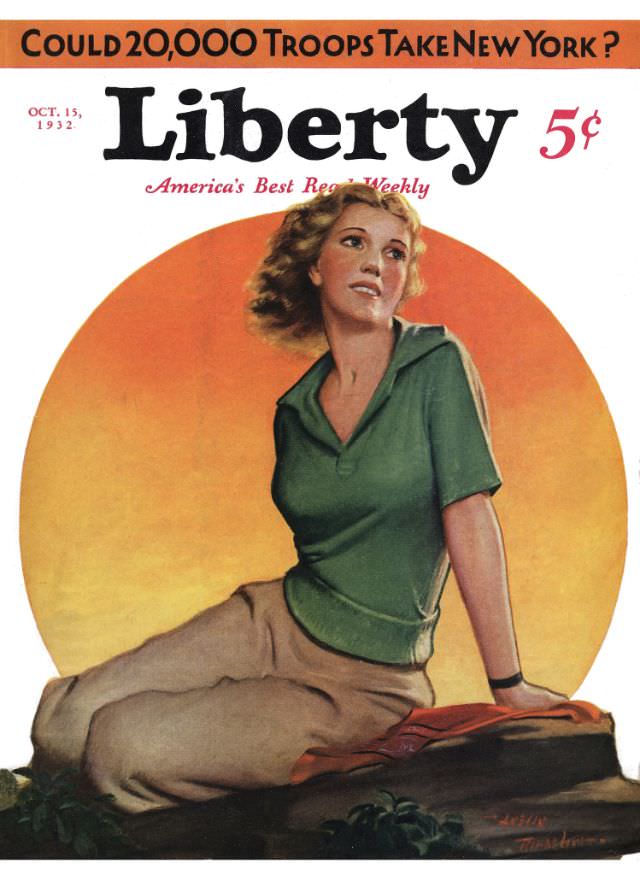
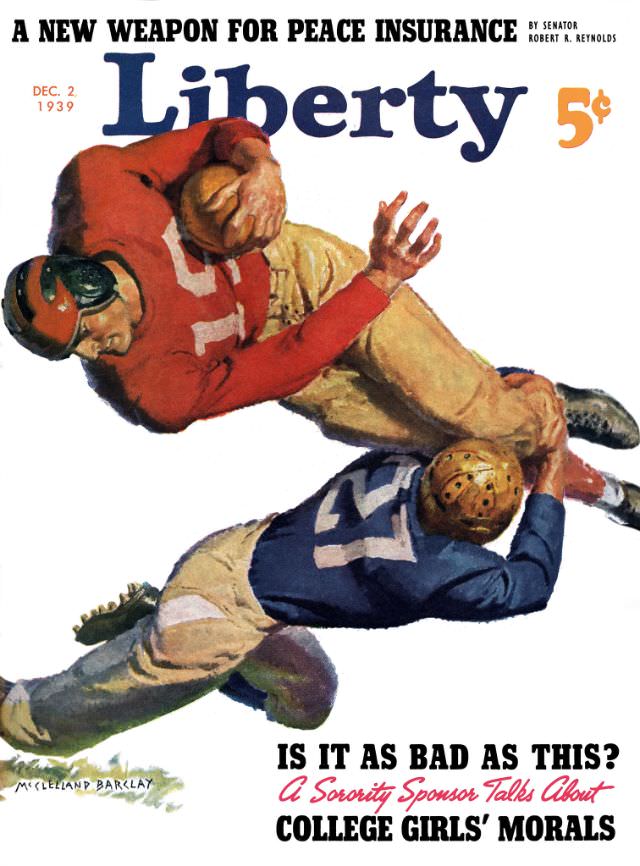
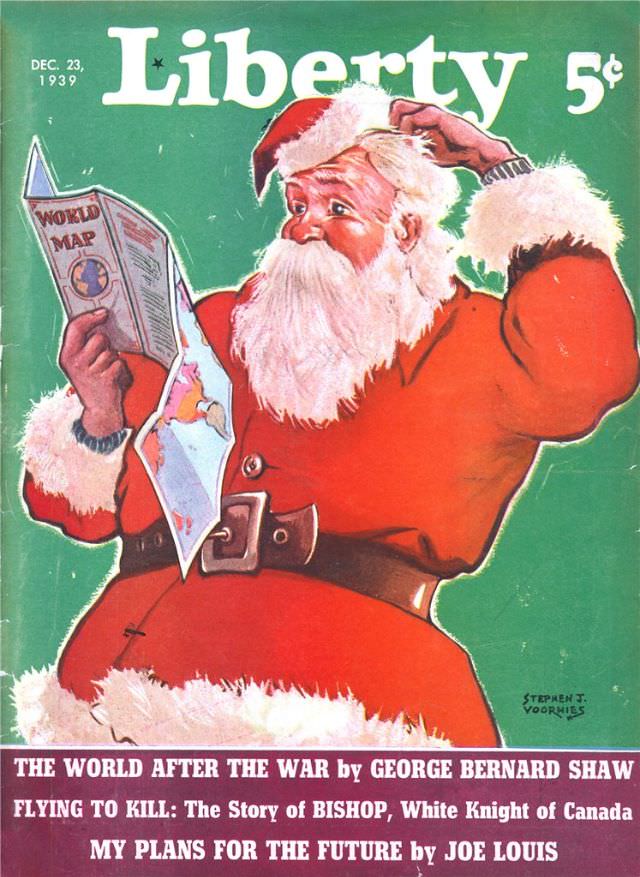
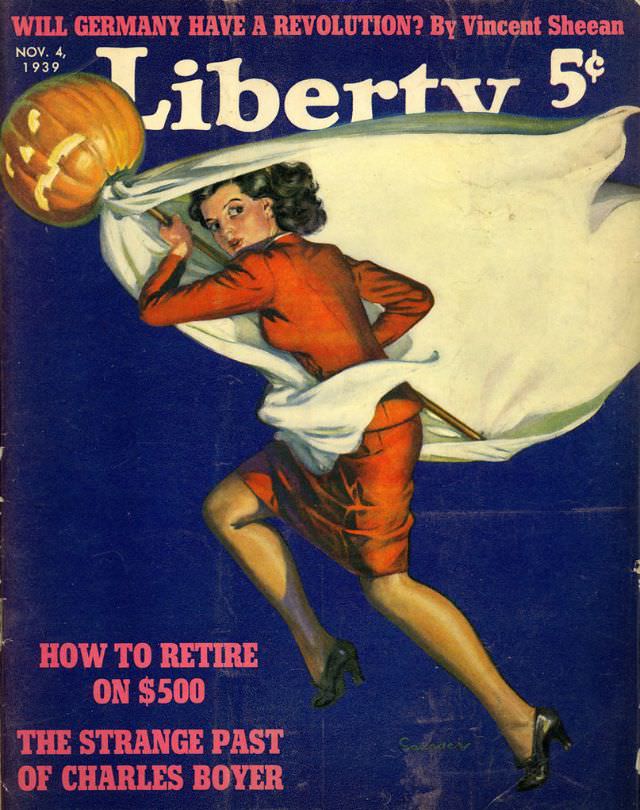
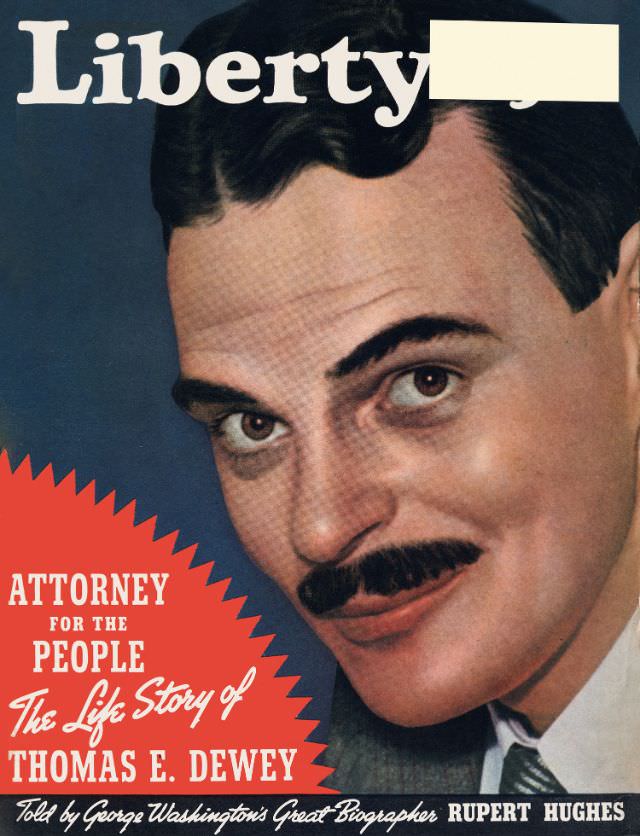
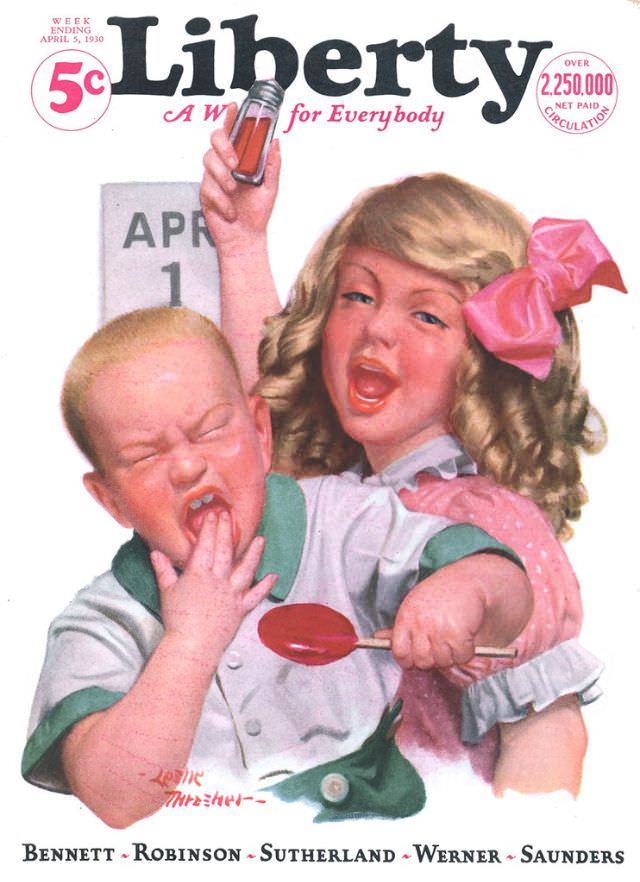
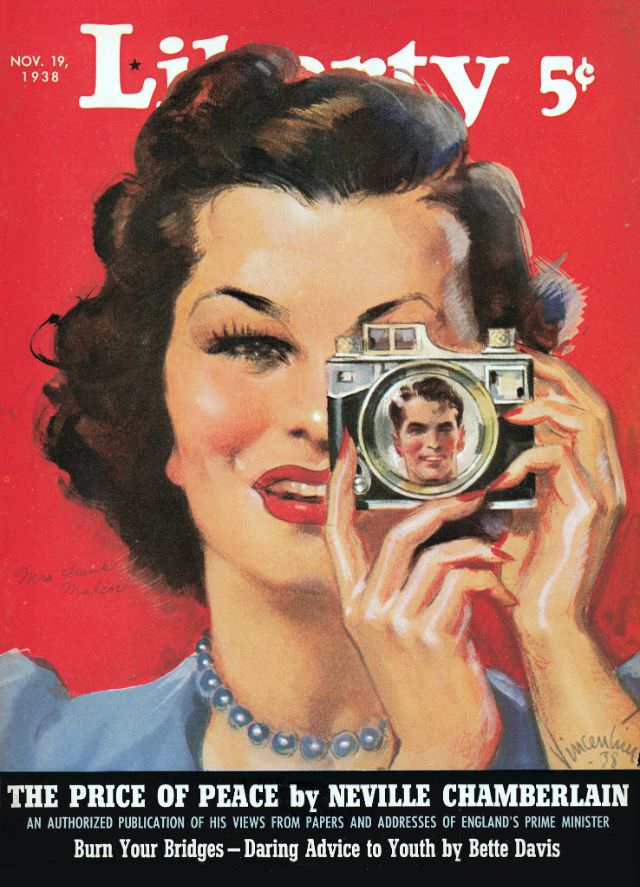
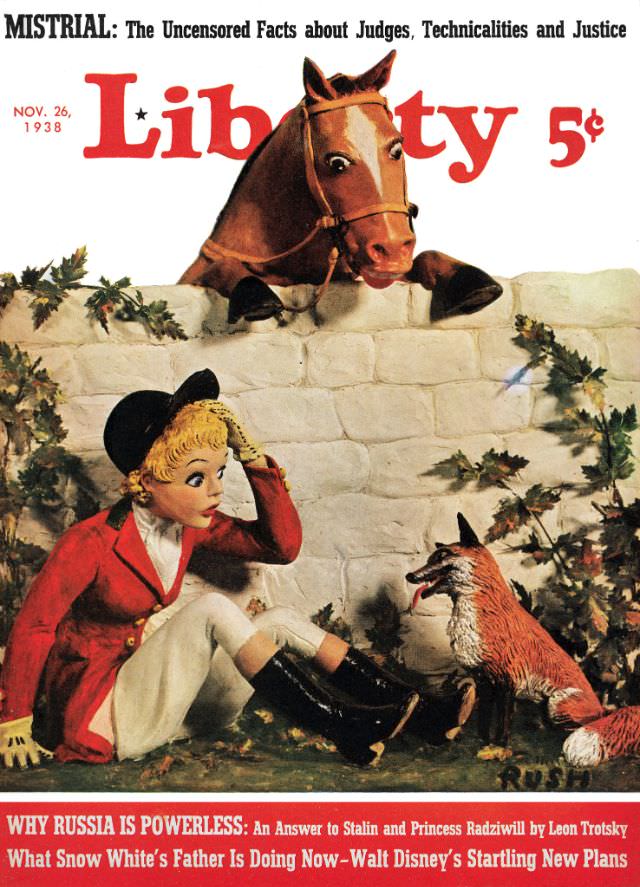
McCormick-Patterson held ownership of Liberty until 1931, after which the magazine changed hands. Even under new ownership, it kept its reputation for high-quality writing and strong design. Its covers from the 1930s reflect the visual style of the era — bold, colorful, and carefully crafted to catch the eye on a newsstand.
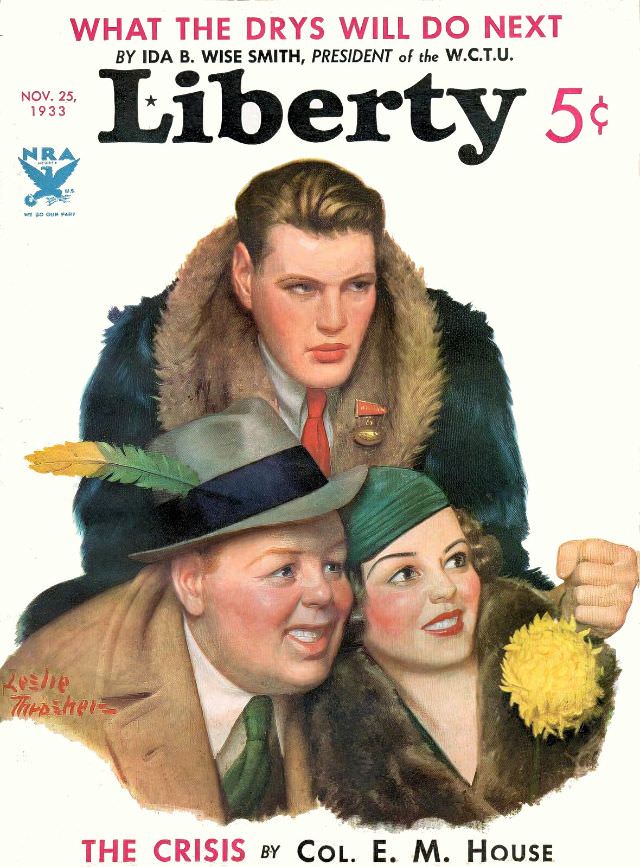
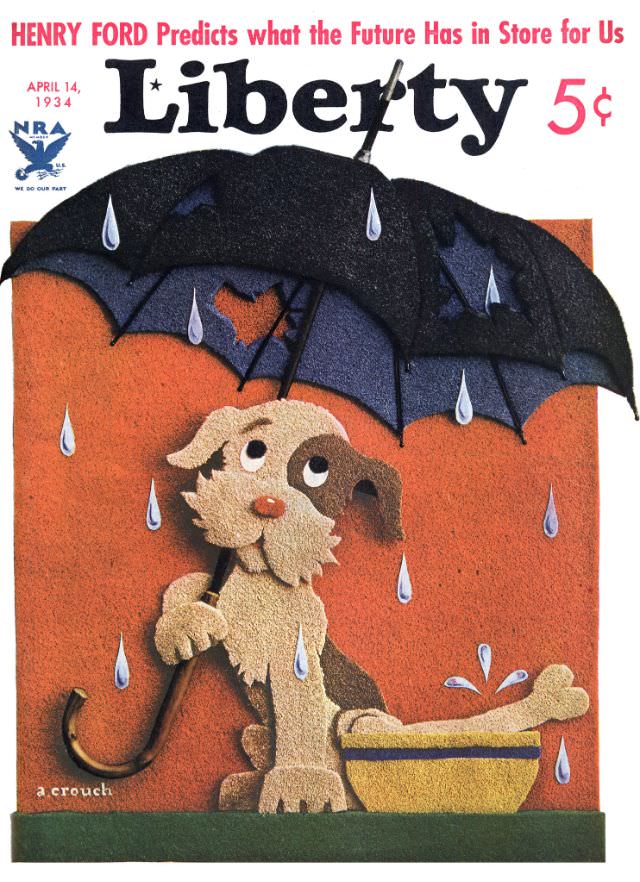
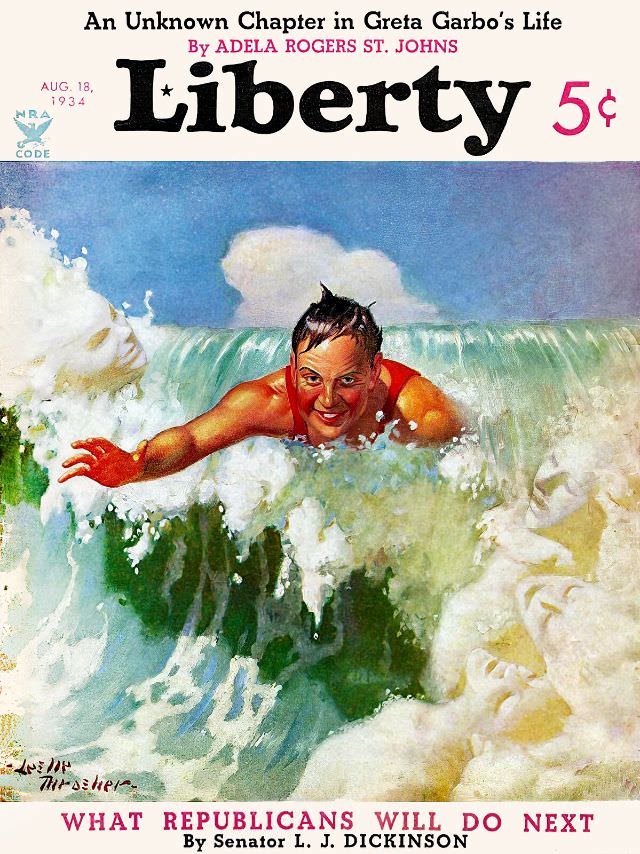
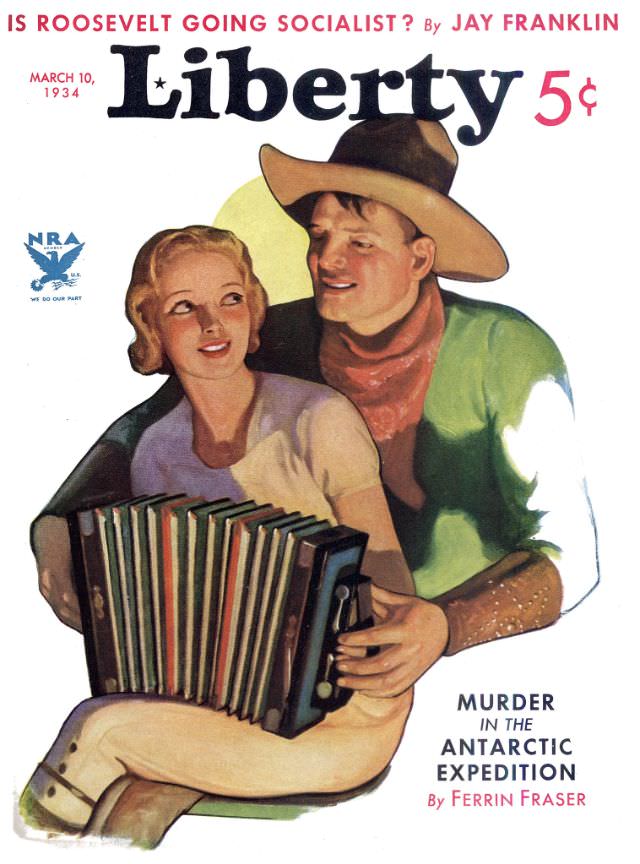
Throughout 1934, Liberty maintained a weekly publishing schedule, releasing new issues every week. This pace demanded a steady stream of writers, illustrators, and editors working at full capacity. The covers from this period show a consistent visual identity — stylish illustrations that captured the mood of Depression-era America.
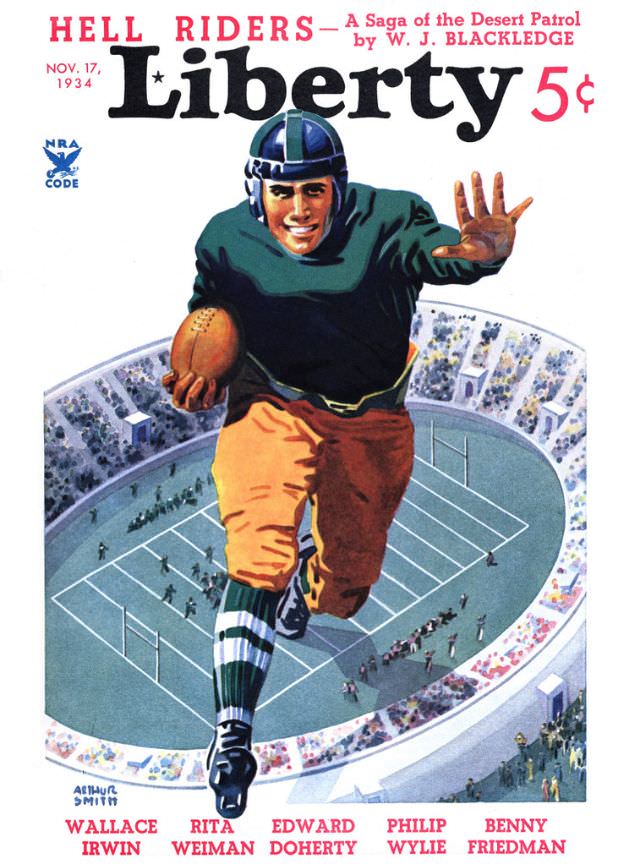
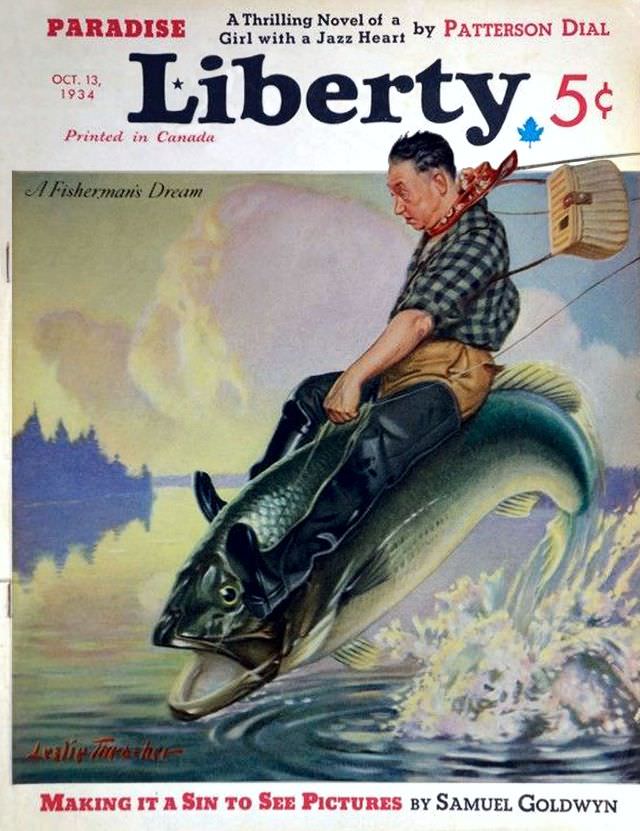
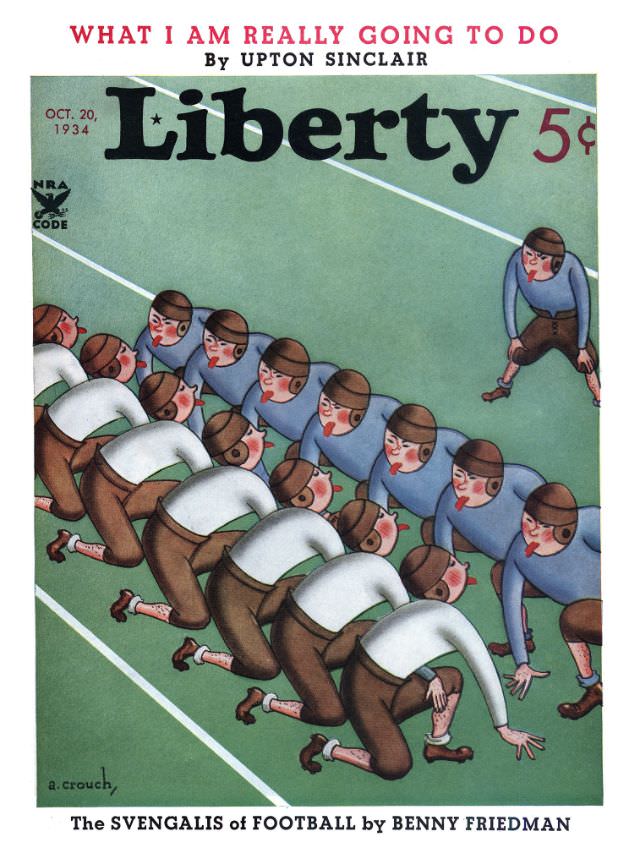
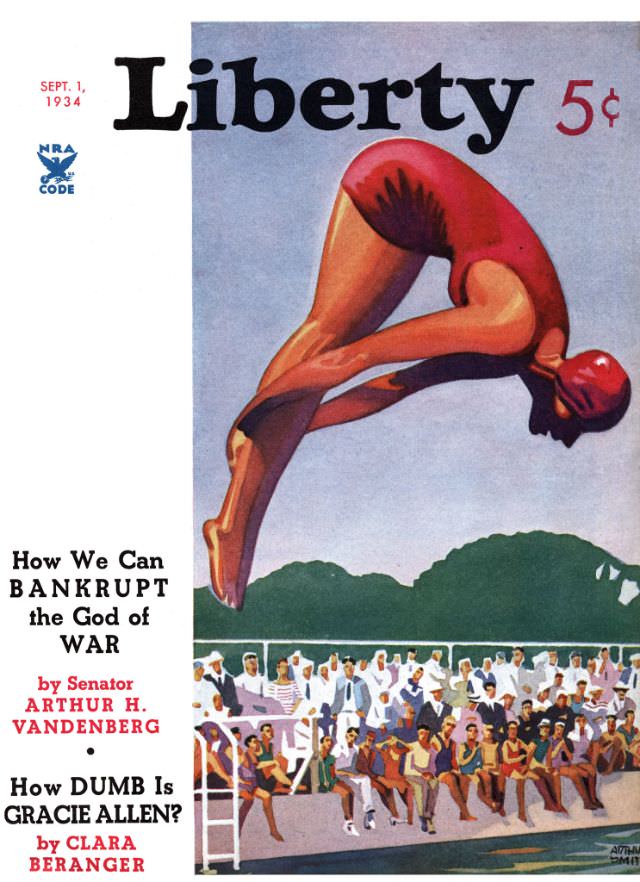
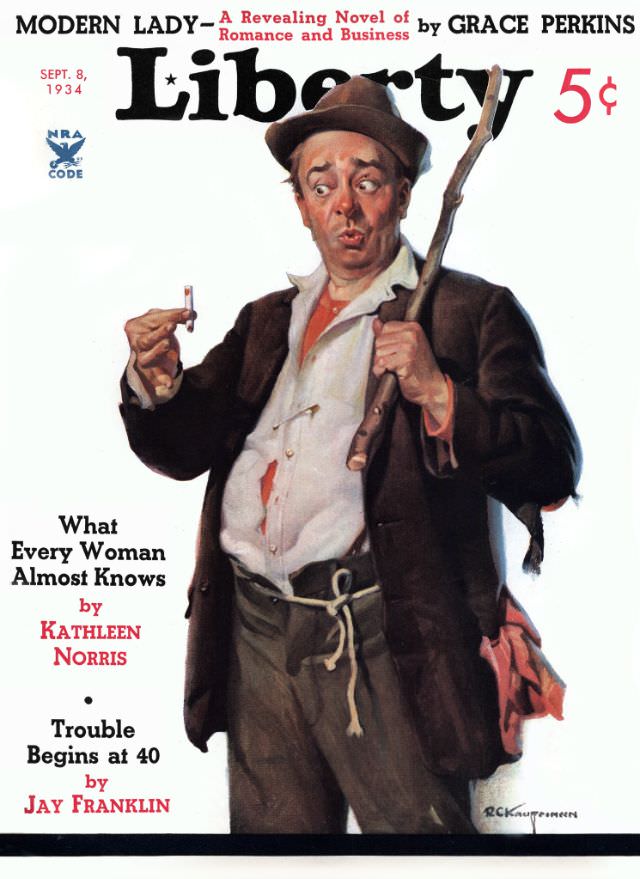
By the mid-1930s, Liberty had firmly established itself as a fixture in American homes. Its mix of fiction and political writing gave it a versatility that few competitors could match. Readers who picked it up for a short story often found themselves drawn into an editorial on labor rights or social reform.
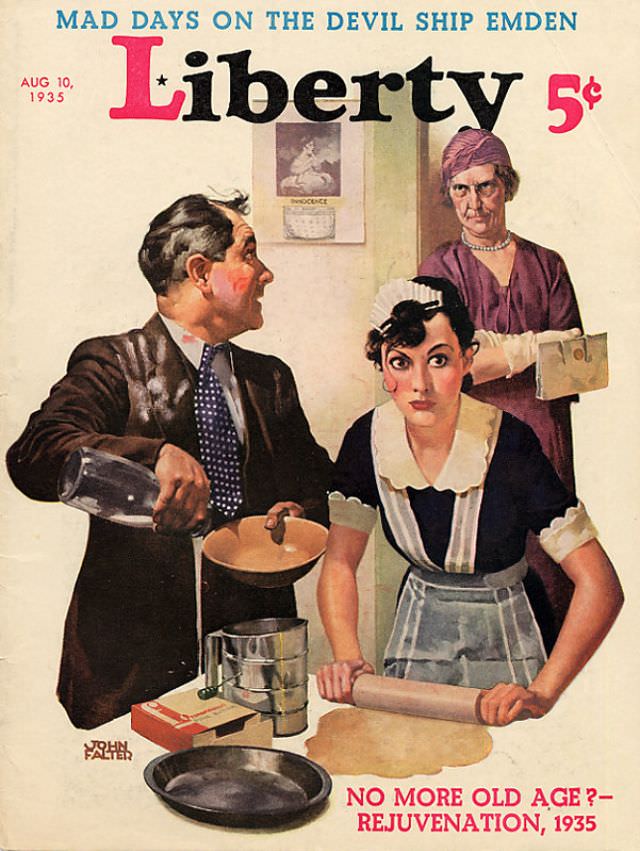
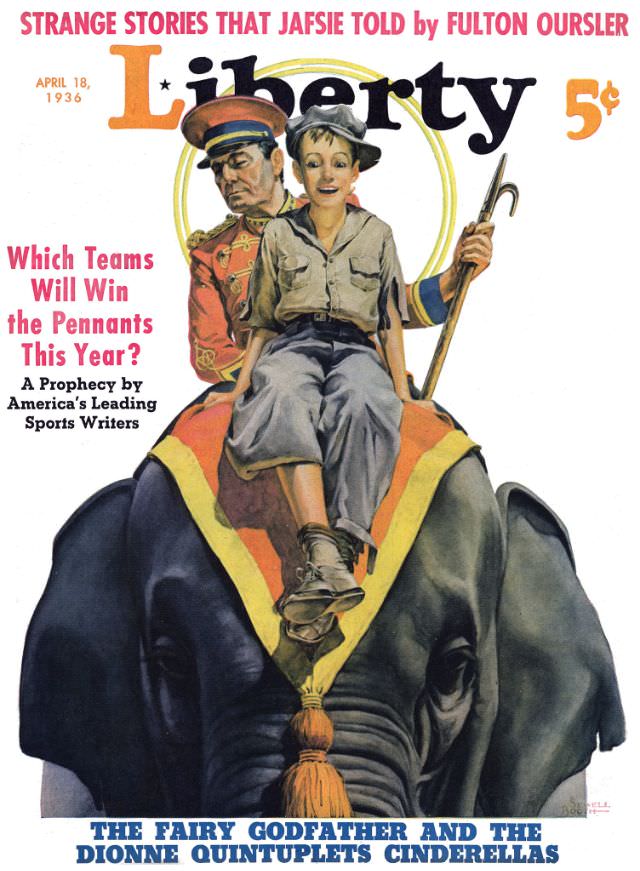
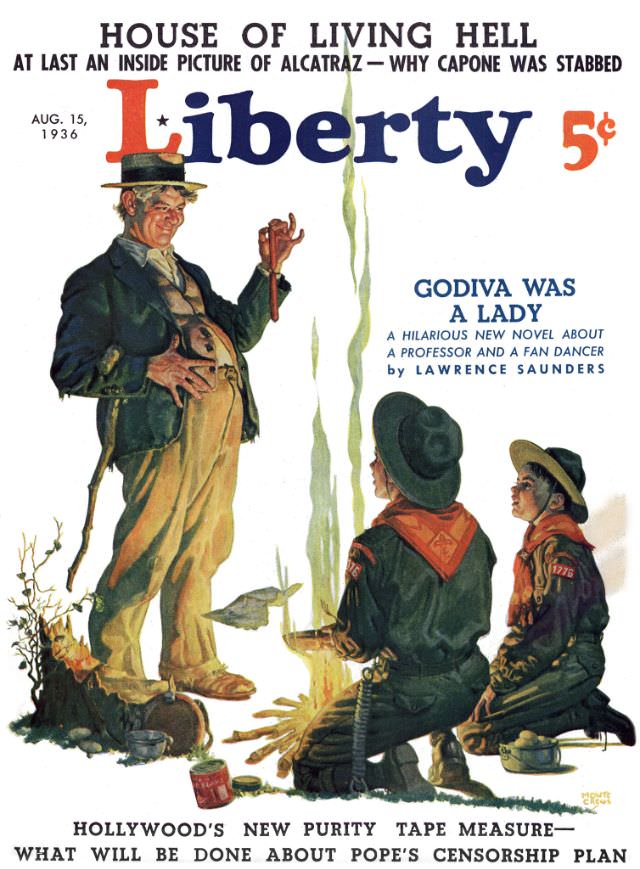
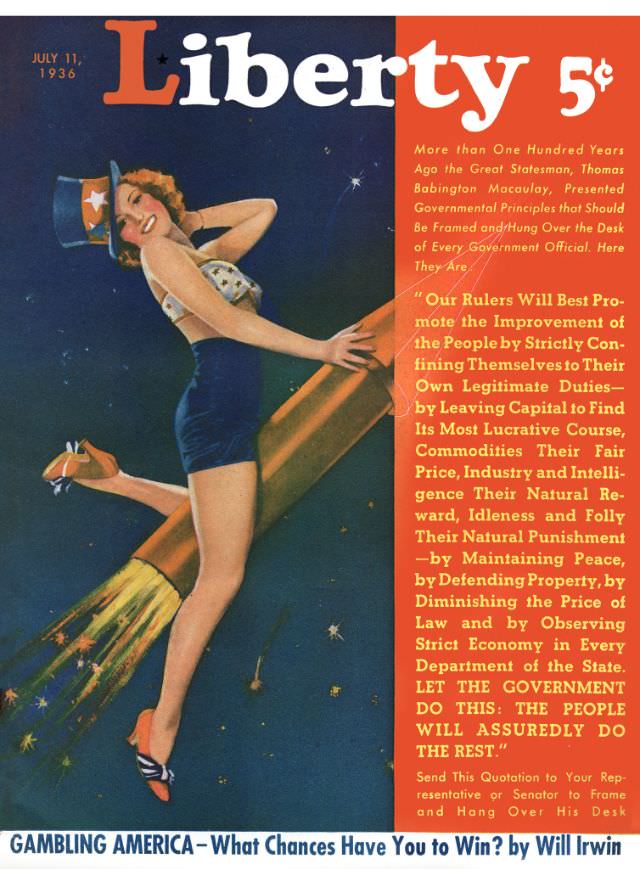
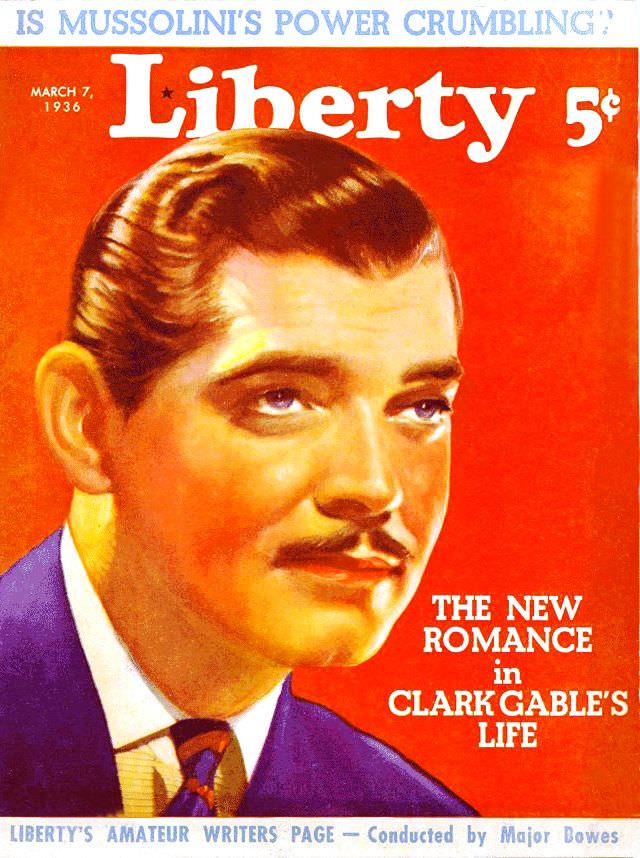
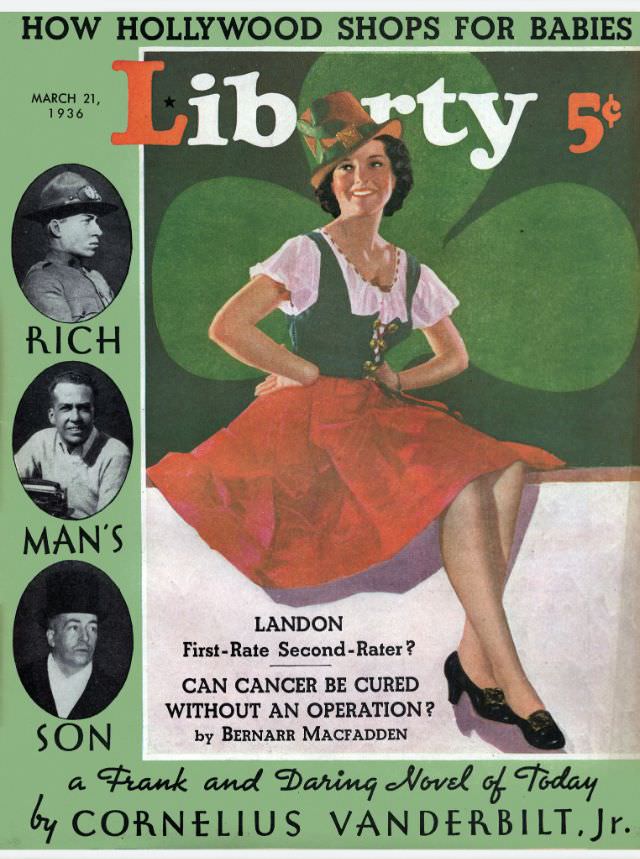
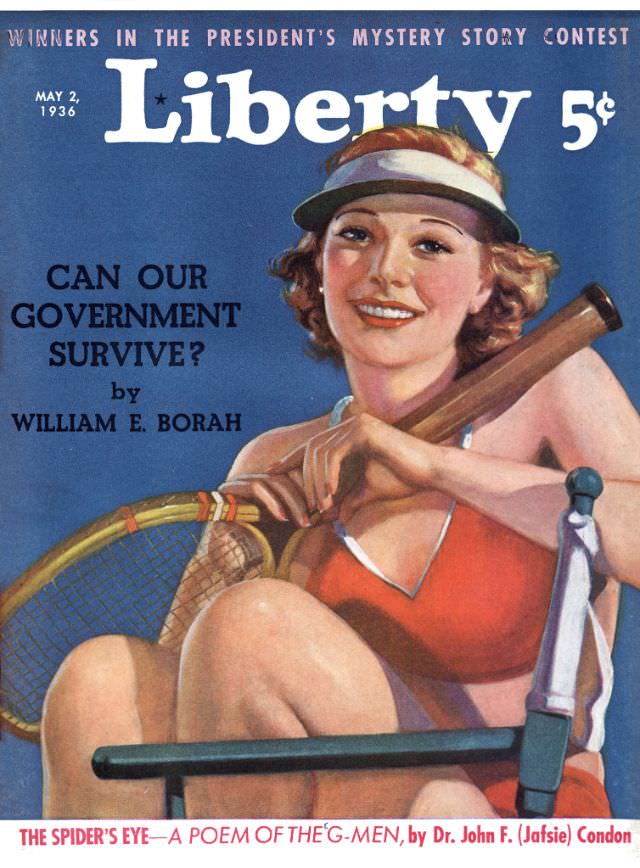
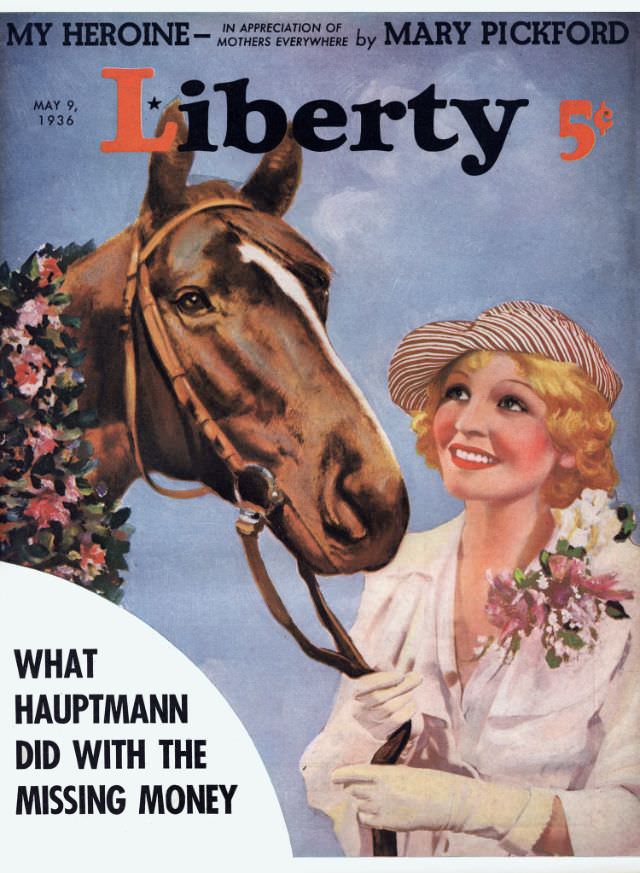
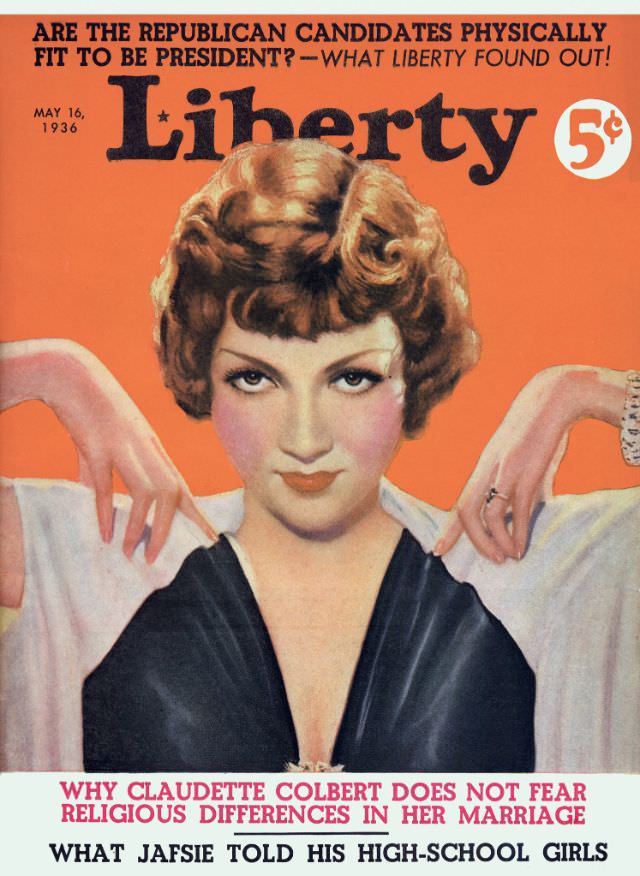
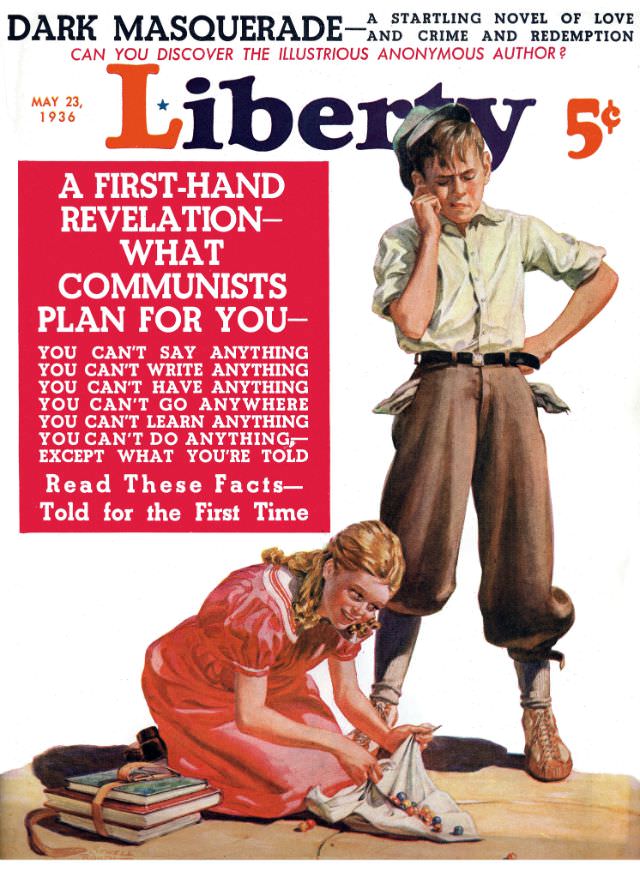
The 1936 covers were especially prolific, with Liberty releasing multiple issues each month. The artwork ranged from warm domestic scenes to vibrant outdoor portraits, mirroring the range of content inside. Each issue was designed to feel fresh while keeping the Liberty brand instantly recognizable.
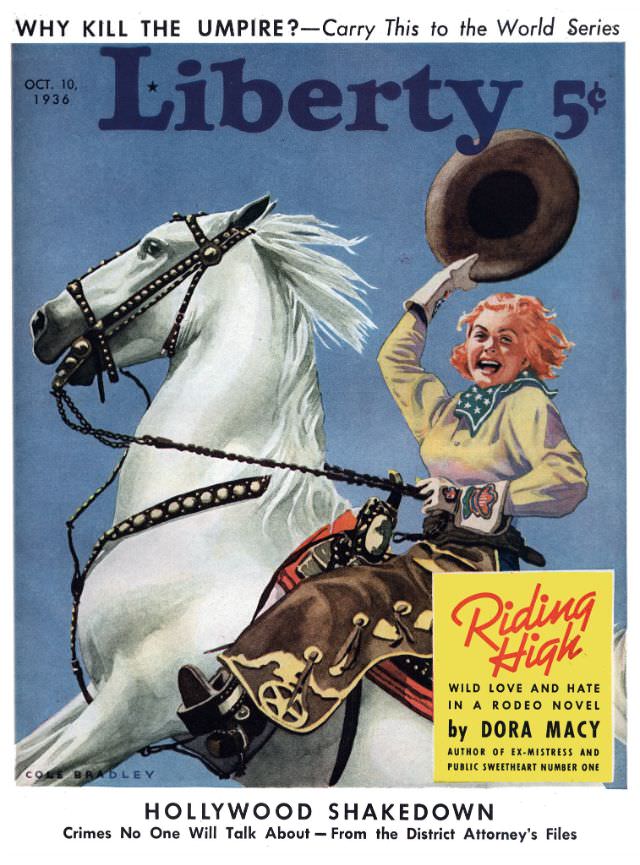
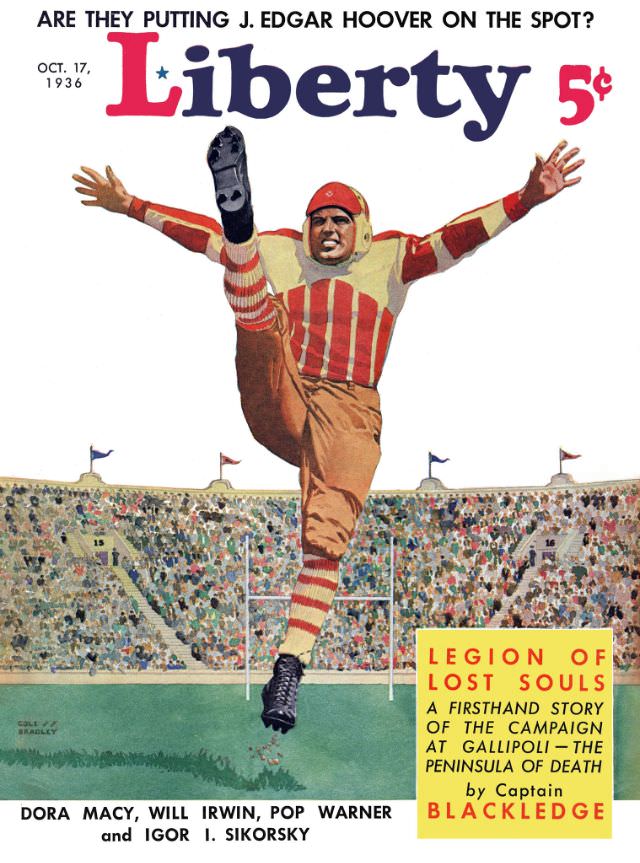
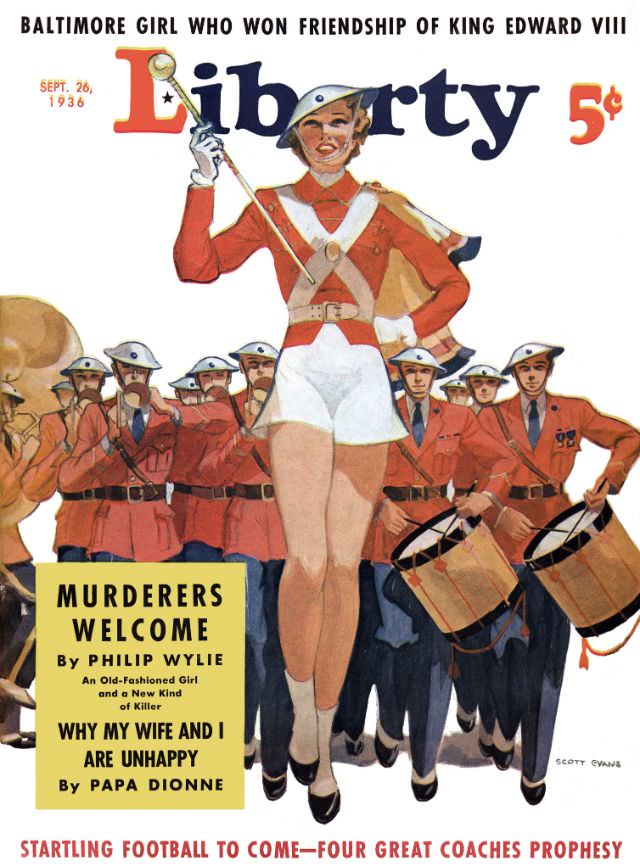
Into 1937, Liberty continued publishing at a high volume. Its roster of contributors remained impressive, drawing from prominent thinkers and established authors of the day. The magazine’s willingness to publish across genres — from lighthearted fiction to serious political analysis — kept its readership broad and engaged.
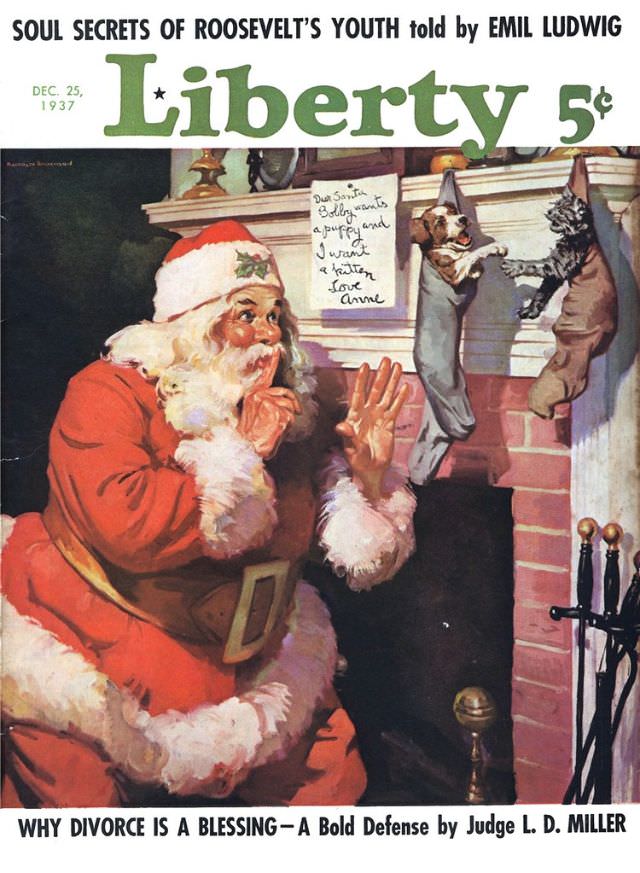
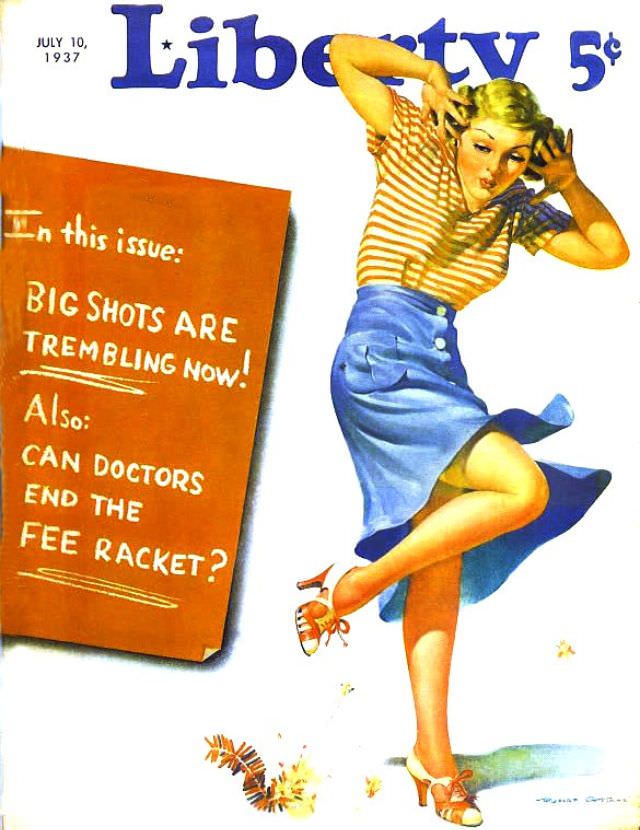
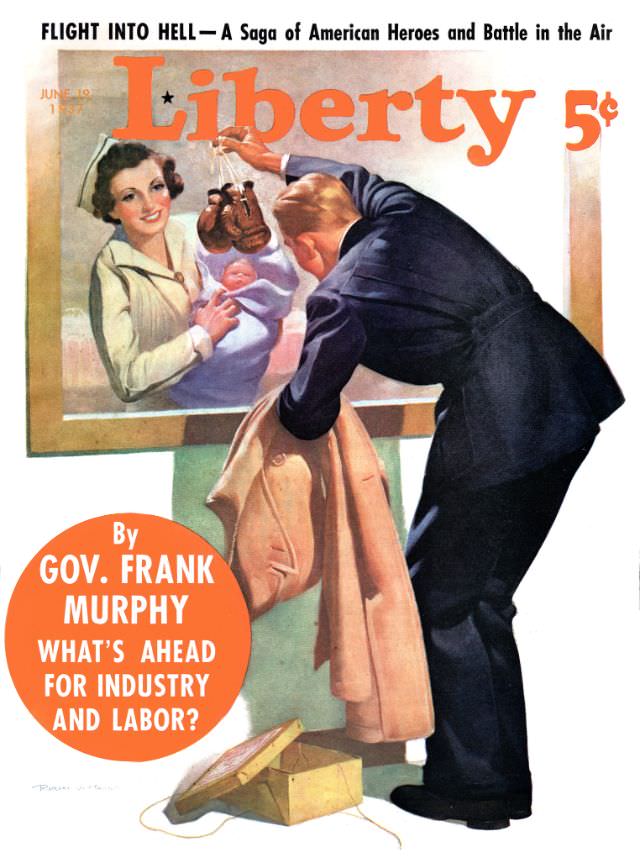
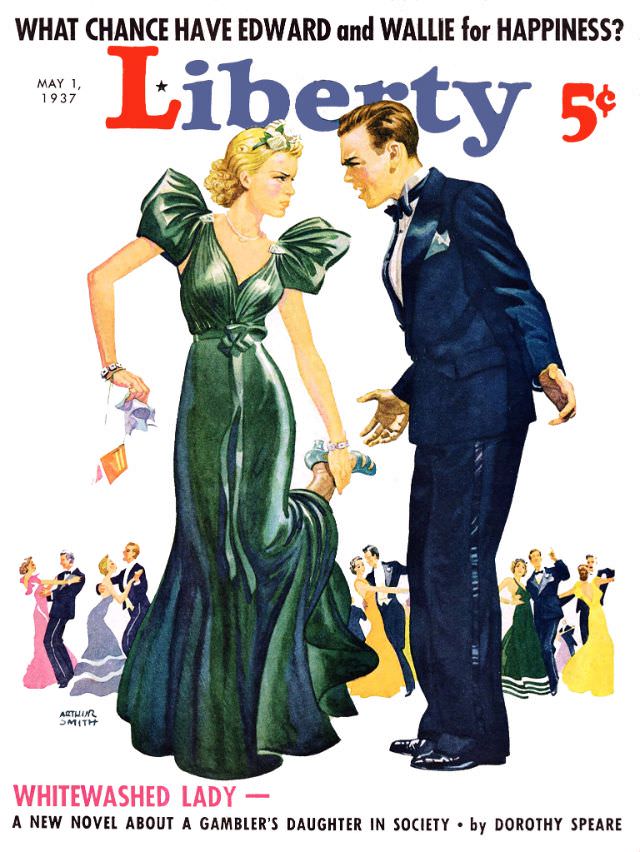
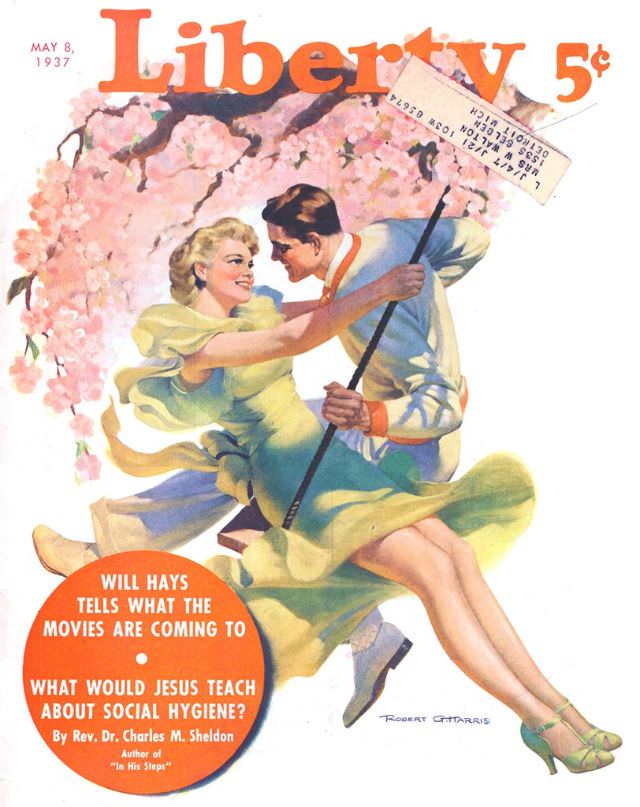
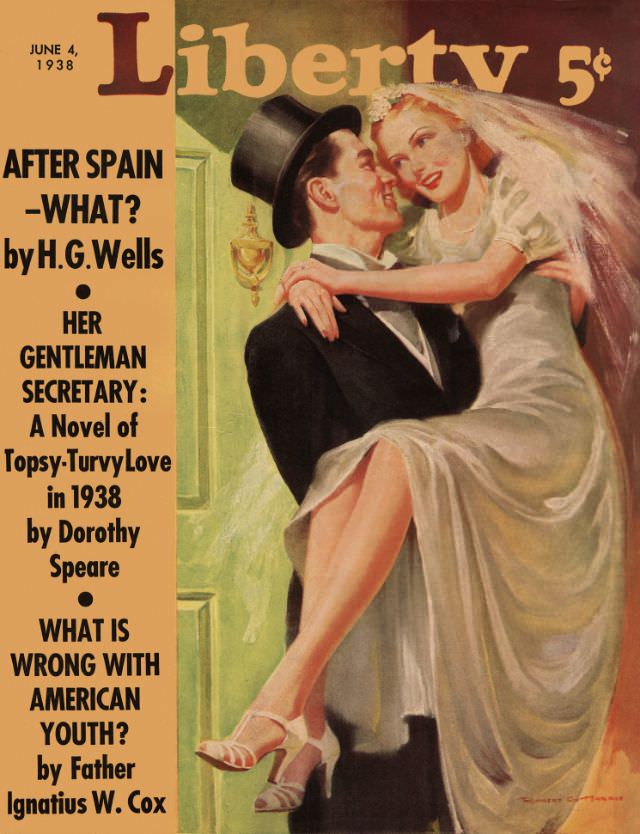
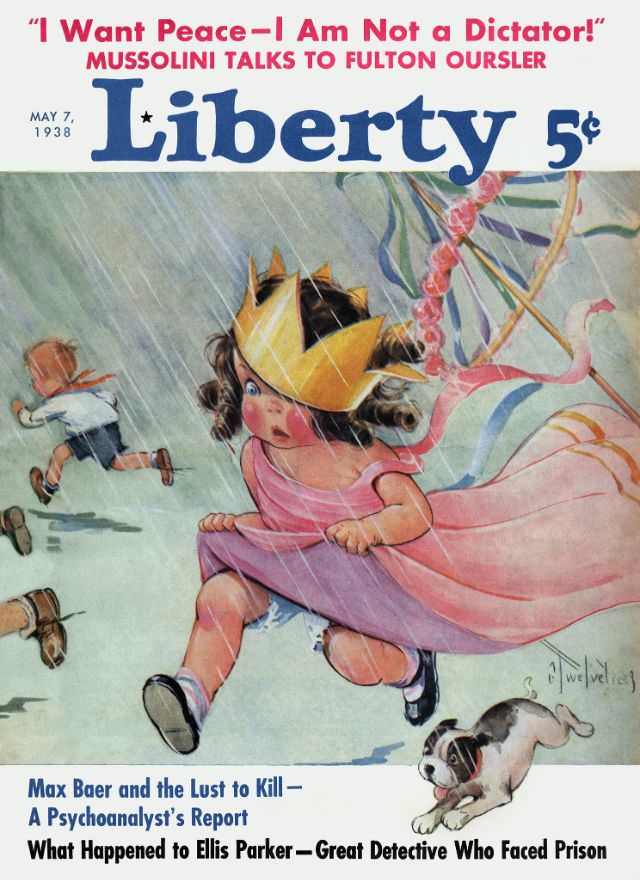
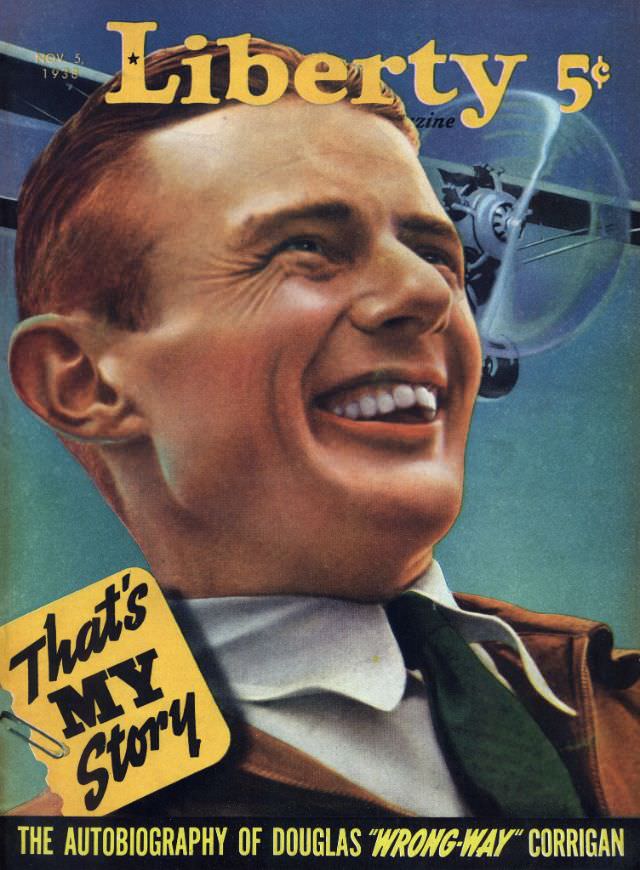
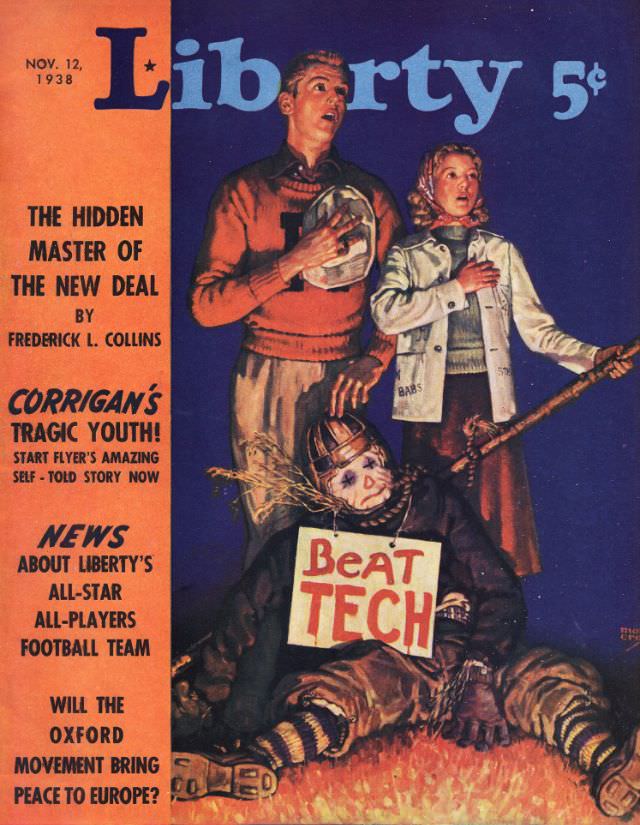
By 1938, global tensions were rising as Europe moved toward war. Liberty’s political coverage reflected this shift. The magazine addressed the growing instability abroad while continuing to publish fiction and arts coverage at home. Its late-1938 issues came out week after week as world events accelerated rapidly.
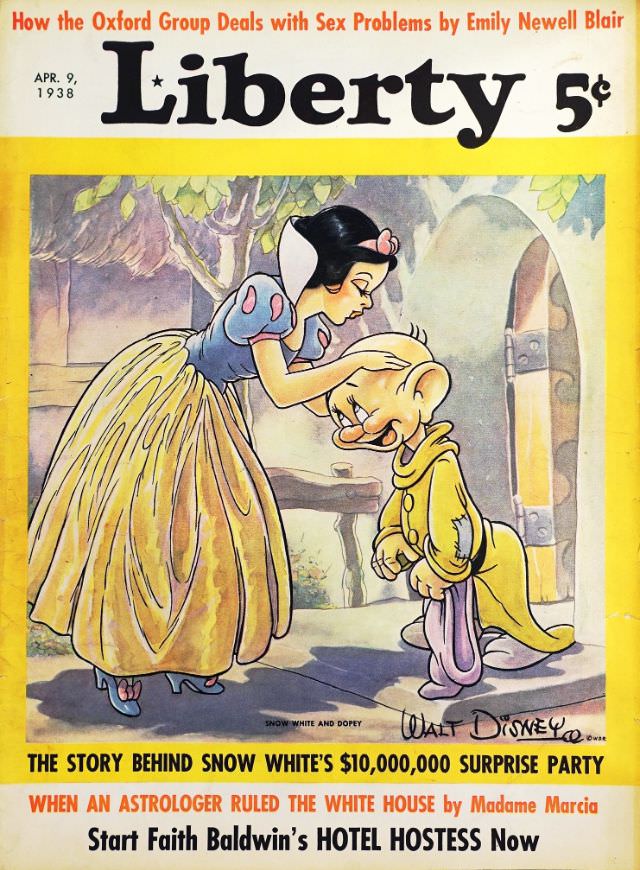
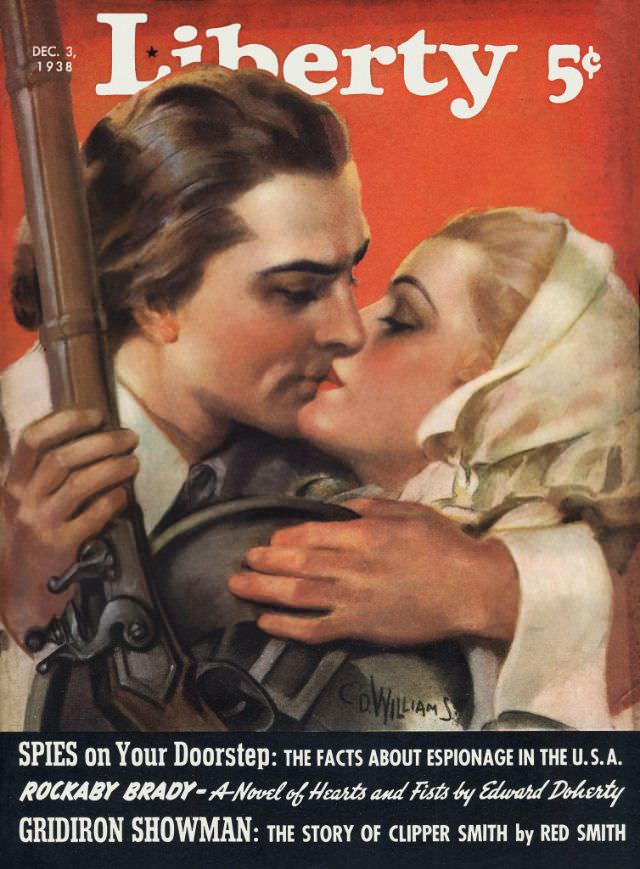
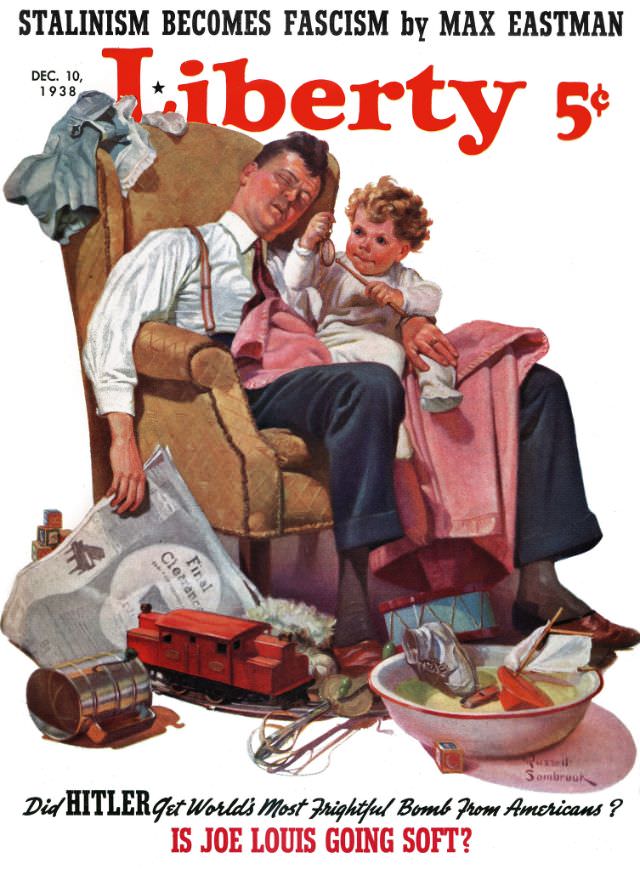
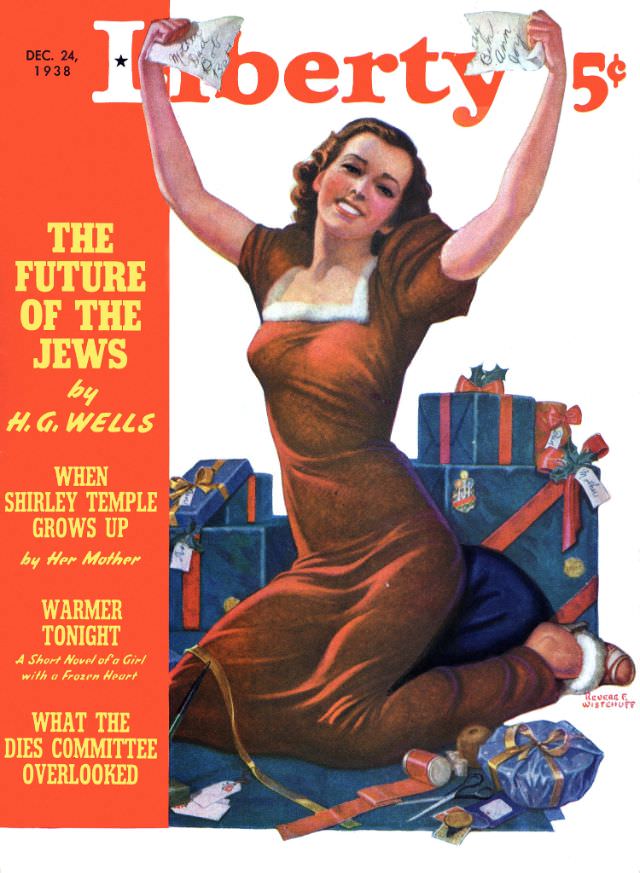
As the decade closed, Liberty entered 1939 with the world on the brink of conflict. The magazine’s final issues of the 1930s were published against the backdrop of World War II beginning in Europe. Liberty kept printing through it all, maintaining its identity as a magazine that covered American life in full — the political, the personal, and everything in between.