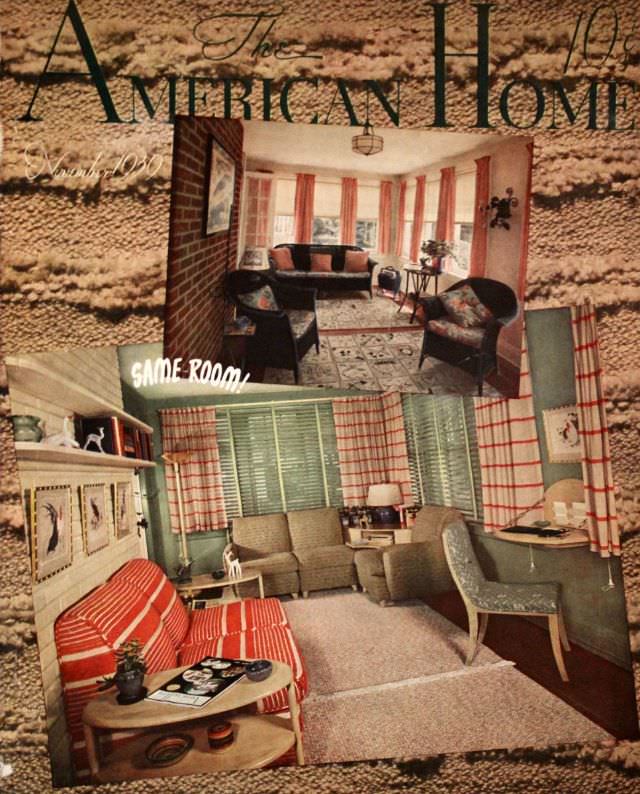
In 1928, a new monthly magazine hit American newsstands with a clear purpose: help families build better homes. The American Home Magazine covered everything from furniture and appliances to recipes and entertaining tips. For nearly five decades, it served as a trusted guide for readers who wanted practical advice on how to live well within their own four walls.
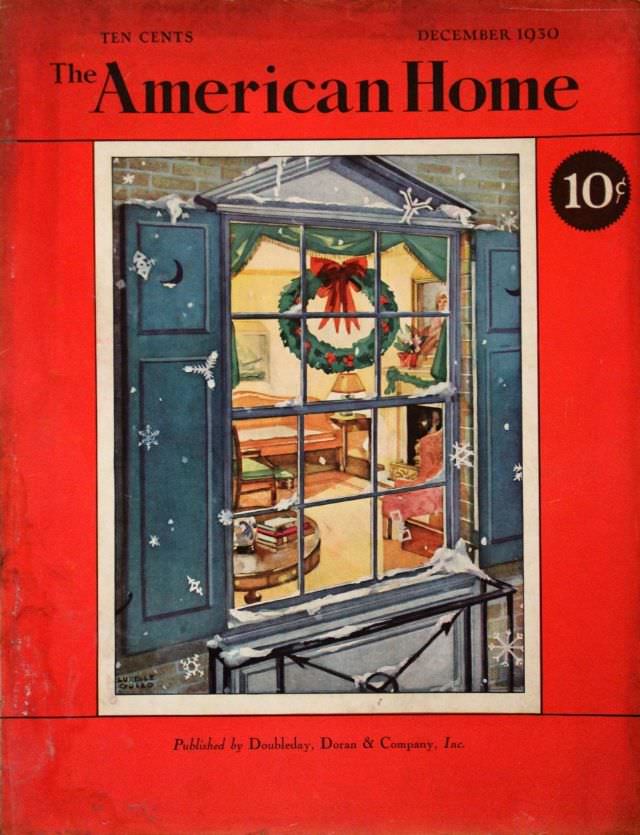
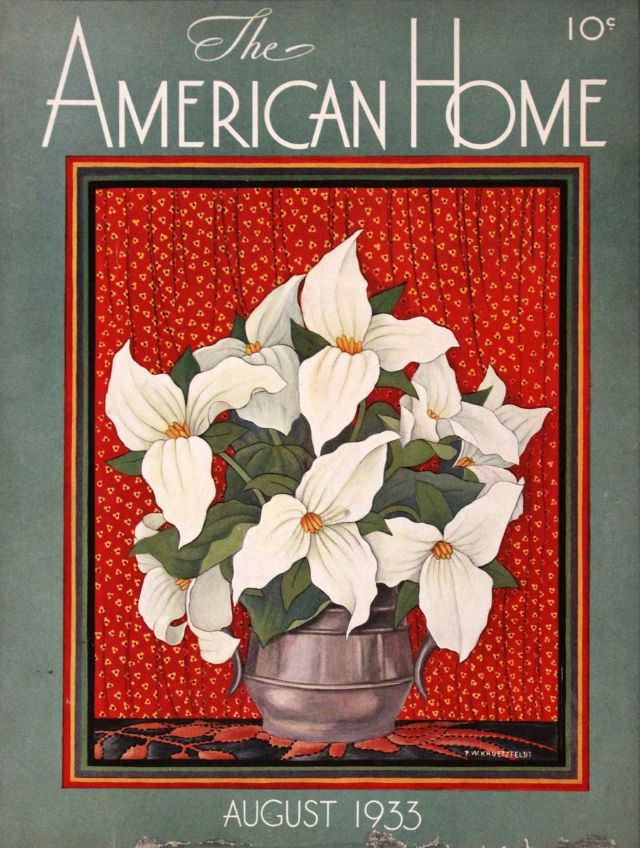
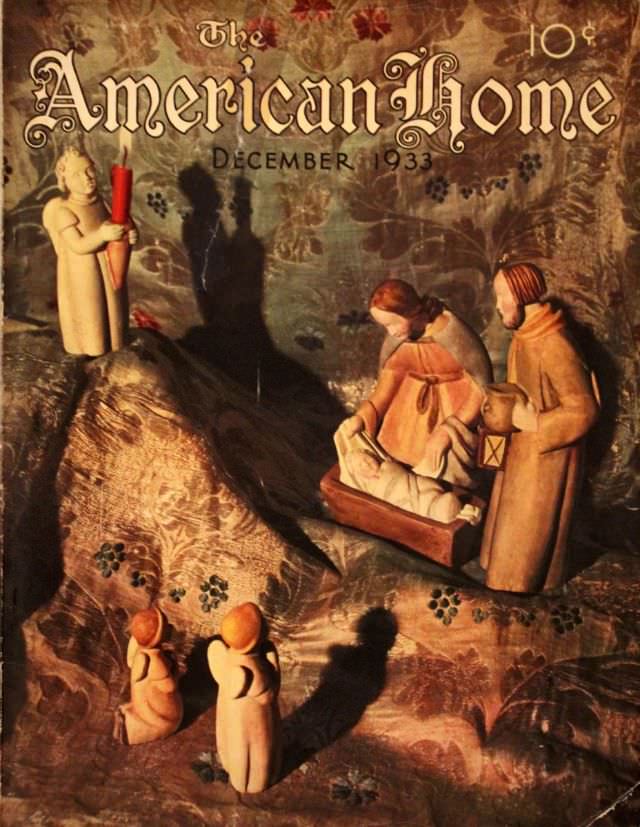
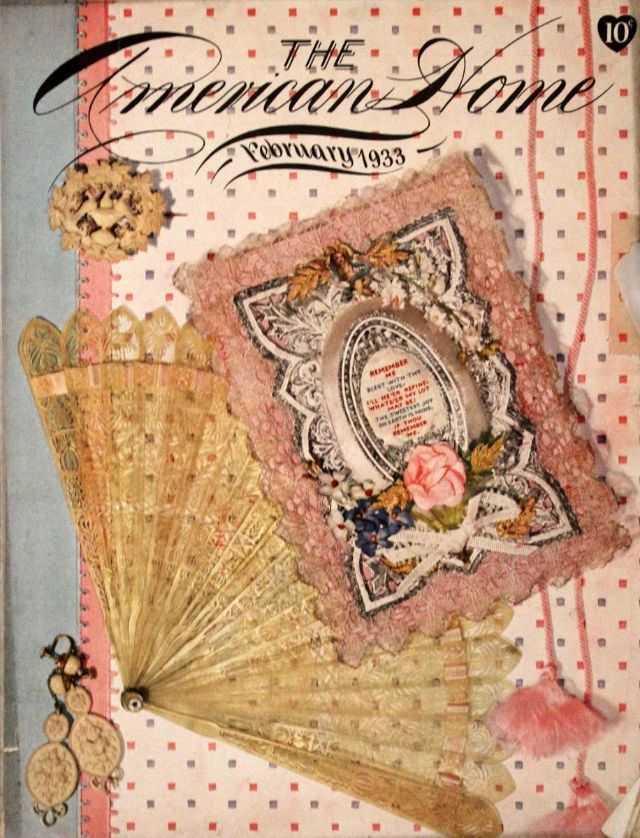
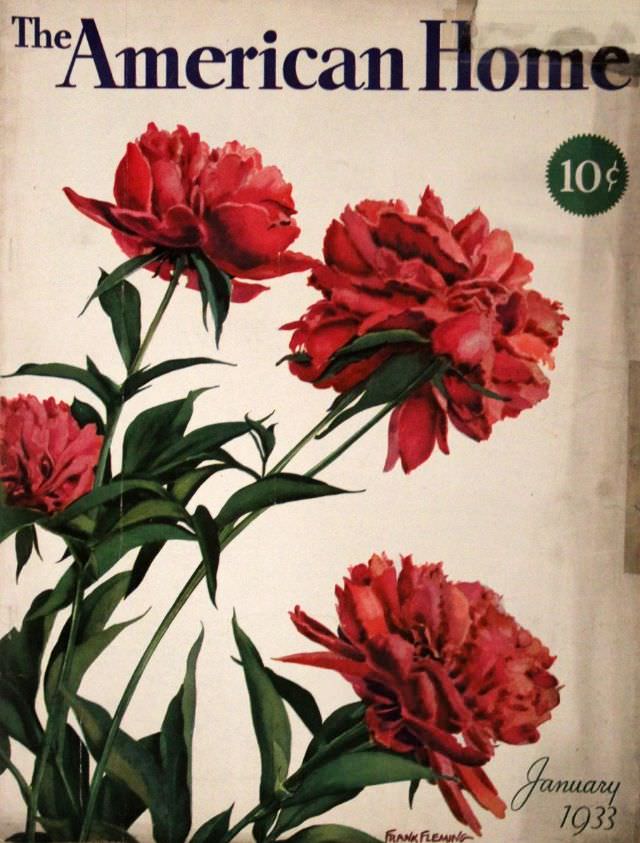
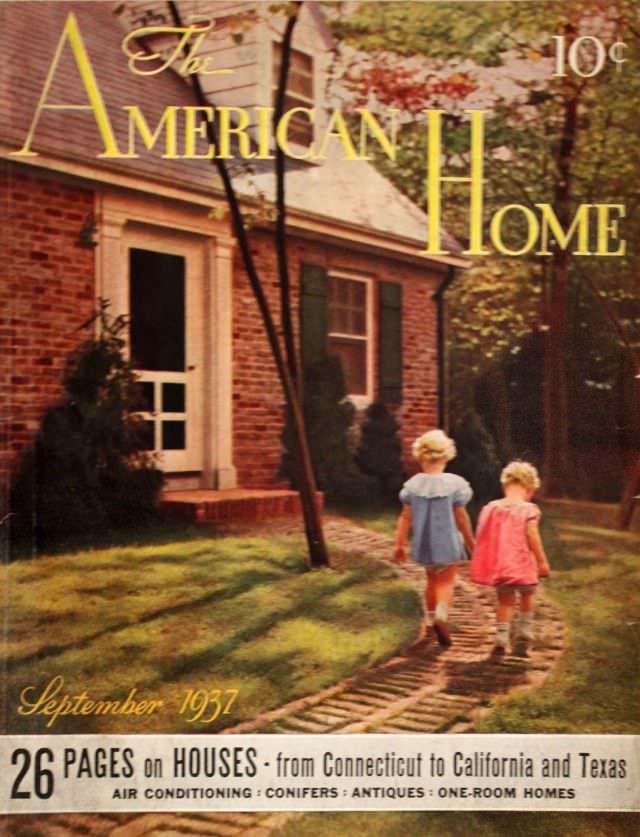
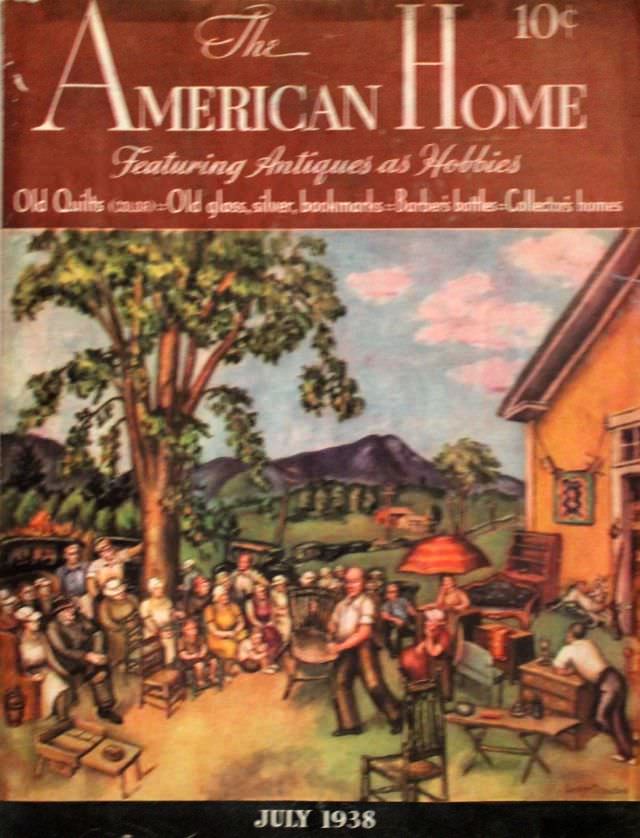
The magazine’s early covers from the 1930s were eye-catching by design. Colorful illustrations depicted warm interiors, seasonal themes, and scenes of domestic life. These images weren’t just decorative — they set the tone for every issue and signaled to readers what they could expect inside.
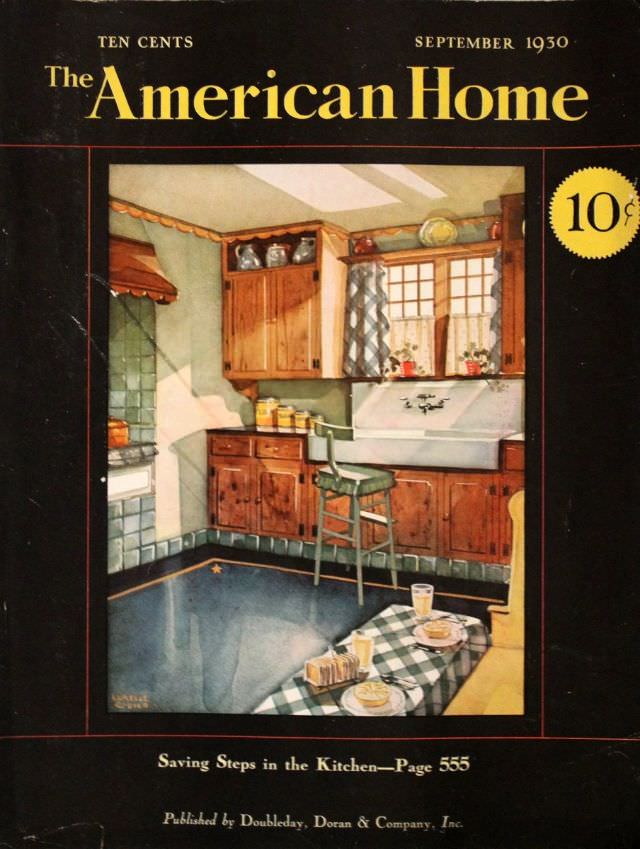
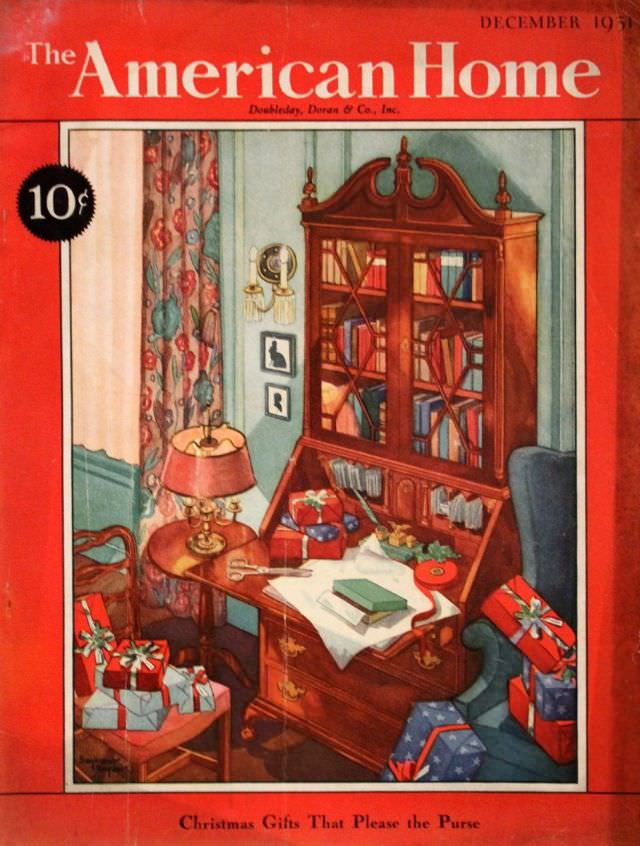
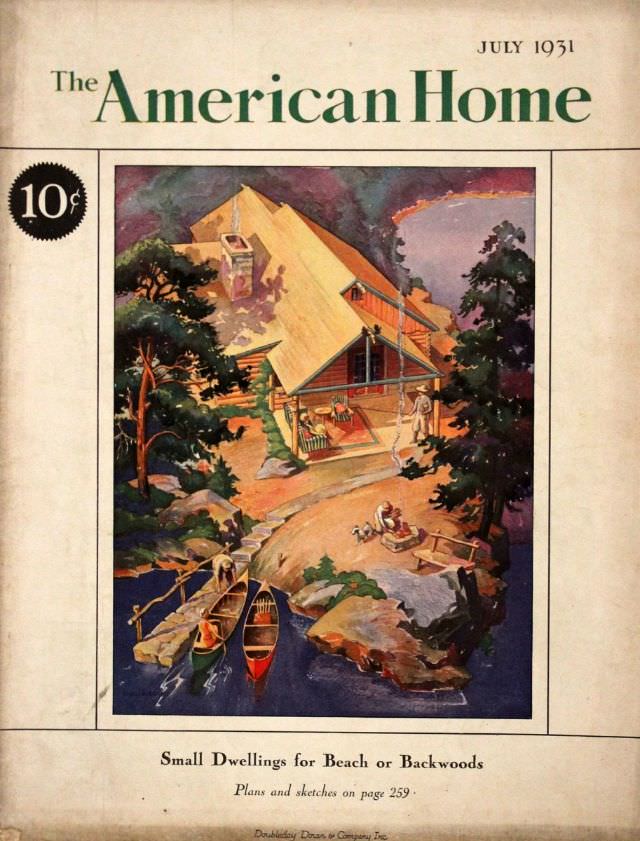
Throughout the early 1930s, the magazine maintained a steady publishing rhythm despite the economic hardships of the Great Depression. Each issue addressed the real concerns of American households — how to decorate on a budget, how to cook satisfying meals, and how to make a home feel welcoming regardless of circumstances.
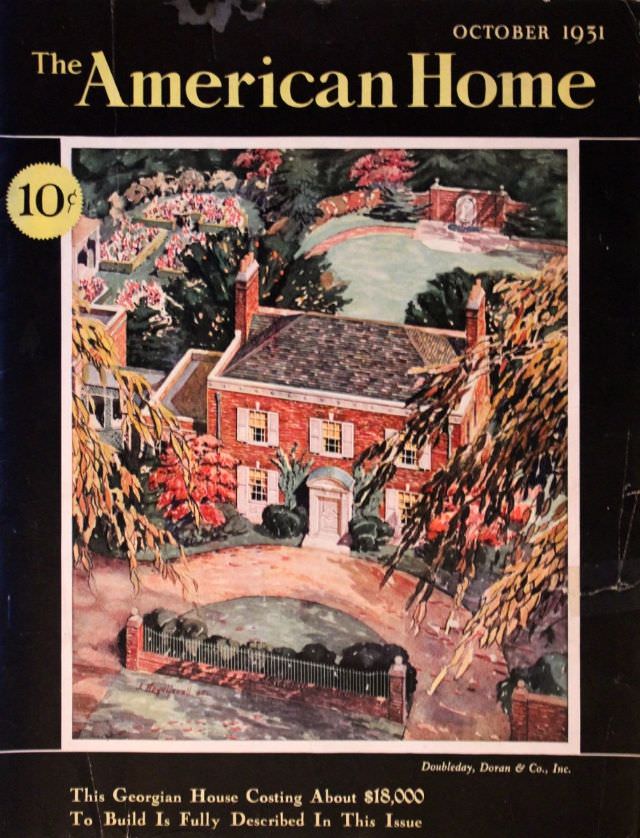
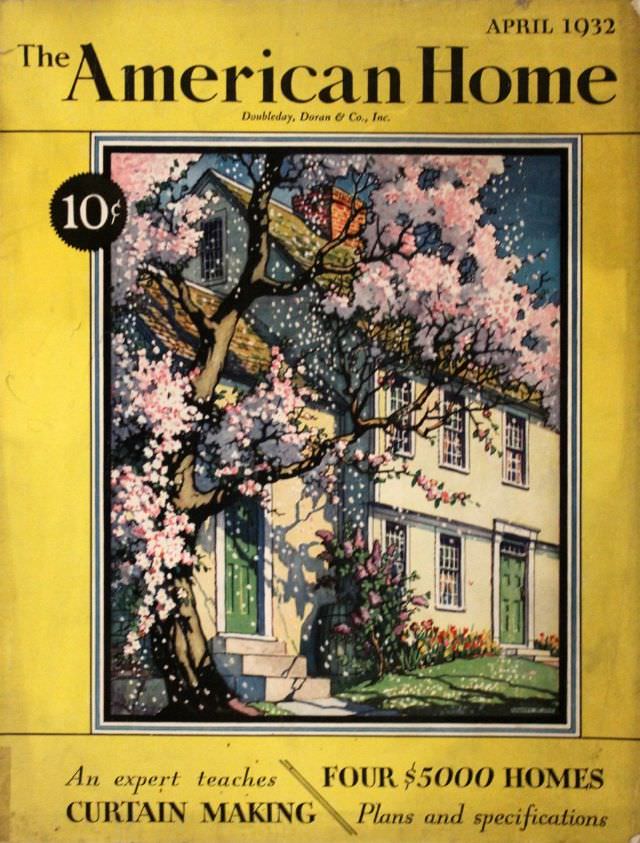
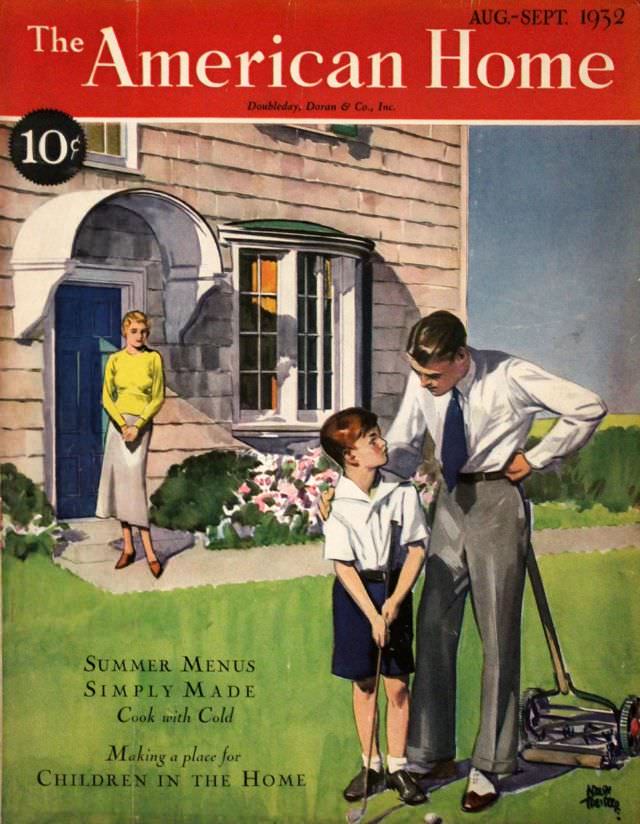
The year 1932 alone produced a remarkable range of cover art, reflecting the magazine’s seasonal approach to home and family life. Winter holidays, summer gardening, and autumn harvests each earned their own issue, giving readers content that felt timely and relevant month after month.
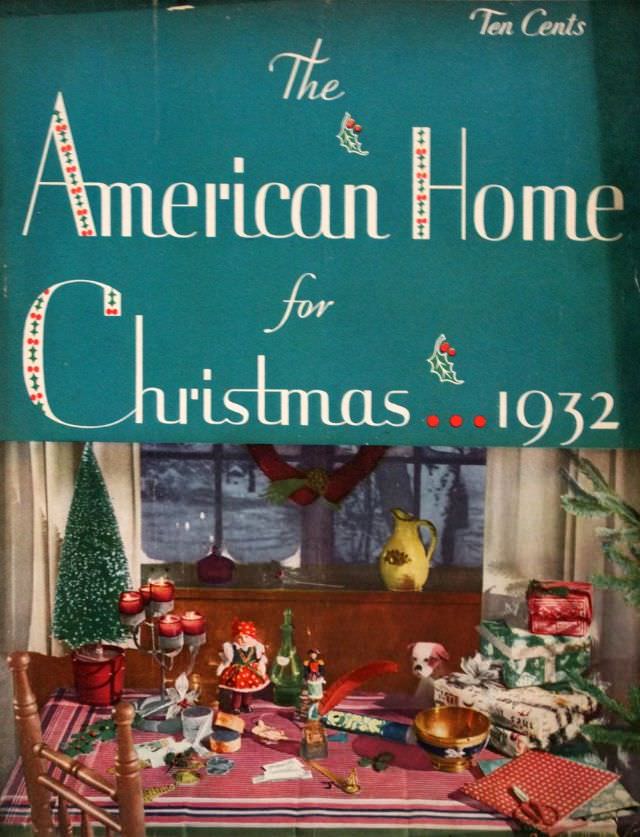
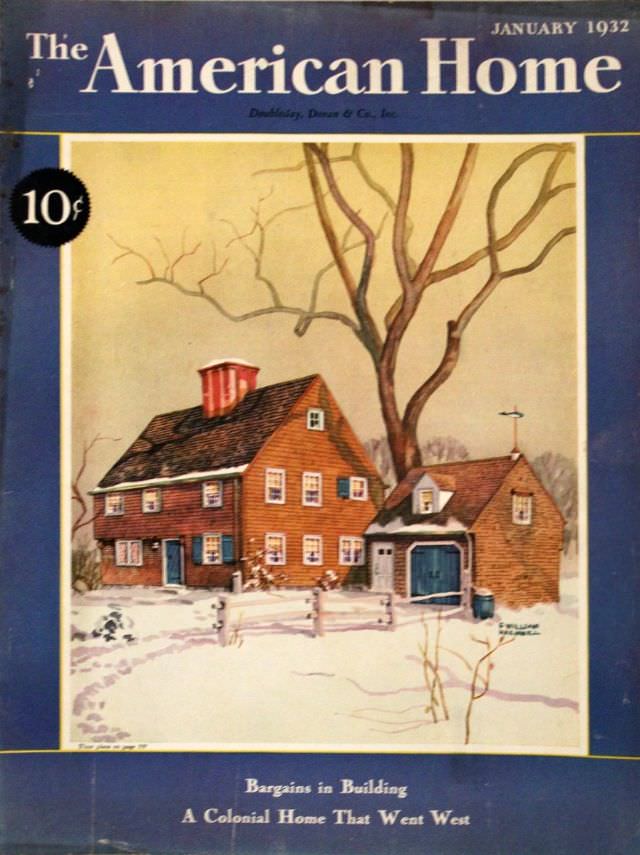
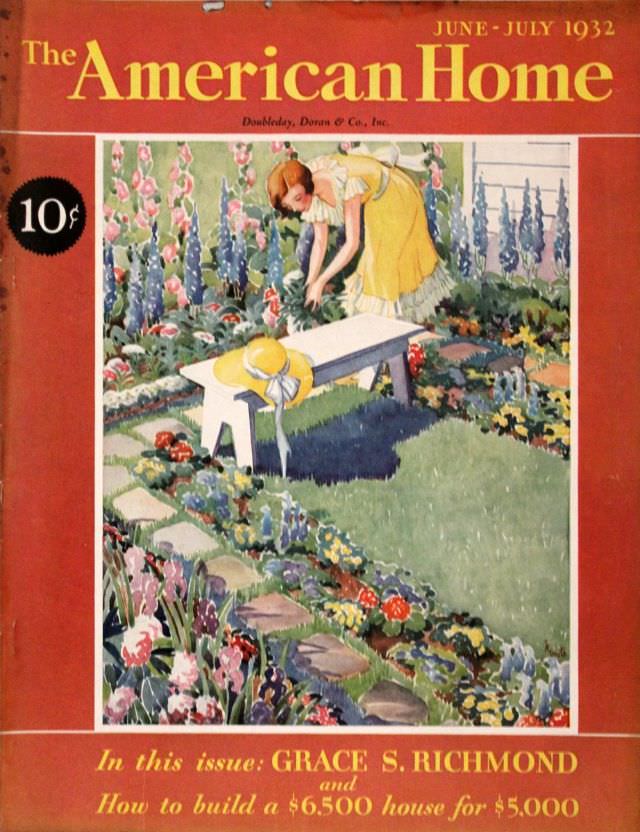
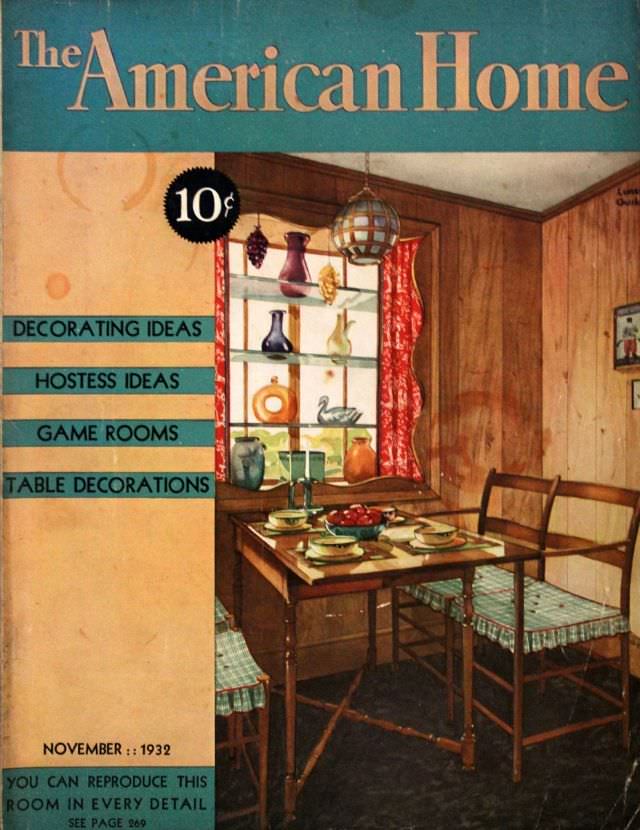
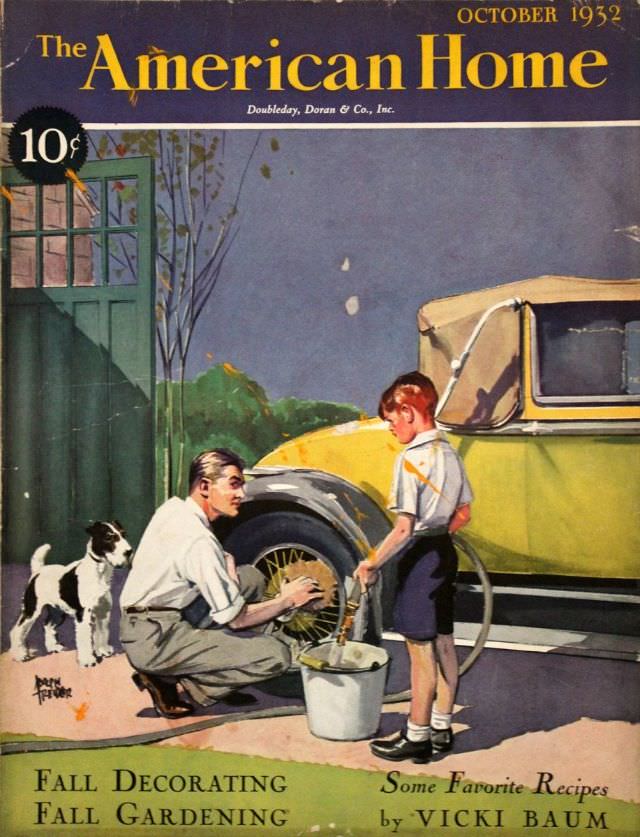
By 1933, the magazine had built a loyal readership. Its content spanned gardening, crafts, cooking, and home design — topics that touched nearly every corner of domestic life. Contributors included notable names like Eleanor Roosevelt, Betty Friedan, and Julia Child, whose writing gave the publication both cultural weight and practical depth.
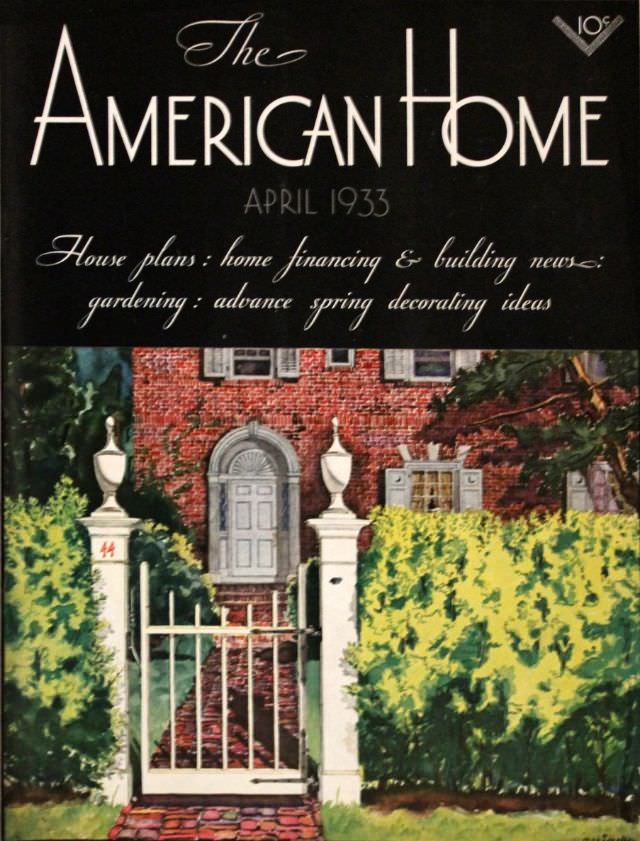
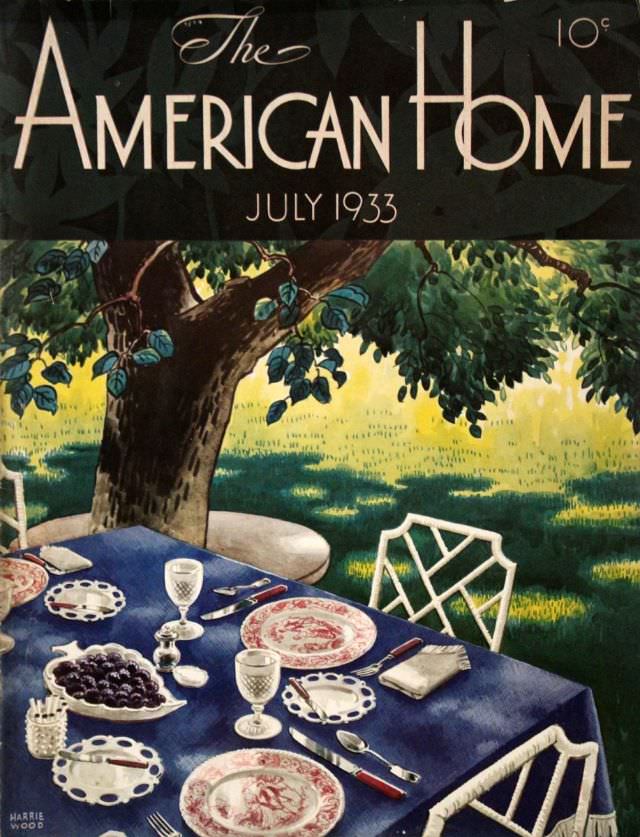
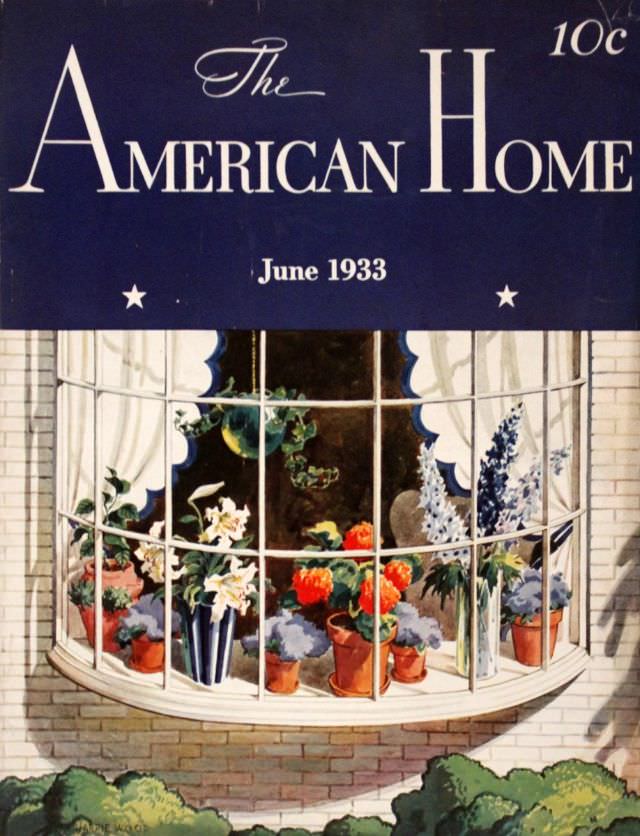
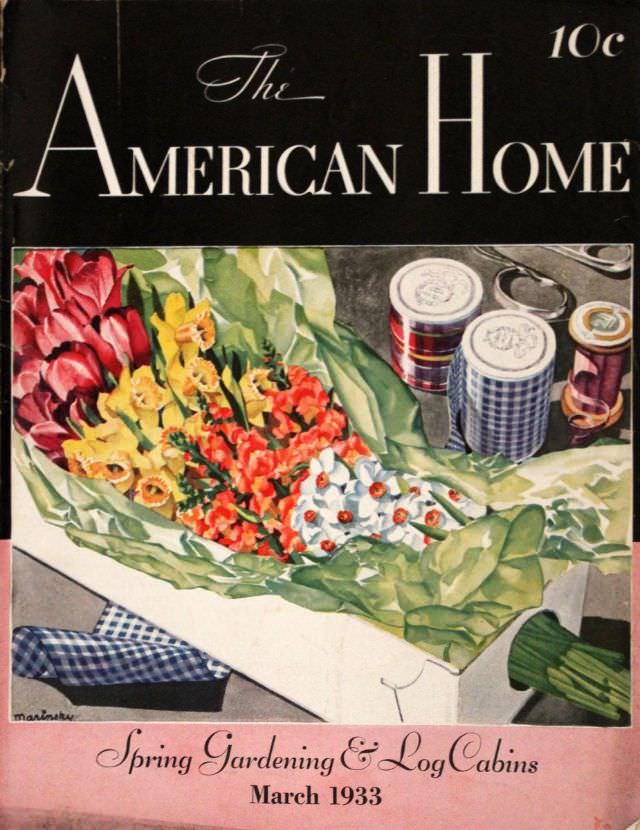
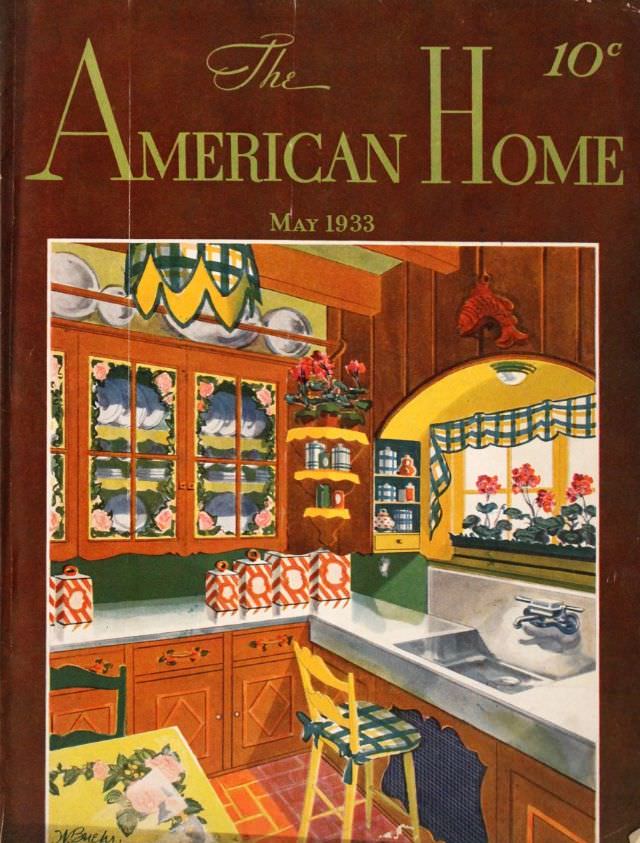
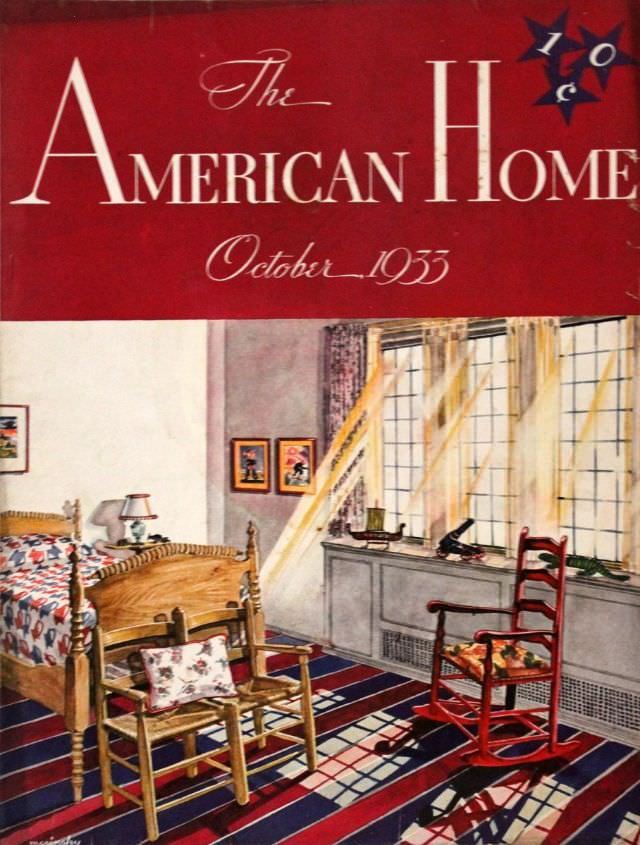
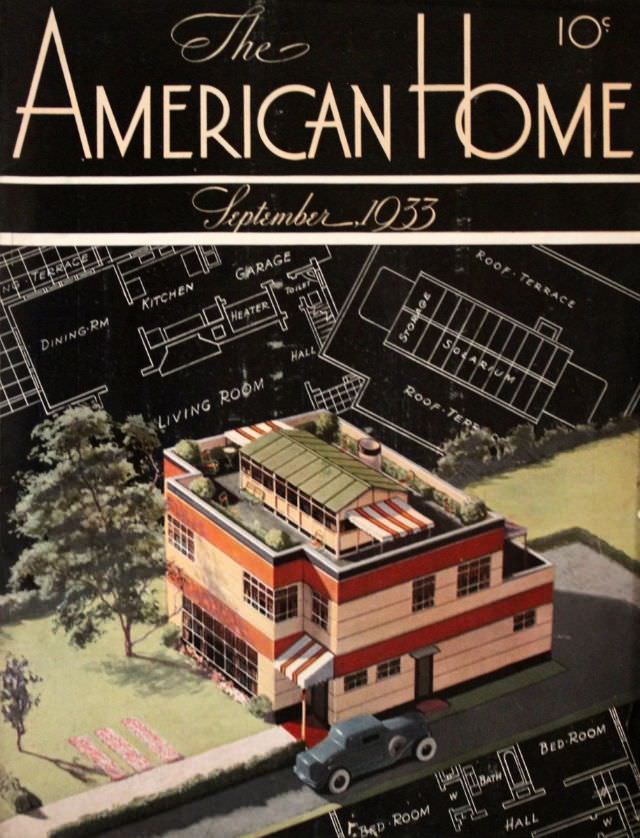
The magazine’s peak popularity came in the 1940s and 1950s, when the post-war baby boom drove millions of young families to seek out exactly the kind of guidance it offered. New homeowners wanted to know how to furnish a living room, what appliances to buy, and how to host a dinner party. The American Home answered all of it.
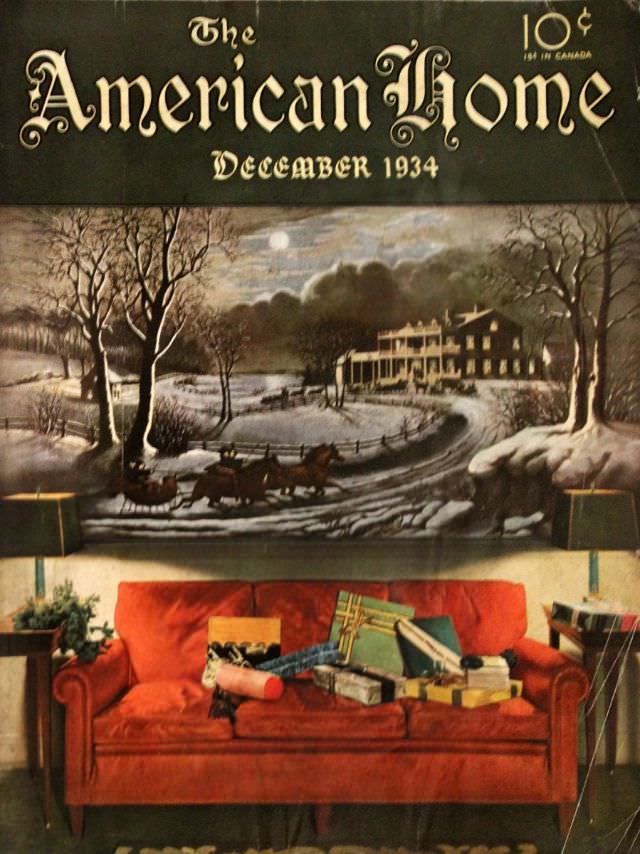
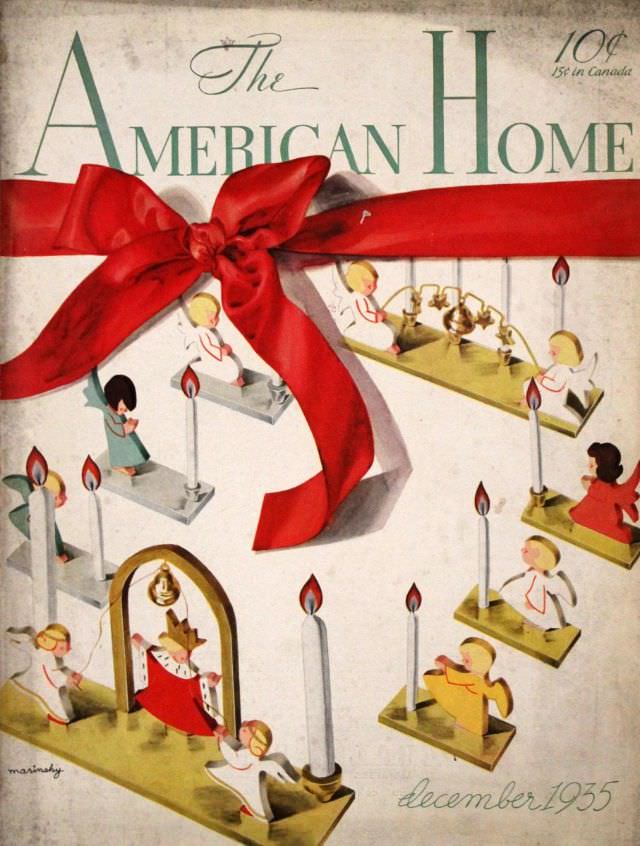
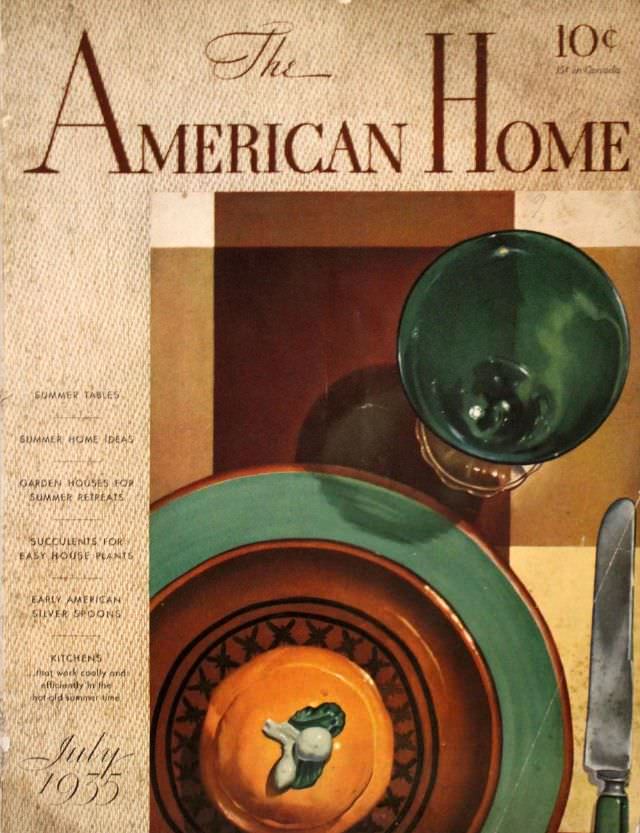
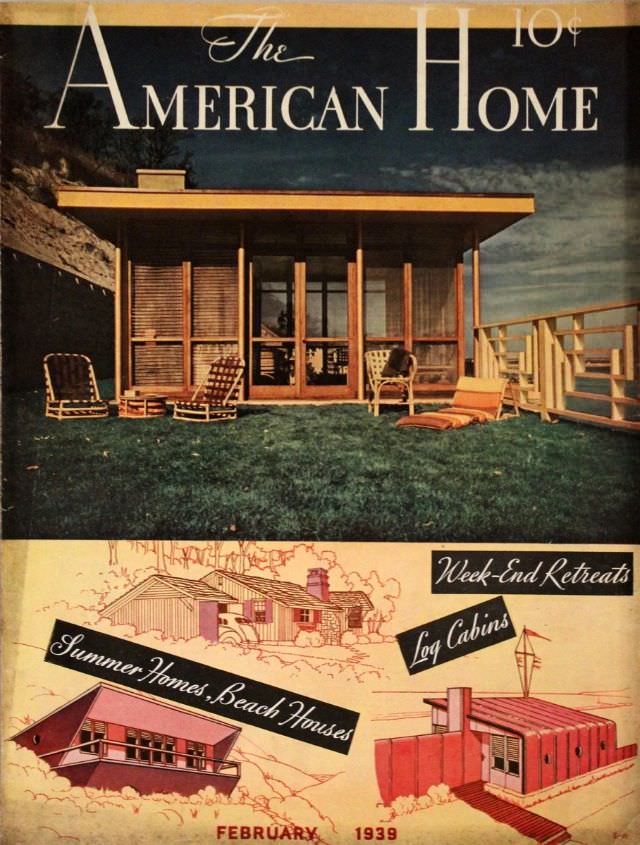
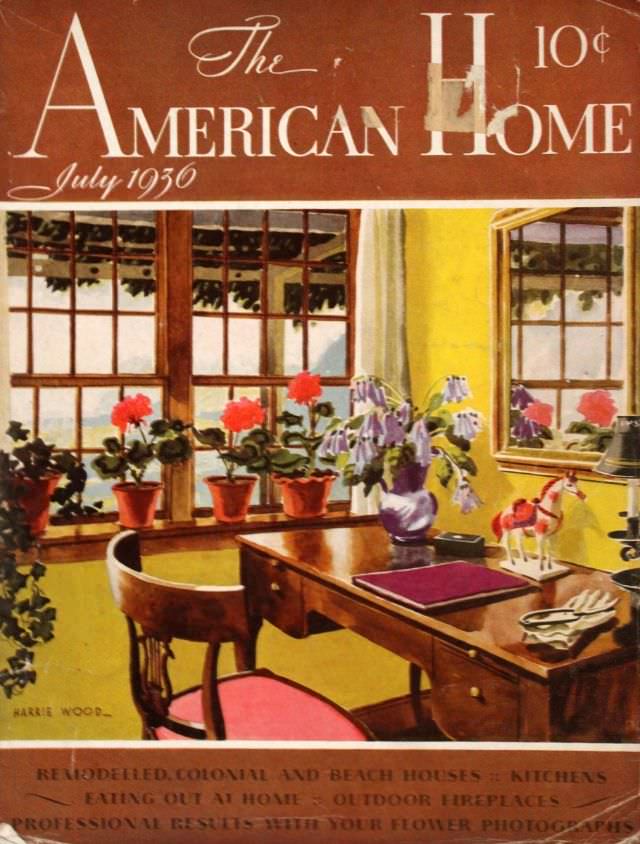
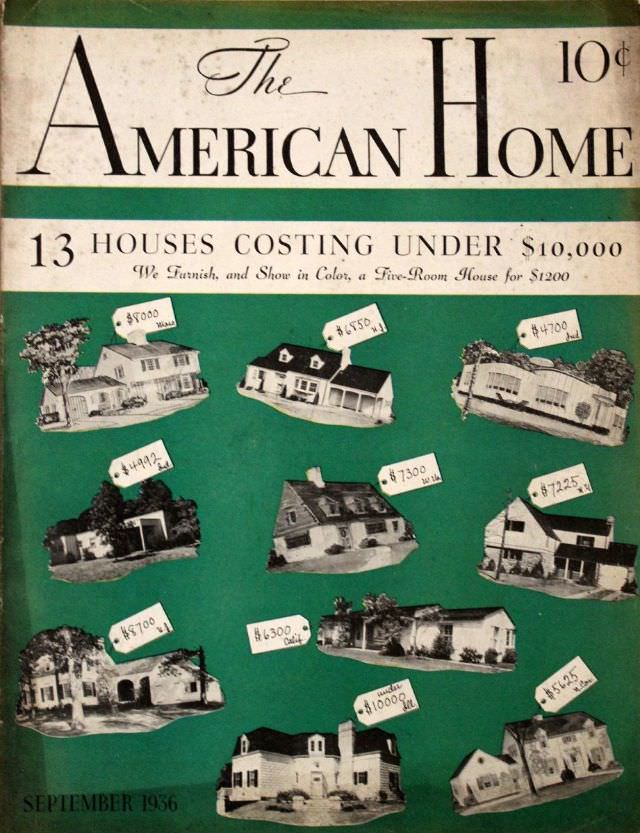
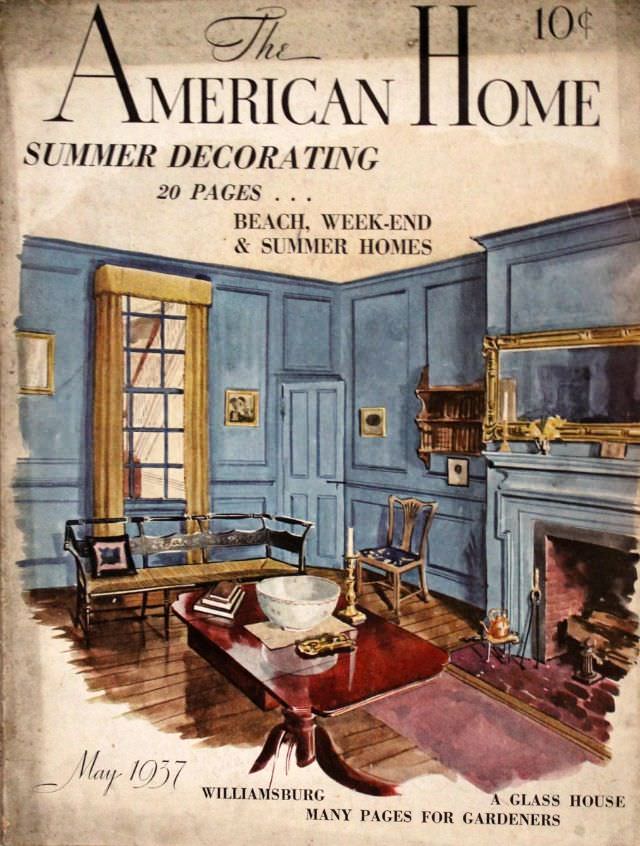
As the 1930s progressed into the late decade, the magazine’s cover art evolved in style and sophistication. Illustrations became more refined, and the subjects depicted — from summer porches to winter firesides — grew more aspirational in tone.

In the 1960s, competing publications began cutting into the magazine’s readership. To stay relevant, editors overhauled the format in 1968, targeting a younger demographic with updated design and fresh content. Despite these efforts, rising production costs and a shrinking audience brought the publication to a close in 1977 — 49 years after its first issue.
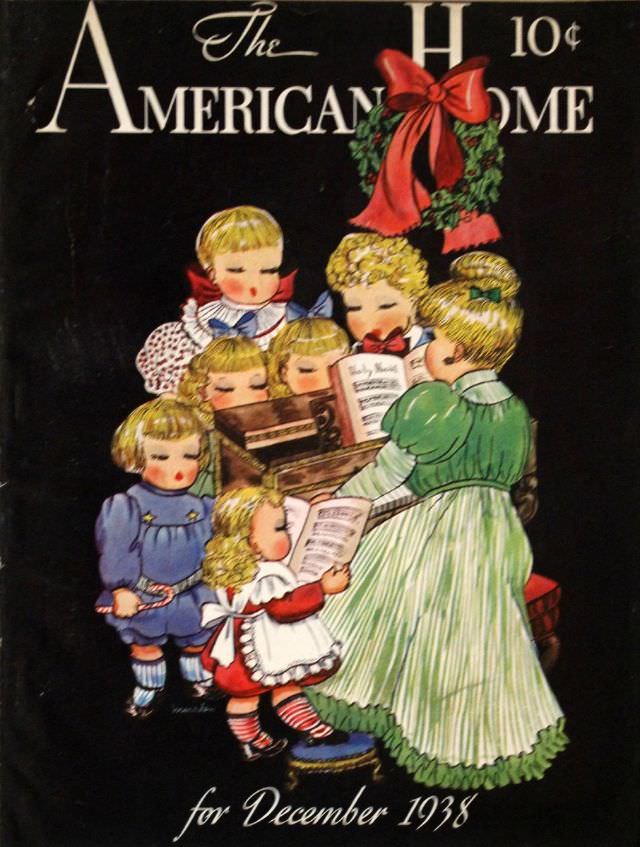
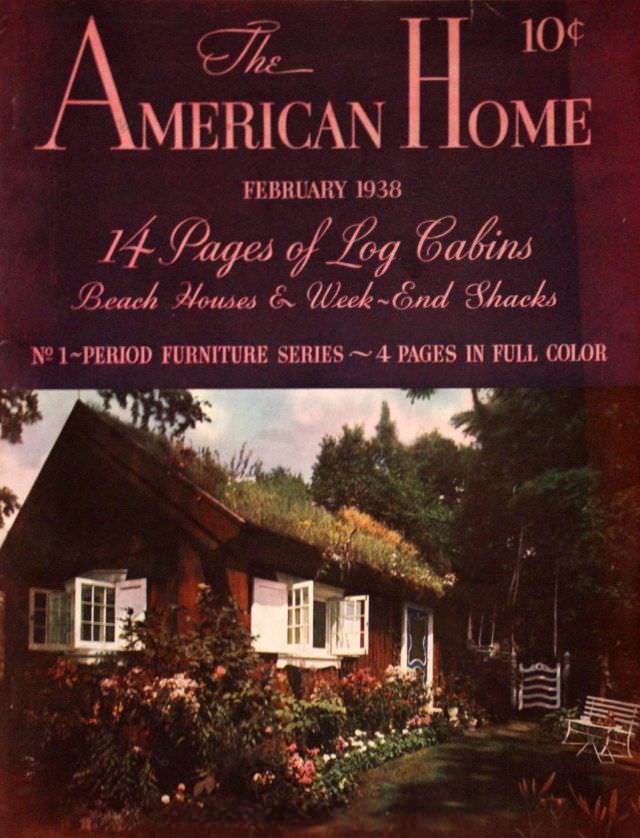
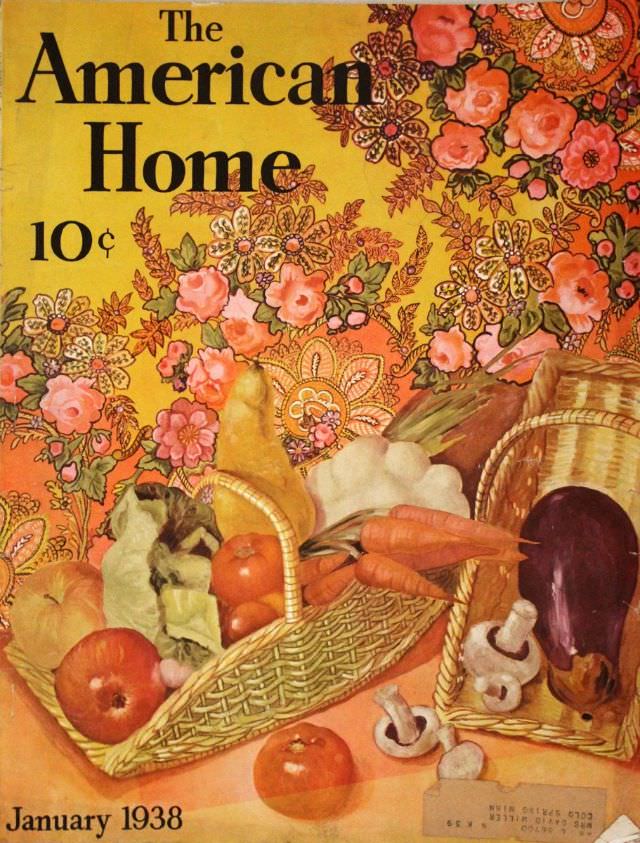
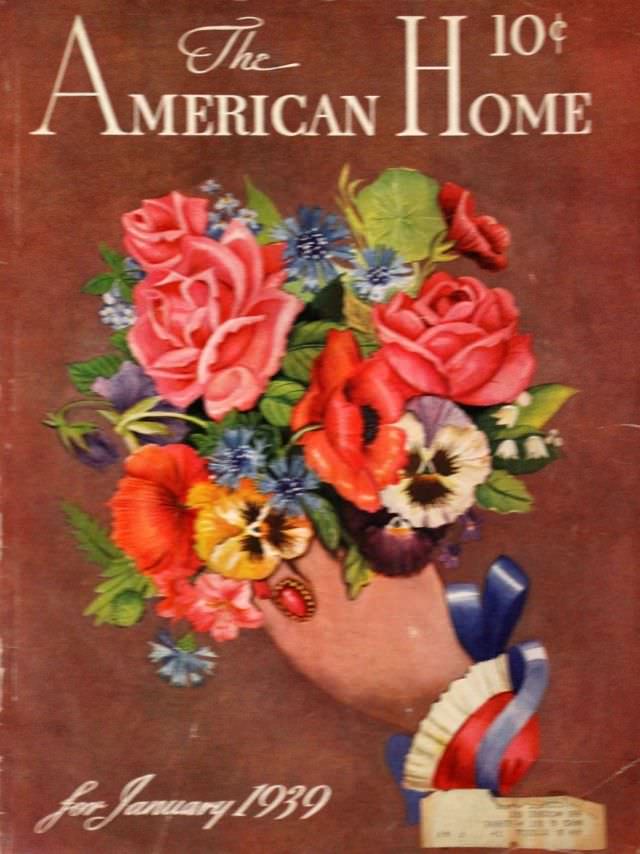
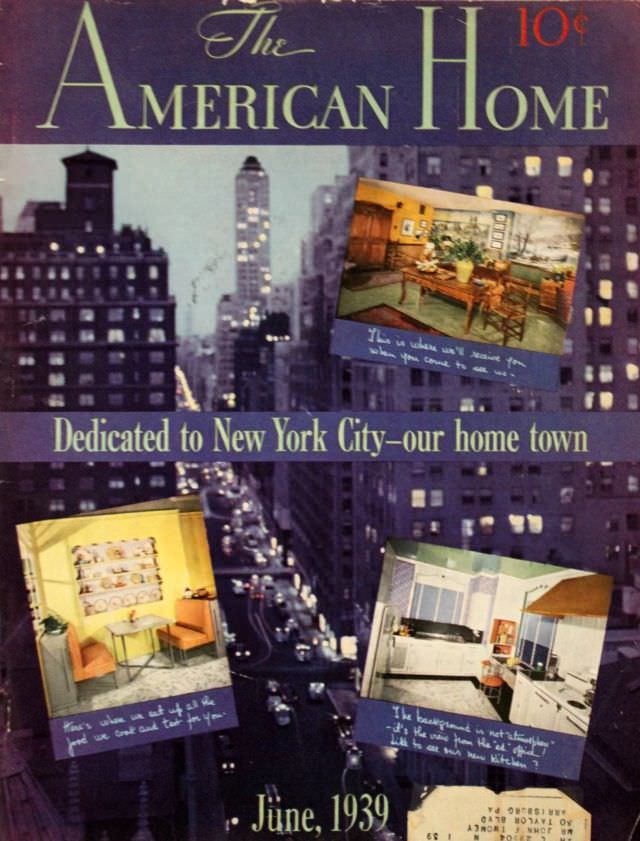
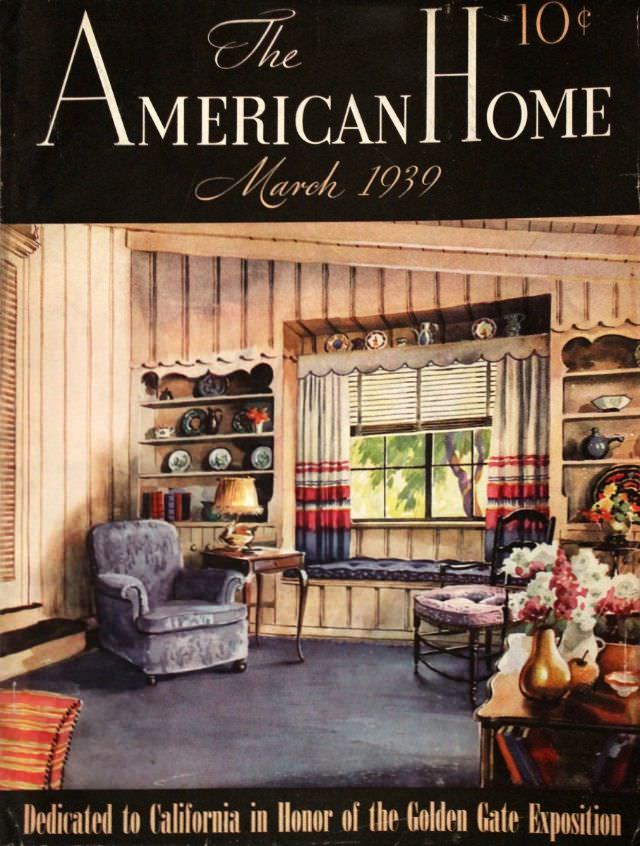
The final years of the 1930s represented some of the magazine’s most visually consistent output. The covers from 1939 in particular show a publication that had fully settled into its identity — confident in its audience and clear in its mission to make American home life richer and more enjoyable.