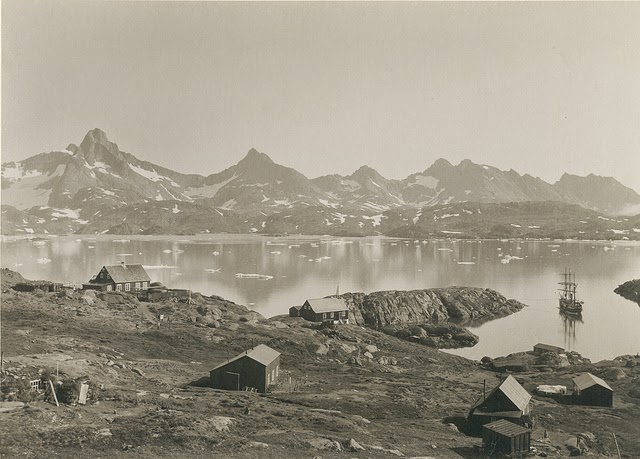
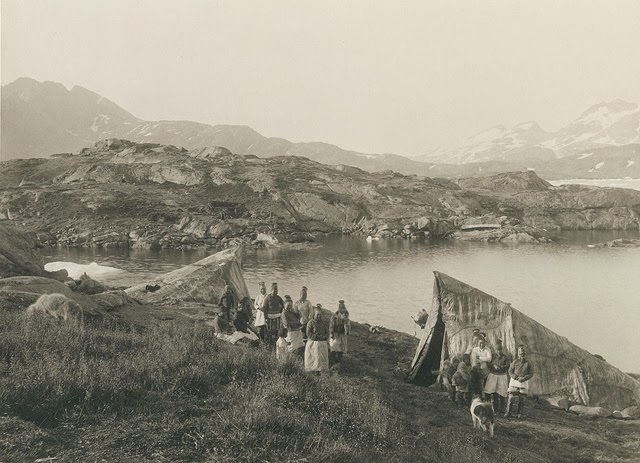
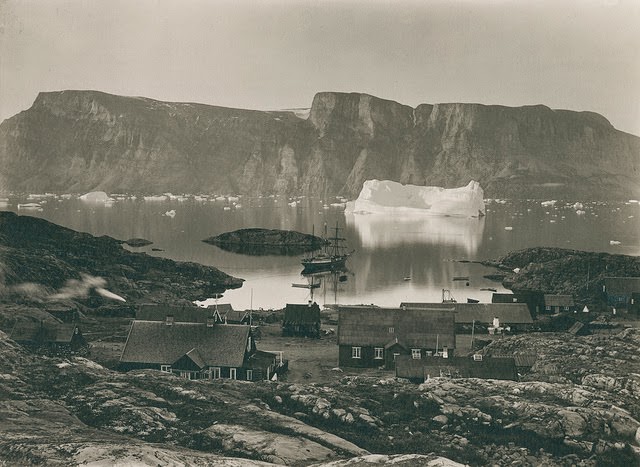
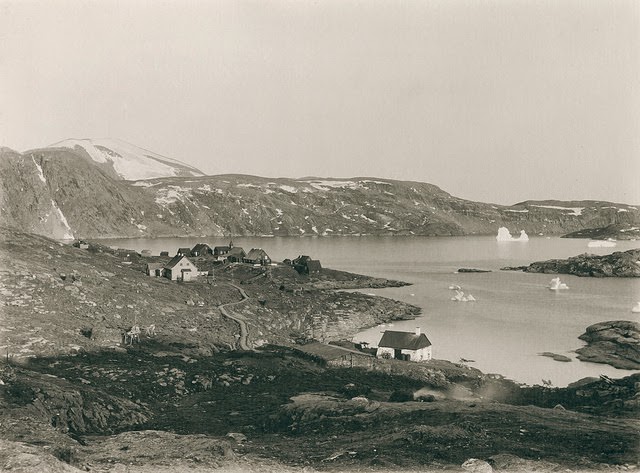
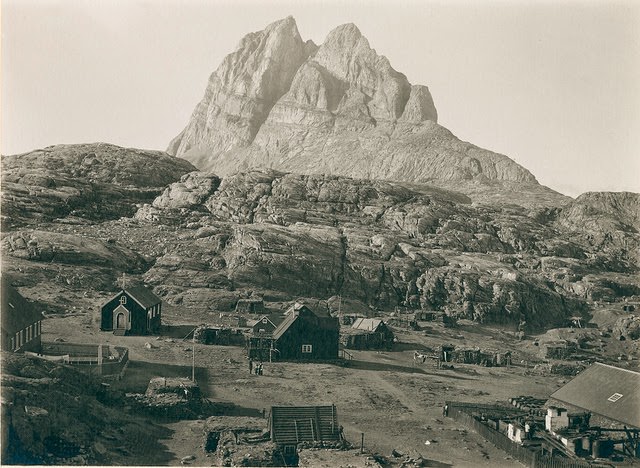
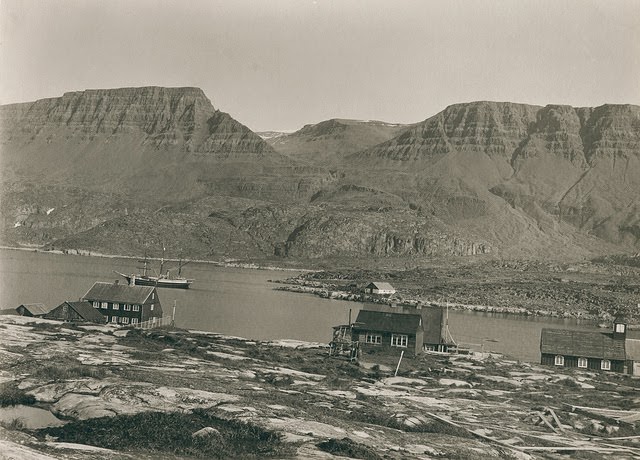
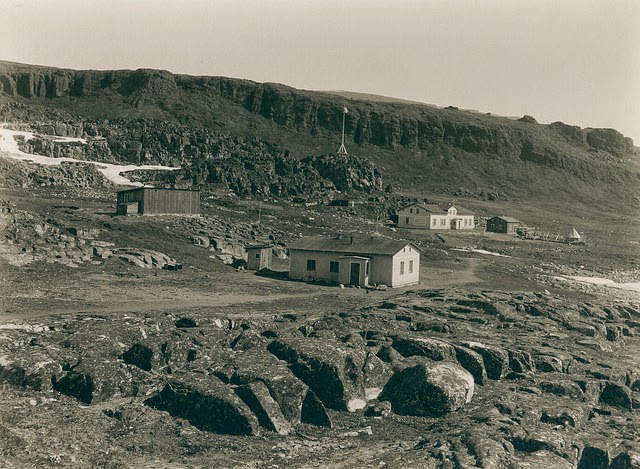
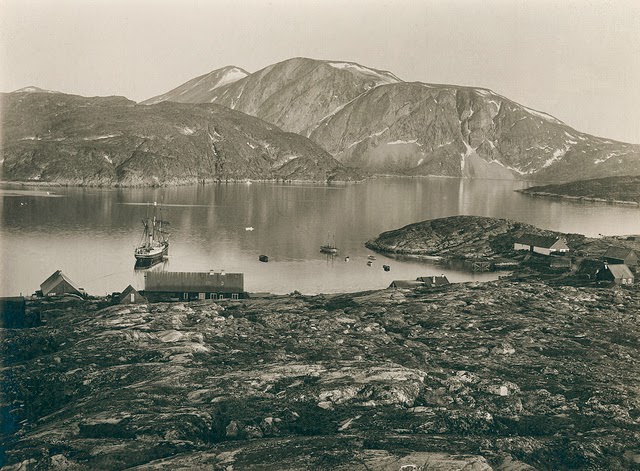
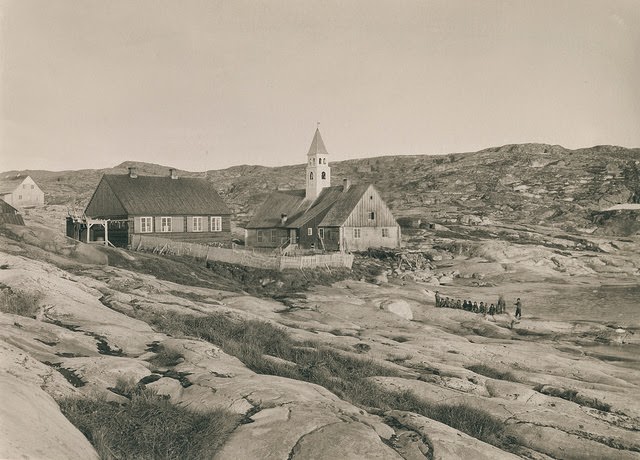
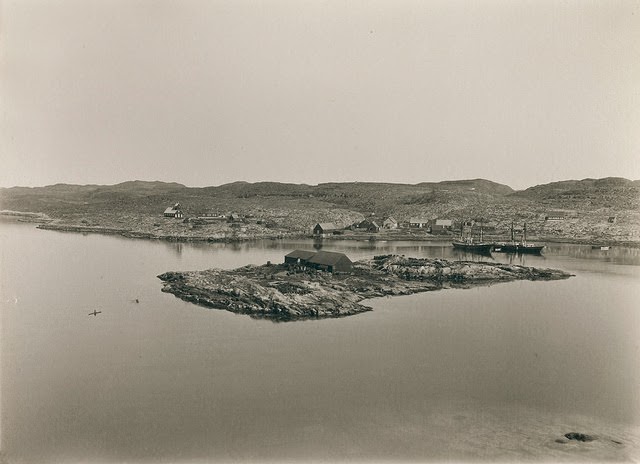
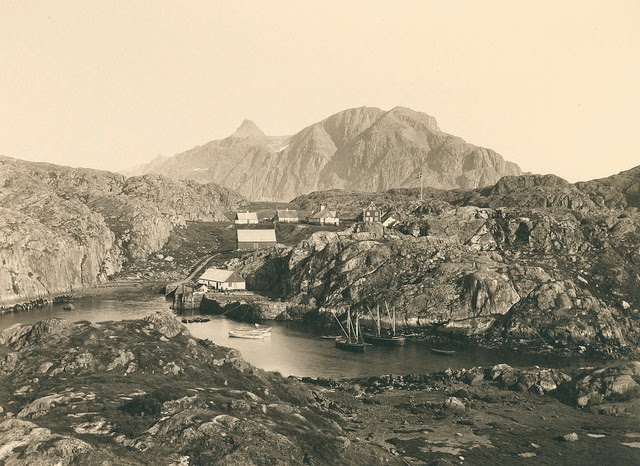
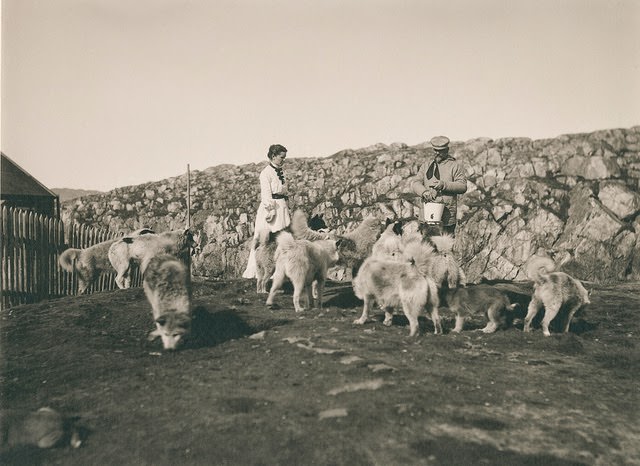
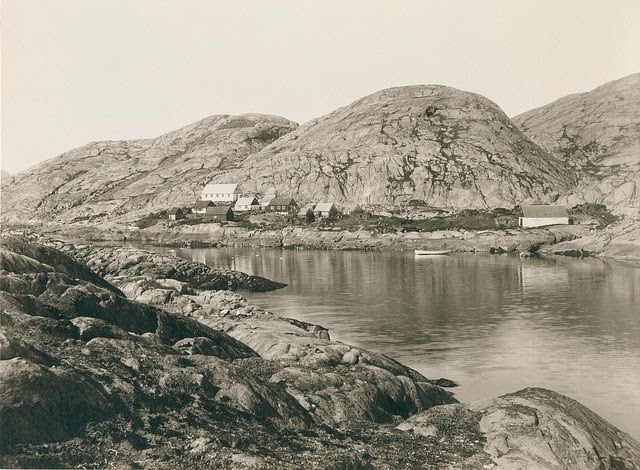
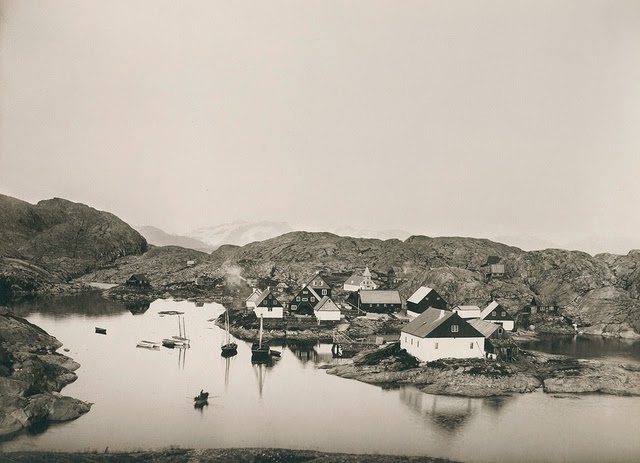
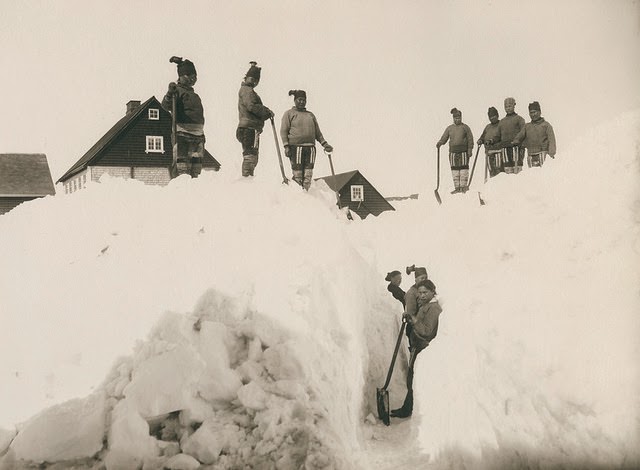
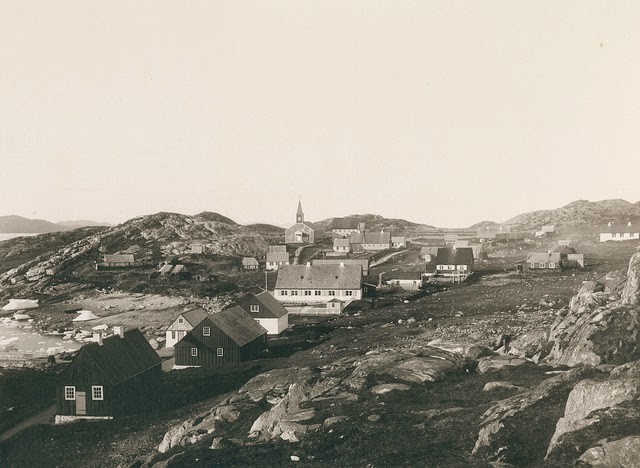
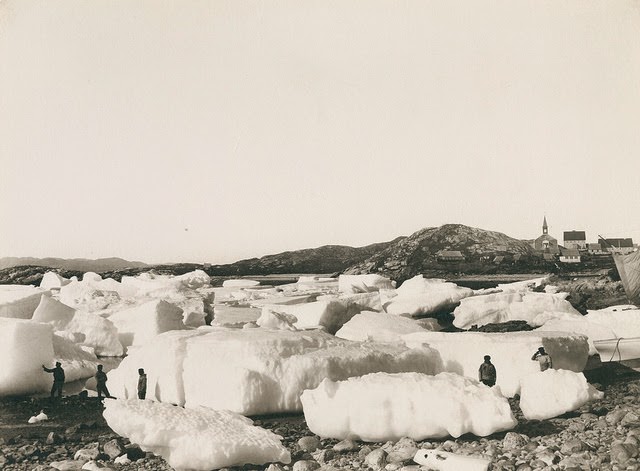
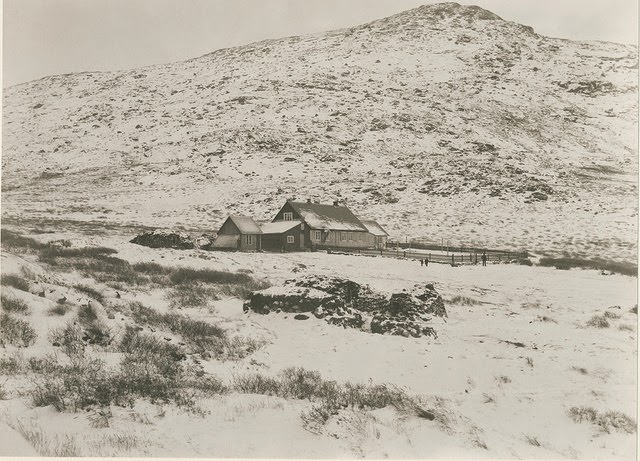
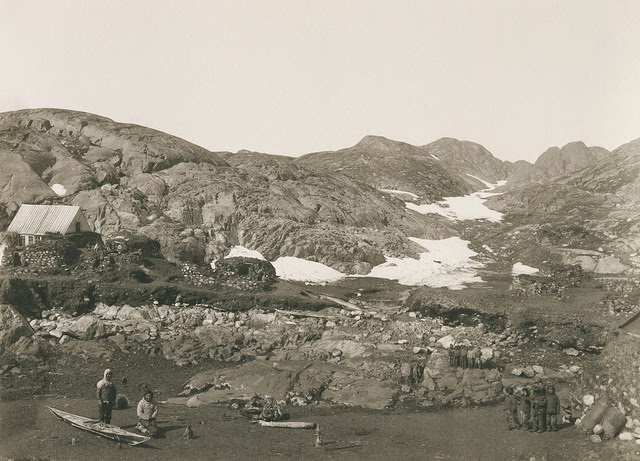
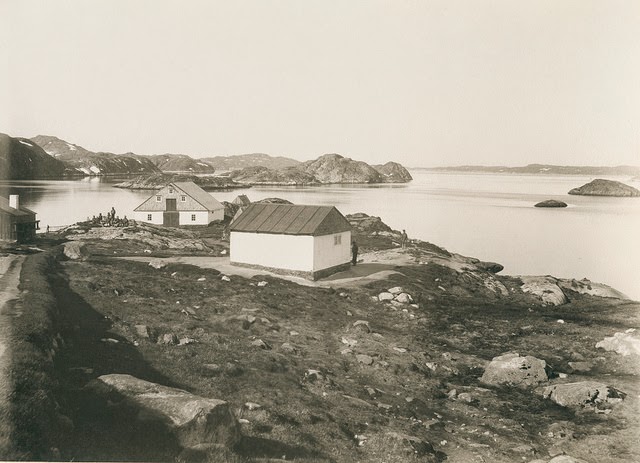
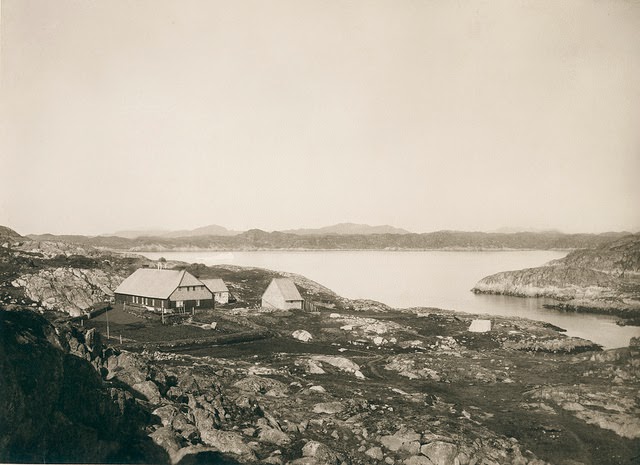
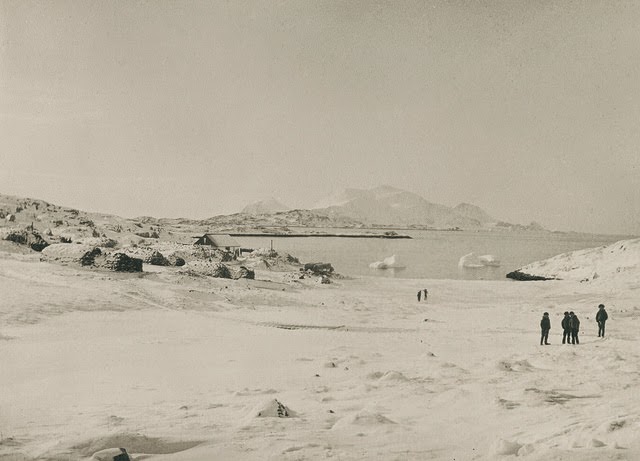
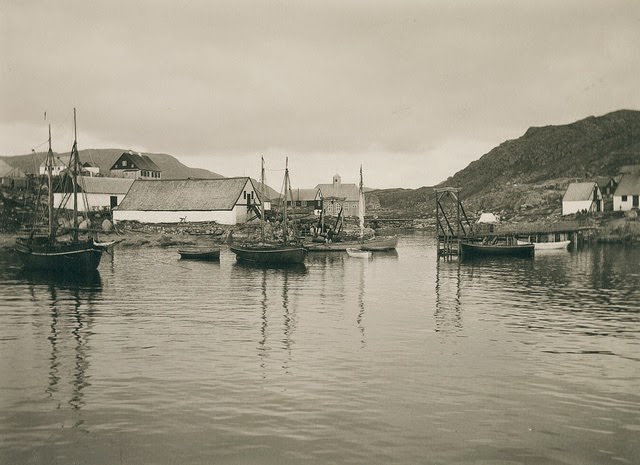
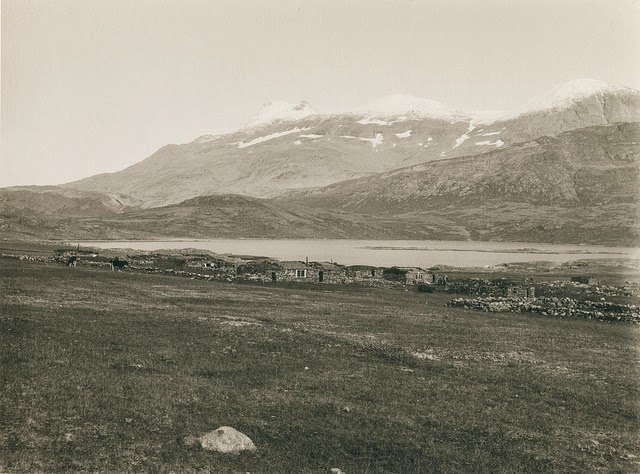
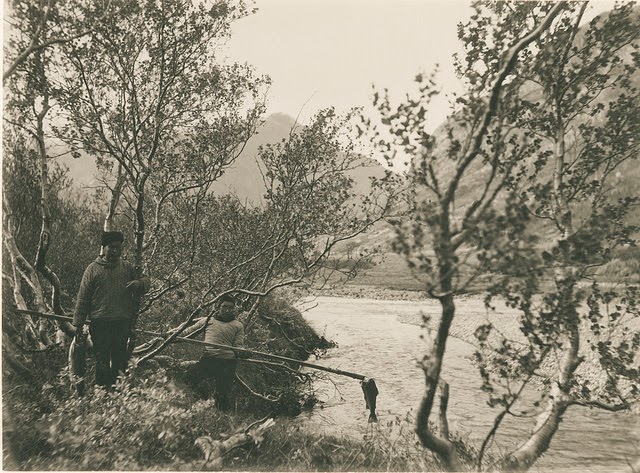
In the late 19th century, the population of Greenland lived in small, scattered communities along the rocky coastline. Most families spent the long, harsh winters in semi-subterranean houses built from stone and thick turf. These structures offered excellent insulation against the freezing arctic winds. Inside, a soapstone lamp known as a qulliq burned seal blubber to provide both heat and light. During the short summer season, people left these permanent winter homes. They moved into portable tents made of animal skins to travel to different hunting grounds and fishing spots.
The Importance of the Kayak
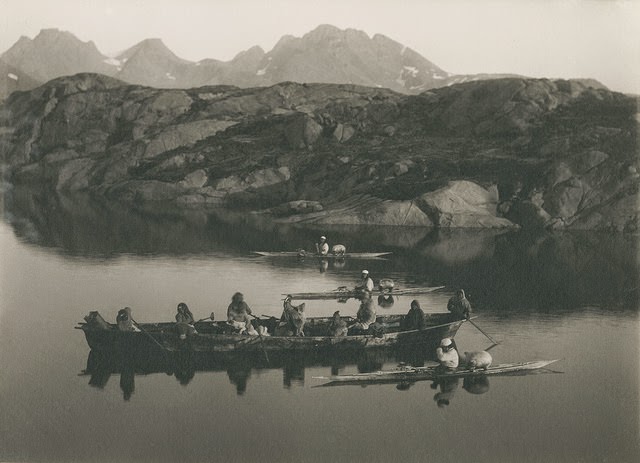
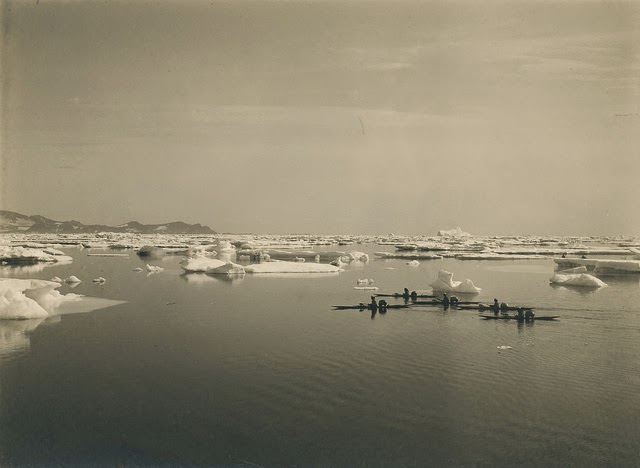
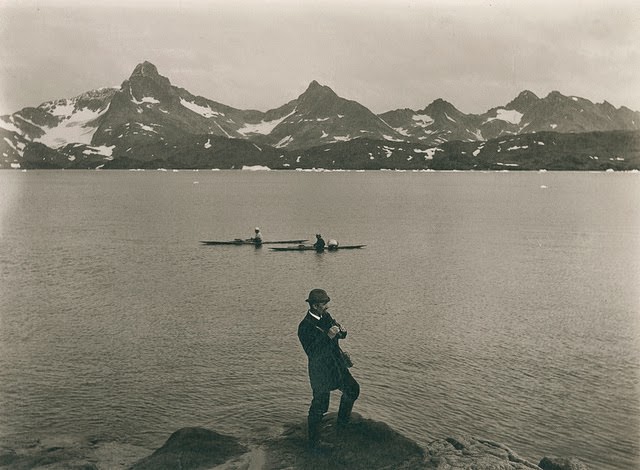
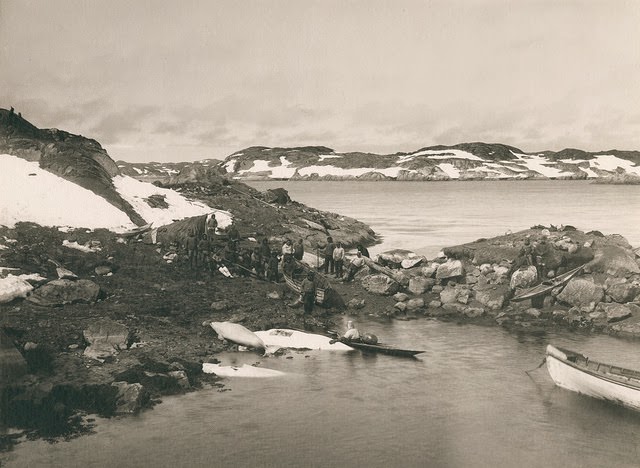
Survival in Greenland depended almost entirely on the ocean. Men built and used swift, narrow boats called kayaks, constructing frames from driftwood and covering them with stretched seal skins. A hunter sat in the small central cockpit, wearing a waterproof jacket made from seal intestines that laced tightly around the rim to keep water out. They used these vessels to hunt seals, narwhals, and walruses with harpoons. For transporting families and heavier gear, women rowed larger, open skin boats known as umiaks.
The Danish Trade Monopoly
Denmark maintained strict control over the island through the Royal Greenland Trading Department. This government monopoly managed all commerce and deliberately limited contact with the outside world to protect the Inuit culture. Trading posts operated in major colonies like Godthab (Nuuk) and Jakobshavn (Ilulissat). Hunters brought their surplus seal blubber, fox skins, and ivory to these depots. In exchange, they received imported European goods such as coffee, tobacco, flour, and firearms.
Read more
Clothing and Craftsmanship
Greenlanders wore sophisticated clothing designed specifically for the extreme climate. Women prepared hides by scraping away fat and chewing the leather to make it soft and pliable. They sewed complex garments using needles made of bone or steel. A typical outfit consisted of an inner parka with the fur facing the skin and an outer layer with the fur facing out. High boots called kamiks, made from depilated sealskin, kept feet dry in the snow and slush.
Crossing the Ice Sheet
The vast interior of Greenland remained a mystery to the outside world until 1888. Norwegian explorer Fridtjof Nansen led the first successful expedition to cross the massive ice sheet. He and his team of five men used skis and sledges to traverse the frozen wasteland from the east coast to the west. They battled severe snowstorms and temperatures far below freezing. This expedition proved that the interior was a continuous continental glacier, dispelling theories of an ice-free green oasis in the center.
The Cryolite Mine at Ivittuut
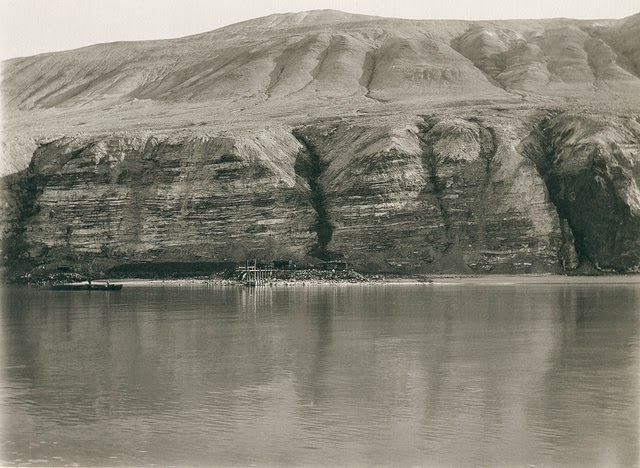
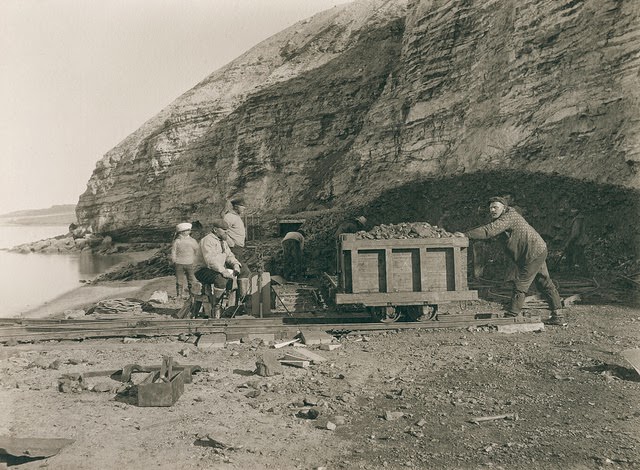
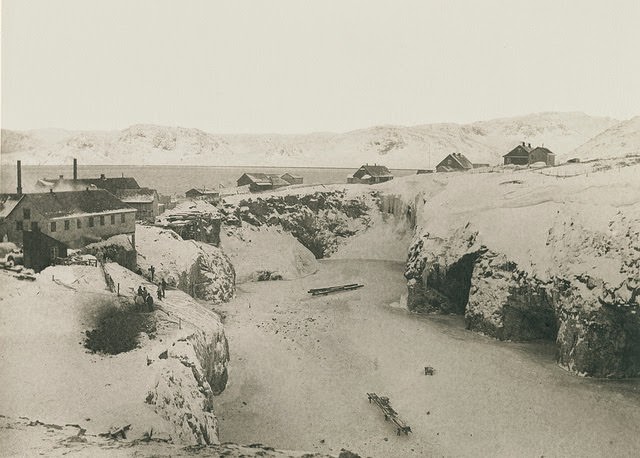
While most of the island relied on hunting, a unique industrial operation existed in the south at Ivittuut. Miners extracted cryolite, a rare white mineral essential for the production of aluminum and the processing of glass. This site hosted the only commercially viable cryolite mine in the world during this era. Ships arrived regularly to load the heavy ore for transport to factories in Pennsylvania and Copenhagen. This mining town introduced steam power and heavy machinery to the otherwise quiet southern fjords.