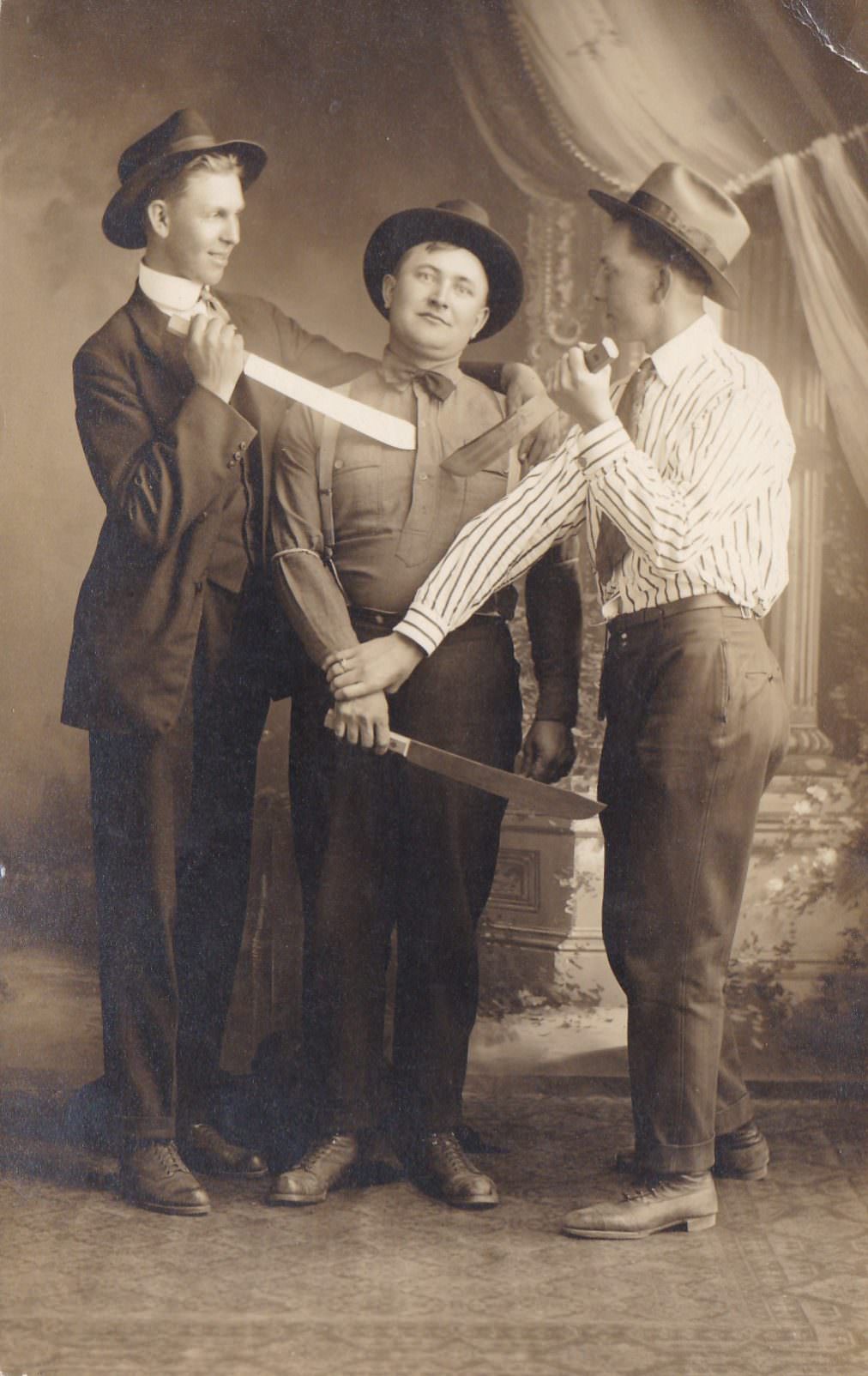
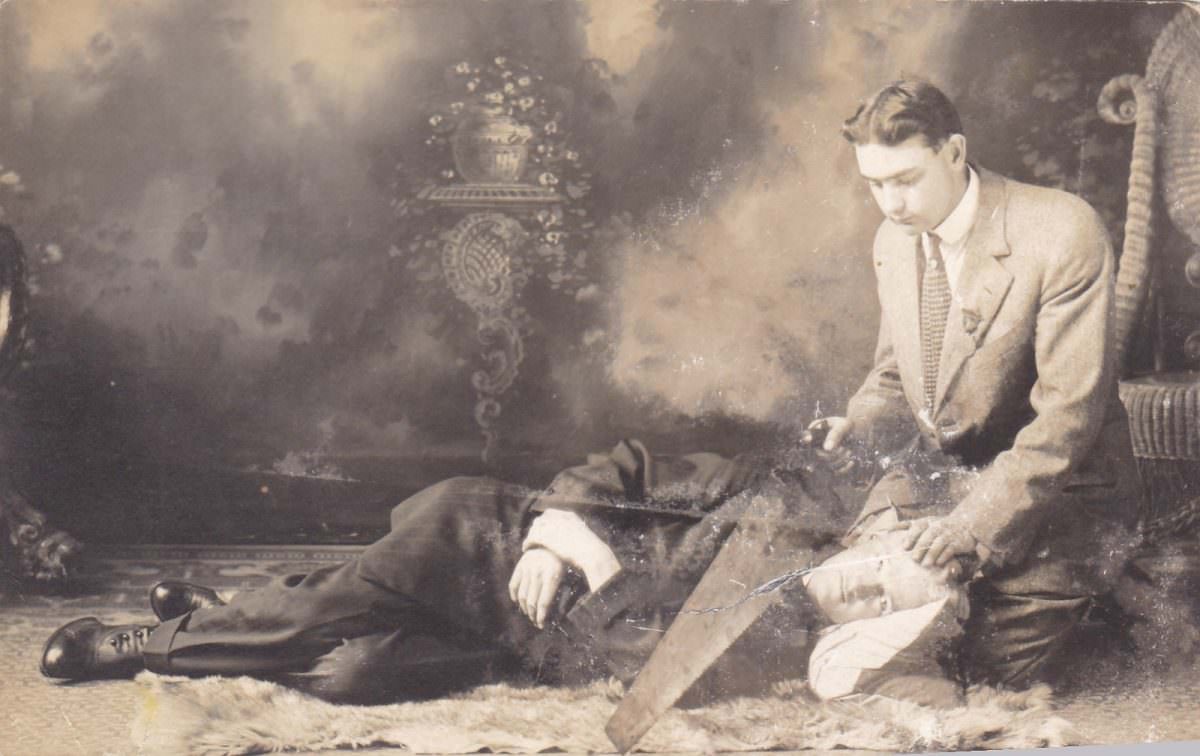
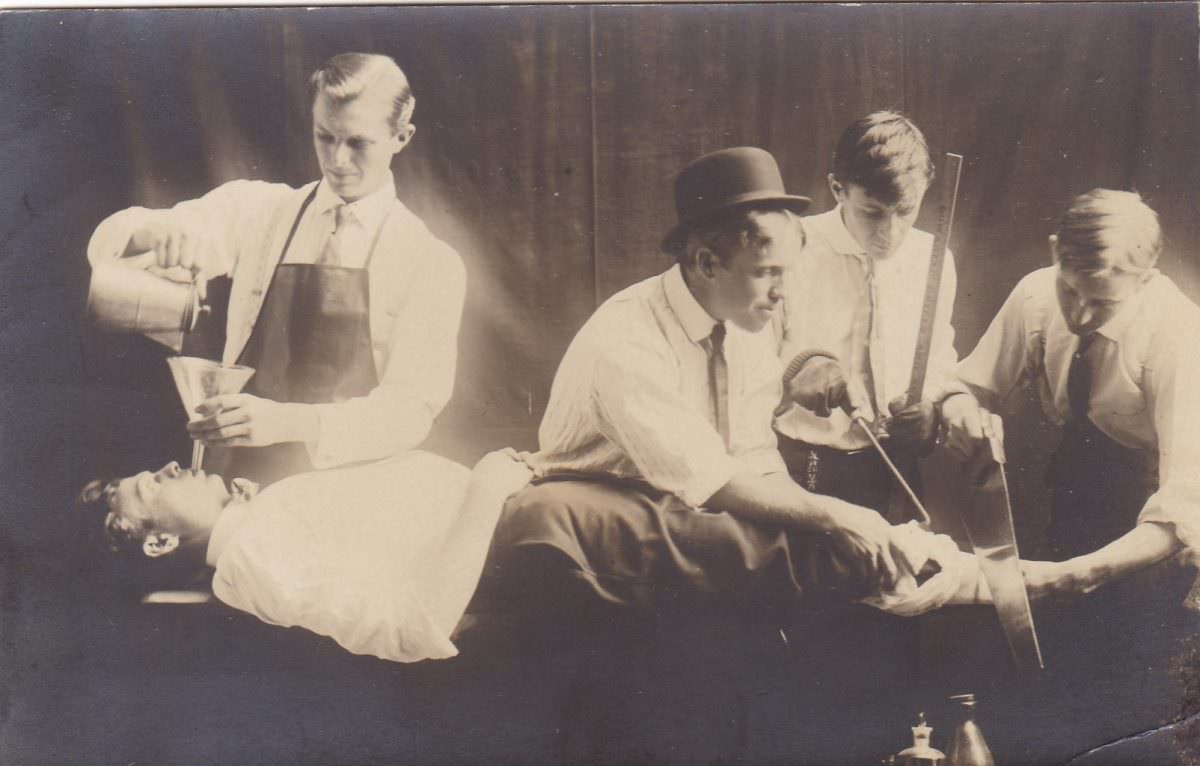
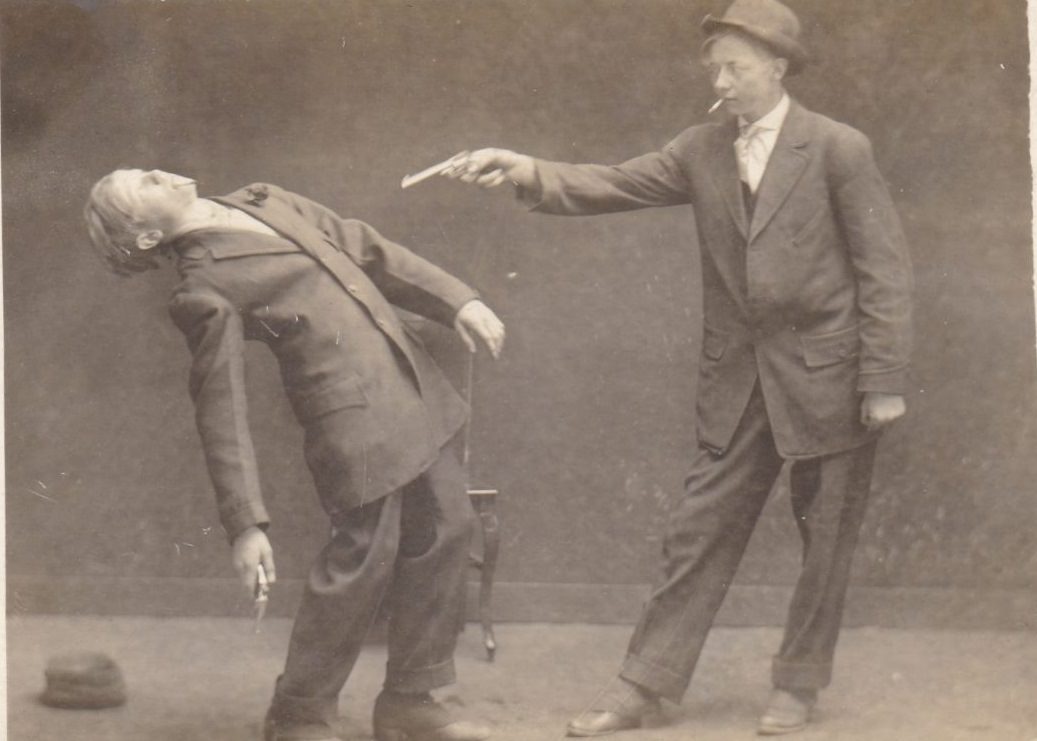
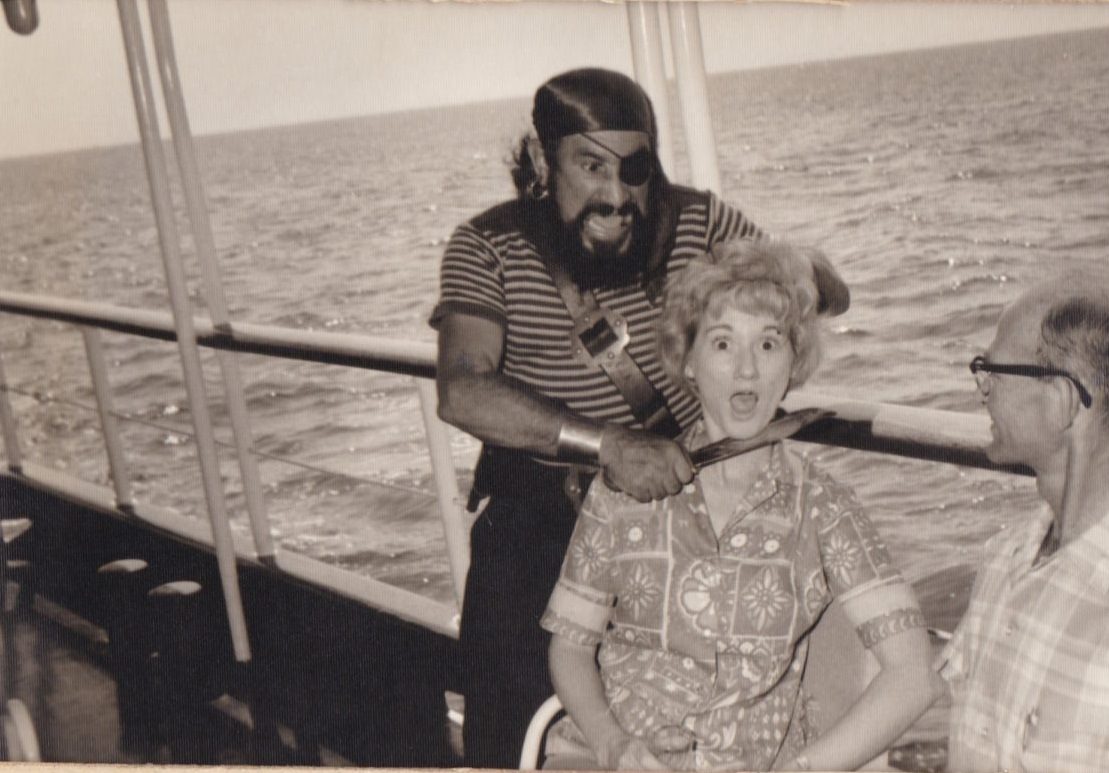
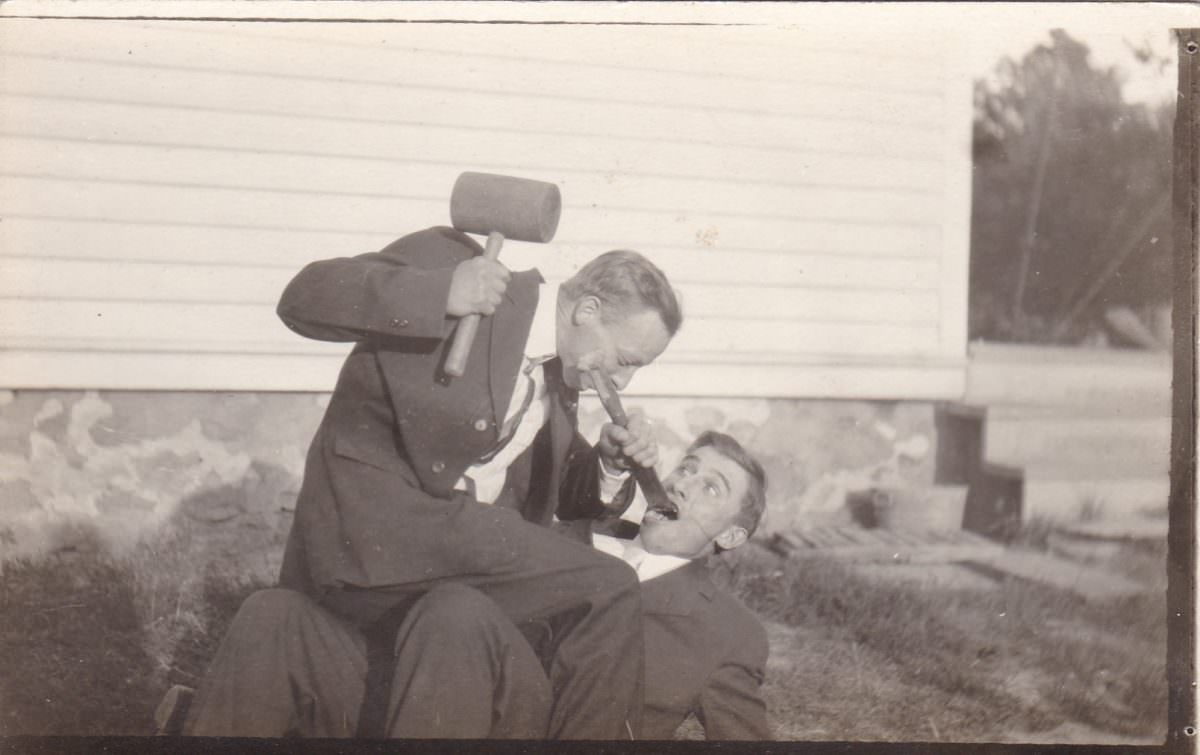
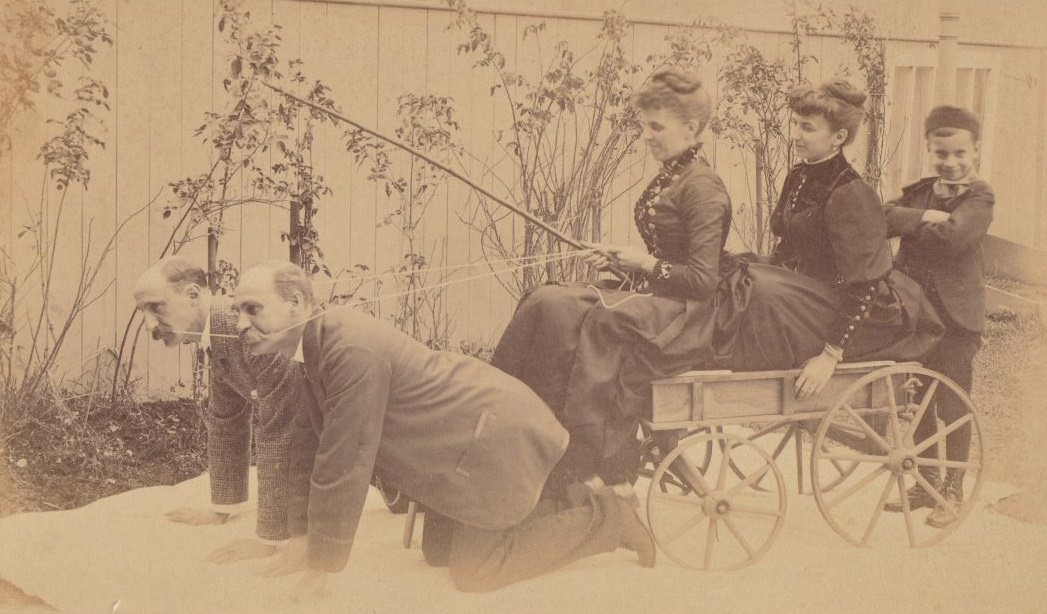
Long before smartphones made casual photography universal, ordinary people used simple cameras to turn their backyards, living rooms, and neighborhood streets into stages. The Robert E. Jackson collection of vintage snapshots captures exactly that spirit — friends and strangers alike, acting out fictional scenes of drama, danger, and dark humor for the camera. These are not documentary photographs. They are performances, and the people in them knew it.
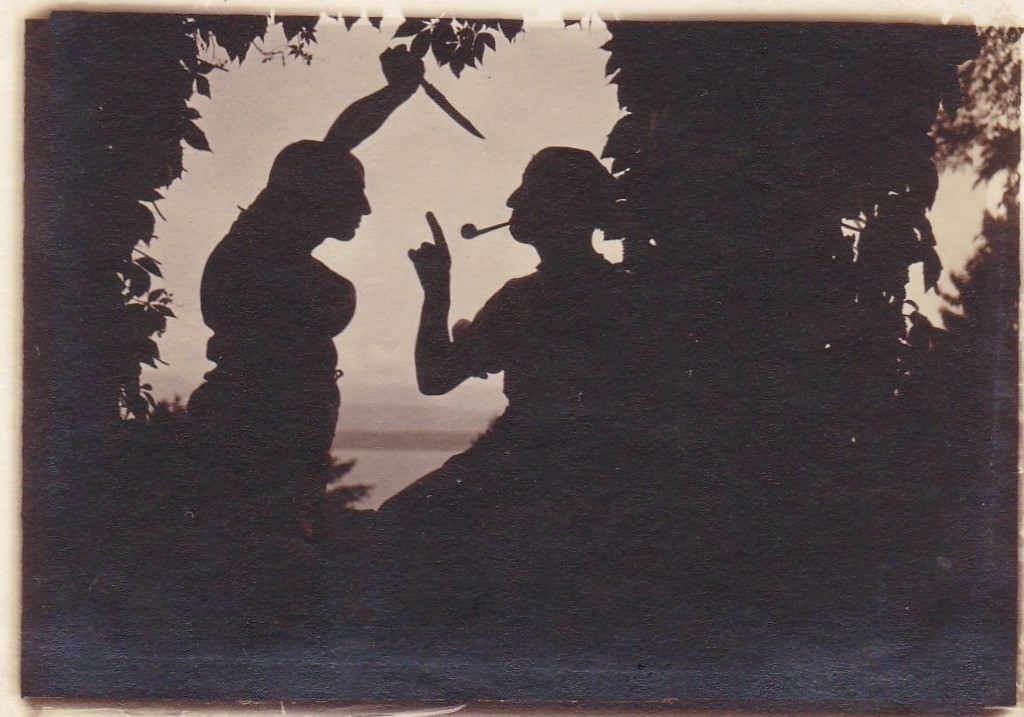
Jackson spent decades assembling this archive, drawn to snapshots that showed people doing something deliberately theatrical. The collection sits at the intersection of folk art and amateur theater. What makes these photos compelling is the gap between the ordinariness of the setting and the seriousness the participants bring to their posed scenarios. A kitchen table becomes a crime scene. A front porch becomes a standoff.
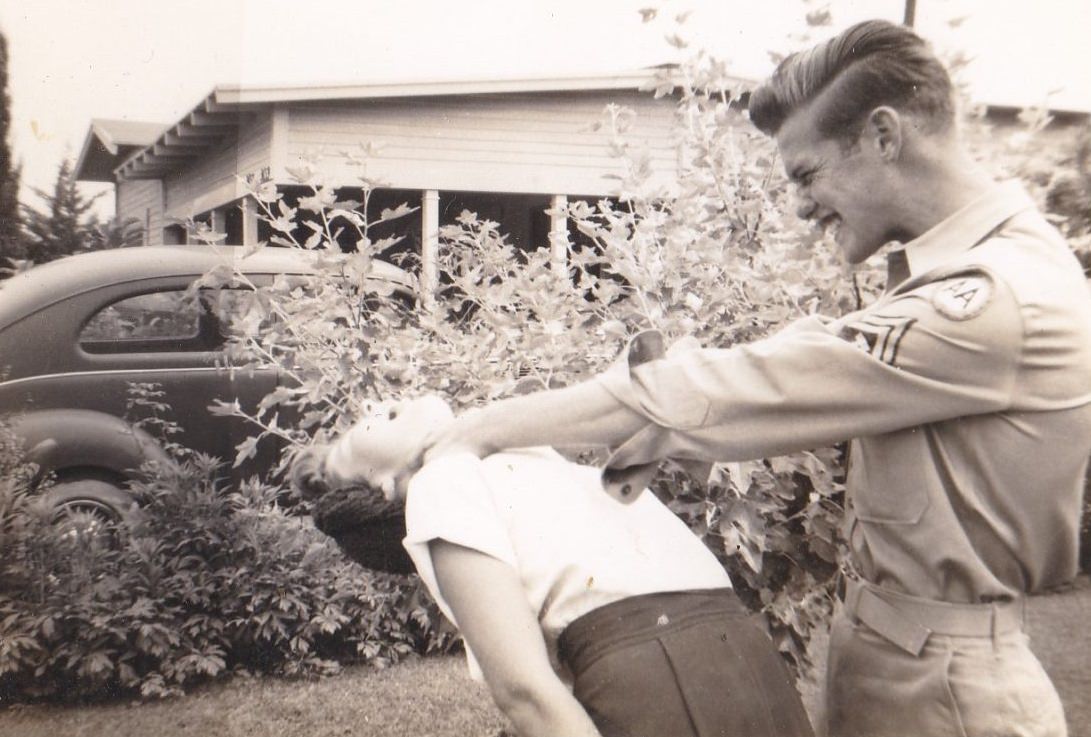
Several photos in the collection echo the narrative tradition of American murder ballads. Johnny Cash’s “Folsom Prison Blues” opens with a confession — a man who shot someone in Reno just to watch him die. That same blunt, theatrical fatalism runs through many of these staged snapshots, where the “perpetrator” and “victim” are clearly in on the joke, but playing it straight-faced all the same.
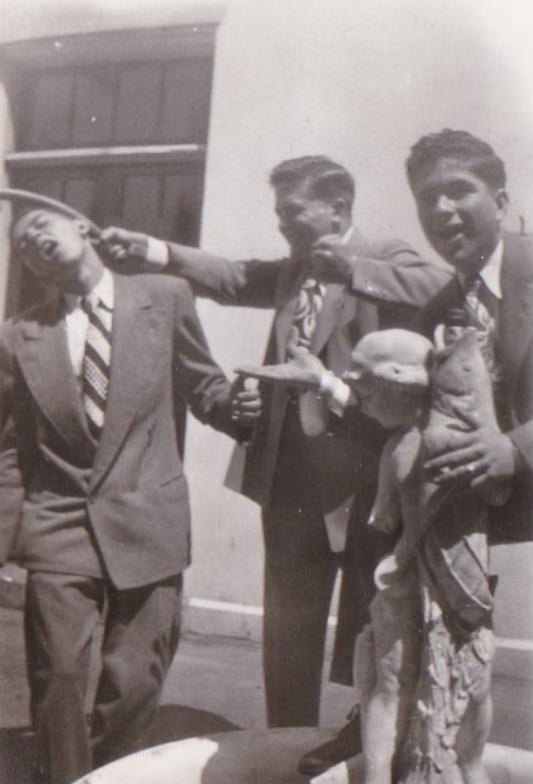
The tradition of staging fictional danger for photographs stretches back to the earliest days of amateur camera ownership. By the mid-20th century, cheap film and drugstore developing made it easy for anyone to experiment. People posed with prop guns, fake ropes, and kitchen knives — not out of menace, but out of a playful desire to create a story within a single frame.
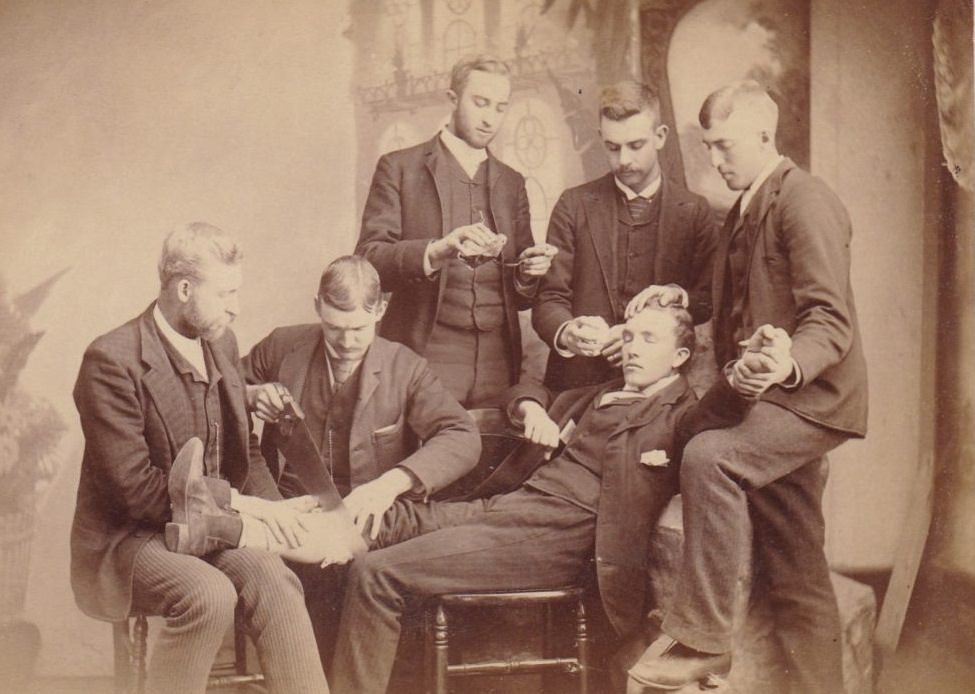
Culture Club’s “Do You Really Want To Hurt Me?” speaks to emotional vulnerability and the threat of pain, which is a theme that appears visually across several images in the Jackson collection. The question in the song’s title — sincere and a little theatrical at once — mirrors the tone of many of these photographs, where real feeling and performance are impossible to fully separate.
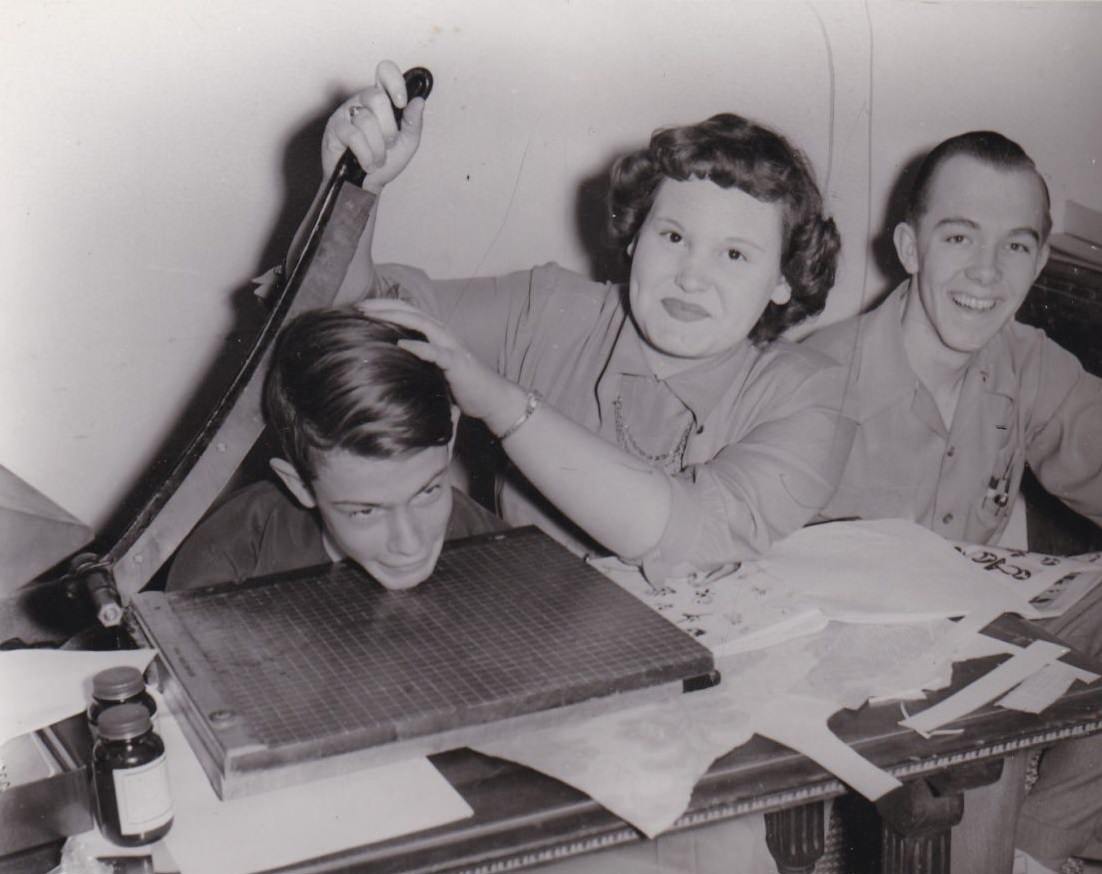
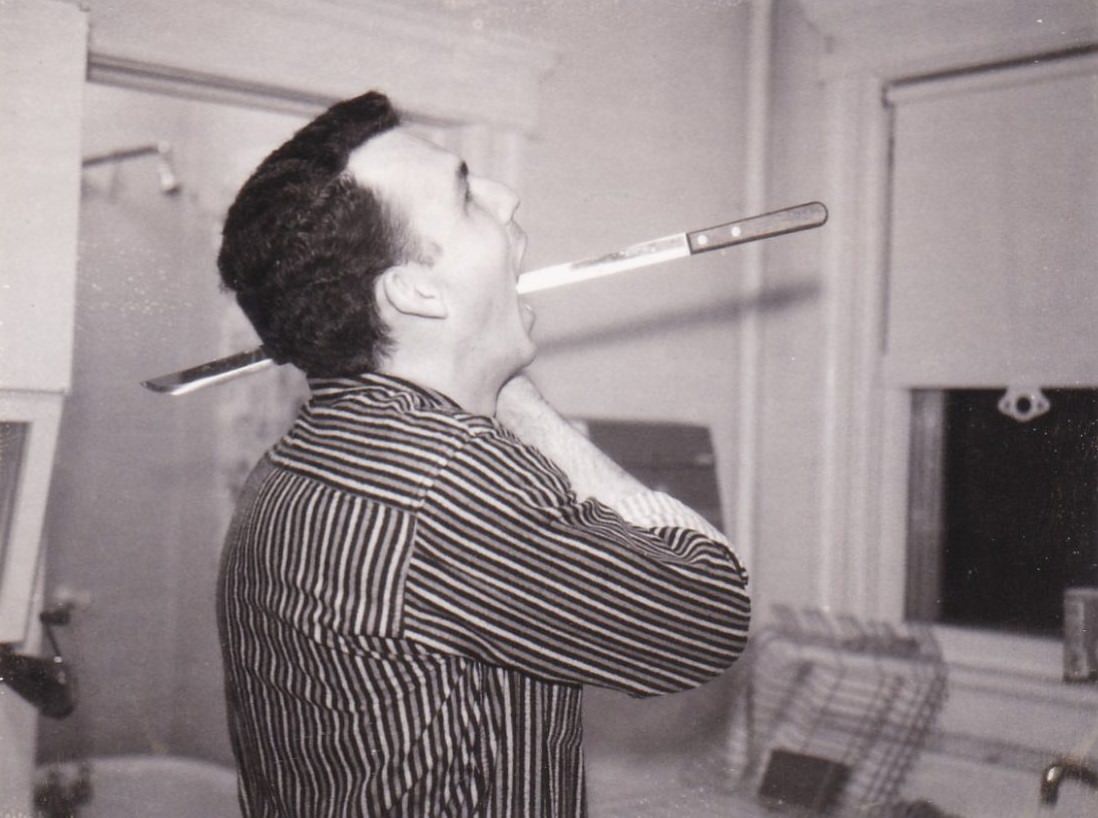
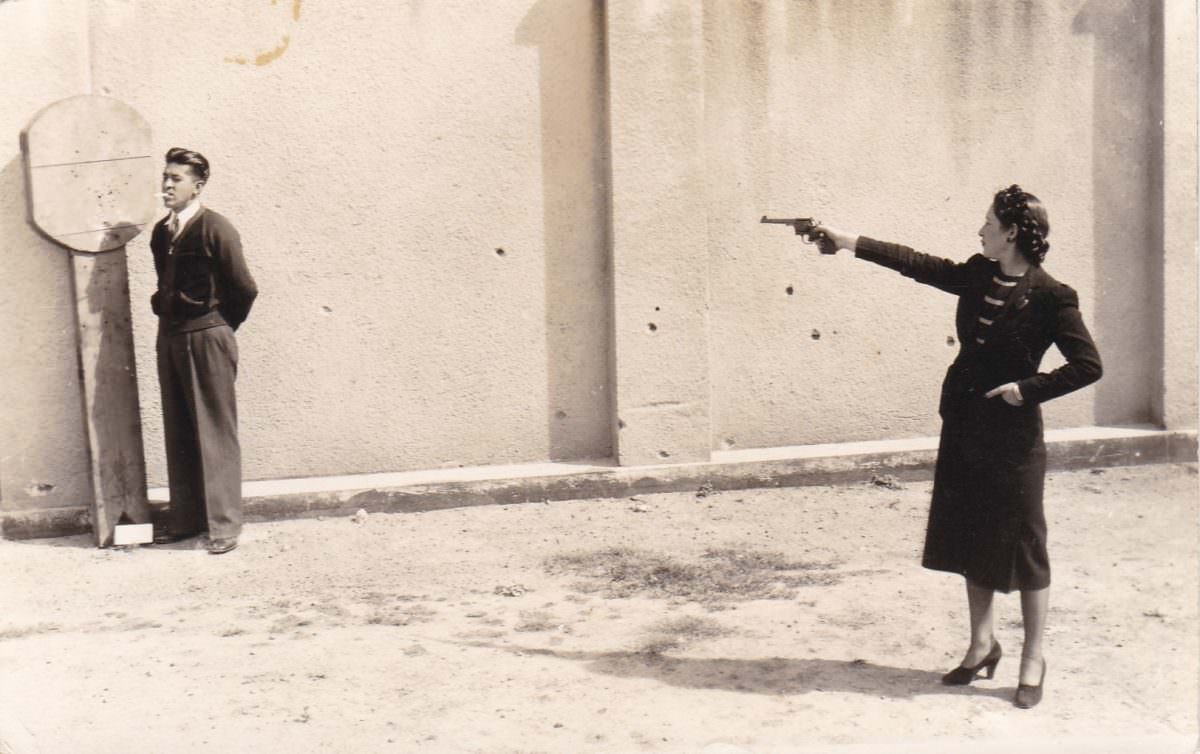
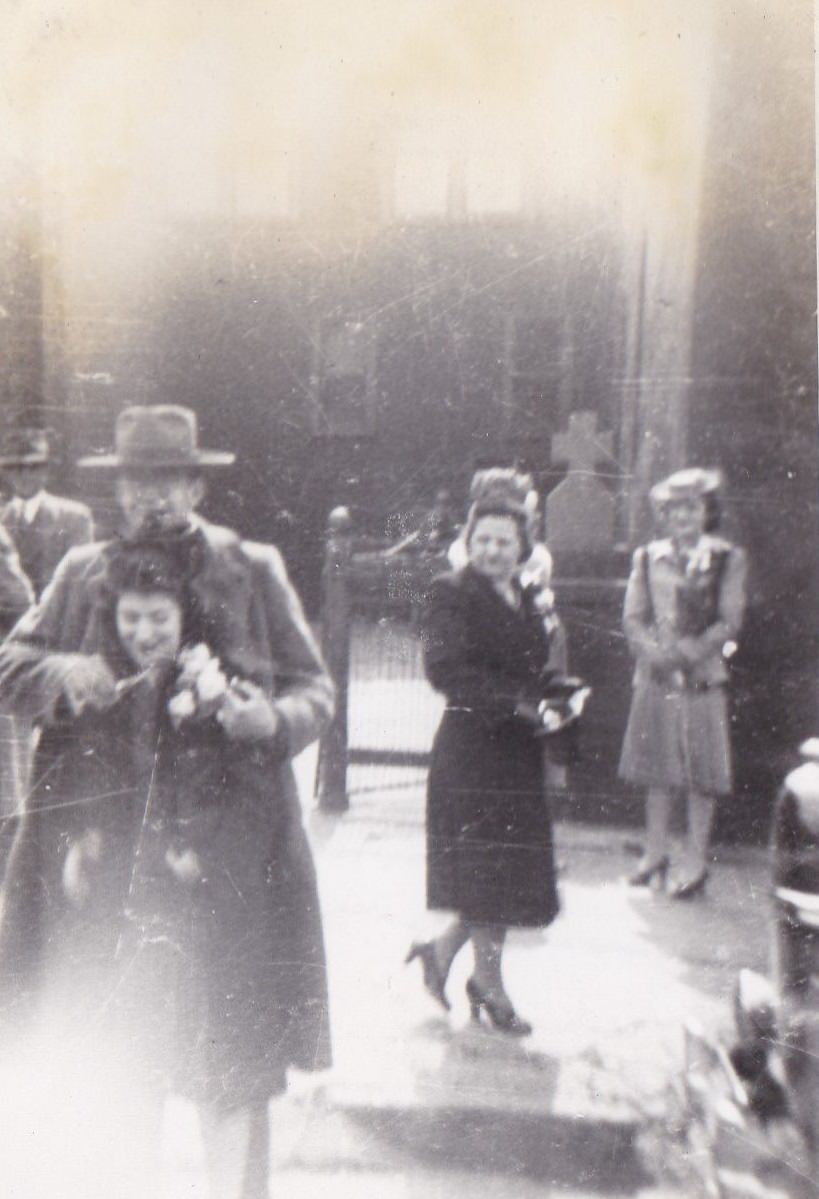
AC/DC’s “Night Prowler” is built on dread — the slow creep of something unseen, the chill before the strike. Some of the Jackson snapshots carry that same quality. A figure half-hidden in shadow. A doorway. A moment just before something happens. The camera freezes a threat that was never real but reads as completely convincing.
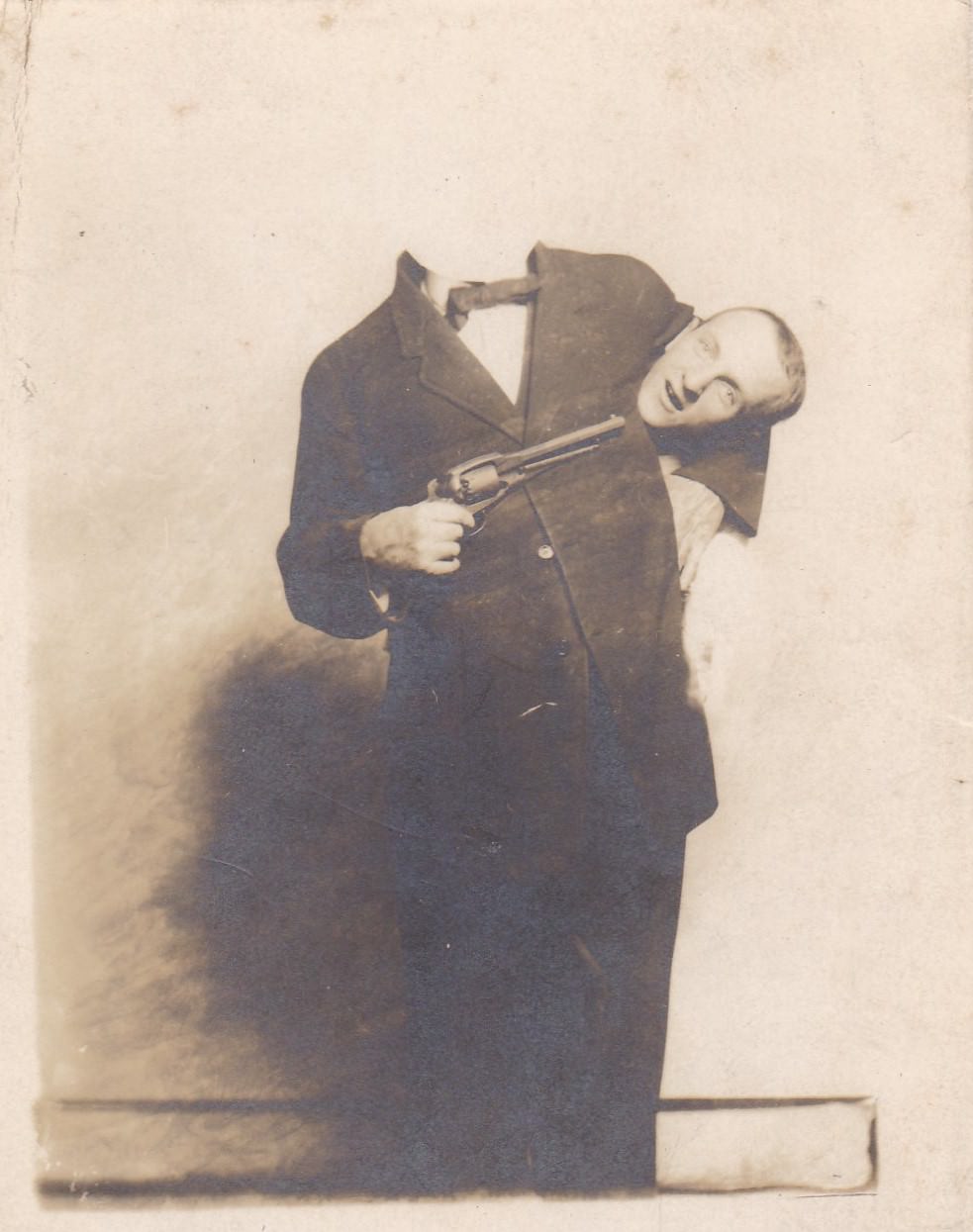
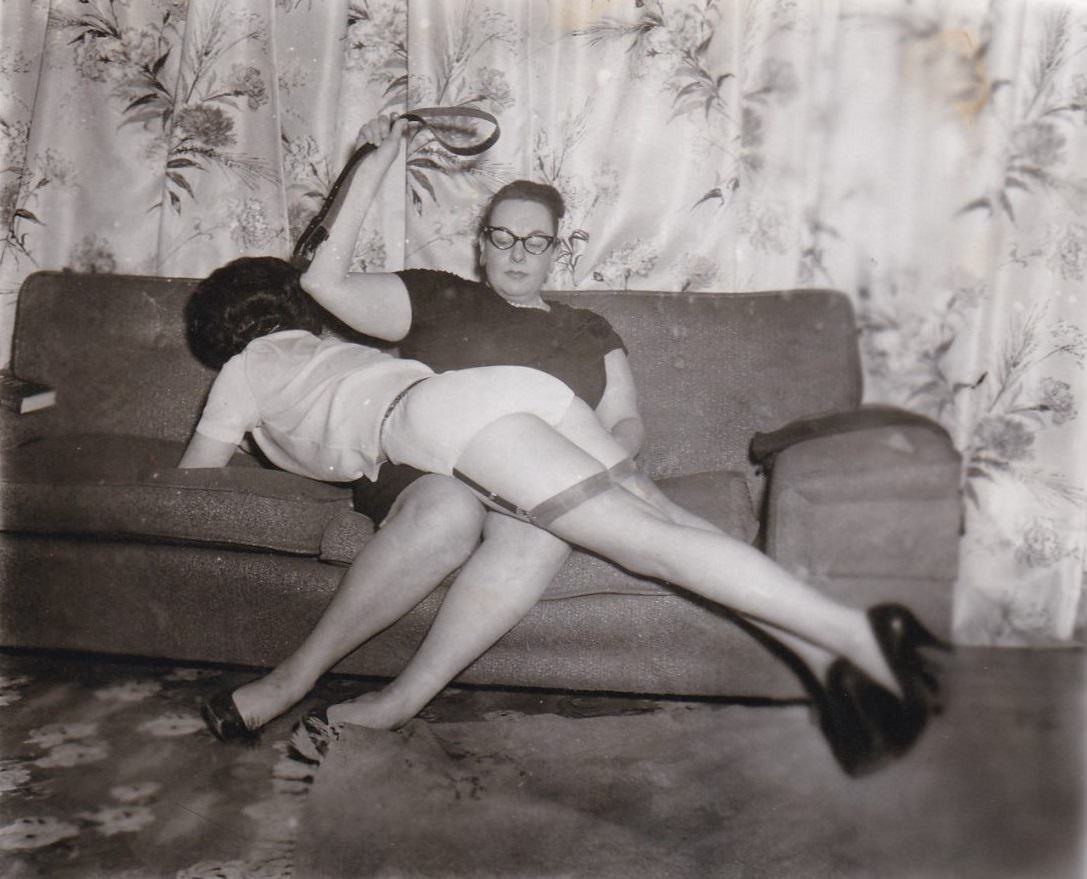
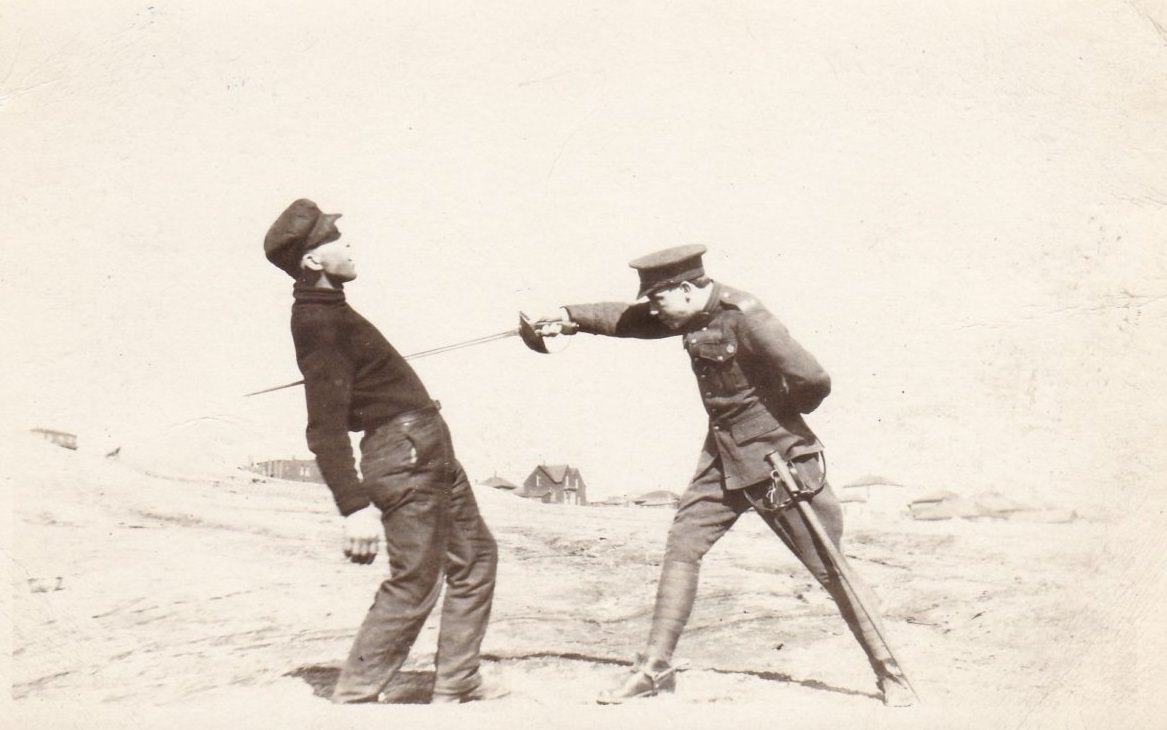
The story behind Ella Fitzgerald’s “Miss Otis Regrets” is one of betrayal and revenge — a woman who draws a gun from under her velvet gown and shoots the man who wronged her. It’s a darkly comic song dressed in polite language, which is exactly the kind of contradiction the Jackson collection revels in. The violence is fictional, but the emotion behind the staging feels genuine.
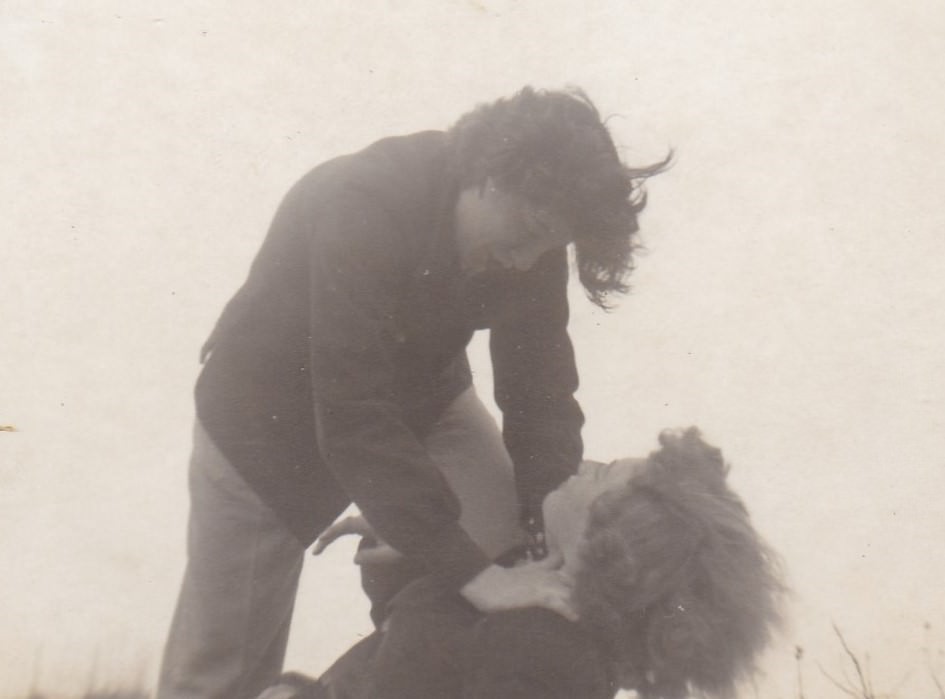
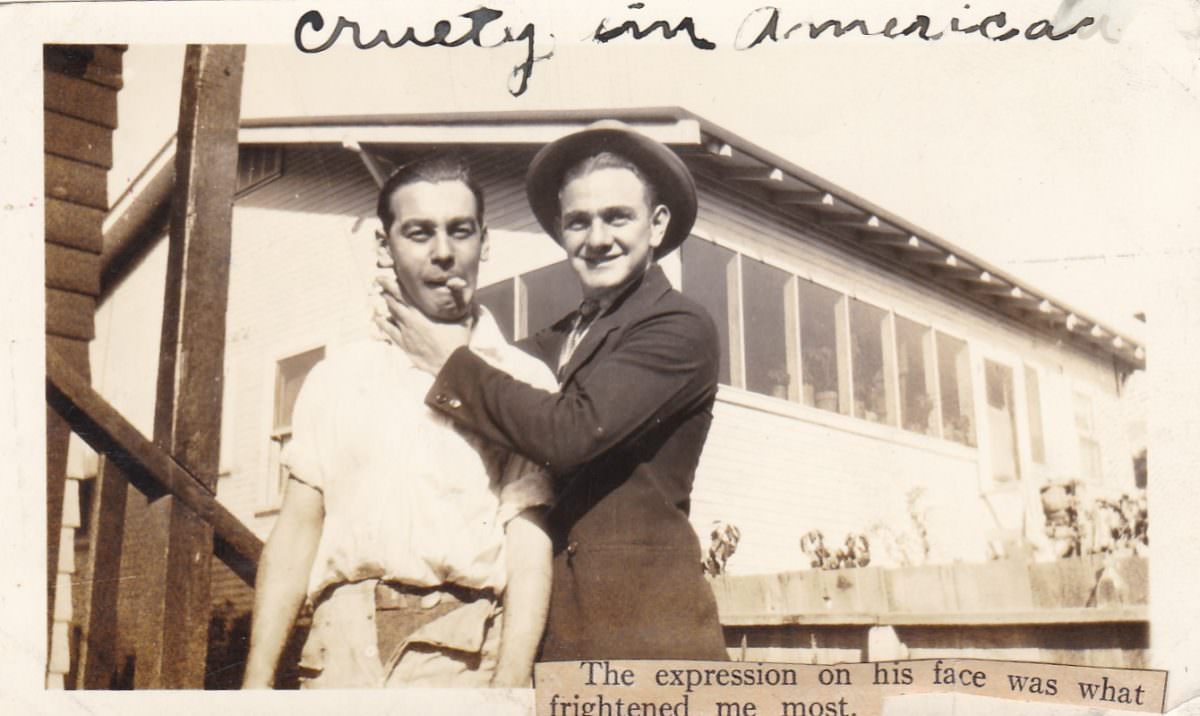
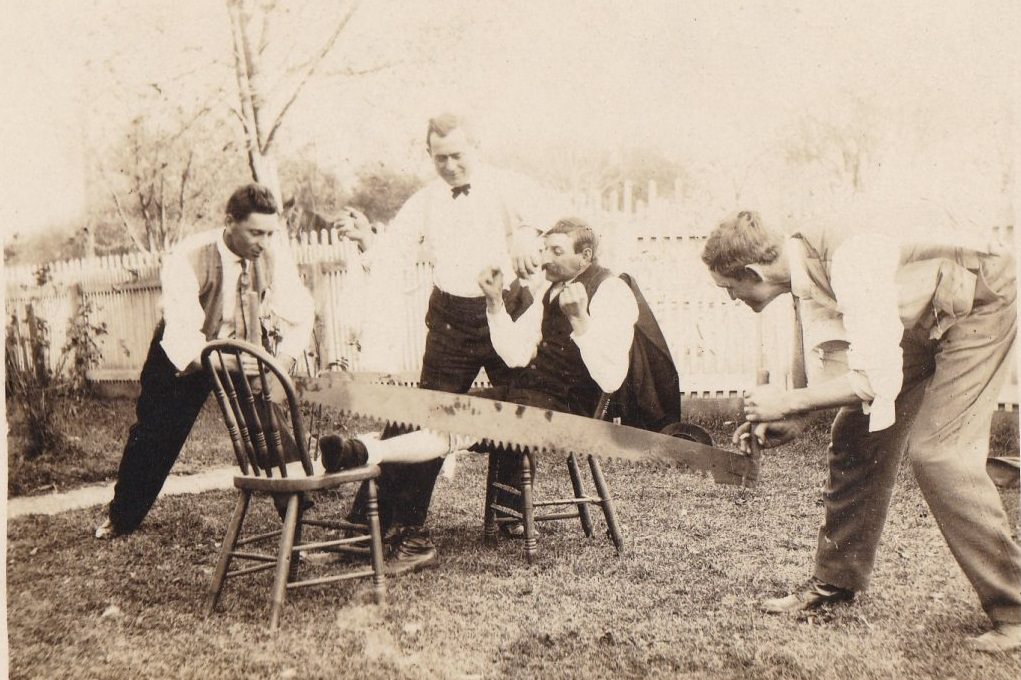
Tom Jones’s “Delilah” is one of the most well-known dramatic monologues in pop music — a man waiting across the street, a door opening, and a knife in his hand. It’s operatic in its intensity. Some of the snapshots in this collection match that energy: tight framing, exaggerated expressions, and a clear sense that everyone involved rehearsed their role.
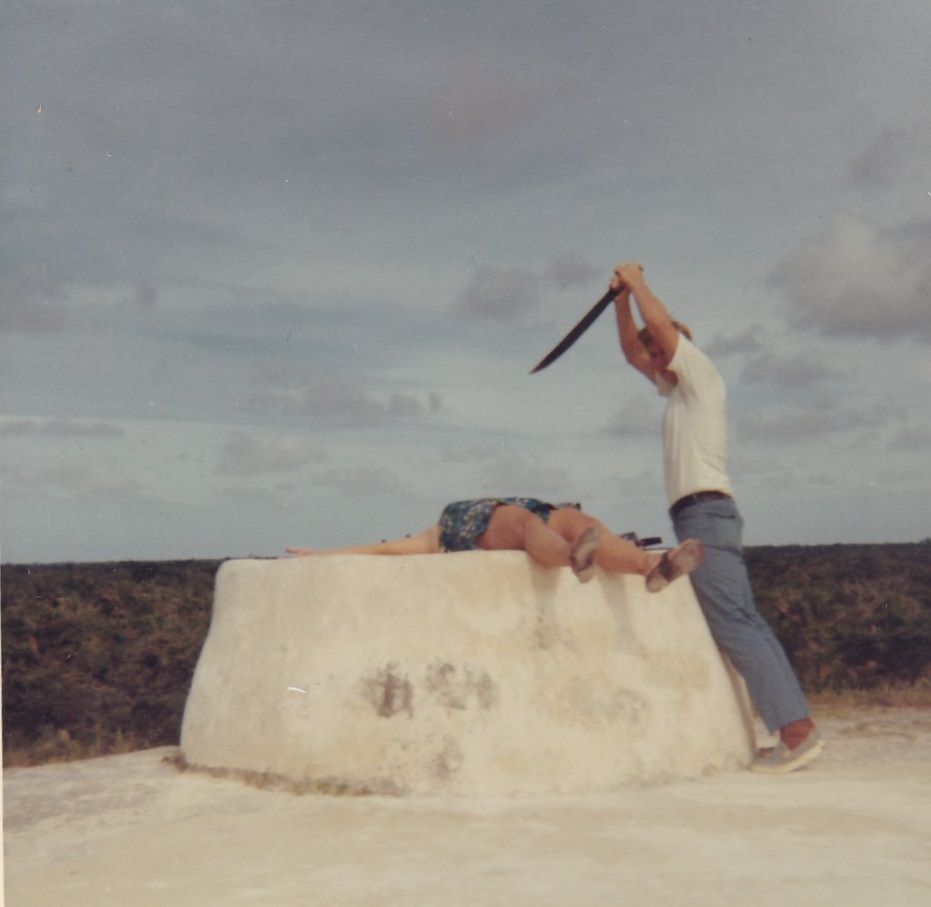
Nick Cave’s “Henry Lee” draws from a much older tradition — the British and American folk ballads where love and violence were always close neighbors. A woman with a penknife. A man who doesn’t walk away. The song is spare and cold. Several photographs in the Jackson collection have that same stripped-down quality: minimal props, maximum intent.
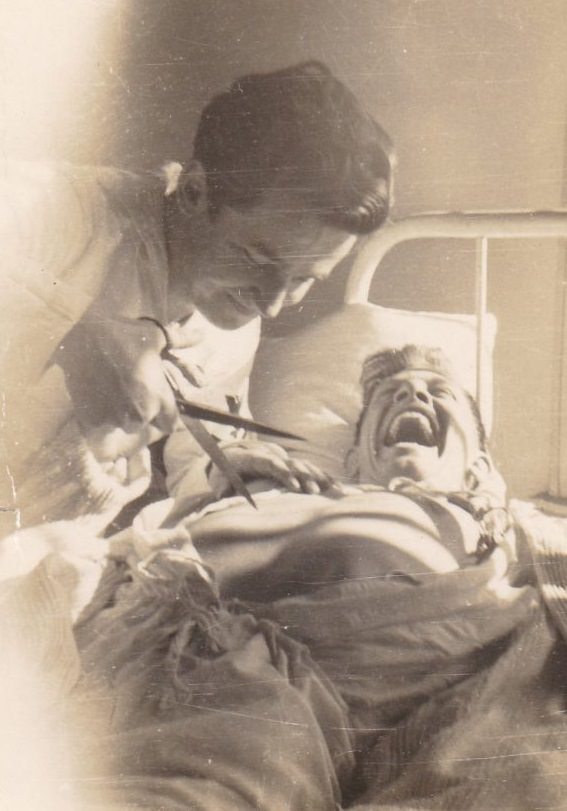
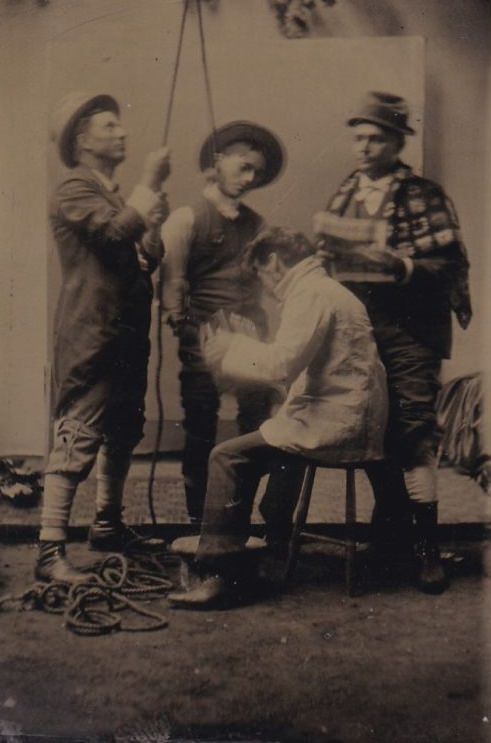
Bobby Darin’s “Mack the Knife” — itself adapted from Bertolt Brecht’s “Threepenny Opera” — describes a body on the sidewalk and a figure slipping around the corner. The song made violence charming and catchy. The Jackson snapshots do something similar: the scenarios are staged dangers, but the framing and the expressions give them a lightness that keeps them from being grim.
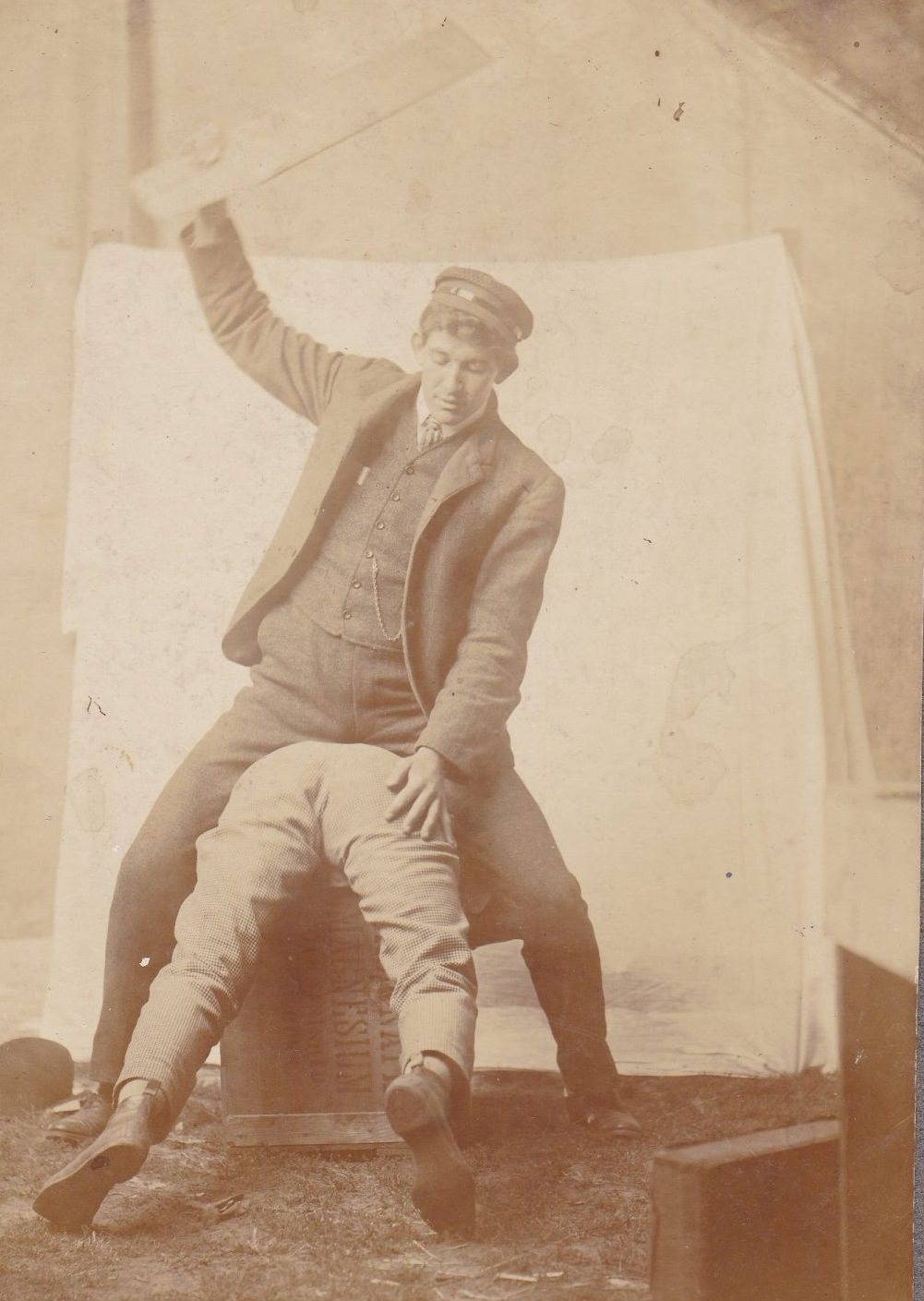
The Alabama 3 lyric “I woke up this morning, got myself a gun” — made globally famous as the theme to The Sopranos — opens with the same matter-of-fact tone that runs through many of these photographs. The gun is a prop. The pose is deliberate. But the camera treats it straight, the same way the song does.
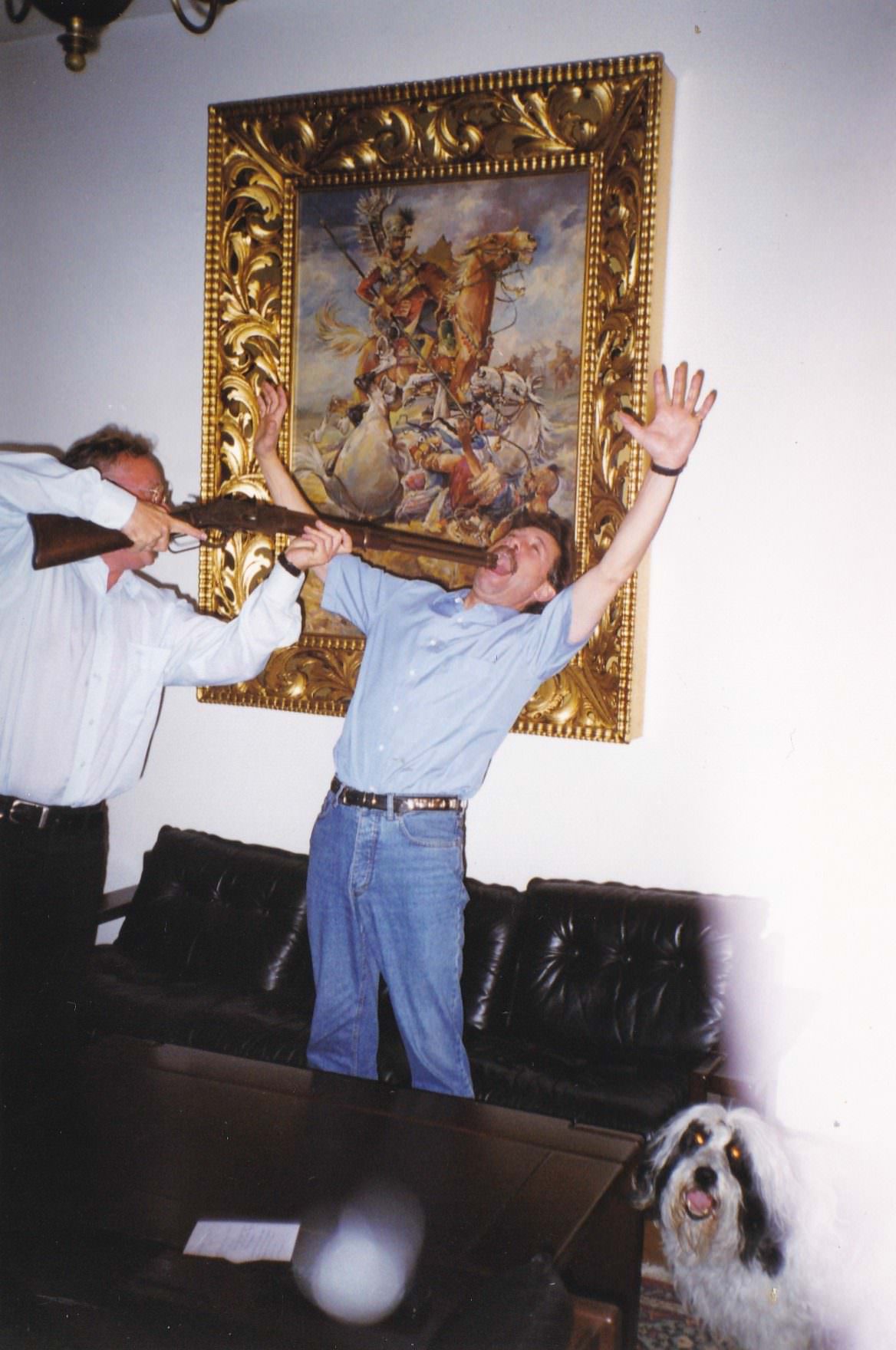
The Graham Greene quote paired with one of the collection’s images comes from “The Third Man” — Orson Welles delivering Harry Lime’s famous speech about the Borgias producing the Renaissance through warfare and terror, while Switzerland produced only the cuckoo clock. It’s a cynical argument, and a fitting one for a collection that finds creativity in staged darkness.