

El Salvador is the smallest and most densely populated country in Central America. The capital is San Salvador. It was traditionally an agricultural country, heavily dependent on coffee exports despite small agrarian land. However, the service sector dominated the economy at the end of the 20th century.
From 1979 to 1992, economic inequality ravaged the country, causing the deadliest civil war. Government and military forces fought against left-wing guerrillas and ordinary people suspected of supporting them. The conflict produced significant violence, which was opposed by military counterinsurgency forces. Villages were destroyed, and thousands of people were displaced, while paramilitary death squads targeted peasants who they thought were organizing a revolution against the government. Both rich and poor Salvadorans fled to the United States. After the 12-year civil war ended in 1992, the government and leftist rebels signed a treaty that paved the way for military and political reforms. About 75,000 people were killed in the conflict.
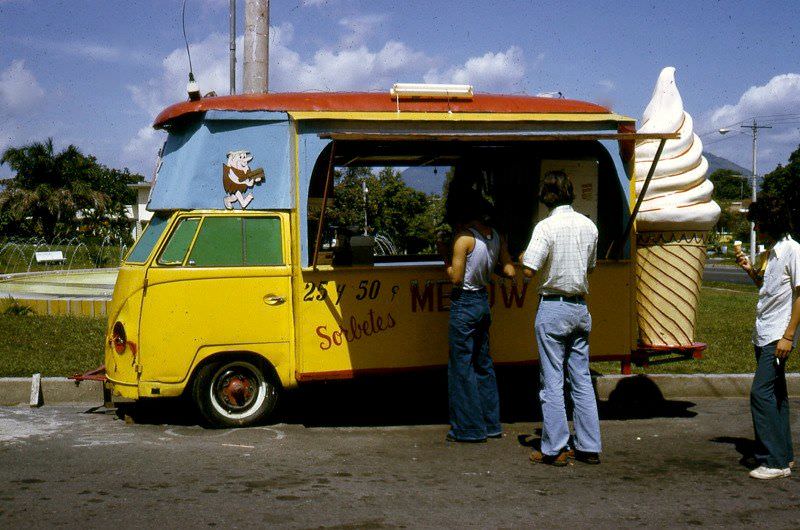
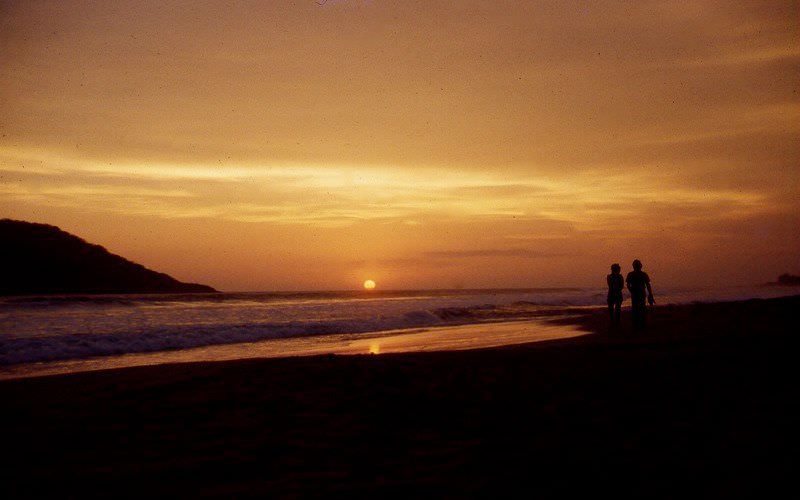
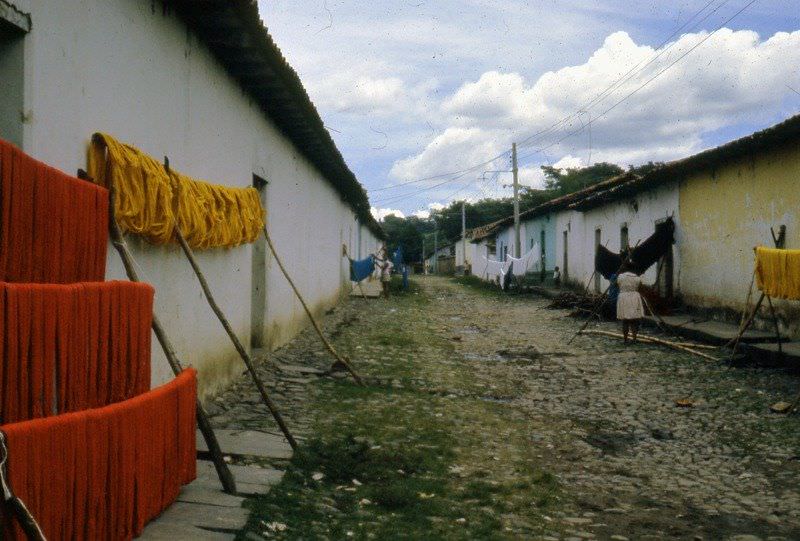
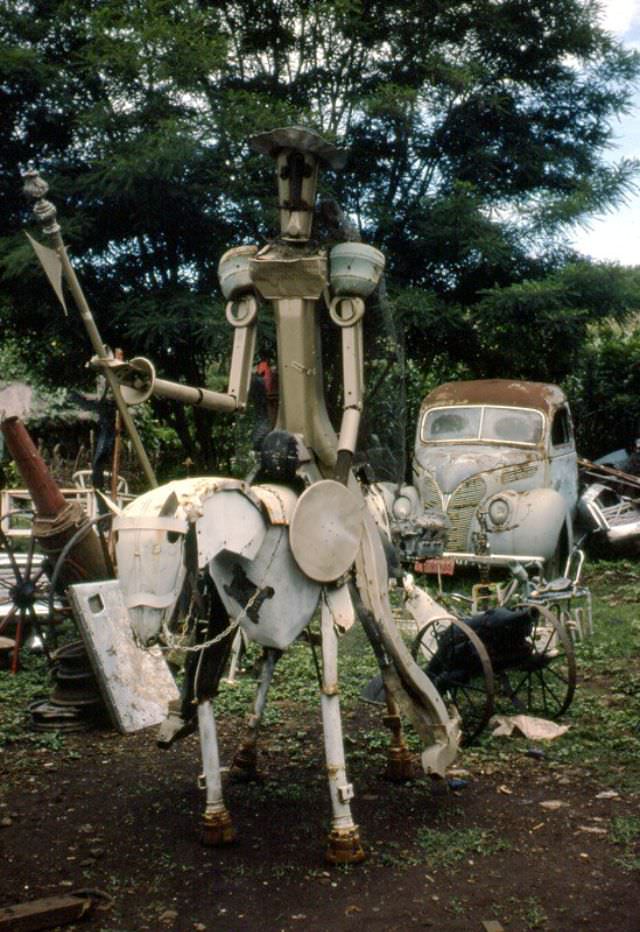
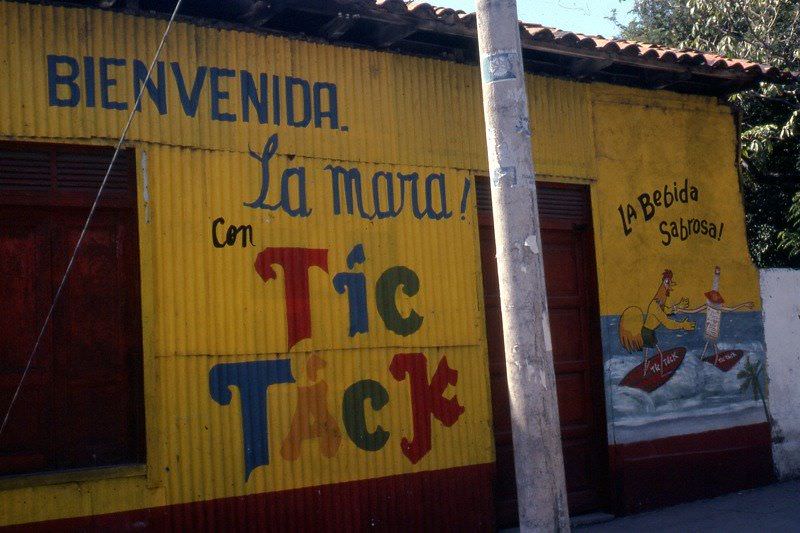
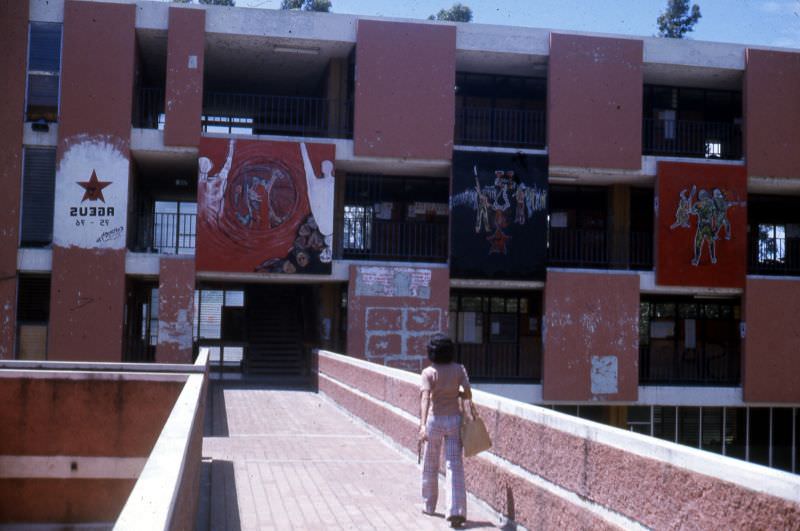
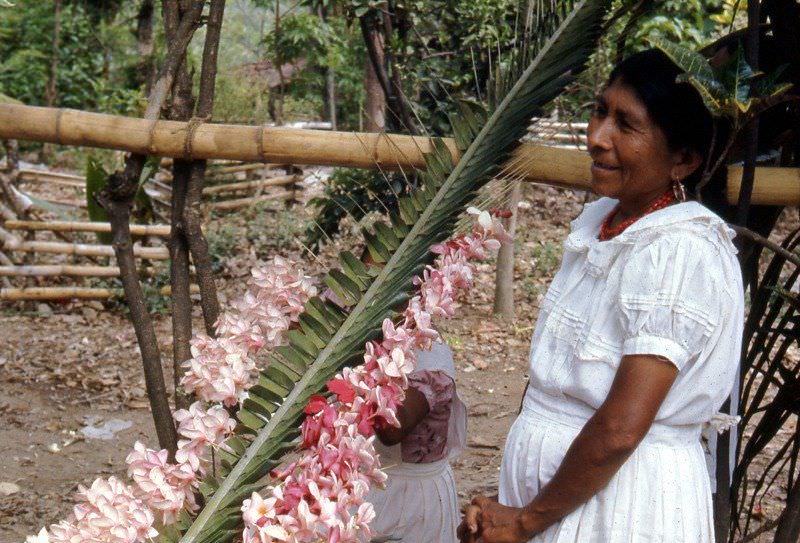
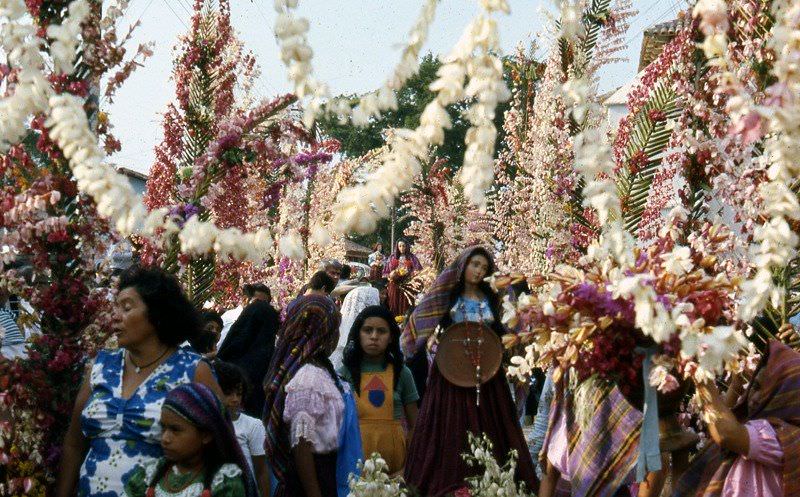
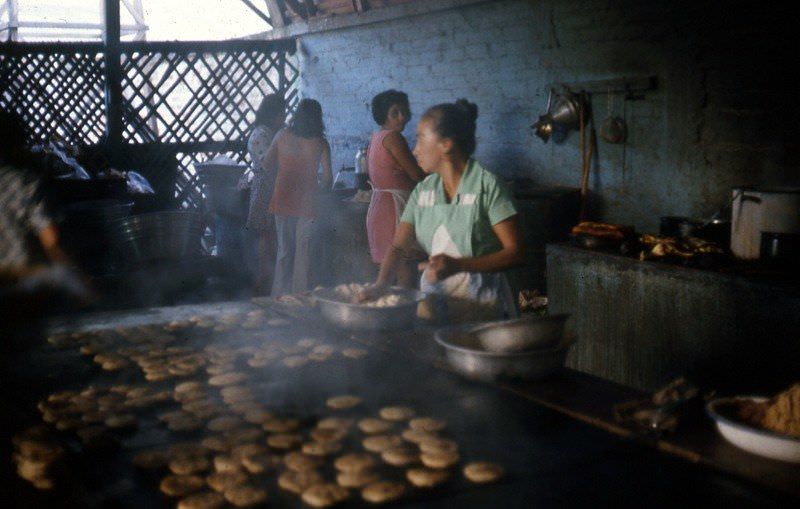
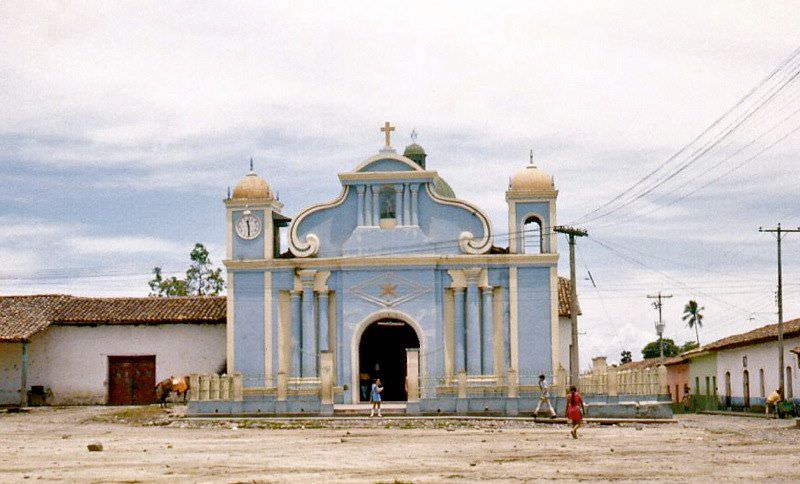
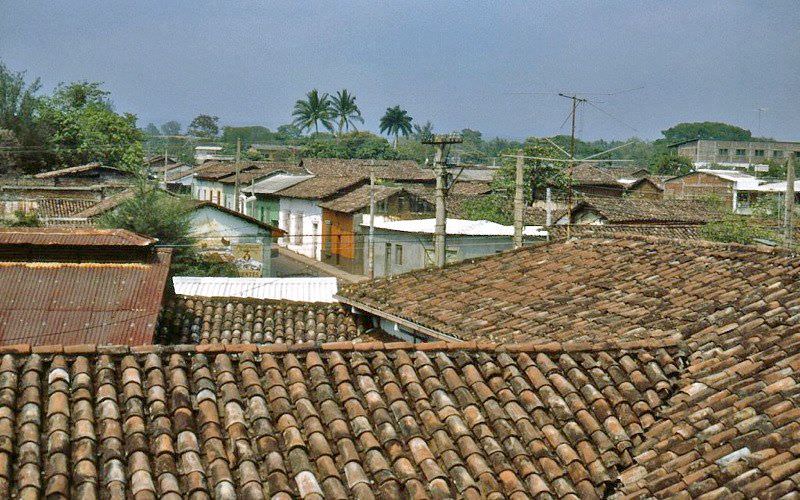
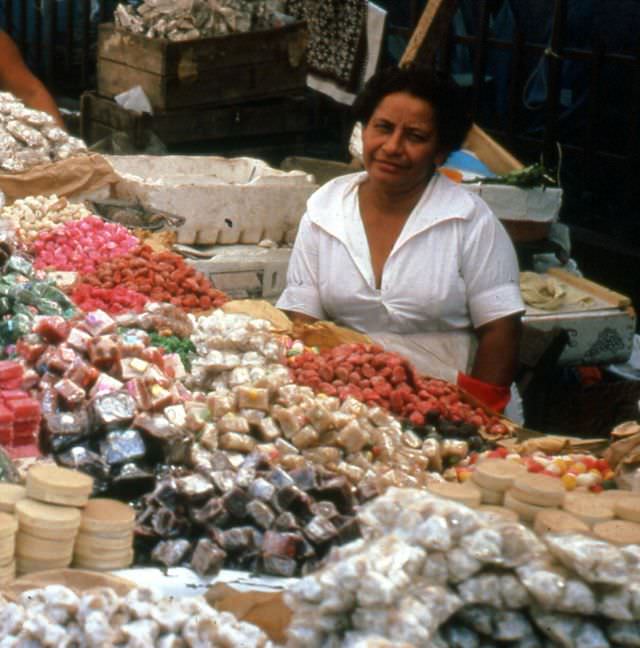
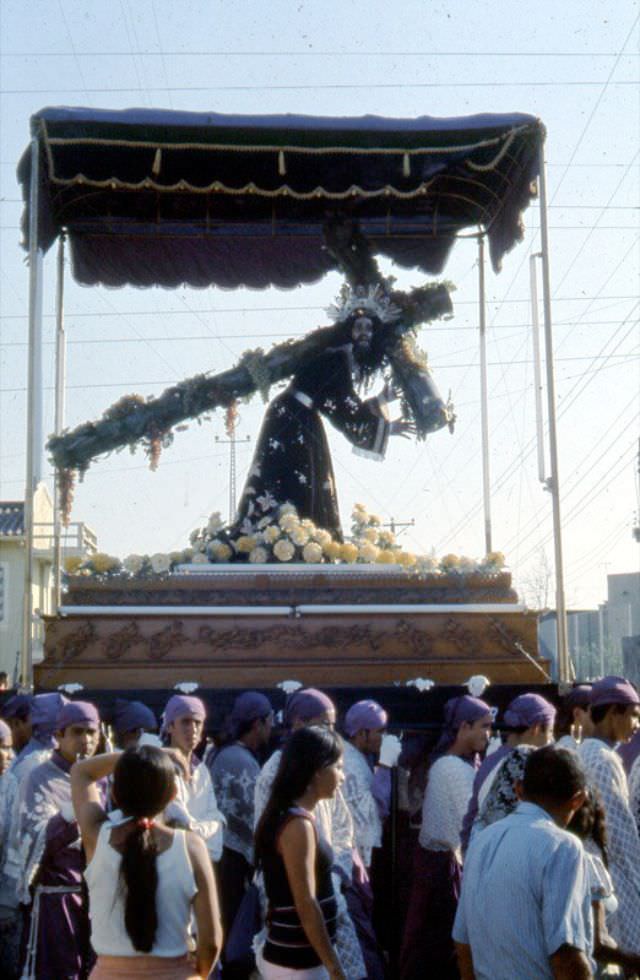
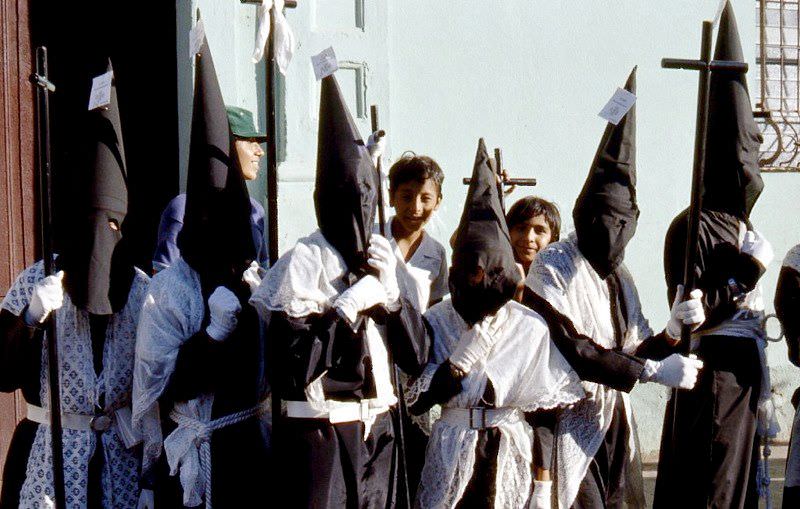
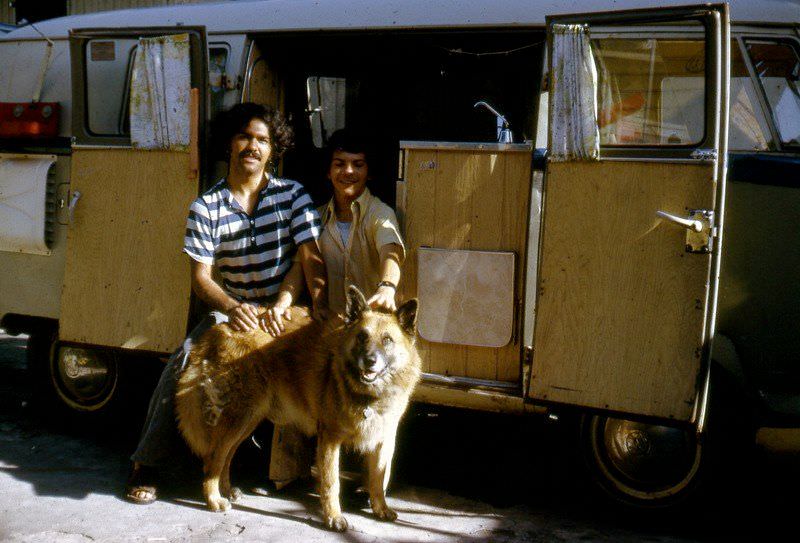
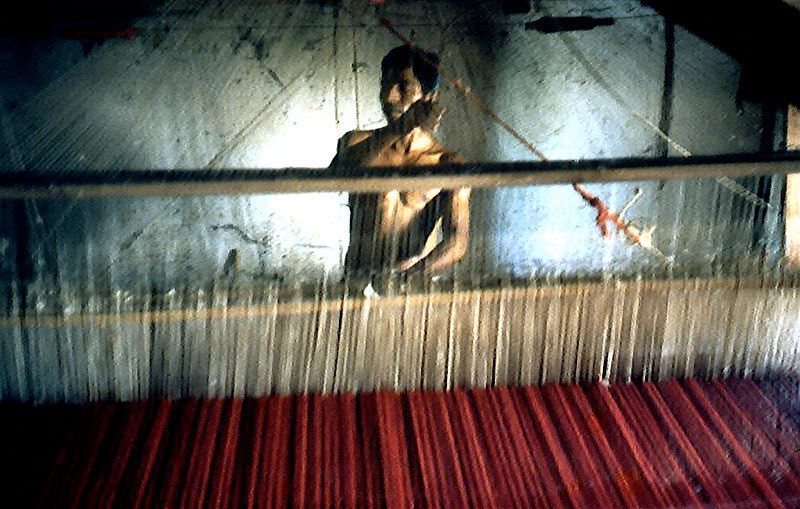
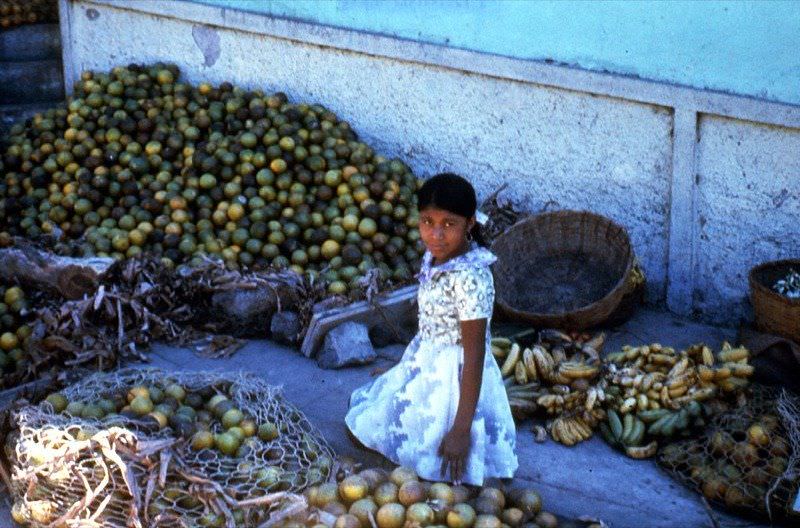
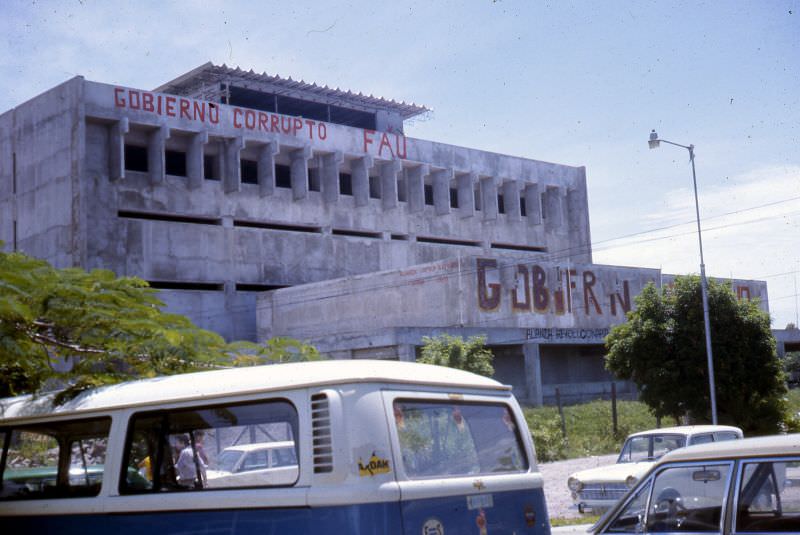
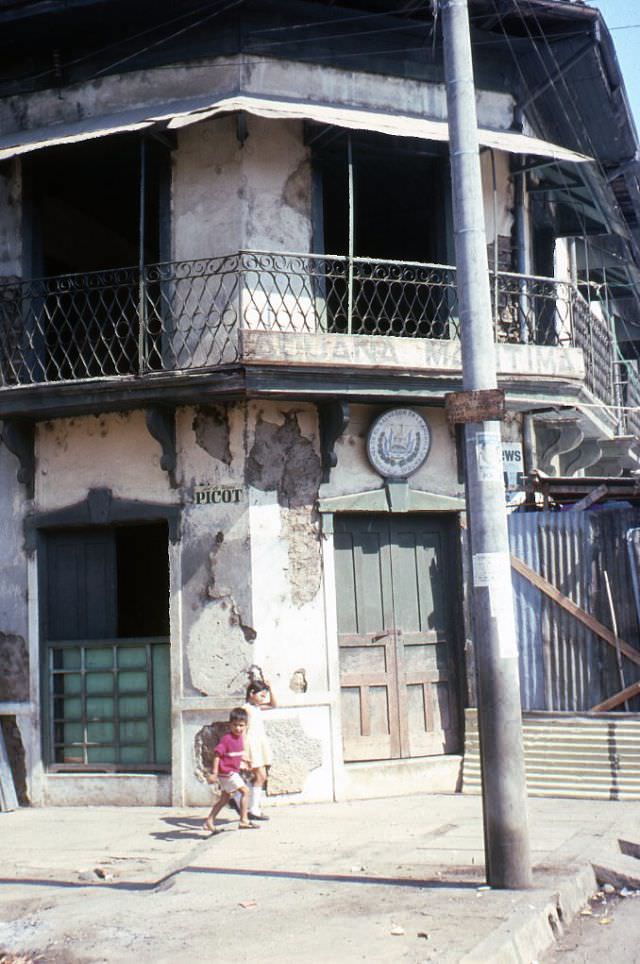
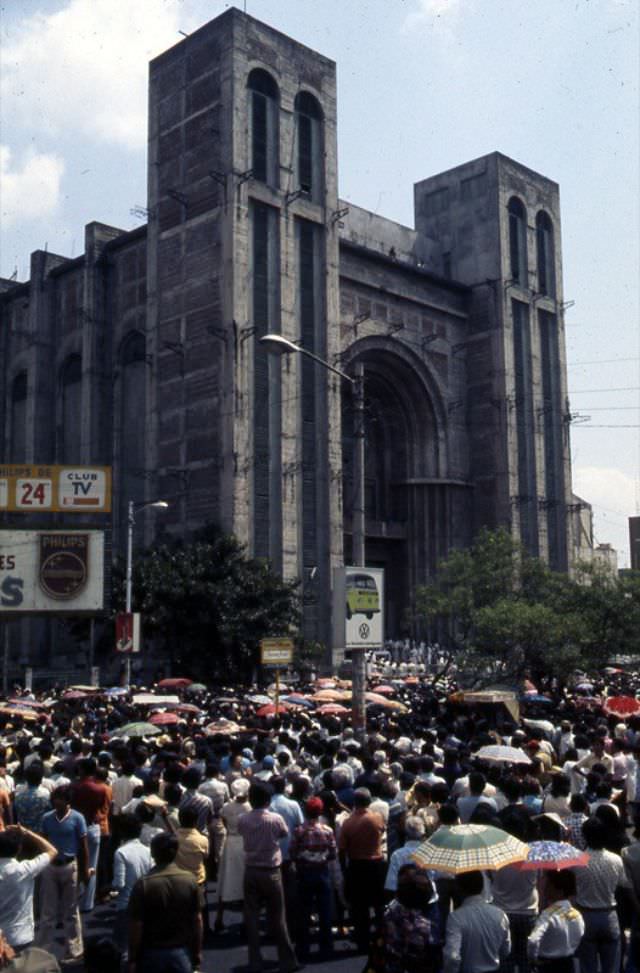
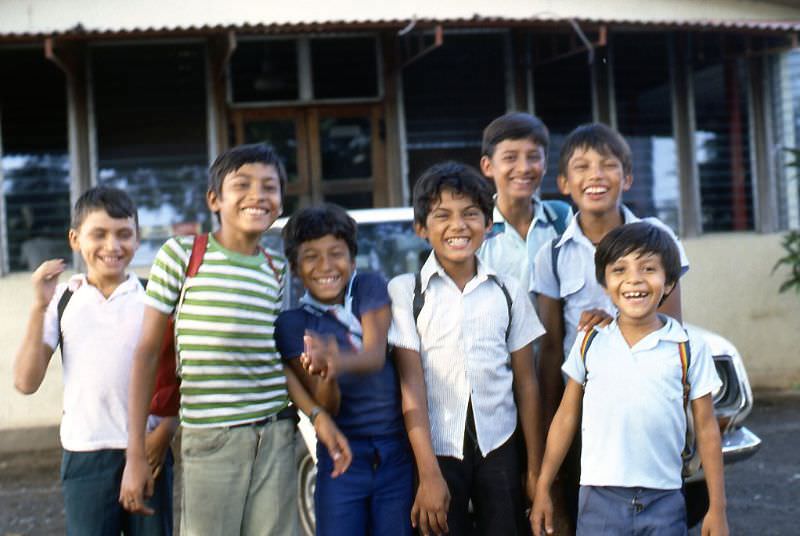
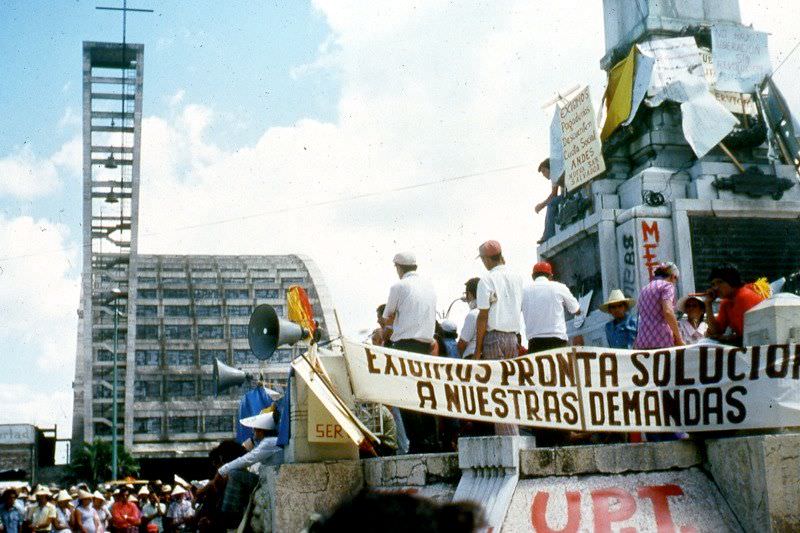
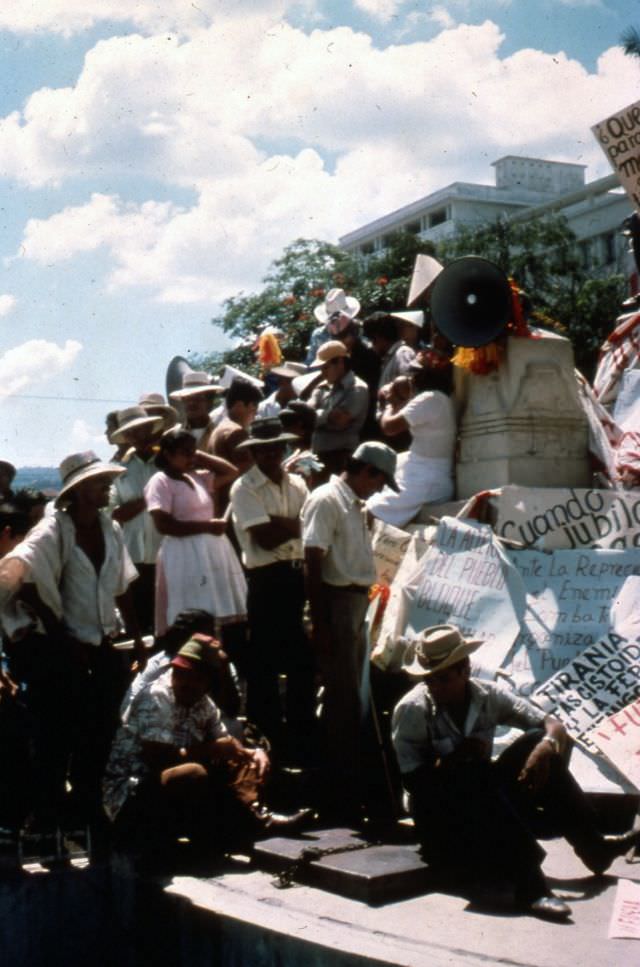
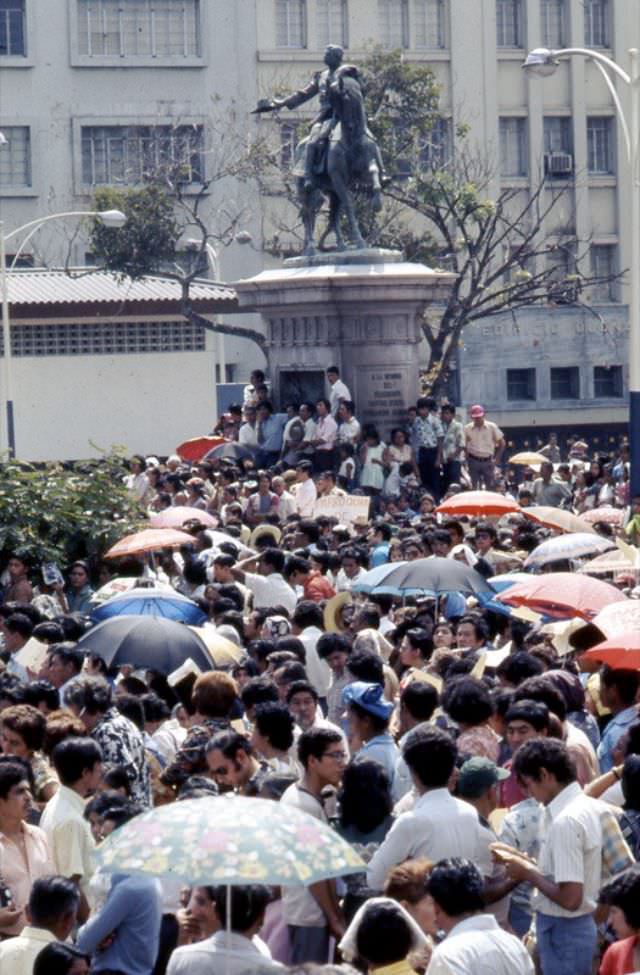
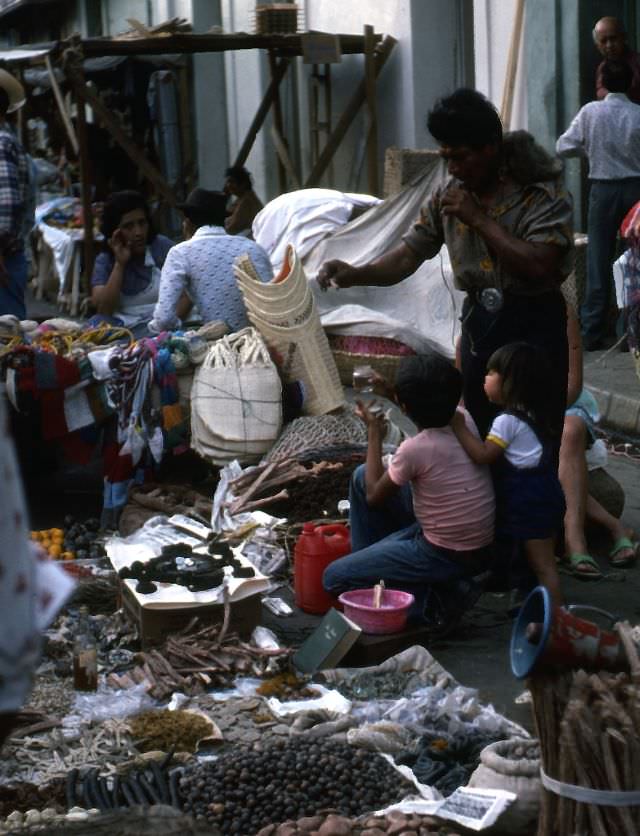
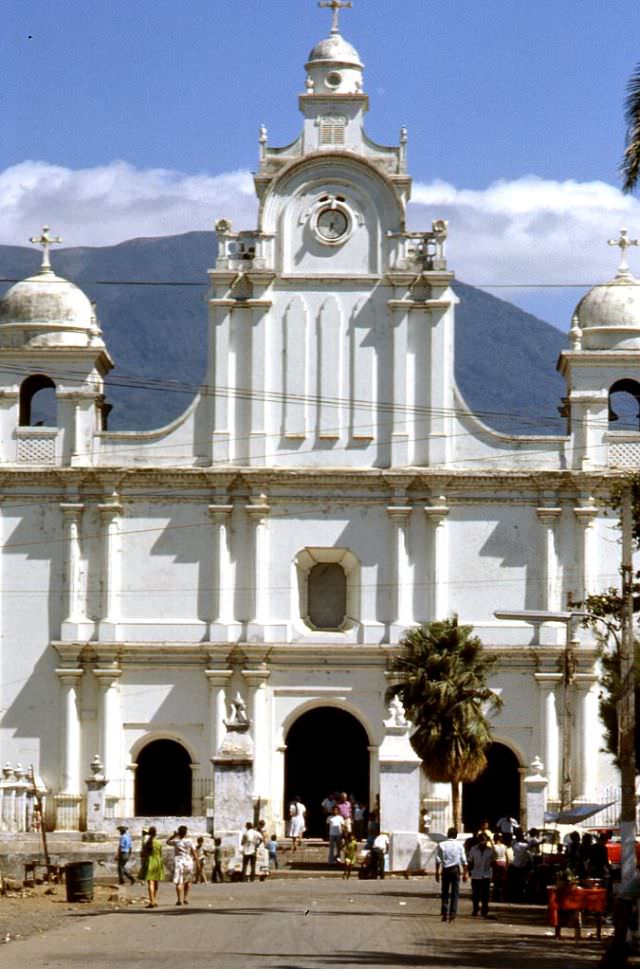
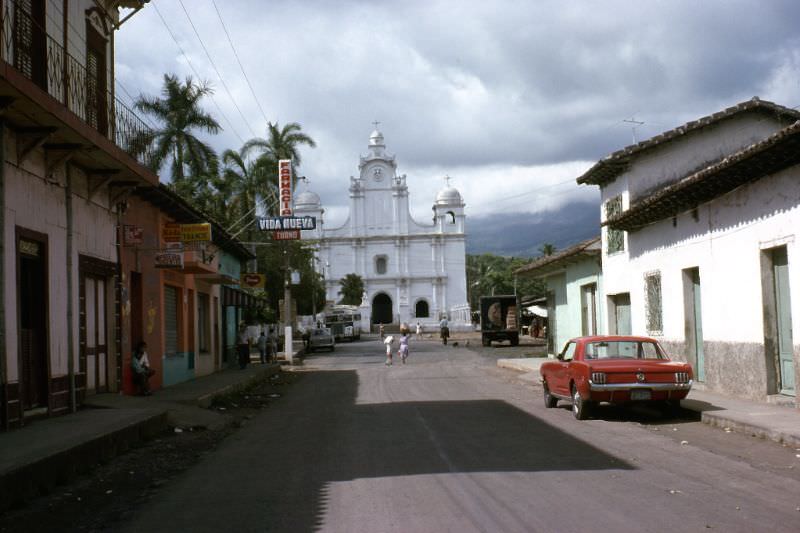
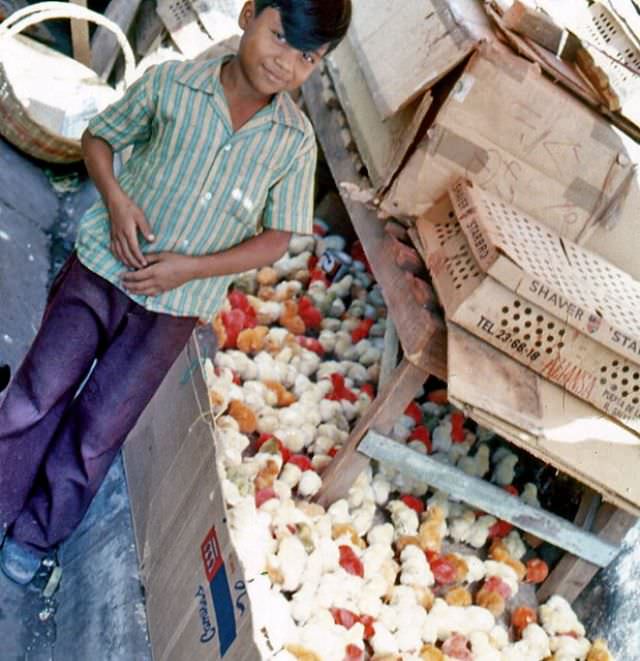
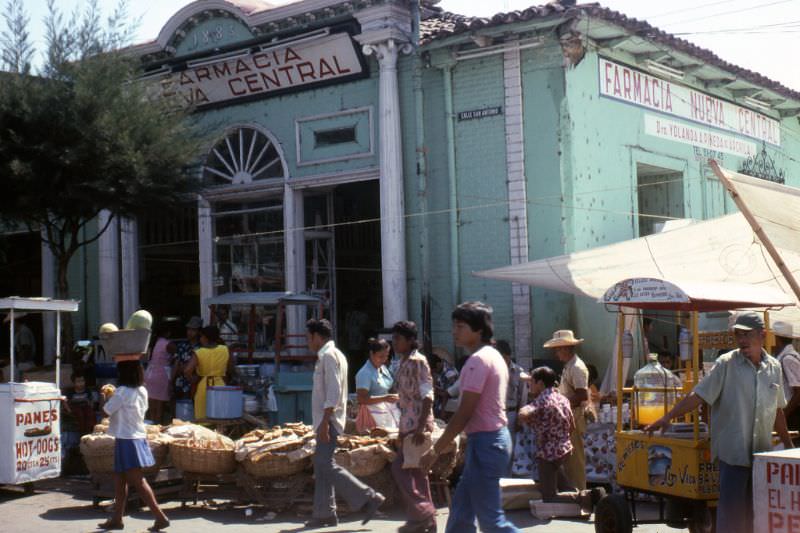
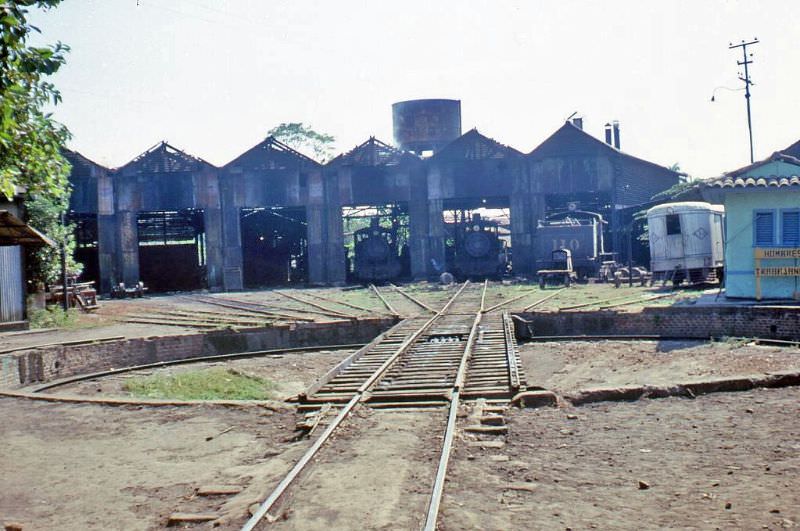
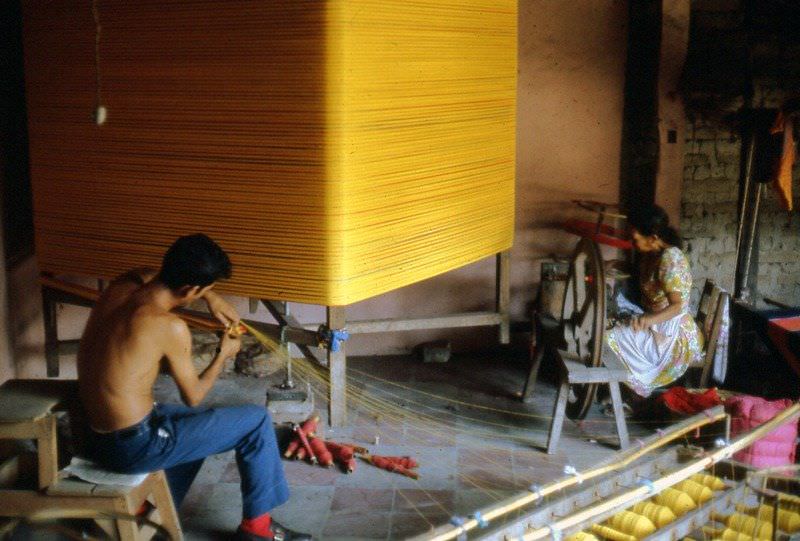
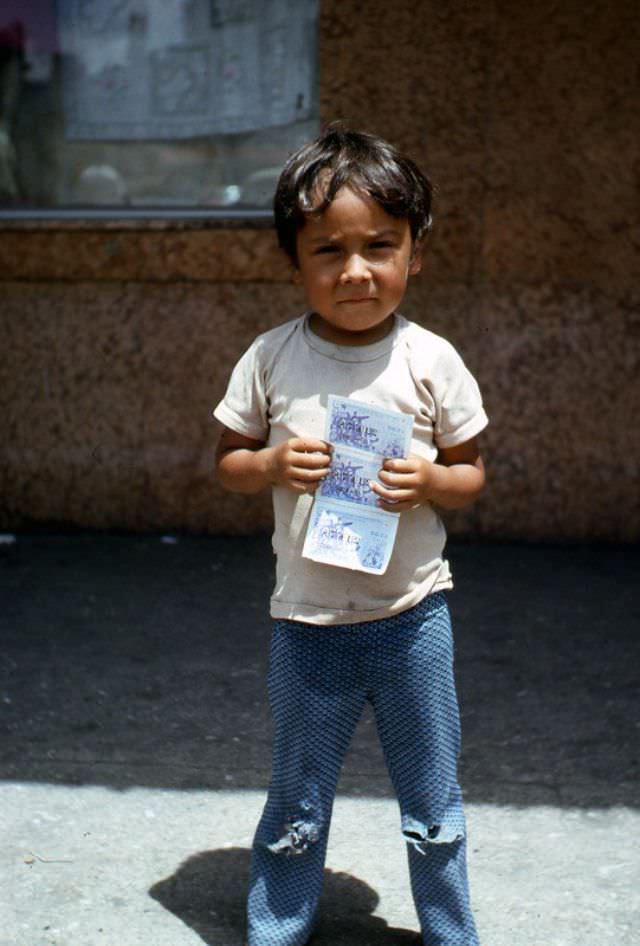
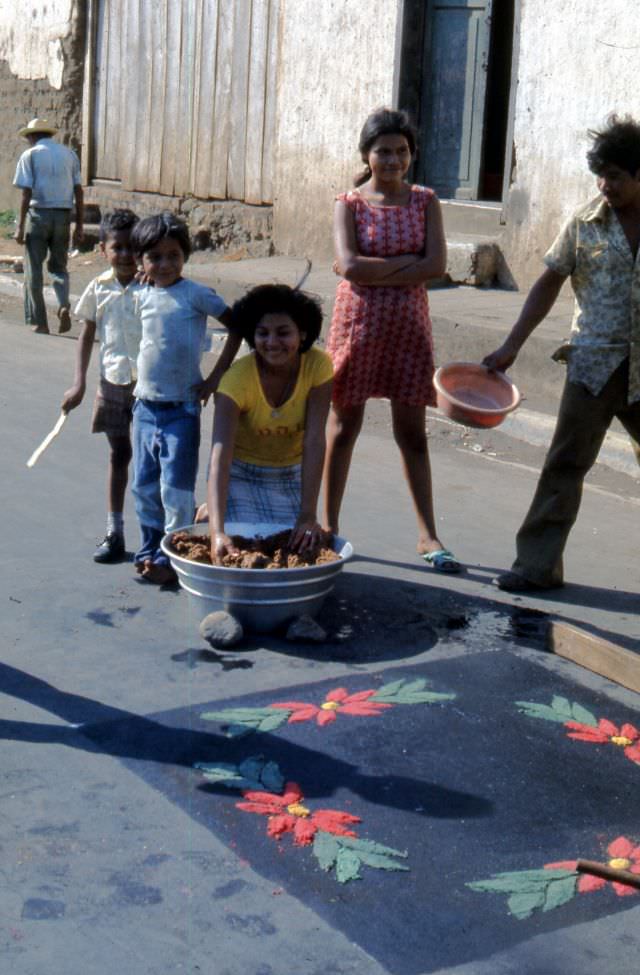
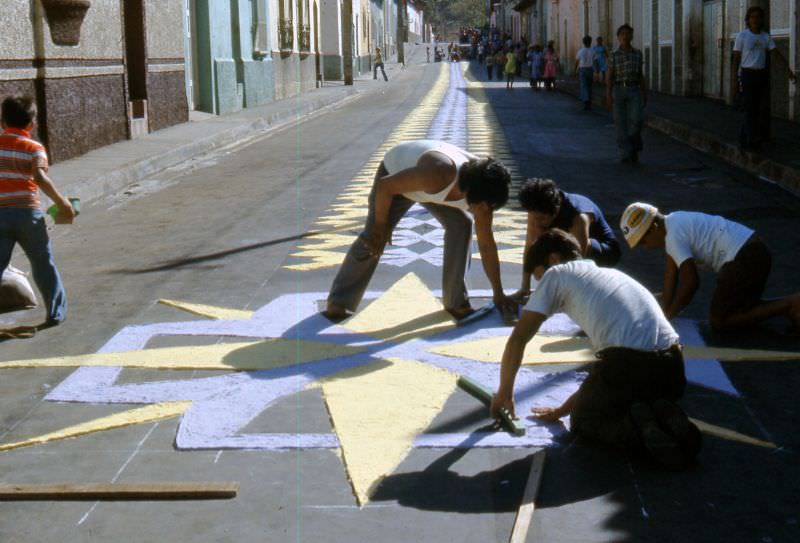
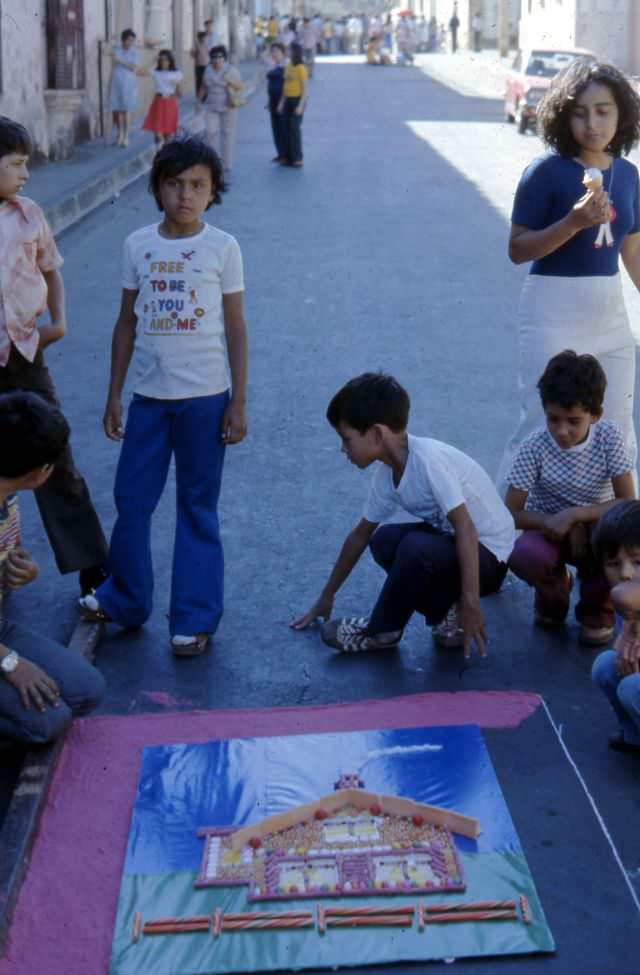
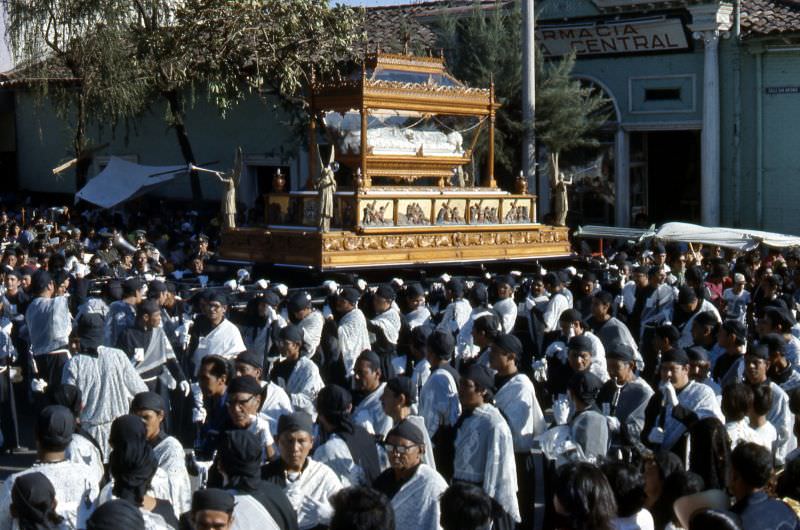
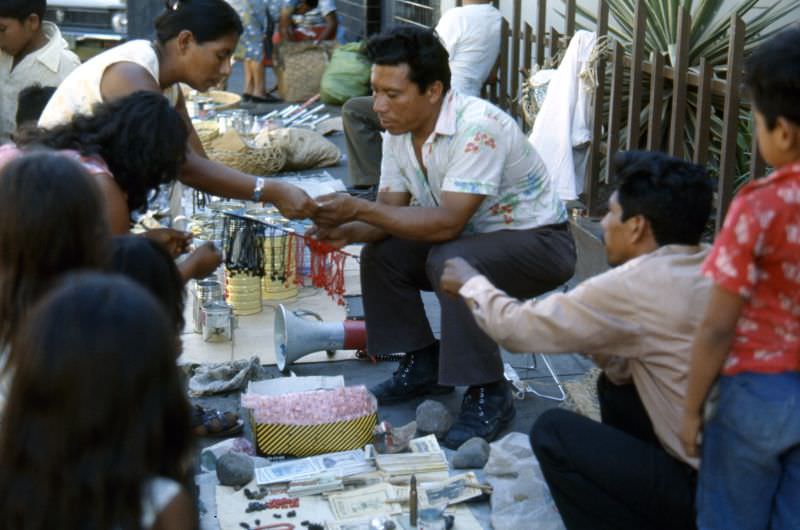
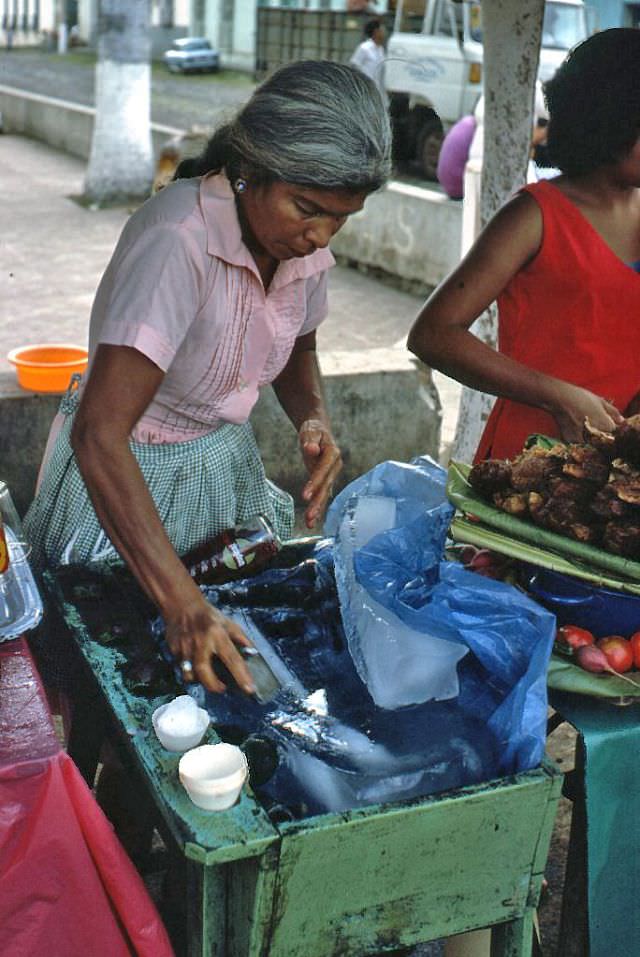
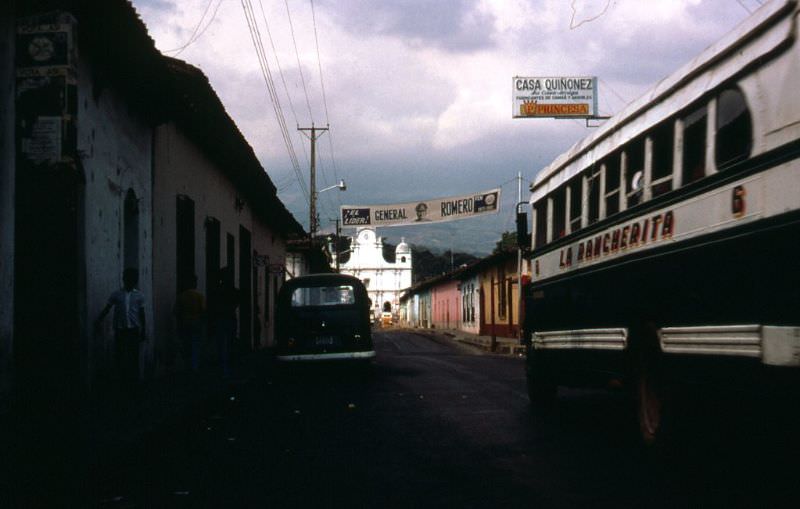
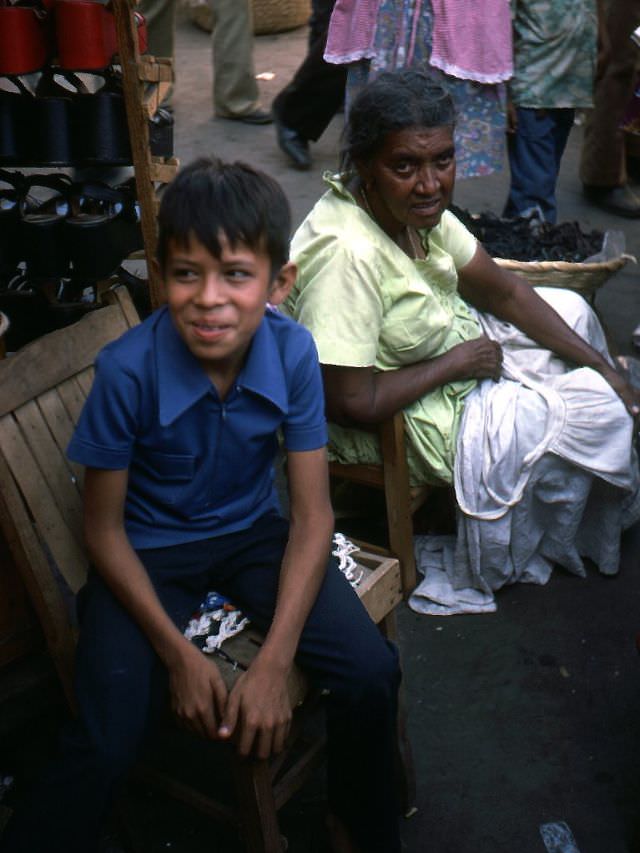
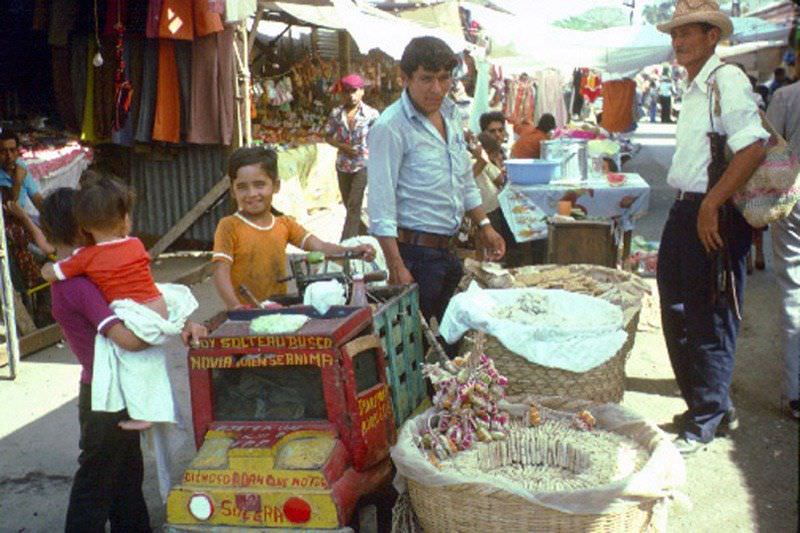
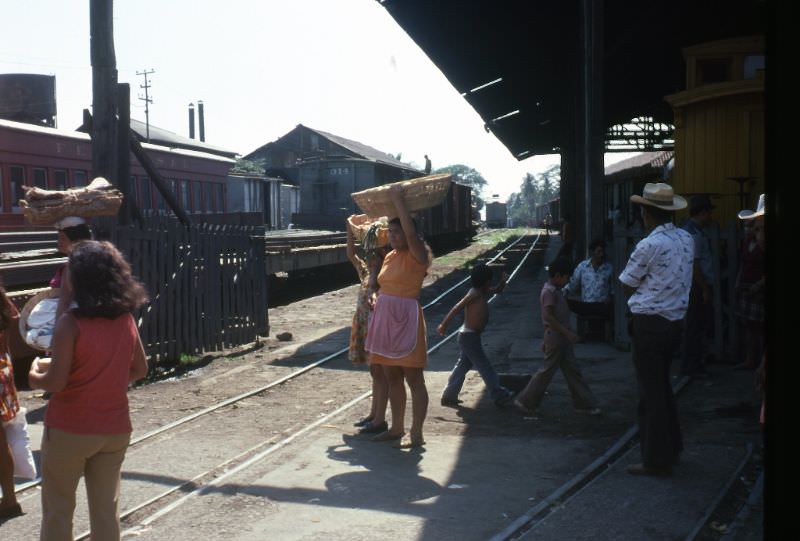
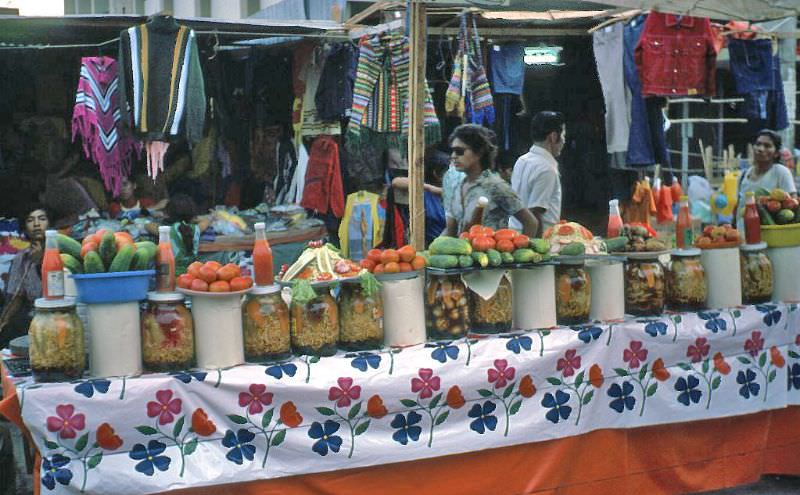
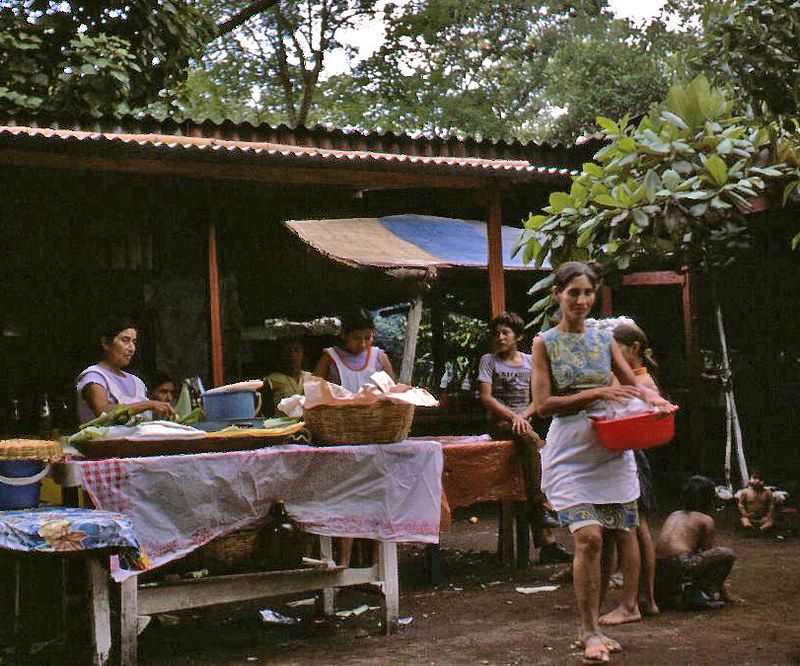
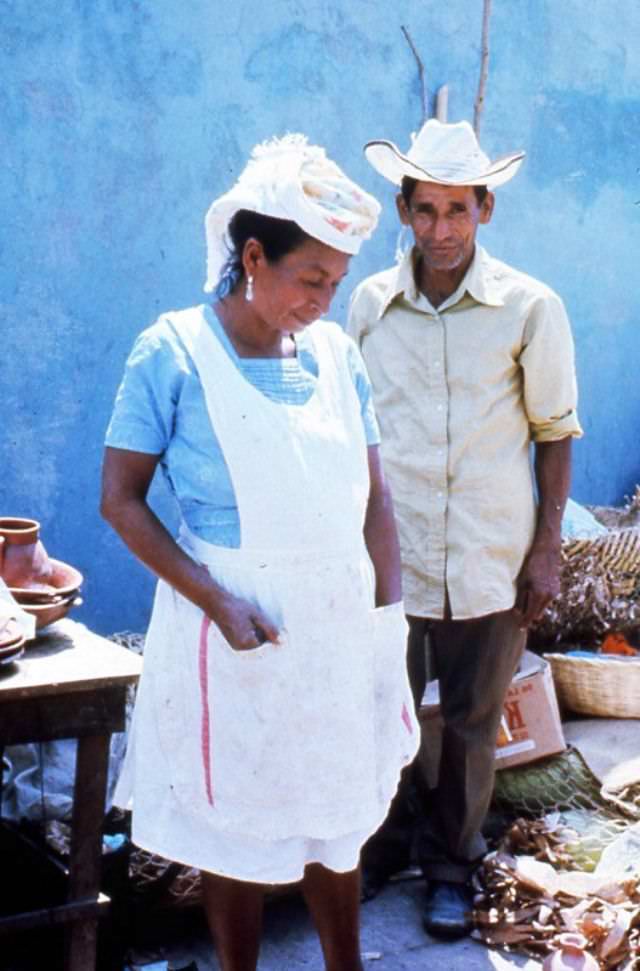
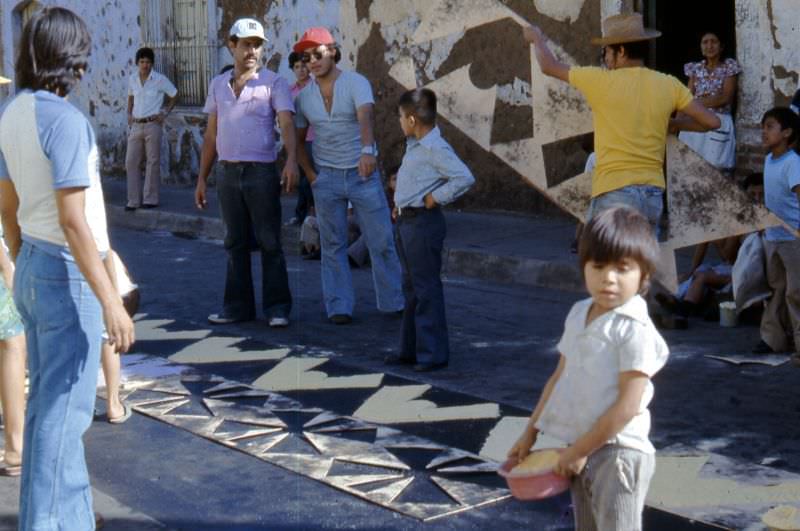
Here are some stunning photos by Carlos B. Cordova that show life in El Salvador in the 1970s before the civil war.

i can see the credit on every photo. There is a source mentioned in every photo which points to your flickr profile.
My parents never speak much on the war, my mother just saids my fathers class room was attacked and that’s when he decided to come to the u.s.
Sure it wasn’t paradise but back then there was a chance of becoming a better country that what we became, humans rights started to flourish, industrial output was great we were even called “The Japanese of Central America” many big corporations had a presence here people live okay with a regular wage you could buy a house most of our parents and grandparents succeeded in this time it was really possible.
War ruined everything lost a few family members to it and the country went to shit. But we can’t dwell on the past and we have to move forward. One way or another.
de lo poco de esa época que esta en HD: (Fue grabado en película)
https://www.youtube.com/watch?v=yJb209DdY\_c