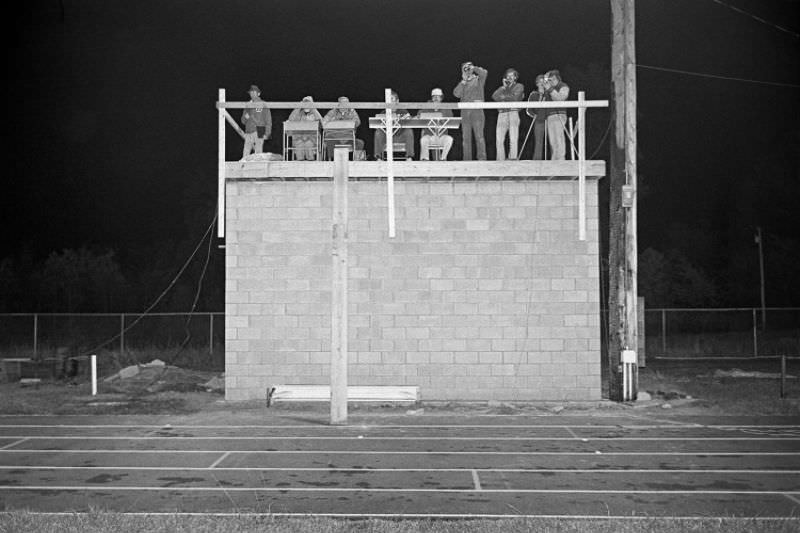
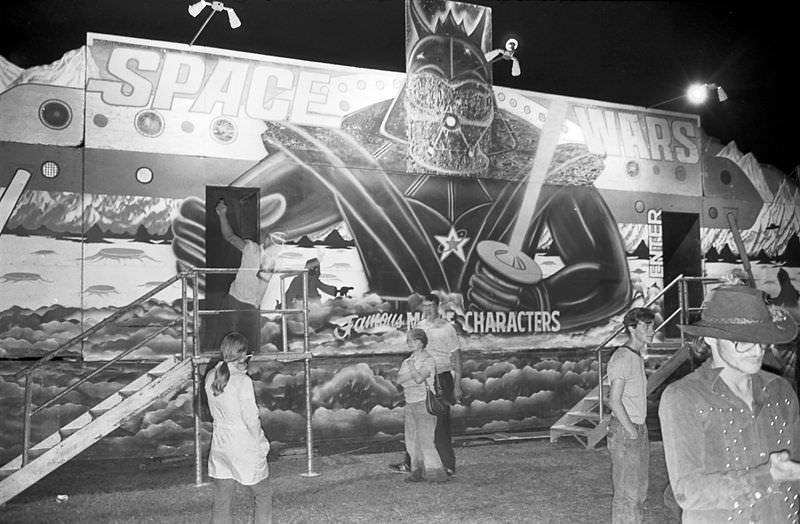
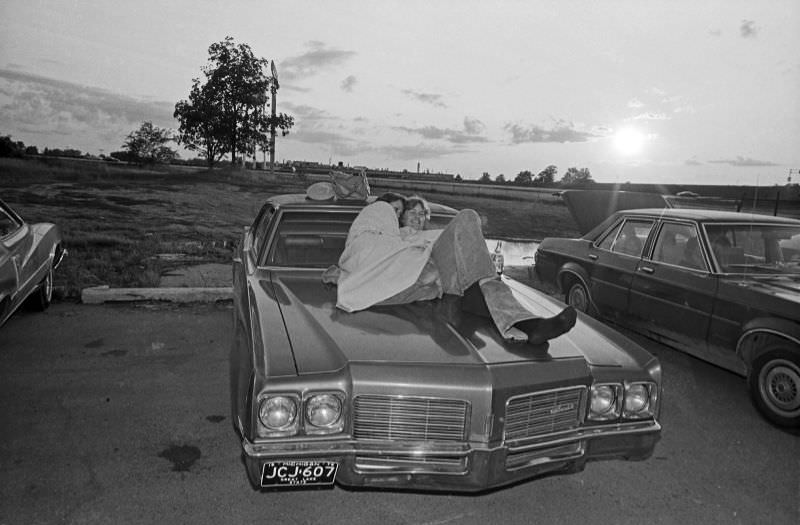
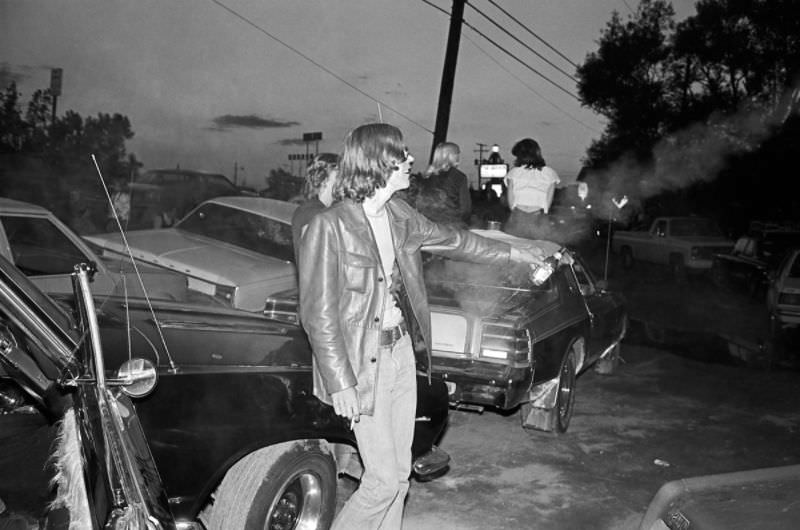
Don Hudson grew up with a camera in his hands and Michigan all around him. Based in South Lyon, he spent the late 1970s photographing a wide stretch of the state — from the busy streets of Detroit to the quiet roads near Whitmore Lake. The towns he visited, the people he found, and the ordinary moments he captured add up to something rare: an honest visual record of Michigan life between 1977 and 1979.
Hudson studied at the University of Michigan for three years before deciding to take photography more seriously. He enrolled at the Detroit Society of Arts and Crafts, where he dug into the history of the medium and studied the work of its major practitioners. That formal training shaped how he looked at the world around him. He wasn’t just snapping pictures — he was building a body of work with intention.
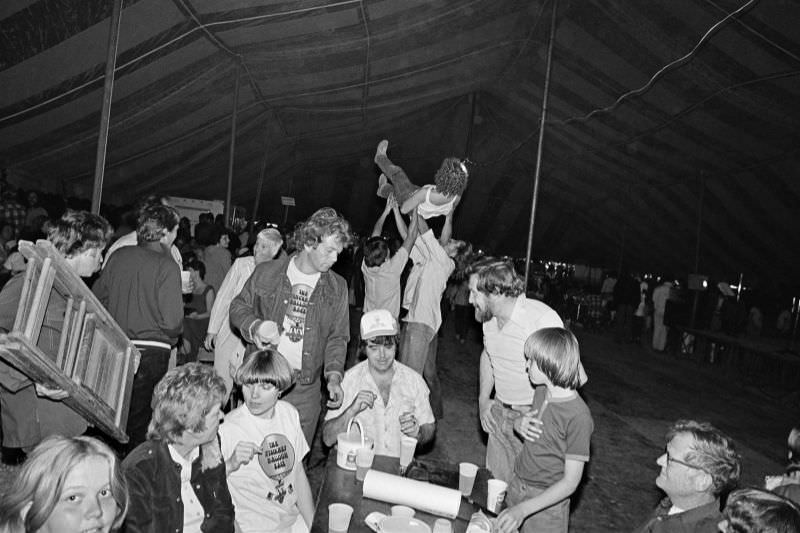
His geographic range was wide for an amateur working in a single era. Ann Arbor, Chelsea, Saline, Farmington, Milan, Belleville, Dexter, Pinckney — Hudson moved through southeastern Michigan with steady purpose. Each location gave him something different to work with.
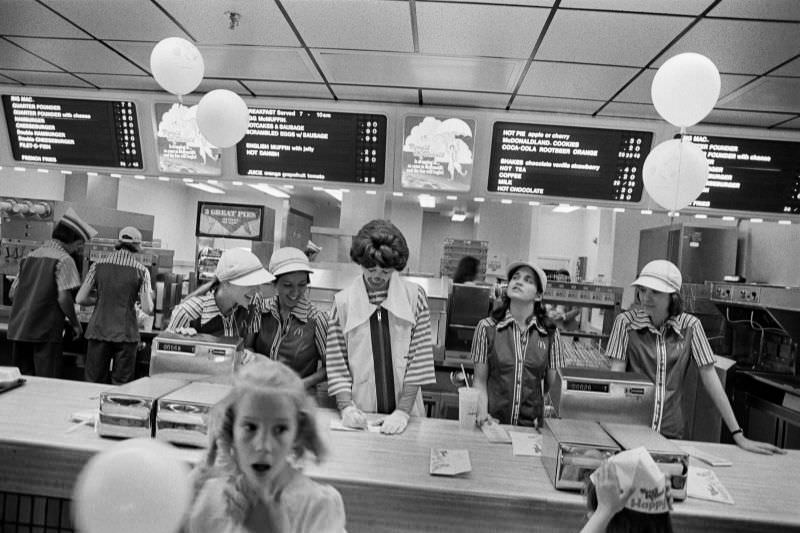
Detroit was a frequent subject, especially in 1977. The city in that period carried the weight of industrial decline, white flight, and deep economic pressure. Hudson’s lens met it directly.
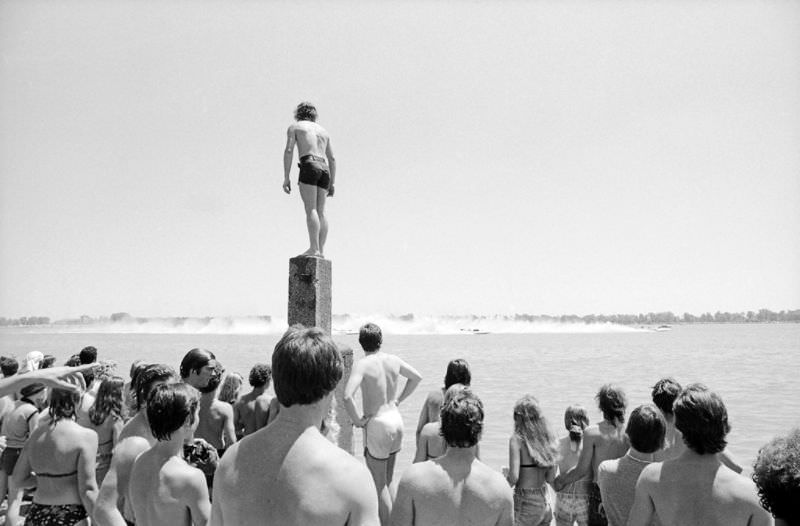
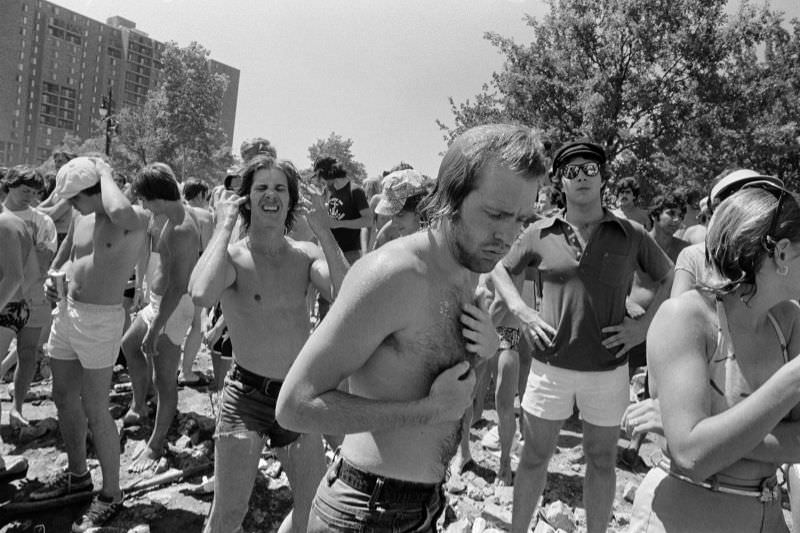
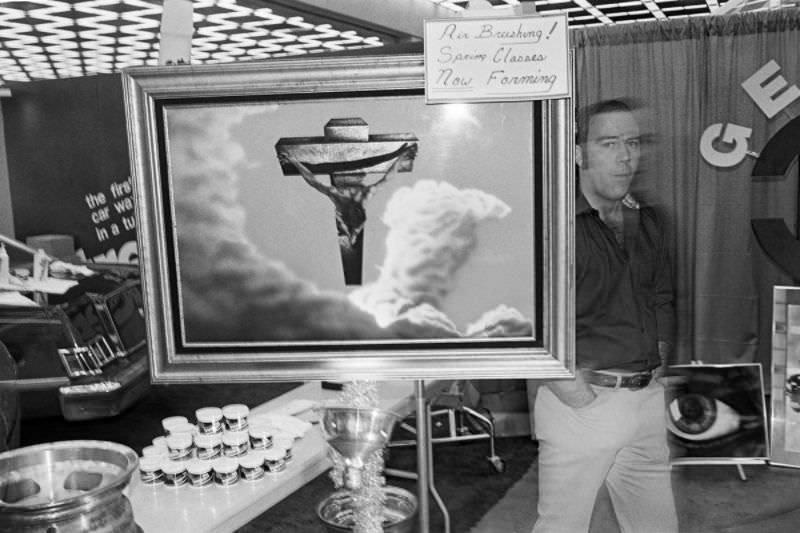
By 1978, Hudson was ranging further into the smaller towns and rural areas surrounding Detroit. Chelsea, a small city about 15 miles west of Ann Arbor, offered a contrast to the urban scenes he had been shooting.
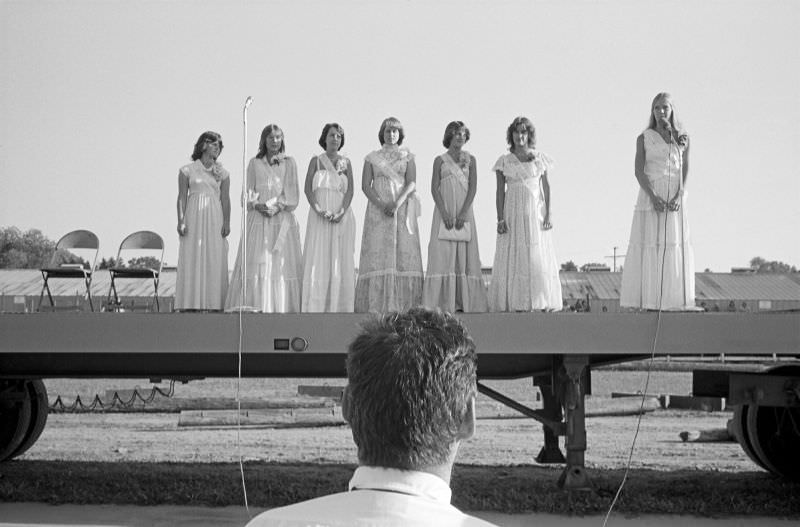
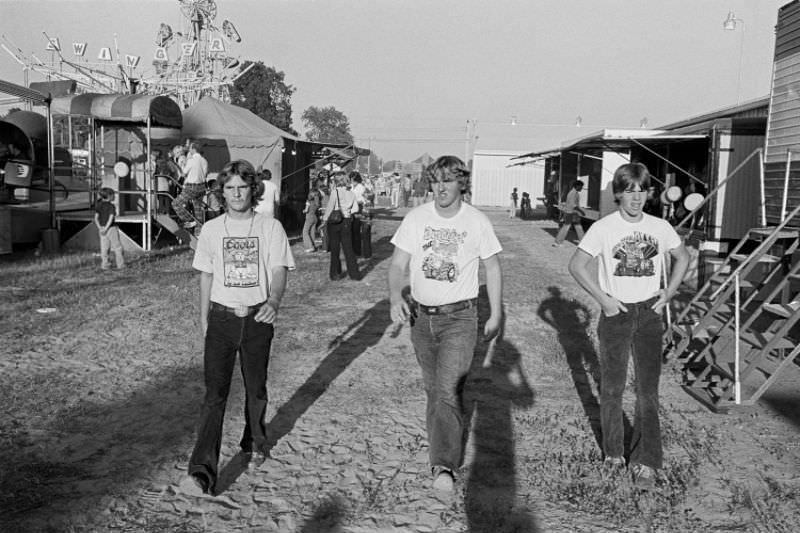
Detroit remained on his schedule through 1978, even as he expanded outward. Farmington, a suburb in Oakland County, also made it into his archive that year — a different kind of Michigan from the city, but equally worth documenting.
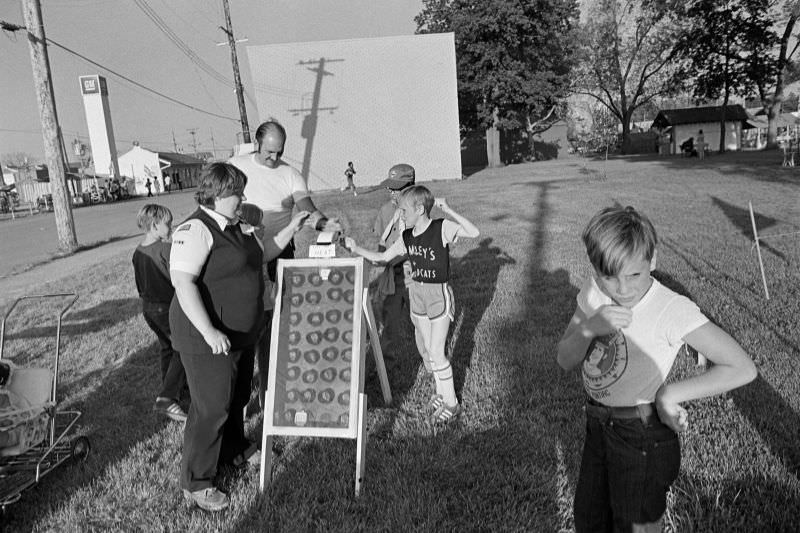
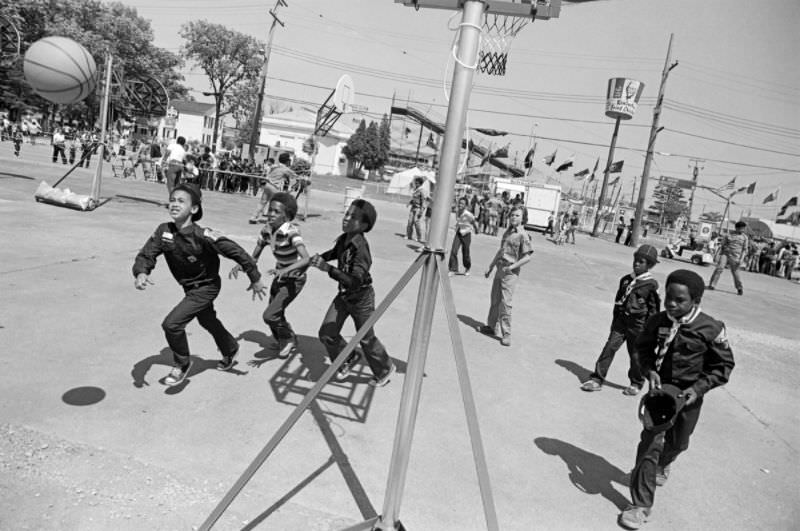
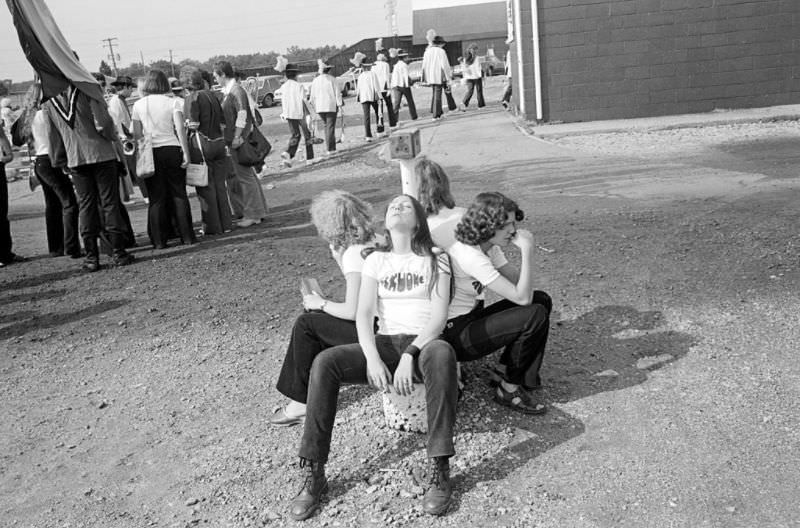
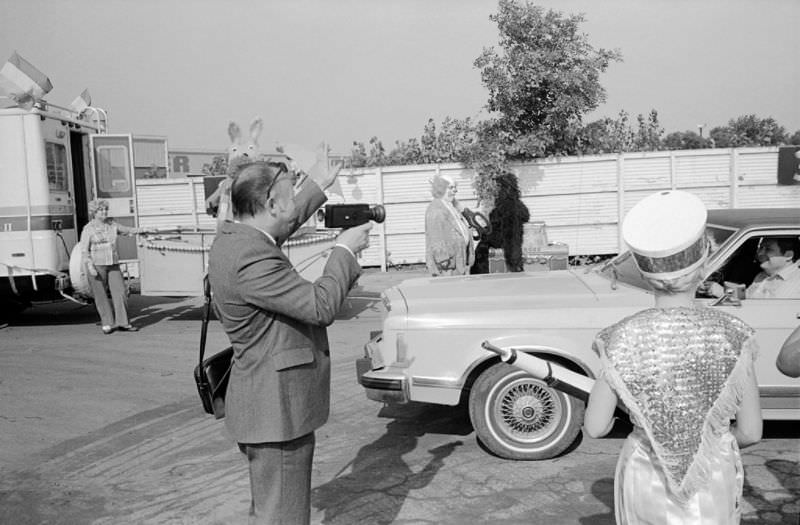
Milan, a small town in Monroe County, and the rural stretch near Dexter both appeared in Hudson’s 1978 work. Pinckney and Saline rounded out his travels that year, each adding another texture to the broader portrait he was assembling.
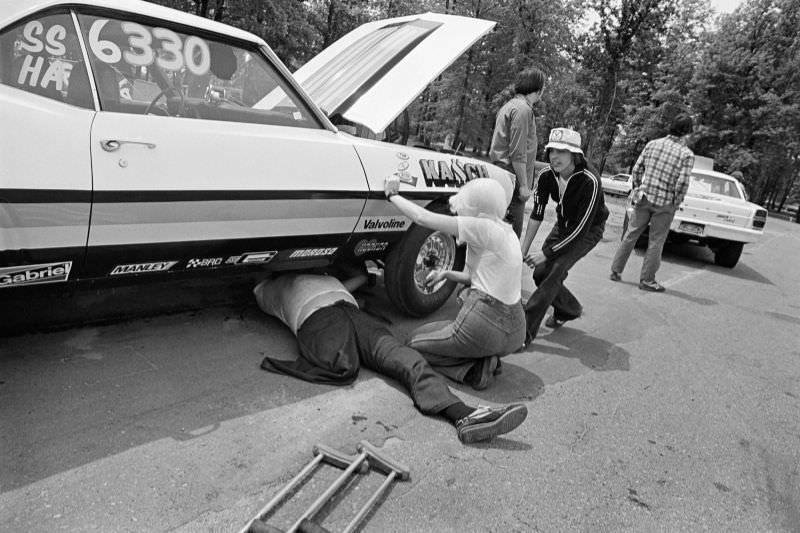
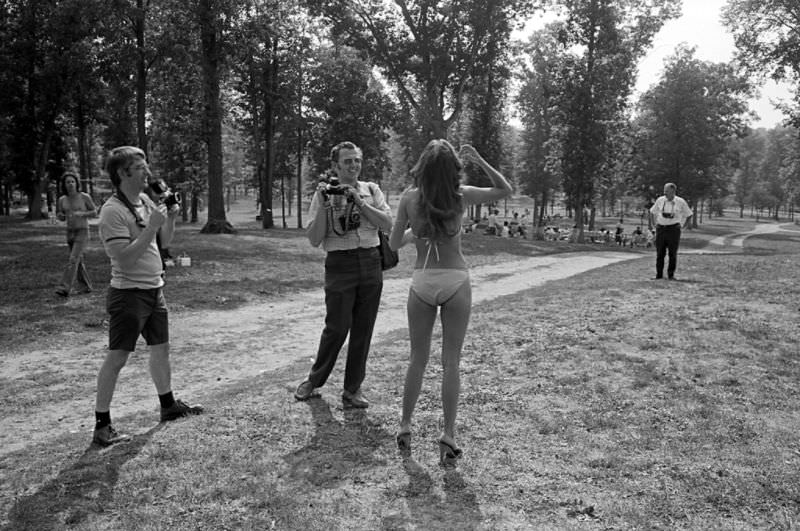
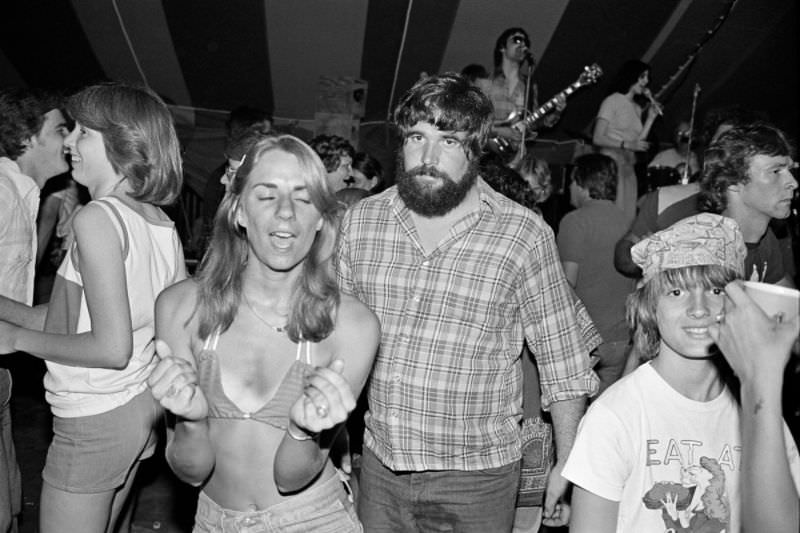
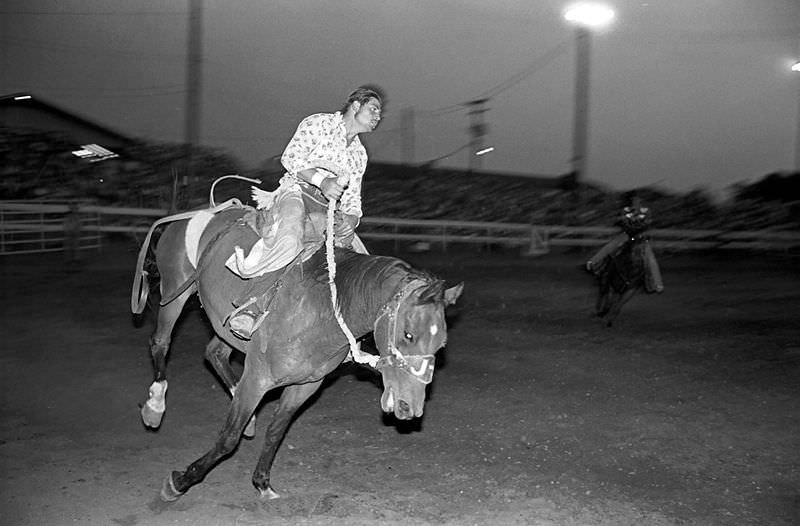
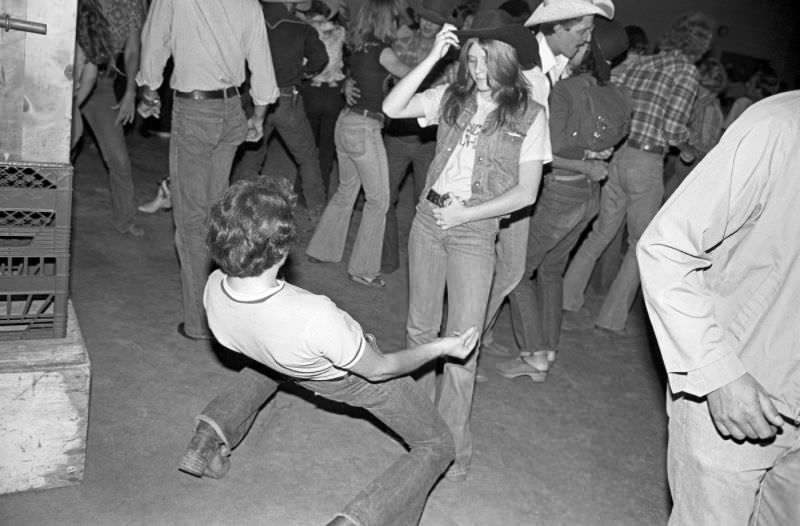
In 1979, Hudson’s work stretched across more ground than any prior year. Ann Arbor, Belleville, Detroit, Pinckney, Saline, his home base of South Lyon, and the shores of Whitmore Lake all made it into the collection. It was his most productive stretch.
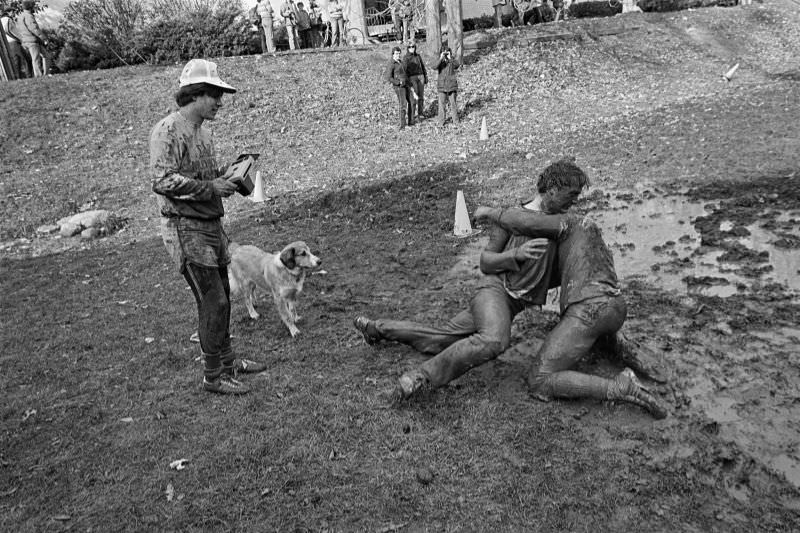
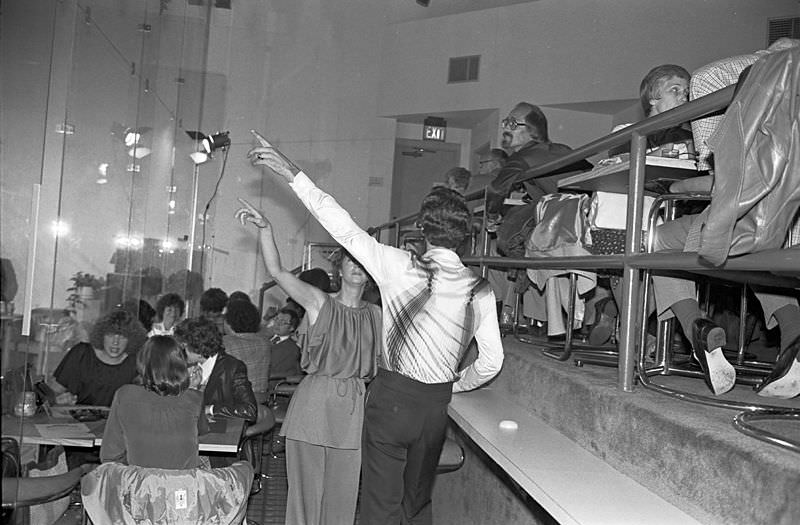
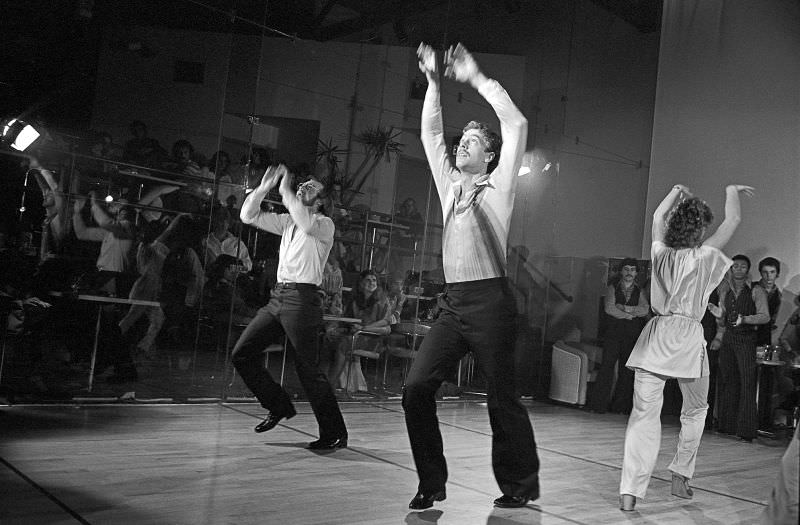
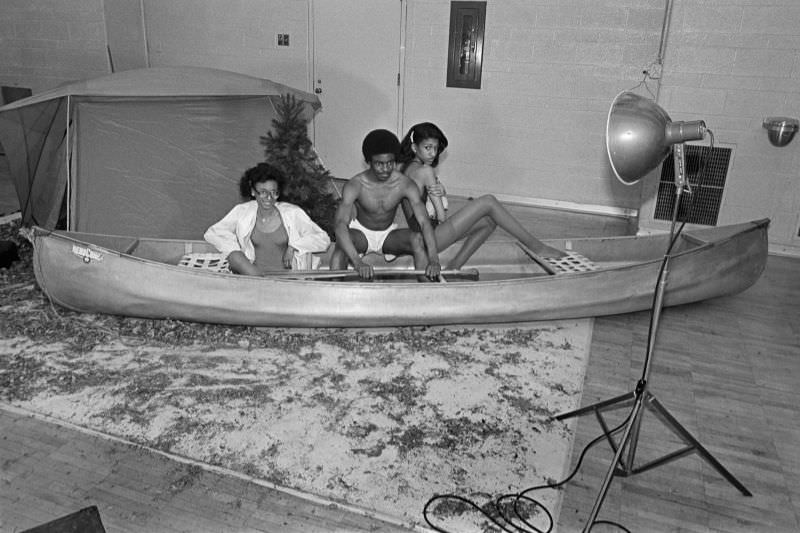
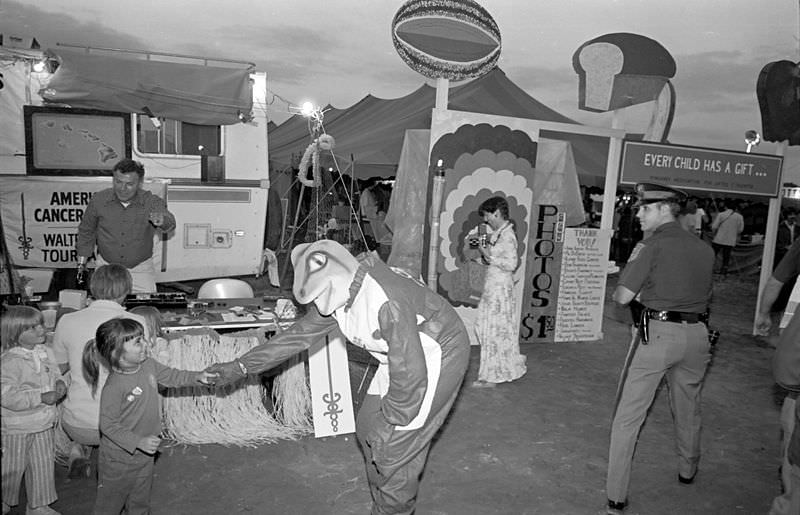
Saline and South Lyon each contributed multiple frames in 1979. These were familiar places to Hudson — close to home, easy to return to, and full of the kind of everyday detail that rewards a patient photographer.
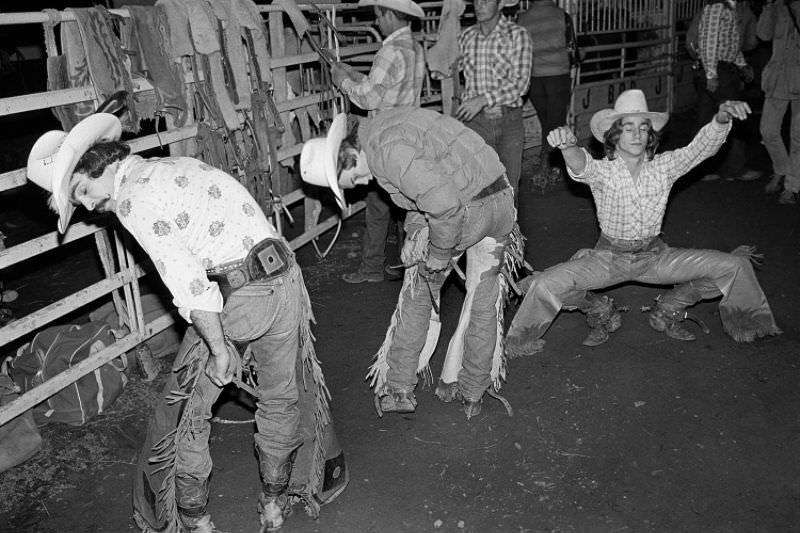
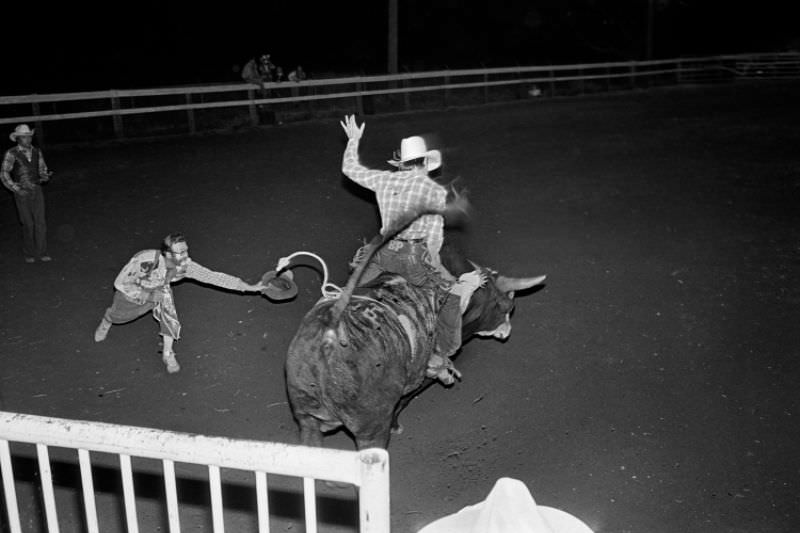
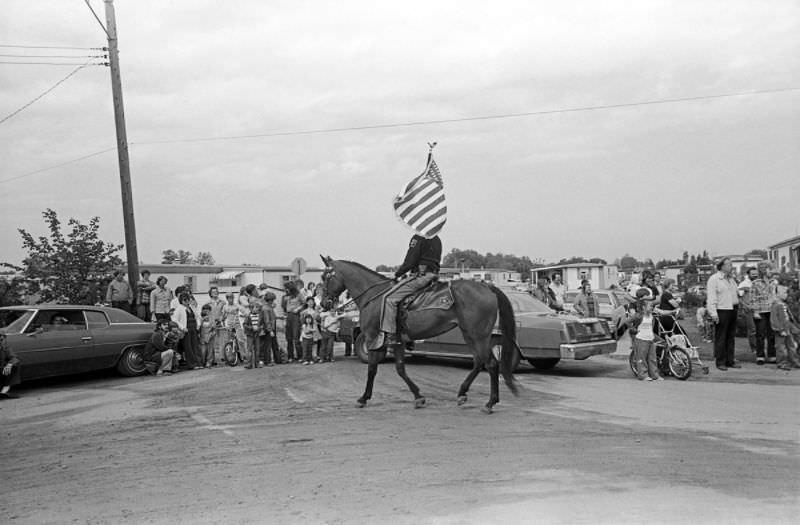
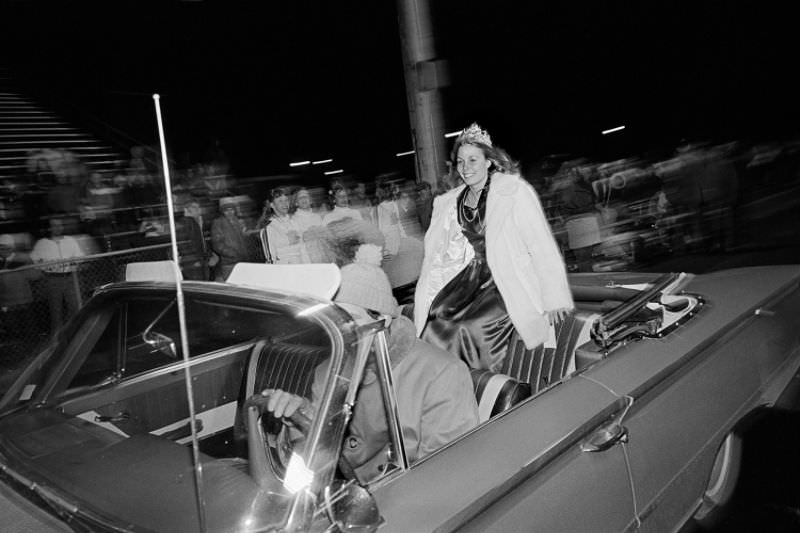
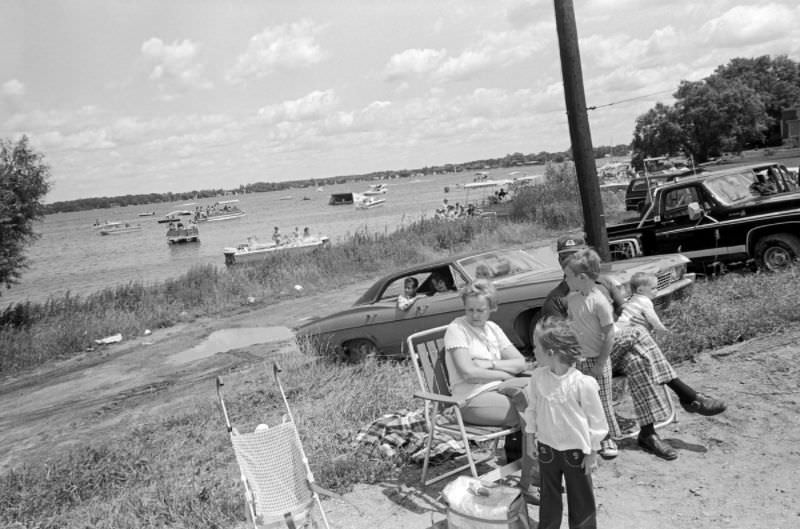
Whitmore Lake, a small unincorporated community just north of Ann Arbor, closed out the collection with four photographs taken in 1979. The lake and the land around it gave Hudson a quieter subject — a far cry from Detroit’s streets, but no less a part of the Michigan he spent three years recording.