

Newport News, Virginia sits at the mouth of the James River, just north of Hampton Roads harbor. The city stretches about 23 miles long and three miles wide, covering 69 square miles in total. First established in 1621, it was formally incorporated as a city in 1896 — skipping the usual step of becoming a town first. By the 1930s, Newport News had grown into one of Virginia’s most important working cities, shaped largely by its shipyard, its harbor, and the thousands of men and women who kept both running.
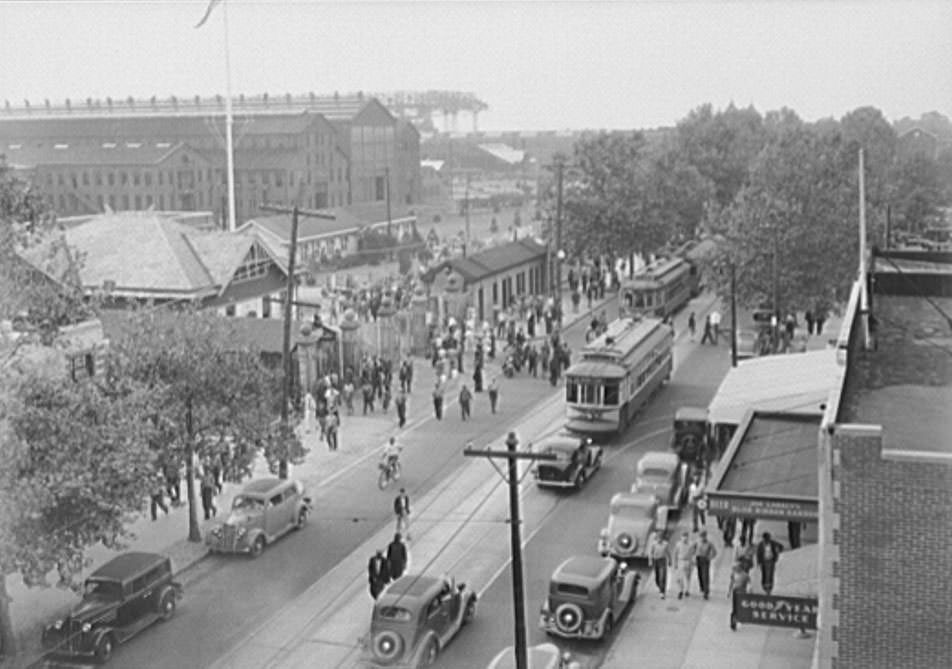
The shipyard was the backbone of Newport News. By 1936, it employed roughly 7,000 men. Shifts ended with streams of workers flooding out through the yard’s gates, tired but steady. Their presence defined the city’s rhythm — when the yard was busy, the city was busy. Housing, markets, and local businesses all orbited around that workforce.
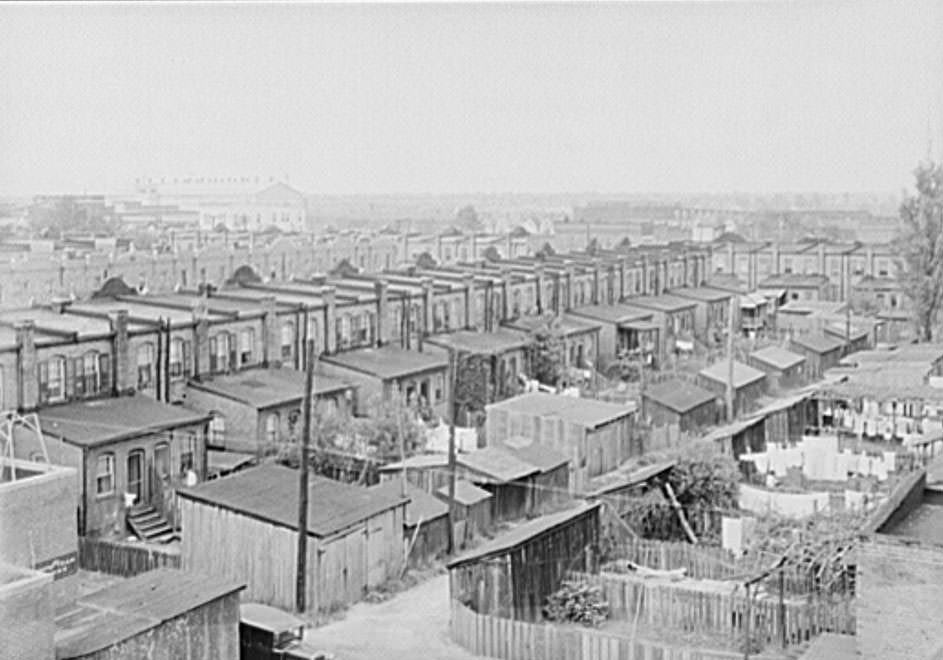
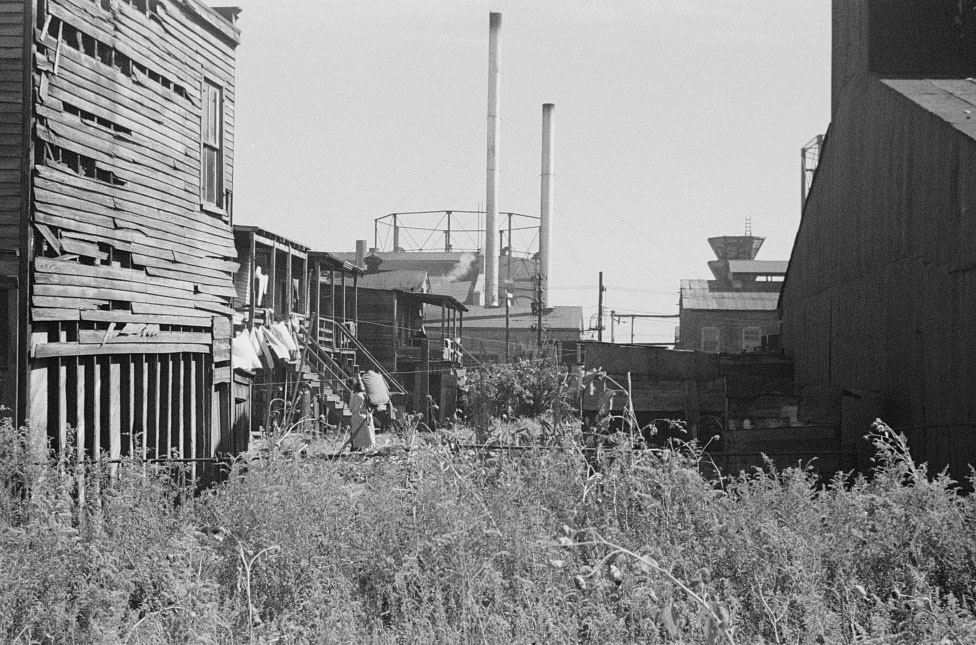
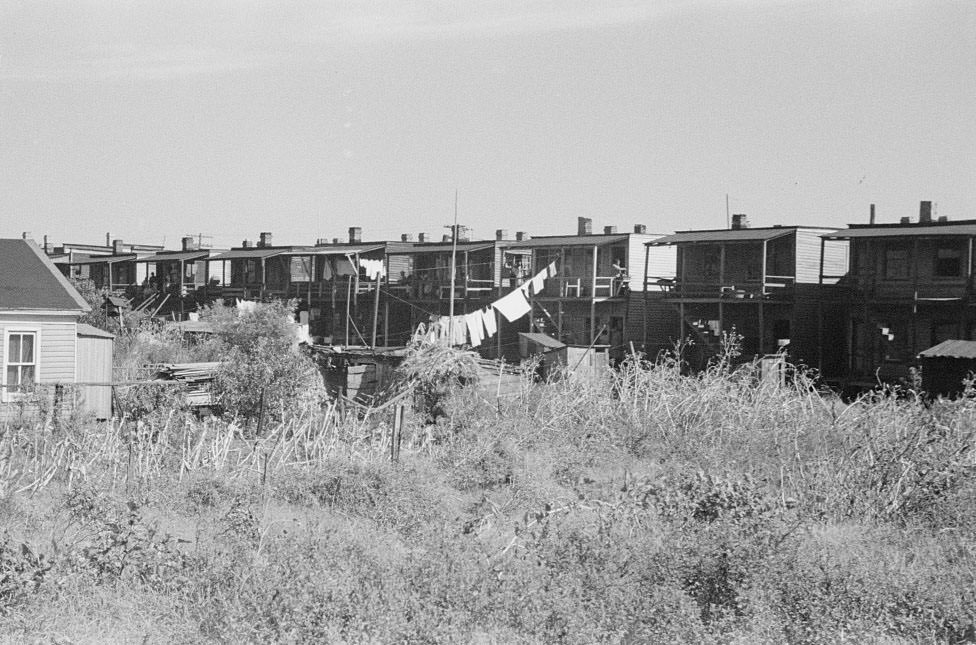
Workers who lived near the yard occupied modest dwellings built close to the waterfront. These were practical homes — nothing fancy, but functional for families who depended on steady shipyard wages. The proximity to work mattered. Few workers owned cars, and walking distance to the yard was a real factor in where a family chose to live.
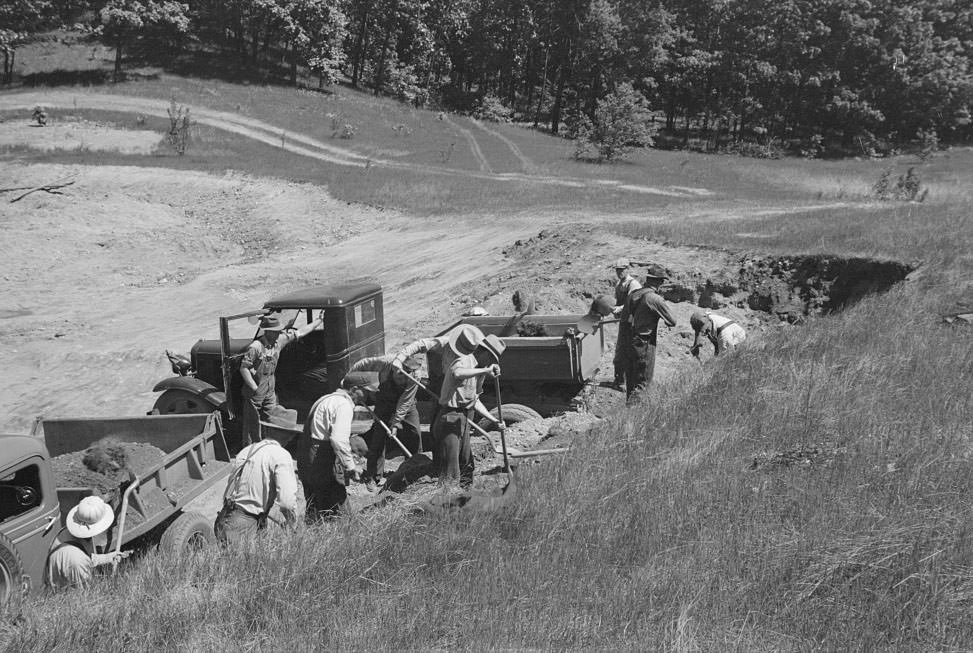
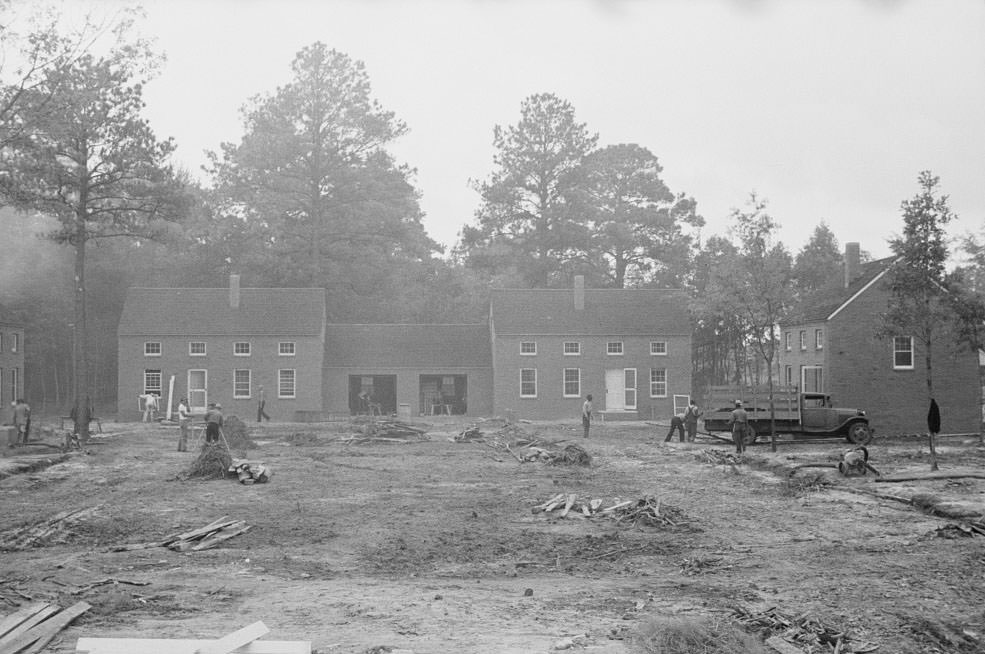
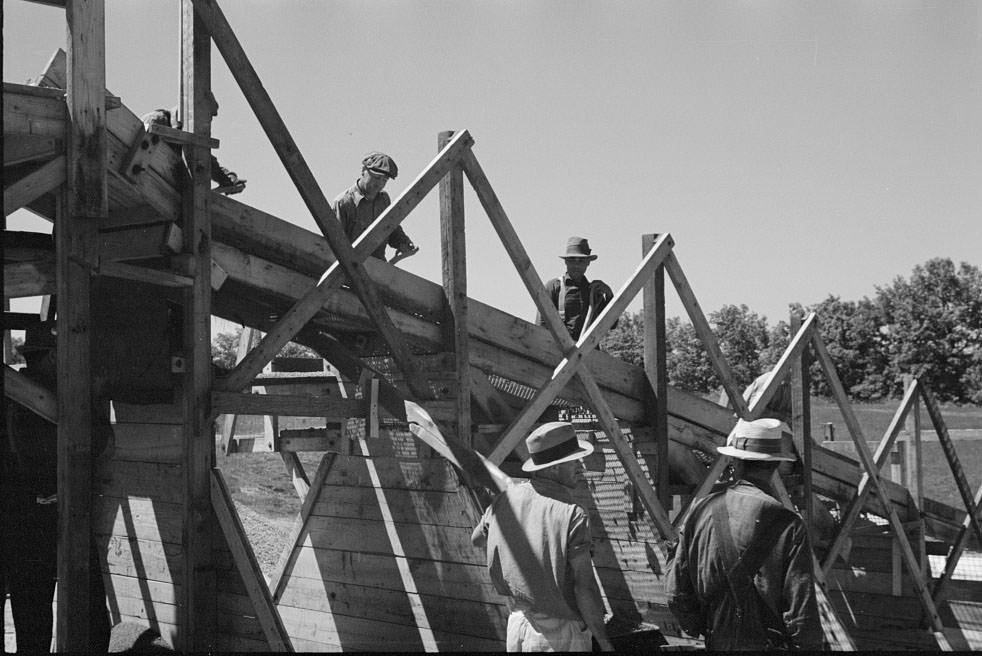
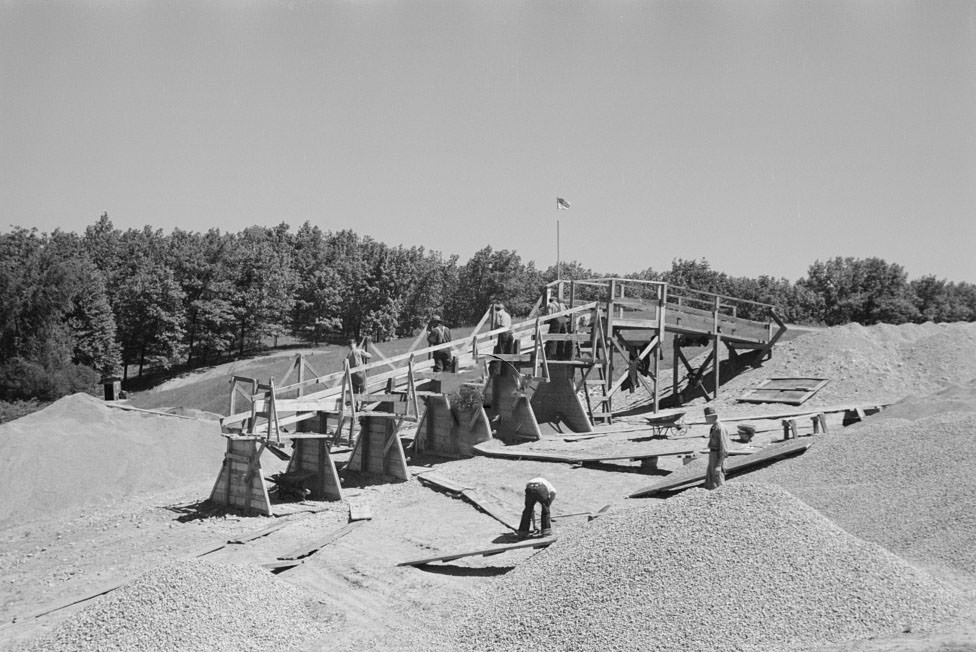
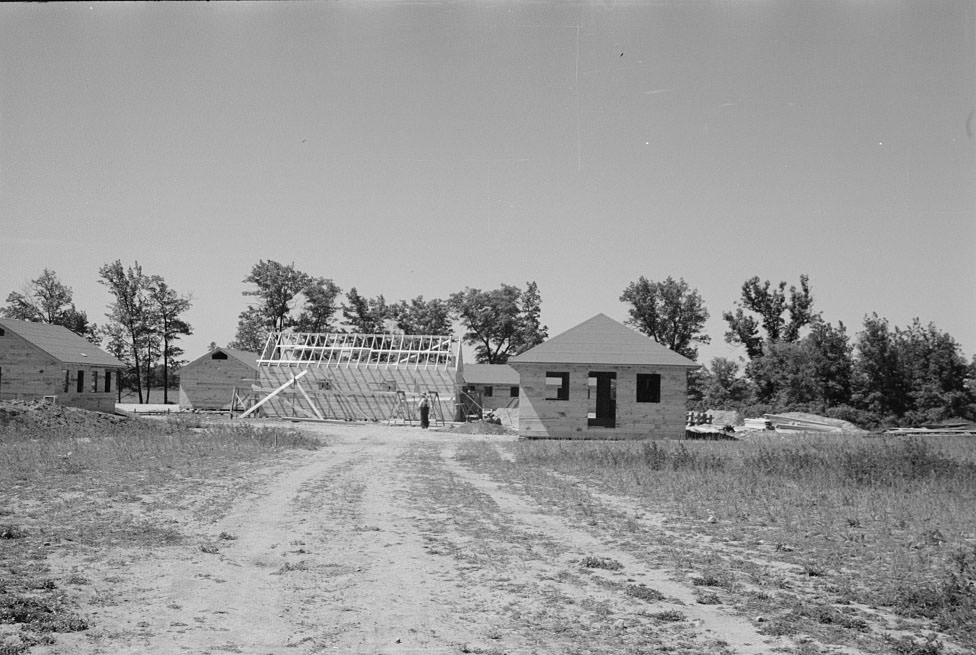
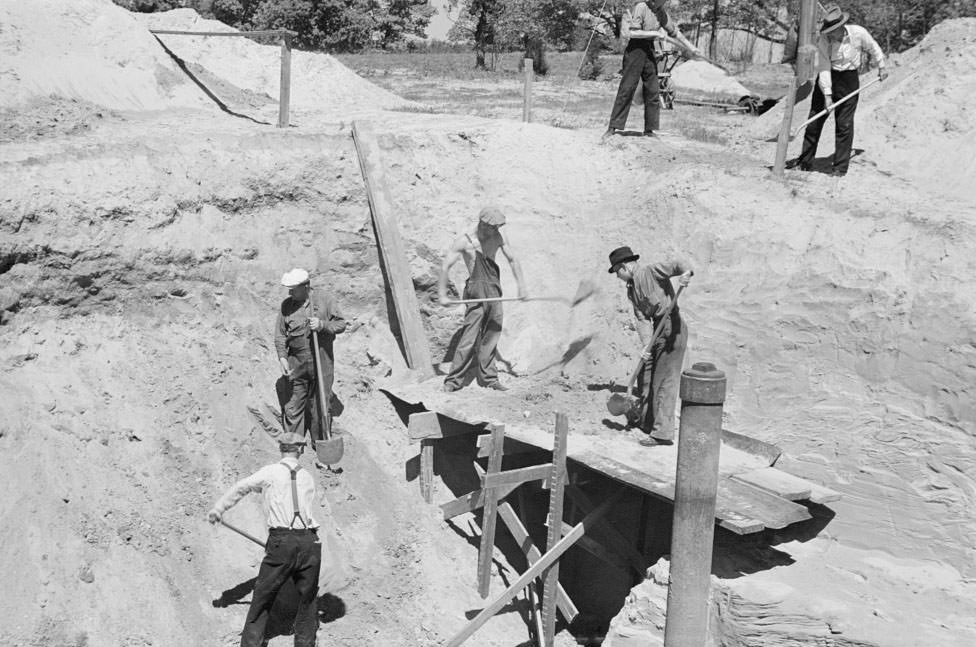
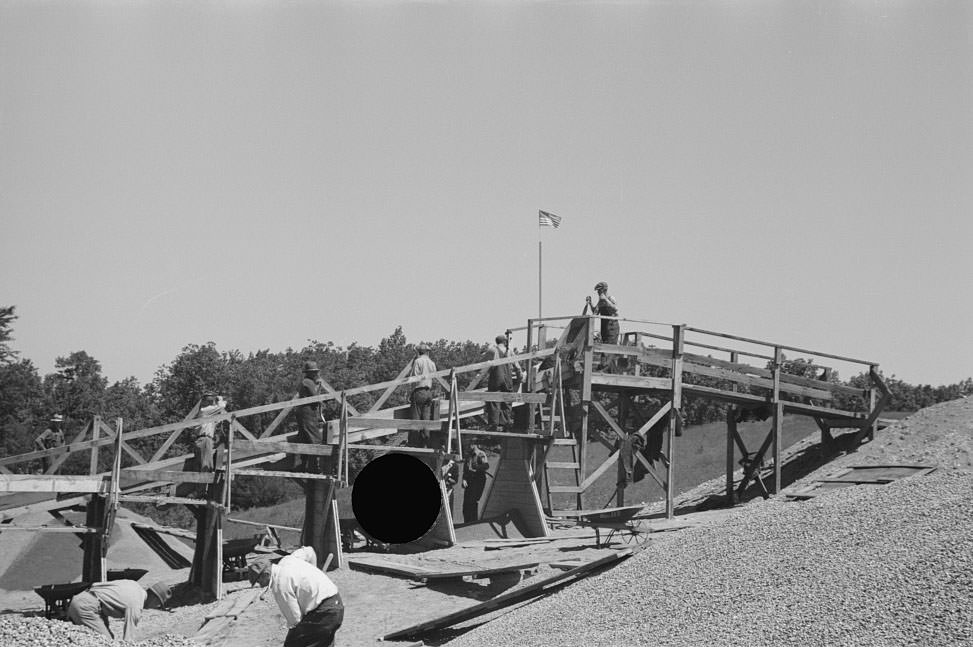
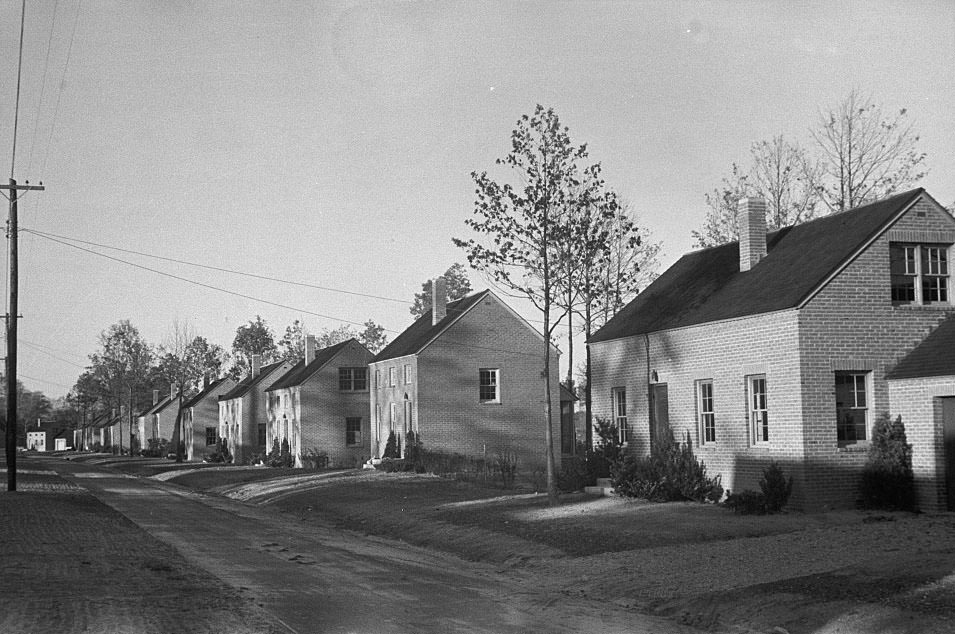
The Newport News Homesteads project was one of the city’s most visible efforts during the Depression decade. Built as part of a federal program, the Homesteads gave working families the chance to move into newly constructed homes with land attached. Construction on the project was active through 1936, with crews of workmen on-site daily.
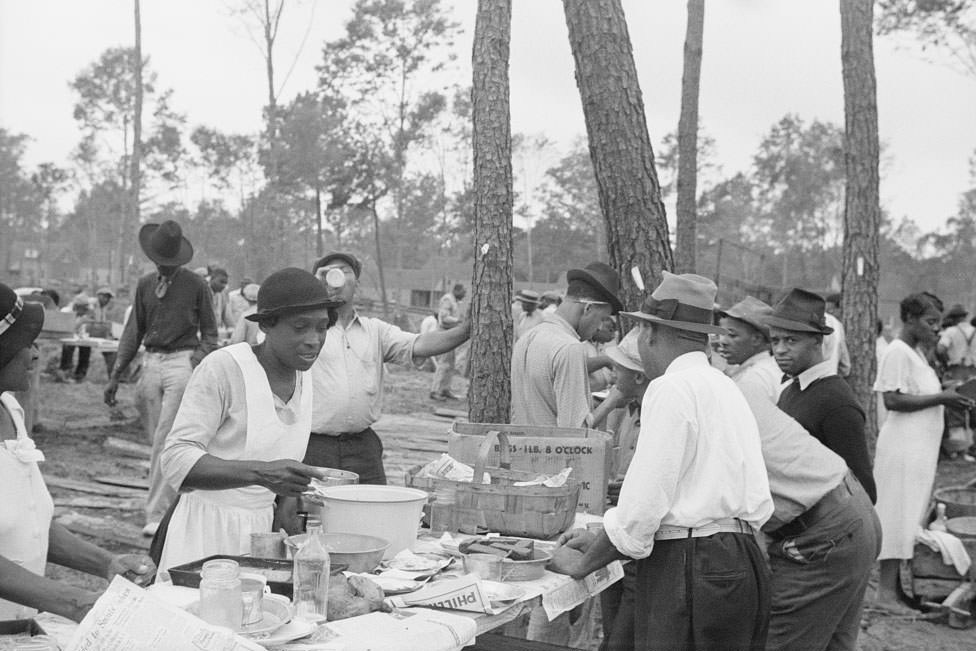
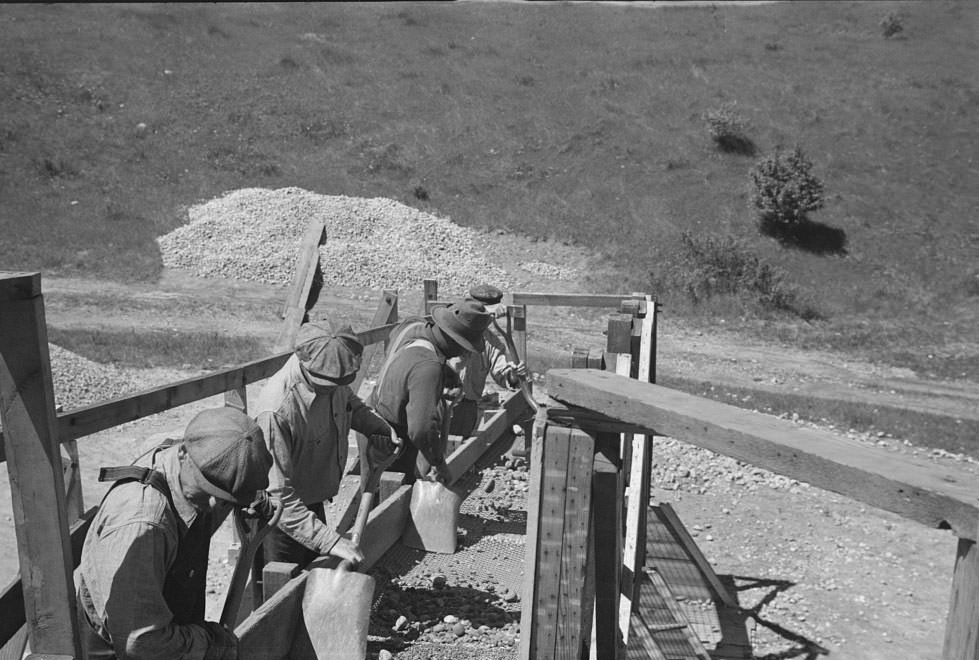
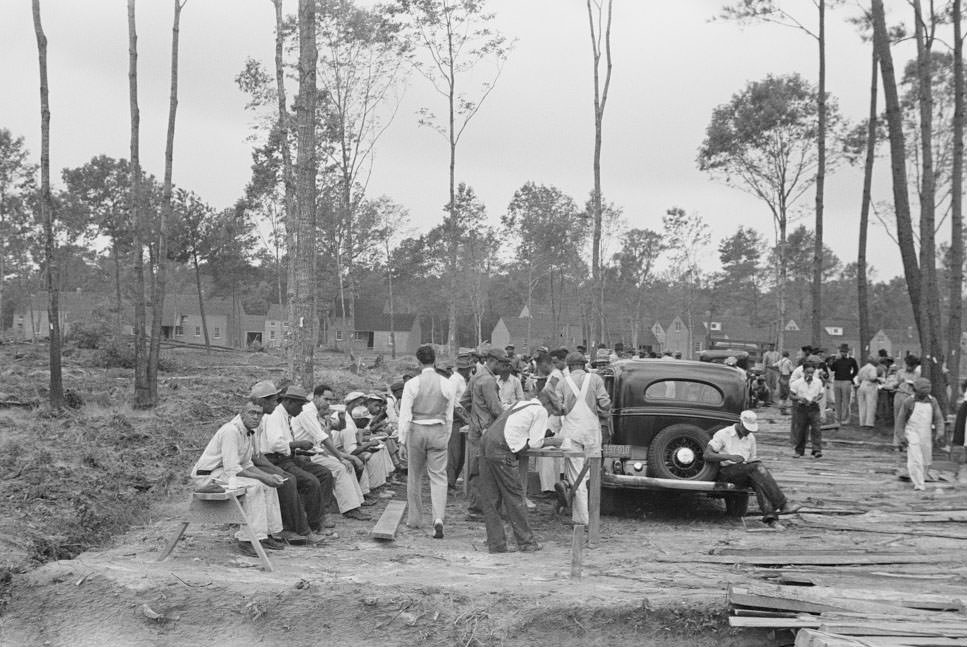
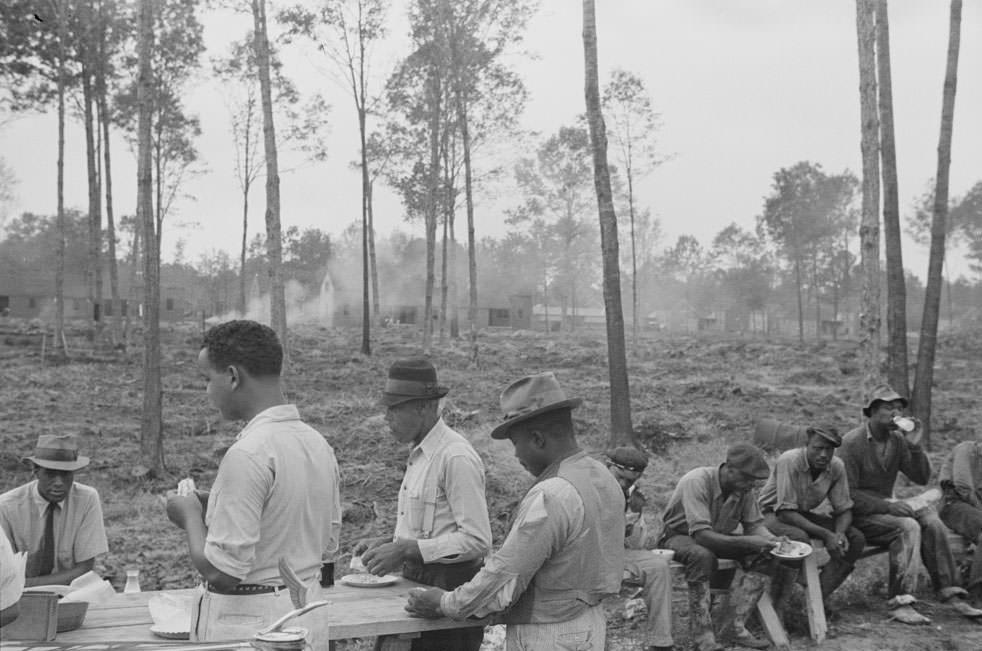
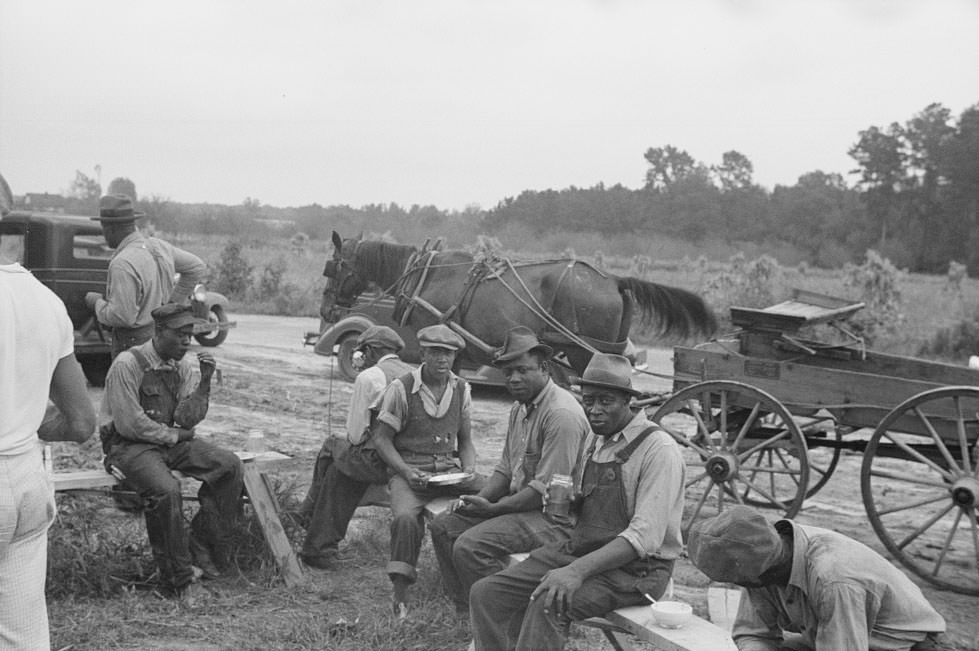
Lunch breaks on the Homesteads construction site were a daily ritual. Workers gathered in groups, ate what they’d brought, and rested before returning to the job. The work itself was physical — framing, laying foundations, doing the kind of labor that built neighborhoods from the ground up.
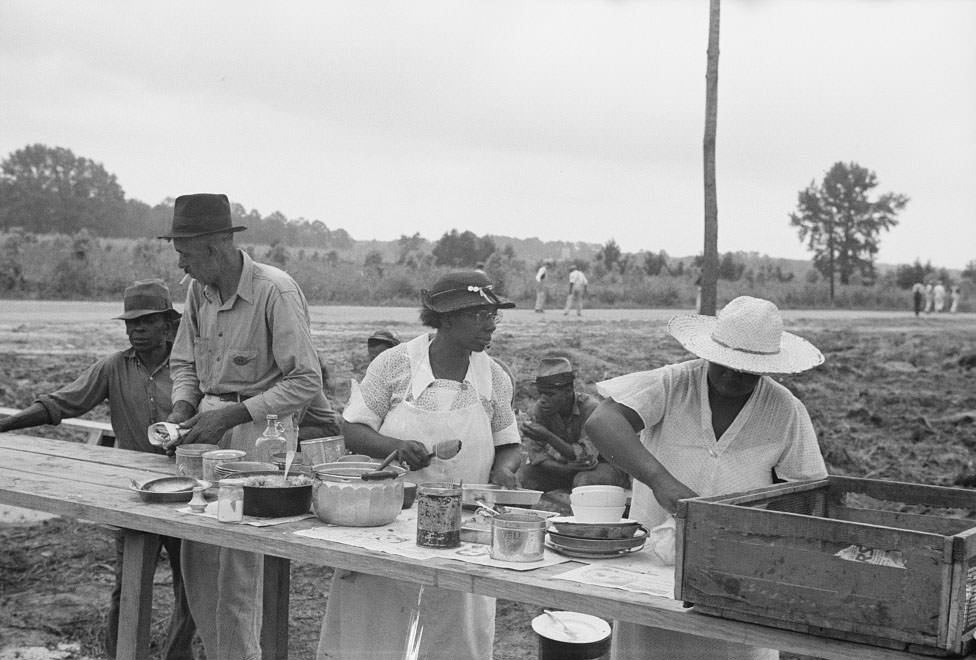
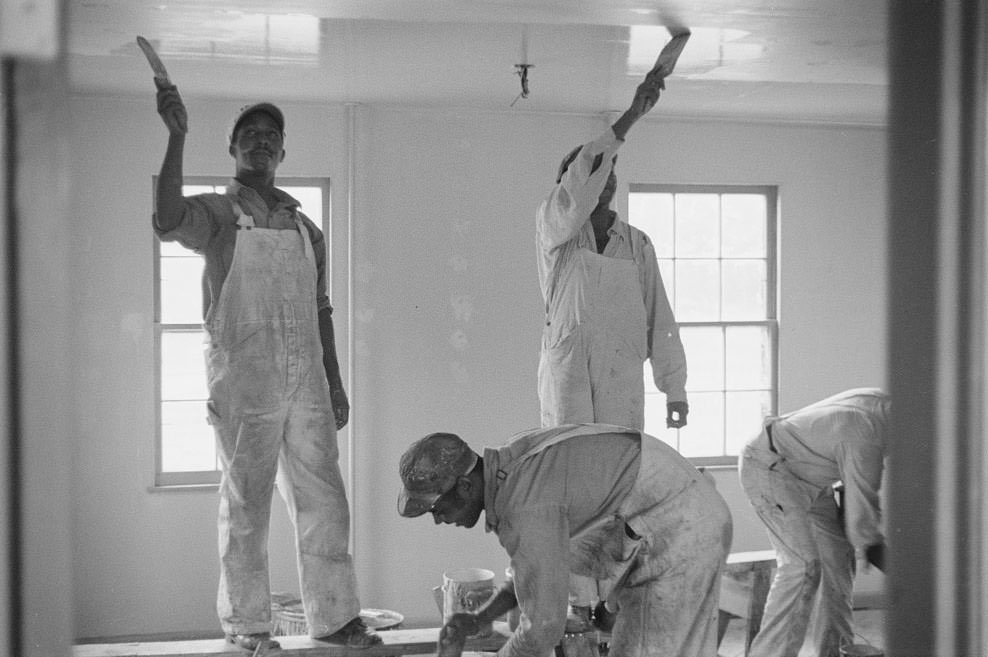
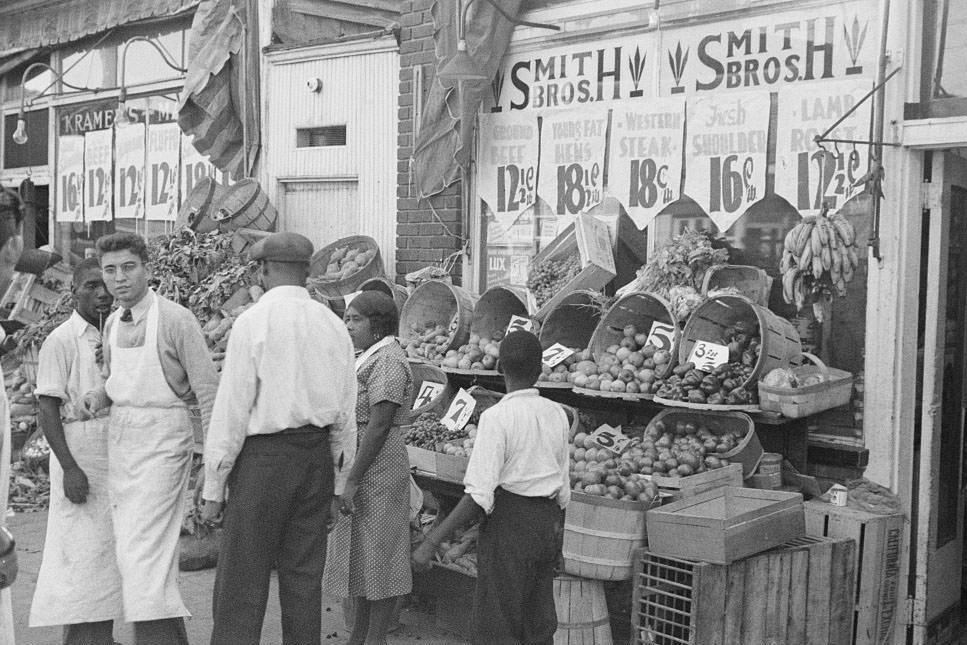
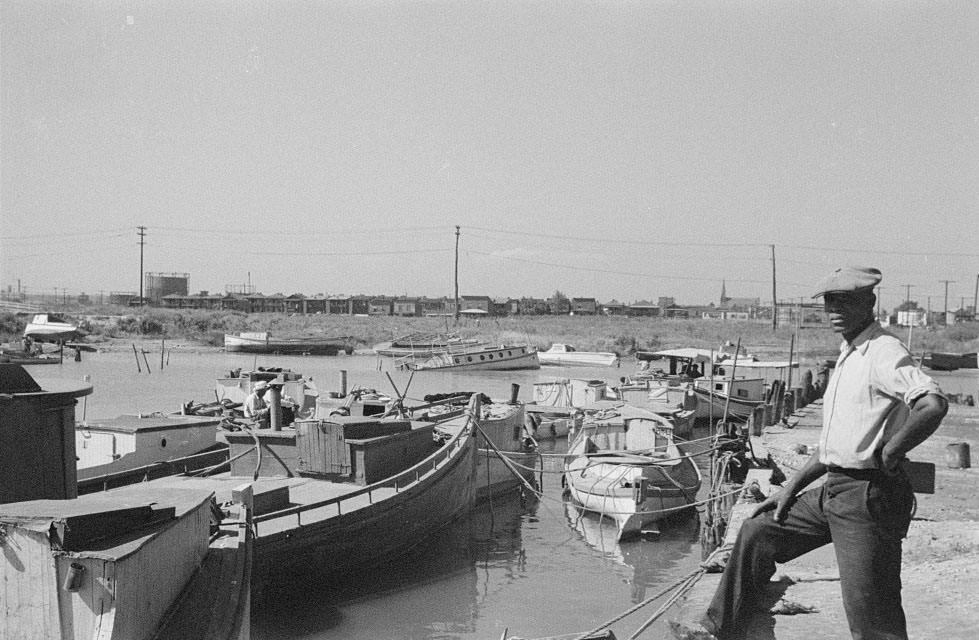
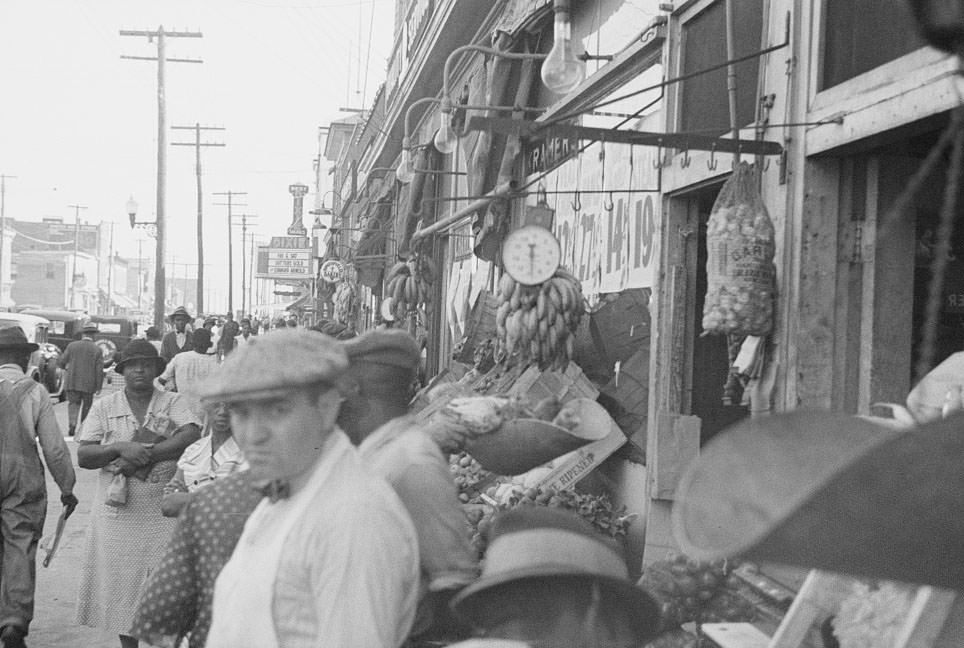
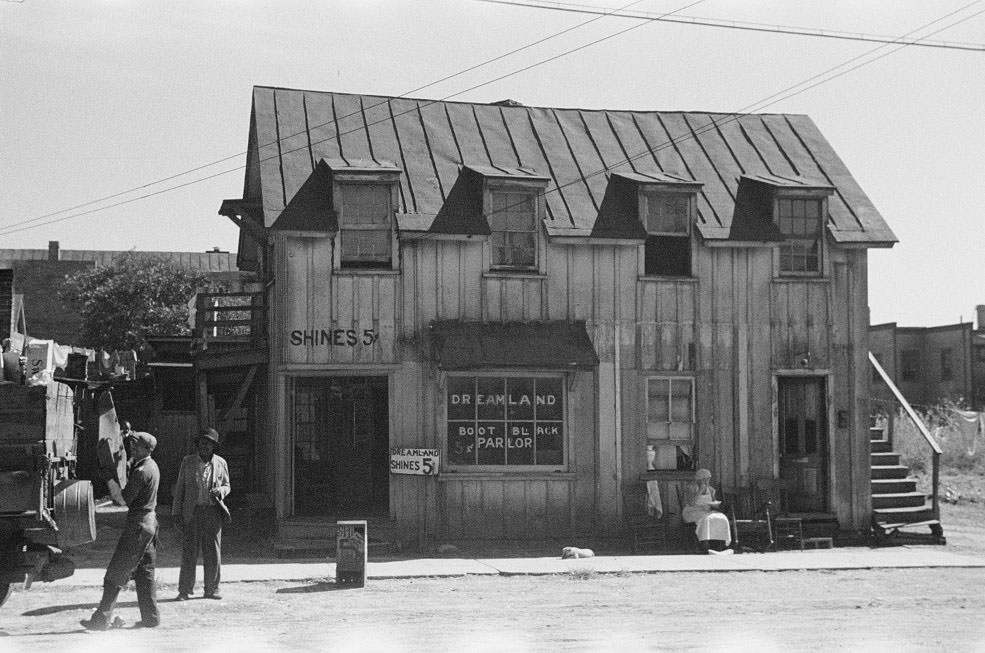
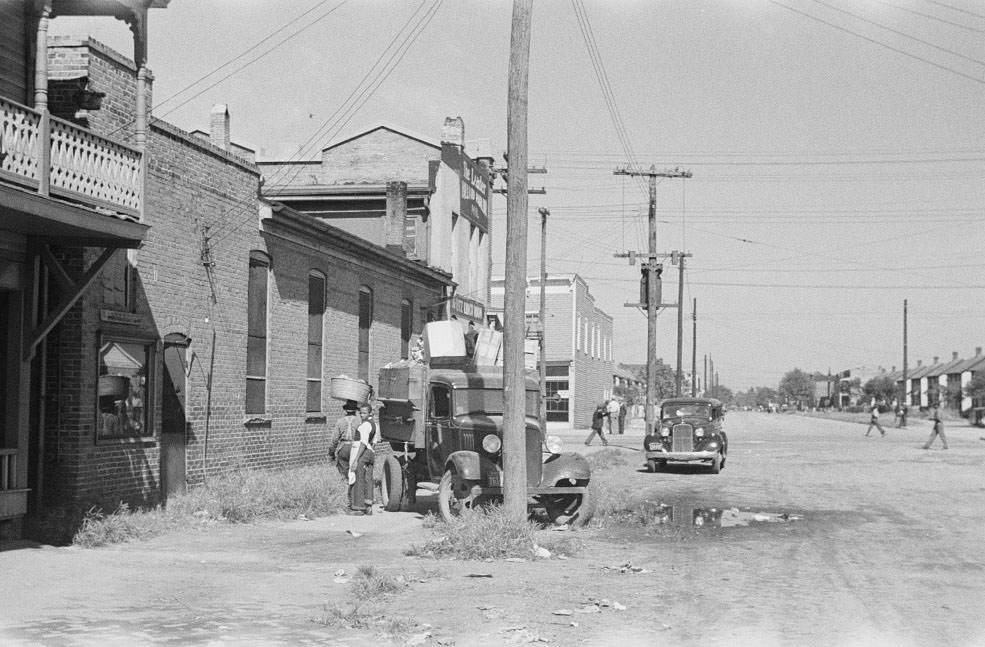
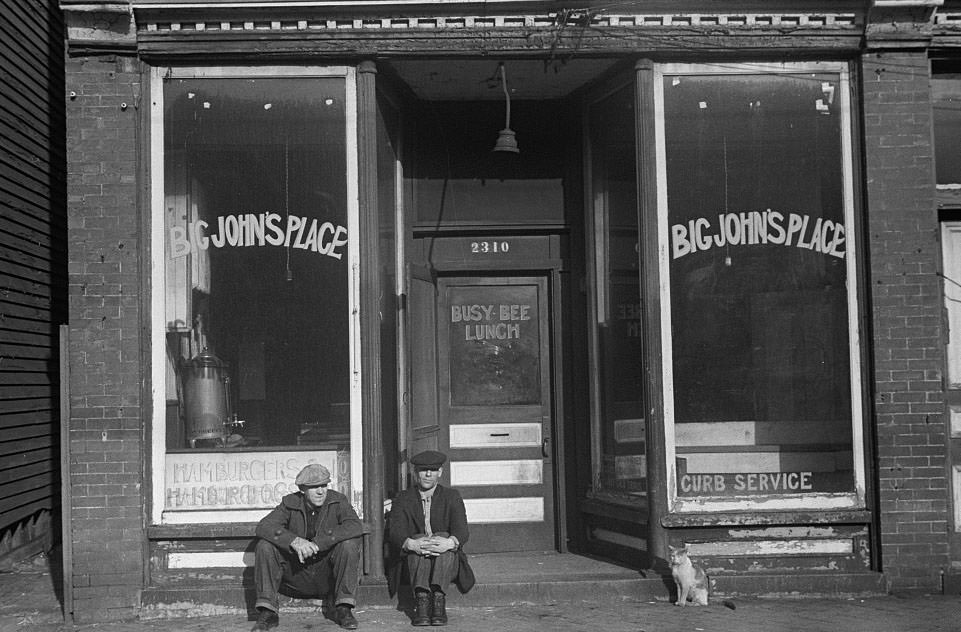
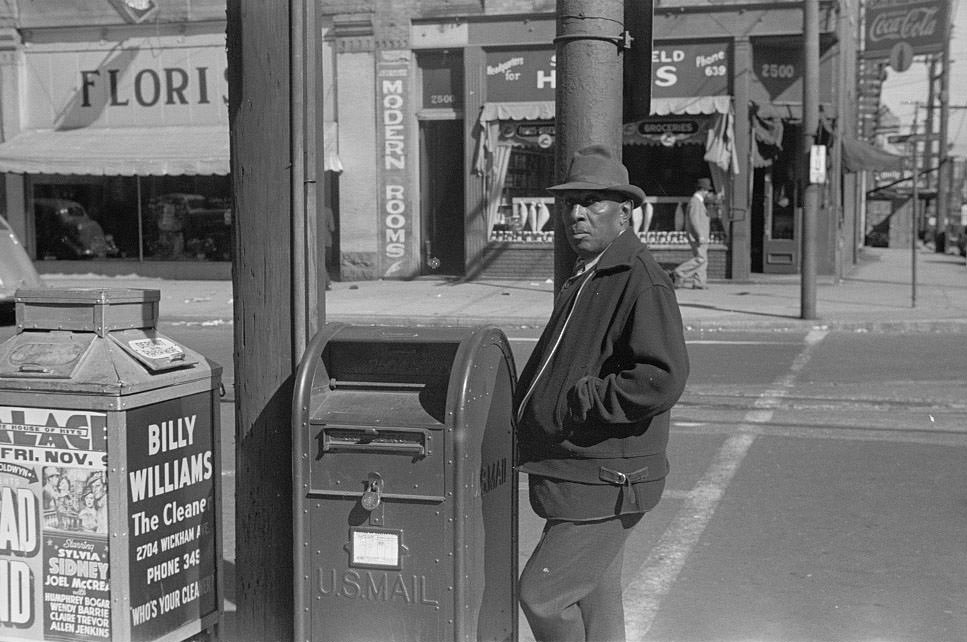
Life in Newport News during the mid-1930s extended well beyond the construction sites. Streets were active with commerce, neighbors, and everyday routines. The city’s waterfront gave it a distinct character — fishing boats came and went from the harbor, adding another layer to the working-class texture of the place.
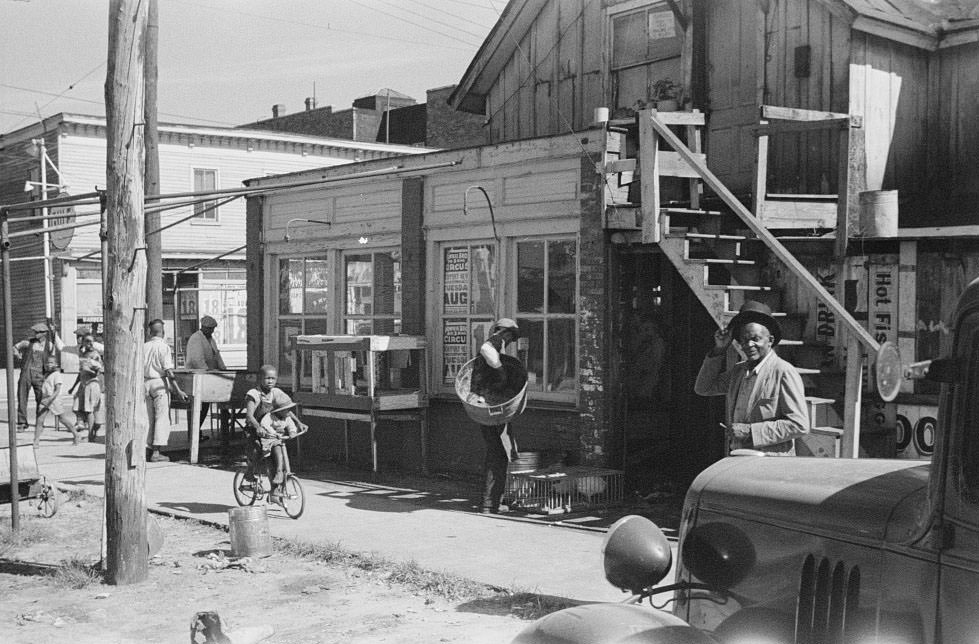
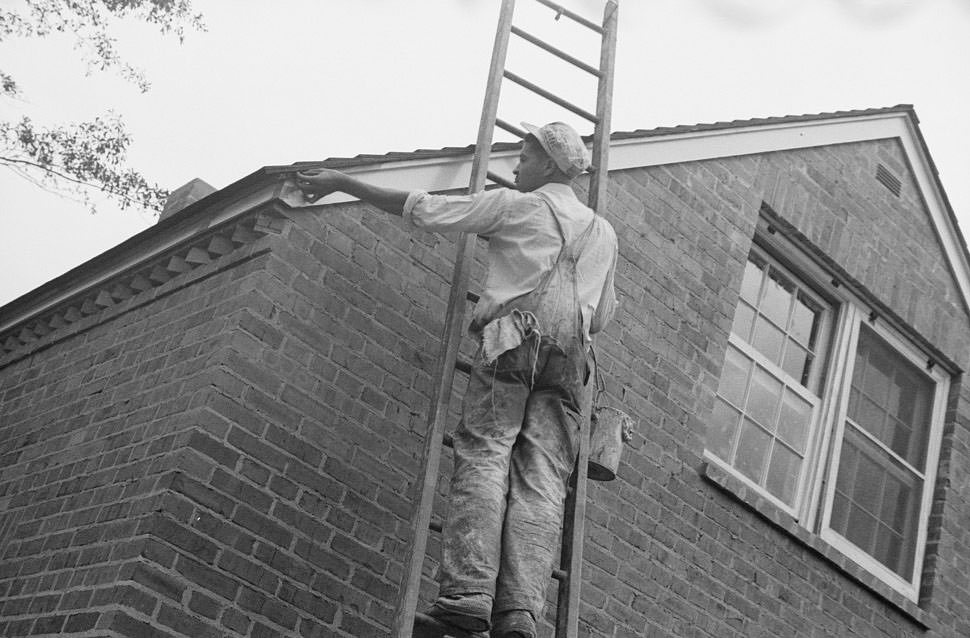
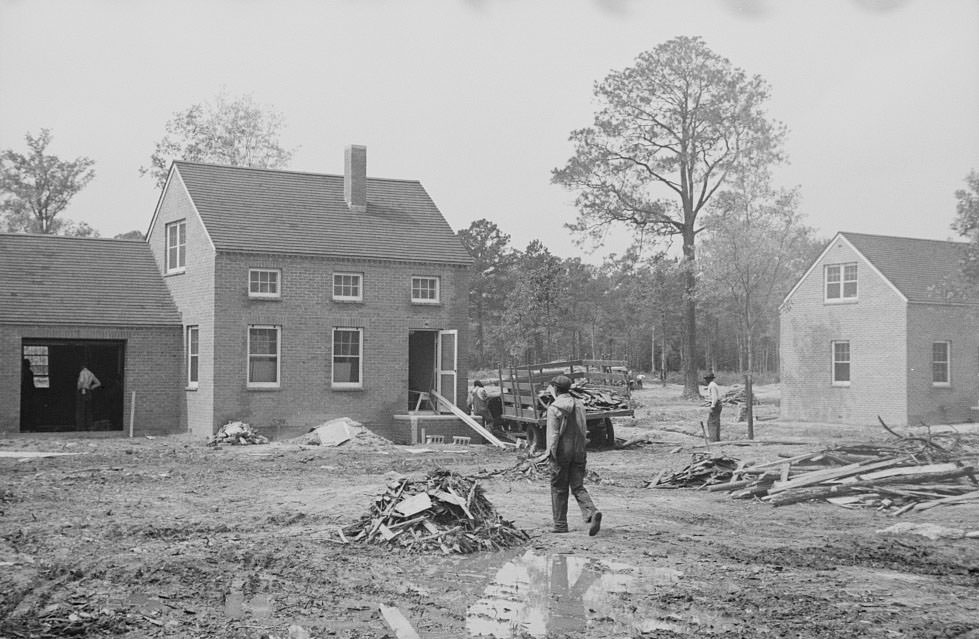
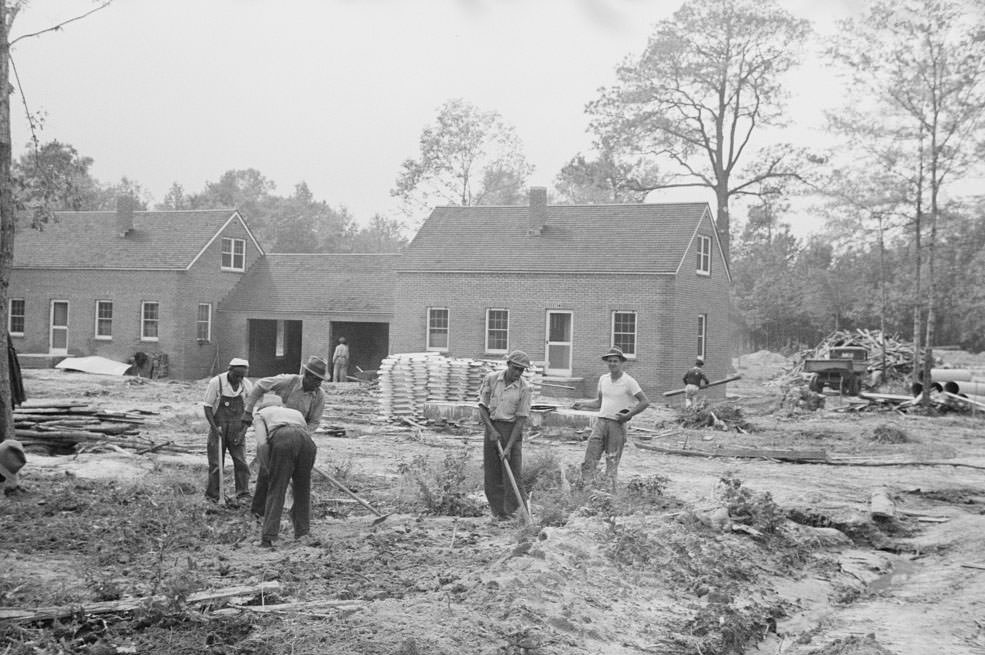
Newport News in the 1930s was a racially segregated city, as was common throughout the South at that time. Black residents lived in separate neighborhoods, shopped at separate markets, and were housed in separate projects. The federal Homesteads program included a designated housing project for Black families, separate from the units built for white residents.
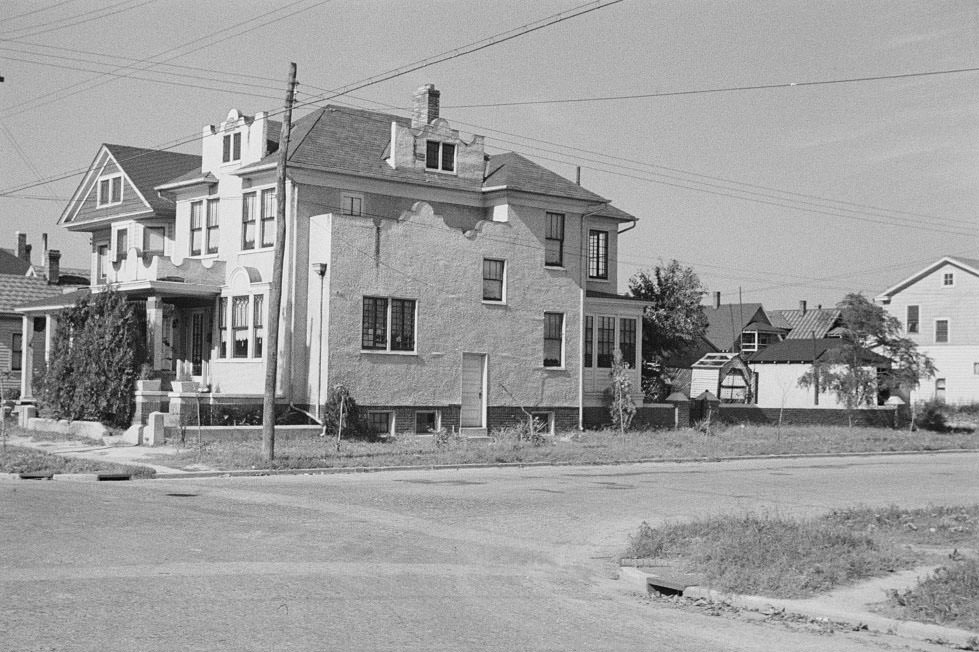
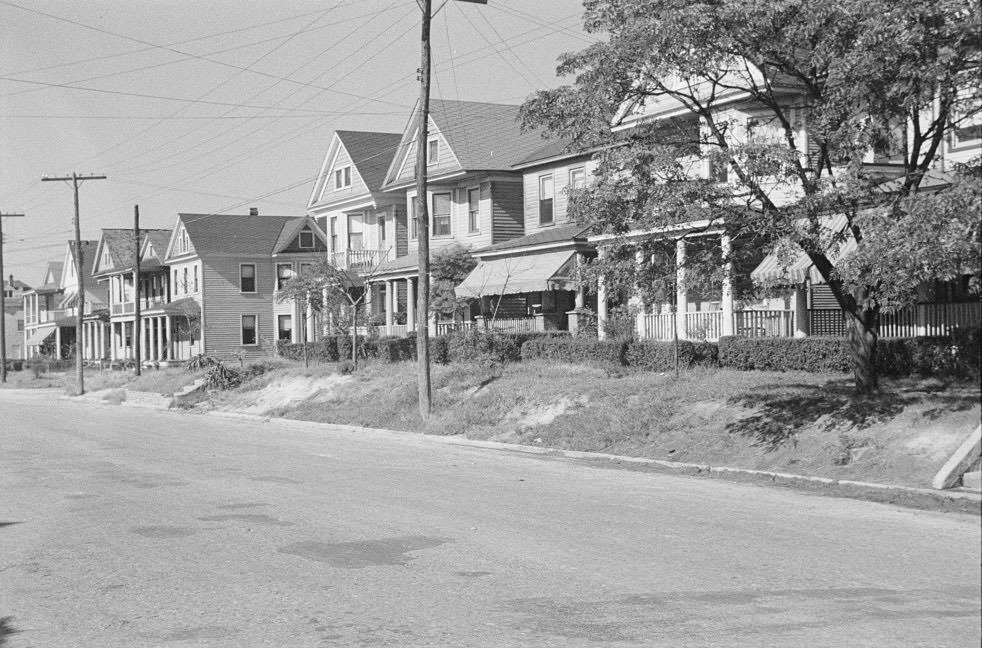
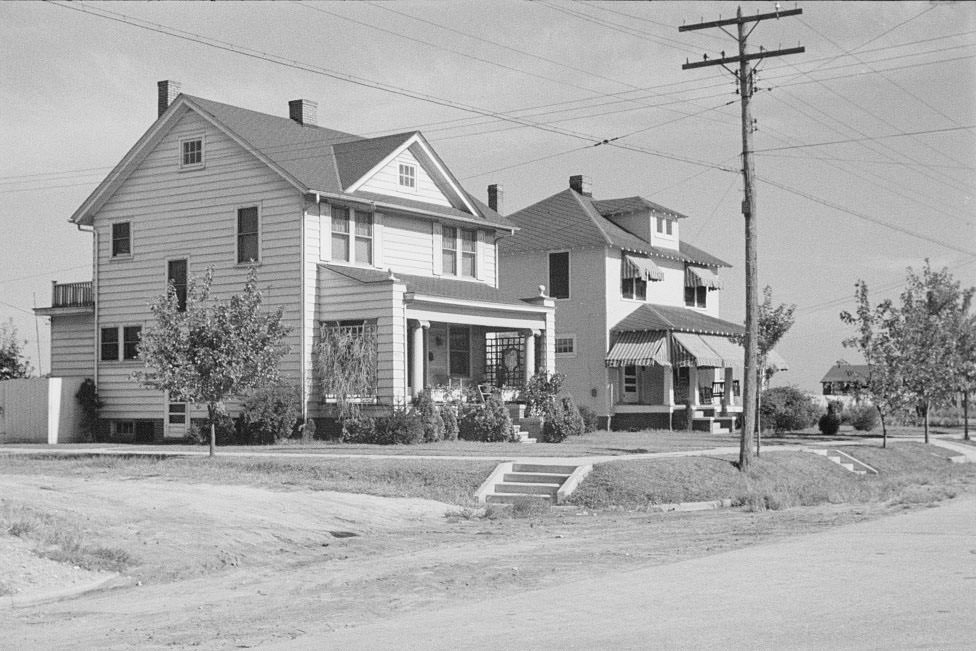
Wealthier parts of Newport News told a different story. Certain districts featured large, well-kept homes set apart from the worker housing near the yards. These were the neighborhoods of business owners, managers, and professionals — a visible contrast to the crowded streets closer to the harbor.
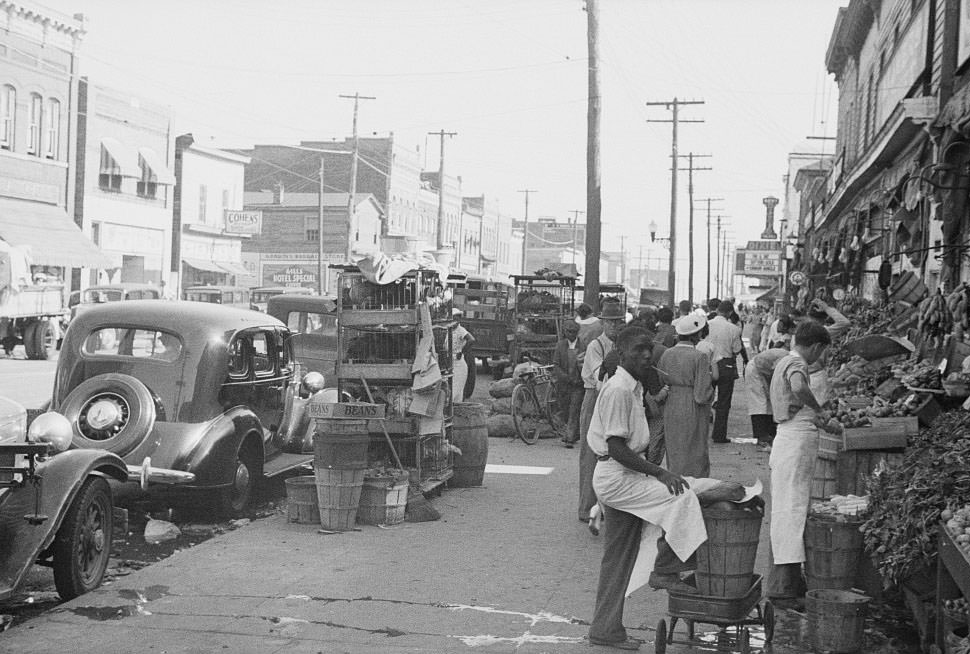
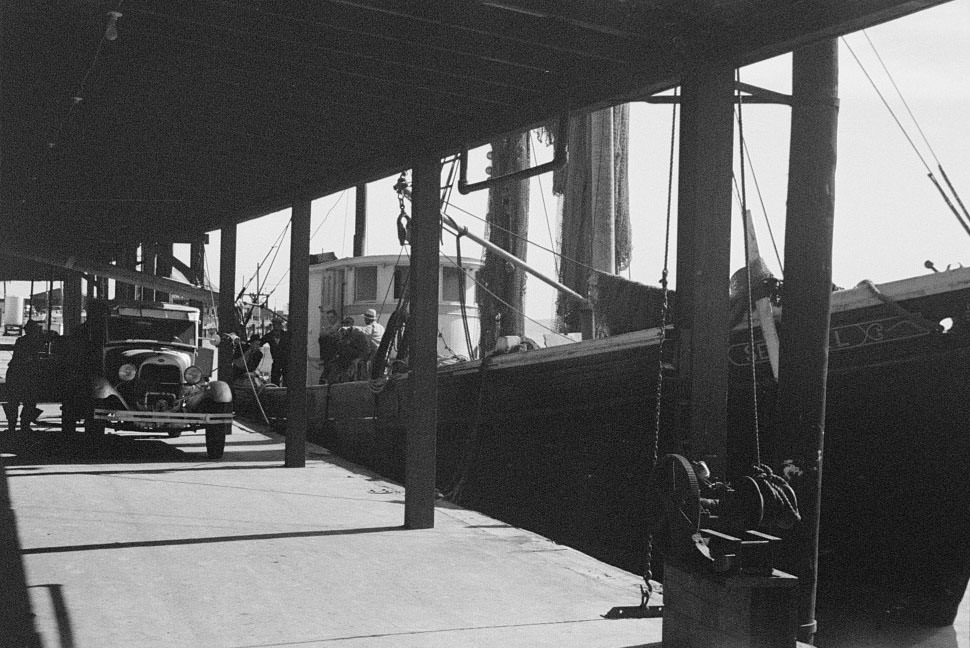
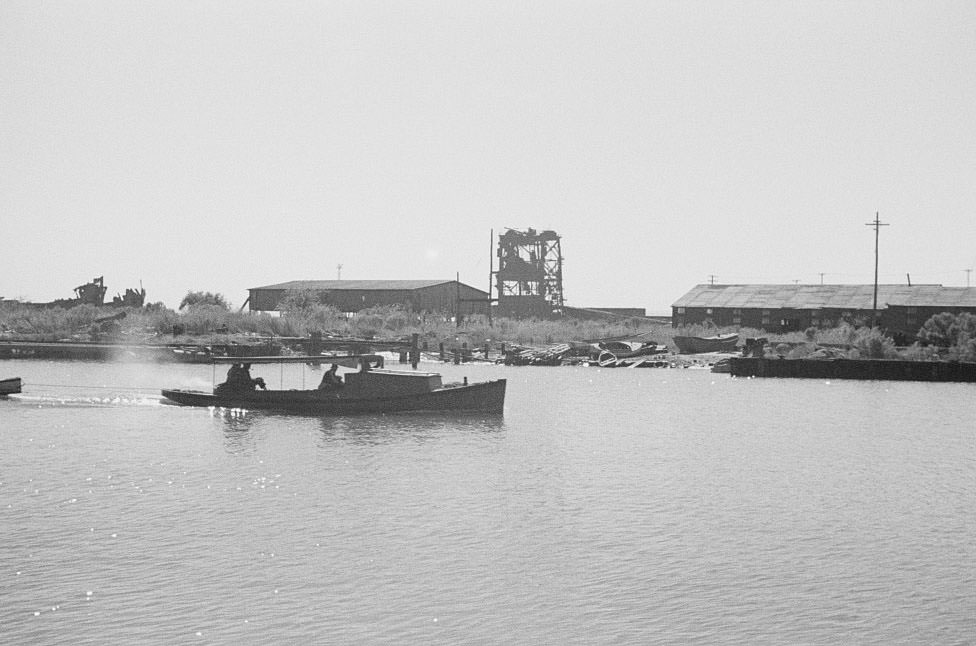
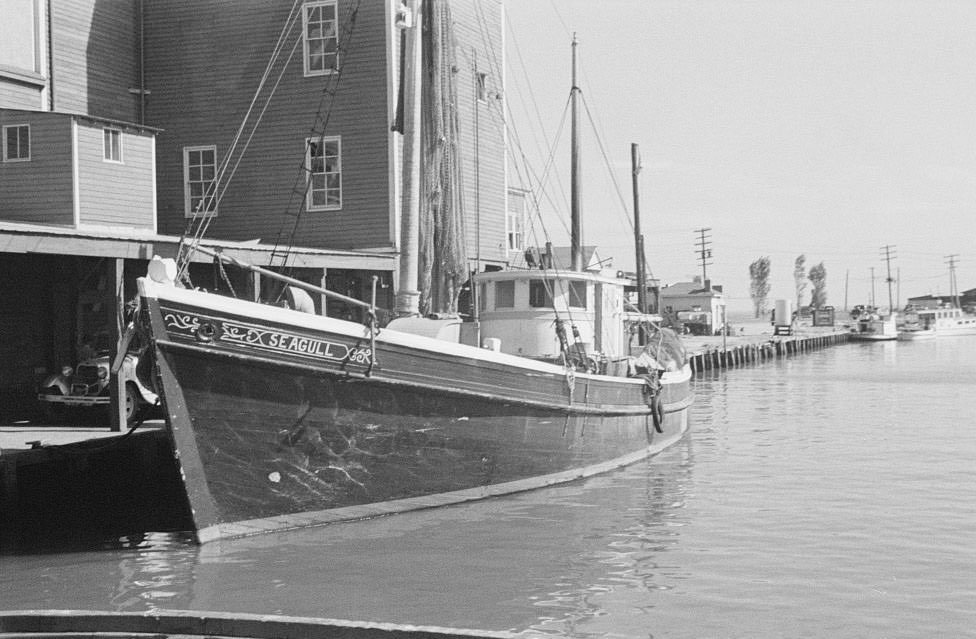
The harbor was never quiet. Fishing boats crowded the docks, and the smell of saltwater and fish was a constant part of life near the waterfront. Newport News’s position at the mouth of the James River made it a natural hub for both commercial shipping and local fishing operations.
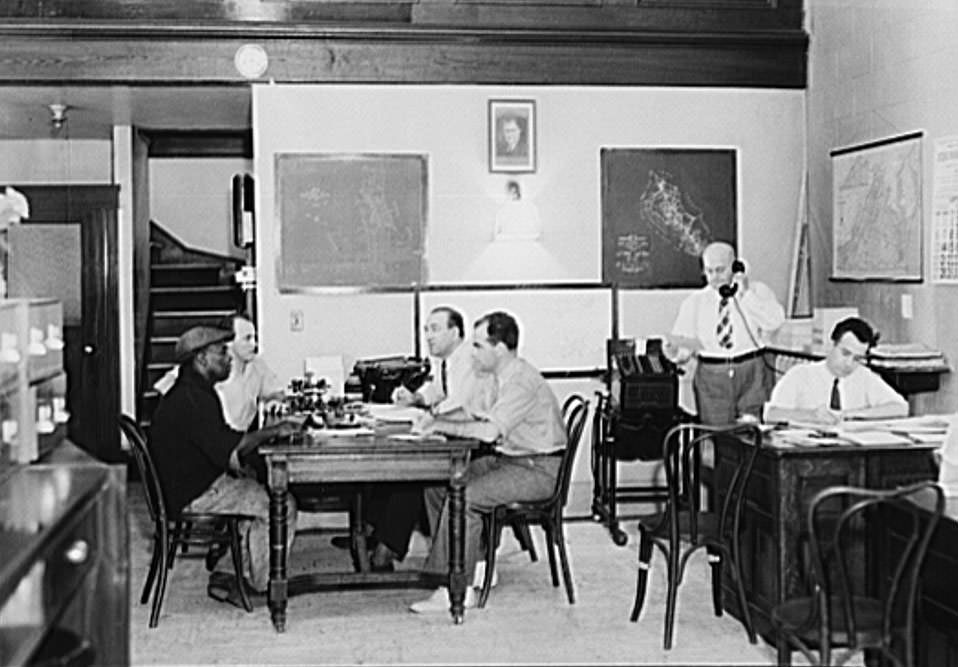
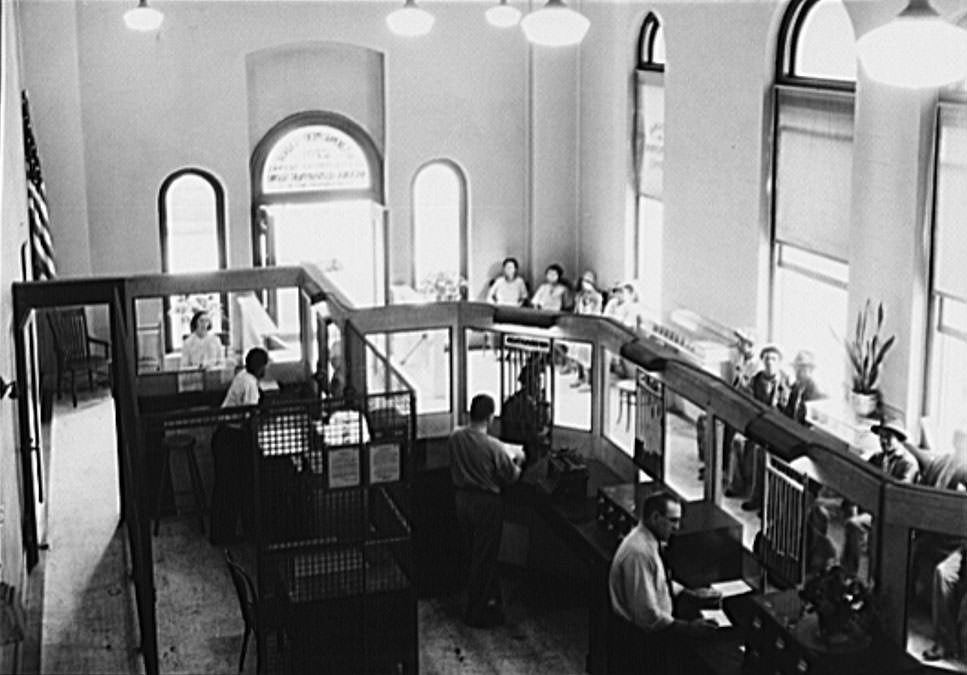
For those who couldn’t find work, Newport News operated a re-employment service office. Staff there helped connect unemployed residents with job openings, a critical function during the Depression years when work was scarce and competition for it was fierce. The office was small but busy.
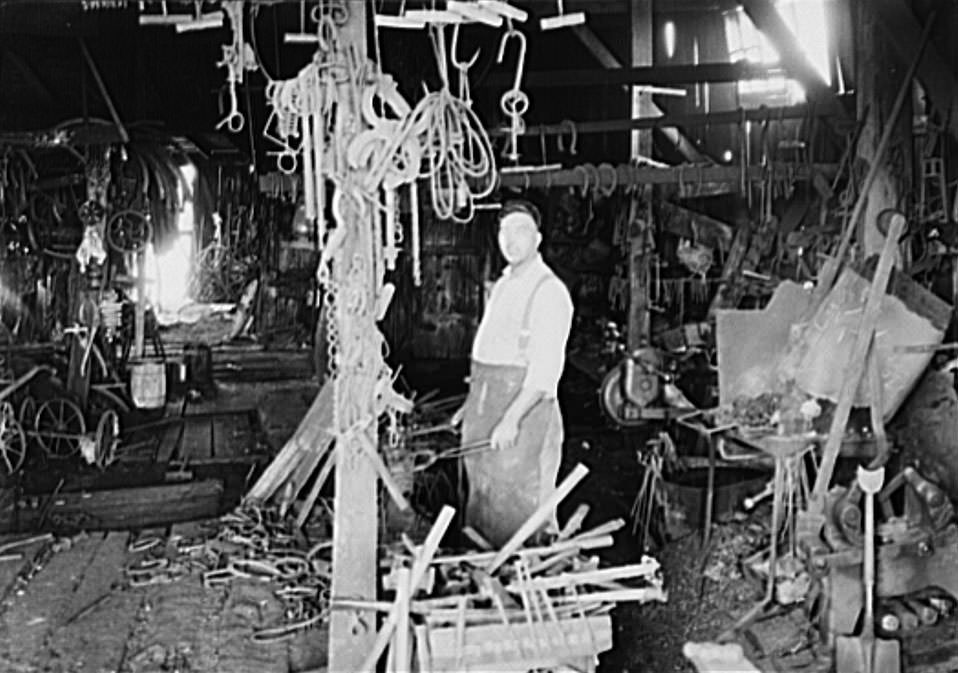
One of the more unusual features of 1930s Newport News was its blacksmith shop — the only one left in the entire city. As automobile culture grew and machine shops replaced traditional trades, the lone blacksmith represented a craft that was rapidly disappearing from American urban life.
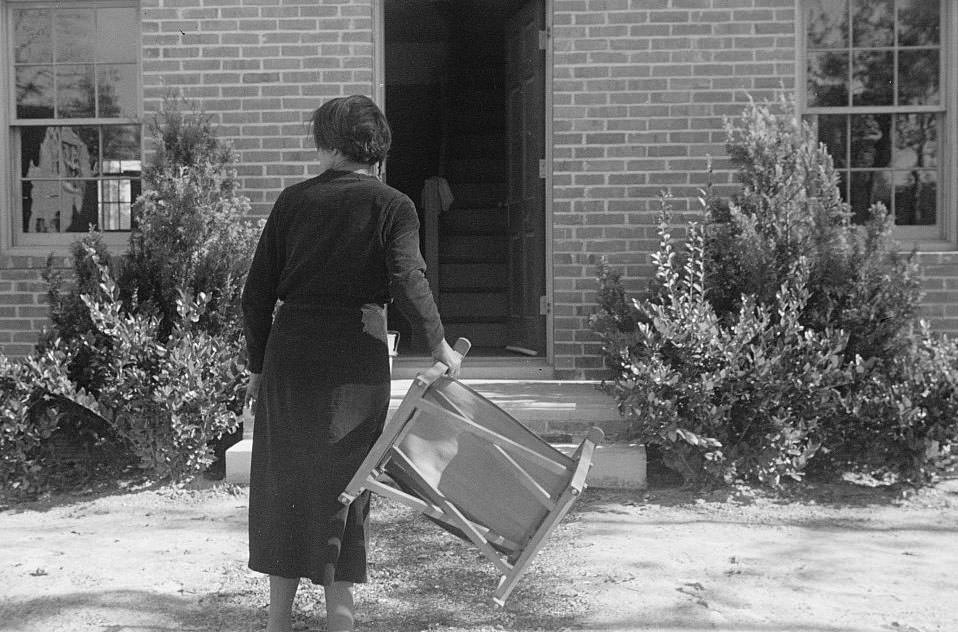
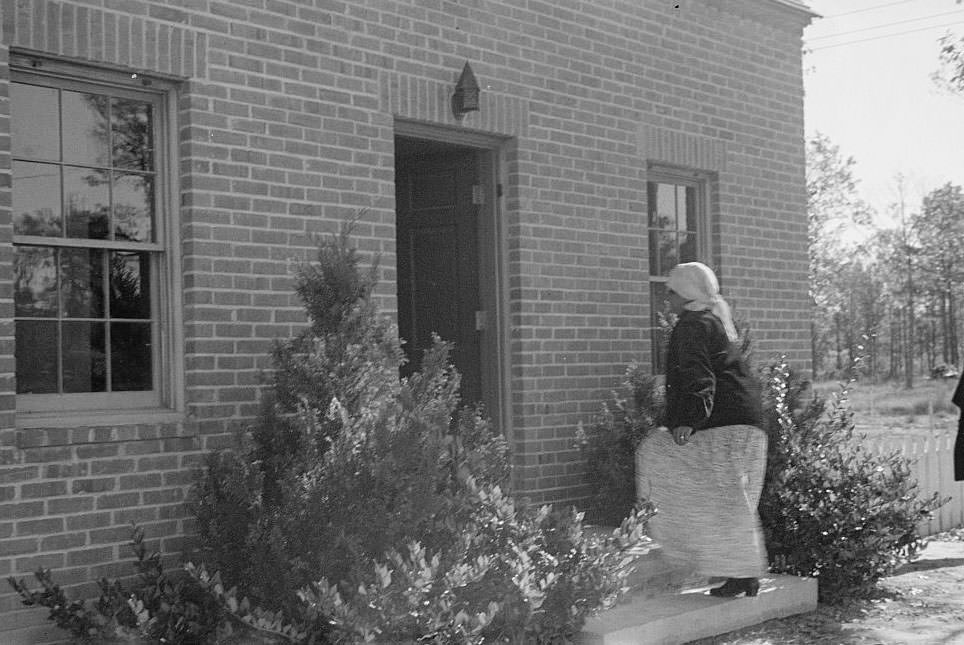
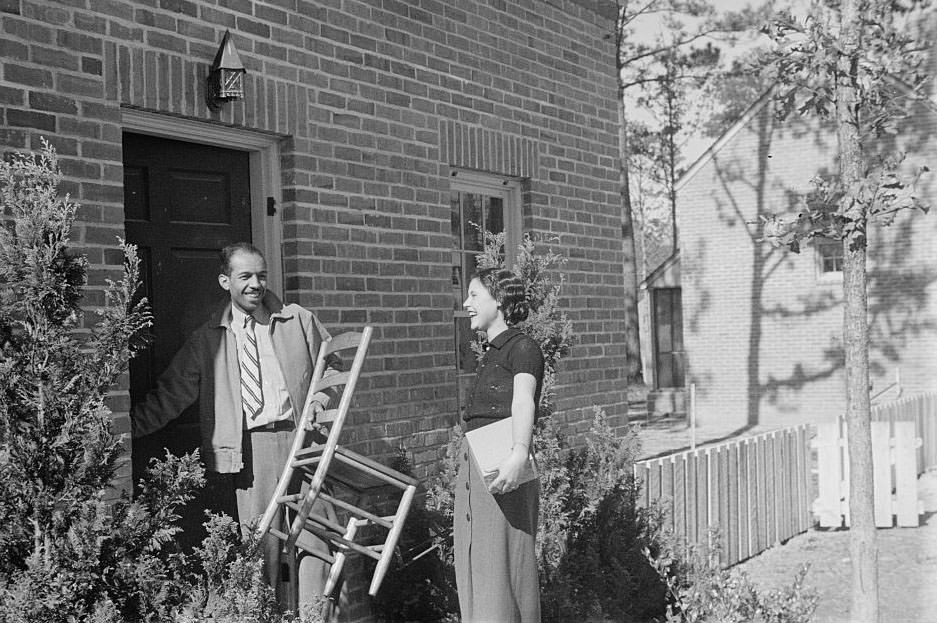
By 1937, the Newport News Homesteads were complete enough for families to begin moving in. Young couples arrived with their belongings and settled into newly finished homes. The Homesteads represented a significant shift — families who had been living in cramped or substandard housing now had modern, structured homes with room to grow.
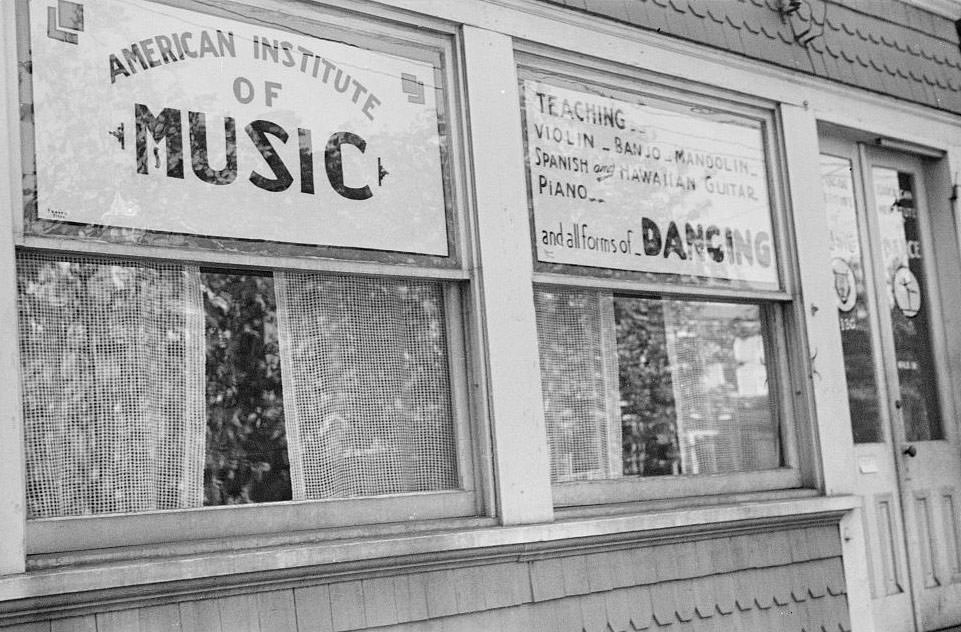
Culture had a place in Newport News as well. The American Institute of Music offered residents access to musical education and performance in a city otherwise dominated by industrial labor. It was a reminder that even in a working-class port city, there was room for arts and community life.
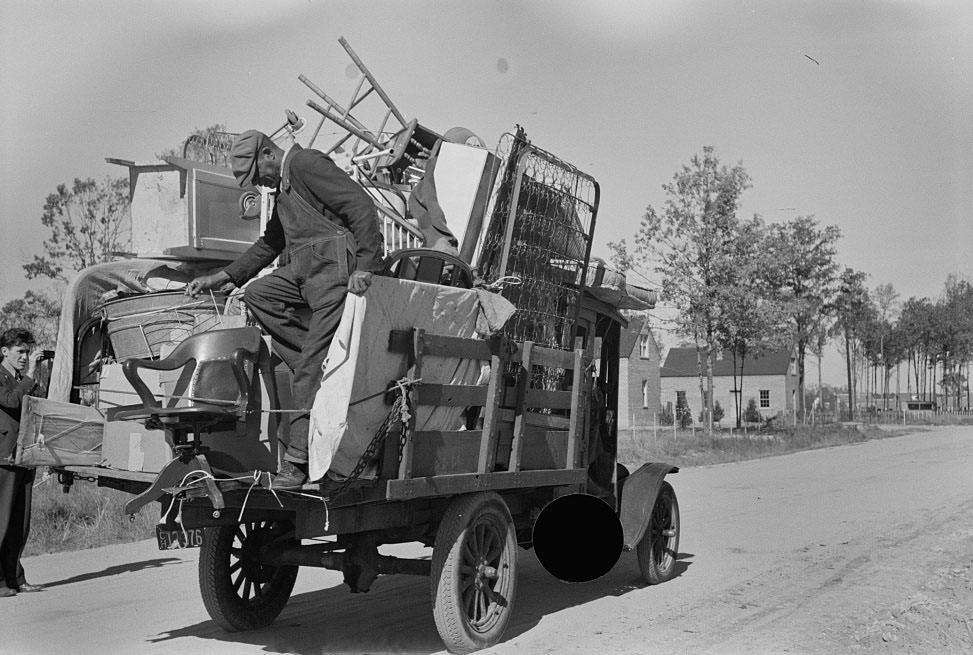
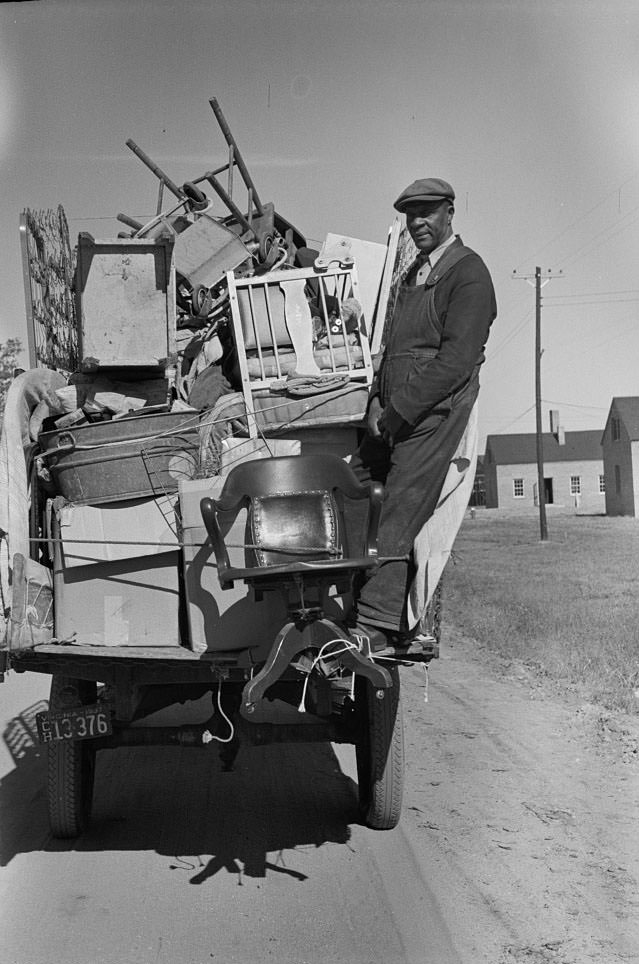
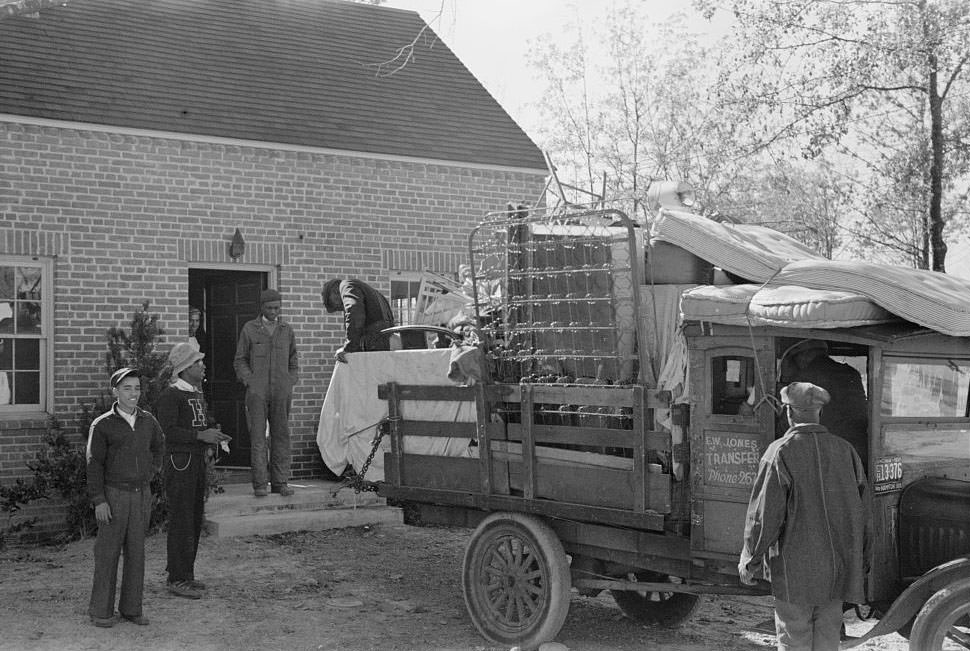
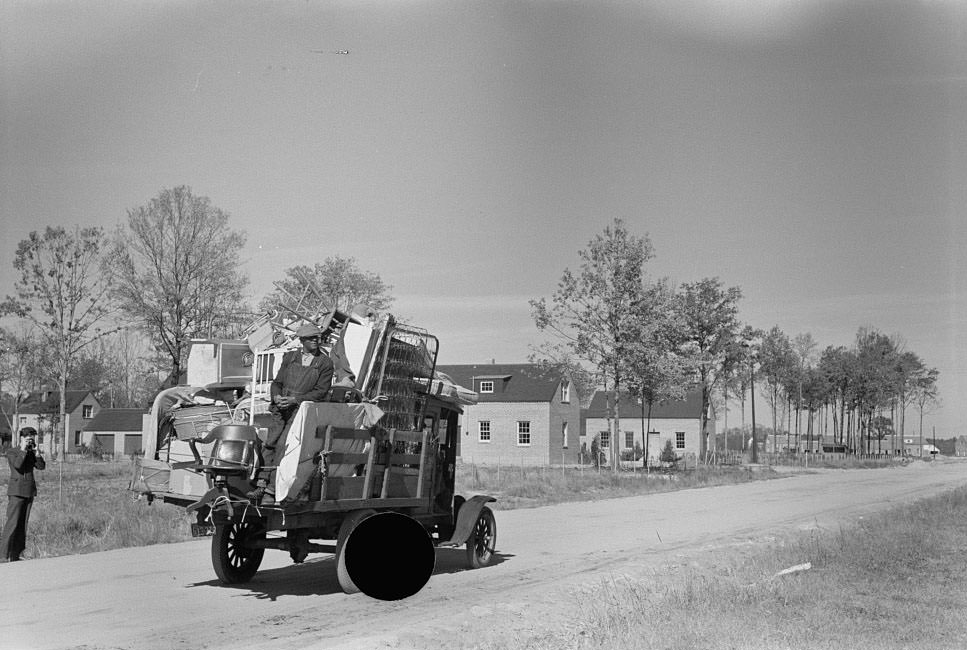
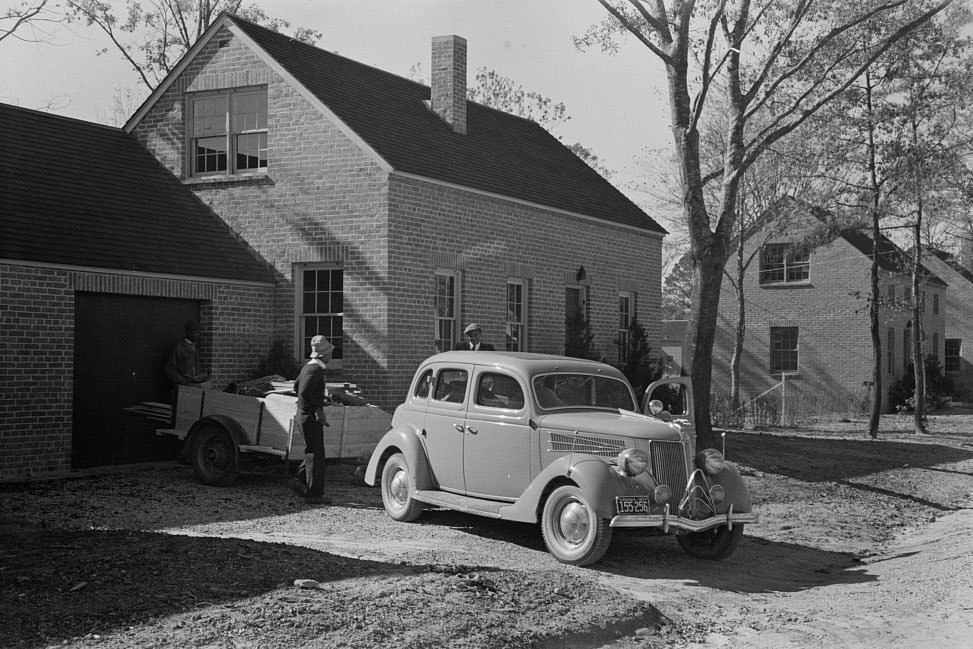
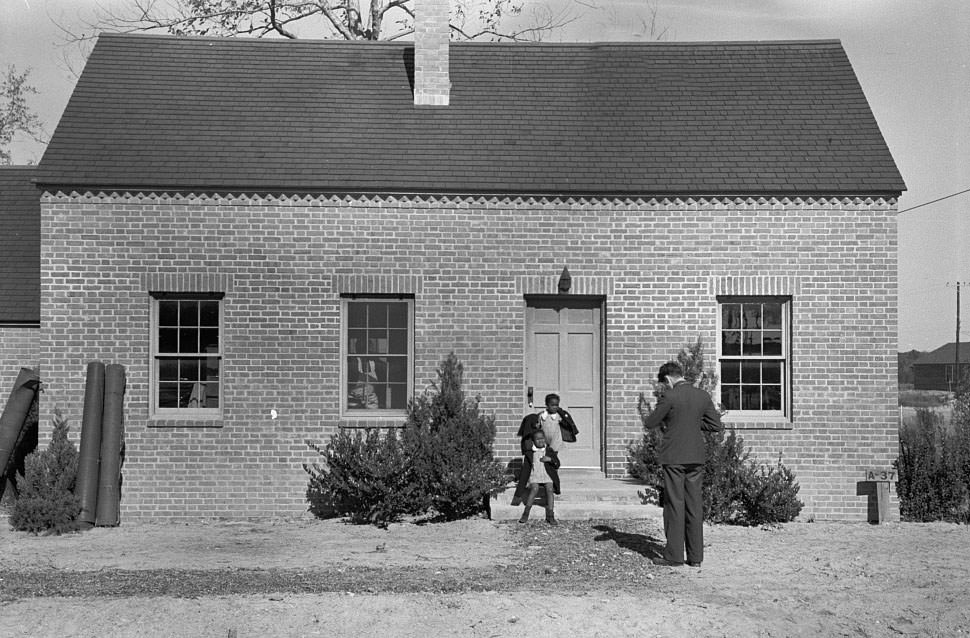
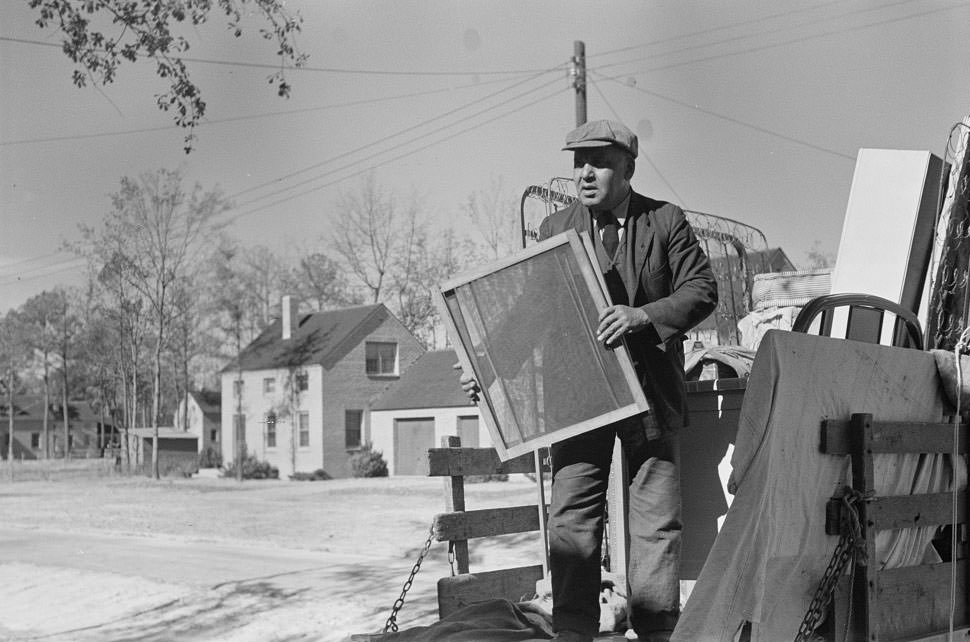
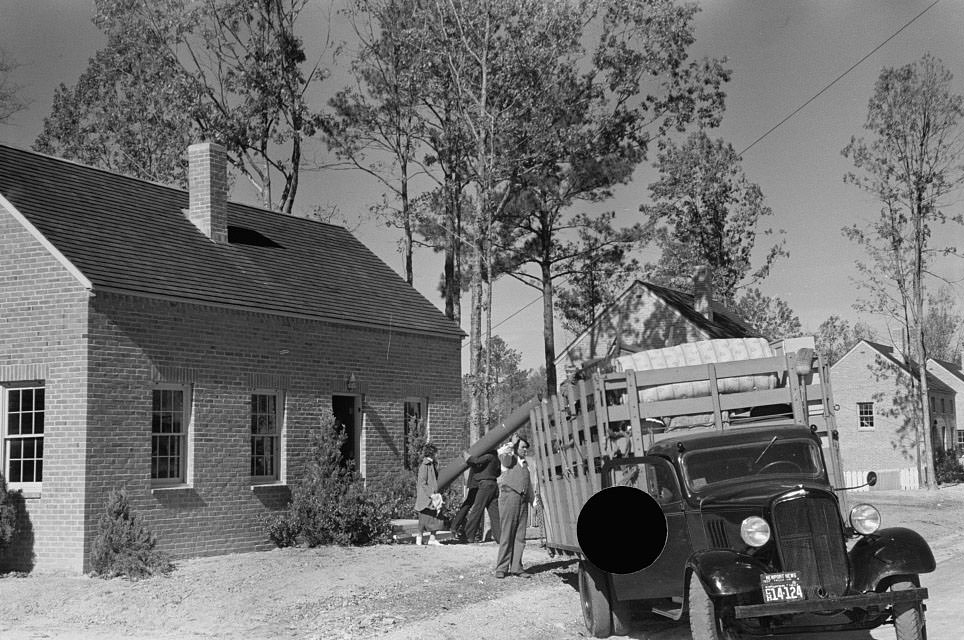
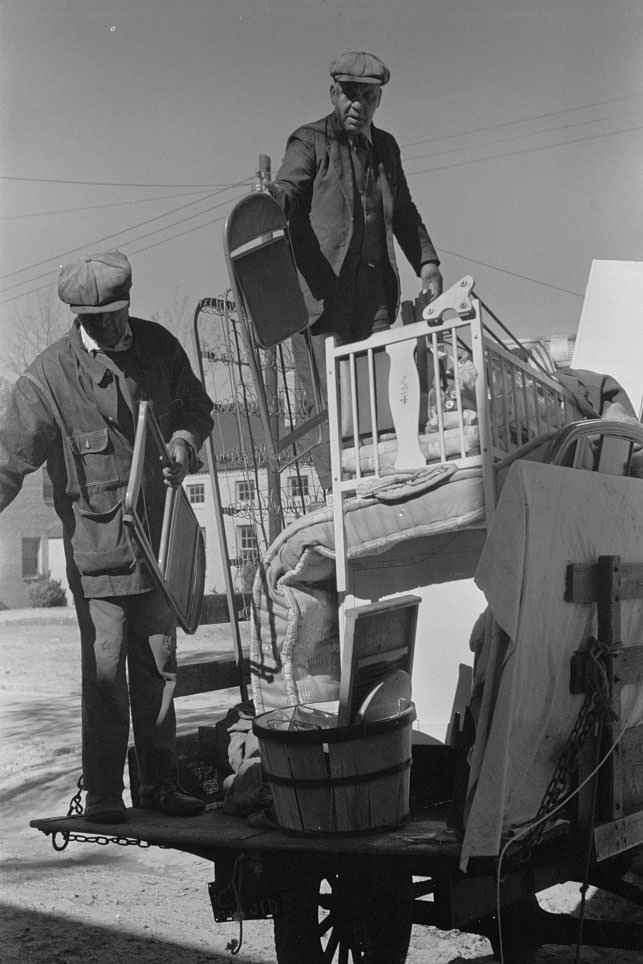
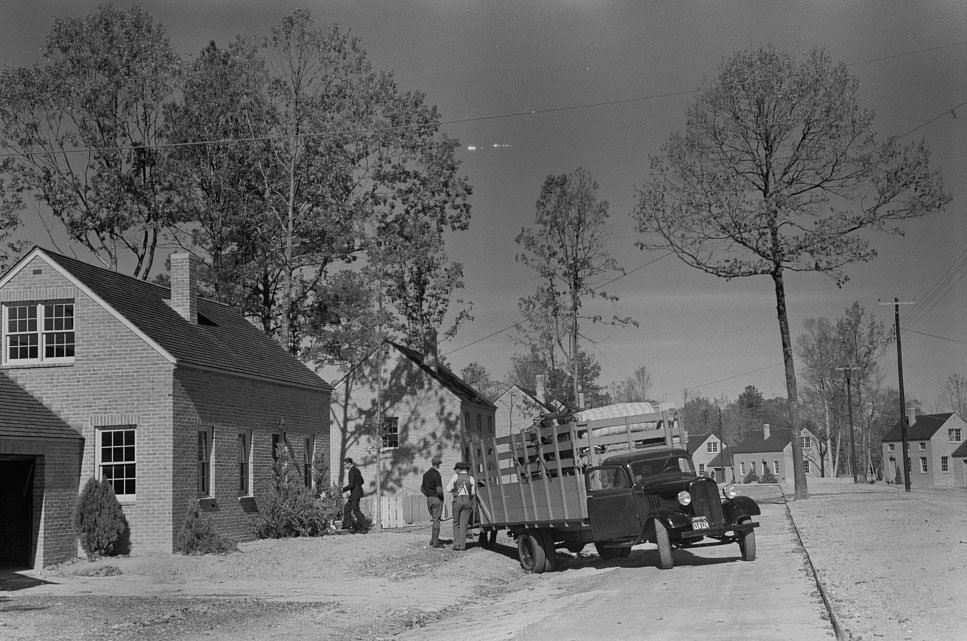
Moving day was a major event for families coming into the Homesteads. Household goods — furniture, boxes, cookware — were hauled in and arranged in rooms that many residents were stepping into for the first time. For some families, it was the first home they had ever owned.
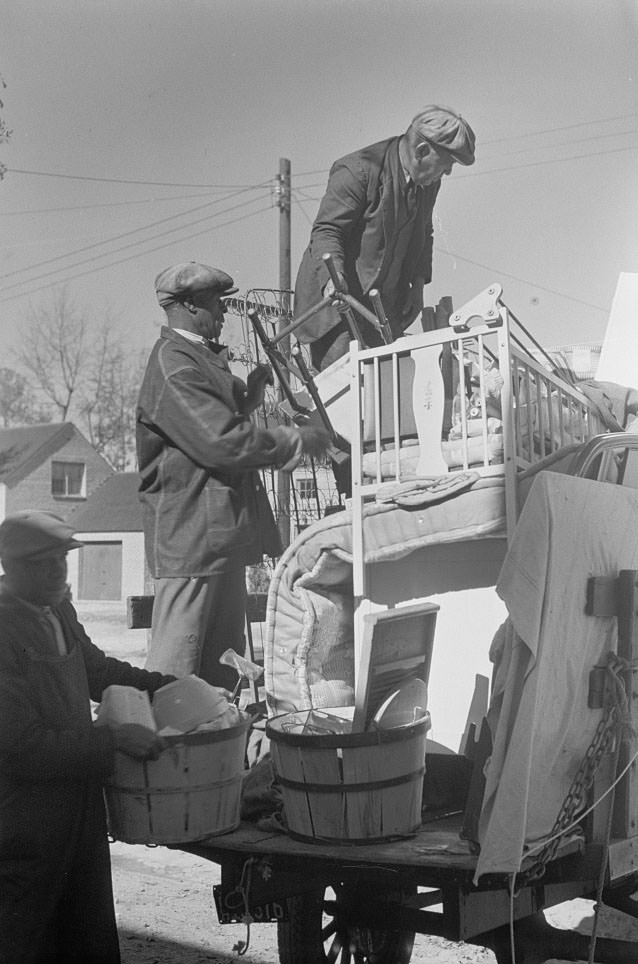
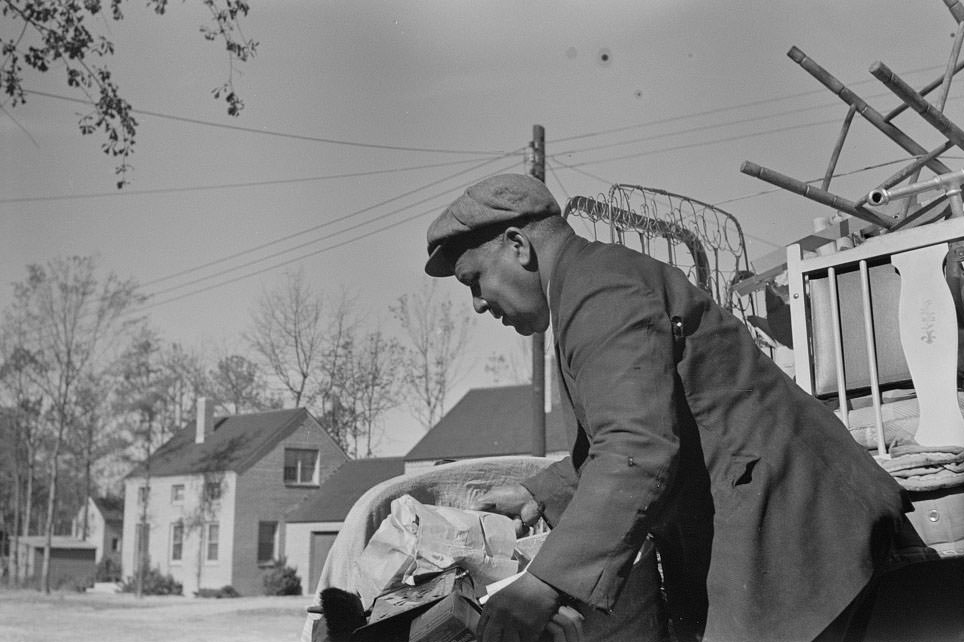
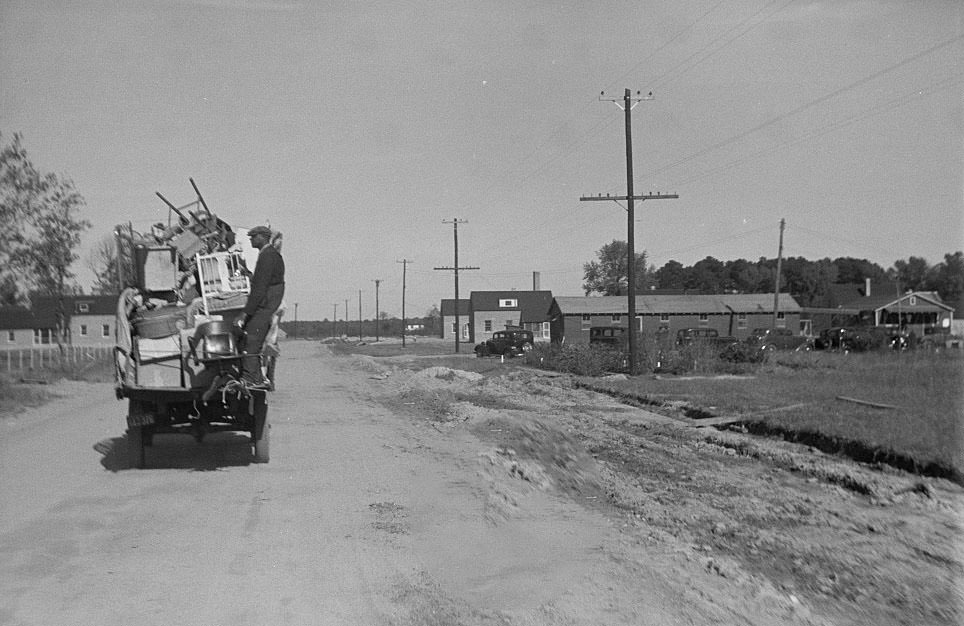
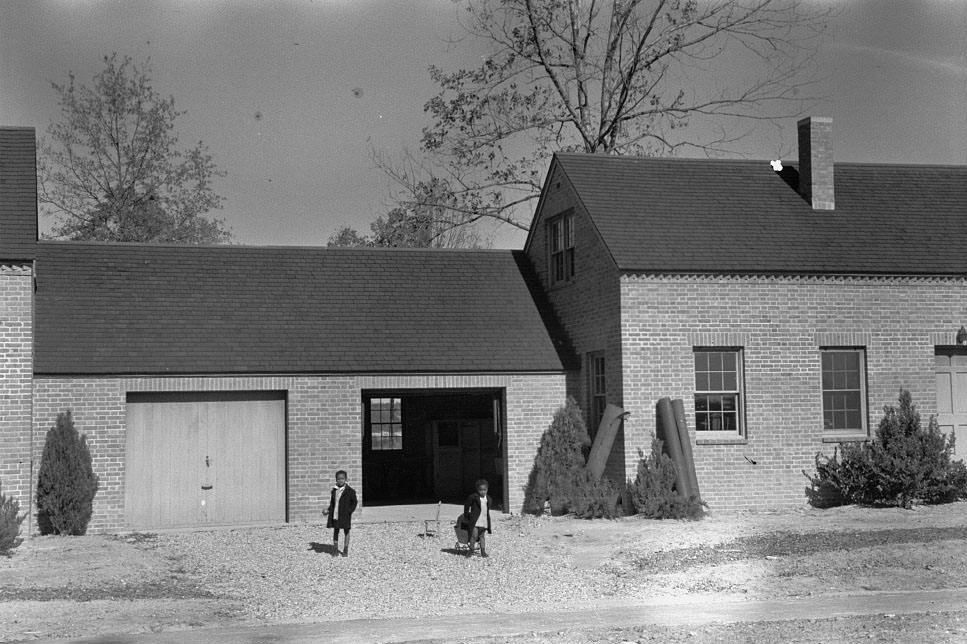
The housing project designated for Black residents was built separately from the white Homesteads units, following the segregation practices enforced throughout Virginia at the time. These homes were newly constructed, but the families moving in did so under a system that kept them apart from the rest of the city’s new development.
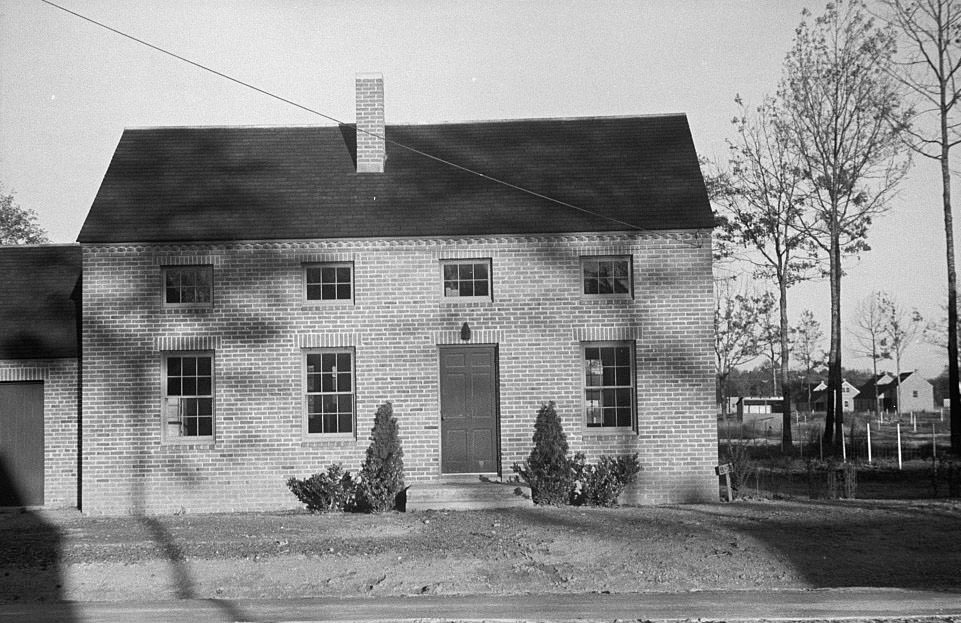
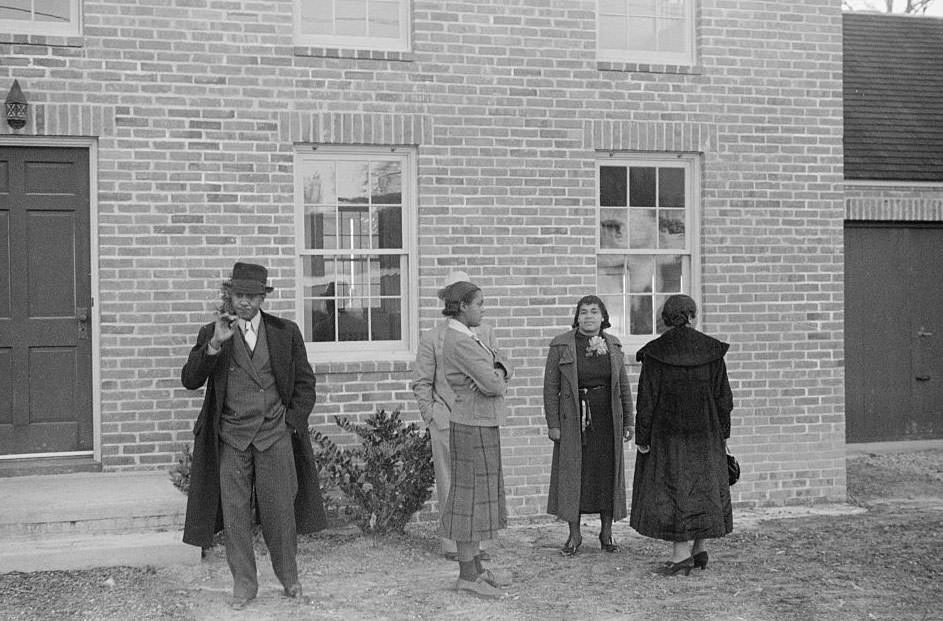
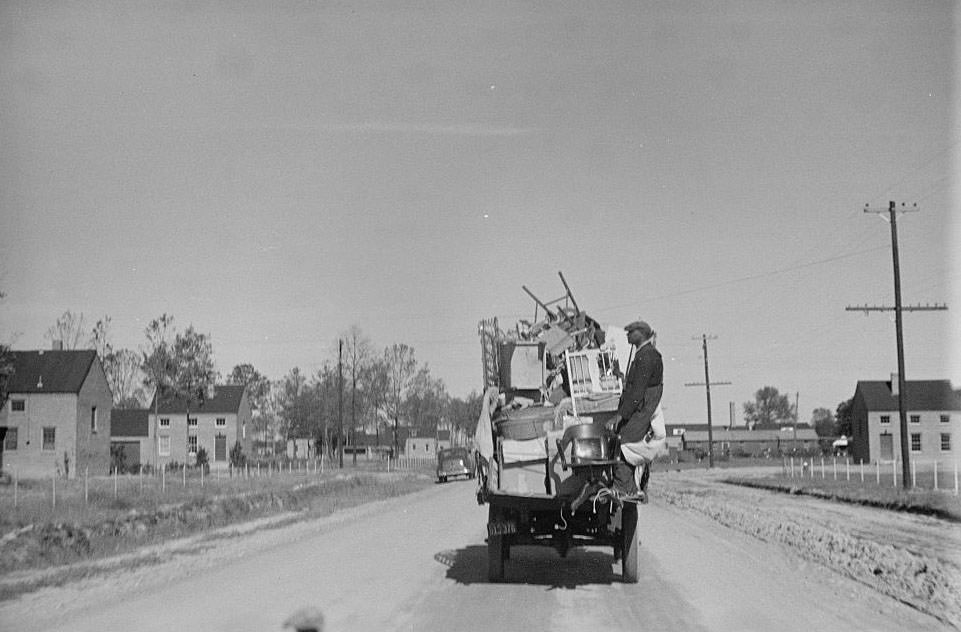
As rows of finished homes filled in across the Homesteads, the project began to look like an actual neighborhood. Streets lined with identical houses, small yards, and sidewalks gave the area a planned, orderly feel that stood in sharp contrast to the older, more crowded sections of the city.
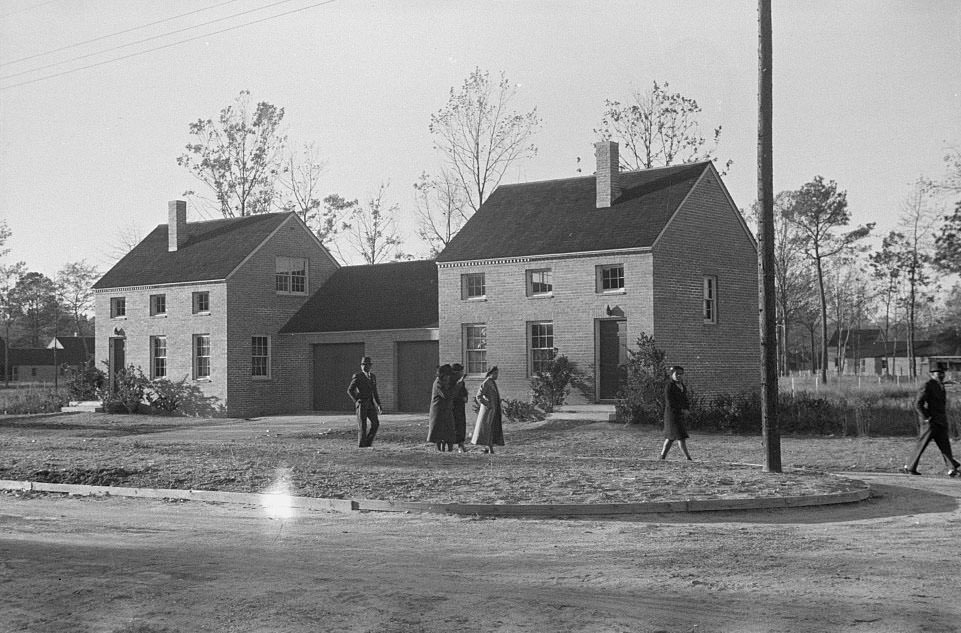
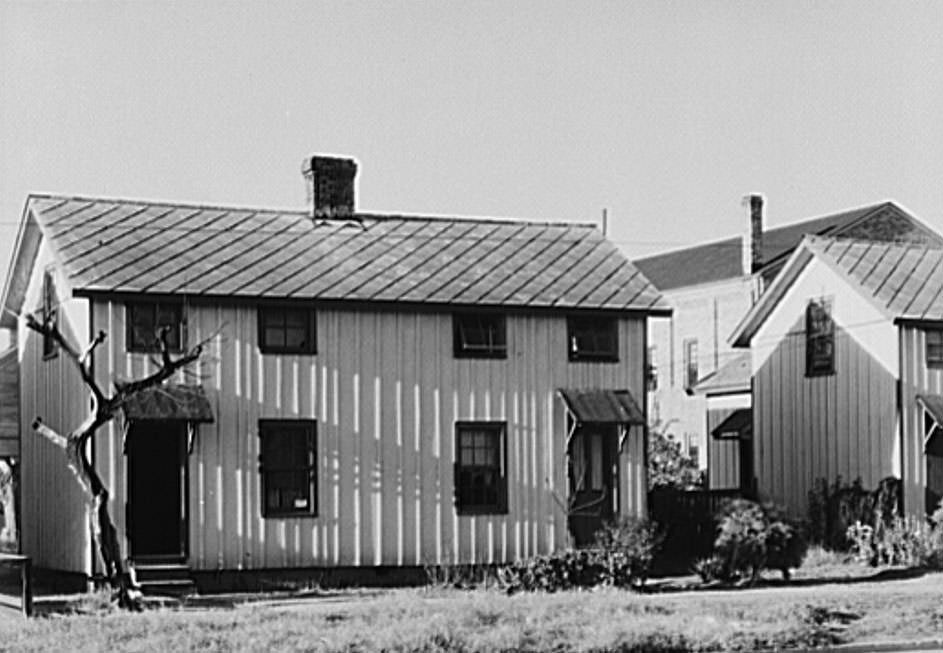
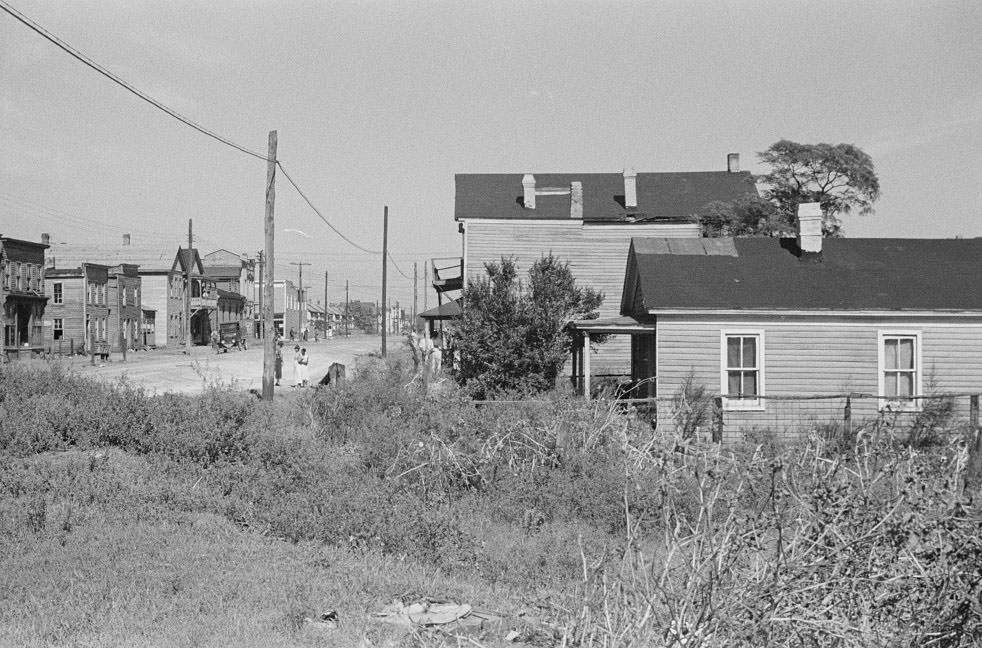
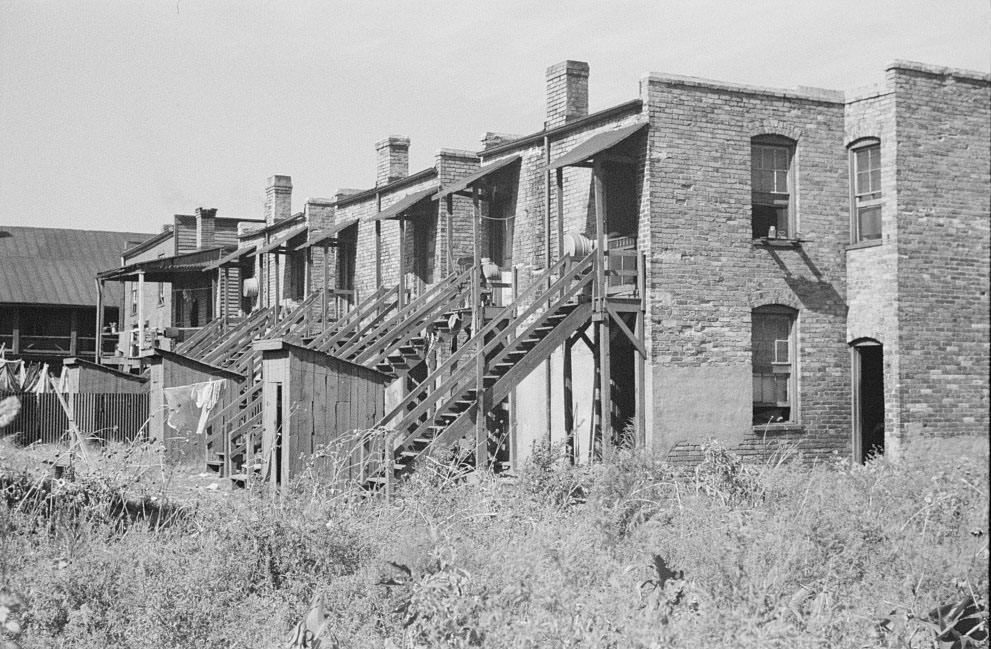
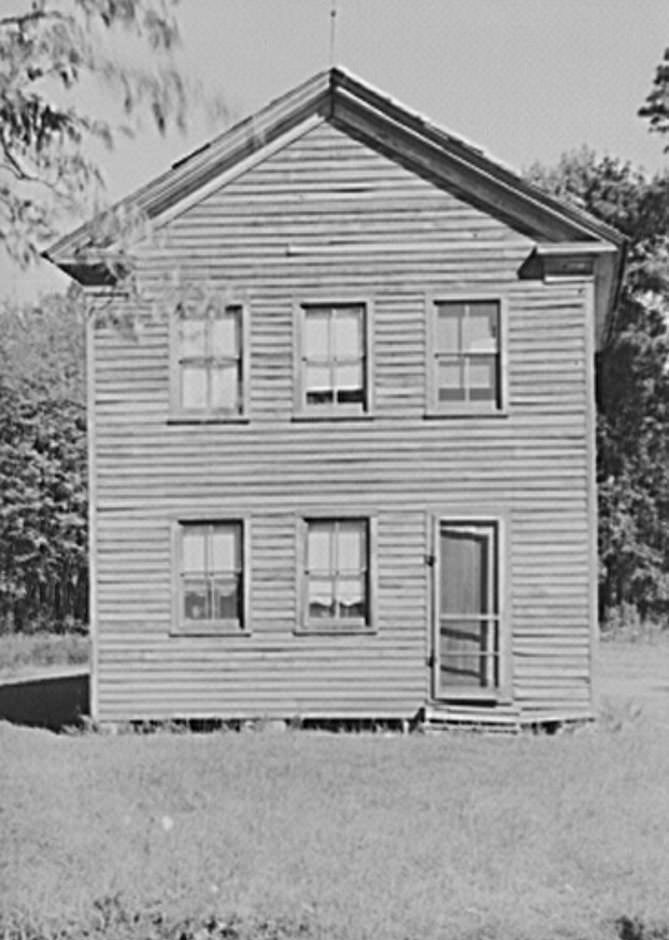
Before moving to the Homesteads, many Black families lived in older houses in run-down quarters of the city. These homes were often small, poorly maintained, and overcrowded. The move to the new housing project represented a significant material improvement, even if the broader system of segregation remained firmly in place.
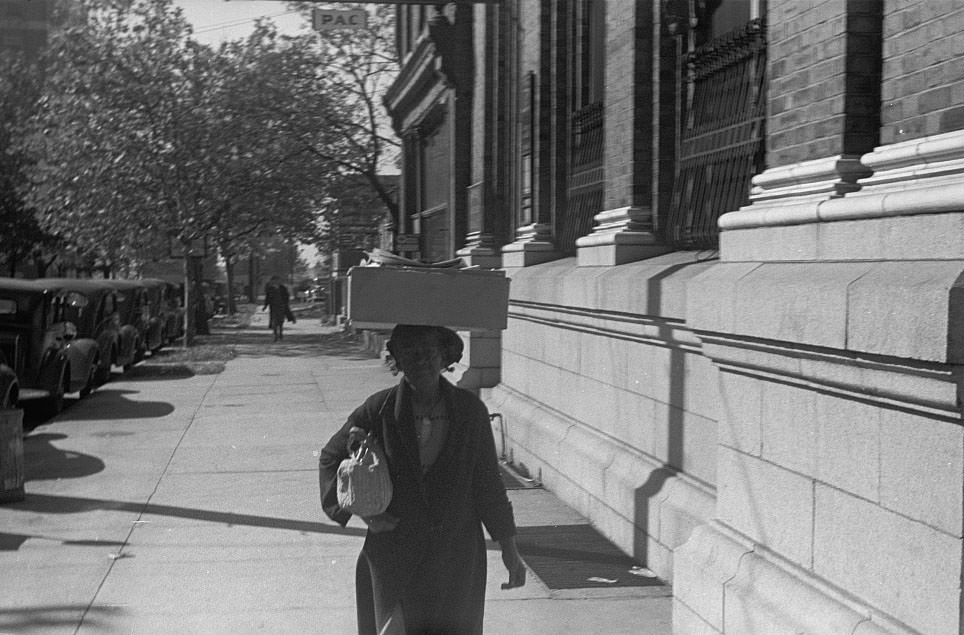

This is fascinating! The post office building still looks largely the same, some 120 years later. I didn’t know Washington Ave. had streetcars! It would be great to see some pics of Washington Ave. from the 1960’s, when it was still a bustling retail district. If I am not mistaken, the old Warwick Hotel is now an SRO building for homeless individuals.
Thanks for sharing! Where was the Homestead?
Aberdeen Gardens
Only about 7000 employees at the shipyard.
That’s the sound of men
Workin on the chain… gaaaaangg!!