When the stock market crashed in October 1929, the shockwaves reached every corner of the United States — including Alexandria, Virginia. By the early 1930s, businesses had closed, unemployment had climbed, and families were stretched thin. Alexandria was not immune to any of it. But the city held together. Neighbors supported one another, local institutions stayed active, and the streets of the old colonial port town kept their character even as the country struggled to find its footing.
President Franklin D. Roosevelt’s New Deal programs gave many Alexandrians a path back to work. Federal money flowed into construction, conservation, and infrastructure projects. One of the most visible results was George Washington High School, built in 1935 through the Public Works Administration. At a time when government spending on education could have easily been cut, the city chose to invest in it instead. The school stood as a concrete sign that Alexandria was planning for the future, not just surviving the present.
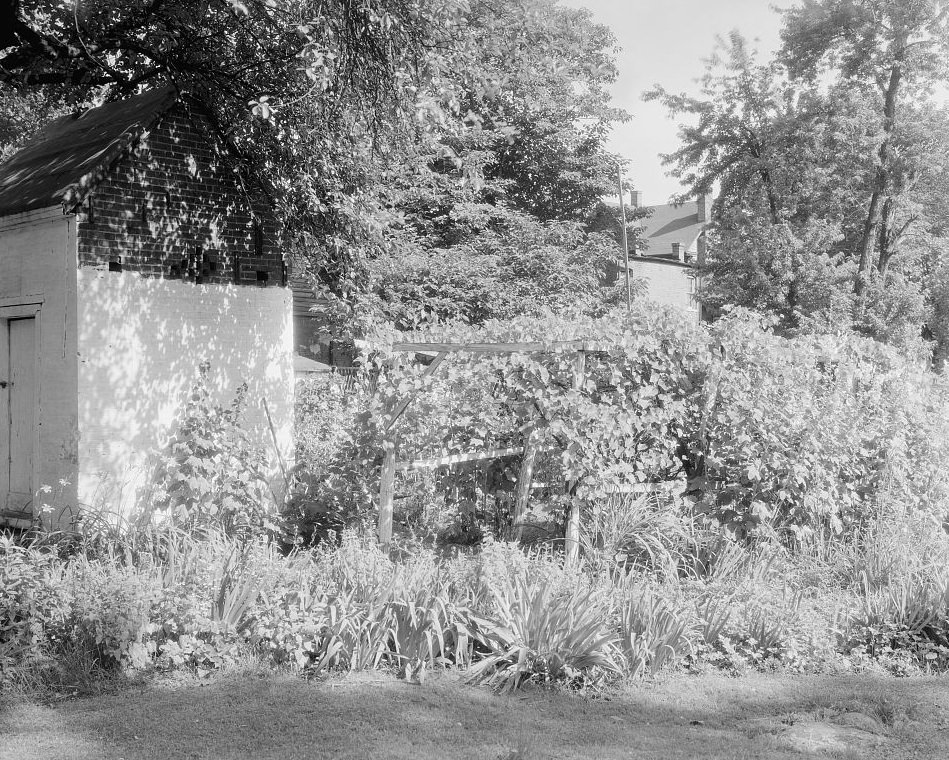
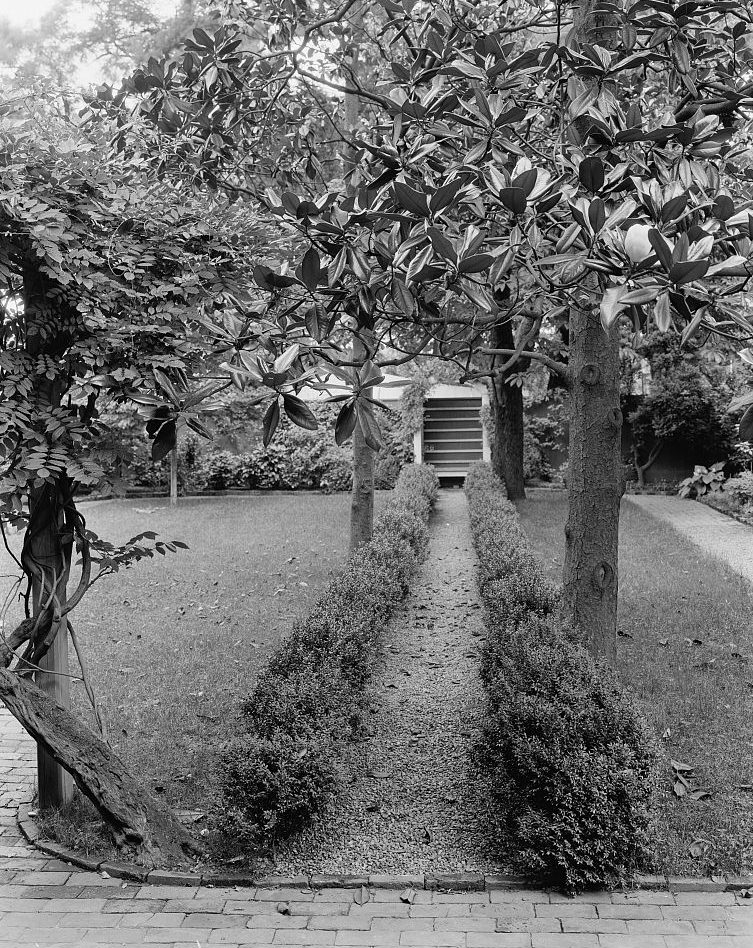
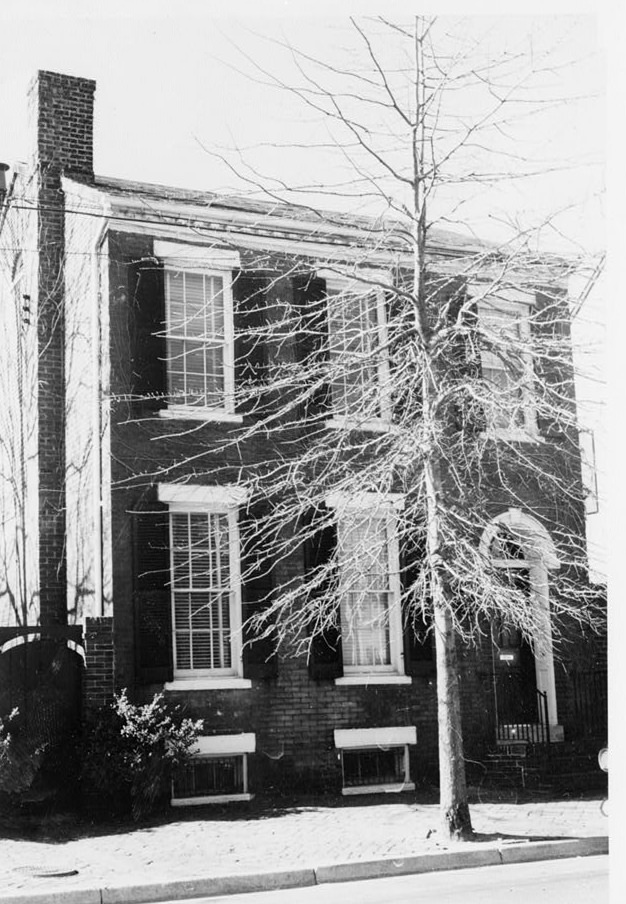
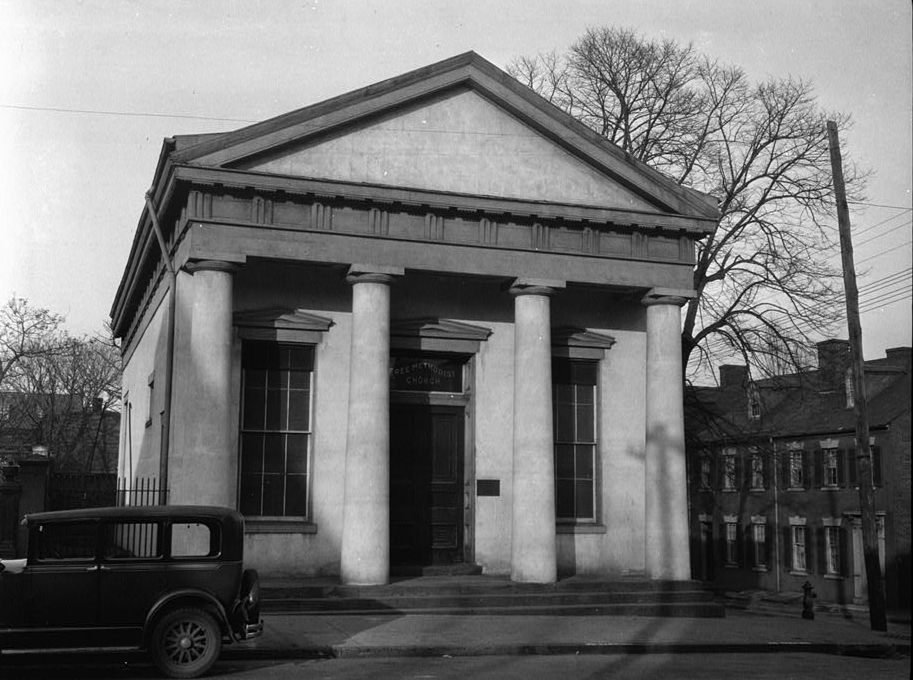
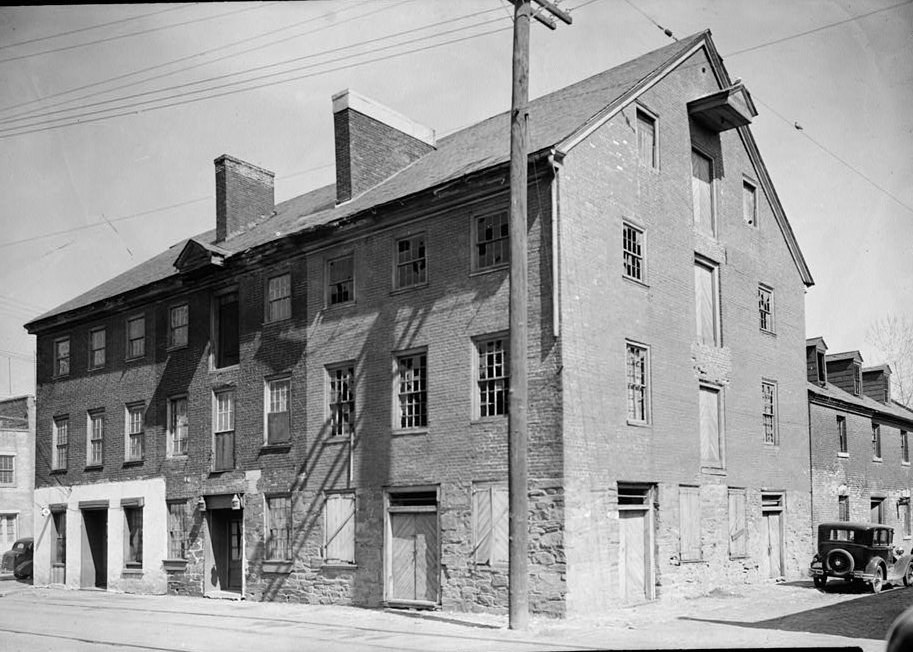
The streets of Alexandria in the 1930s were lined with buildings that had stood for well over a century. The city’s colonial-era architecture remained largely intact, from the townhouses of Prince Street to the old warehouses near the waterfront. These were not museum pieces — they were lived-in, worked-in spaces that anchored daily life in Alexandria during one of the hardest decades the country had ever seen.
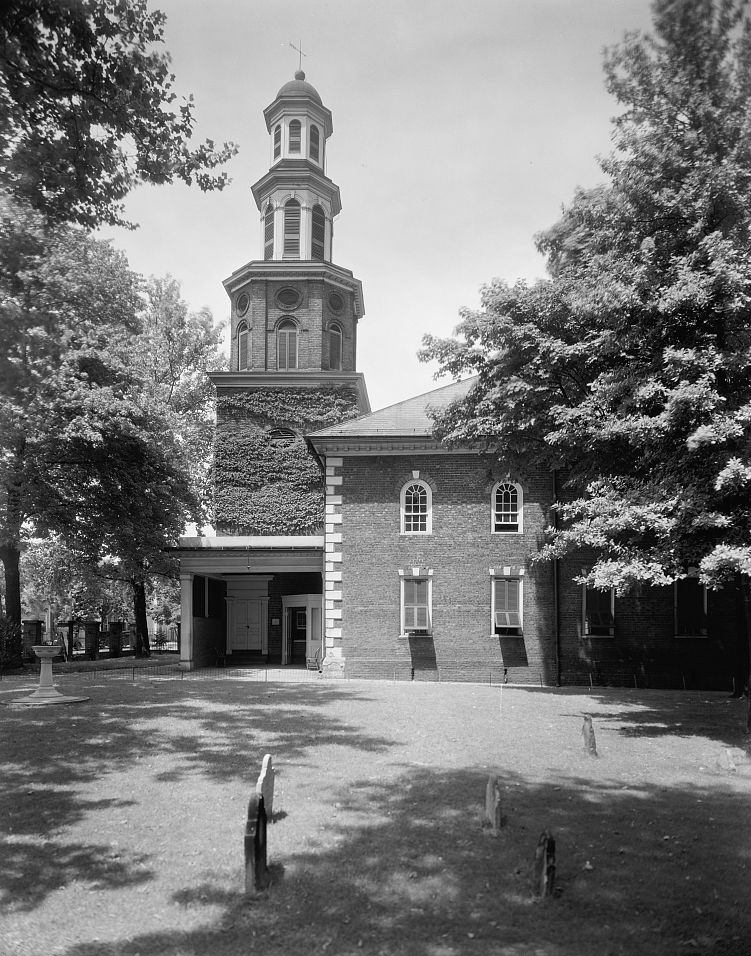
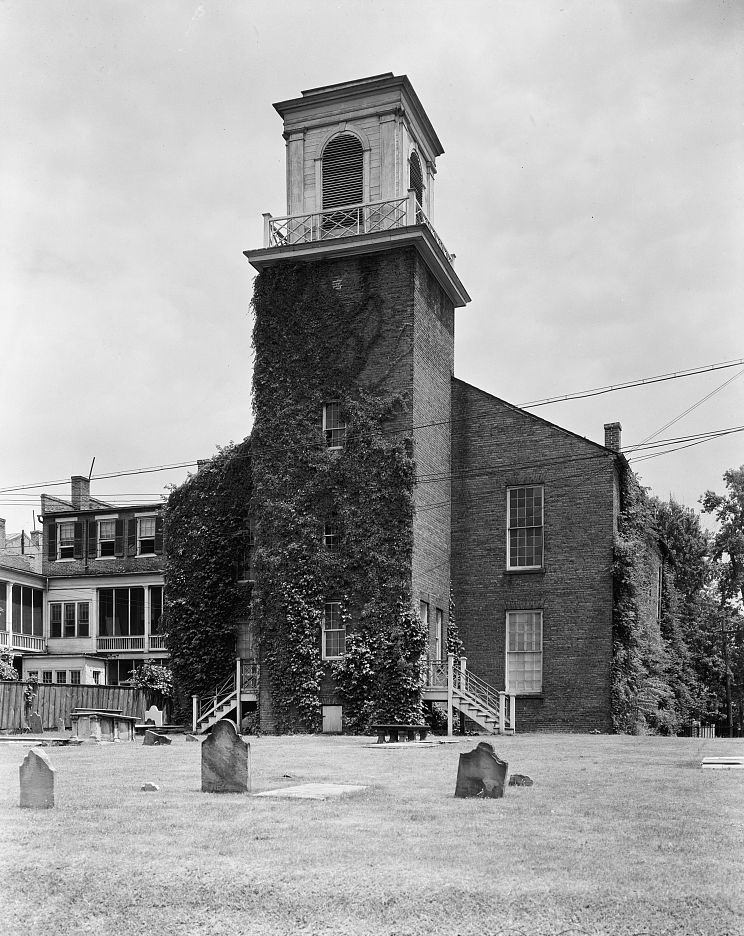
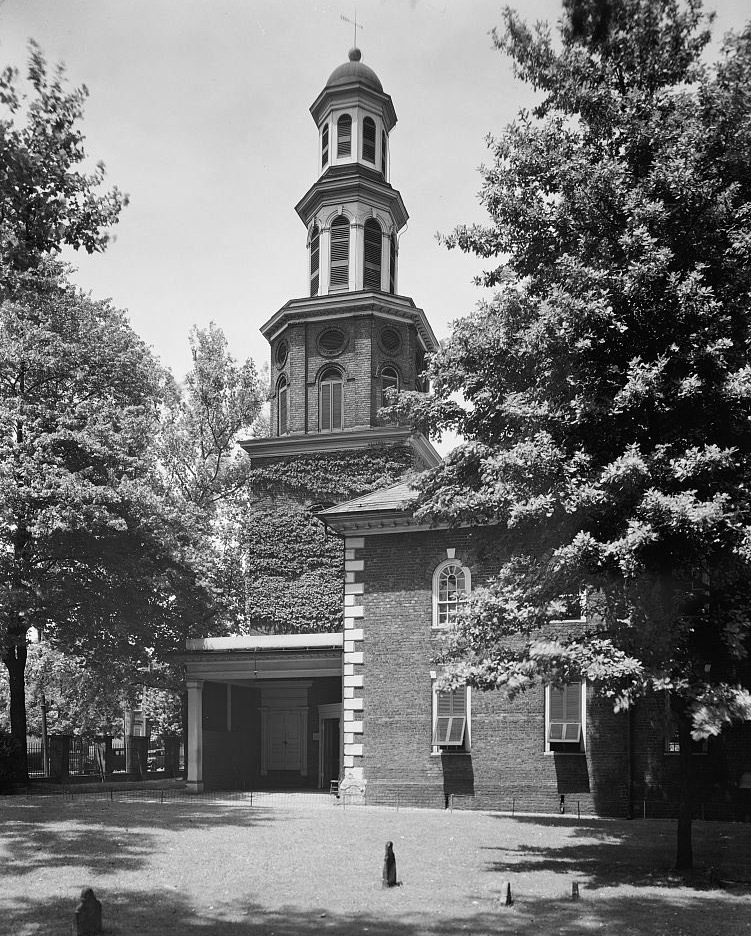
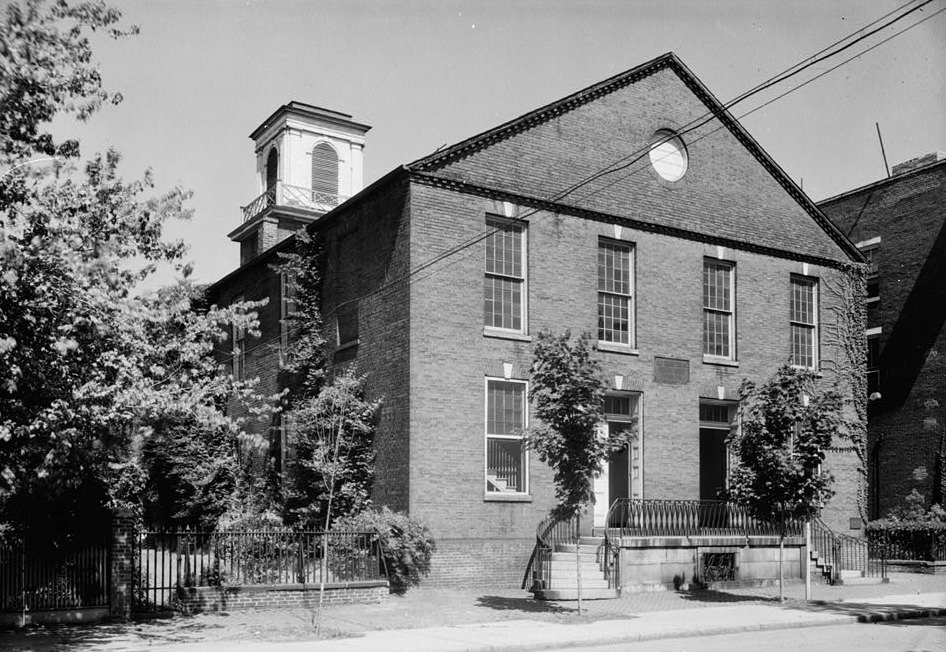
Churches played a central role in community life throughout the decade. Christ Church and the Presbyterian Meeting House on South Fairfax Street were two of the most prominent. They served not just as places of worship but as gathering points for a community that needed connection. During the Depression, churches often helped coordinate relief efforts — distributing food, offering space for meetings, and providing a sense of stability when everything else felt uncertain.
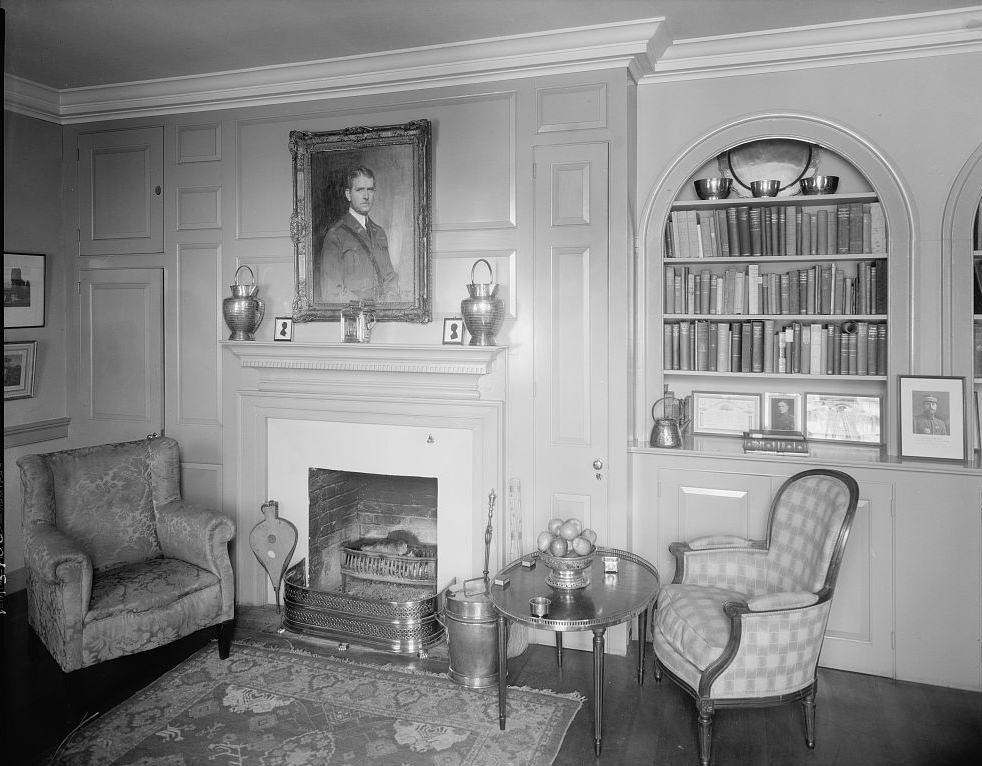
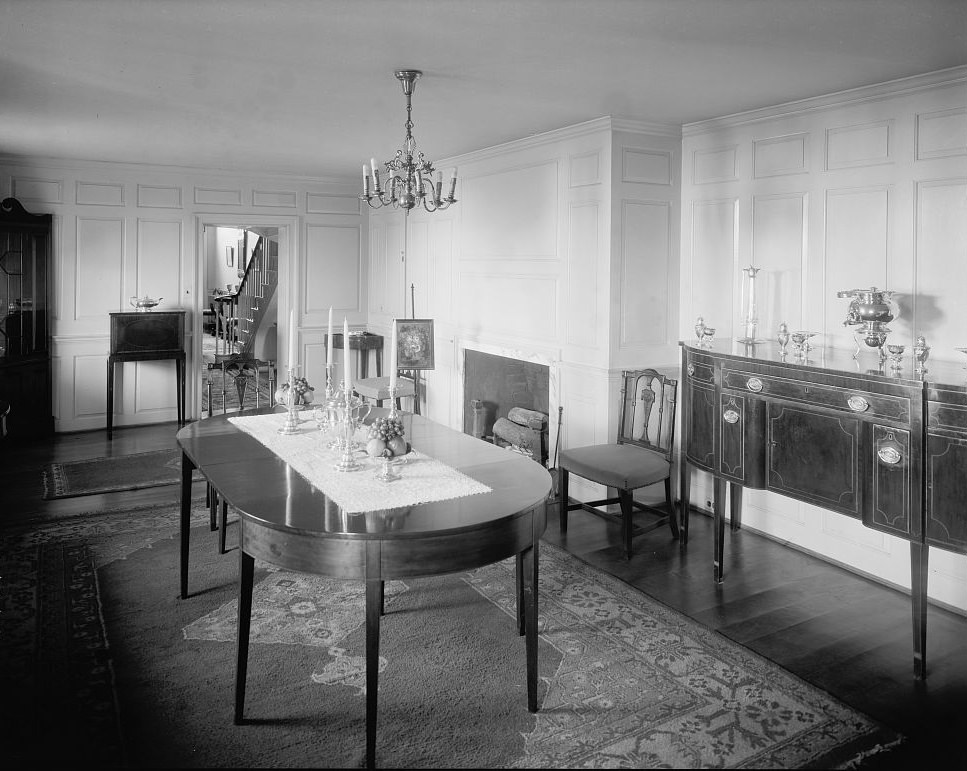
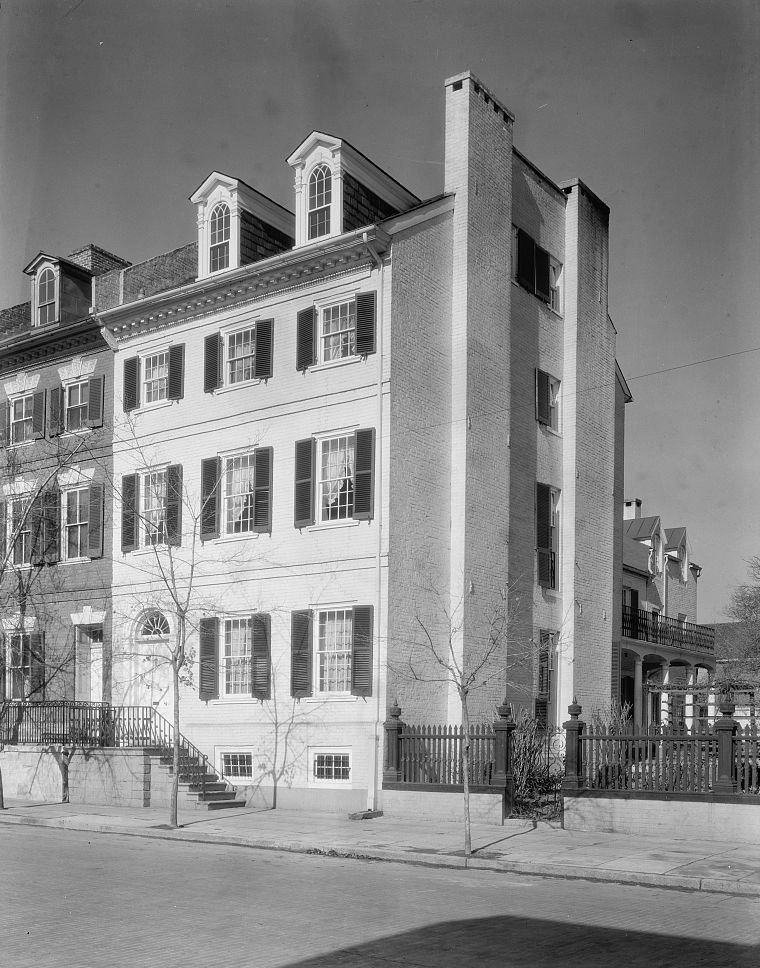
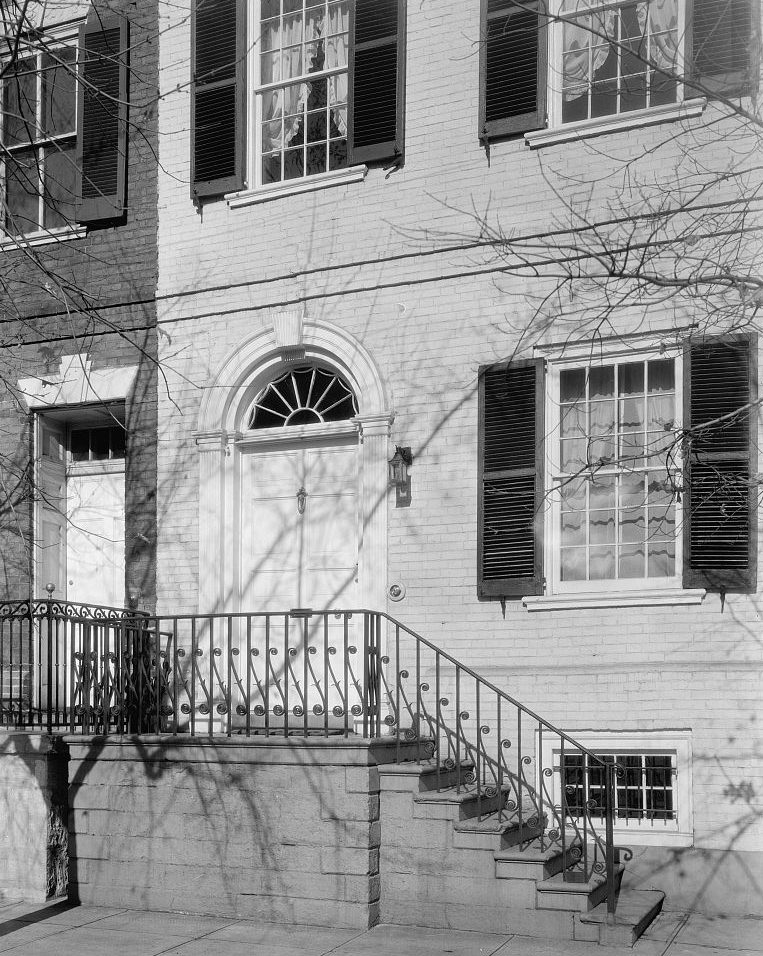
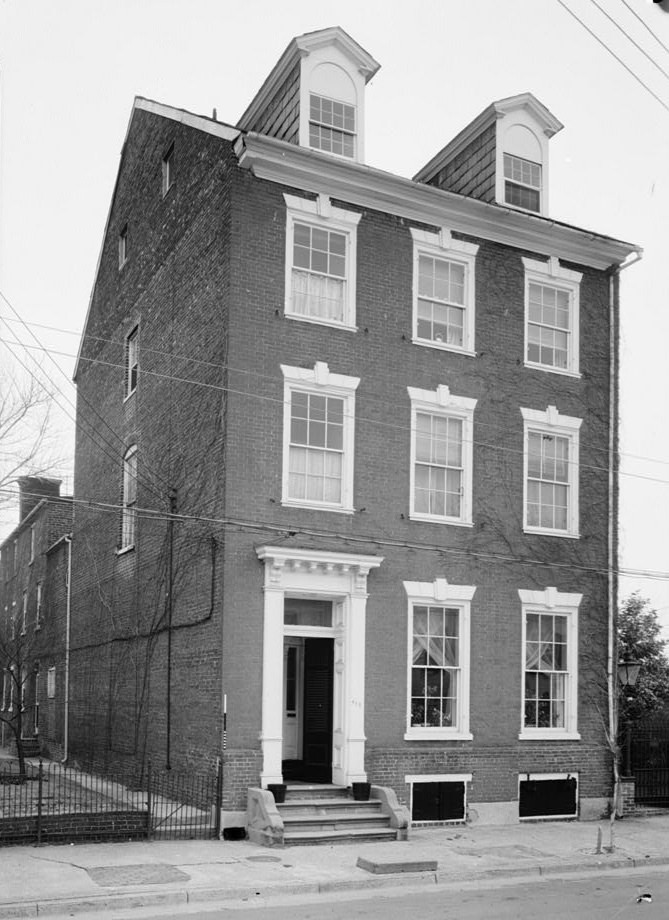
The Fairfax-Moore-Montague House on Prince Street was among the many historic homes that photographers and surveyors documented during this period. Much of this documentation came through federal programs that employed architects and photographers to record America’s built heritage. These surveys preserved a detailed visual record of what Alexandria looked like at street level during the 1930s.
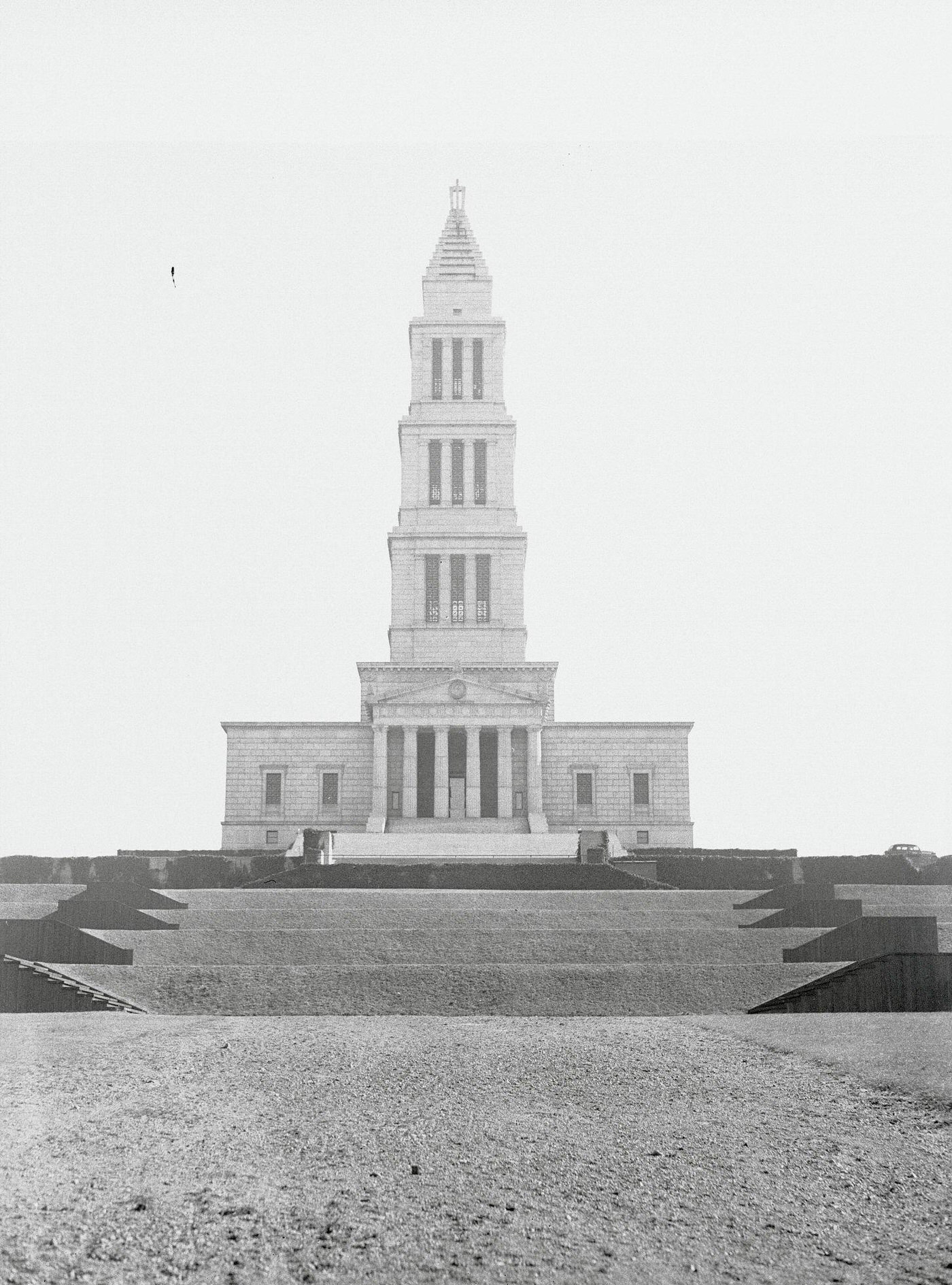
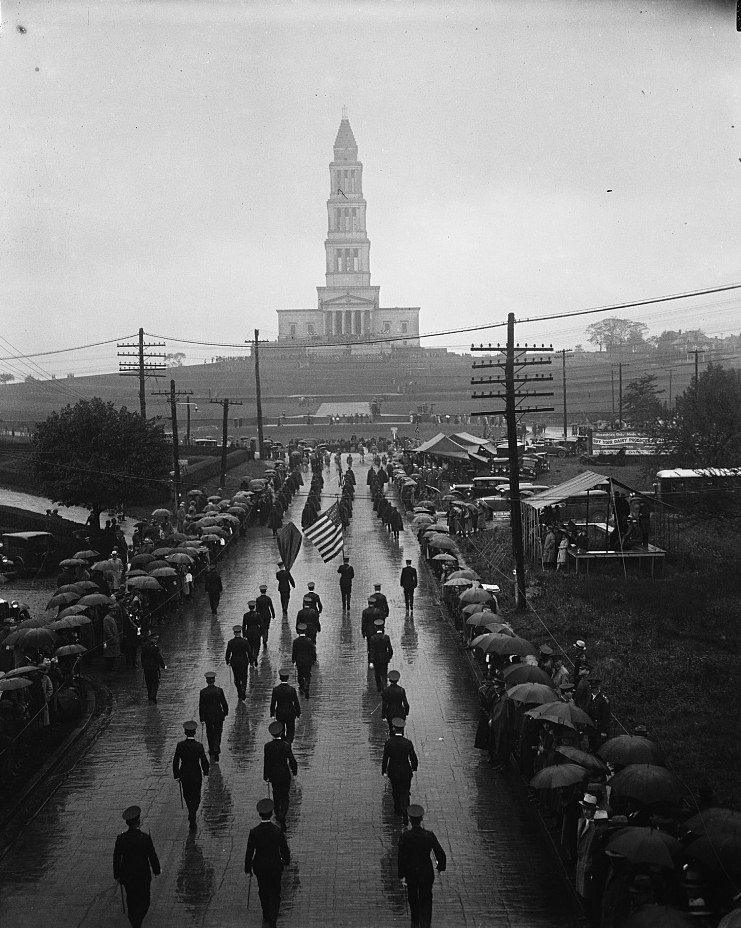
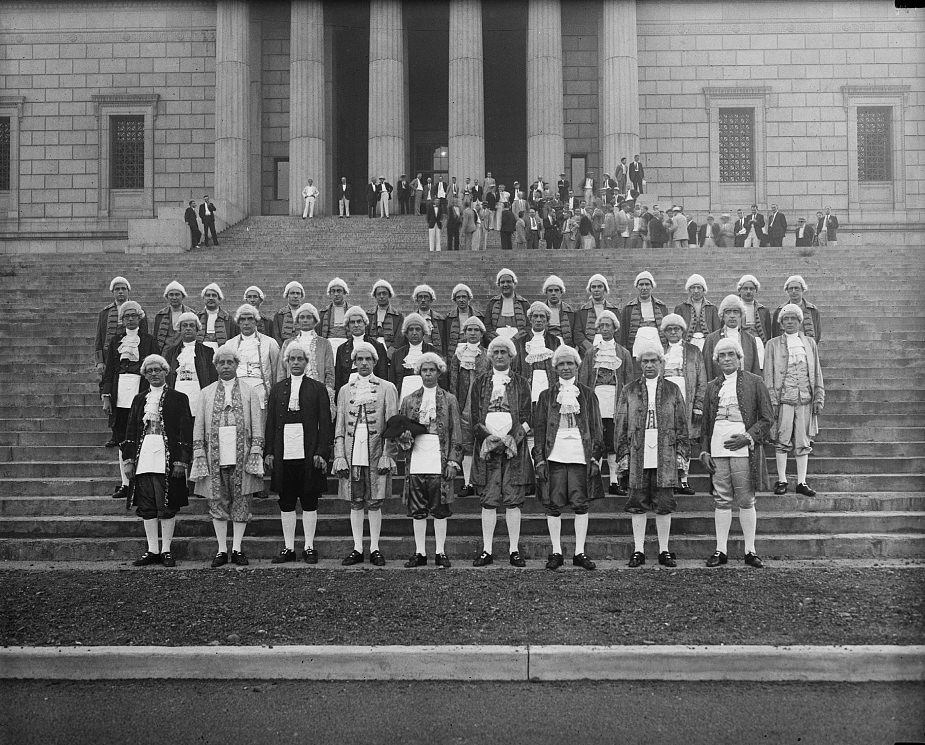
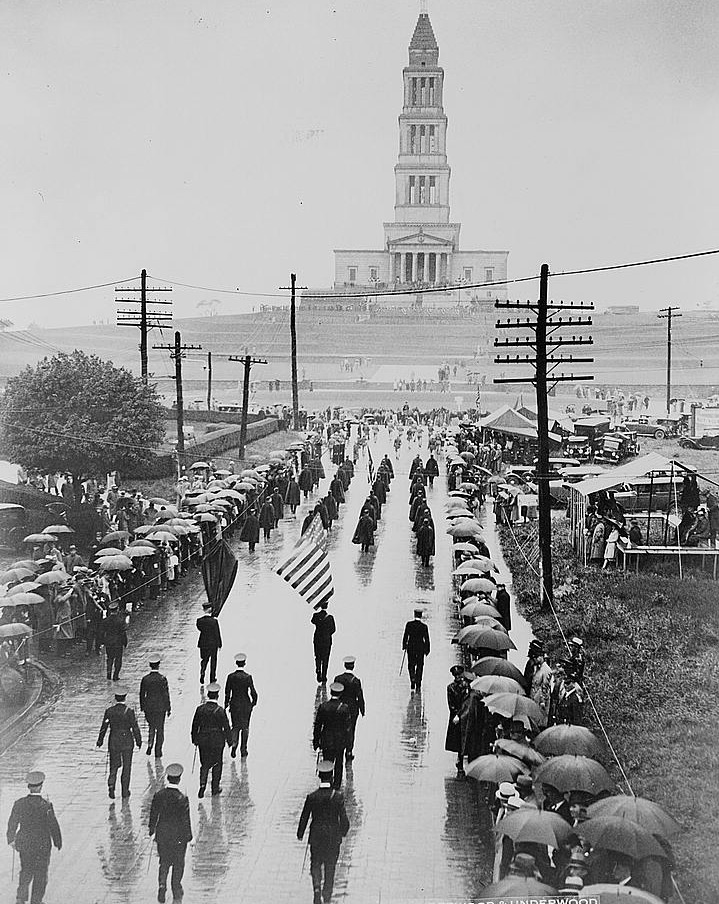
One of the defining moments of the decade for Alexandria was the dedication of the George Washington Masonic National Memorial in 1932. The massive granite structure sat atop Shooter’s Hill and could be seen from miles away. Masons from across the country gathered in Alexandria for the dedication ceremonies, marching through the streets in a procession that drew national attention. For a city in the grip of economic depression, it was a rare moment of ceremony and pride.
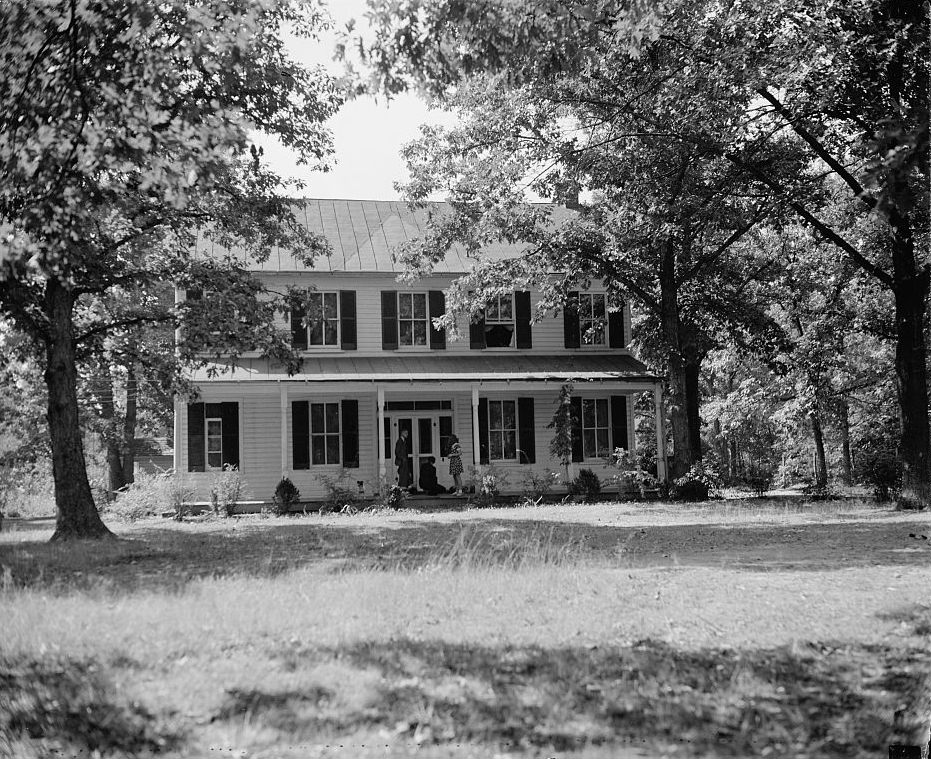
Alexandria was also home to figures who made national headlines. In 1937, Supreme Court Justice Hugo Black — recently confirmed and facing controversy over his past membership in the Ku Klux Klan — retreated to Seminary Hill near Alexandria. He stayed at the home of Clifford J. Burr, his brother-in-law, while the story consumed the national press.
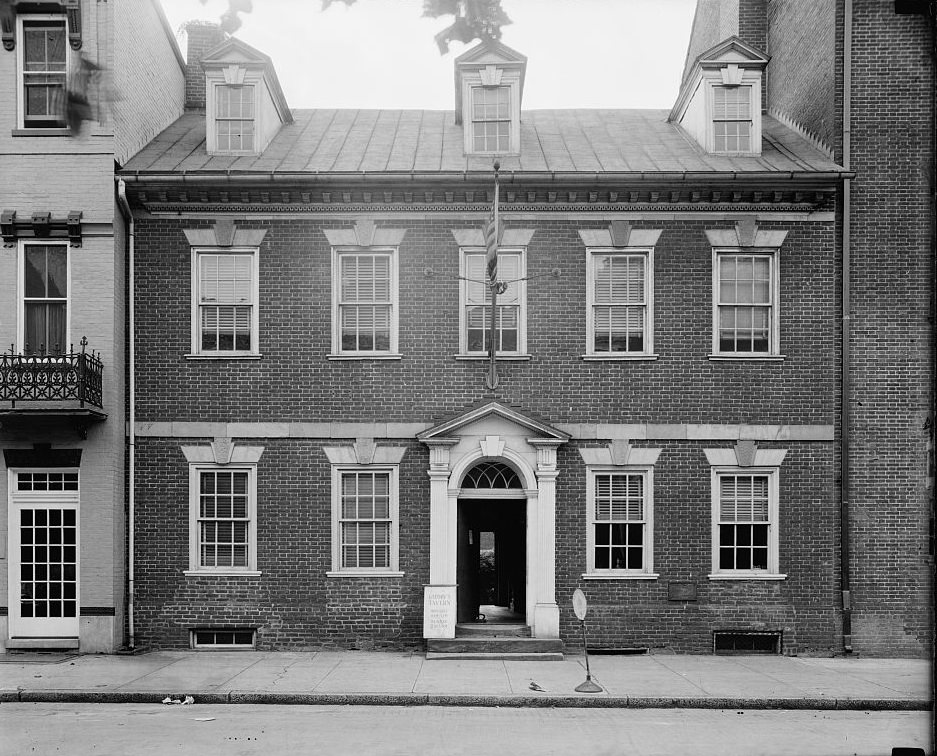
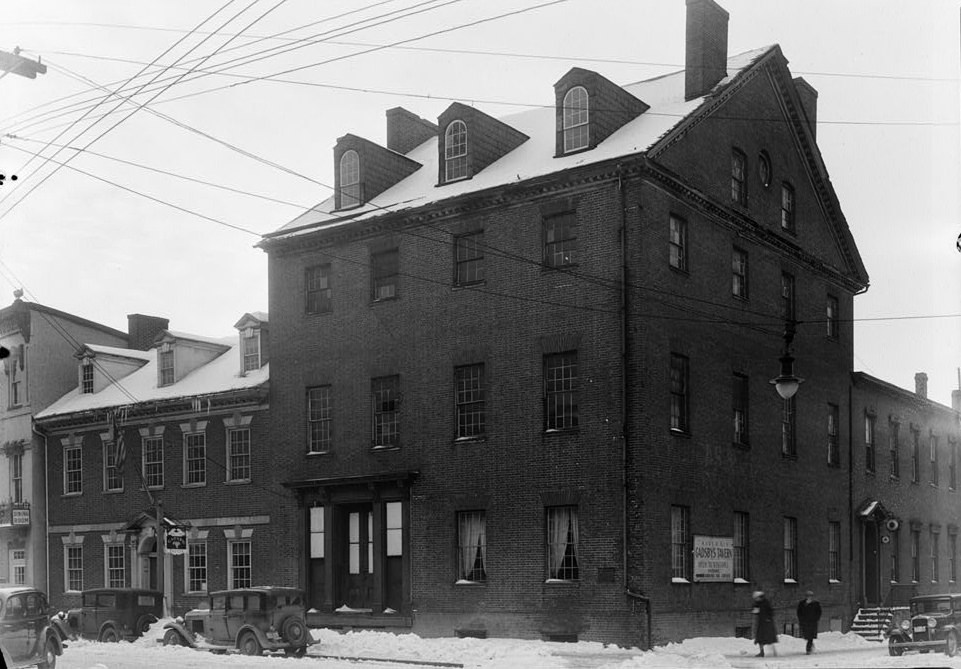
Gadsby’s Tavern, one of Alexandria’s oldest and most storied buildings, was still standing on Royal Street and remained a landmark that connected the city to its 18th-century past. By 1938, it had already become a site of historical interest, drawing visitors who wanted to walk the same floors that George Washington and other Founding-era figures had once crossed.
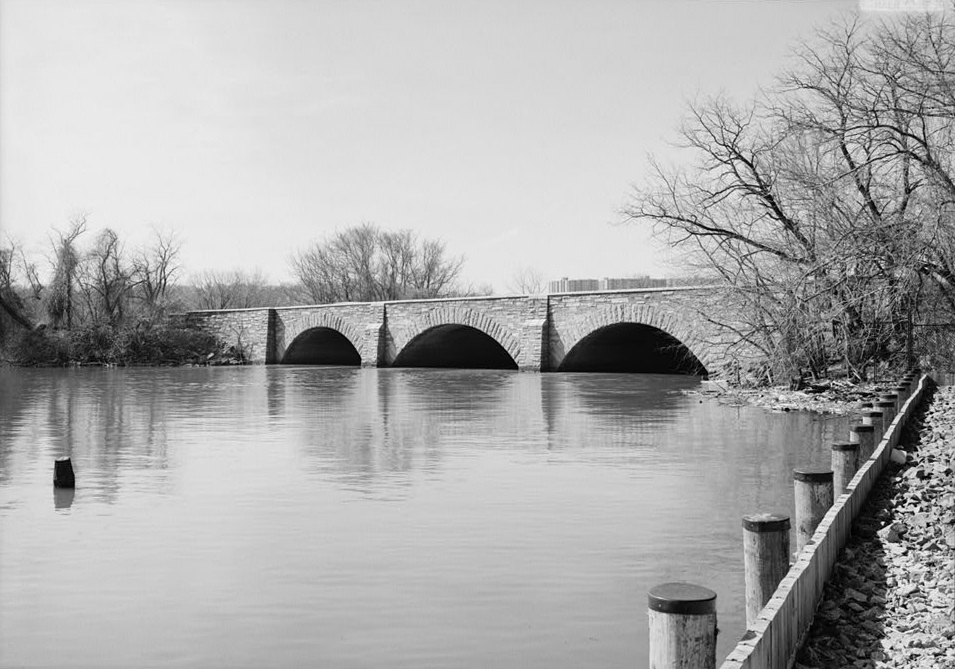
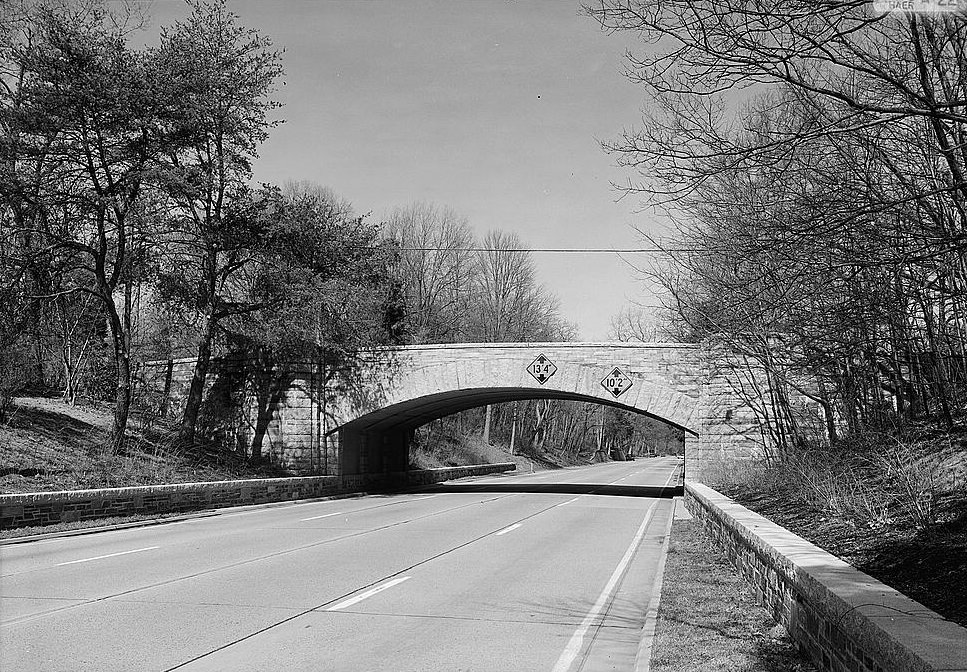
New Deal infrastructure spending also left a physical mark on the roads around Alexandria. The Mount Vernon Memorial Highway, which connected the city to George Washington’s estate to the south, featured bridges and parkway sections built during this era. These projects put men to work while also improving transportation links in the region.
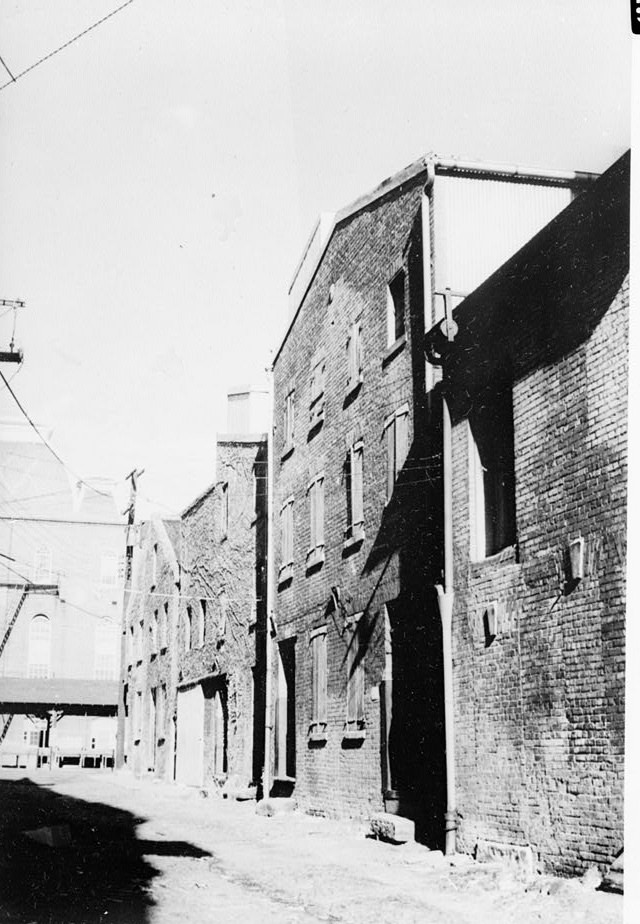
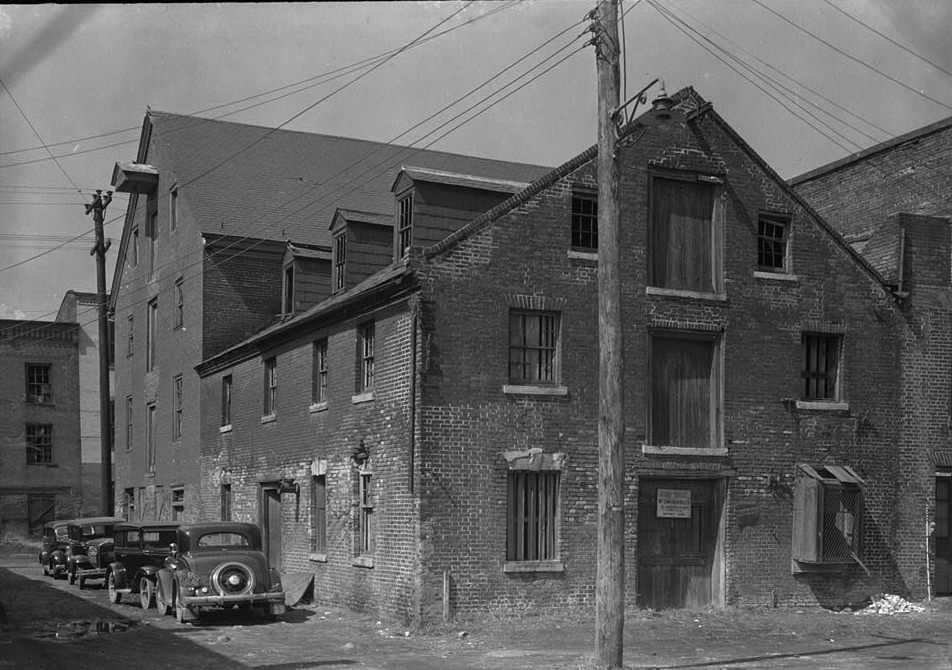
Federal surveyors fanned out across Alexandria in 1933, photographing and documenting alleys, warehouses, and commercial blocks. The Gazette and Market Square Alley area near the waterfront was among the neighborhoods captured in detail. These images show a working city — loading docks, brick facades, and narrow service passages that handled the everyday movement of goods.
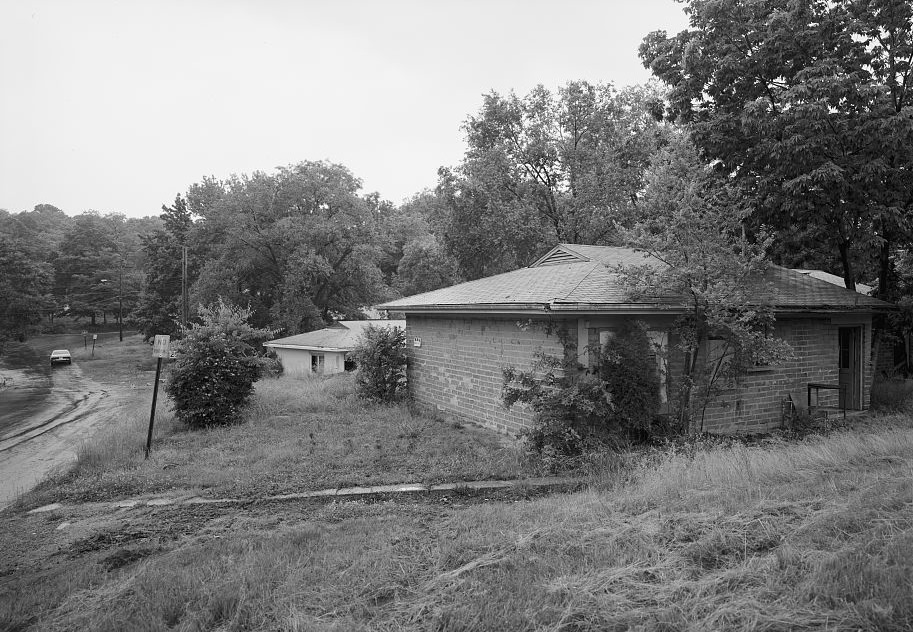
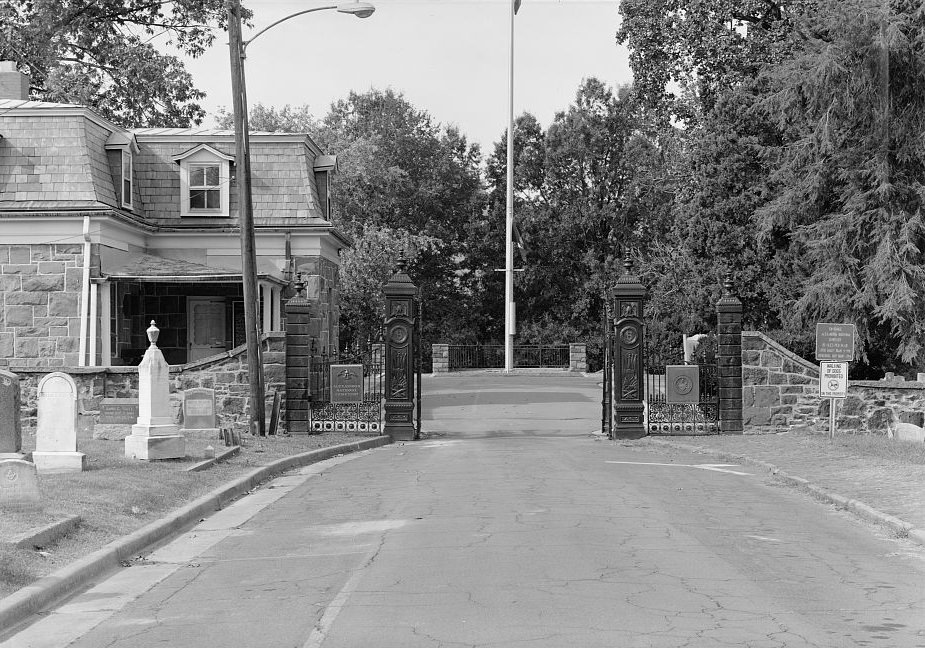
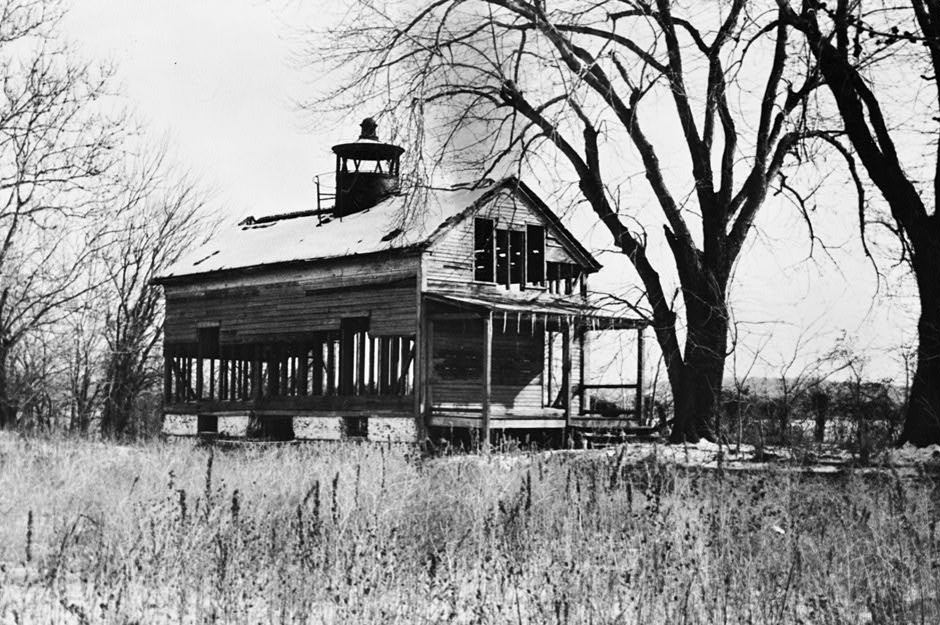
The Alexandria National Cemetery on Wilkes Street and the Jones Point Lighthouse at the mouth of Hunting Creek were also recorded during the 1933 surveys. The lighthouse, sitting at the southernmost tip of the District of Columbia’s original boundary, marked one of the oldest survey points in the region. The cemetery, established during the Civil War, held the graves of soldiers from both conflicts and remained an active burial ground into the 1930s.
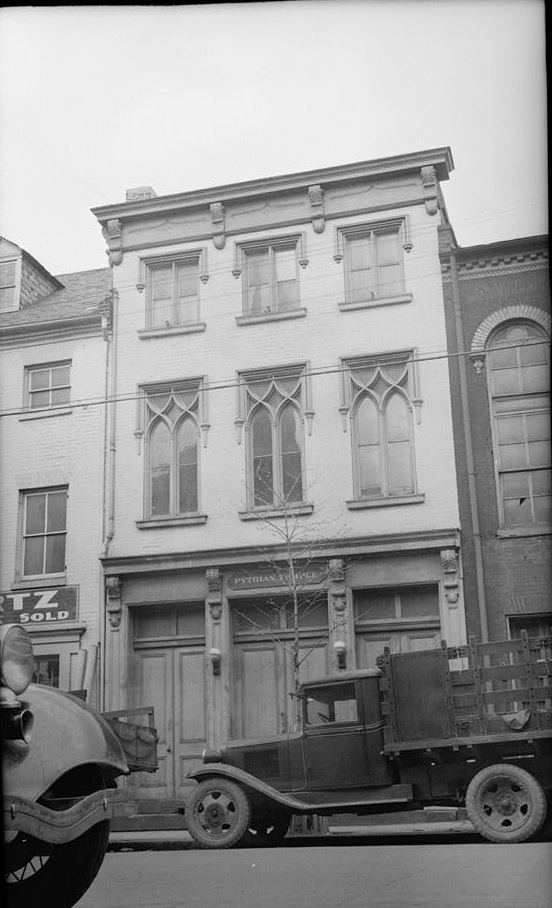
Religious and civic buildings documented in 1933 included the Presbyterian Meetinghouse on South Fairfax Street and the Pythian Temple on Cameron Street. The Pythian Temple served Alexandria’s African American community as a meeting hall and fraternal lodge space. In a city where racial segregation was enforced by law, institutions like the Pythian Temple provided essential social infrastructure for Black residents.
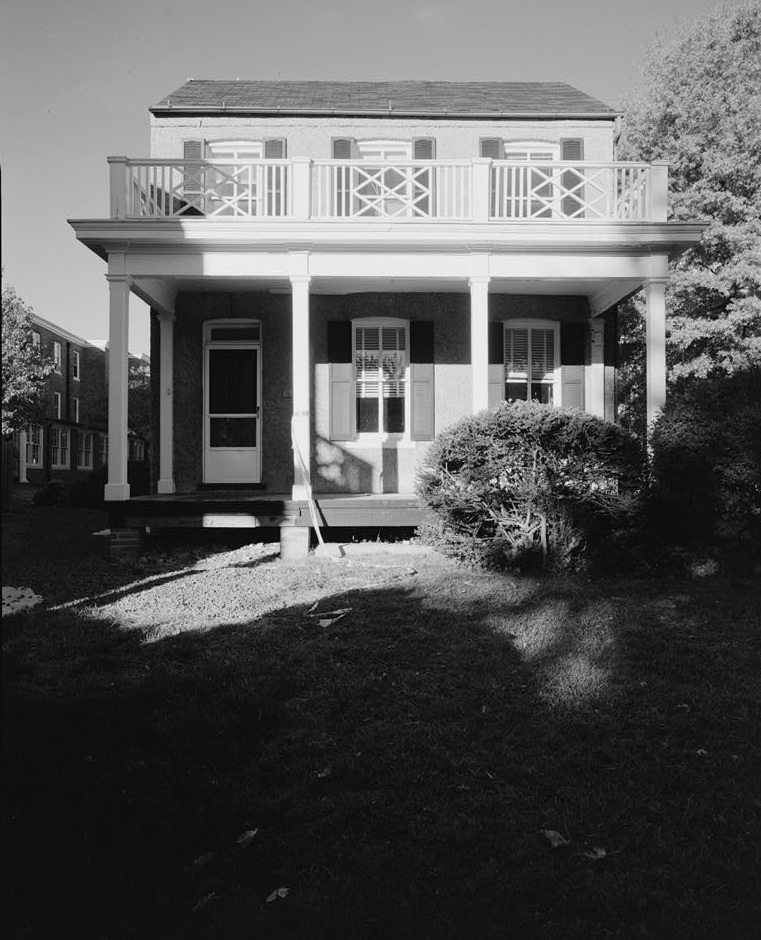
The residential streets of Alexandria, including Queen Street and the blocks surrounding it, showed homes that ranged from modest row houses to larger Federal-style townhouses. Many of these buildings dated back to the late 1700s and early 1800s, and their continued use into the 20th century spoke to the durability of Alexandria’s older housing stock.
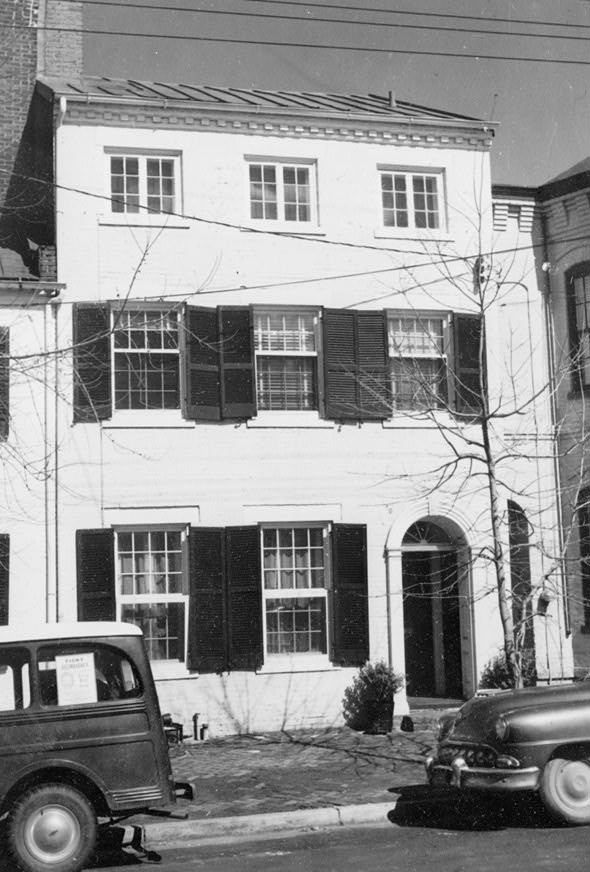
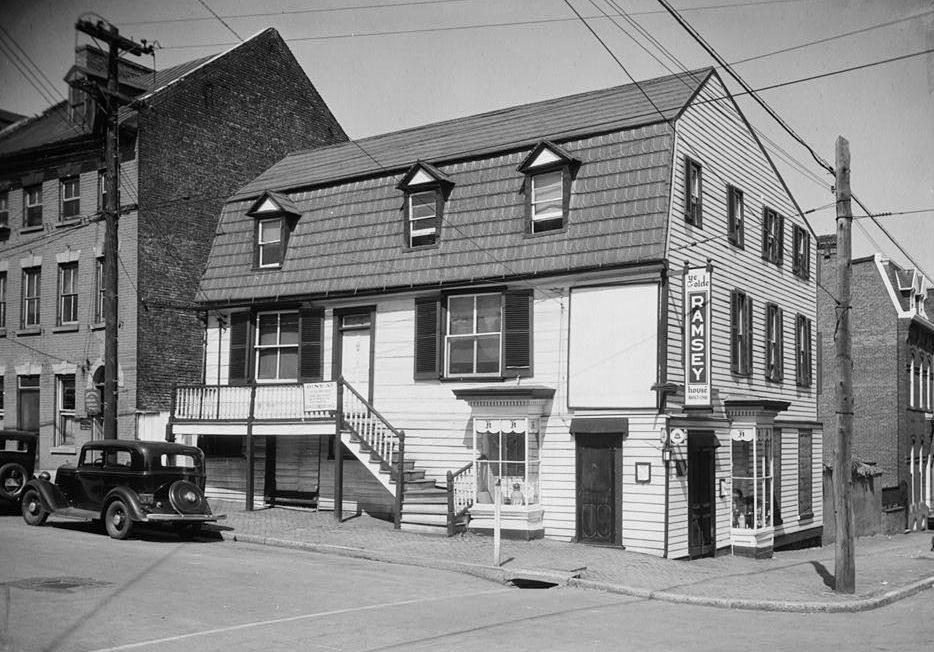
On King Street, the William Ramsay House was another prominent historic property captured by surveyors. Ramsay was one of Alexandria’s founders, and his home at 221 King Street was among the oldest surviving structures in the city. Nearby, the Ramsay-Atkinson House on North Fairfax Street represented another layer of the city’s deep colonial history.
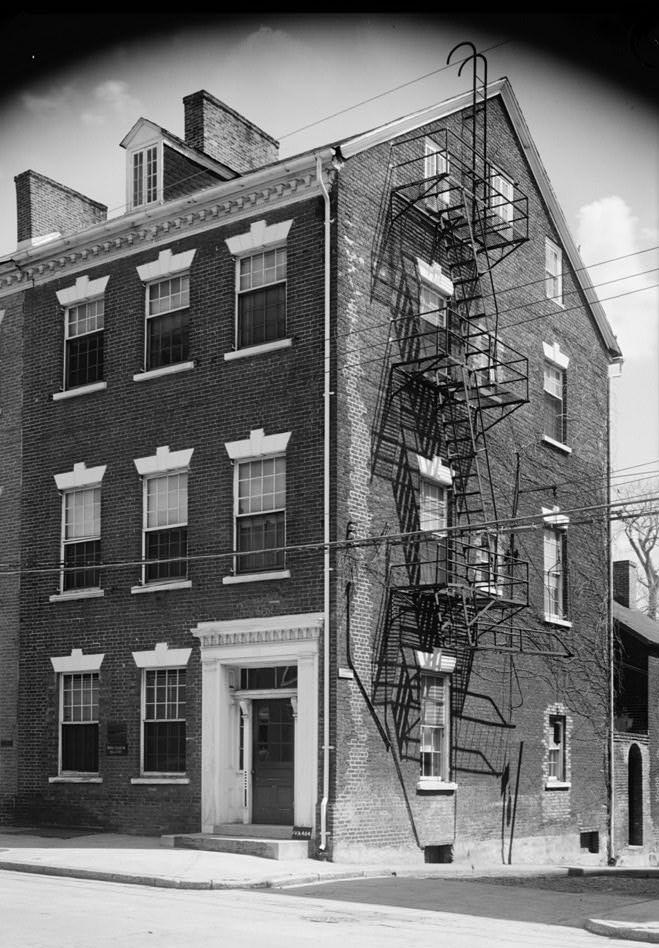
Along South Lee Street, the General Daniel Roberdeau House added to the city’s collection of Revolutionary War-era homes. Roberdeau was a Continental Army officer, and his Alexandria house survived into the 20th century largely unchanged. The waterfront on Royal Street and Water Street still featured warehouse buildings that dated to Alexandria’s days as a major Potomac River port, including the Patterson-Fitzgerald Warehouse on South Union Street.
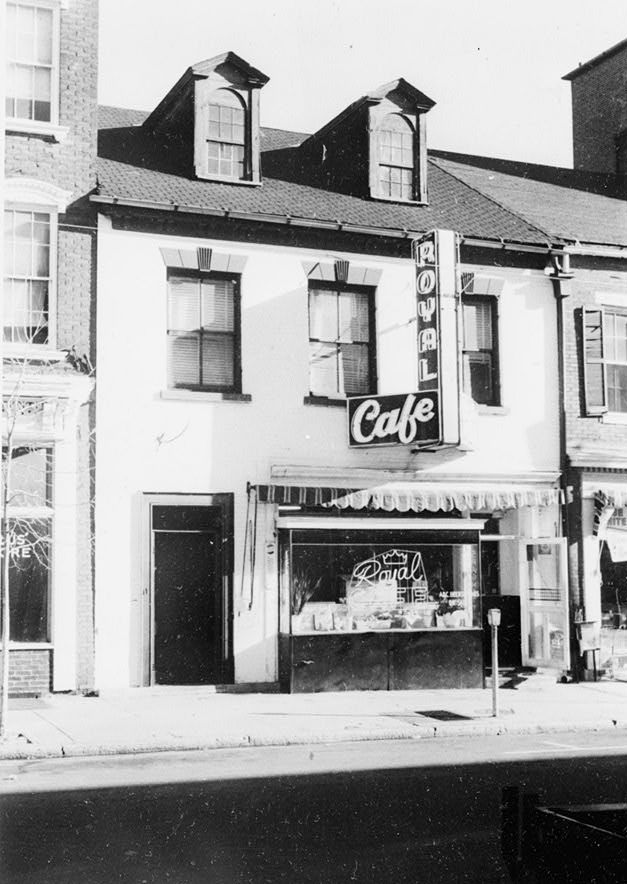
Mason’s Ordinary on North Royal Street, also known as the Coffee House, was another building with deep historical roots that was still standing in 1933. The Old Dominion Bank at 201 Prince Street represented the commercial side of Alexandria’s street life, while the waterfront warehouses along South Union Street showed that the city’s trading past was physically still present, even if the economy had slowed to a crawl.
The decade ended with a pivotal act of protest. In August 1939, attorney Samuel W. Tucker — a young African American lawyer from Alexandria — organized a sit-in at the city’s segregated public library on Queen Street. Tucker and five other Black men entered the library, requested library cards, were denied, and sat down without leaving. All six were arrested. It was one of the first organized library sit-ins in American history, and it happened right in the middle of a city whose old streets and colonial buildings told only part of its full story.