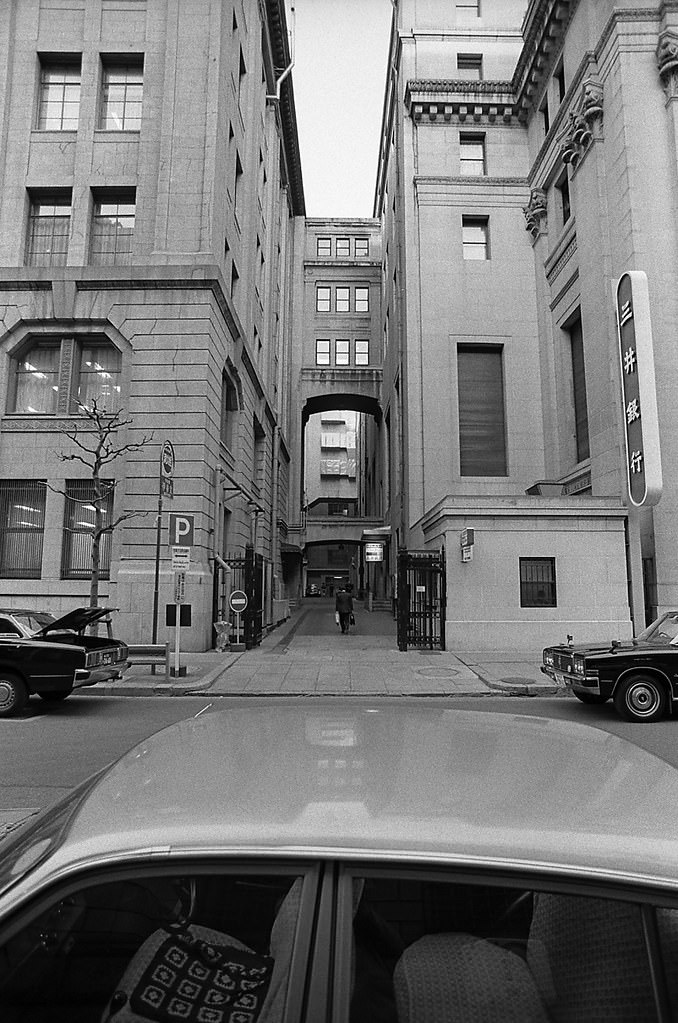
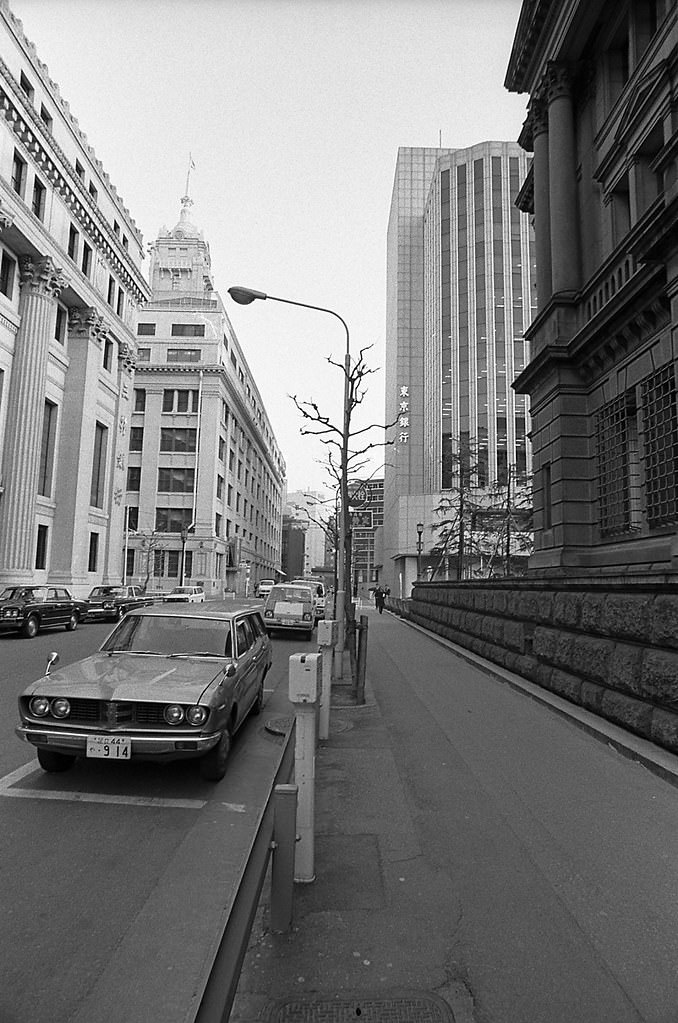
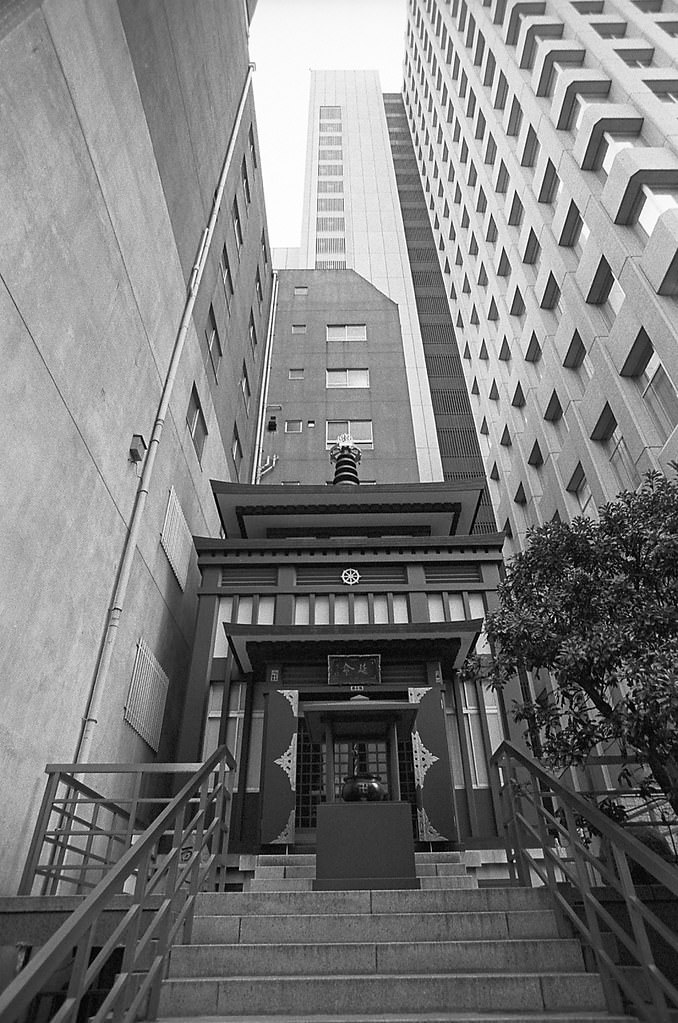
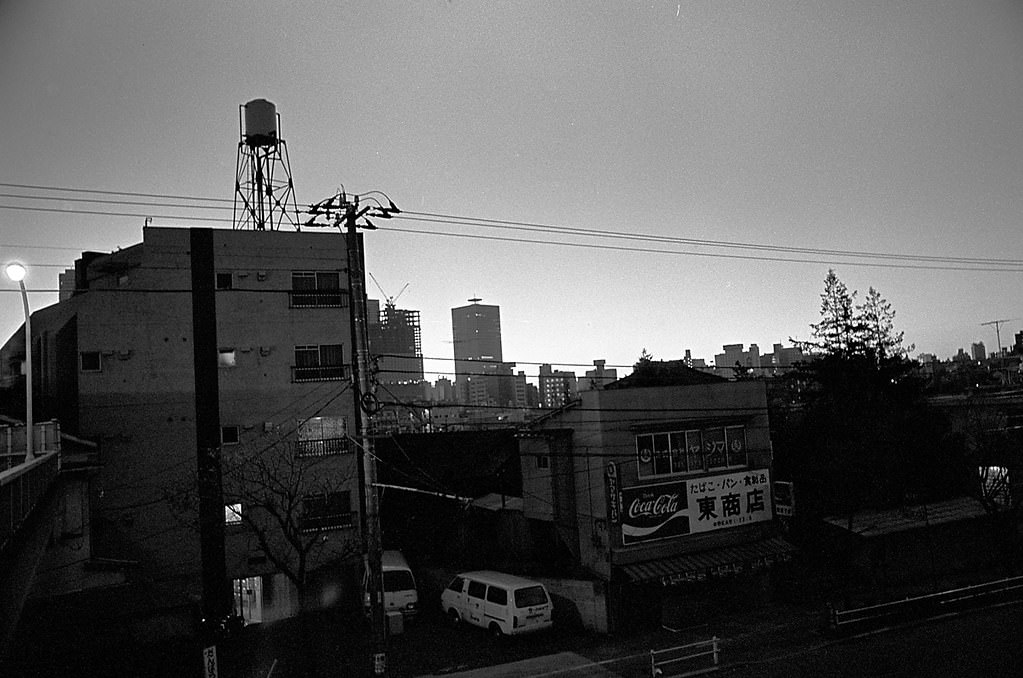
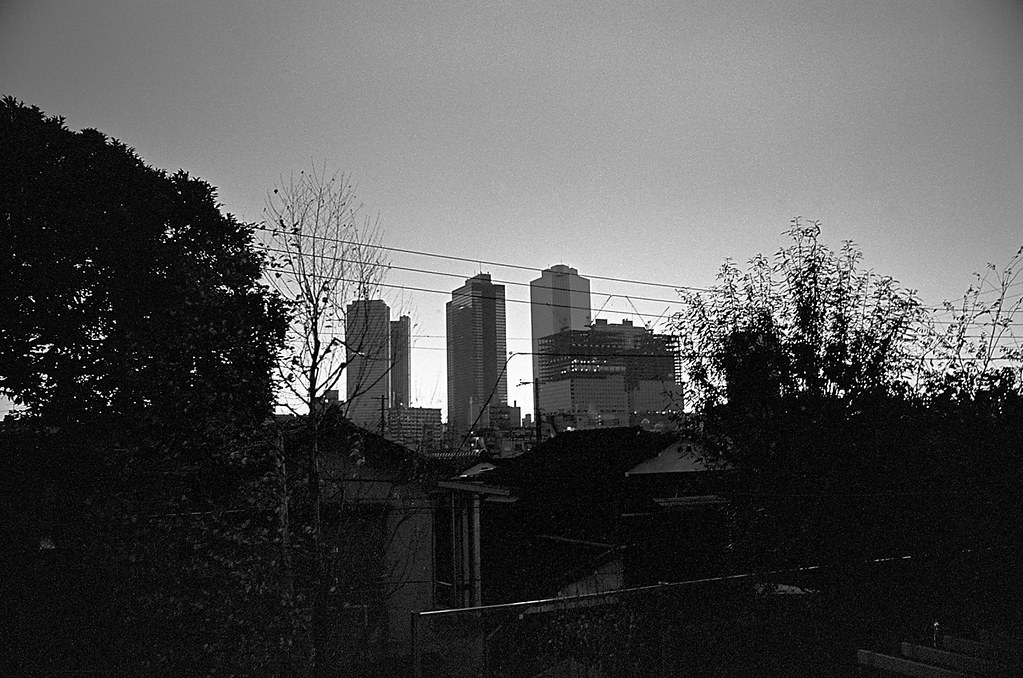
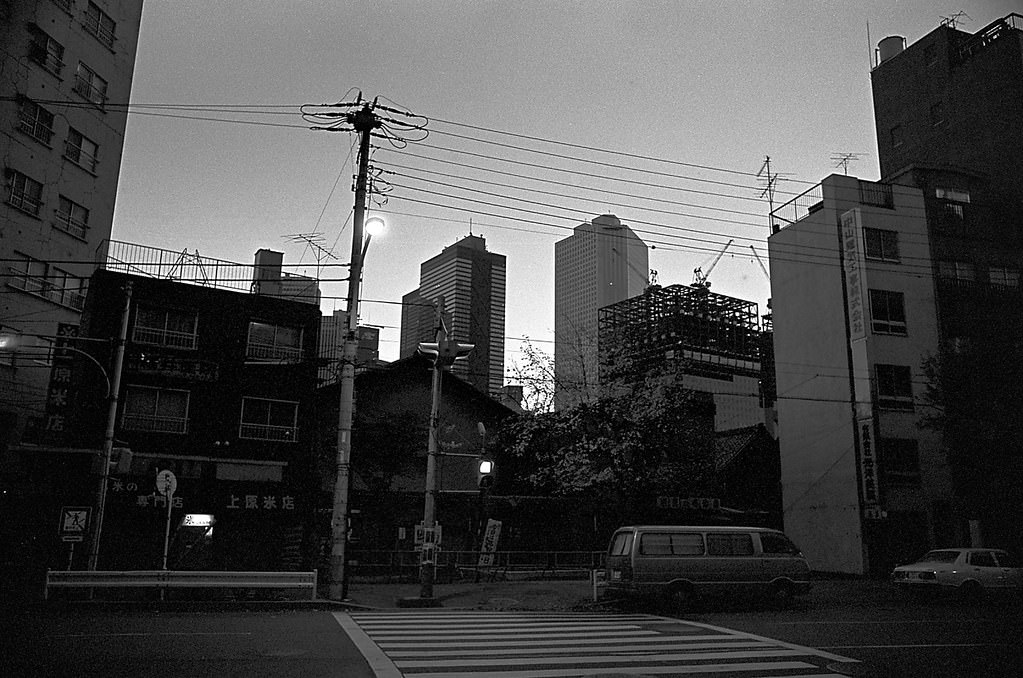
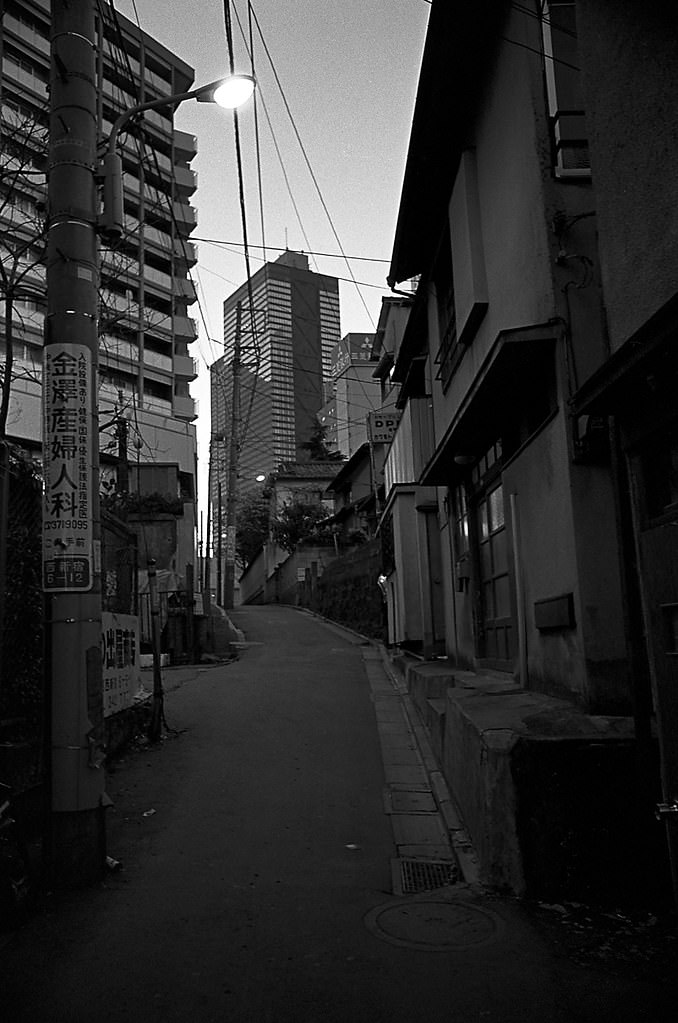
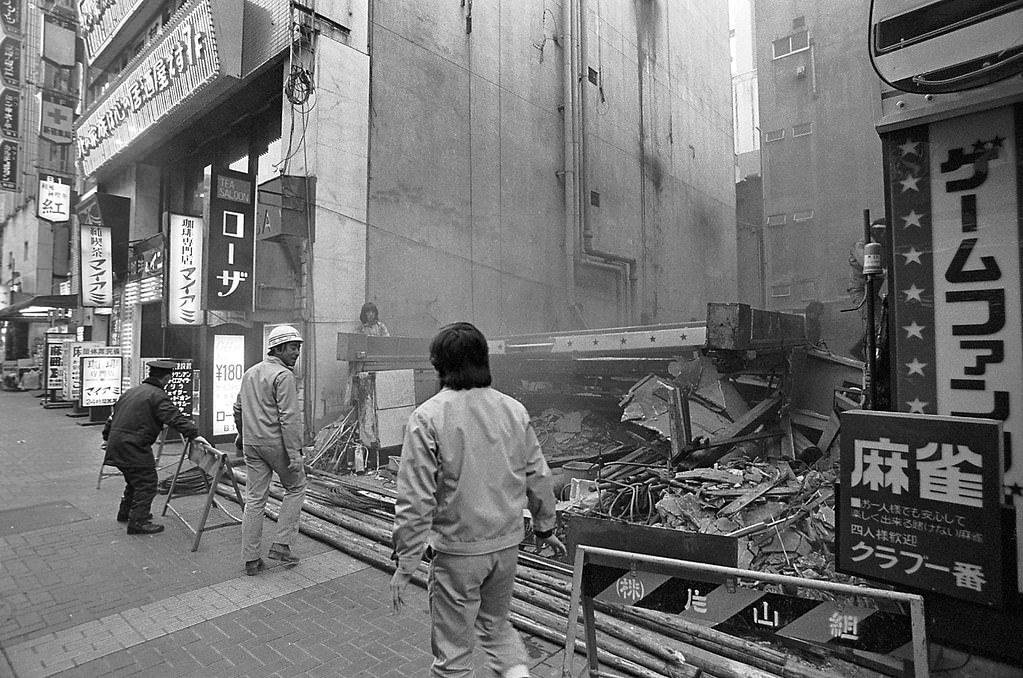
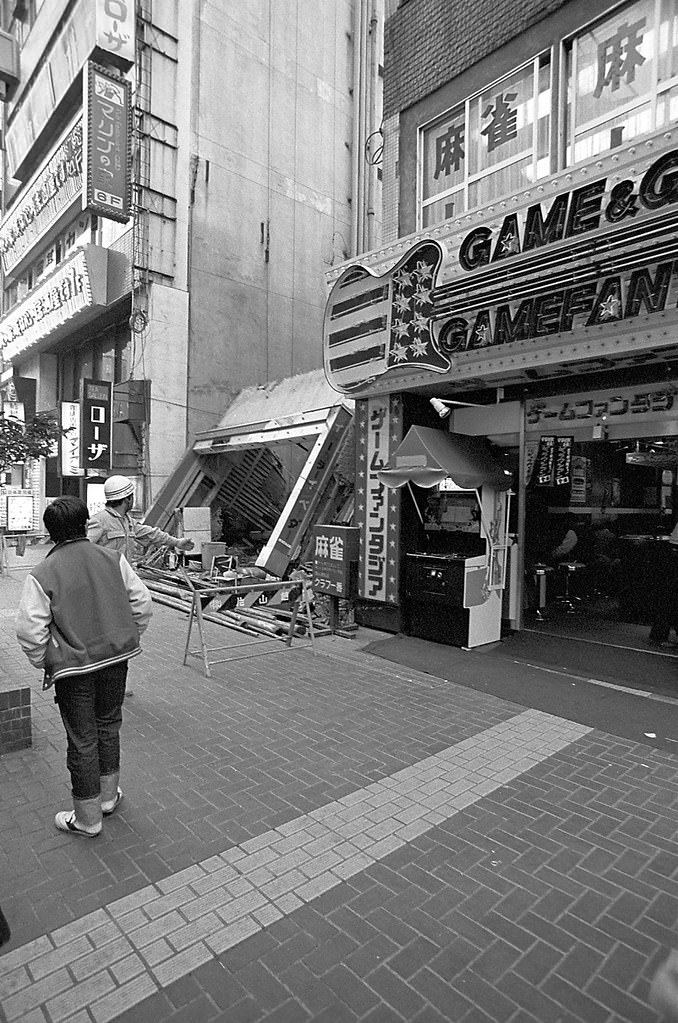
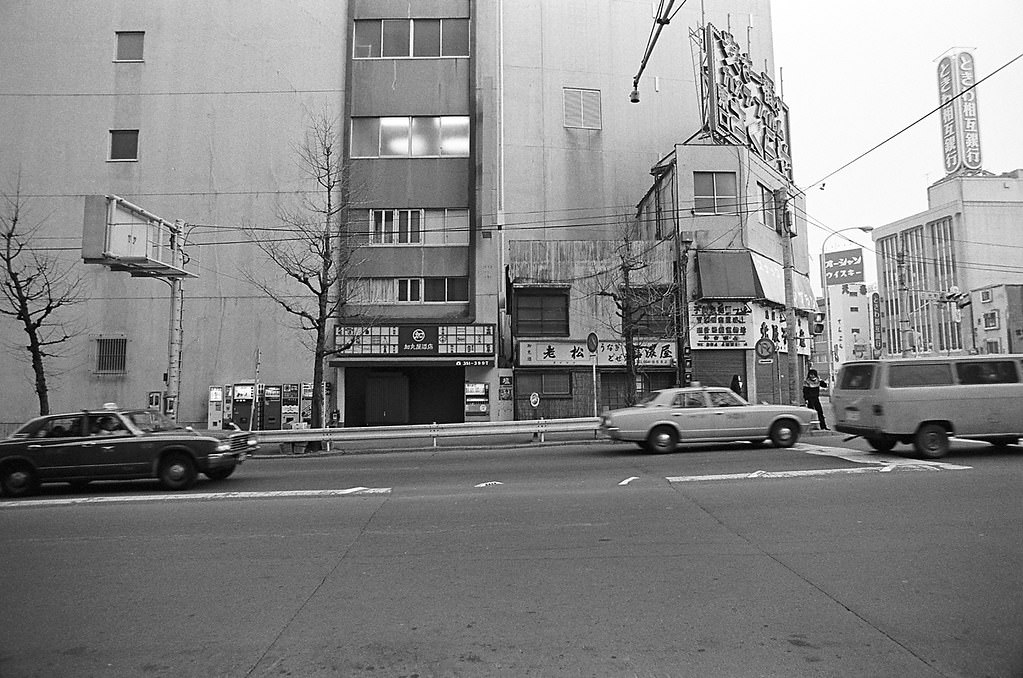
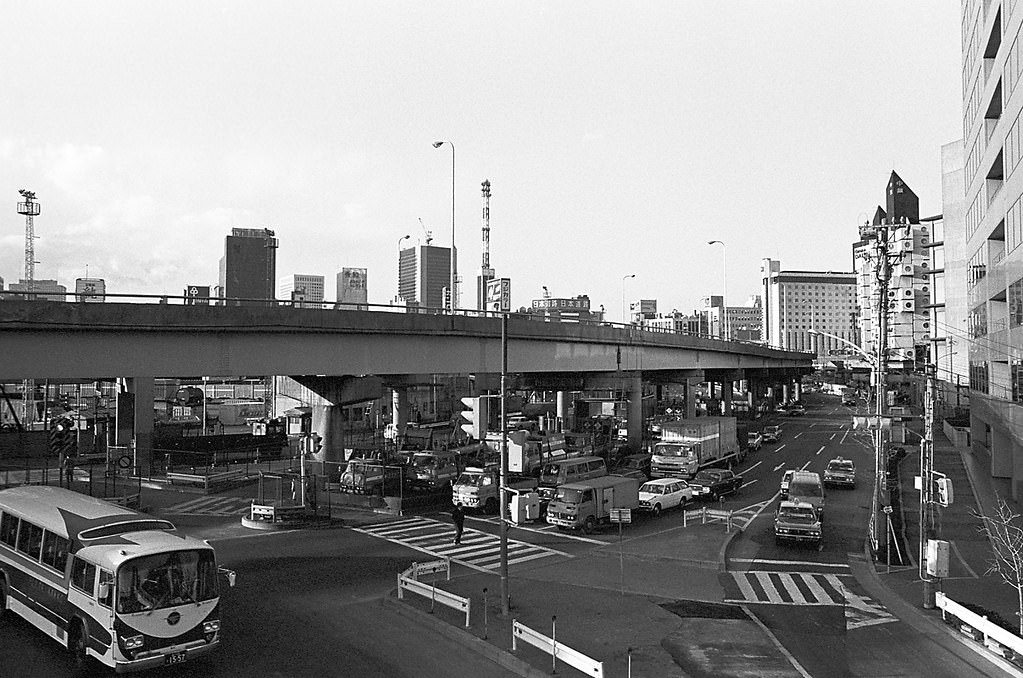
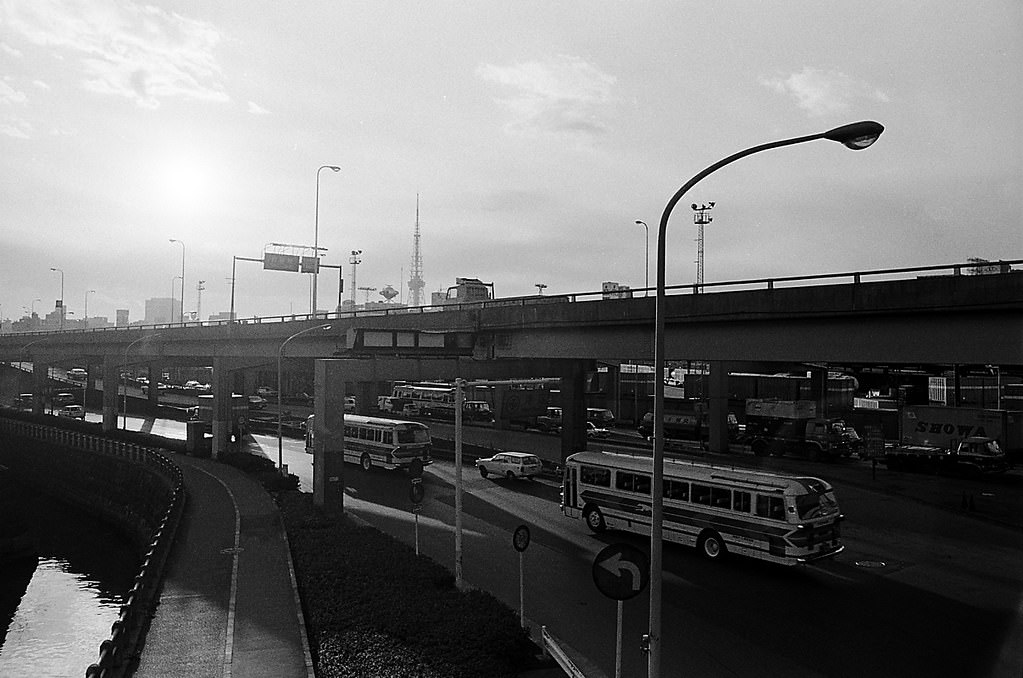
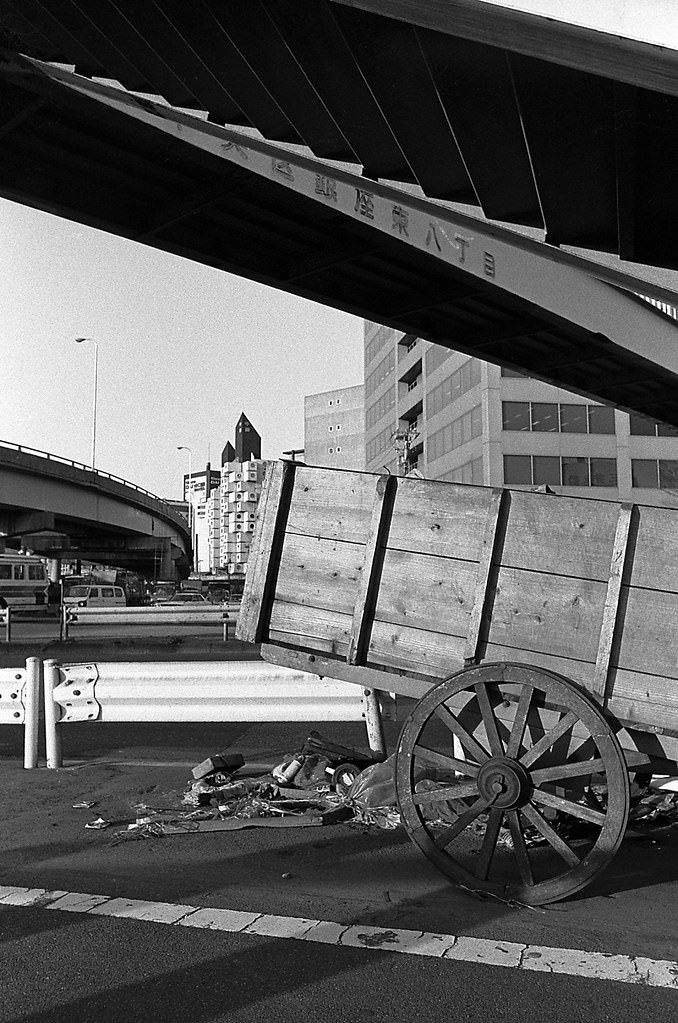
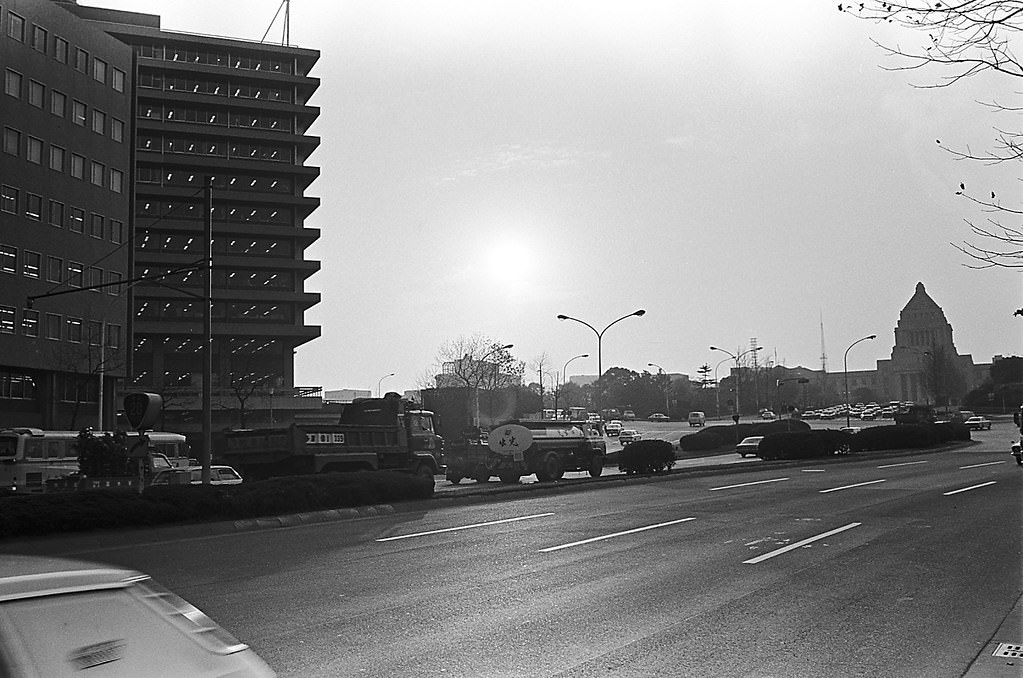
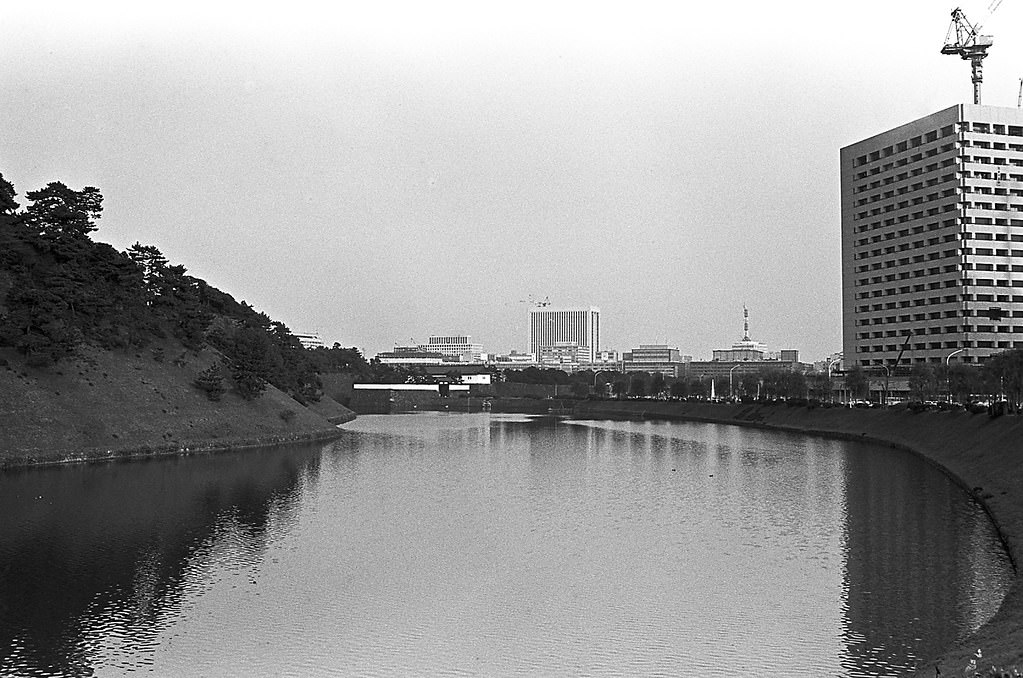
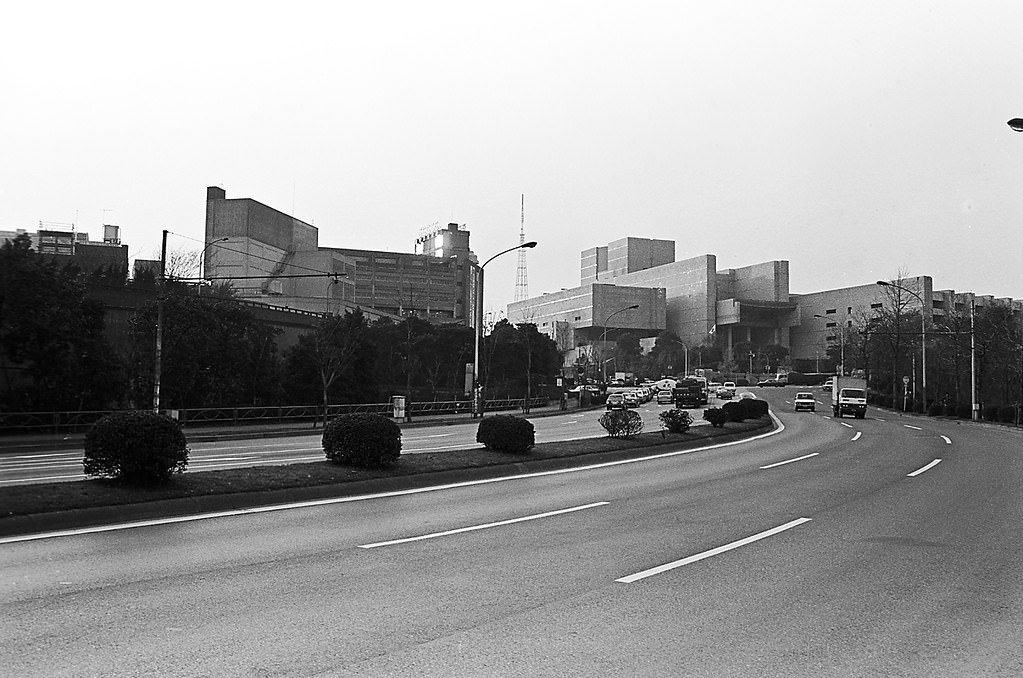
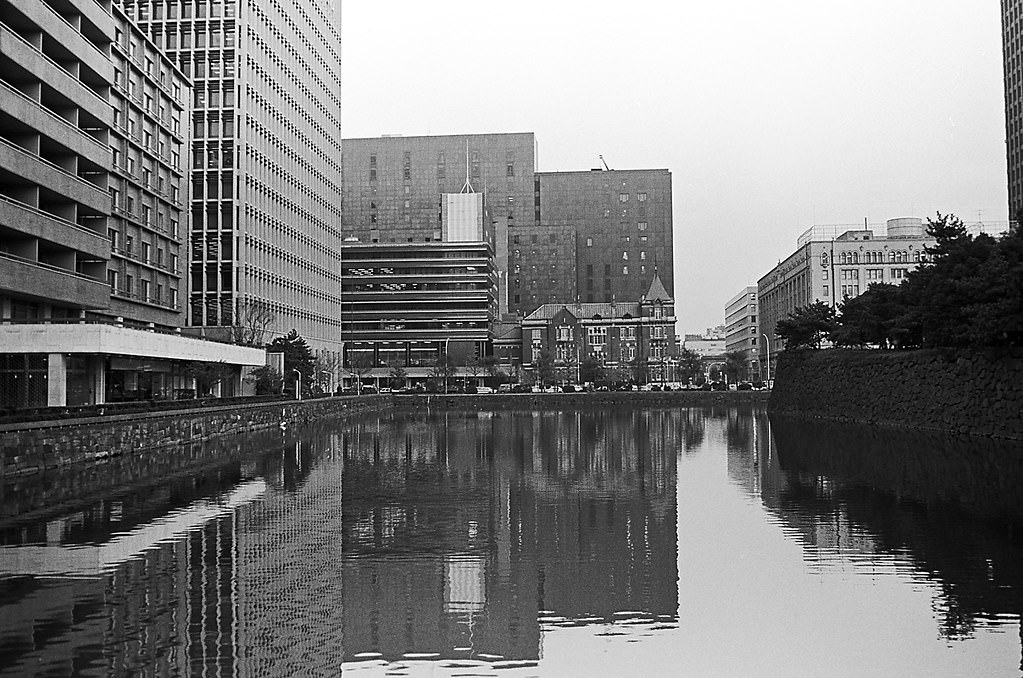
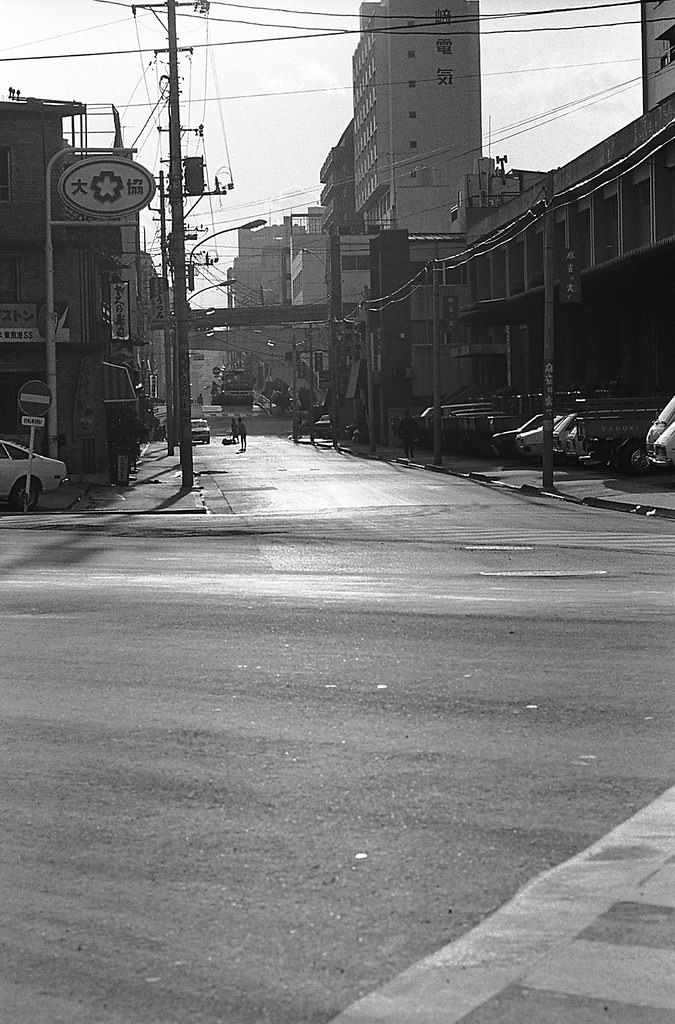
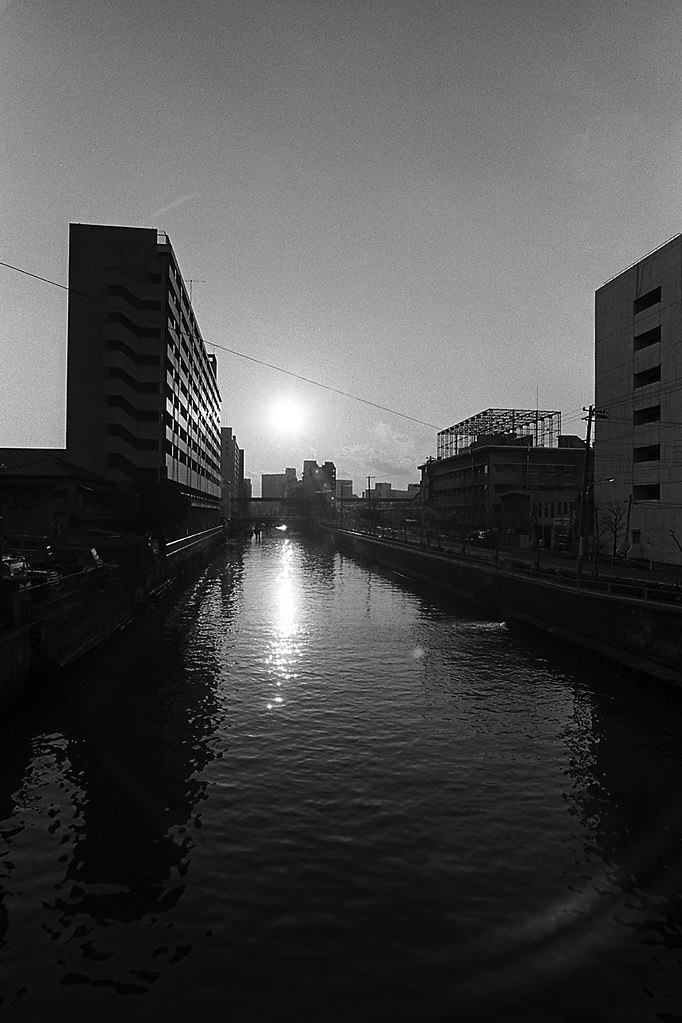
Japan in the 1980s was a country moving fast. The economy was surging, cities were expanding, and a new generation was growing up caught between ancient tradition and modern pop culture. Kyoto sat at the center of that tension. It was Japan’s cultural capital — home to hundreds of temples, shrines, and centuries of history — yet it was not immune to the forces reshaping the country around it. Tourism climbed. New hotels went up. Shopping centers appeared beside wooden machiya townhouses. The city changed, but it did not lose itself.
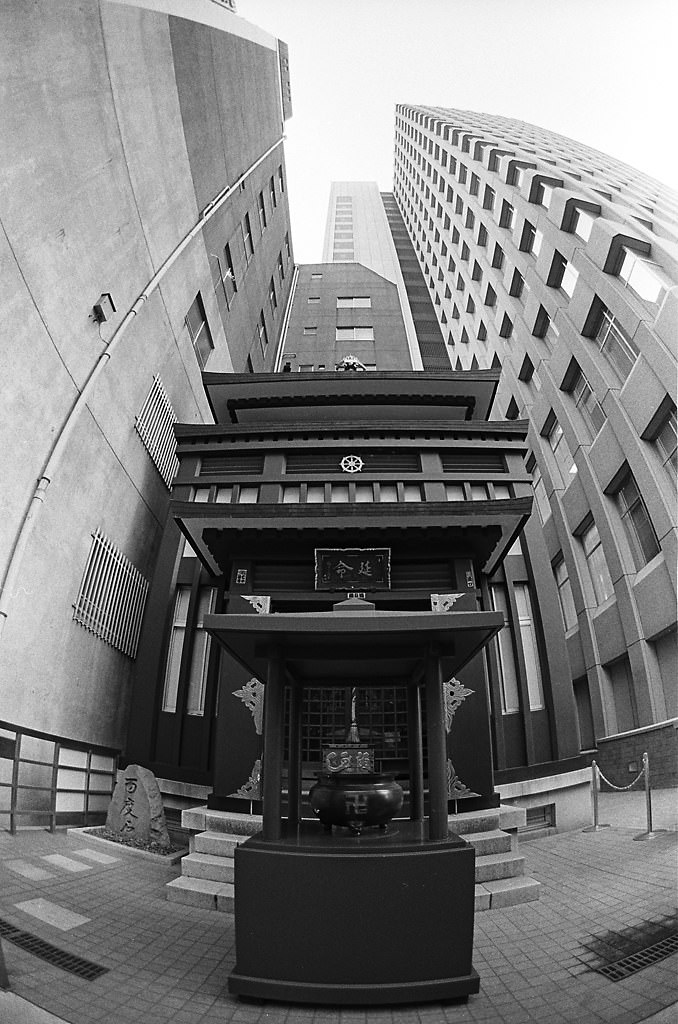
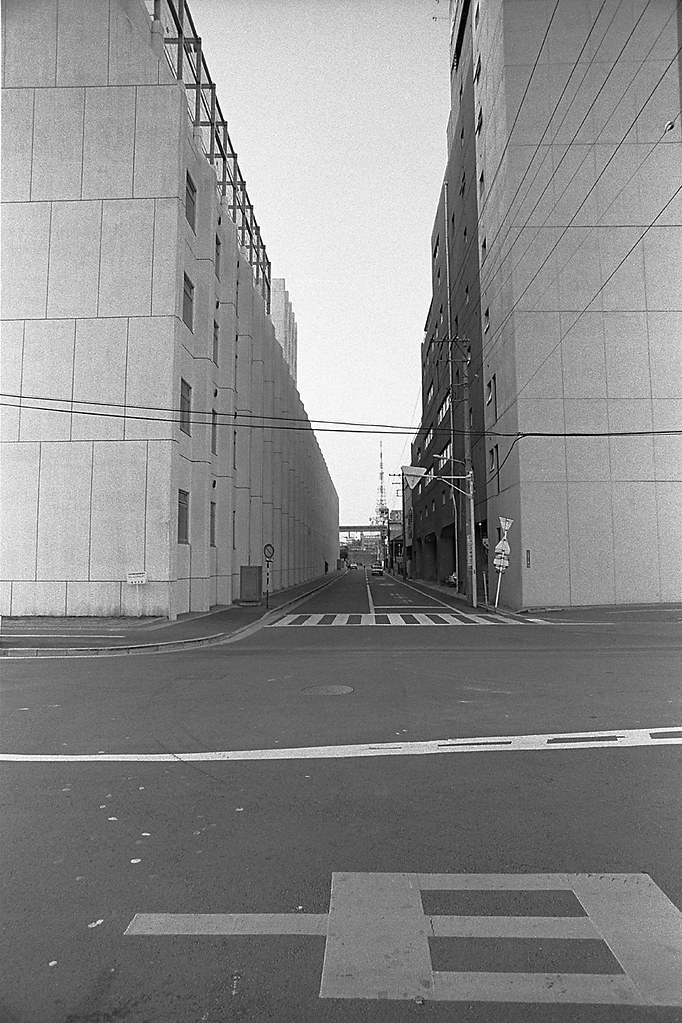
The driving force behind much of this change was Japan’s so-called “bubble economy.” Through the 1980s, land values and stock prices rose to extraordinary heights, fueled by loose credit and rampant speculation. Kyoto, like other major Japanese cities, saw real estate values spike and construction accelerate. Investors poured money into the city. Modern buildings rose alongside historic ones. The prosperity was real, but so was the pressure it placed on Kyoto’s carefully preserved streetscapes.
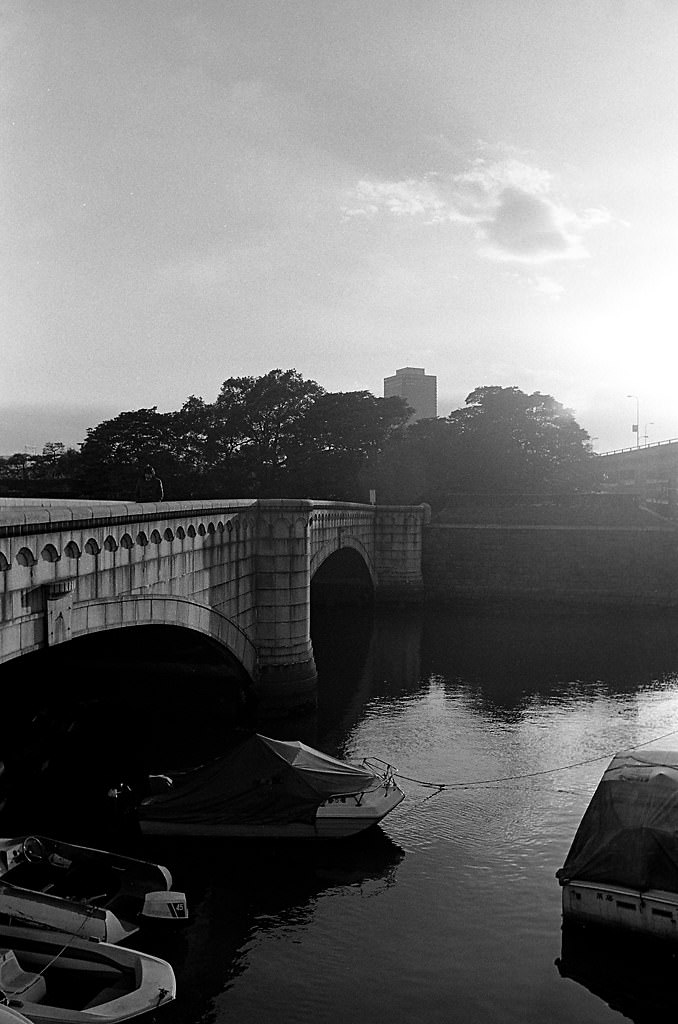
Out on Kyoto’s streets, the fashion of the era was impossible to miss. Young people wore bright, bold colors — electric pinks, royal blues, and sharp yellows. Oversized blazers, high-waisted jeans, and layered accessories were everywhere. Western pop culture had a strong pull on Japan’s youth, and Kyoto’s younger residents blended those influences with their own sense of style. A teenager might walk past a 400-year-old shrine wearing clothes that looked like they belonged on an American music video set.
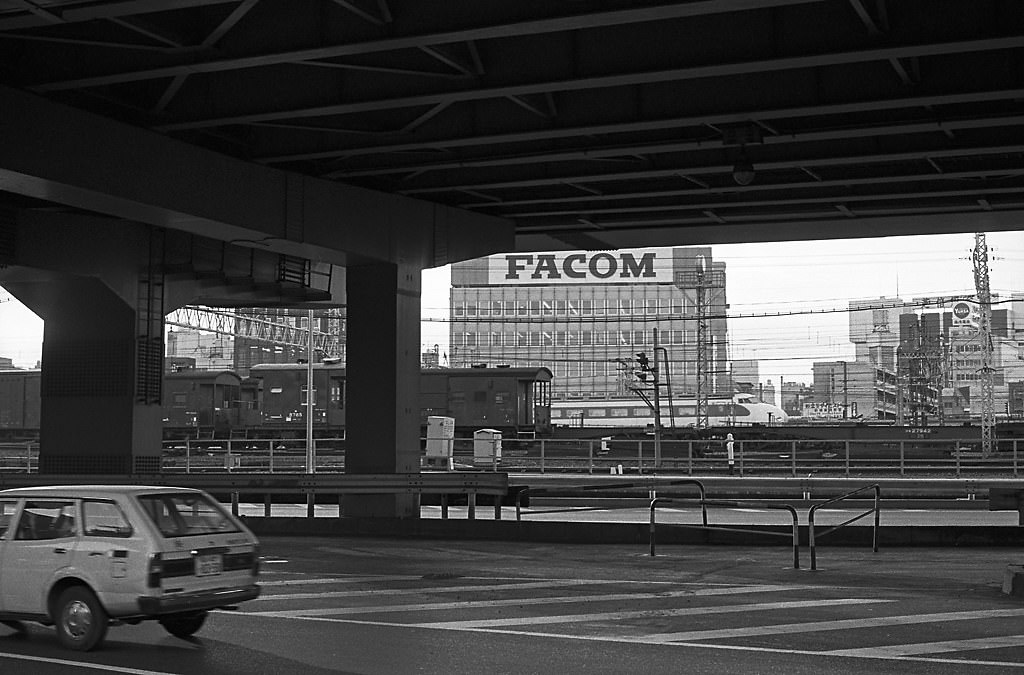
Karaoke had been invented in Japan in the 1970s, but it truly exploded in the 1980s. Kyoto embraced it fully. Karaoke bars and private parlors spread across the city’s entertainment districts. It wasn’t limited to any one age group — teenagers, office workers, and grandparents all showed up to sing. The private booth format, where small groups could rent a room by the hour, became especially popular. It turned karaoke into something social and low-pressure, which is exactly why it caught on so quickly.
Manga and anime were a major part of daily life in 1980s Kyoto. Specialty shops stocked thick volumes of serialized manga, and cinemas screened the latest animated films to packed audiences. 1984 brought Hayao Miyazaki’s “Nausicaä of the Valley of the Wind” to theaters, and it drew enormous crowds. “Akira,” released in 1988, pushed animated storytelling into darker, more complex territory and became a defining work of the decade. Fans in Kyoto followed these releases closely, and manga shops became regular gathering spots.
Even as the city modernized, its ancient festivals held firm. The Gion Matsuri, one of Japan’s most famous festivals, drew massive crowds every July. Dating back to the 9th century, it featured elaborate float processions called yamaboko junko through the city’s central streets. The Aoi Matsuri in May sent a long procession of participants dressed in Heian-era court costume from the Imperial Palace to the Kamo shrines. The Jidai Matsuri in October recreated 1,200 years of Kyoto’s history through costumed marchers representing different periods. All three remained central events in the 1980s calendar.
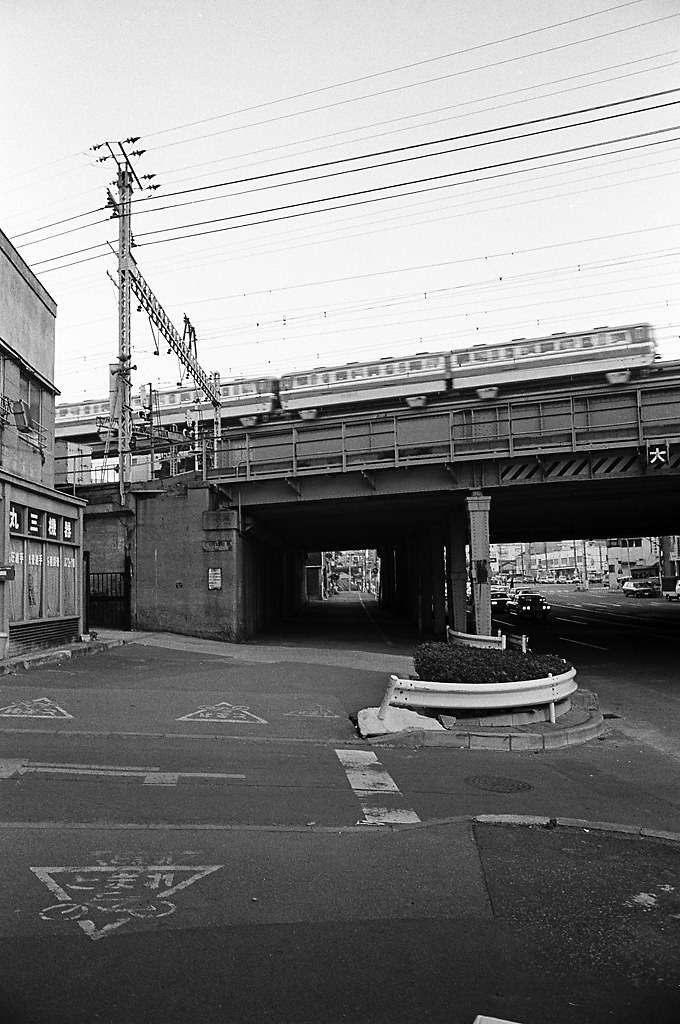
Tourism rose sharply through the decade. Foreign visitors came to see the temples of Arashiyama, the golden pavilion of Kinkaku-ji, and the thousands of torii gates at Fushimi Inari Shrine. Domestic tourists came in equal numbers, many making Kyoto a stop on longer rail journeys across Japan. The city’s ryokan — traditional Japanese inns — stayed busy year-round. New Western-style hotels also opened to meet rising demand, adding a different texture to neighborhoods that had looked largely the same for generations.
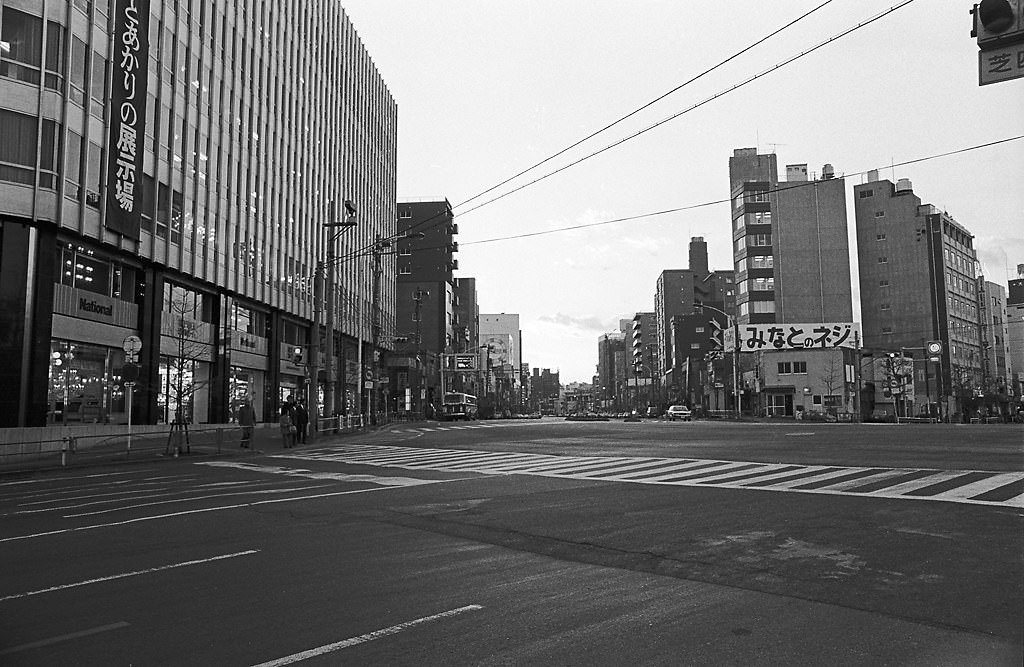
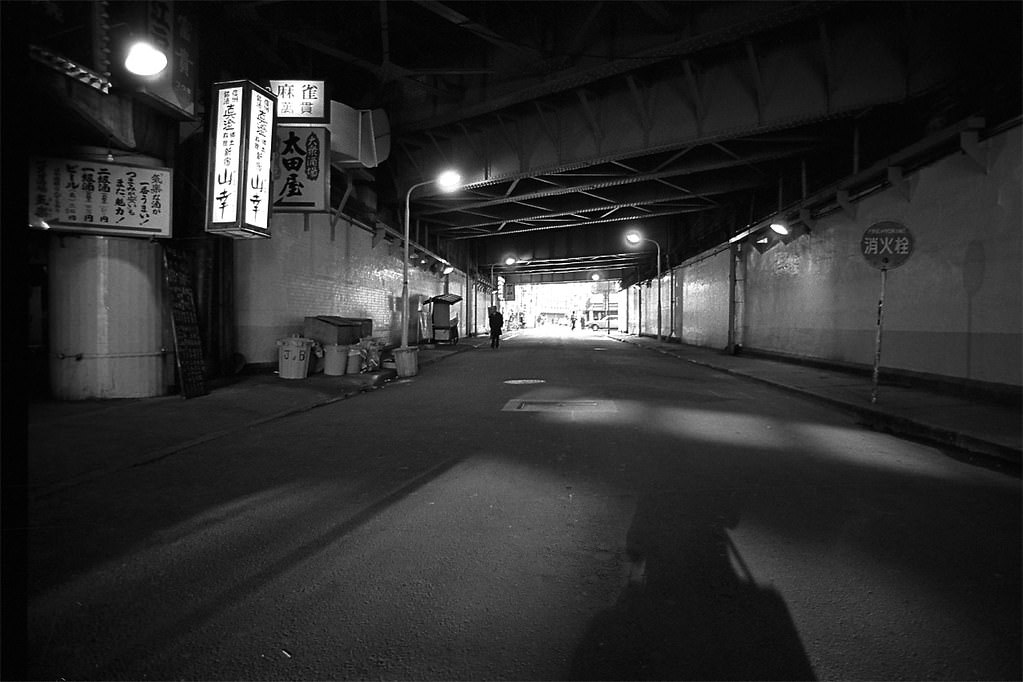
Japan National Railways — known as JNR — connected Kyoto to the rest of the country throughout the decade. The Tokaido Shinkansen line, which had been running since 1964, made Tokyo just over two and a half hours away. In 1987, JNR was privatized and broken into regional companies under the Japan Railways Group. This shift changed how rail services were managed across the country, but for most Kyoto residents, the trains kept running on time.
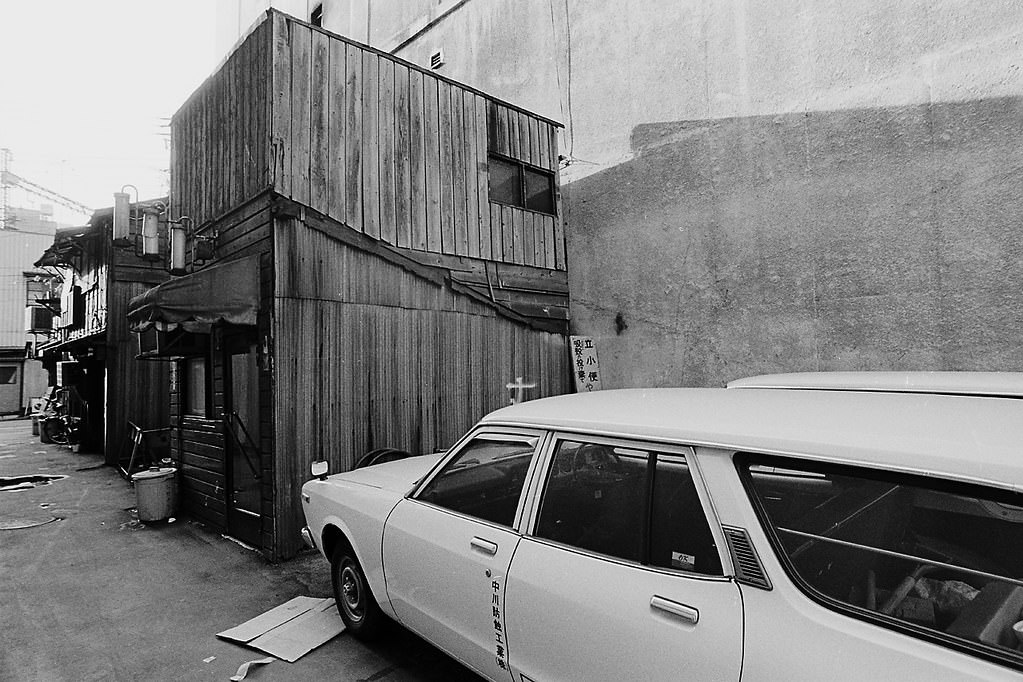
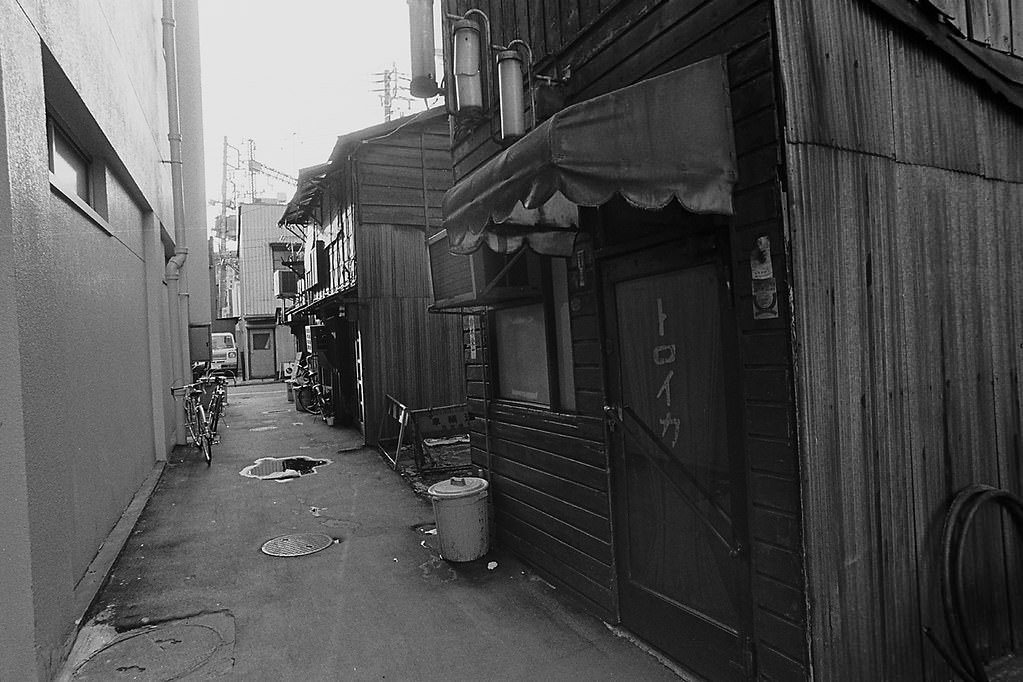
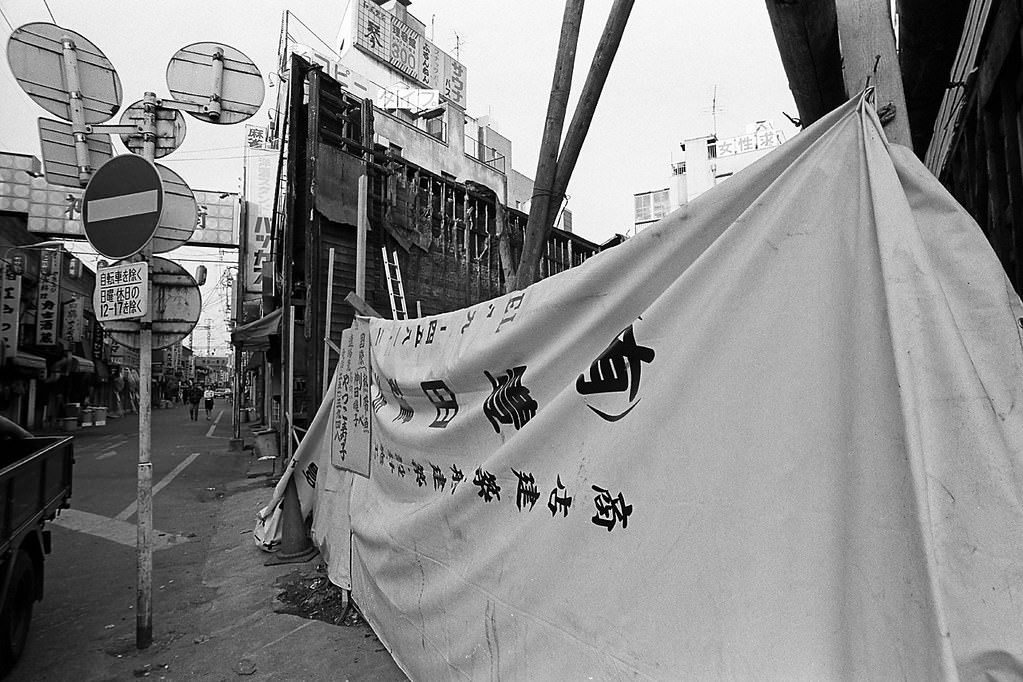
Kyoto’s food culture also reflected the decade’s blend of old and new. Traditional kaiseki restaurants, which served multi-course meals rooted in Buddhist and tea ceremony principles, continued to thrive. At the same time, fast food chains expanded rapidly. McDonald’s had entered Japan in 1971 and by the 1980s was a fixture in busy shopping districts. Convenience stores — konbini — were spreading fast too, offering everything from onigiri to hot drinks around the clock. Both coexisted without much friction.
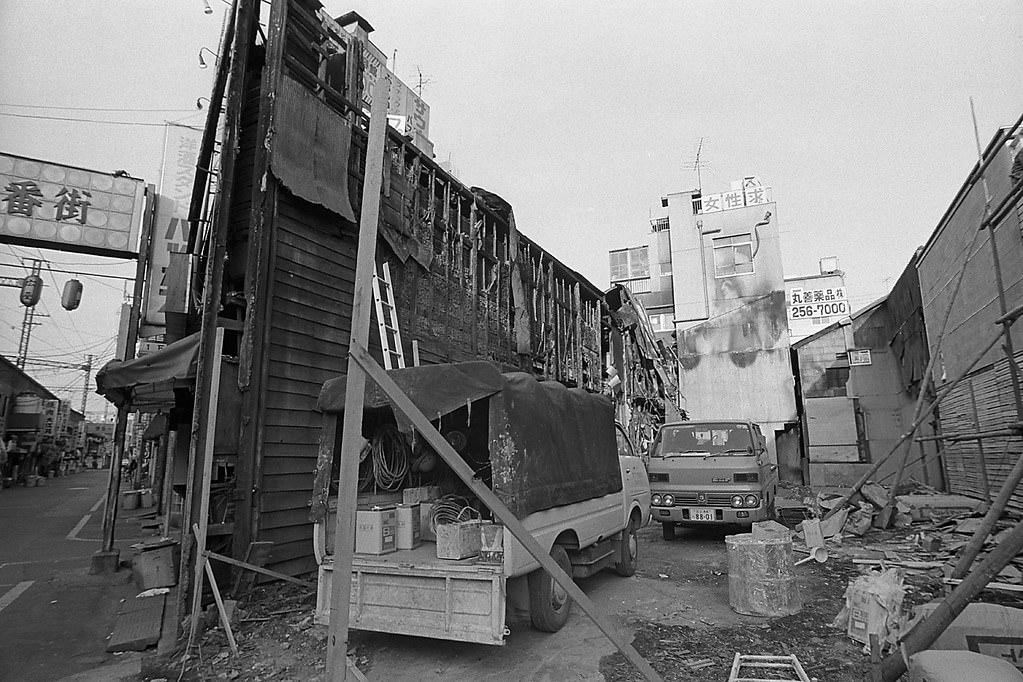
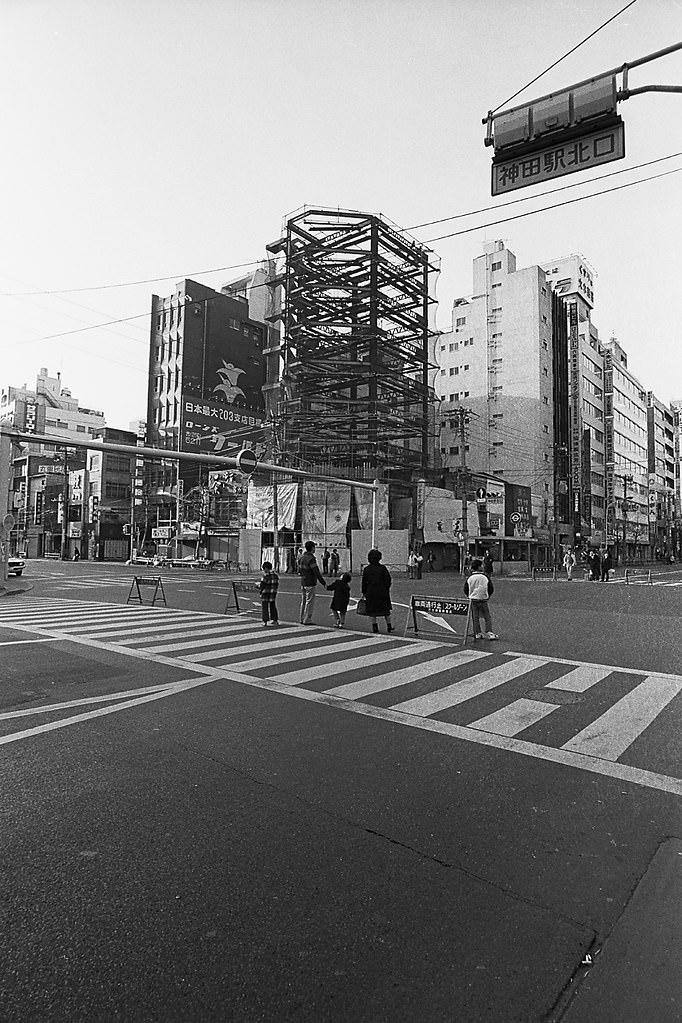
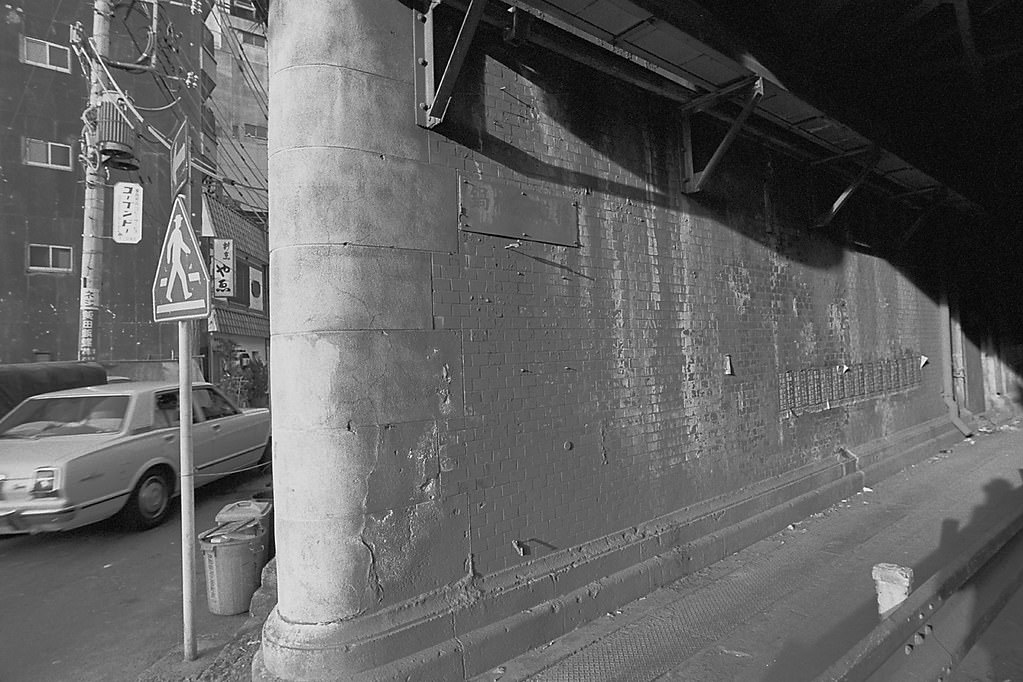
The Nishiki Market, a narrow covered shopping street running through central Kyoto, stayed a vital part of the city’s everyday life. Vendors sold fresh tofu, pickled vegetables, dried fish, and seasonal produce. Locals shopped there regularly. It had operated for centuries, and the 1980s were no different — the stalls were busy, the smells were sharp, and the narrow passage hummed with foot traffic on most days.
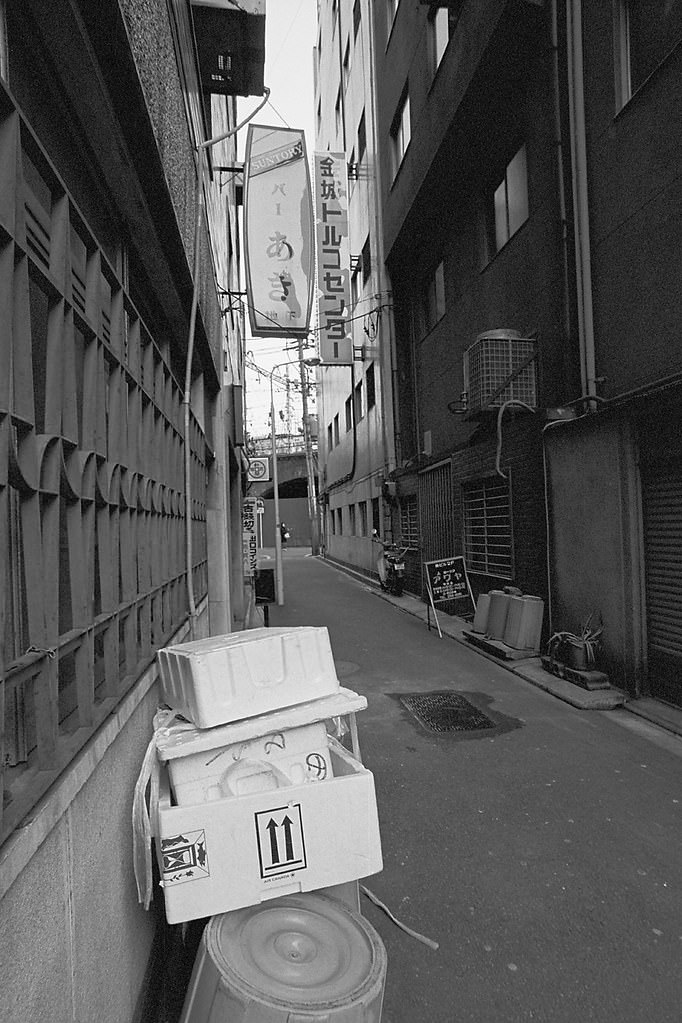
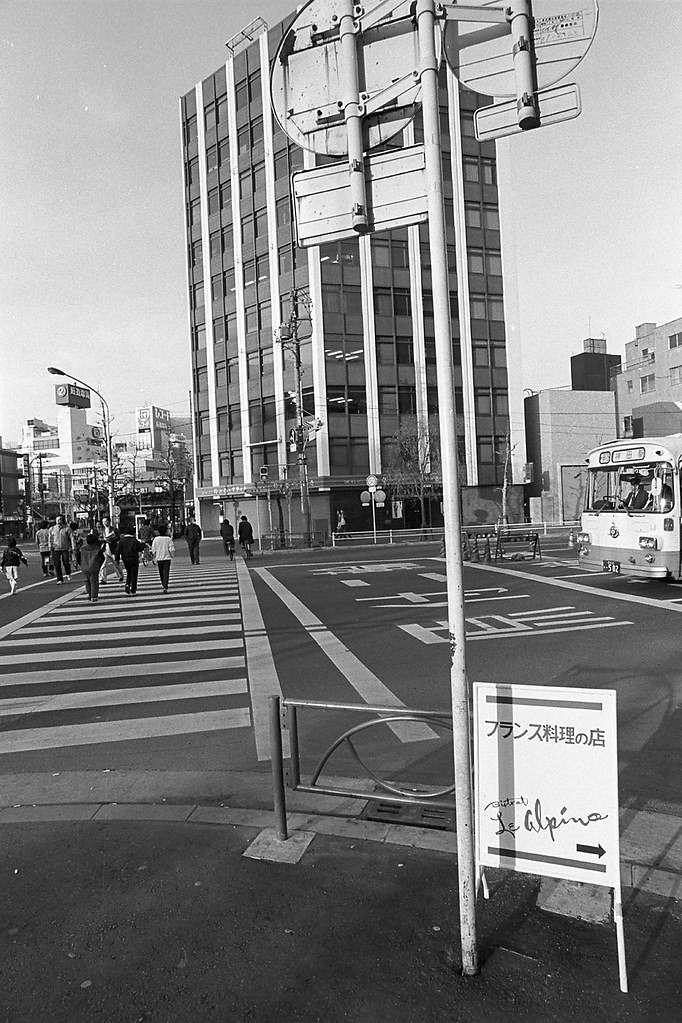
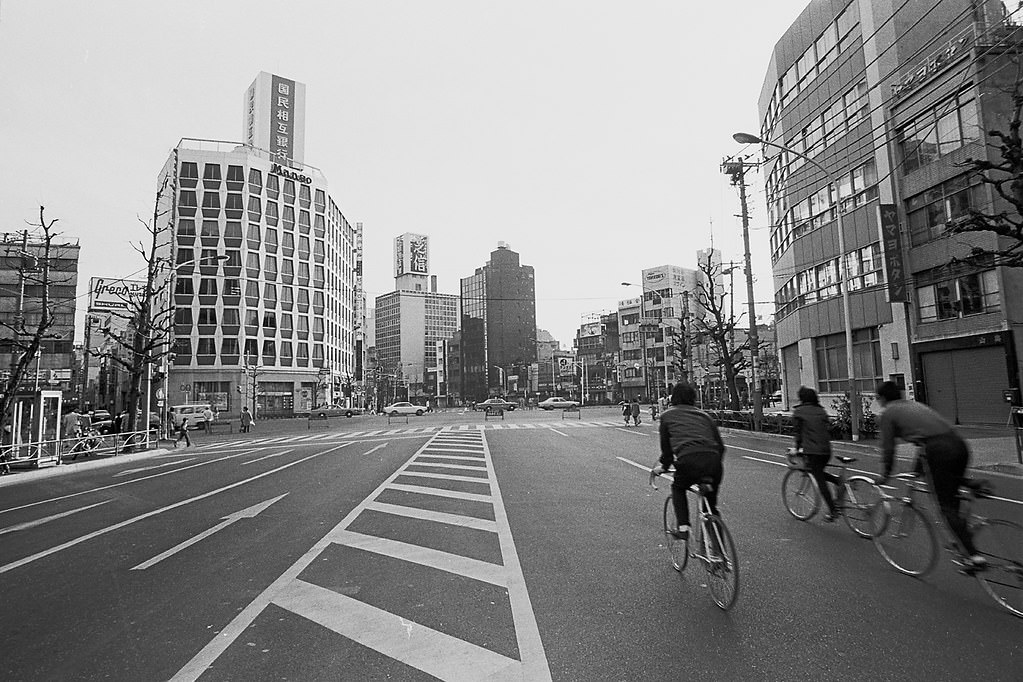
The broader economic boom of the 1980s made Kyoto a city of contrasts. Historic preservation efforts pushed back against overdevelopment in some areas, with local ordinances limiting building heights near important cultural sites. Activists and community groups worked to ensure that the rush of construction did not erase the wooden streetscapes of the Gion and Higashiyama districts. Those efforts succeeded in protecting large portions of the old city, even as modern development reshaped the areas around the train stations and major commercial corridors.
Tea ceremony culture remained alive and practiced in 1980s Kyoto, not just as a tourist attraction but as a genuine discipline. Schools of the art — including the Ura Senke and Omote Senke schools, both headquartered in Kyoto — continued teaching students the formal rituals of chado. Some students spent years mastering the precise movements, the preparation of matcha, and the etiquette of the tea room. For many in Kyoto, it was a serious pursuit tied to identity and community.
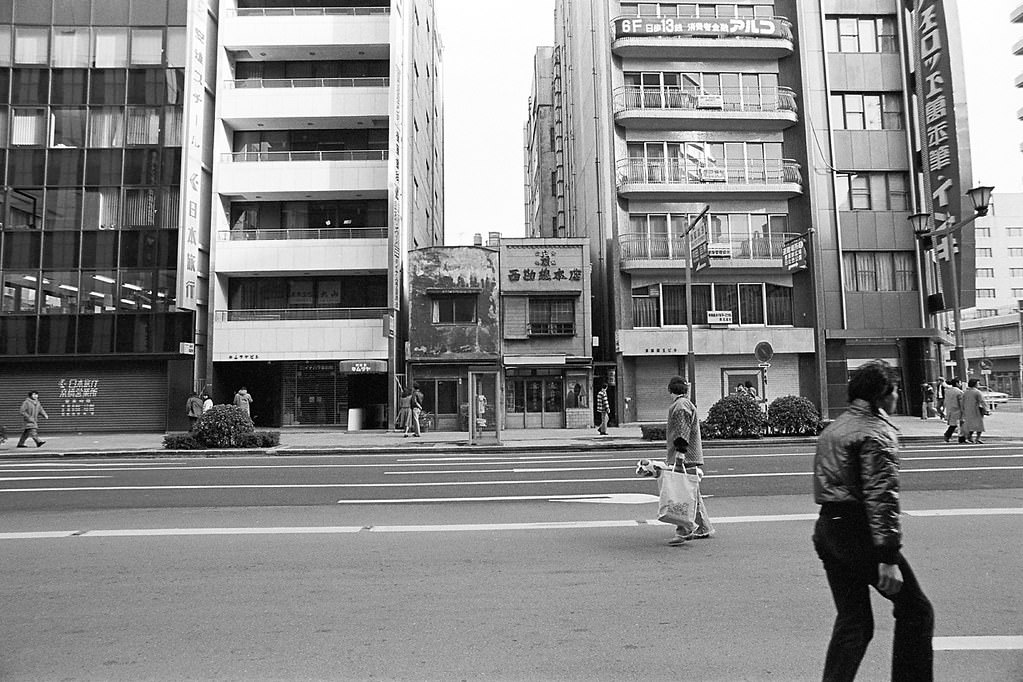
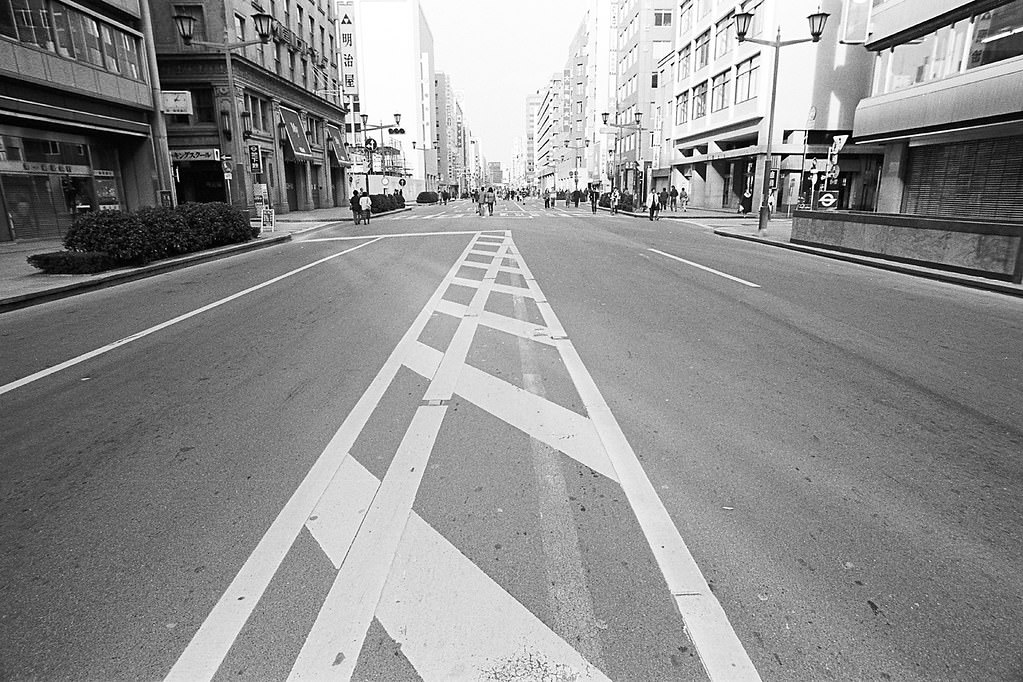
Geisha culture, centered in Kyoto’s Gion district, continued through the decade. Kyoto’s geisha are known as geiko, and their apprentices as maiko. The training system remained strict — young women entering the profession spent years learning traditional dance, music, and the art of conversation before completing their apprenticeship. Sightings of maiko in full dress, walking through the stone-paved lanes of Gion toward an evening appointment, were still a regular part of the neighborhood’s character in the 1980s.
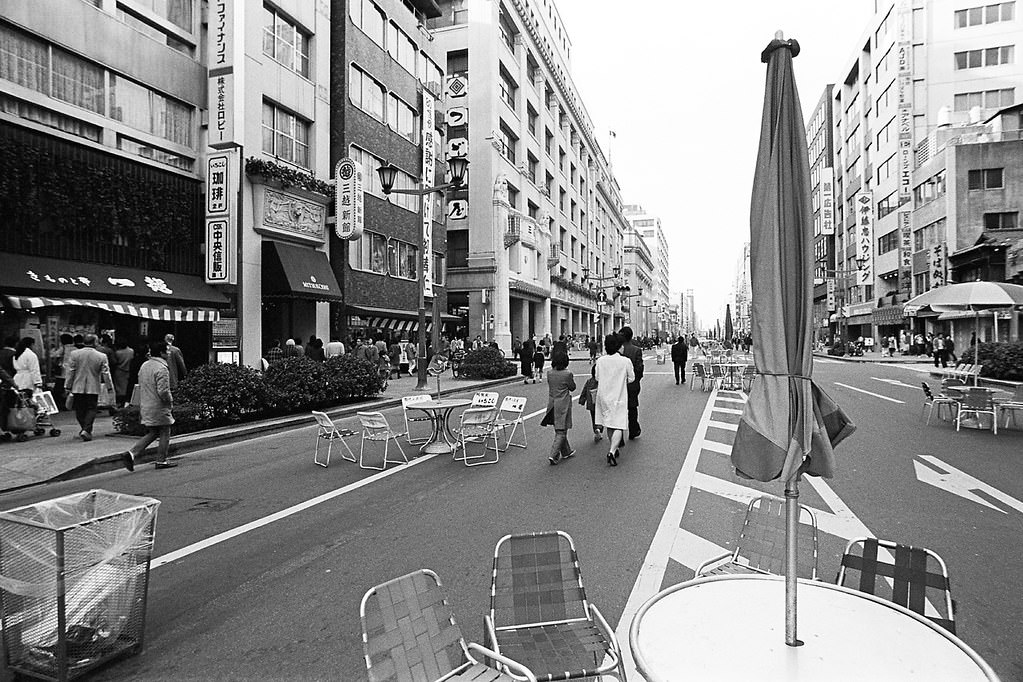
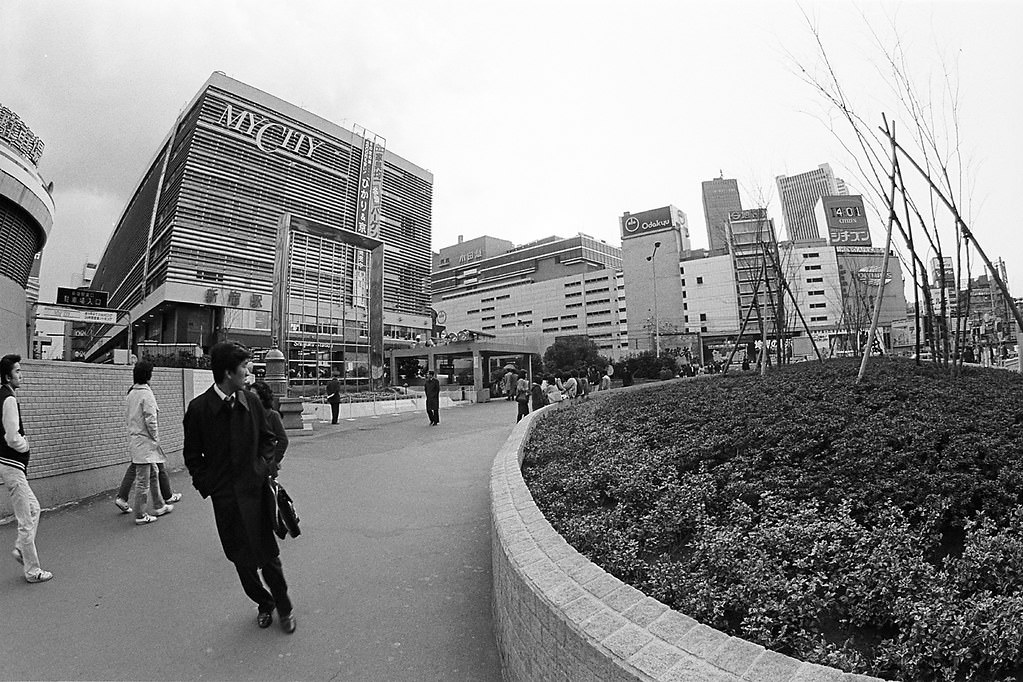
The Kyoto subway system expanded during this period. The Karasuma Line, which had opened its first section in 1981, gave the city its first rapid underground transit connection. Riders could travel from Kyoto Station north through the city center without battling street traffic. It was a practical addition for a city that still relied heavily on buses and bicycles. The new line made commuting faster and drew more people into central Kyoto’s shopping and entertainment districts.
Temples and shrines across the city continued regular operations, drawing visitors from across Japan and abroad. Kinkaku-ji, rebuilt in 1955 after a monk burned it down in 1950, gleamed over its reflection pond. Ryoan-ji’s famous rock garden drew quiet crowds. Kiyomizu-dera, perched on wooden stilts above the eastern hills, offered one of the city’s most recognized views. Entry fees were low, and many sites remained open from early morning. For residents, these places were not just tourist draws — many visited regularly as part of seasonal rituals and personal devotion.
The Arashiyama district on Kyoto’s western edge remained a popular escape from the city’s busier center. The bamboo groves, the Oi River, and the mountain backdrop made it a destination for day trips. Rental boats on the river were a common sight on weekends. Togetsukyo Bridge, spanning the river at Arashiyama, appeared in countless photographs taken by tourists and locals alike. The area’s teahouses and small restaurants stayed busy through every season.
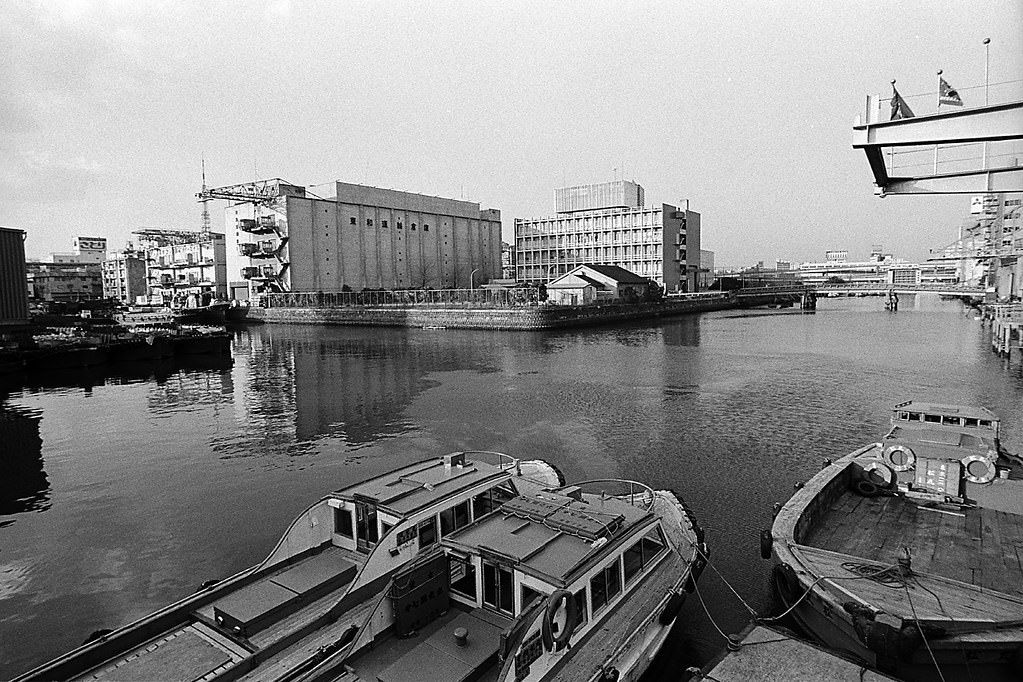
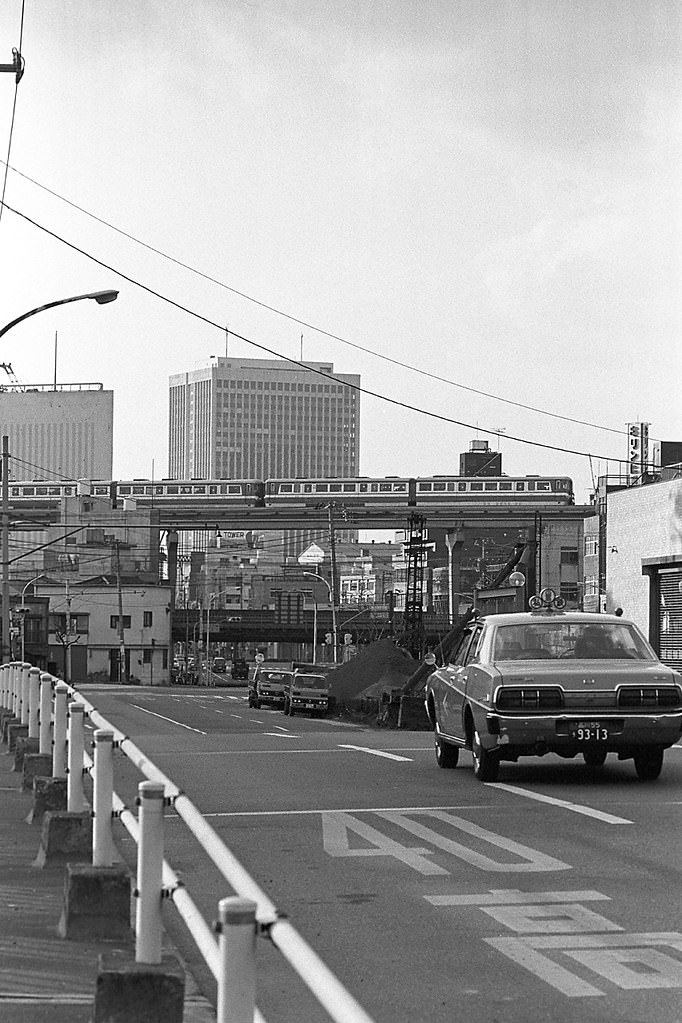
Music from abroad moved through Kyoto’s record shops and radio stations. American and British pop and rock acts dominated much of the commercial airwaves, but Japanese artists were strong forces in their own right. City pop — a genre blending funk, R&B, and soft rock — became one of the defining sounds of 1980s Japan. Artists like Tatsuro Yamashita and Mariya Takeuchi produced records that fit perfectly with the decade’s mood of urban optimism and economic confidence. Record stores in Kyoto stocked both imported albums and the latest Japanese releases.
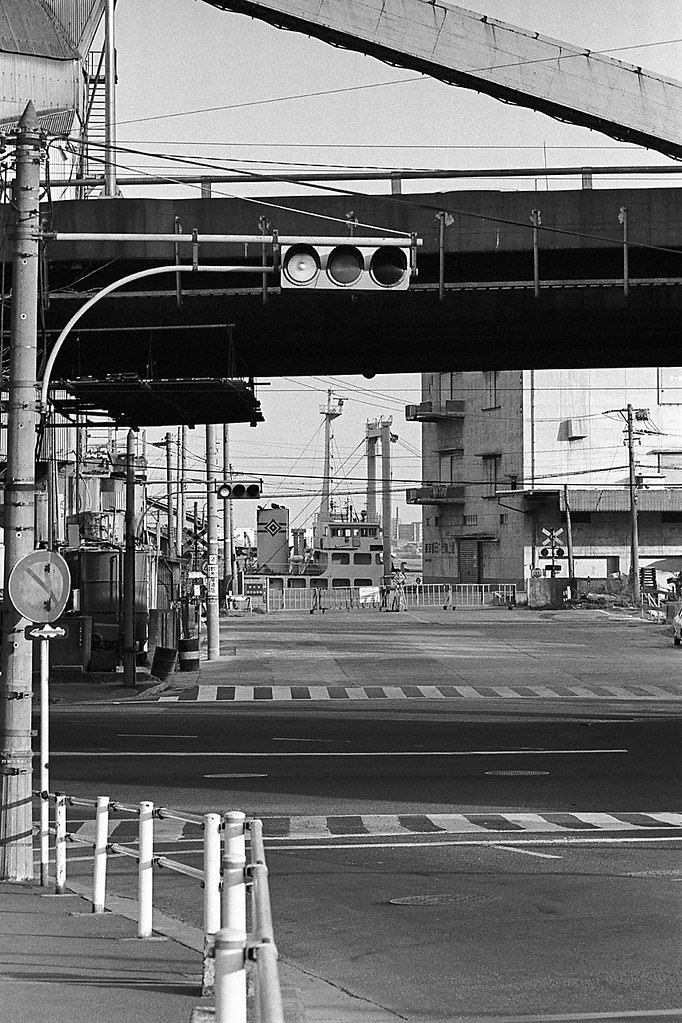
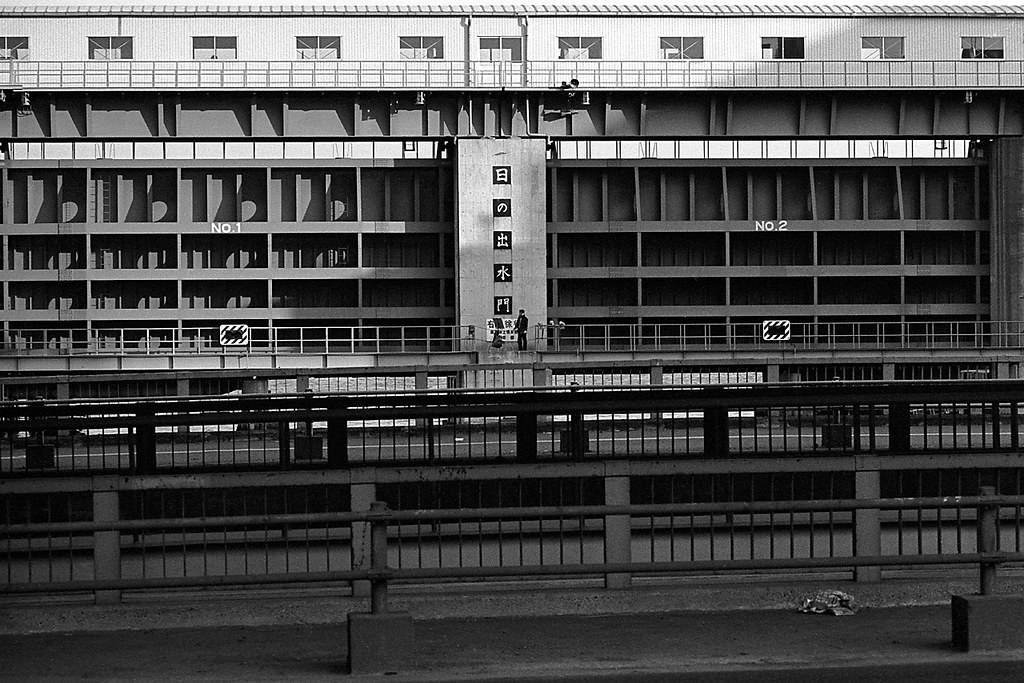
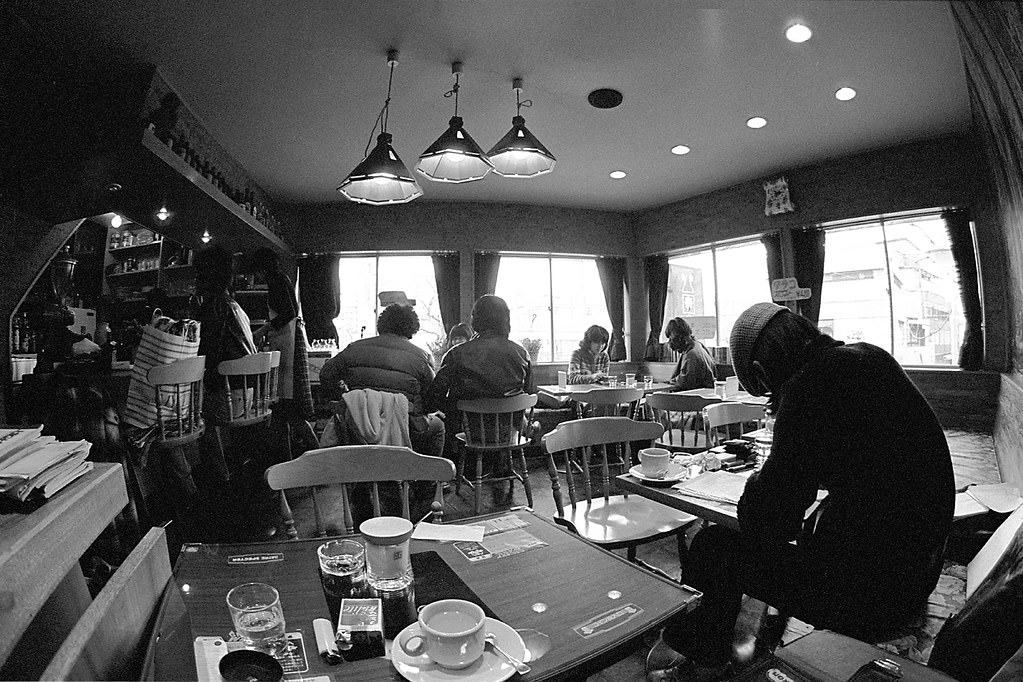
Kyoto’s university population kept the city intellectually active. Kyoto University, one of Japan’s most prestigious research institutions, sat in the Yoshida neighborhood and attracted top students from across the country. Doshisha University, Ritsumeikan, and other institutions added to the city’s academic character. Student neighborhoods were full of cheap ramen shops, used bookstores, and coffee houses where discussions ran long into the evening. The student presence gave certain parts of the city a distinctly different energy from the tourist-heavy historic districts.
Traditional crafts continued to be produced in workshops scattered across Kyoto. The city had long been a center for Nishijin-ori — a highly technical form of woven silk textile used in kimono and obi. Artisans in the Nishijin neighborhood still operated handlooms in the 1980s, though mechanized production was becoming more common. Kyo-yaki and Kiyomizu-yaki ceramics, lacquerware, and hand-painted fans were still made by craftspeople who had trained for years. These crafts fed both the domestic market and a growing appetite for Japanese goods abroad.
Autumn in Kyoto drew some of the heaviest crowds of the year. The city’s maple trees turned deep red and orange from mid-November, and the foliage around Eikan-do, Tofuku-ji, and Arashiyama drew visitors who came specifically for the momiji — the autumn leaves. Nighttime illumination events at select temples had begun appearing during this period, lighting up the grounds after dark and extending the viewing hours. The combination of ancient architecture and autumn color made Kyoto one of the most photographed places in Japan each November.
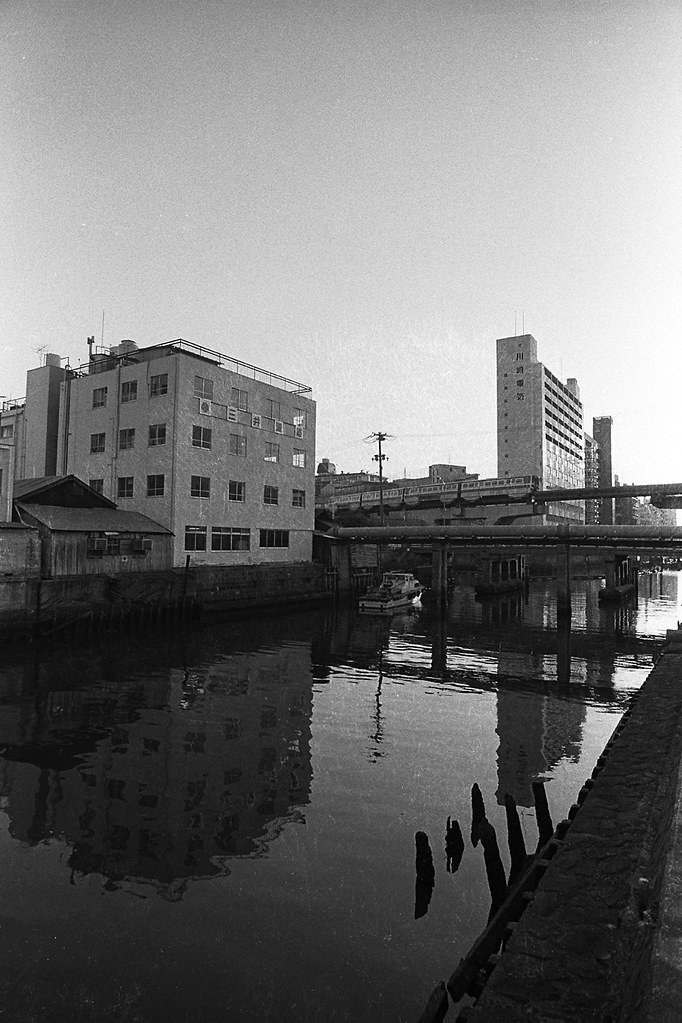
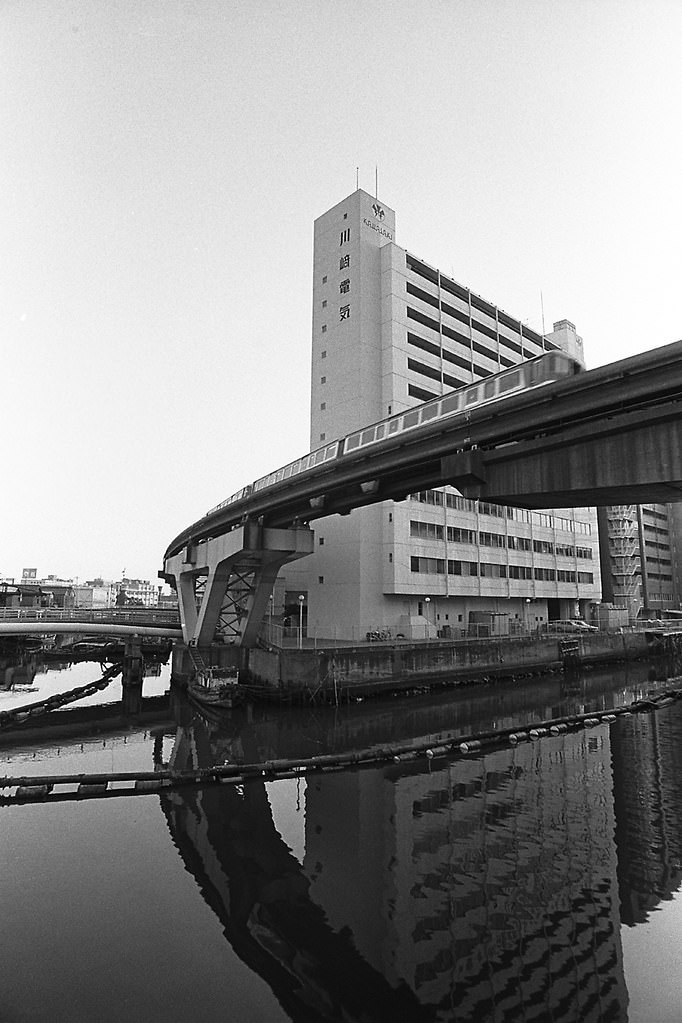
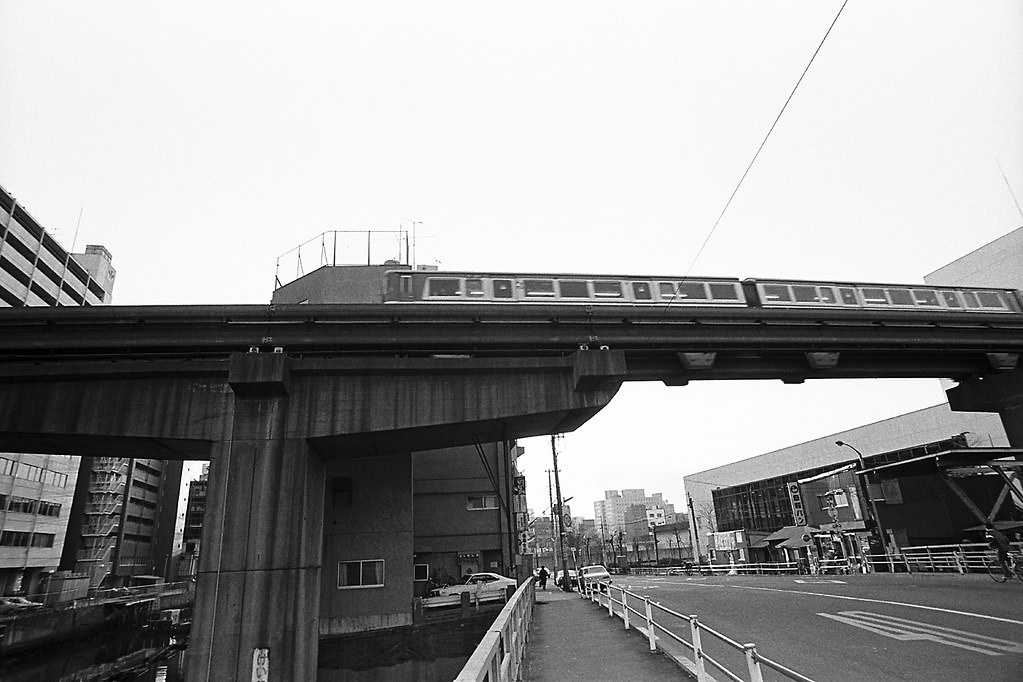
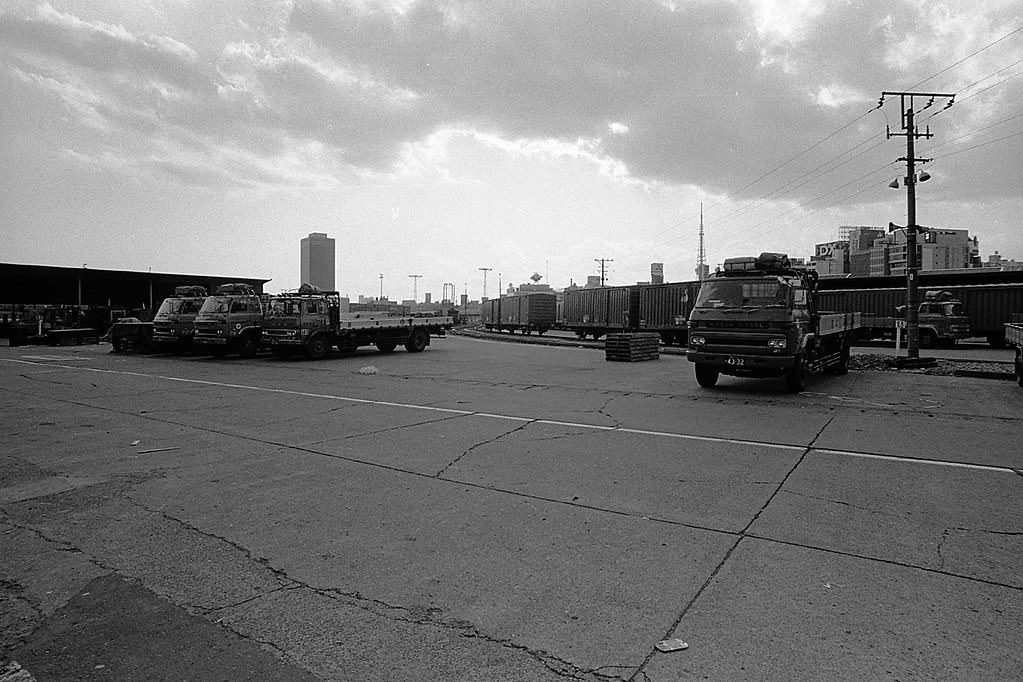
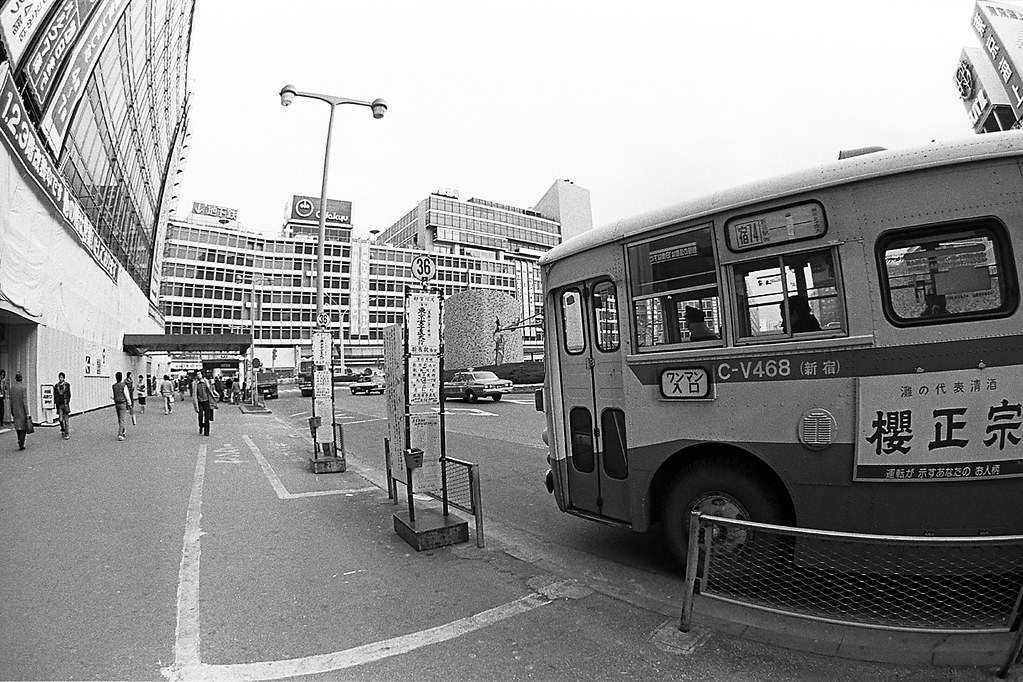
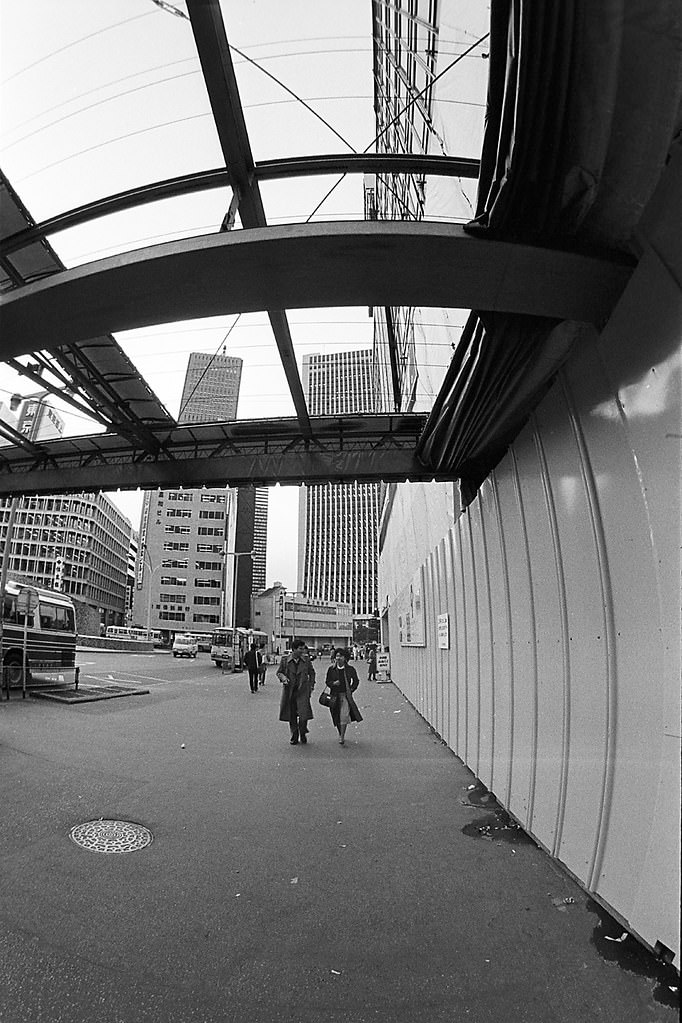
Kyoto Station, the city’s main transit hub, was still running on the older 1952 building throughout the 1980s. The new landmark station that stands today wasn’t completed until 1997. In the meantime, the older structure handled a steady and growing flow of shinkansen passengers, local commuters, and tourists. The area around the station was one of the city’s most commercially active zones, with department stores, restaurants, and taxi ranks crowding the surrounding streets.
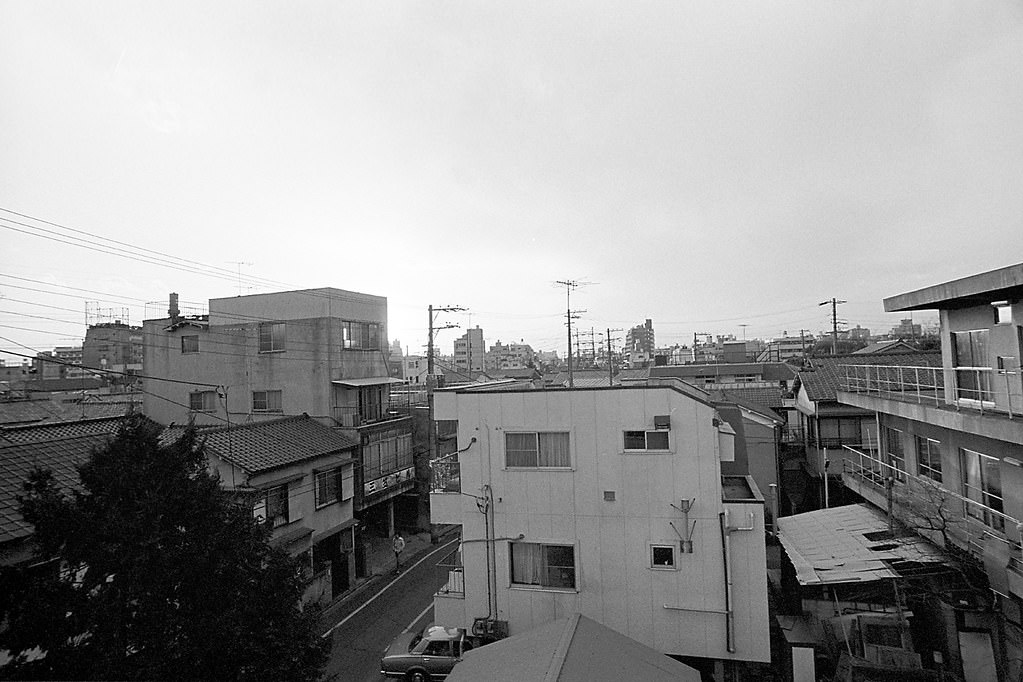
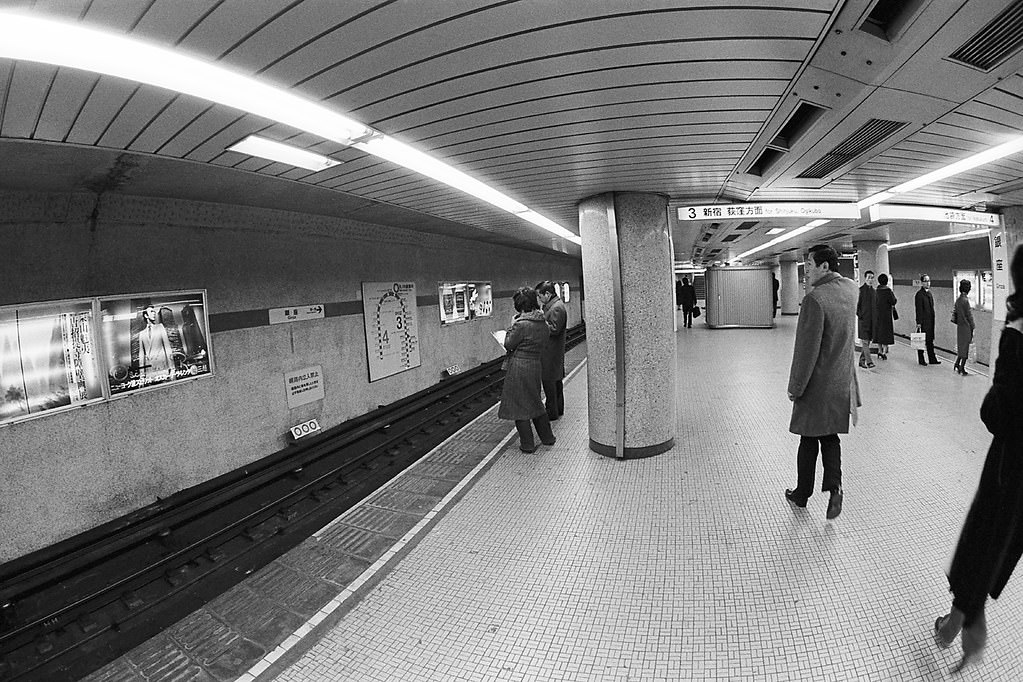
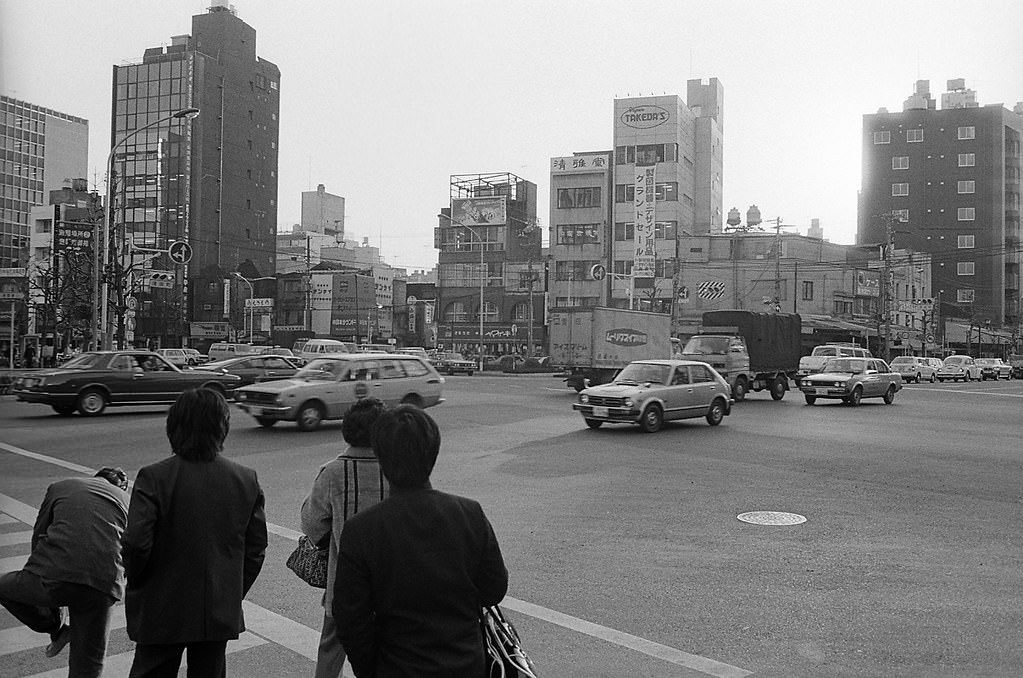
The broader culture of the decade — the consumerism, the brand consciousness, the confidence of a booming economy — was visible in Kyoto just as it was across Japan. Department stores in central Kyoto stocked international brands alongside domestic ones. Young professionals spent freely on fashion, electronics, and leisure. The Walkman, released by Sony in 1979, was a constant presence by the early 1980s, with people listening to cassette tapes on their commutes and in parks. Personal technology was changing daily habits faster than at any previous point in the city’s history.
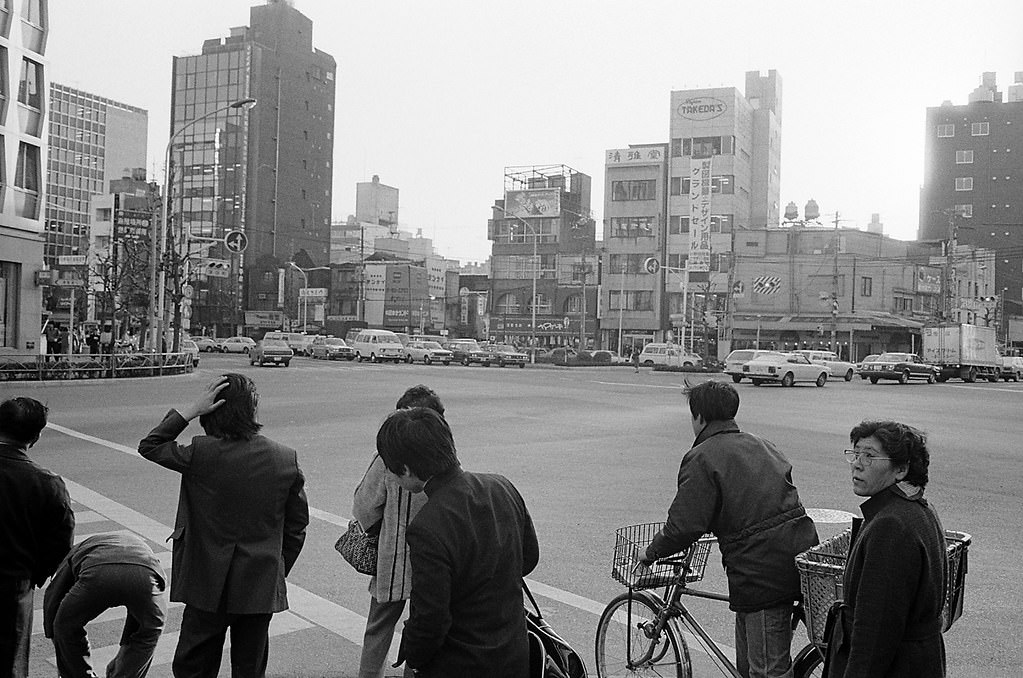
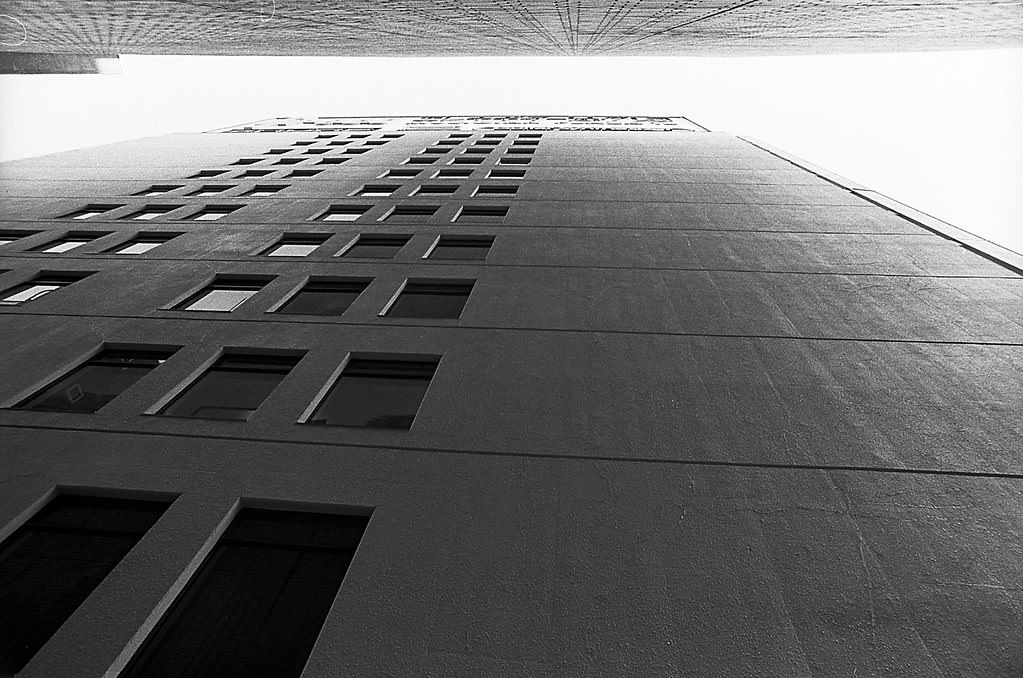
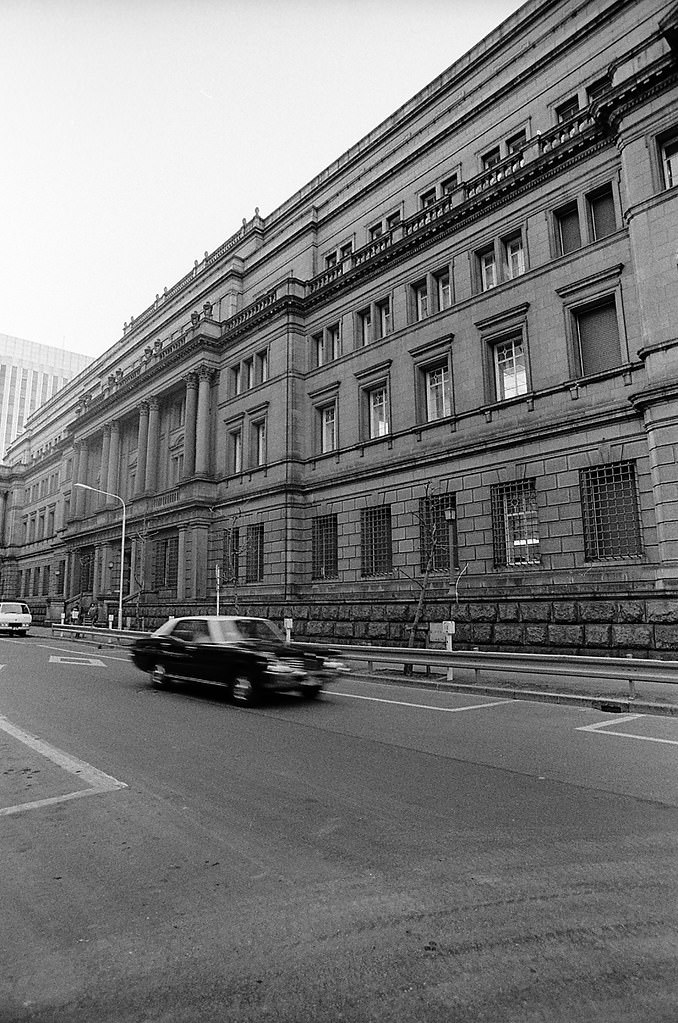
Despite all the change, the rhythms of old Kyoto persisted. Monks rose early at dawn in temples scattered across the hills. The smell of incense drifted through narrow alleys. Neighbors exchanged gifts for Obon and New Year as they always had. The city’s deep-rooted cultural calendar — built around seasons, festivals, and religious observance — gave Kyoto a sense of continuity that the bubble economy could accelerate but not erase.