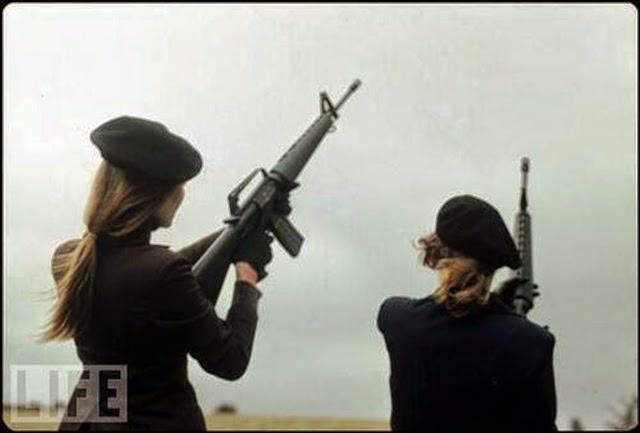
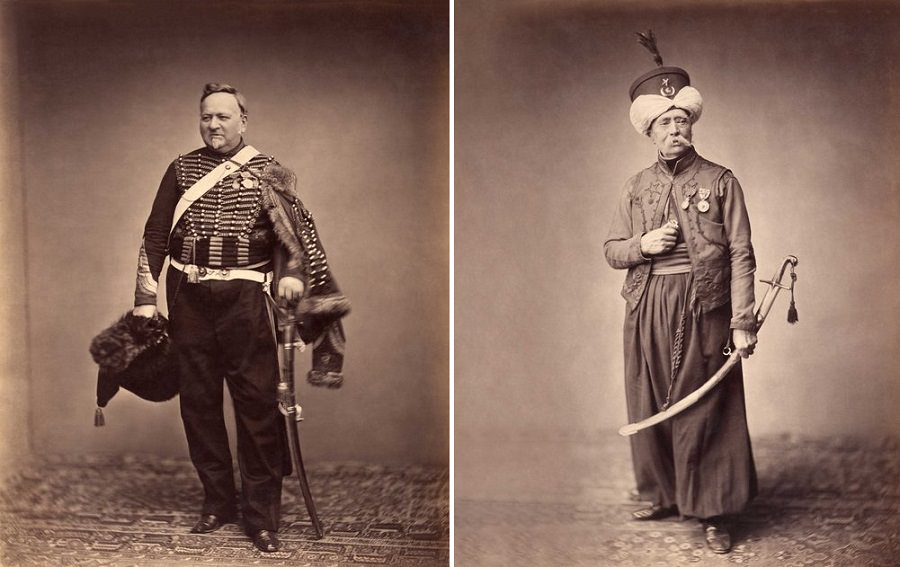
The history of the Troubles is usually told through a masculine lens—masked men, street battles, and male leaders. But the 1970s brought a sharp shift. For the first time, women moved from support roles in the Provisional IRA (PIRA) into front-line positions as snipers, bombers, and unit commanders.
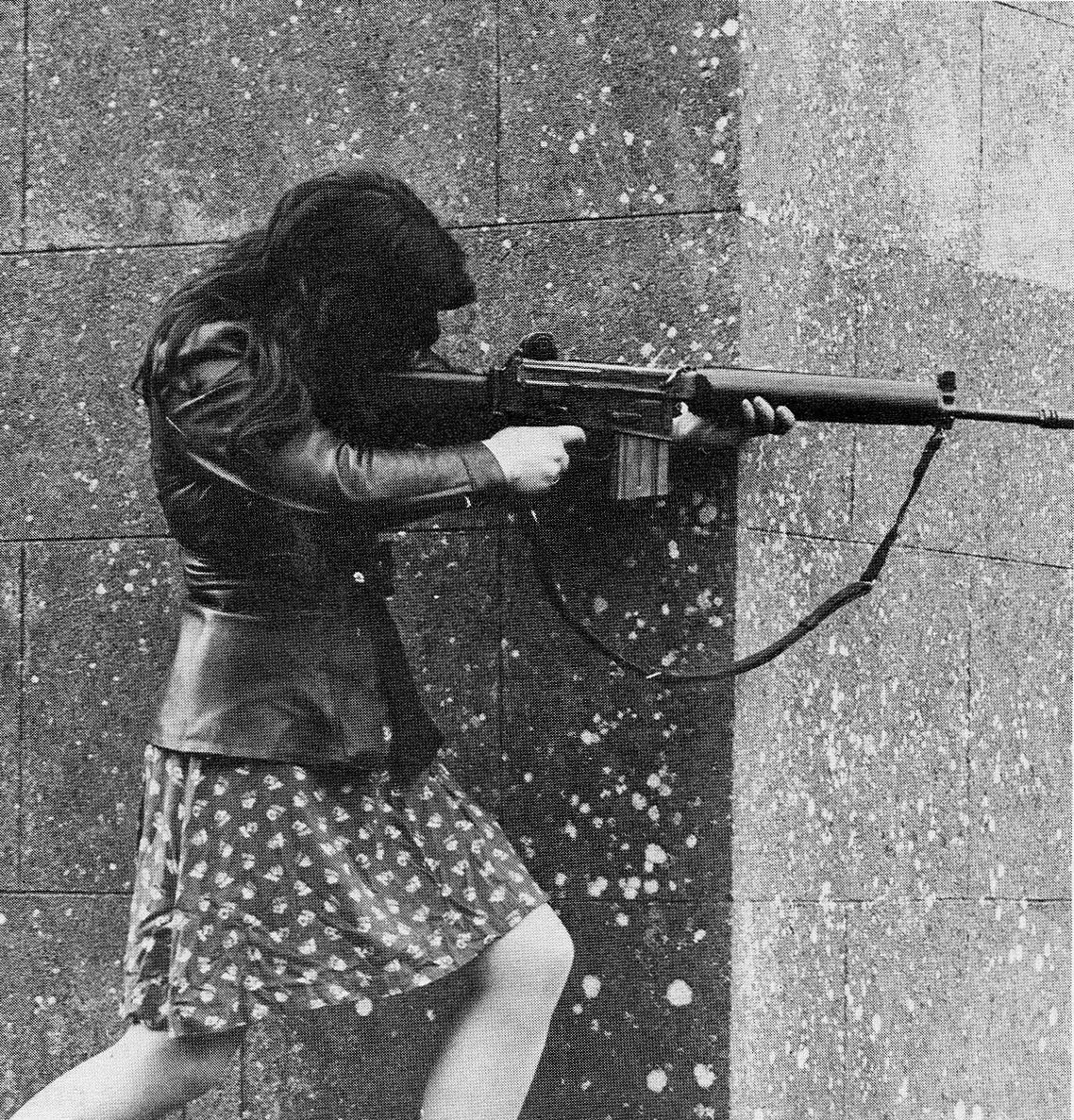
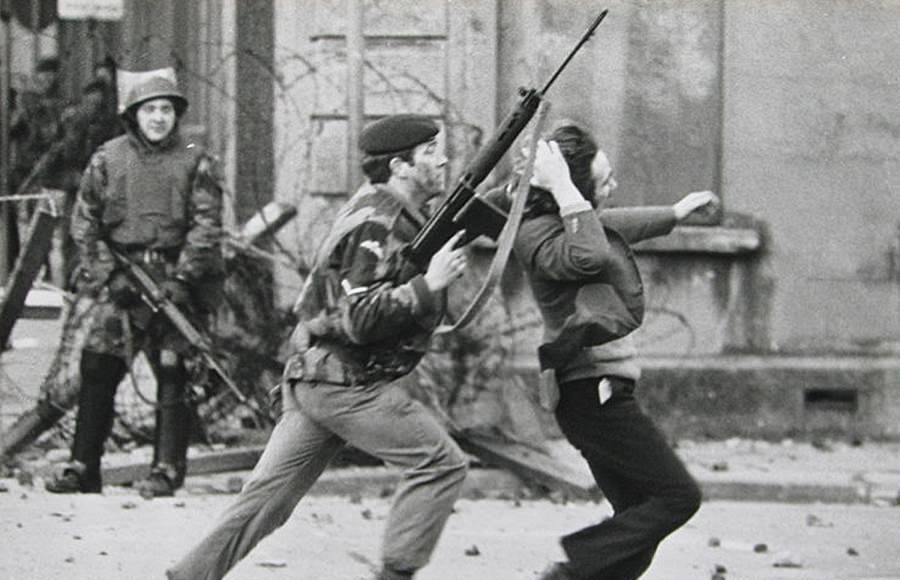
Before 1972, most republican women operated within Cumann na mBan, the historic women’s paramilitary group. Their roles were traditional: scouting, hiding weapons under prams, and sheltering men on the run. After Bloody Sunday, the younger generation rejected those limits. They demanded full membership in the PIRA. By 1973, the leadership agreed—partly because female volunteers were less likely to be stopped and searched by British soldiers.
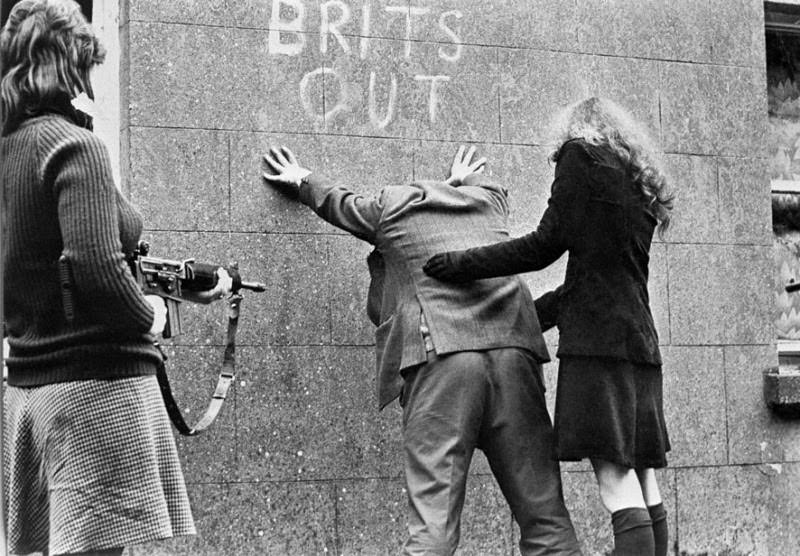
Female recruits trained under the same conditions as men. In the hills of Donegal and the border counties, they learned to strip an Armalite rifle, build improvised explosive devices, and resist interrogation. The PIRA’s training manual, the “Green Book,” made no distinction between male and female volunteers. Most of these women were not driven by political theory. They had watched their fathers interned without trial, their homes raided, and their neighbors shot. As one female volunteer stated plainly, “A bullet doesn’t care who pulls the trigger.”
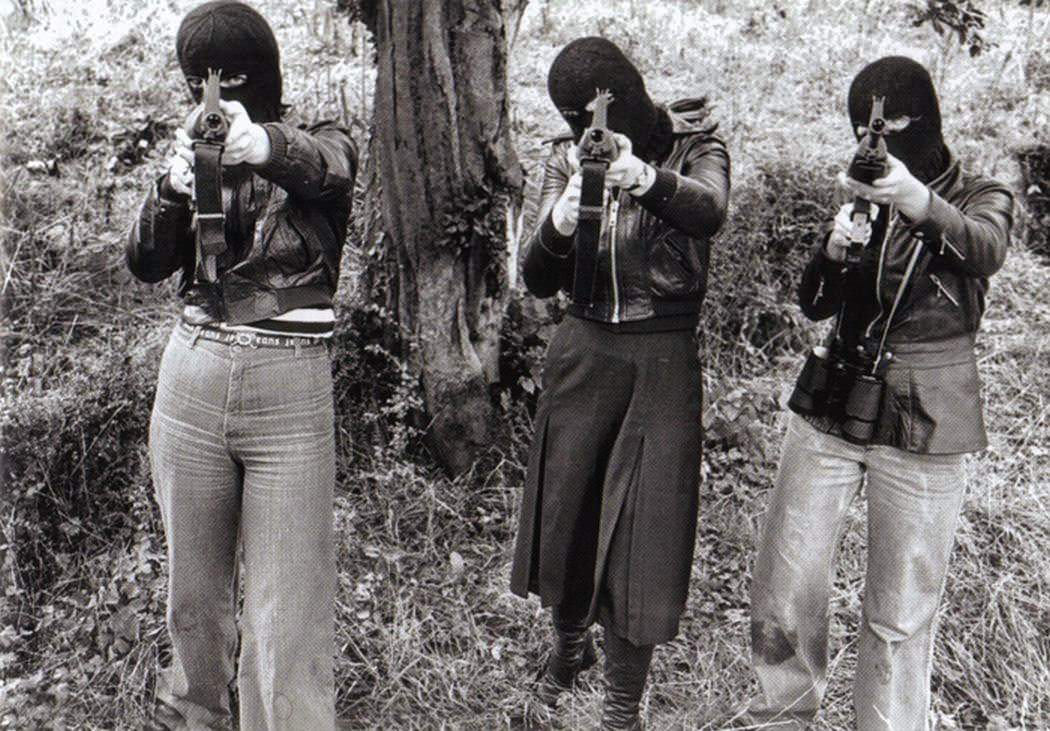
Several women became prominent figures during this period. Sisters Dolours and Marian Price, raised in a republican family in Belfast, were part of the first PIRA active service unit sent to attack the British mainland. In 1973, they took part in the bombing of the Old Bailey in London. After their arrest, they launched a 200-day hunger strike demanding transfer to a prison in Northern Ireland. British authorities force-fed them throughout.
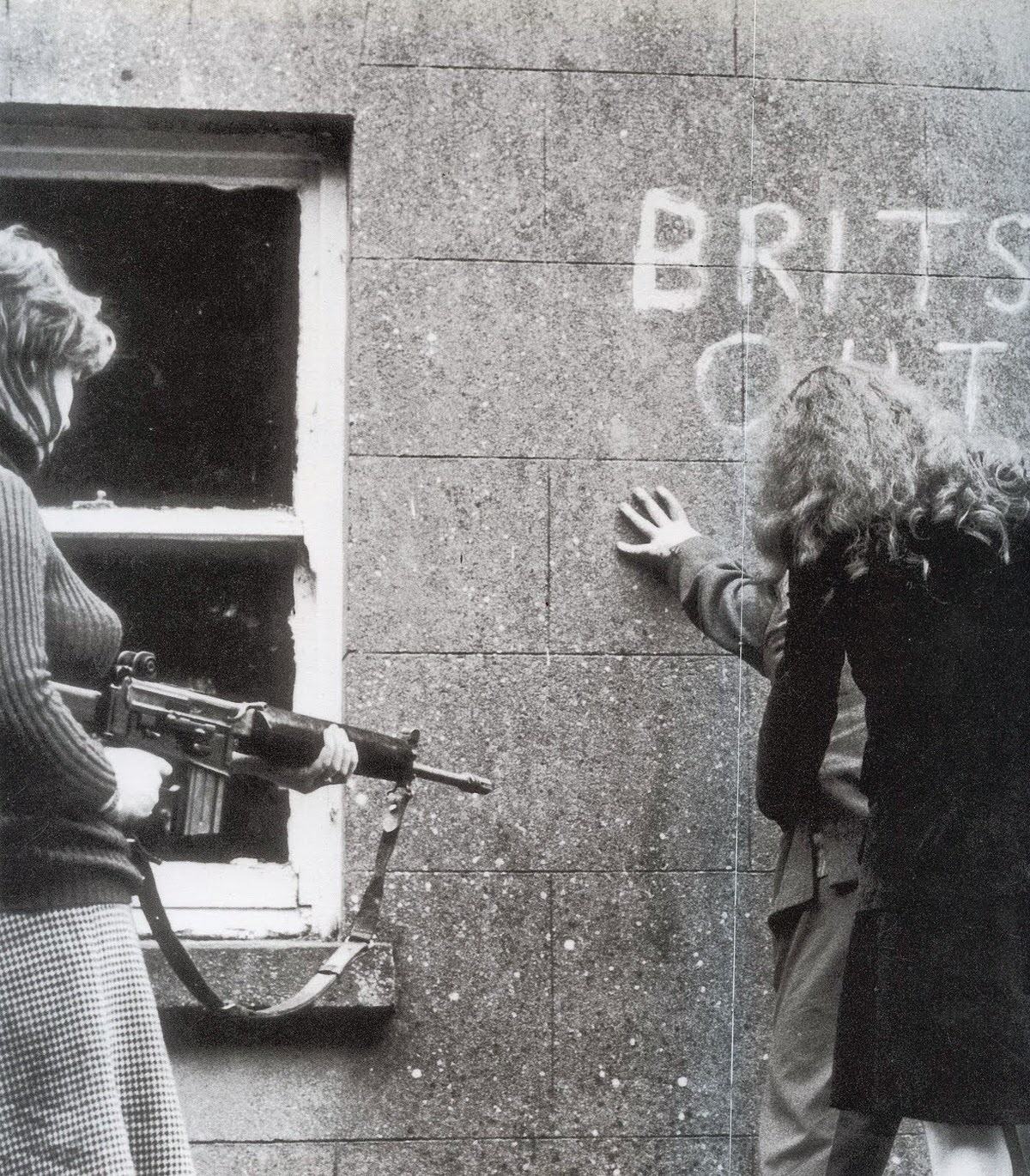
Rose Dugdale brought a different profile to the conflict. An English heiress with a PhD in Economics, she joined the IRA after radicalizing in London. In 1974, she participated in a helicopter bombing of a police station in Strabane and the theft of nearly $20 million worth of paintings from Russborough House in County Wicklow. Máiréad Farrell’s story began in the 1970s as well. Arrested in 1976 for attempting to bomb a hotel, she refused to wear a prison uniform in Armagh Gaol, triggering the “clean protest” and later the “no-wash protest.”
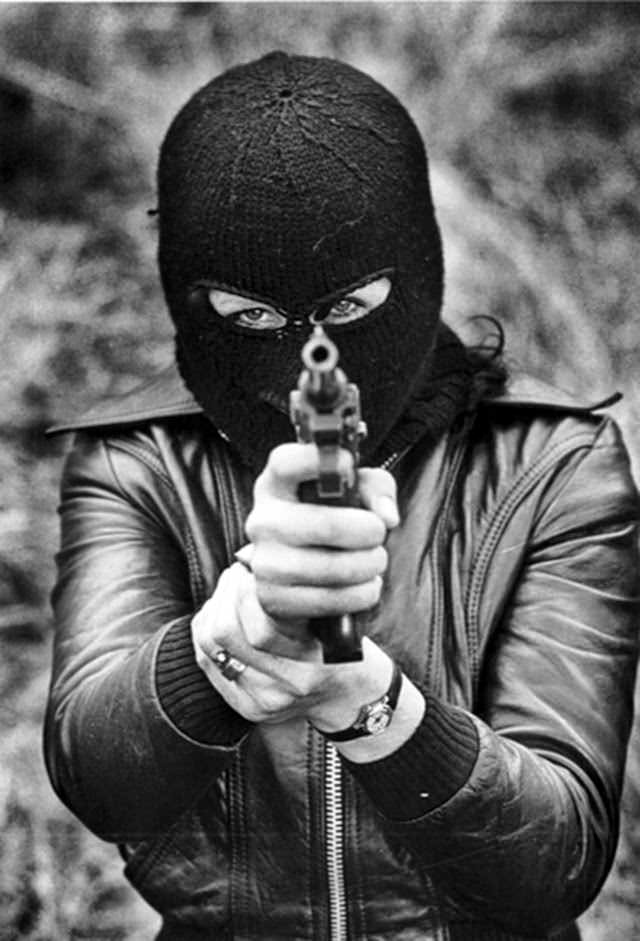
Early in the conflict, British soldiers were often reluctant to search women at checkpoints. IRA women used this to move weapons—concealing handguns in handbags or posing as ordinary civilians. The British Army responded by deploying female members of the Ulster Defence Regiment, known as “Greenfinches,” specifically to search women. Their introduction was a formal acknowledgment that women were now a recognized military threat.
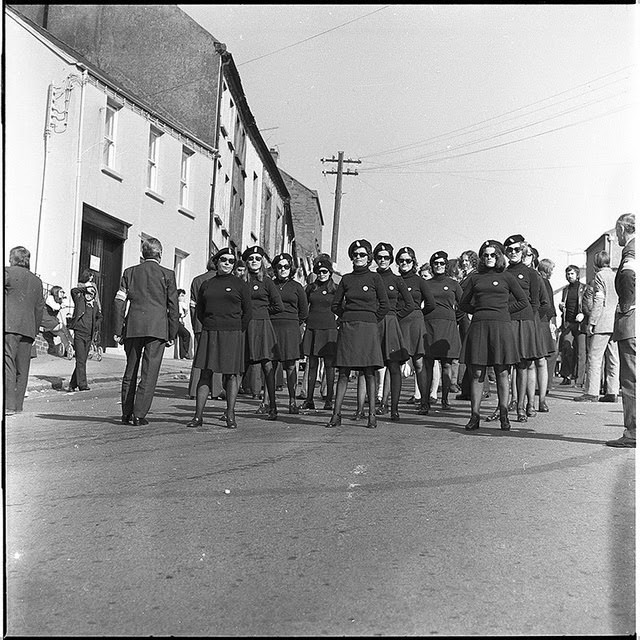
Prison became a second battlefront. In Armagh Gaol, female prisoners fought for political status alongside the men in Long Kesh’s H-Blocks. In 1980, several women led by Máiréad Farrell joined the hunger strike. Their protest included a “dirt strike”—refusing to wash or use toilets, living in cells smeared with excrement. It was a deliberate and harrowing rejection of the expectation that women maintain cleanliness and order.
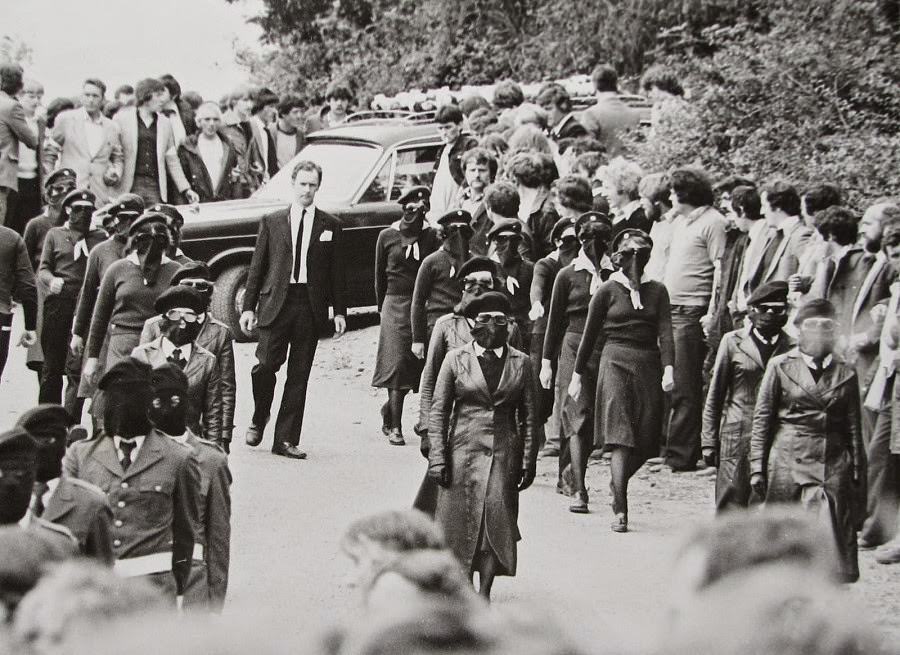
The relationship between the IRA and feminism was deeply complicated. Within the organization, women held roles—explosives expert, strategist, commander—that civilian society denied them. But the PIRA remained a traditionally Catholic and male-dominated structure at its core. Its leadership was almost entirely male, and the liberation it sought was national, not social.
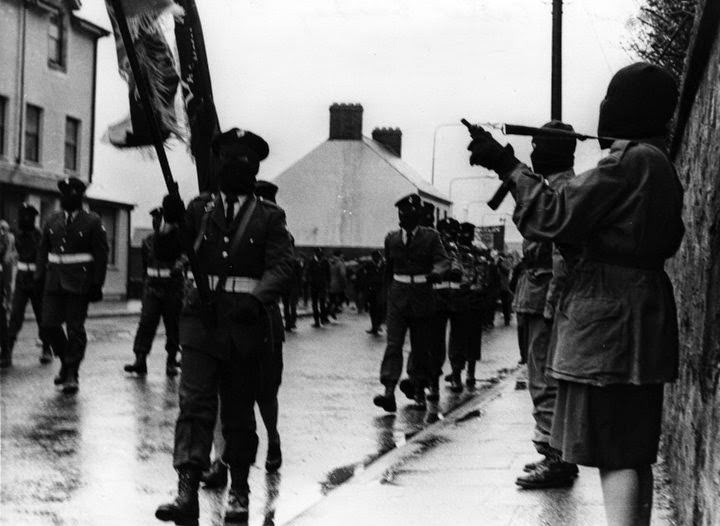
Feminist critics outside the movement argued that republican women were supporting an organization that ultimately reinforced male power. IRA women pushed back. For them, mainstream feminism from Dublin or London felt disconnected from the reality of living in a war zone. The right to not have their doors kicked in by soldiers felt far more urgent than the right to equal pay.