When World War II ended in 1945, most of Europe celebrated. In Greece, the celebrations were short-lived. The country was already sliding toward a new war — one that would be fought not against foreign invaders, but between Greeks themselves. The conflict that followed was one of the most brutal episodes in modern European history, and it made Greece the first hot battlefield of the Cold War.
The roots of the war stretch back to the Nazi occupation. When Germany and Italy seized Greece in 1941, the king and his government fled into exile, leaving the country without leadership. Greek civilians filled that void by forming powerful resistance movements. The largest was EAM-ELAS — EAM being the political organization and ELAS its military wing, both dominated by the Greek Communist Party (KKE). They were disciplined, well-organized, and widely supported by Greeks who felt their government had abandoned them. Their goal was a socialist republic, free of monarchy and foreign influence.
Their main rival was EDES, a smaller right-wing nationalist group that wanted to restore the pre-war state. These two resistance armies despised each other. As early as 1943, with German troops still occupying the country, ELAS and EDES were already fighting one another in the mountains. The civil war had not officially started, but the killing had.
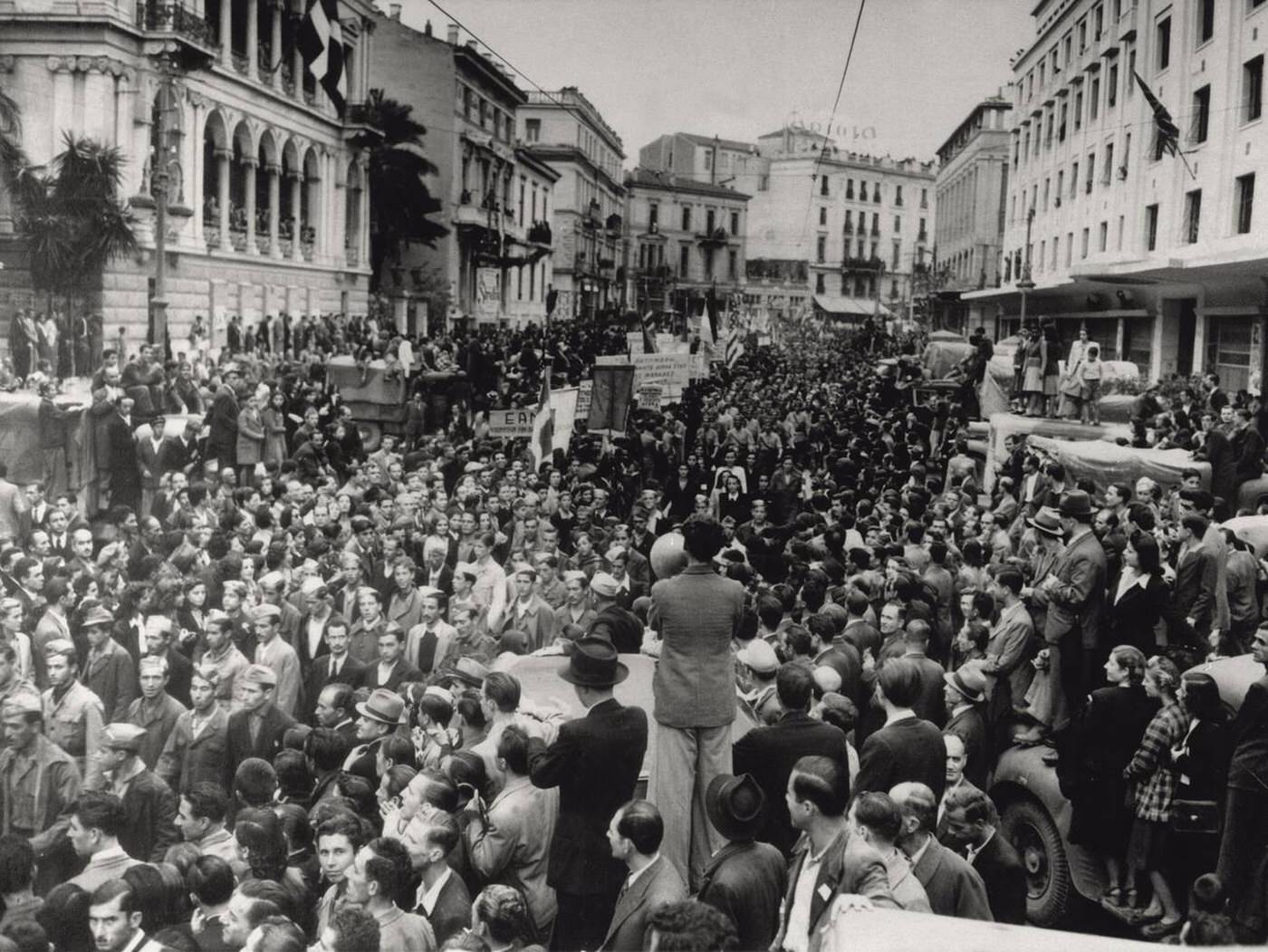
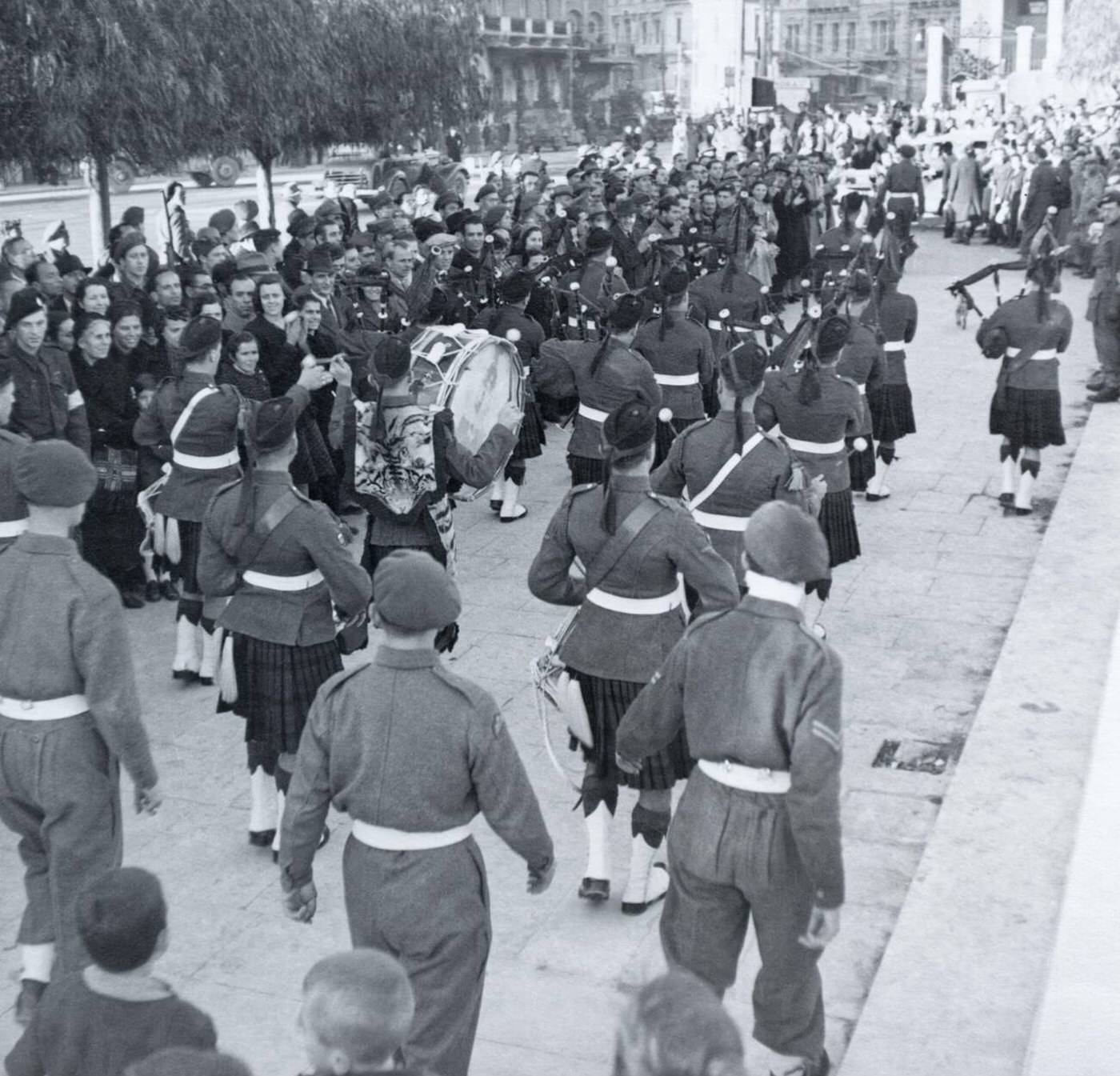
In October 1944, the Germans withdrew from Greece. British forces arrived alongside the Greek government-in-exile, not simply as liberators, but to ensure the monarchy regained control. A fragile coalition government was formed, but it collapsed almost immediately over one demand: all resistance forces were to disarm. ELAS, which controlled vast stretches of the country, refused. Surrendering their weapons meant surrendering their political future.
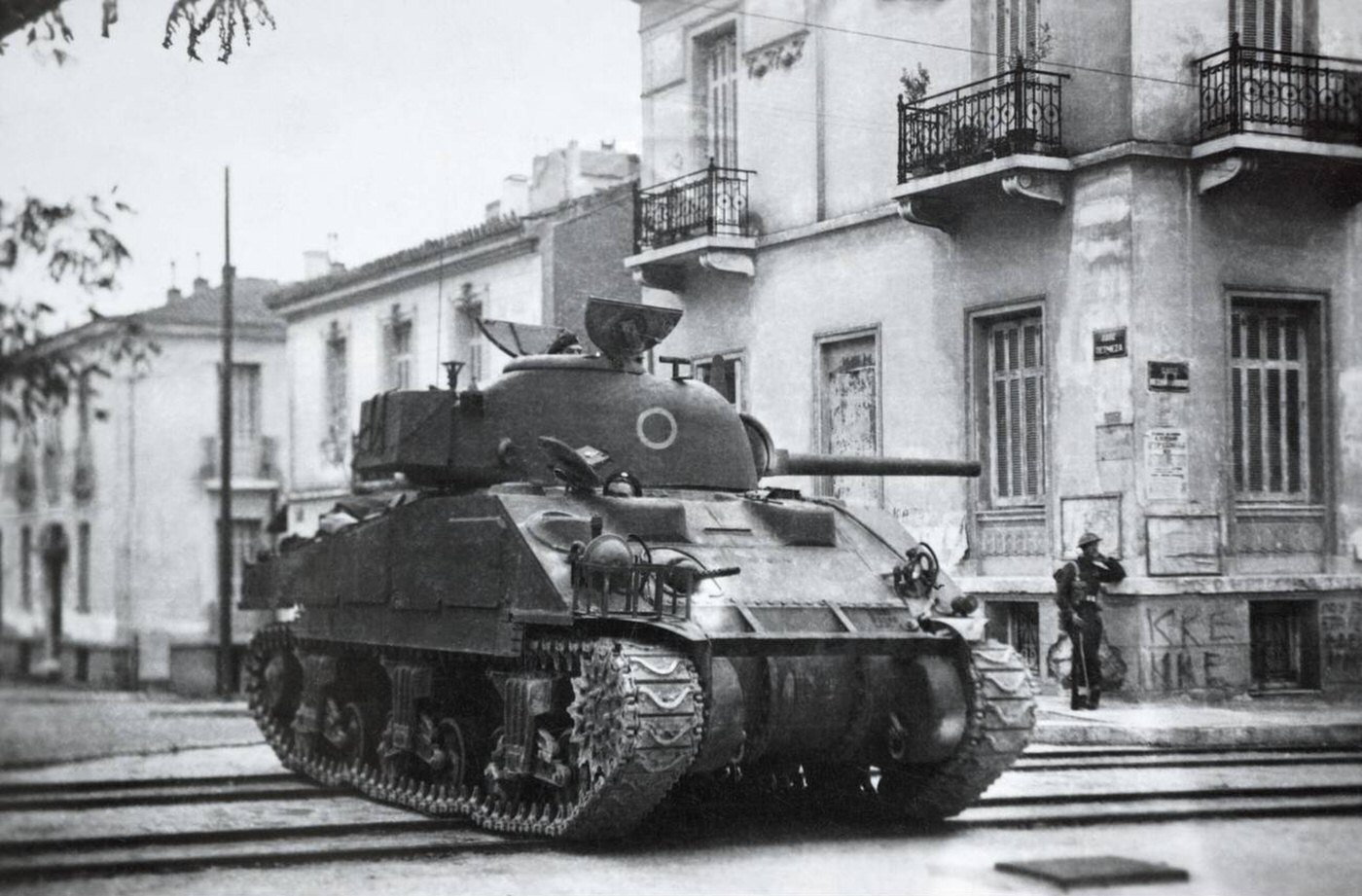
On December 3, 1944, a large pro-EAM demonstration filled the streets of Athens. The protest was unarmed and peaceful until government police opened fire on the crowd, killing dozens. What followed was 37 days of intense street fighting — the Dekemvriana. British tanks and paratroopers fought alongside Greek government troops against ELAS guerrillas in close-quarters urban combat, block by block.
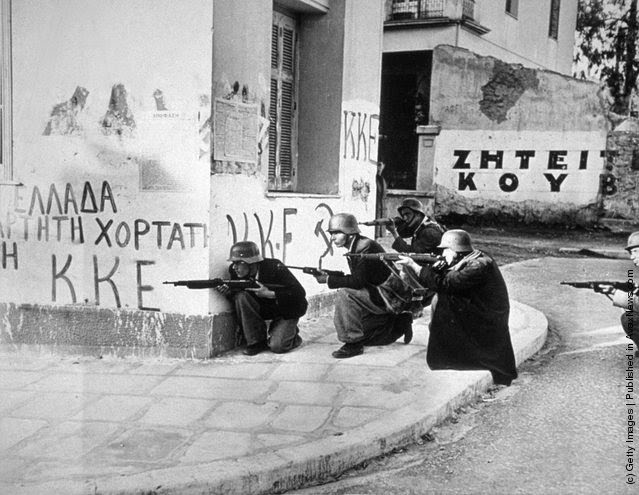
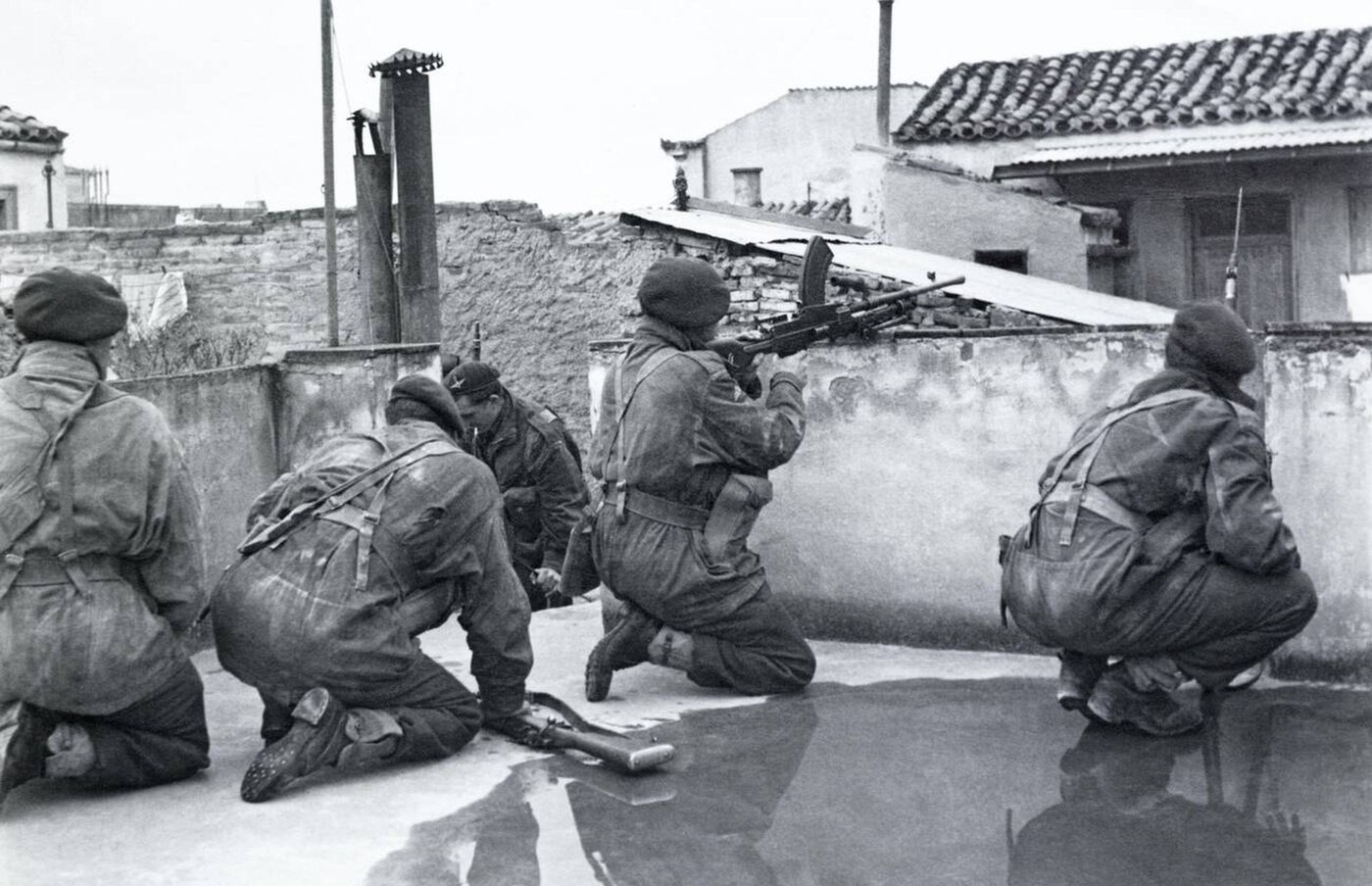
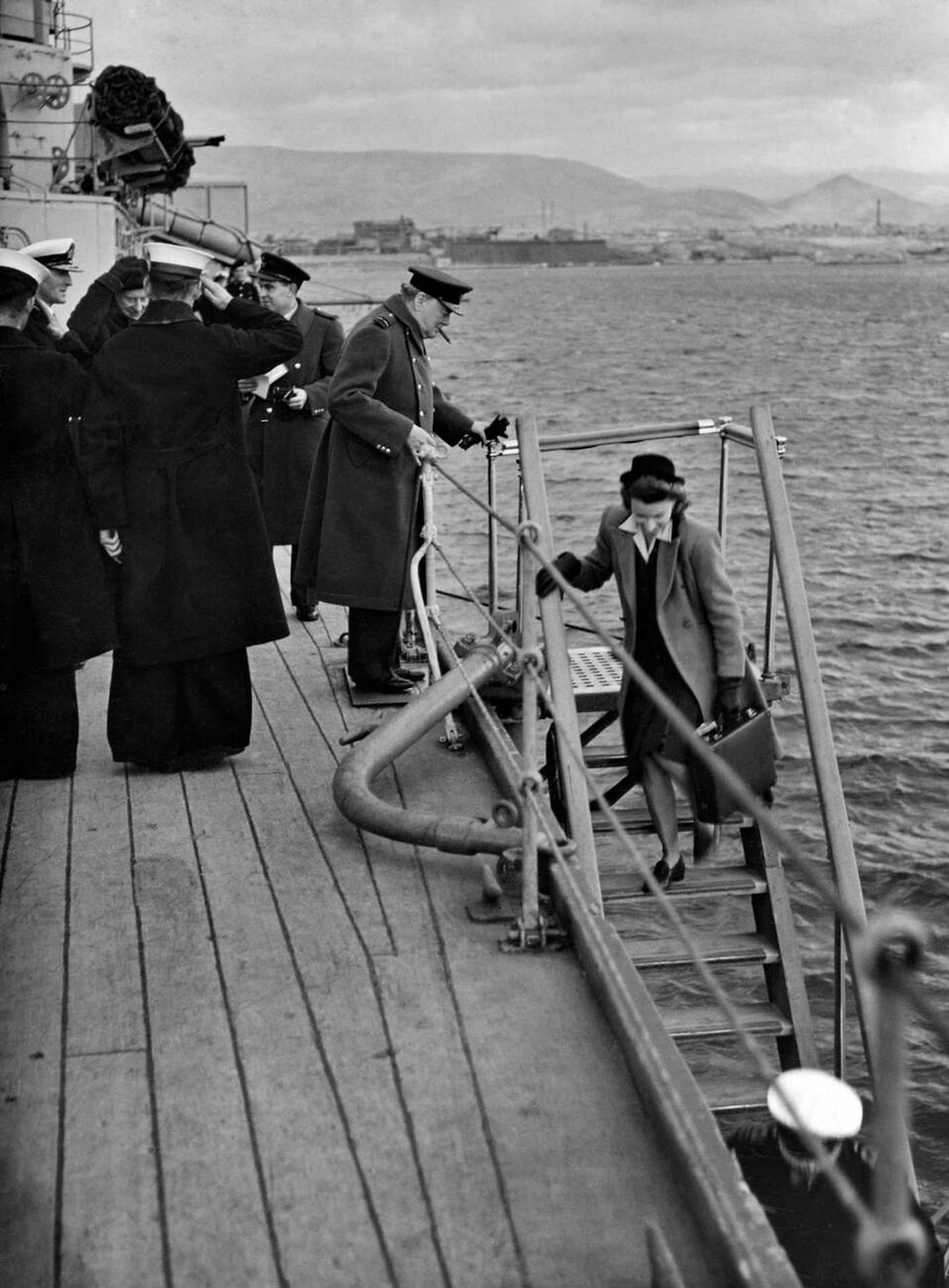
British firepower proved decisive. ELAS was driven out of Athens and, in February 1945, signed the Varkiza Agreement, agreeing to lay down its arms. Winston Churchill himself flew to Athens to help negotiate the terms.
The Varkiza Agreement was supposed to end the violence. Instead, it triggered a new wave of it. The deal was deeply one-sided: the communists disarmed, but right-wing militias did not. What followed became known as the White Terror. For more than a year, right-wing gangs — often tolerated or encouraged by the police — hunted down former ELAS members, their families, and anyone suspected of leftist sympathies. People were arrested, sent to island prisons, tortured, and killed.
When a general election was held in 1946, the communists boycotted it. Their supporters were too afraid to vote, and they believed the result was rigged regardless. Royalist parties swept to victory. Facing both political extinction and physical annihilation, the KKE made its decision: it retreated to the mountains of northern Greece and took up arms again. The Greek Civil War officially began in March 1946.
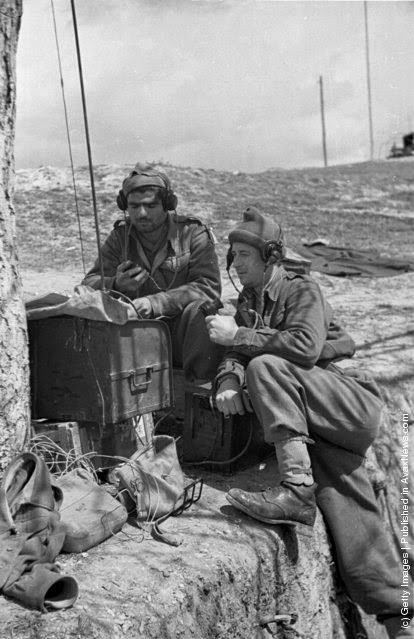
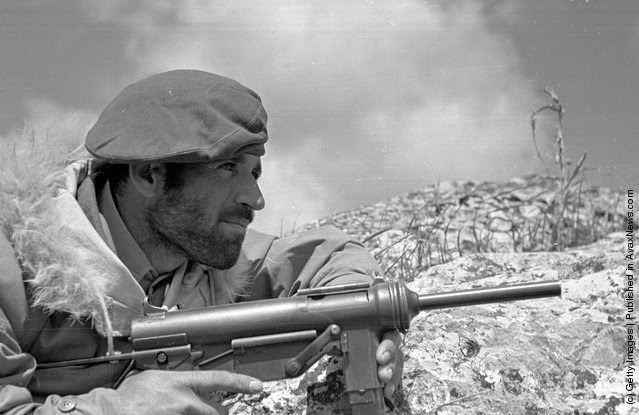
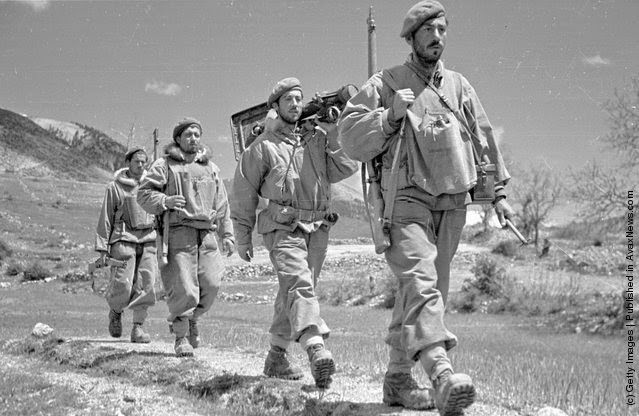
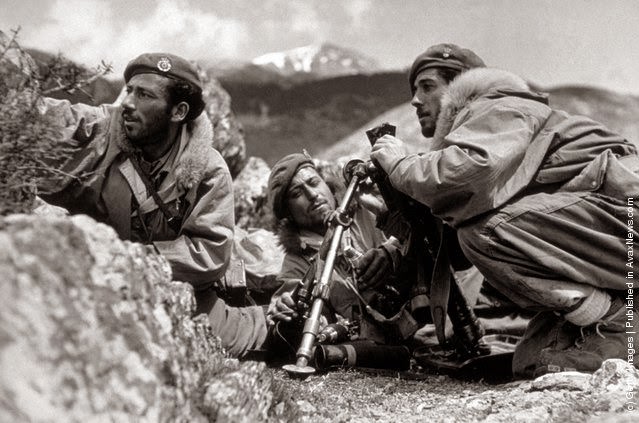
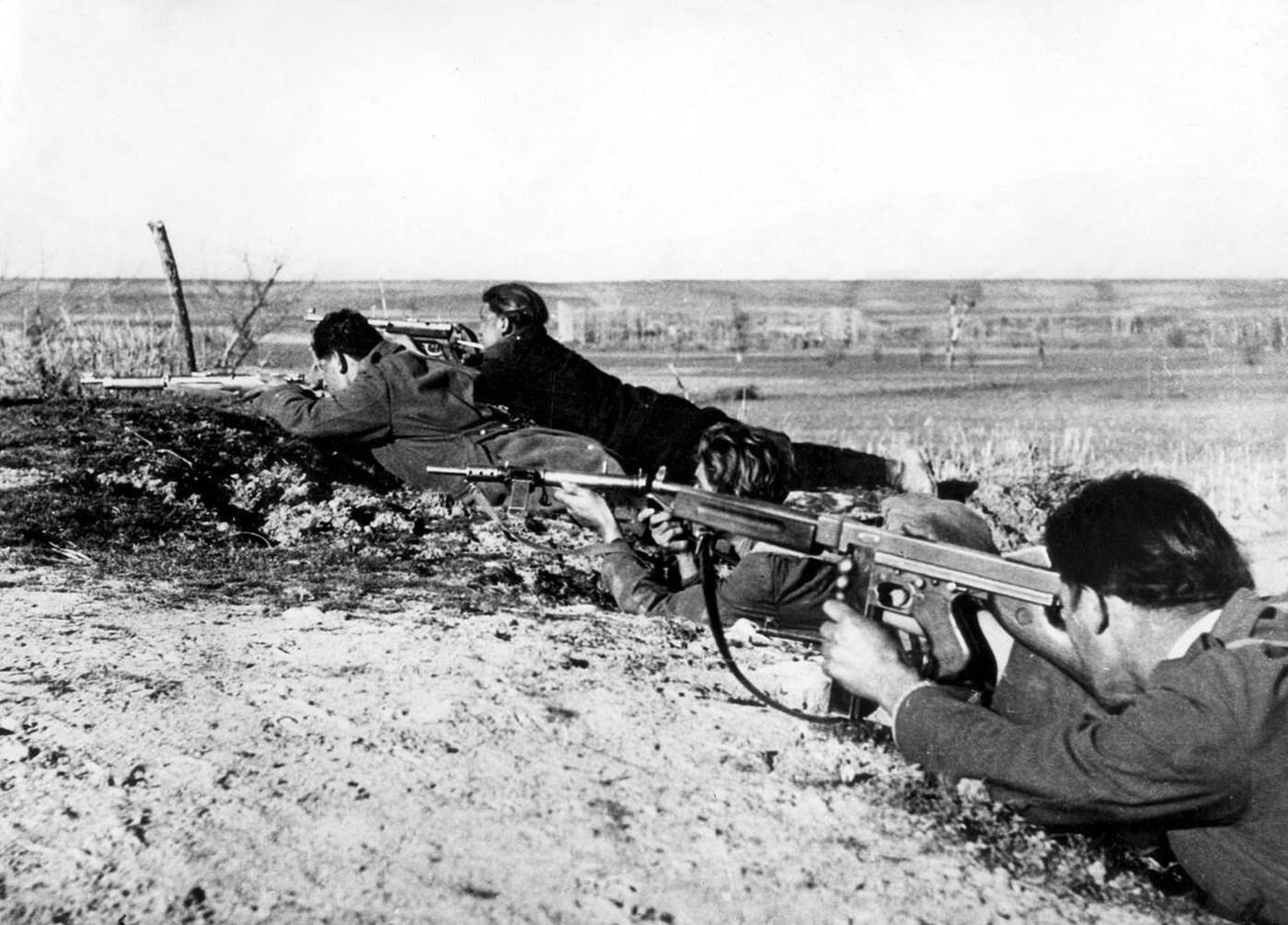
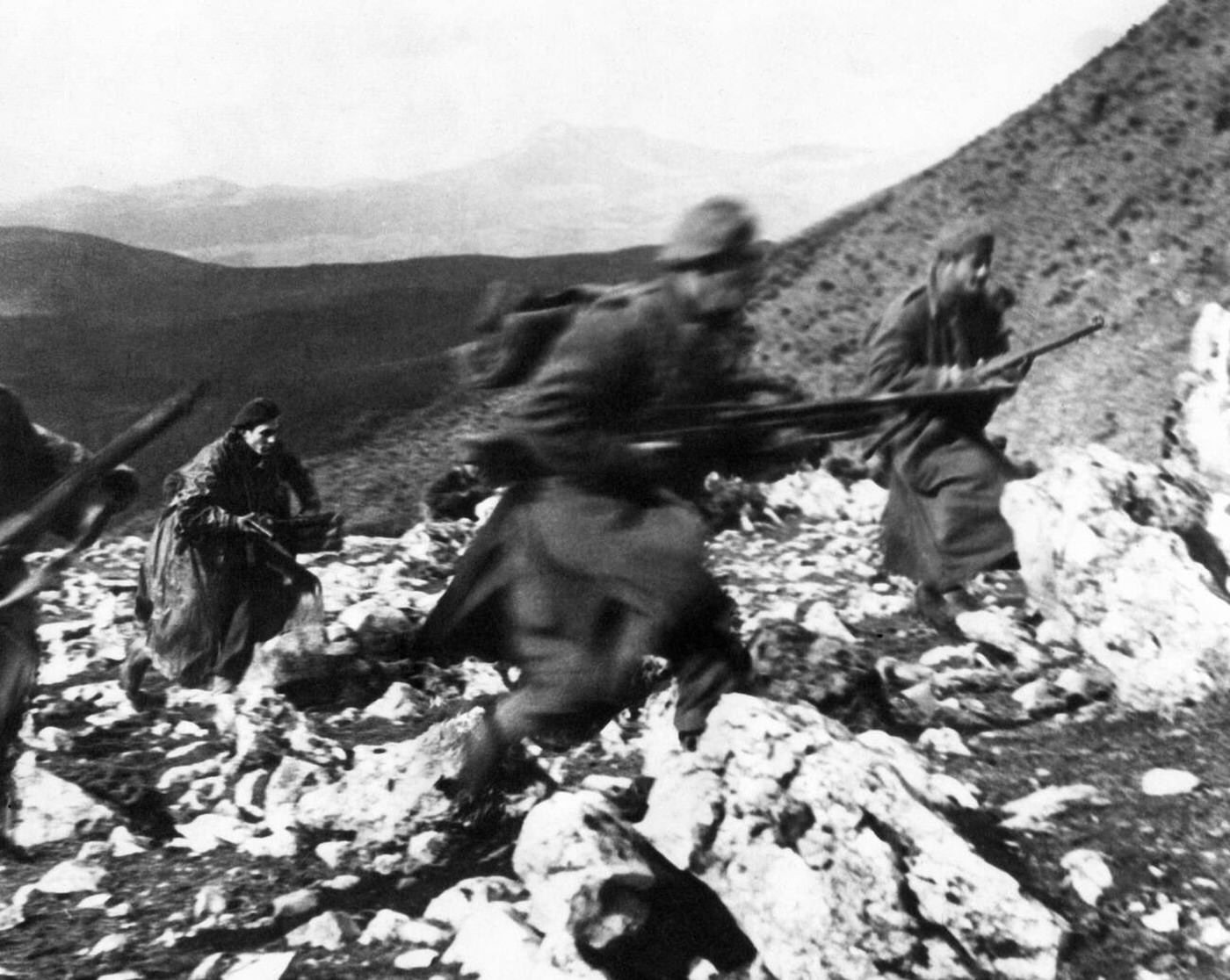
The conflict now pitted two formal armies against each other. The Greek National Army (GNA) represented the royalist government in Athens. Opposing them was the Democratic Army of Greece (DSE), the rebuilt guerrilla force of the Communist Party, commanded by Markos Vafiadis. The DSE operated from Greece’s rugged northern mountains, launching raids against government forces before melting back into the terrain.
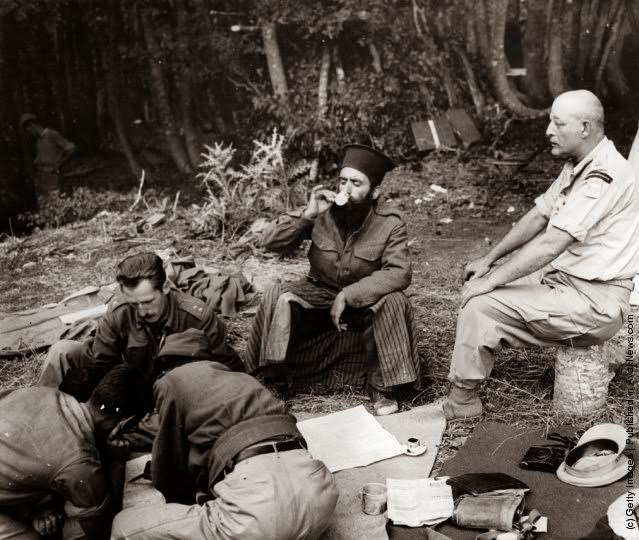
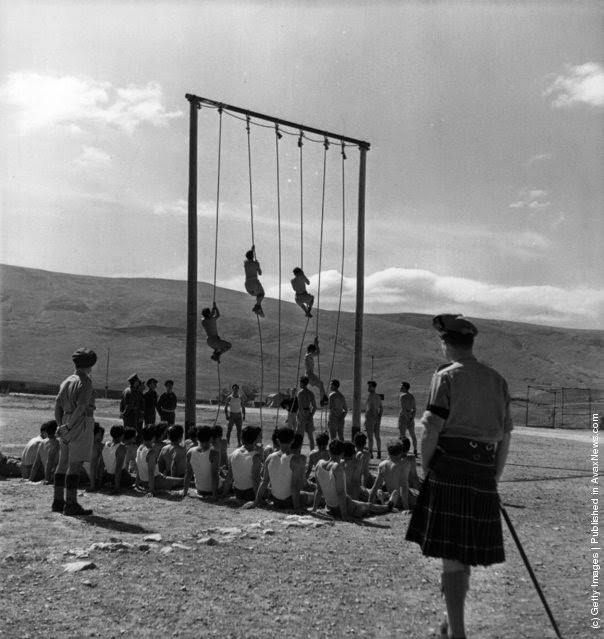
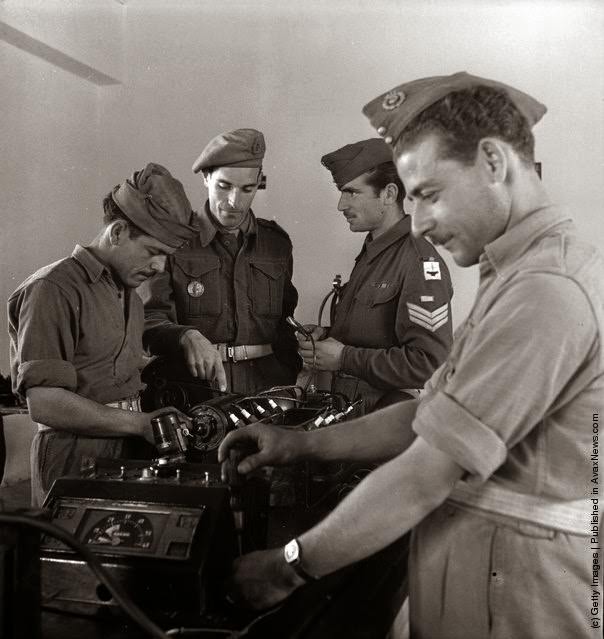
Yugoslavia, Albania, and Bulgaria — all newly communist states — sat just across Greece’s northern border. They supplied the DSE with weapons, food, and safe zones for rest and resupply. The Greek government, meanwhile, relied on British support. That support was crucial, and British officers were actively involved in training and directing GNA forces.
By 1947, Britain was economically exhausted from World War II and informed Washington it could no longer sustain its commitment to Greece. The United States stepped in immediately. On March 12, 1947, President Harry Truman addressed Congress and announced what became known as the Truman Doctrine — a pledge to support any nation resisting communist takeover. Greece was the first test case.
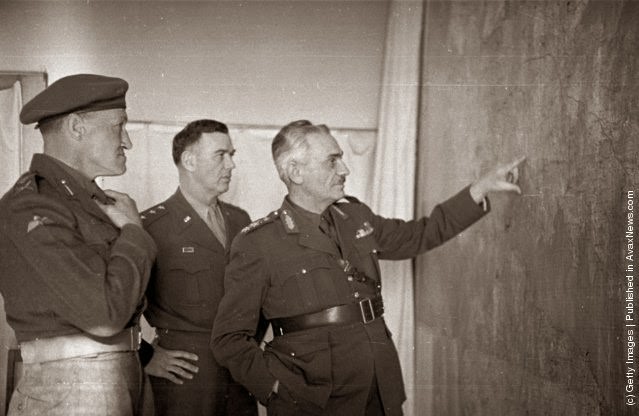
American money, weapons, and military advisors flooded into Greece. The GNA received aircraft, artillery, and napalm — one of the first uses of the chemical weapon by U.S.-backed forces. The internal Greek conflict had become a full proxy war between the Western bloc and the Soviet sphere. What had started as a fight between Greek resistance factions was now drawing in the two global superpowers.
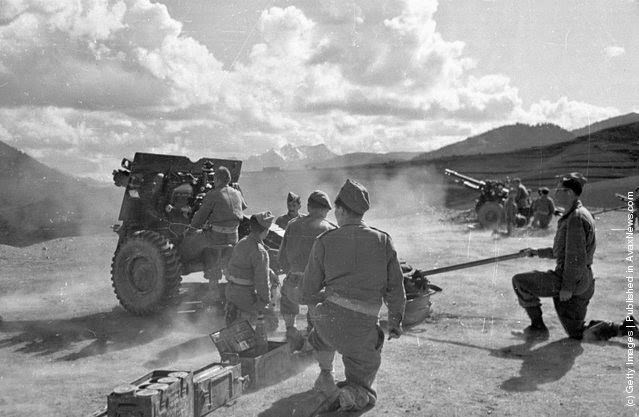
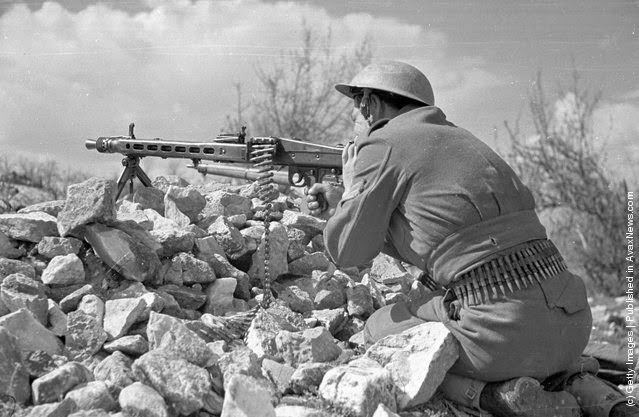
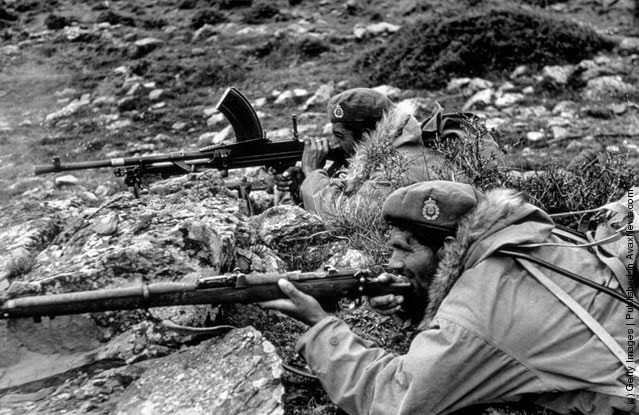
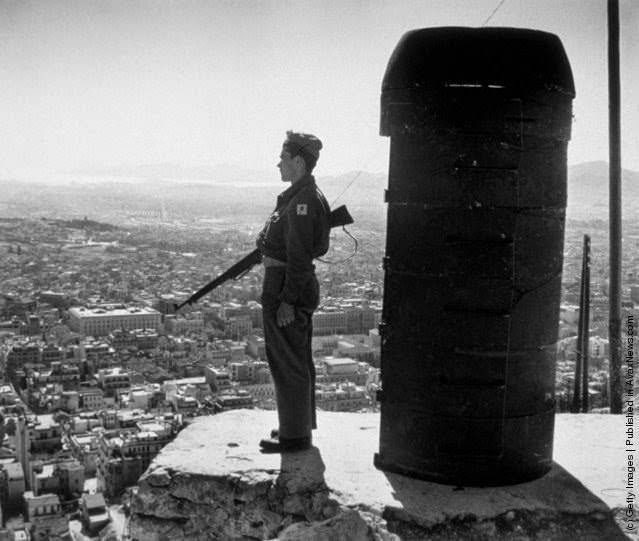
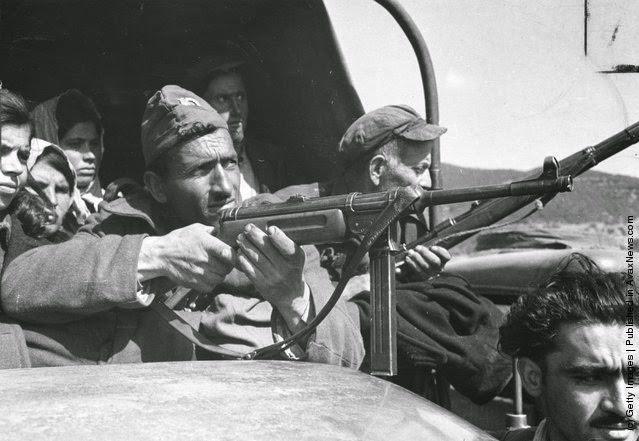
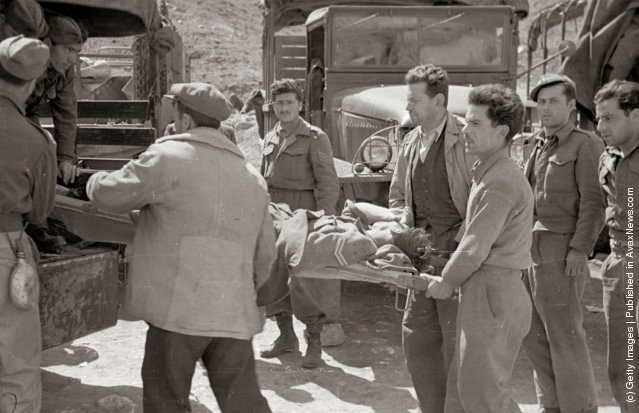
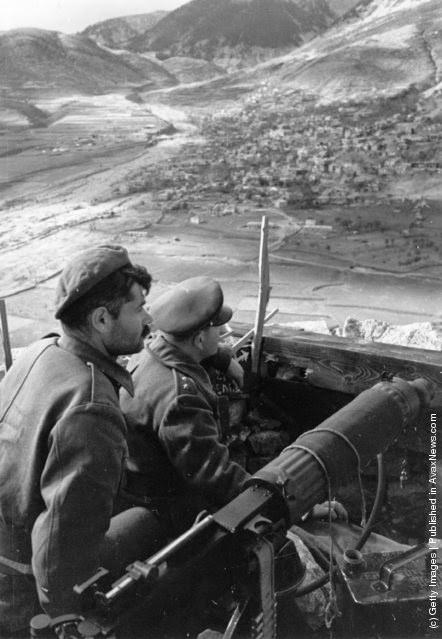
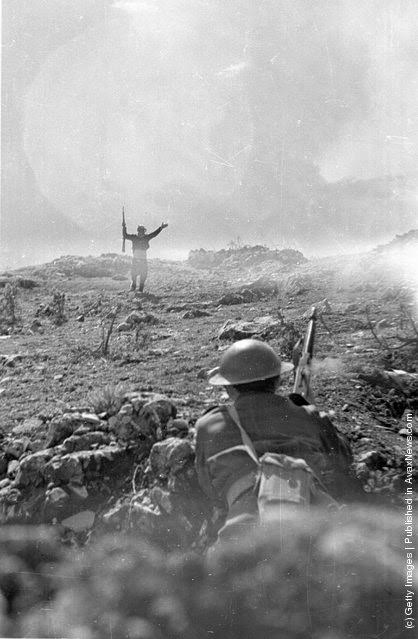
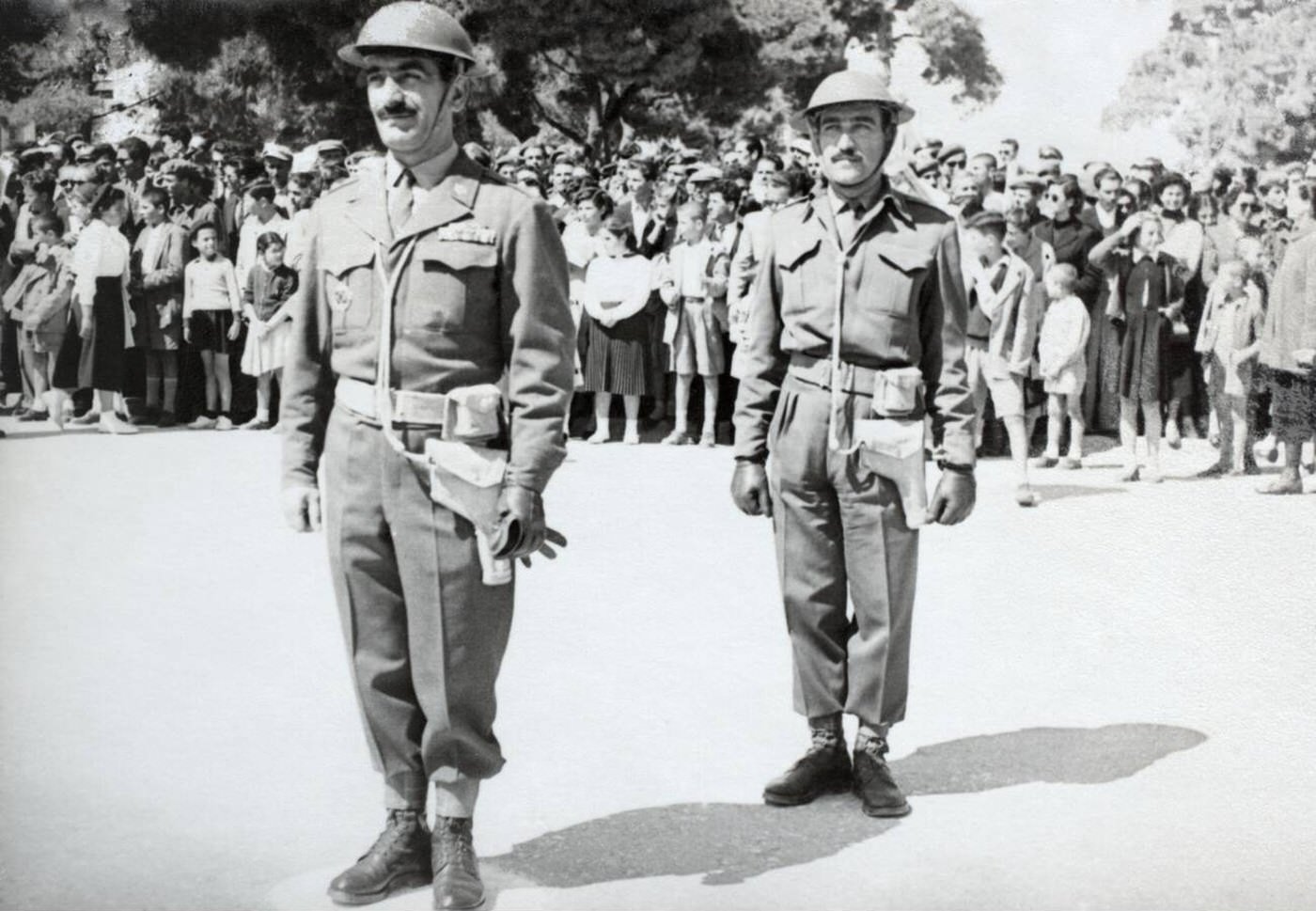
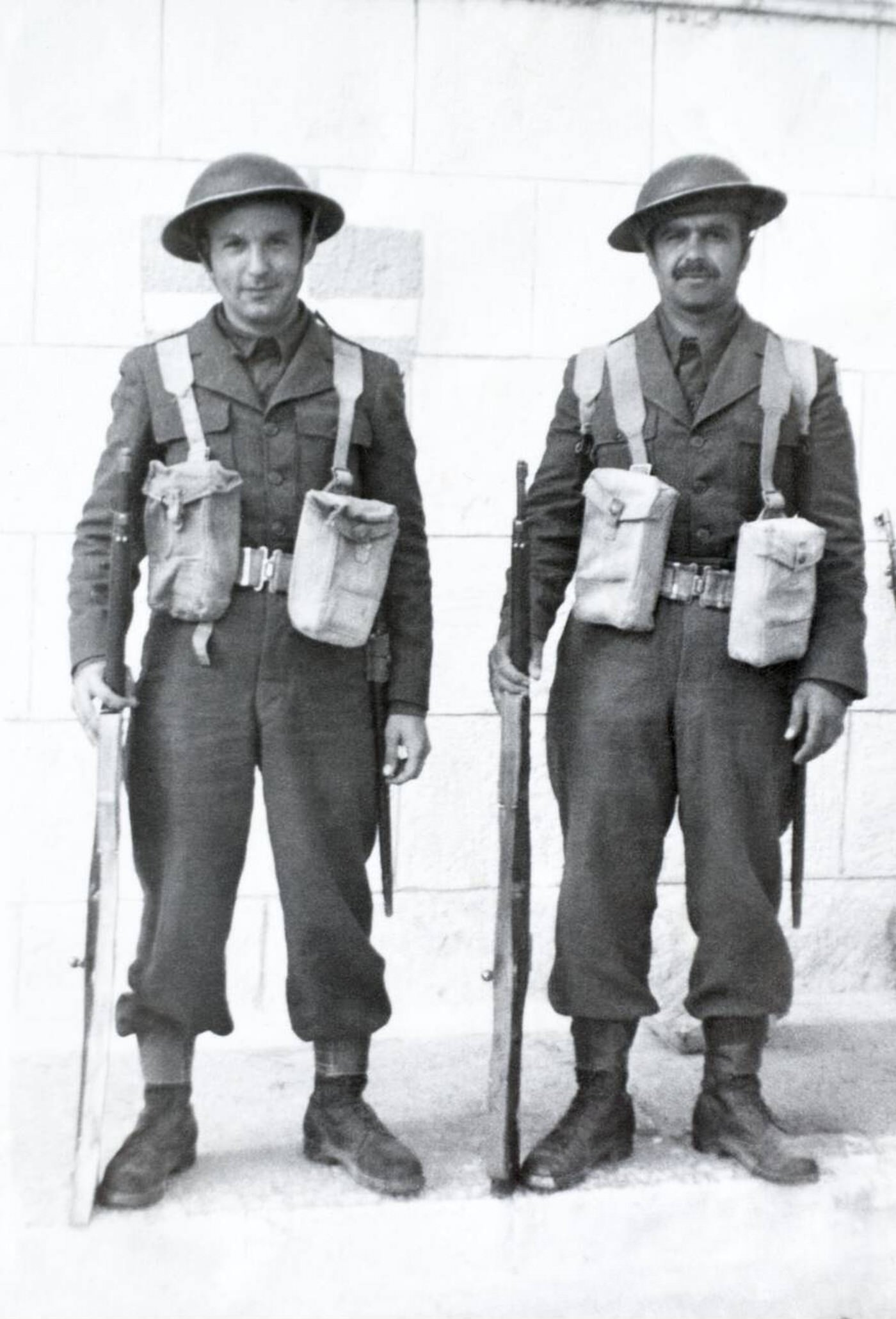
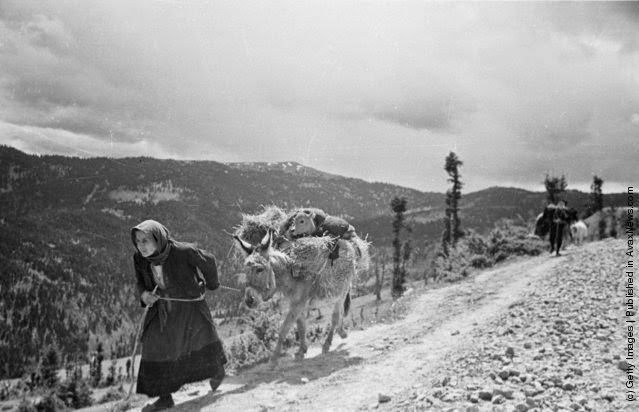
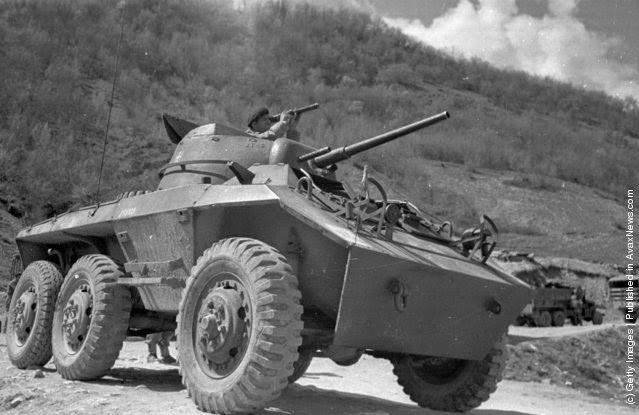
On the ground, the war was a grinding, exhausting campaign fought across some of Europe’s most unforgiving terrain. Government troops moved by truck and mule through mountain passes, held garrisons against night raids, and imposed strict curfews on civilian populations suspected of harboring guerrillas.
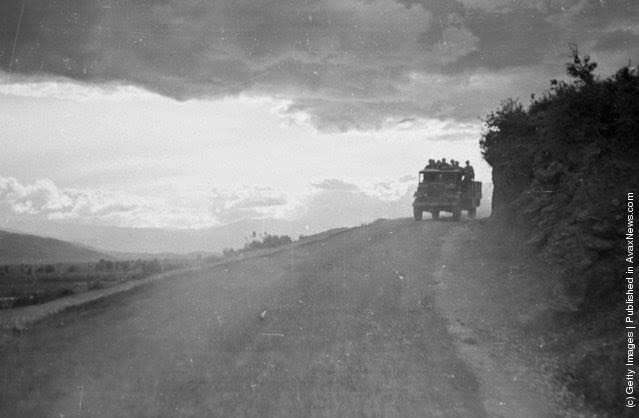
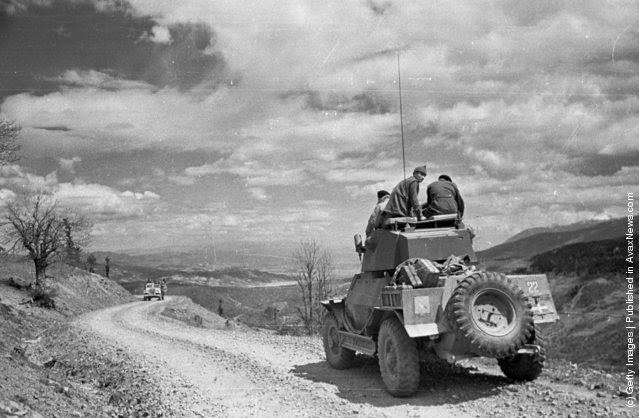
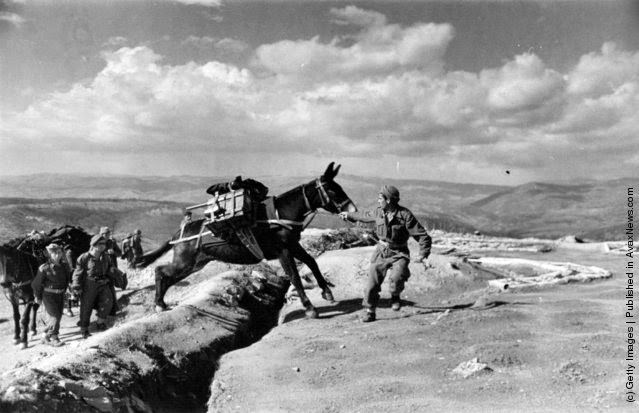
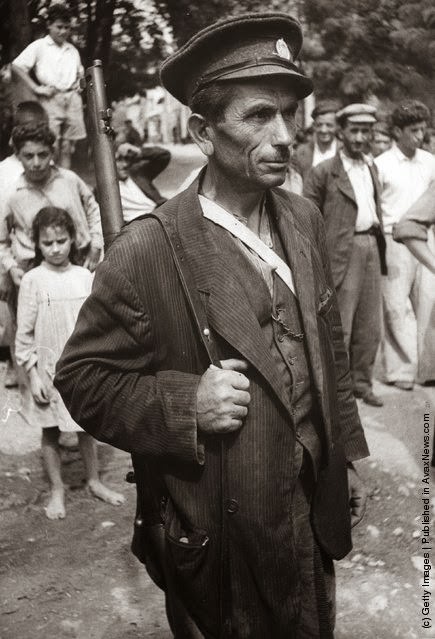
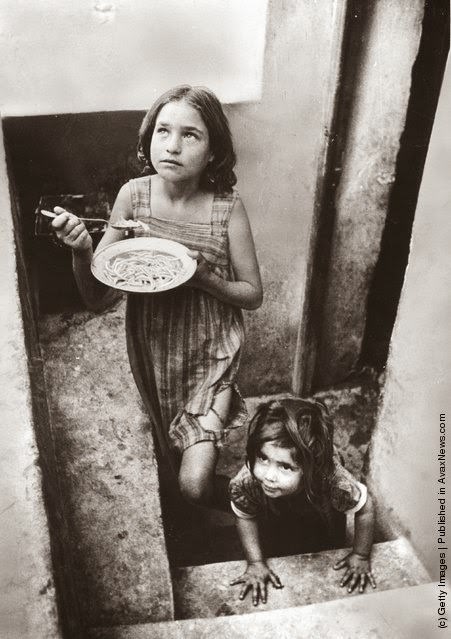
Civilians bore the weight of the war in devastating ways. Ordinary people were searched for weapons, their movements controlled, and their villages caught between two armed forces. For peasants in the mountains, the war was a daily reality of curfews, confiscated supplies, and displacement.
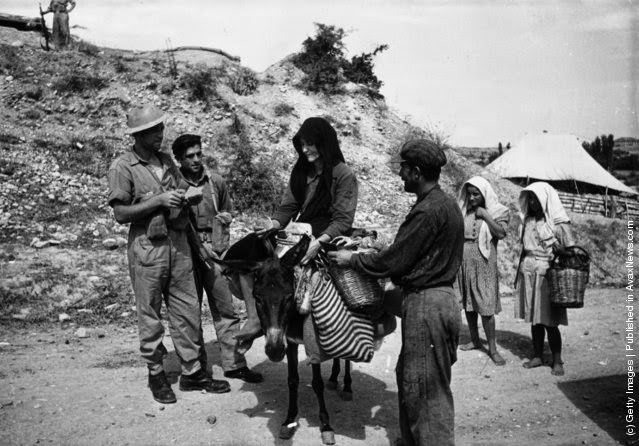
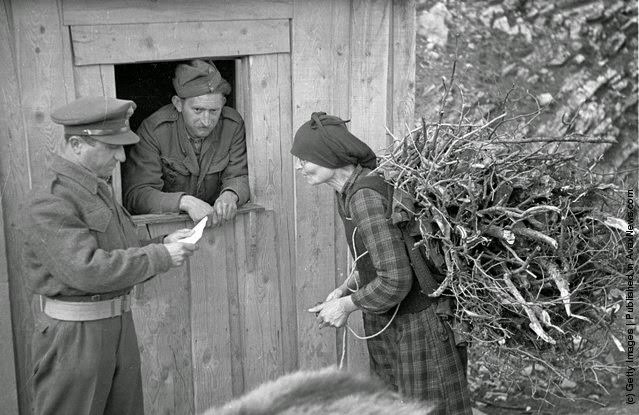
The DSE fought effectively for years, using the mountains as both fortress and highway. But the communists made a critical strategic error. They shifted from flexible guerrilla tactics to conventional warfare — holding fixed territory like a standard army. This change made them far more vulnerable to the GNA’s growing air superiority and heavy artillery.
The DSE’s northern supply lines ran primarily through Yugoslavia. When Yugoslav leader Josip Broz Tito split with Soviet leader Joseph Stalin in 1948, the consequences for the Greek communists were immediate and devastating. Tito closed the Yugoslavian border in July 1949, cutting off the DSE’s most critical route for weapons, supplies, and retreat.
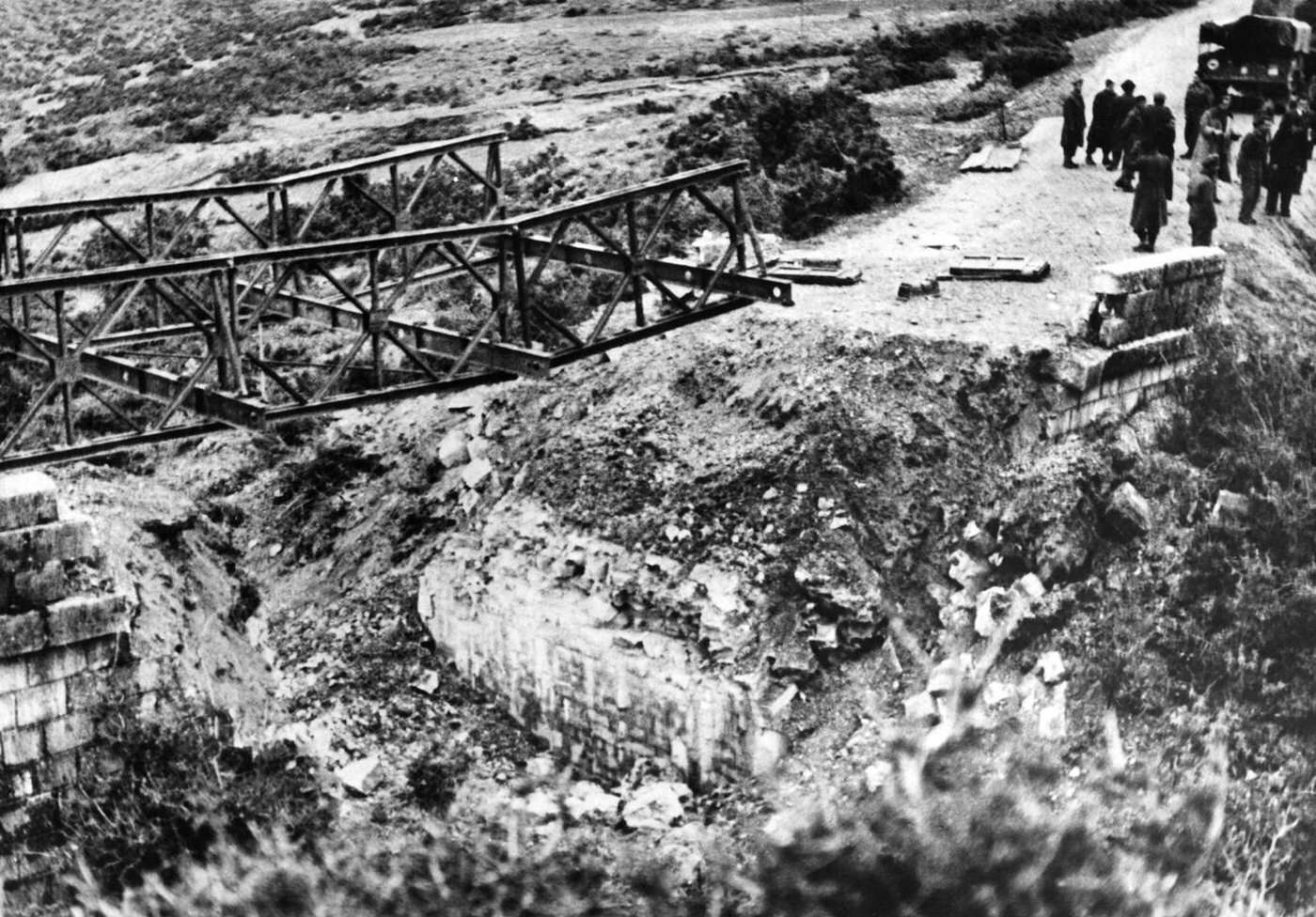
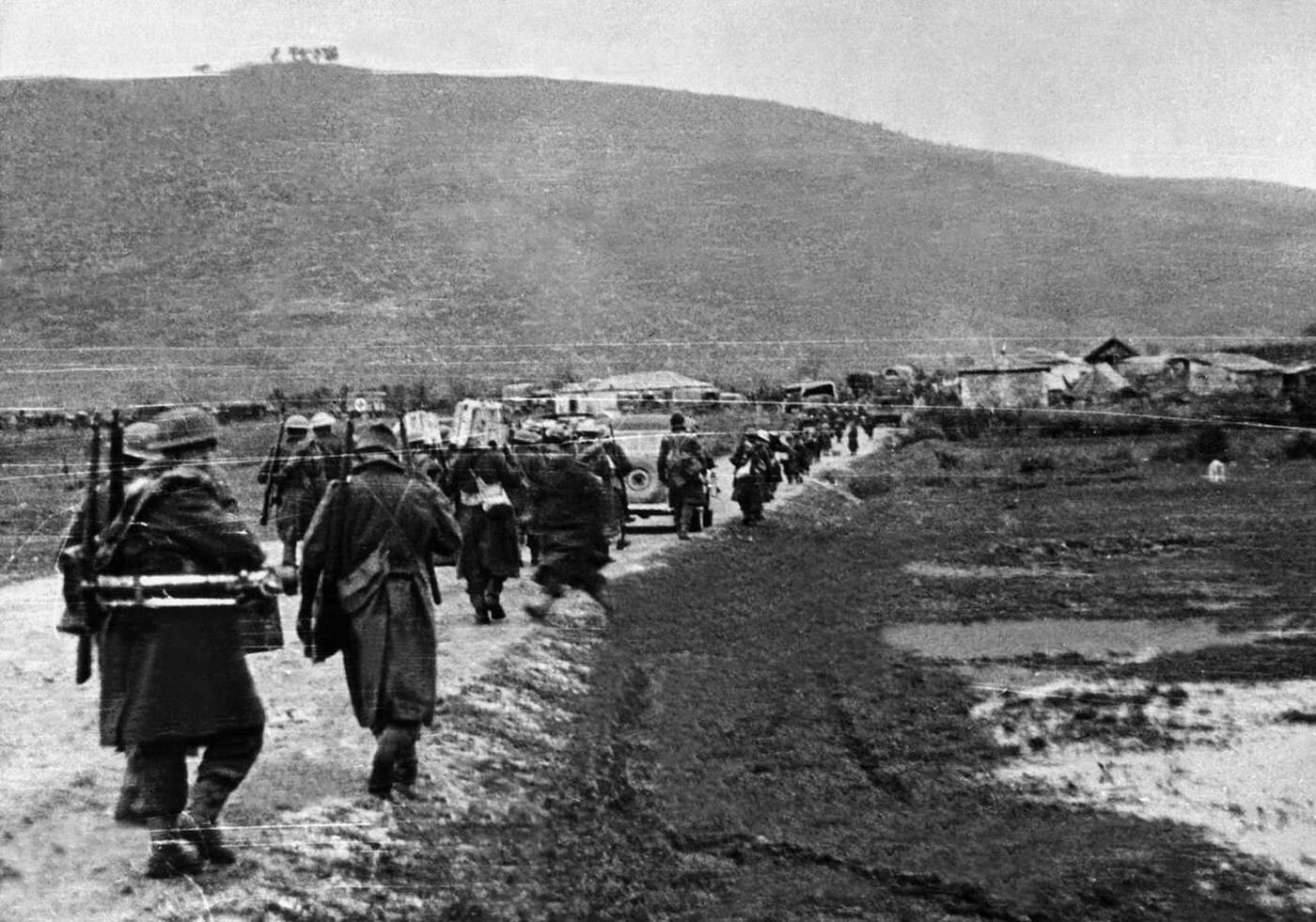
With the DSE isolated, the GNA launched Operation Pyrsos in August 1949 — a massive, coordinated offensive targeting the communists’ last strongholds in the Grammos and Vitsi mountain ranges. The DSE was hit by relentless air strikes and overwhelmed by ground forces. The surviving fighters fled across the border into Albania. Shortly after, the Communist Party announced a ceasefire, and the war was over.