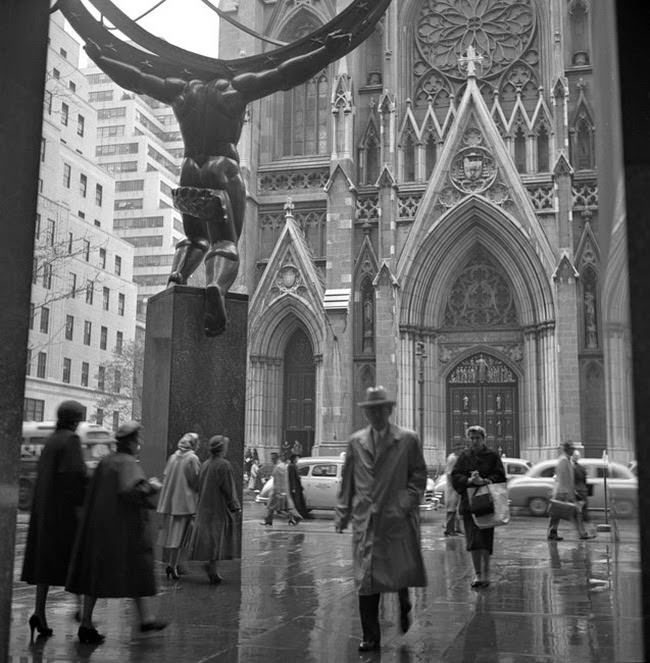
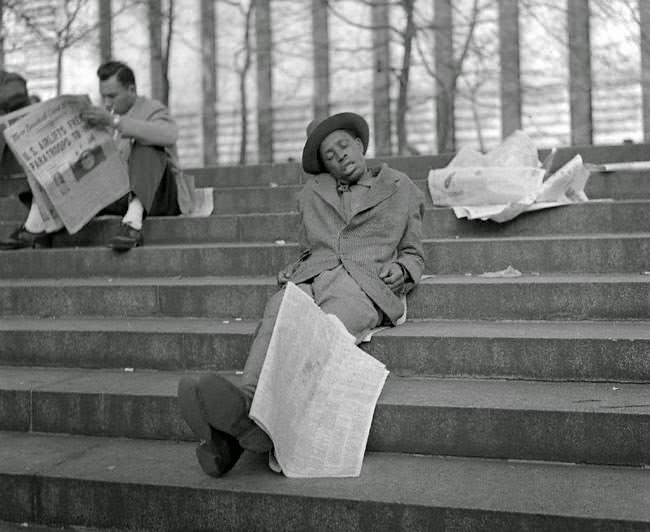
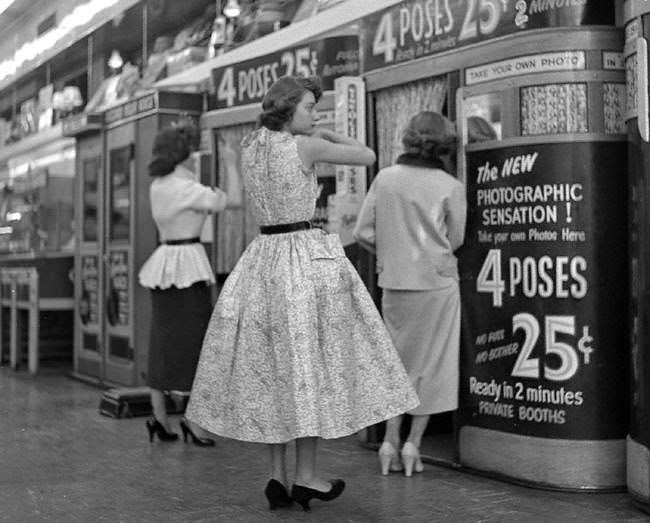
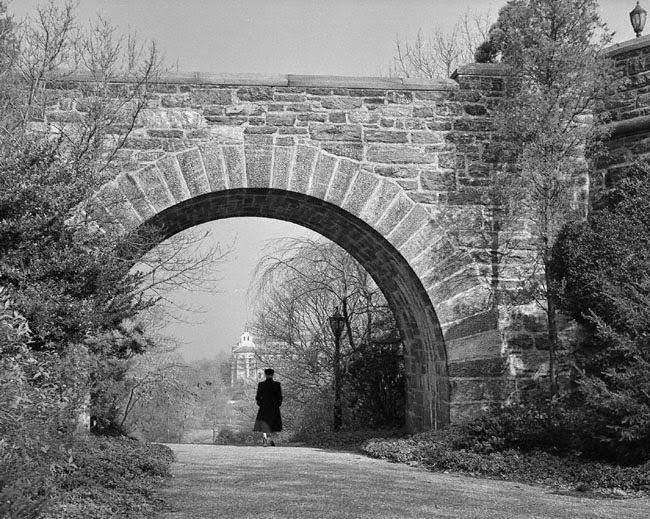
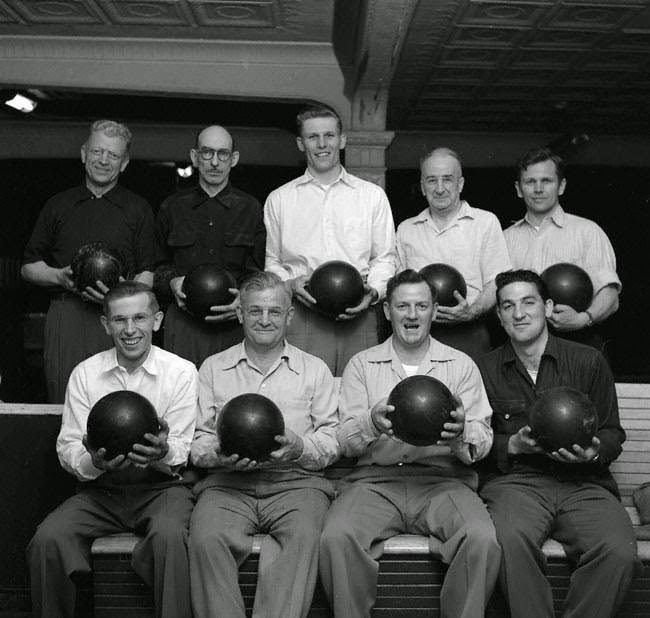
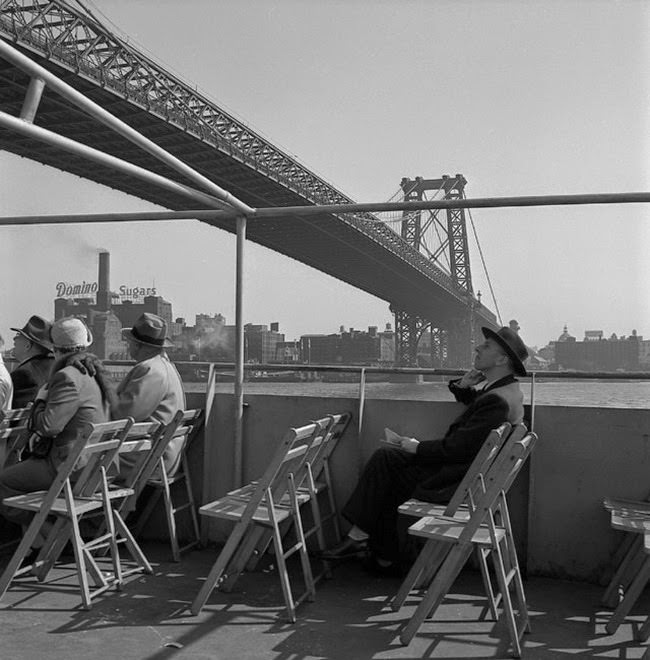
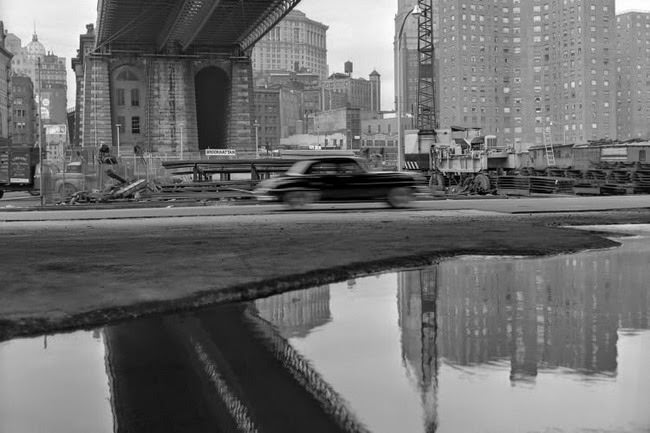
Frank Oscar Larson led two very different lives. Monday through Friday, he worked as an auditor for the Empire Trust Company in Manhattan, deep in the numbers-driven world of finance. On weekends, he picked up a camera. Born in Greenpoint, Brooklyn, in 1896 to Swedish immigrant parents, Larson was a lifelong New Yorker. He served as an artilleryman in World War I, finished college, and built a steady corporate career. But stability alone didn’t satisfy him. He played violin, carved wood, and eventually found his truest creative outlet in photography.
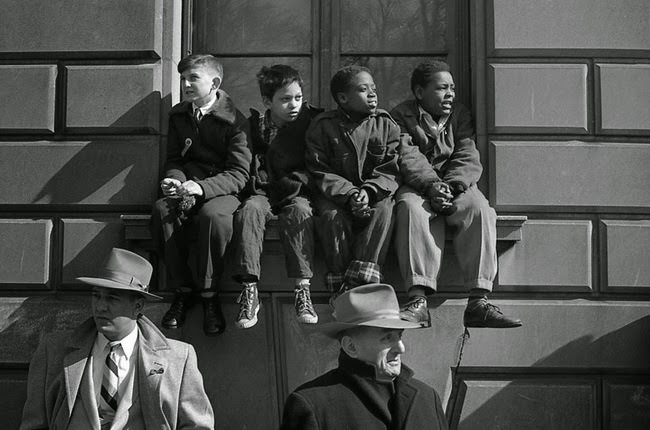
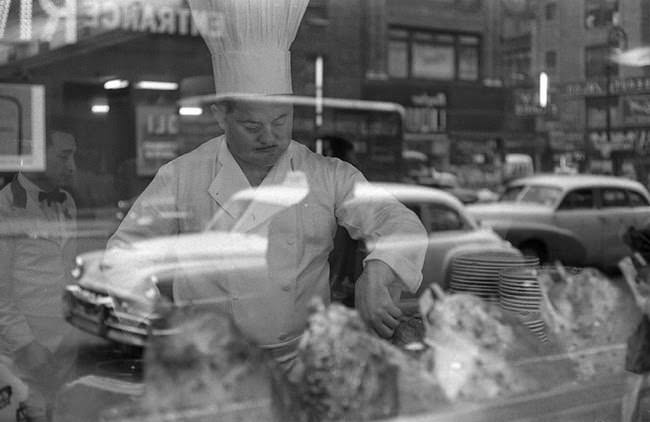
In the early 1950s, Larson bought a medium-format Rolleiflex camera — a twin-lens reflex model that required him to look down into a waist-level viewfinder rather than hold the camera to his eye. That design made him nearly invisible to the people around him. He could stand on a busy sidewalk and shoot without anyone noticing. The square film format produced sharp, highly detailed images with a balanced composition that set his work apart.
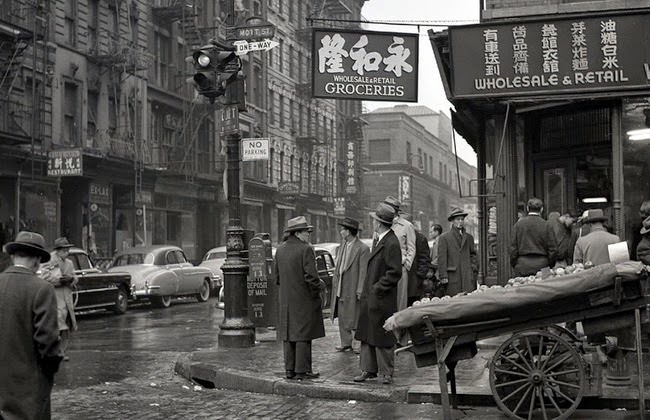
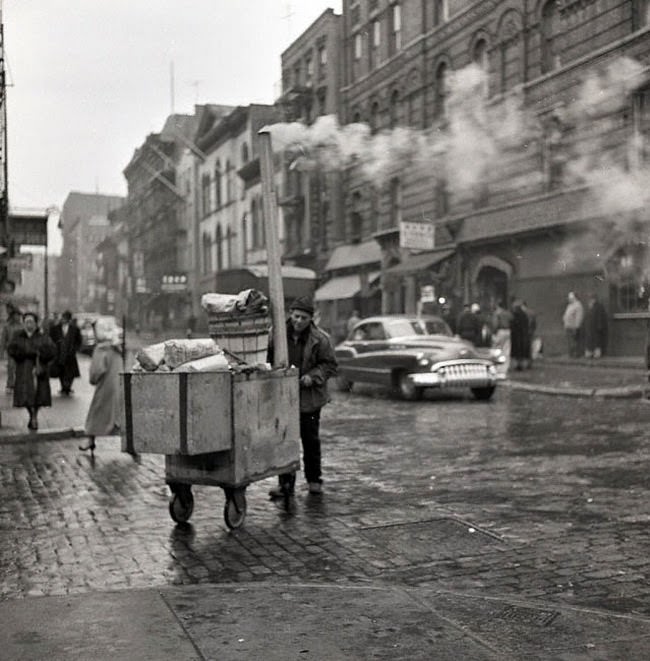
Larson treated his weekend photography with the same discipline he brought to his weekday job. He left home early on Saturday and Sunday mornings, hitting the streets before the midday crowds arrived. Over 16 years, he built a collection of thousands of black and white negatives documenting the city in remarkable detail.
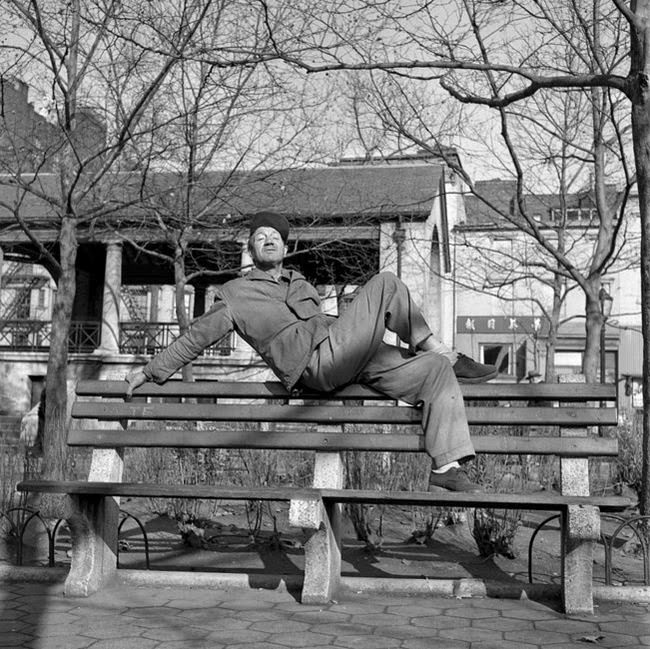
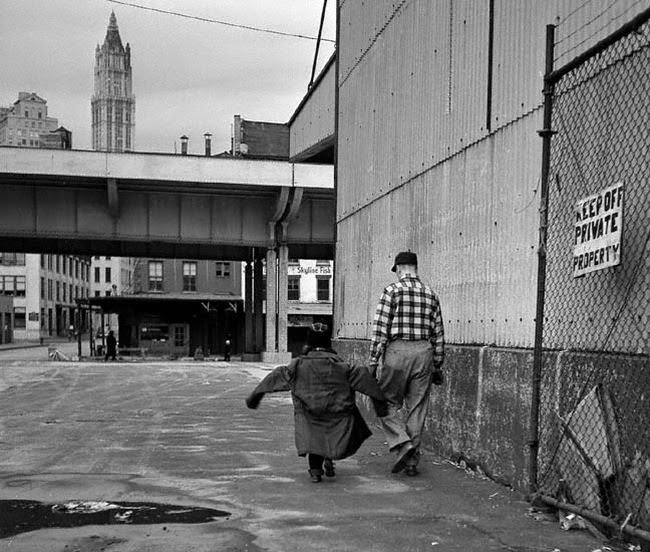
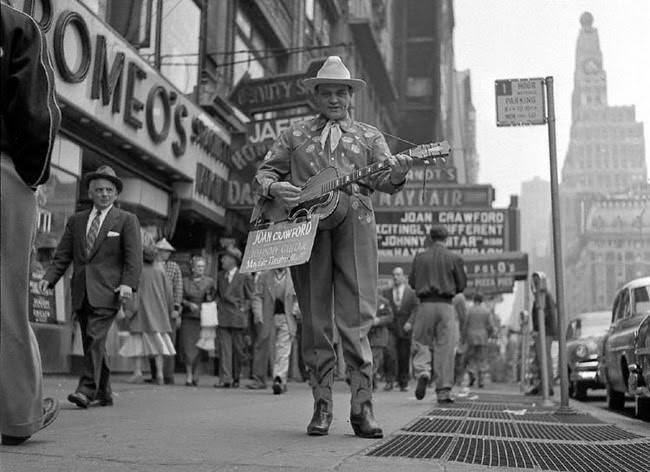
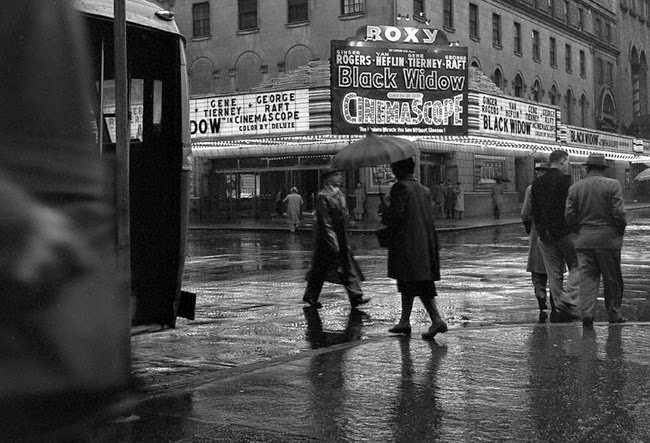
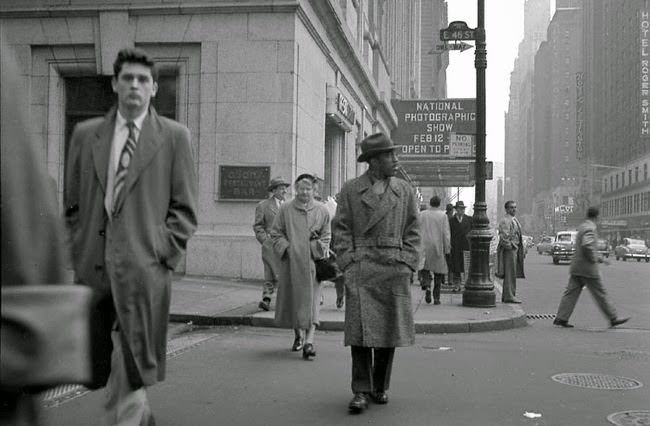
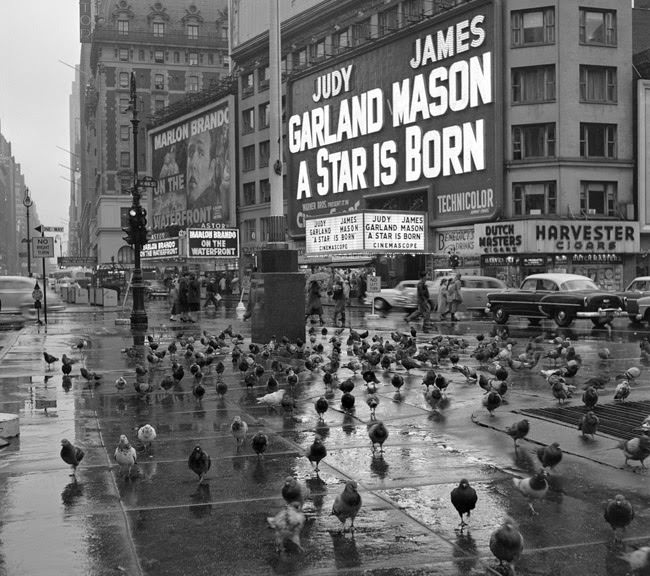
Times Square drew him in with its wall-to-wall signage and constant foot traffic. Chinatown offered narrow, crowded streets full of movement and texture. He also walked through the Bowery, then a rough neighborhood known for poverty and hardship, and documented its residents without flinching.
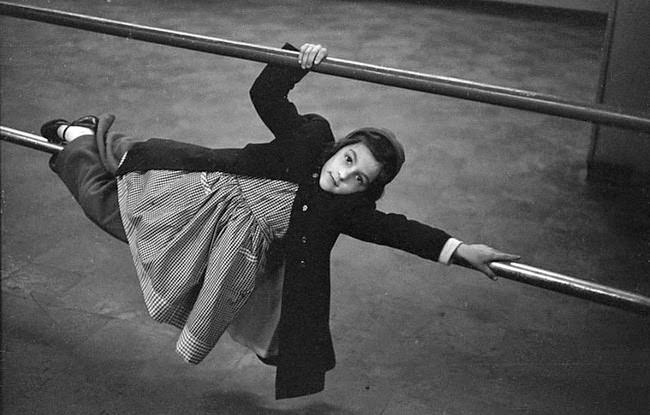
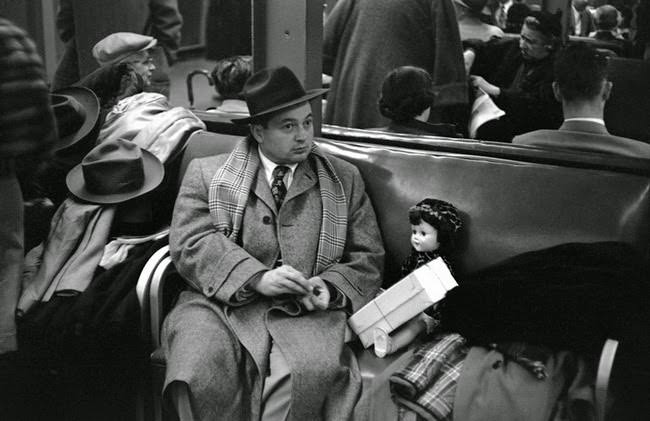
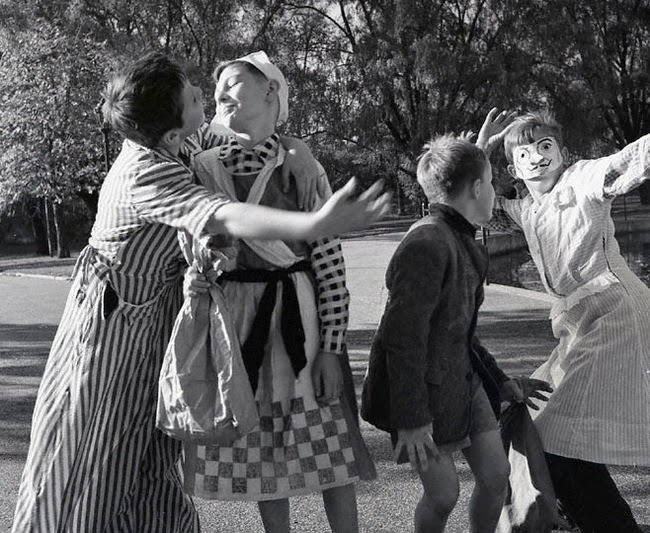
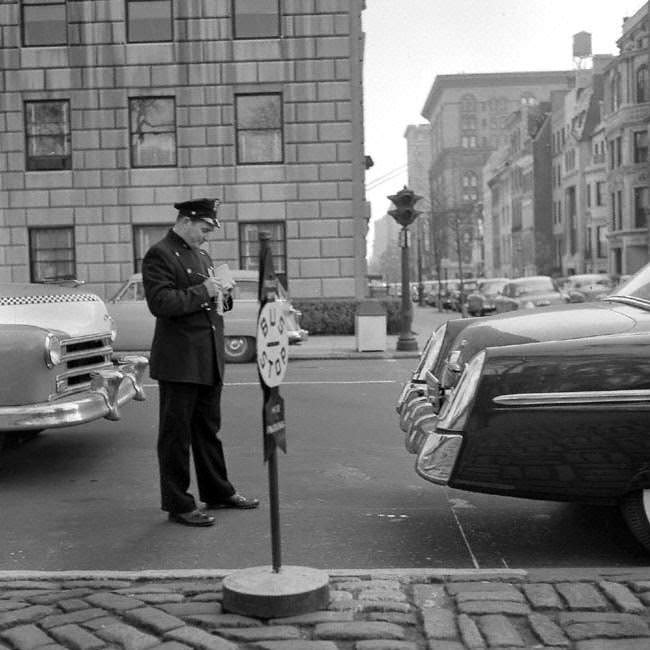
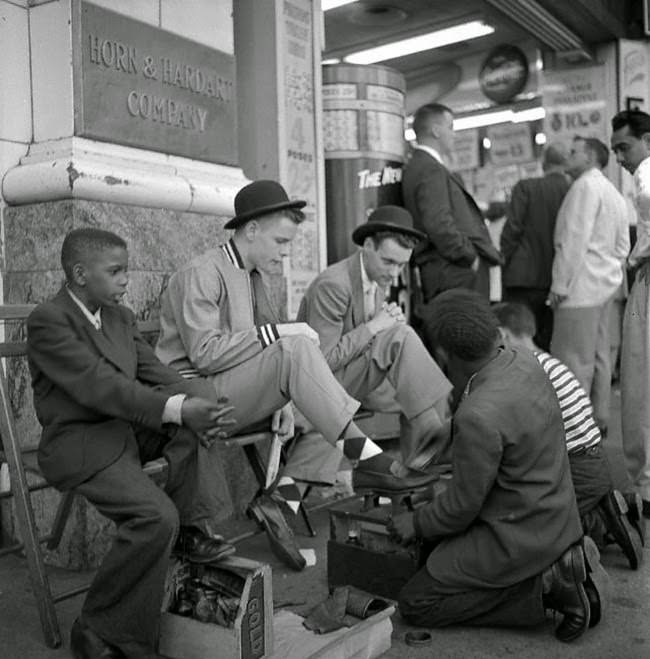
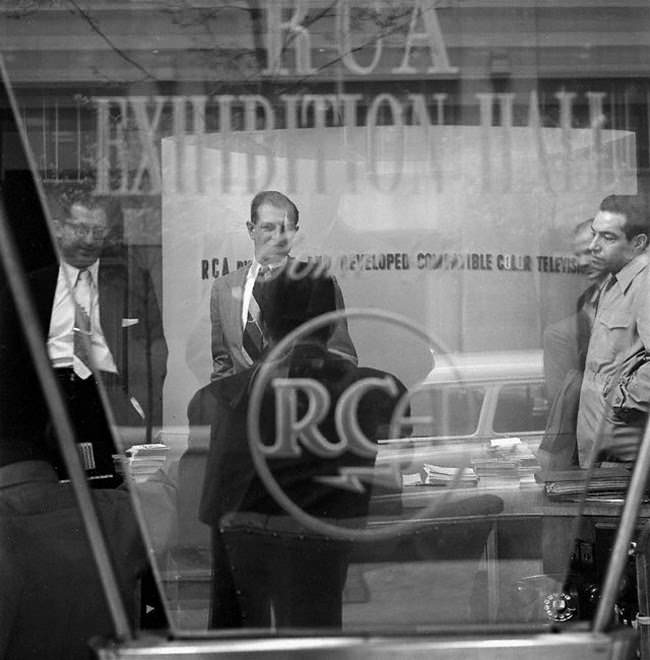
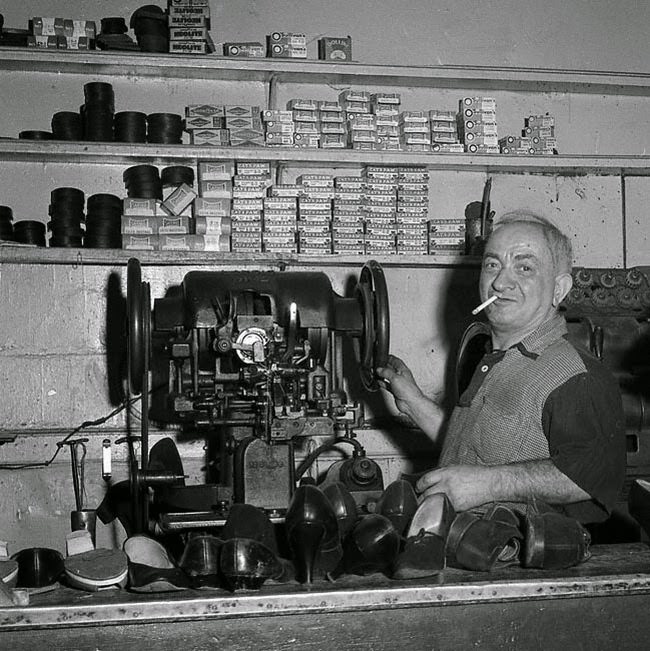
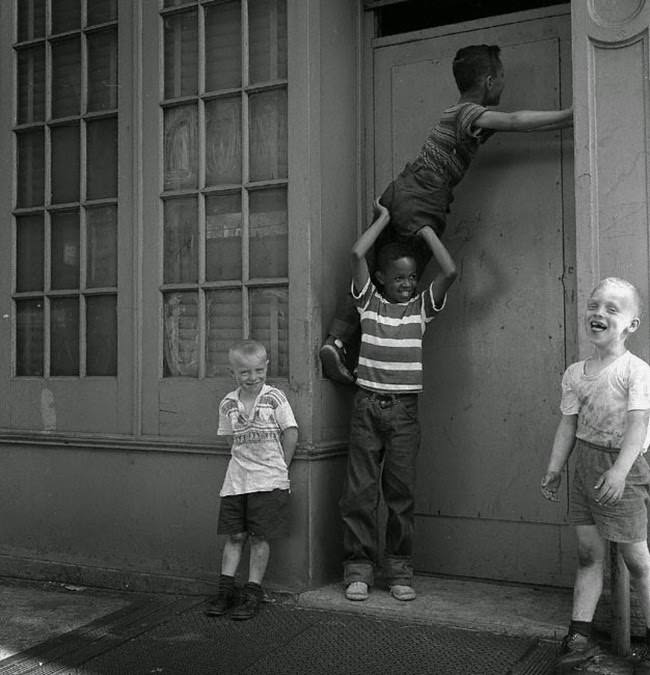
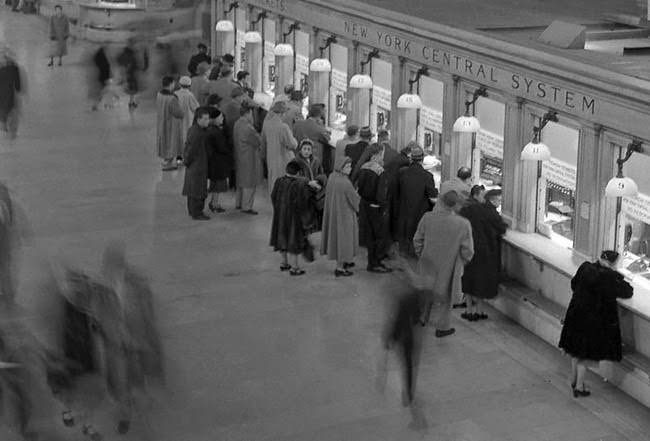
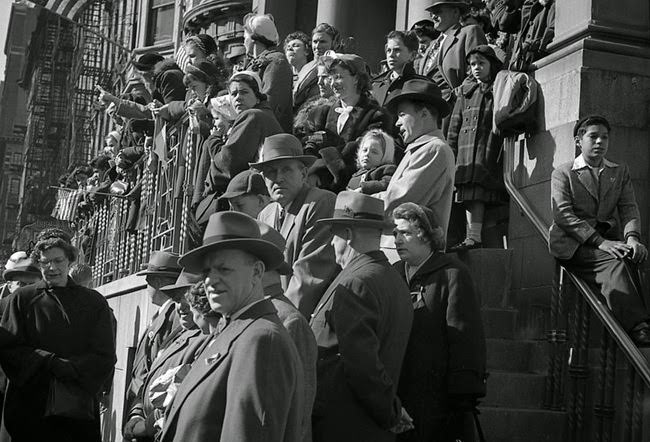
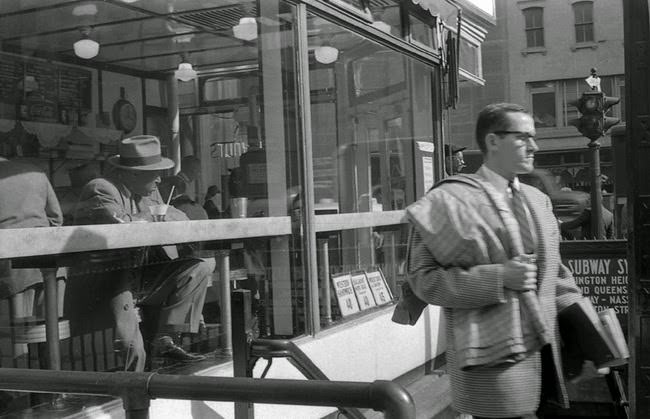
His lens caught commuters rushing to work, street vendors at their carts, and everyday New Yorkers going about their routines — all frozen in a single frame.
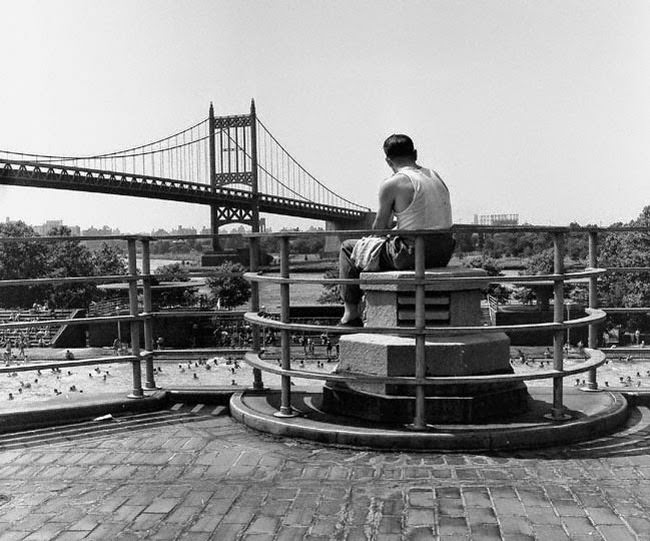
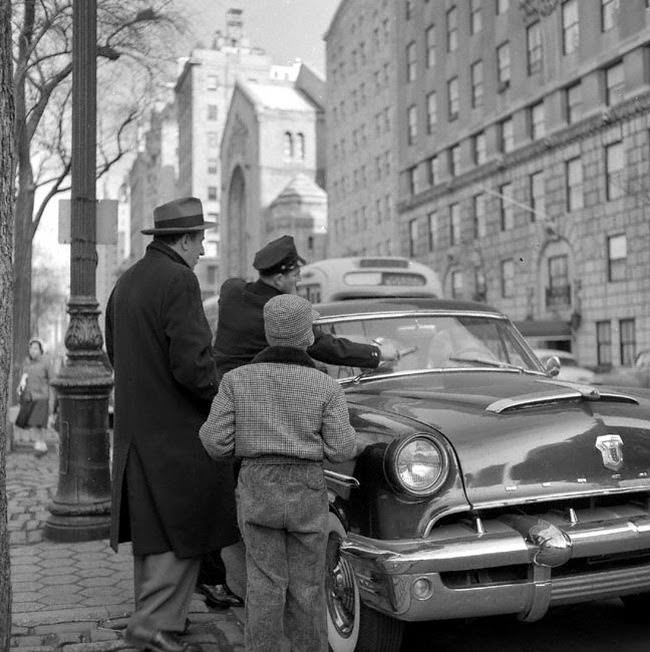
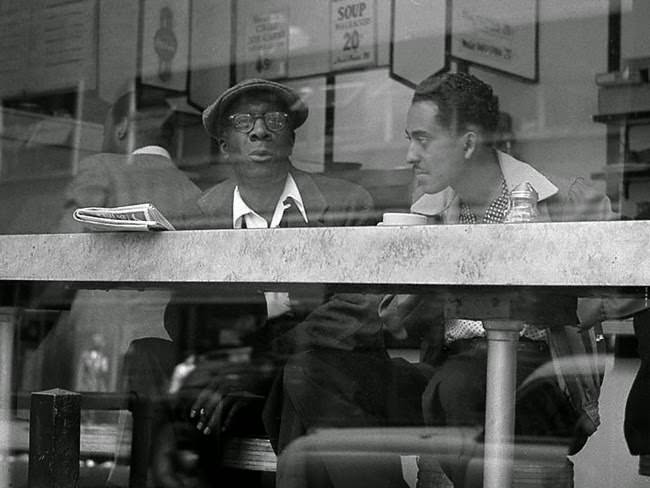
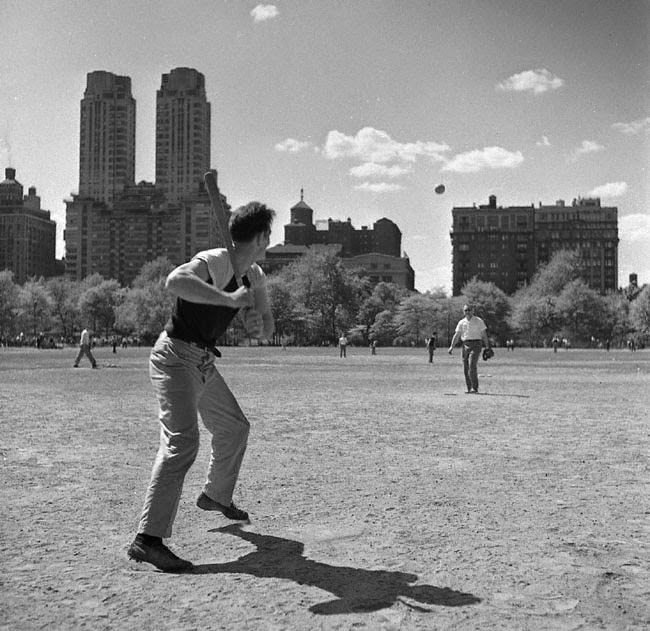
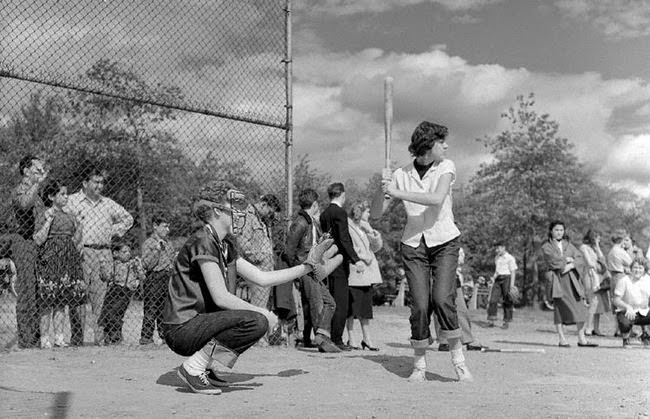
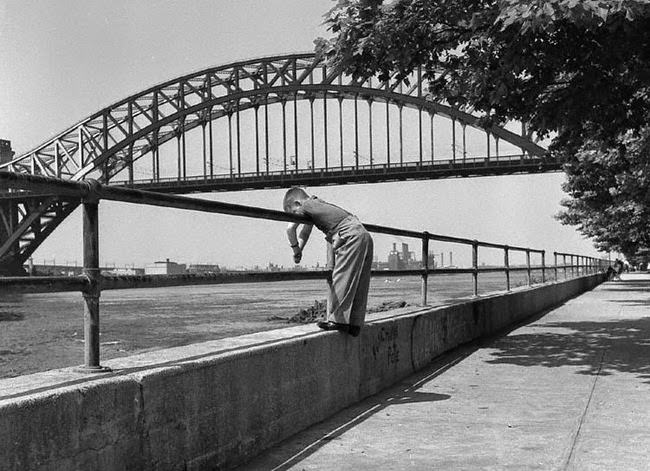
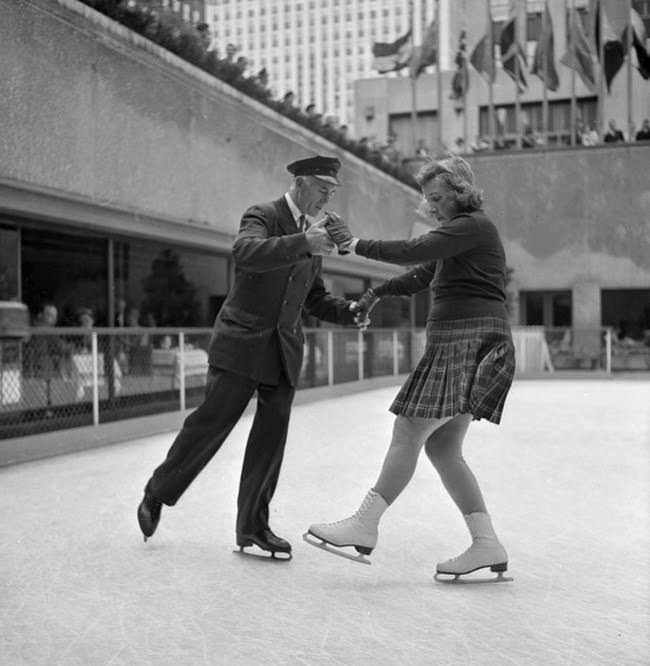
Larson also moved beyond the grittier corners of the city. He photographed the stone arches of the Cloisters in upper Manhattan and the open green lawns of Central Park. Kissena Park in Queens gave him a quieter, more relaxed side of the outer boroughs to document.
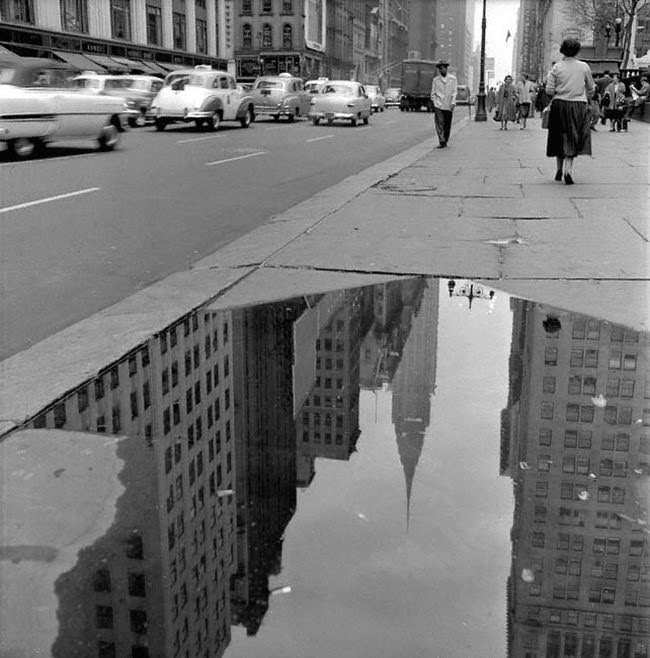
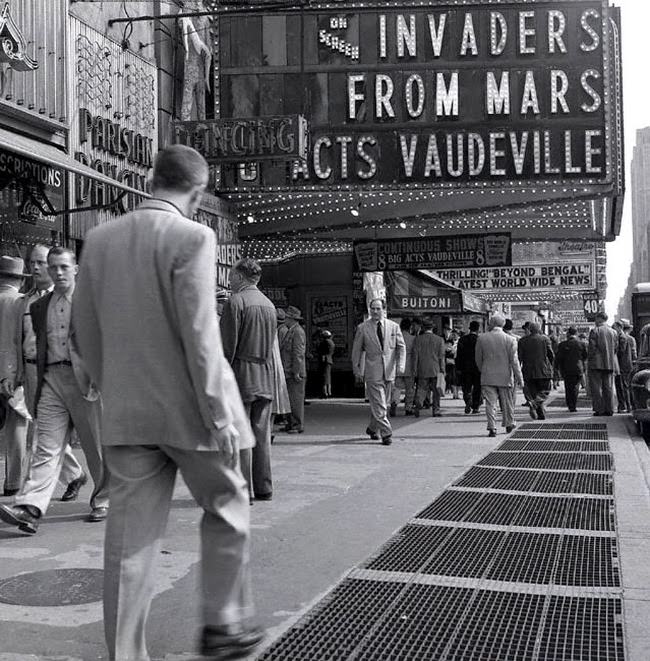
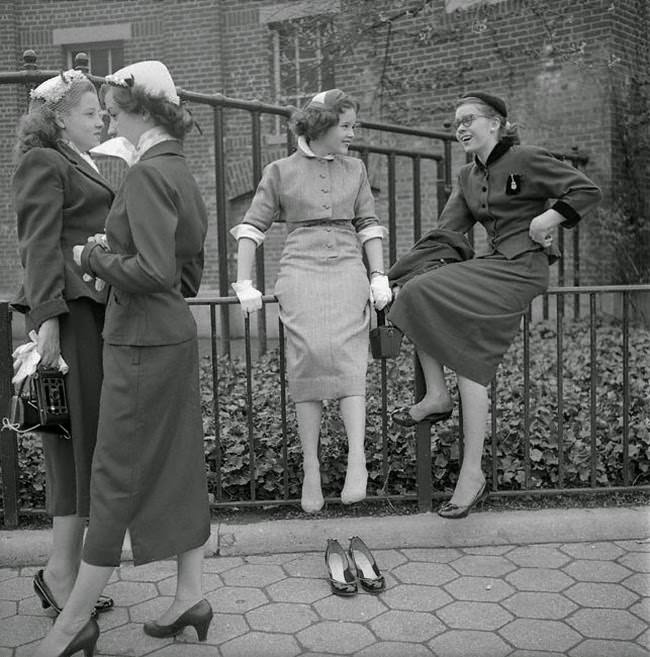
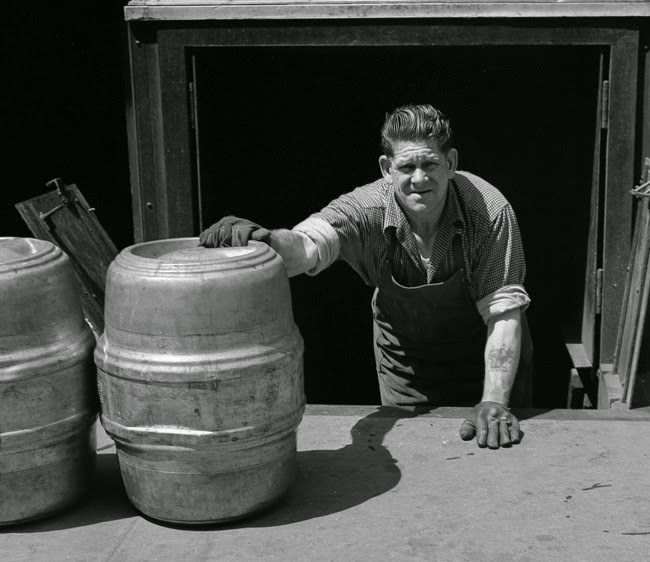
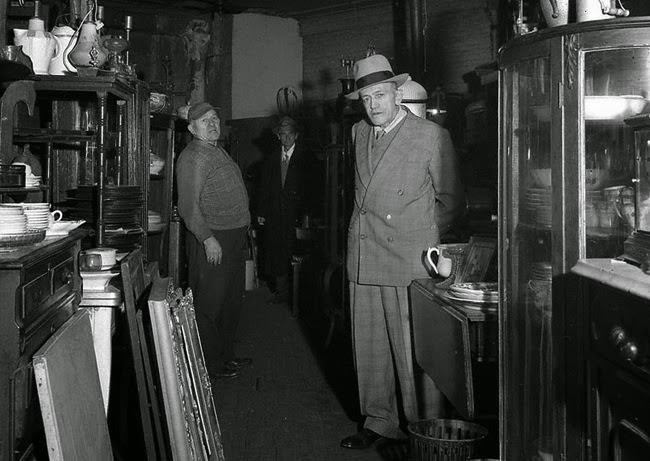
Across every neighborhood, his photos captured the fashion, architecture, and social fabric of 1950s New York with a precision that no written record can fully match.