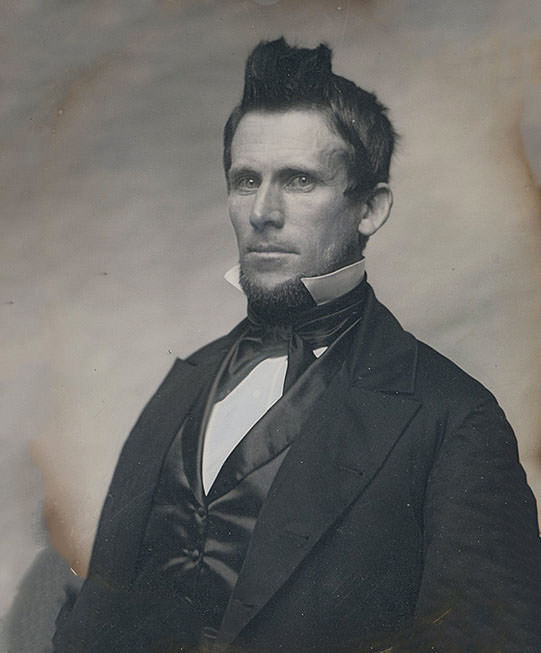
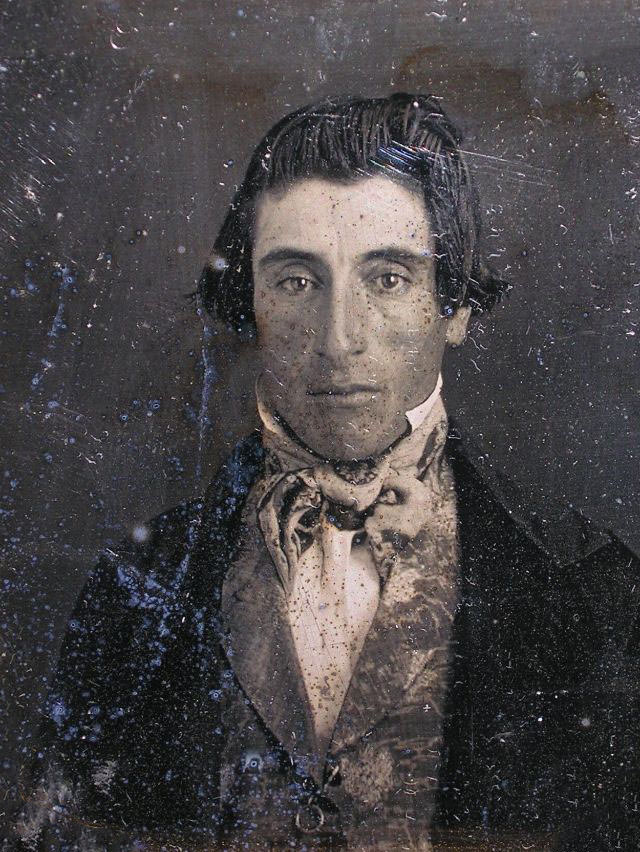
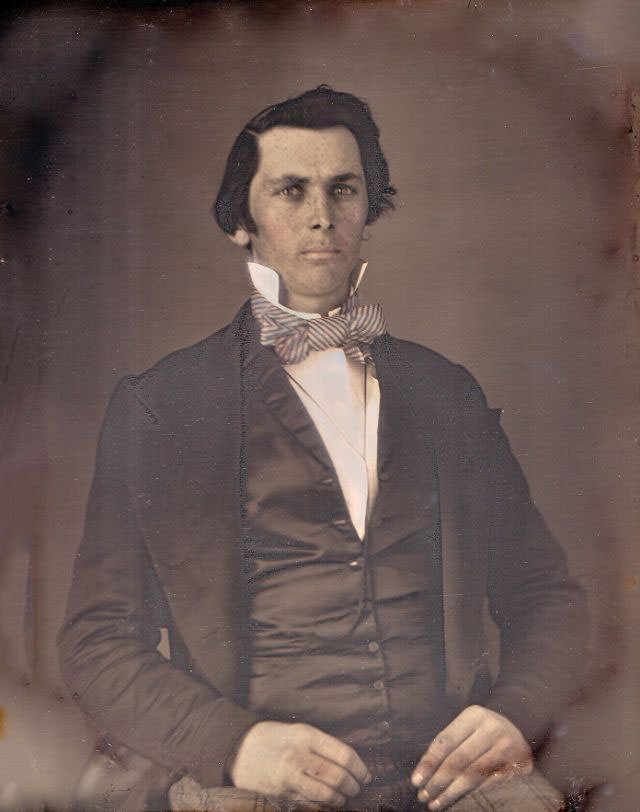
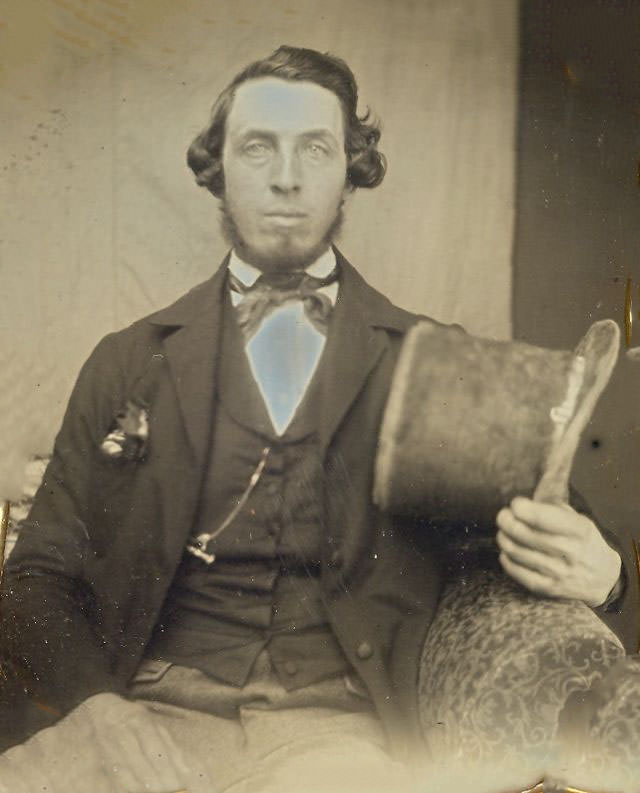
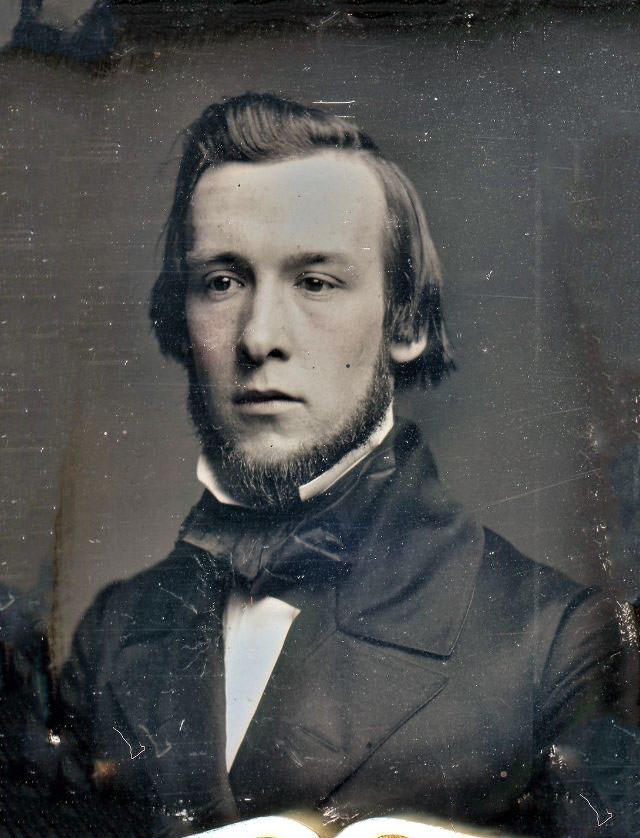
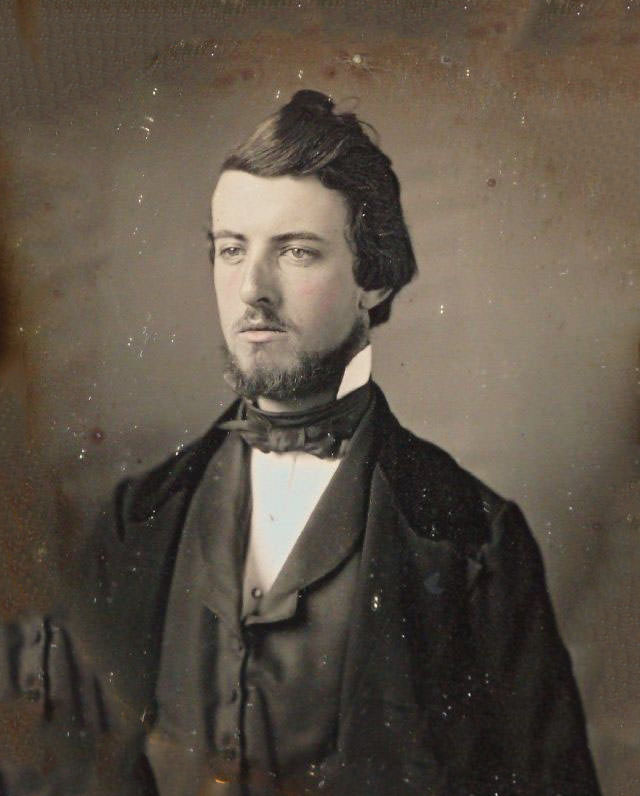
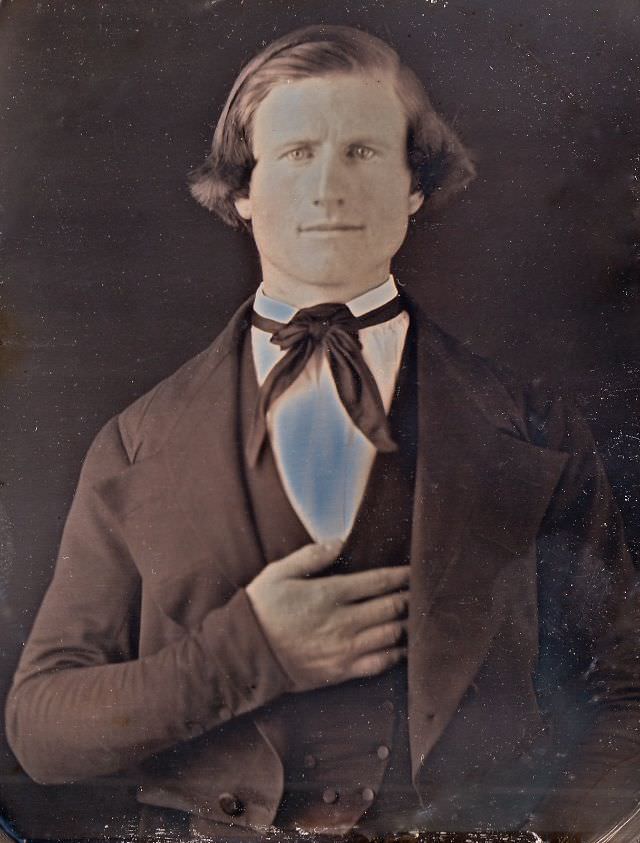
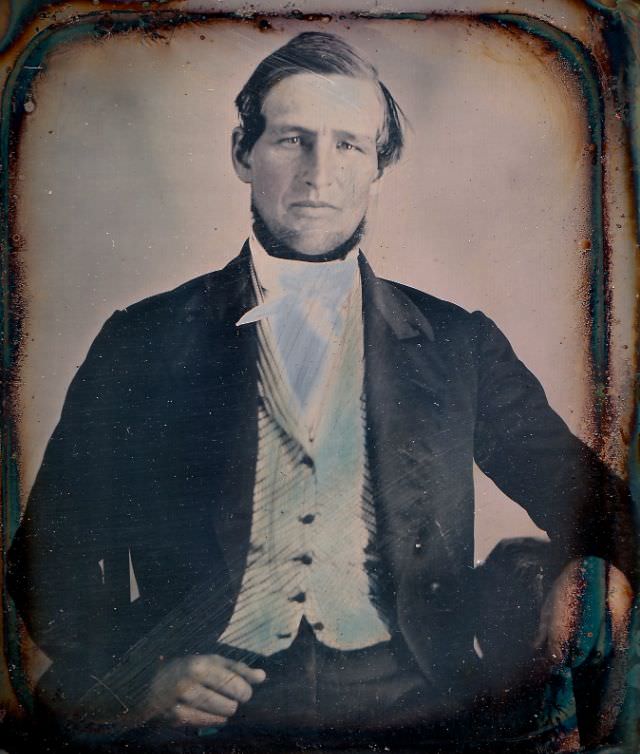
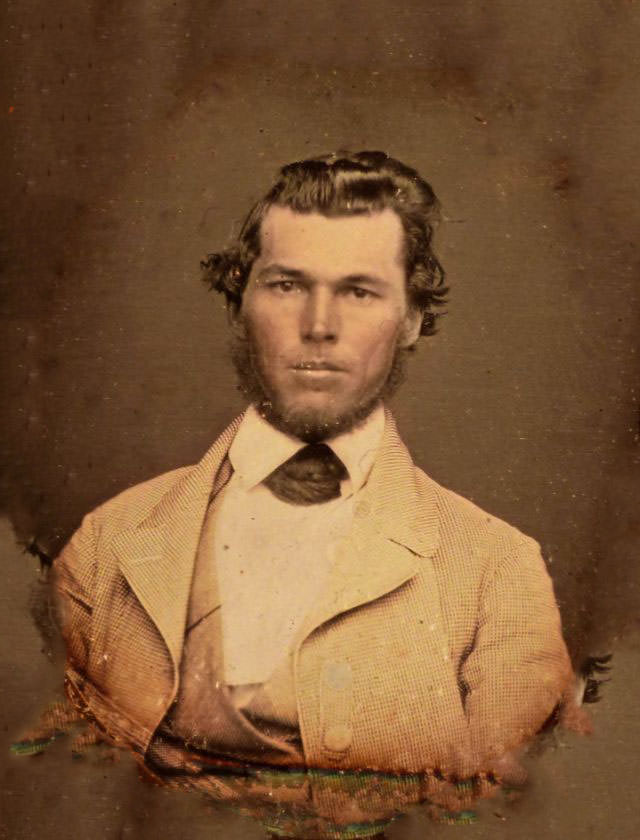
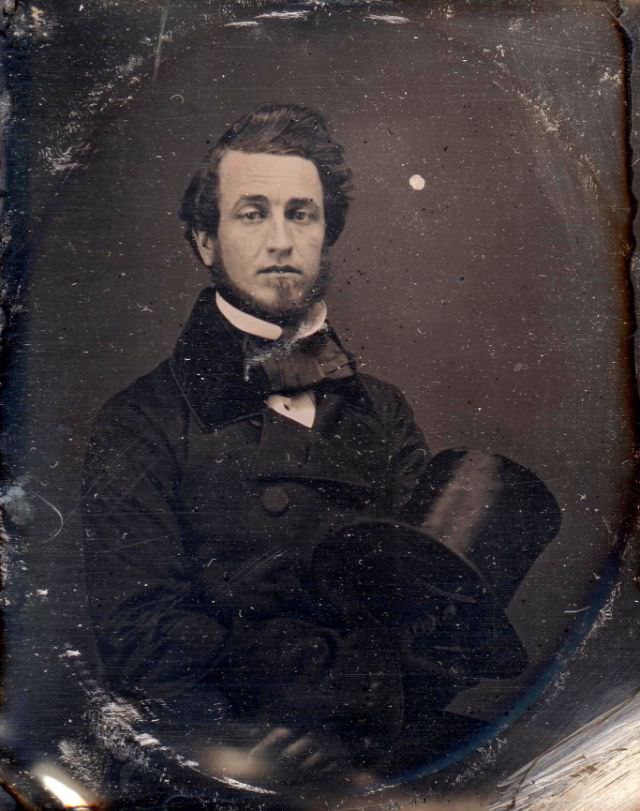
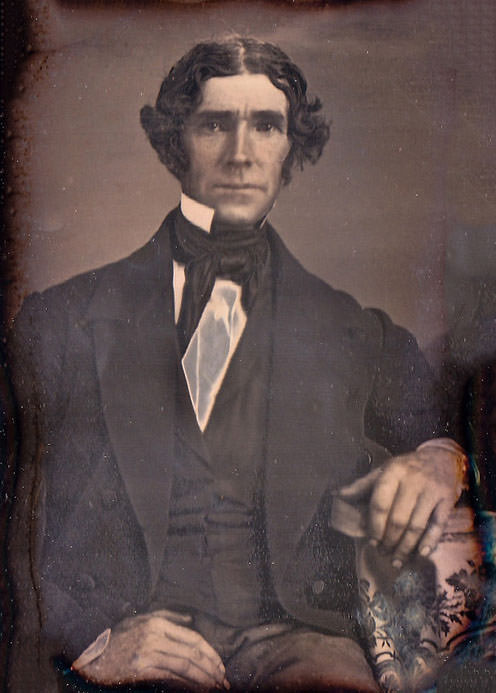
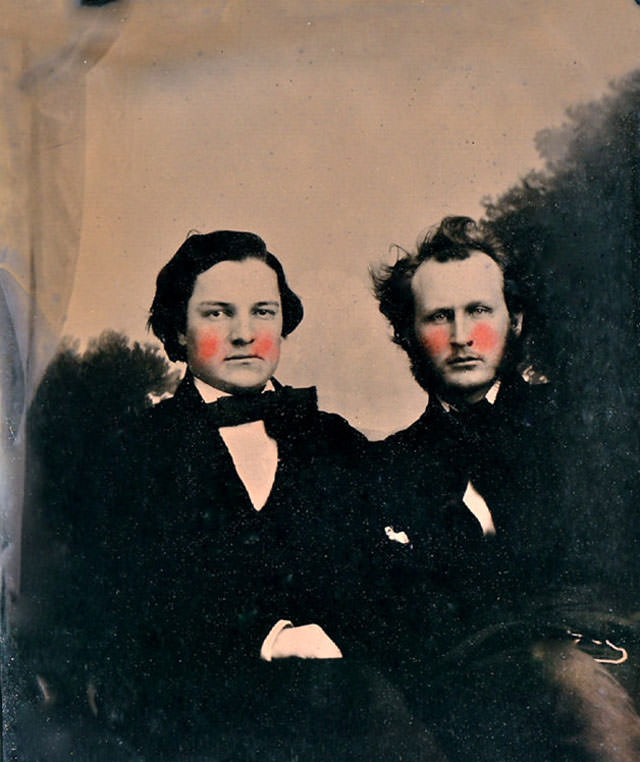
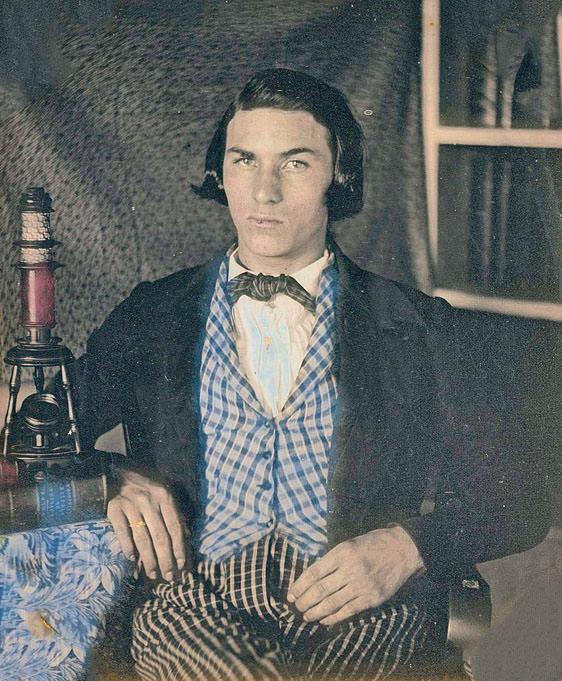
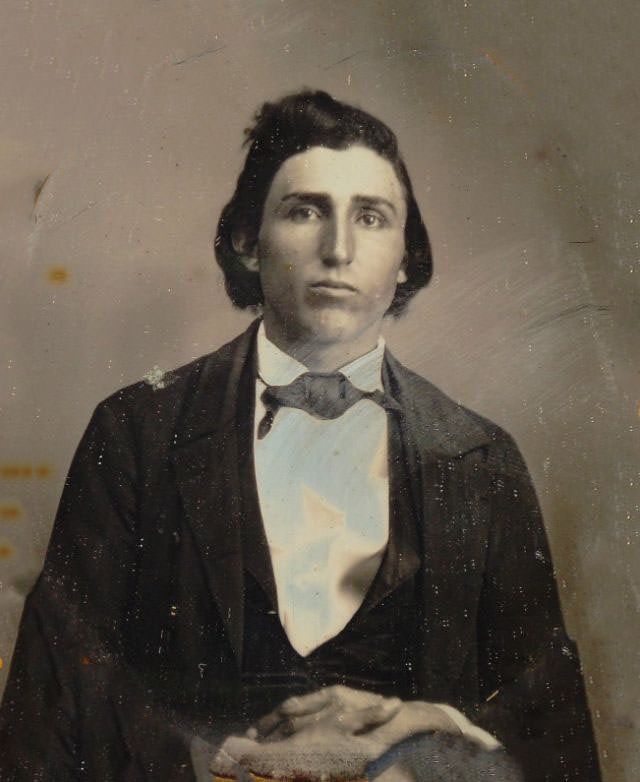
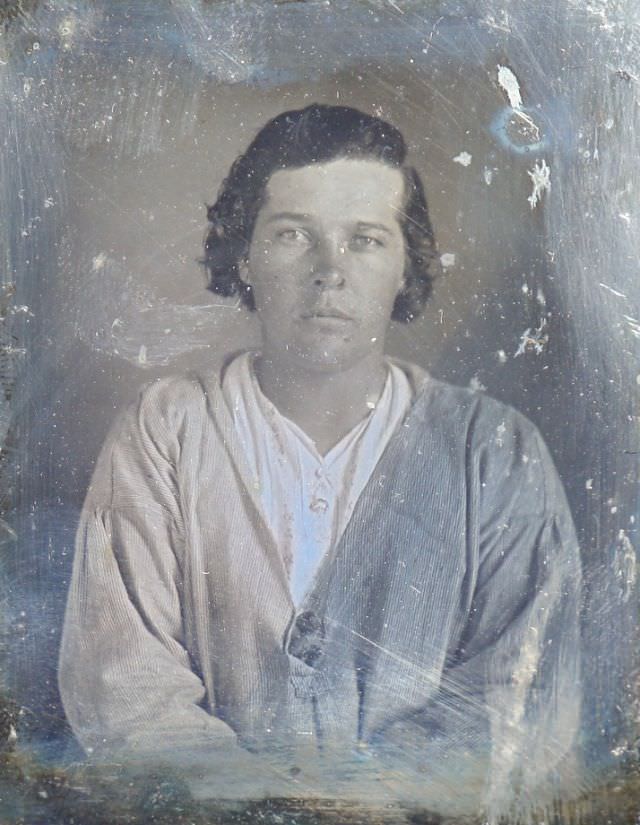
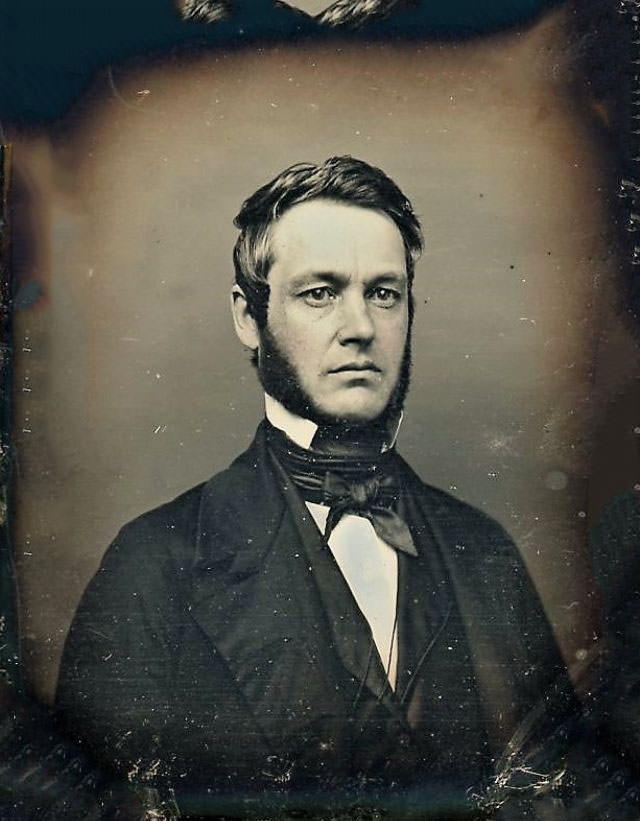
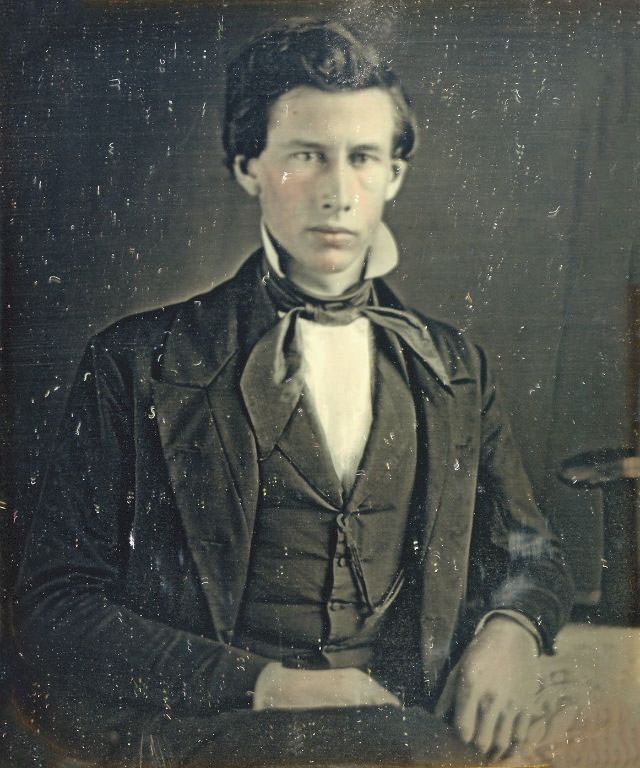
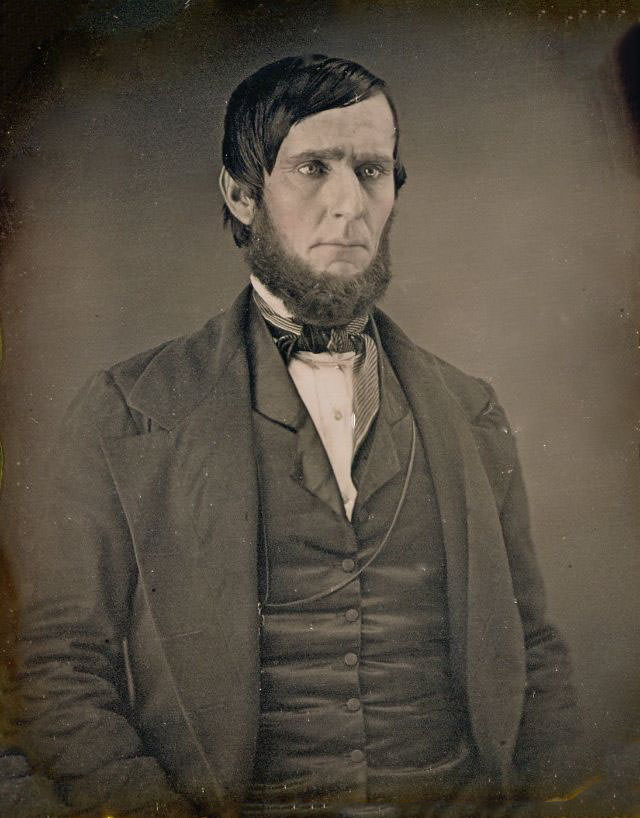
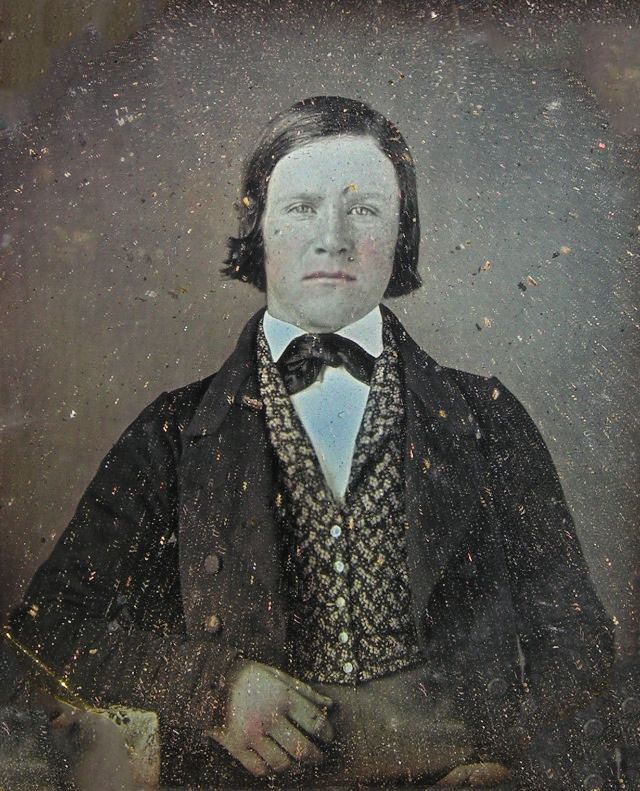
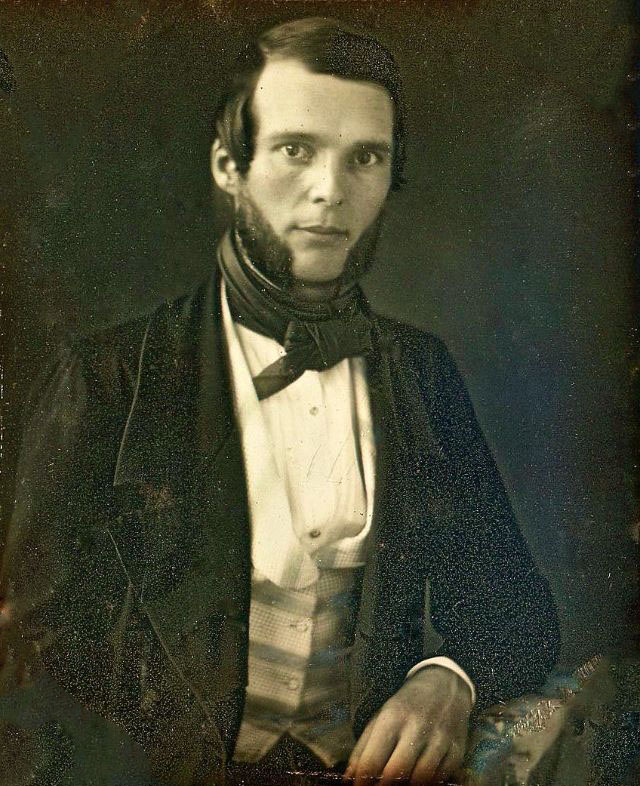
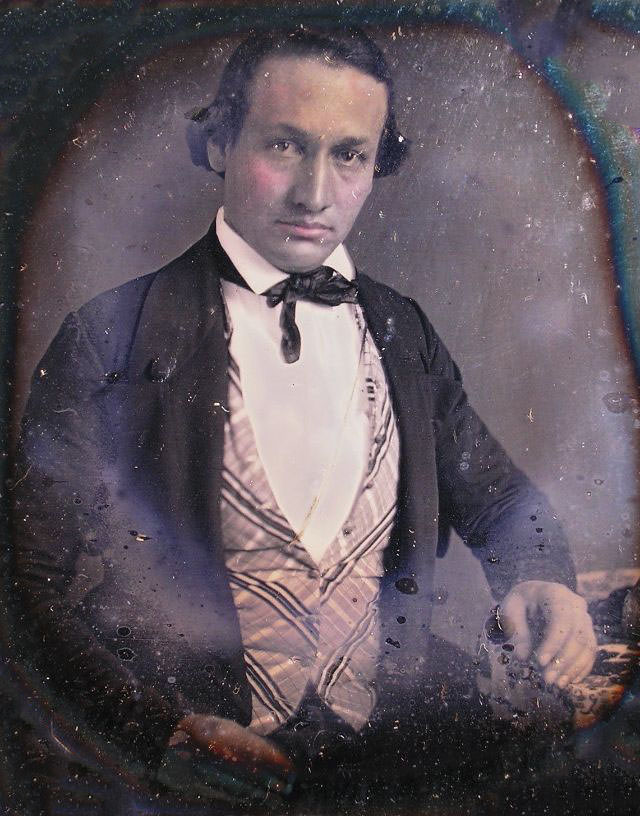
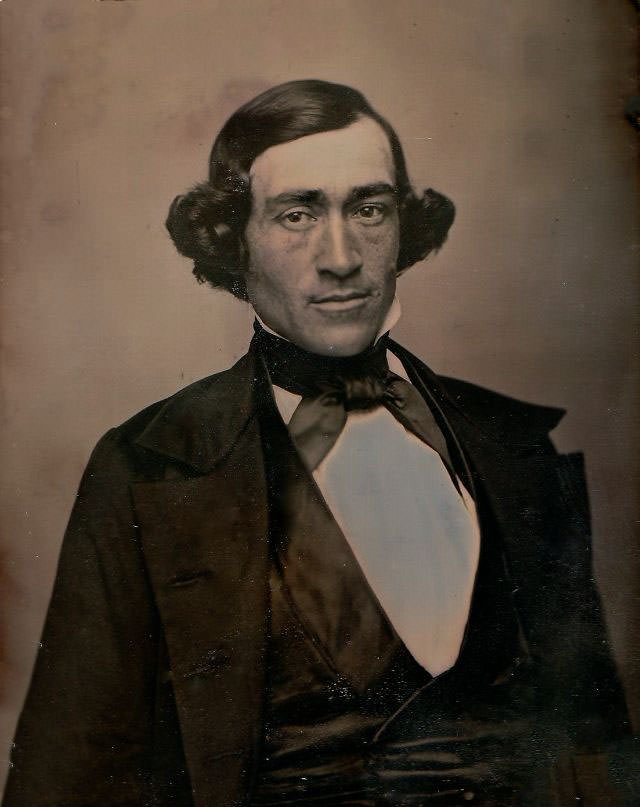
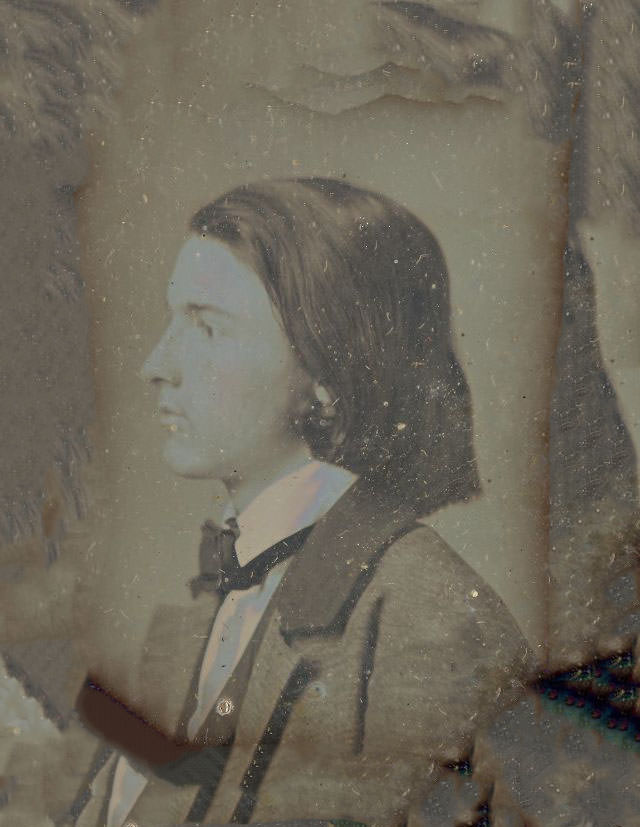
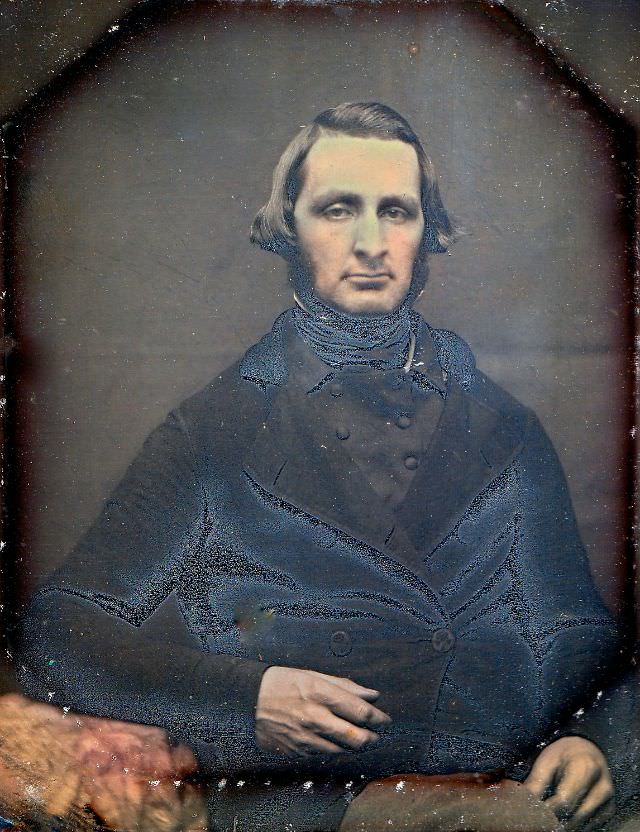
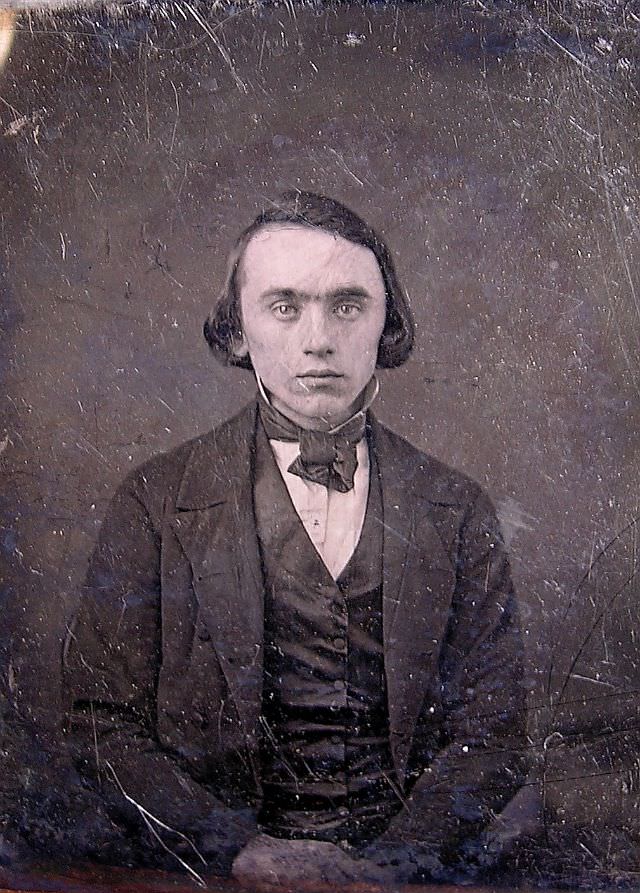
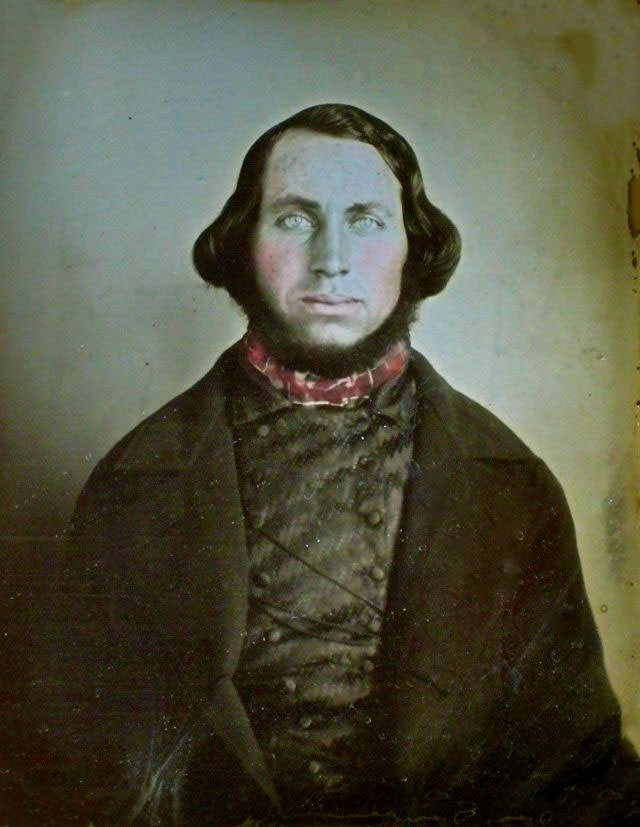
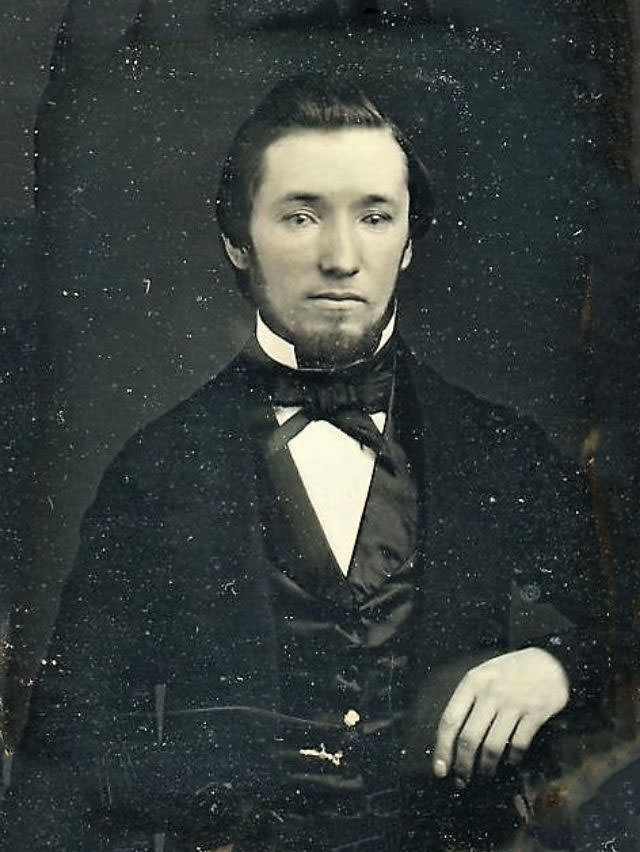
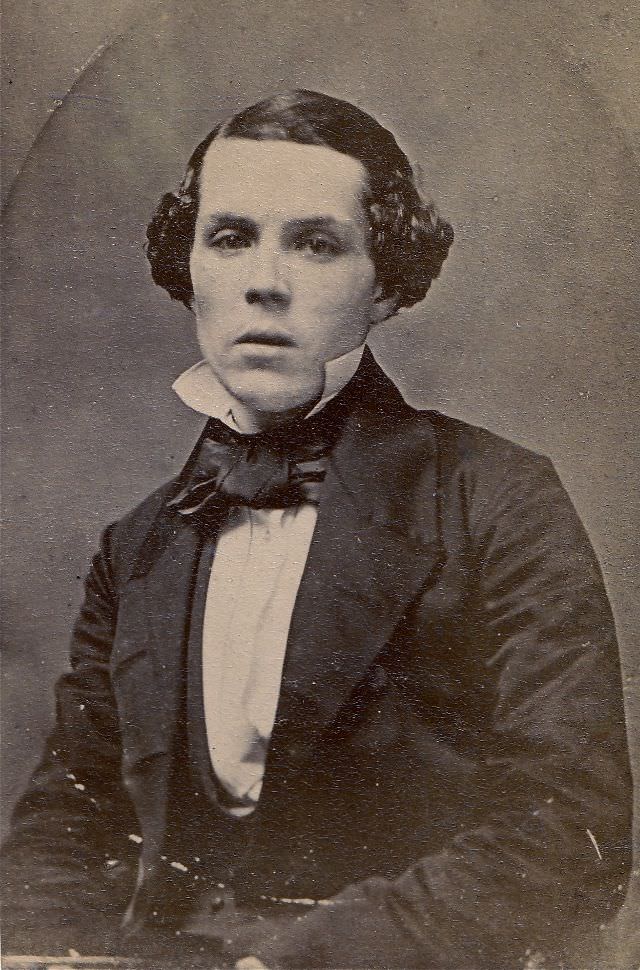
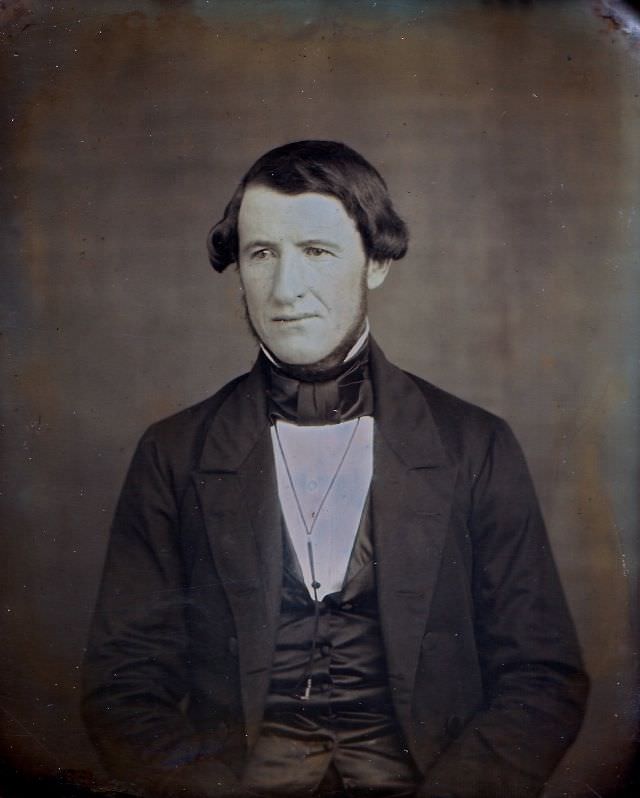
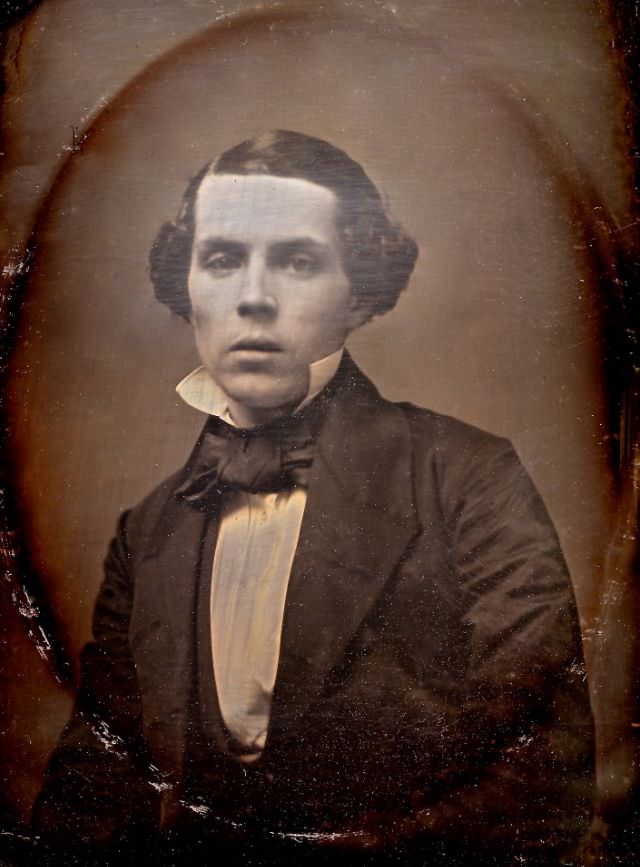
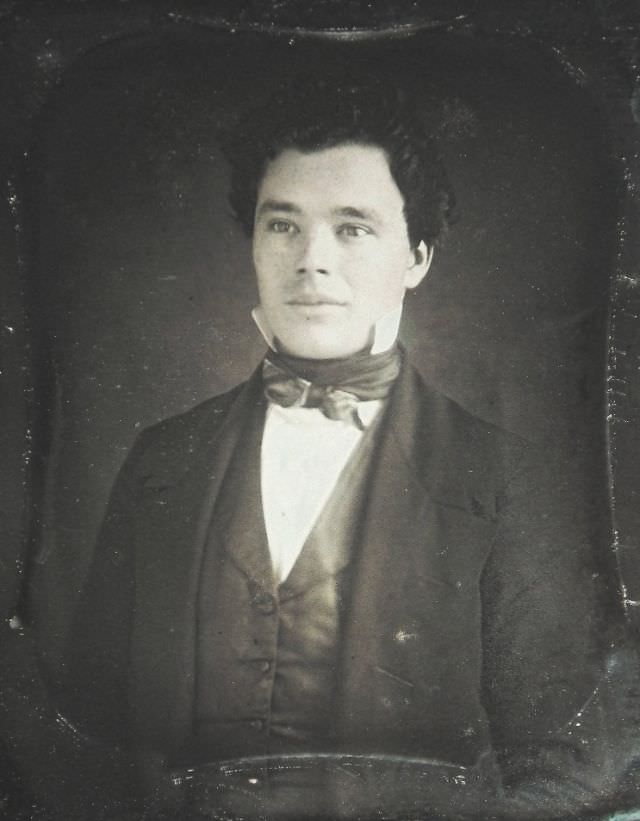
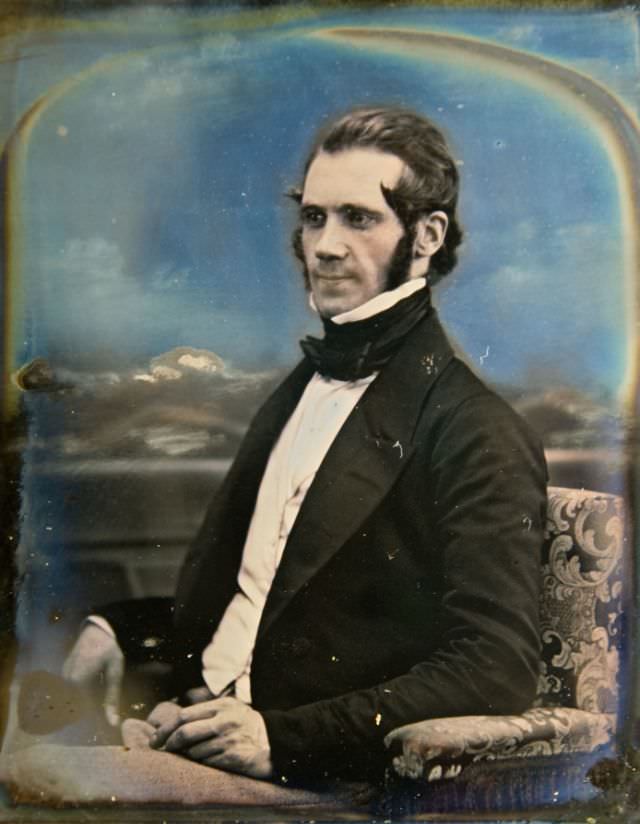
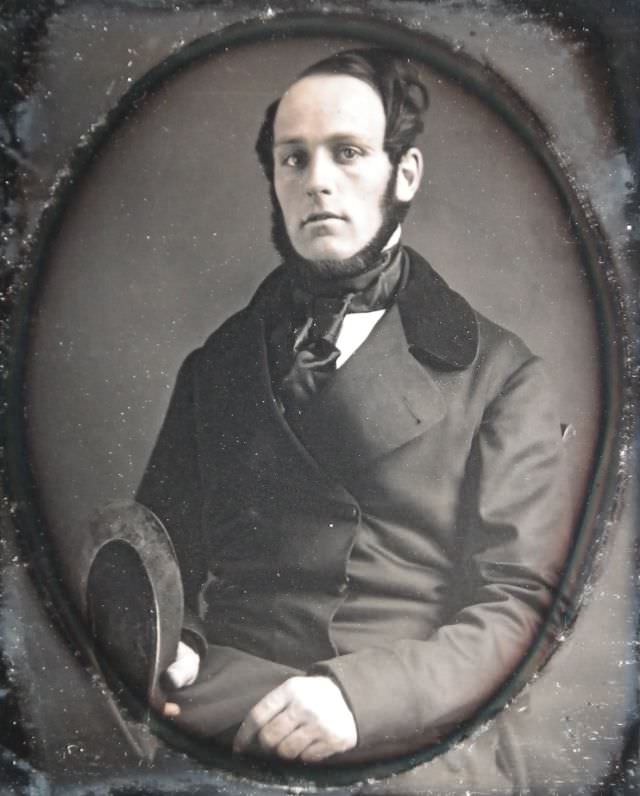
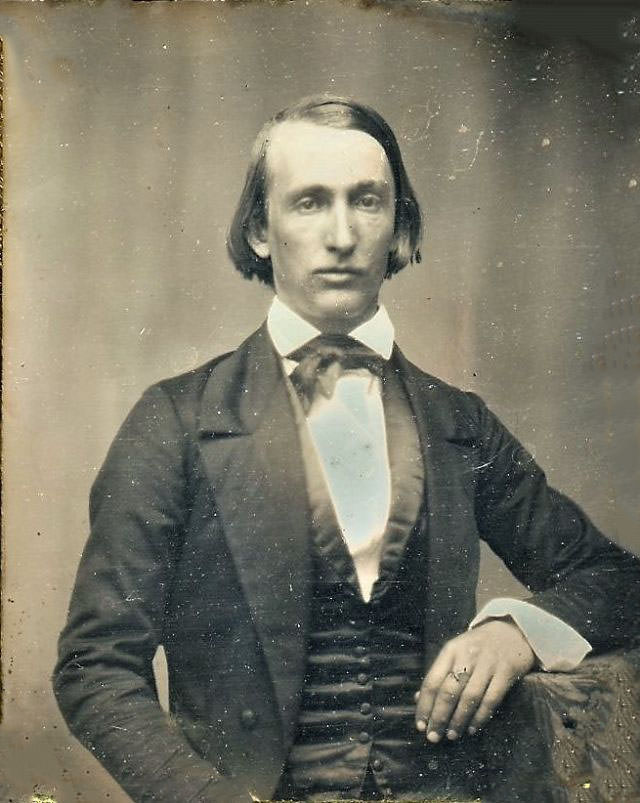
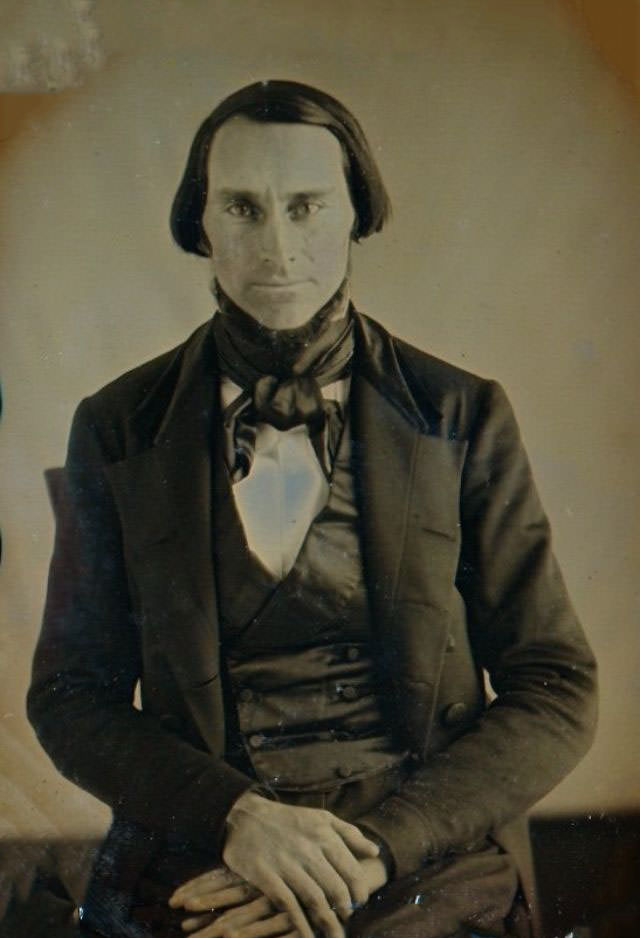
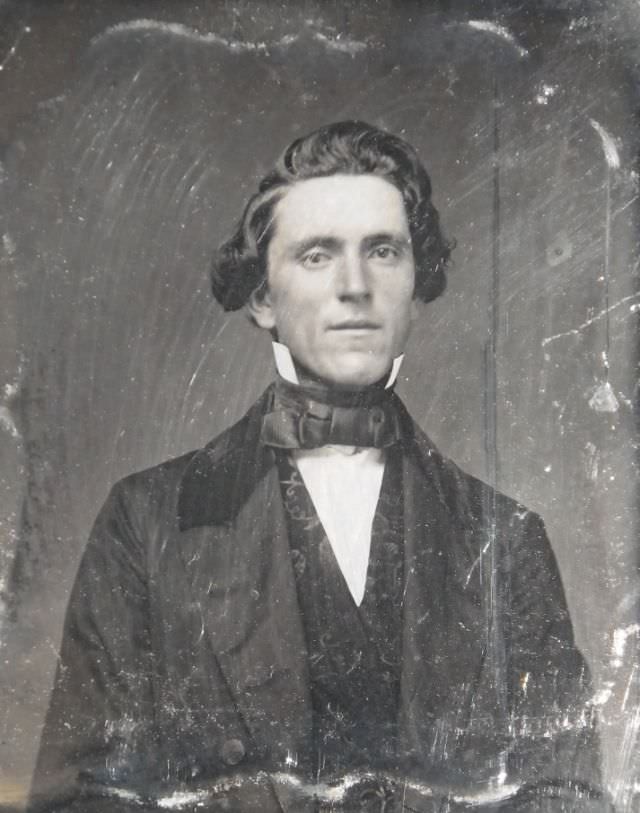
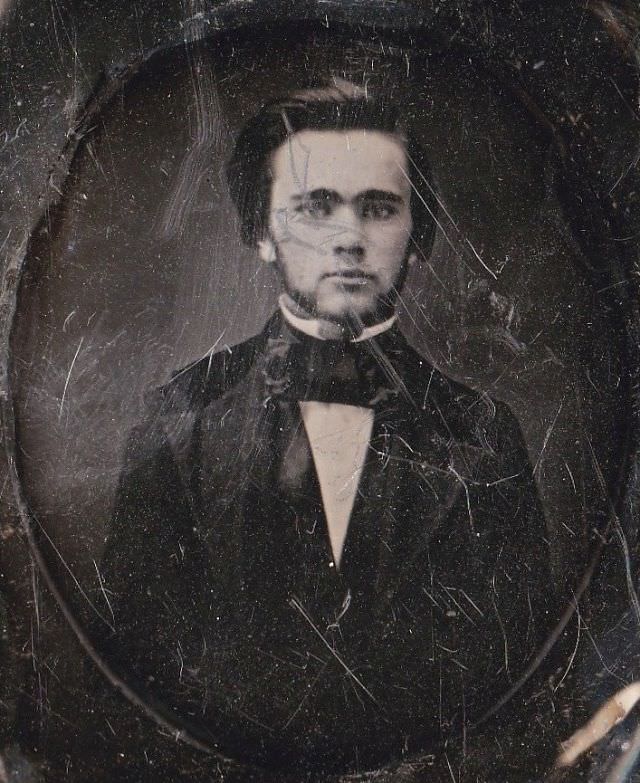
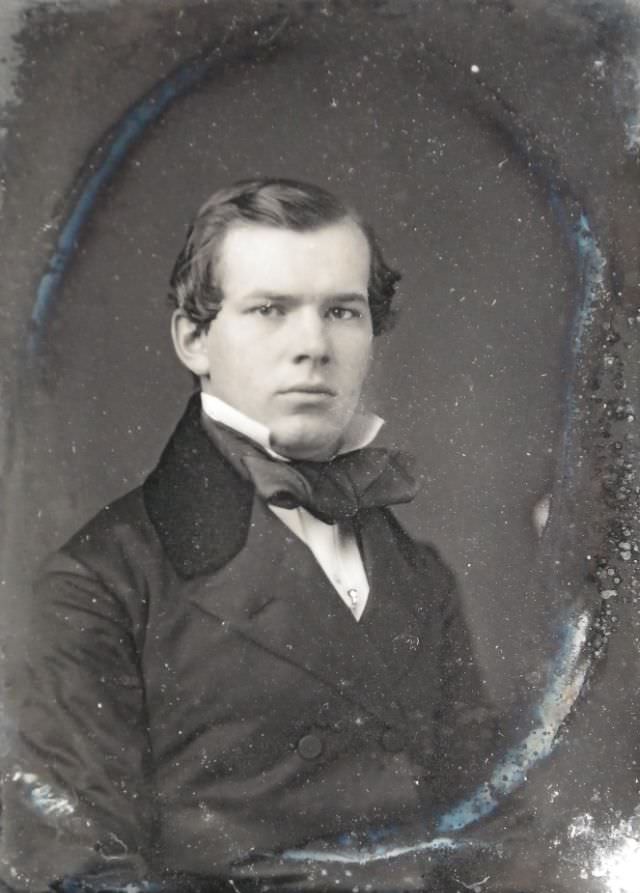
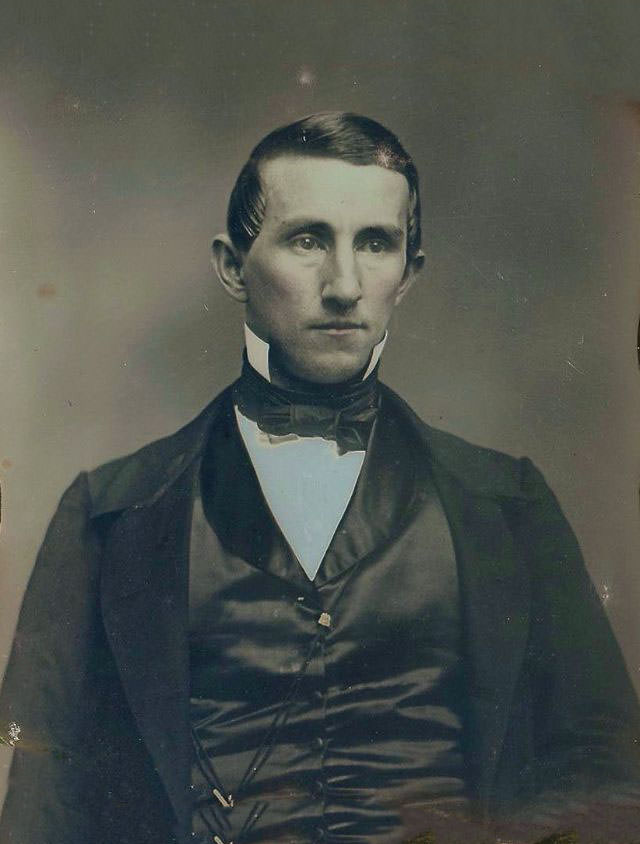
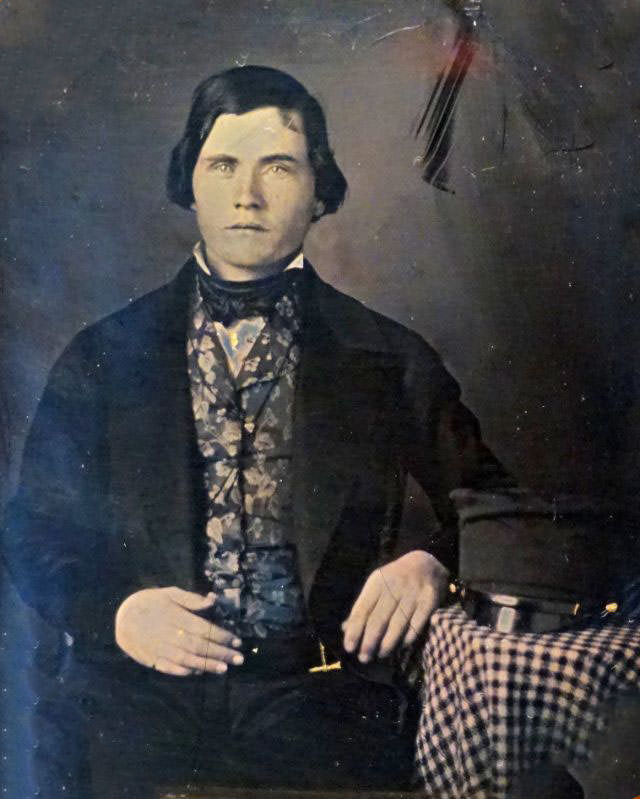
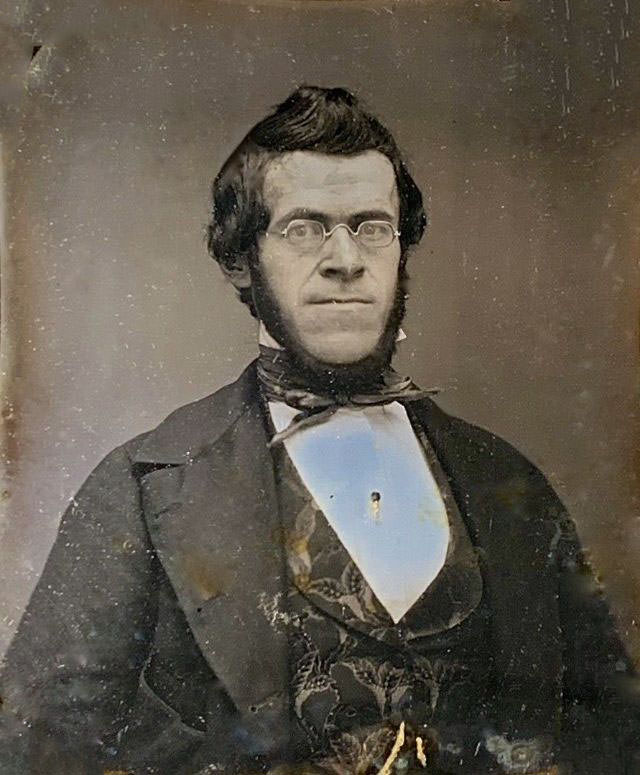
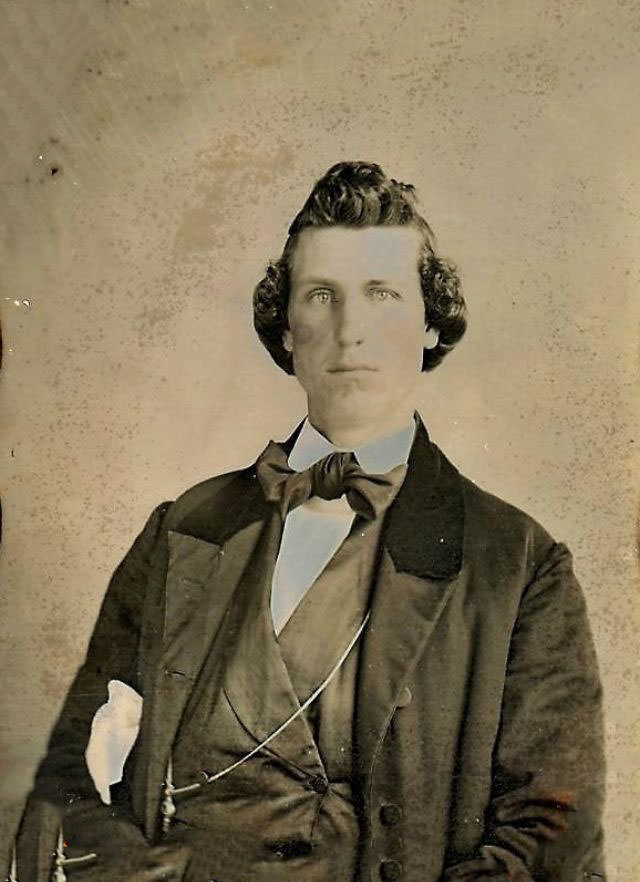
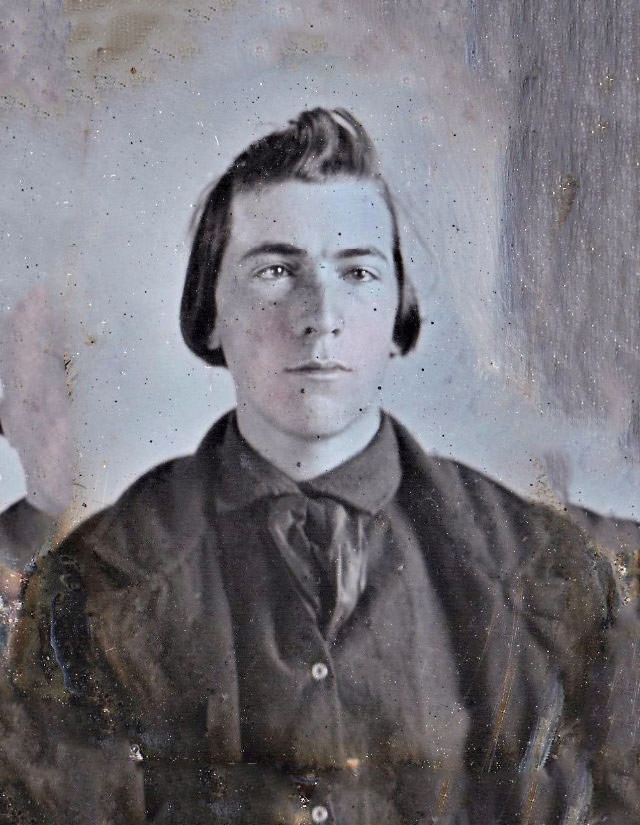
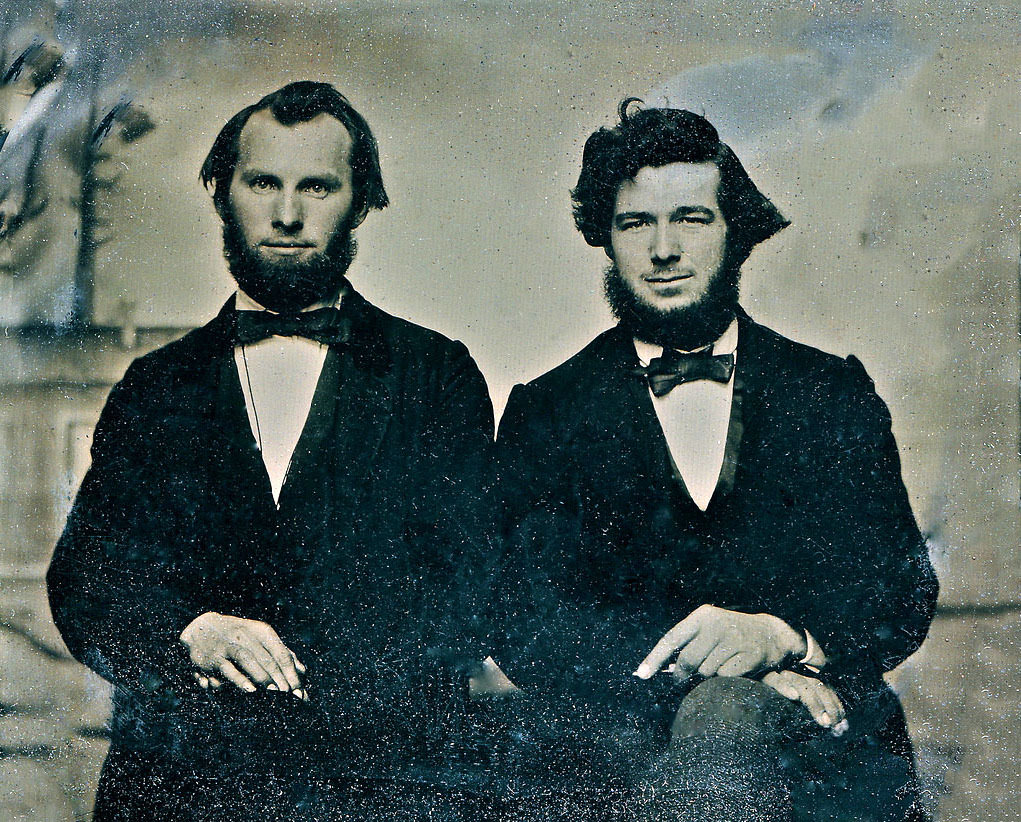
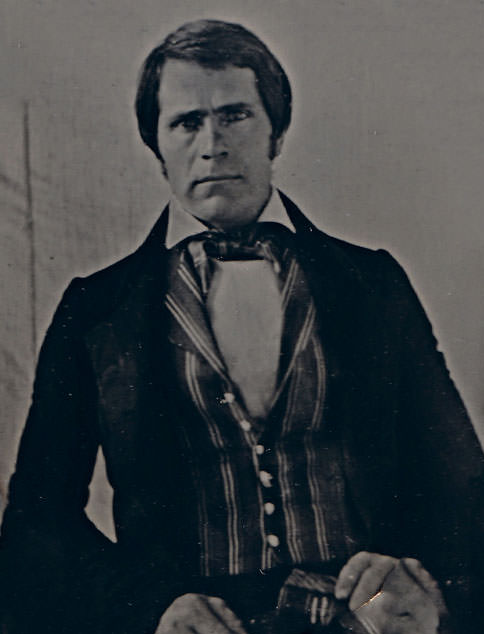
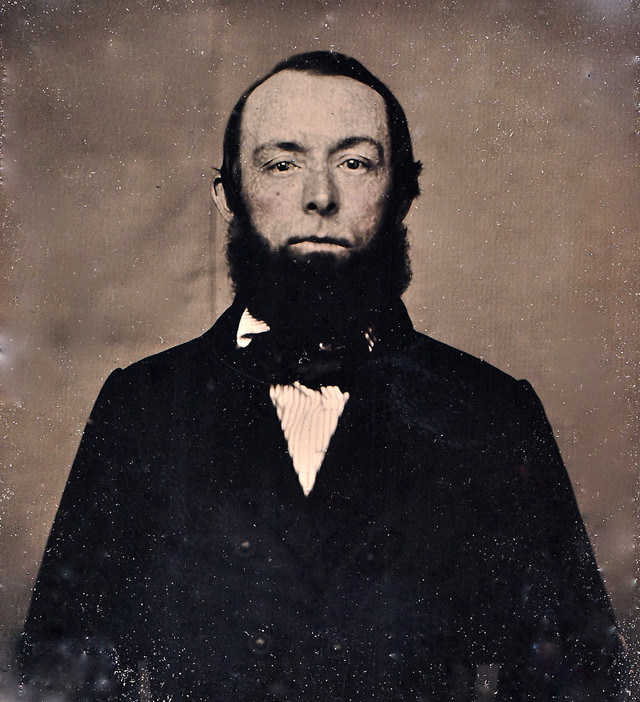
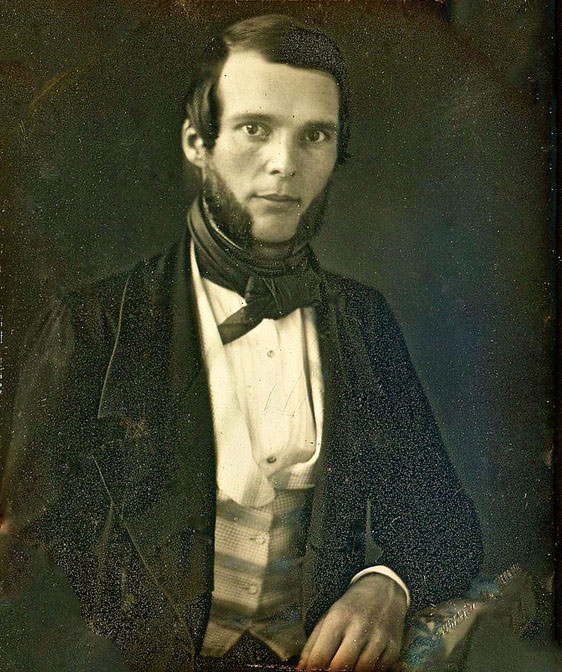
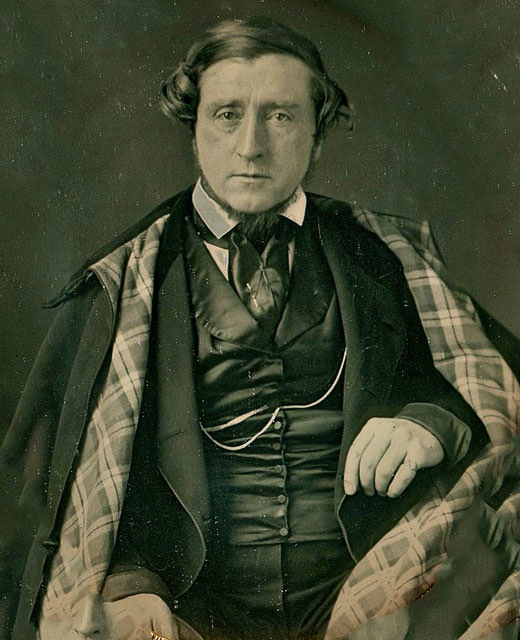
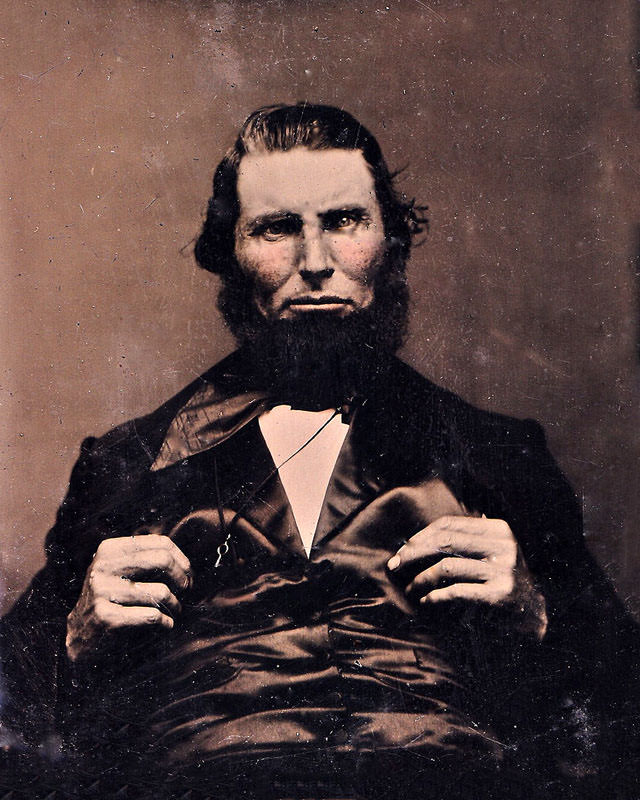
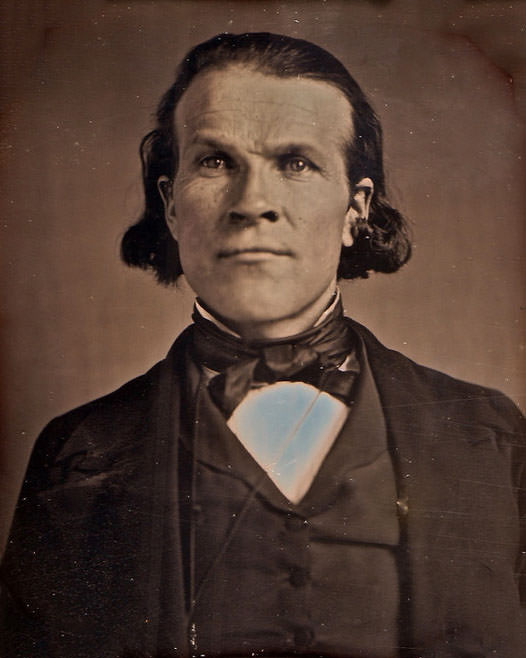
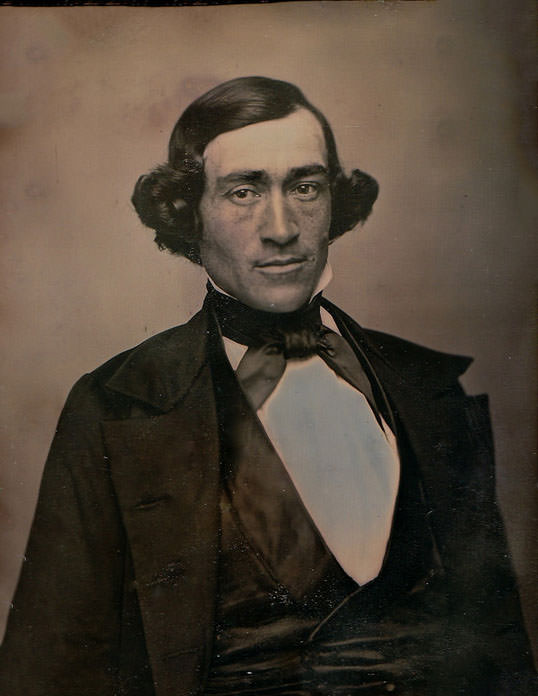
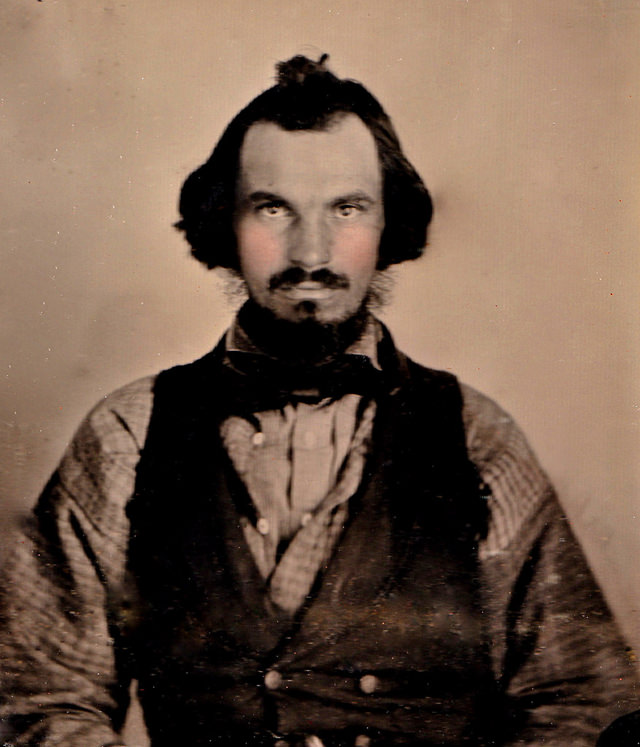
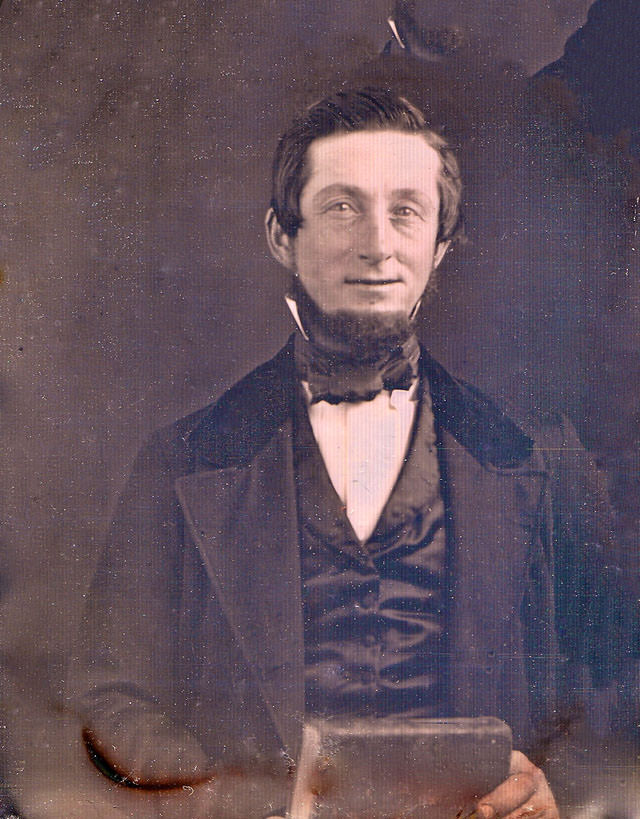
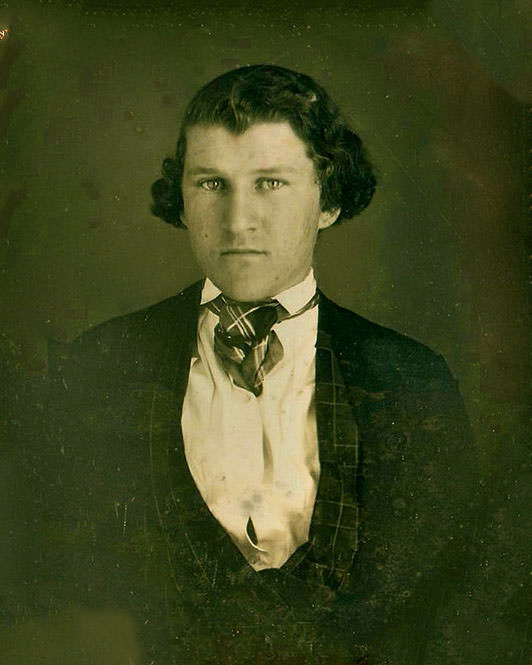
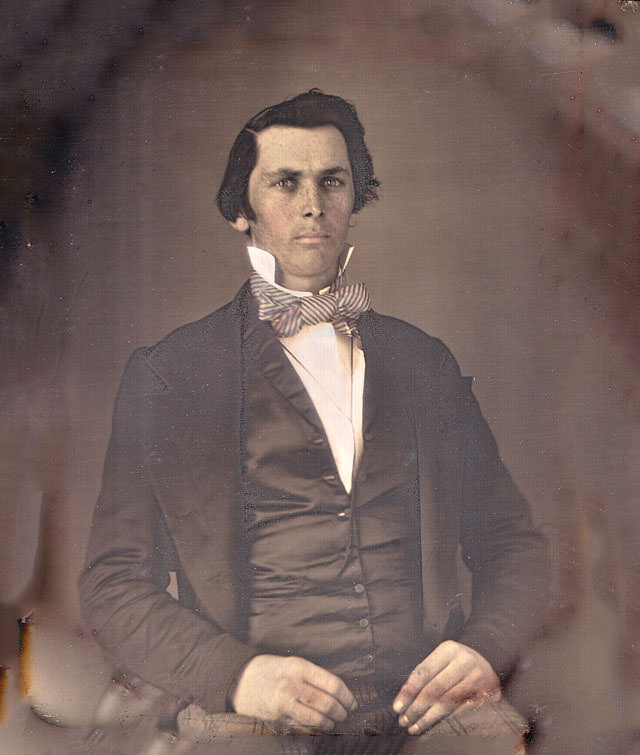
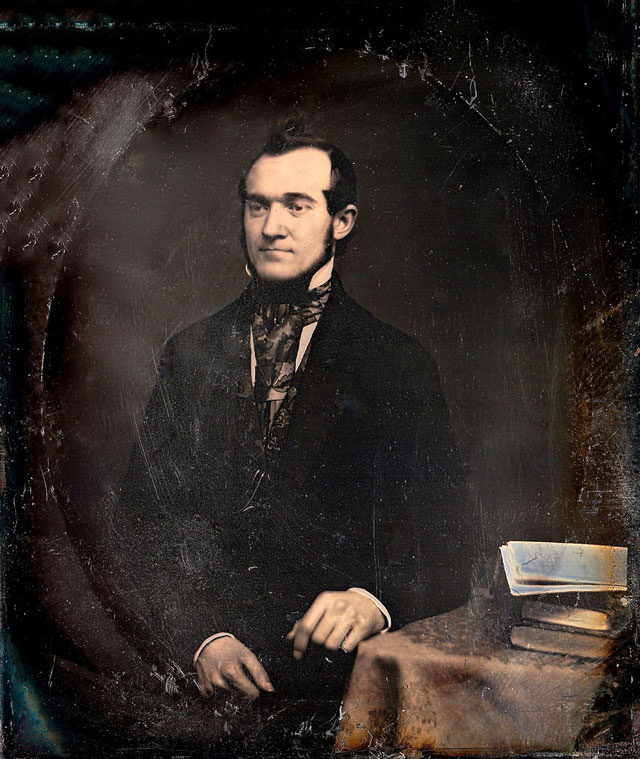
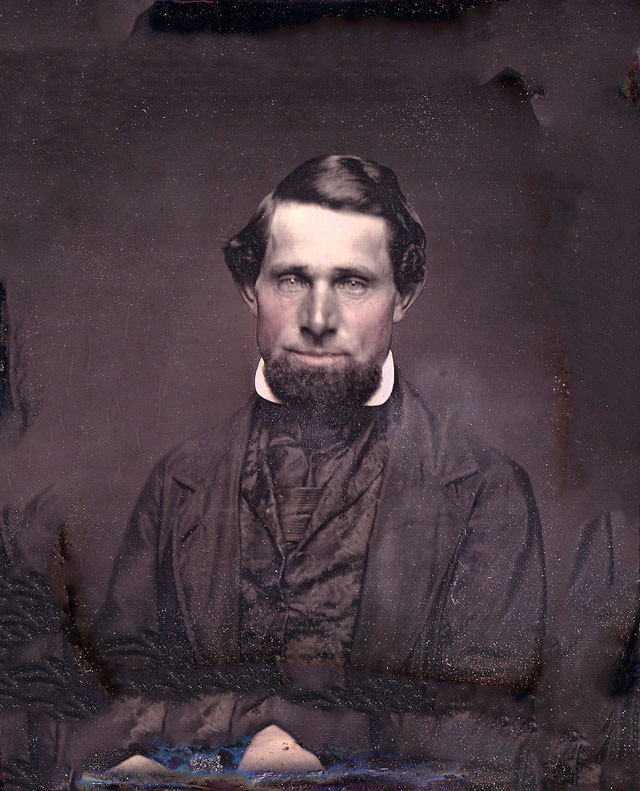
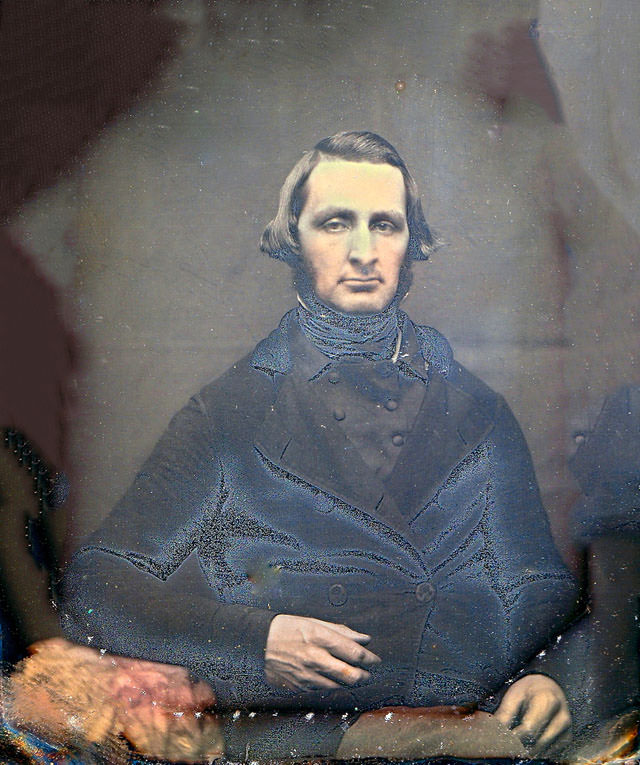
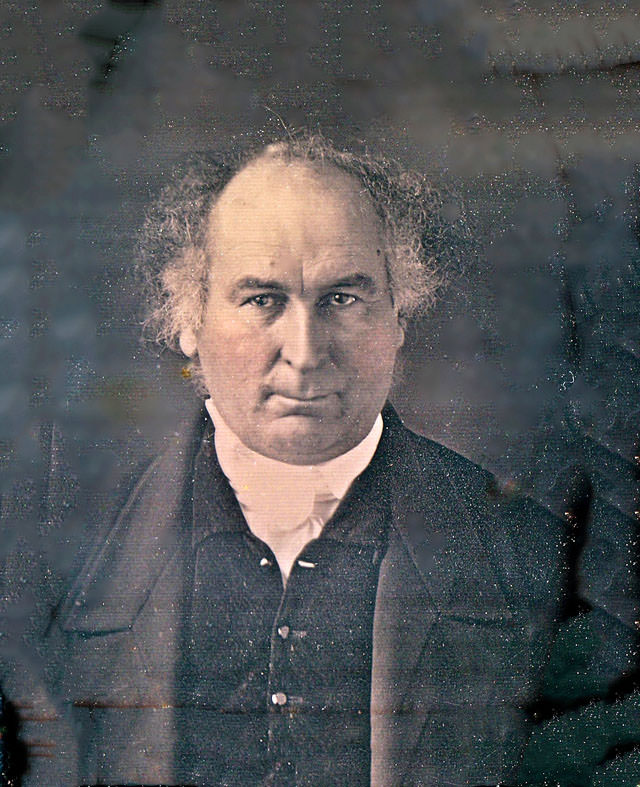
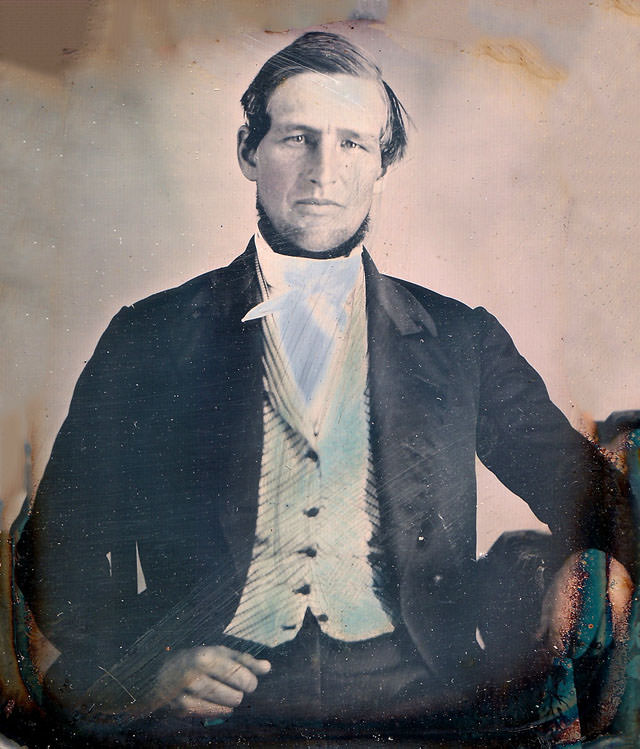
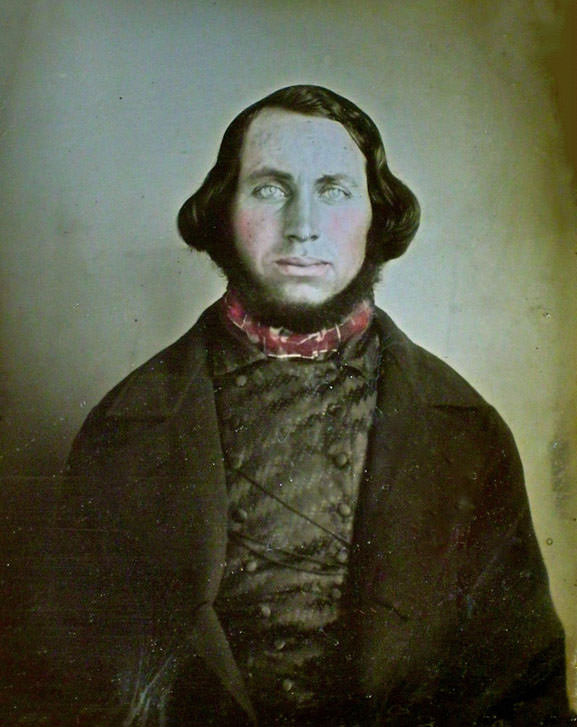
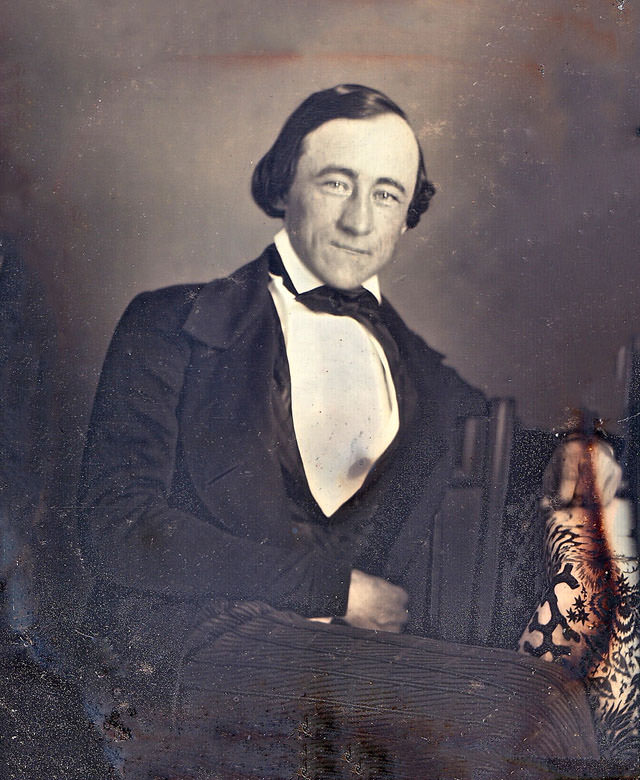
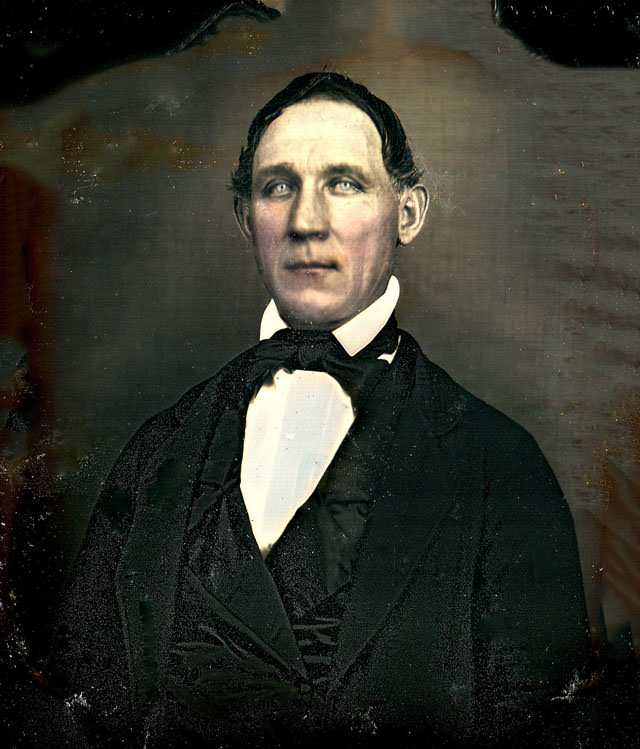
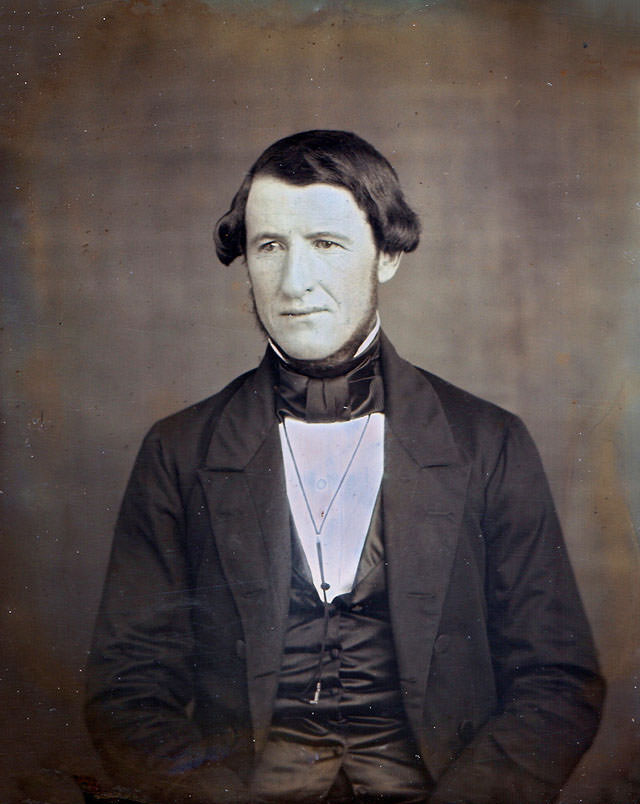
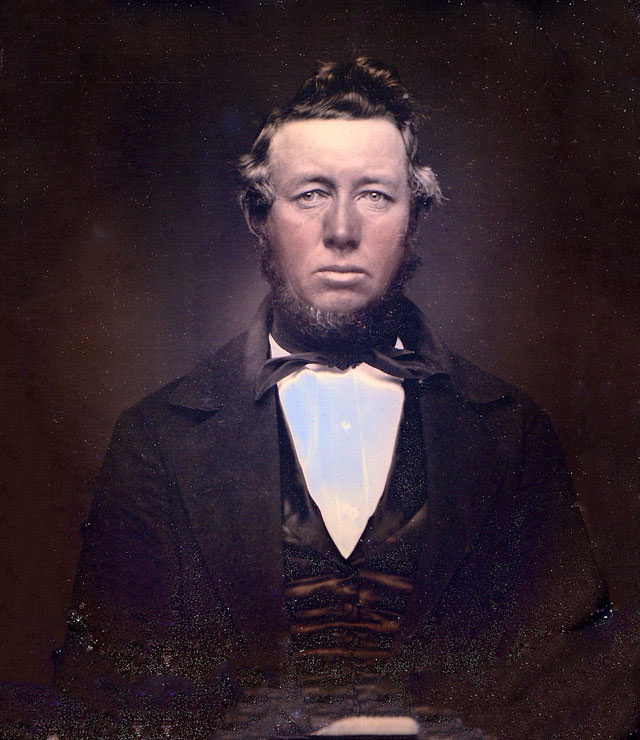
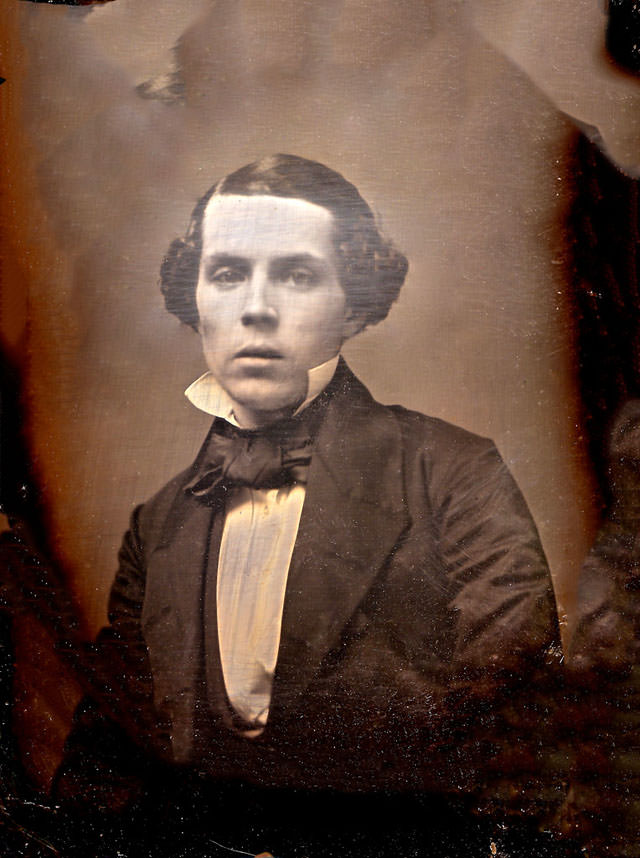
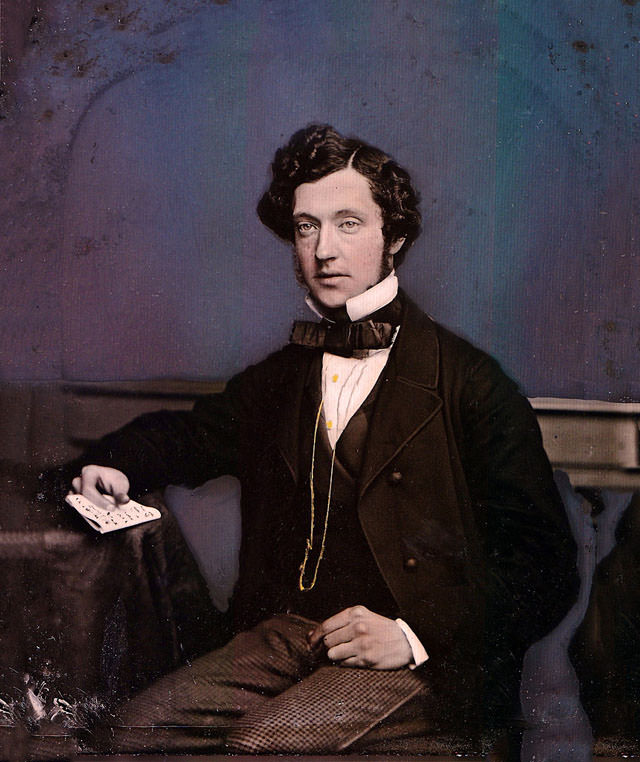
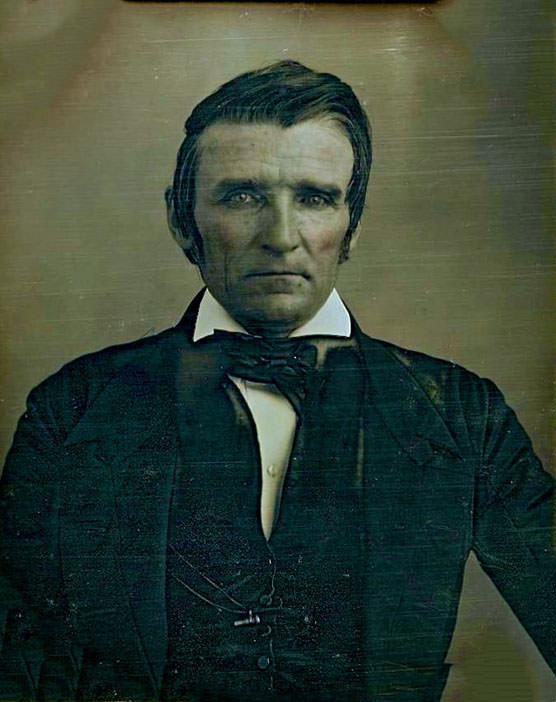
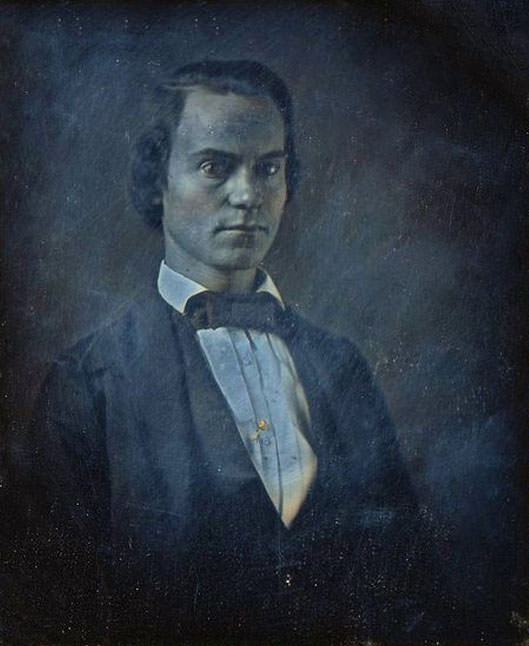
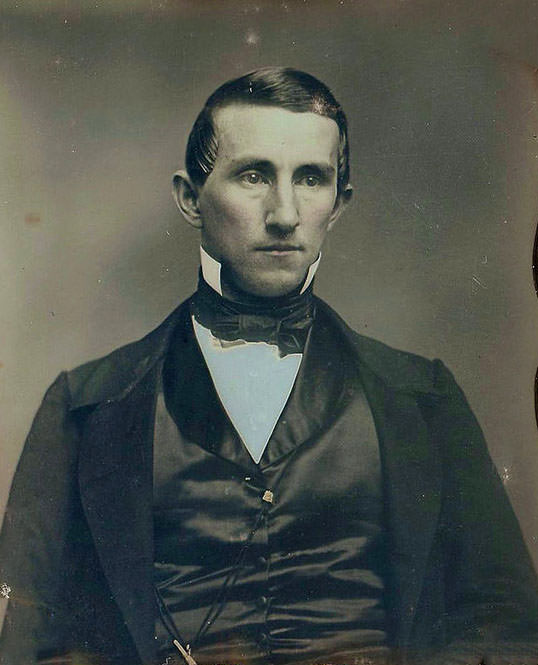
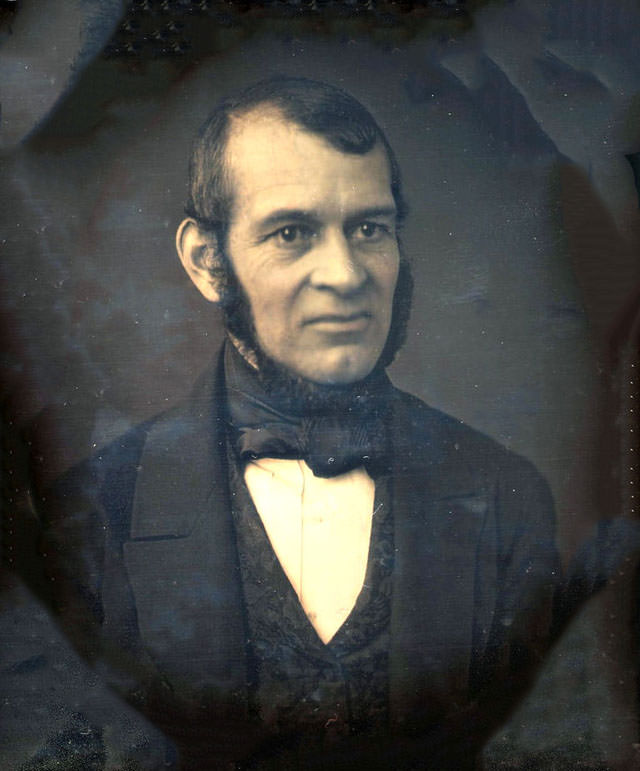
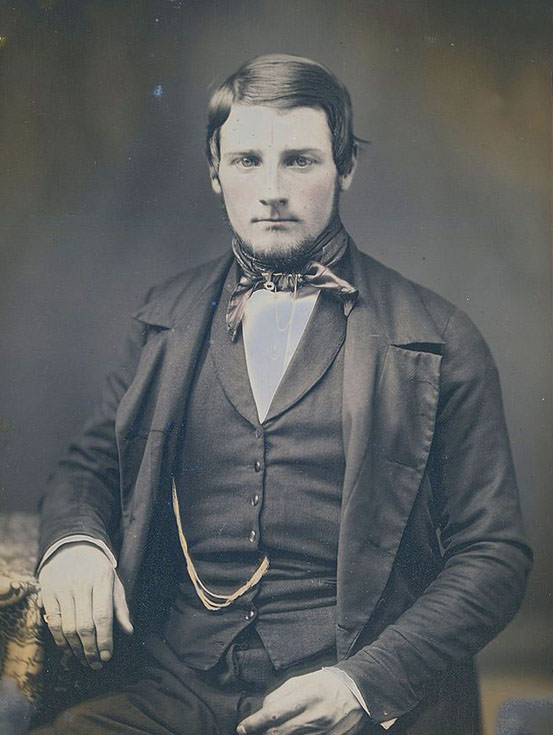
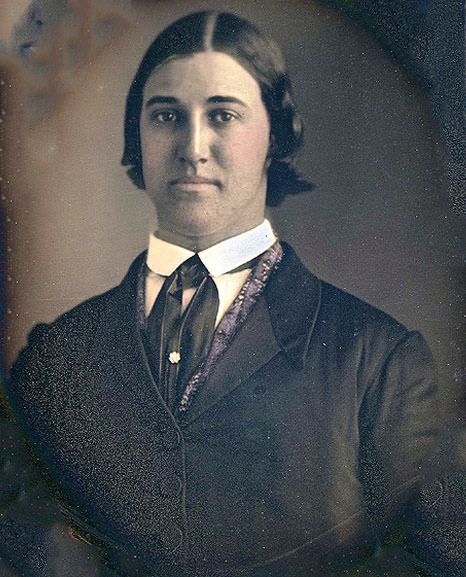
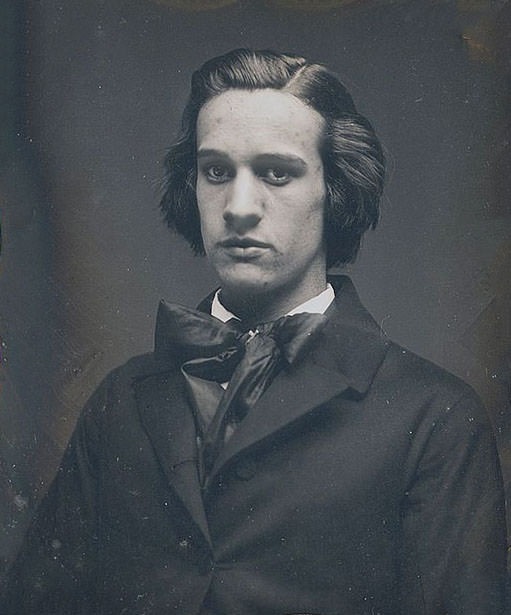
During the Victorian era, men’s hairstyles underwent various trends and changes. Victorian hairstyles for men were often elaborate and styled with care and attention to detail. The look was meant to convey a sense of respectability and class and to distinguish men of different social classes from one another.
One of the most popular Victorian men’s hairstyles was the “Gentleman’s Cut.” This style featured short hair on the sides and back of the head, with longer hair on top that was combed back and held in place with pomade. The top hair was often styled into a small pompadour or quiff, which gave the hairstyle a sense of height and volume. This style was popular among upper-class men and was often accompanied by a well-groomed mustache or beard.
Another popular Victorian men’s hairstyle was the “Side Part.” This style featured a deep part on one side of the head, with hair swept across the forehead and the rest of the hair combed neatly to the side. This style was often seen as more conservative and formal than the Gentleman’s Cut and was popular among businessmen and professionals.
The “Slicked Back” style was also popular during the Victorian era. This style featured hair that was combed back from the forehead and held in place with pomade or hair oil. The hair on the sides and back of the head was often shorter than the hair on top, which gave the style a sleek, polished look. This style was often seen as more casual than the Side Part or Gentleman’s Cut, and was popular among younger men.
To achieve these Victorian hairstyles, men used various grooming products and tools. Pomade, hair oil, and hair tonic were all popular products that were used to style and hold the hair in place. Men also used combs, brushes, and even hot irons to achieve the desired look.
In addition to these specific hairstyles, there were also several general trends in male hair fashion during the Victorian era. For example, long hair was often seen as a sign of artistic or bohemian sensibilities and was popular among writers, artists, and musicians. Facial hair, including beards, mustaches, and sideburns, was also popular and was seen as a sign of masculinity and strength.
Victorian men’s hairstyles were characterized by a sense of sophistication, refinement, and attention to detail. The hairstyles were often used to signal social status and to convey a sense of respectability and class. While some specific trends and styles were popular during the Victorian era, there was also a great deal of individual variation in male hair fashion, with men adapting their hairstyles to suit their own personal style and preferences.