Hey There! Before You Go. 😧
Get the best vintage content straight into your inbox!

Don't worry, we don't spam

Victorian Women with Very Long Hair: Stunning Historical of Women Who Never Cut Their Hair, 1860-1900

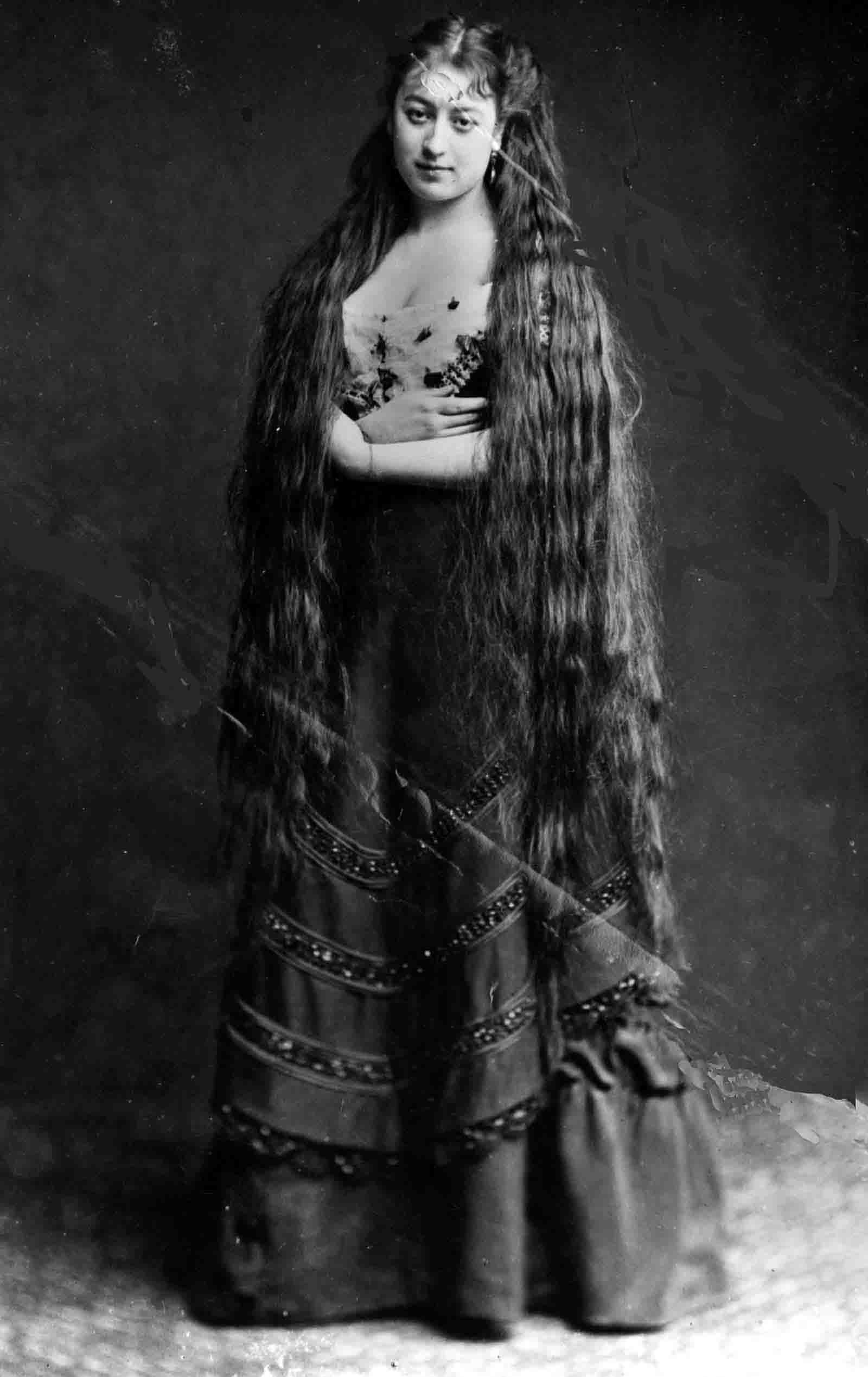
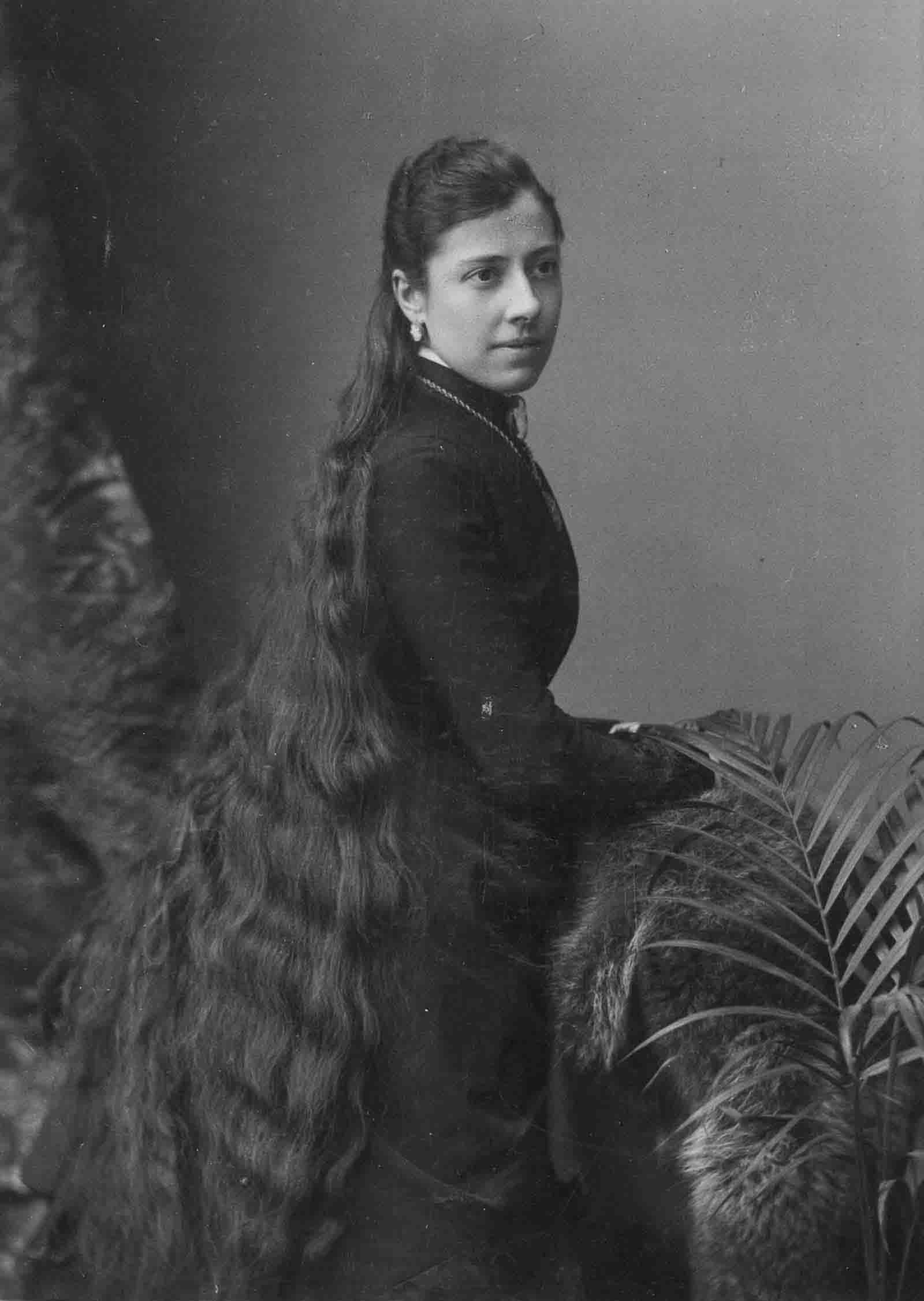
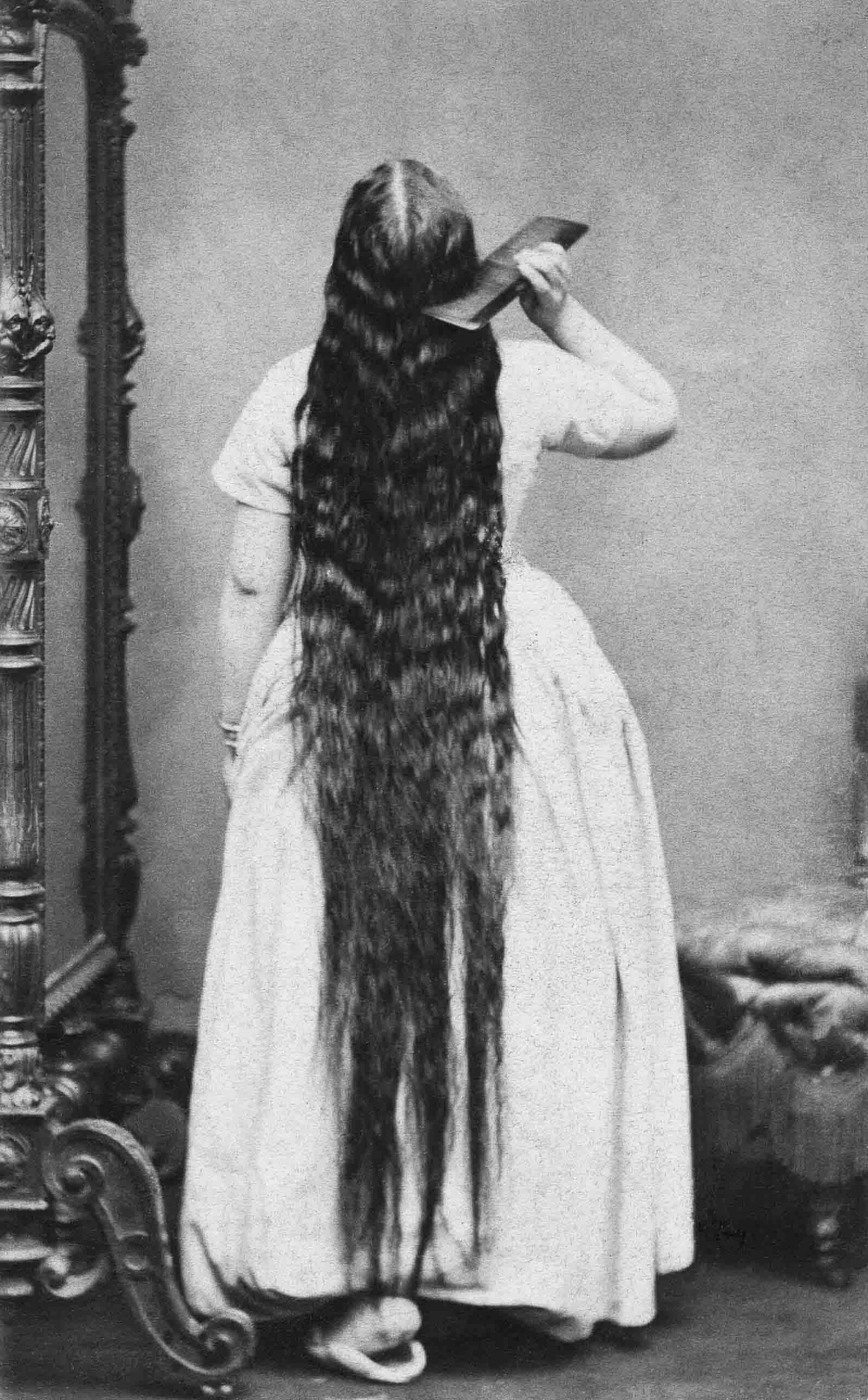
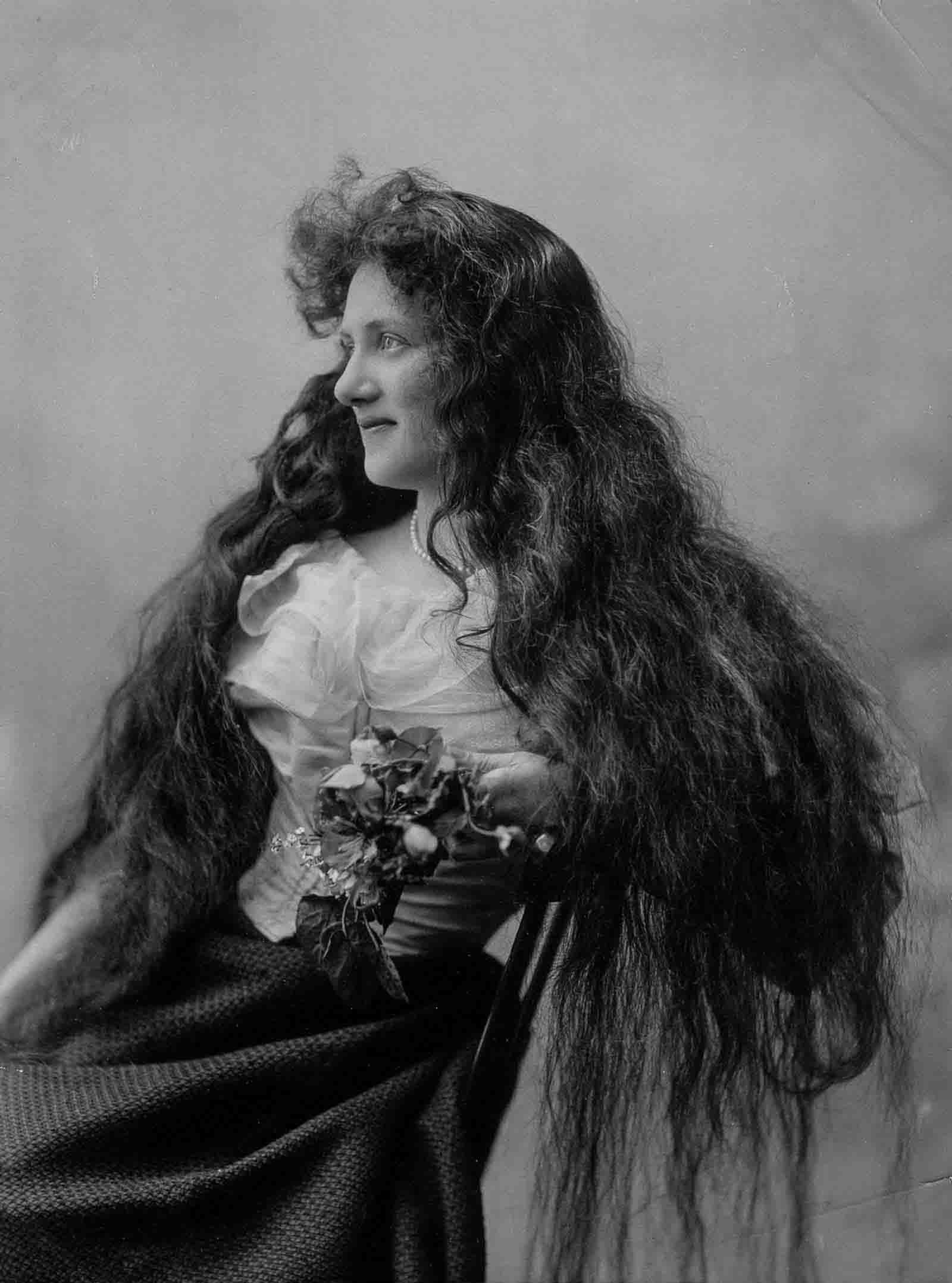
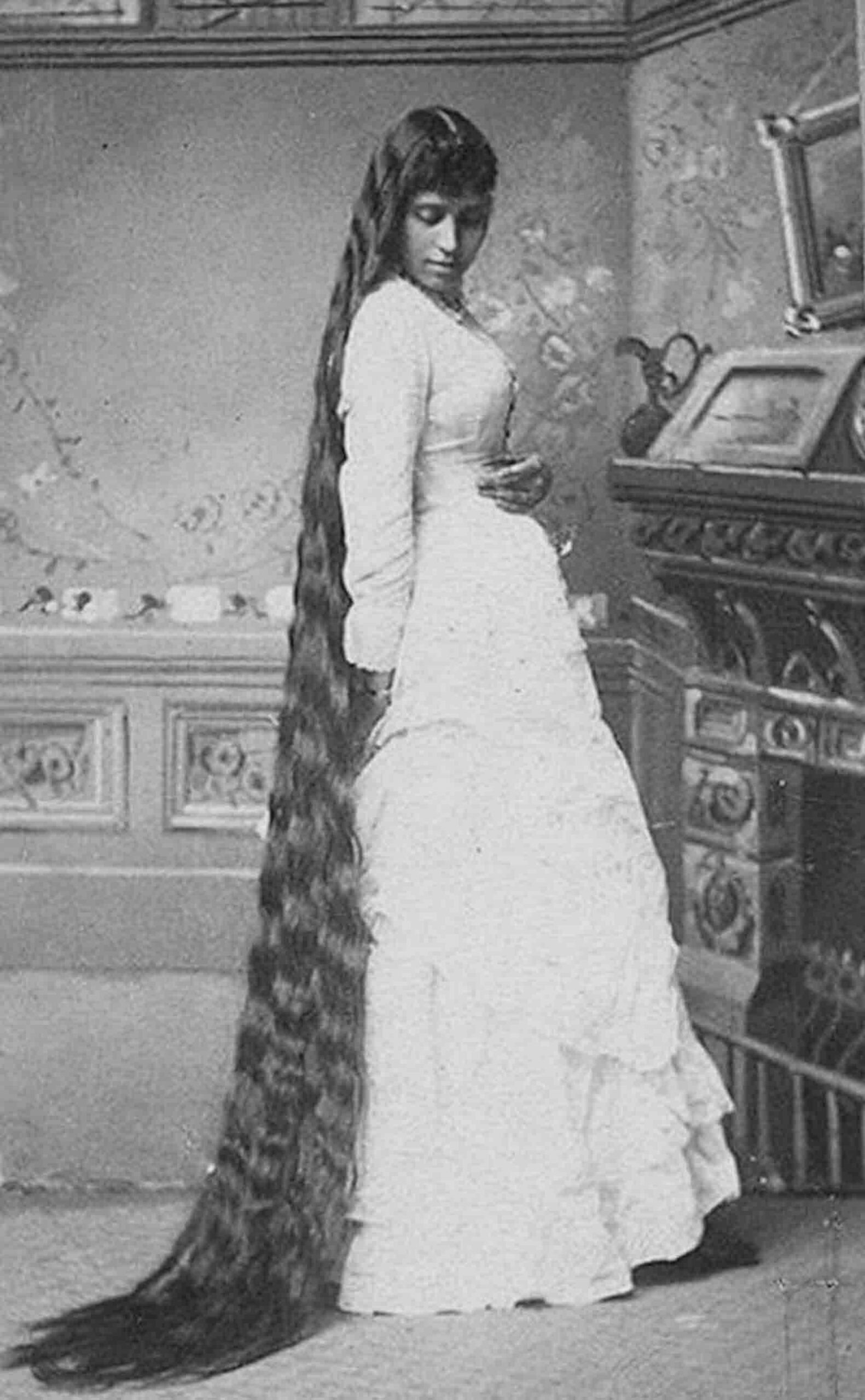
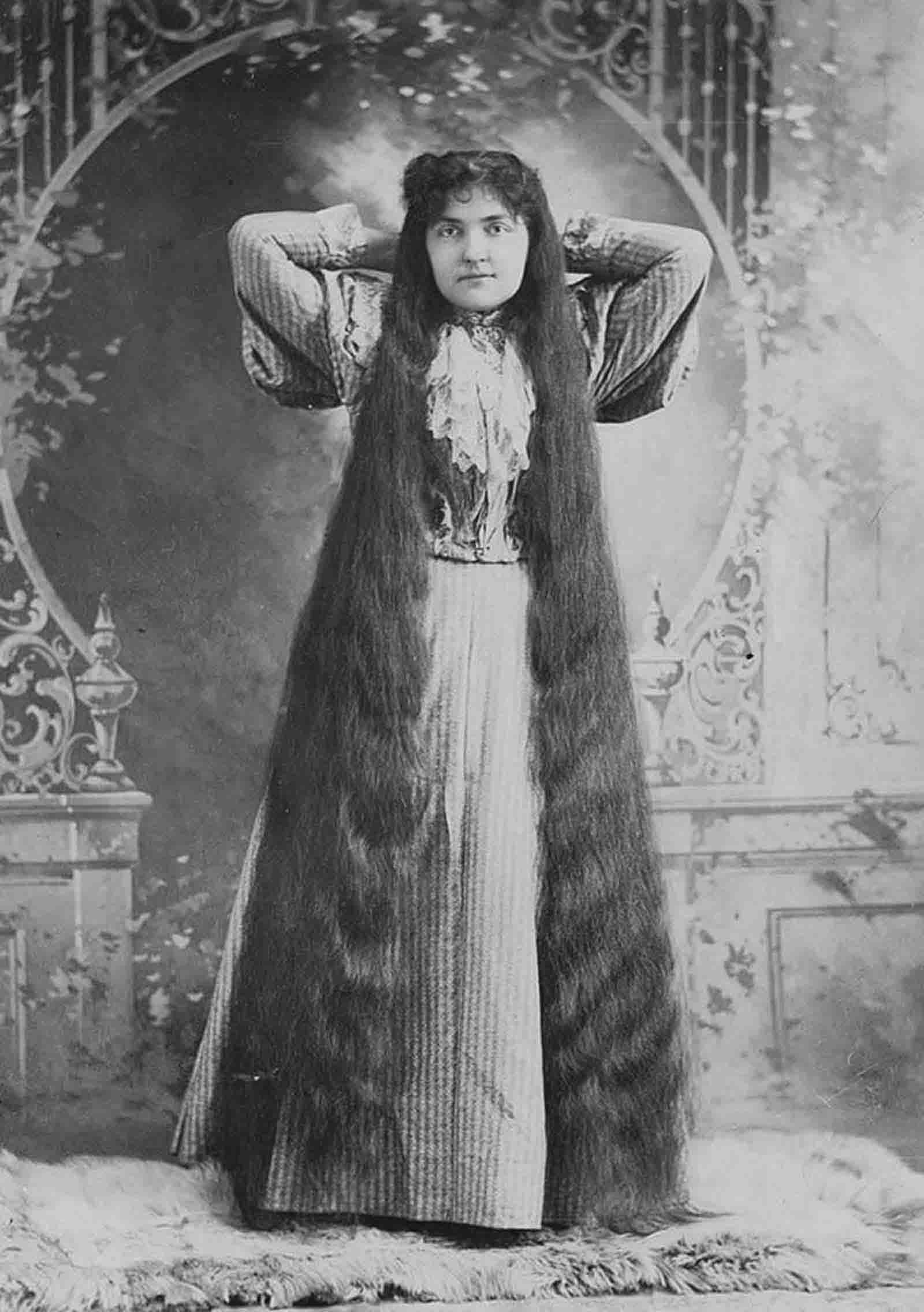
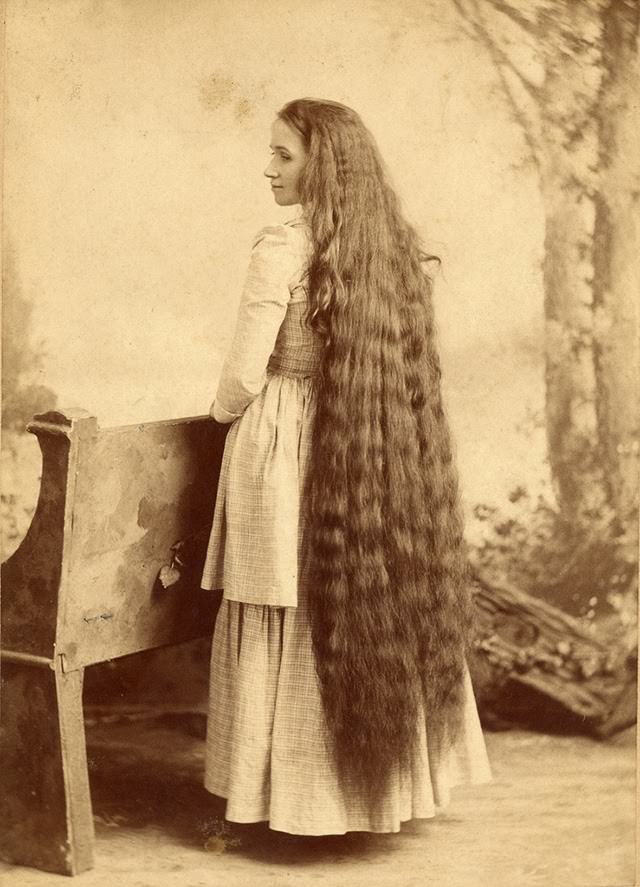
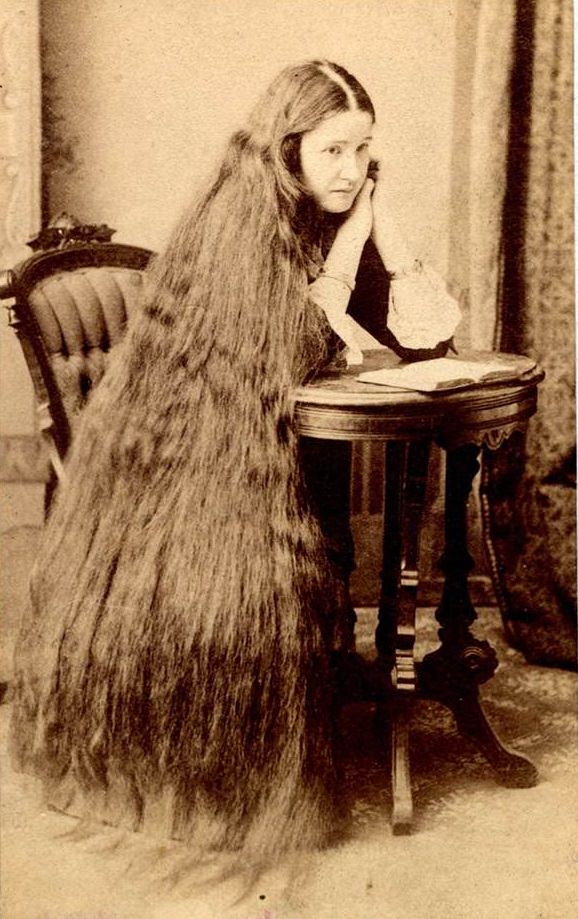
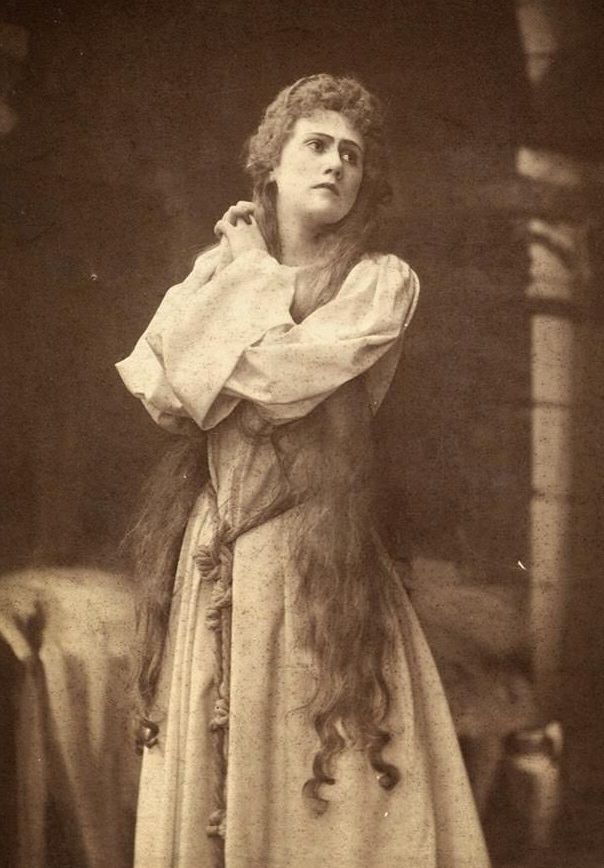
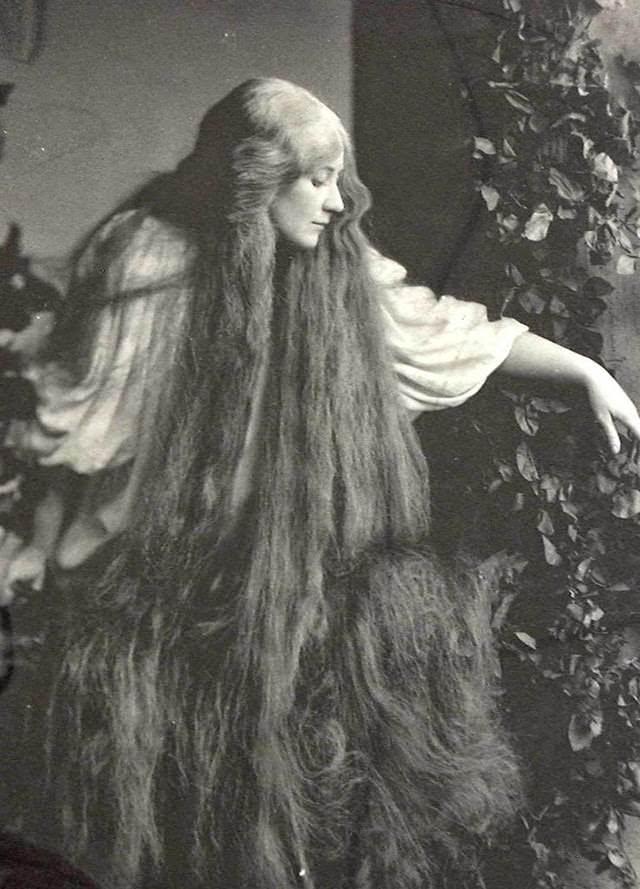
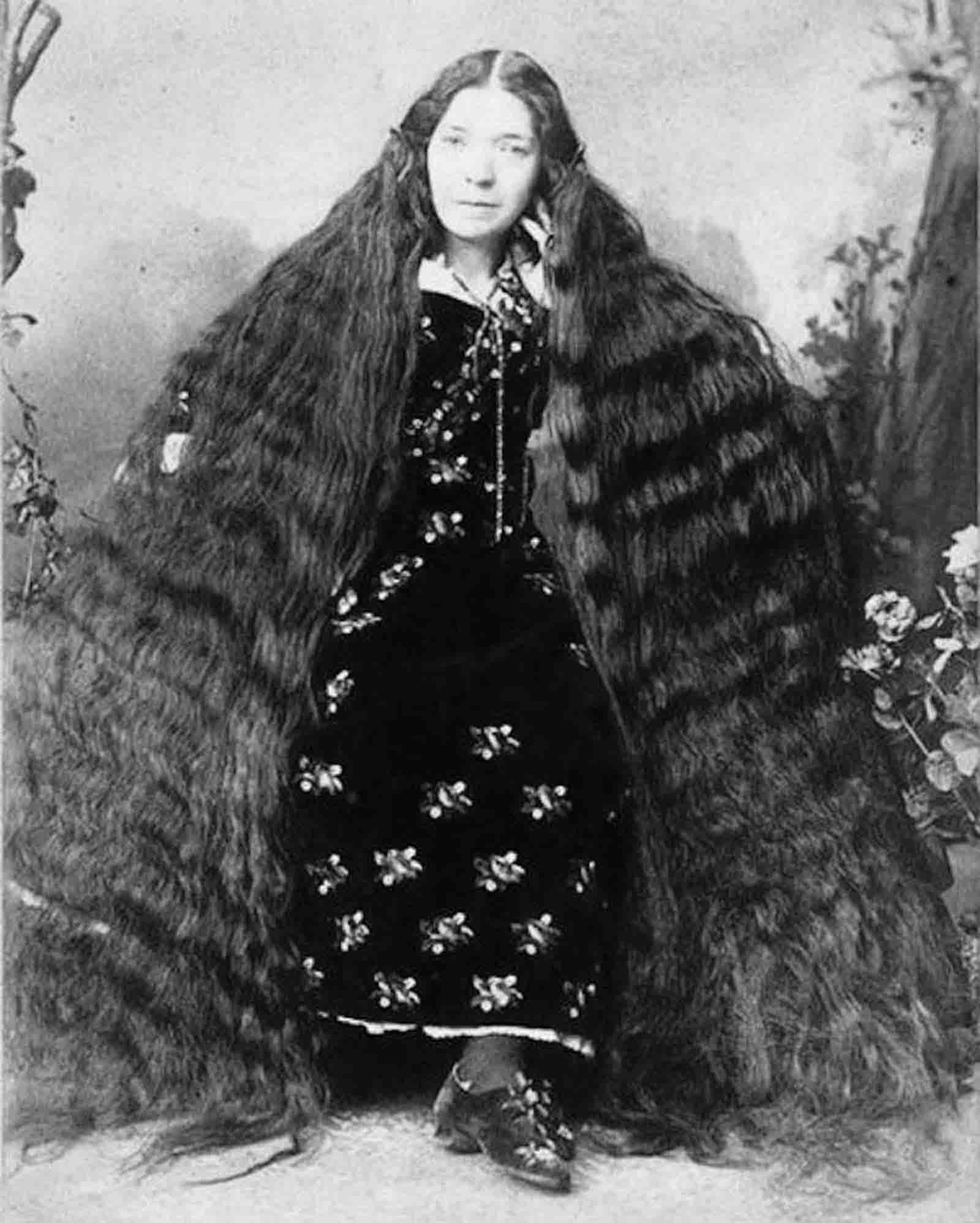
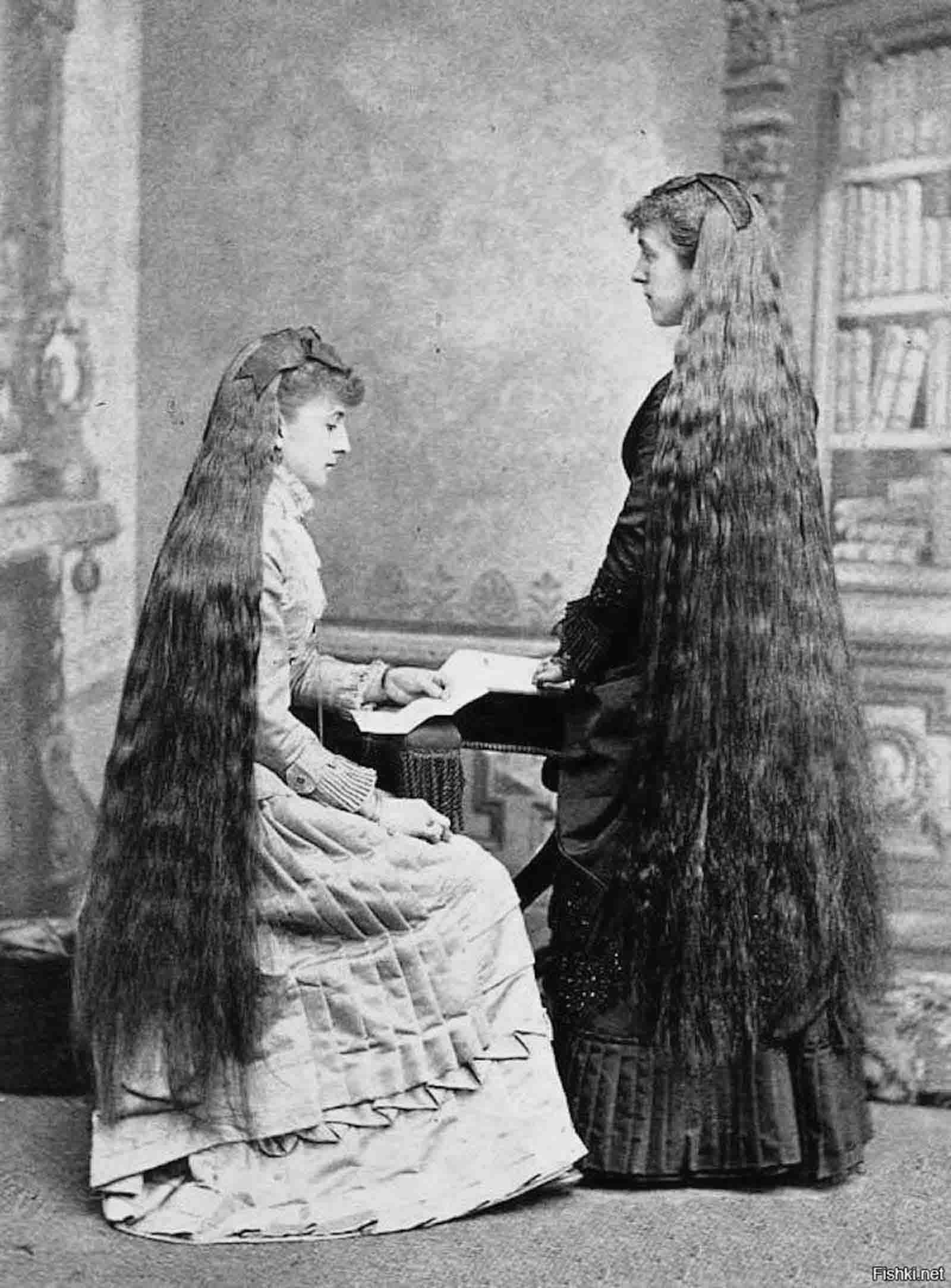
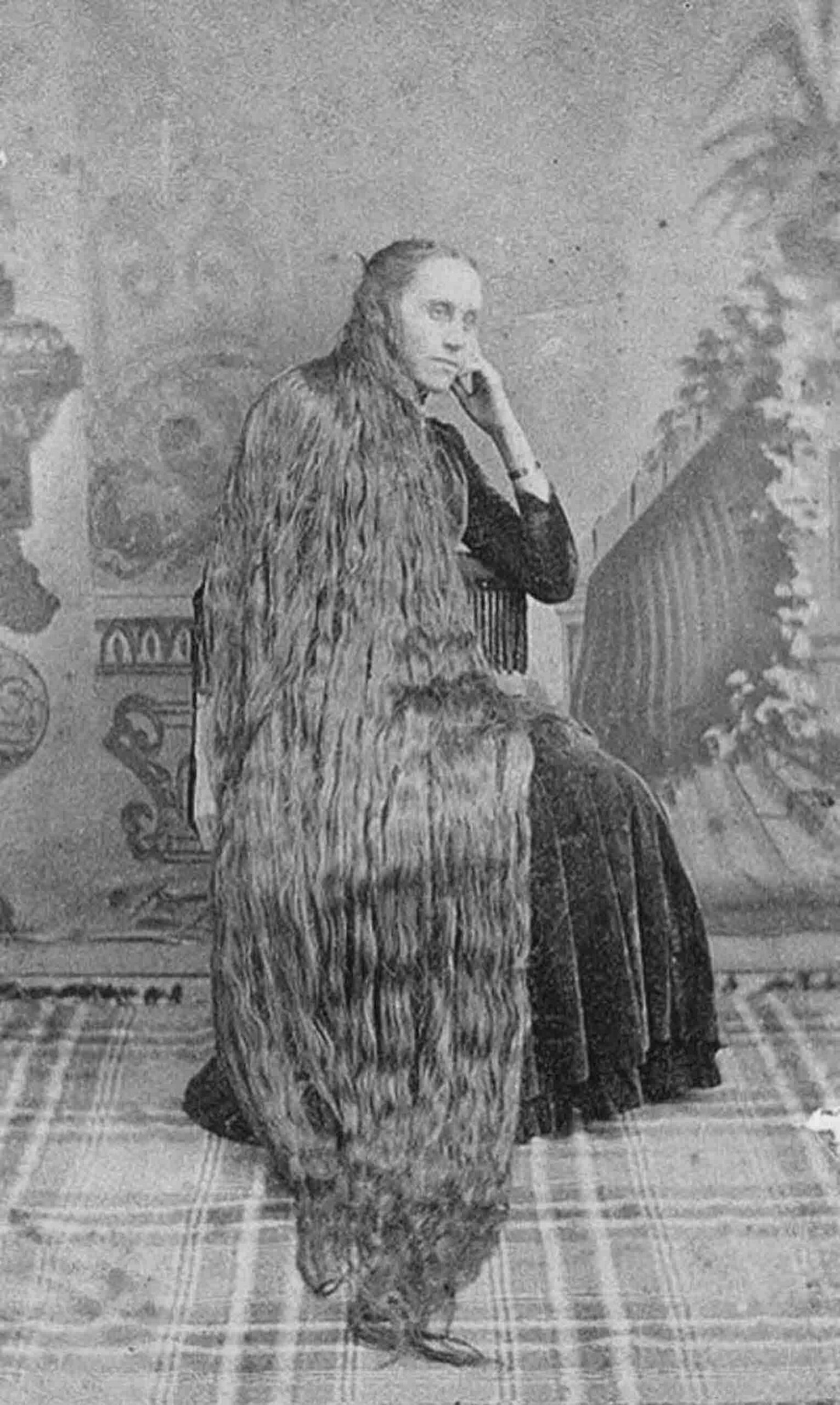
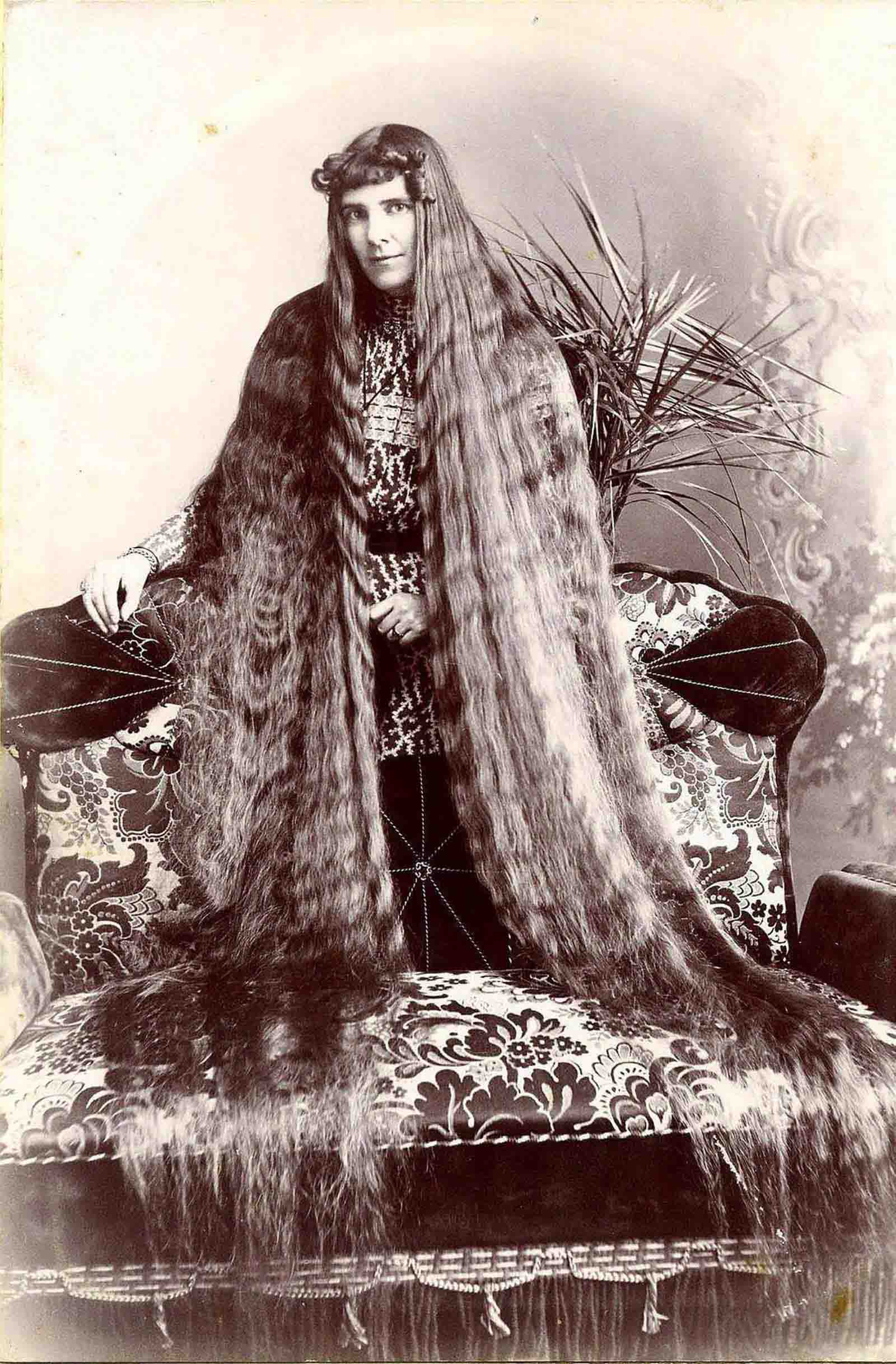
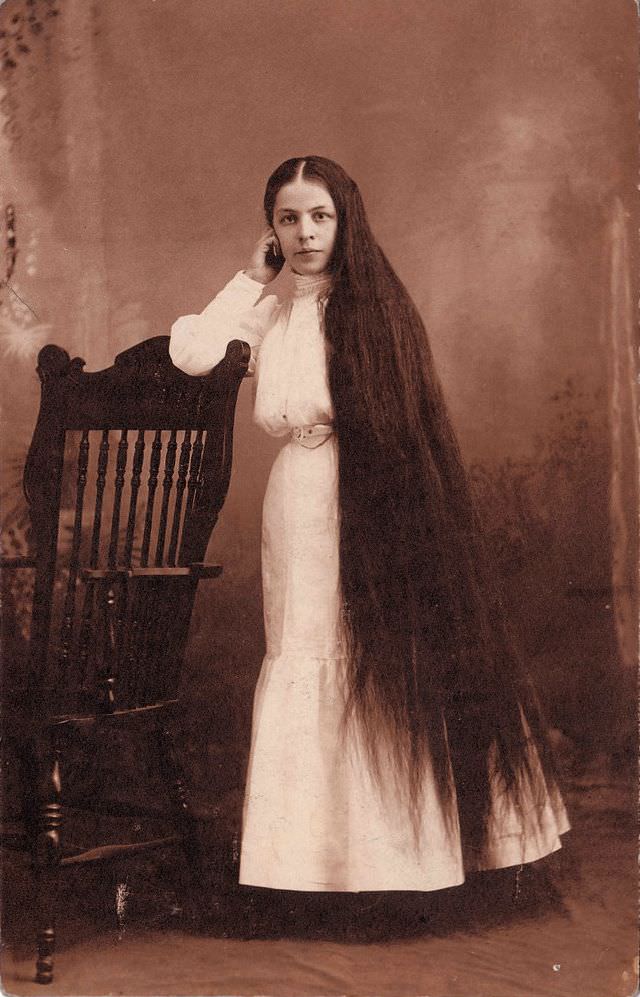
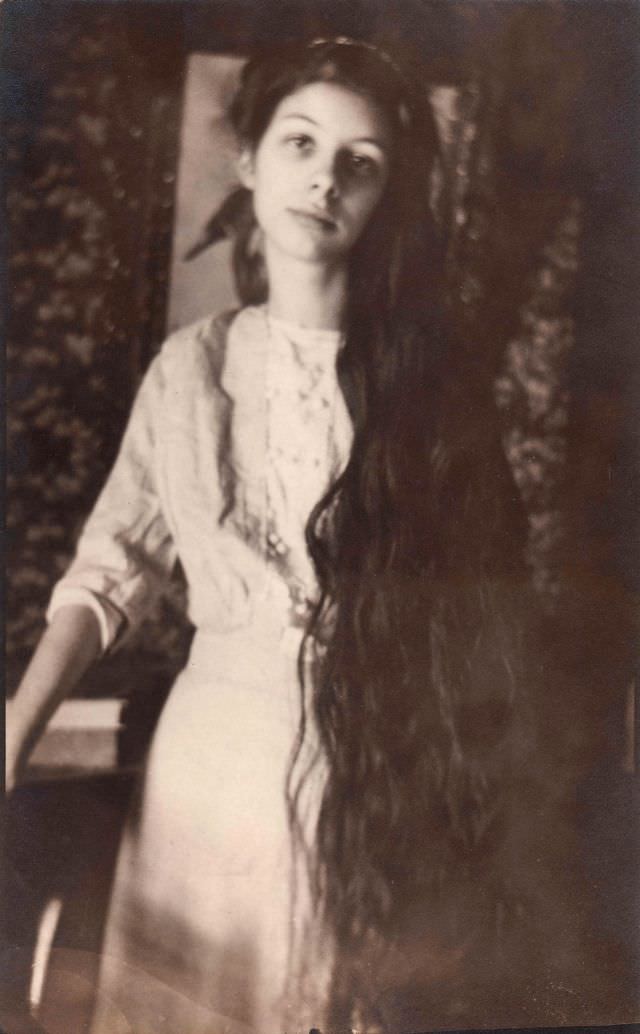
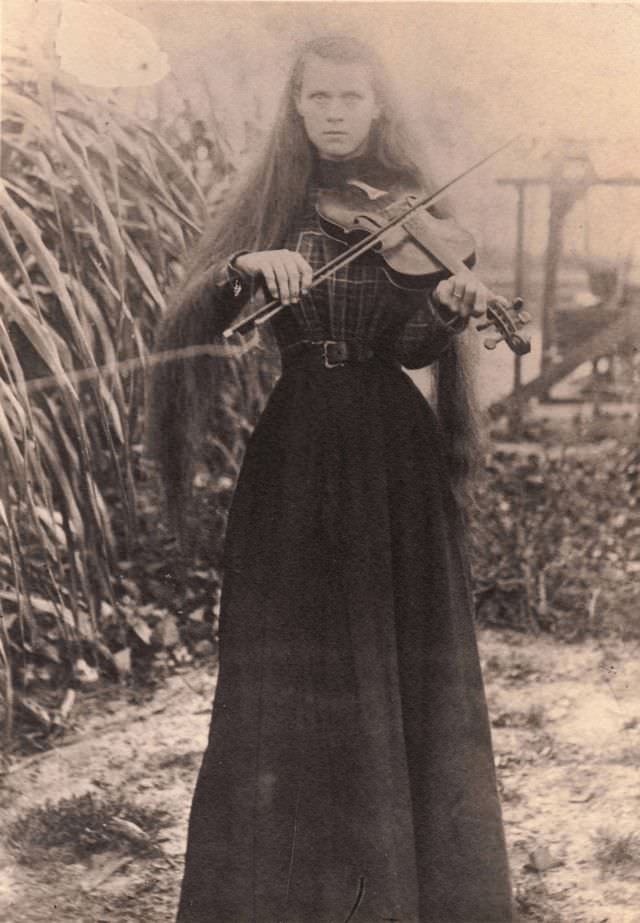
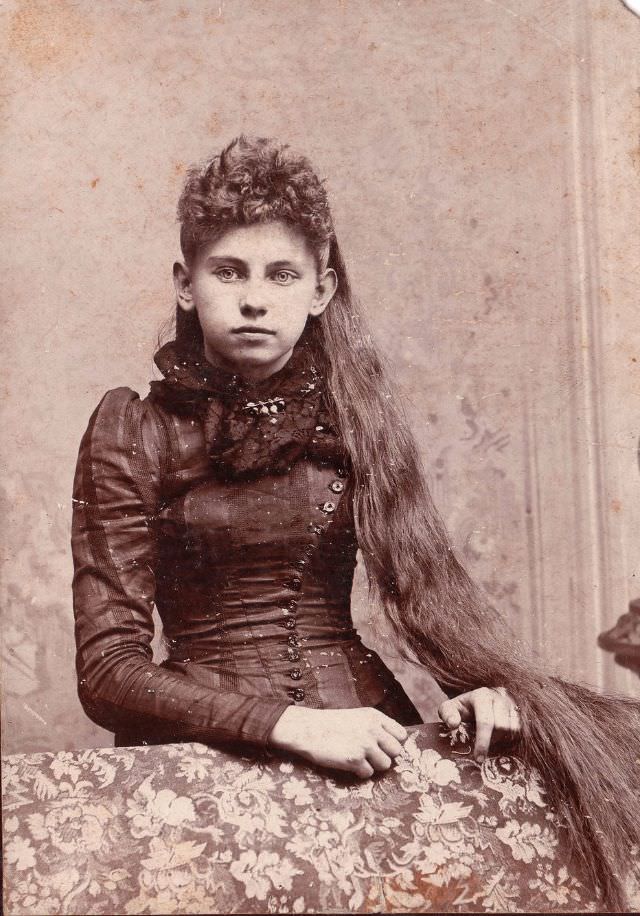
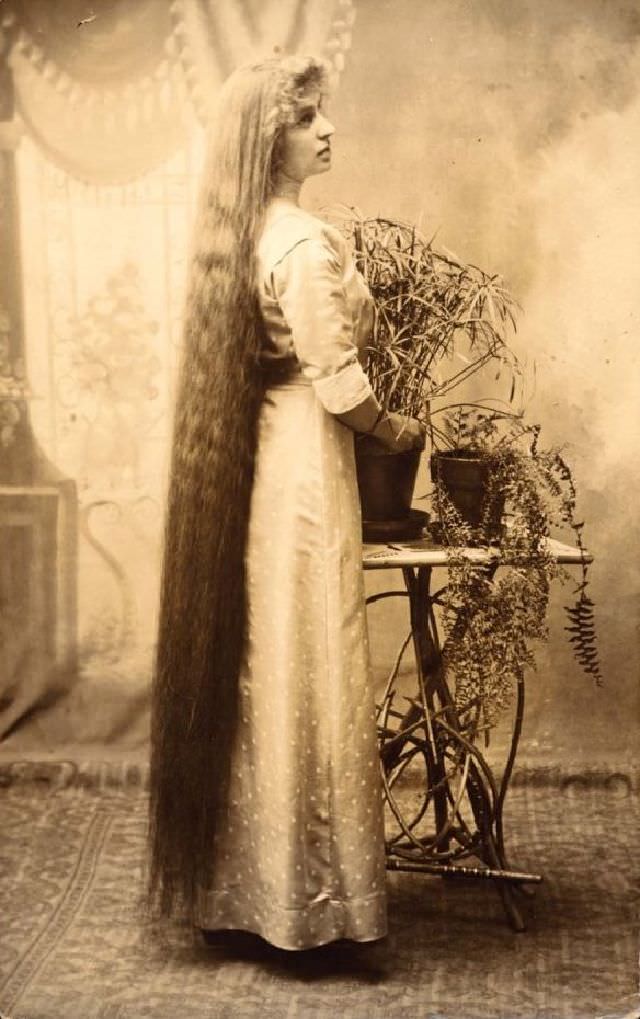
In the Victorian era, a woman’s hair was far more than decoration. It was a signal of her social standing, her femininity, and her moral character. The longer, thicker, and more lustrous the hair, the better. Women who could grow their hair past the waist — or even to the floor — were admired. These photographs from 1860 to 1900 capture some of those women, their extraordinary hair let down in rare, deliberate displays that most of their contemporaries would never witness in person.
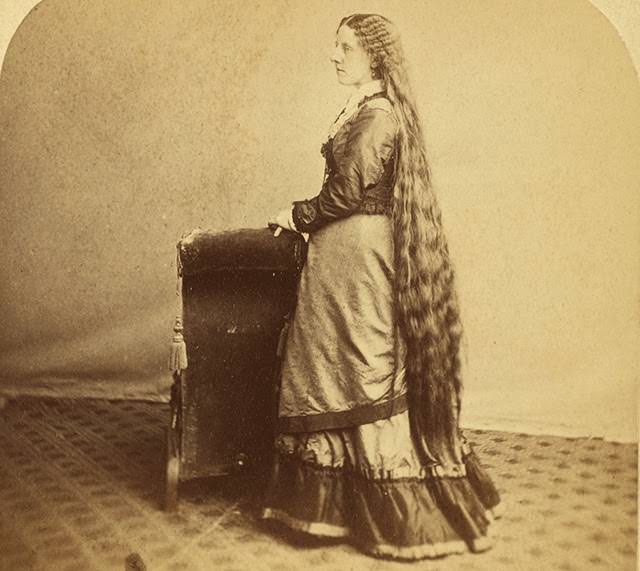
Victorian Women with Very Long Hair: Stunning Historical of Women Who Never Cut Their Hair, 1860-1900

Day to day, Victorian women kept their hair tightly pinned and styled into elaborate updos. Letting it down was a private act — something reserved for the bedroom. Only a husband or a lady’s maid would ever see a woman’s hair loose. This wasn’t simply a social custom; it was a firm rule of propriety. A woman seen in public with her hair down was considered immodest, even scandalous.

Victorian Women with Very Long Hair: Stunning Historical of Women Who Never Cut Their Hair, 1860-1900

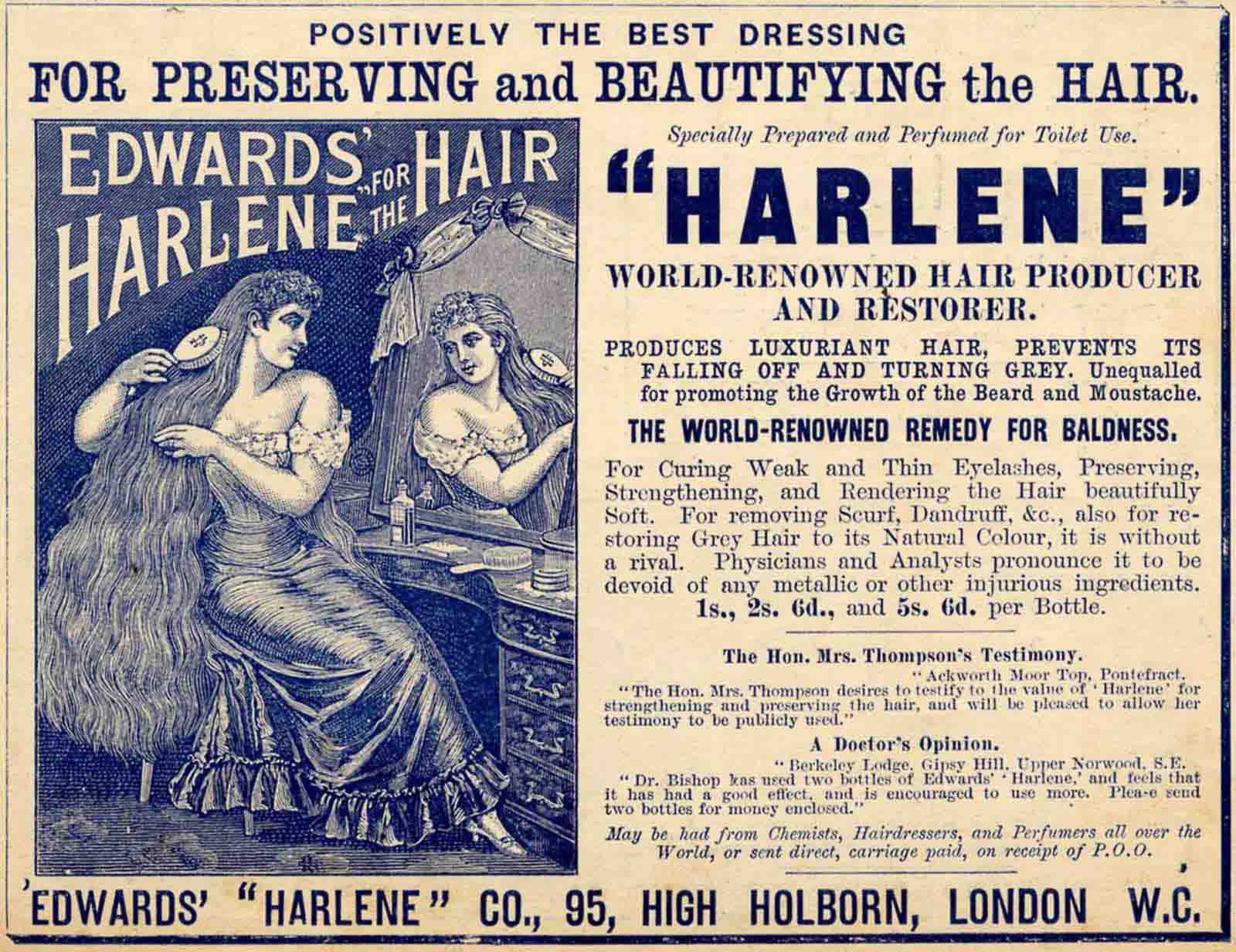
Yet the romantic idea of flowing hair was everywhere in Victorian culture. Painters filled canvases with women whose long tresses spilled over their shoulders. Advertisers used the same image to sell soaps, tonics, and combs. The women in these paintings and ads represented an ideal — unbound, beautiful, and deeply feminine. The gap between that ideal and the pinned-up reality of everyday life made the imagery all the more powerful.

Victorian Women with Very Long Hair: Stunning Historical of Women Who Never Cut Their Hair, 1860-1900

Hair was the primary symbol of femininity for middle- and upper-class Victorian women. It was treated as a focal point of personal beauty and, by extension, sexual attractiveness. Models and actresses who posed with their hair down were projecting intimacy and romance — qualities that society kept carefully contained in private life but celebrated openly in art and entertainment.

Victorian Women with Very Long Hair: Stunning Historical of Women Who Never Cut Their Hair, 1860-1900

Cleanliness was non-negotiable. Whatever the style, Victorian hair had to appear clean and shiny at all times. This was easier said than done. Running water was not common in most homes, and washing long, thick hair was a major undertaking. Women used dry powders, brushing, and careful maintenance to keep their hair presentable between full washes.

Victorian Women with Very Long Hair: Stunning Historical of Women Who Never Cut Their Hair, 1860-1900

For women in the lower classes, maintaining long hair was a real struggle. Poor sanitation, overcrowded living conditions, and disease made it difficult to keep hair clean and healthy. Many working-class women cut their hair short simply out of necessity. Others took a different route: they sold it. Human hair was a valuable commodity in the Victorian era, used to make wigs, hairpieces, and the filler inside the “rats” that wealthier women tucked beneath their styled updos.

Victorian Women with Very Long Hair: Stunning Historical of Women Who Never Cut Their Hair, 1860-1900

Rats were small pads — often made from a woman’s own shed hair collected from her brush over time — that were pinned under the outer layer of a styled updo to add volume and shape. Even women with naturally thick, long hair used them. The goal was always a full, rounded silhouette, because Victorian hairstyles were designed in relation to the body’s overall shape. The hair was styled to visually balance the wide skirts and corseted waist of the period’s fashion.

Victorian Women with Very Long Hair: Stunning Historical of Women Who Never Cut Their Hair, 1860-1900

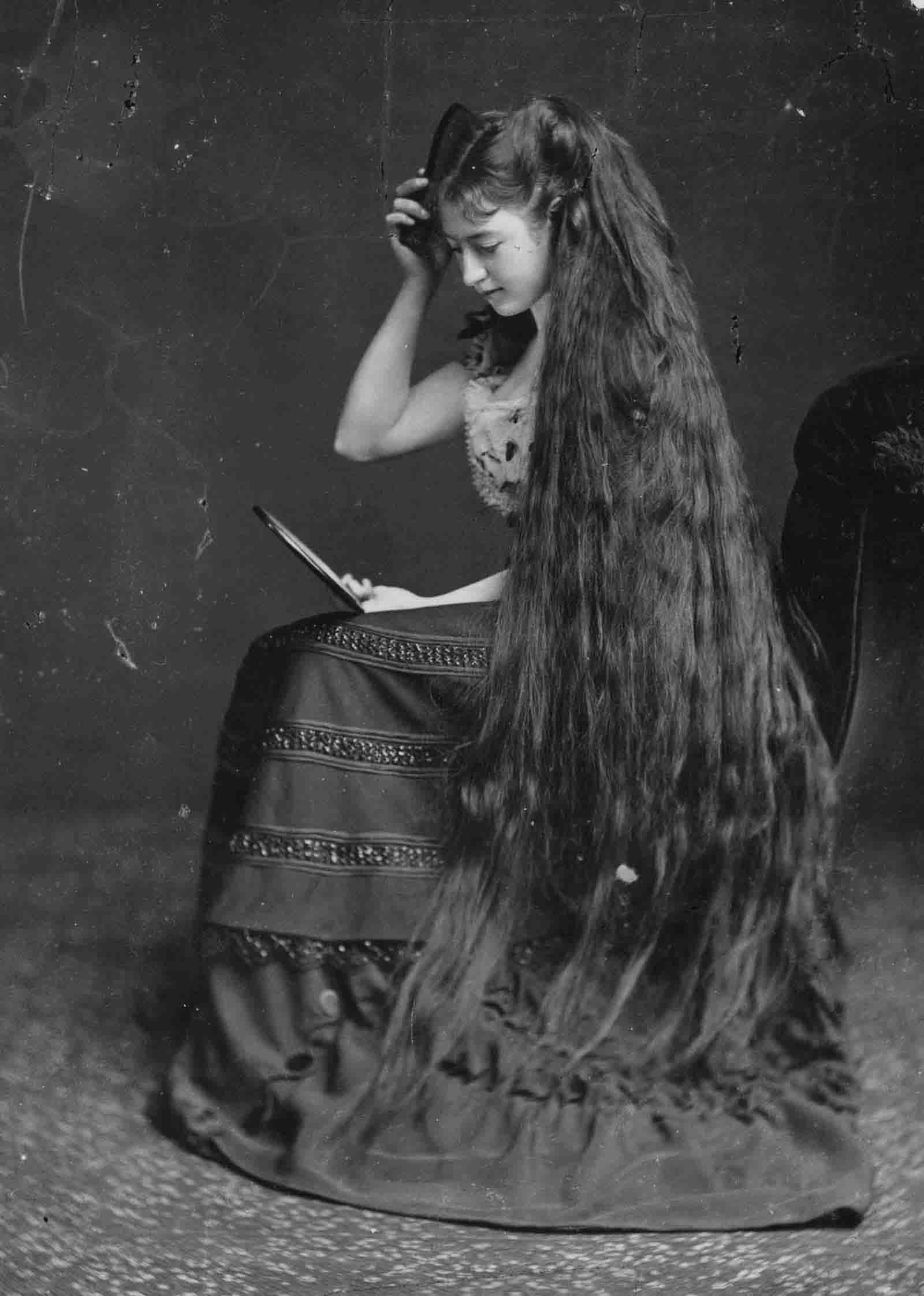
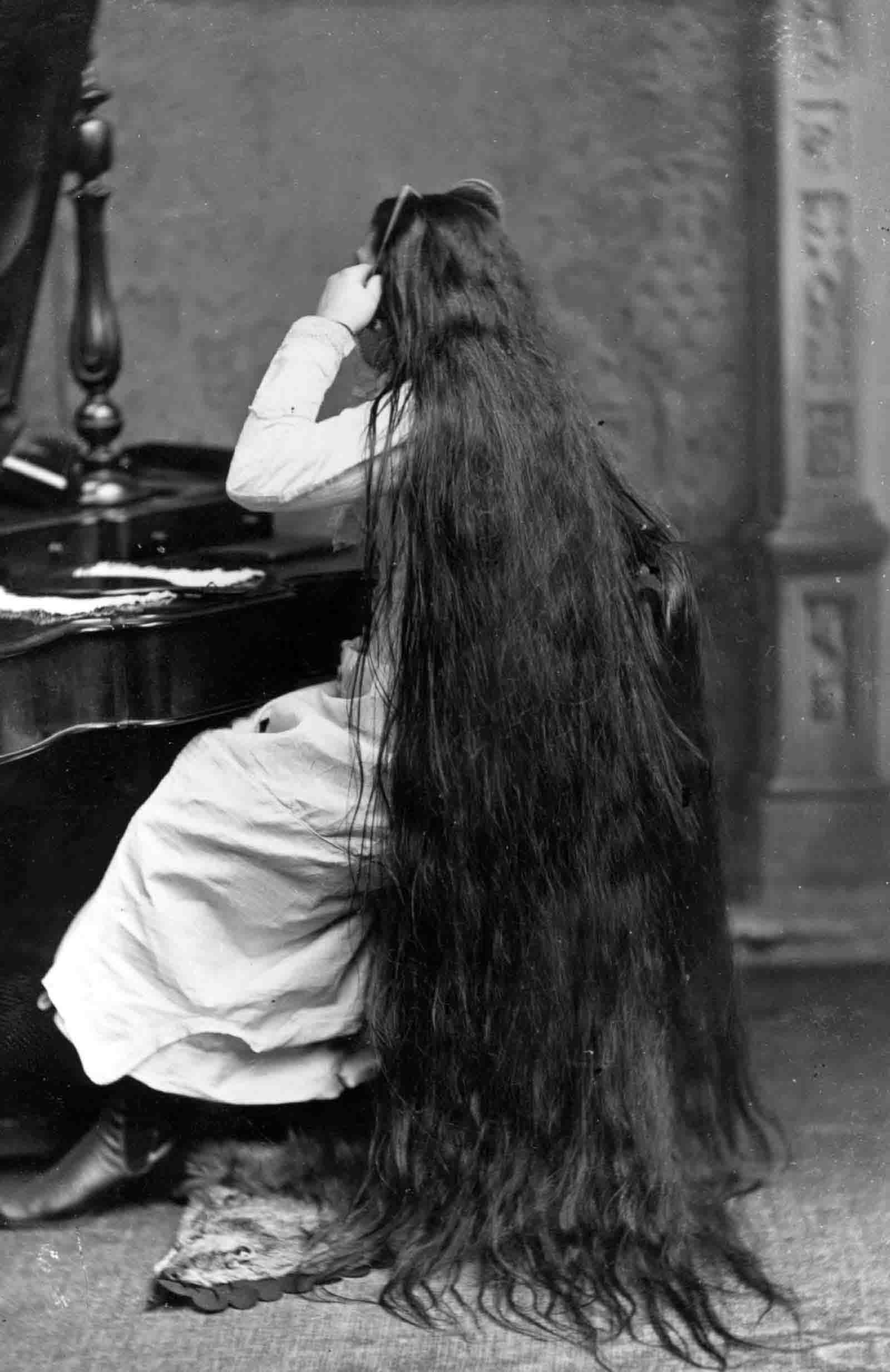
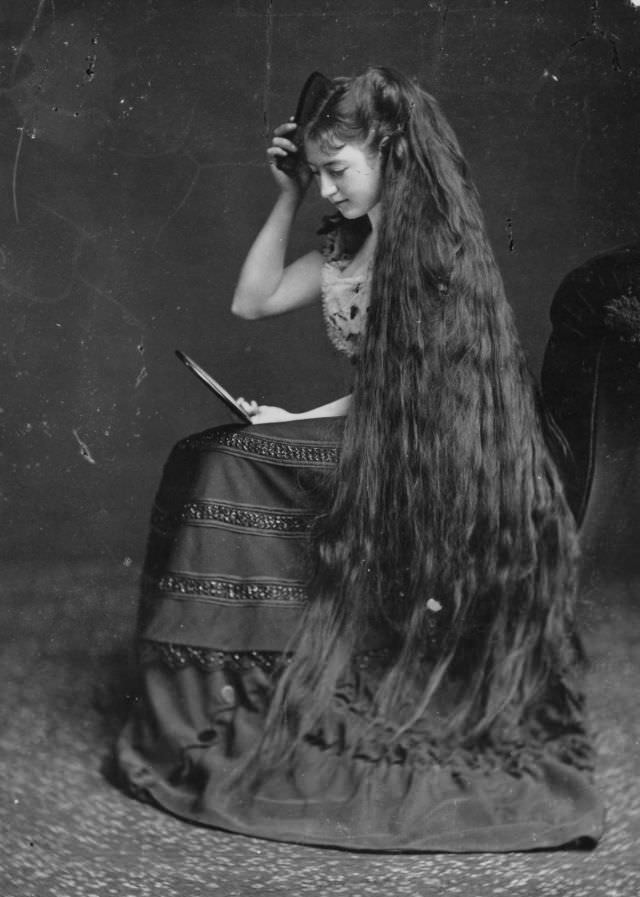
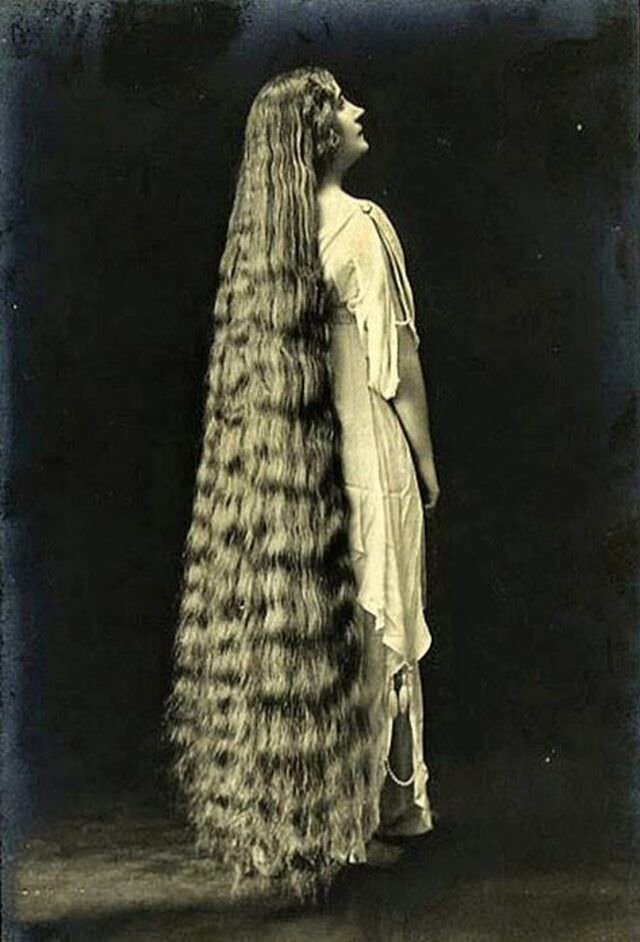
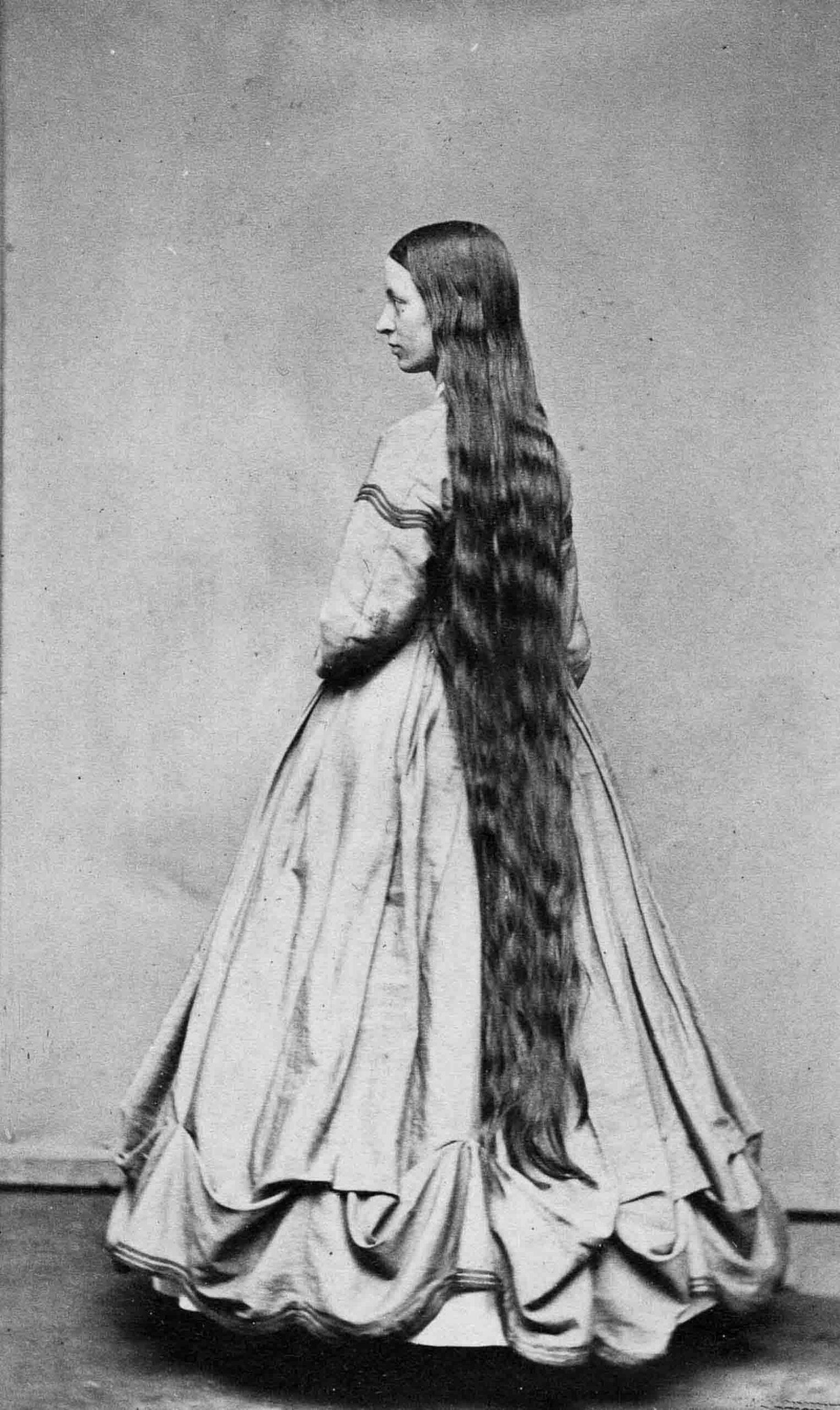
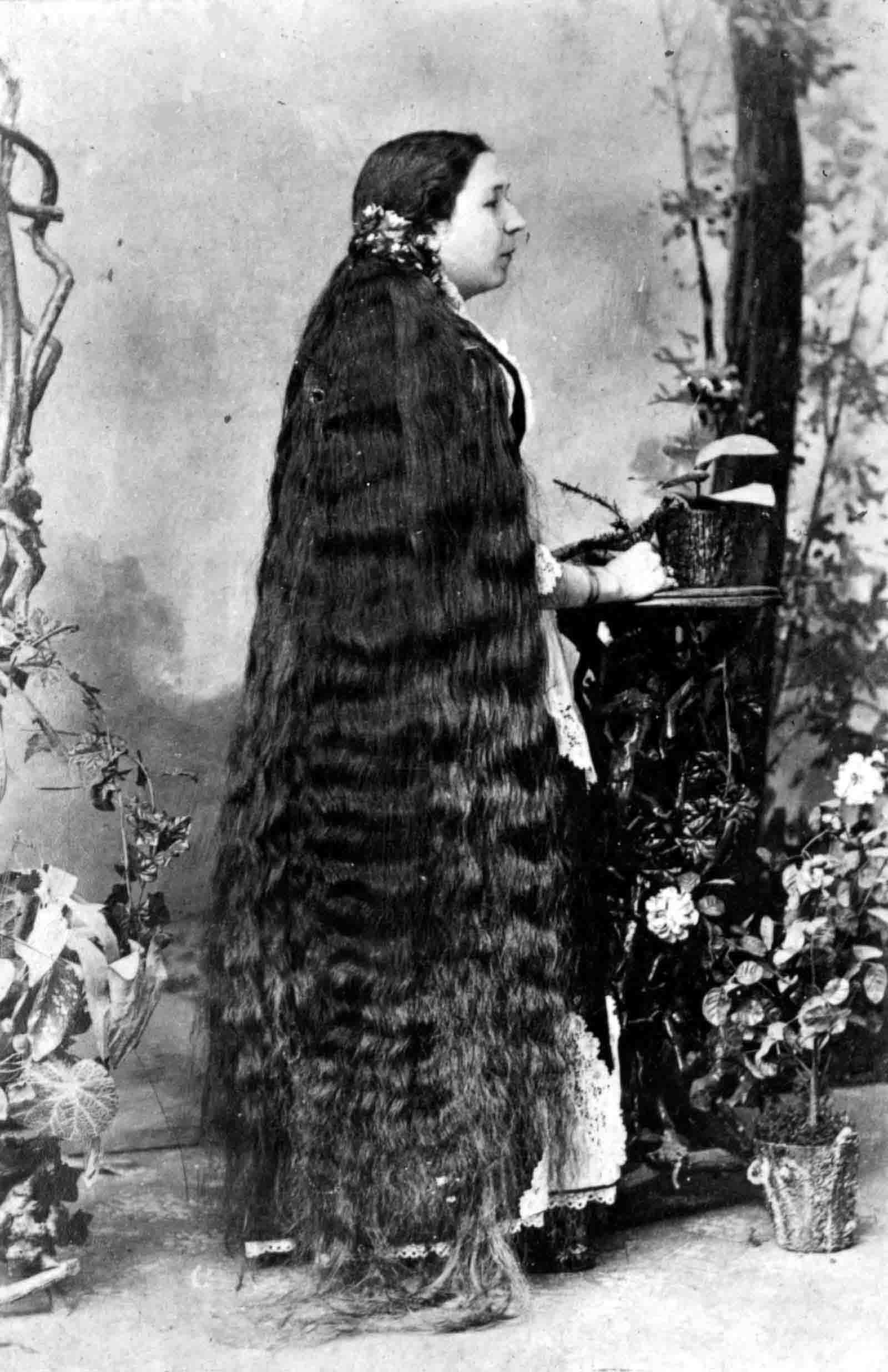
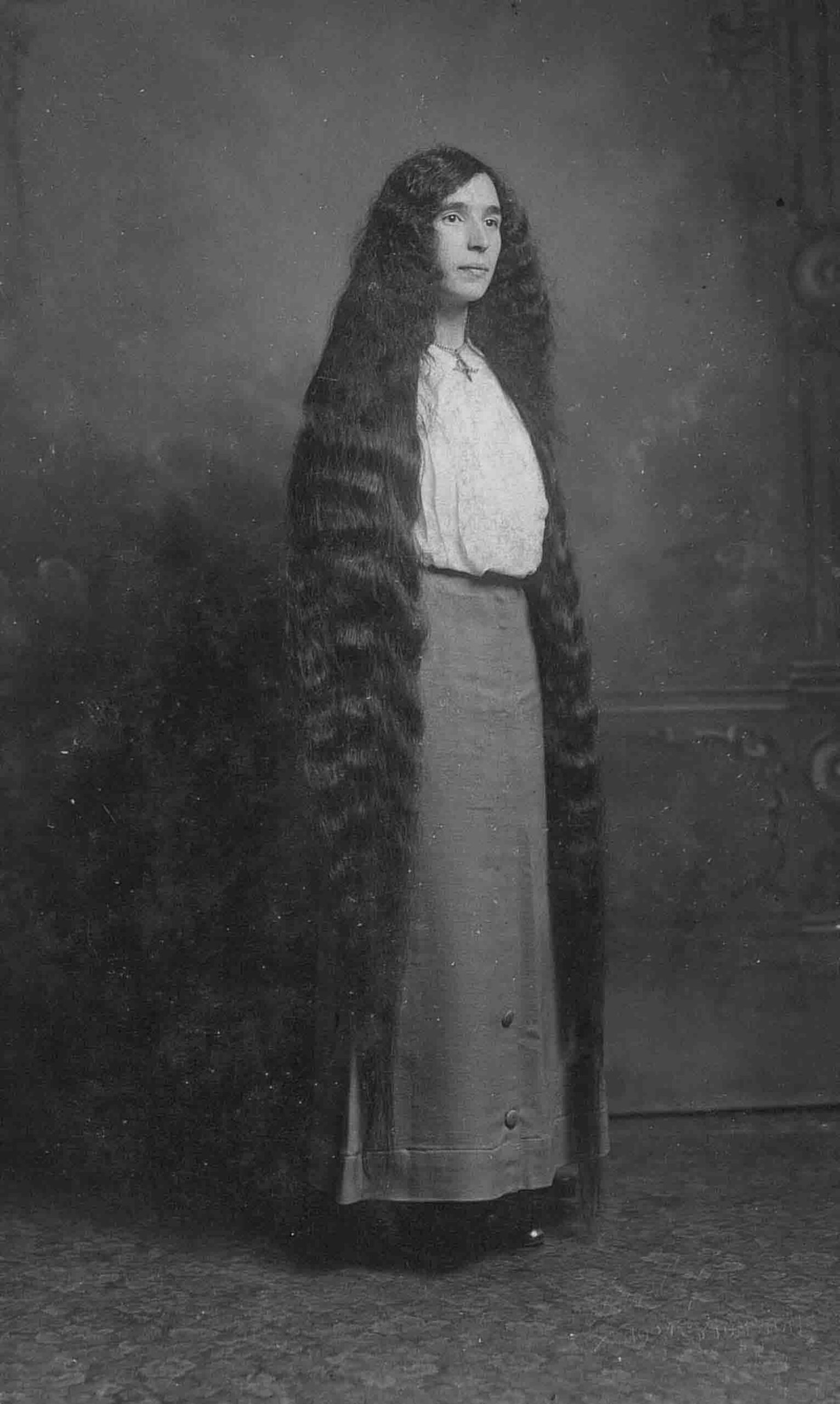
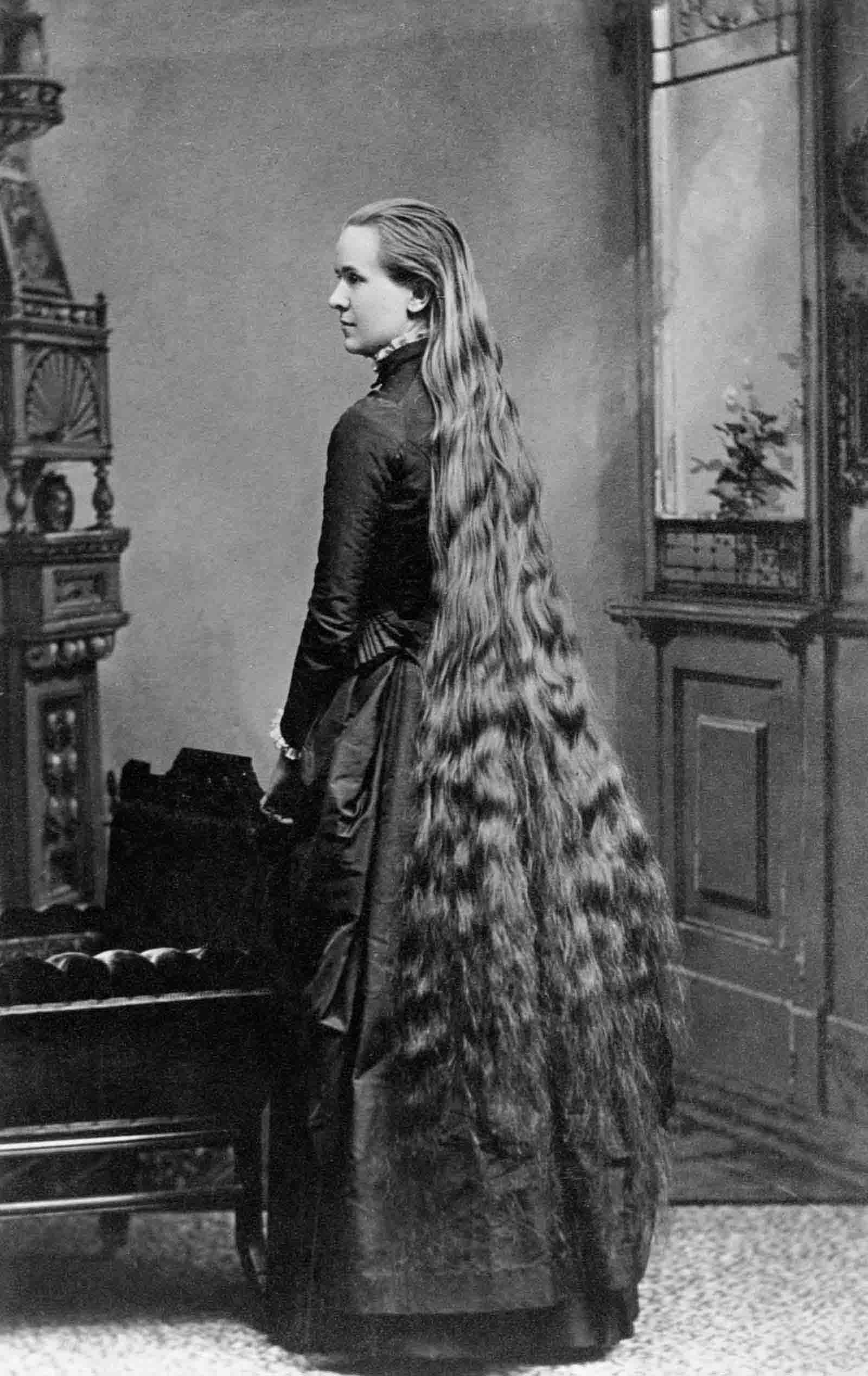
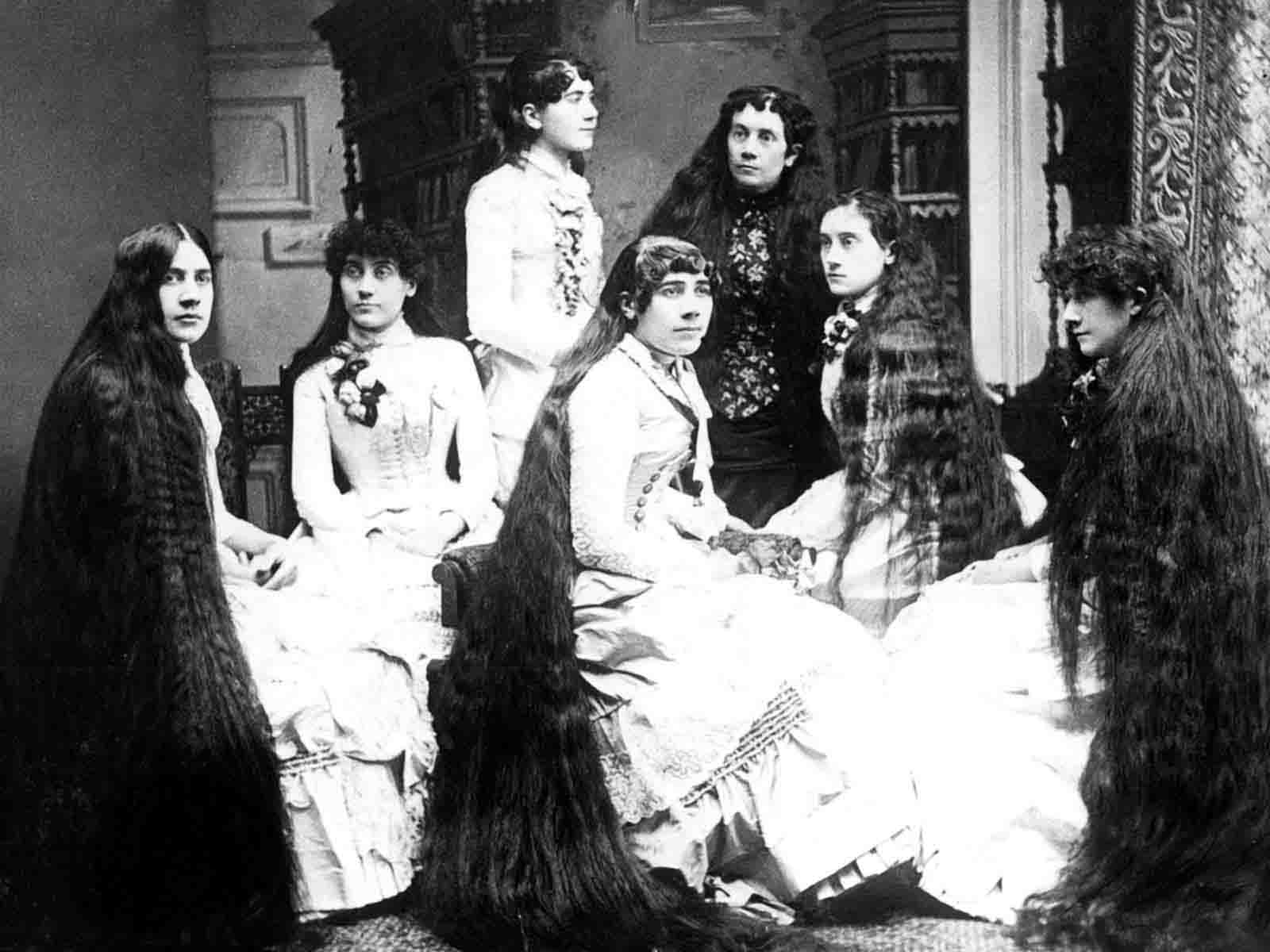
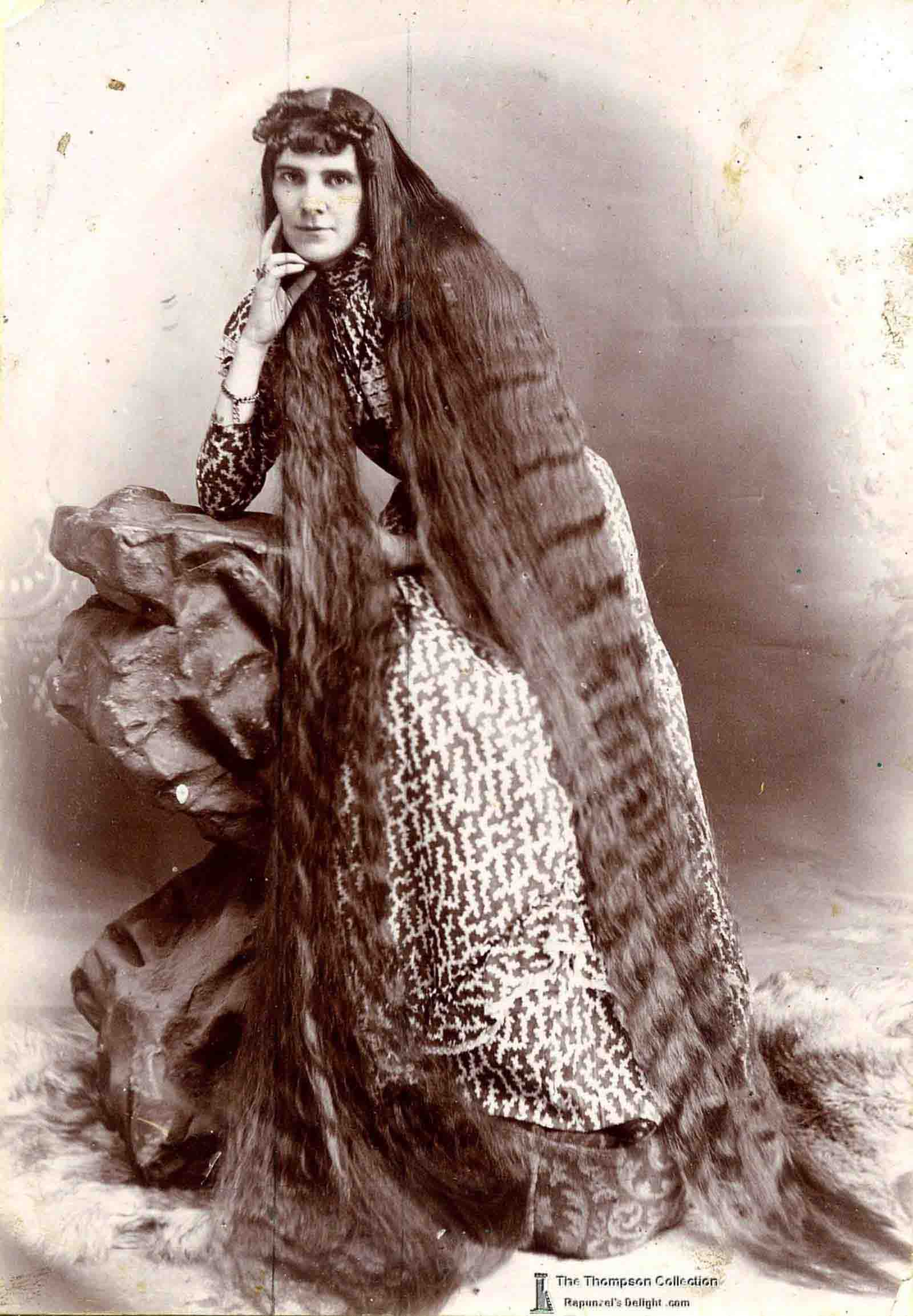
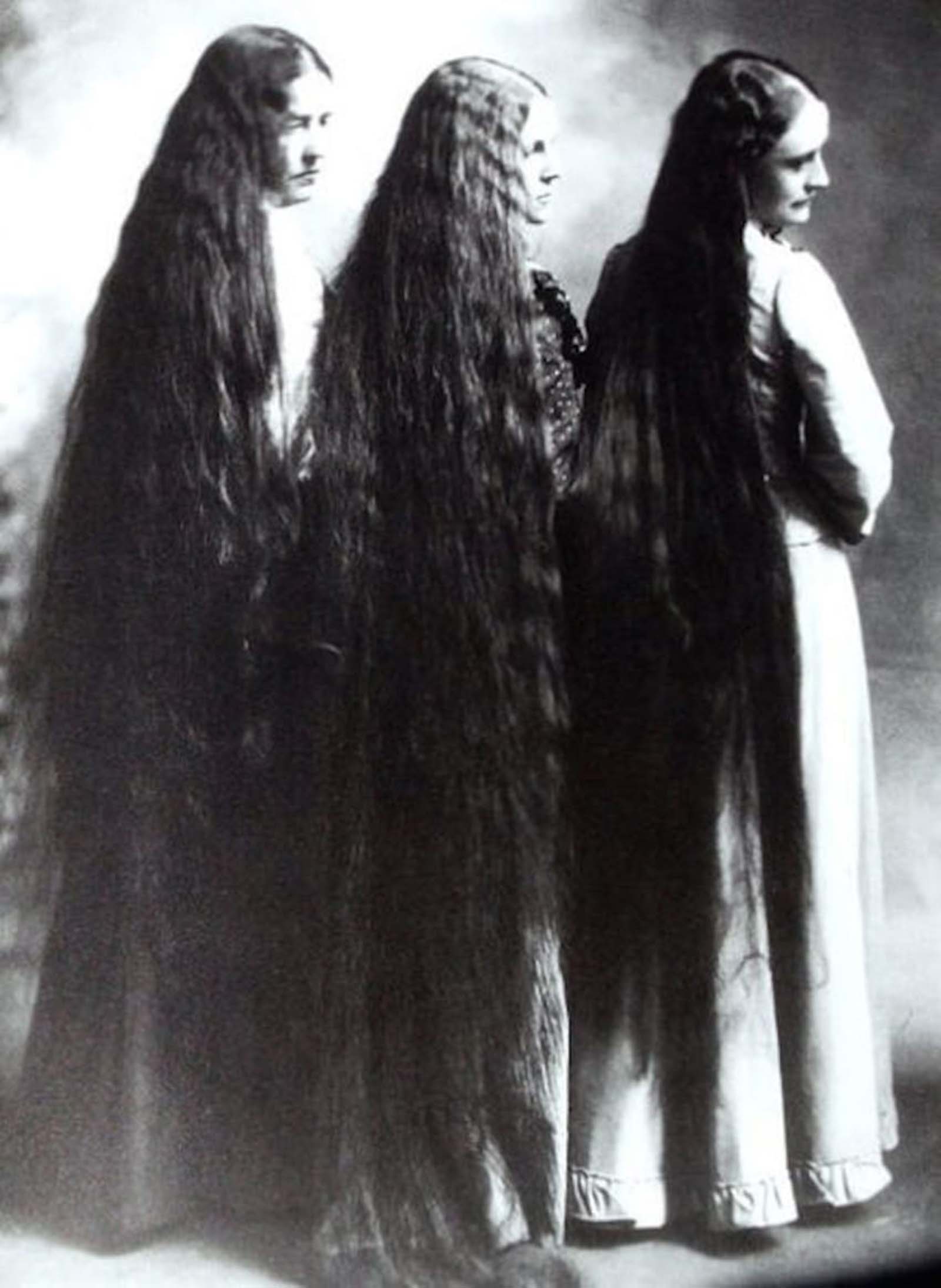
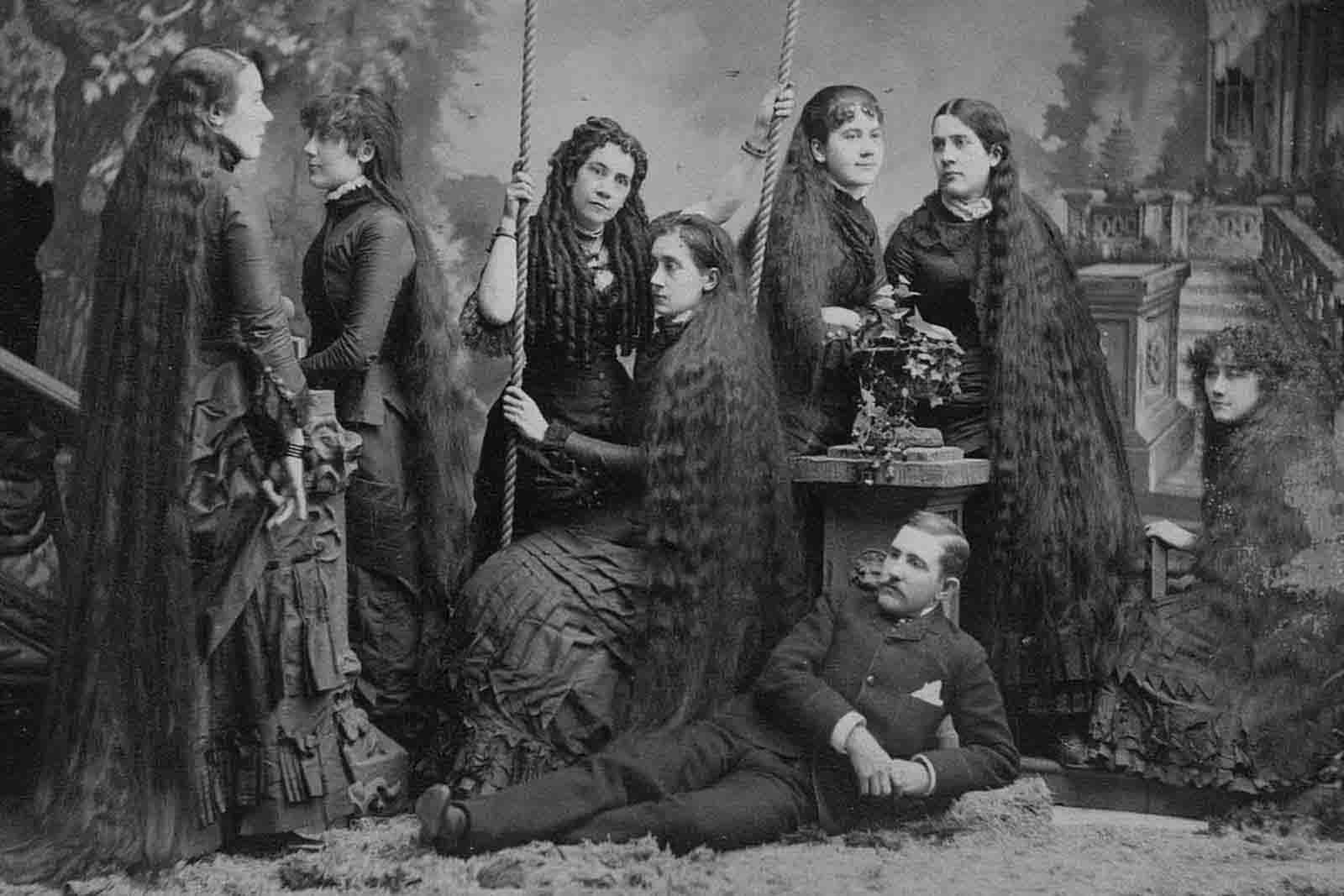
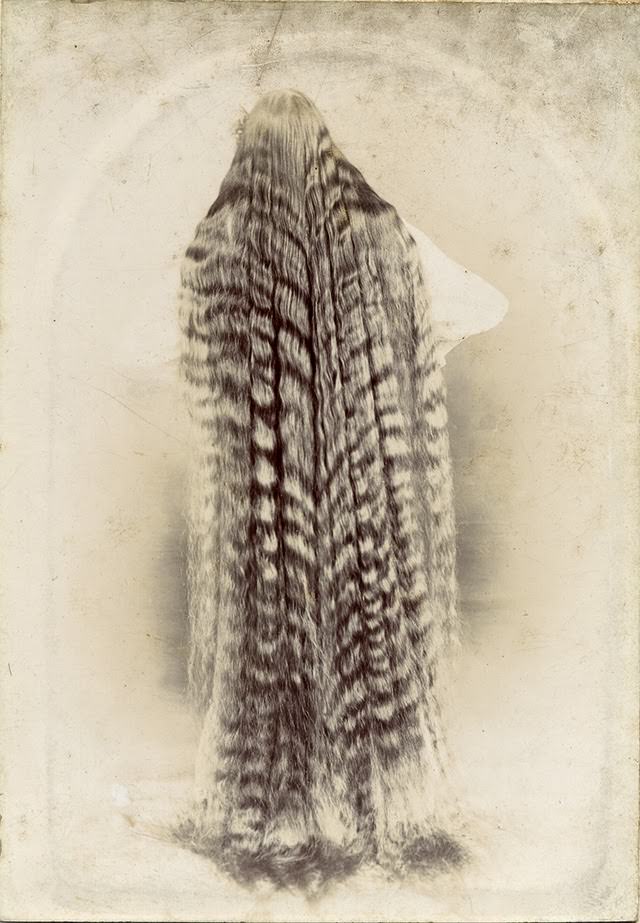
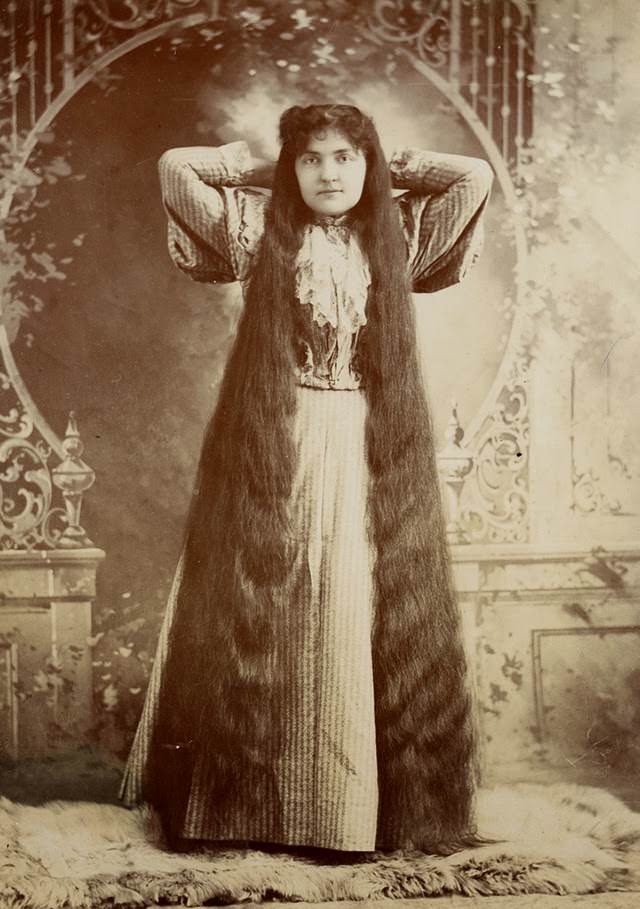
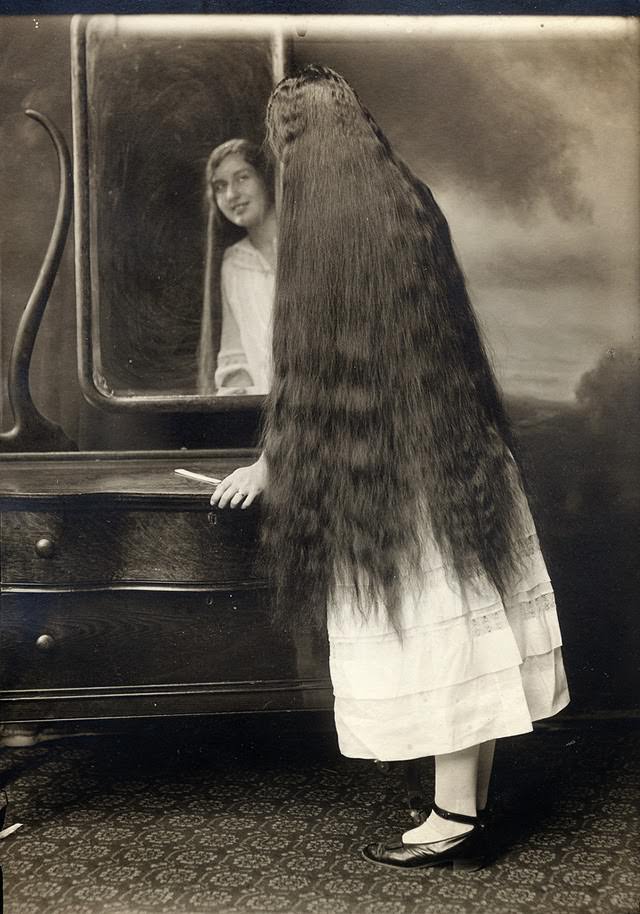
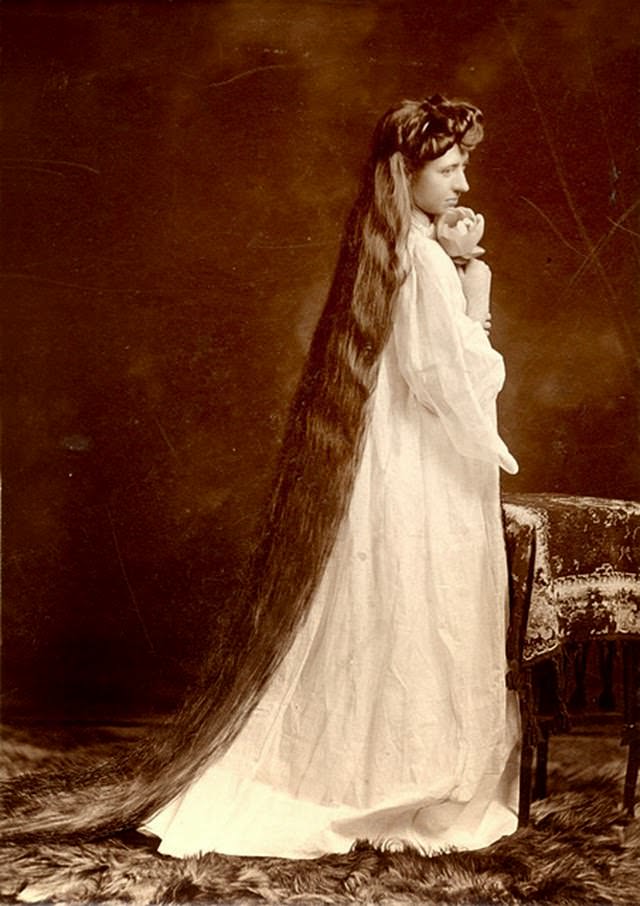
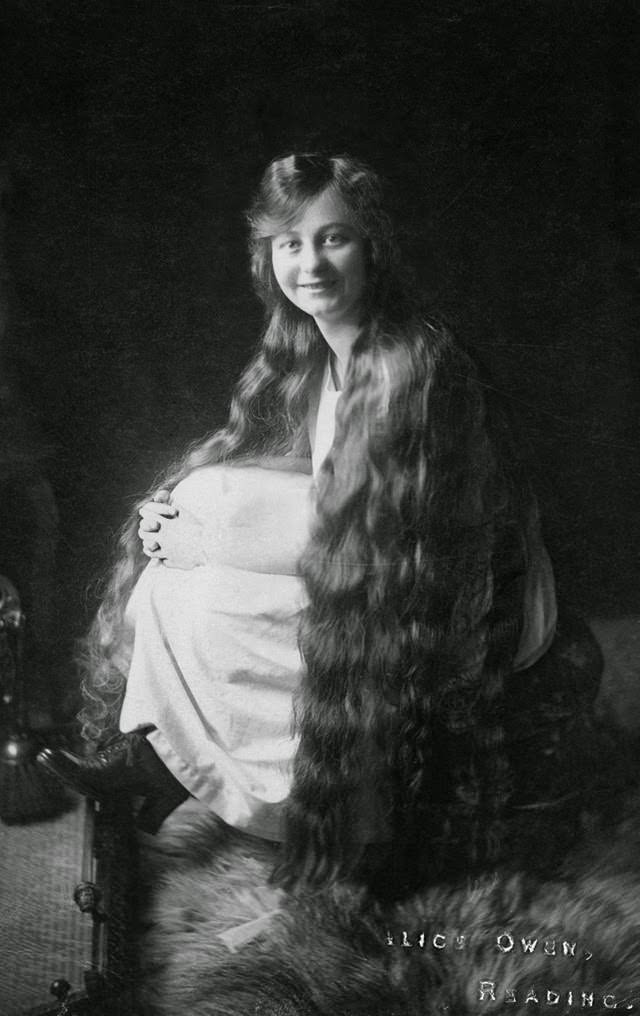
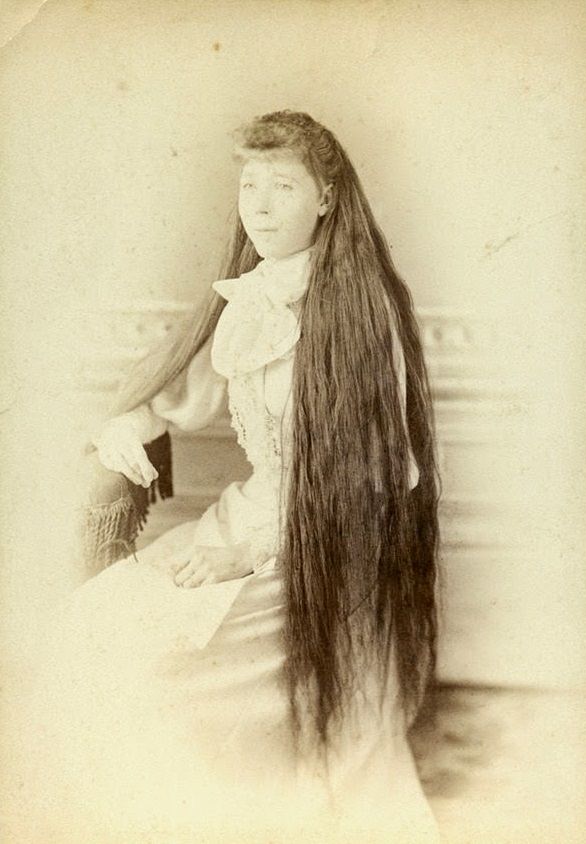
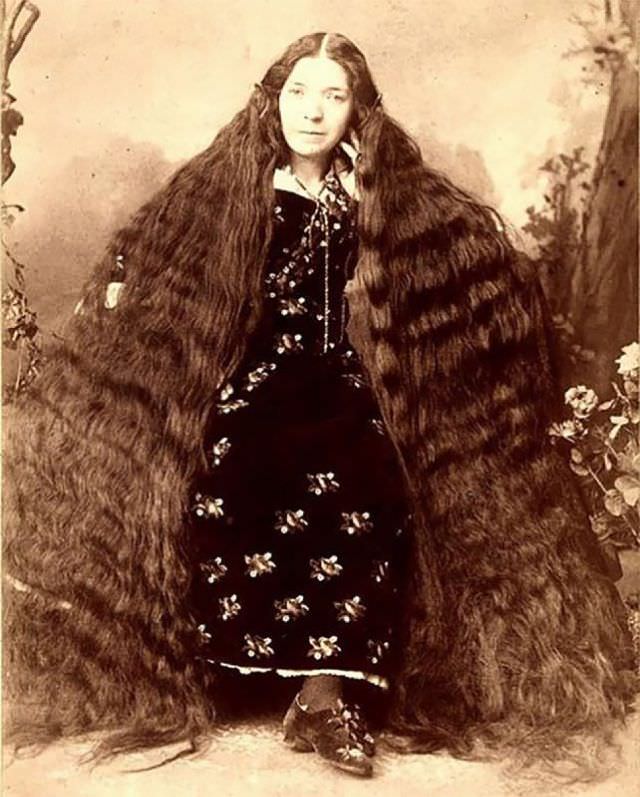
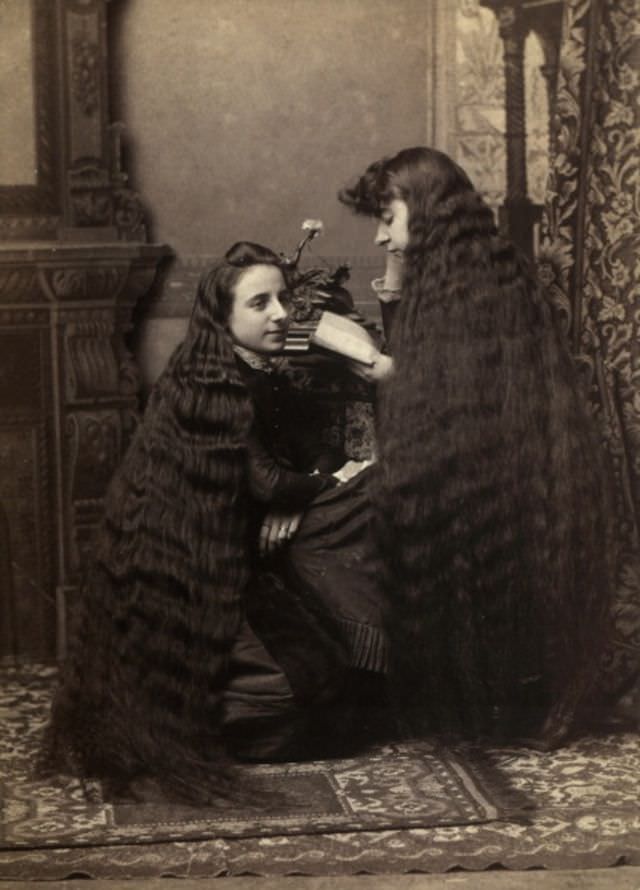
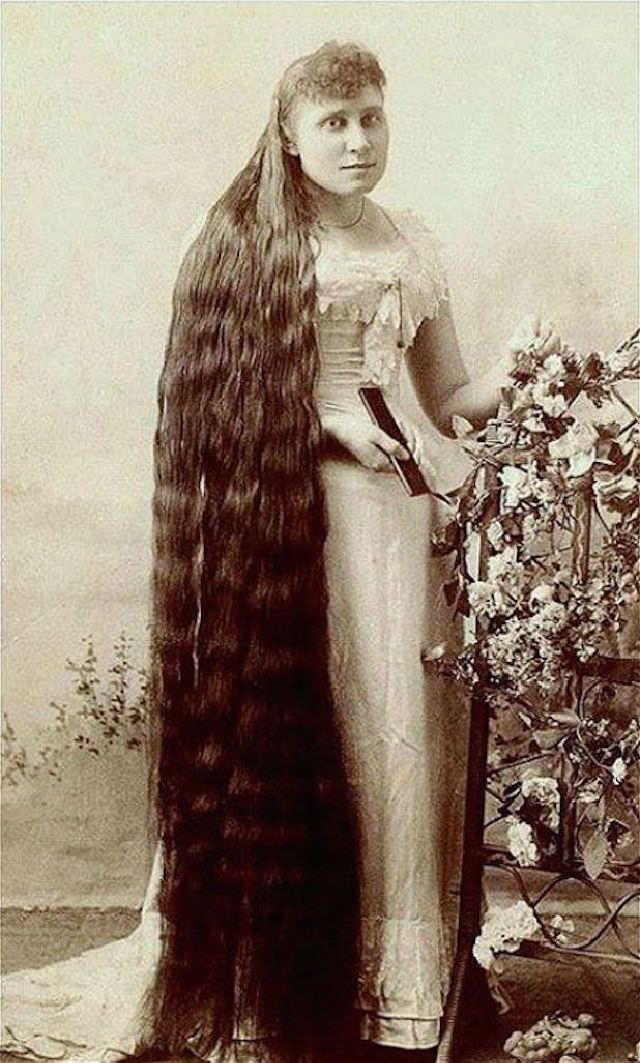
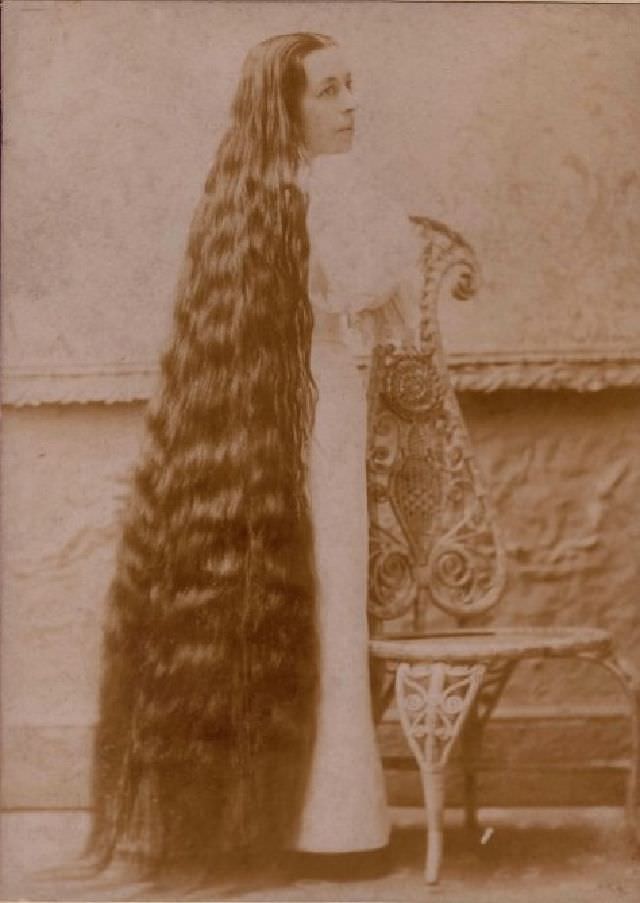
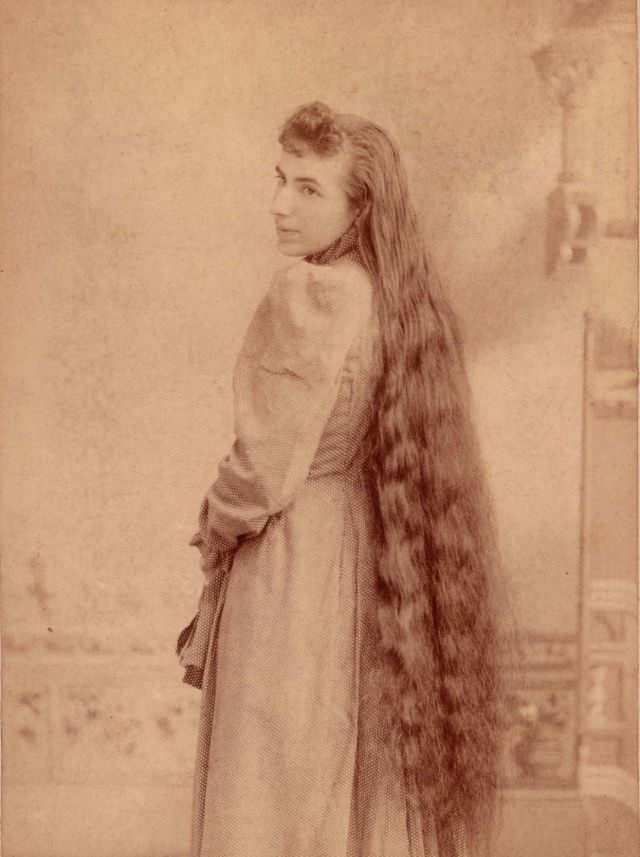
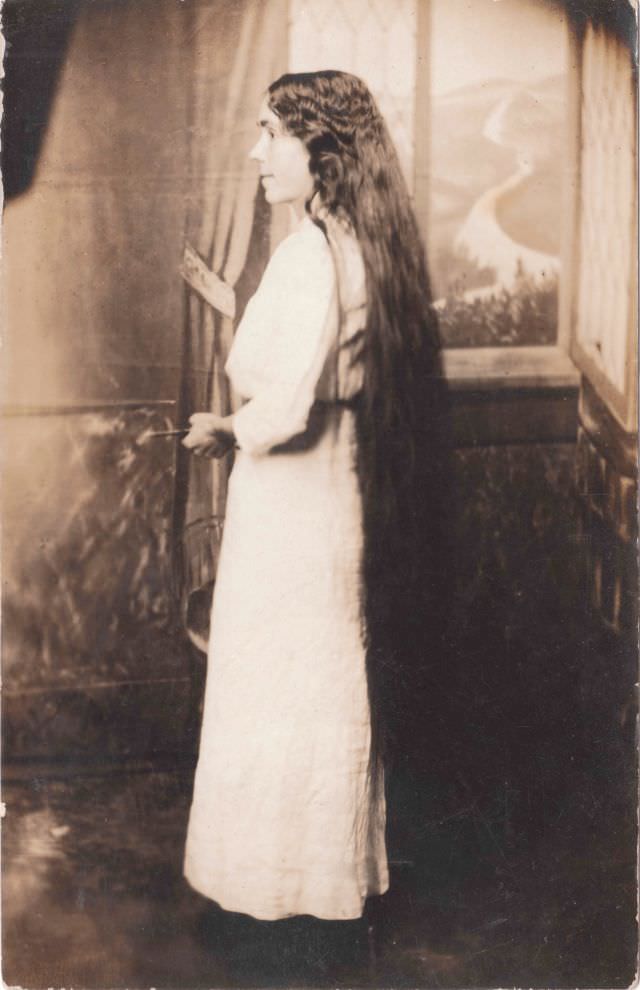
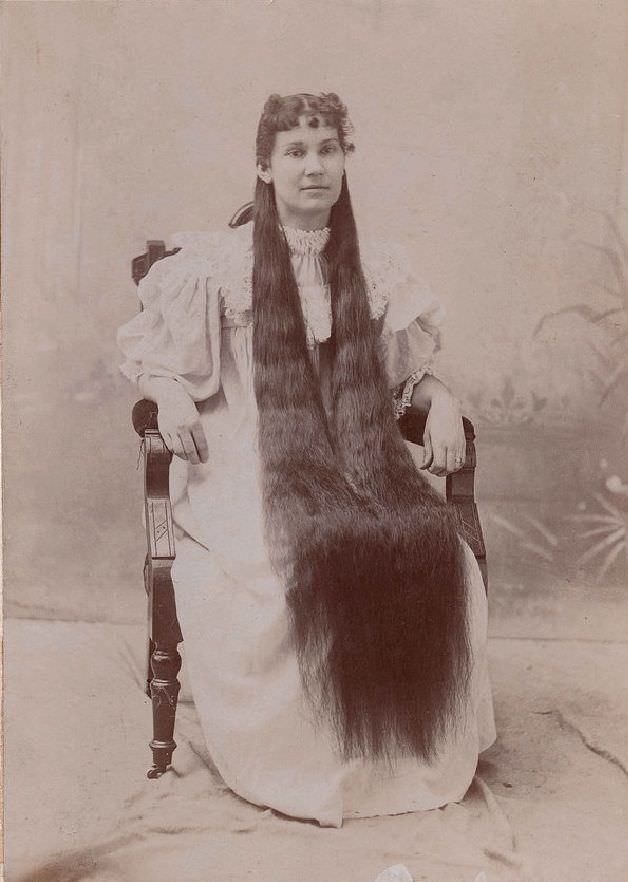
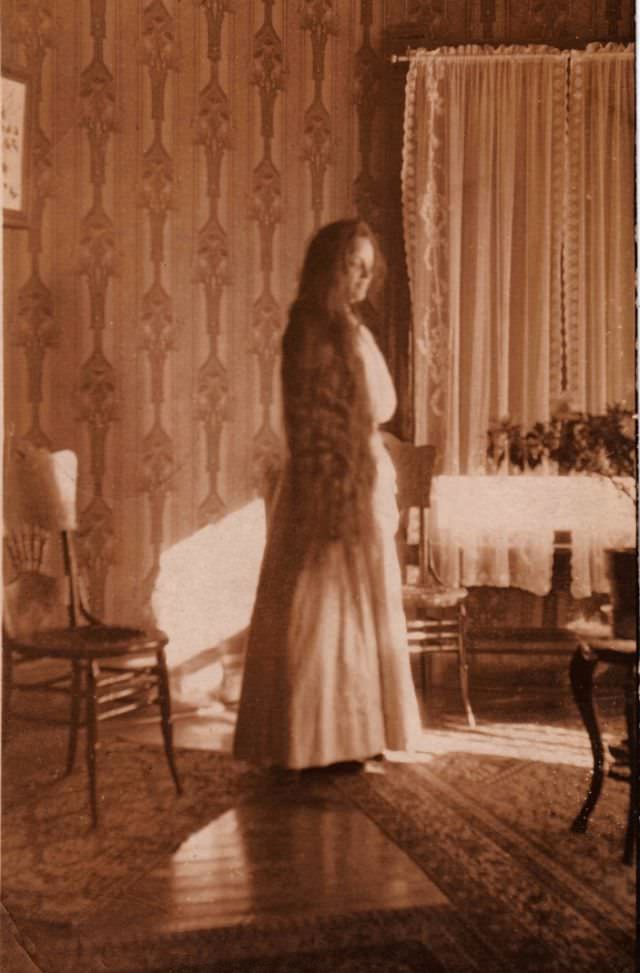
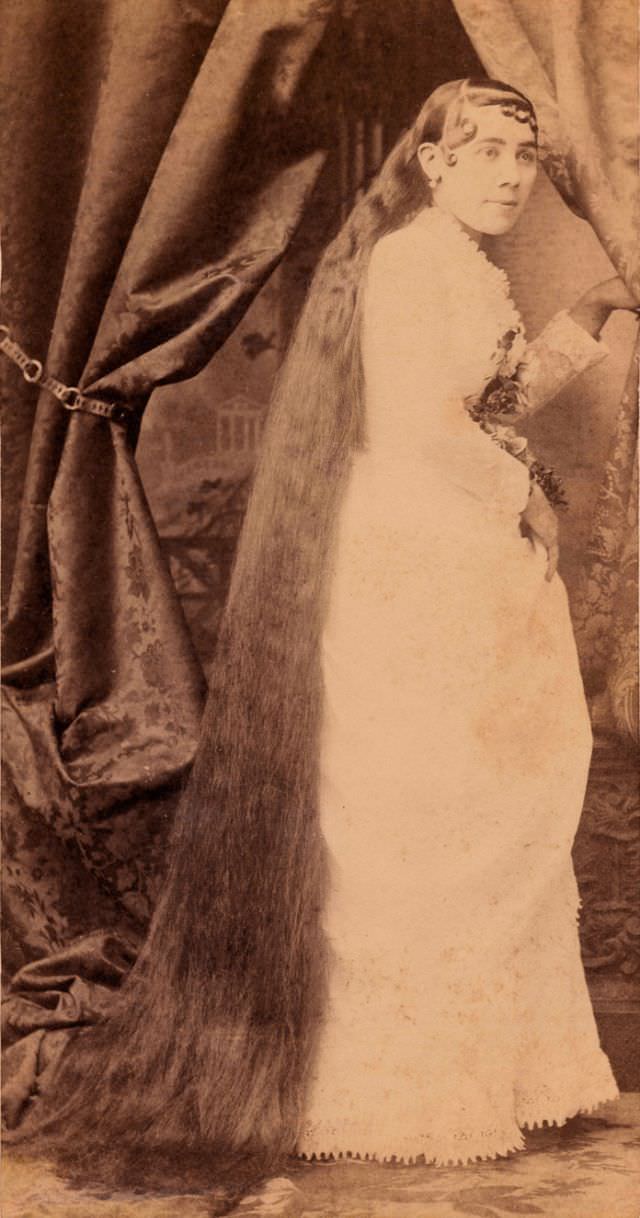
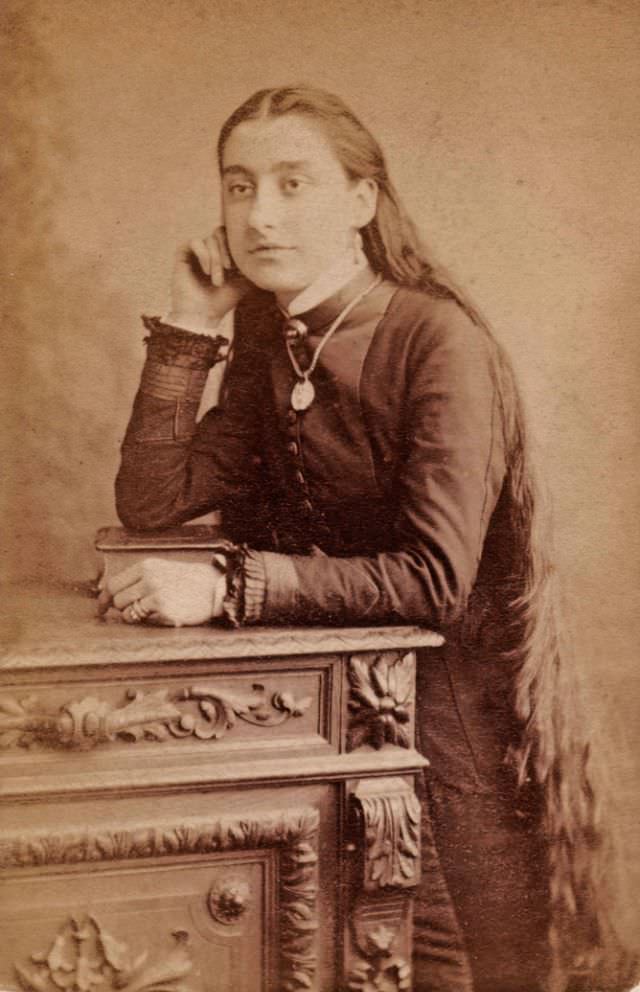
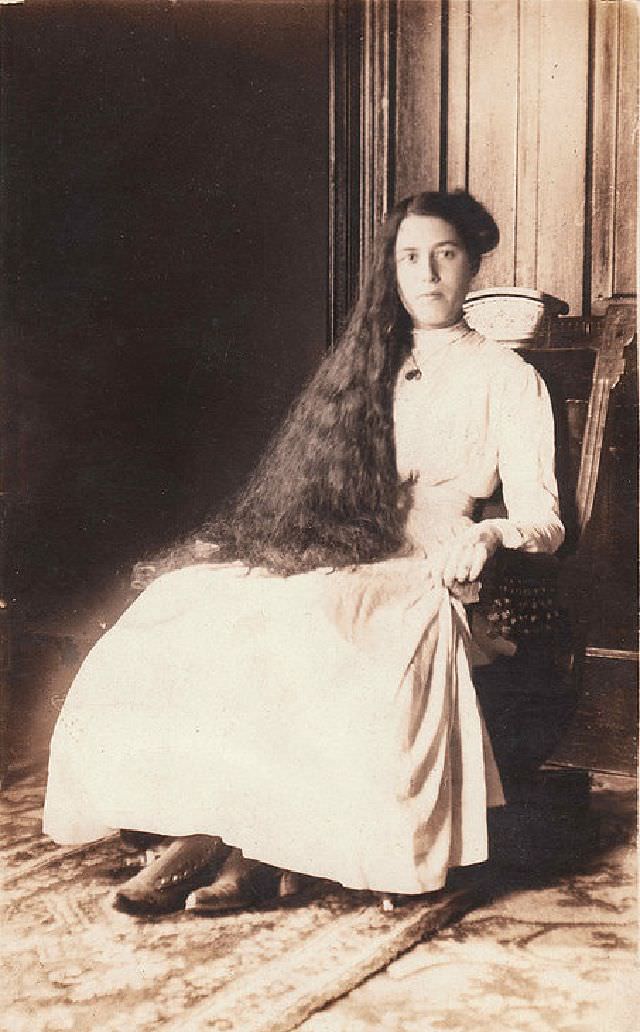
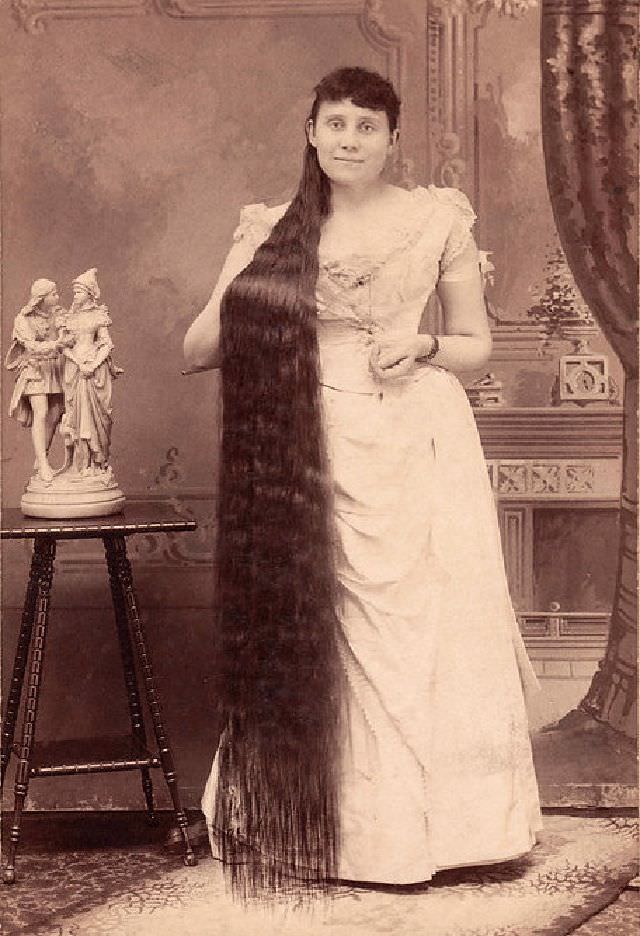
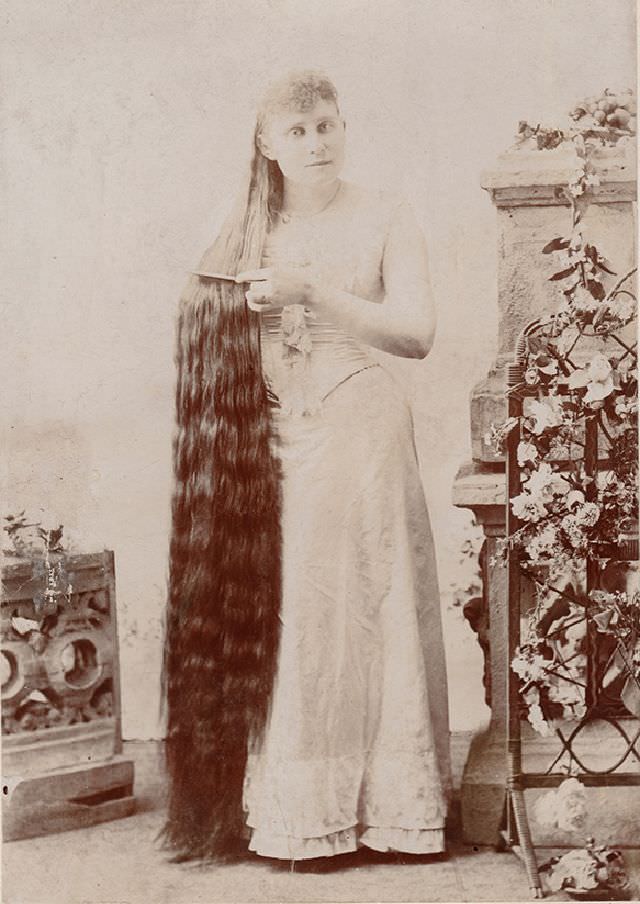
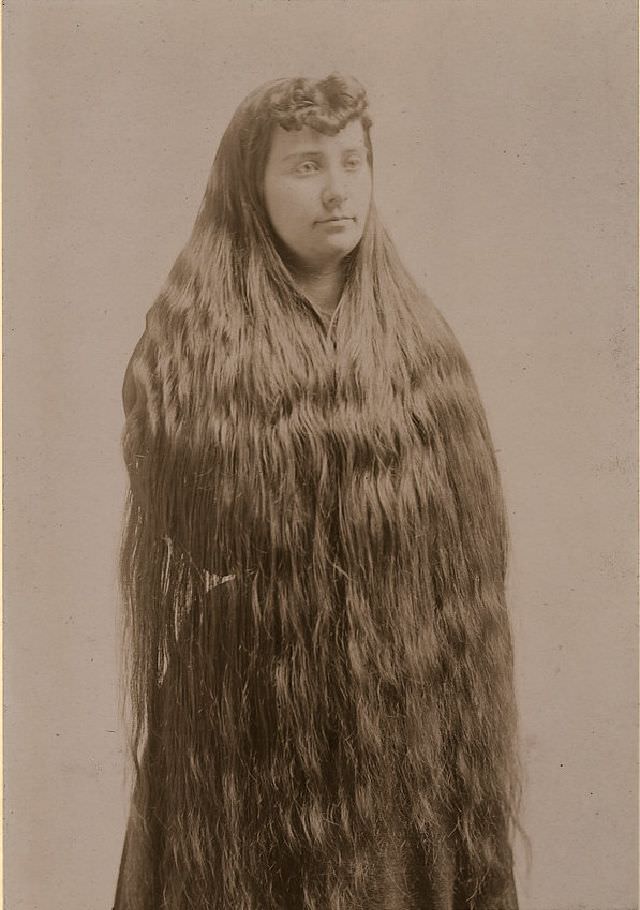
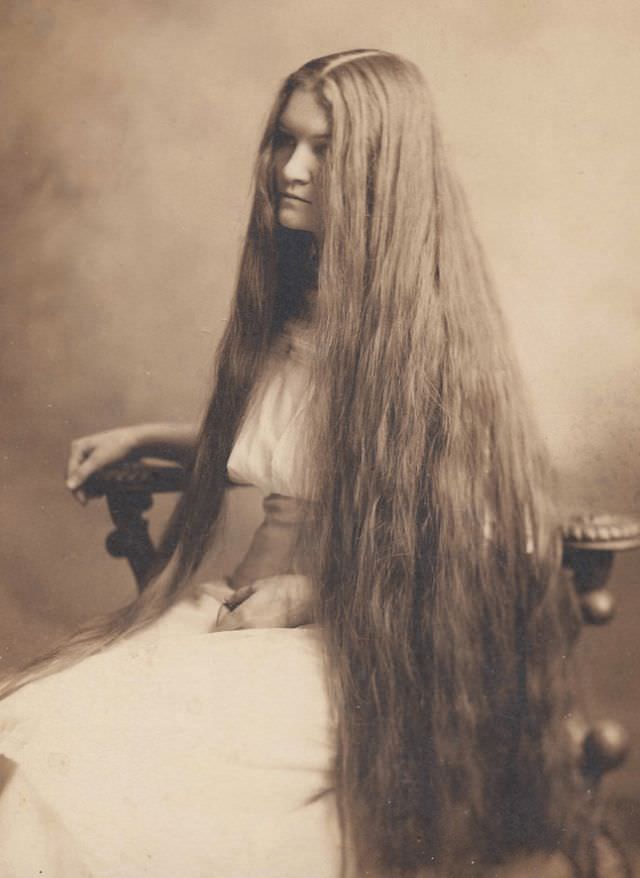
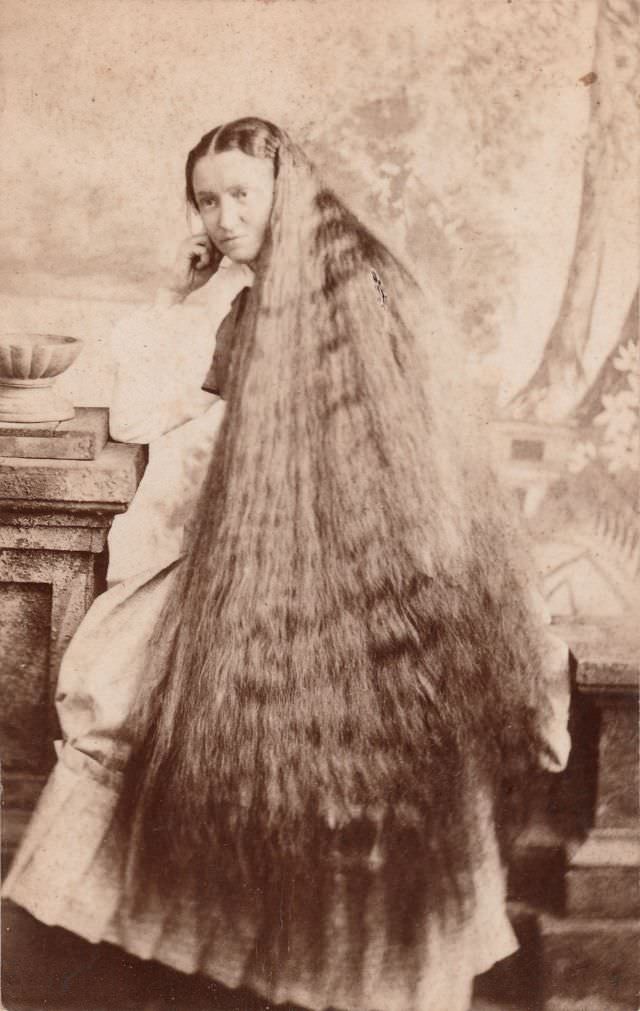
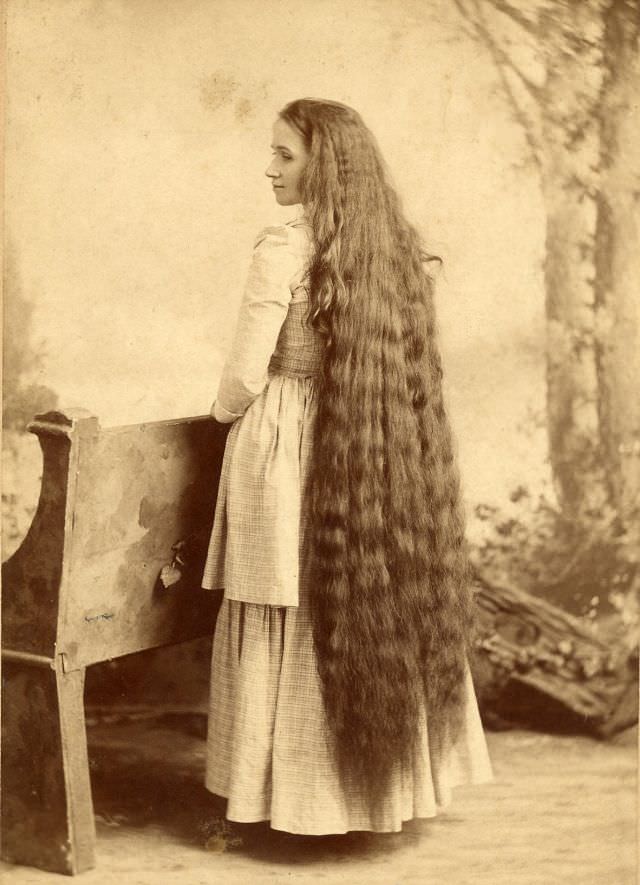
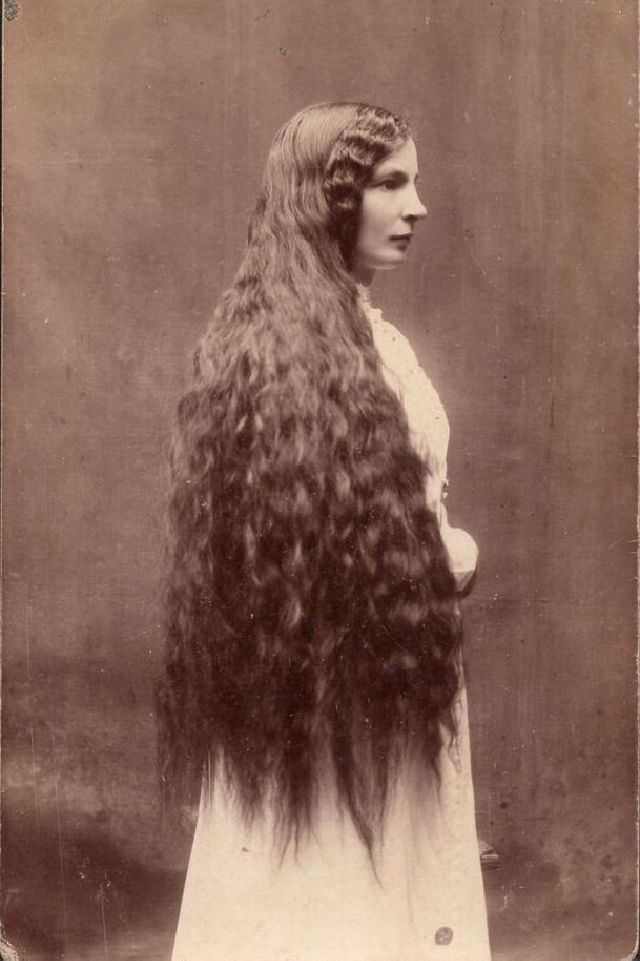
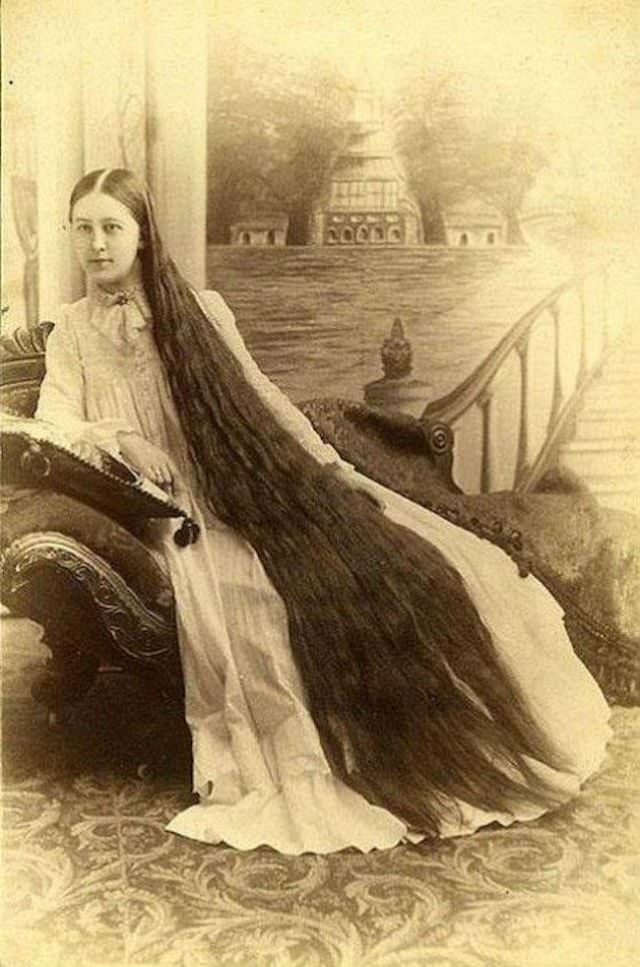
The photographs collected here show women who clearly never cut their hair — or cut it very rarely. Some of the hair in these images reaches the knees or lower. A few examples appear long enough to pool on the floor. Growing hair to these lengths took decades of careful maintenance, and the women who achieved it wore it as a mark of dedication and pride.

Victorian Women with Very Long Hair: Stunning Historical of Women Who Never Cut Their Hair, 1860-1900

Photography made it possible to document these extraordinary examples in a way that painting alone never could. A photograph carried a sense of proof — this was a real woman, with real hair, not an artist’s exaggeration. Studio photographers understood the appeal. Posing a woman with her hair fully unbound and falling freely was a deliberate choice, capturing something that viewers knew was normally hidden from sight.
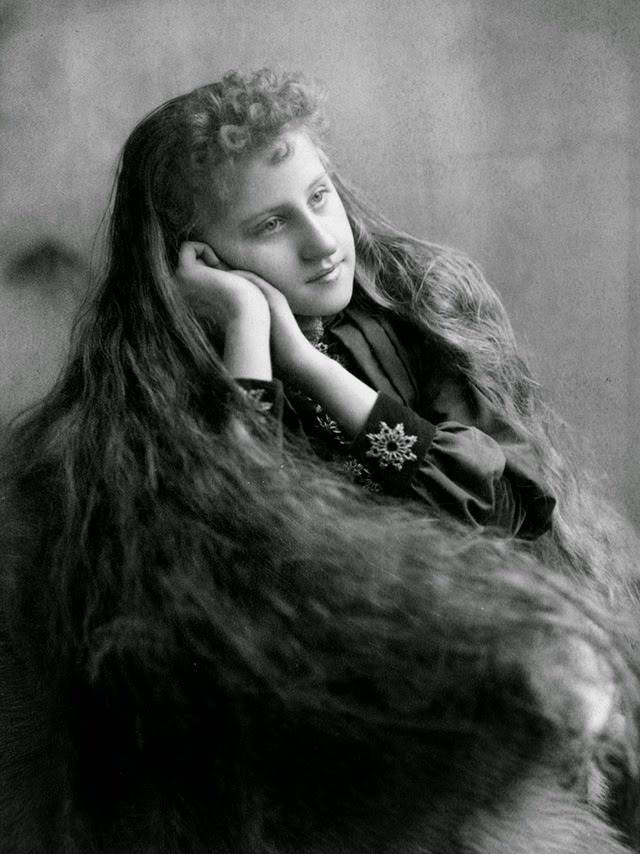
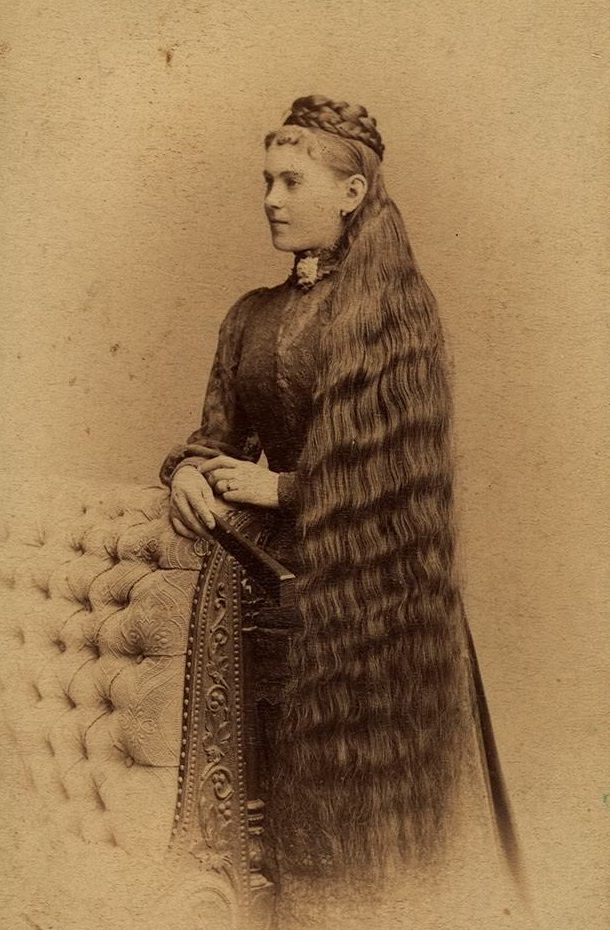
Victorian Women with Very Long Hair: Stunning Historical of Women Who Never Cut Their Hair, 1860-1900

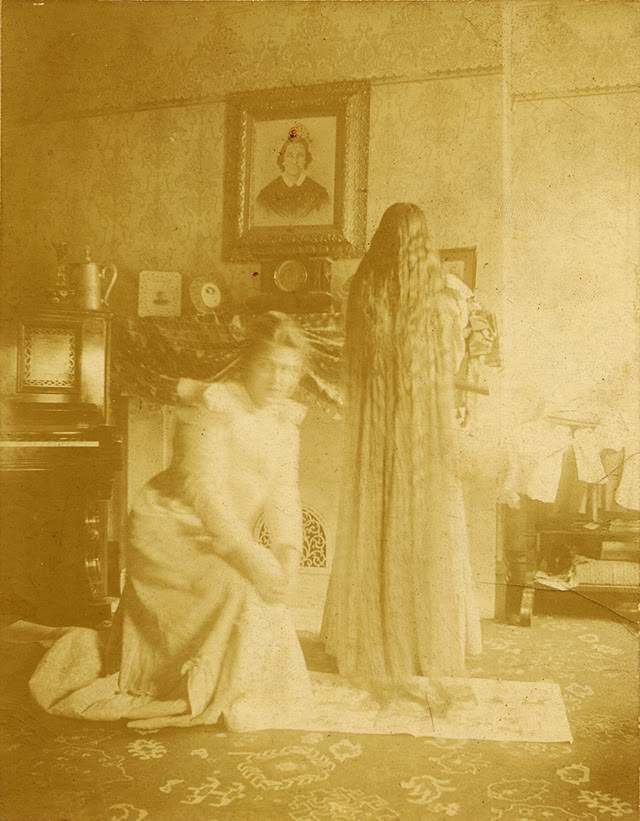
The sheer weight of very long hair shaped how women moved and carried themselves. Heavy hair required strong hairpins and careful placement to stay fixed in an updo throughout the day. Women with floor-length hair often braided it first, then coiled the braid and pinned it in place. The nightly routine of taking it all down, brushing it out, and rebraiding it for sleep was a significant daily task.

Victorian Women with Very Long Hair: Stunning Historical of Women Who Never Cut Their Hair, 1860-1900

Hair care products in the Victorian era ranged from simple to elaborate. Macassar oil — made from ingredients sourced from Makassar in Indonesia — was widely used to keep hair glossy and smooth. Its popularity was so great that it prompted the invention of the antimacassar, the small cloth draped over the backs of chairs and sofas to protect upholstery from oily residue. Women also used egg yolks, vinegar rinses, and rosemary-infused water as hair treatments.

Victorian Women with Very Long Hair: Stunning Historical of Women Who Never Cut Their Hair, 1860-1900

Brushing was central to Victorian hair care. Women were advised to brush their hair one hundred strokes each night to distribute natural oils from the scalp through the full length of the hair. For women with very long hair, this was no small task. The nightly brushing ritual was one of the few moments in a Victorian woman’s day that was entirely her own — private, quiet, and personal.

Victorian Women with Very Long Hair: Stunning Historical of Women Who Never Cut Their Hair, 1860-1900

Hair color was also meaningful. Dark hair was associated with mystery and intensity. Blonde hair carried associations of youth and innocence. Red hair was more complicated — simultaneously admired in portraits and treated with suspicion in real life, linked in folklore with temperamental or untrustworthy characters. Whatever the color, the standard was the same: it had to be rich, deep, and well-maintained.

Victorian Women with Very Long Hair: Stunning Historical of Women Who Never Cut Their Hair, 1860-1900

The phrase “letting her hair down” comes directly from this era. It meant relaxing from the strict formality of public life and being seen in a vulnerable, unguarded state. The expression stuck because the act itself carried such weight. Loose hair in a Victorian context meant privacy, intimacy, and a step outside the rigid social rules that governed everything else about a woman’s appearance.

Victorian Women with Very Long Hair: Stunning Historical of Women Who Never Cut Their Hair, 1860-1900

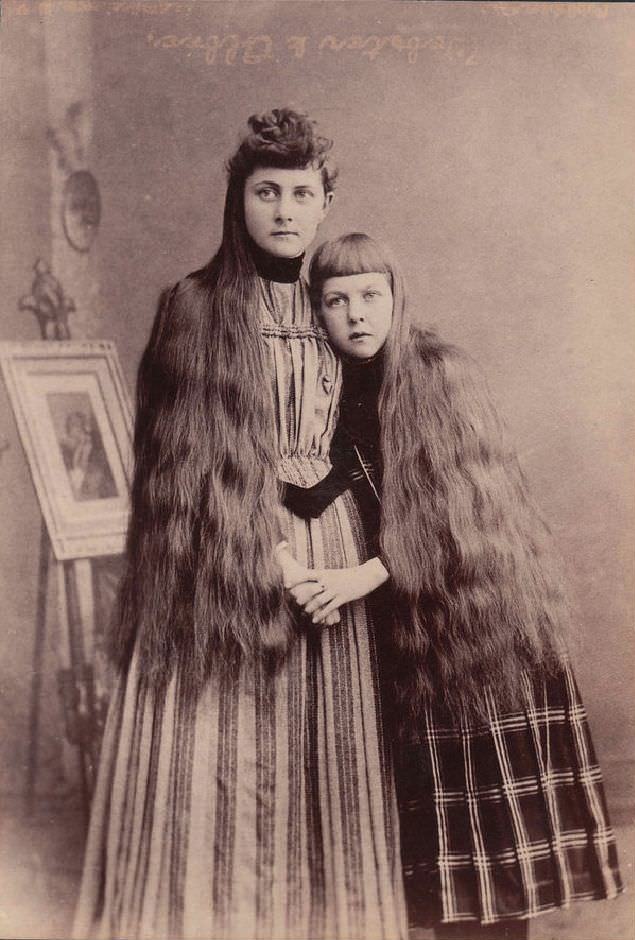
Young girls in the Victorian era wore their hair down as a matter of course. It was one of the visible markers that separated girls from women. When a girl reached a certain age — typically her mid-teens — she began pinning her hair up. The transition was a social milestone, as clear as the lengthening of her skirts. From that point forward, her hair was private.

Victorian Women with Very Long Hair: Stunning Historical of Women Who Never Cut Their Hair, 1860-1900

Some of the most striking Victorian photographs of long-haired women were taken as novelty portraits — images meant to show off something extraordinary. A woman whose hair touched the floor was a rare sight, and photographers recognized the commercial appeal. These images were sold as cartes de visite, small photographic cards that people collected and traded. A woman with exceptional hair could become, in a small way, locally famous.

Victorian Women with Very Long Hair: Stunning Historical of Women Who Never Cut Their Hair, 1860-1900

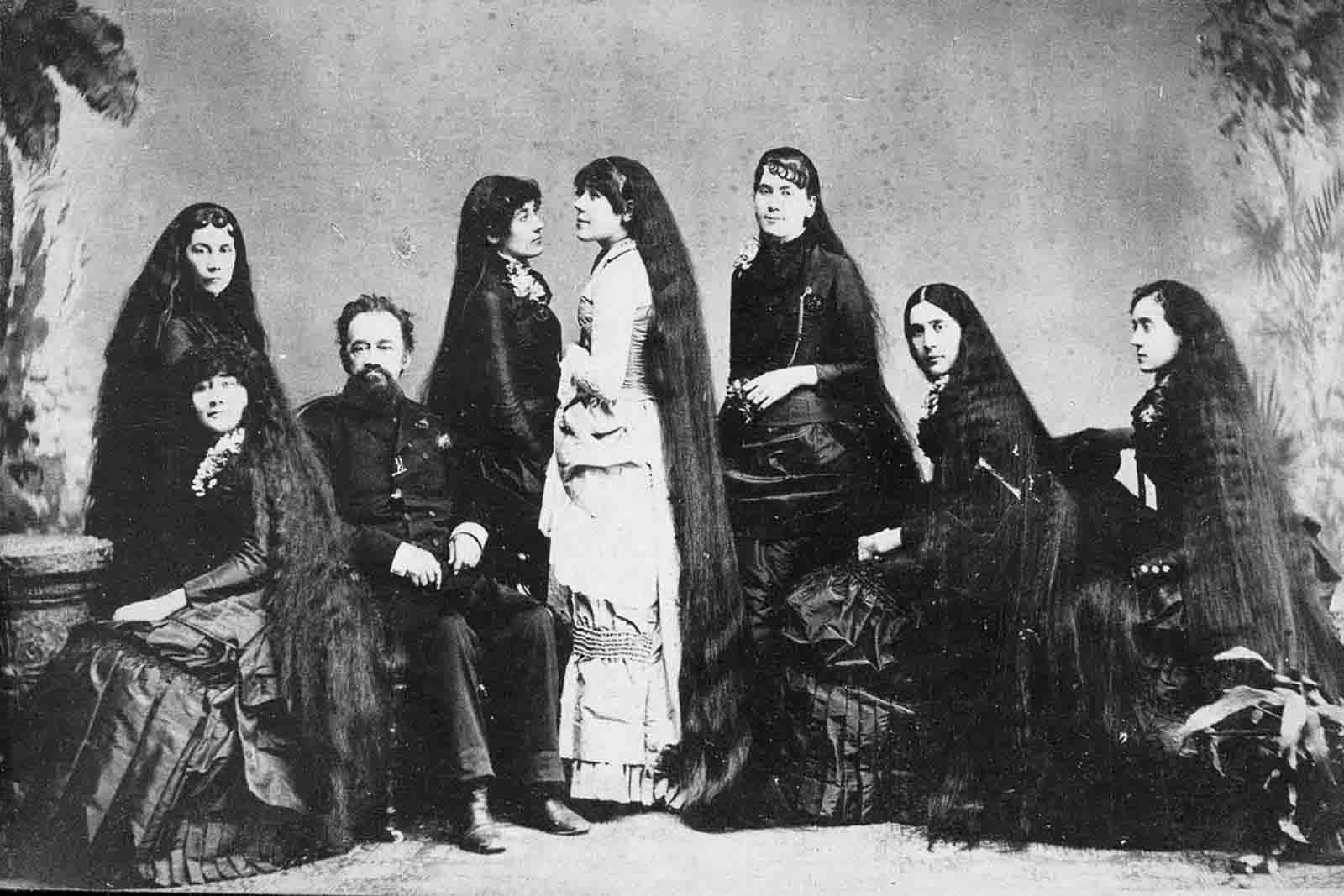
The Seven Sutherland Sisters are the most famous example of this. These seven American sisters, all with hair reaching between four and seven feet in length, performed in P.T. Barnum’s circus in the 1880s. They were promoted as a curiosity — women who had never cut their hair — and audiences paid to see them. Their fame spread through photographs, and their images circulated widely. They represent the extreme end of what Victorian culture already celebrated in more moderate form.

Victorian Women with Very Long Hair: Stunning Historical of Women Who Never Cut Their Hair, 1860-1900

Hair loss was a significant fear for Victorian women, and the market for hair tonics and growth treatments was enormous. Advertisements promised everything from stopping shedding to regrowing lost hair. Ingredients ranged from harmless botanical extracts to genuinely toxic compounds containing lead or mercury. Women applied these products faithfully, often with no benefit and sometimes with real harm.

Victorian Women with Very Long Hair: Stunning Historical of Women Who Never Cut Their Hair, 1860-1900

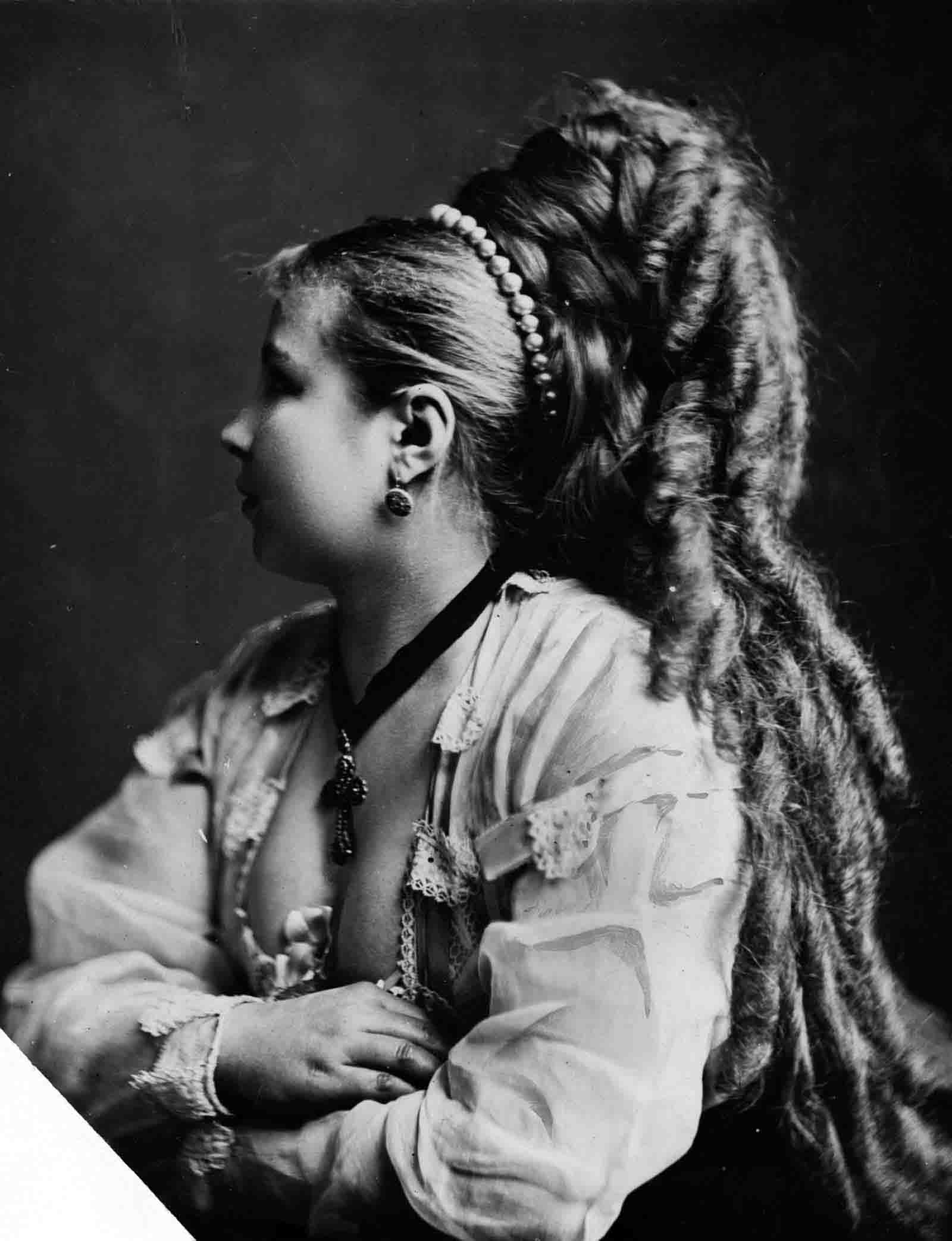
The diversity of hair types in these photographs is notable. Straight, wavy, and curly textures all appear. Some women’s hair is fine and light, others’ thick and dense. What these women share is length — extreme length, achieved through years of growth and careful care. The photographs treat each subject’s hair as the main subject of the image, the thing the viewer is meant to look at and appreciate.

Victorian Women with Very Long Hair: Stunning Historical of Women Who Never Cut Their Hair, 1860-1900

By the 1890s, hairstyles began to shift. The Gibson Girl look emerged — a softer, looser updo with more volume at the top and sides. Hair was still long, but the tightly controlled styles of the mid-Victorian period gave way to something slightly more relaxed. The ideal woman of the 1890s had a full, rounded silhouette of hair framing her face, achieved through careful arrangement of natural hair and added pieces.

Victorian Women with Very Long Hair: Stunning Historical of Women Who Never Cut Their Hair, 1860-1900

Hair was also preserved as a keepsake throughout the Victorian period. Locks of hair were cut from deceased loved ones and kept in lockets, woven into jewelry, or pressed into memory books. The practice was common across all social classes. Hair felt permanent in a way that photographs did not — it was an actual part of the person, preserved after death. This gave long hair an additional weight of sentiment that went beyond simple vanity.

Victorian Women with Very Long Hair: Stunning Historical of Women Who Never Cut Their Hair, 1860-1900

For women who appear in these photographs, the decision to be photographed with their hair down was not taken lightly. It was a controlled, deliberate act of display — more intimate than anything they would show in public, but calculated for an audience all the same. The studio setting made it safe. The photographer was a professional. The resulting image was something to be kept, shared with family, or, in some cases, sold.

Victorian Women with Very Long Hair: Stunning Historical of Women Who Never Cut Their Hair, 1860-1900

What these images document, taken together, is a very specific moment in the history of beauty and identity. Victorian women with extraordinary hair operated within a society that valued their hair deeply, policed its appearance constantly, and kept its true length hidden from public view. These photographs pull back that curtain. They show what was normally unseen — and in doing so, they reveal just how central hair was to a Victorian woman’s sense of self.

Victorian Women with Very Long Hair: Stunning Historical of Women Who Never Cut Their Hair, 1860-1900
Enjoyed this post? Get new ones in your inbox.

9 thoughts on “Victorian Women with Very Long Hair: Stunning Historical of Women Who Never Cut Their Hair, 1860-1900”

  1. I wonder if they all really wanted long hair or if they did it for their husbands. I notice that all the hair is in poor condition. Every photo end with lifeless, hard, unconditioned hair. The pictures actually show hair that needs the love and attention of today’s wonderful haircare products.

    1. Each generation has its own style statement, and long hair was one of them. Personally, I disagree with hair care products. In terms of hair, they probably had the healthiest hair compared to us. Their hair was always braided and they didn’t use chemicals on a regular basis.

      1. Most women never cut their hair for biblical reasons. “A woman’s hair is given to her for a glory.” “If she be shorn, let her also be shaven.” (Insinuating that she may as well be a harlot.) So very few women cut their hair until the 20s, when young women began bobbing their hair and many were appalled by this.

        1. I would leave my hair alone even if I didn’t have those reasons. Modern products and brushes and combs make it easy to take care of. You can do so many awesome styles and yes, it’s totally sexy. Women today often wear ugly hairstyles that make them look cheap. Let’s get back to some pretty hairstyles. Some people are unable to grow hair this long. However, if you leave your hair alone and take good care of it, you’ll be surprised at how easy and natural it is to take care of.

  2. Those Victorian women must have been crazy to tolerate all that hair! I know that they had split ends right up to the crown. In the summertime, I’m sure they had a lot of sweat rolling down their necks and faces. There was no way air could reach the scalp, and I know sleeping with all that mess would be uncomfortable.

    1. During that time, there were no hair products. Eggs, milk, and bran were used to cleanse the scalp and moisturize the hair. A woman would use fresh beef marrow to set her curls and condition her scalp. After it dried, the curls would set, and egg yolk was applied like hairspray. Brushing and combing were used to keep long hair healthy and tangle-free, and they slept with silk inside their bonnets to protect their hair from damage caused by household products. The typical shampoo for monthly hair washing in 1889 was borax, olive oil, and water.

  3. When you use modern conventional hair products, your hair doesn’t get much longer than your back. You’re spitting out sulfates. Women in the early 1900s were convinced that they needed harsh detergents by shaming them (the same strategy used today, even by our peers). The best hair I’ve ever had was when I stopped using modern products. As long as we are taught that our beauty is our worth, there will always be women who believe lies about beauty. In modern times, self-damage while being taught to like it has been perfected.

Leave a Comment

Your email address will not be published. Required fields are marked *

Share this Post 🥺

Please take a moment to share this content. Your support is greatly appreciated! 🙌🙏

Share this Post 🥺

Please take a moment to share this content. Your support is greatly appreciated! 🙌🙏
Scroll to Top
 
Hey Friend, Before You Go.. Please like & follow for more interesting content