
Chris Steele-Perkins is a British photographer and longtime member of Magnum Photos. He studied psychology before turning to photography, and his early work focused on social hardship in British cities as part of the EXIT collective. That period produced the book ‘Survival Programmes’, a raw look at urban poverty in Britain. His first solo book, ‘Teds’, documented the Teddy Boy subculture that had defined British youth across the 1950s, 60s, and 70s. From there, his work took him across Africa, Afghanistan, and Japan — but it was Northern Ireland that marked one of his most defined bodies of work.
During the Troubles — the decades-long conflict between nationalist and unionist communities in Northern Ireland, with British security forces in the middle — Steele-Perkins arrived in 1978 with a clear point of view. He was not trying to be neutral. He came to document life from the perspective of those he saw as the underdog. His focus was firmly on the Catholic, Irish-nationalist community, and he made no effort to hide that. “I began to see that my work in Northern Ireland had always been a celebration of the resilience and unyielding way that the Catholic community resisted,” he later said.
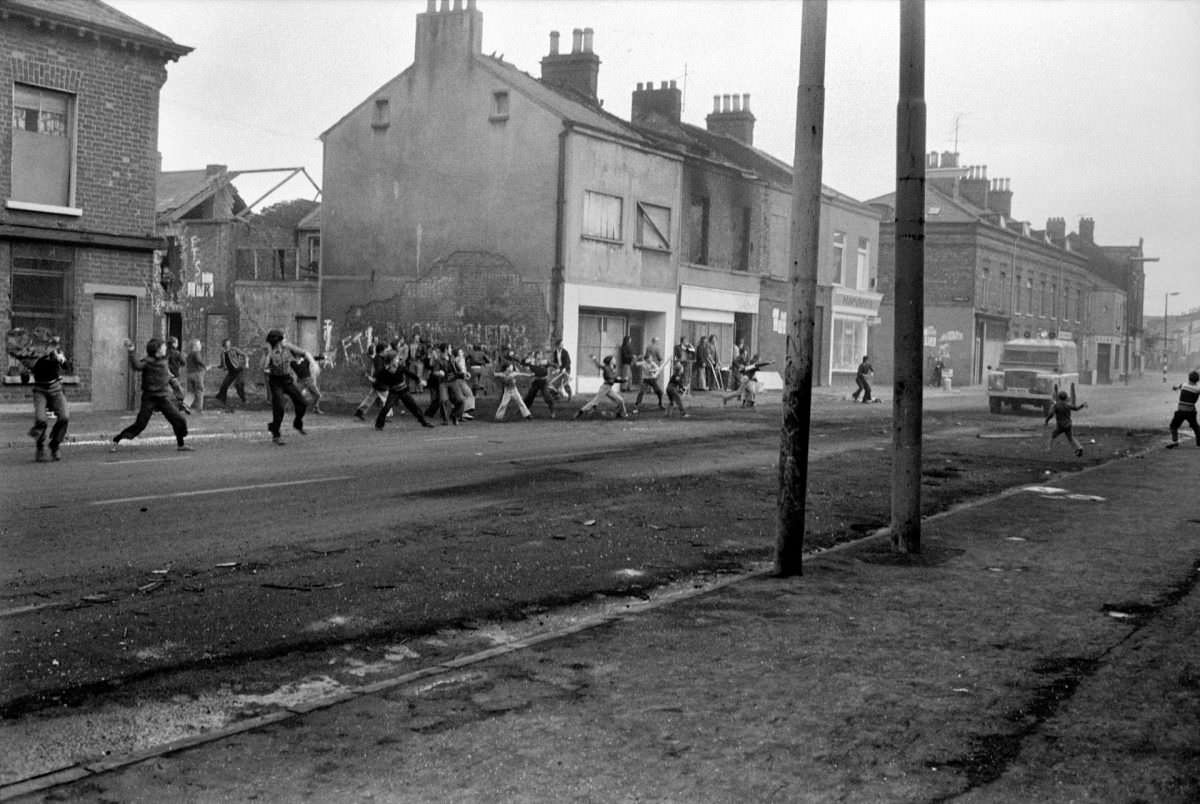
Street violence was a constant presence. In west Belfast, clashes between rioters and Royal Ulster Constabulary vehicles were a regular occurrence on roads like Leeson Street.
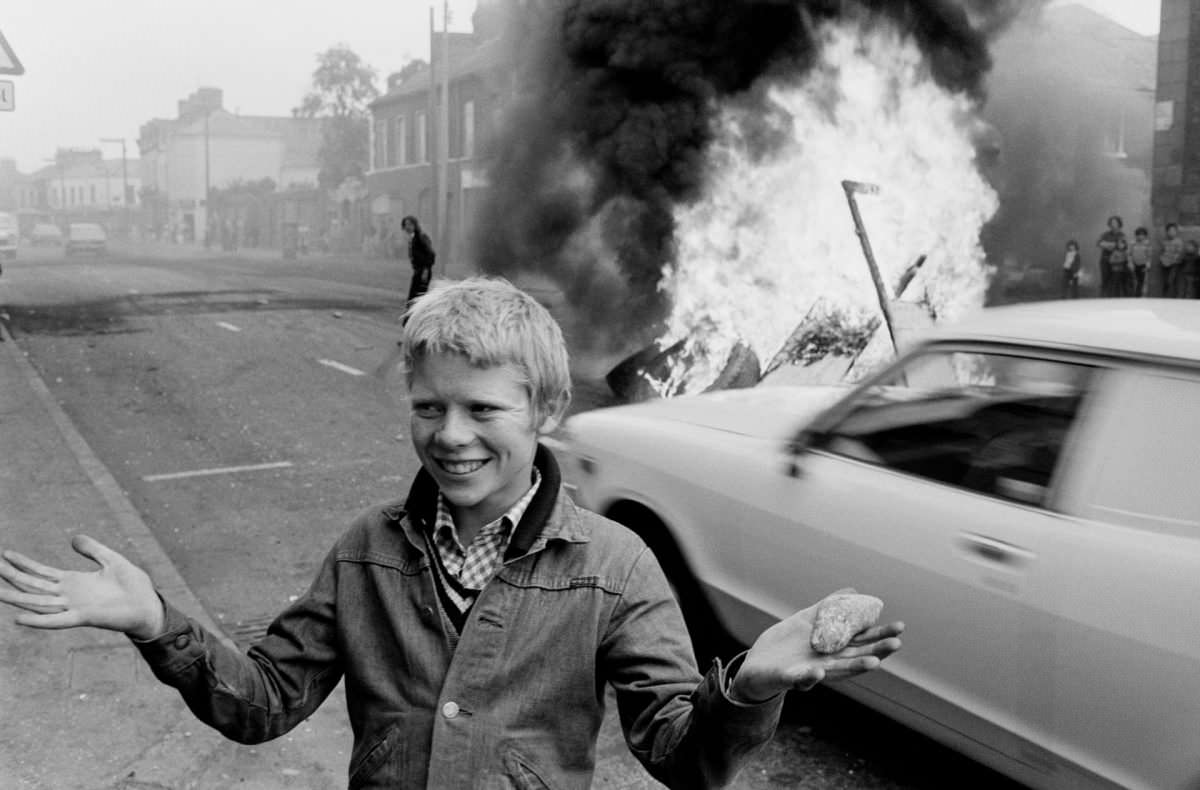
Young people were often at the front of these confrontations, hurling stones at armored RUC vehicles in scenes that played out repeatedly across Catholic neighborhoods.
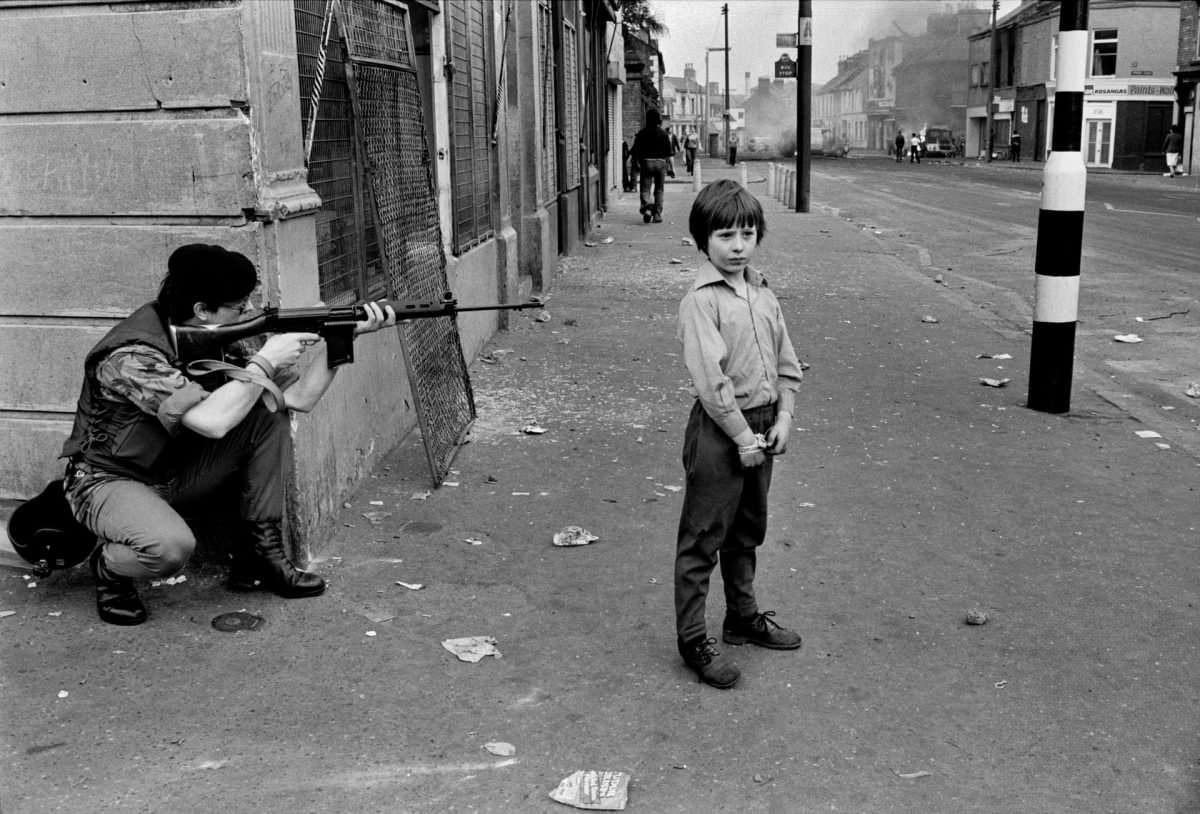
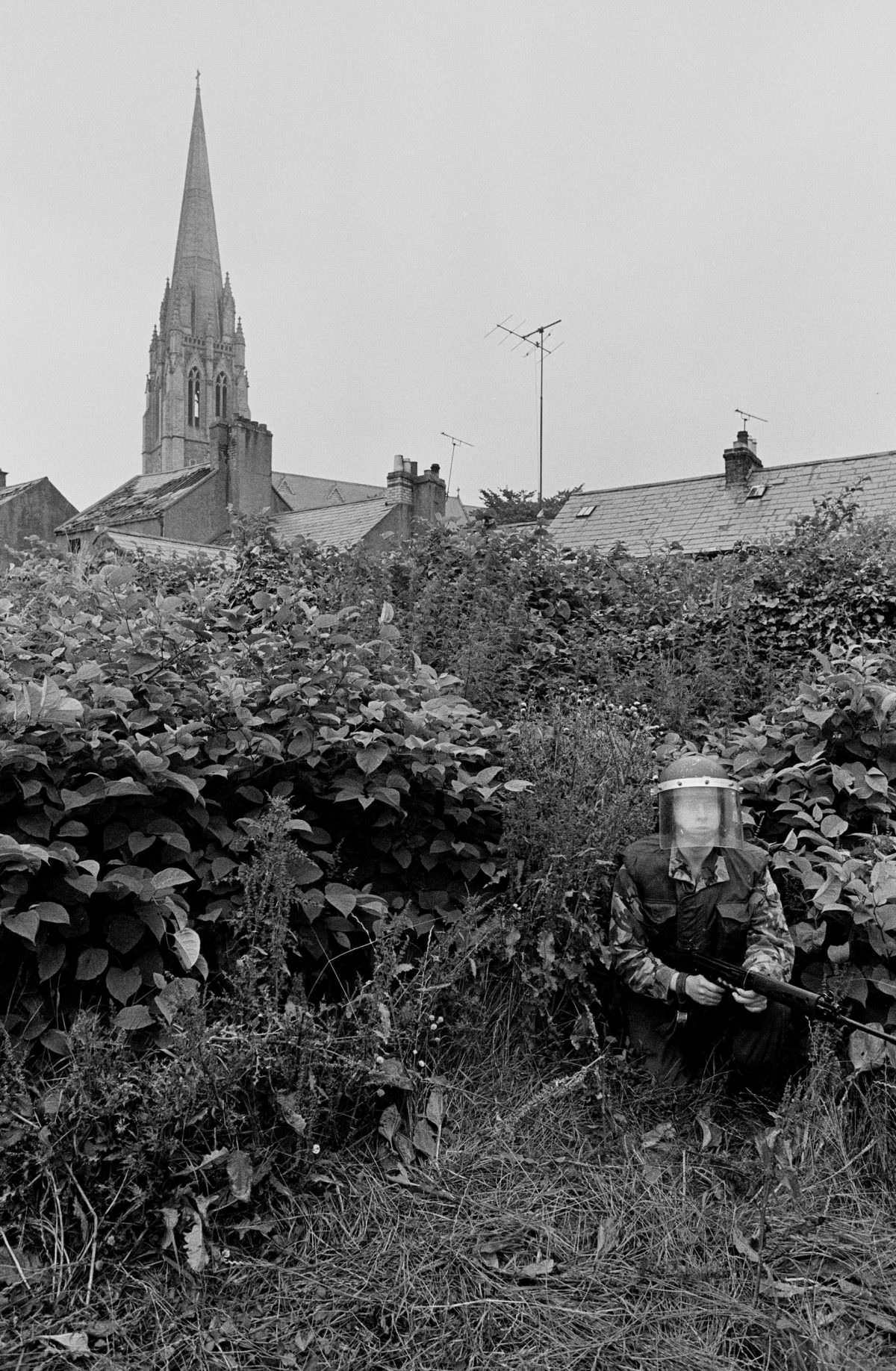
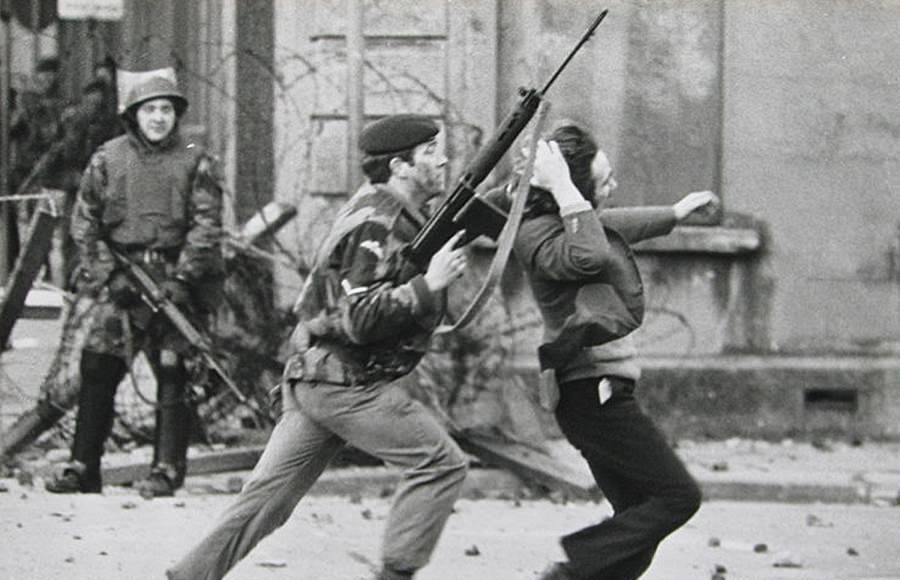
British soldiers maintained a heavy presence on the ground. Armed patrols were common in nationalist areas, and the sight of a rifle trained down a residential street was unremarkable.
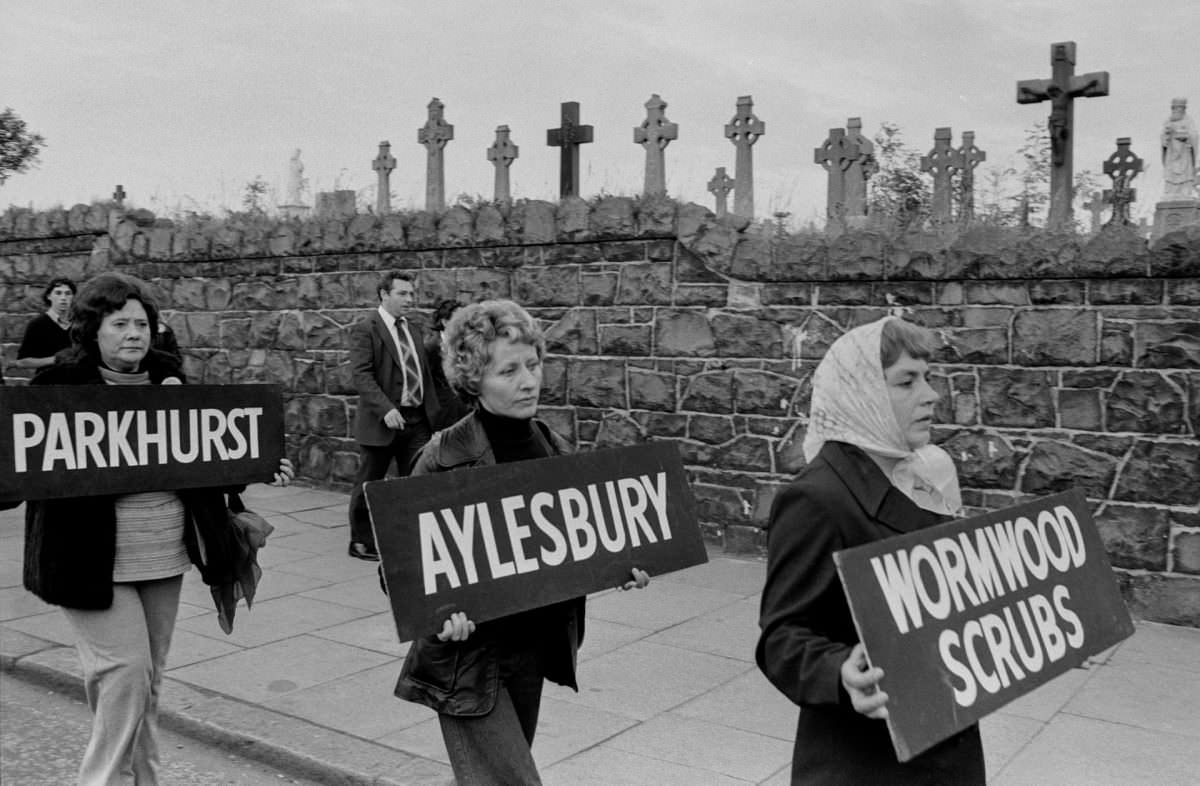
Political protest extended beyond the streets. Women in Belfast organized demonstrations against conditions faced by Irish prisoners held in English jails, keeping pressure on the British government from the home front.
In Derry, walls and buildings became political tools. Flyposters carried Republican messaging across the city, turning public space into a running statement of resistance.
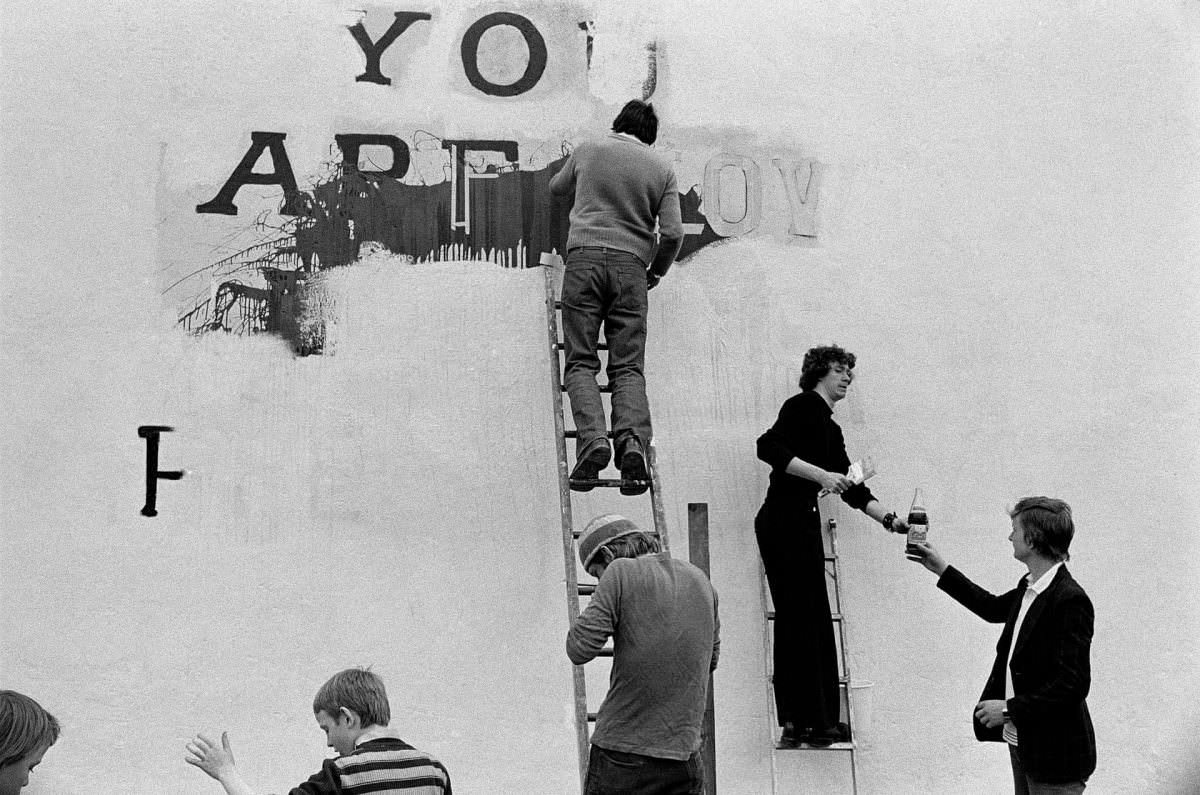
The Free Derry Corner — where the Bogside neighborhood had declared itself outside British authority — remained one of the most potent symbols of the nationalist movement.
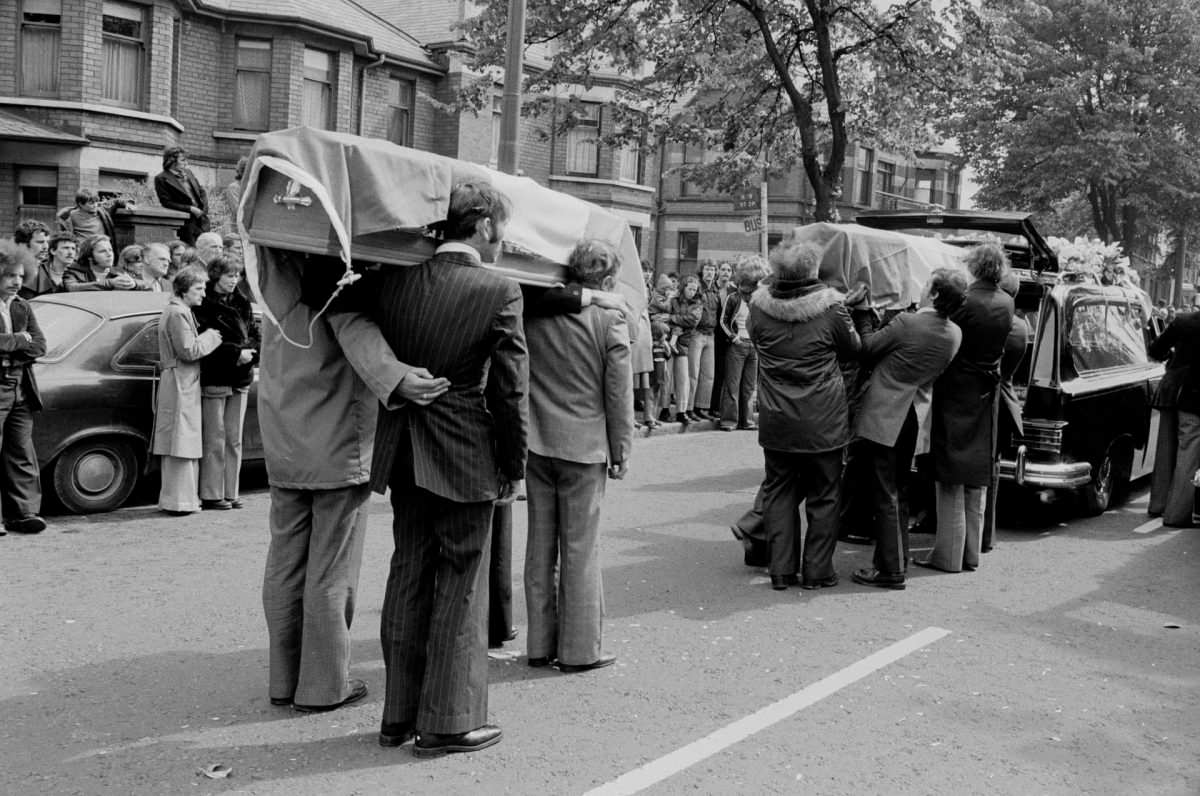
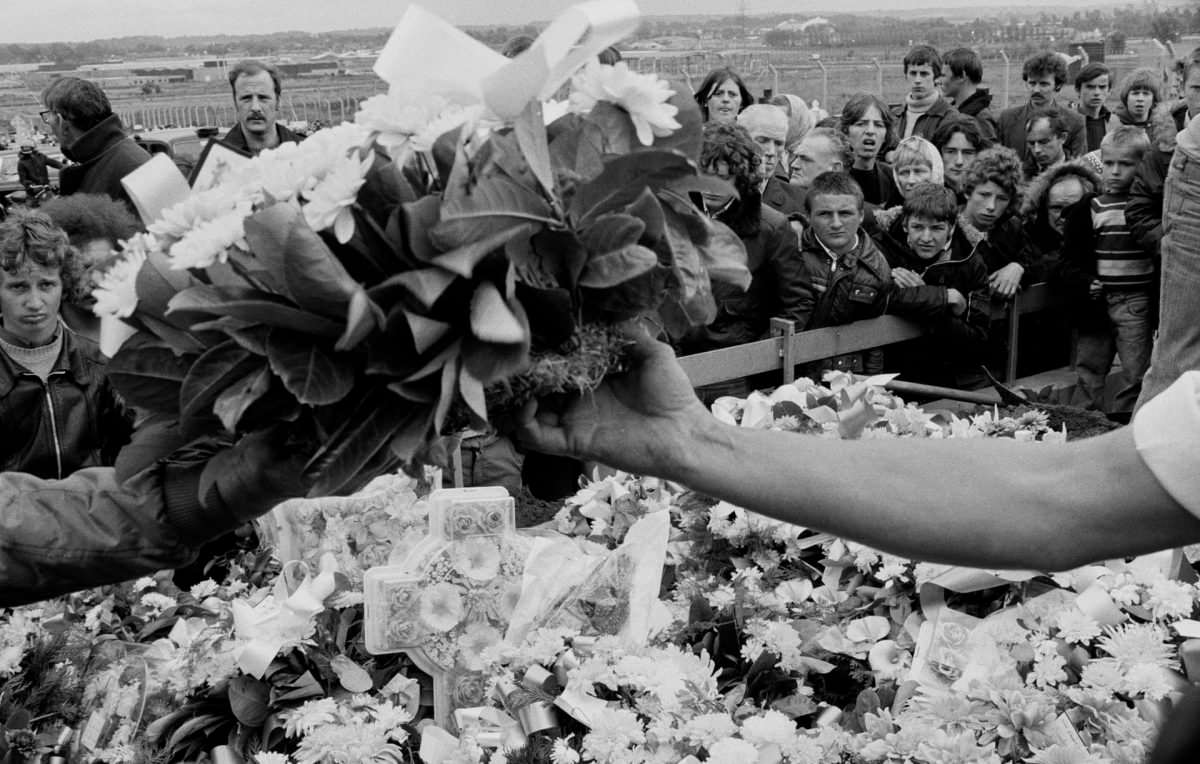
Republican funerals were significant public events in Catholic west Belfast, drawing large crowds and carrying enormous political weight. They were acts of collective mourning and political defiance at the same time.
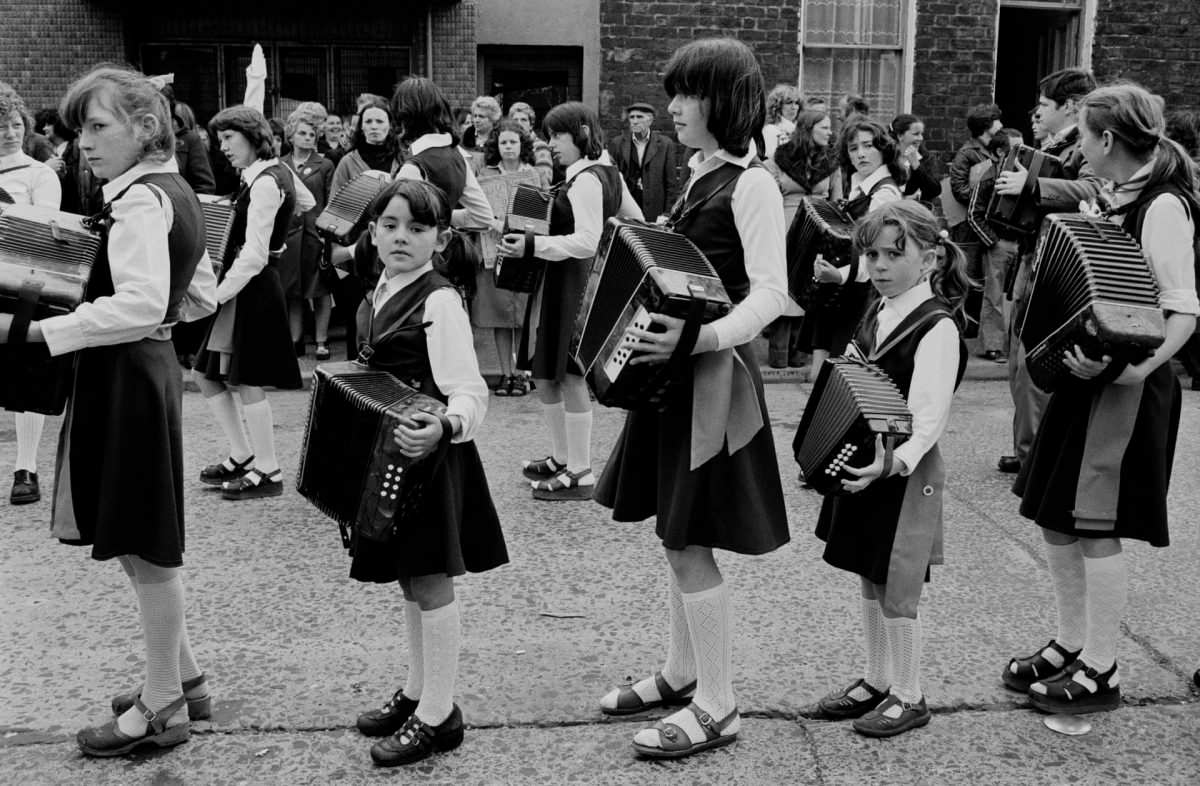
Steele-Perkins was equally attentive to everyday life. Marching bands moved through the streets of Derry, keeping cultural traditions alive in the middle of ongoing conflict.
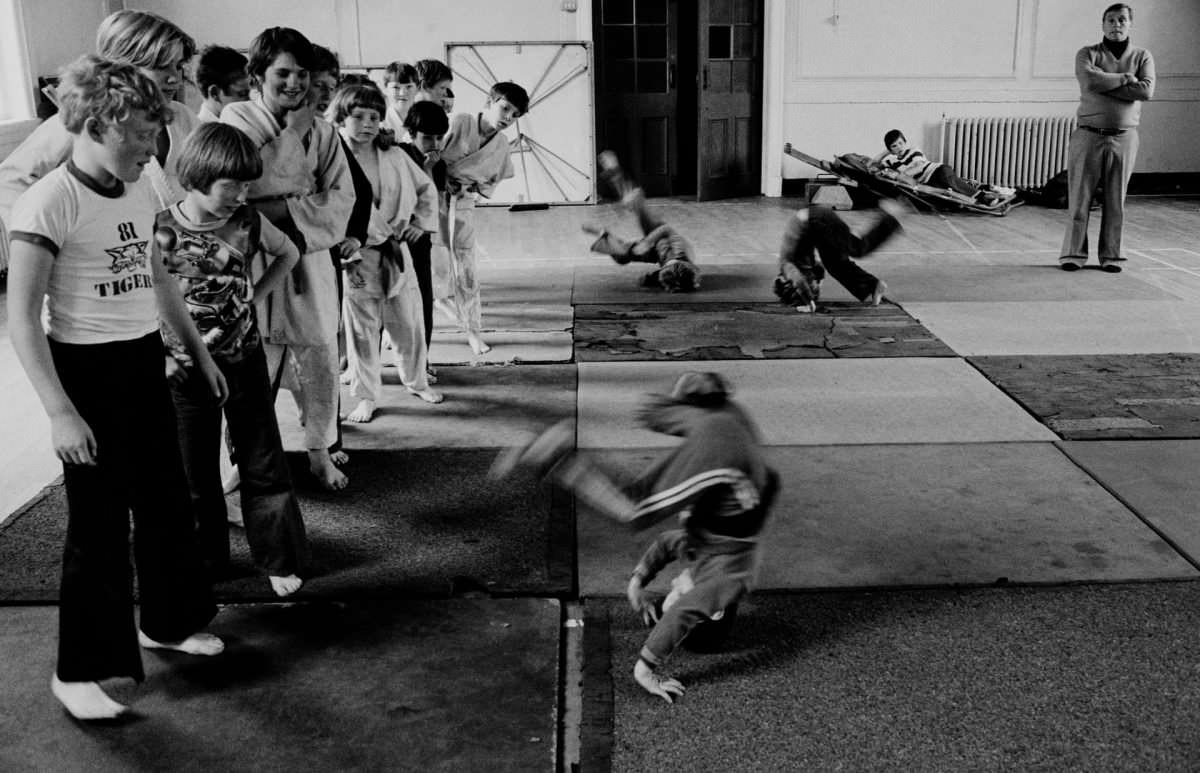
In Catholic Derry, children trained in martial arts at a local gym — a small, grounded detail that spoke to the normalcy communities worked to maintain.
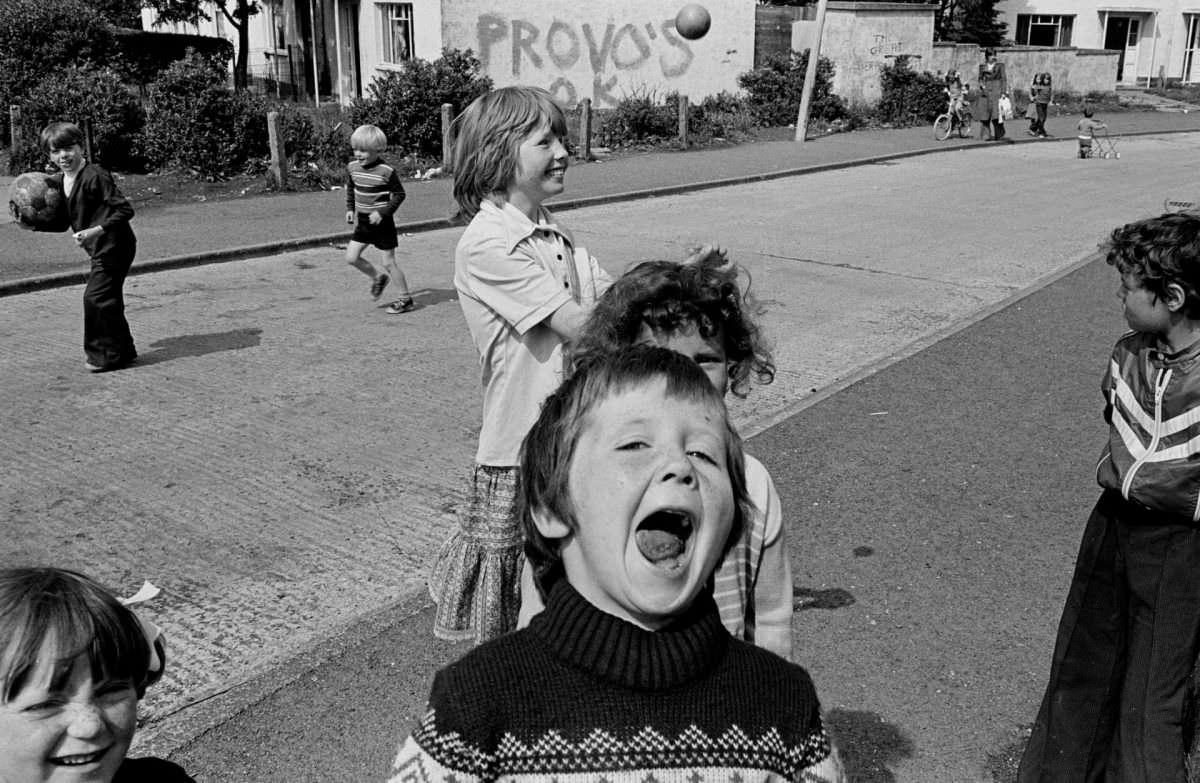
Children still played in the streets, and families carried on with daily routines. These moments were not separate from the conflict — they existed alongside it, every day.
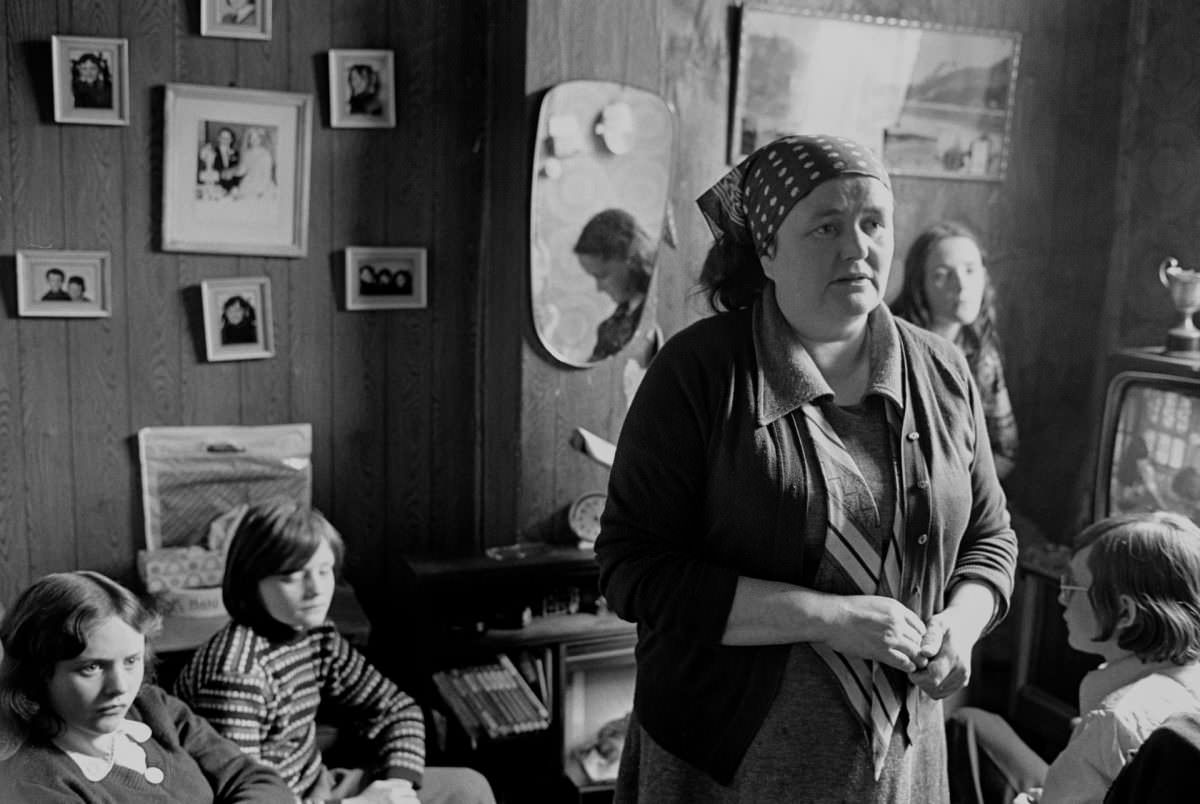
Even in the thick of the Troubles, social life continued. Community centre discos in Catholic west Belfast drew young people looking for an evening away from the tension outside.
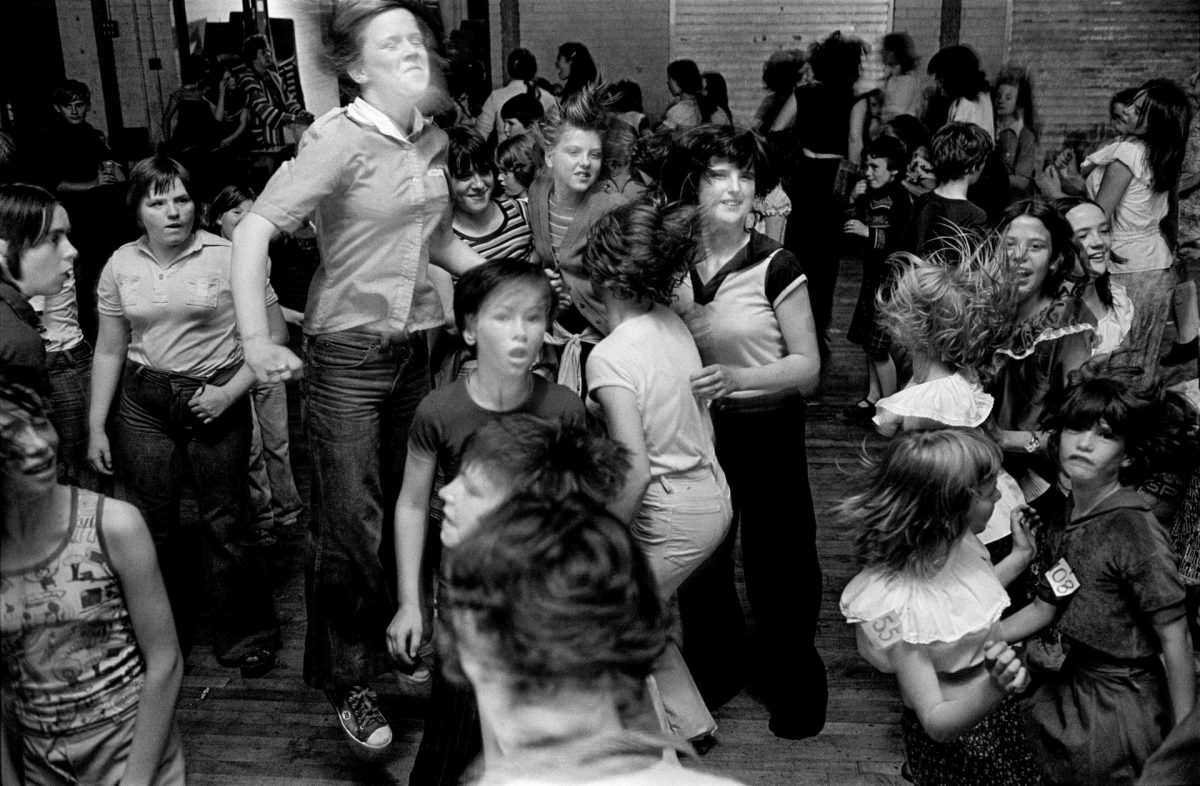
Steele-Perkins built a body of work that held both the violence and the vitality of these communities in the same frame. His photographs from 1978 show a population under sustained pressure — policed, mourning, protesting, and still finding ways to live.

Wow, these photos are amazing.