
El Salvador is the smallest and most densely populated country in Central America. Despite its size, it held a complex, layered society in the decades leading up to one of the region’s deadliest conflicts. The capital, San Salvador, sat at the center of a country that ran largely on agriculture — coffee, above all else — even as its land was scarce and its population packed tightly together. By the end of the 20th century, the service sector had taken over as the backbone of the economy, but in the 1970s, the rhythms of daily life were still shaped by markets, farms, religious festivals, and tight-knit communities.
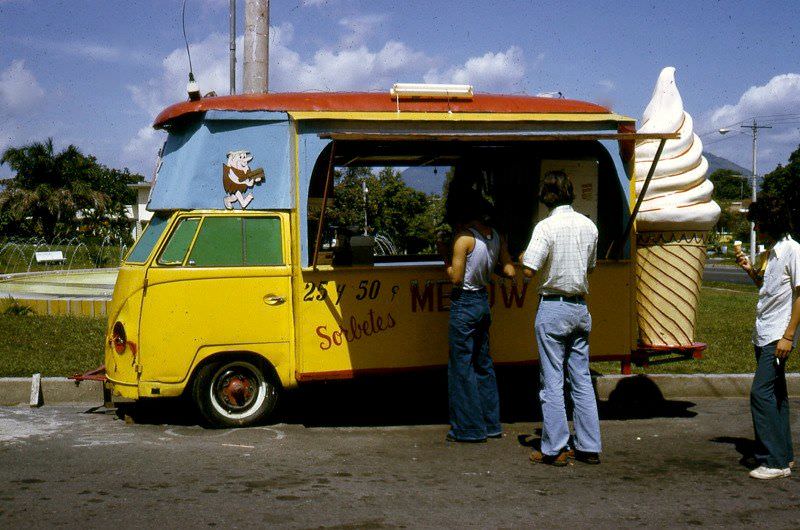
These photographs were taken by Carlos B. Cordova throughout the 1970s, before the country was torn apart by war. They show a society that was very much alive — vendors at busy markets, children playing in the streets, weavers at their looms, and entire towns gathering for religious processions. The images offer a rare and honest look at what El Salvador was before the violence.
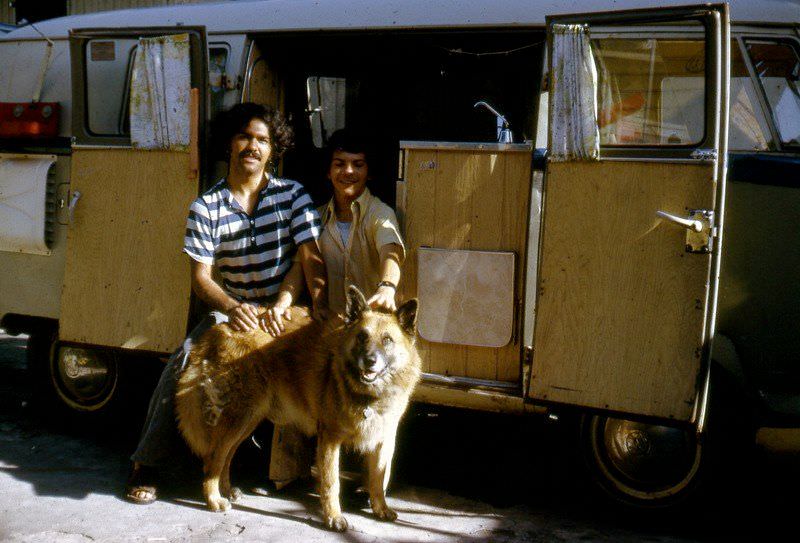
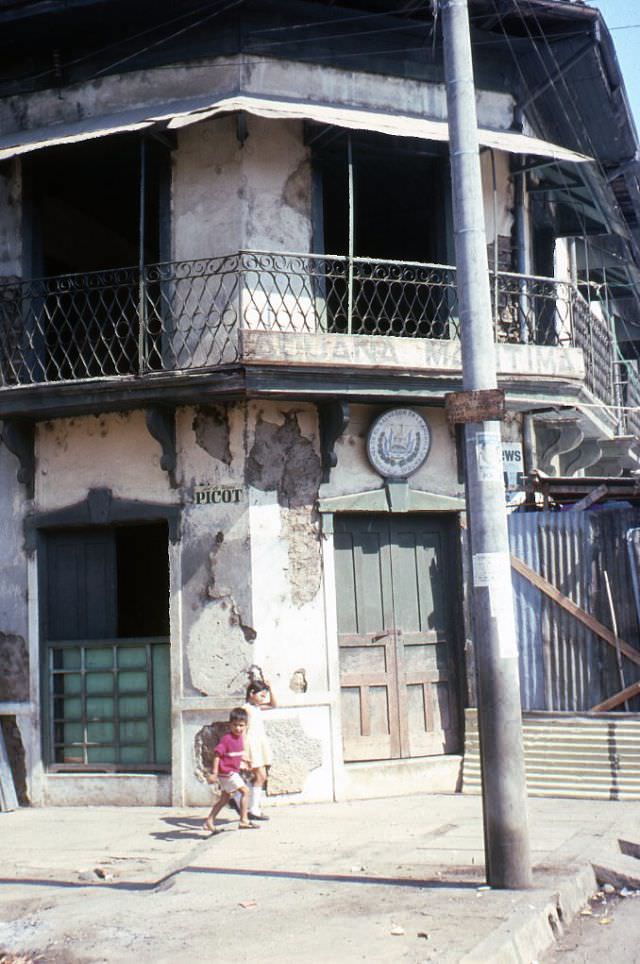
The early 1970s shots from San Salvador show a city that was urban and active. Street vendors were a fixture of daily life, selling everything from sorbetes — a traditional frozen treat — to lottery tickets. The capital had a working-class energy that is visible in every frame.
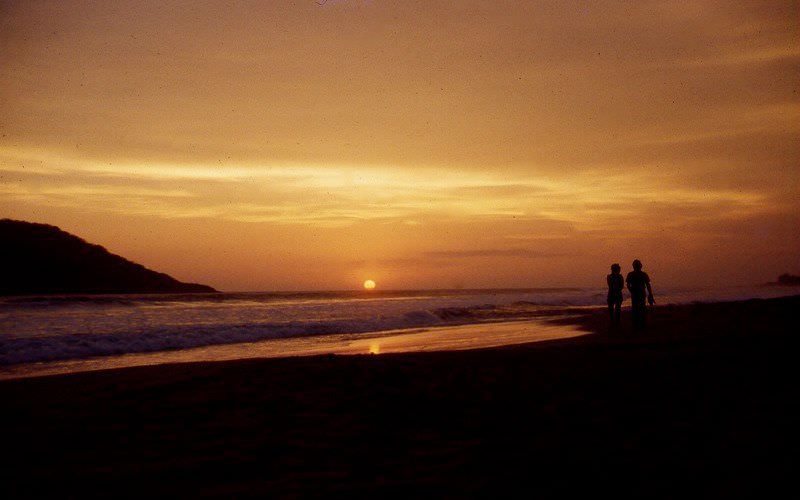
Outside the capital, the Salvadoran landscape had its own quiet character. Coastal towns like Metalio offered sunsets over the Pacific, a sharp contrast to the political tension already building in the country’s interior. Rural life moved at a different pace, but the pressures of economic inequality were felt everywhere.
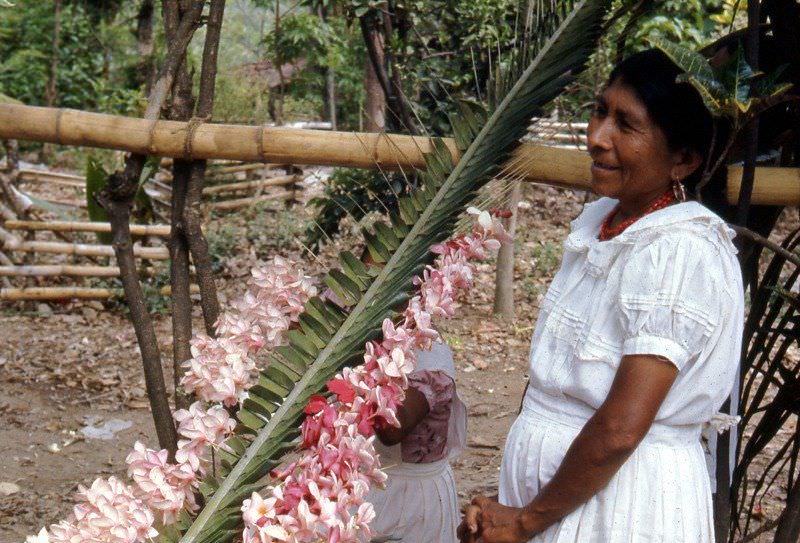
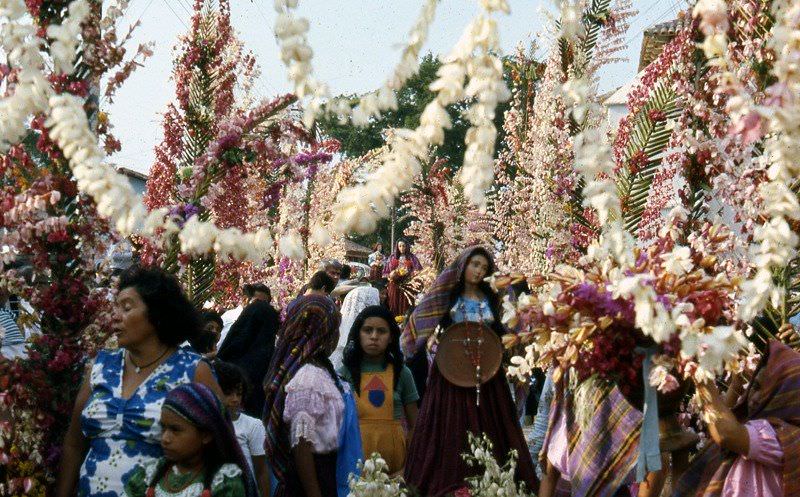
Religion was woven into the fabric of Salvadoran life. In Panchimalco, a town with deep indigenous roots south of San Salvador, communities prepared elaborate palm leaf decorations for religious processions. These were not casual gatherings — they were carefully organized events that brought entire neighborhoods together.
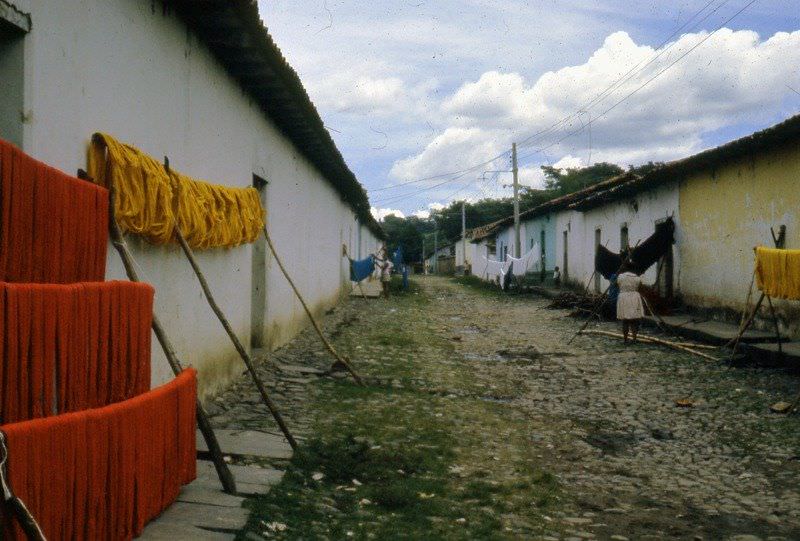
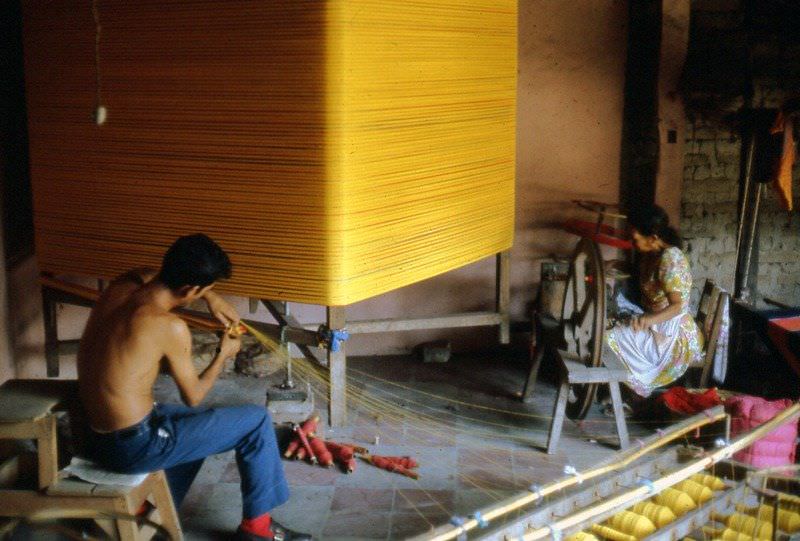
San Sebastian, a small municipality in the eastern part of the country, was known for its textile tradition. The town’s weavers produced colorful hamaca fabrics and other woven goods that had been part of the local economy for generations. By 1975, those traditions were still very much intact.
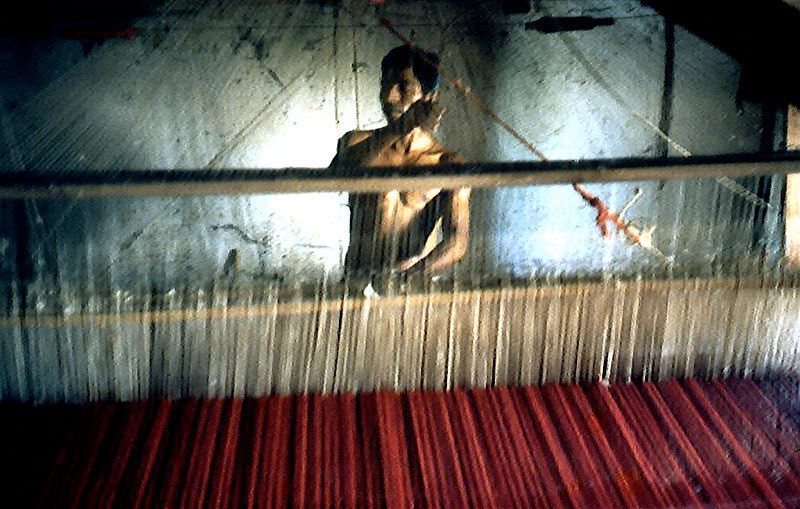
The weavers of San Sebastian worked on large wooden looms, producing fabric by hand with precision and speed. This craft was passed down through families, and the brightly colored textiles they made were sold at markets across the country. Cordova’s photographs of these workers capture an industry that was quiet but deeply rooted.
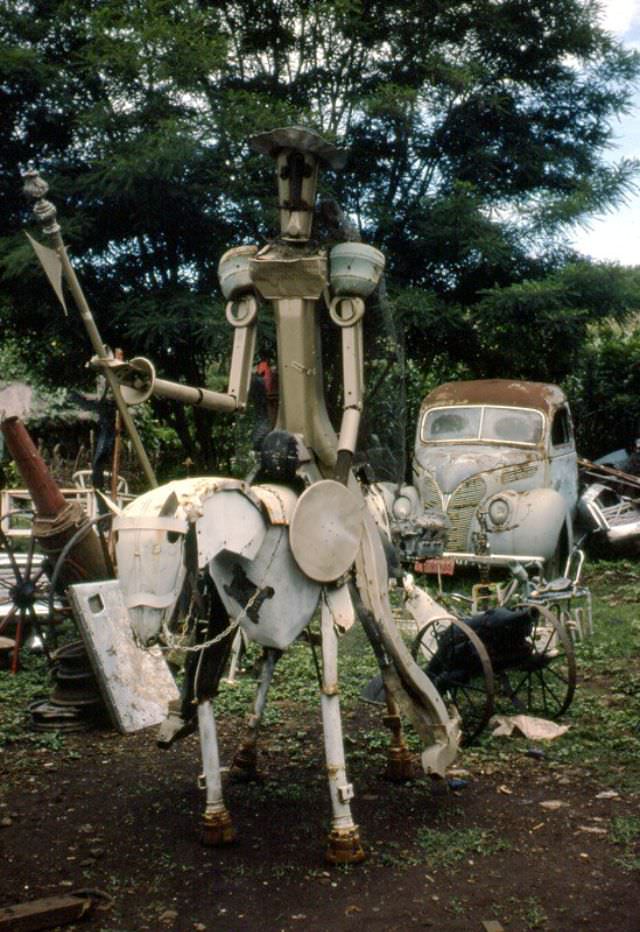
Public art appeared in unexpected places. A metal sculpture of Don Quijote in Atiquizaya, a town near the Guatemalan border, stood as a marker of local cultural pride. These small details — a piece of art in a provincial town, a vendor’s cart on a city corner — add up to a portrait of a country with a distinct identity.
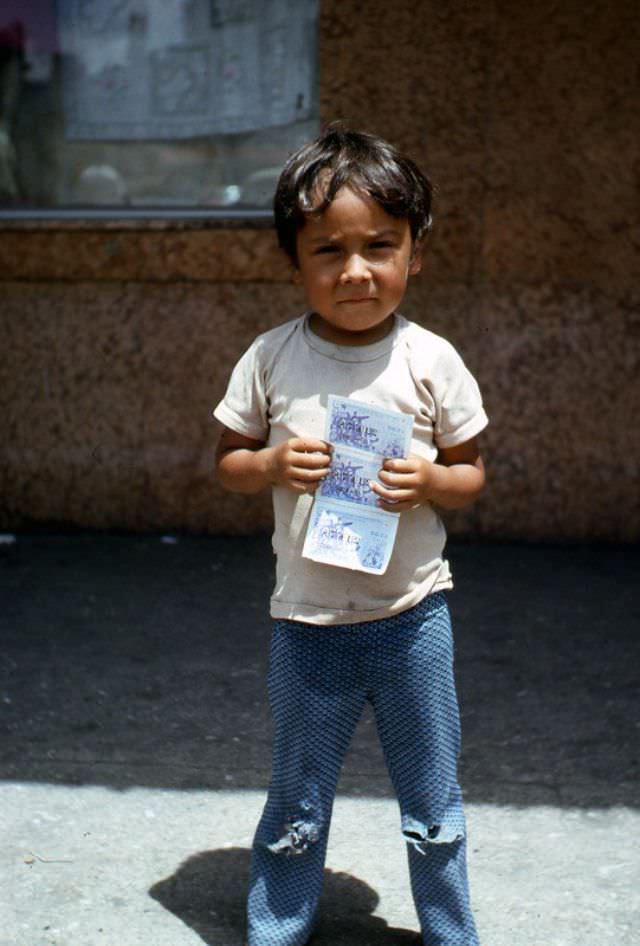
Children worked alongside adults in many parts of Salvadoran society. A young lottery ticket seller on the streets of San Salvador in 1976 was not unusual. For many families, every member of the household contributed to making ends meet. The economic gap between the wealthy landowning class and the rural and urban poor was wide, and it was getting wider.
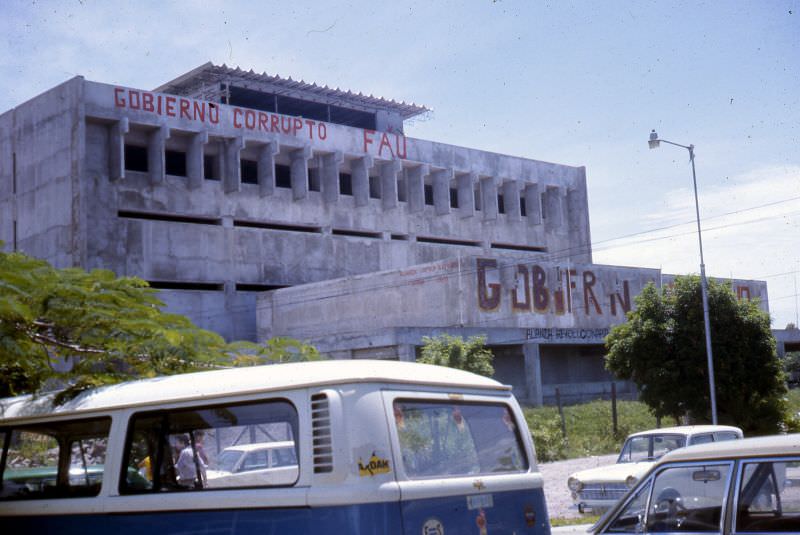
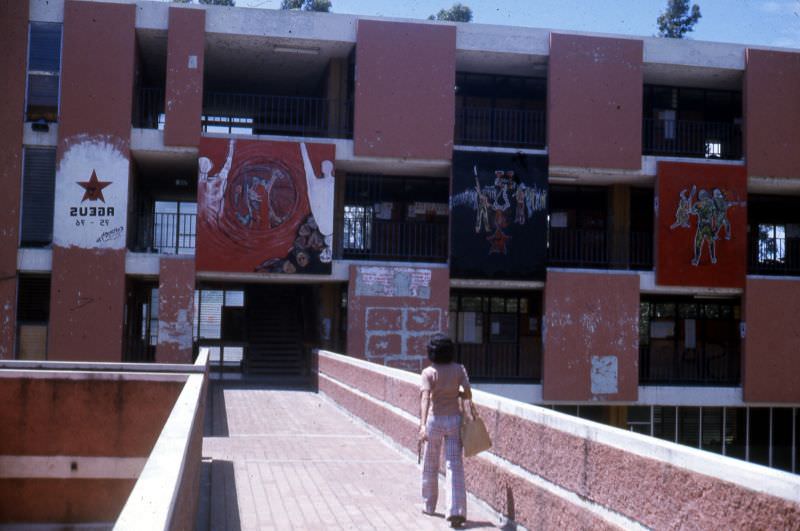
The National University of El Salvador in San Salvador was a significant institution in the country’s intellectual and political life. By the mid-1970s, it had become a center of student activism and political organizing. The government viewed the university with suspicion, and it would later become a target during the civil war years.
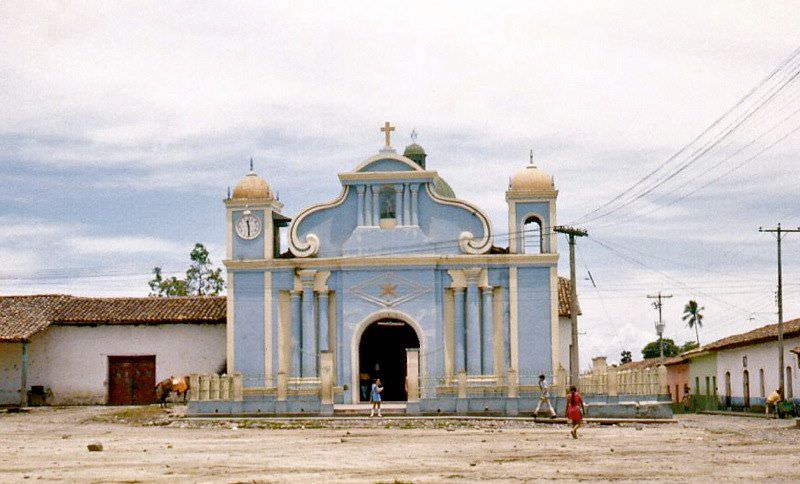
Churches were central gathering points in Salvadoran towns and cities. The San Sebastian church, like many others across the country, was a landmark that anchored community life. Catholic traditions shaped the calendar of public events, from weekly masses to large seasonal festivals.
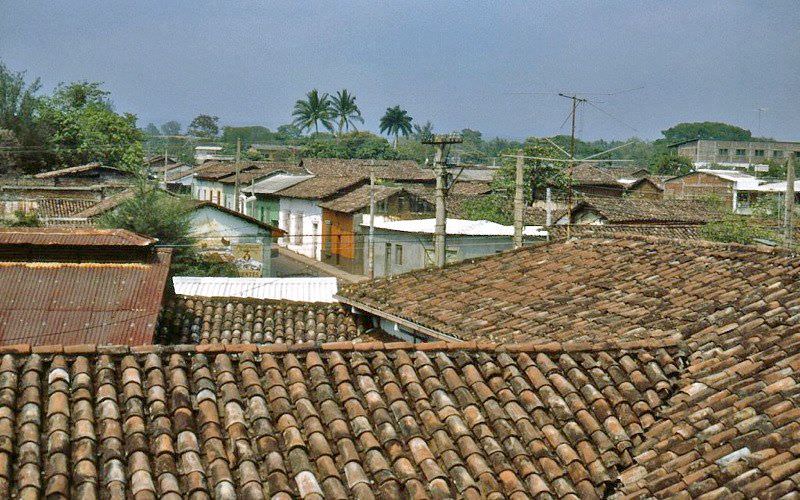
Sonsonate, one of El Salvador’s older colonial cities in the western part of the country, appears frequently in Cordova’s work. The city had a substantial indigenous and mestizo population, active markets, and a strong tradition of Easter celebrations that drew crowds from surrounding areas.
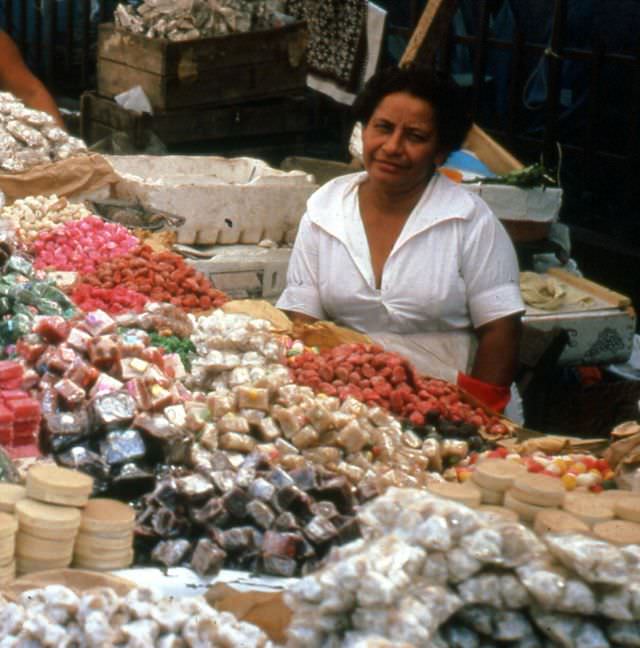
Easter in Sonsonate was one of the biggest events on the regional calendar. Vendors set up along the streets selling candy, food, and goods. Families traveled from nearby towns to take part. The celebrations blended Catholic ritual with local tradition in ways that had been practiced for well over a century.
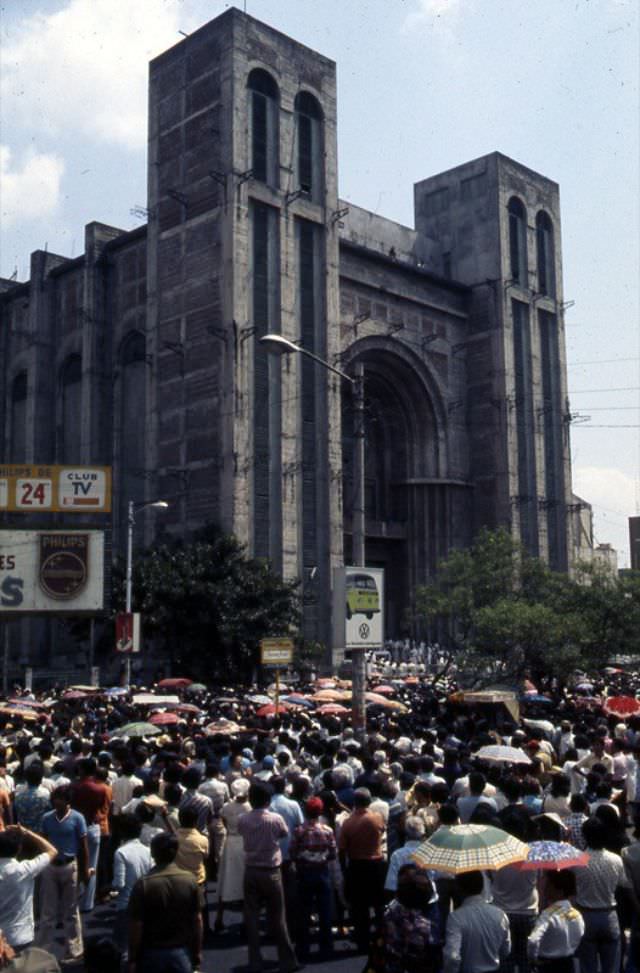
By 1977, political tension in El Salvador had sharpened. Demonstrations were taking place in public squares and outside churches. The cathedral rally captured by Cordova shows crowds gathering at a moment when the country’s future was increasingly uncertain. General Carlos Humberto Romero won the 1977 presidential election in a vote widely seen as fraudulent, and public anger spilled into the streets.
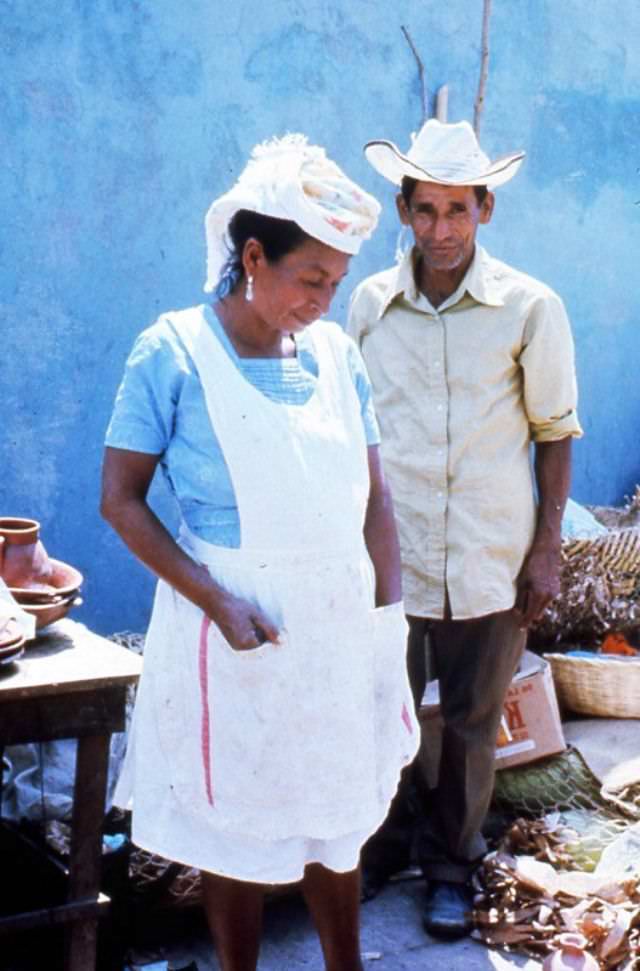
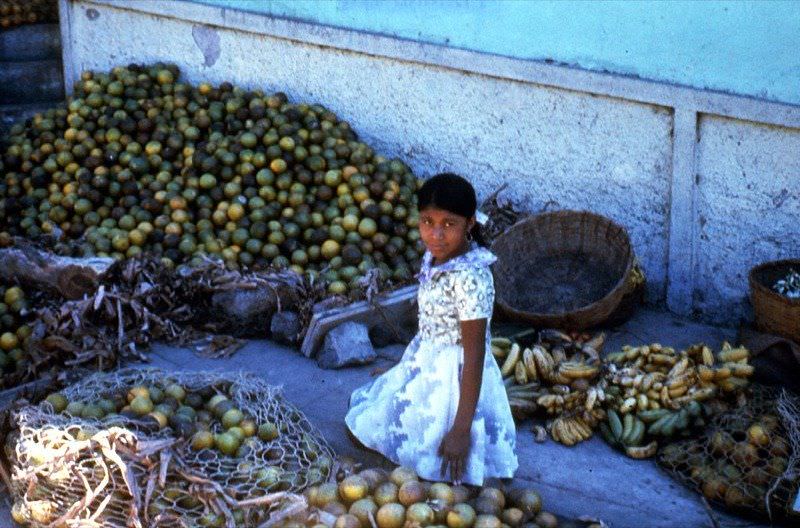
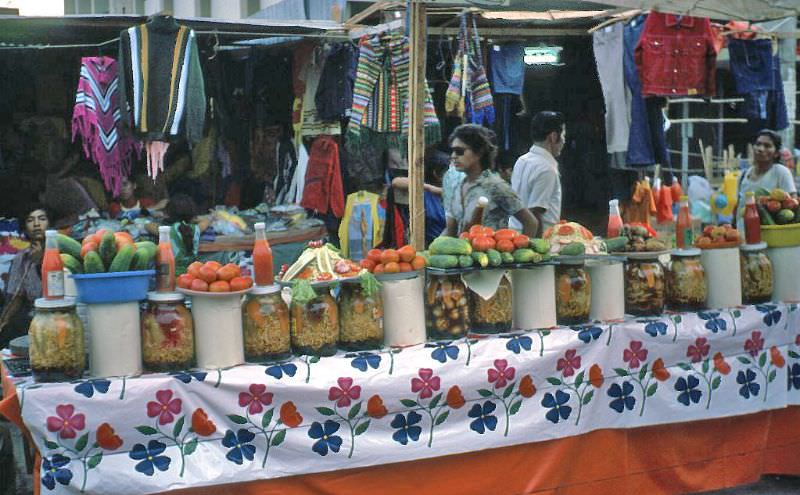
Markets like the one in Cojutepeque were economic lifelines for ordinary Salvadorans. Vendors sold produce, livestock, herbs, and handmade goods in open-air stalls that filled town centers. These markets were not just commercial spaces — they were where people exchanged news, negotiated prices, and maintained social ties.
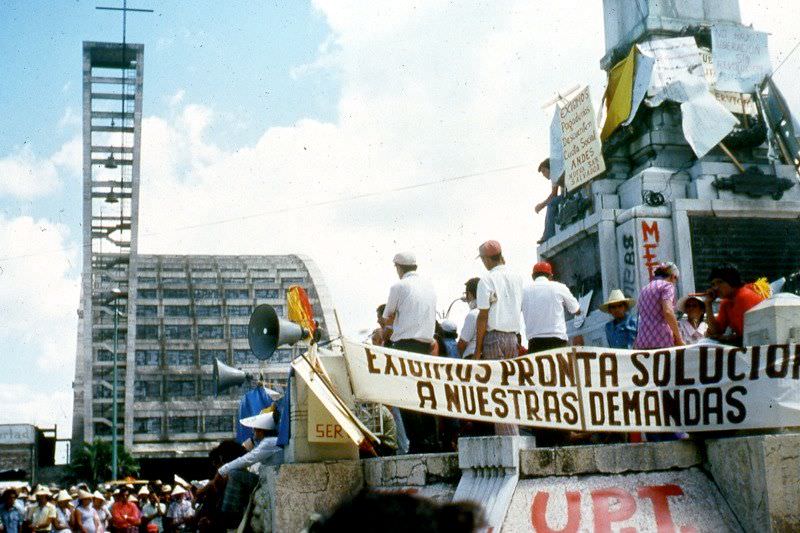
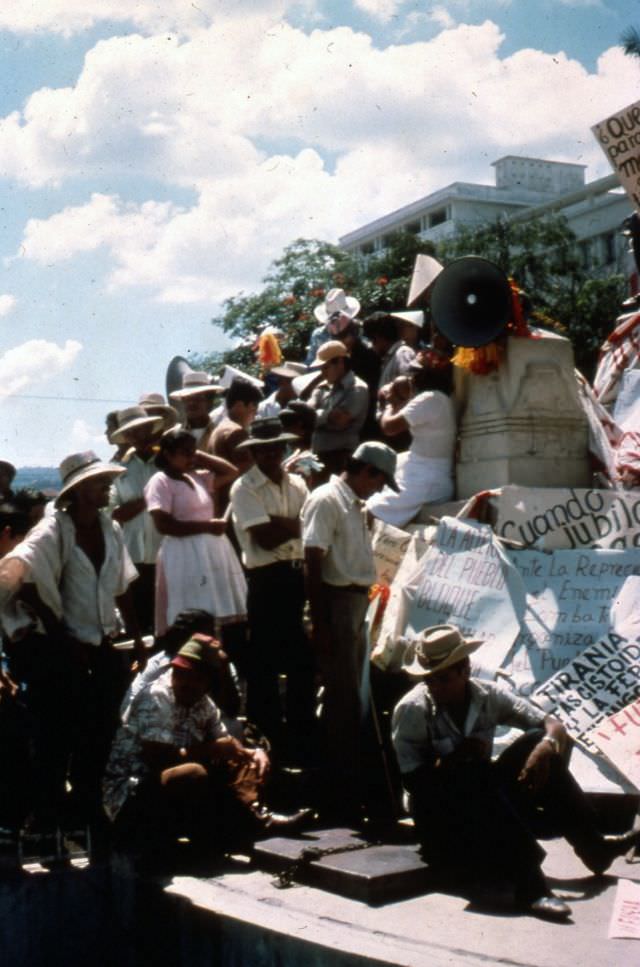
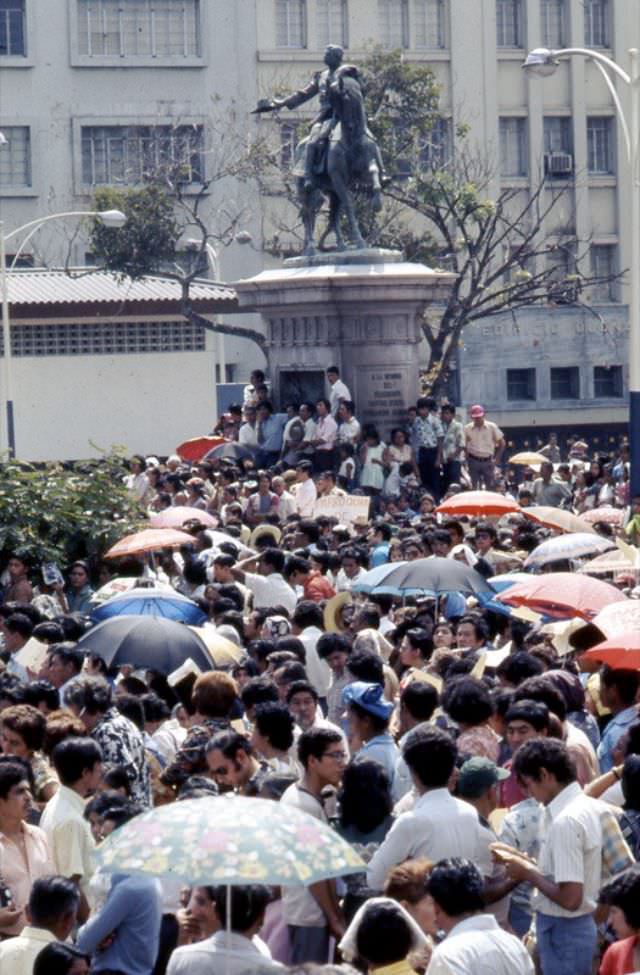
Plaza Libertad in San Salvador became the focal point of mass protests in 1977. Thousands of demonstrators gathered to challenge the fraudulent election results. The government’s response was violent — security forces opened fire on protesters in what became known as the Plaza Libertad massacre. These photographs document the crowds that filled the square in the days surrounding that event.
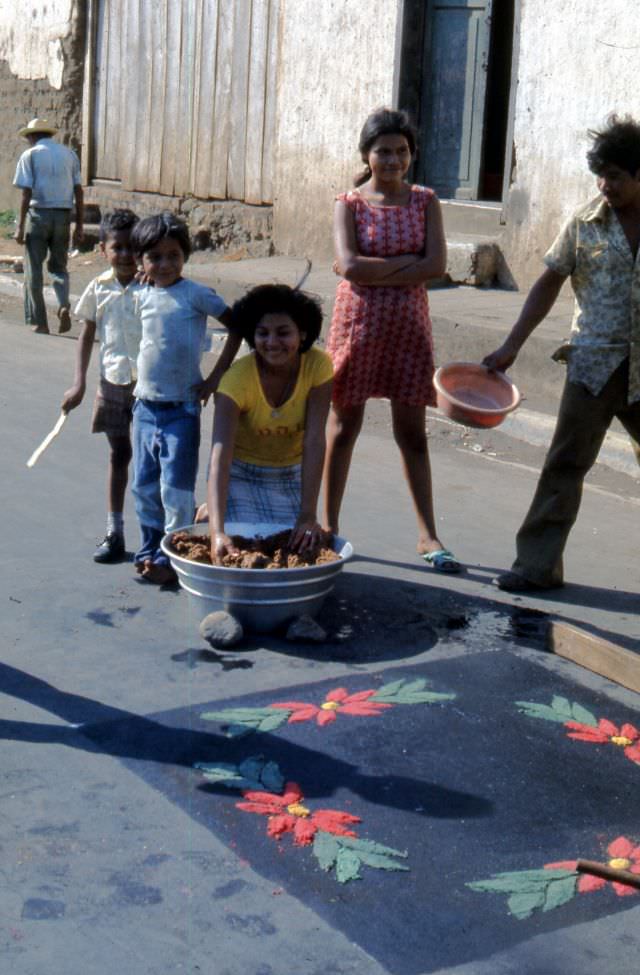
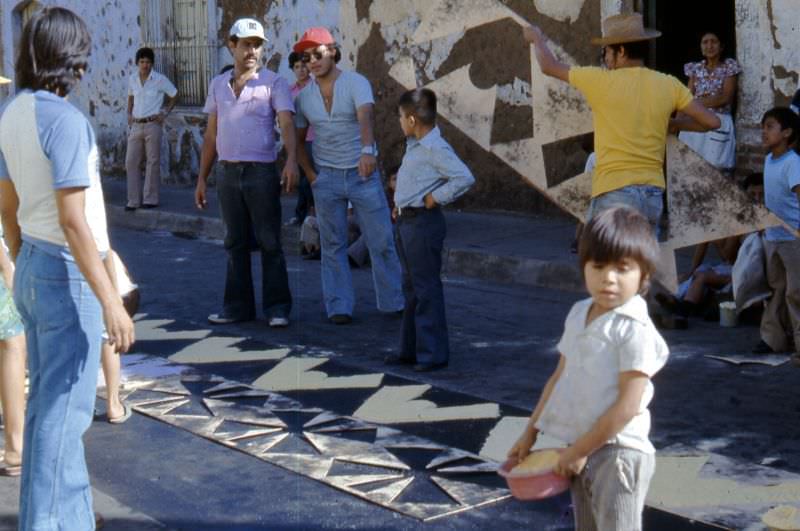
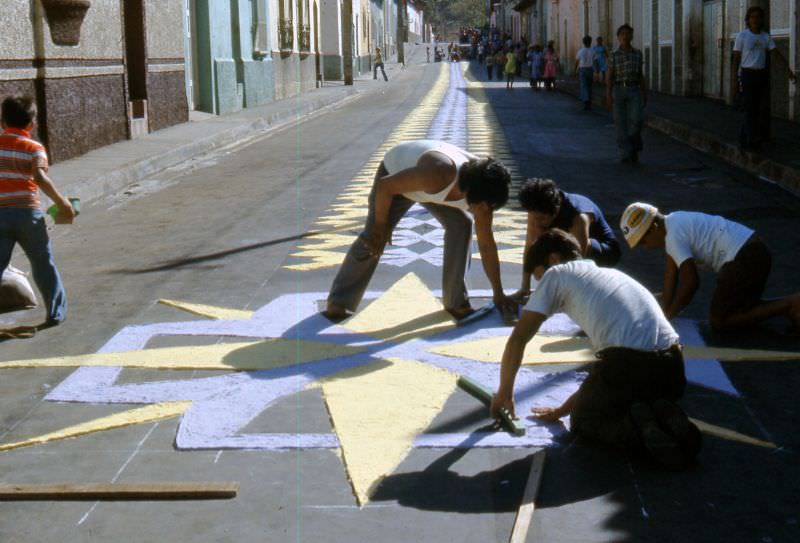
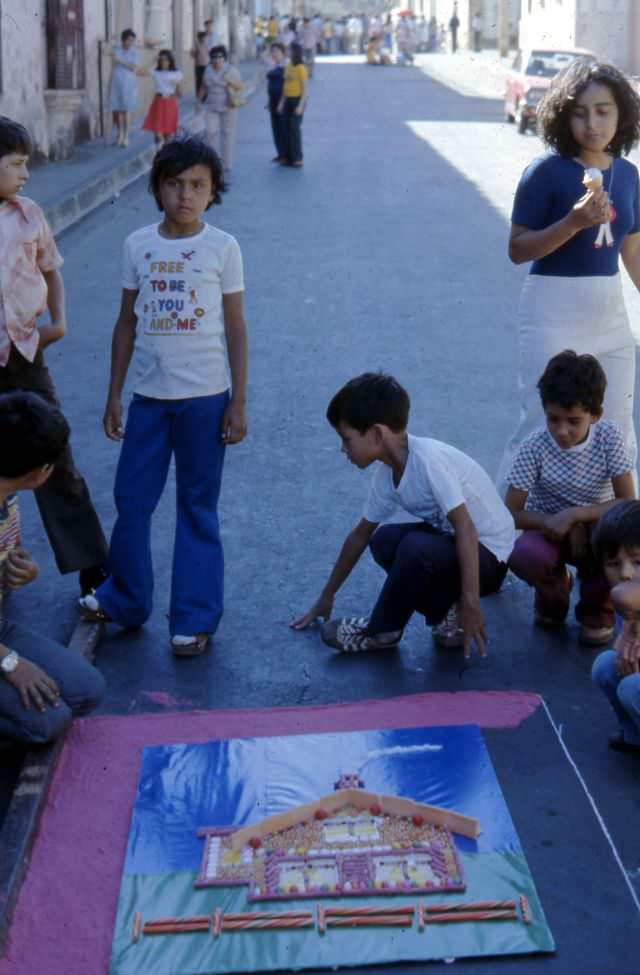
Even as political unrest grew, Easter celebrations continued with full intensity in cities like Sonsonate. Processions wound through the streets, participants dressed in ceremonial robes, and crowds lined the routes. Life and tradition carried on alongside the mounting pressure that would soon break into open conflict.
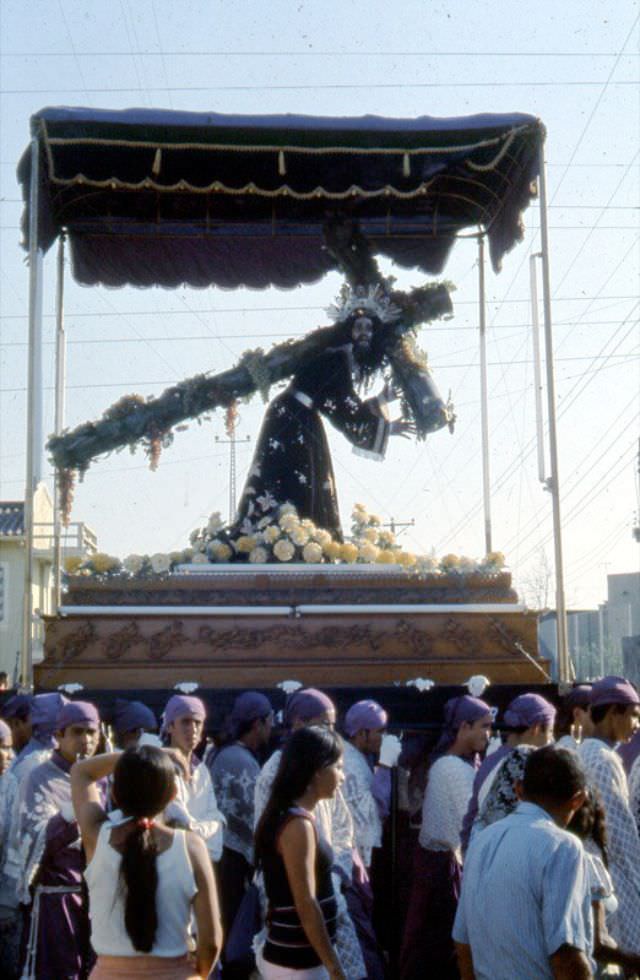
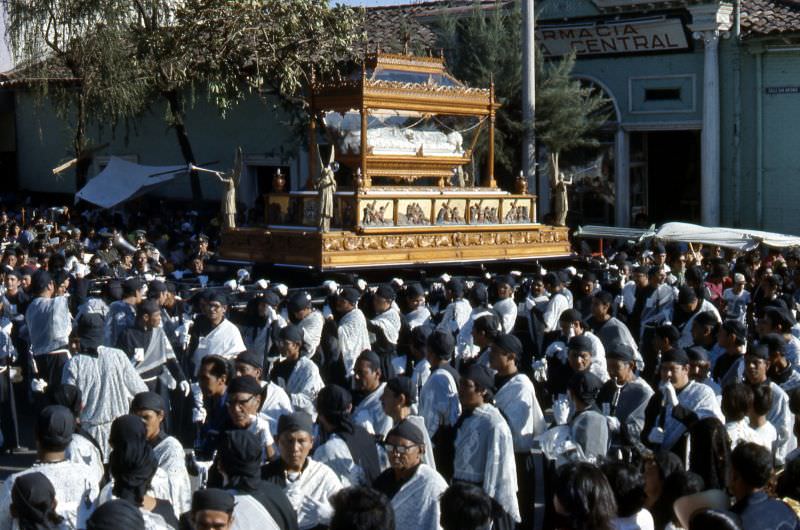
The Good Friday processions in Sonsonate were solemn and elaborate. Participants carried heavy floats bearing religious figures through the streets, a practice rooted in Spanish colonial tradition. These processions drew large crowds and required months of preparation by local religious brotherhoods.
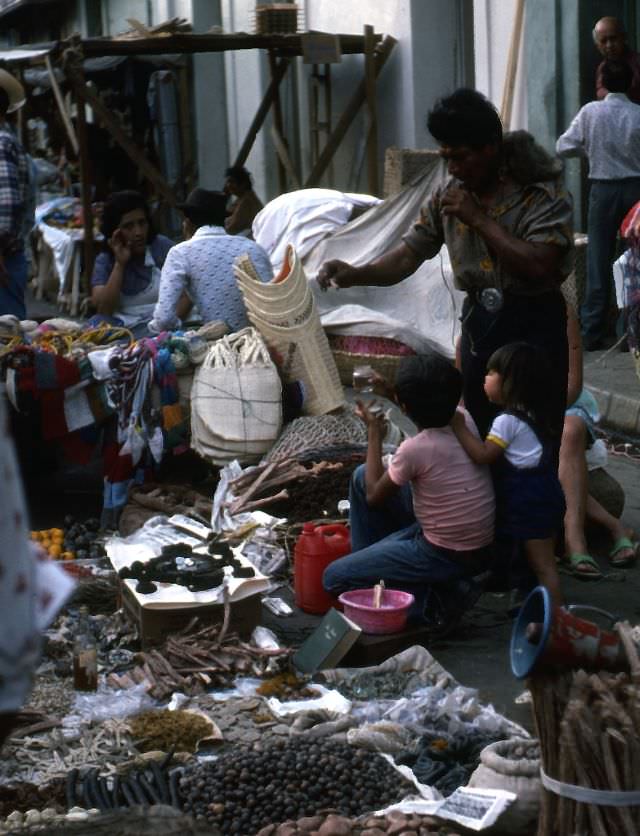
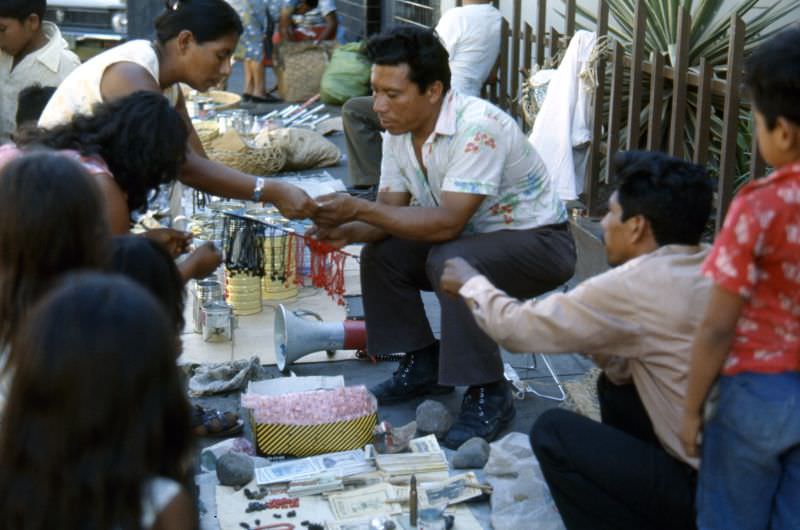
Herbalists were a common presence at Salvadoran markets. They sold plants, roots, and remedies that many families relied on for everyday health needs. In areas with limited access to formal medical care, herbalists served a practical and important role in the community.
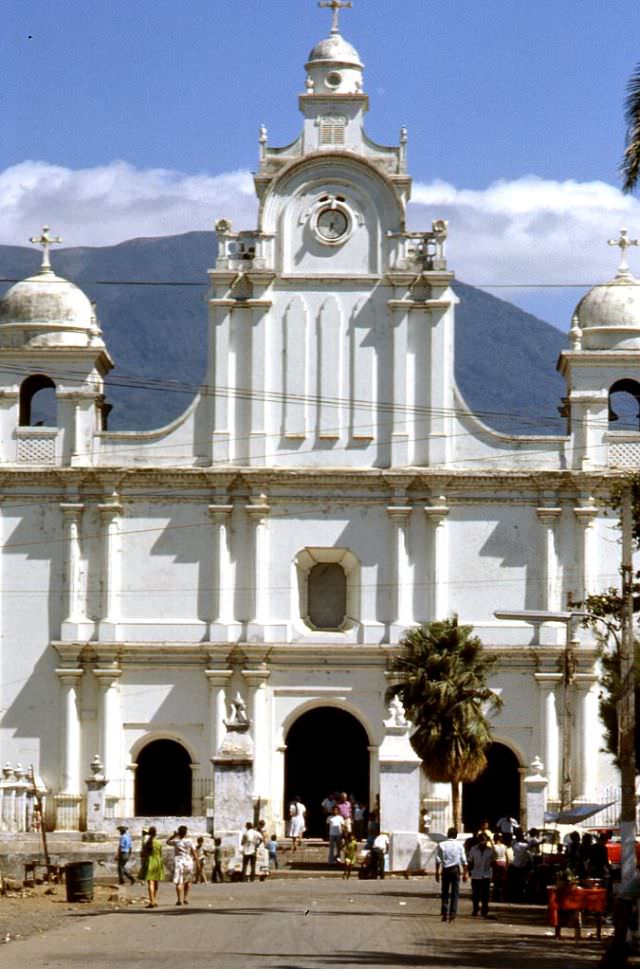
Izalco, a municipality near Sonsonate, had a significant Nahua-Pipil indigenous population. The town had been the site of the 1932 Matanza — a massacre in which government forces killed thousands of indigenous and peasant farmers following a failed uprising. By the 1970s, Izalco’s community had rebuilt, but the memory of 1932 remained present.
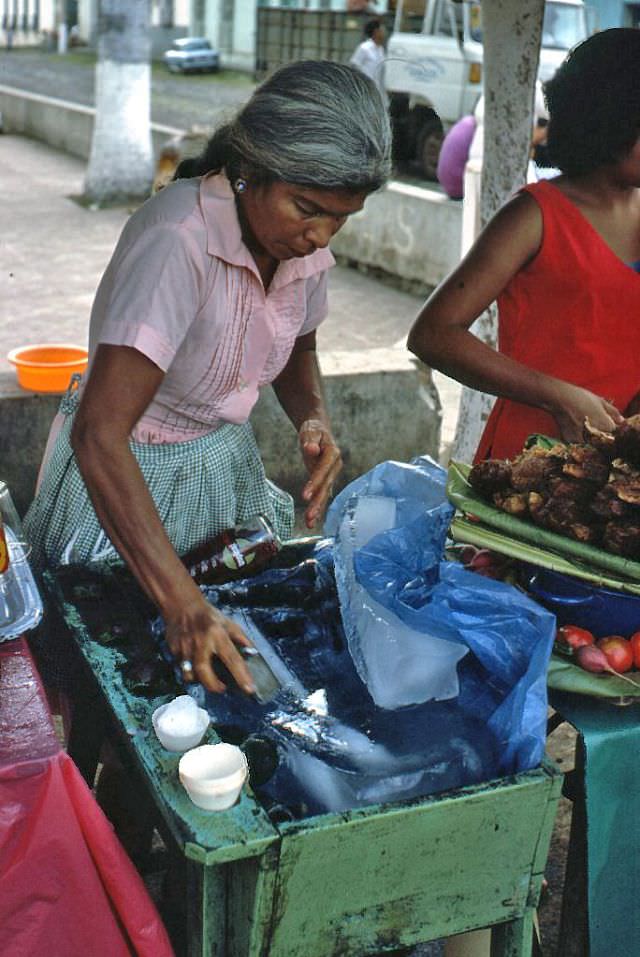
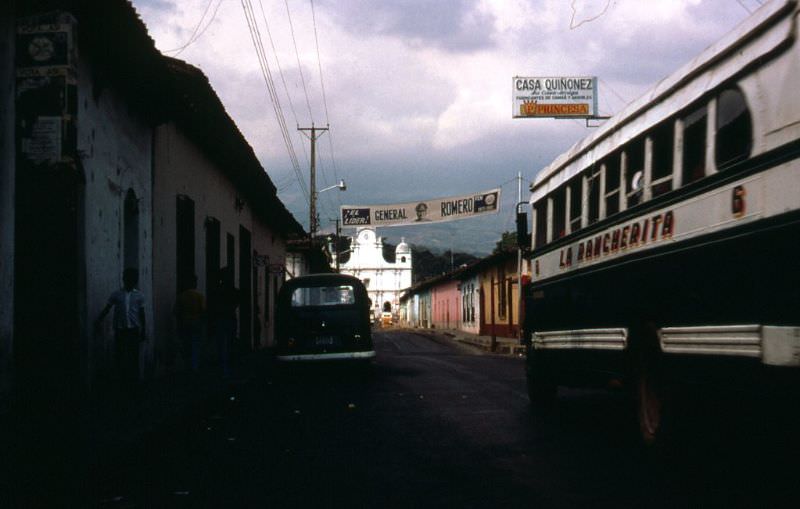
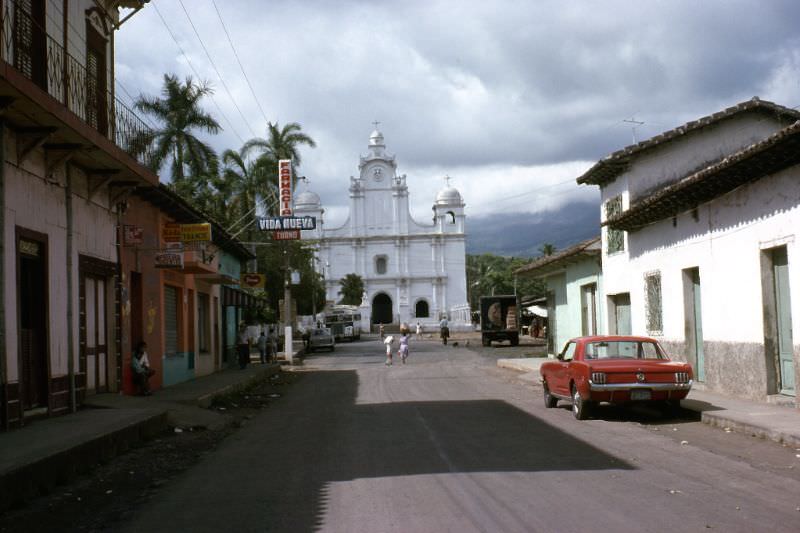
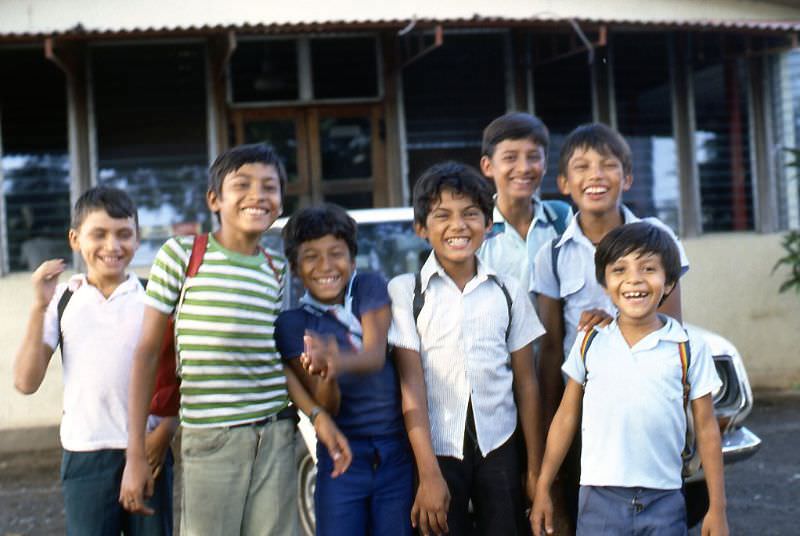
Street scenes from Izalco in 1977 show a town going about its daily business — people walking, children gathered together, the ordinary texture of life in a Salvadoran municipality. Two years later, the civil war would begin.
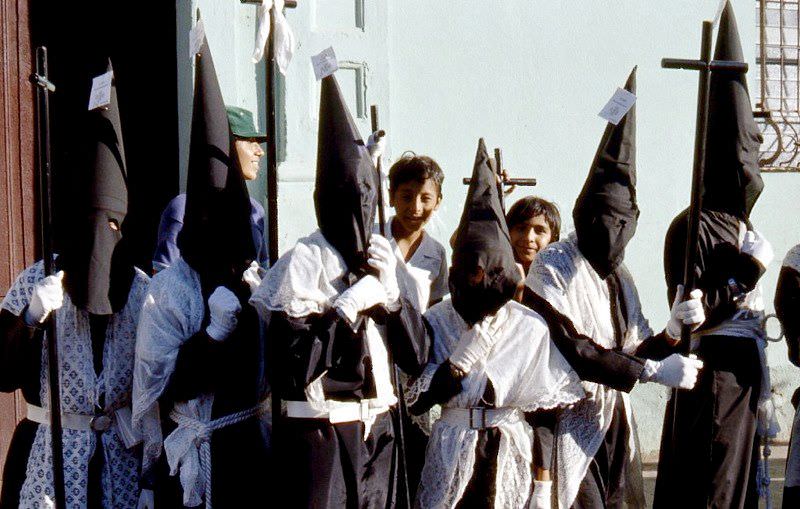
“Los Cucuruchos” — penitents wearing tall, pointed hoods — are one of the most recognizable elements of Holy Week processions in El Salvador and Guatemala. Their robes and slow, deliberate march through the streets are a direct continuation of Spanish colonial Catholic tradition. In Sonsonate, their presence during Easter was a central part of the celebrations.
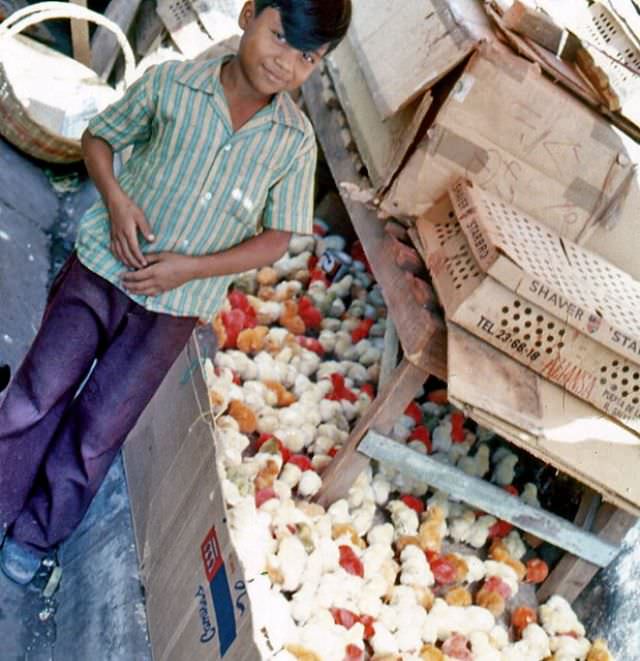
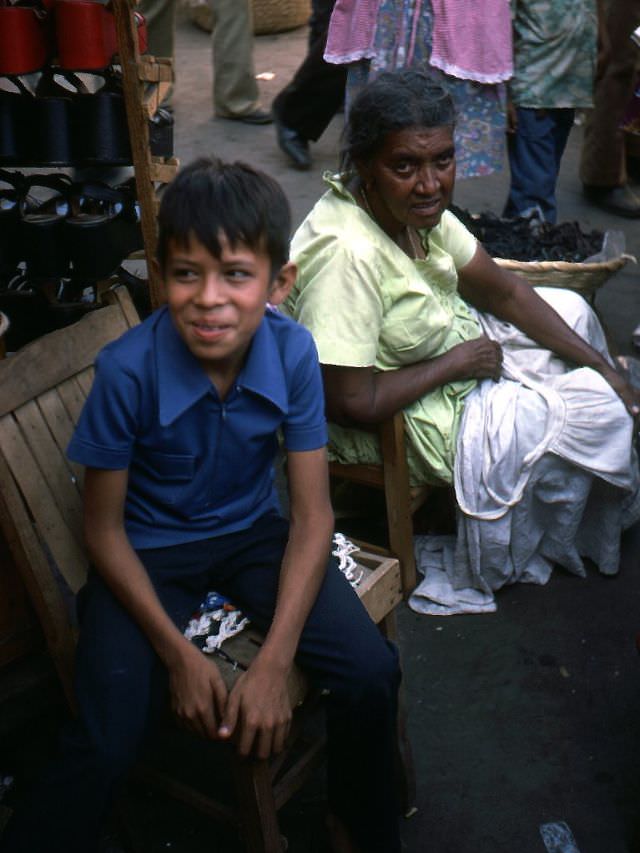
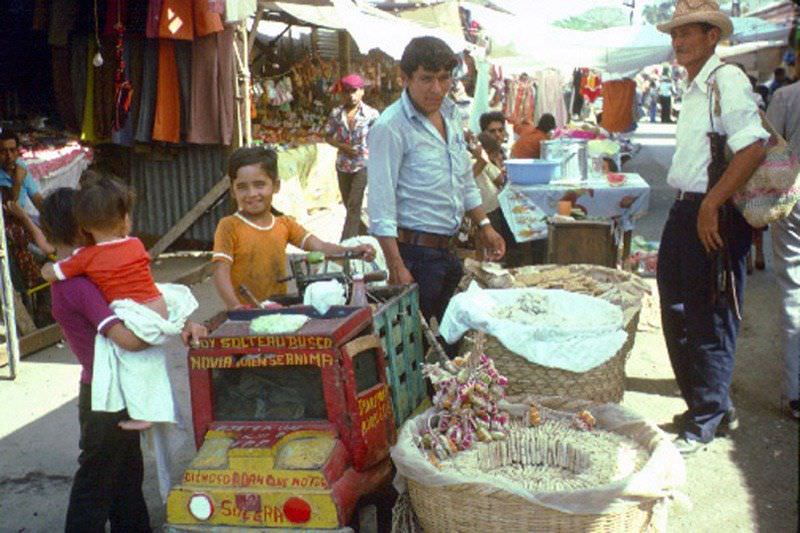
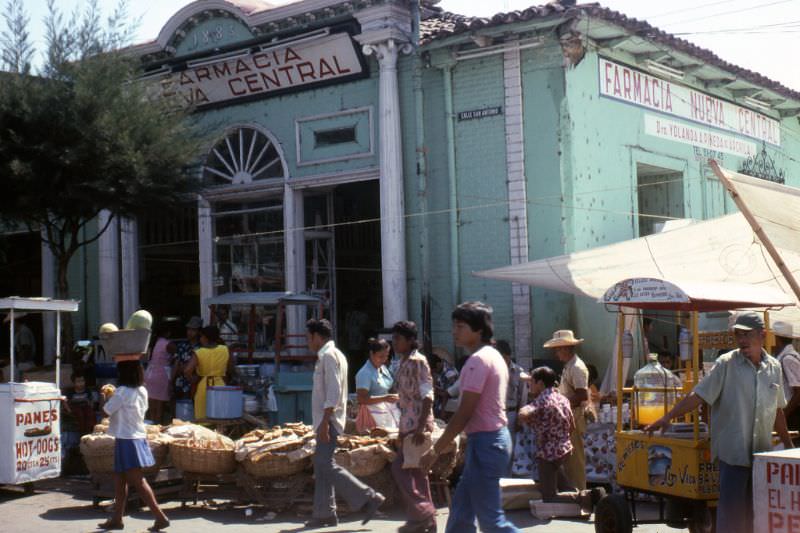
The Sonsonate market was a crowded, noisy, essential part of the city. Vendors sold live animals, fresh produce, cooked food, and household goods side by side. Baby chicks, fruits, vegetables, and handmade items all found buyers here. For many people, the market was where the day started and where income was earned.
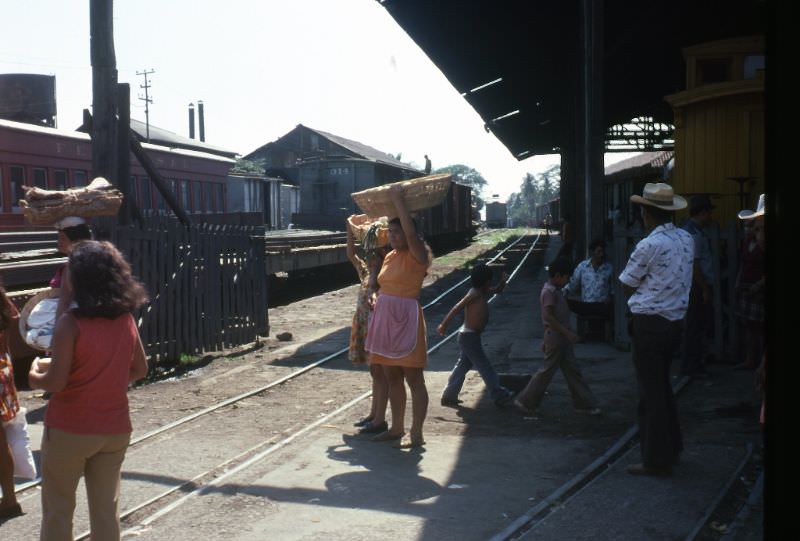
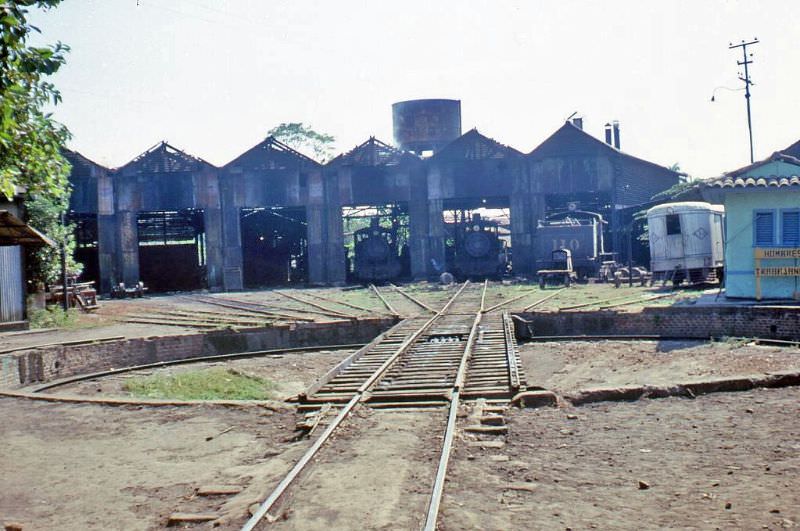
El Salvador had a functioning railway network in the 1970s, and the Sonsonate train station connected the western city to the rest of the country. The station was a hub of movement — workers, merchants, and families traveling between towns relied on it. The rail system would fall into decline in subsequent decades.
Leather tanning was one of the traditional trades still practiced in Sonsonate in the late 1970s. The work was physical and time-consuming, involving the treatment of animal hides through soaking and scraping. Finished leather was used to make shoes, saddles, belts, and other goods sold locally and traded to other regions.
The civil war that began in 1979 and ended in 1992 killed approximately 75,000 people. Government and military forces fought left-wing guerrilla groups, and paramilitary death squads systematically targeted peasants suspected of supporting the opposition. Villages were destroyed, and hundreds of thousands of Salvadorans were displaced — both rich and poor fled to the United States. The peace accords signed in 1992 opened the door to military and political reforms, but the cost had been enormous.
Carlos B. Cordova’s photographs from the 1970s preserve a detailed record of El Salvador before the war — its markets, its festivals, its craftspeople, and its public squares. They document a society with deep traditions and an active daily life, captured in the years just before everything changed.





i can see the credit on every photo. There is a source mentioned in every photo which points to your flickr profile.
My parents never speak much on the war, my mother just saids my fathers class room was attacked and that’s when he decided to come to the u.s.
Sure it wasn’t paradise but back then there was a chance of becoming a better country that what we became, humans rights started to flourish, industrial output was great we were even called “The Japanese of Central America” many big corporations had a presence here people live okay with a regular wage you could buy a house most of our parents and grandparents succeeded in this time it was really possible.
War ruined everything lost a few family members to it and the country went to shit. But we can’t dwell on the past and we have to move forward. One way or another.
de lo poco de esa época que esta en HD: (Fue grabado en película)
https://www.youtube.com/watch?v=yJb209DdY\_c