

Vintage clown makeup often appeared more skeletal than joyful in early black-and-white photography. Performers used thick layers of greasepaint to create exaggerated expressions that could be seen from the back of a dimly lit tent. In monochrome images, the red paint used for lips and cheeks registers as deep black. This turns a painted smile into a dark, gaping gash across the face. Candid backstage photos show these entertainers smoking cigarettes or staring blankly, stripping away the character to reveal the exhausted men underneath the masks. The contrast between their permanently happy painted faces and their tired eyes creates a disturbing dissonance.
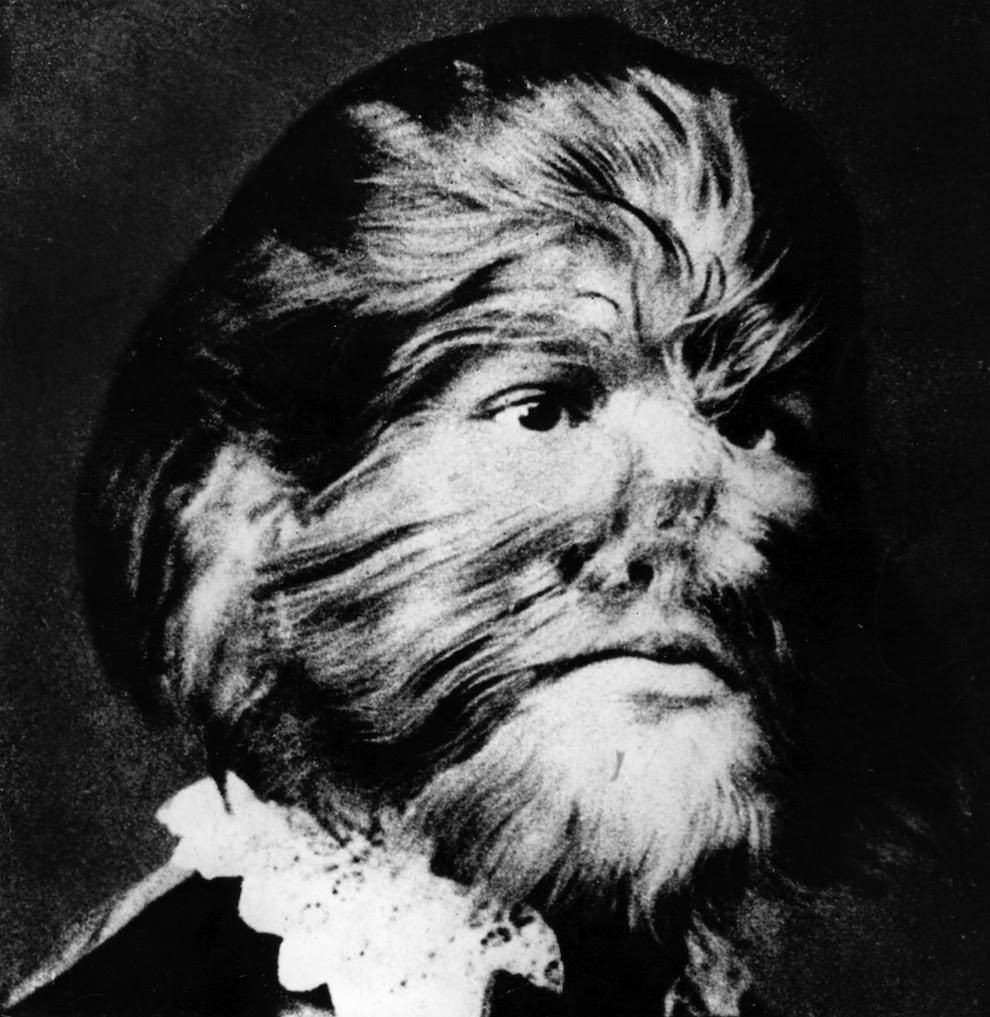
The sideshow tent housed individuals with unique physical conditions who were marketed to the public as “freaks.” A man with hypertrichosis, his face covered entirely in thick hair, sits calmly in a velvet chair while holding a leather-bound book.
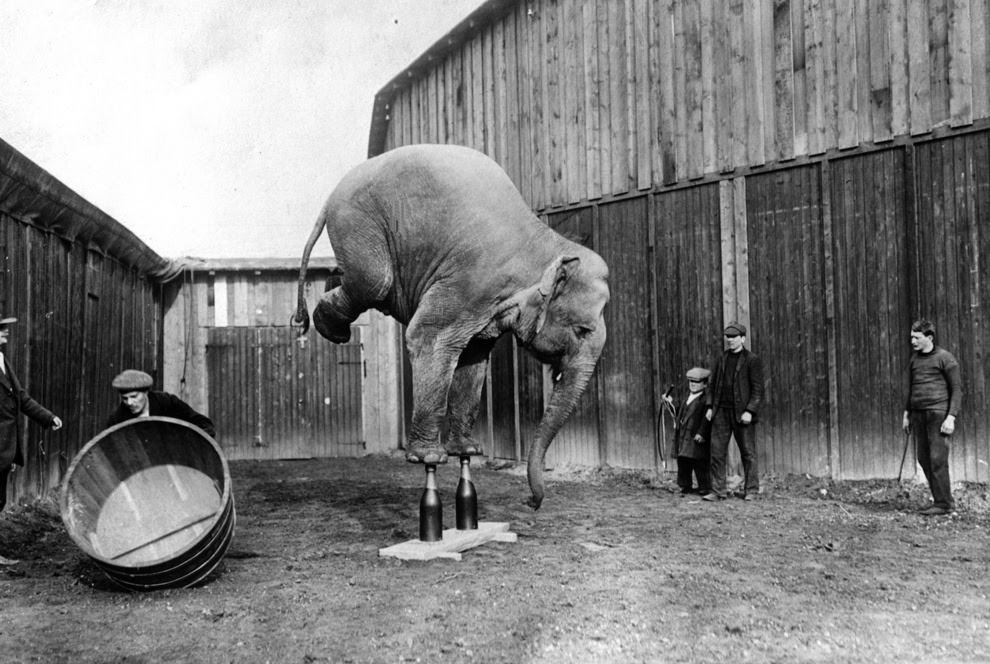
Animal safety standards did not exist in the golden age of the traveling circus. Trainers worked with dangerous predators using only flimsy wooden chairs and leather whips as protection. Audiences sat on wooden benches just feet away from tigers that paced restlessly in small, barred wagons, separated only by a thin layer of rope.
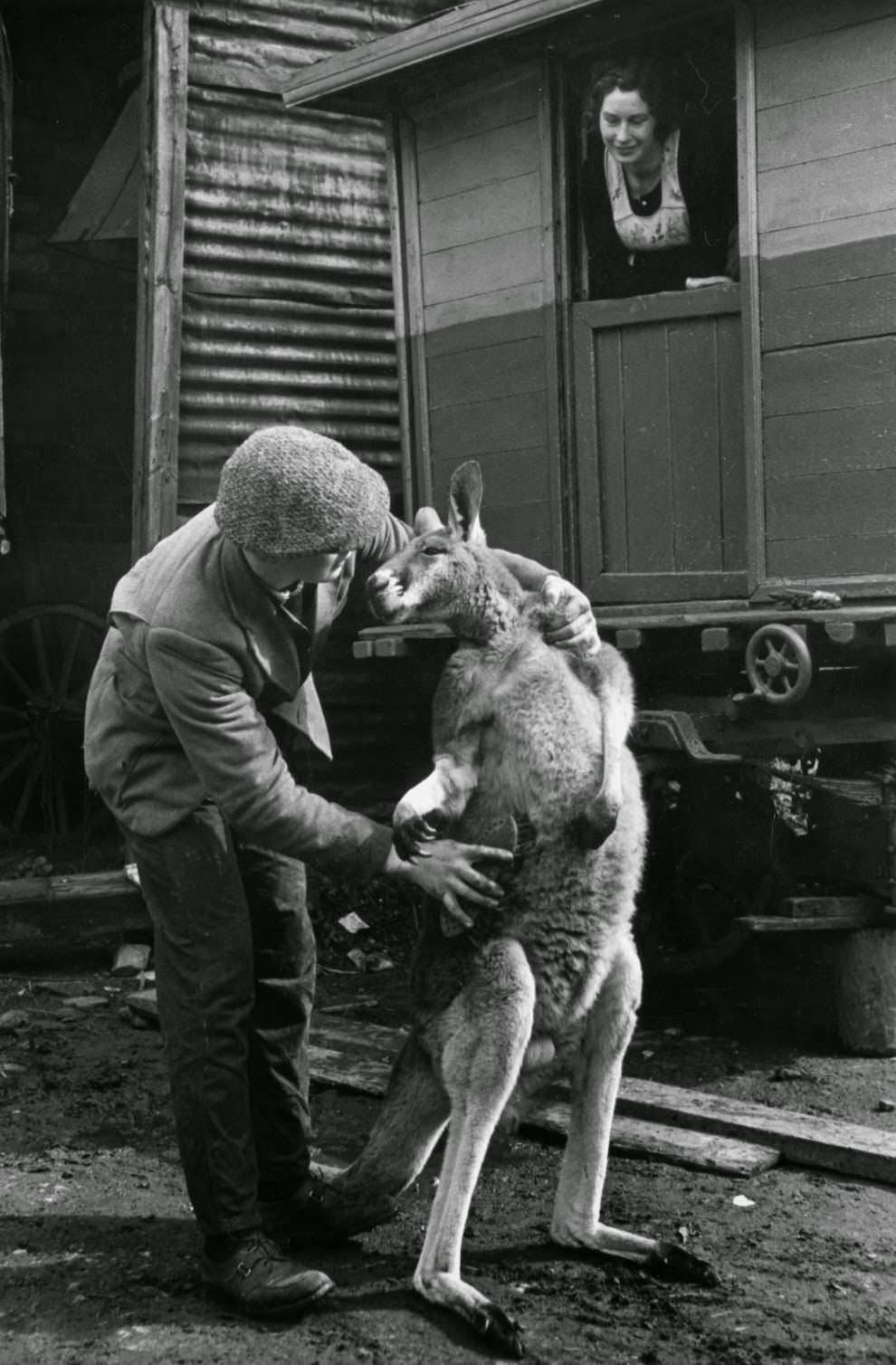
The glamour of the ring vanished immediately outside the main tent. The circus lot itself was a place of grit and labor. Tents were pitched in muddy fields on the outskirts of towns, often in the rain. Steam tractors and horses hauled the massive equipment wagons through the night to the next location. Photos show the troupe eating communal meals at long wooden tables, their faces smudged with dirt and grease. Children of the performers played among the debris and guy-wires, growing up in a transient world of canvas and sawdust.
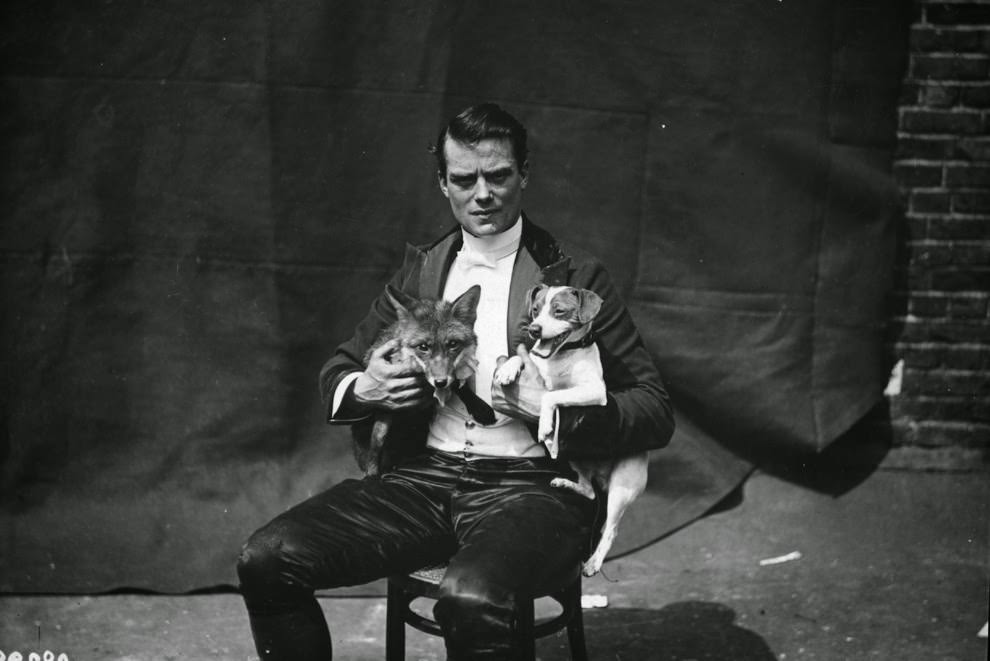
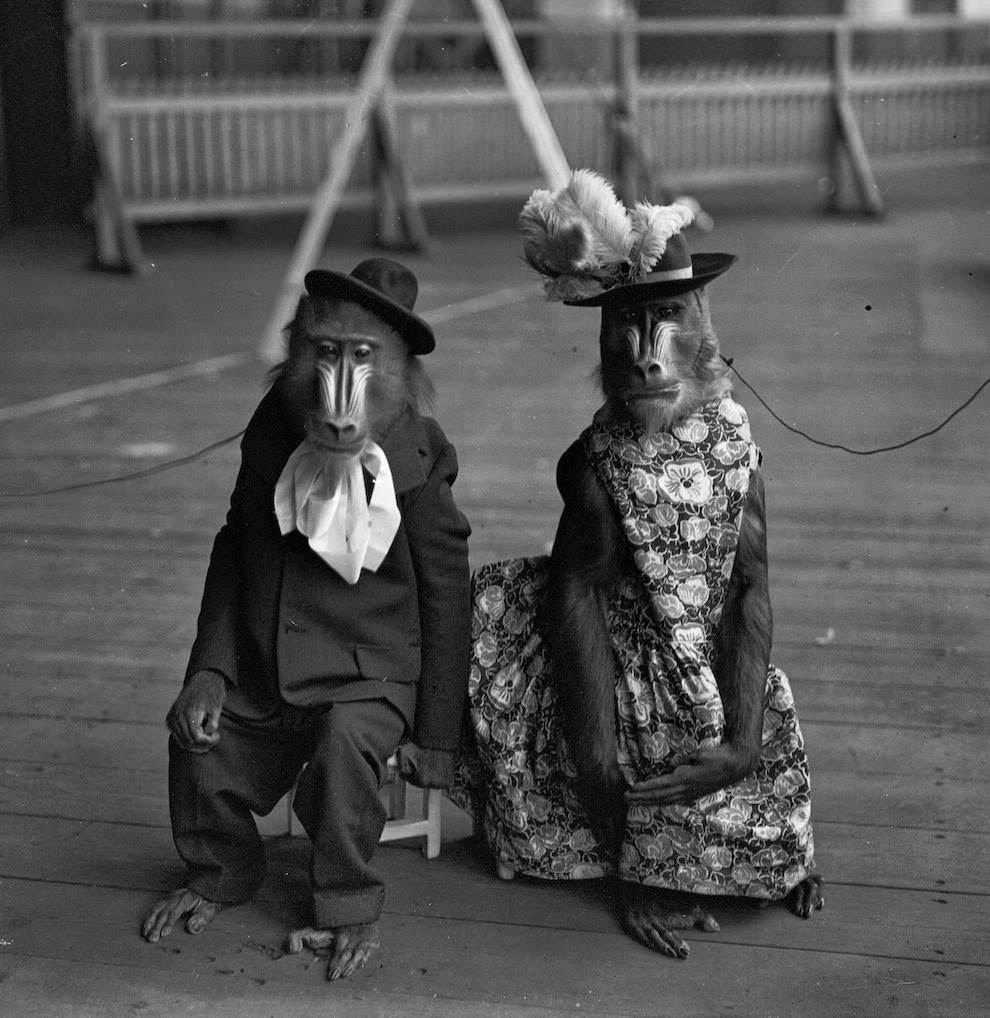
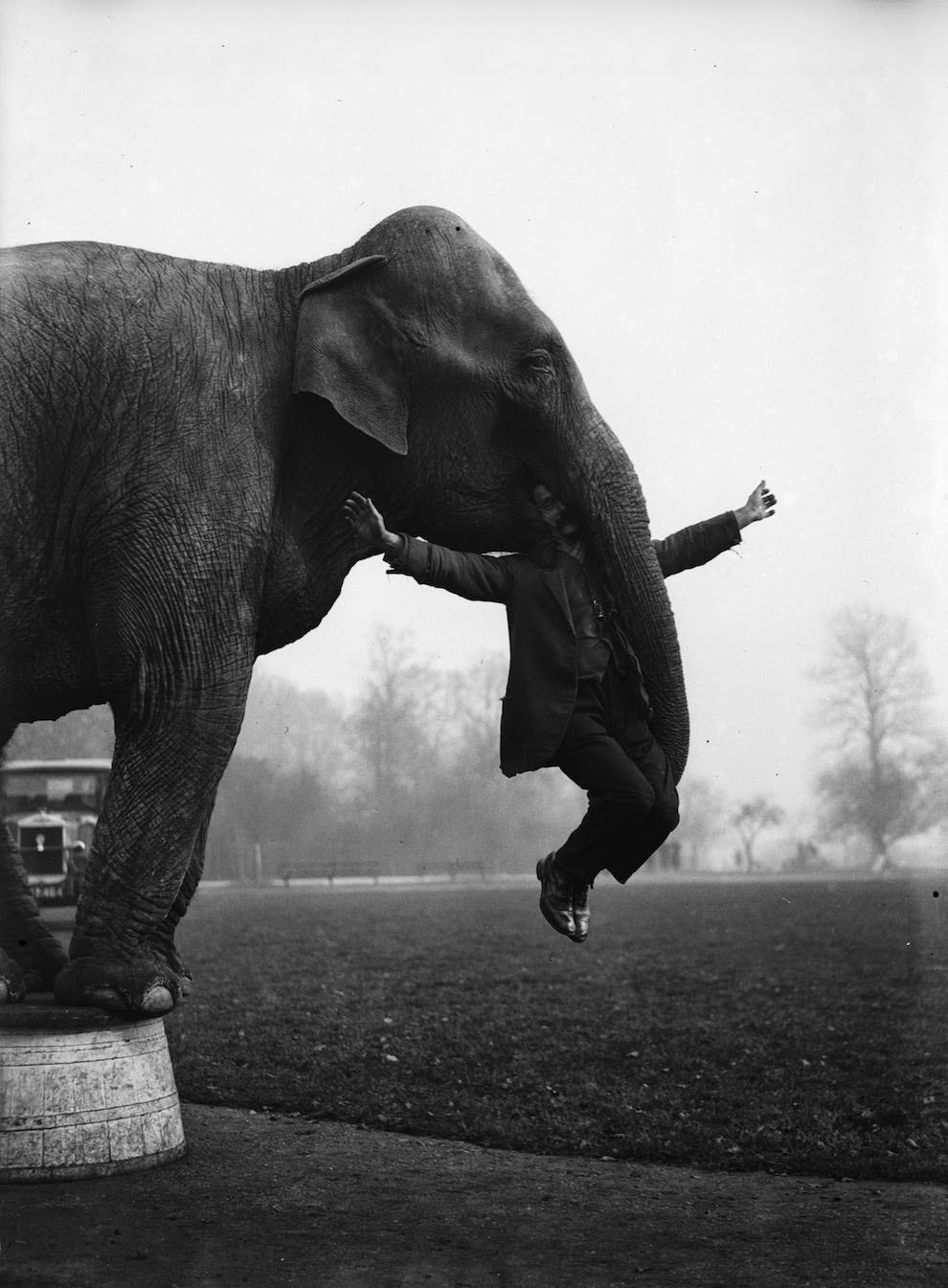
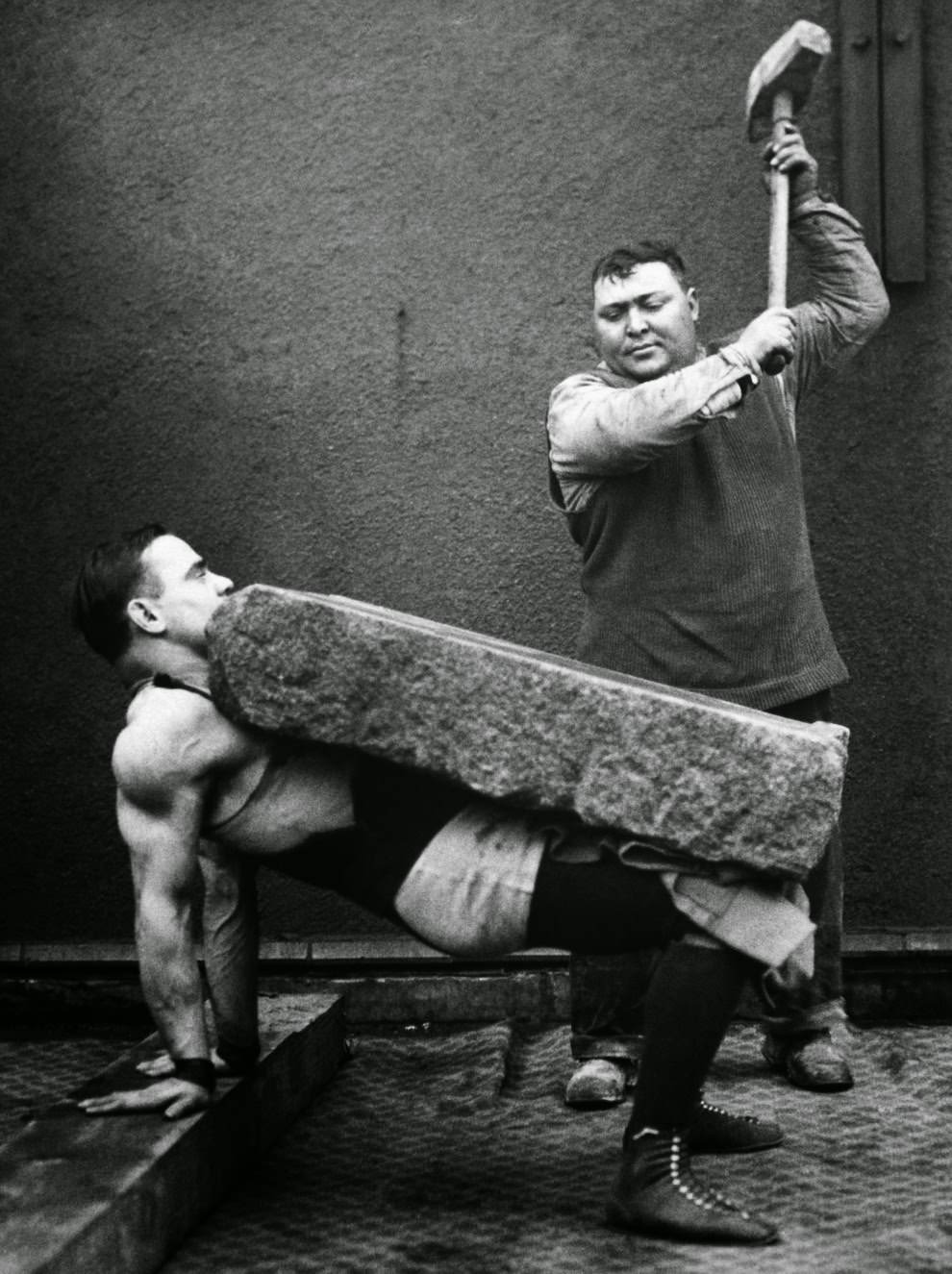
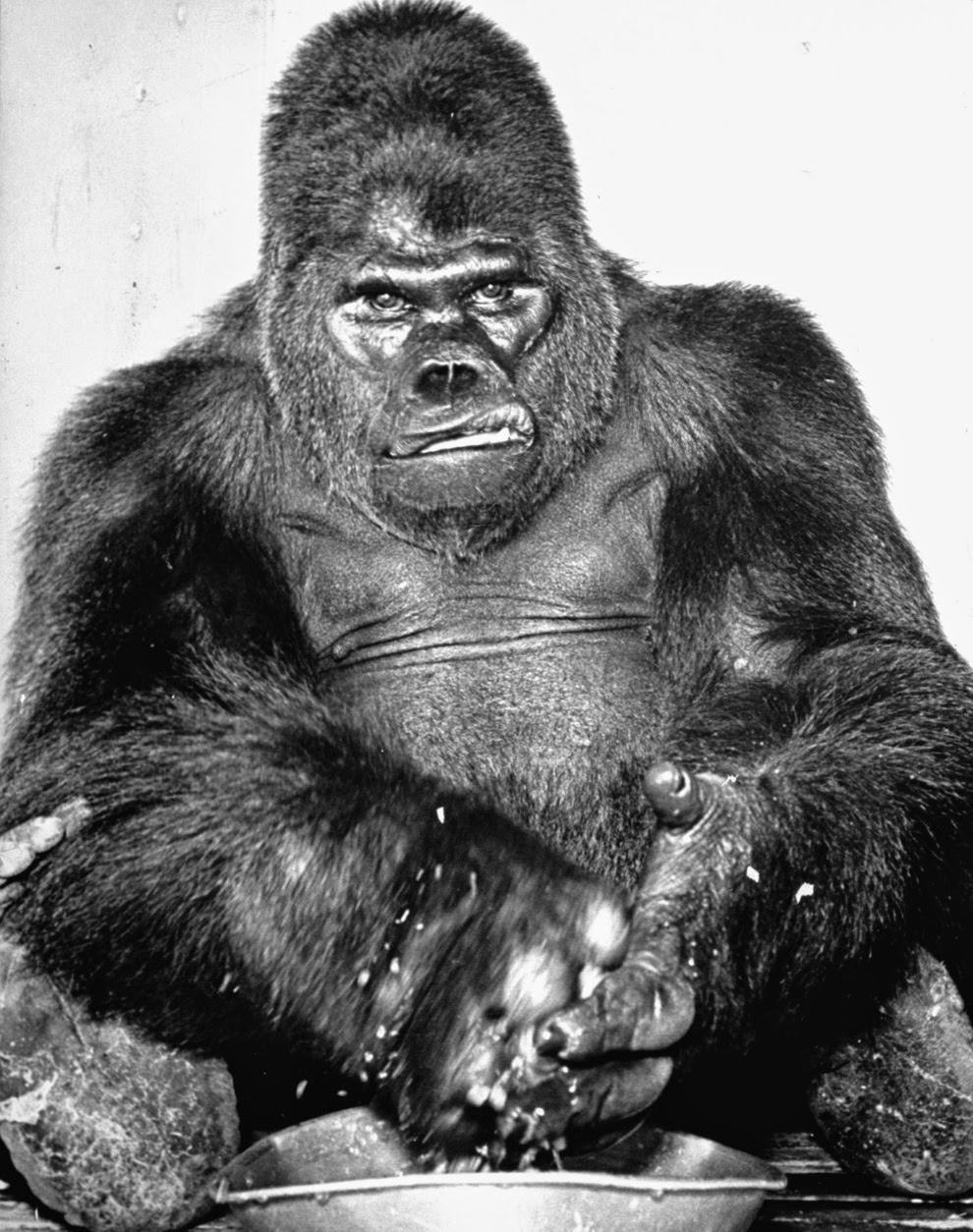

Disturbing? Terrifying?