In the early 1900s, New Jersey was changing fast. The state was moving from a mostly rural place to an industrial center, and mothers were raising children right in the middle of that shift. Where a family lived shaped almost everything about daily life.
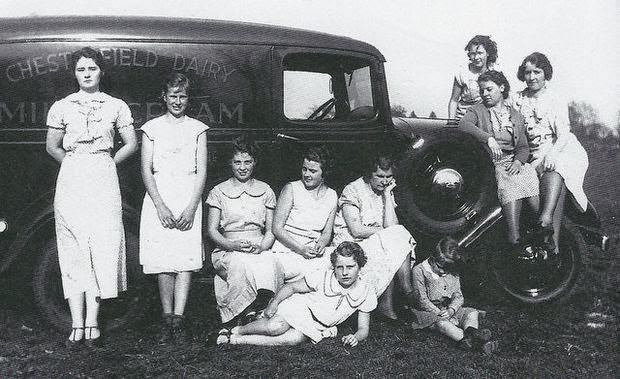
In cities like Newark, Paterson, and Jersey City, many families crowded into tenement apartments with little light or fresh air. Mothers took in sewing, ran laundry services, or worked factory shifts—all while managing the household. On farms across Hunterdon, Sussex, and Salem counties, mothers worked fields, tended animals, and preserved food. Children joined in the labor as soon as they were old enough.
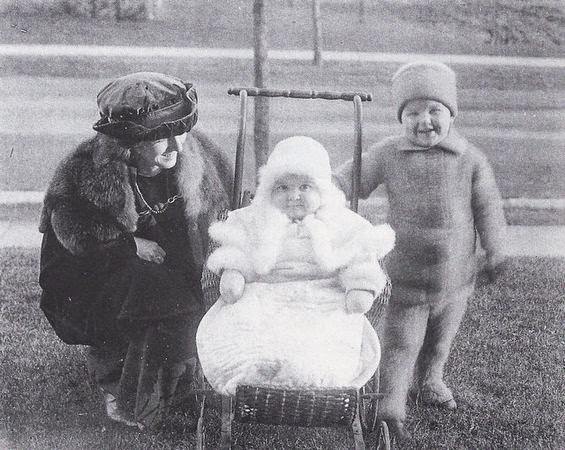
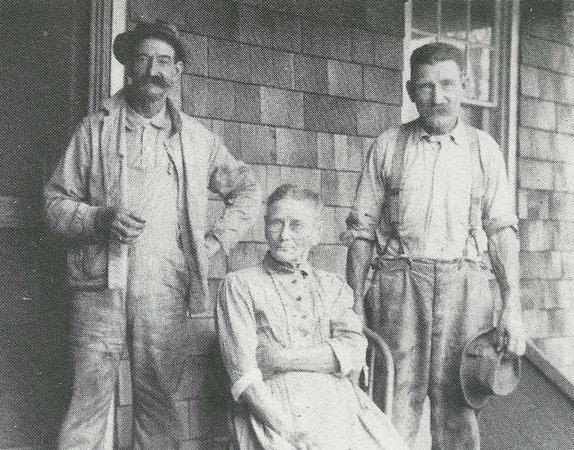
Immigrant mothers from Italy, Ireland, Poland, and Eastern Europe faced extra hurdles. They had to learn English, get their children into new schools, and adapt to a different pace of life—all while keeping their own cultural traditions alive at home.
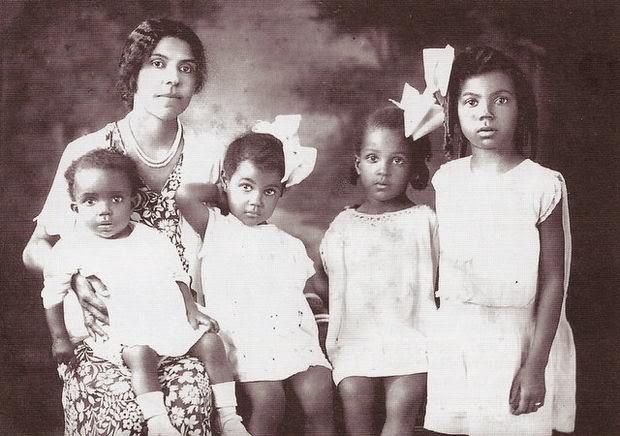
Multi-generational households were common. Extended family networks helped mothers manage childcare and pass down skills. Five generations living close enough to gather for a single photograph was not unusual in New Jersey communities of this era.
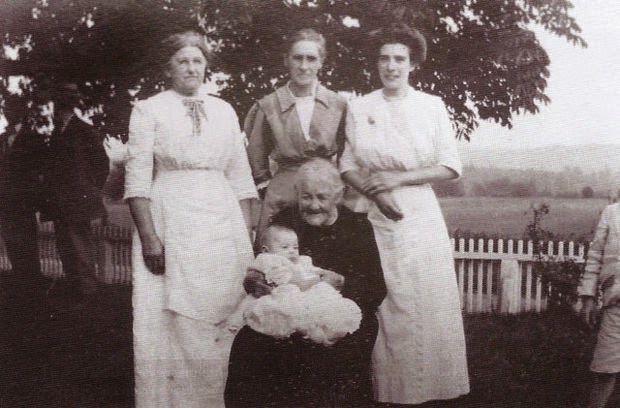
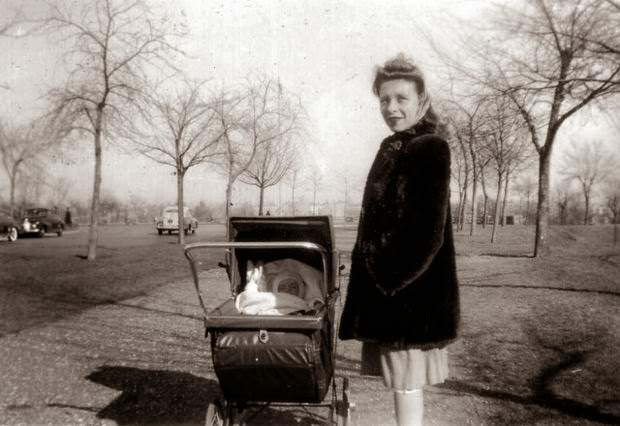
Public health was a constant concern. Polio, measles, and tuberculosis broke out regularly. State and local governments responded with visiting nurse programs, milk stations, and sanitation drives. Mothers were the ones putting these new health practices into daily use.
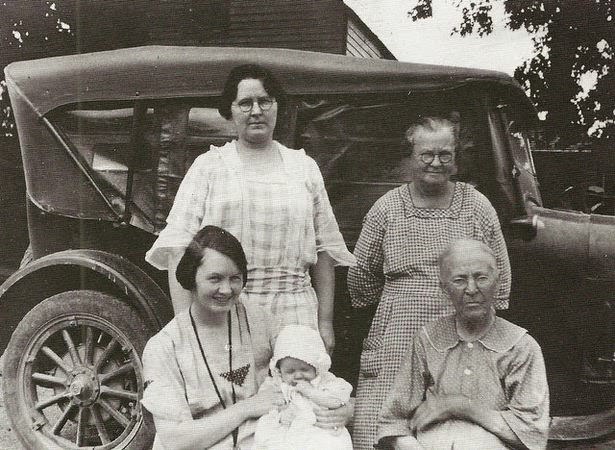
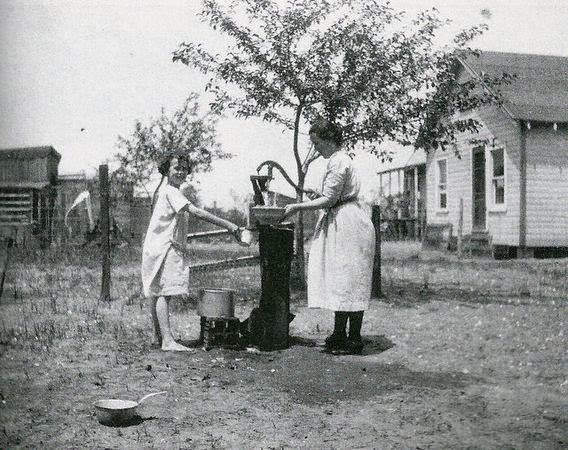
New Jersey’s push for compulsory schooling pulled more children out of factories and into classrooms. Mothers were often the driving force behind school attendance, even as some older children still worked part-time to help the family get by.
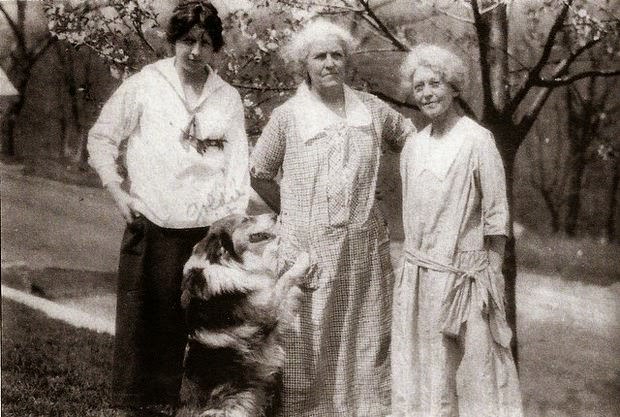
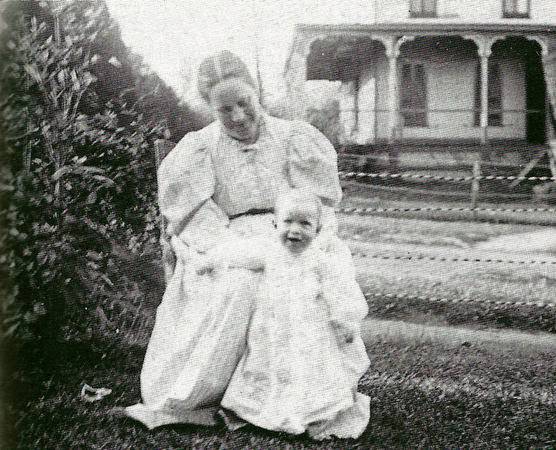
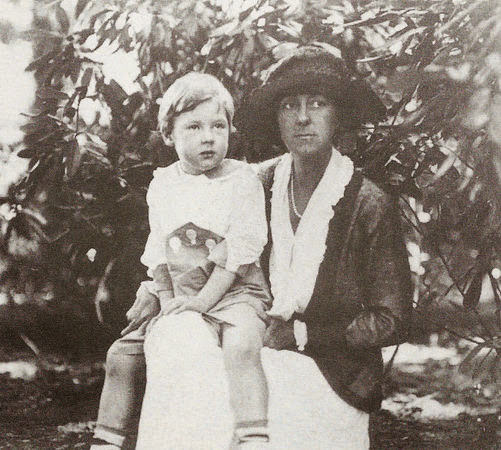
As sons grew older, the realities of the wider world pressed in. Some left home to serve in wartime, and mothers marked those departures with quiet photographs—a record of who they were before they went.
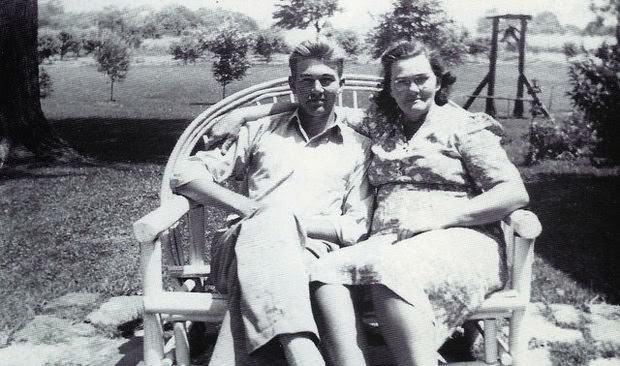
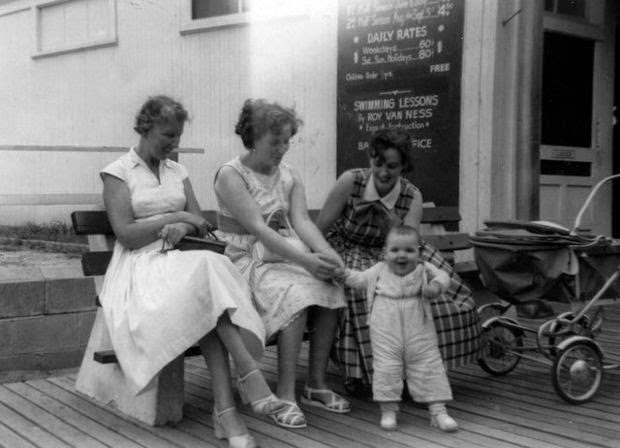
In Newark and other urban centers, immigrant mothers built tight community bonds. Neighbors exchanged childcare, shared recipes, and taught each other home remedies. Churches, social clubs, and settlement houses filled the gap for families far from extended relatives.
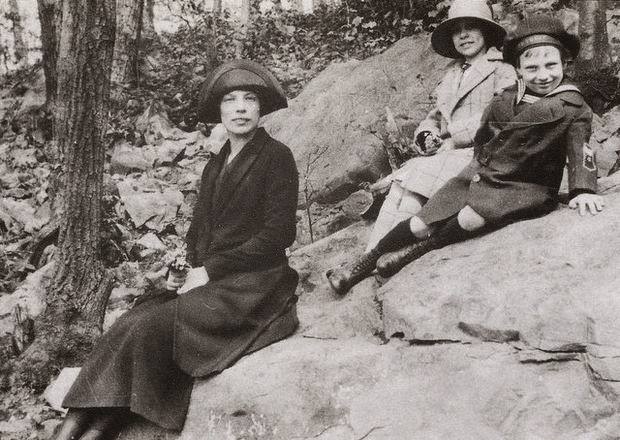
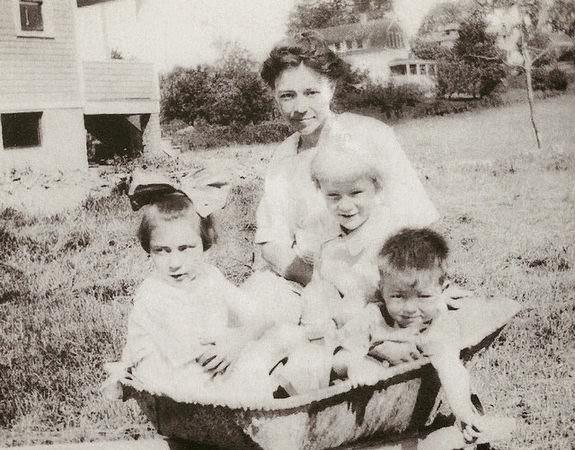
Photographs from this period capture mothers and children in unguarded, ordinary moments—on porches, in yards, at the shore. These images show the texture of daily life across a state that was anything but uniform.
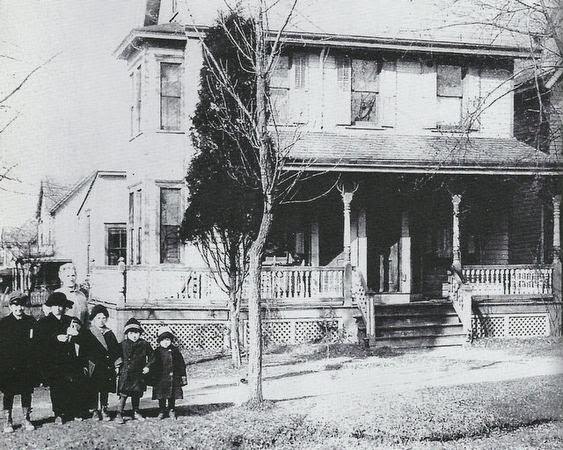
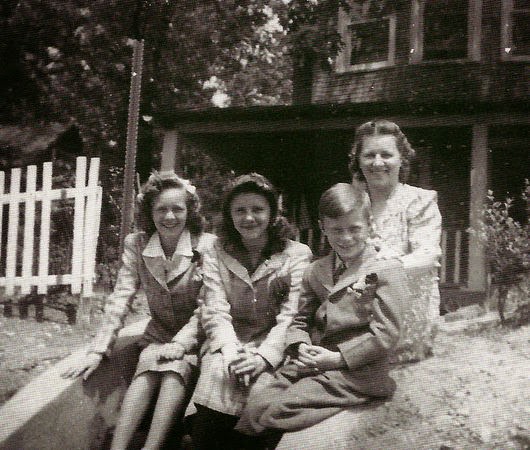
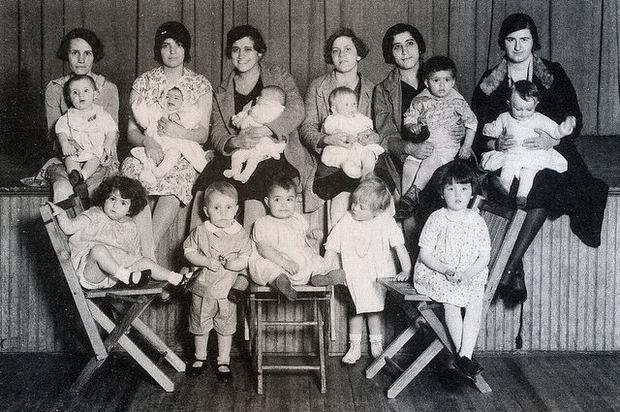
Settlement houses like the one in Madison offered real, practical help. Six mothers and eleven children documented there were among the many New Jersey families who relied on organized community programs to get through difficult stretches.