Kenneth Alexander was born in London in 1887 and spent his early career building a reputation that would eventually reach the heights of classic Hollywood. In 1914, he relocated to Honolulu, Hawaii, where he set up a freelance studio and began carving out his name in celebrity portraiture. His work drew the attention of major film companies, including United Artists, 20th Century Studios, and Samuel Goldwyn Productions.
Before cameras flashed on Hollywood sets, Alexander served in the United States Navy’s aero-photo service during World War I. From warships, he shot both close-up images and wide panoramas — work that demanded technical precision under demanding conditions. That discipline followed him into civilian life and sharpened the eye he brought to every portrait session.
After the war, Alexander established himself in New York under the bold slogan “Photographer of Women Exclusively” — a deliberate reversal of portrait photographer Pirie MacDonald’s well-known branding as a photographer of men. It was a confident statement, and Alexander backed it up. He built strong working relationships with United Artists and other film companies operating out of New York, becoming a trusted name for polished, striking portraits of the era’s leading women.
One of his most important early subjects was Lillian Gish, the acclaimed silent film actress who would become central to his career. Alexander photographed her repeatedly throughout the 1920s, capturing her with a quiet intensity that matched her on-screen presence.
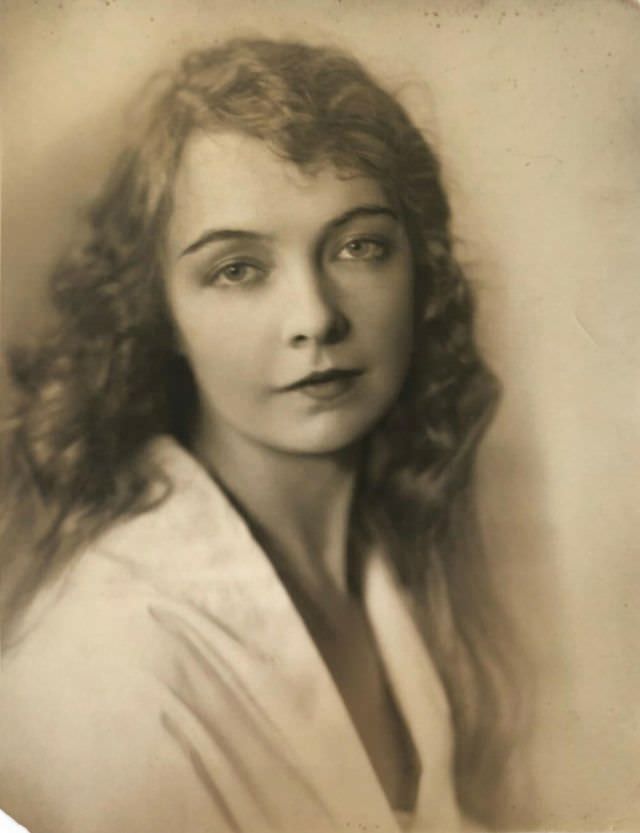
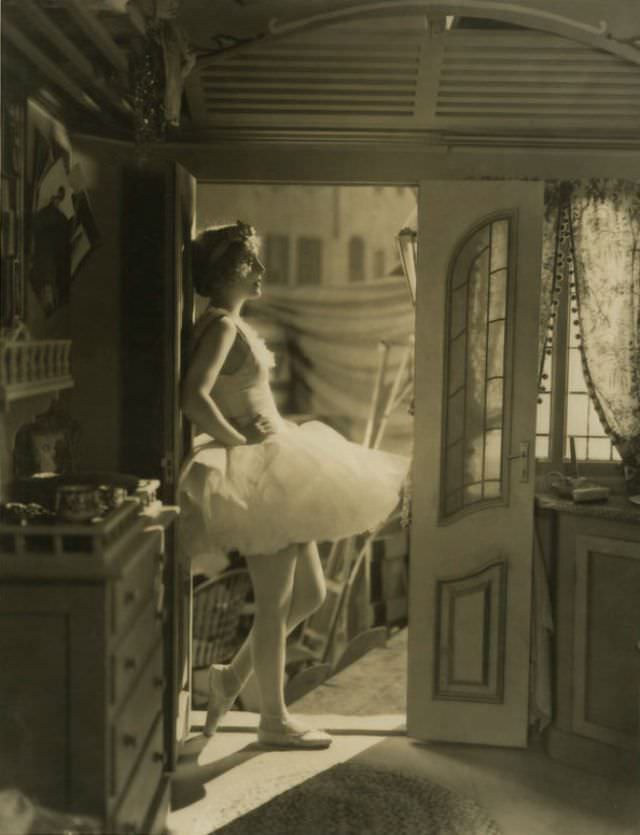
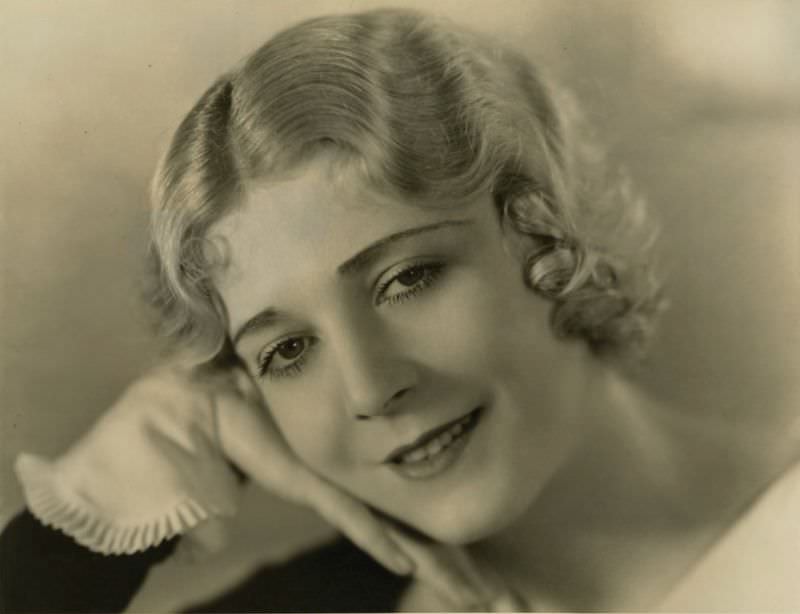
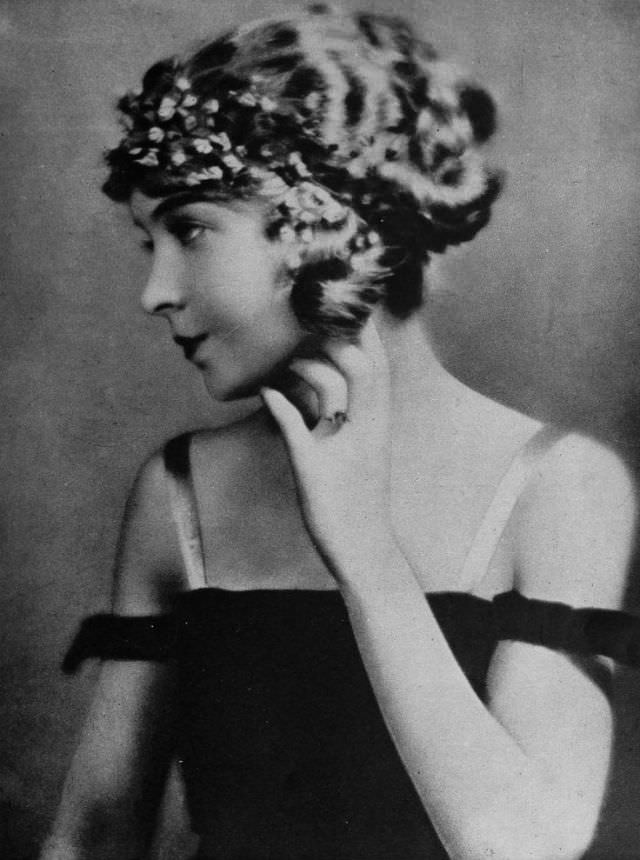
Gish’s trust in Alexander ran deep enough that she personally requested he move to Los Angeles to photograph her in the 1926 film La Bohème. That invitation marked a turning point. Alexander left New York and headed west, stepping directly into the center of the Hollywood studio system. It was Gish — one of the most powerful actresses of the silent era — who opened that door for him.
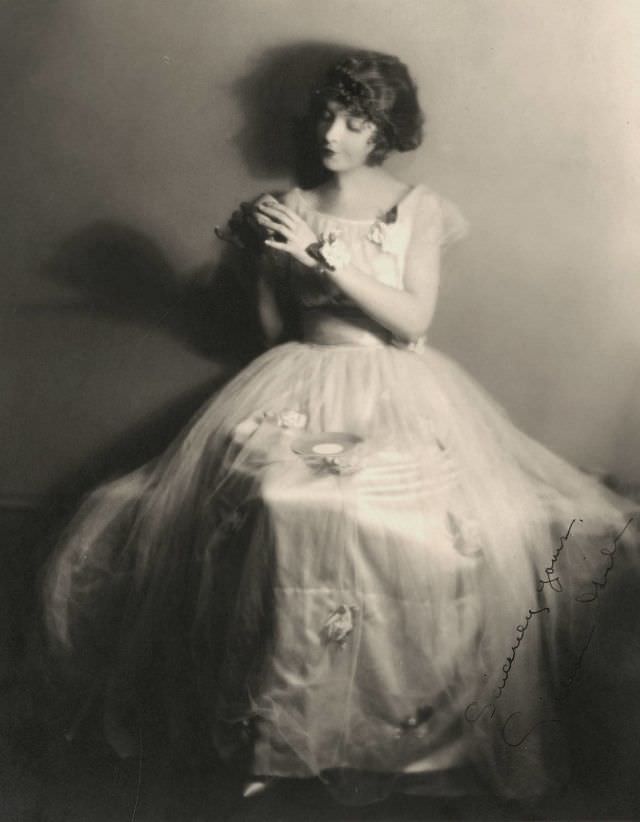
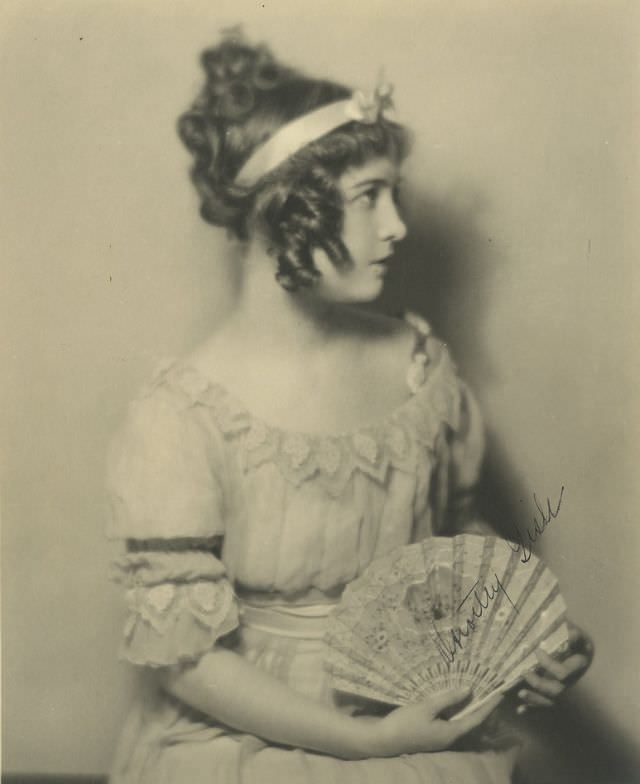
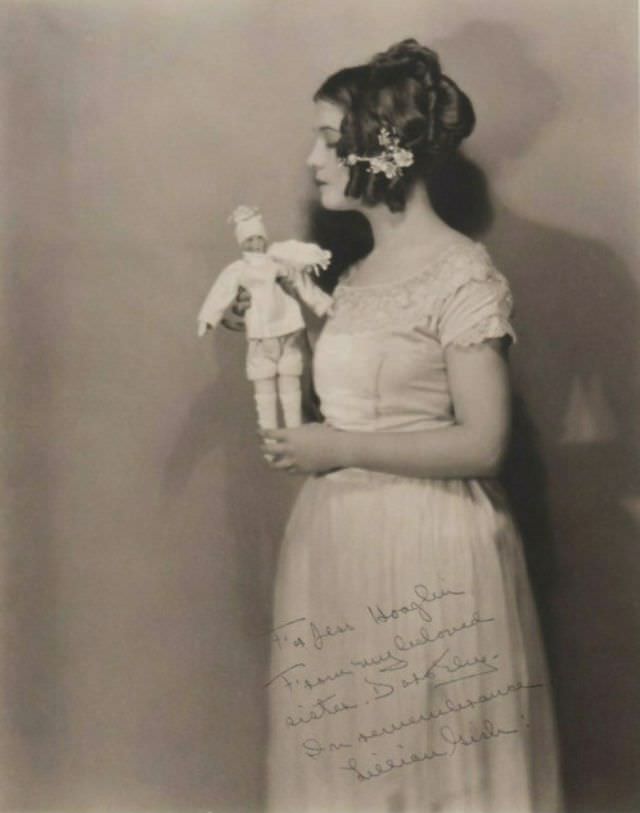
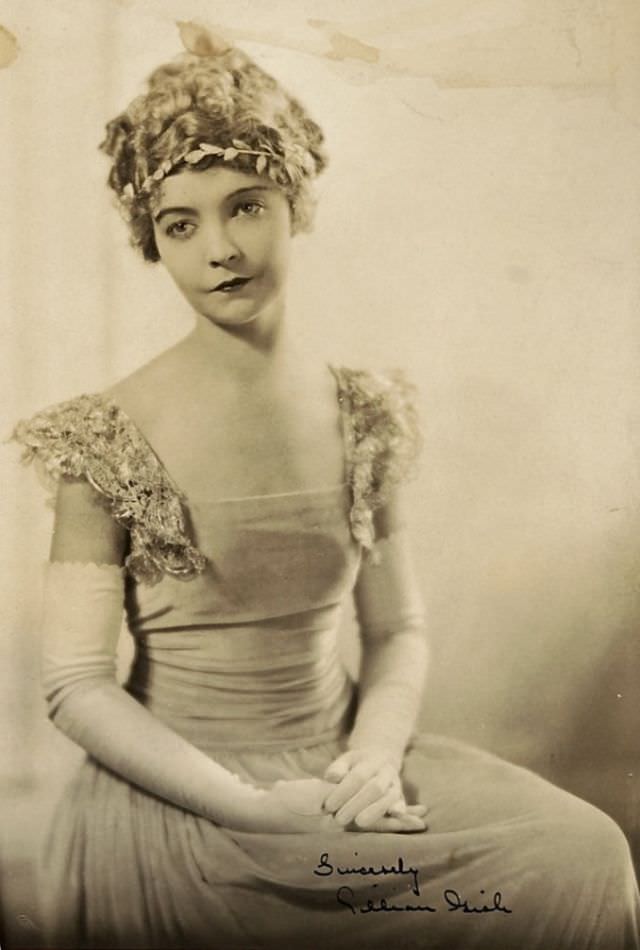
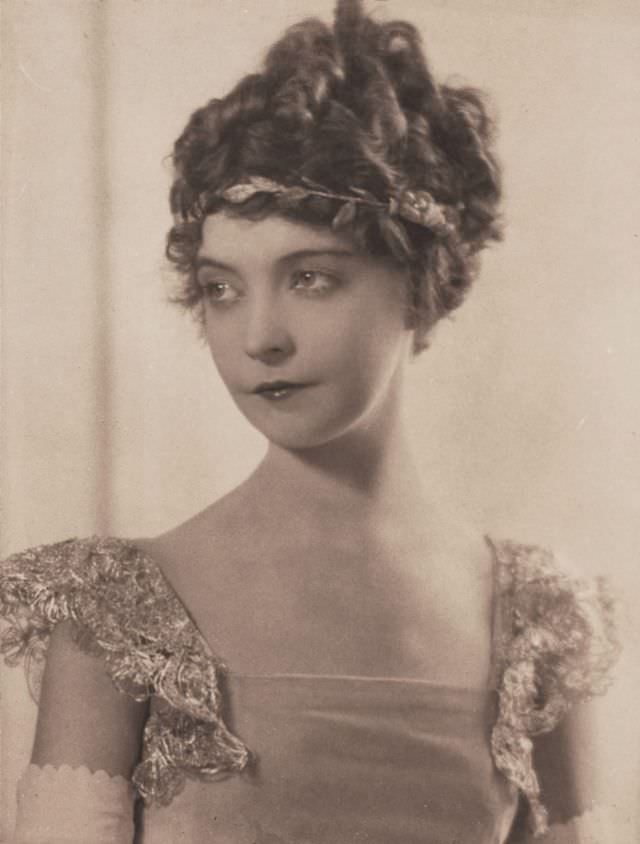
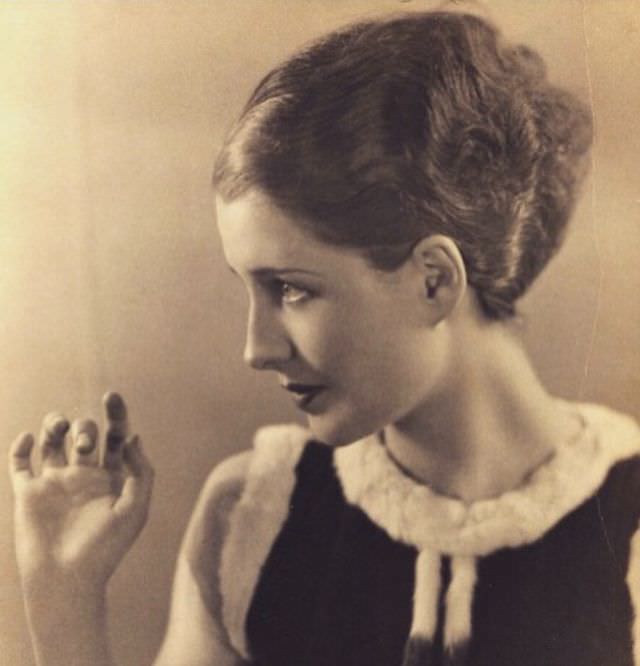
In Hollywood, Alexander’s lens swept across the full spectrum of stardom. Norwegian actress Greta Nissen sat for him in 1925, the same year he photographed Norma Shearer, who was on her way to becoming one of MGM’s biggest stars. Hungarian-born Vilma Bánky, another major name of the silent era, appeared before his camera multiple times across the decade.
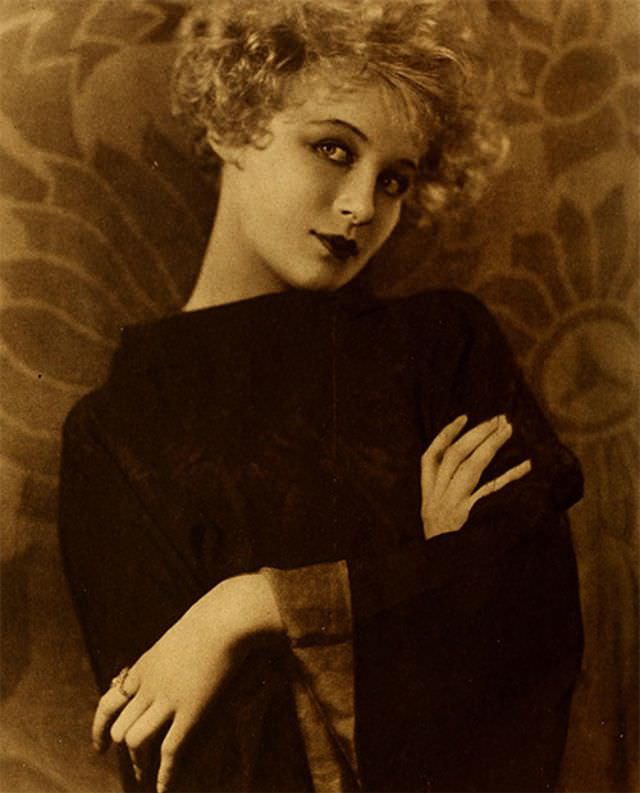
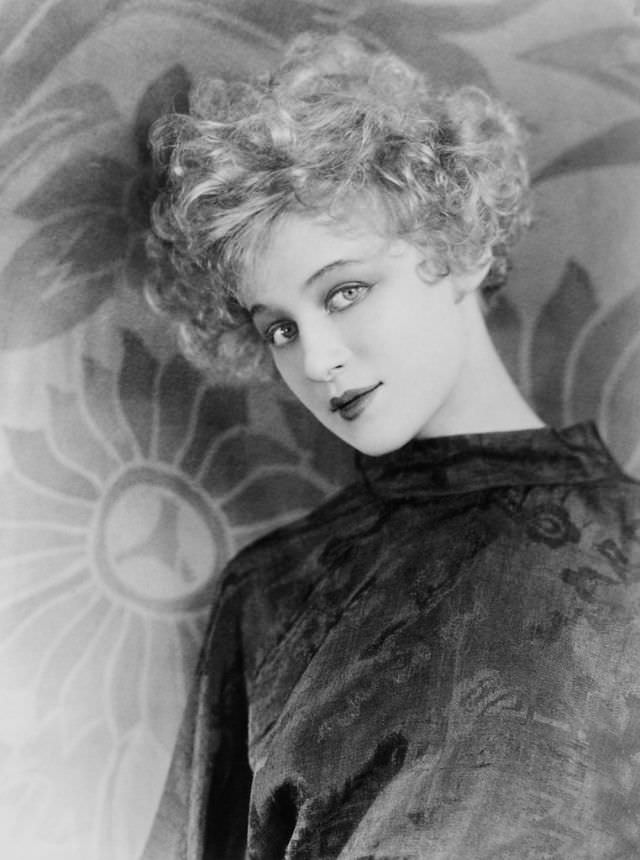
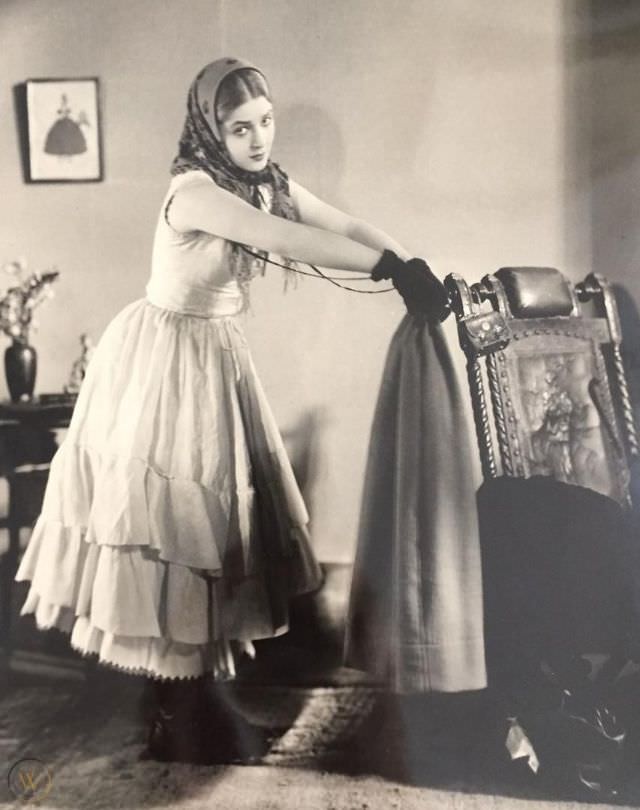
The late 1920s brought an even wider range of subjects. Joan Crawford, then rising fast at MGM, sat for Alexander in 1927. French actress Lili Damita followed in 1928. By 1929, Alexander was photographing Carole Lombard and Constance Bennett — two actresses who represented very different sides of Hollywood glamour but shared the kind of screen presence that Alexander’s portraits captured with ease.
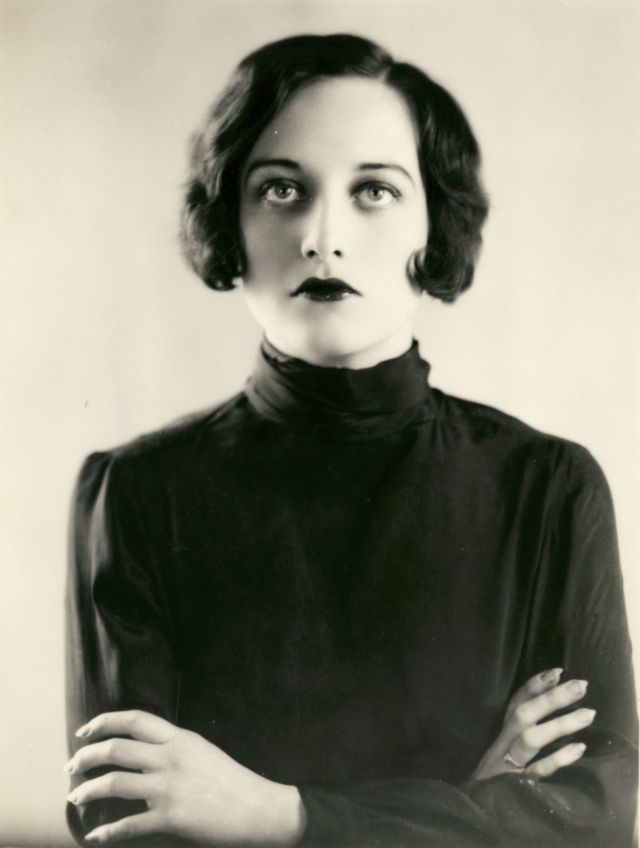
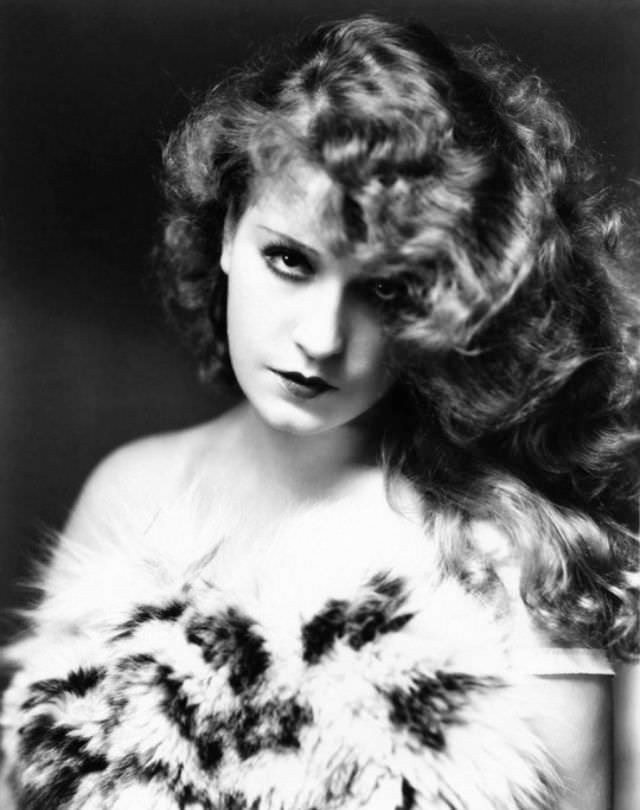
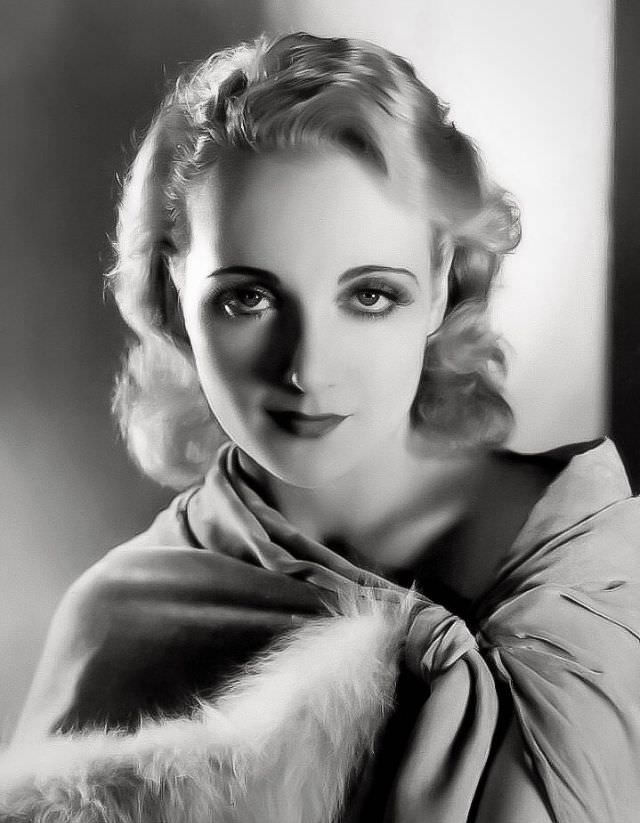
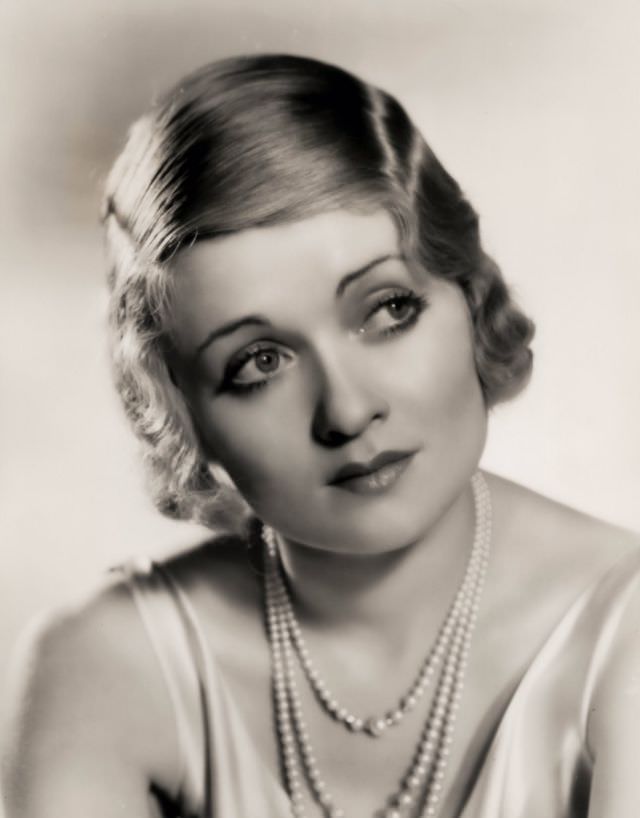
As Hollywood transitioned from silent films to sound in the early 1930s, Alexander’s work continued at full pace. Ann Harding, Joan Bennett, and Kay Francis each sat for him in 1930 — all three were major figures in the new era of talking pictures. Alexander also returned to Lillian Gish that same year, photographing her on multiple occasions as she navigated the industry’s rapid changes.
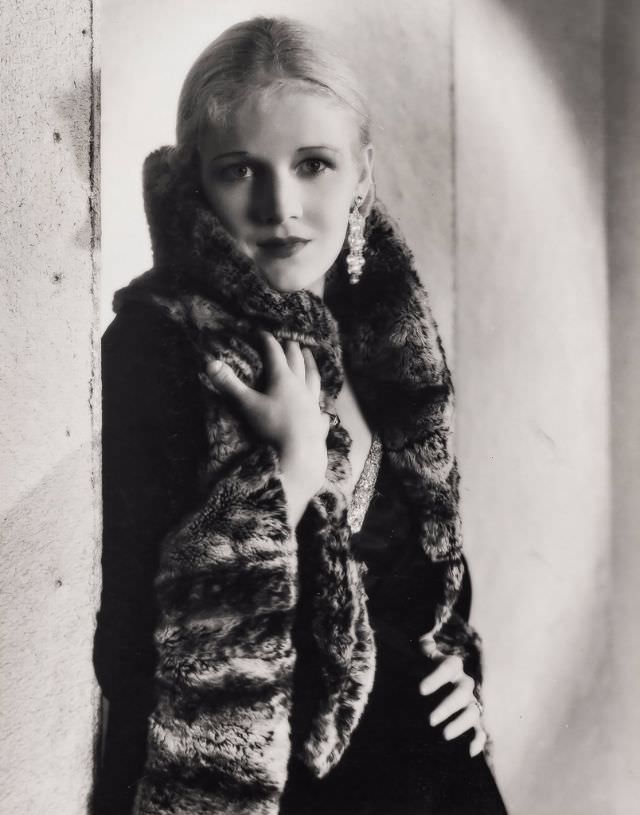
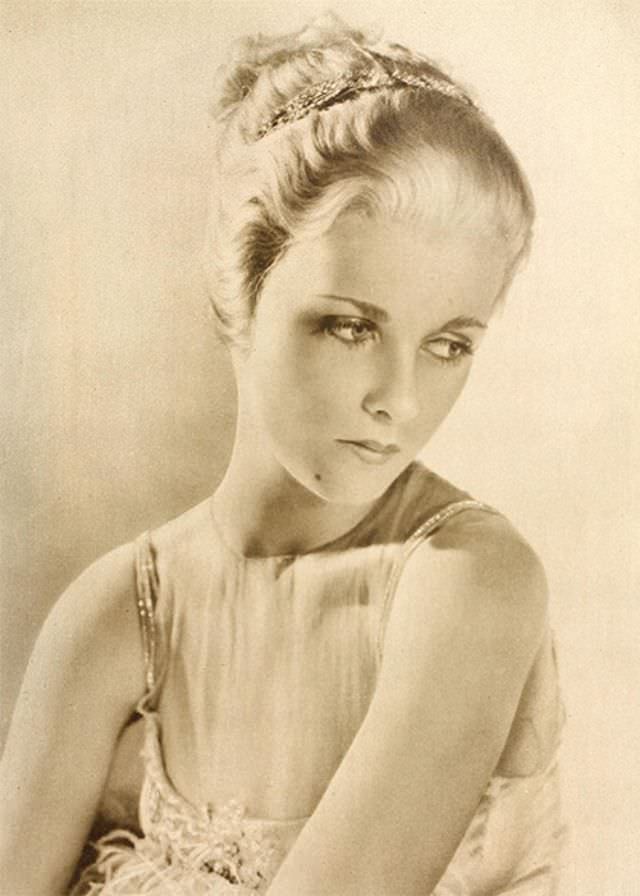
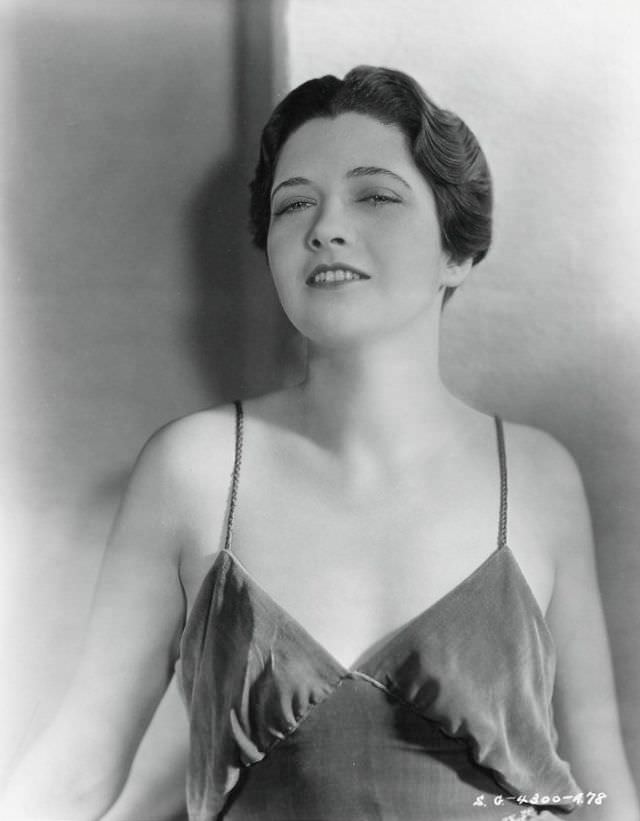
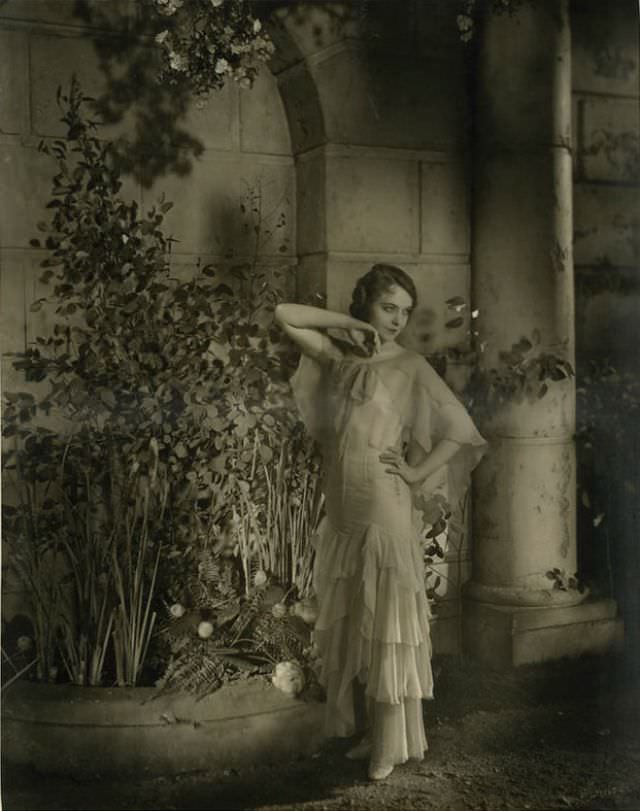
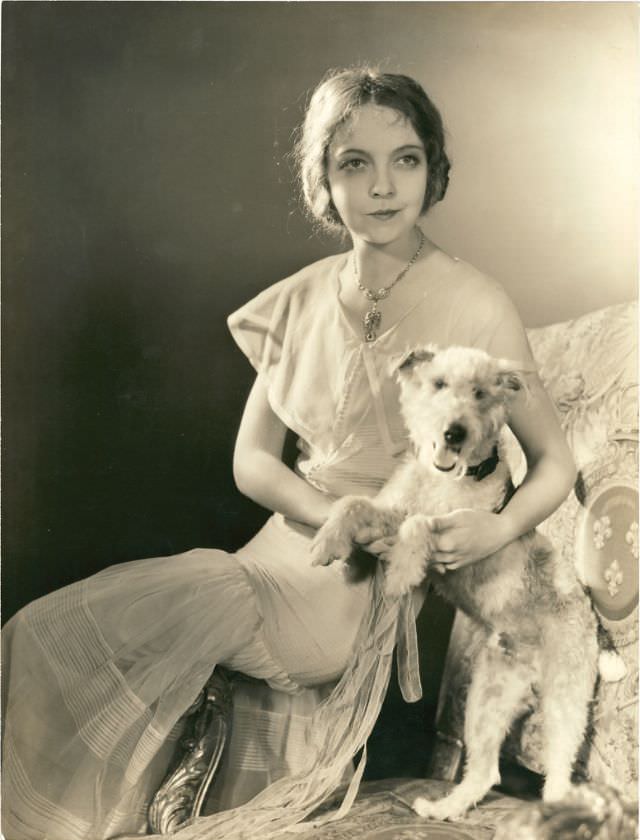
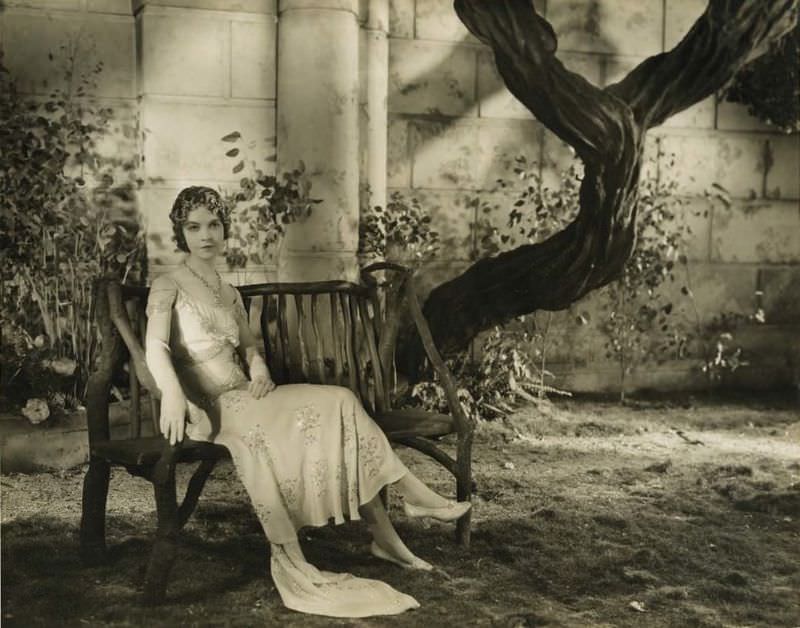
In 1931, Alexander photographed Sylvia Sidney, a Brooklyn-born actress known for her expressive, naturalistic style — a sharp contrast to the more polished glamour of many of her contemporaries. His portraits of Sidney reflected the same careful attention to character that marked all of his best work.
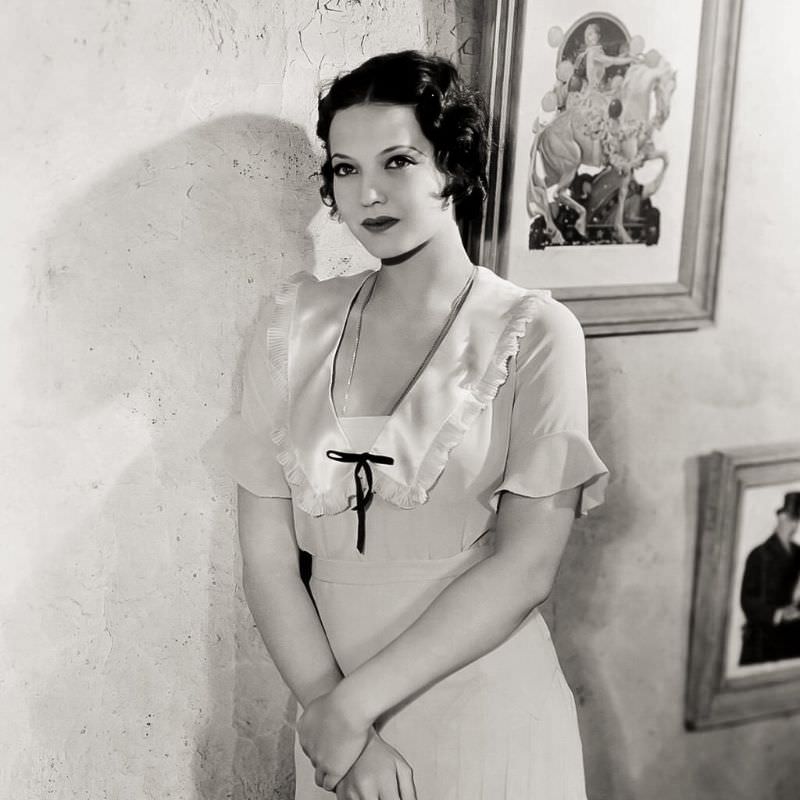
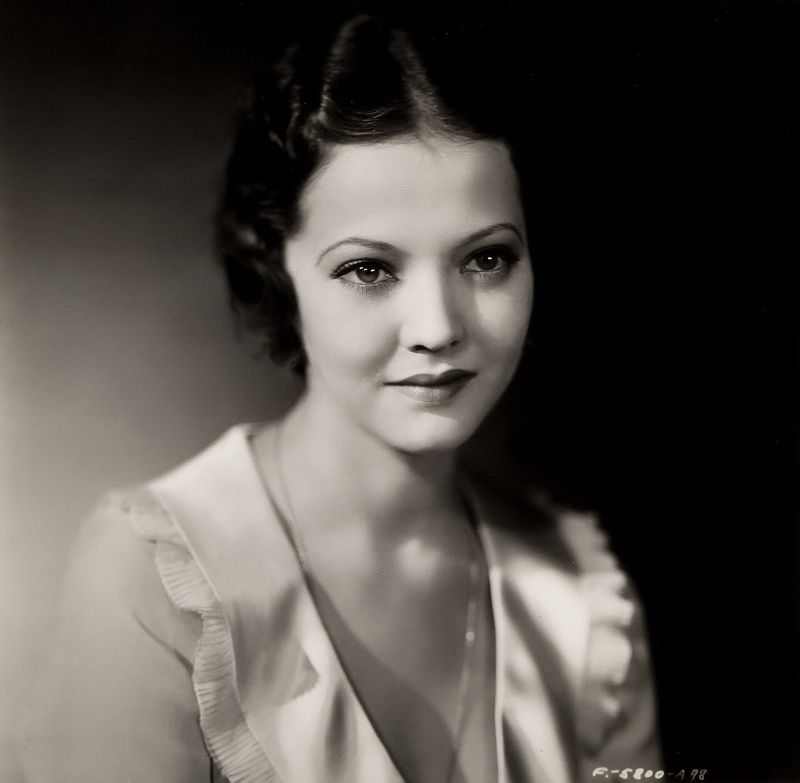
Through the mid-1930s, Alexander continued working out of Hollywood with Sam Goldwyn Productions. His subjects during this period included British actress Constance Cummings in 1933 and Loretta Young in 1936. That same year, he photographed Marlene Dietrich — one of the decade’s defining faces — in a series of striking portraits that showcased both Dietrich’s magnetism and Alexander’s command of light and composition.
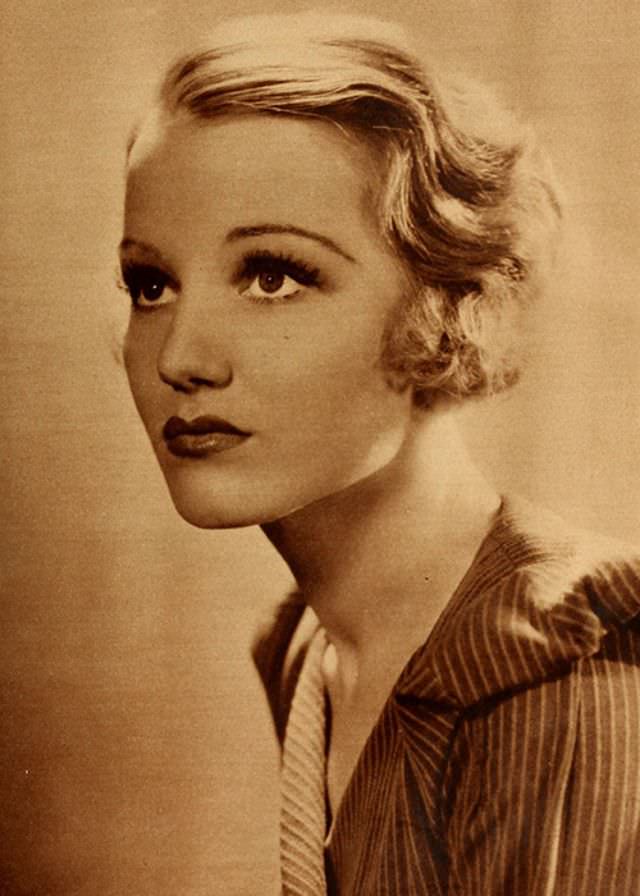
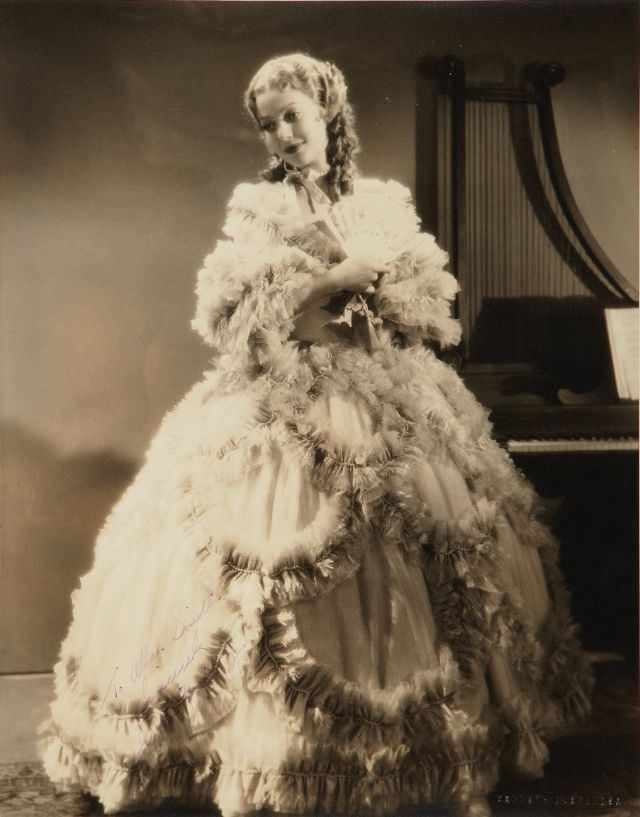
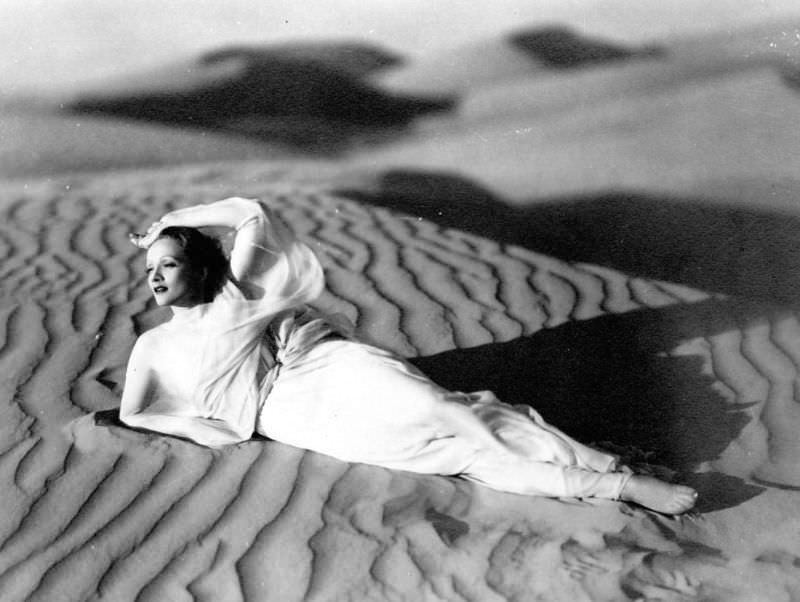
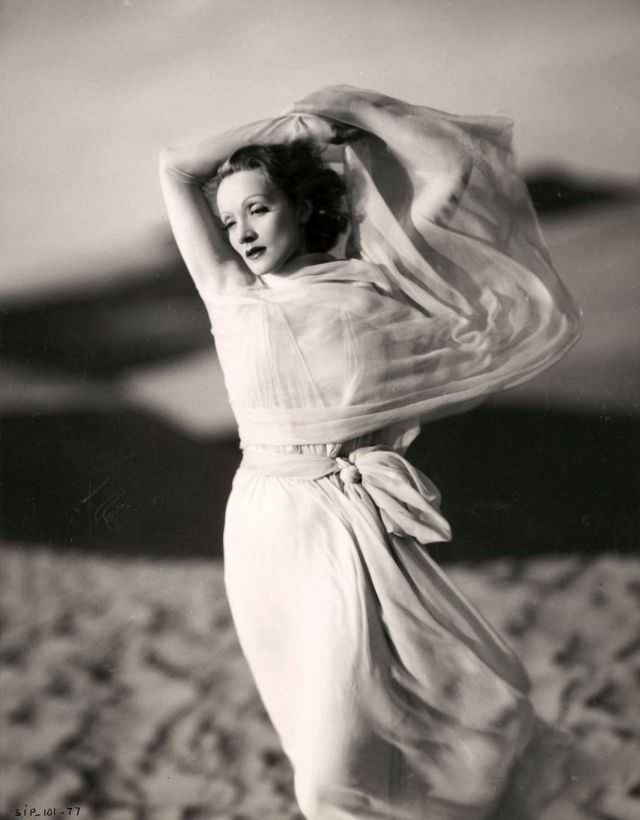
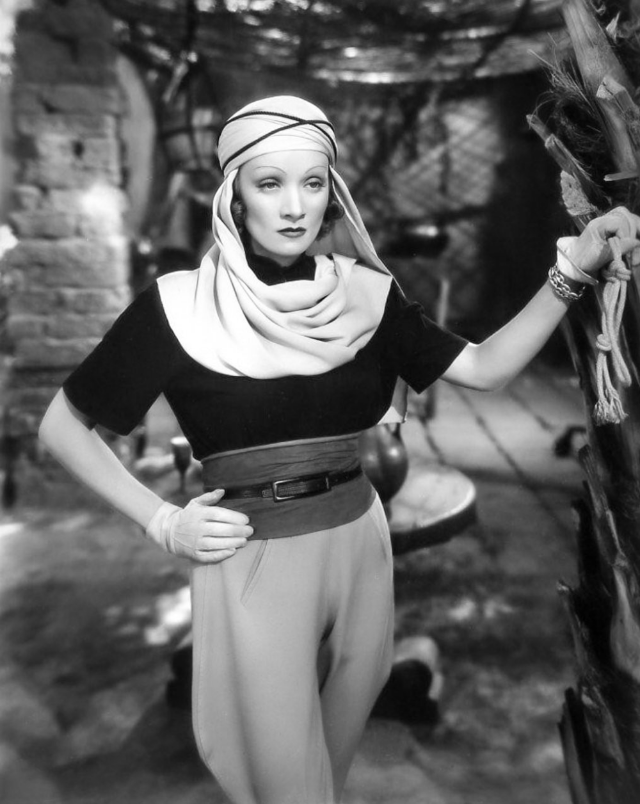
Also among his 1930s subjects were Clare Dodd, a sharp-featured actress who appeared in pre-Code Hollywood films, and Myrna Loy, who by the mid-1930s had transformed from a typecast villain into one of the most beloved leading ladies in American cinema. Alexander’s portraits of both women reflect the variety of talent he encountered across his career.
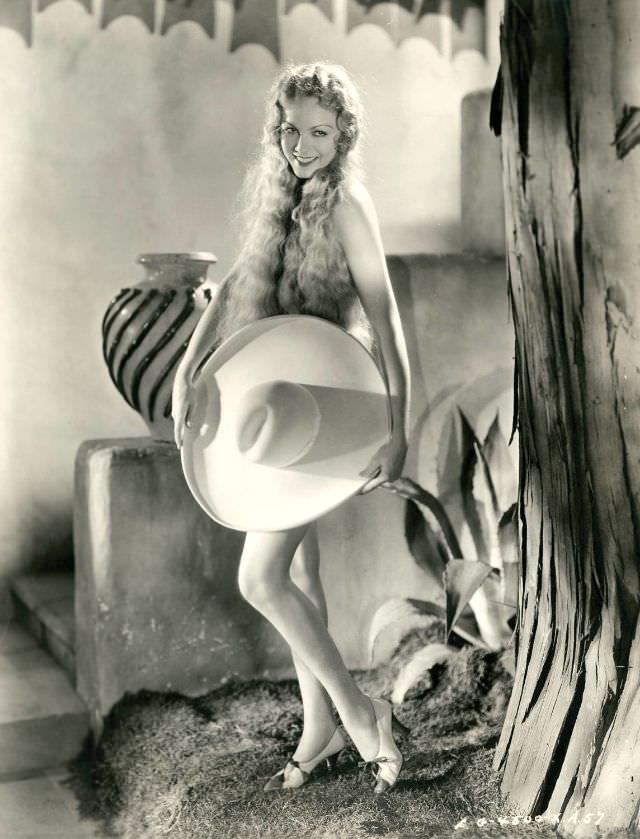
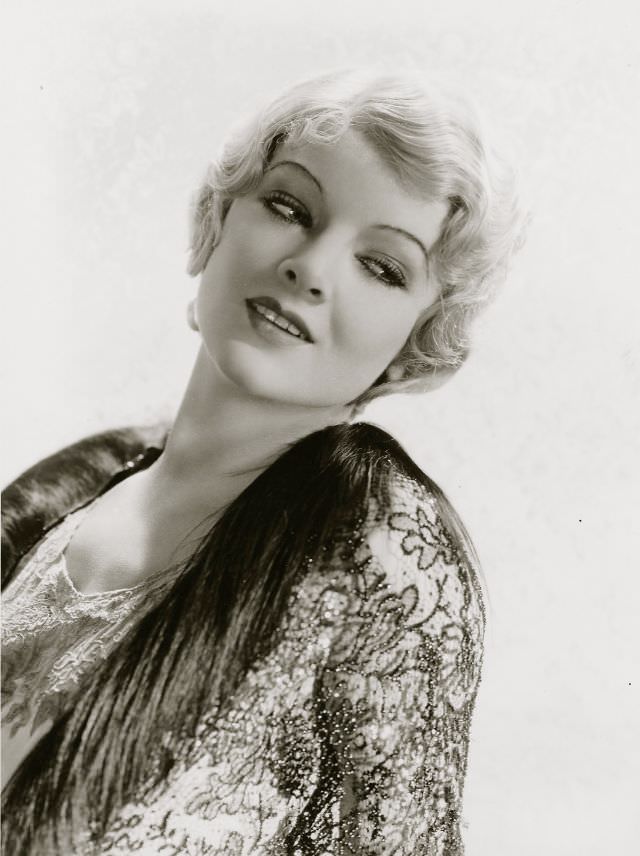
Kenneth Alexander died in 1975 at the age of 87. Over the course of five decades, he photographed some of the most recognizable faces in entertainment — from wartime naval decks to the studio floors of Hollywood’s golden age.