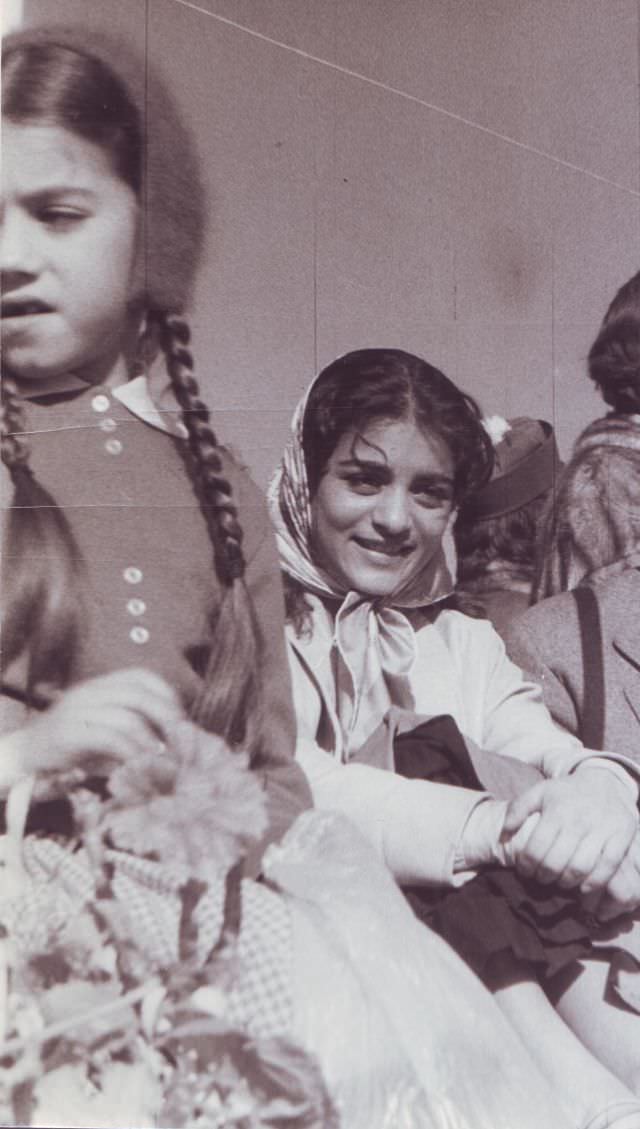
Micaela Flores Amaya, known to the world as La Chunga, was born in 1938 in Marseille, France. She grew up in the Romanì community of El Poble-Sec, a neighborhood in Barcelona, where flamenco was woven into daily life. By age six, she was already dancing in a local bodega called “Ca La Rosita,” a gathering place well known to the Romanì community there.
It was during one of her spontaneous street performances that her life changed. A man named Paco Rebés spotted her dancing and immediately recognized her raw talent. He took her under his care and later became her godfather, setting her on a path that would lead to fame far beyond the streets of El Poble-Sec.
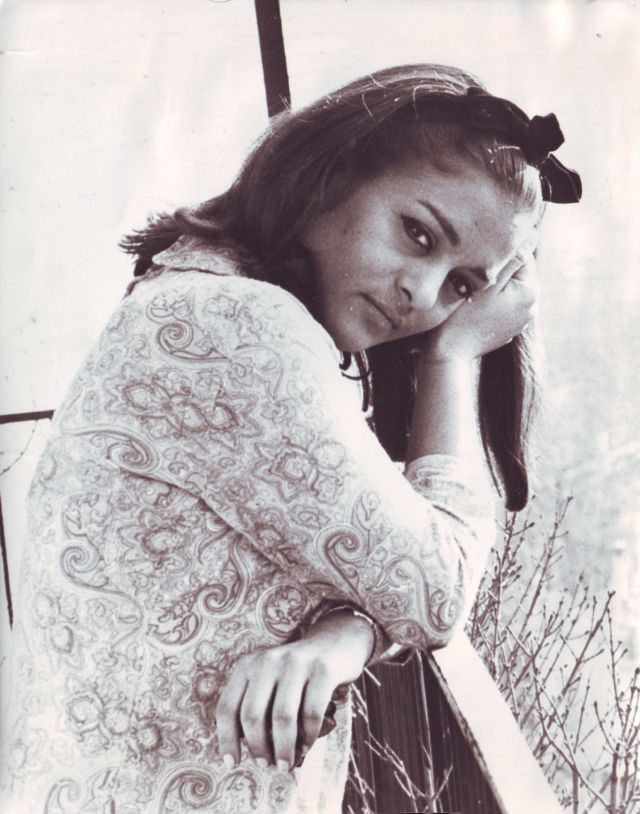
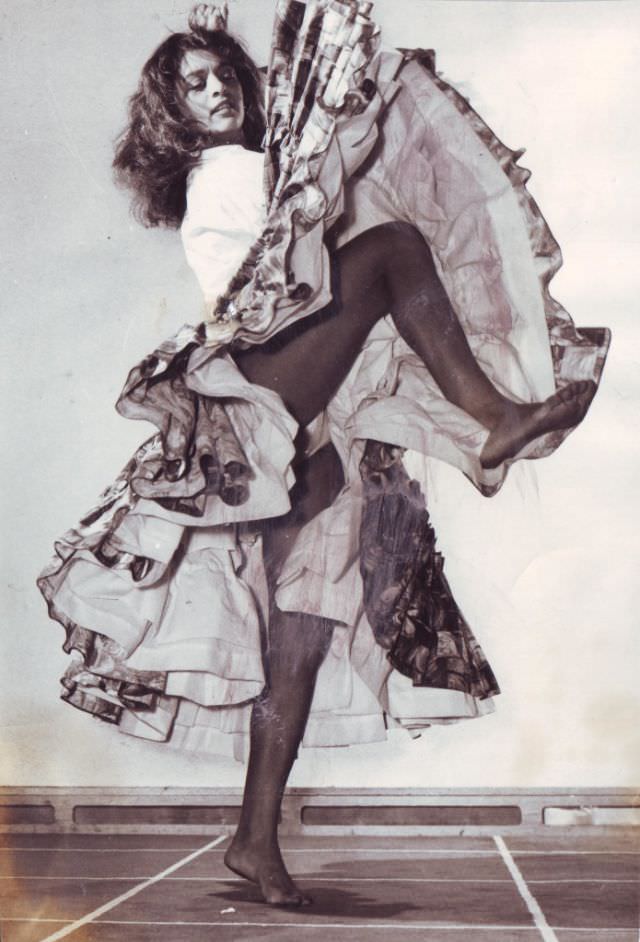
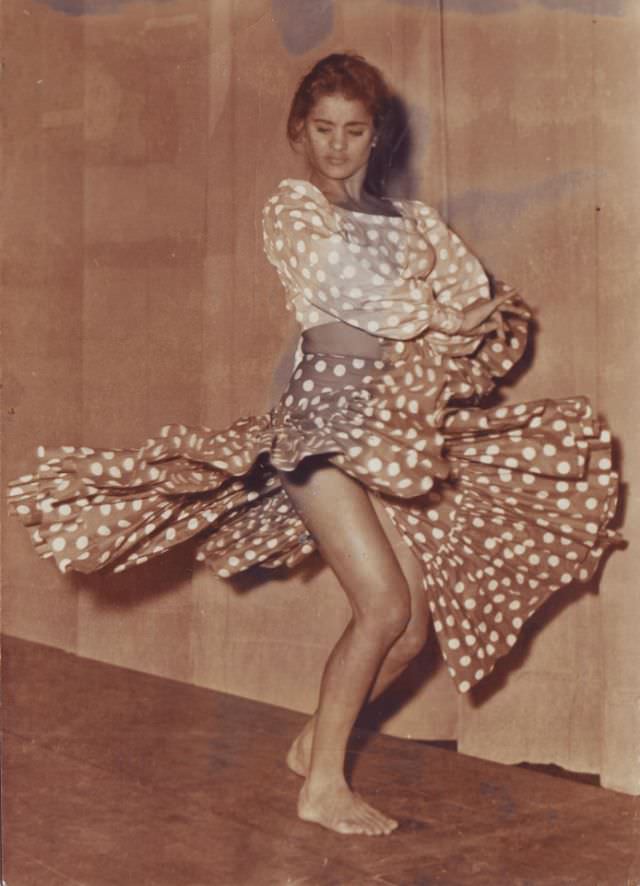
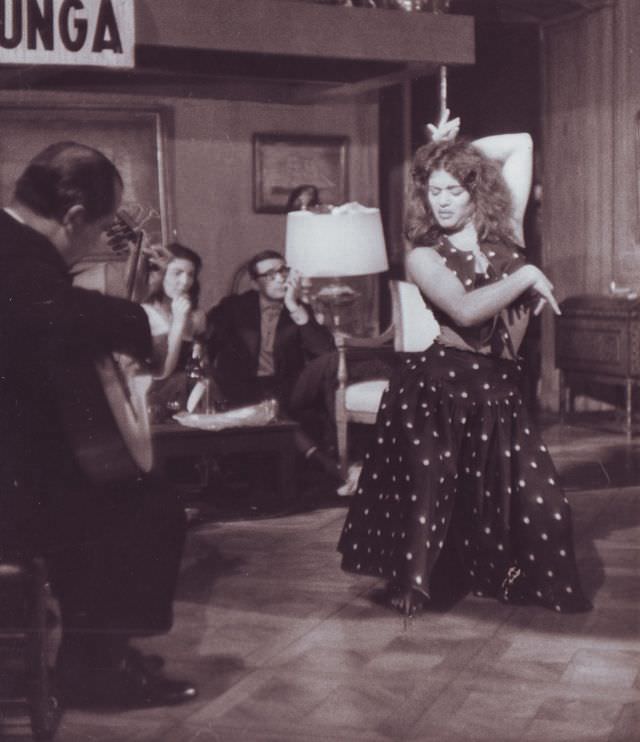
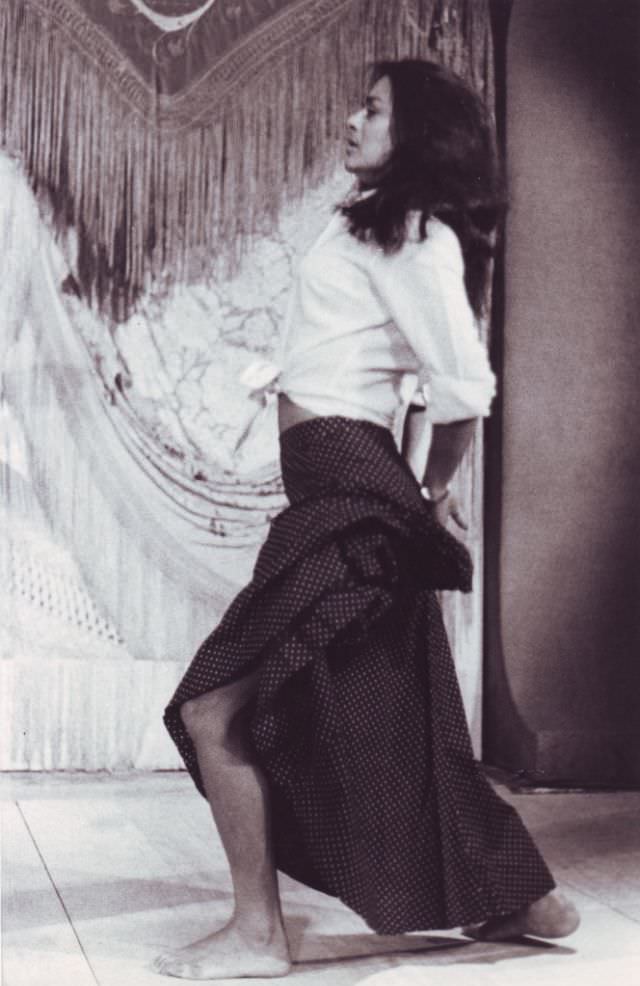
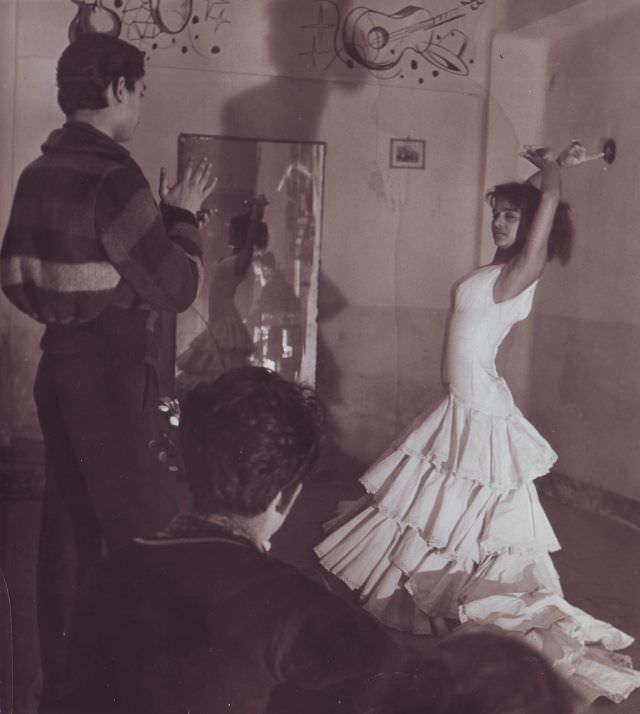
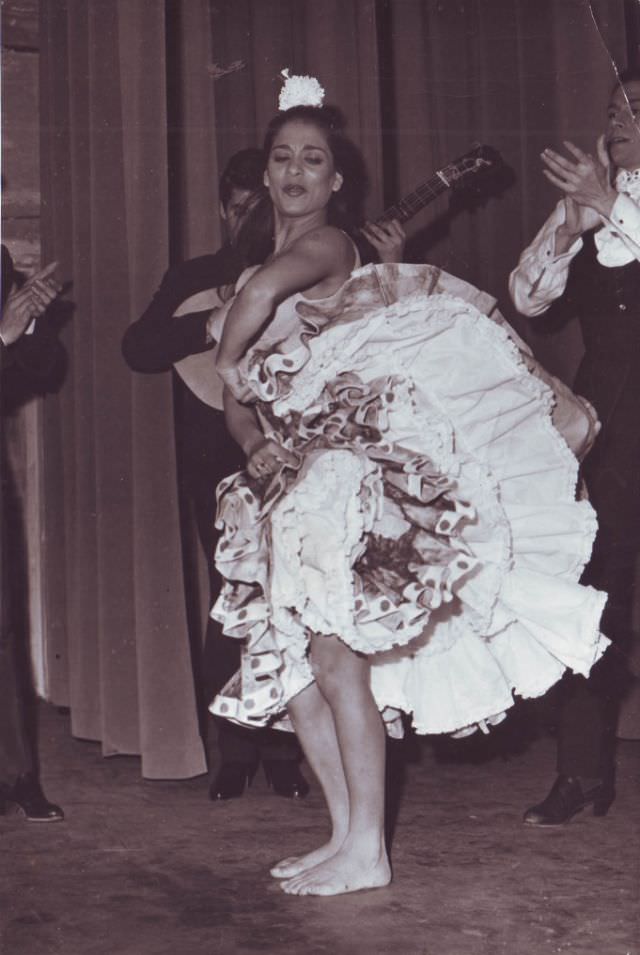
La Chunga danced barefoot, always. This choice became her signature, and it earned her the nickname “The Barefoot Dancer.” Her style was bold and unpolished in the best possible way — raw, physical, and deeply expressive. It drew the attention of some of the most celebrated artists and writers of the 20th century.
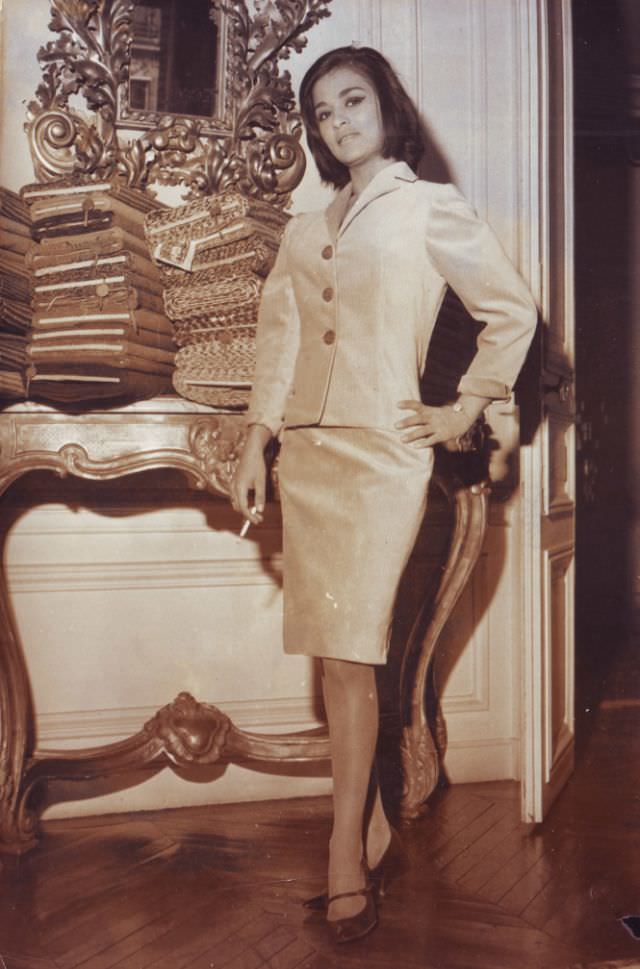
Pablo Picasso called her a “shining naif” — a term for someone whose art is untrained but filled with genuine vision. Salvador Dalí, Francisco Rebés, and other painters were equally fascinated by her. Writers including Blas de Otero, Rafael Alberti, José Manuel Caballero Bonald, and León Felipe all found inspiration in her presence. She became a true muse of the Spanish intellectual world.
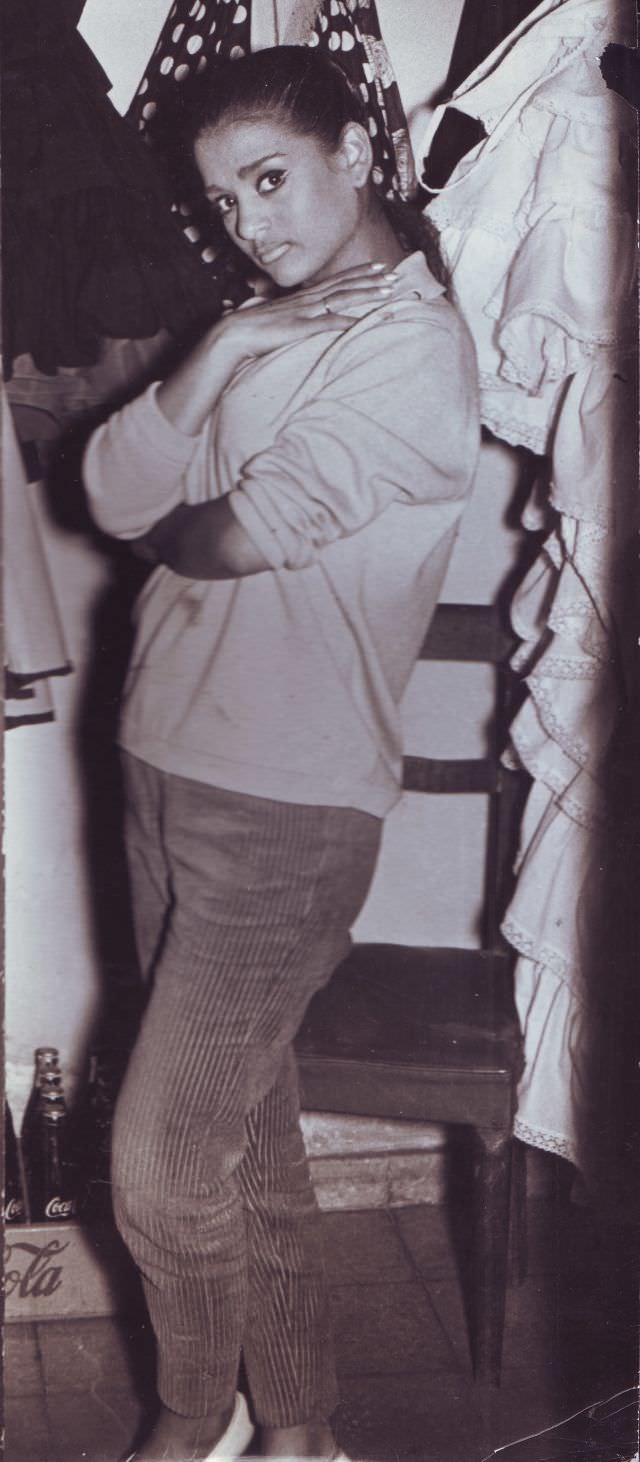
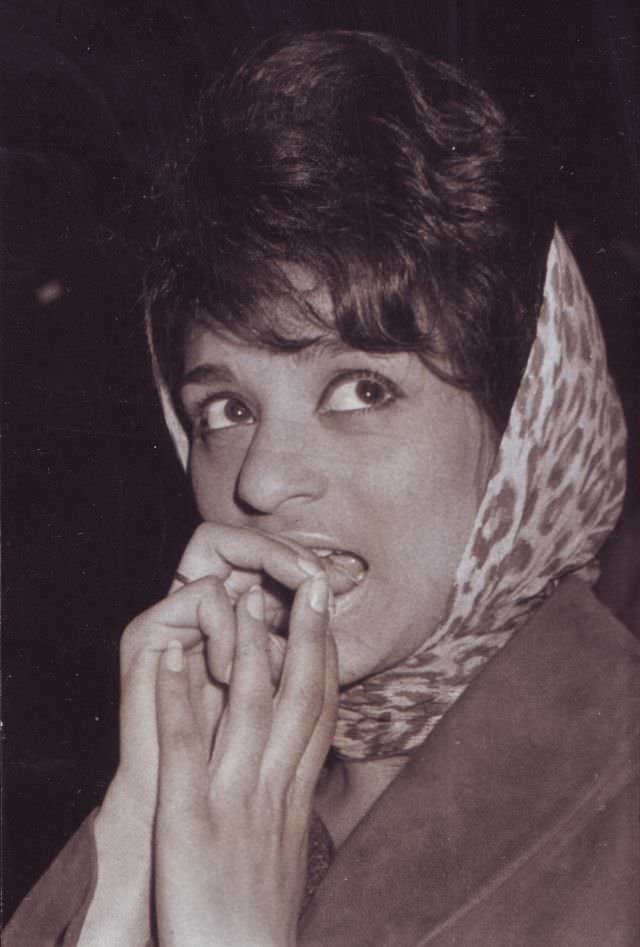
In 1958, Dalí took this admiration a step further. He invited La Chunga to dance on a blank canvas and, while she moved across it, he painted beneath her feet. A photograph from that session captures the moment — her motion and his brush working together on the same surface. This collaboration reflected just how much the artistic community around her saw her as more than a performer.
The artists around her also encouraged her to paint herself. She took to it seriously, eventually exhibiting her work in galleries in both Paris and Madrid. Her paintings carried the same intensity as her dancing — vivid, instinctive, and deeply personal.
Her stage career accelerated in 1956 when legendary Spanish performer Pastora Imperio hired her. This was a major turning point. La Chunga was now performing alongside some of the most respected names in Spanish entertainment, and her reputation spread quickly beyond Spain.
Hollywood came calling through an unexpected connection. Actress Ava Gardner, who spent significant time in Spain during those years, helped open doors for La Chunga in the American film industry. She appeared in two Hollywood productions, bringing her flamenco energy to a global audience for the first time.
Her reach extended further when businessman Sullivan introduced her in Las Vegas. From there, she took part in television programs in the United States and Mexico, reaching audiences that had never seen flamenco performed with such raw authenticity. Tours and more film work followed.
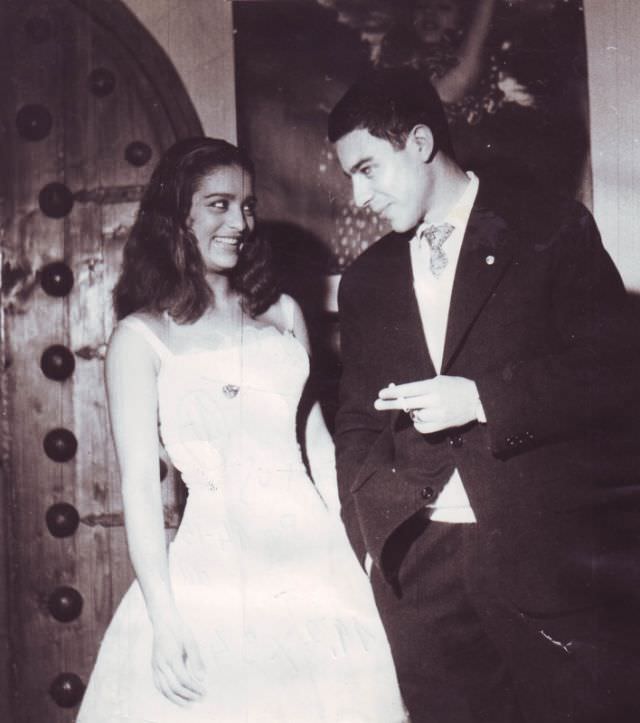
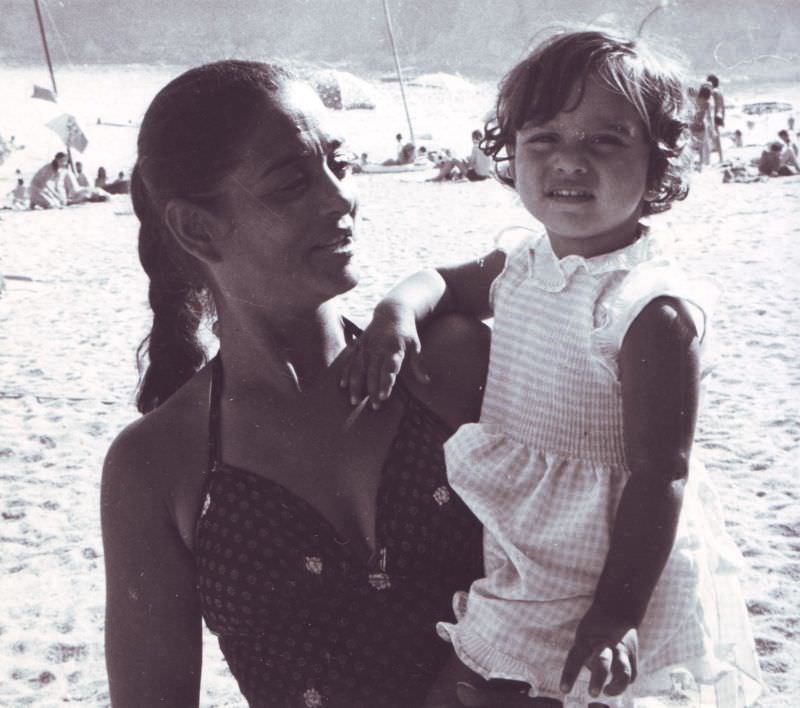
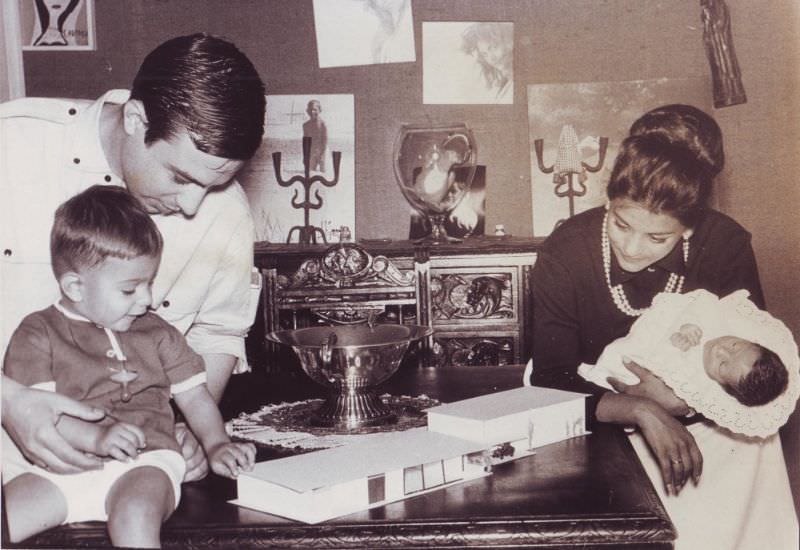
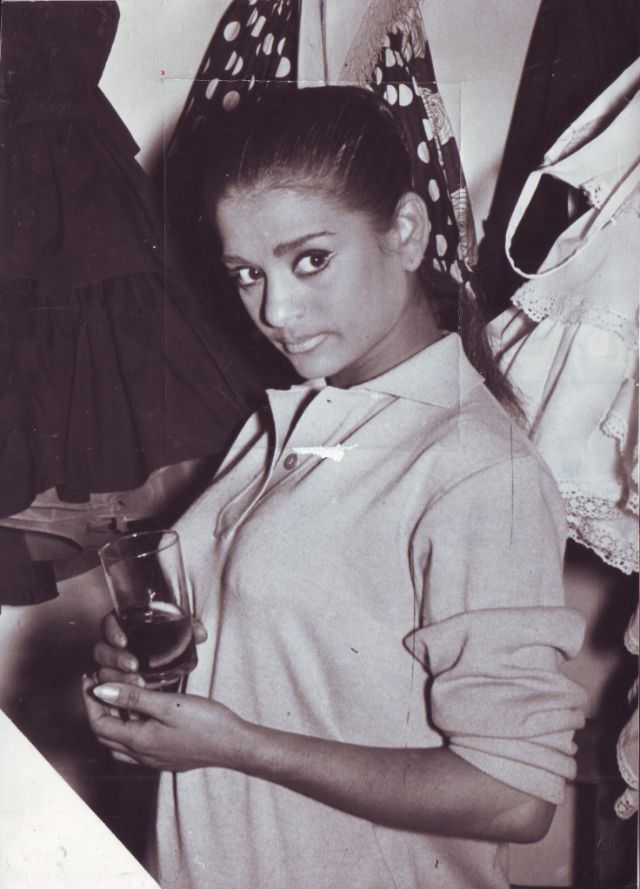
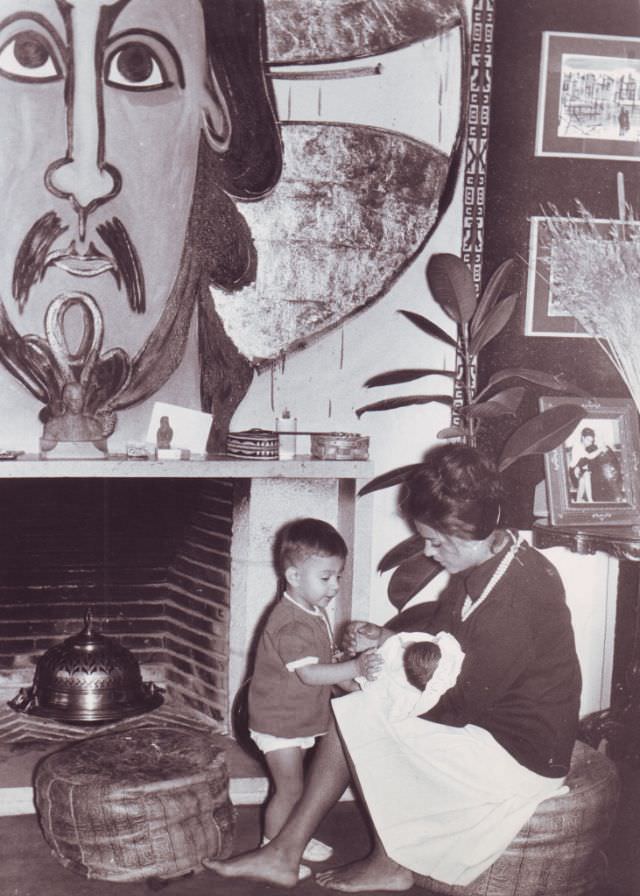
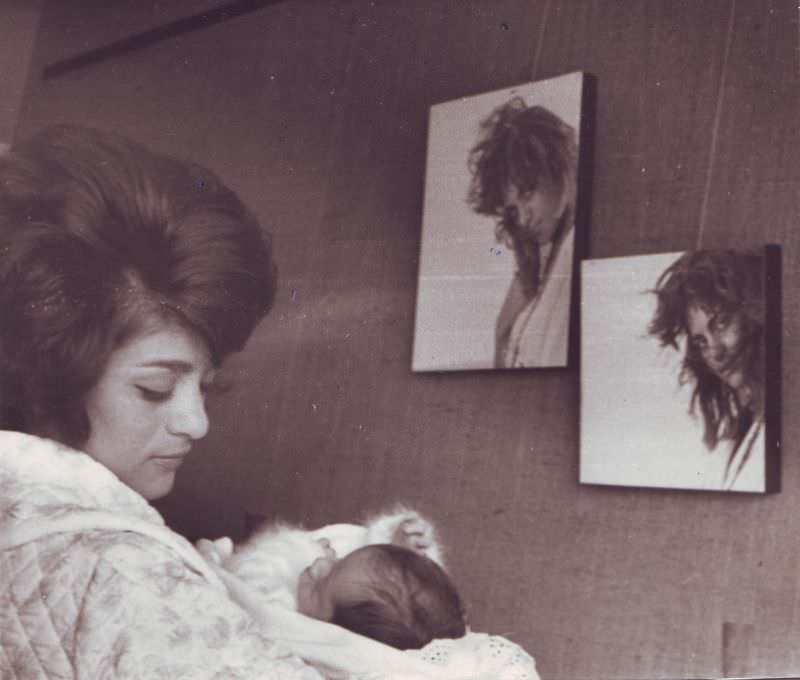
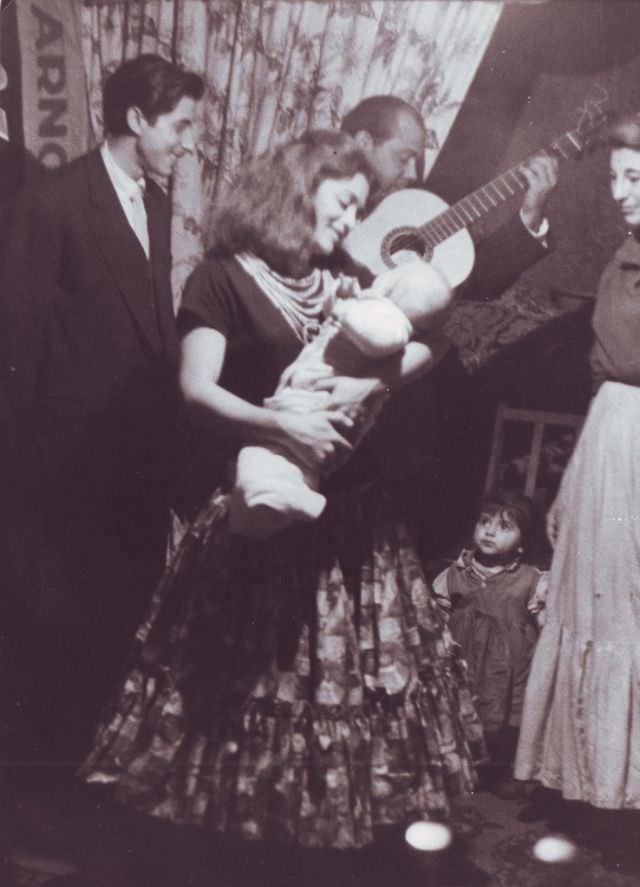
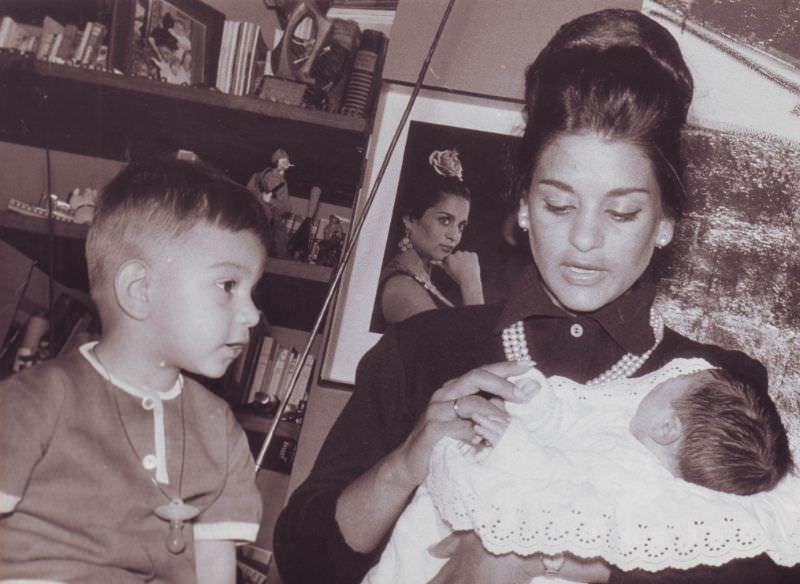
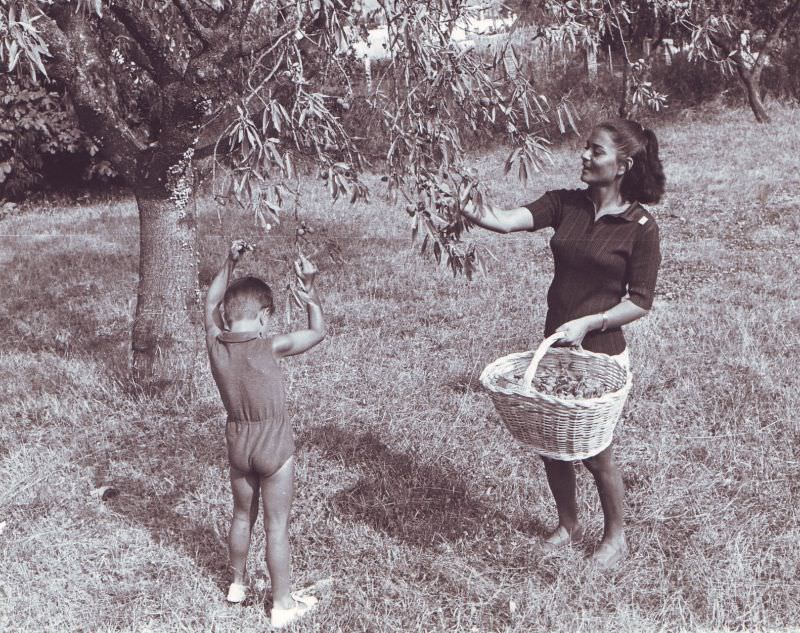
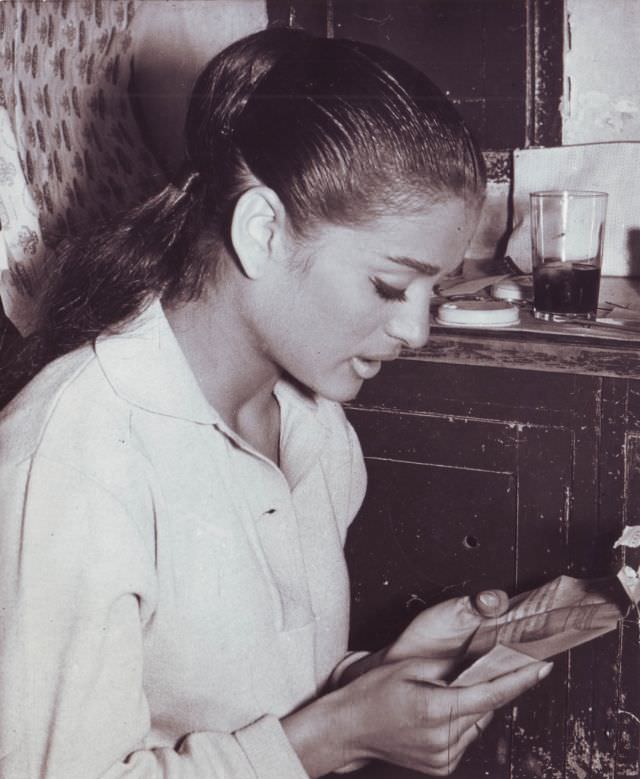
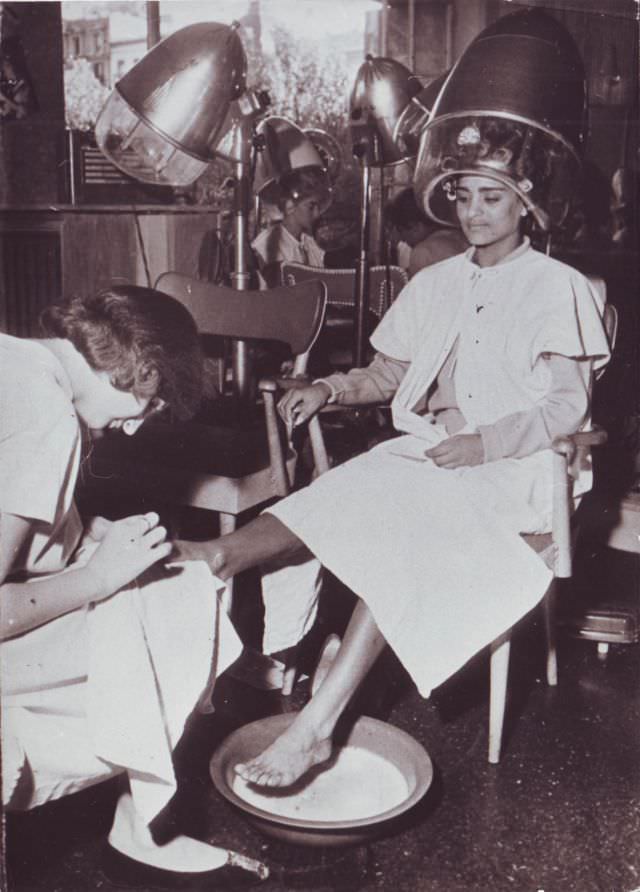
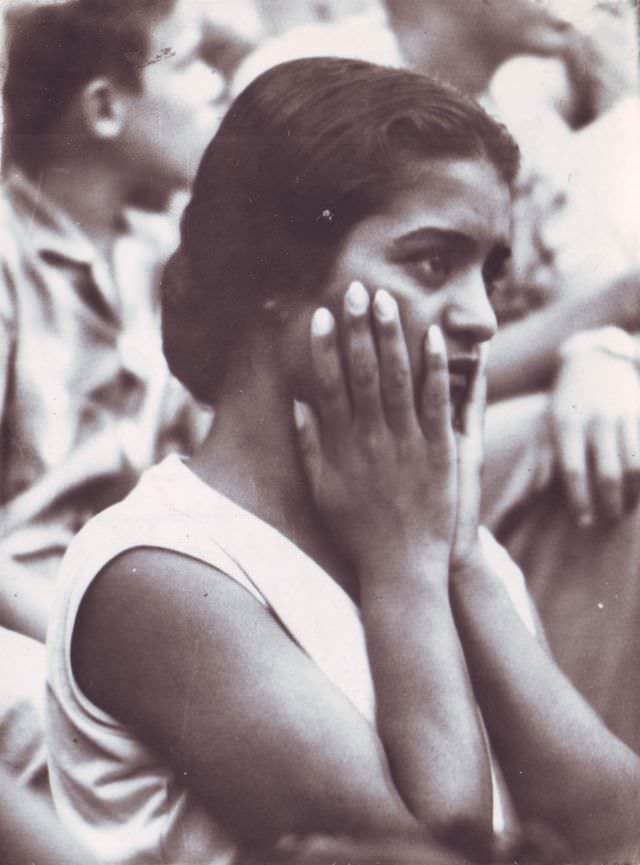
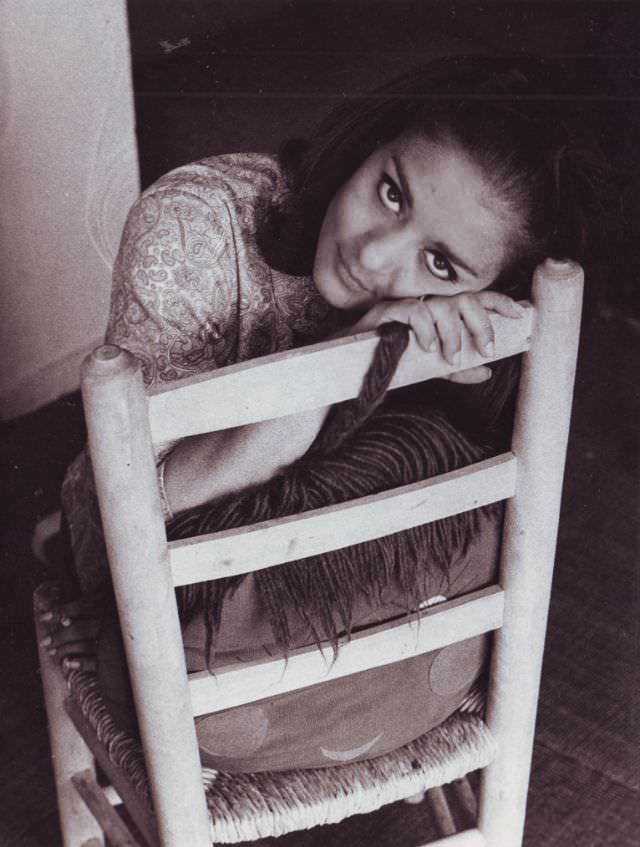
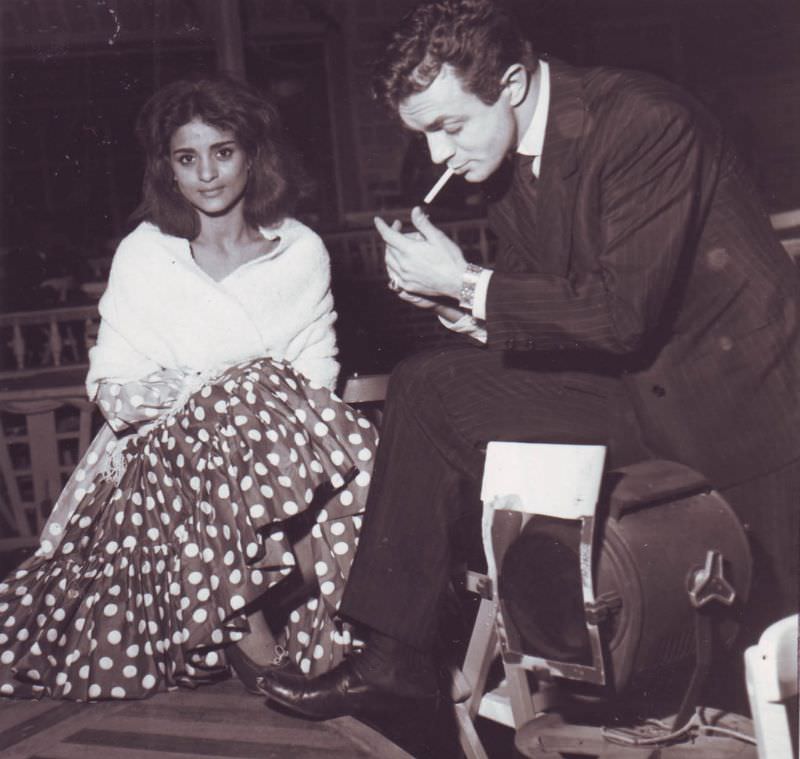
Outside of her career, La Chunga married film director José Luis Gonzalvo. The couple had a daughter named Pilar. The photos below, taken across the 1950s and 1960s, capture La Chunga during the height of her early fame — fierce, magnetic, and completely herself.