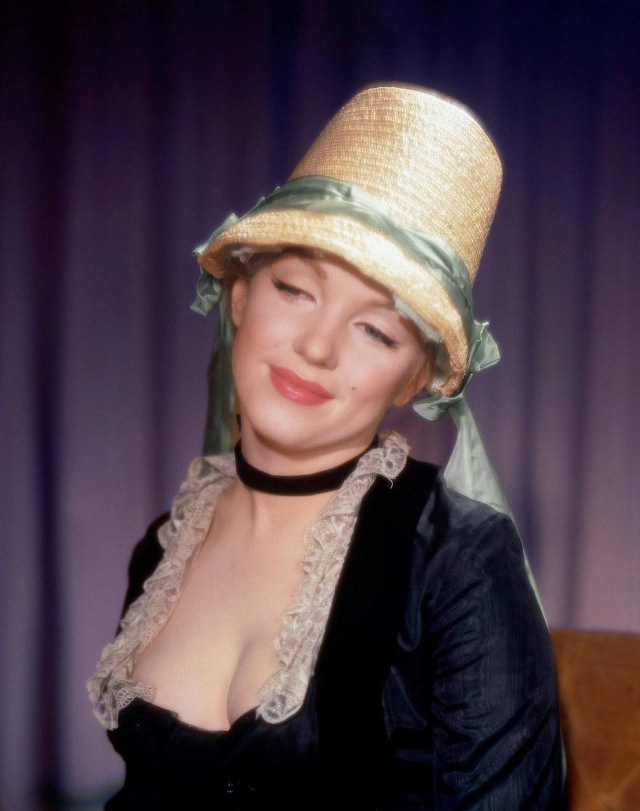
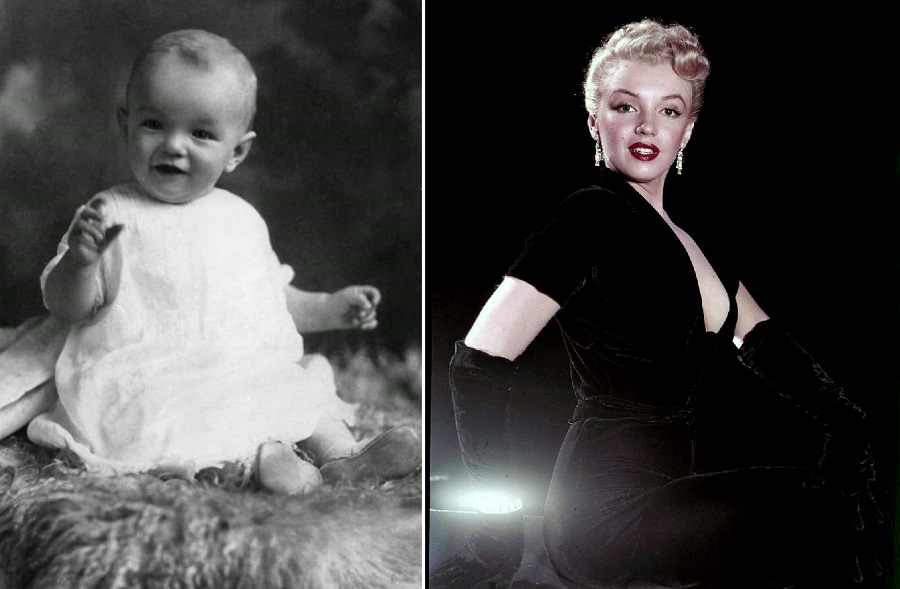
In 1956, Marilyn Monroe traveled to England to film The Prince and the Showgirl alongside Laurence Olivier. Behind the camera for some of the most striking still images from that period was Jack Cardiff — one of Britain’s most celebrated cinematographers. The two had known each other for some time before Monroe made the trip, and their shared love of art had sparked a friendship built on genuine mutual respect.
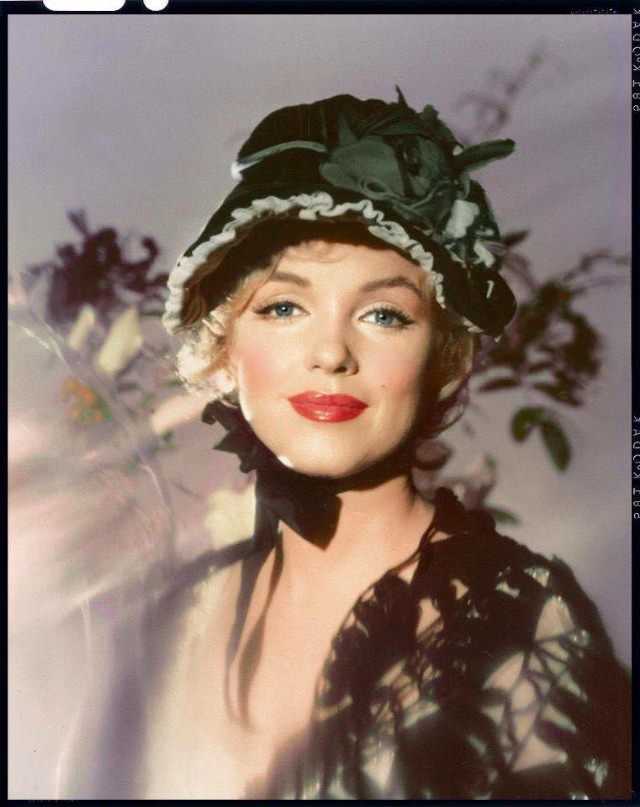
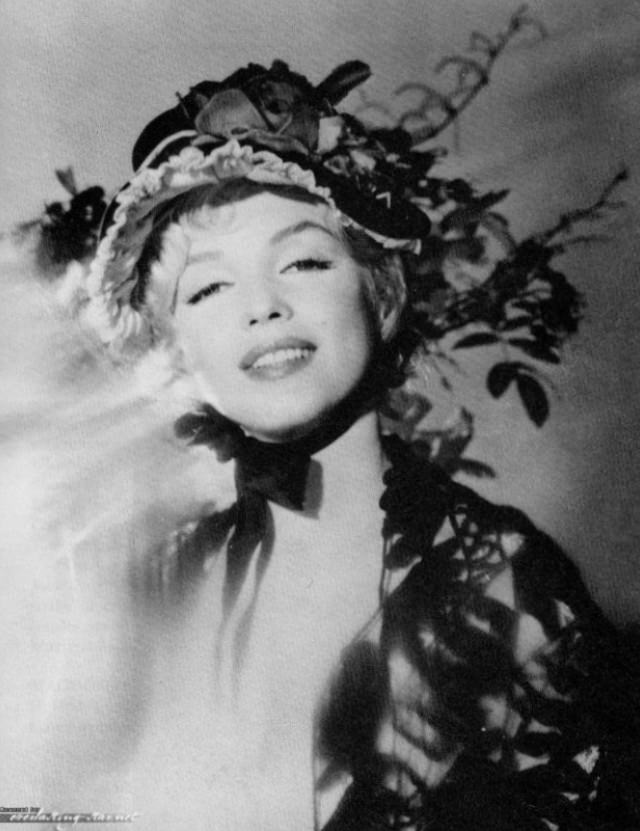
During their conversations before filming began, Cardiff proposed photographing Monroe in the style of a Renoir painting — soft, luminous, and full of warmth. Monroe loved the idea. At the time of the photo session, she and her new husband, playwright Arthur Miller, were staying at Parkside House in Englefield Green, Surrey. Cardiff arrived in the morning and was greeted by Miller, who offered him breakfast and a game of tennis while they waited. Monroe finally emerged, ready to be photographed, at six o’clock that evening.
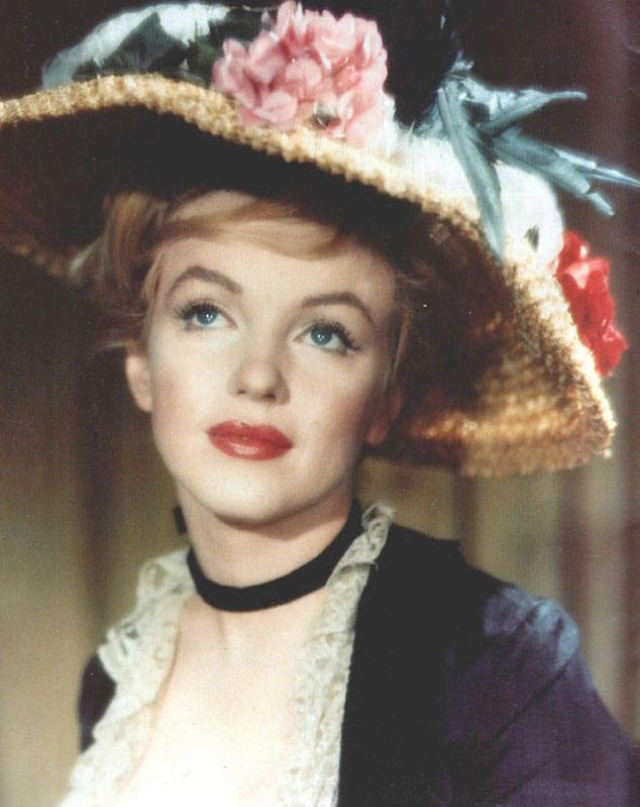
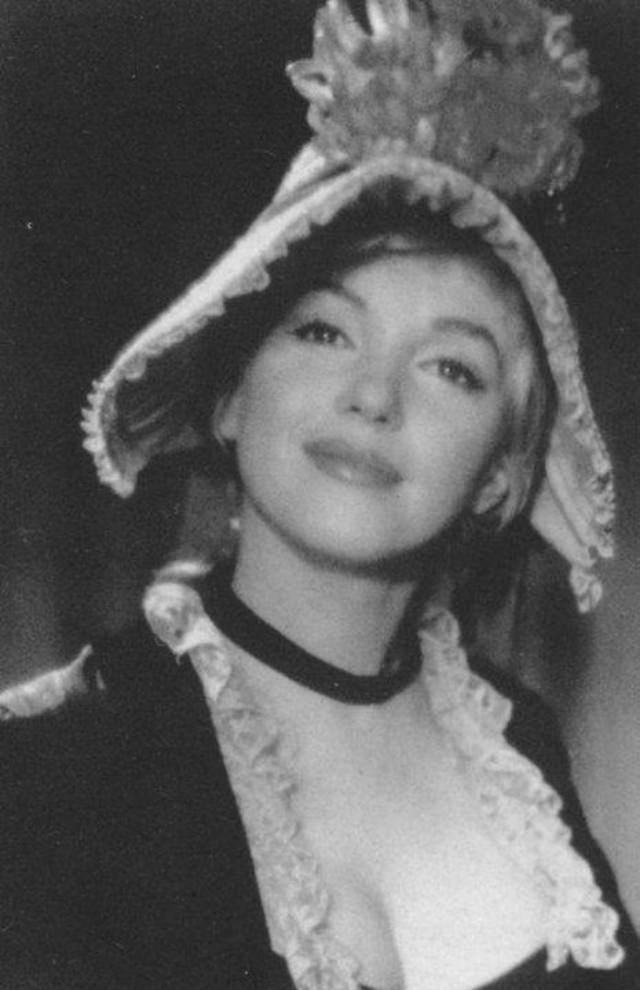
Cardiff was drawn to Monroe for two reasons: her beauty and her vulnerability. He became something of a confidant to her during the production. On set, he regularly asked her to pose for still photographs during the lunch breaks, capturing quiet, unguarded moments that the chaos of filming rarely allowed.
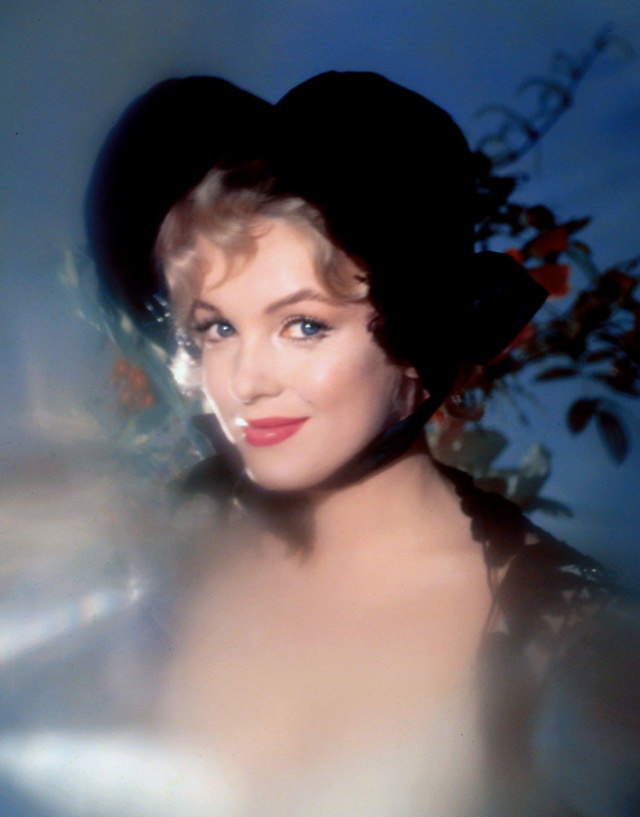
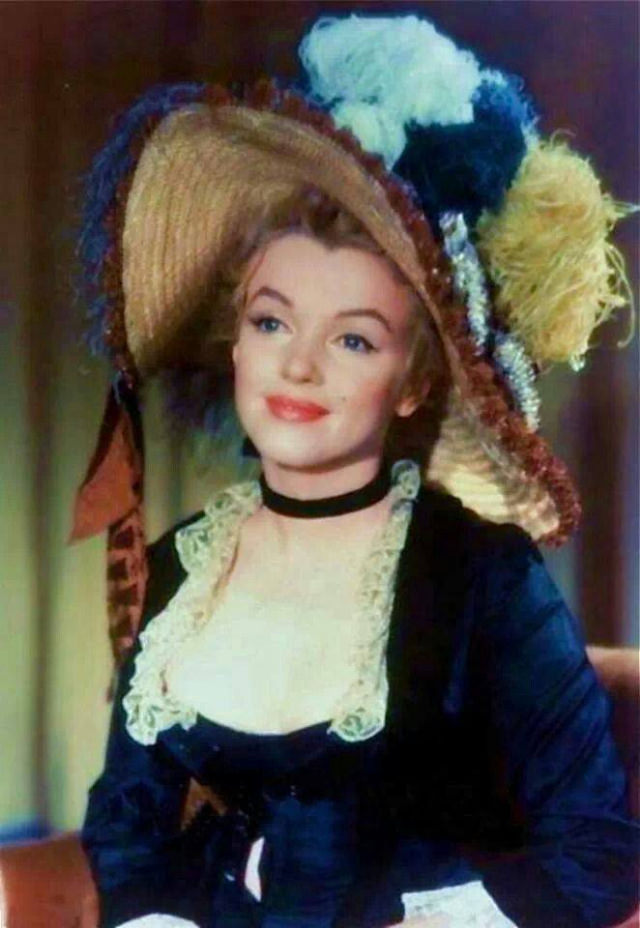
Among all the images Cardiff took, Arthur Miller had a clear favorite — a soft-focus, informal shot of Monroe that felt less like a posed portrait and more like a glimpse of the woman herself. The photo carried a tenderness that formal studio work rarely achieved. Monroe signed a print of it and handed it to Cardiff with a personal message written on the back.
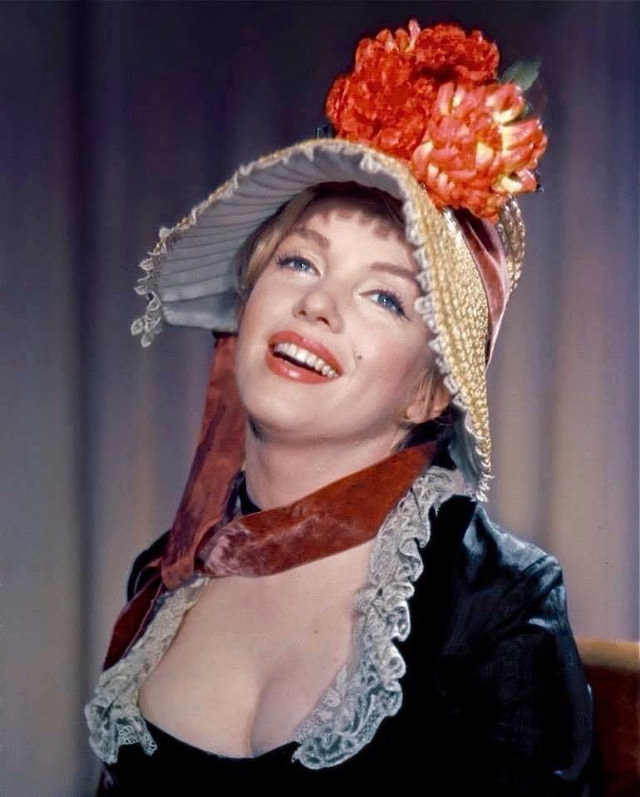
The inscription read: “Dear Jack, if only I could be the way you have created me.” The words said a great deal. Monroe recognized the gap between the idealized image Cardiff’s lens produced and how she saw herself. It was a rare, candid admission from one of the most photographed women in the world.