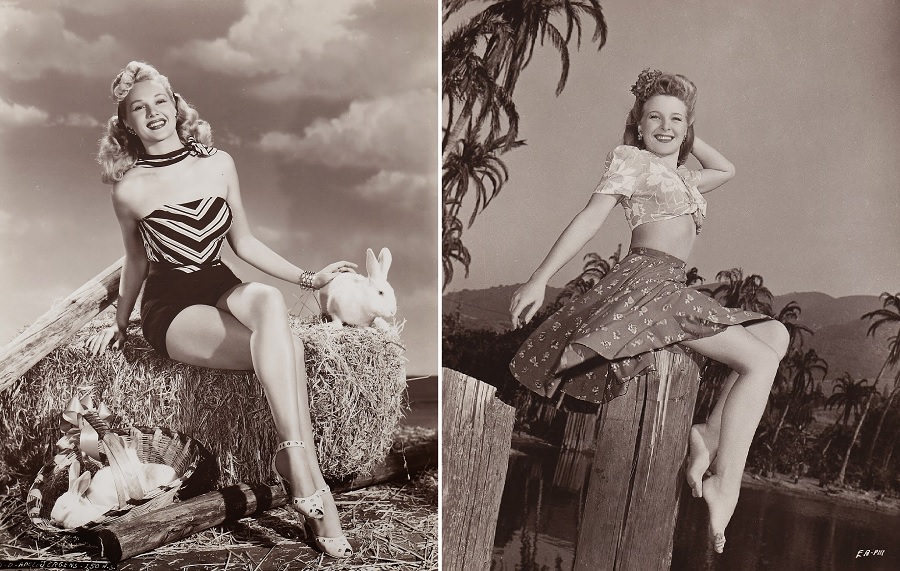
Hal Phyfe — born Herold Rodney Eaton Phyfe in Nice, France, to a New York society family — built one of the most distinctive photography careers of the early 20th century. His path to the portrait studio was anything but direct. He enlisted in World War I, trained as a sculptor in France and a painter in Italy, and spent his time in Europe photographing an aviation unit of the United States Army, specializing in aerial photography. After the war, he kept himself afloat as an illustrator, supplying magazines with pastel covers before finally opening his own photography studio in 1926.
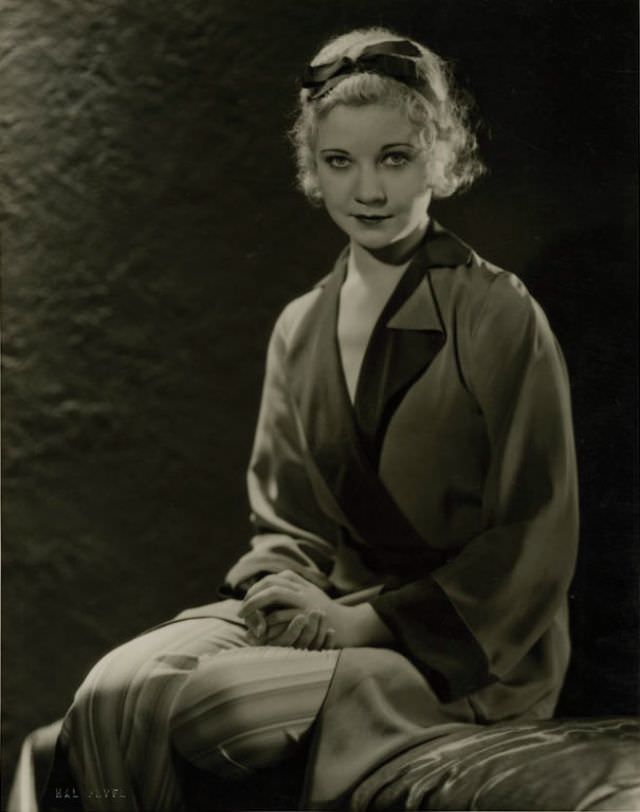
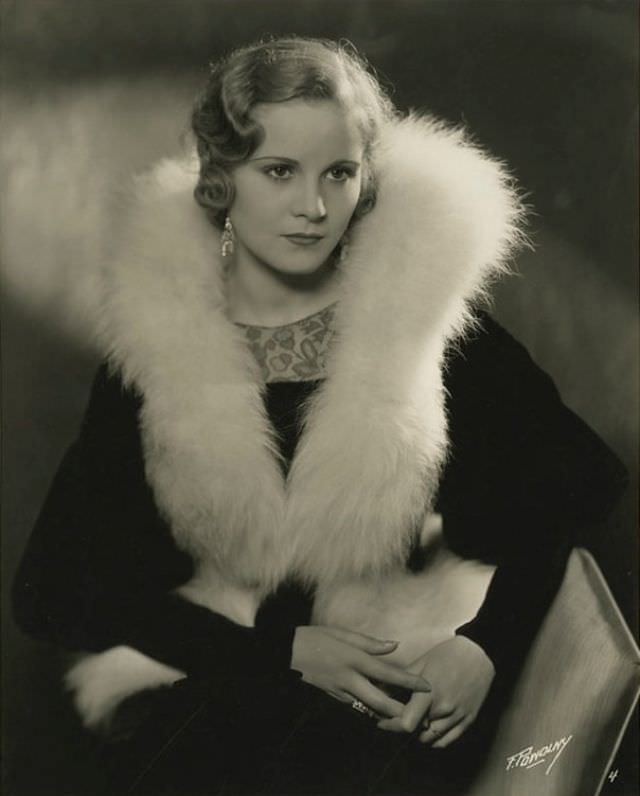
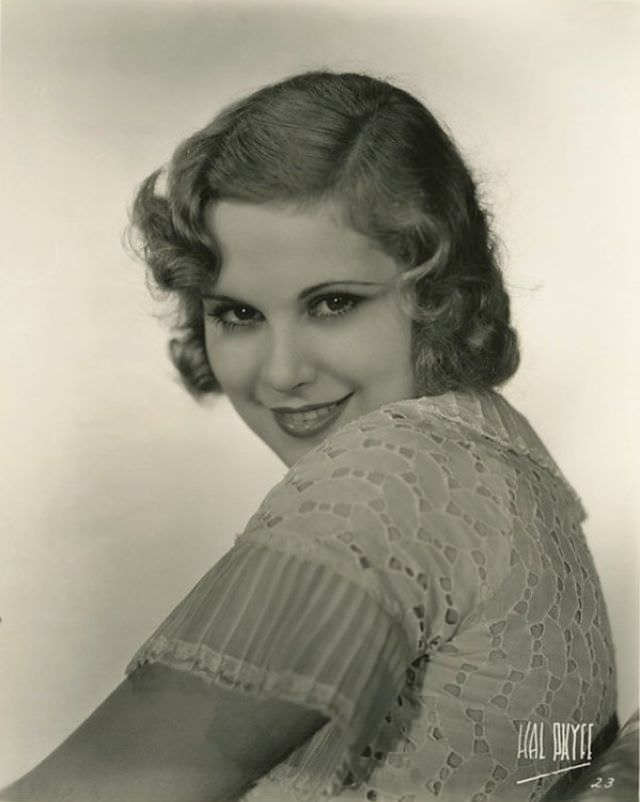
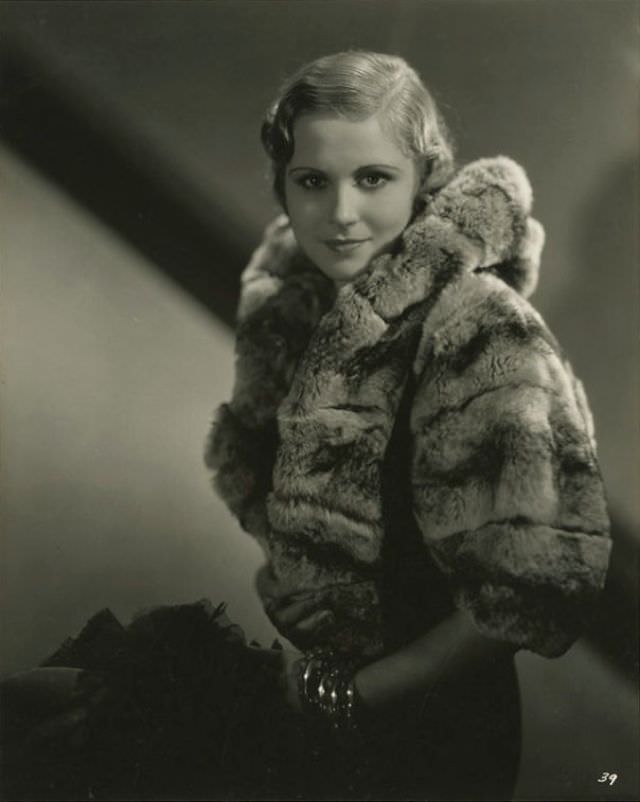
Through the 1920s, Phyfe earned a strong reputation for theatrical portraits — both sketches and photographs — shot on commission for major magazines. By 1930–31, he had become Florenz Ziegfeld’s principal photographer, cementing his place at the center of New York’s entertainment world. One rule defined his sessions above all others: no smiling. Phyfe believed a straight, composed expression revealed far more about a subject than a posed grin ever could.
His personal life was full of color. He owned a dog who became a minor Broadway celebrity in the late 1920s. When the dog died, Phyfe was so devastated that he turned down a lucrative long-term magazine contract simply because he refused to discuss business during his grief. His mood eventually lifted when bootlegger Owney Madden, while serving time at Sing Sing prison, entrusted his red tabby cat to Phyfe’s care. Even at high-society debutante balls, Phyfe showed up in jeans and moccasins — a deliberate rejection of the formal dress expected of a photographer in his position.
Spanish actress Conchita Montenegro was among the international stars who sat for Phyfe during this era. Born in El Ferrol, Spain, she appeared in Hollywood films in the early 1930s and was known for her striking dark features — exactly the kind of subject that Phyfe’s controlled lighting style showcased well.
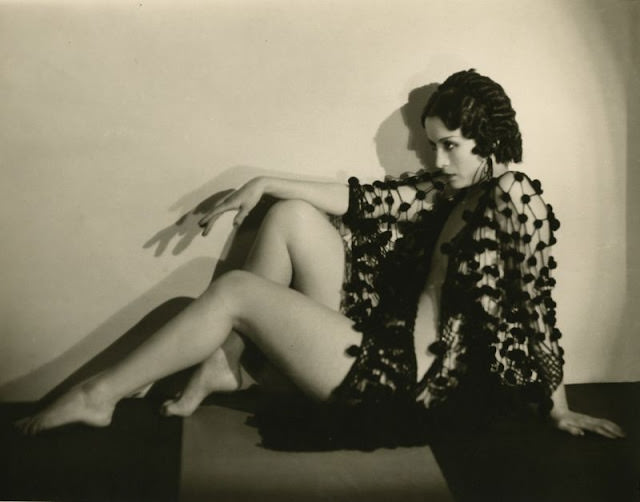
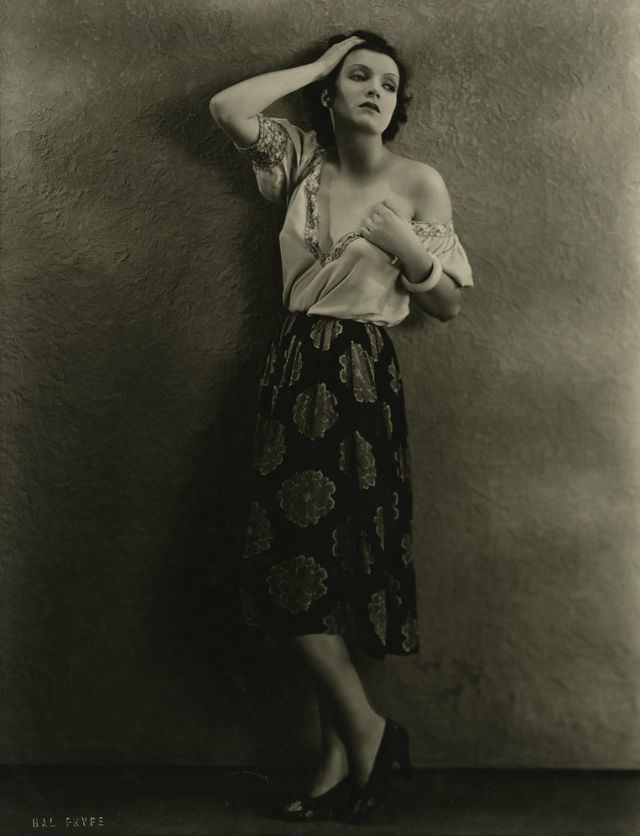
Phyfe’s late-1920s portfolio prints are particularly prized today for their mastery of middle gray shading — a tonal range that gave his subjects depth without heavy contrast. He also favored vignette heads during this period, softening the edges of a portrait so all attention fell on the face. By the 1930s, he shifted to a straighter style, often with subjects seated, and pulled back on the atmospheric effects that defined his earlier work.
Boots Mallory, the young actress and showgirl who appeared in early sound films, was another frequent subject. Phyfe rarely depicted performers in costume, preferring to capture them as individuals rather than as characters. Mallory’s portraits from this period reflect that approach — direct, untheatrical, and carefully lit.
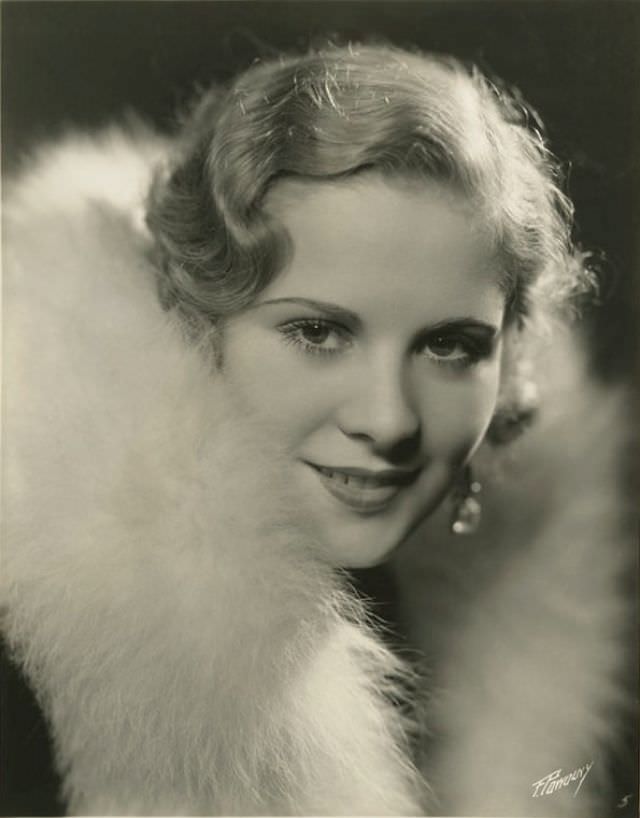
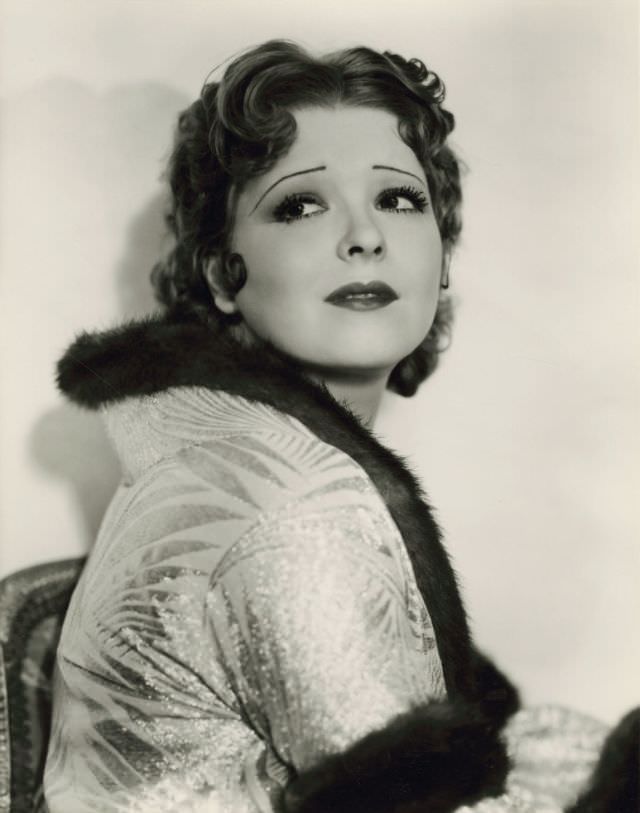
Clara Bow, the era’s most famous
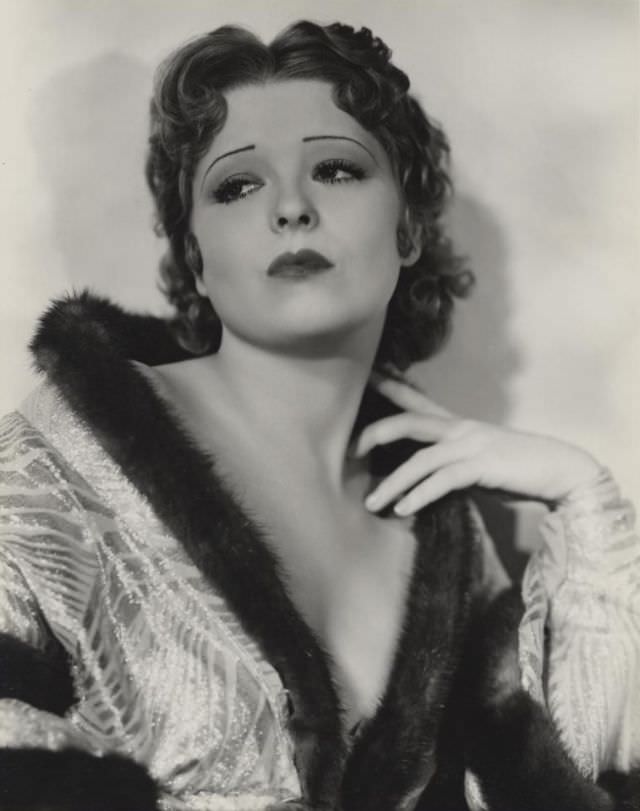
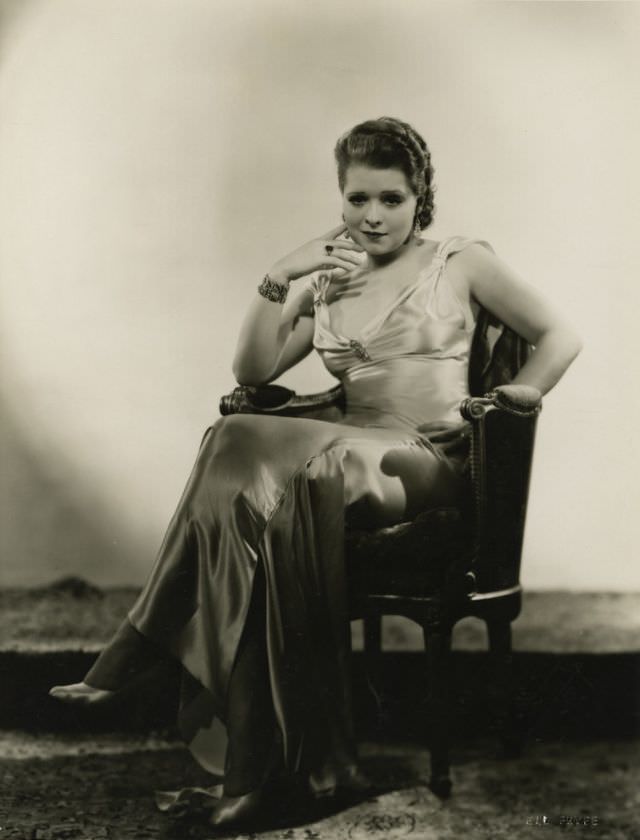
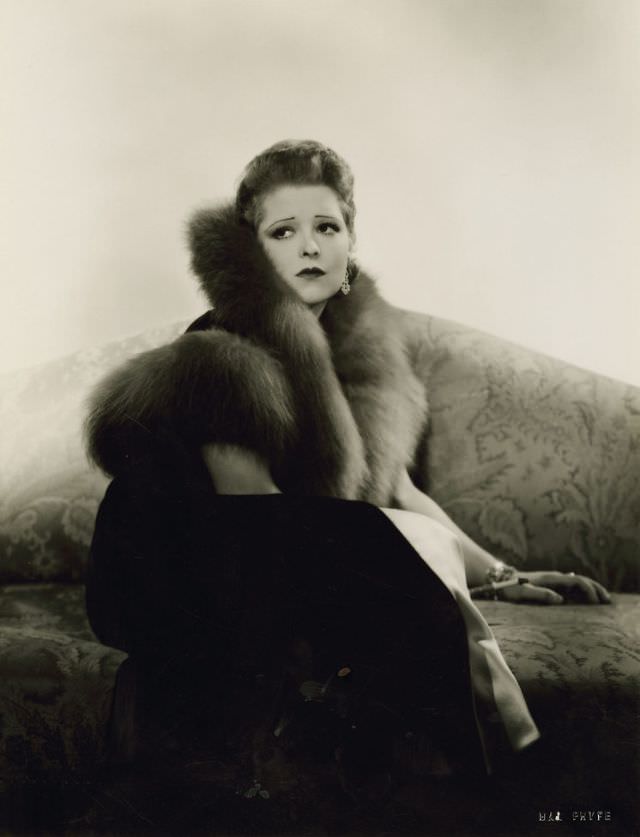
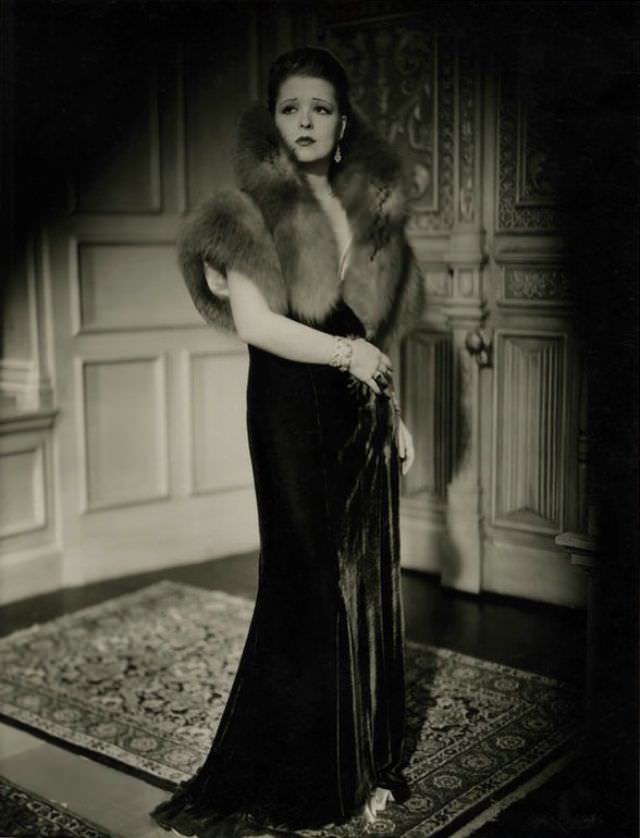
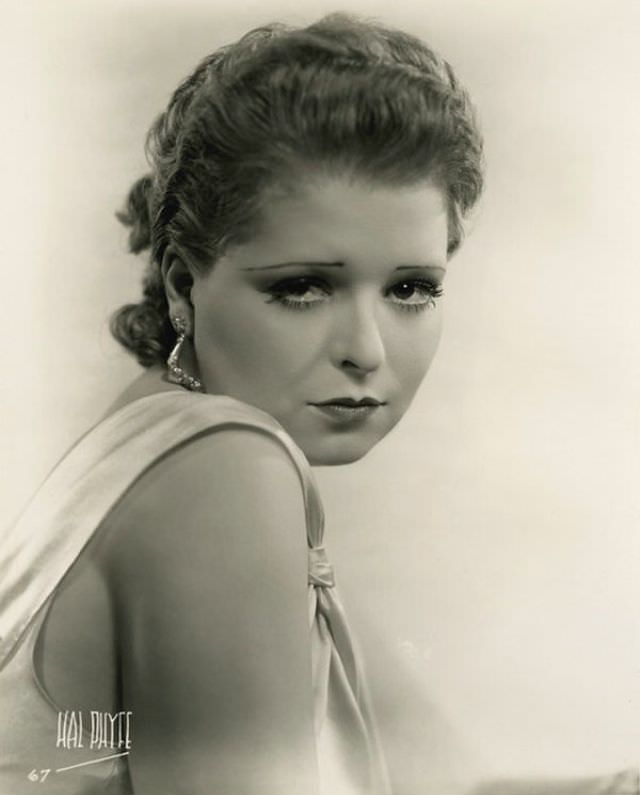
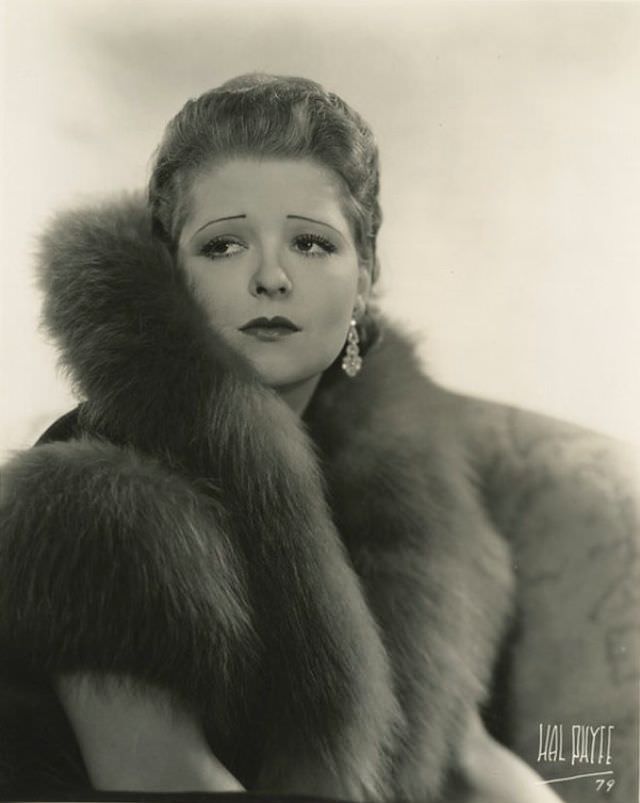
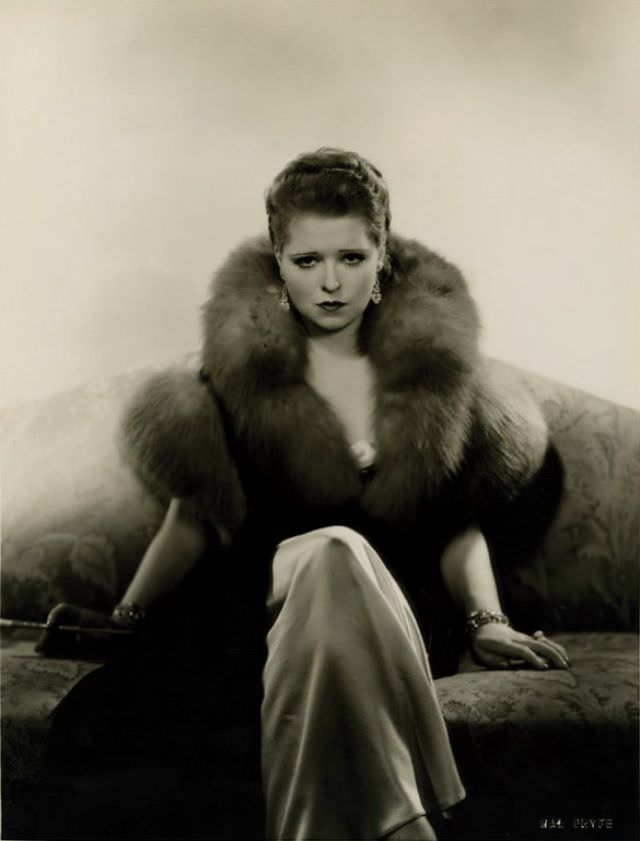
In Hollywood, Phyfe’s popularity grew from his refusal to overstate elegance. Where other portrait photographers of the era draped their subjects in glamour and artifice, Phyfe kept things grounded. Elissa Landi, the Austrian-born actress who appeared in a string of early 1930s Hollywood productions, including Cecil B. DeMille’s The Sign of the Cross, brought exactly the kind of composed, aristocratic bearing that suited Phyfe’s restrained style.
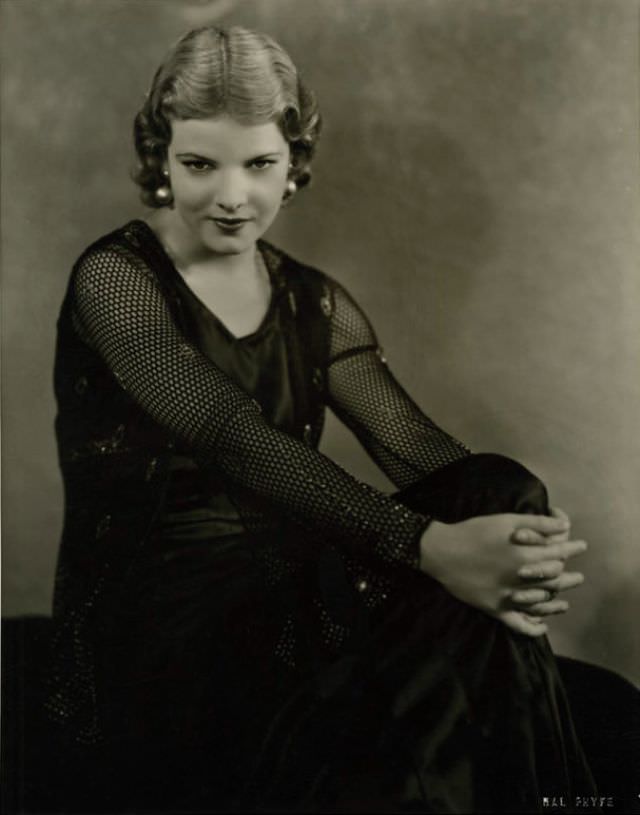
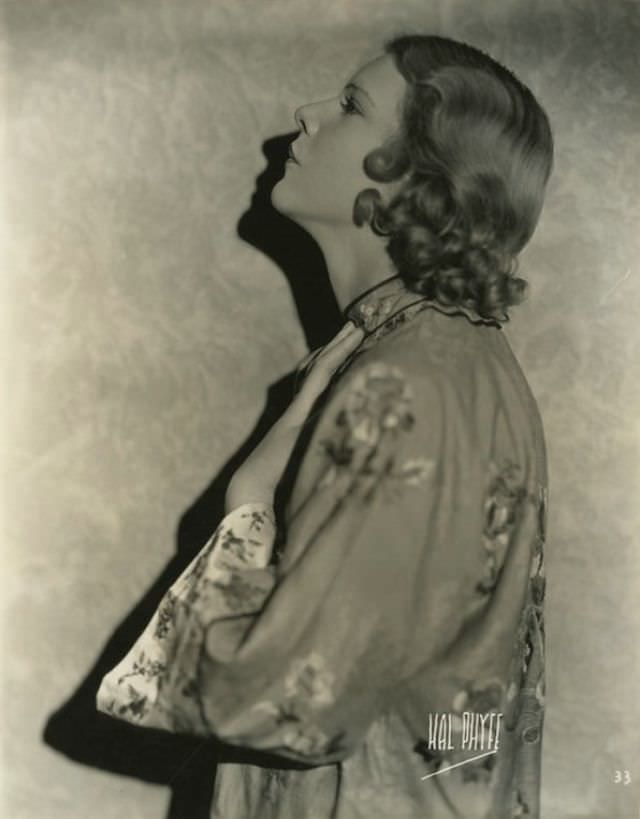
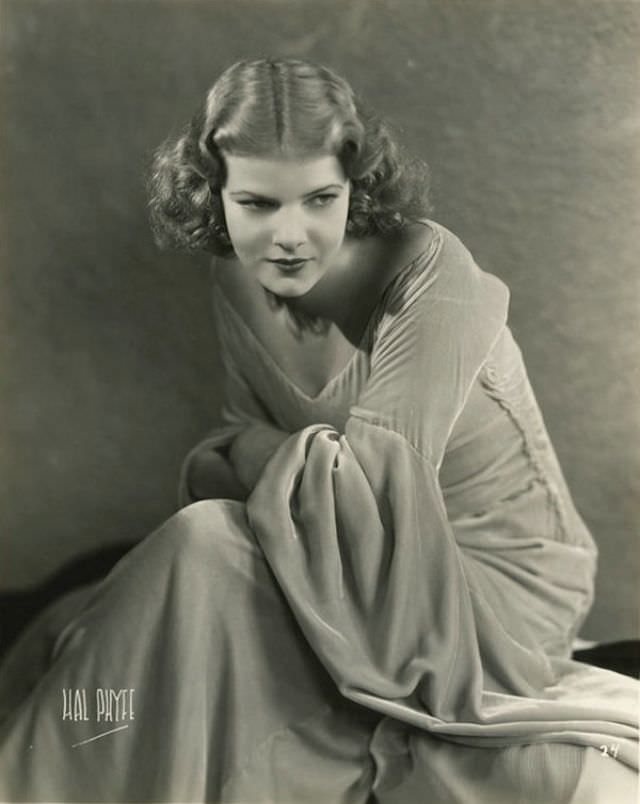
Estelle Taylor, a stage and screen actress who was also known at the time as the wife of heavyweight boxing champion Jack Dempsey, also appears among Phyfe’s subjects from this period.
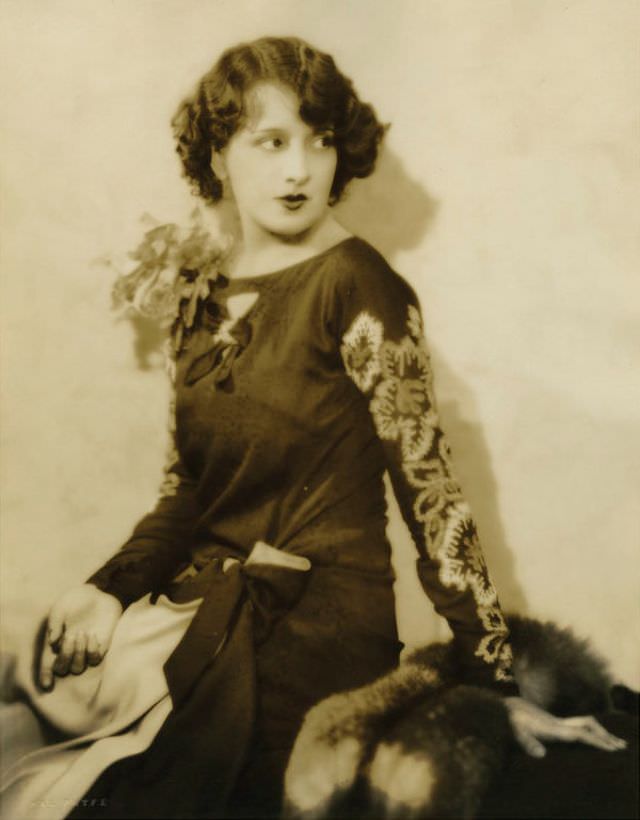
Genevieve Tobin was a Broadway veteran who transitioned successfully into sound films. Her theatrical background made her comfortable in front of a camera, and Phyfe’s studio sessions with her produced some clean, confident portraits that matched his 1930s seated style.
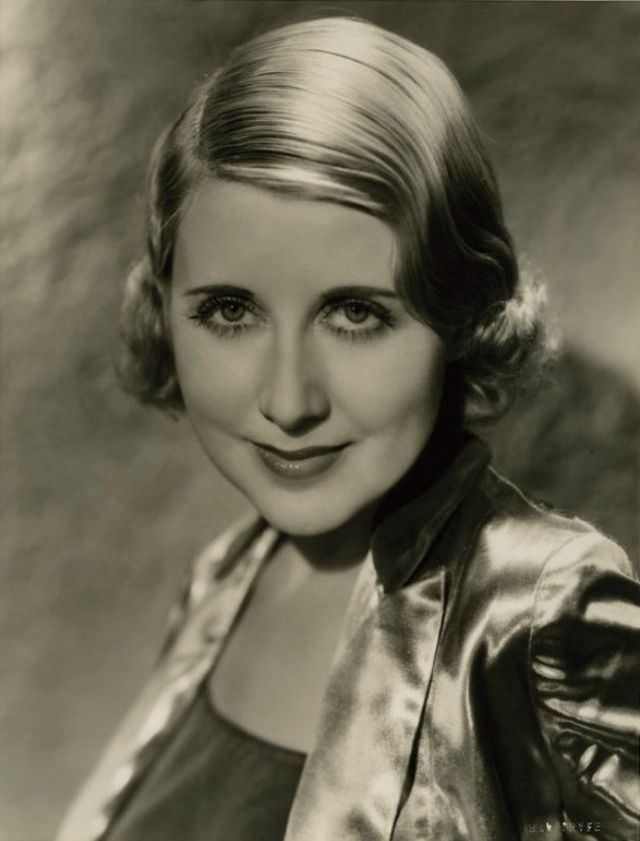
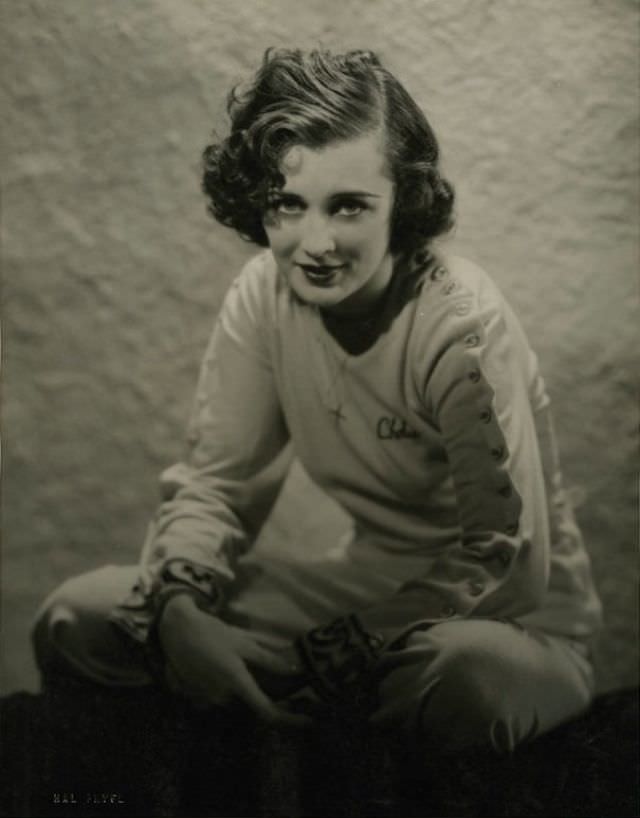
Norwegian actress Greta Nissen was another international face in Phyfe’s portfolio. She had come to Hollywood from the stage and earned roles in silent films, though the arrival of sound largely stalled her American career due to her accent. Phyfe captured her in multiple sessions, and the results show his ability to bring a quiet, self-possessed quality to his subjects.
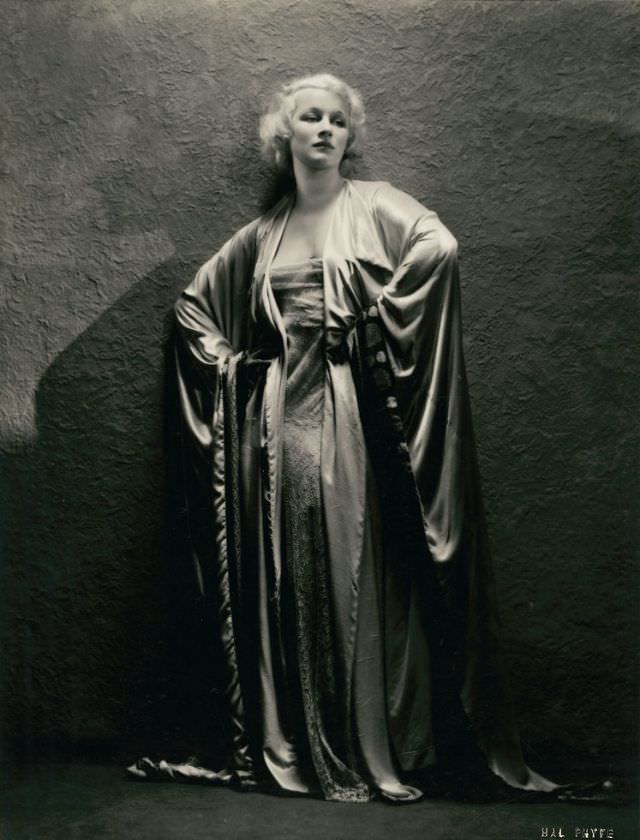
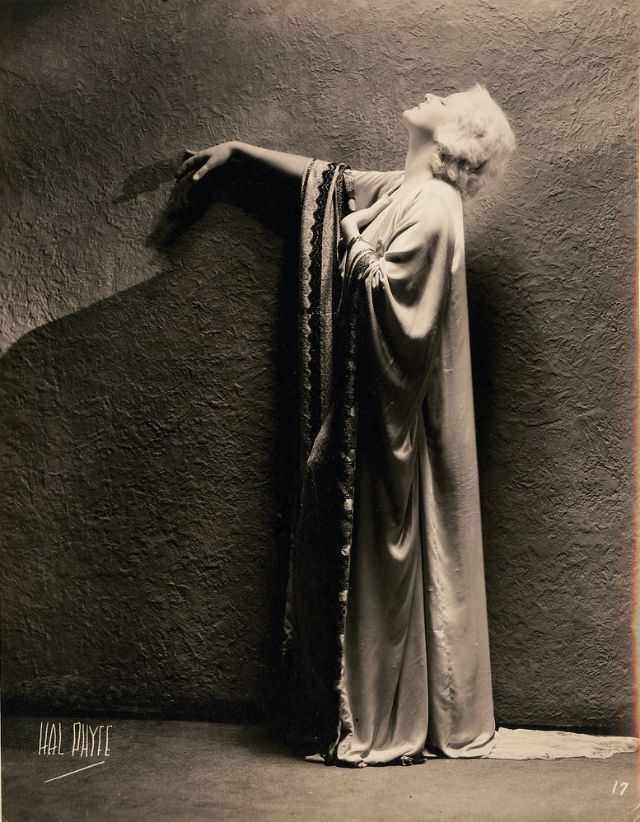
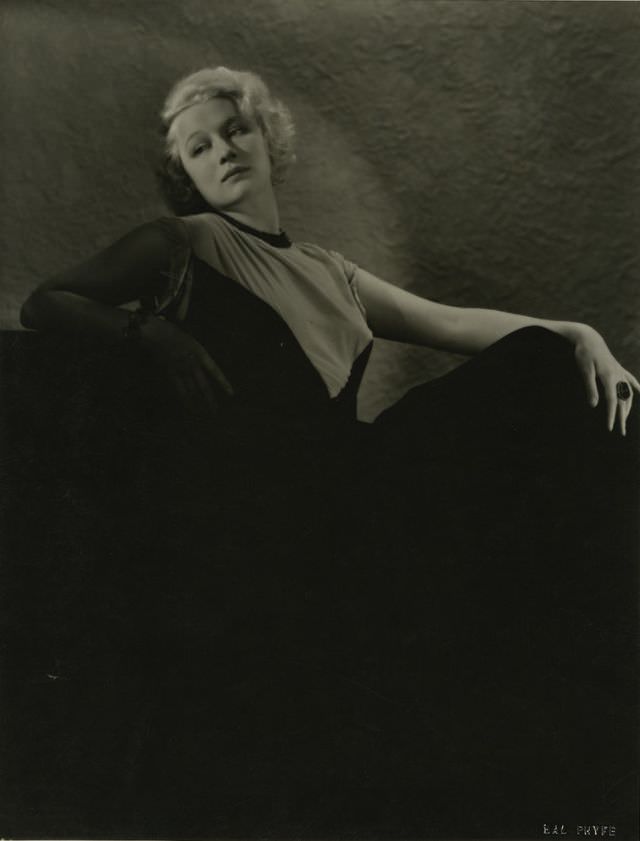
Harriet Hoctor was a ballet dancer and acrobatic performer who appeared in Ziegfeld Follies productions and later in films. Given Phyfe’s direct connection to Ziegfeld as his principal photographer in 1930–31, it’s no surprise that Hoctor appeared in front of his lens.
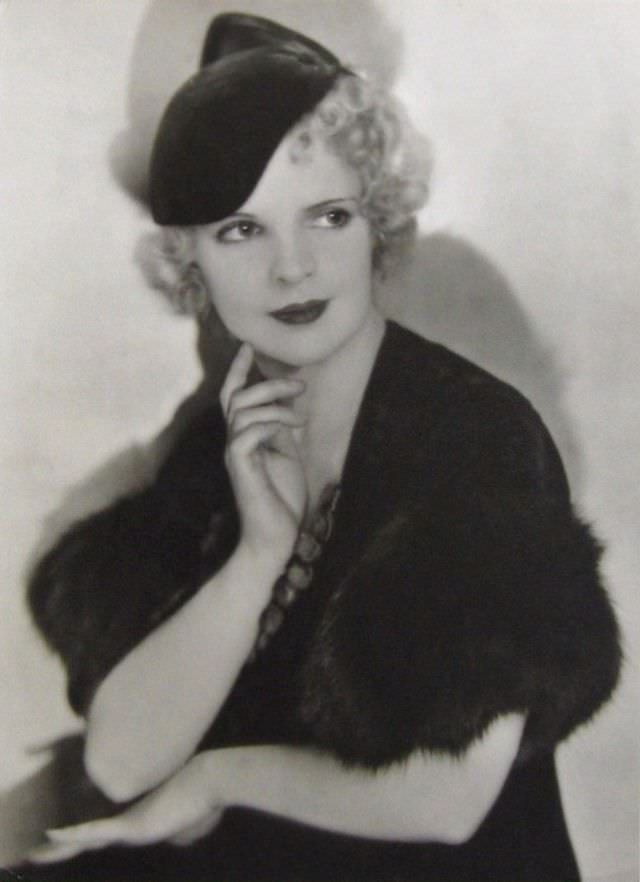
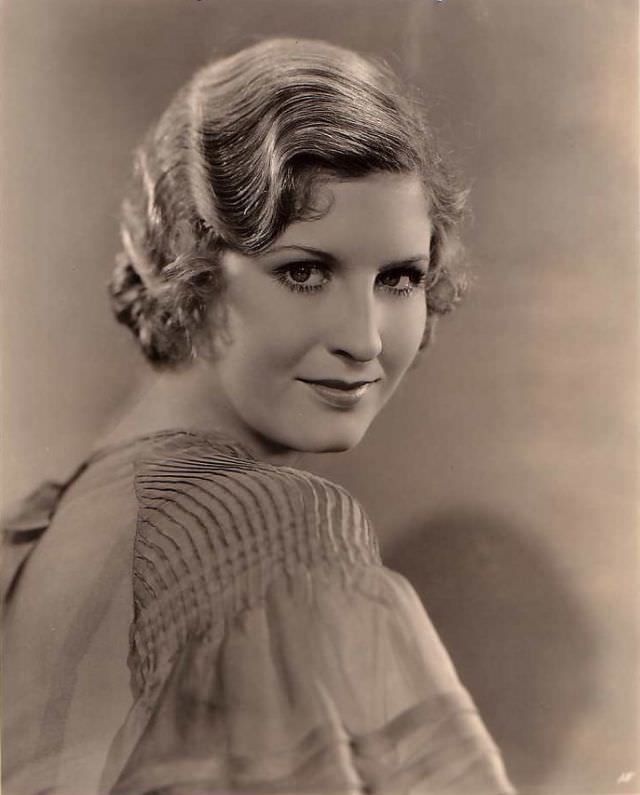
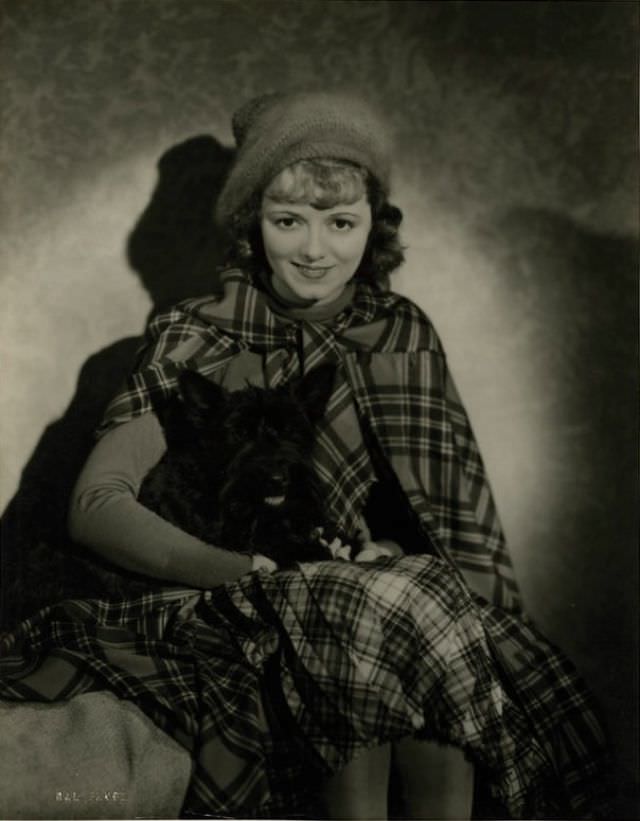
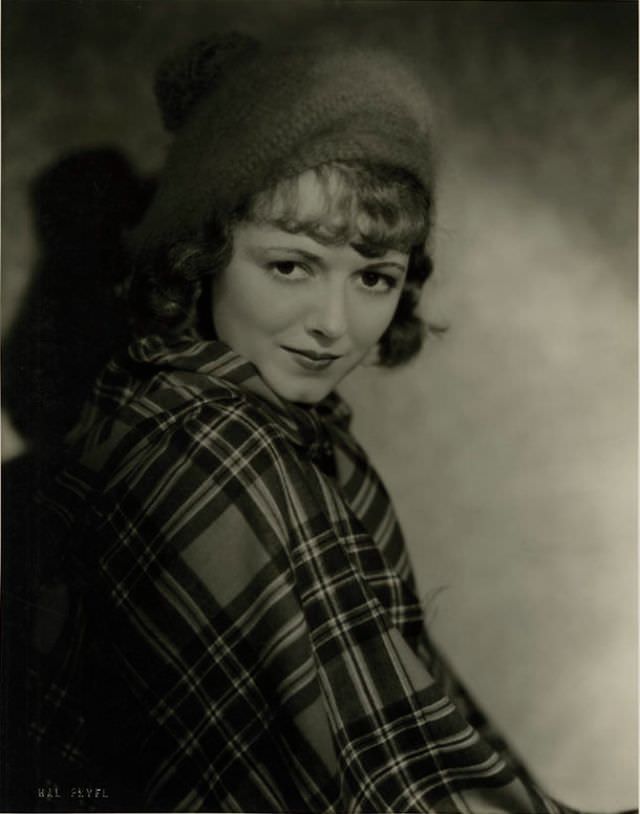
Janet Gaynor, who in 1929 won the very first Academy Award for Best Actress, sat for Phyfe across multiple sessions. Her gentle screen presence translated naturally into the kind of quiet, composed portraiture that Phyfe favored. The four portraits here span different moments in her early career.
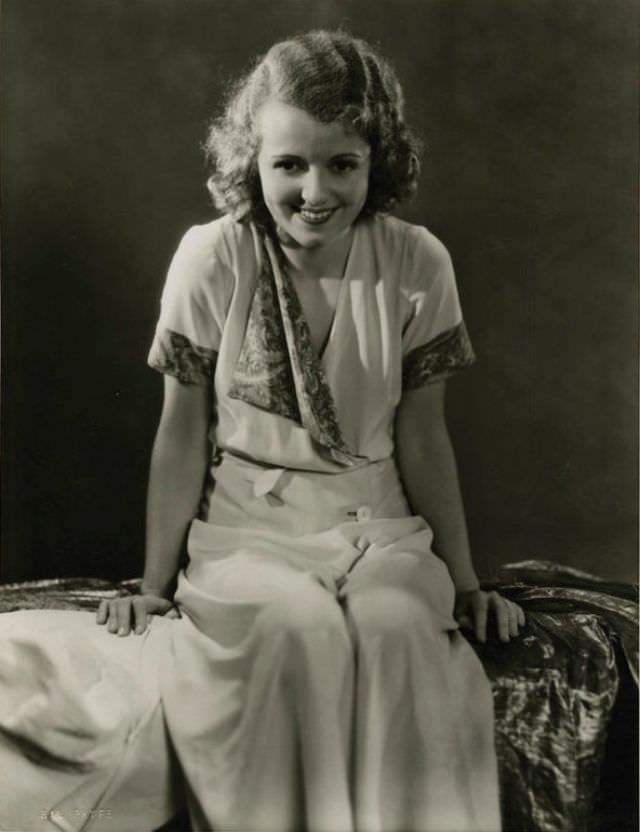
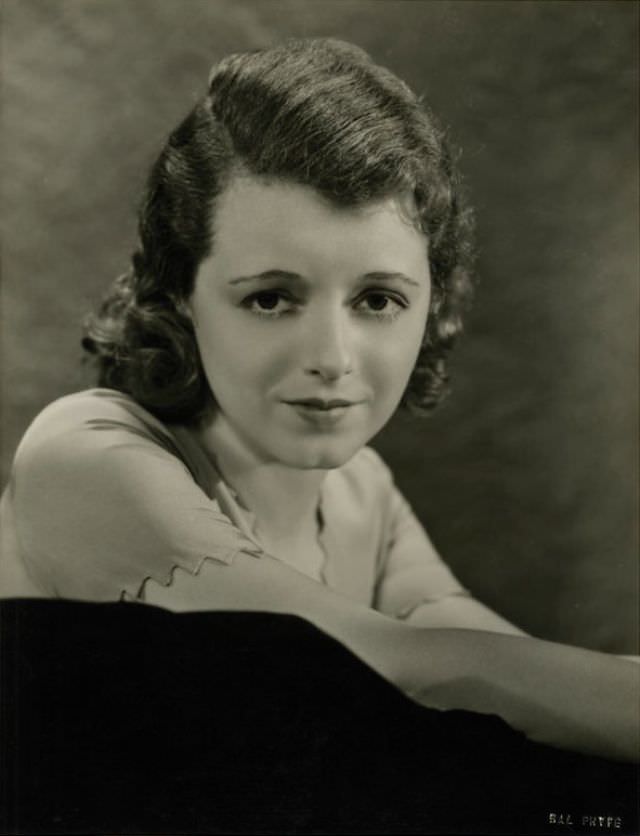
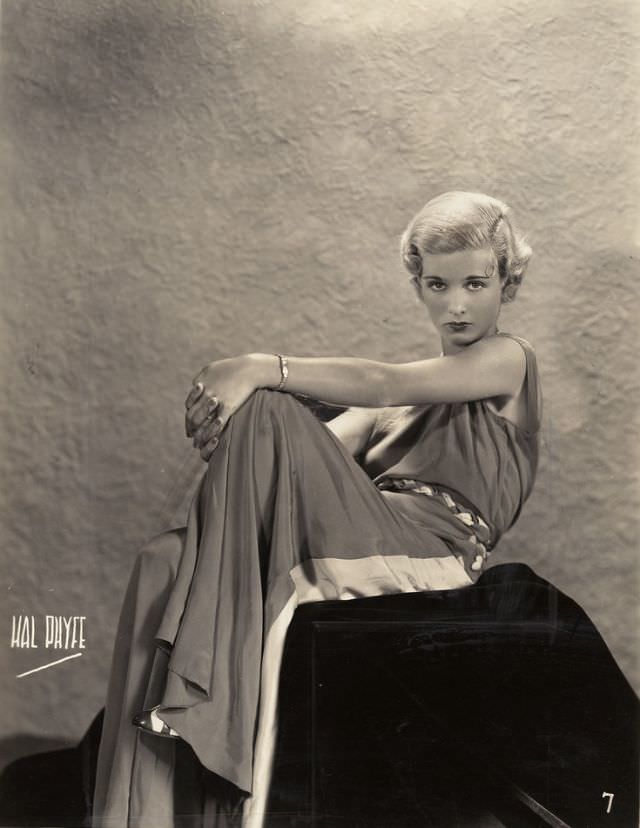
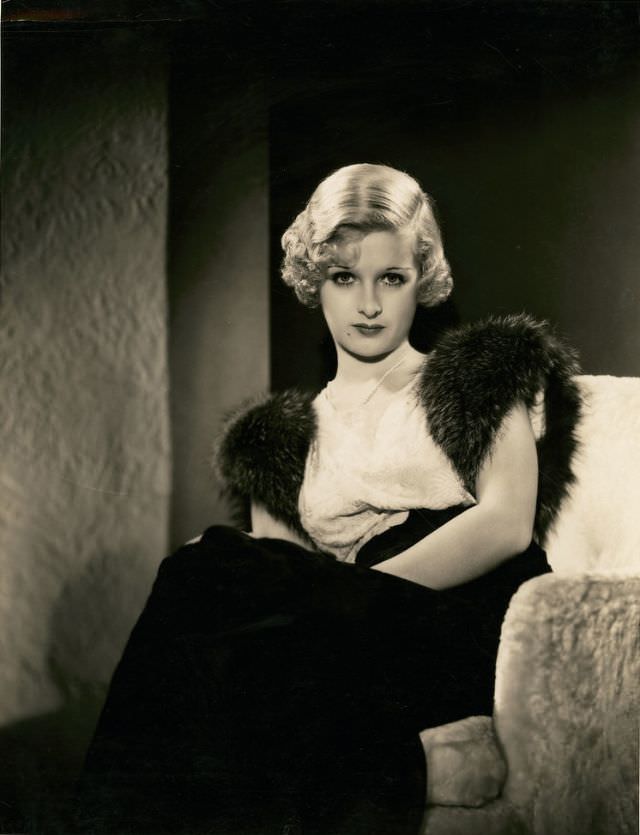
Joan Bennett, who would go on to have a long career in both film and television, was photographed by Phyfe when she was still establishing herself in Hollywood. Her sharp features and cool composure suited his no-frills approach to portraiture.
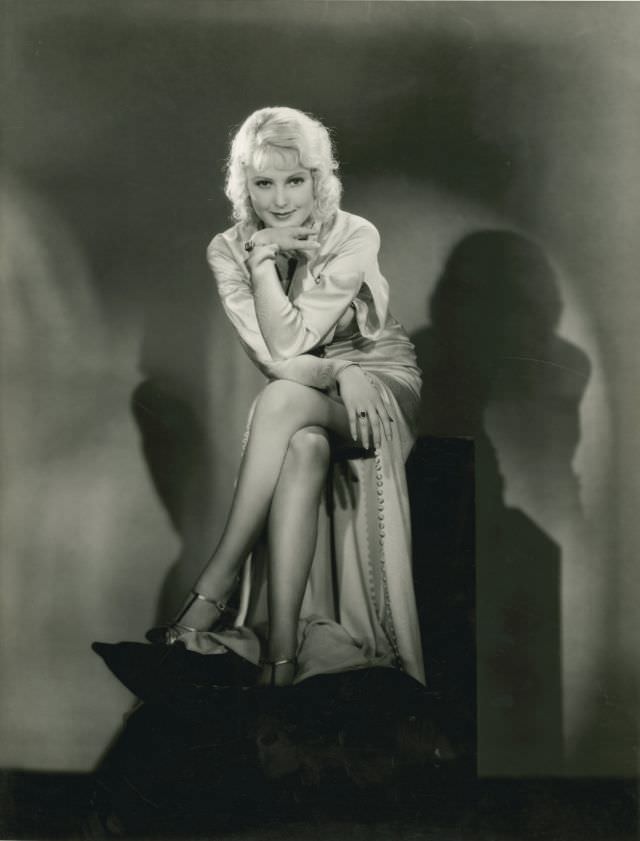
Lila Lee was a veteran of silent films who had been acting since childhood. By the time she sat for Phyfe, she had years of screen experience behind her. Phyfe photographed her in four separate sessions, producing portraits that range from close vignette-style compositions to more open, seated poses that reflect his evolving 1930s style.
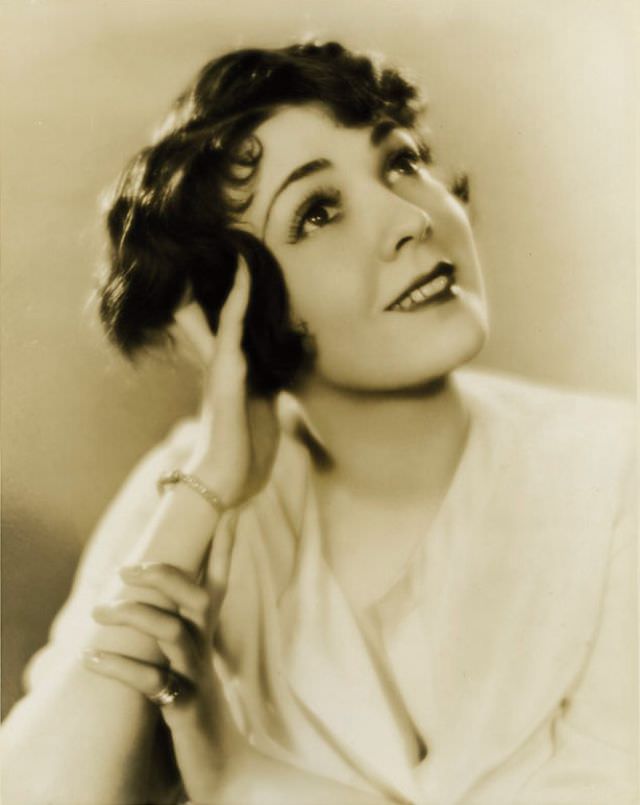
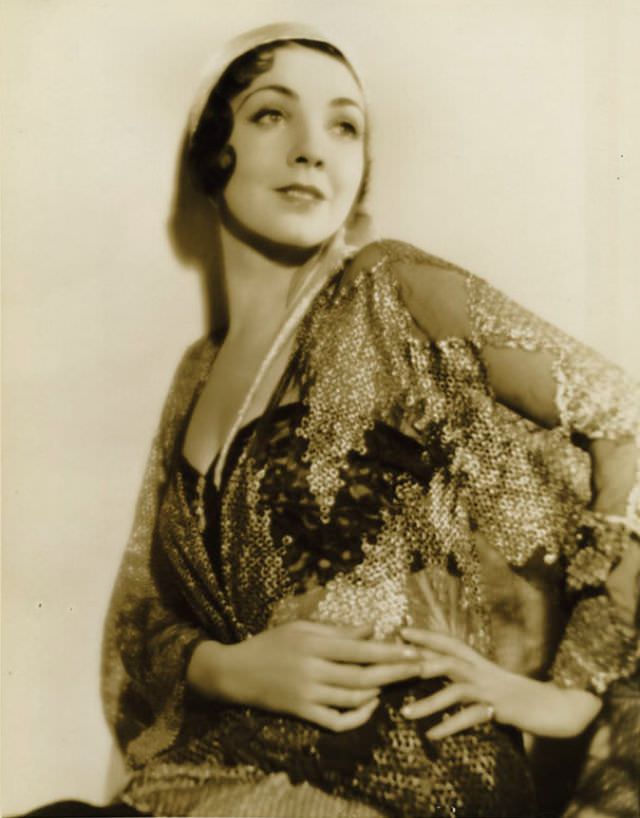
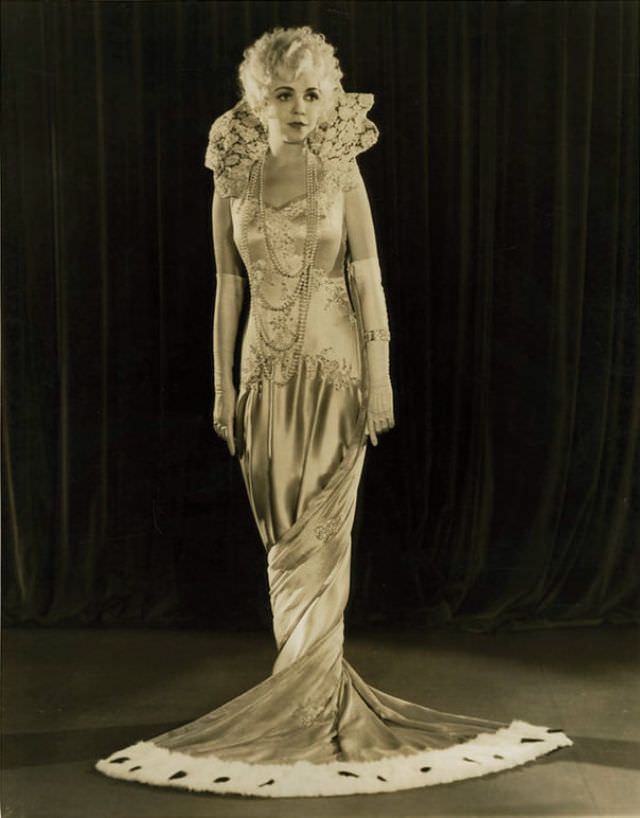
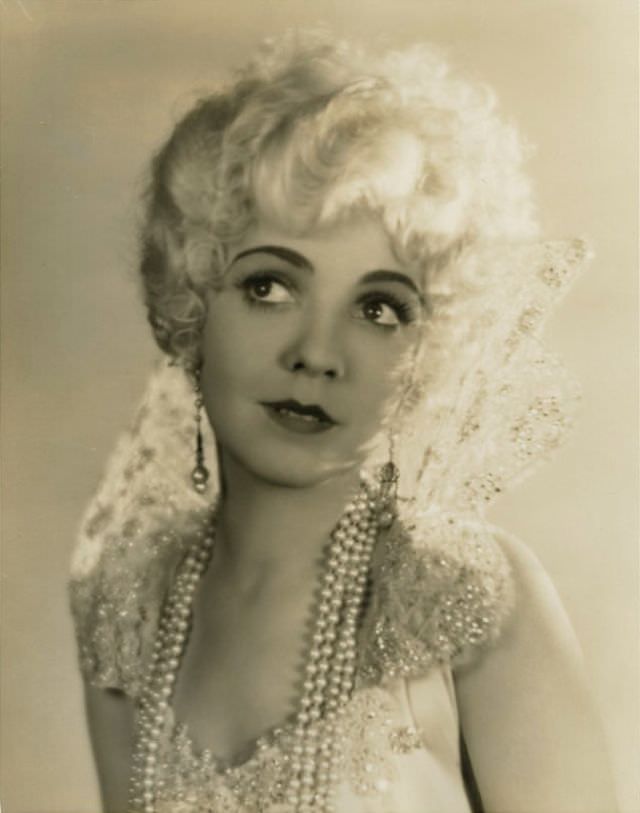
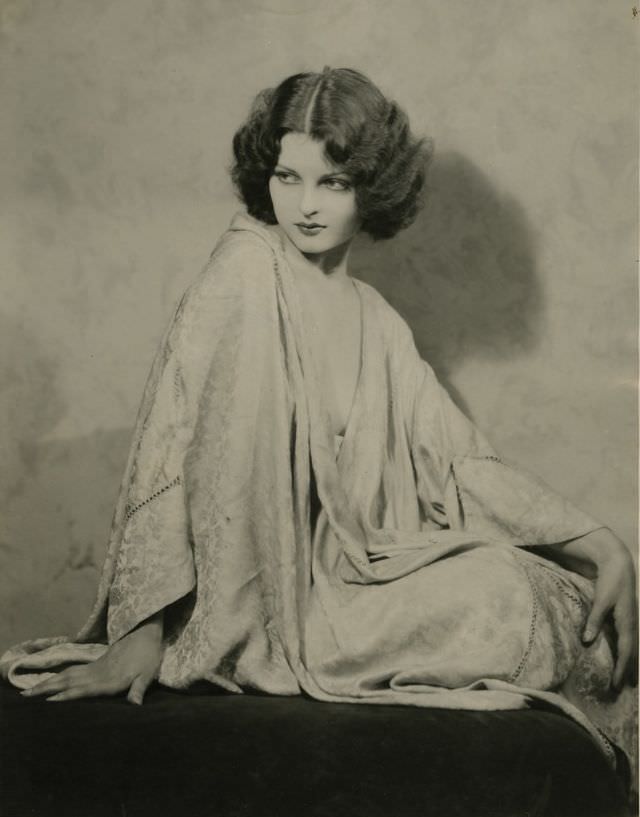
Louise Brooks, the actress and dancer best remembered today for her roles in German silent films Pandora’s Box and Diary of a Lost Girl, appears in Phyfe’s collection as well. Her sharp bob haircut and direct gaze made her one of the most visually distinctive performers of the era.
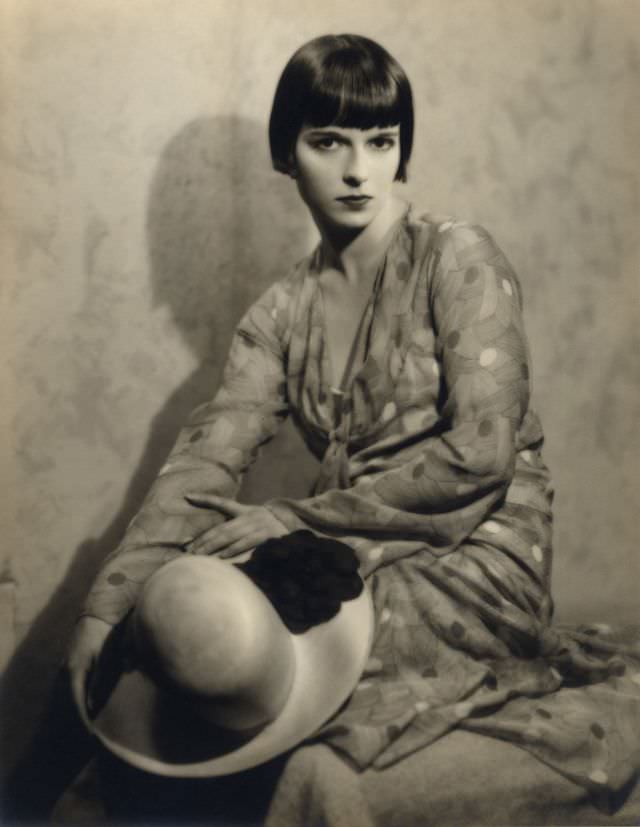
Mexican actress Lupe Velez brought a very different energy to Phyfe’s studio. Known for her fiery performances on screen and her turbulent personal life, she was one of the most high-profile Latin actresses in Hollywood during the late 1920s and 1930s.
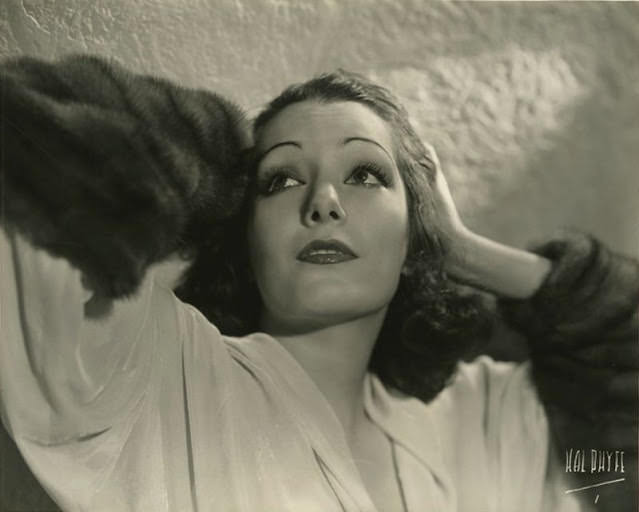
Marian Nixon was a prolific presence in both silent and early sound films. Phyfe photographed her across five sessions — more than almost any other actress in this collection — producing a range of portraits that document his technical progression from the vignette-heavy 1920s work to his cleaner 1930s compositions.
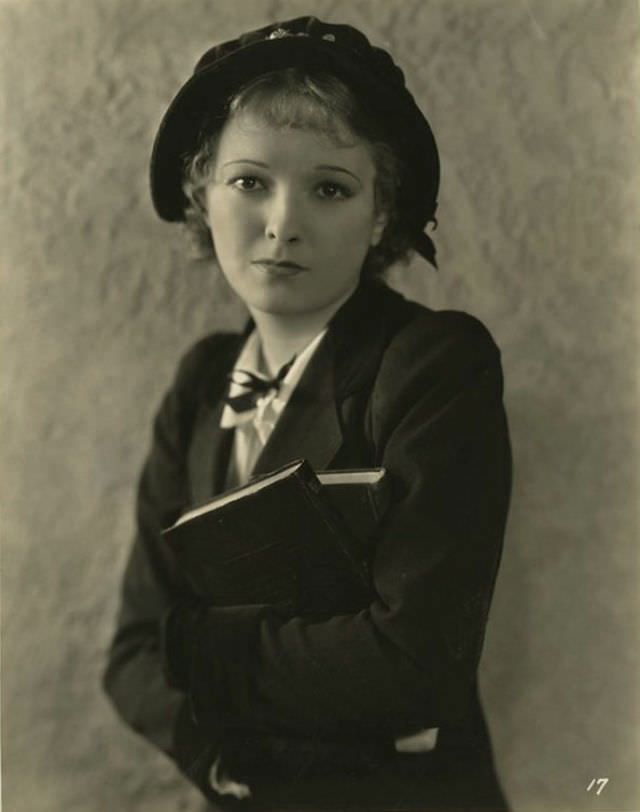
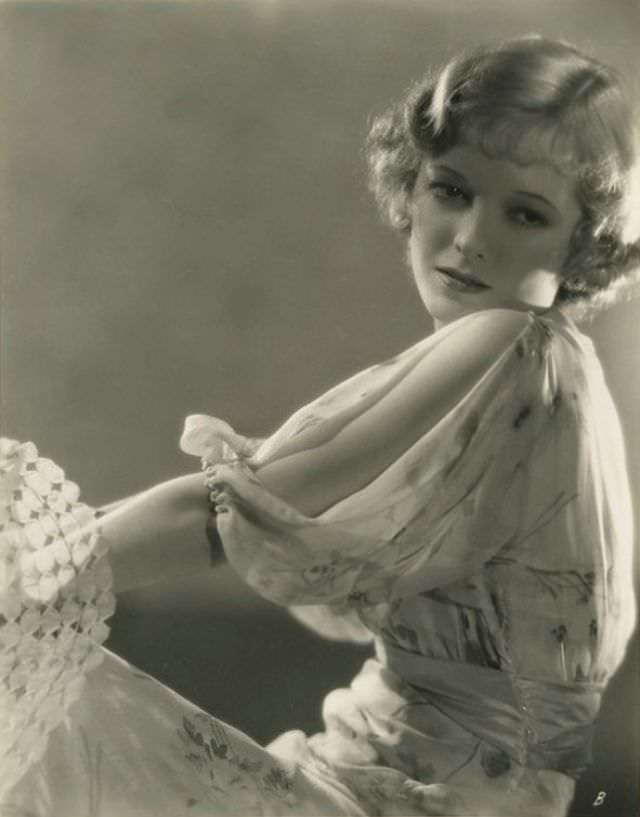
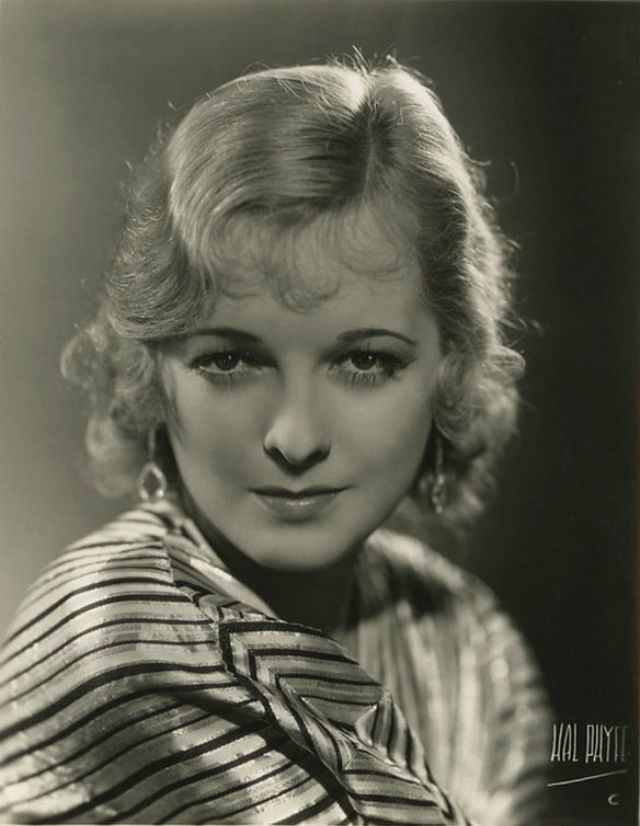
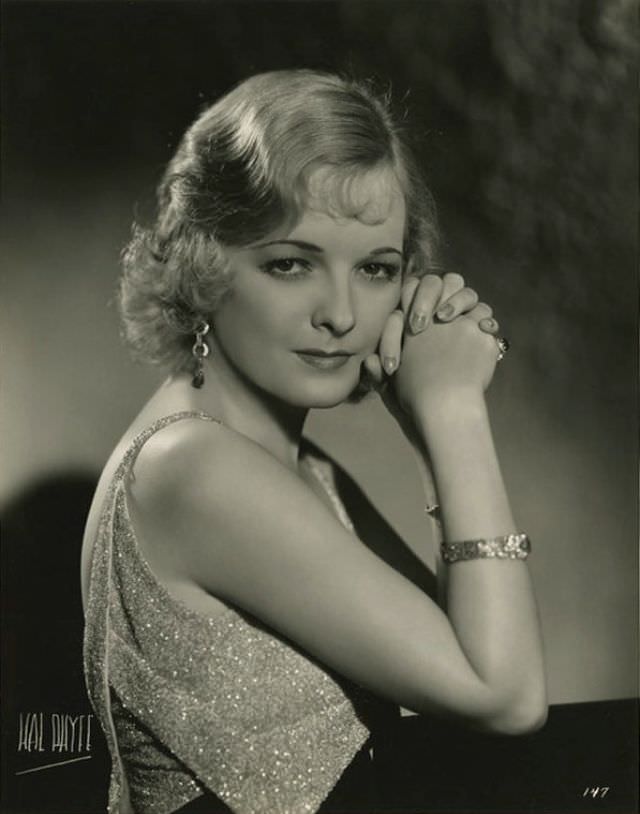
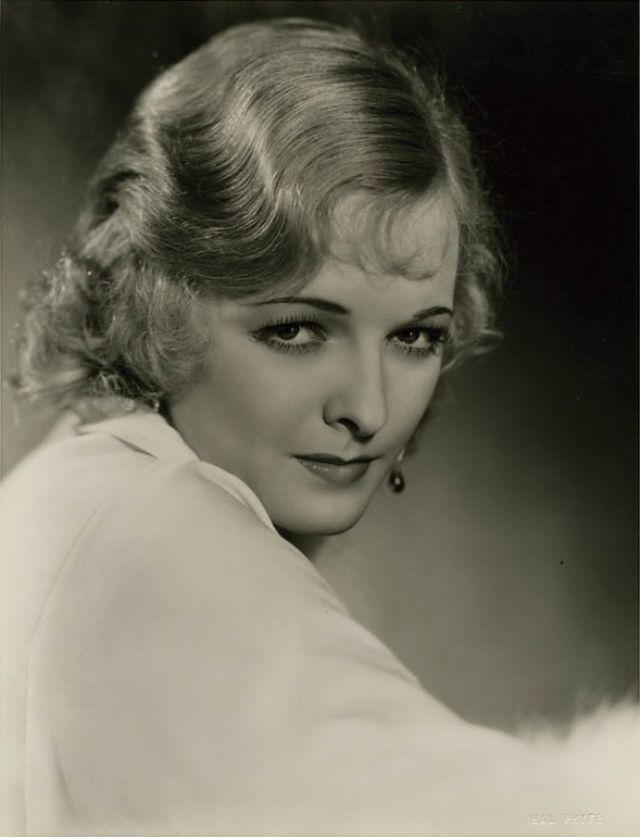
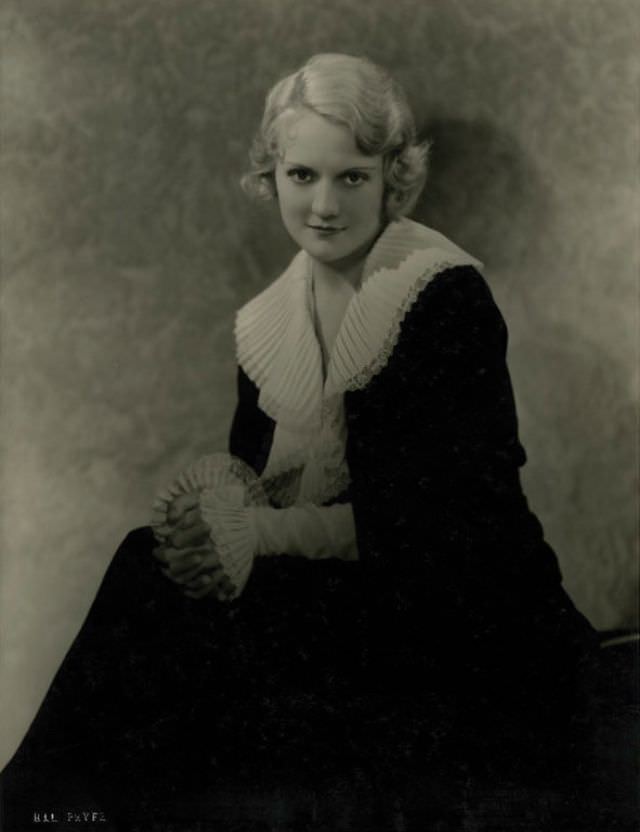
Sally O’Neil, an Irish-American actress who appeared in a string of MGM films during the 1920s, is represented here by four portraits. Like many of Phyfe’s subjects, she is photographed without theatrical costume, presenting a straightforward, personal image rather than a studio-manufactured one.
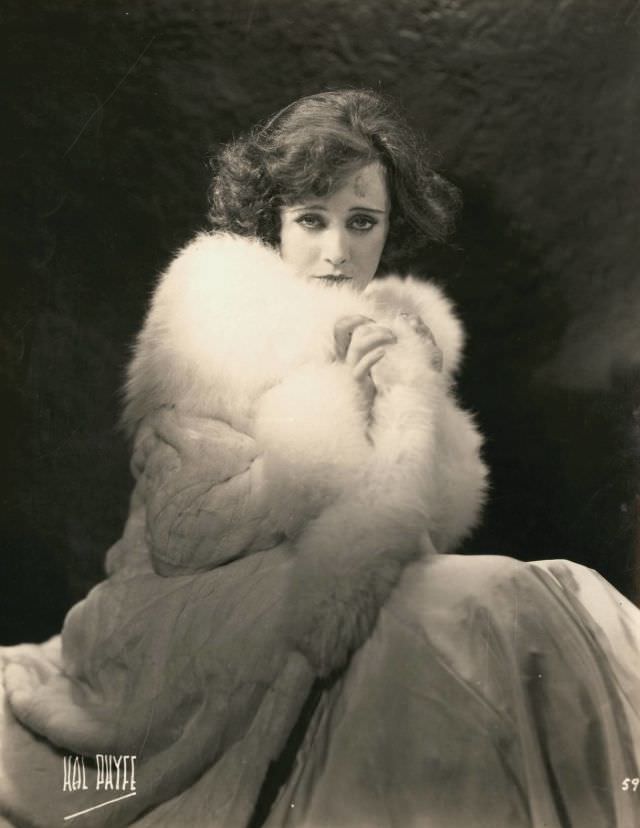
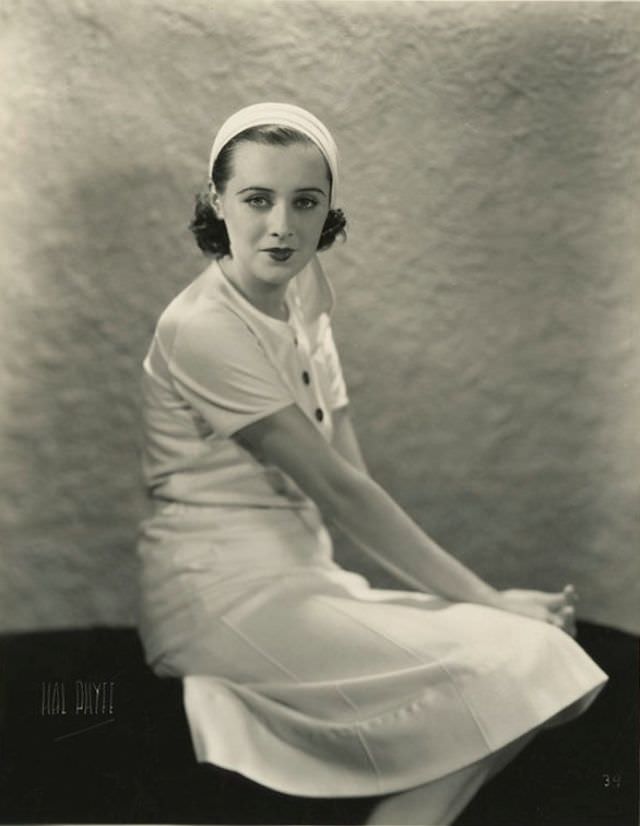
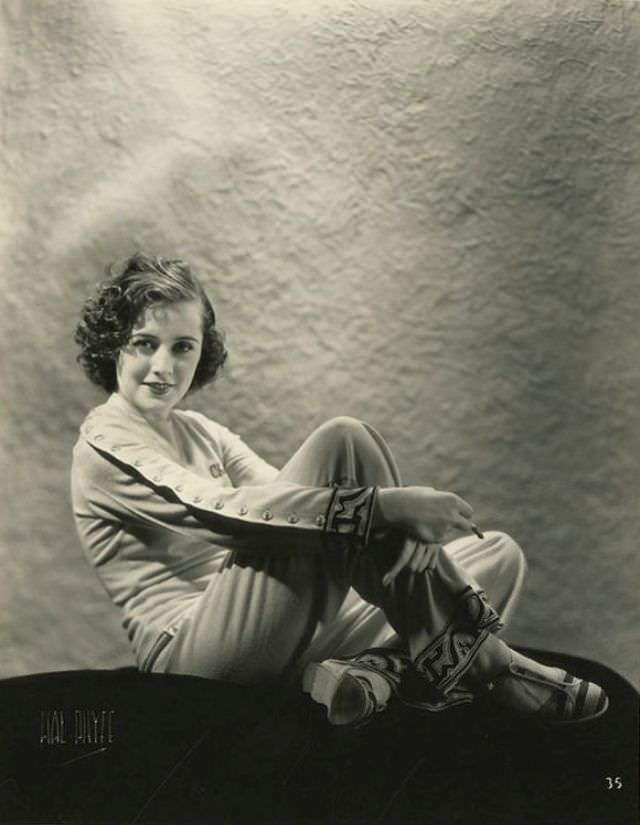
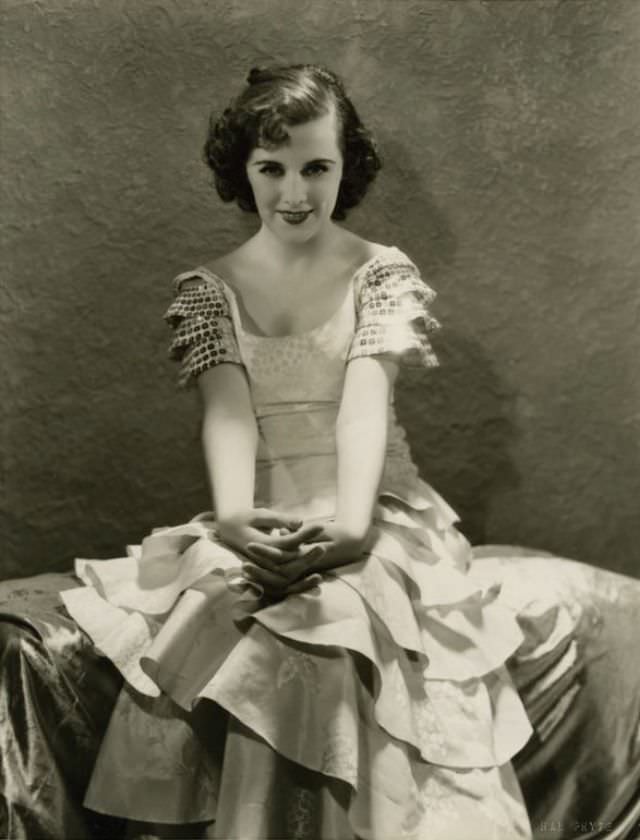
Una Merkel, a Tennessee-born actress known for her quick comic timing in early sound films, closes out this collection. Phyfe died in 1968 at the age of 76, leaving behind a body of work that documented the faces of an era with precision, restraint, and a firm belief that the best portraits never required a smile.