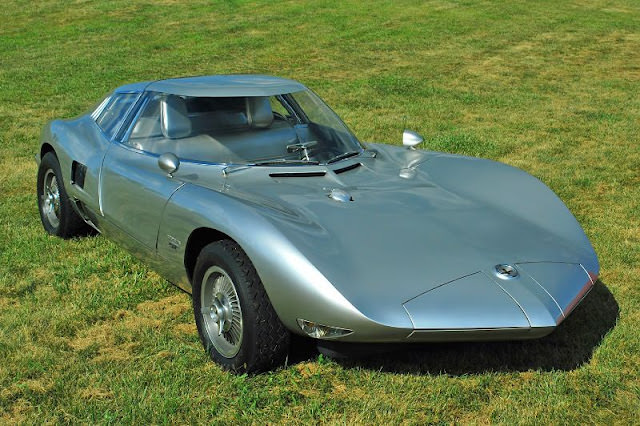
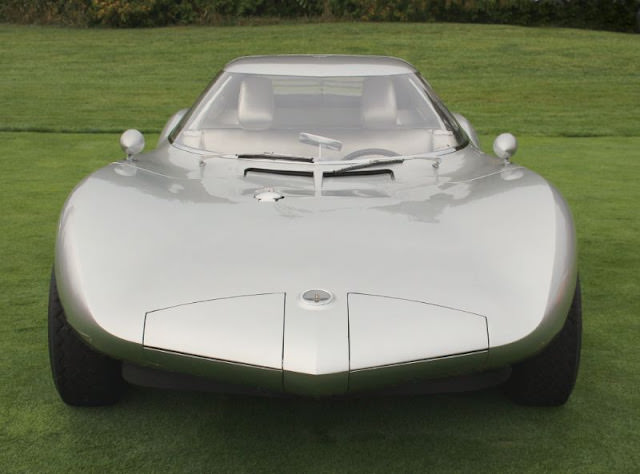
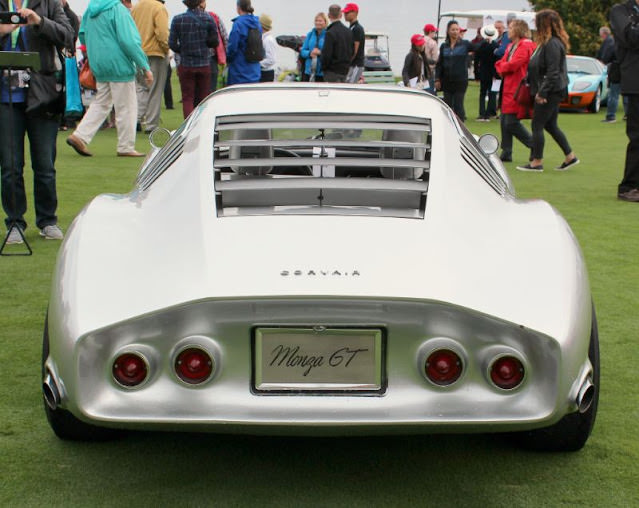
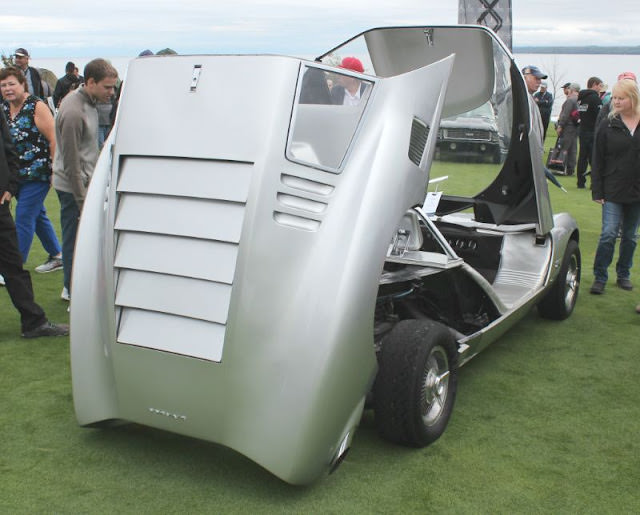
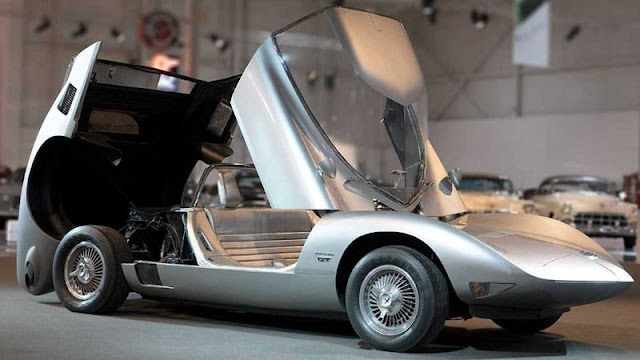
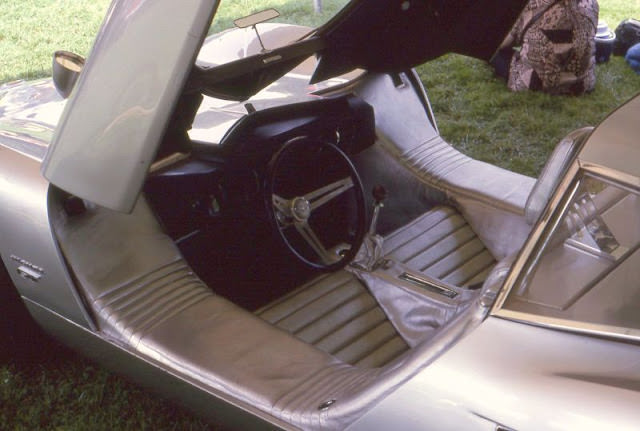
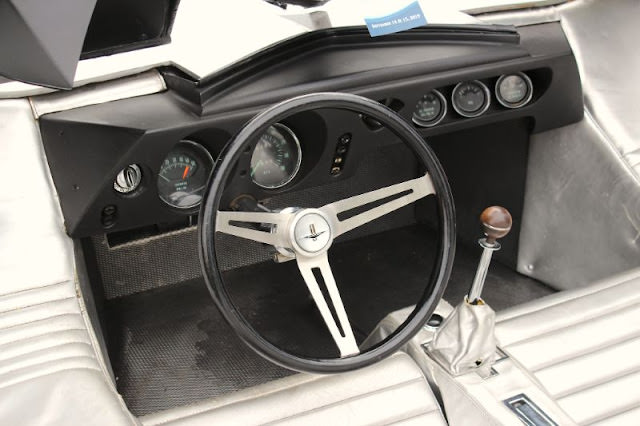
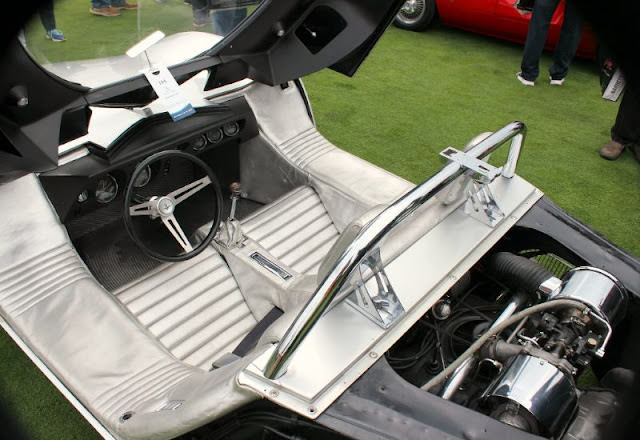
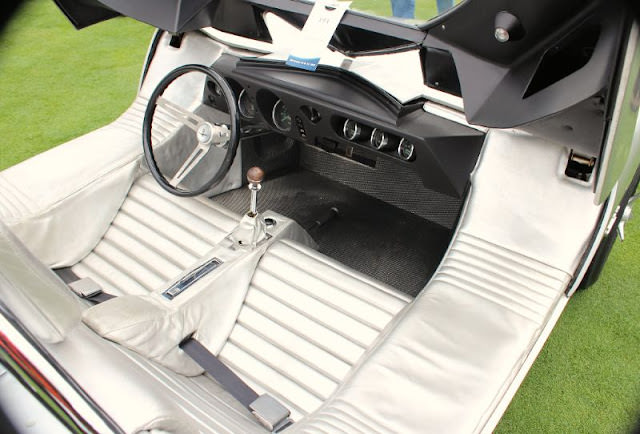
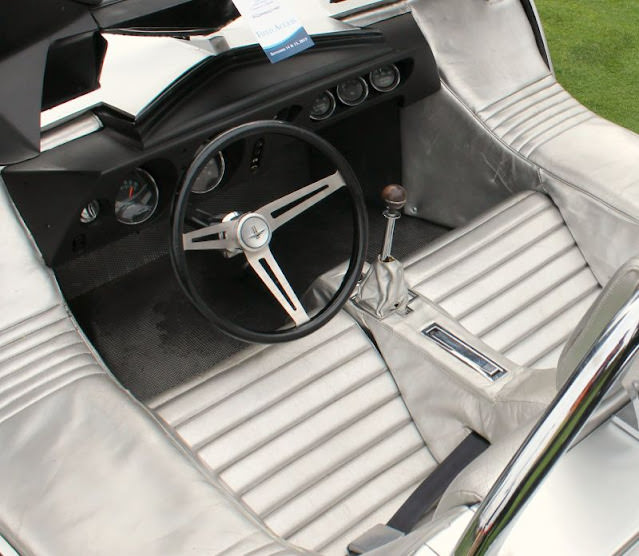
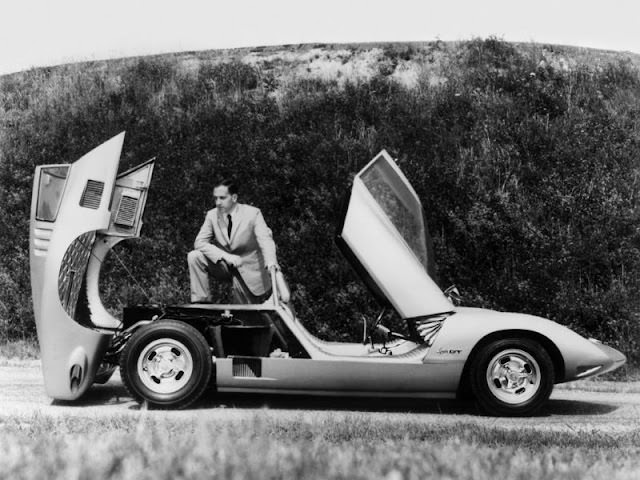
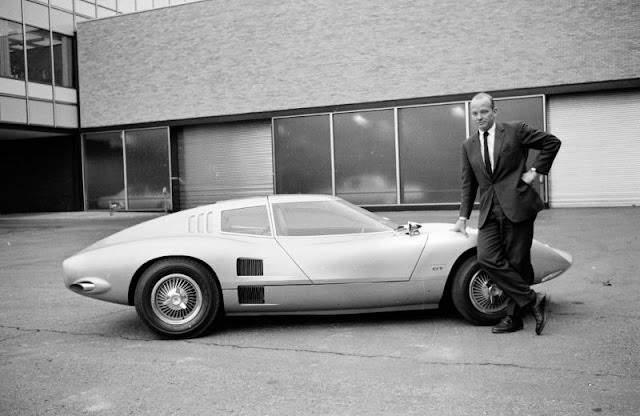
In the automotive world, some cars become instant classics the moment they are unveiled. The Chevrolet Corvair Monza GT falls firmly into this category. Built as an experimental prototype, this mid-engined marvel was introduced in 1962 and was based on Chevrolet’s earlier Corvair series models. The Monza GT debuted at a Sports Car Club of America race in Elkhart Lake, Wisconsin, creating an immediate buzz among racing aficionados and automotive journalists alike.
The Design That Turned Heads
One of the most distinguishing features of the Corvair Monza GT was its avant-garde design. In an era dominated by front-engine cars, this model featured a mid-engine layout. Its sleek lines and low-slung profile, combined with butterfly doors, turned heads wherever it went. The design was a joint effort between General Motors and Larry Shinoda, who was responsible for crafting the iconic body. This aesthetics weren’t just for show; they also served aerodynamic purposes, allowing the car to achieve better speed and handling.
The Engine that Roared.
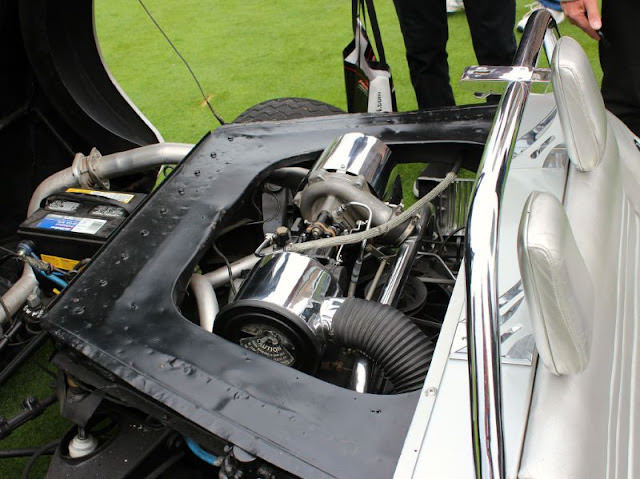
Under the hood, or more appropriately behind the driver’s seat, the Corvair Monza GT was equipped with a 145 cubic inch, air-cooled, flat-six engine. It boasted a horsepower rating of 102, more than sufficient for the vehicle’s weight. The engine placement allowed for superior balance and weight distribution, contributing to the car’s agility on the road and track.
Despite its beauty and the positive initial reaction, the Monza GT had its share of challenges. The original Corvair series had faced criticisms over safety, and while the Monza GT aimed to address these concerns with its new design, public opinion had been somewhat tainted. Ralph Nader’s book “Unsafe at Any Speed,” although not specifically aimed at the Monza GT, did have repercussions for the Corvair brand.
Experimentation and Beyond: What Happened to the Monza GT?
The Chevrolet Corvair Monza GT remained a prototype and never made it to full-scale production. The focus at Chevrolet shifted towards more conventional designs due to various internal and external factors. Although it was not mass-produced, the Monza GT did have a lasting impact on the automotive world. Many of its design elements and engineering principles were incorporated into later models by Chevrolet and other manufacturers.
Even though it never hit the mass market, the Monza GT has been showcased at various automobile events and museums over the years. It remains an embodiment of a bold era of automotive design, capturing the imaginations of car enthusiasts even decades after its creation.