In the mid-1960s, two teenage brothers from Britain changed the way a generation dressed. Keith and Alan Freedman launched Brutus, a brand that started not with denim, but with a single sweater. It grew fast. Within a few years, Brutus became one of the most recognisable names in British youth fashion.
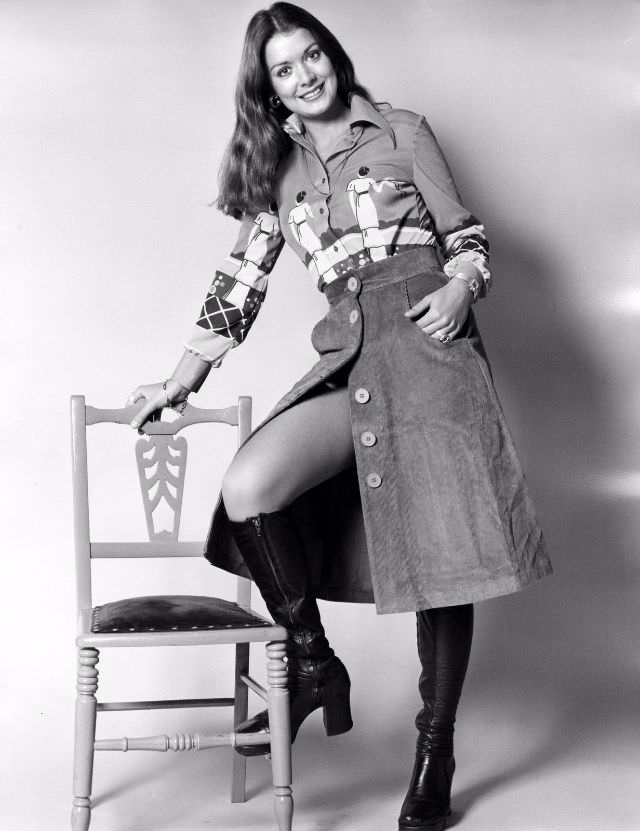
The earliest Brutus photoshoots were stripped back and direct. Models wore plain tees and jeans against simple backgrounds. There was no glamour or pretension — and that was exactly the point. Young working-class Brits were done with stiff, formal fashion, and Brutus spoke their language.
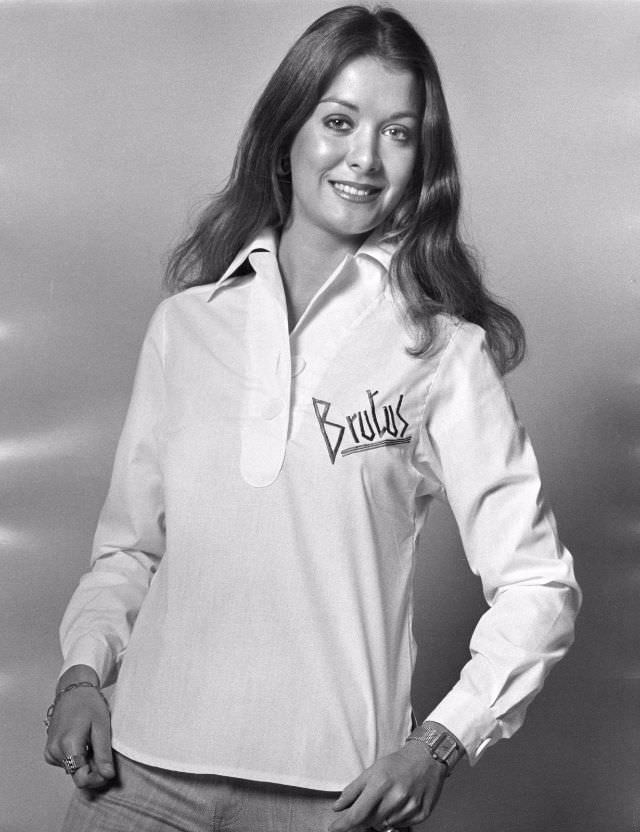
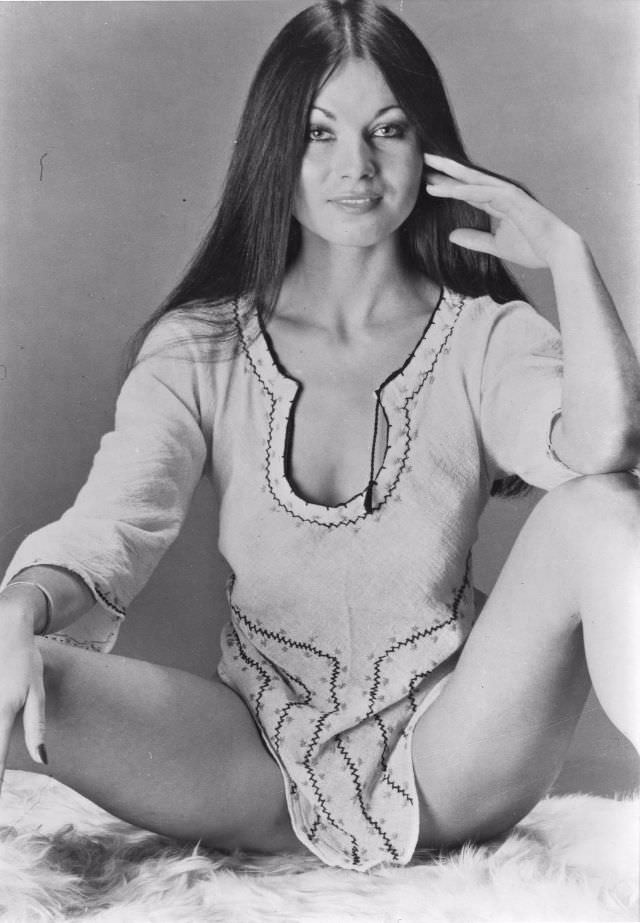
As the 1960s moved forward, two distinct subcultures claimed Brutus as their own. The Mods — sharp dressers who rode Vespa scooters and favoured tailored shirts and clean lines — found the brand’s neat, classic cuts a natural fit. The look was polished but accessible.
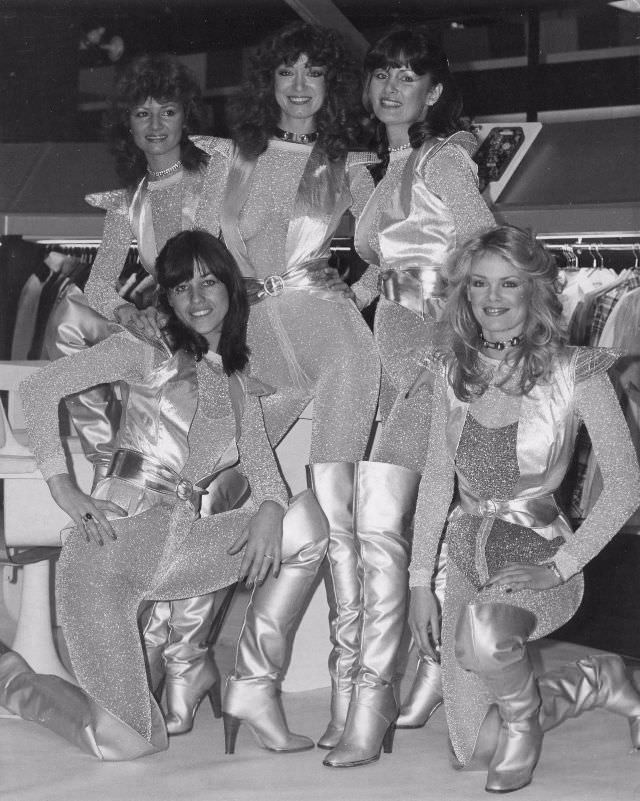
Skinheads took a different approach. With cropped hair, Doc Martens boots, and a no-frills attitude, they gravitated toward Brutus’s rugged denim. The brand’s tough construction and low price made it practical for everyday wear — on the street, at work, or on the football terraces.
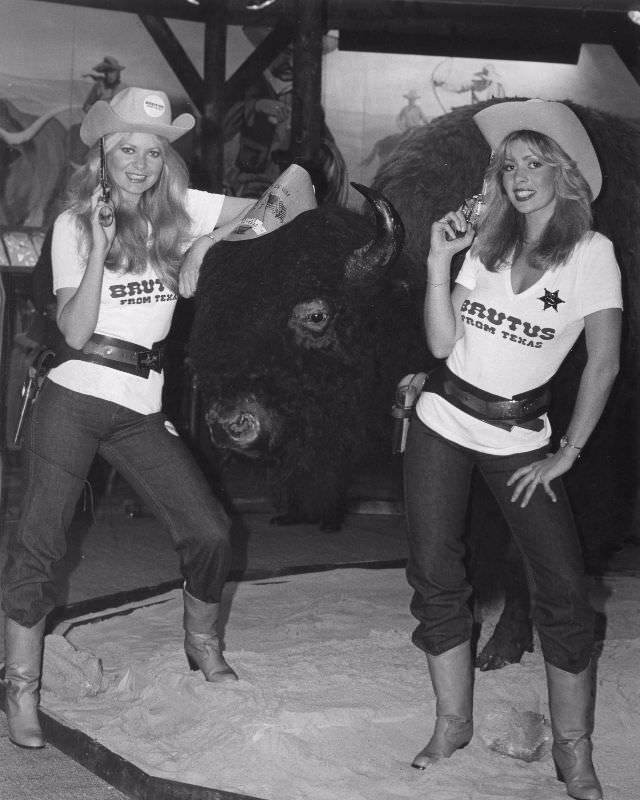
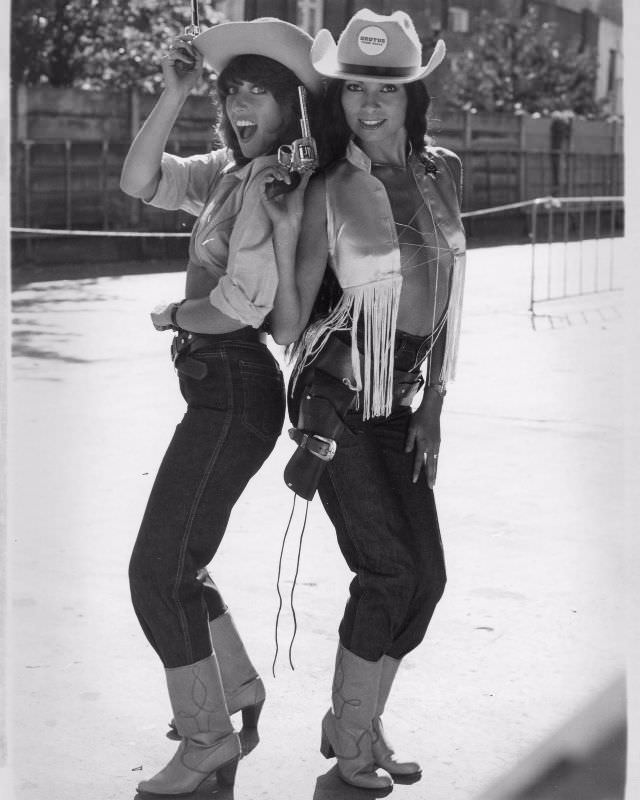
The photoshoots reflected this subcultural energy directly. Models had close-cropped hair and steady, confident expressions. These weren’t aspirational images of unreachable luxury — they were portraits of belonging, identity, and defiance.
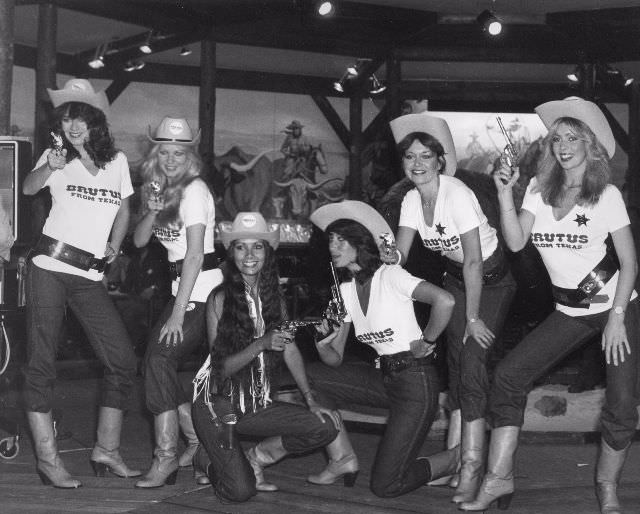
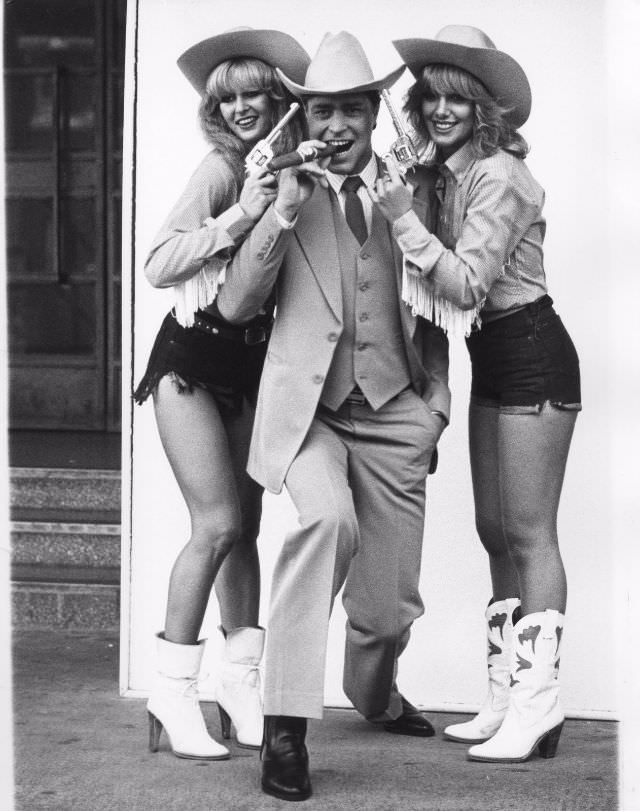
Brutus also moved its shoots out of the studio. Football stadiums, pubs, and street corners became backdrops, showing the clothes in the real environments where their customers actually lived. The brand wasn’t selling a fantasy — it was documenting a lifestyle.

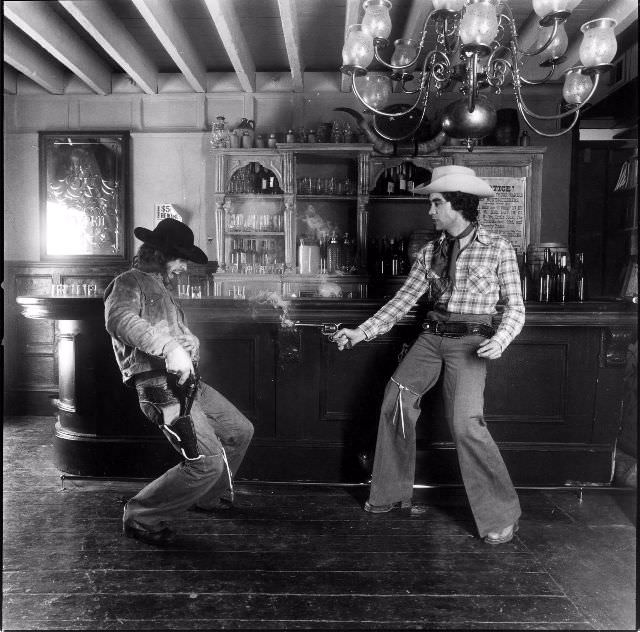
By the 1970s, Brutus pushed further into advertising. The brand hired a young filmmaker named Adrian Lyne to direct their television commercials. Lyne brought a cinematic quality to the ads that set them apart from anything else on British screens at the time.
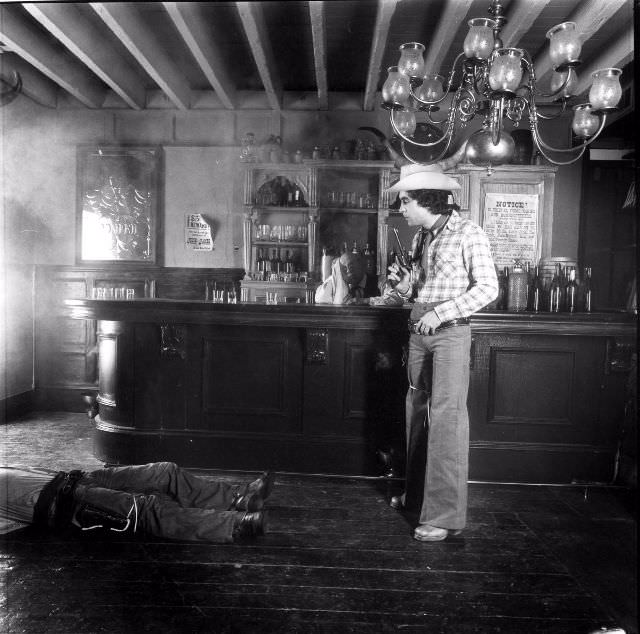
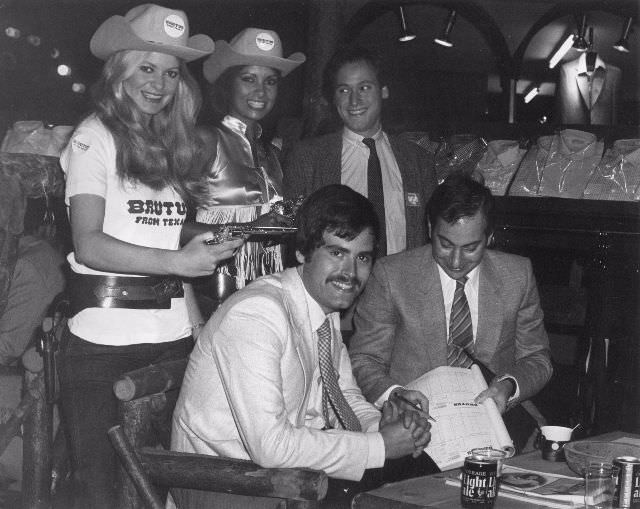
Lyne later directed Hollywood films including Flashdance and Fatal Attraction. His early work for Brutus showed the same eye for atmosphere and movement that would define his later career. The commercials gave the brand a visual identity that matched the energy of the era.
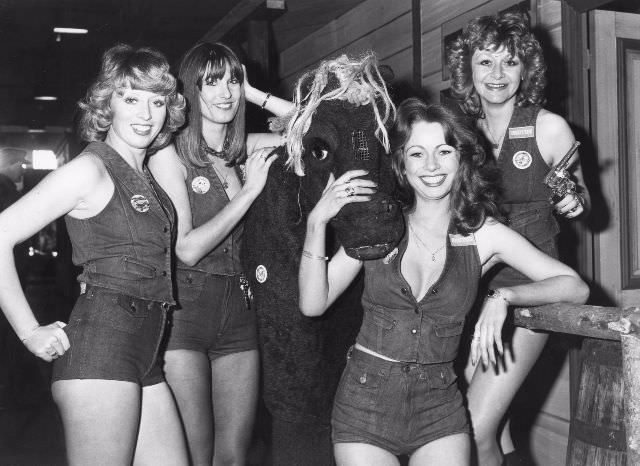
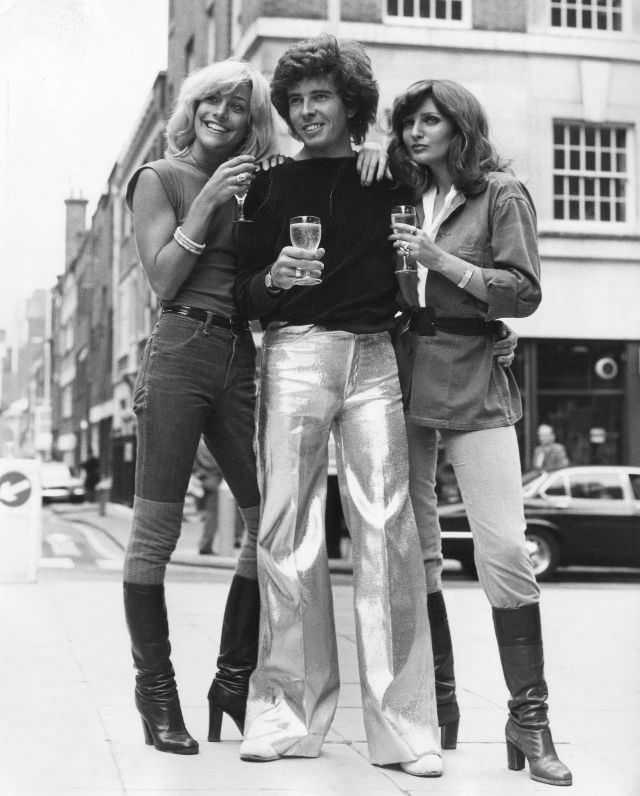
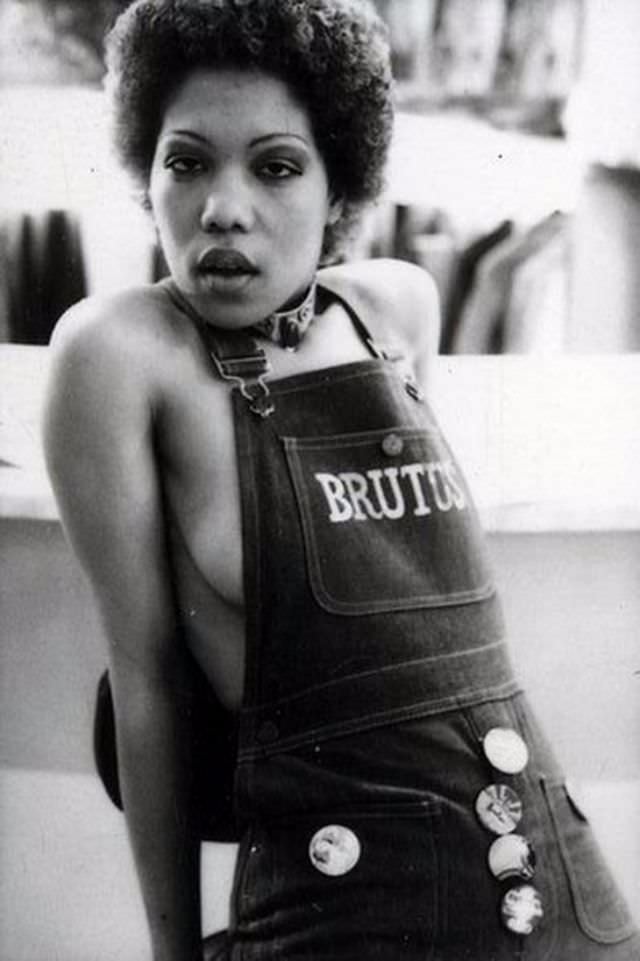
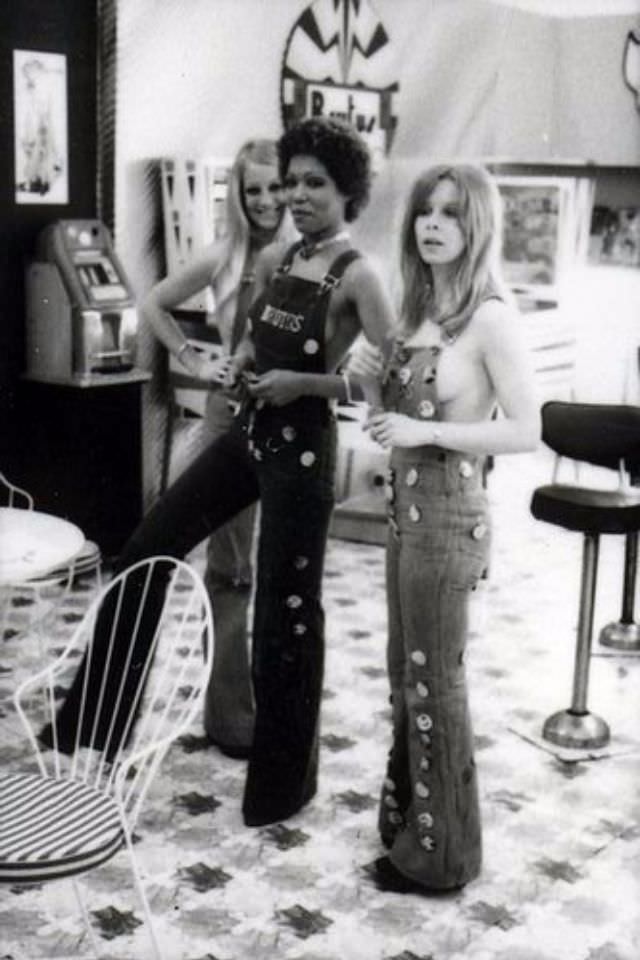
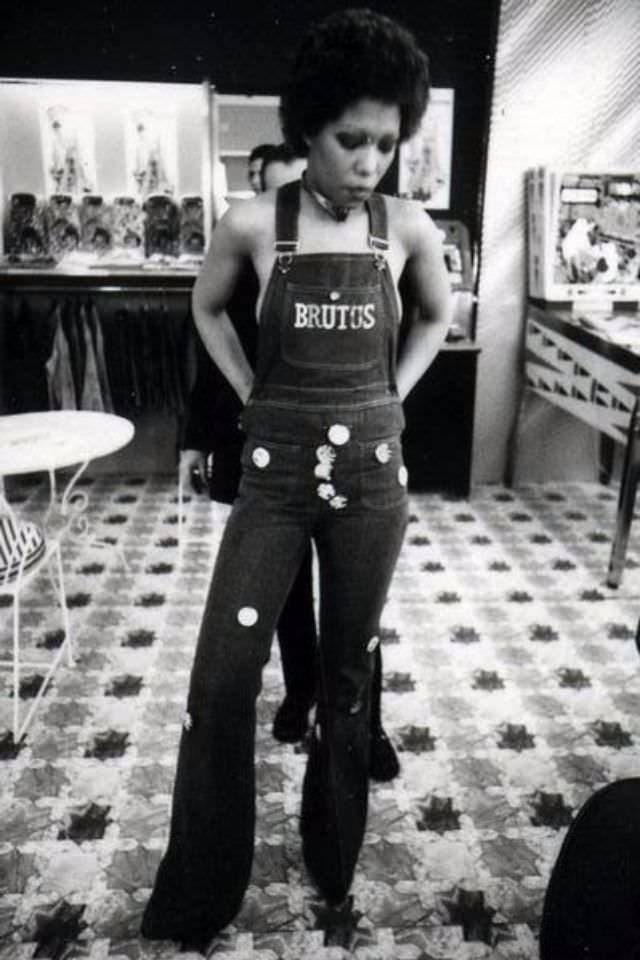
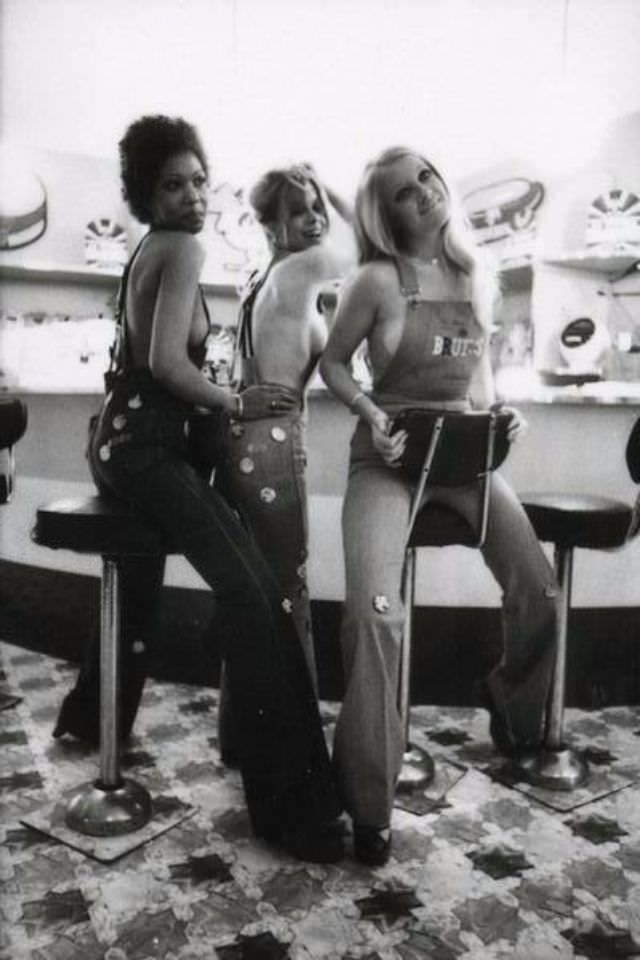
The photographic archive from these two decades tells a vivid story. Each image is a record of what British youth looked like, how they carried themselves, and what they valued. Brutus didn’t just dress a generation — it documented one.