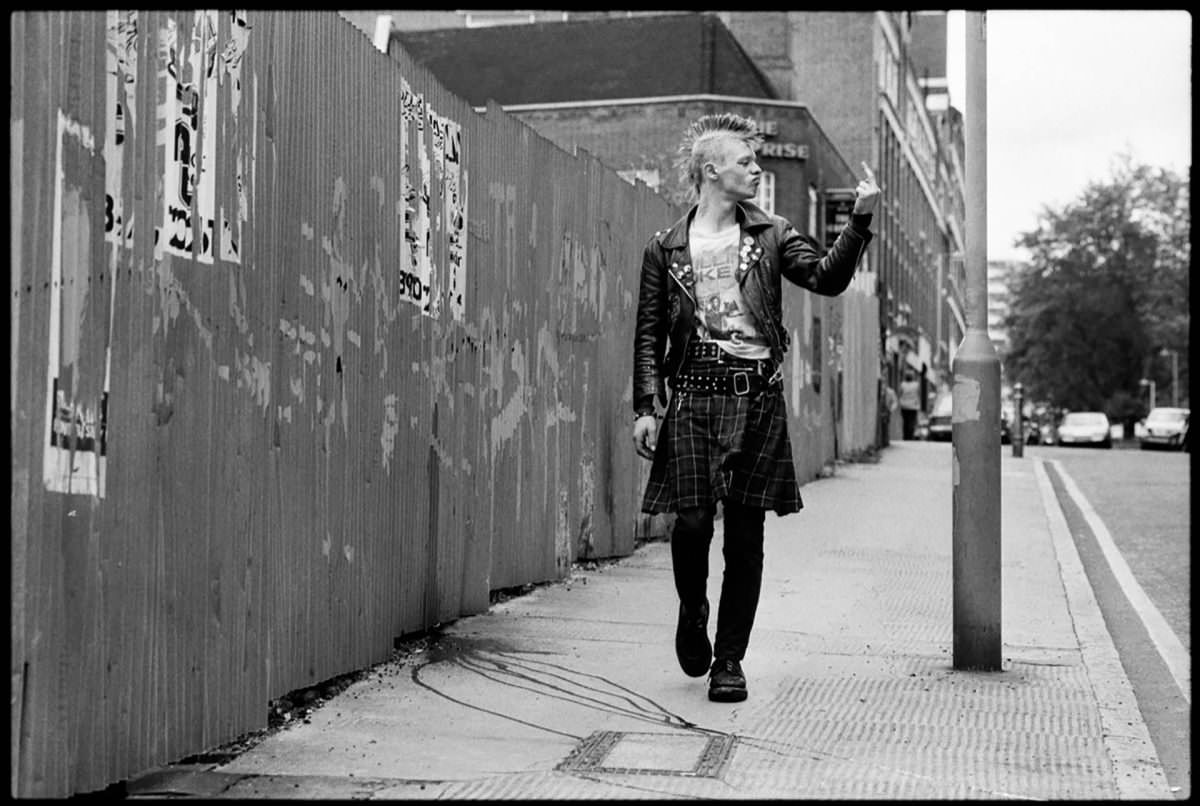

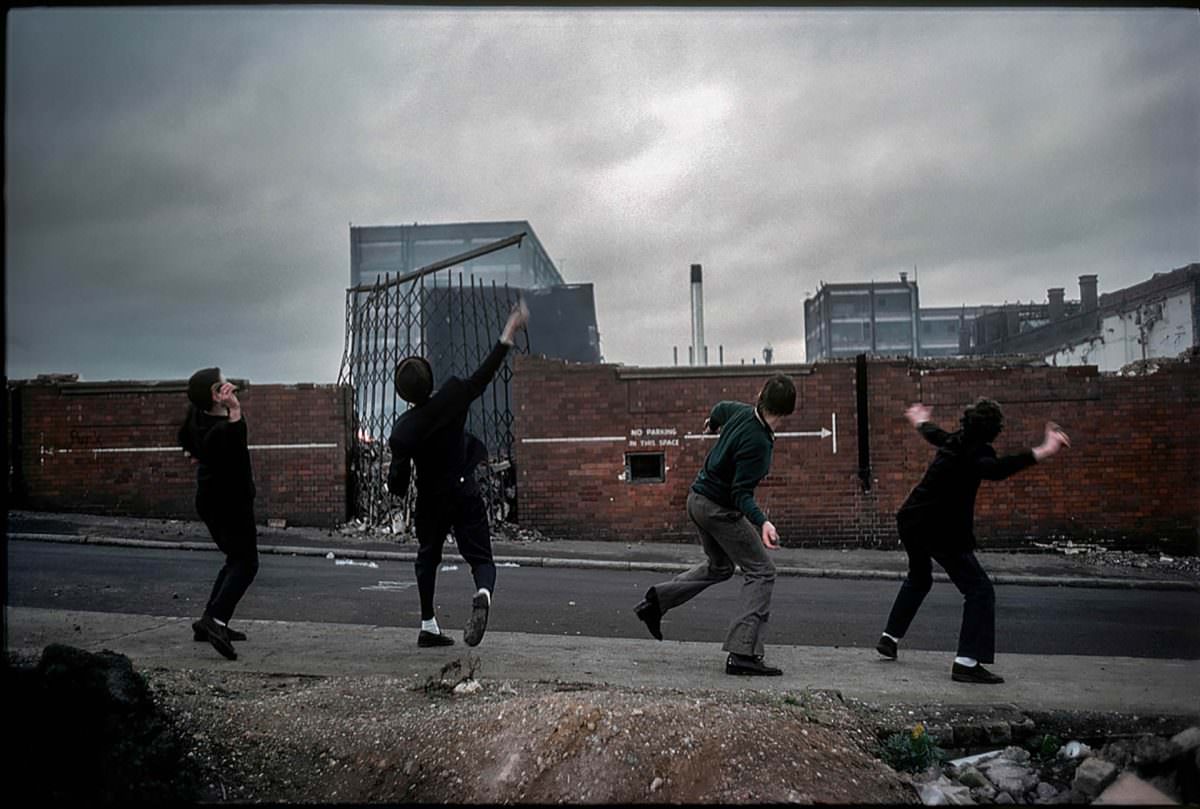
London in the late 1970s and early 1980s was a city under pressure. Margaret Thatcher had just taken office, unemployment was rising, and a restless generation of young people was pushing back — not in Parliament, but on street corners, at gig venues, and on scooter-lined roads. French photographer Yan Morvan arrived in the middle of it all and pointed his camera directly at four of the city’s most defined youth tribes: Skinheads, Mods, Punks, and Rude Boys.
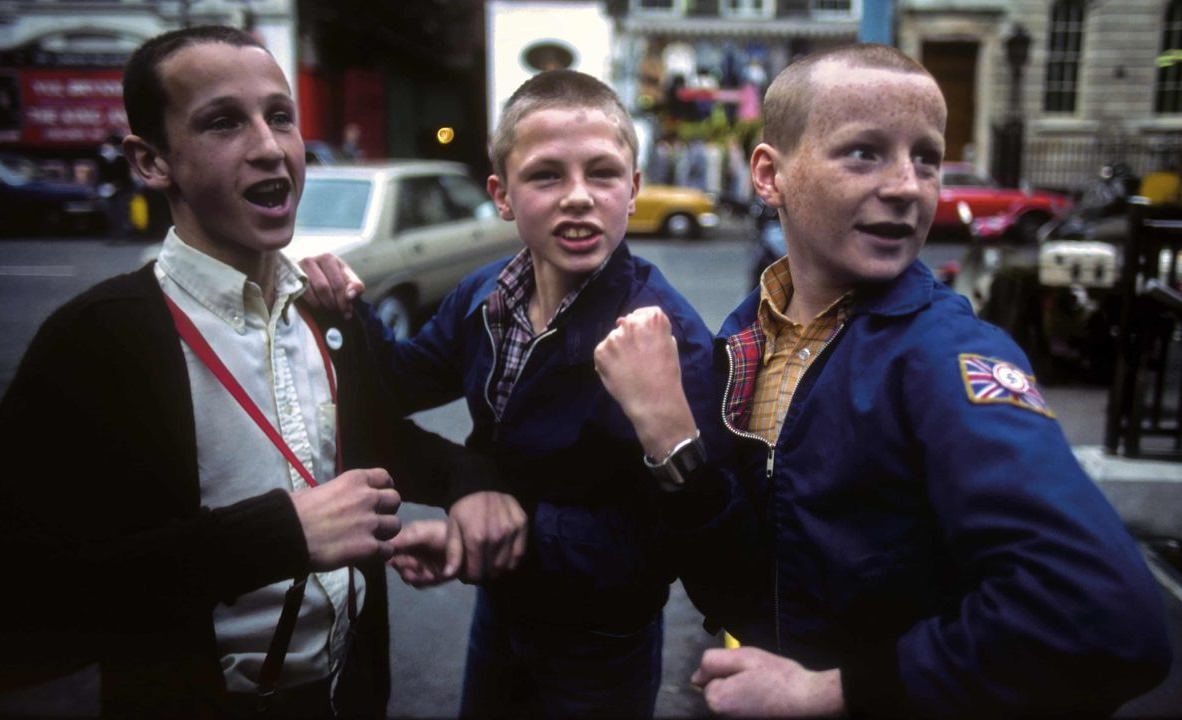
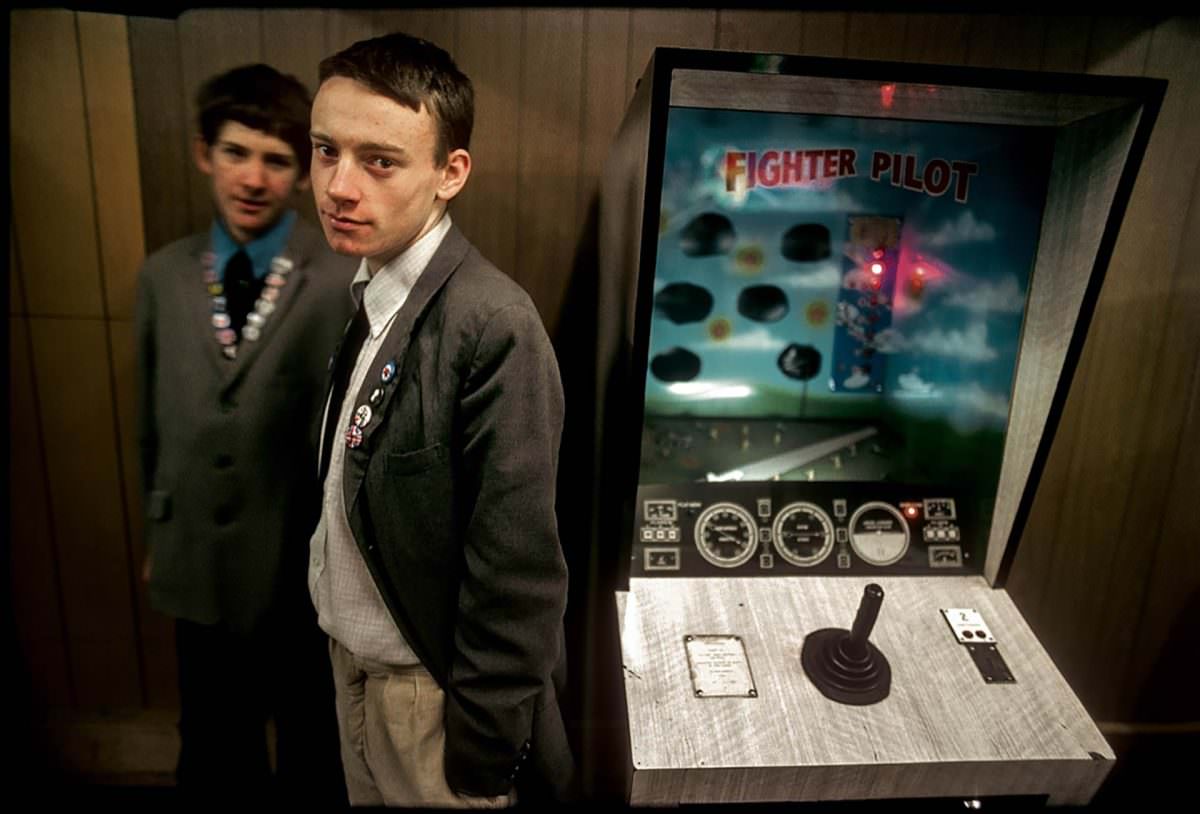
Skinheads were the most visually striking of the groups. Shaved heads, Doc Martens boots, and bomber jackets made them easy to spot. Their look was rooted in working-class identity, and their reputation often came loaded with associations of aggression and confrontation. Morvan photographed them in pubs, at football matches, and on street corners — faces carrying a blend of defiance and dead-end frustration.
What the outside world often missed was the musical core of Skinhead culture. Ska and reggae were the sounds that bound the subculture together, and Morvan’s images picked up on moments of real camaraderie within the group — a shared pride that went beyond the tough exterior.
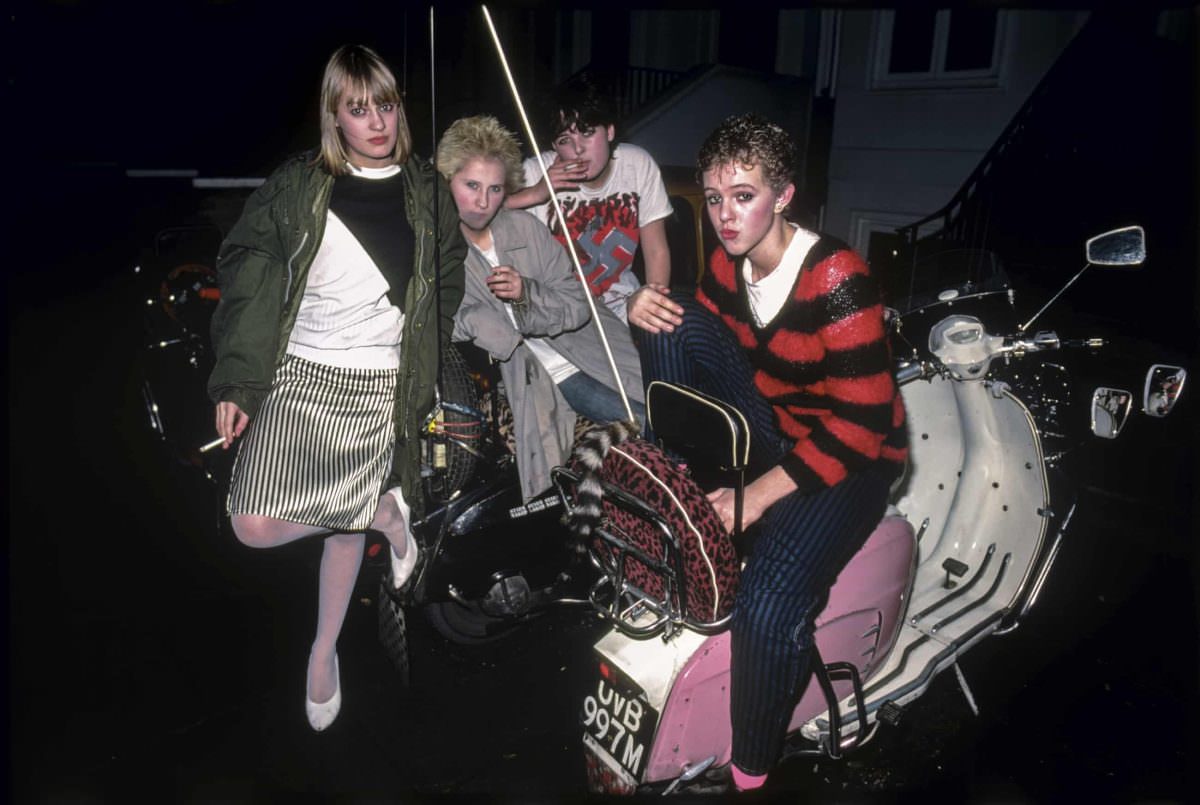
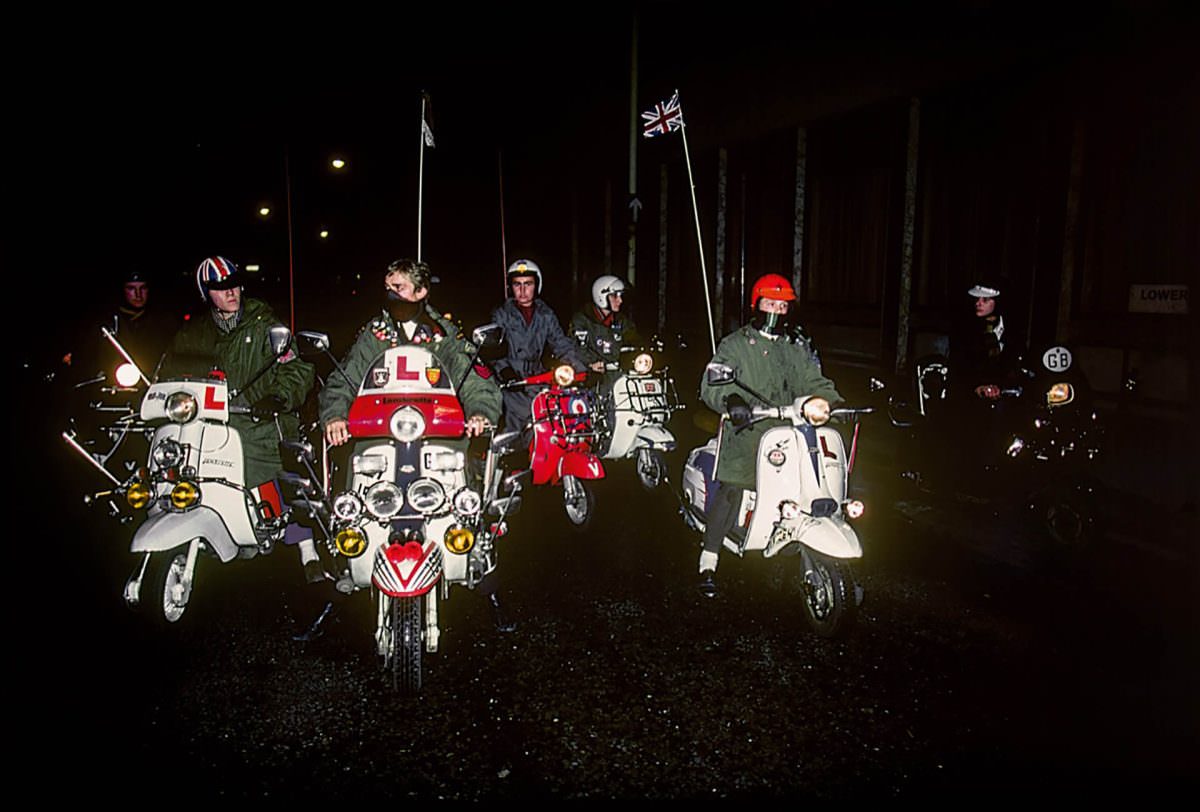
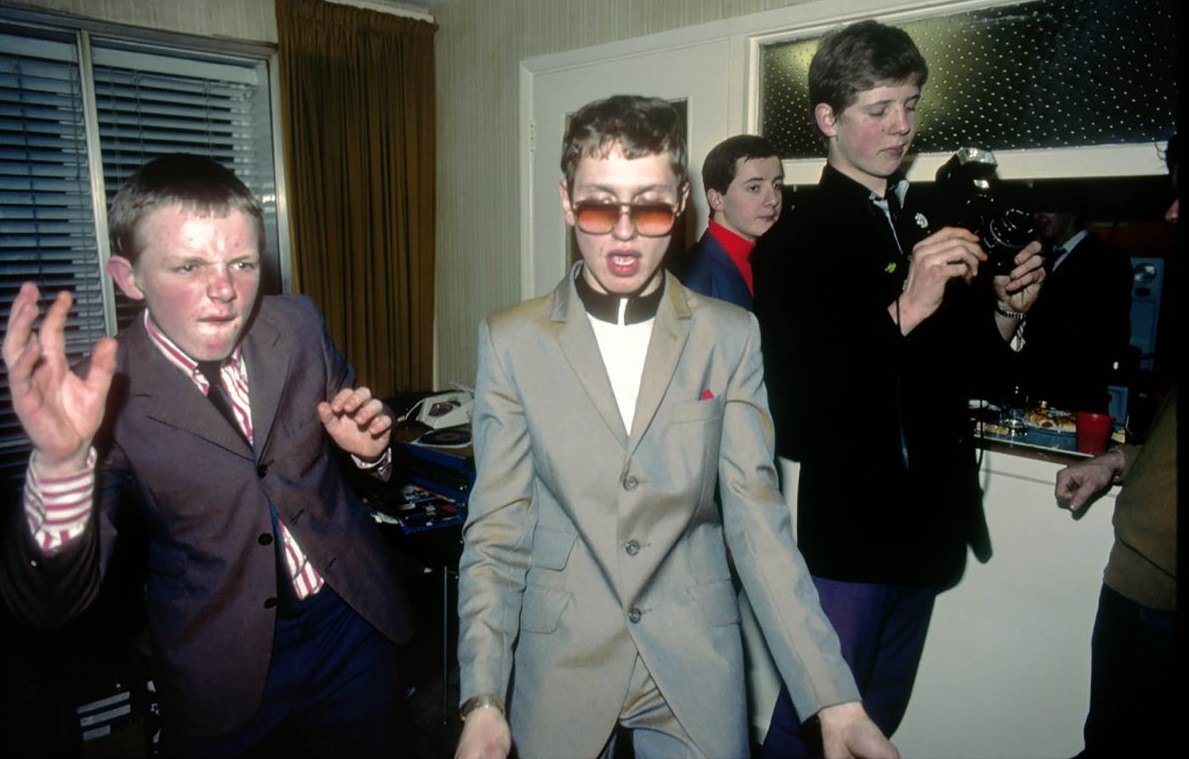
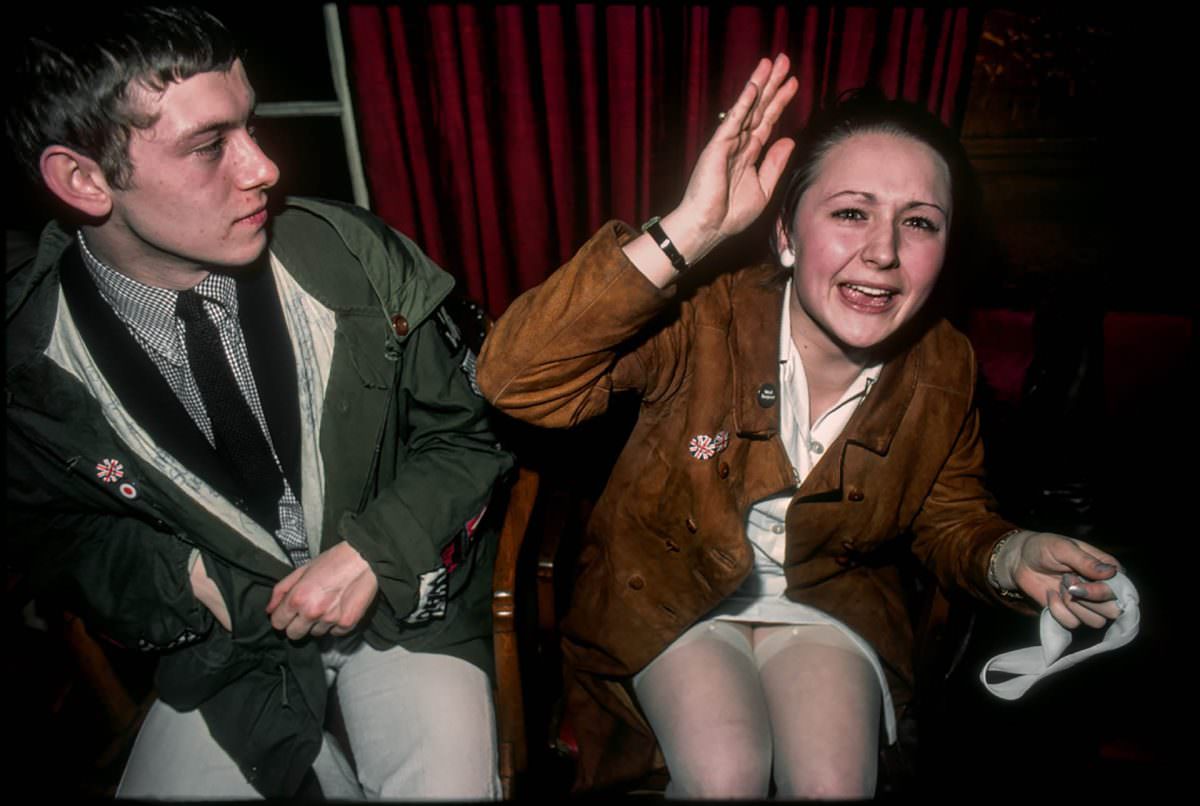
The Mods operated on a completely different frequency. Tailored suits, parkas, and immaculate hair set them apart. Scooters were their transport of choice, and they moved through London’s streets with deliberate cool. Their roots traced back to 1960s fashion and music, but the Mods of this era brought their own sharp update to the look.
Morvan’s photographs of the Mods show a group obsessed with detail — the cut of a jacket, the angle of a pose. Appearance was a statement, and they made it deliberately. Every element of their style was chosen, never accidental.
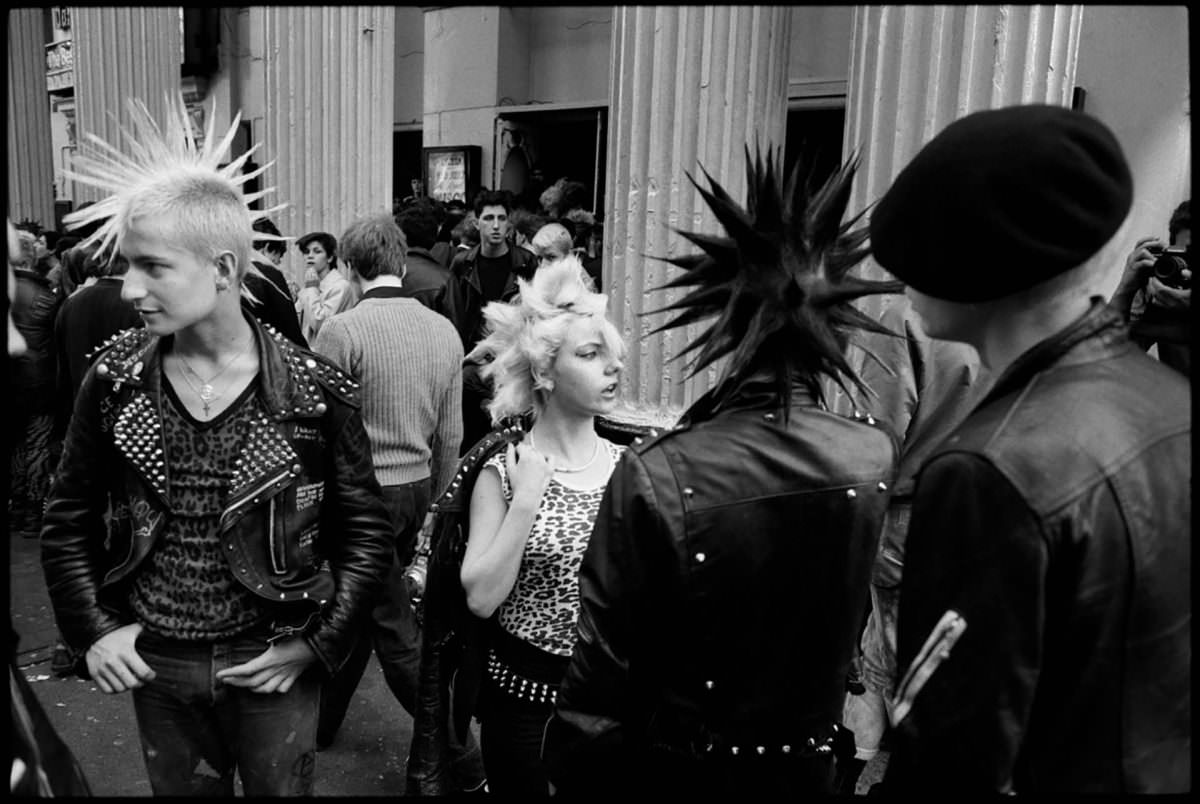
Punks were the loudest voice in the room. Ripped clothing, safety pins, spiked and dyed hair, and a flat rejection of mainstream society defined the subculture. Morvan captured them at gigs and protests, where their anger had an outlet. The faces in his photographs are raw — emotional, confrontational, and full of a hunger for something different.
Punk gigs in this period were charged environments. Bands like Killing Joke drew crowds that treated shows as something closer to a collective release than a night out.
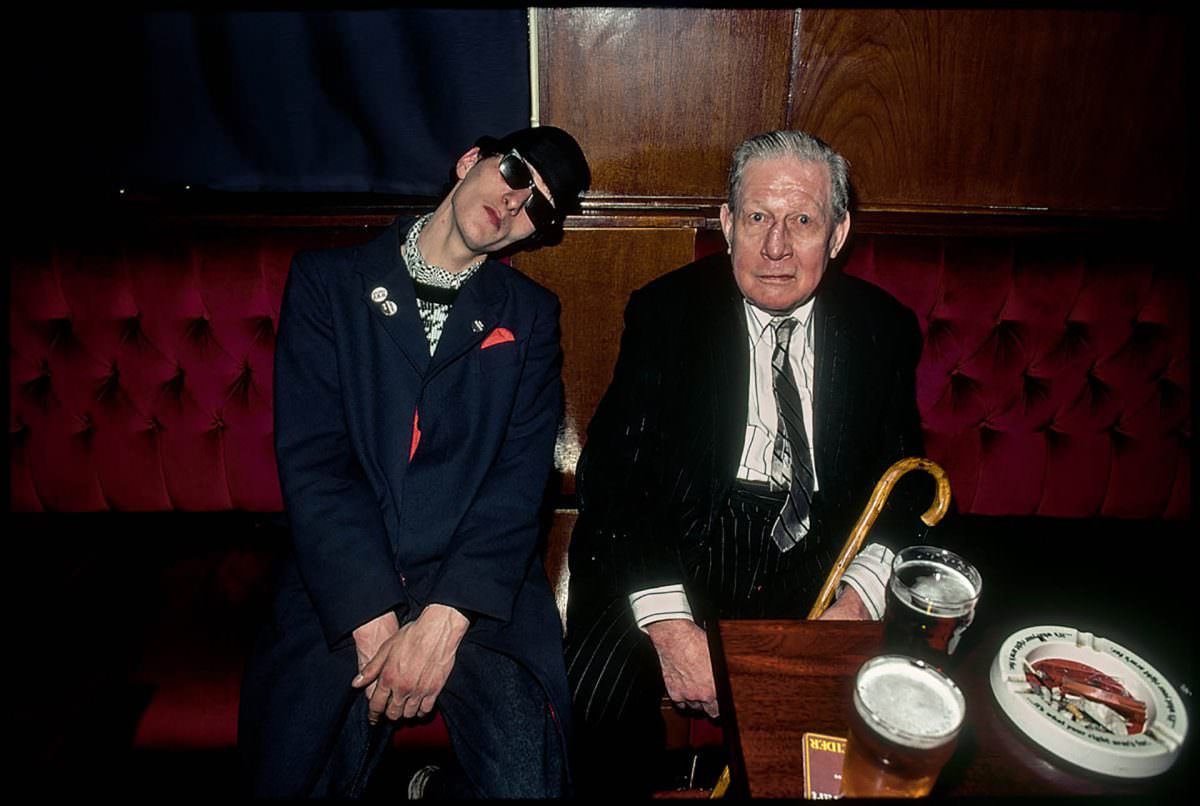
Rude Boys brought Jamaican style directly into British street culture. Trilby hats, sharp suits, and a deep connection to ska and reggae music gave them a distinct identity. They gathered in clubs and on street corners across London, and Morvan’s photographs show a group that carried itself with real confidence. Their subculture was a fusion — Caribbean music and aesthetics fused with British working-class life — and it wore that blend openly.
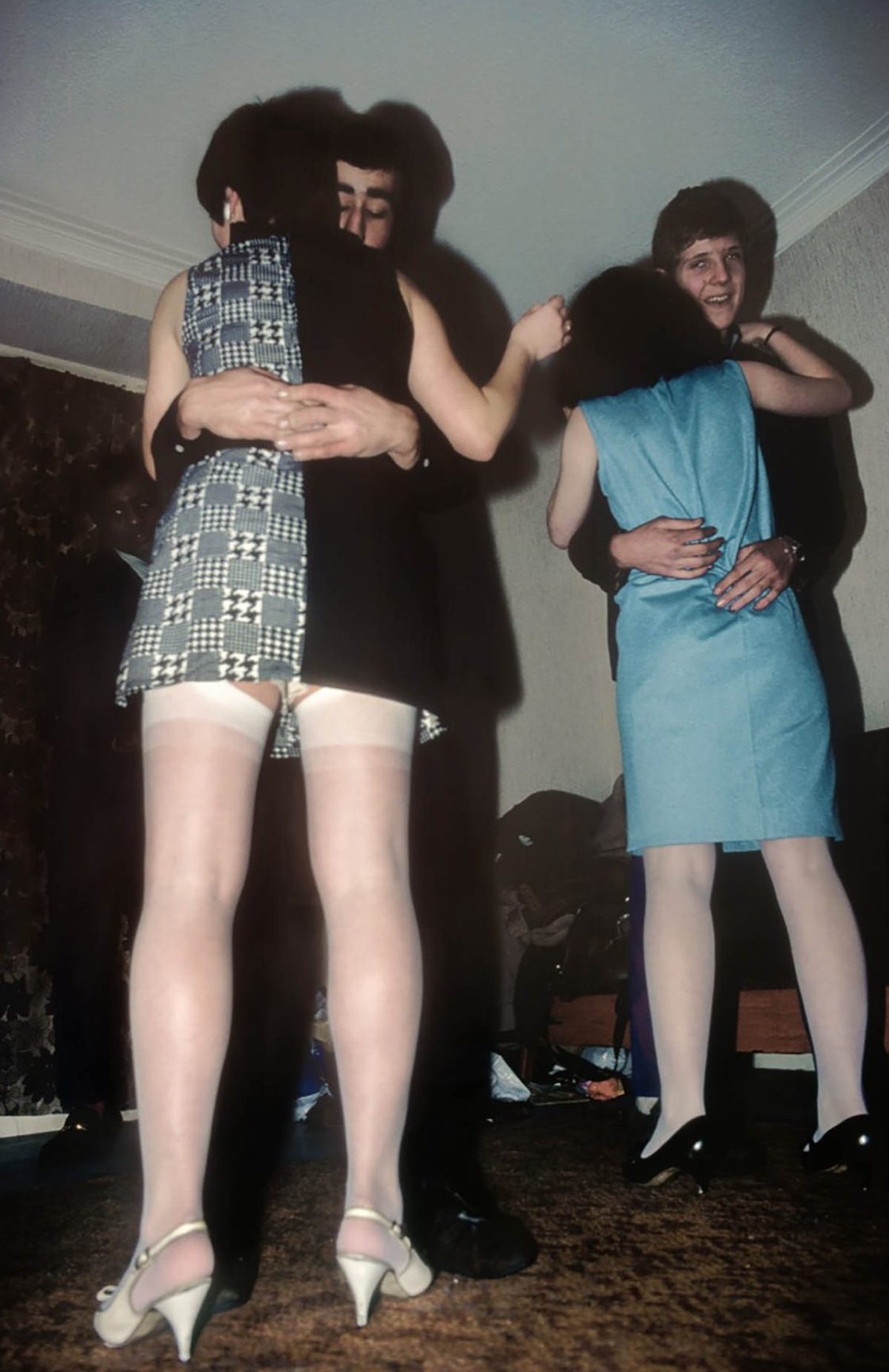
Morvan’s work across all four groups is a document of a city in flux, seen through the people who felt that tension most directly. These were not fringe curiosities — they were large, structured communities with their own codes, sounds, and identities, all unfolding within the same city at the same time.