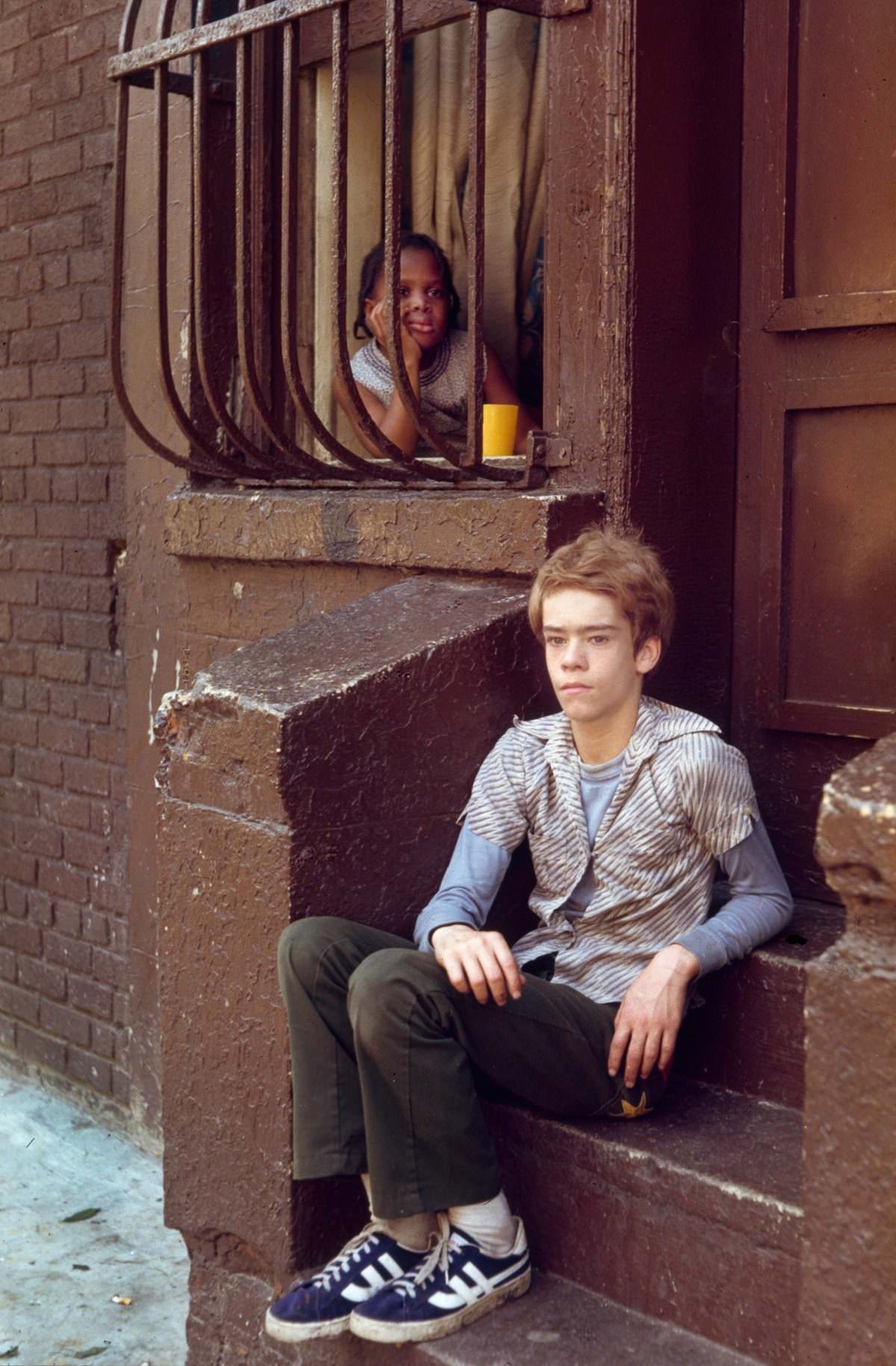
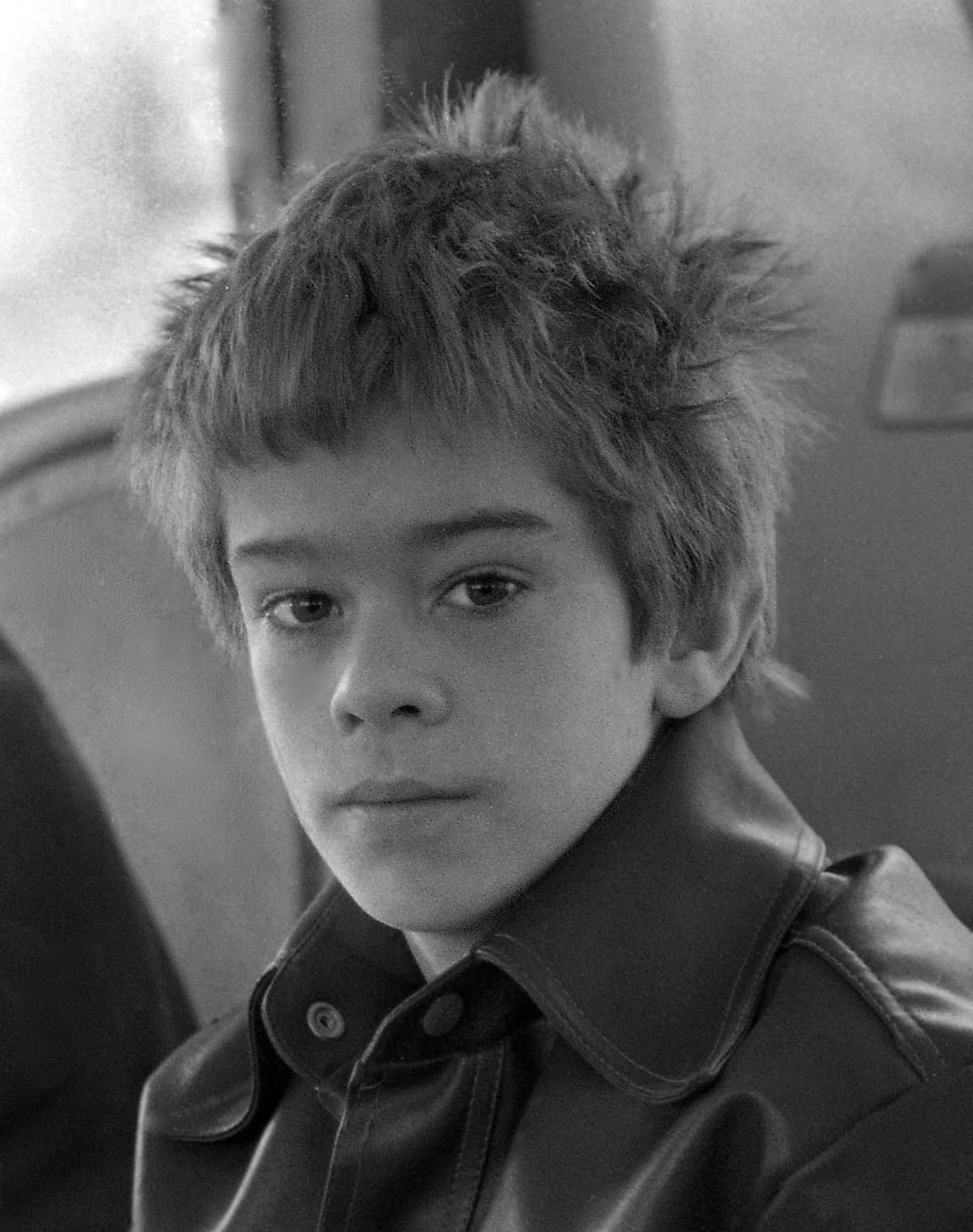
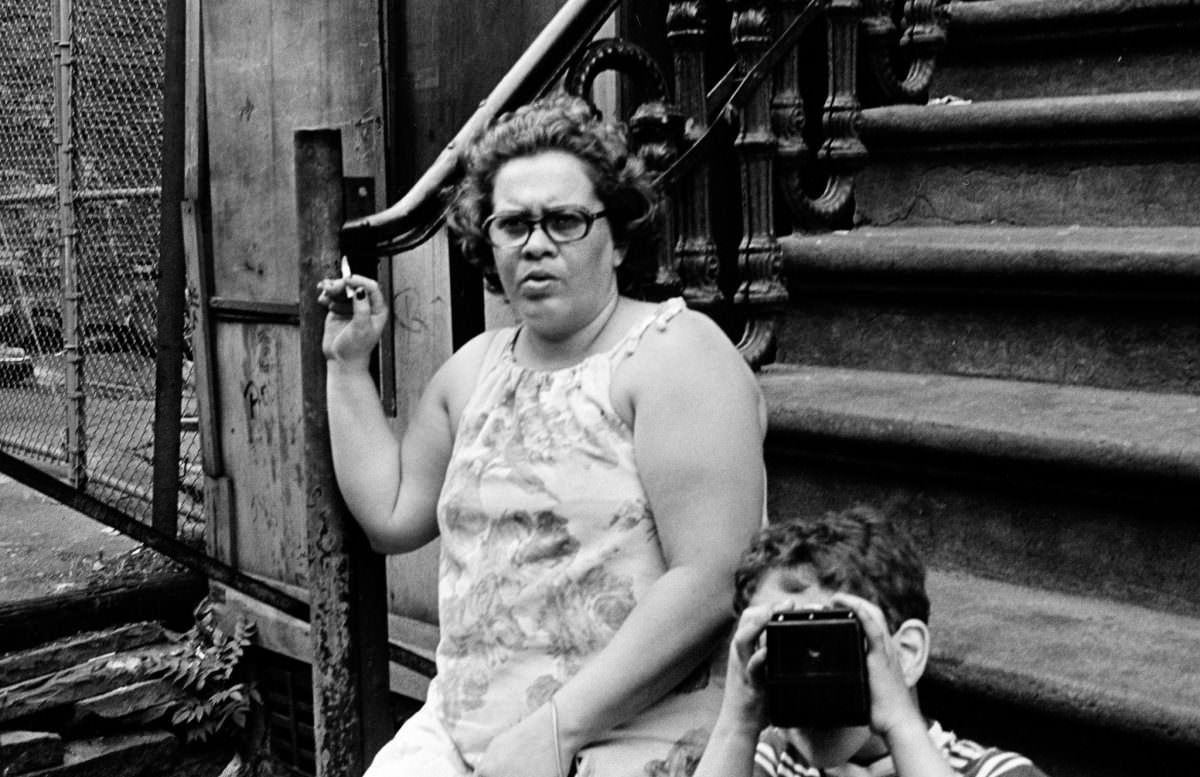
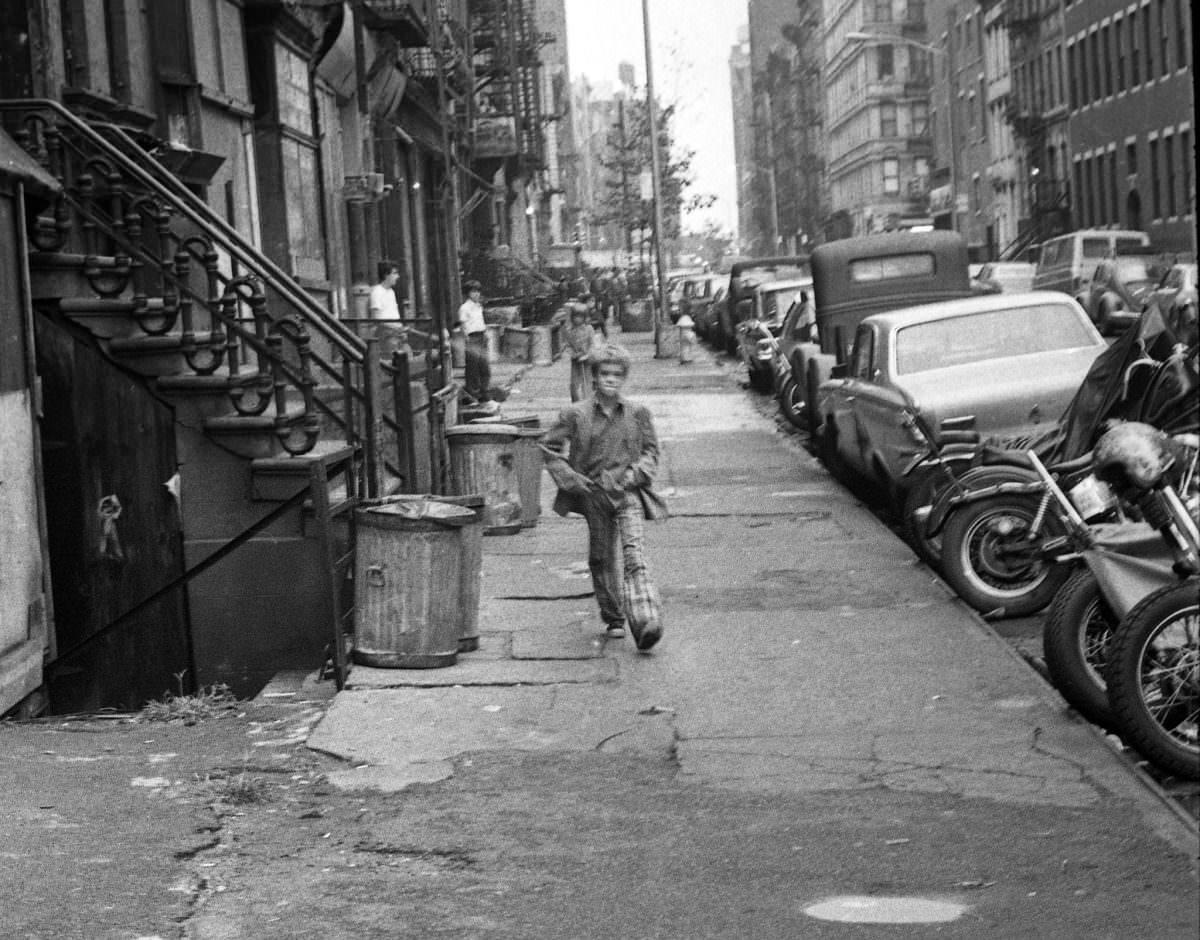
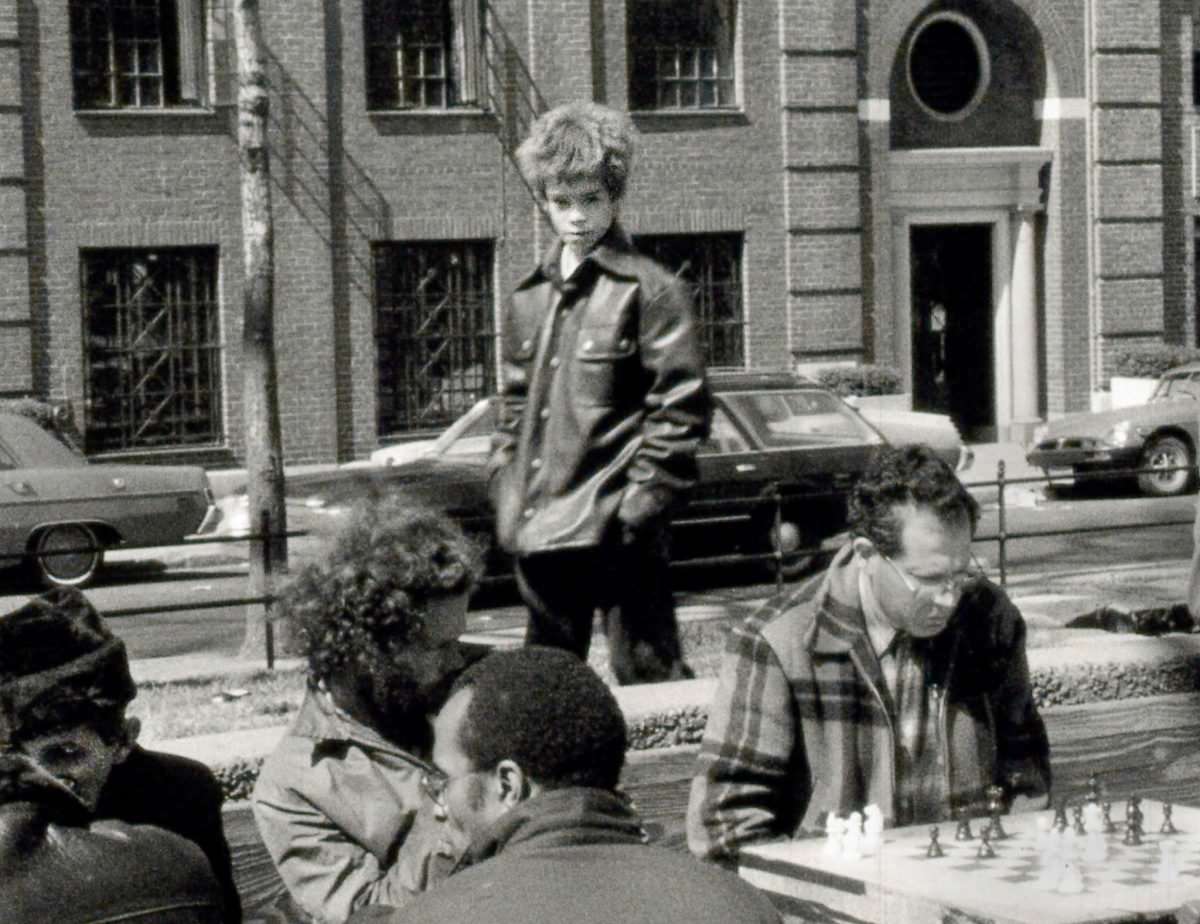
In the early 1970s, East 3rd Street in Manhattan’s East Village was a dense, loud, and layered place. Puerto Rican families lived alongside Black, East Indian, and other communities, all packed into cramped apartments and spilling out onto the sidewalks. The empty lot at number 76 served as the neighborhood’s unofficial gathering ground — a patch of open space where kids could move freely and just be kids.
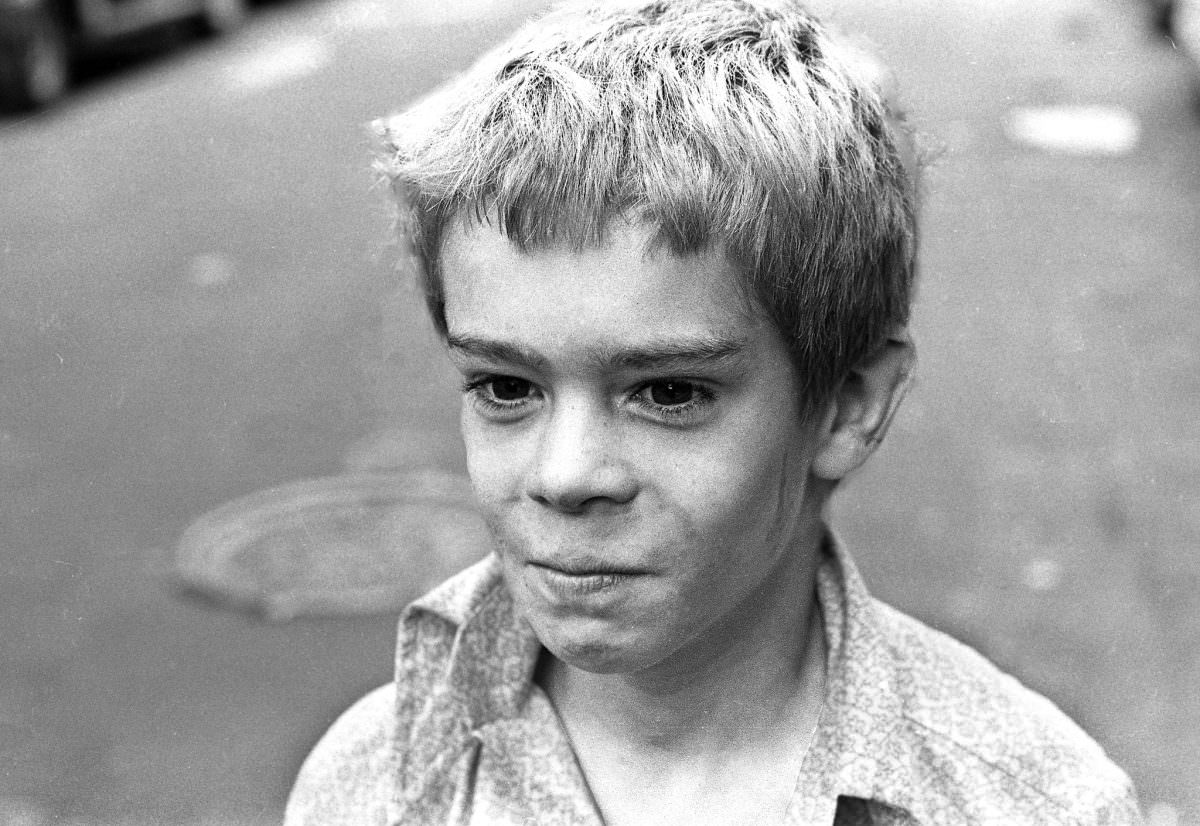
Photographer Rich Allen first spotted a group of children playing in that lot and kept coming back. The kids gave him a nickname: “Picture Man.” Among them was Fernando Madrid, a boy whose energy and mischief made him a natural subject. Allen began following Fernando’s daily life with his camera, eventually shaping the footage and photos into a photographic essay called “Hooky.”
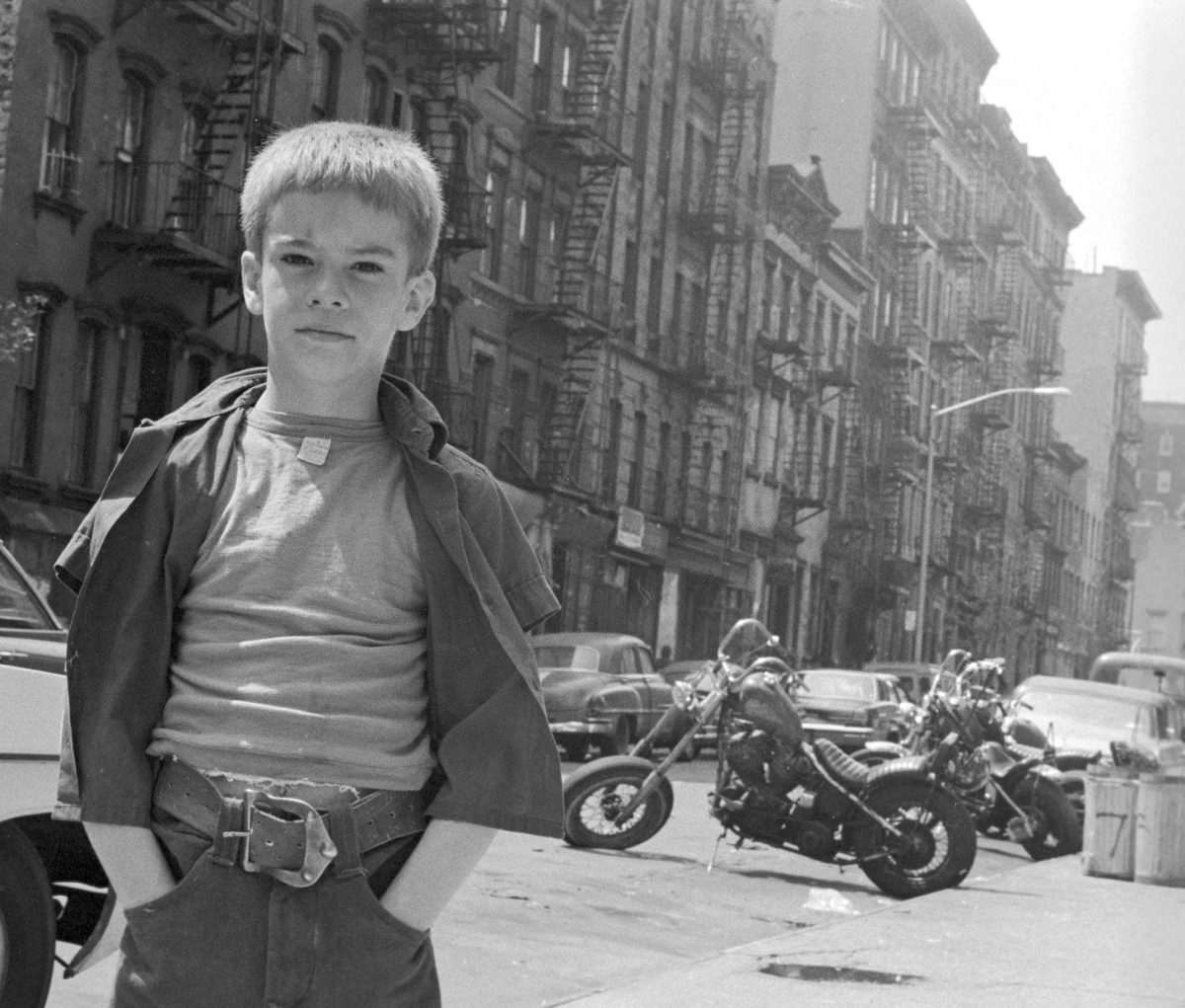
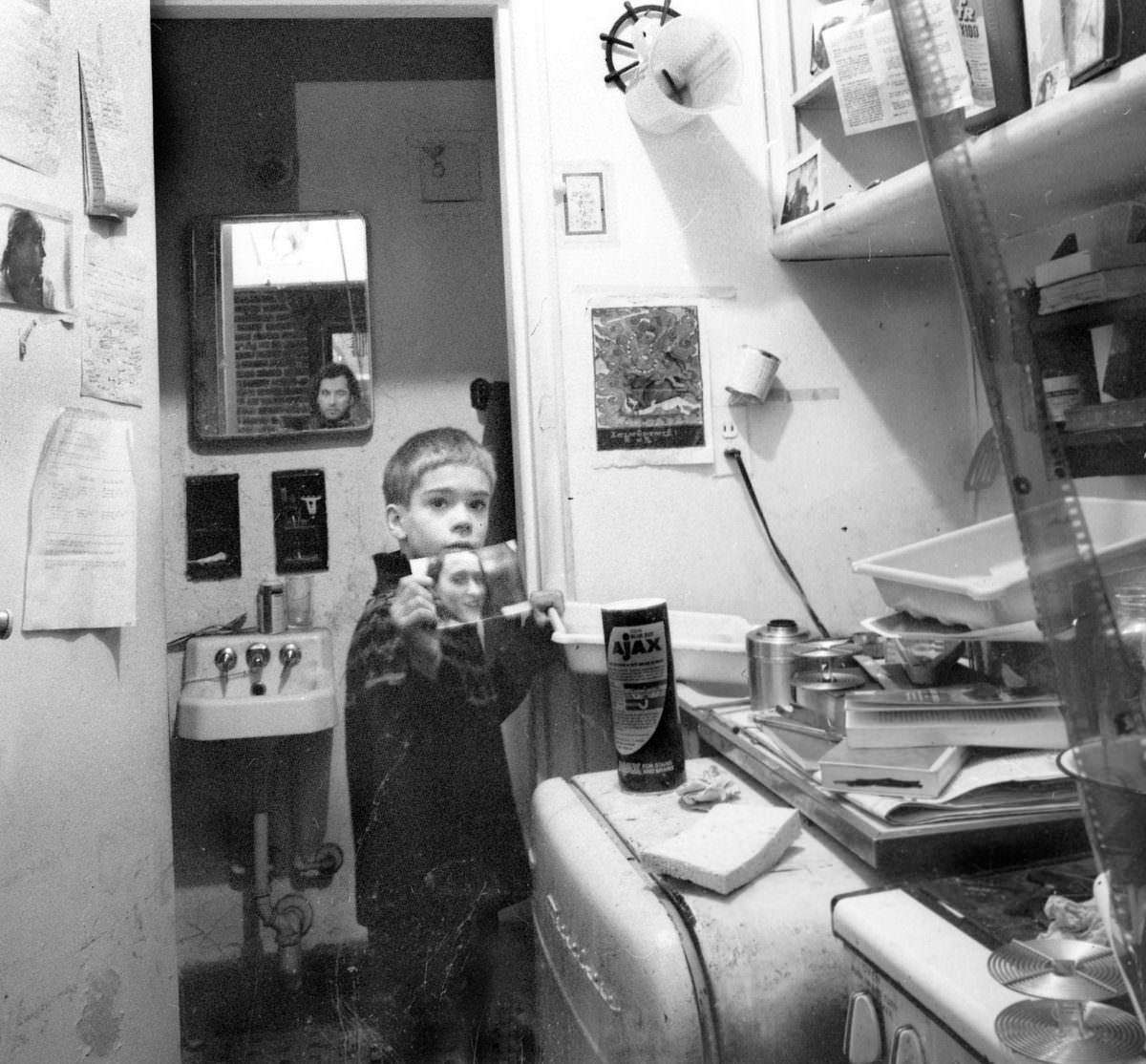
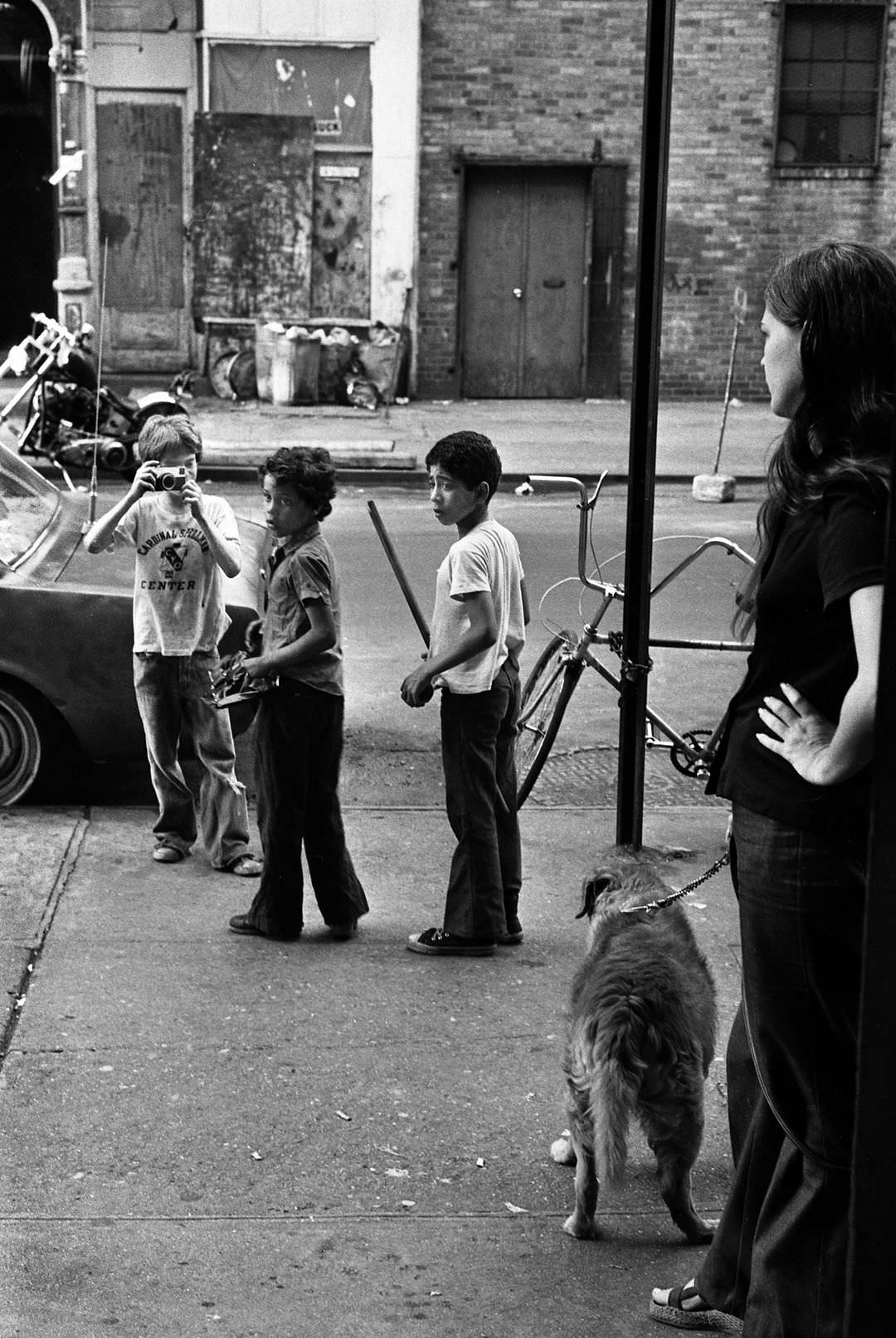
Fernando’s world was almost entirely contained within a few city blocks. He skipped school, roamed the streets, and found entertainment wherever the day took him. Allen used a wind-up movie camera to document these adventures alongside his still photography.
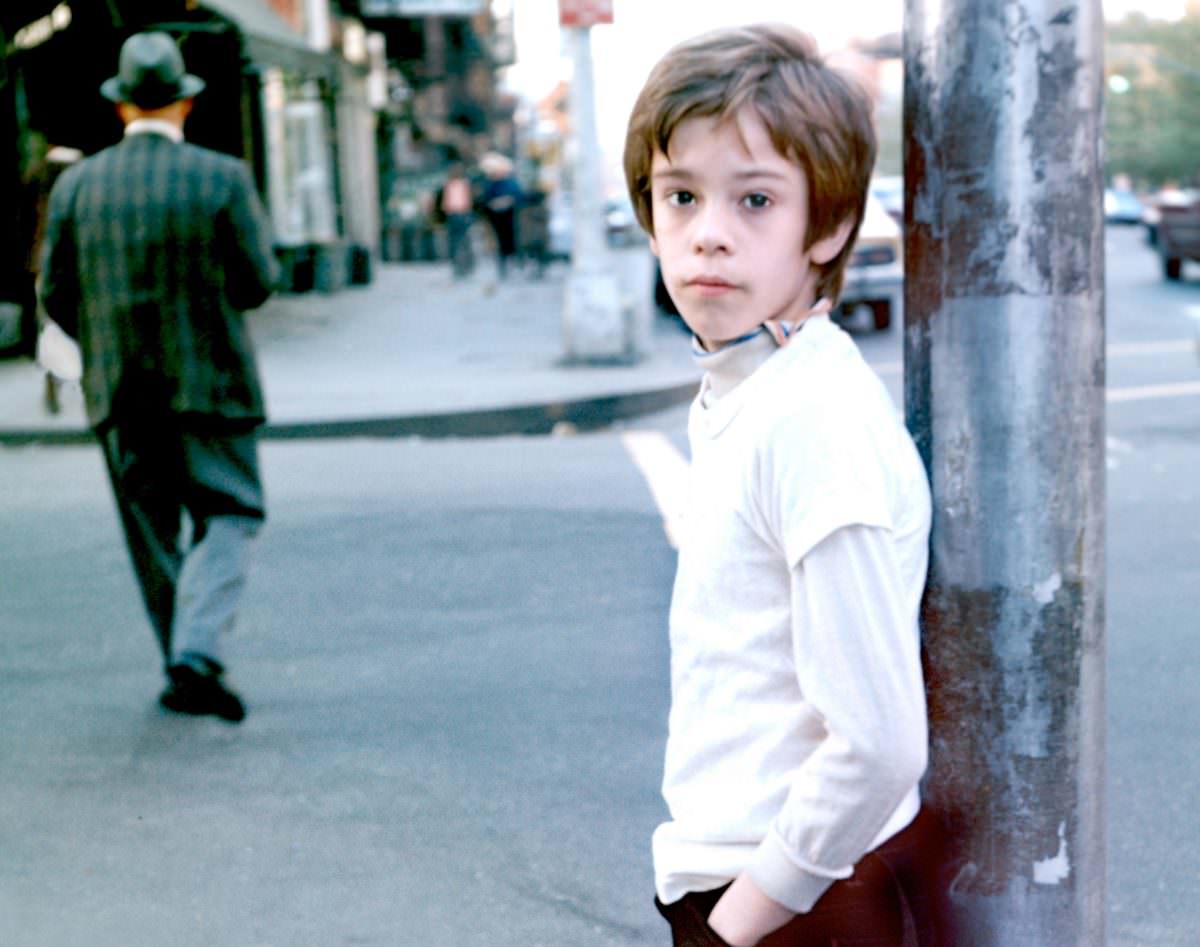
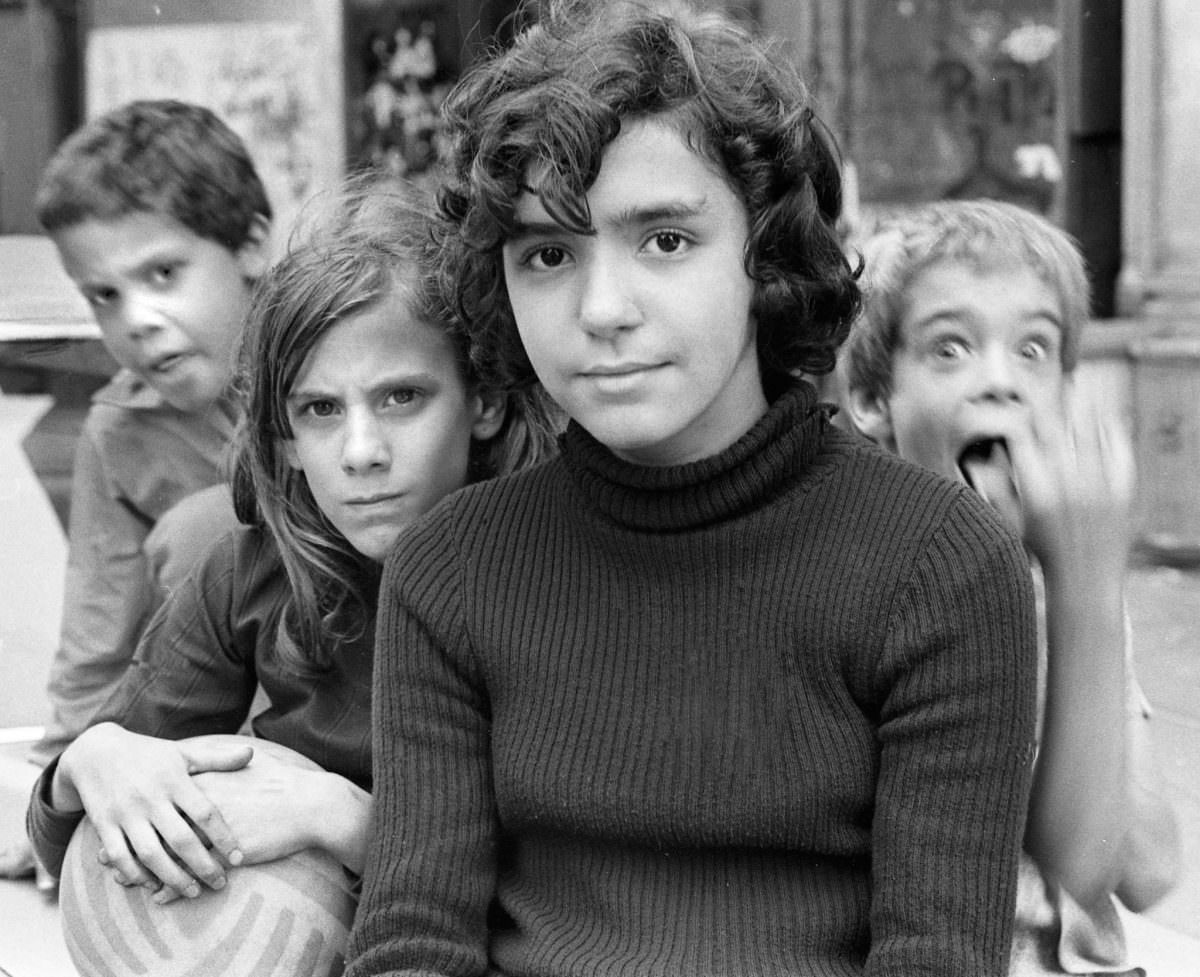
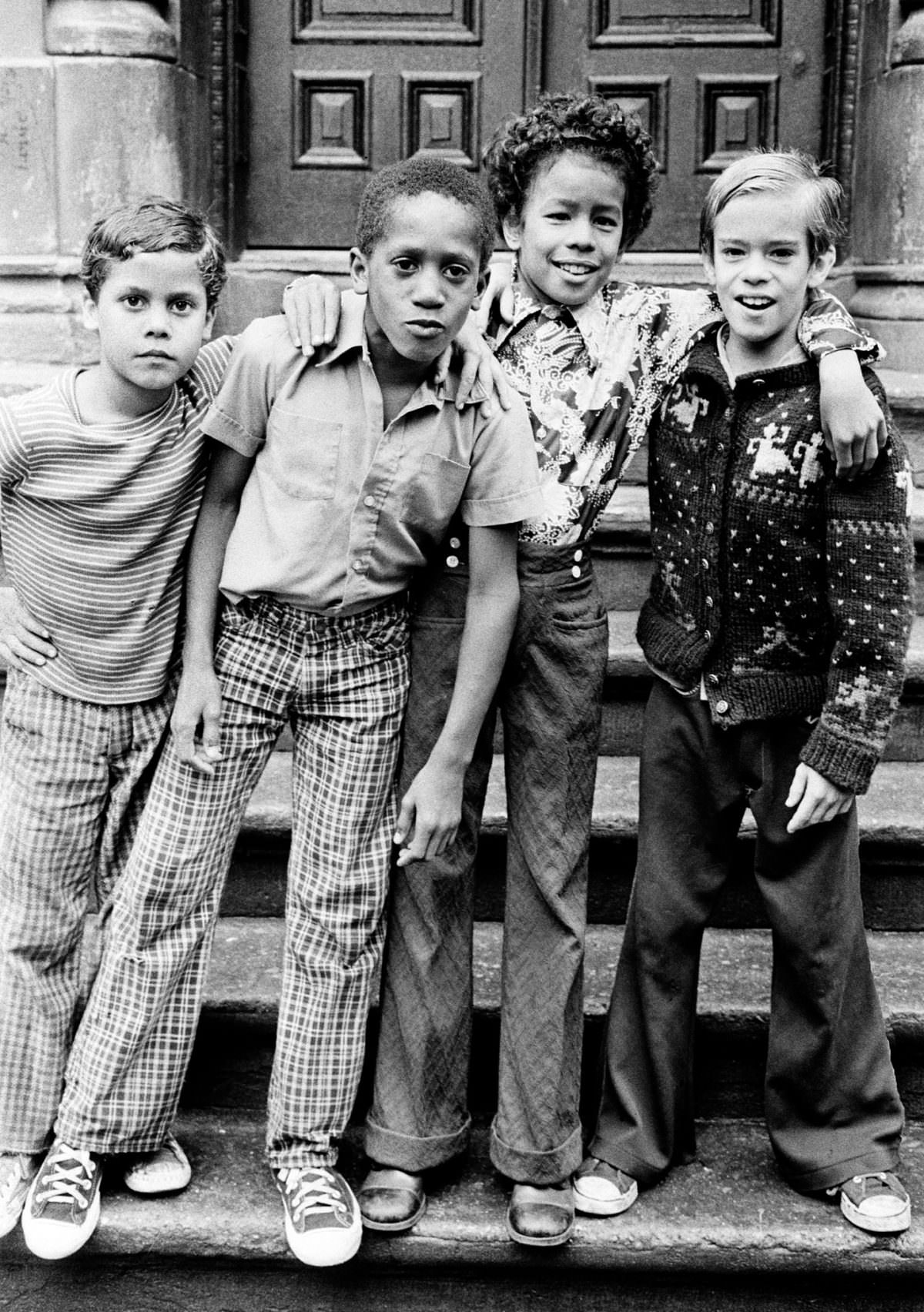
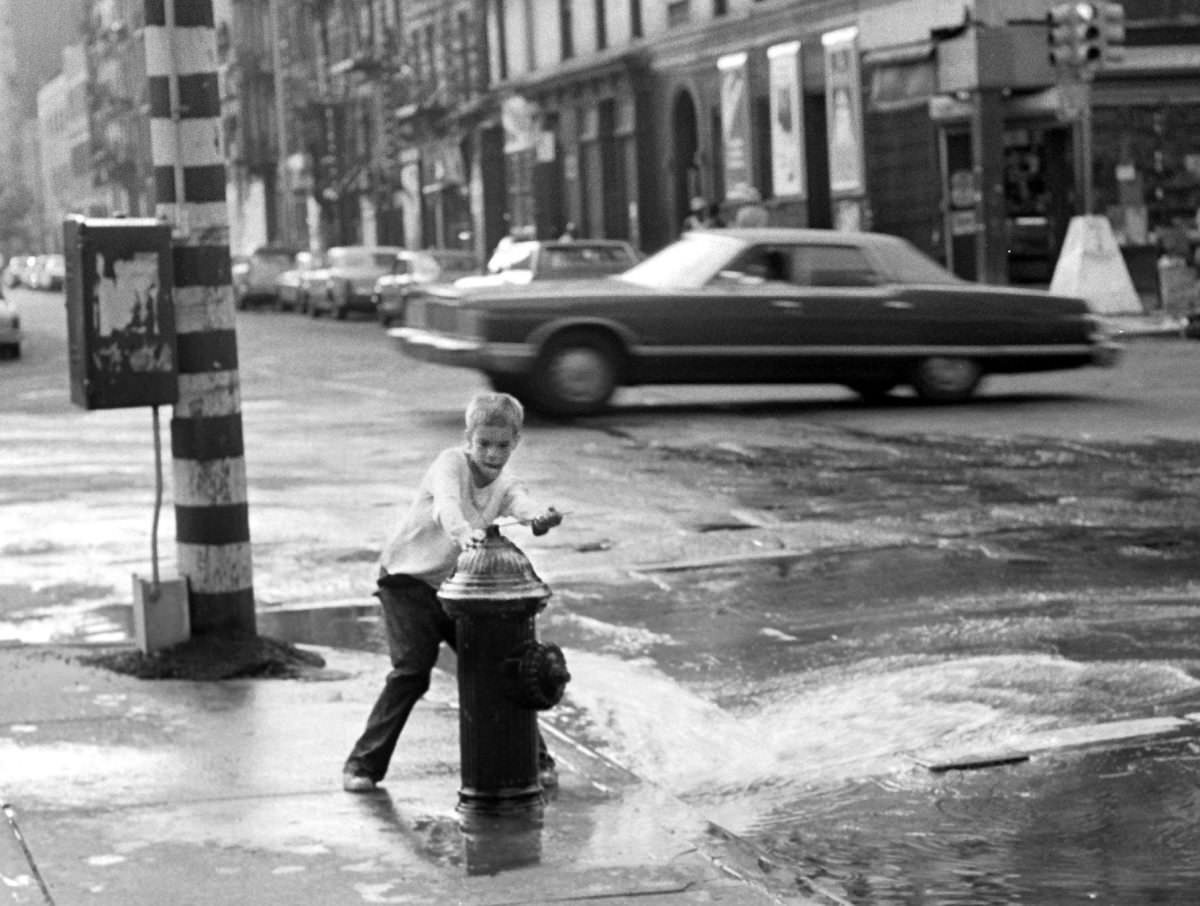
Siblings, neighbors, and friends filled Fernando’s days. The group made the most of what the city offered for free — parks, fire hydrants, block races, and the streets themselves.
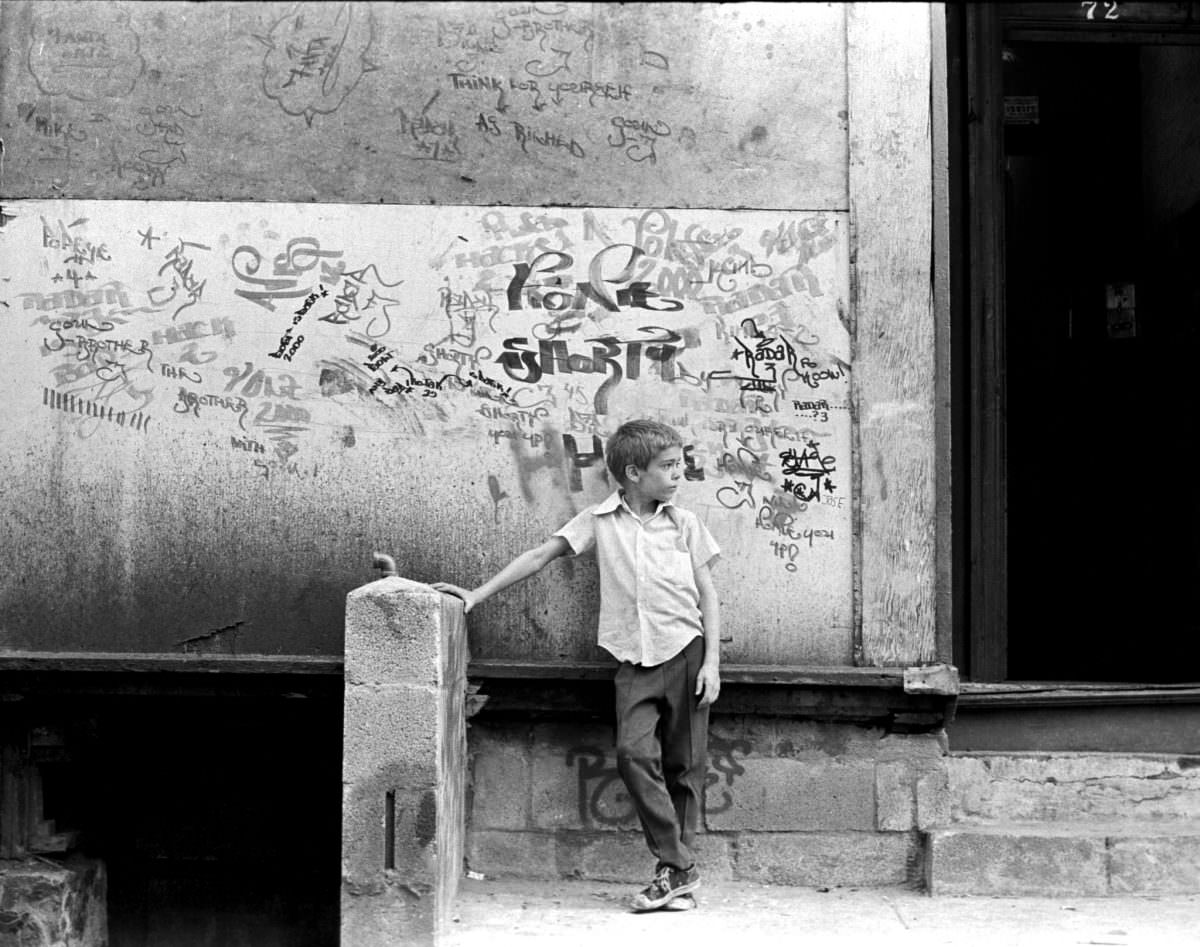
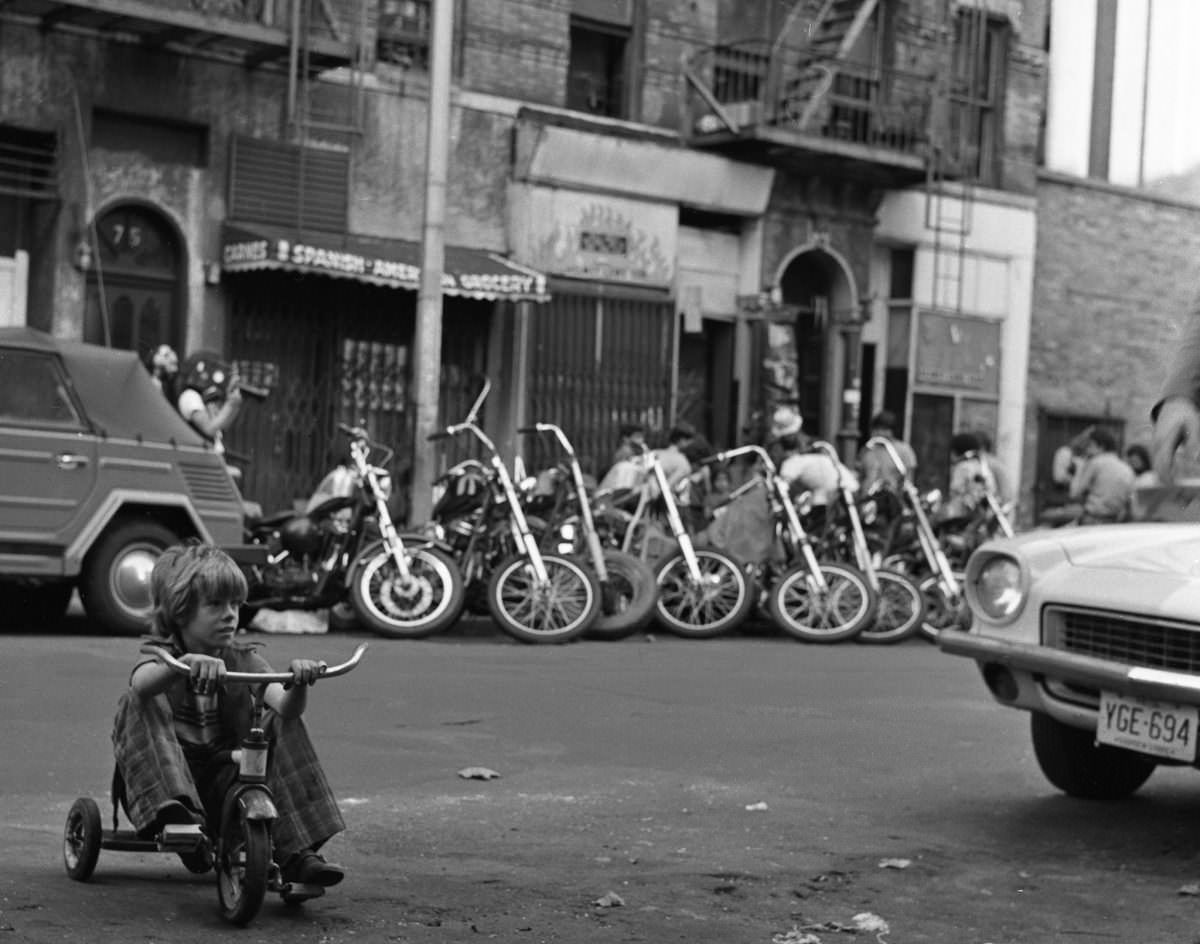
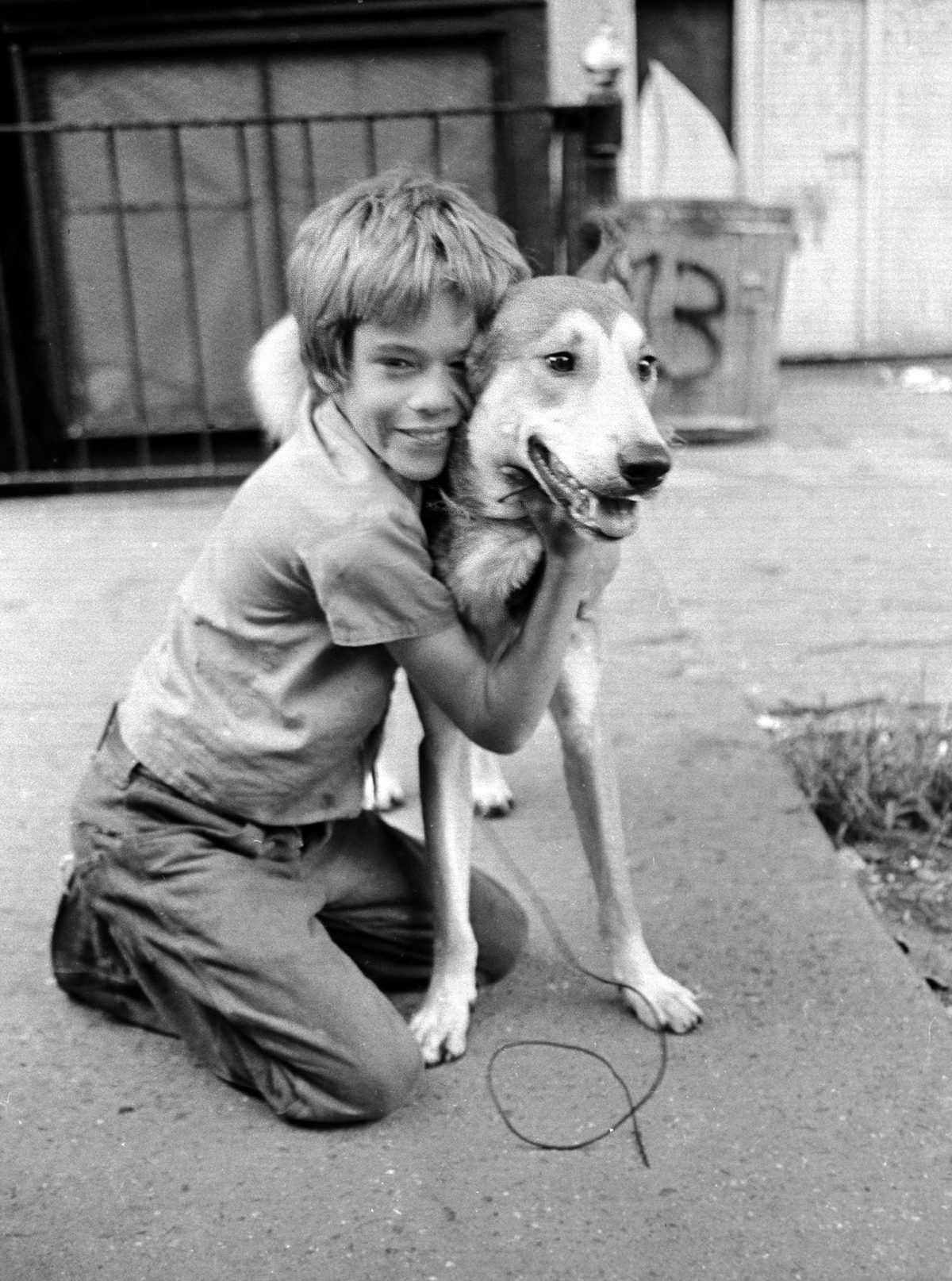
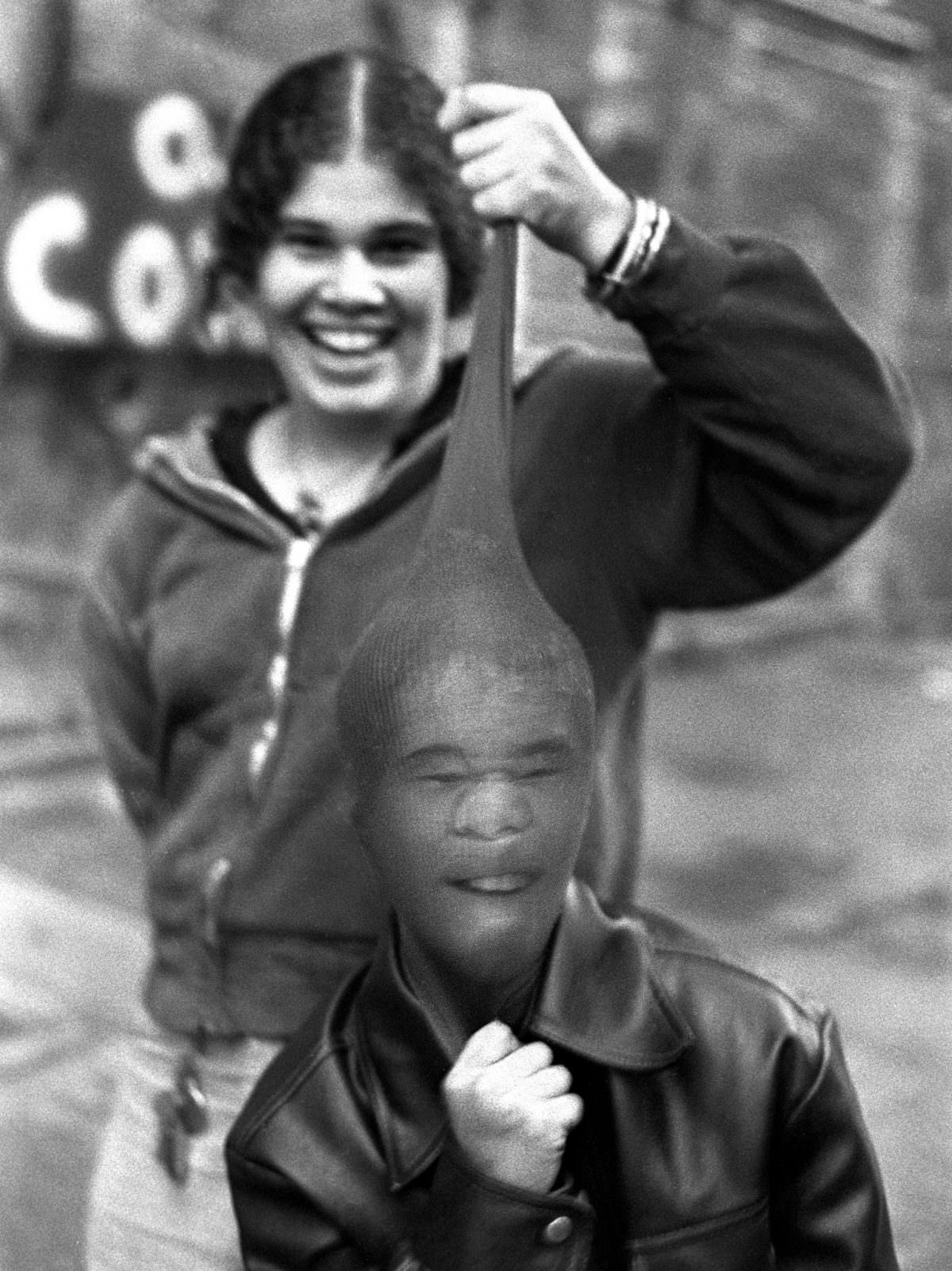
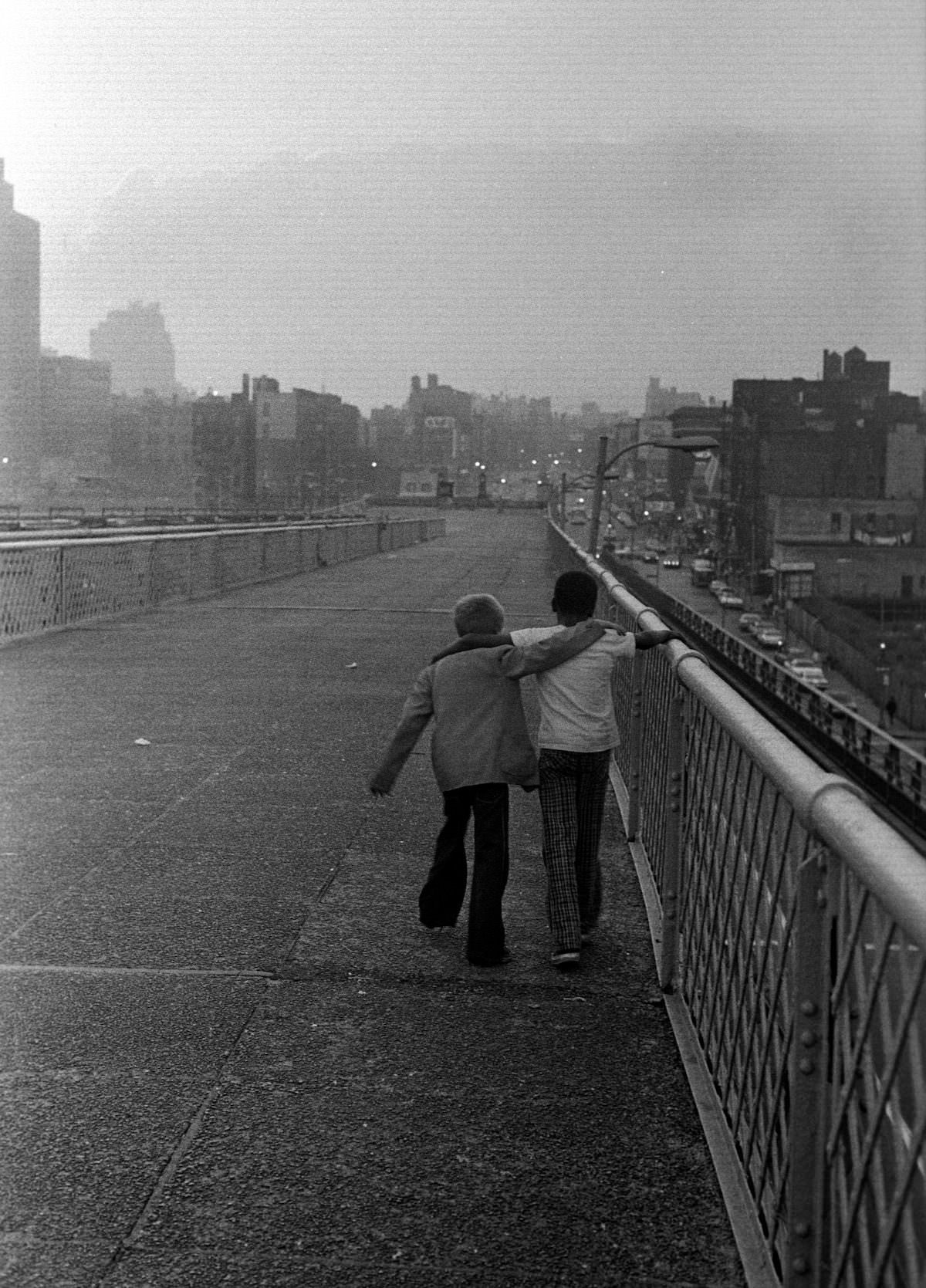
When summer hit, Fernando and his friends pushed beyond their familiar blocks. They walked across town to the West Village to swim in a free outdoor pool. They crossed the Williamsburg Bridge into Brooklyn, treating it like an expedition into unknown territory.
The subway opened up the rest of the city. One trip carried the group into Chinatown, then down Broadway through the Wall Street canyon, and finally to the southern tip of Manhattan. Standing at the water’s edge, Fernando looked out at the bay and the Statue of Liberty in the distance. He had never seen that much open water before. He turned to Allen and asked, “How’d they get all the water in here?”
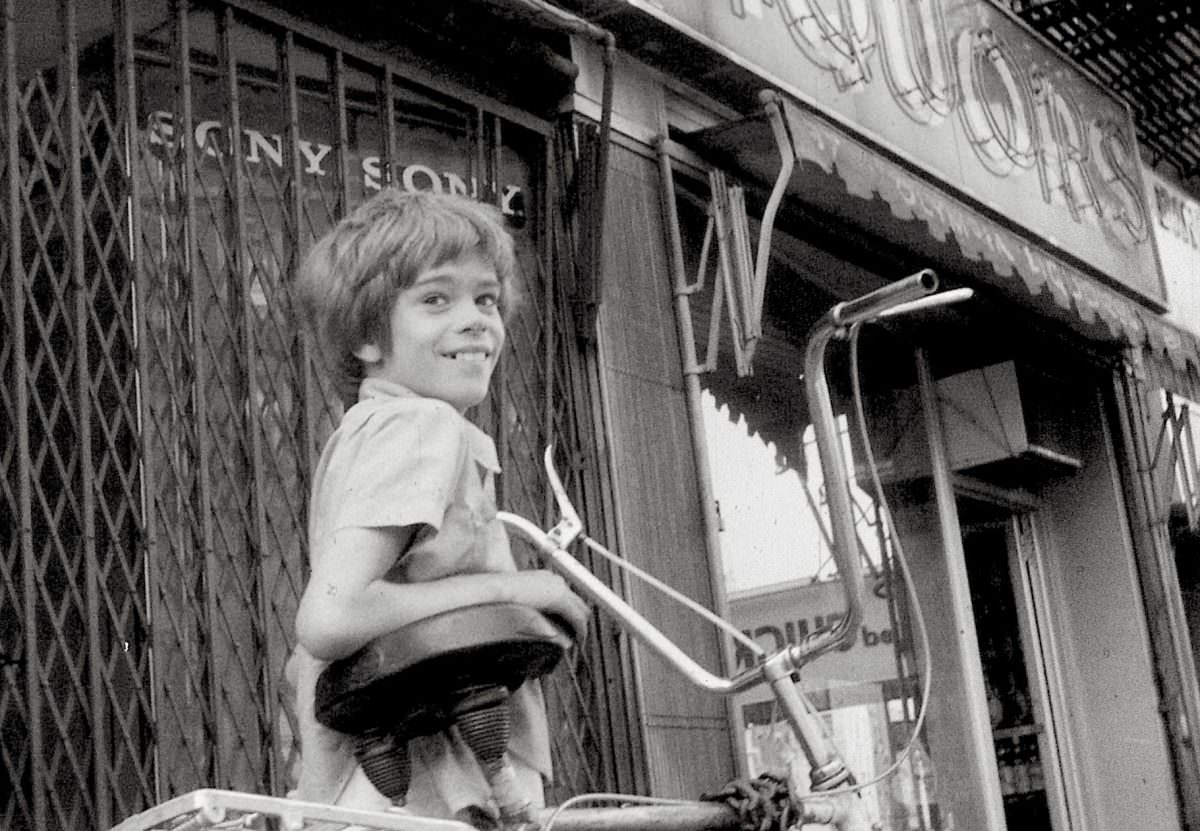
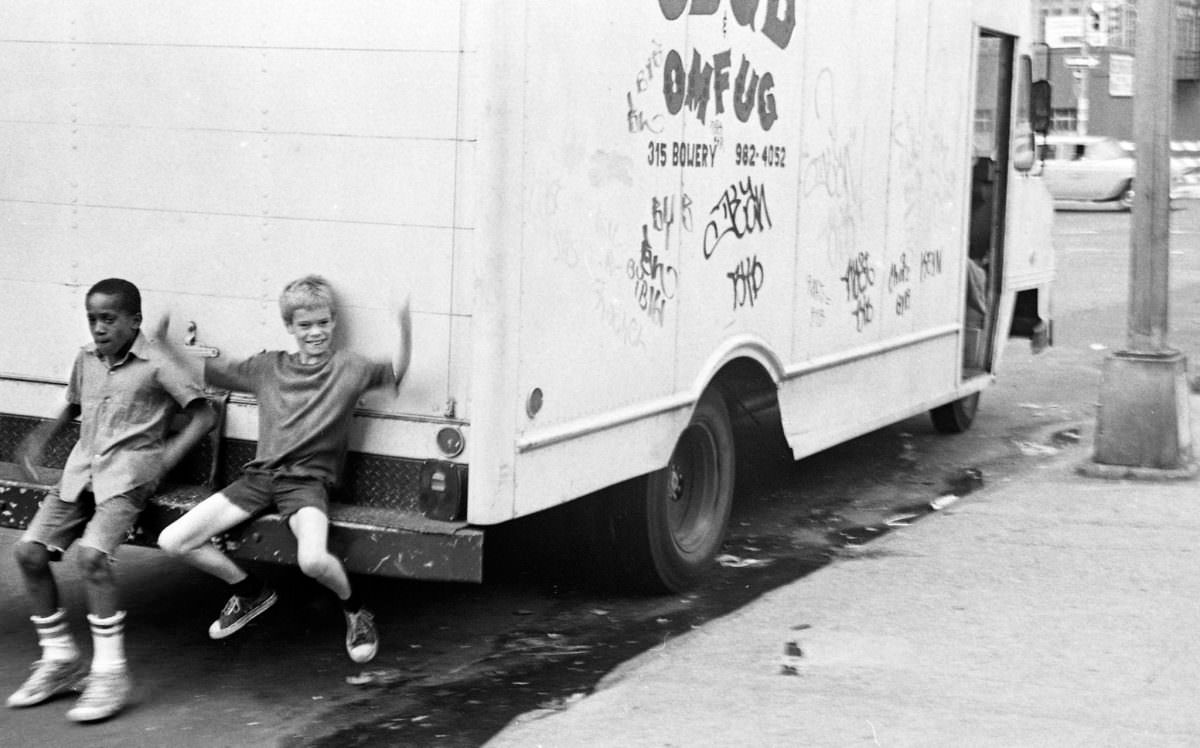
Back on East 3rd Street, life carried on at its usual pace. Fernando claimed his corner of the neighborhood however he could — controlling a fire hydrant, racing friends down the block, or just watching the street from the sidewalk.
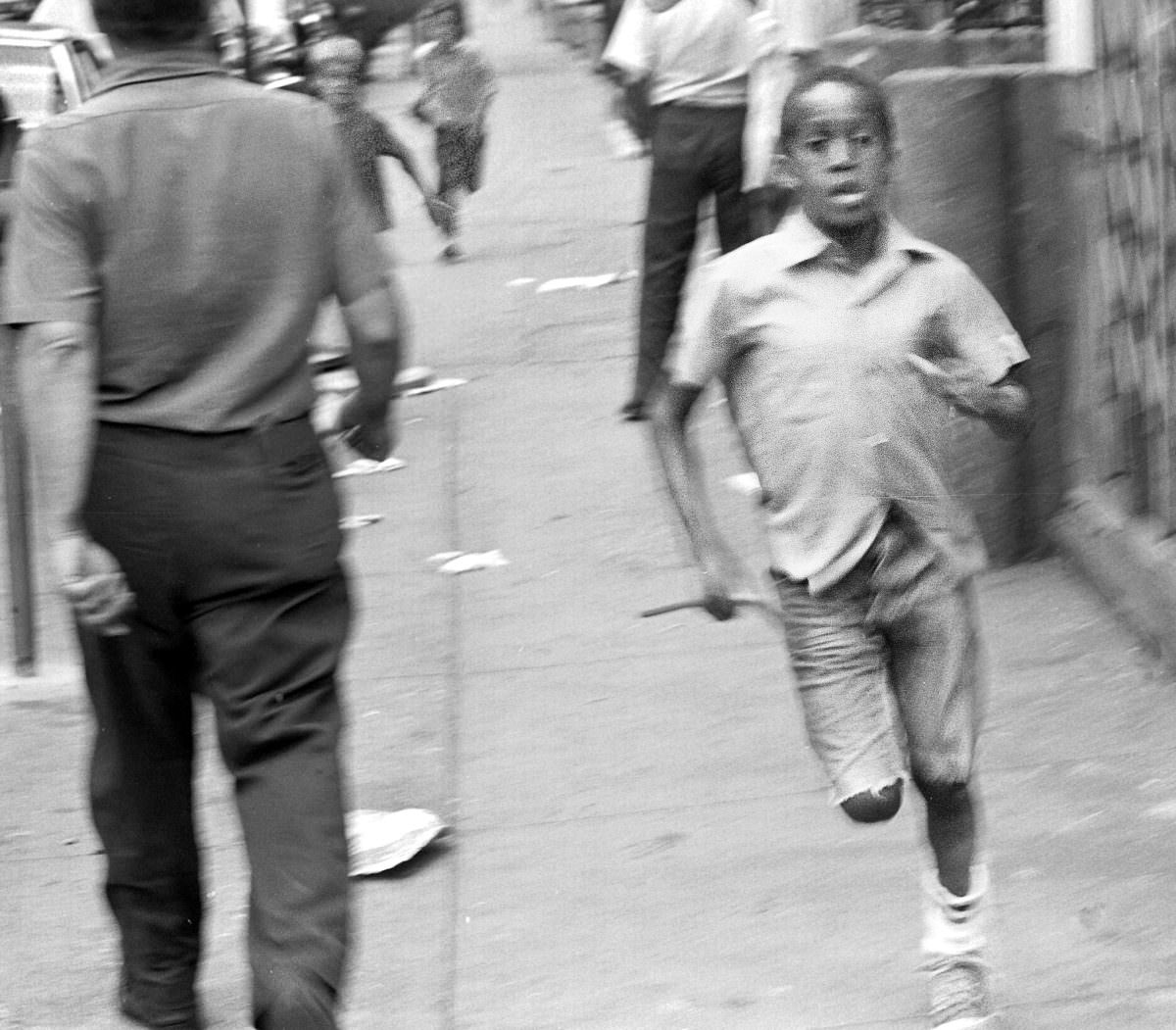
By 1976, Fernando was growing up. Allen captured him with his first car on East 3rd Street — a small but telling marker of time passing. Then, in April of that year, fire tore through 74 East 3rd Street, leaving the building gutted and the block changed.
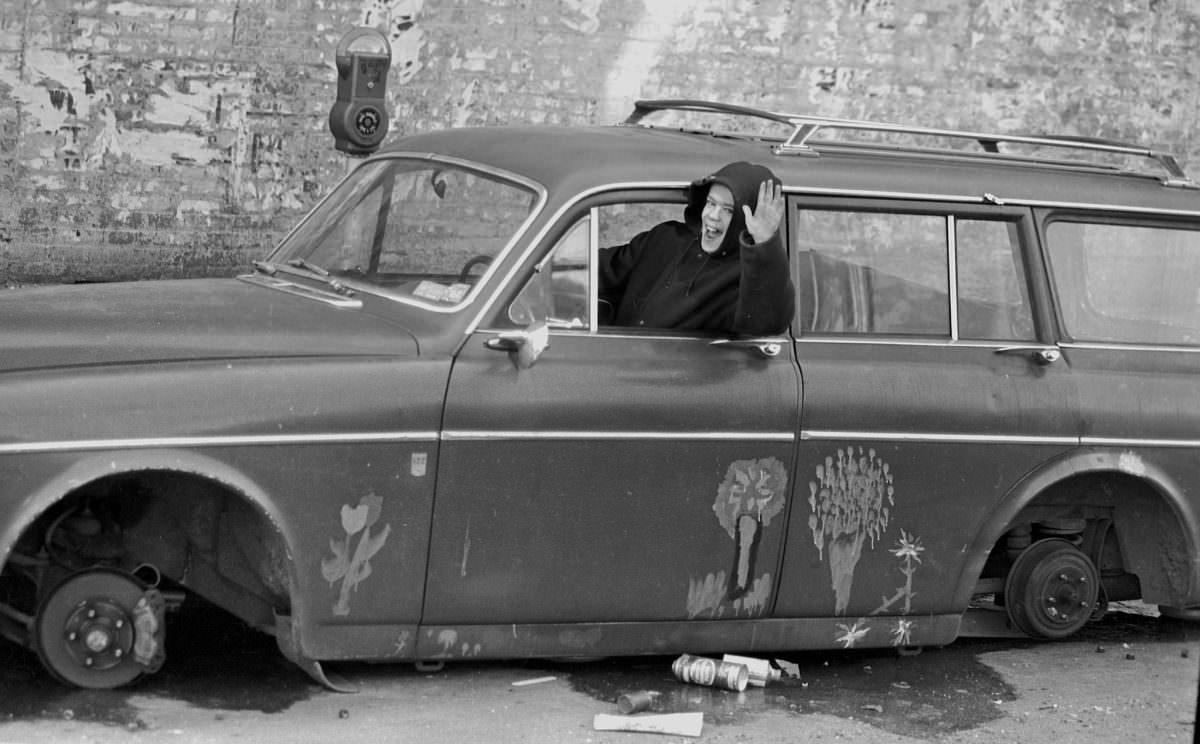
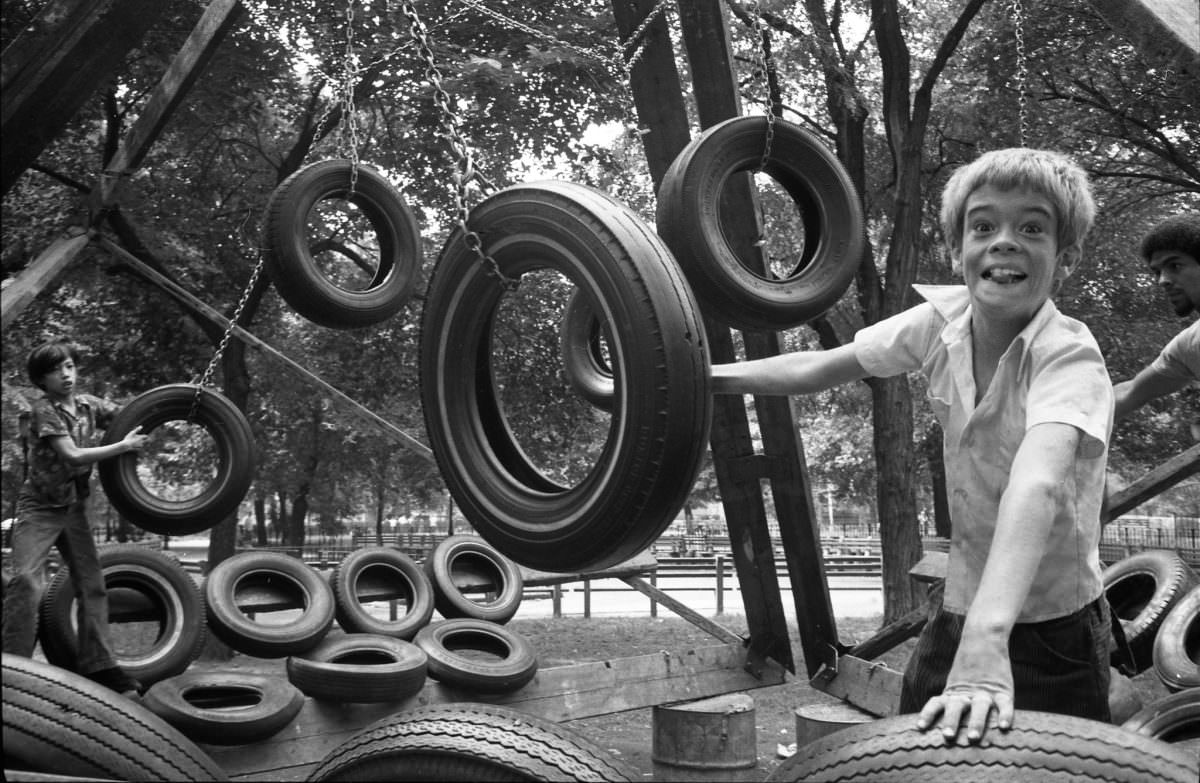
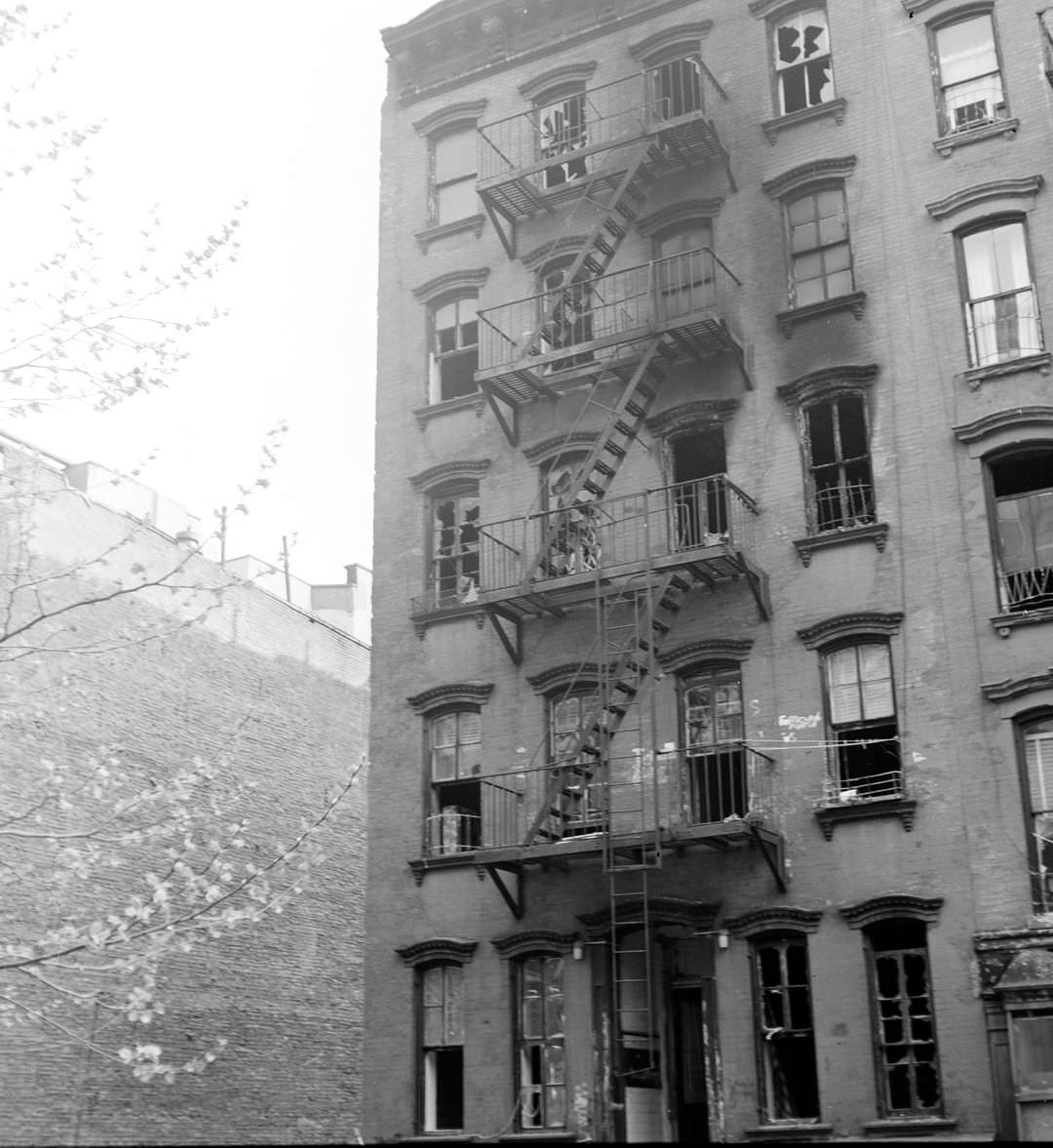
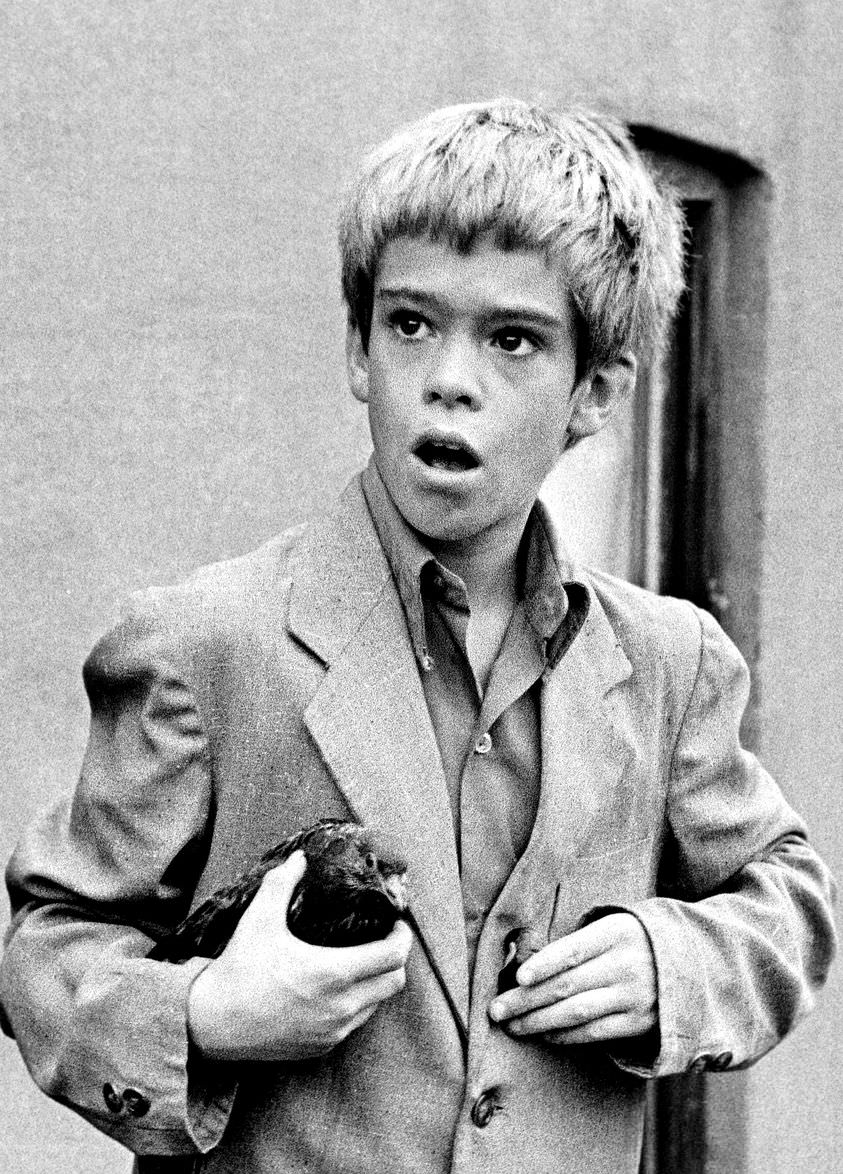
Allen kept photographing through it all. His images show a boy shaped entirely by this one corner of New York City — its textures, its people, and its constant state of change.