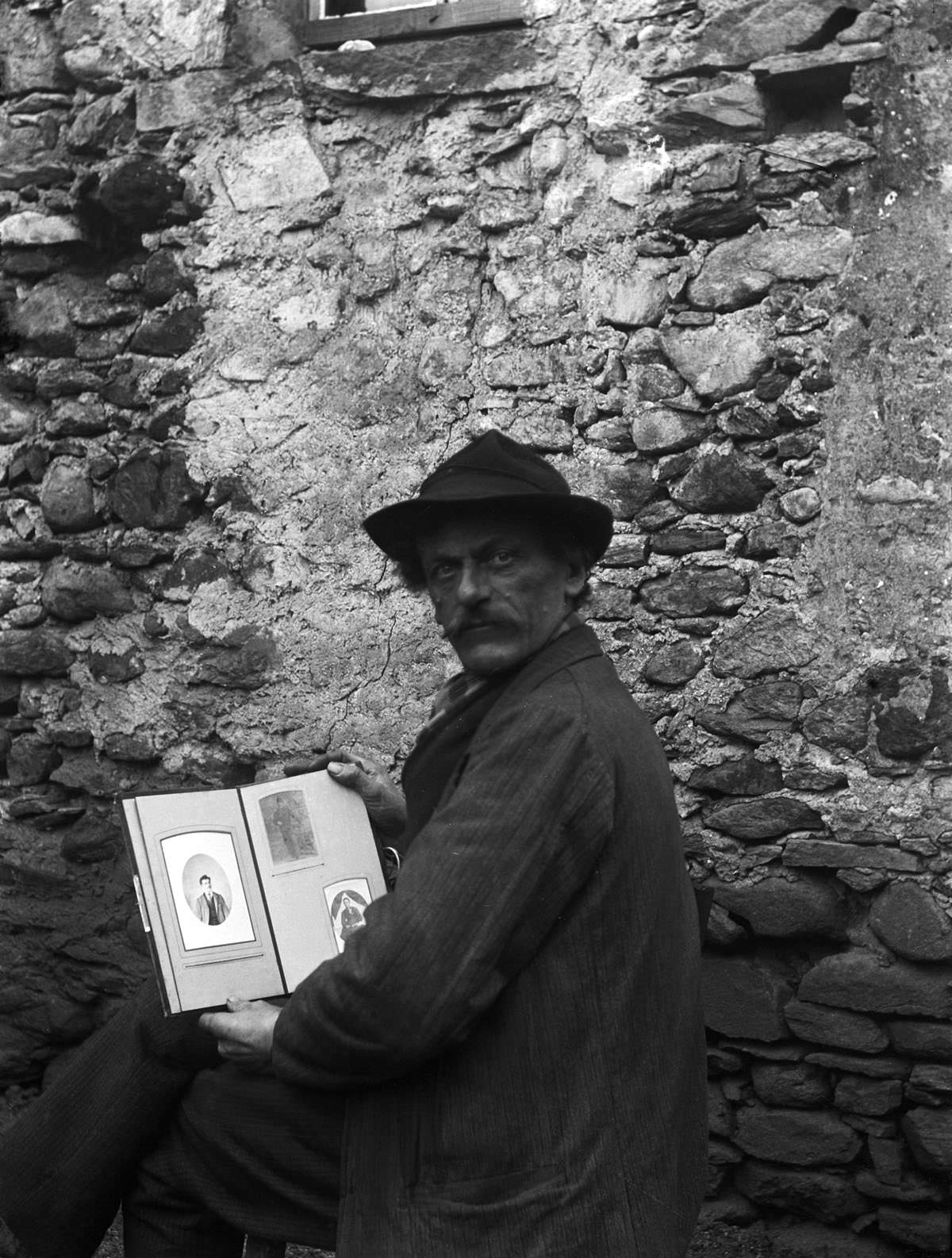

Roberto Donetta was a Swiss photographer who spent roughly 30 years documenting the people and everyday rhythms of the Blenio Valley in the Swiss canton of Ticino. He learned photography from sculptor Dionigi Sorgesa, who also handed him his first camera. To make ends meet, Donetta worked as a traveling photographer and seed salesman, moving between villages scattered across this rugged, largely cut-off Alpine valley. Over those three decades — a period of real change in Switzerland — he shot nearly 5,000 glass plate negatives.
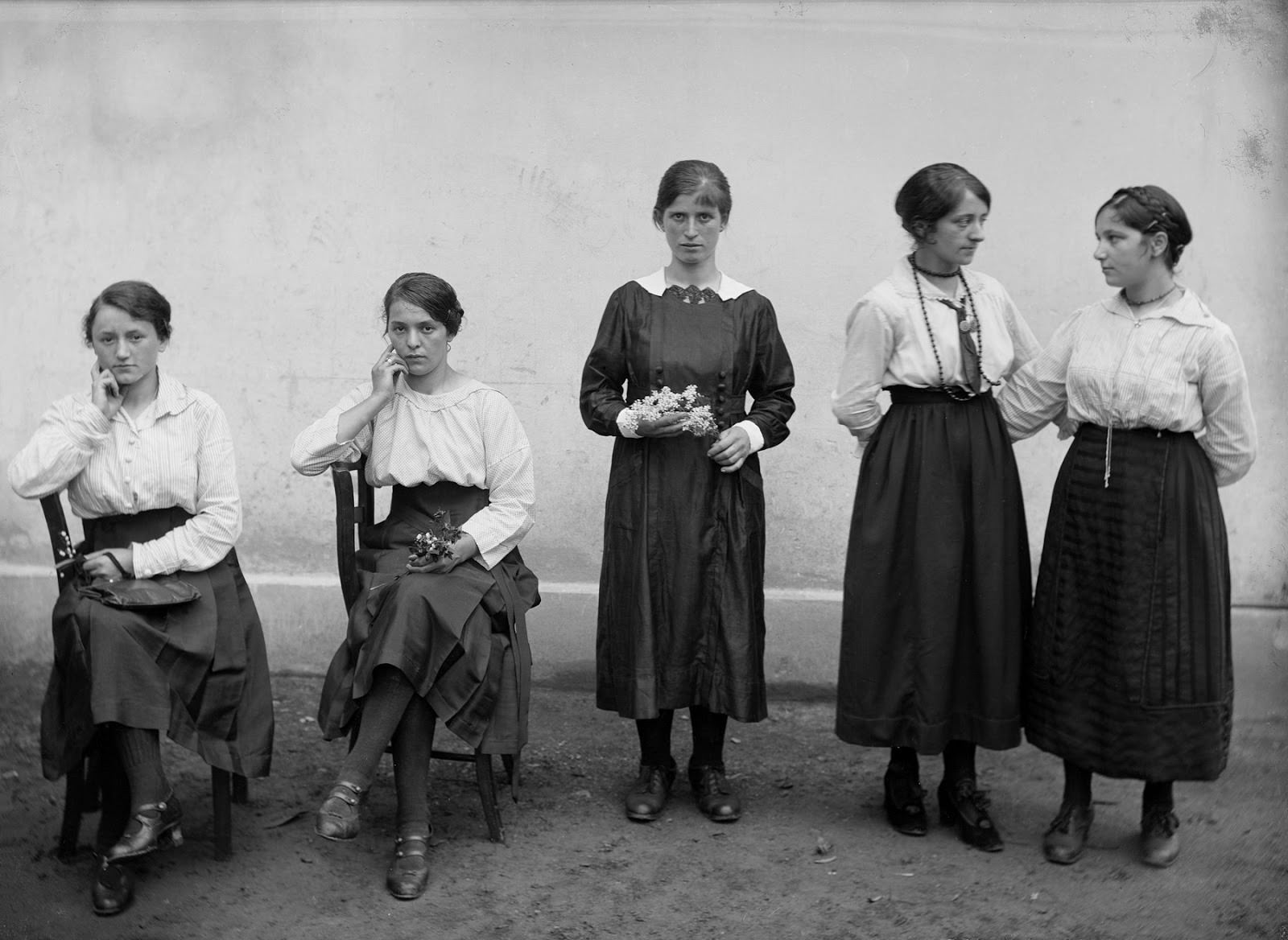
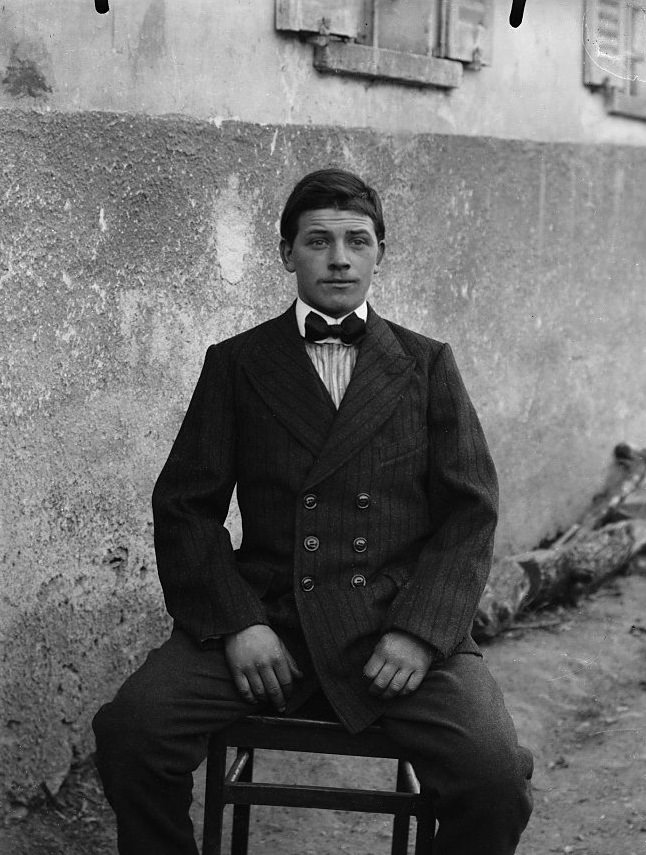
The Blenio Valley at that time was almost entirely isolated from the outside world. Modernization was arriving slowly, and the lives of the people there still followed deeply traditional patterns. Donetta photographed all of it — families, wedding couples, craftsmen, laborers, and children — with both honesty and a sharp sense of wit. His portraits are direct and unsentimental, yet full of life.
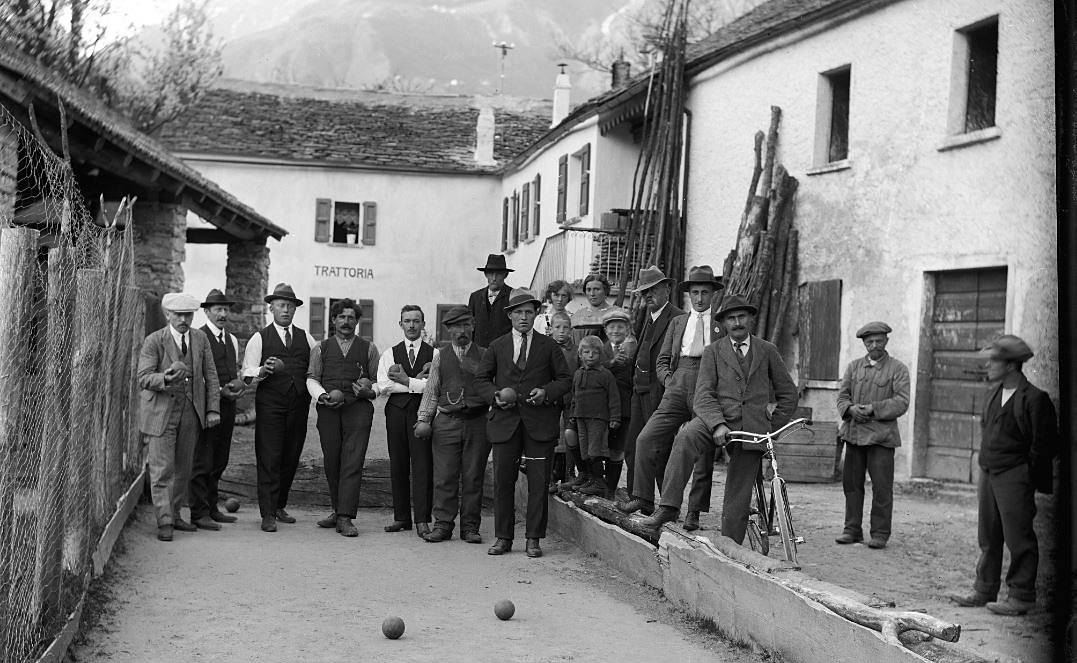
Men gathered for bowling in their Sunday best. Women worked the fields and posed proudly for portraits. Skilled tradespeople like basket makers were photographed on the job. Donetta captured all social layers of valley life without ranking one above another.
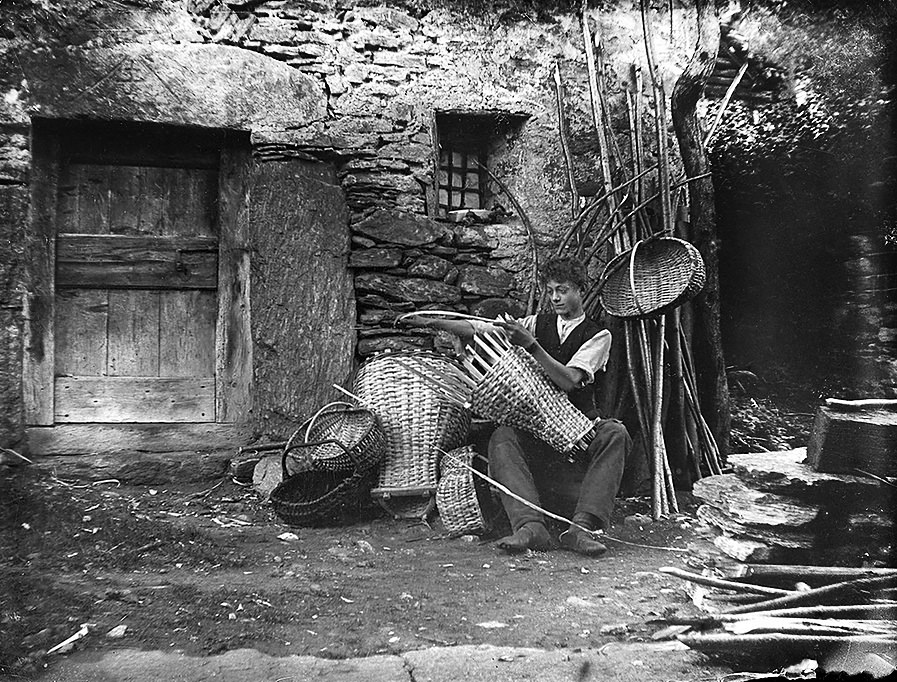
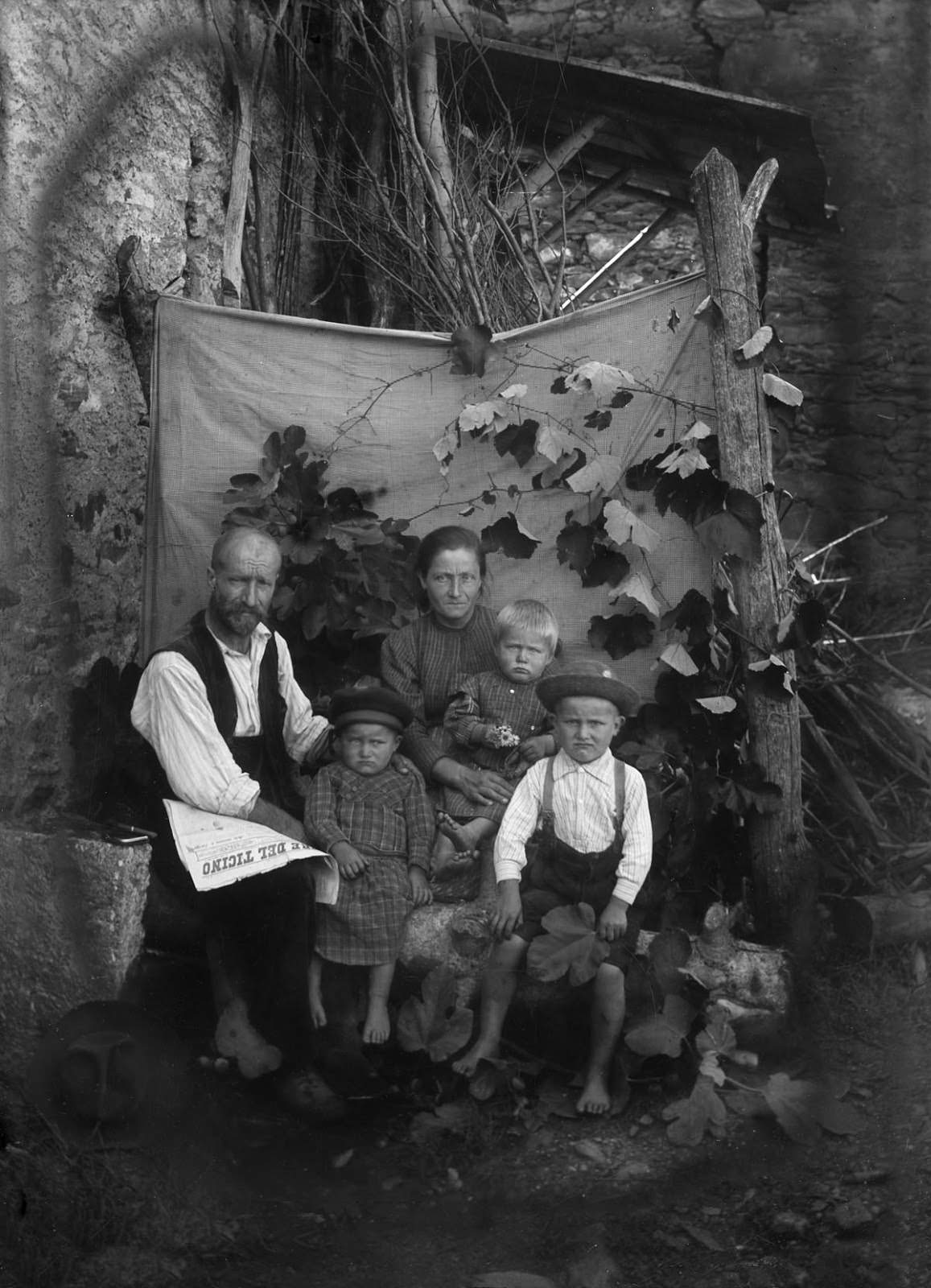
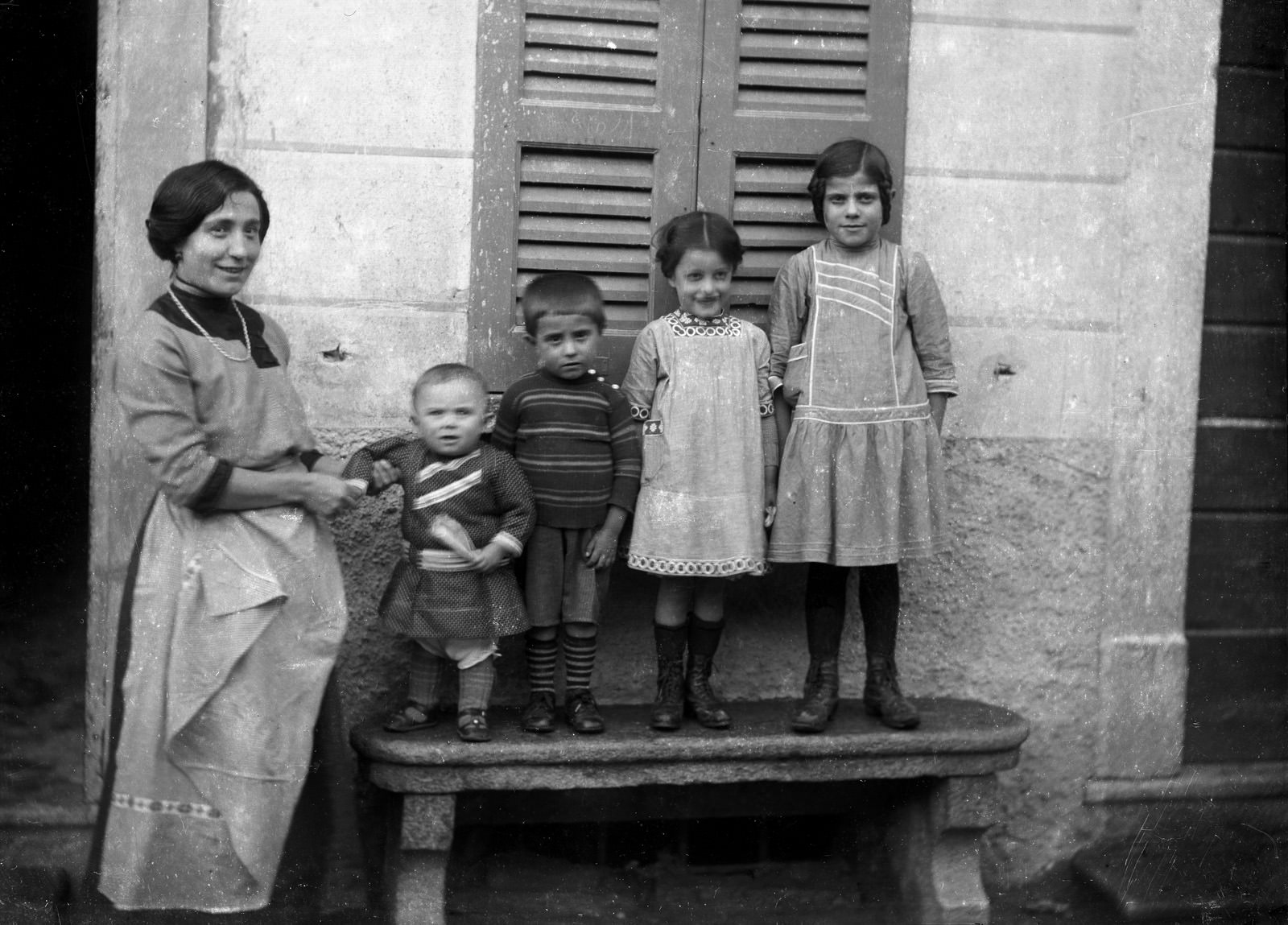
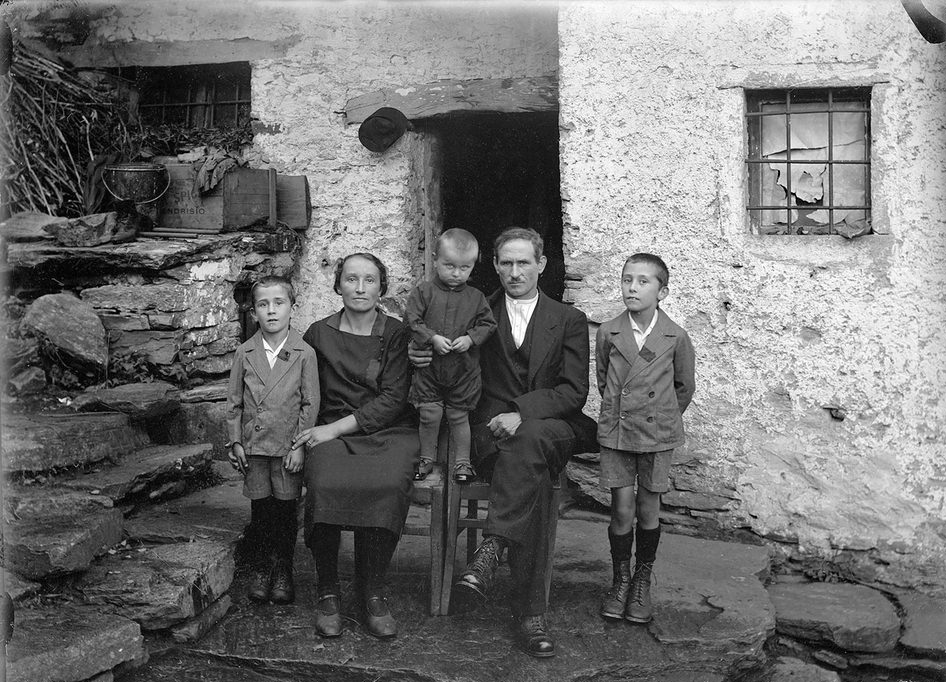
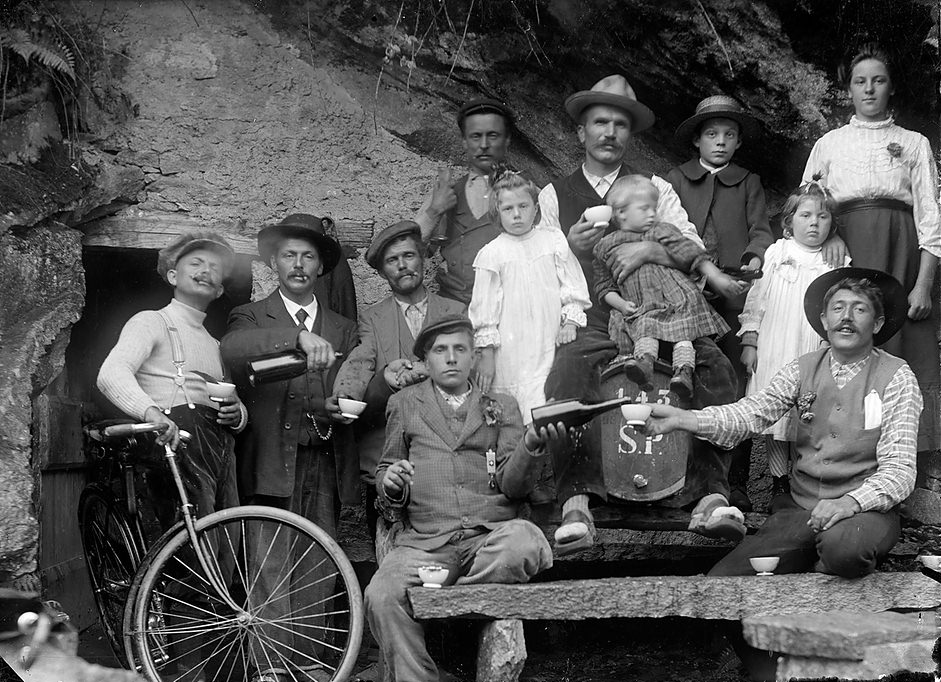
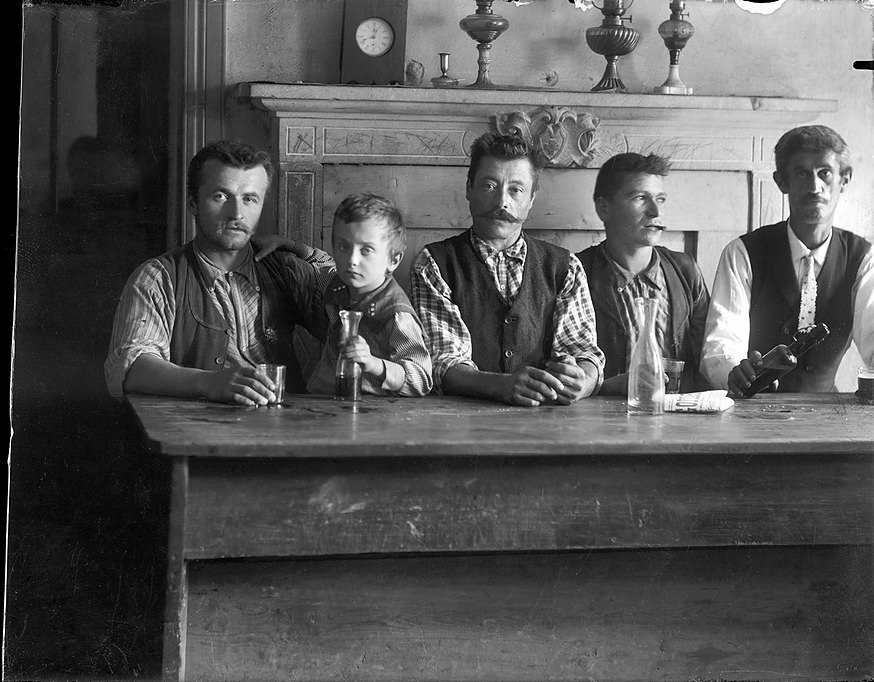
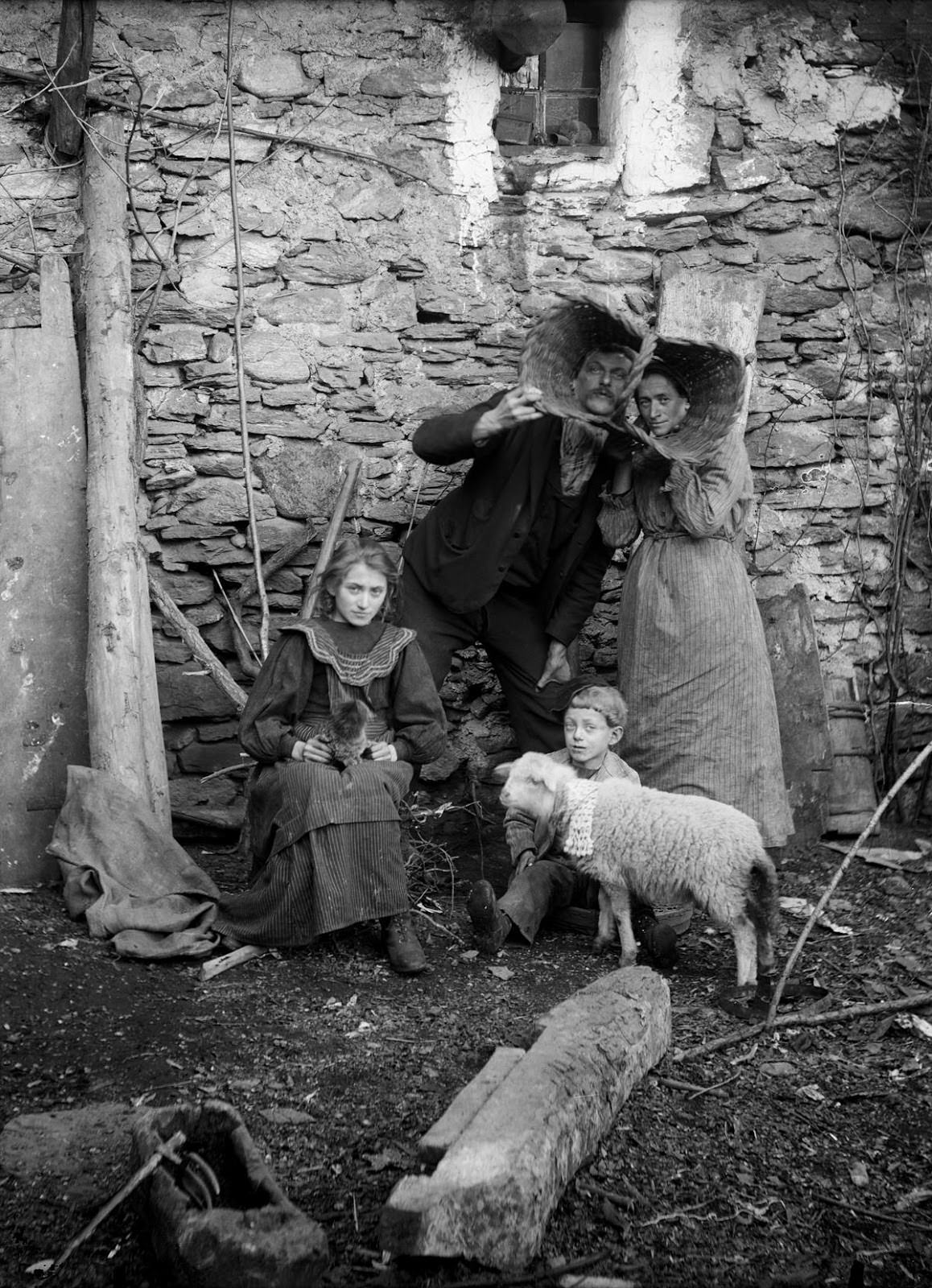
Donetta’s subjects often posed formally, as was the custom of the era, but his compositions avoided the stiffness common in studio photography of the time. Group shots feel lived-in. Even formal family portraits carry a natural warmth that sets his work apart from typical traveling photographers of the period.
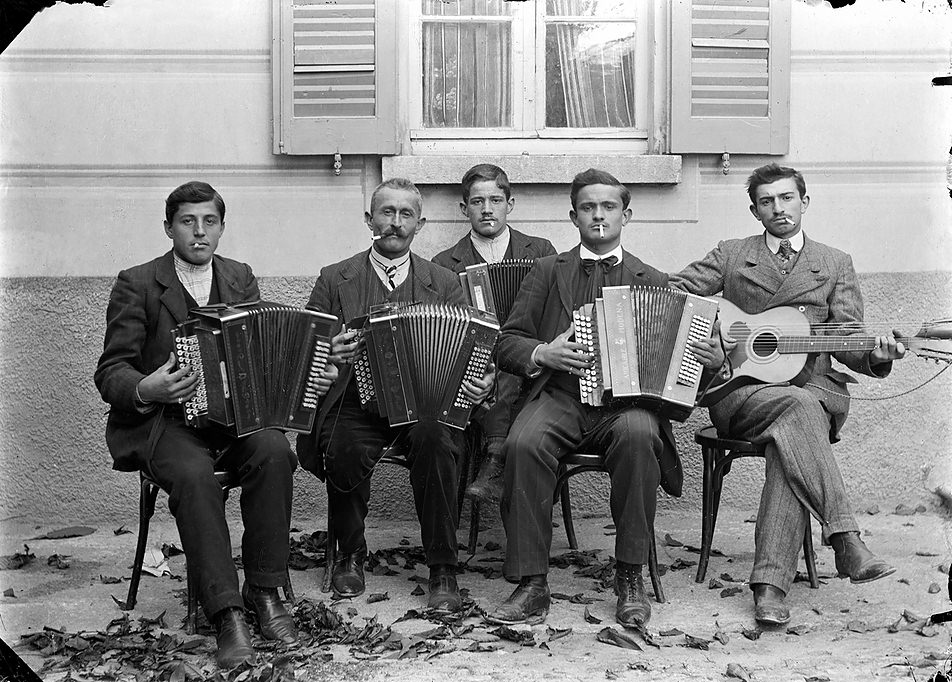
Music was clearly a part of community life in the valley. Local musicians gathered outside buildings to be photographed, while workers, farmers, and tradespeople made up the broader social fabric that Donetta spent his career recording.
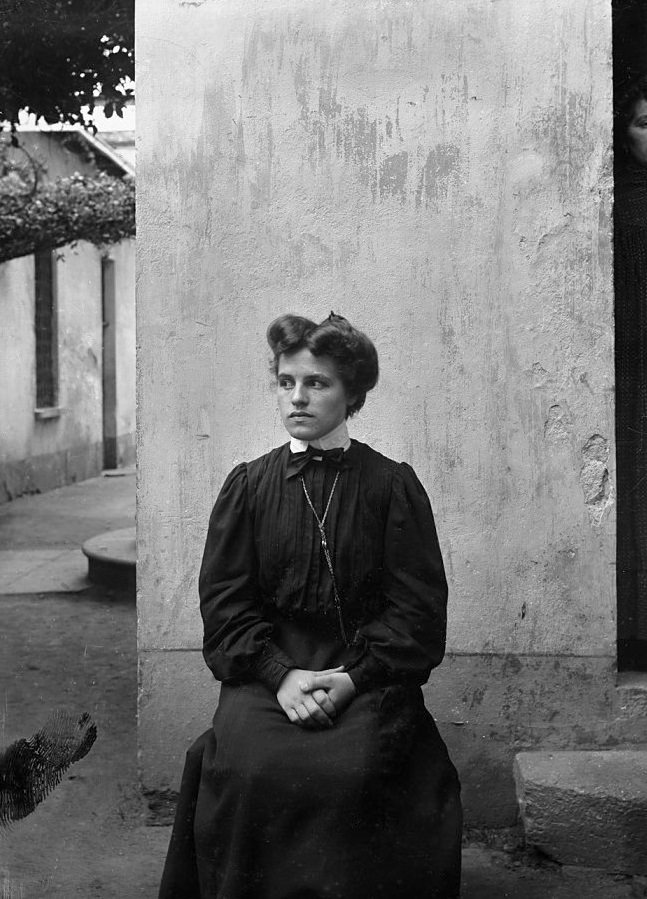
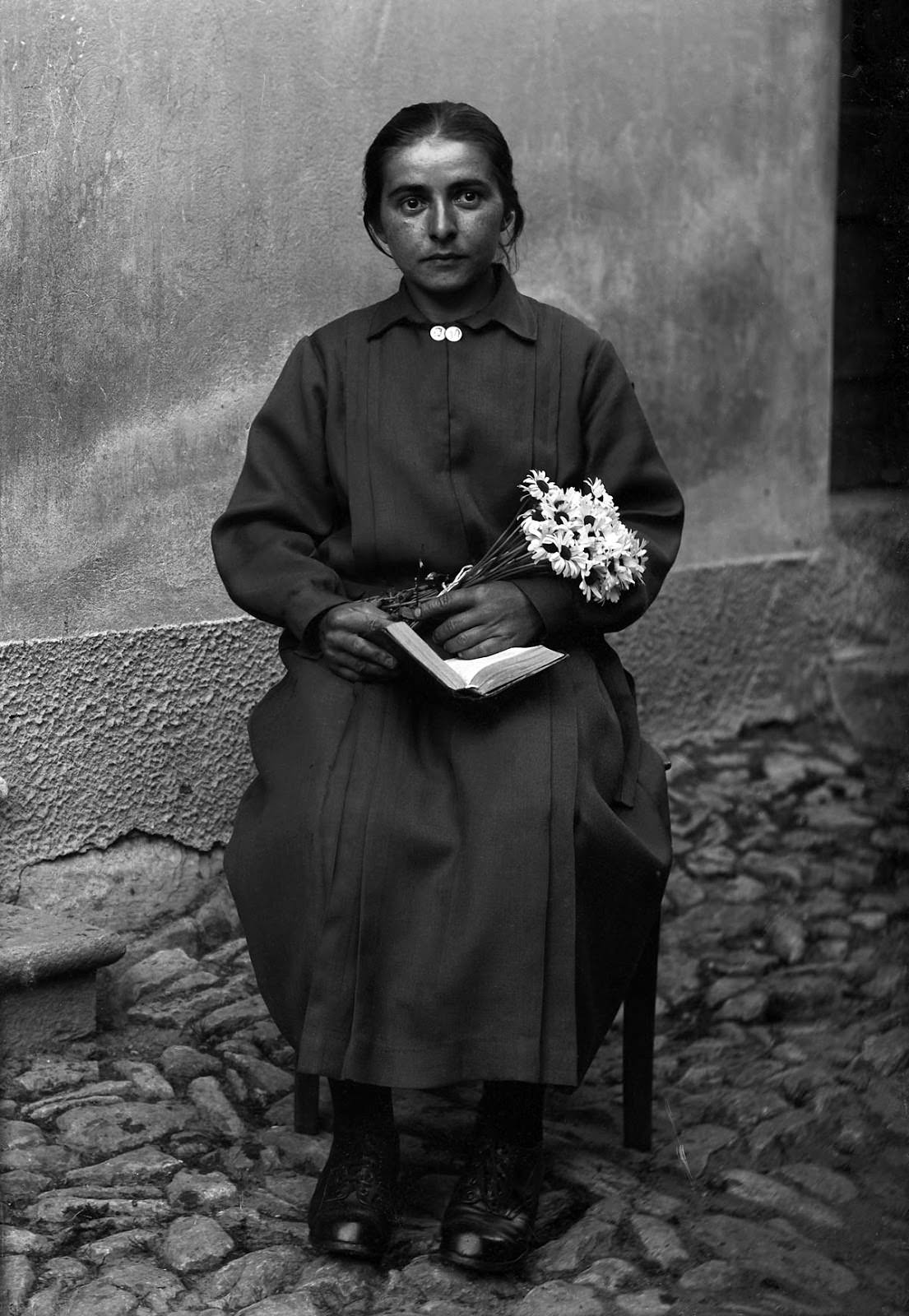
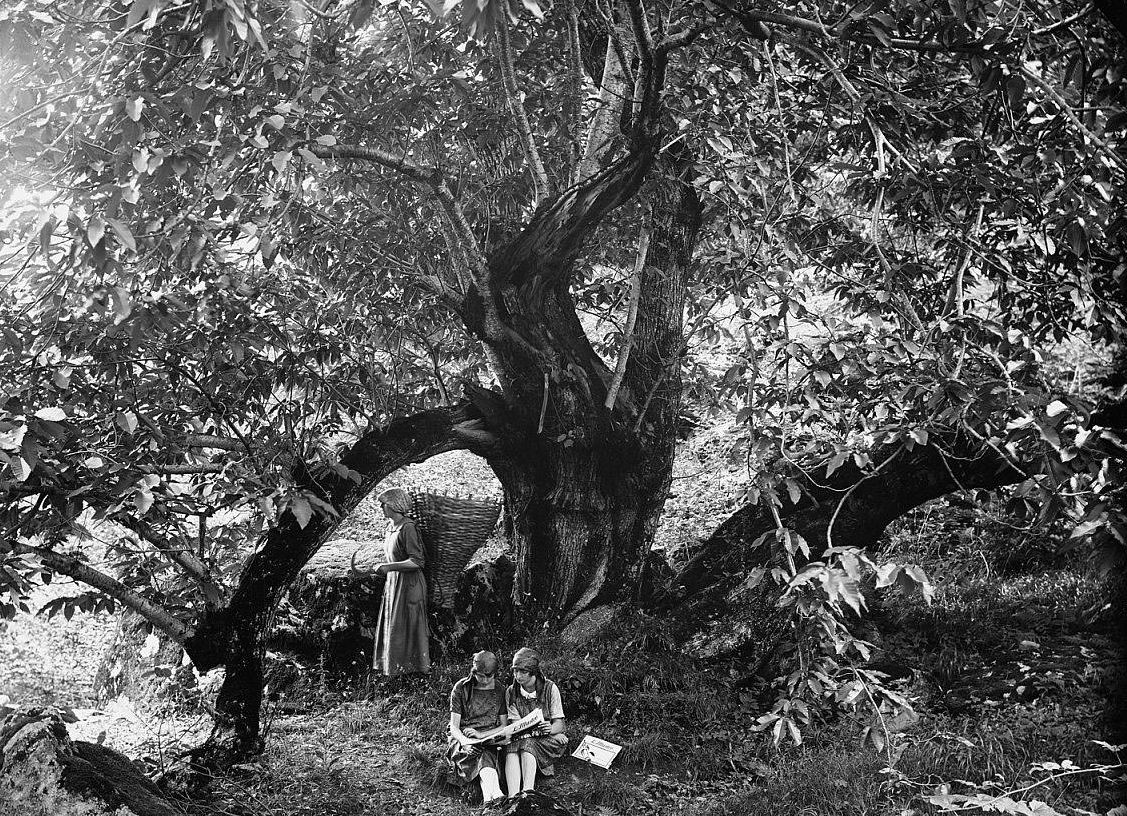
Women and girls appear throughout his work in candid, unguarded moments — resting under a tree during a break from field work, or posing with the quiet confidence of people unafraid of the camera. These images are some of the most compelling in the entire collection.
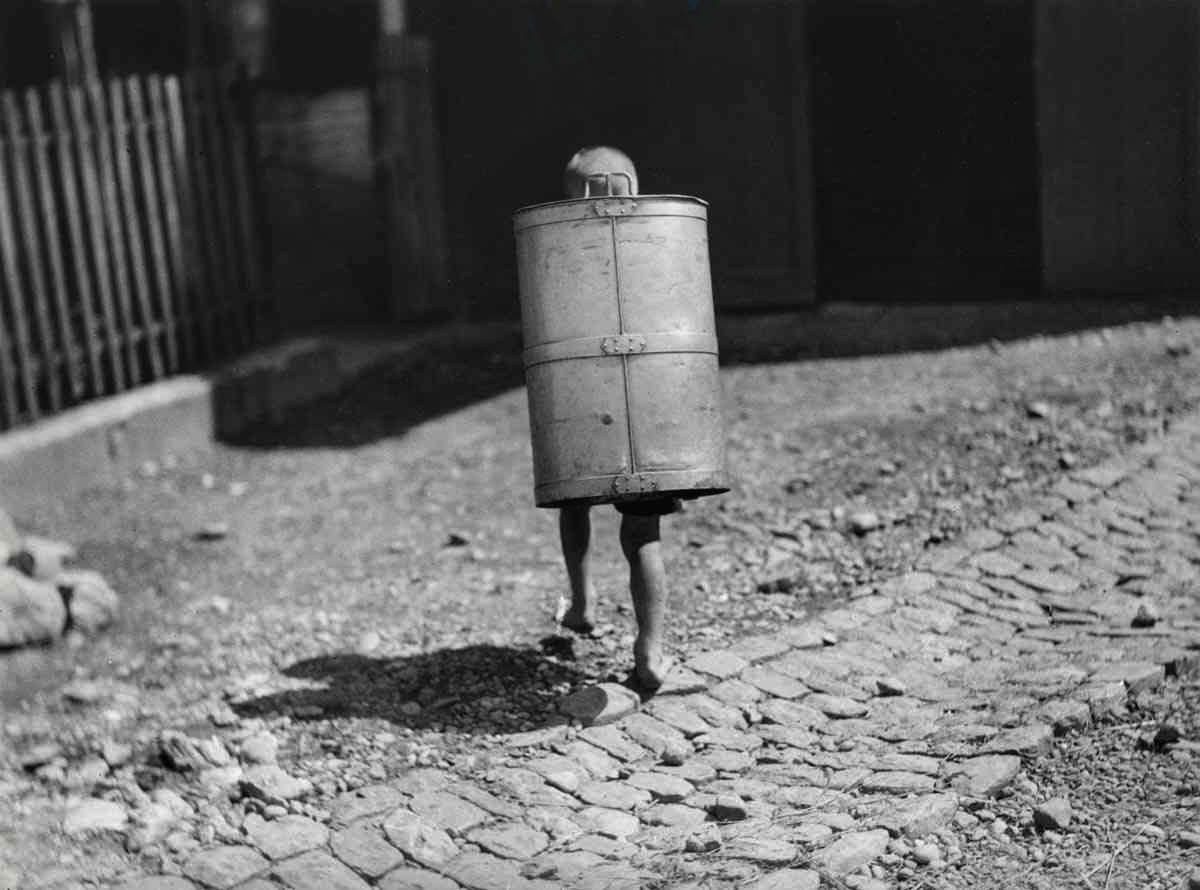
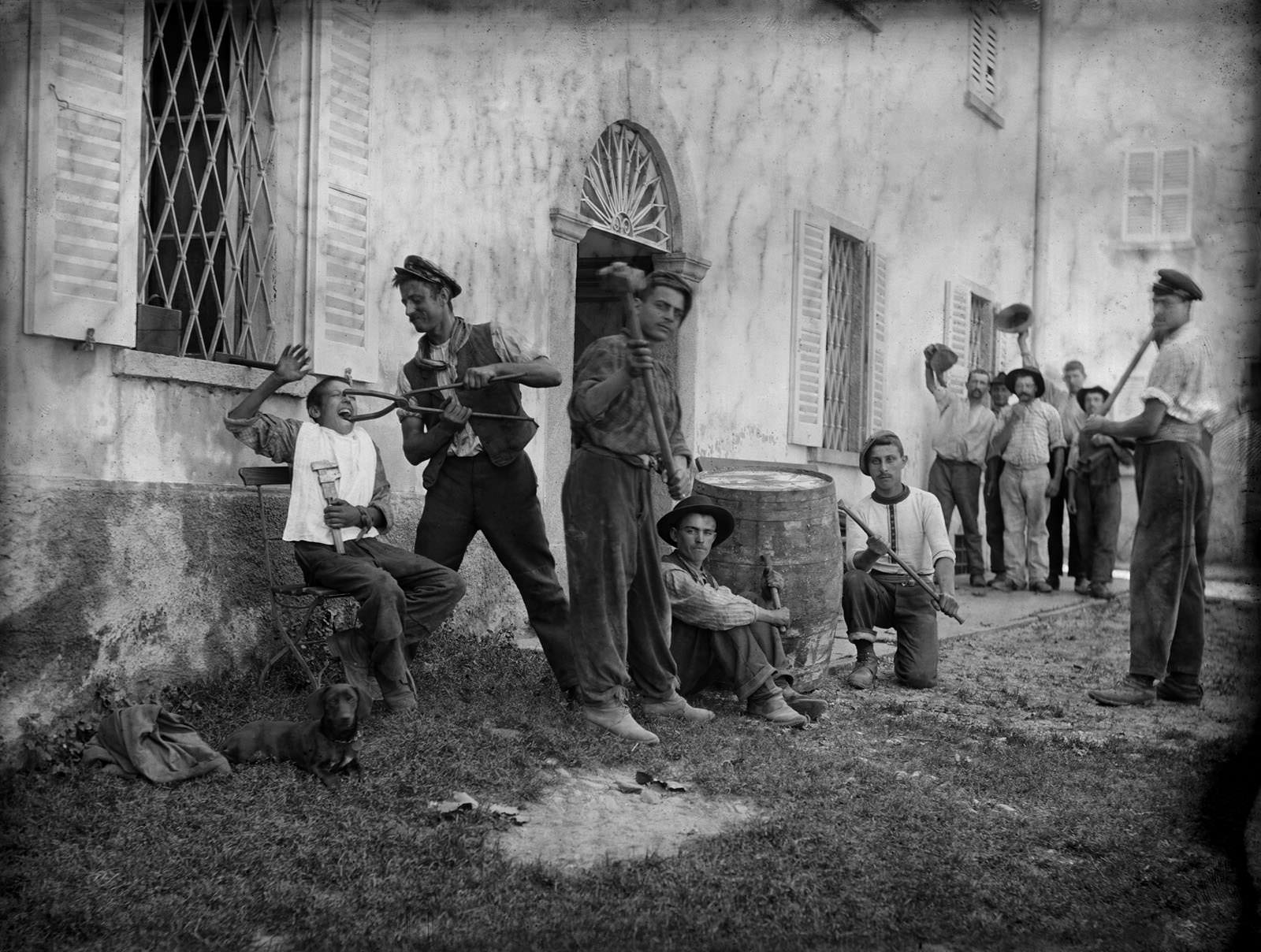
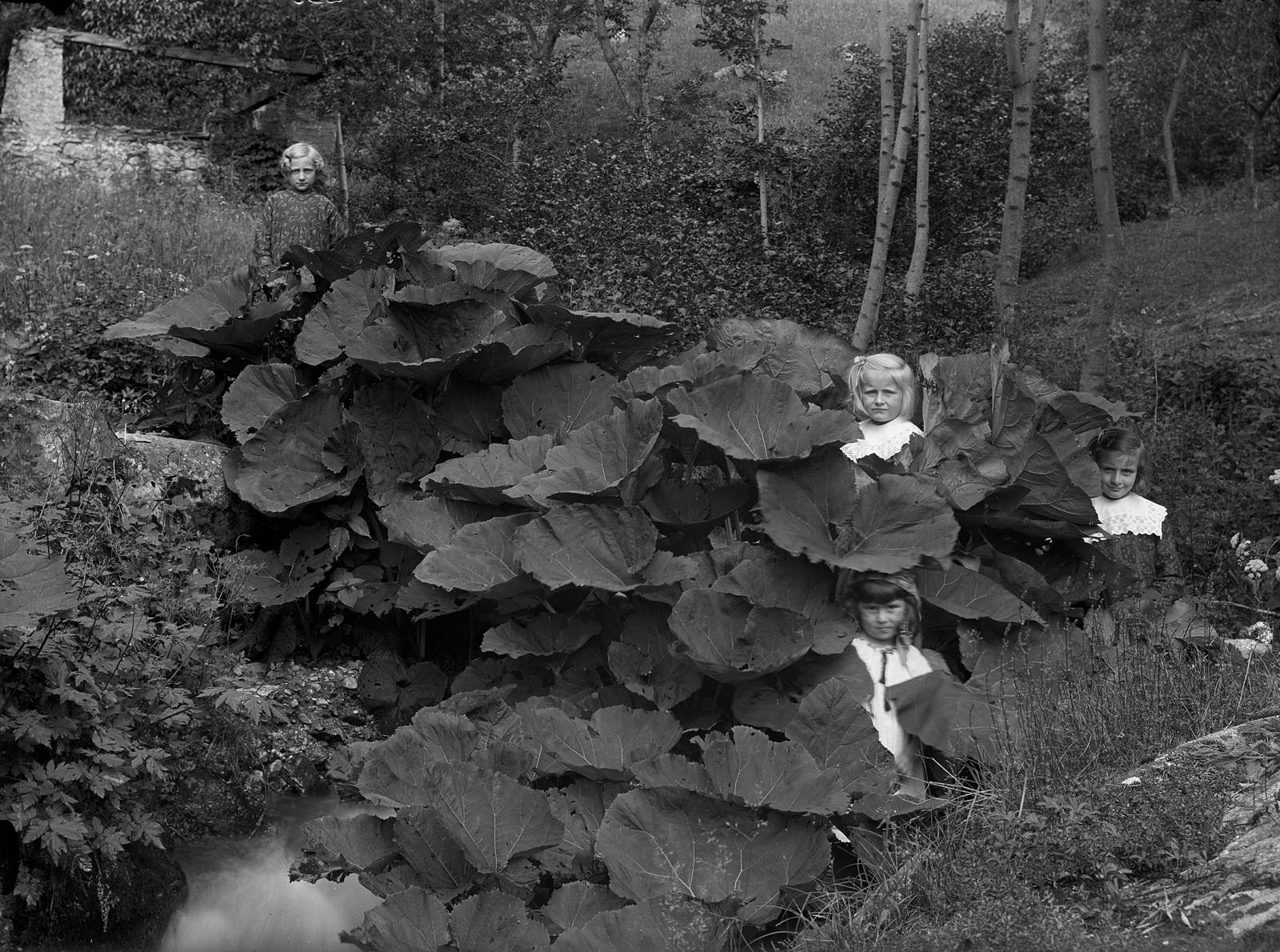
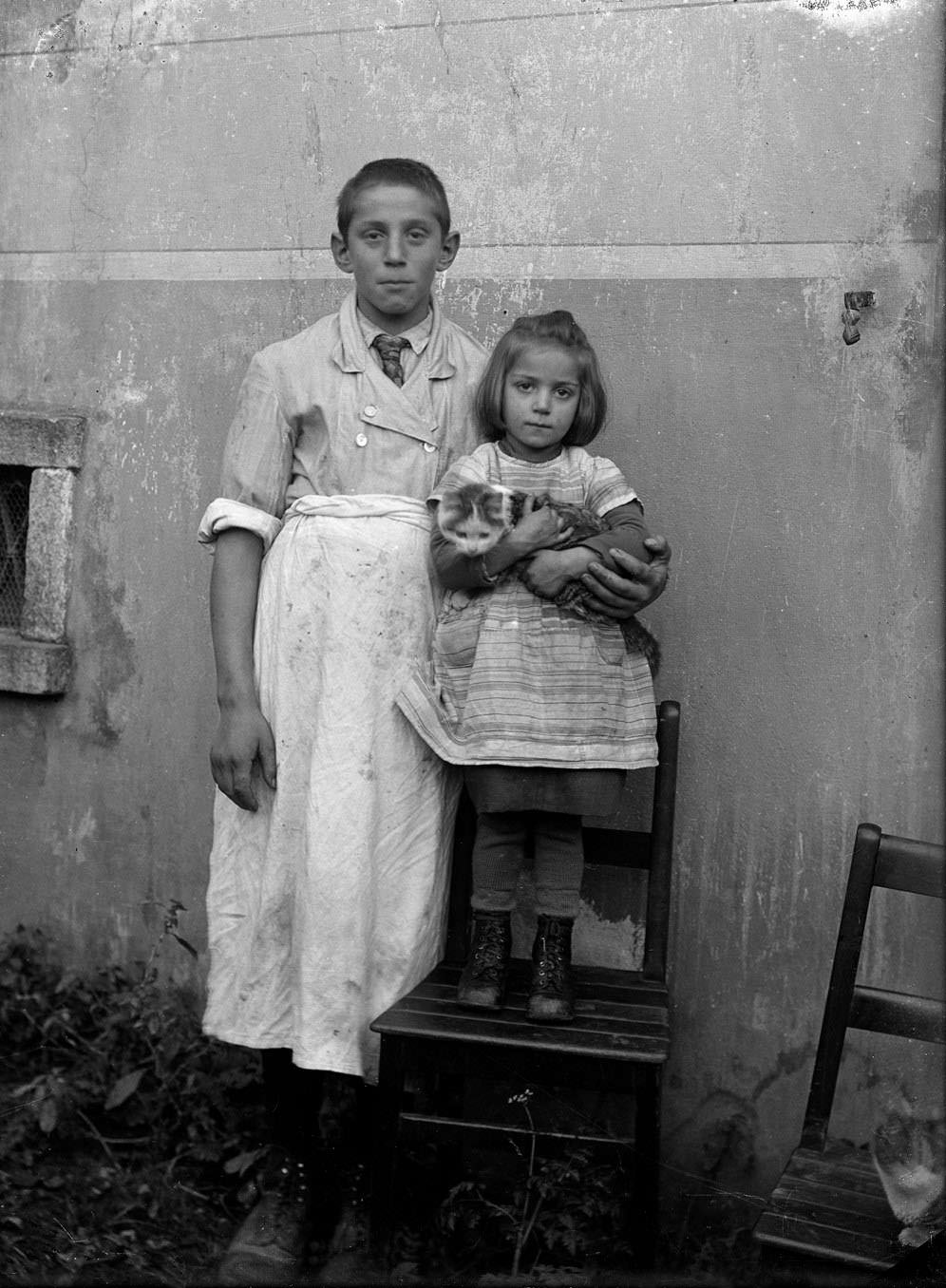
Donetta also showed a playful side. He staged humorous scenes and photographed children buried in autumn leaves — moments of levity that sit comfortably alongside his more serious portrait work. Children appear throughout the archive, often as the clear focus of his lens.
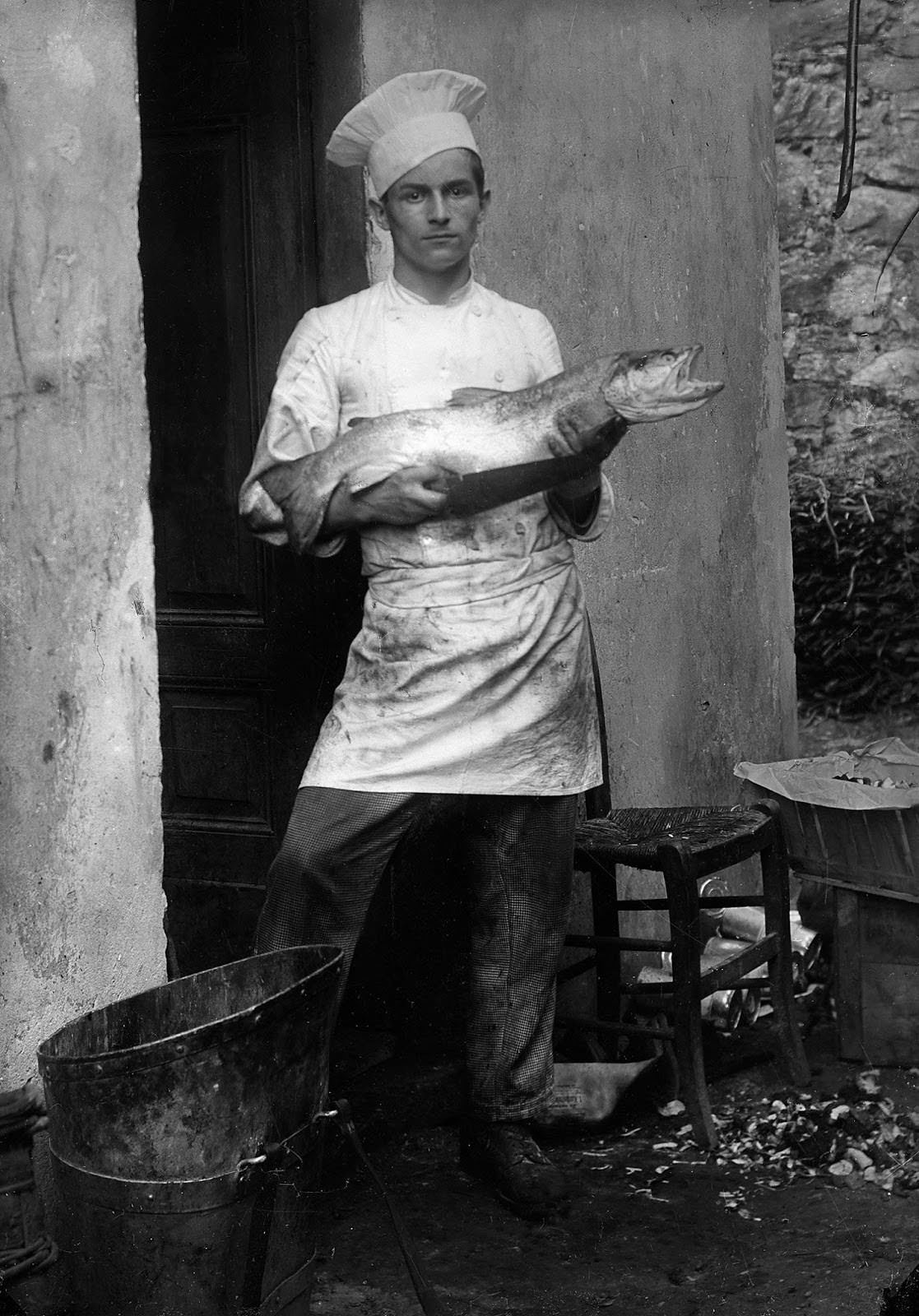
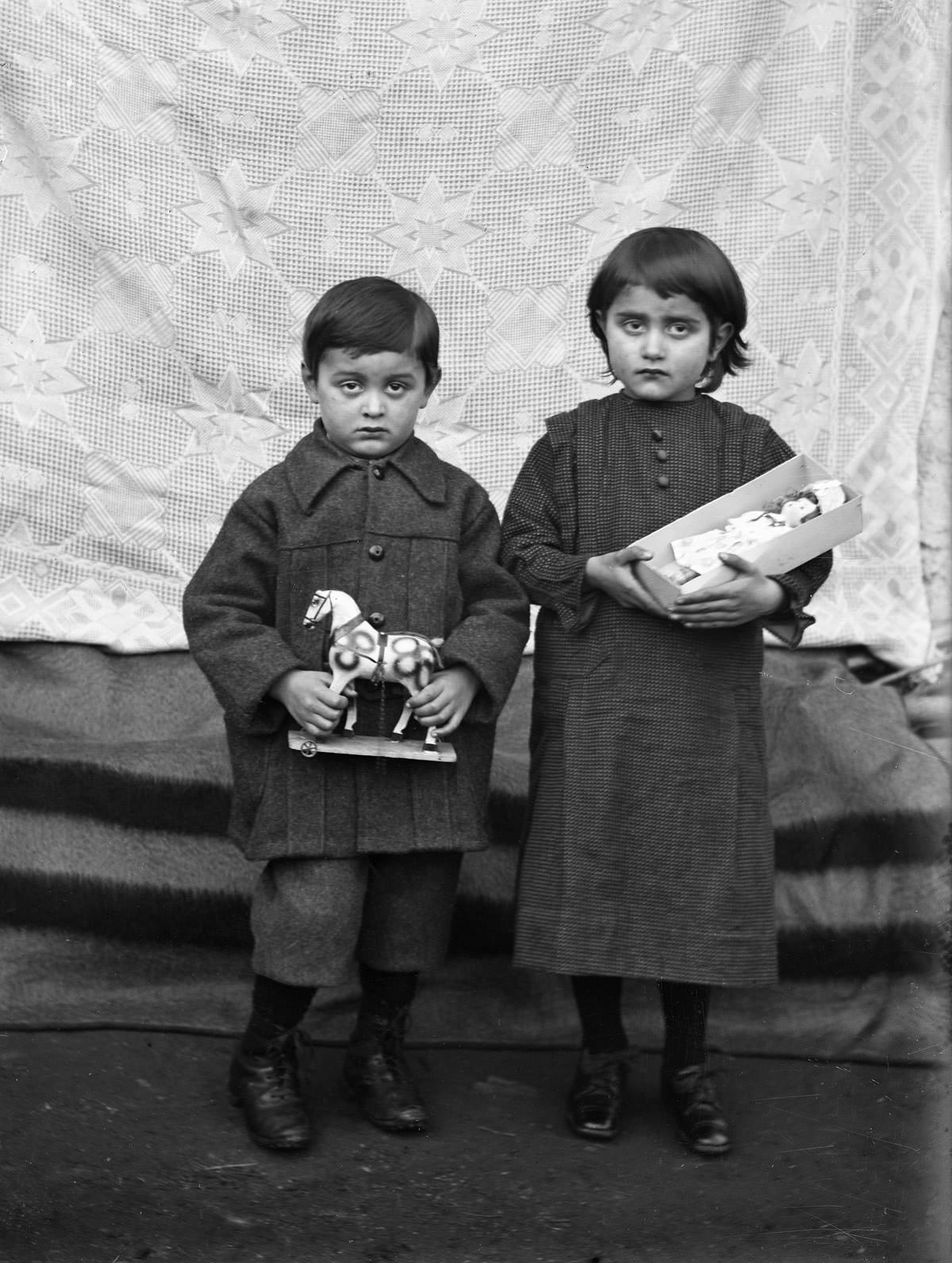
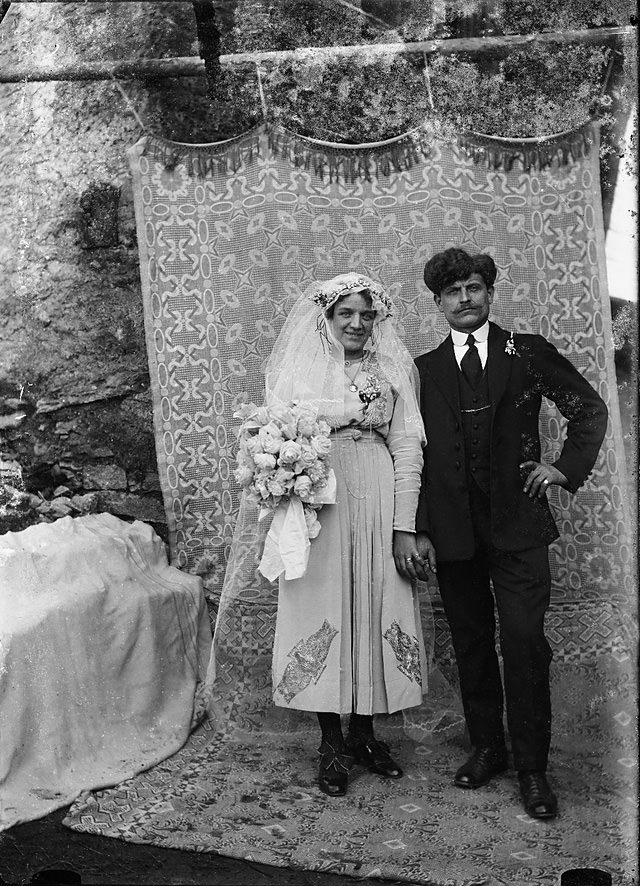
Working professionals — a chef, a craftsman, a local official — sat for him with the same seriousness as wedding couples posing against a draped cloth backdrop. Donetta treated each subject as worthy of a careful, considered portrait.
Donetta also turned the camera on himself and his own family. A photograph from between 1905 and 1910 shows him with his wife Linda and their two children, Brigida and Saulle — a rare glimpse into the private life of the man behind the lens.
Despite the richness of his archive, Donetta struggled financially throughout his life. He eventually had to rely on public assistance from the Commune of Corzoneso. When he died, the commune auctioned off his belongings to recover the money spent on his care. His household goods sold. His glass plate negatives found no buyers at all, so the commune kept them by default — which is the only reason they survived.

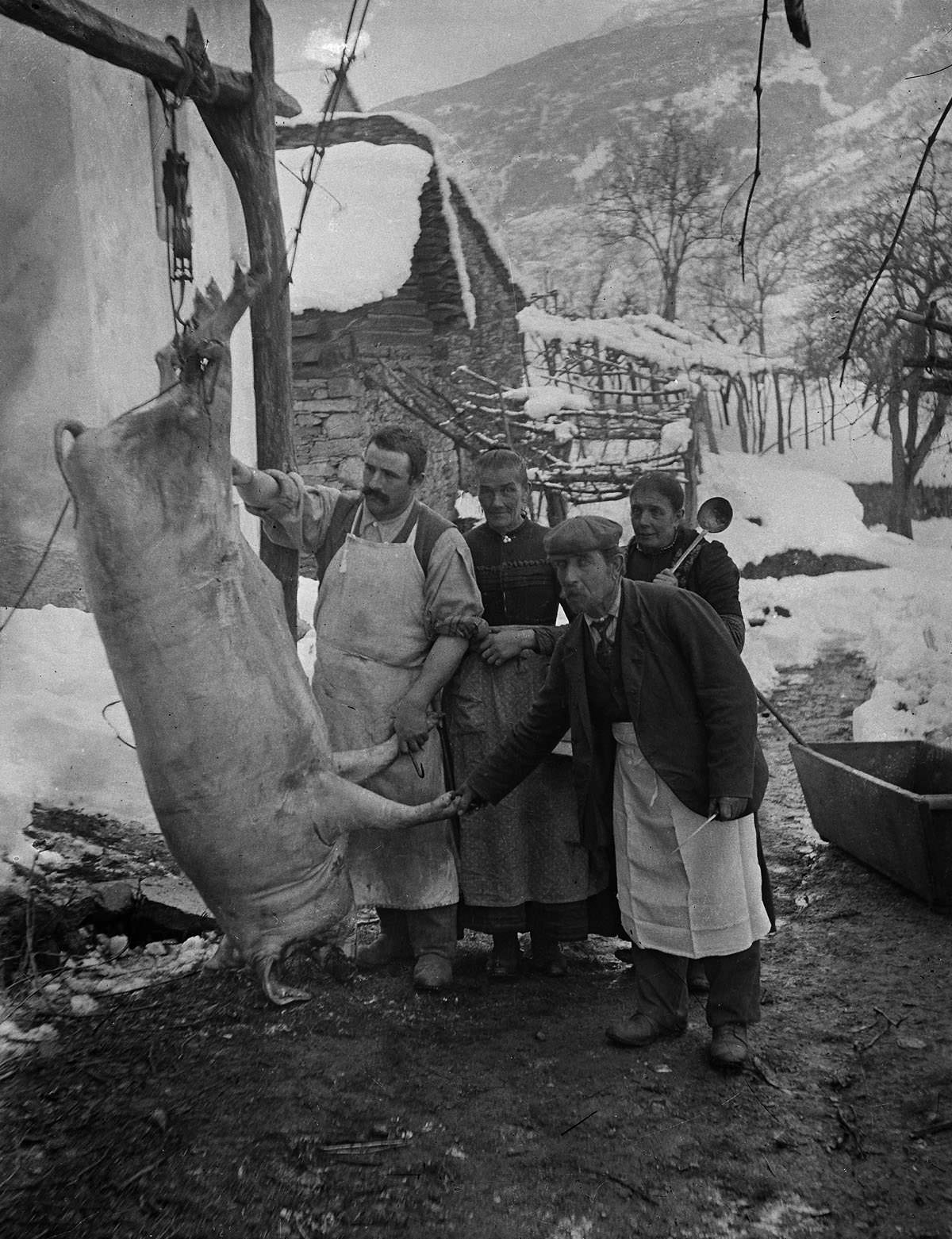
The nearly 5,000 plates he left behind document a world that no longer exists — an isolated Alpine valley on the edge of modernity, photographed by a man who was both a working tradesman and a genuinely gifted artist. These images are all that remain of the Blenio Valley as it was in those early decades of the twentieth century.