The 1930s had a style all their own. While the decade carried some of the glamour of the 1920s, it shaped that glamour into something more polished and practical. The single biggest driver of fashion during this era was Hollywood. Movies were everywhere, and the stars on screen set the tone for what ordinary people wore on the street.
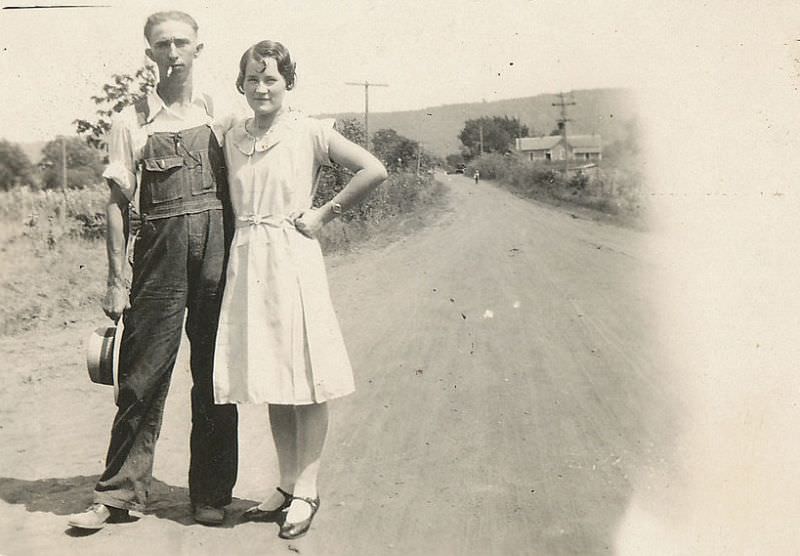
Stars like Clark Gable, Jean Harlow, and Shirley Temple weren’t just entertainers — they were style icons. Fans studied their outfits closely and did their best to copy them. The good news for everyday people was that fashion had become far more accessible. Cheap fabrics, mail-order catalog clothing, and a little homespun creativity meant that working-class men and women could dress with the same flair as the wealthy.
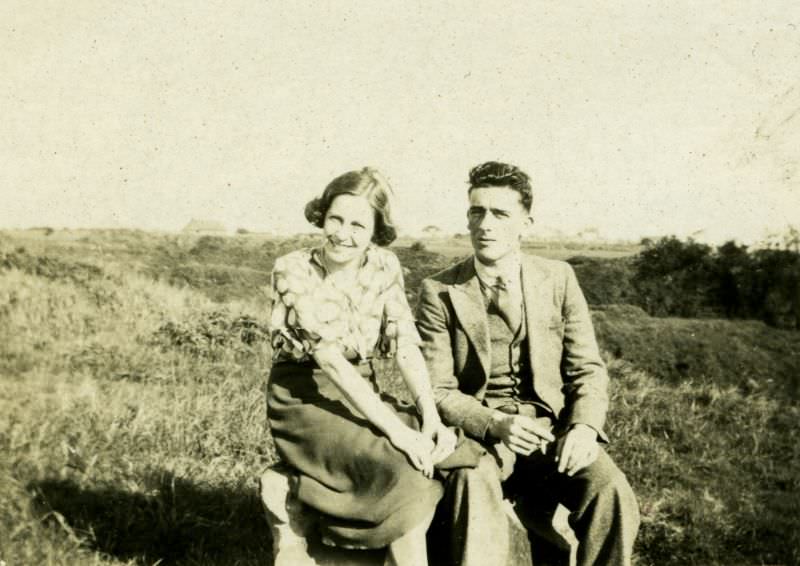
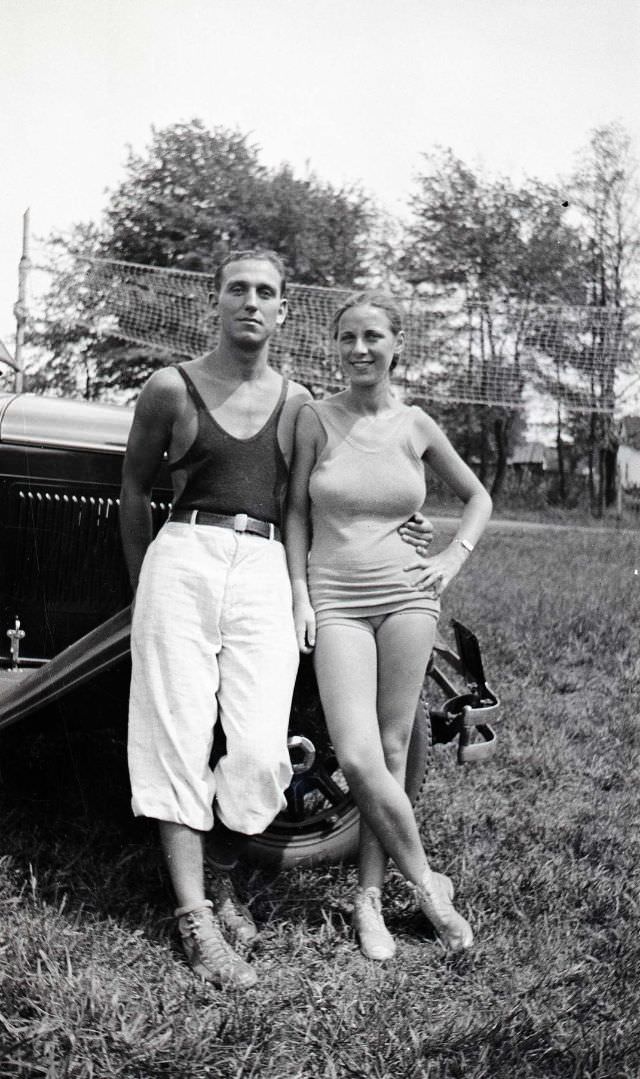
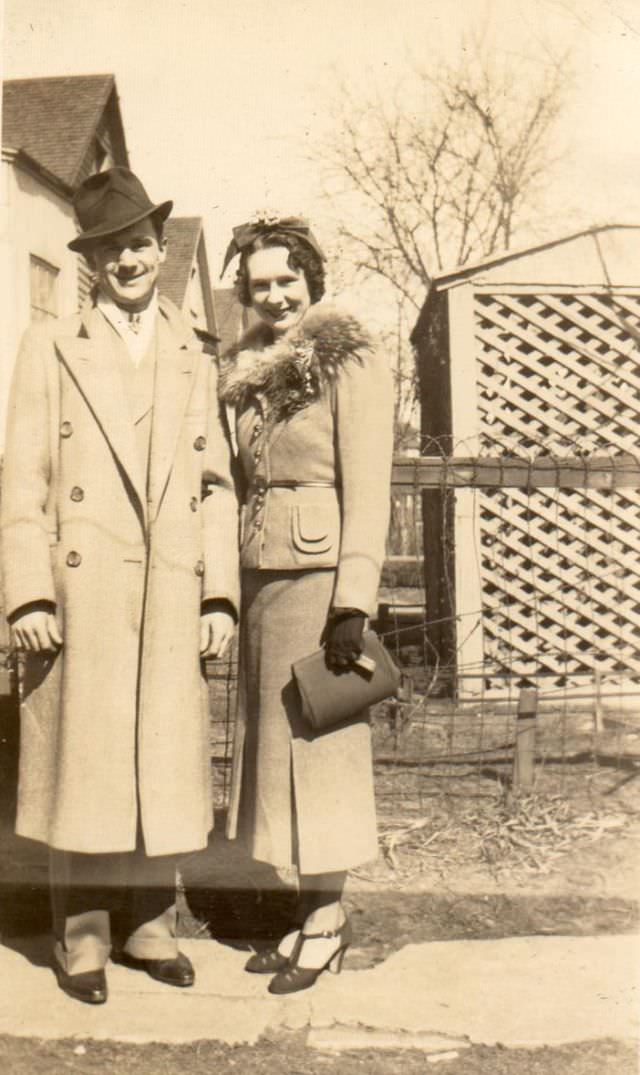
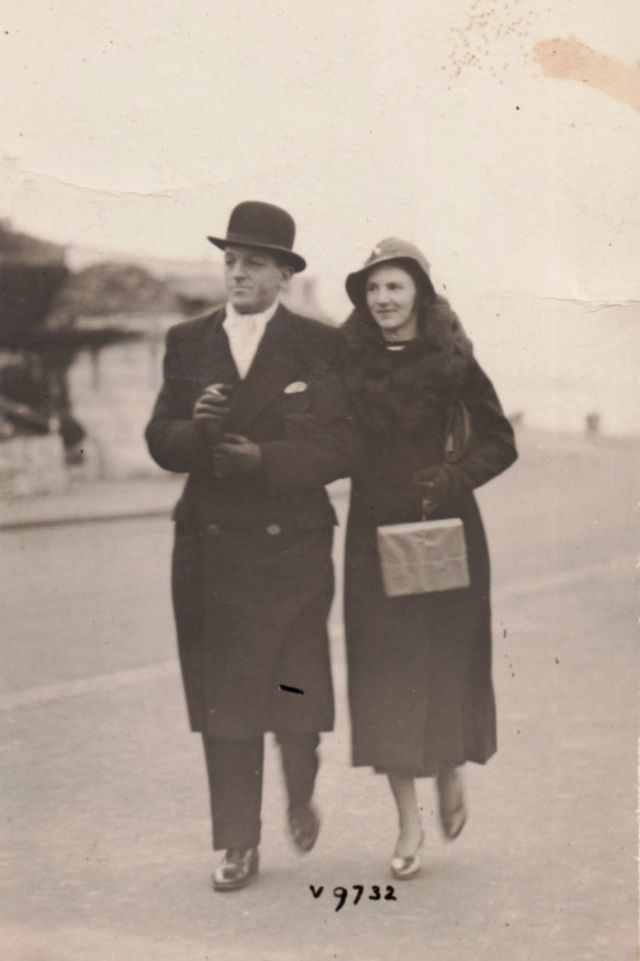
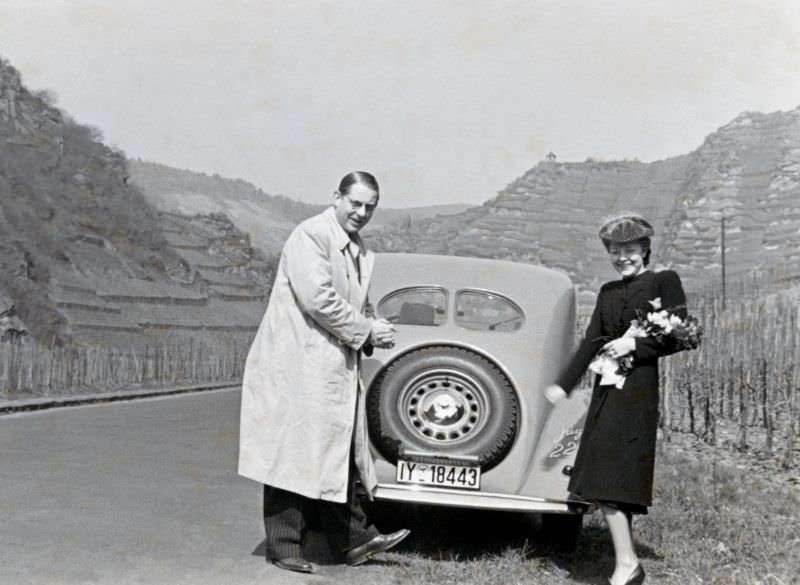
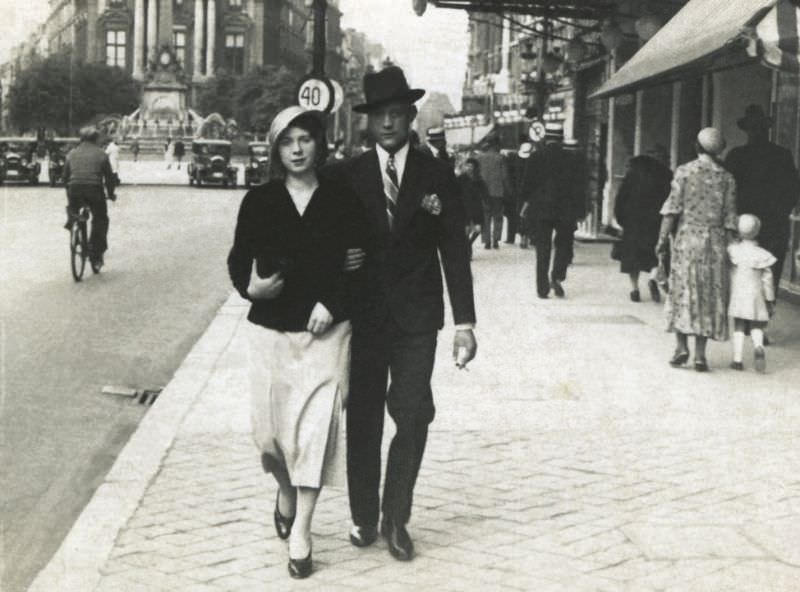
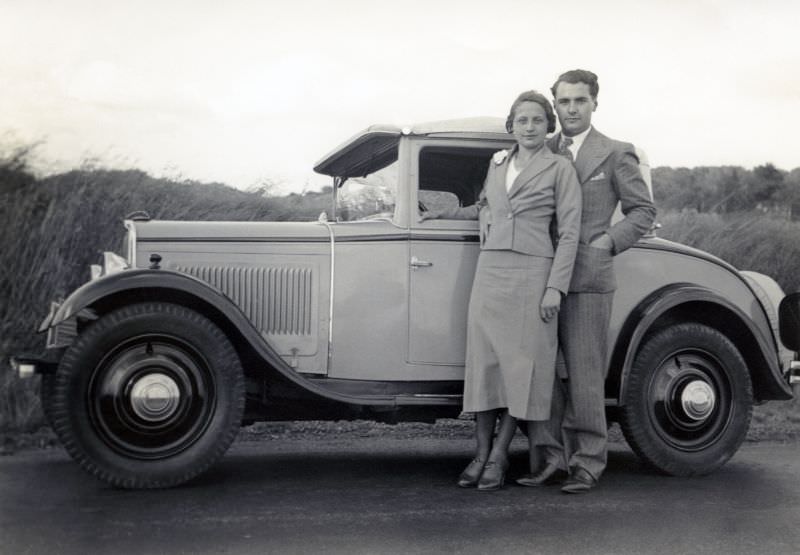
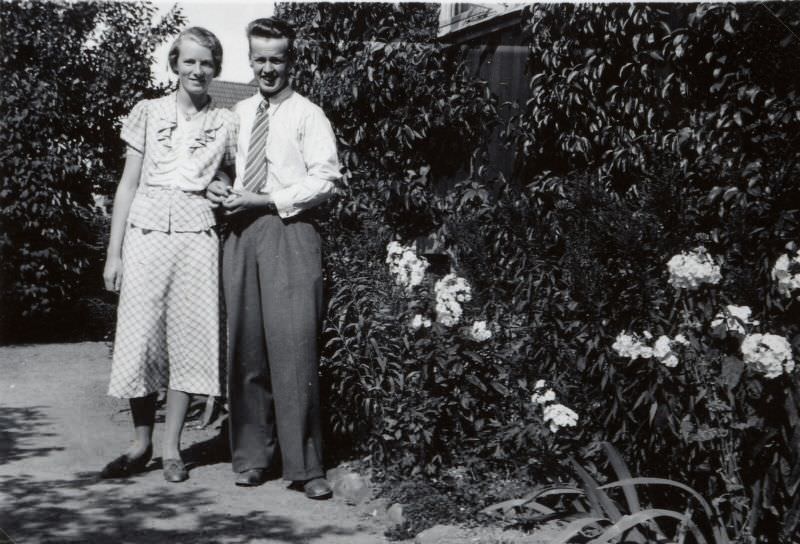
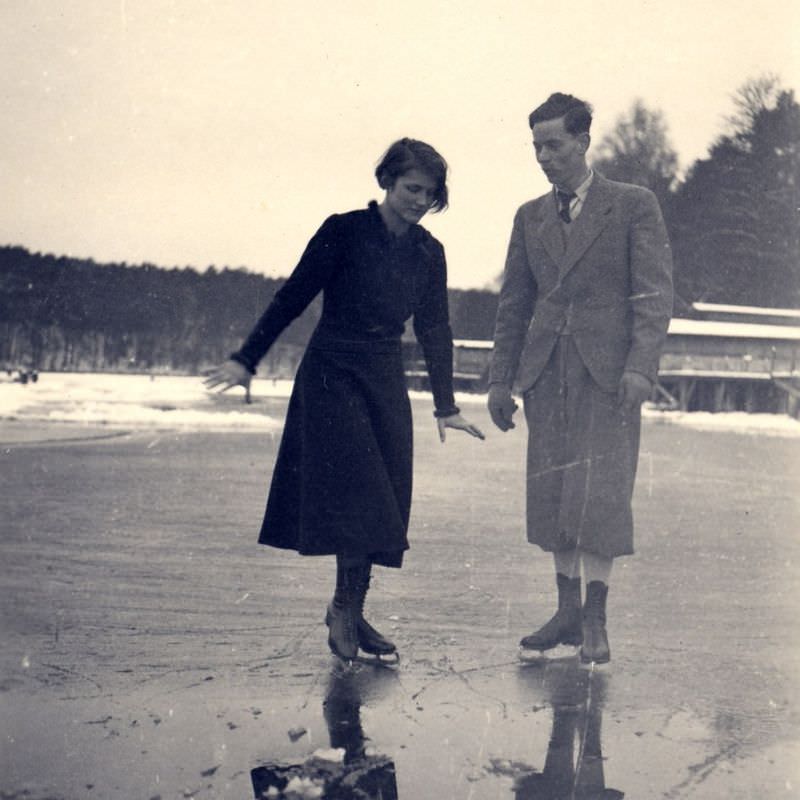
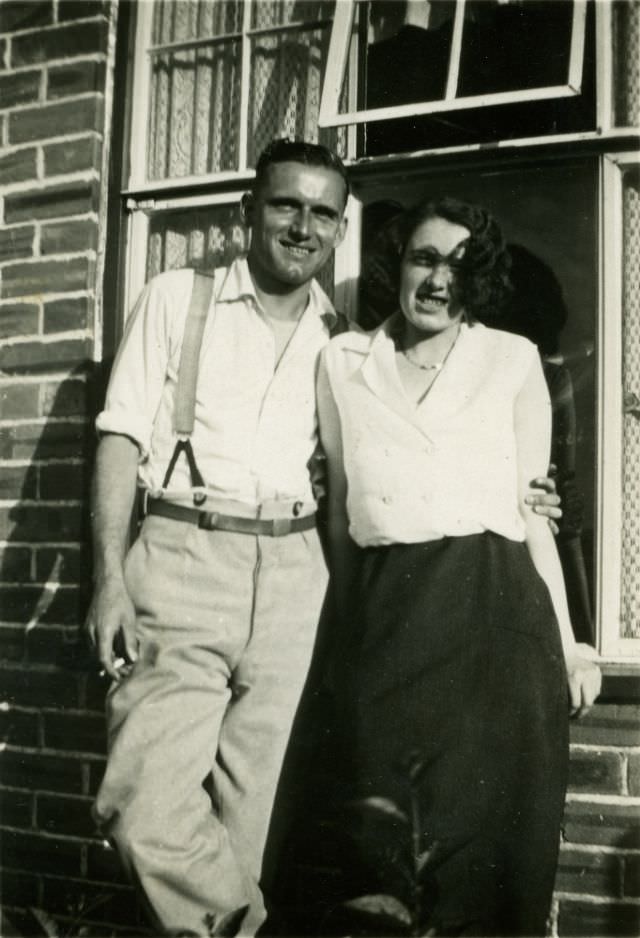
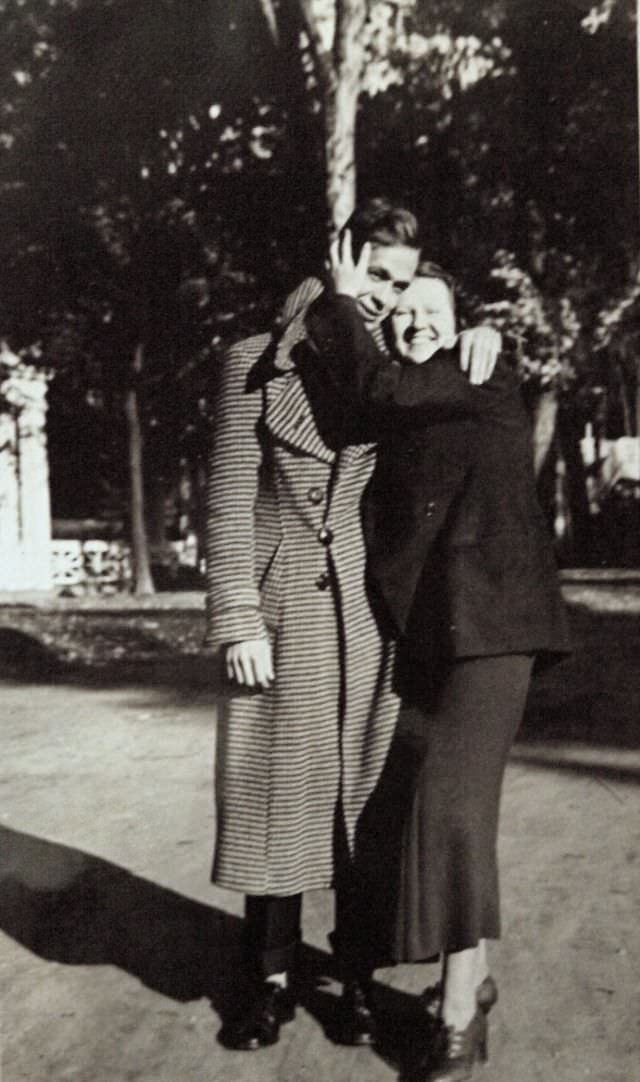
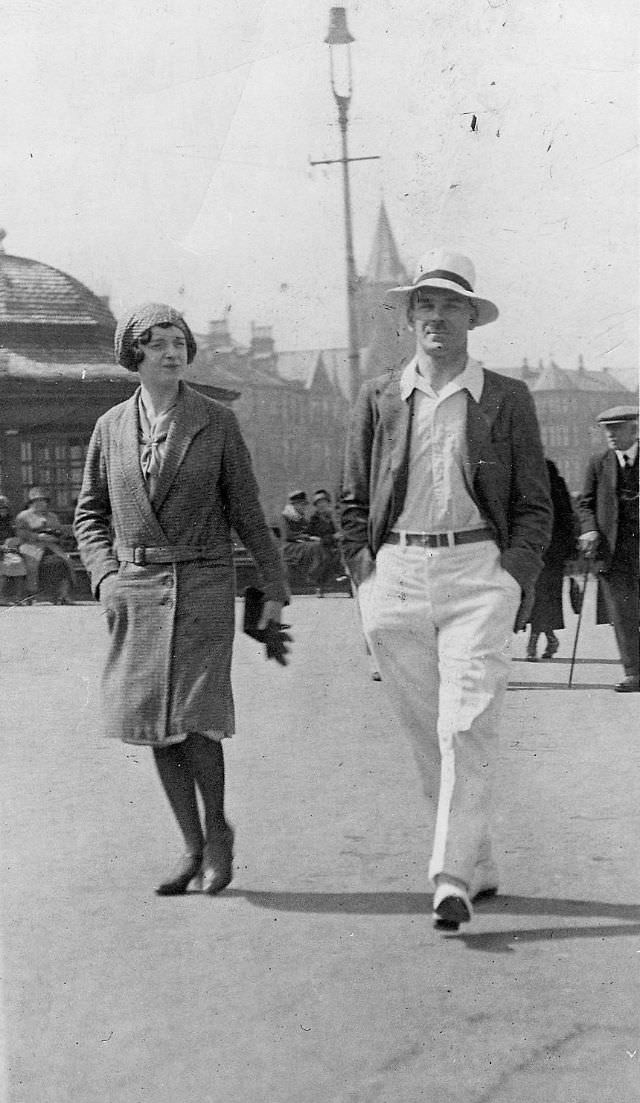
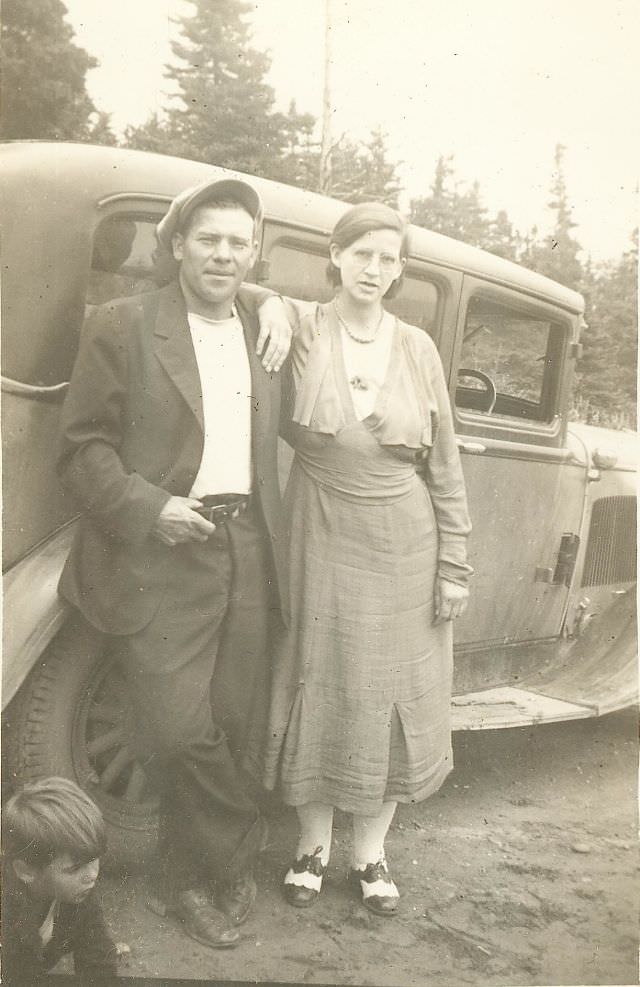
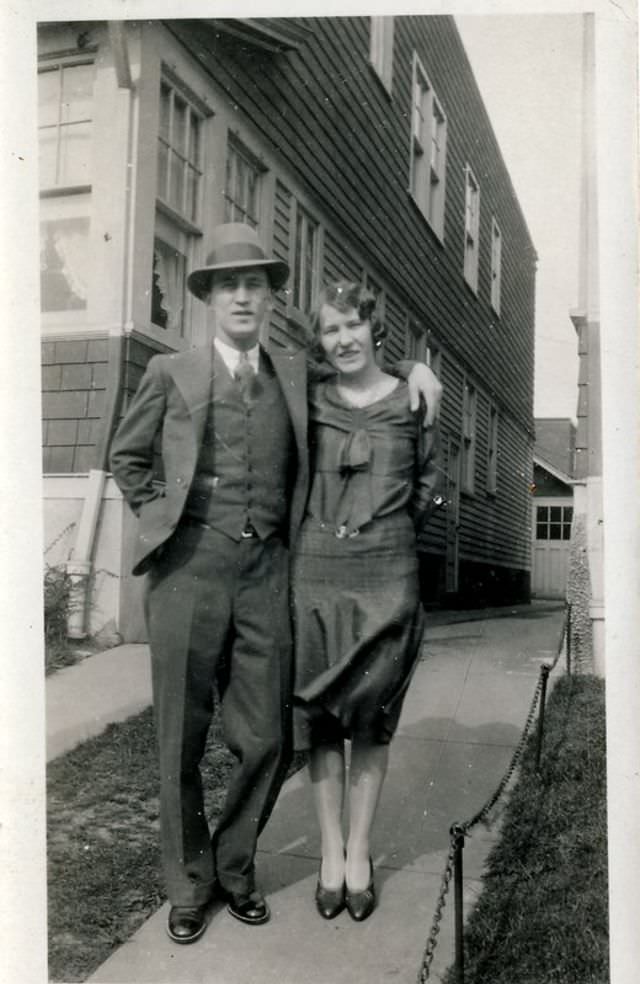
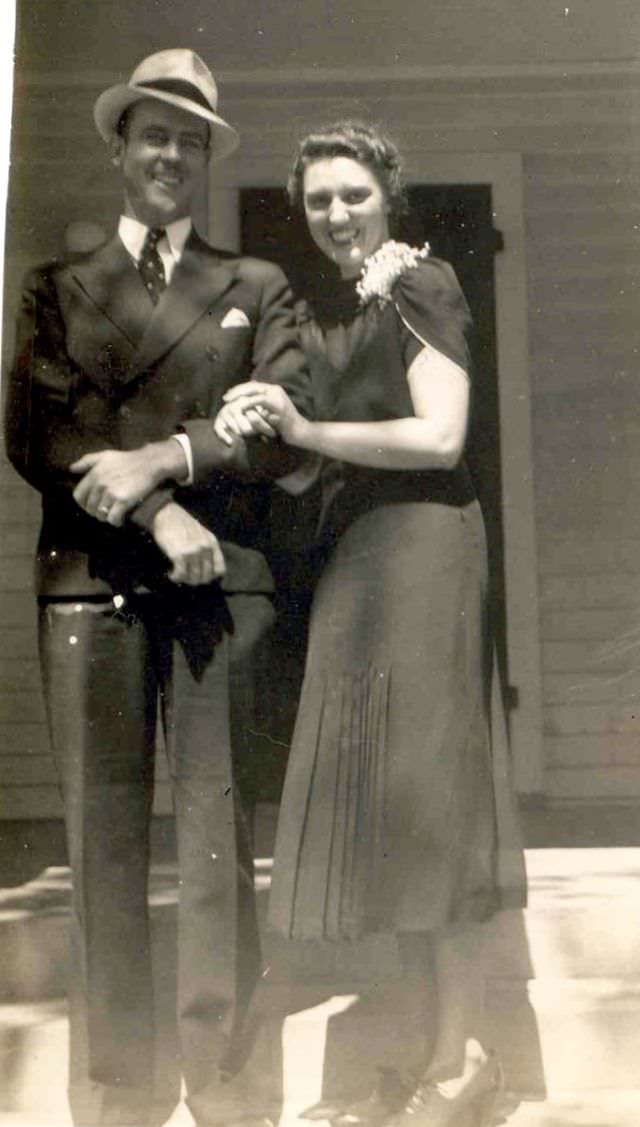
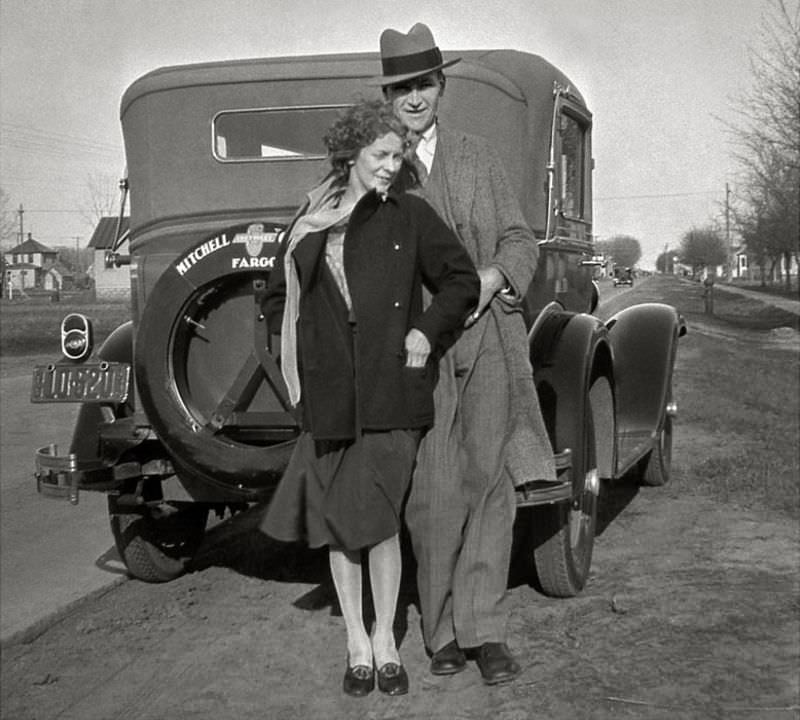
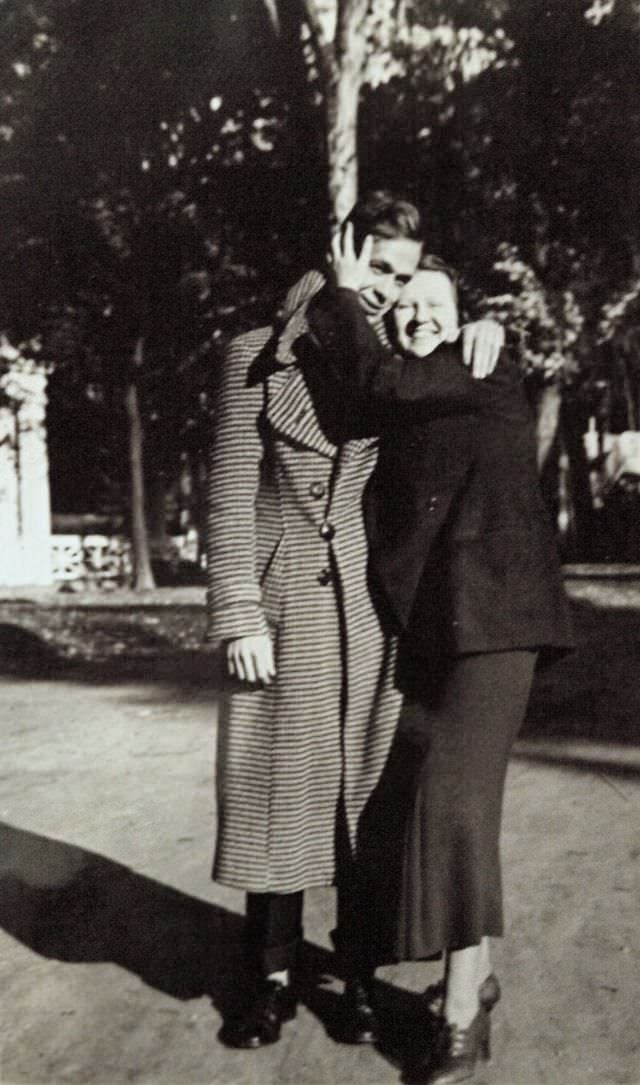
Men’s fashion in the 1930s had a strong, structured look. The fedora was a staple — almost every man owned one. Double-breasted overcoats gave men a broad, commanding silhouette. Suits were tailored with wide lapels, and trousers had a high waist with a generous cut through the leg.
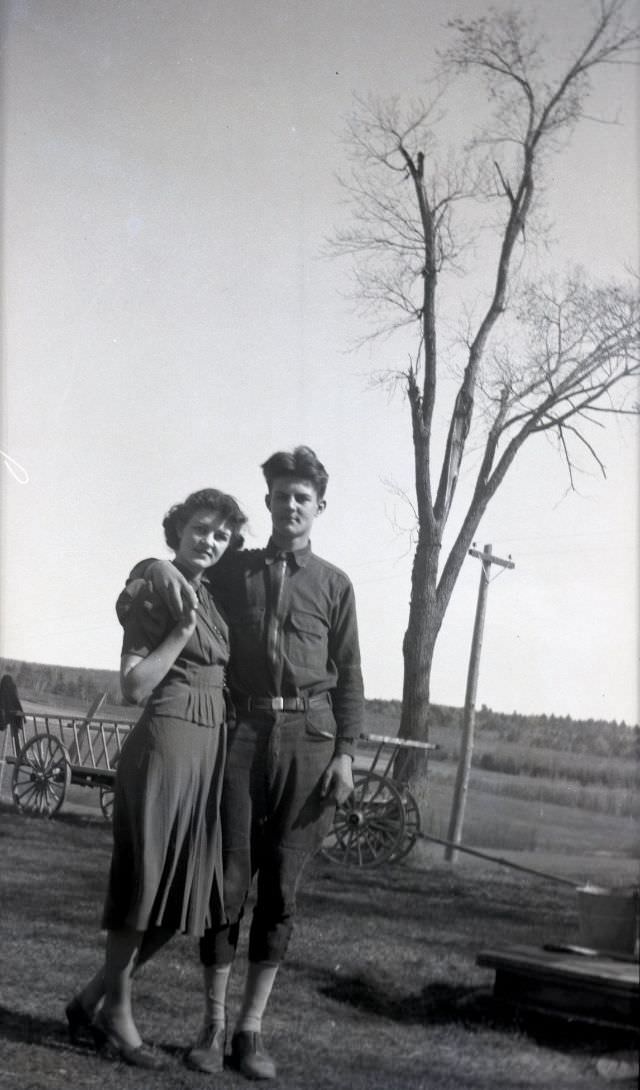
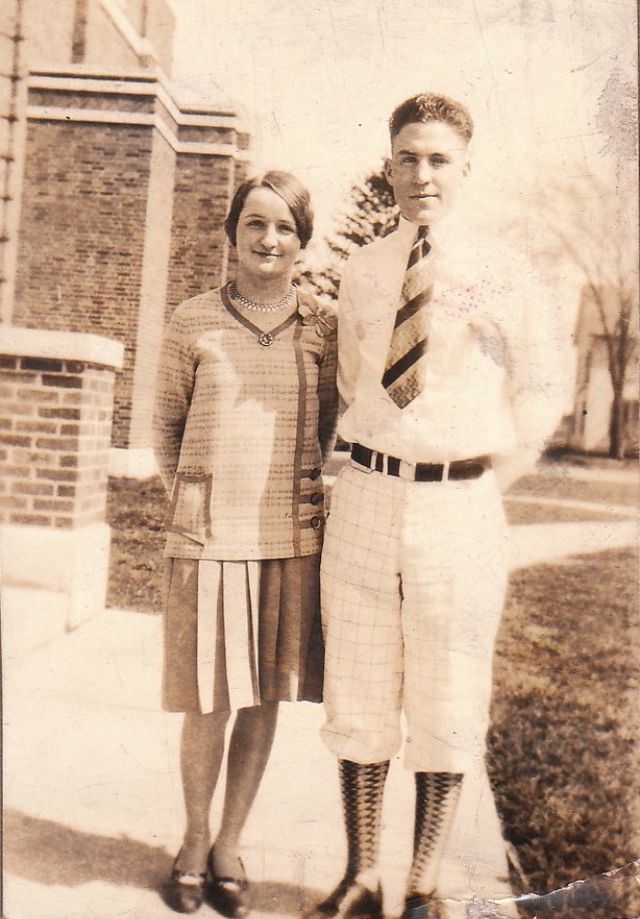
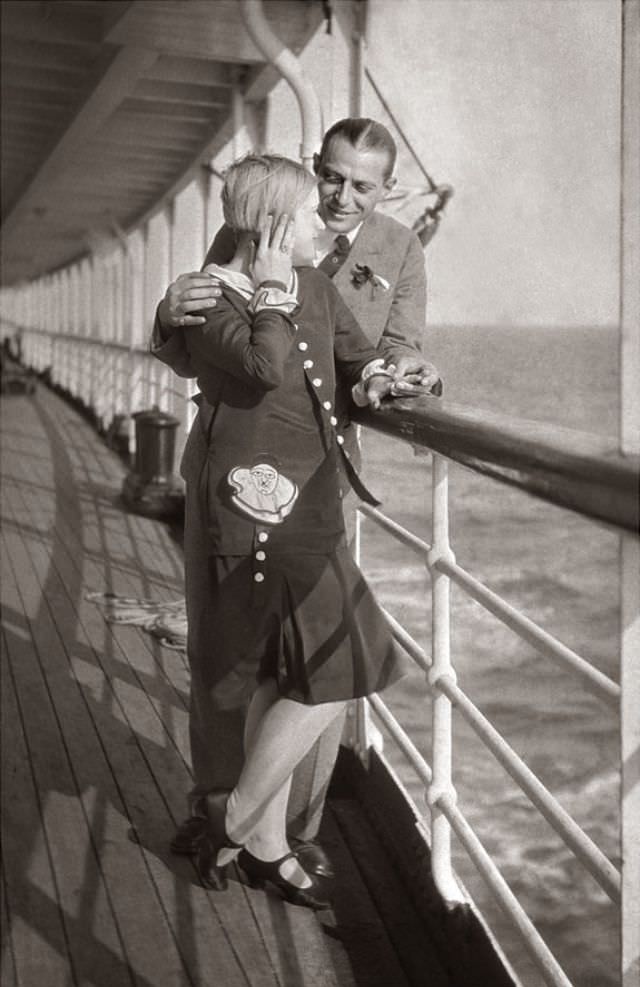
Young boys dressed in a way that looks striking by today’s standards. Short shorts paired with tall socks and button-up shirts were completely normal. It was a tidy, formal look even for children playing outdoors.
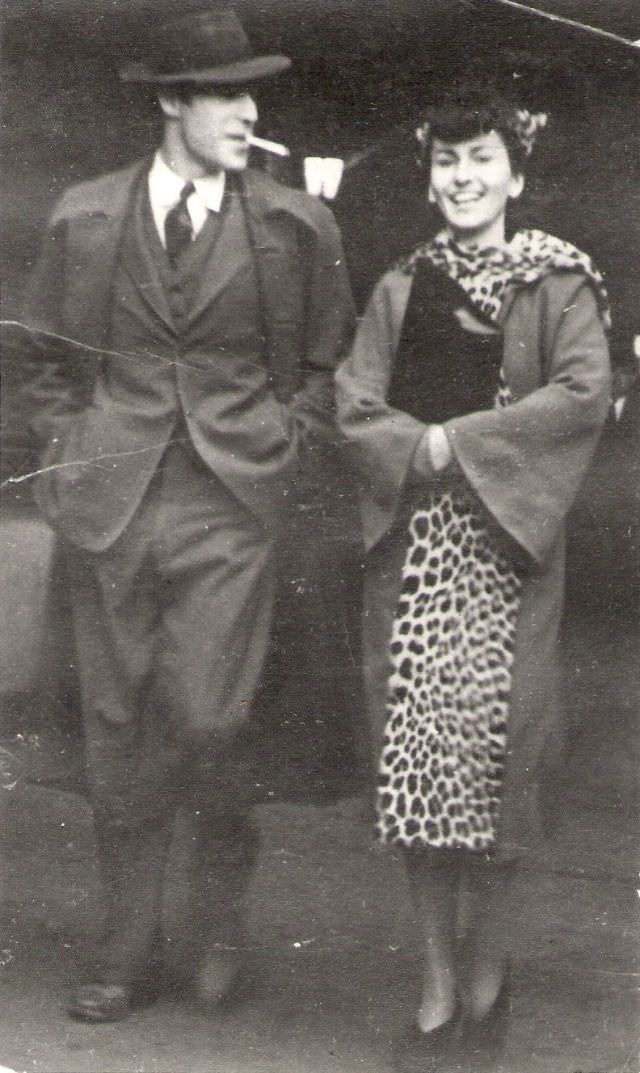
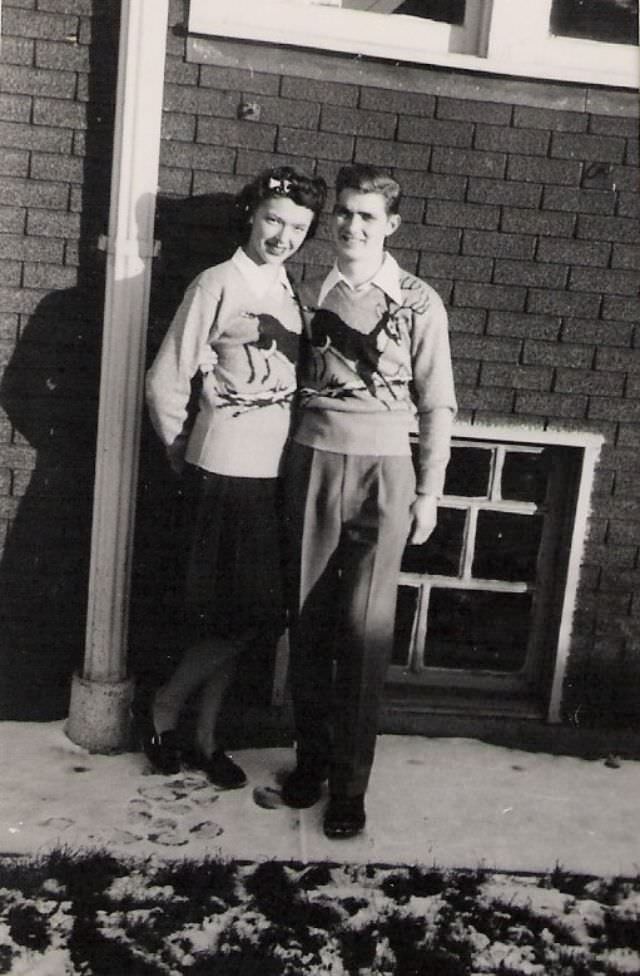
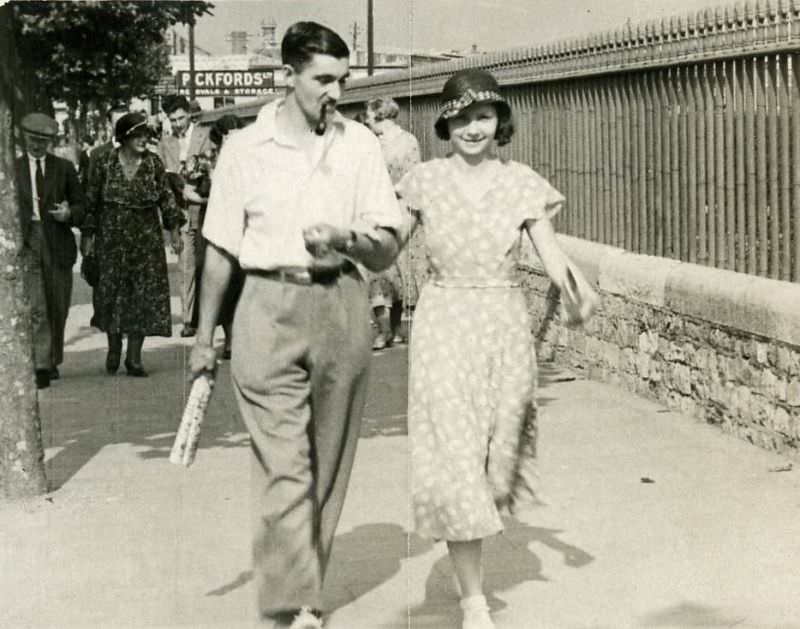
Women’s fashion in this decade was defined by elegance and precision. Dresses were fitted at the waist and flared slightly at the hem. Hair was worn close to the head — either tightly waved or curled — giving women a sleek, sculpted appearance. Makeup was bold and deliberate: strong brows, defined lips, and carefully applied rouge were the standard.
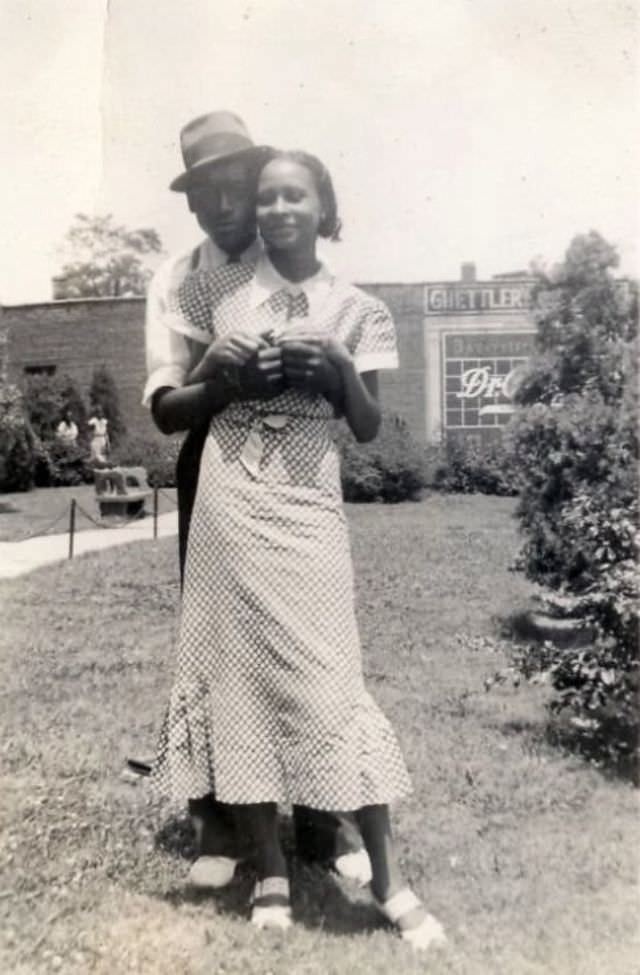
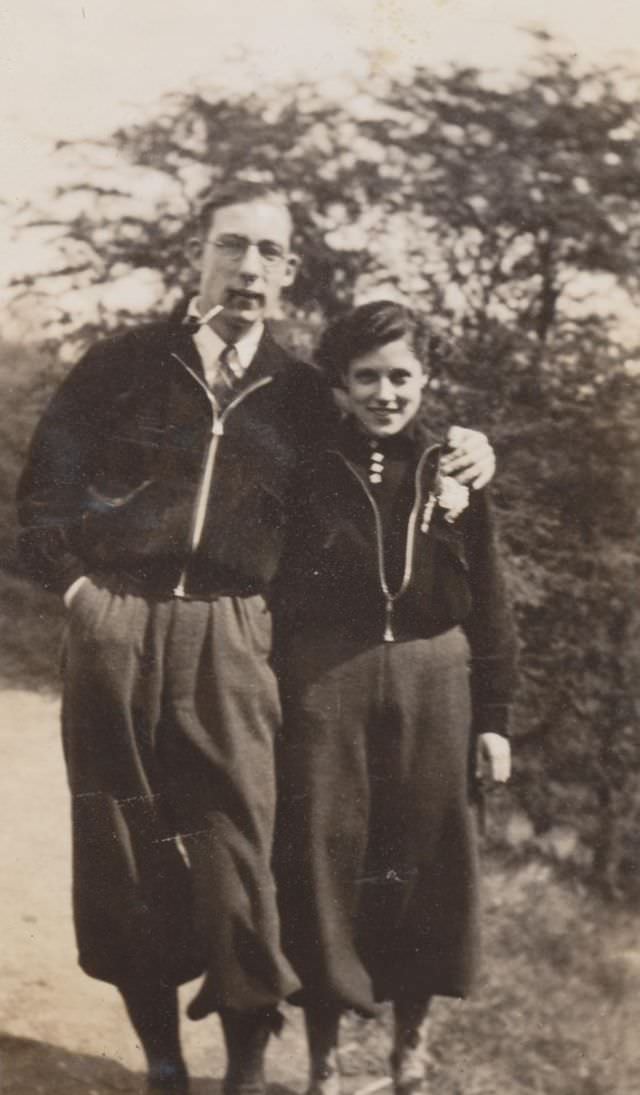
Shoulder pads were one of the decade’s most recognizable features for women. Through most of the 1930s, they were built into nearly every blouse, dress, and jacket. They created a broad, angular shoulder line that was considered very fashionable. By the late 1930s, their use began to soften slightly, but they remained a defining shape of the era.
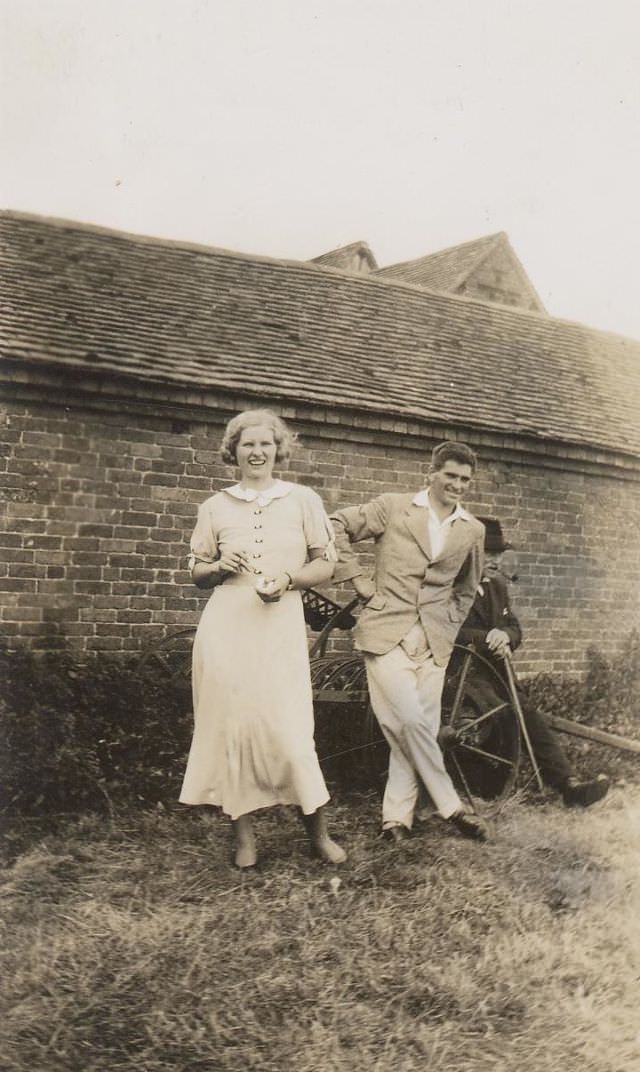
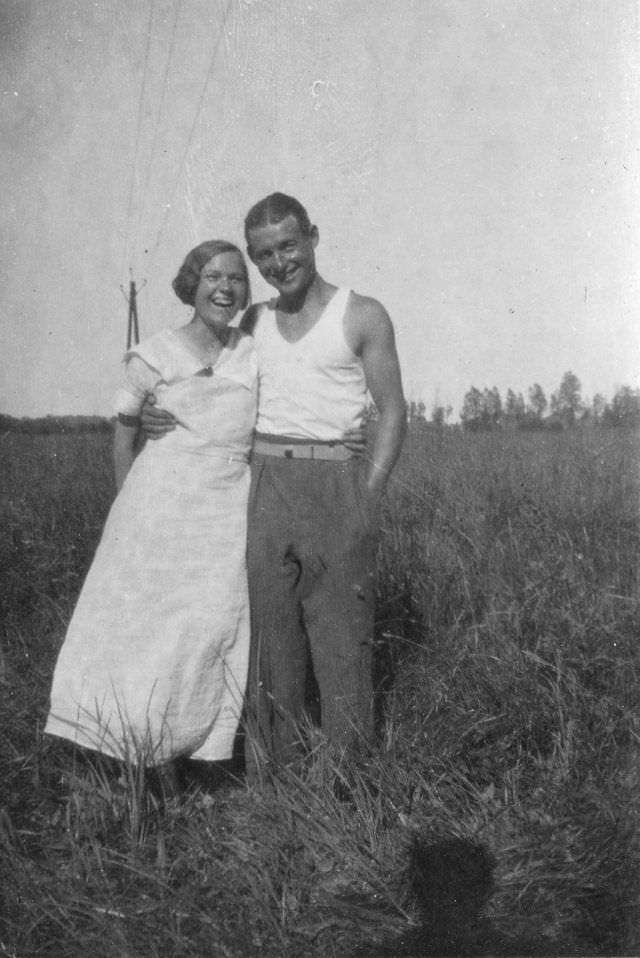
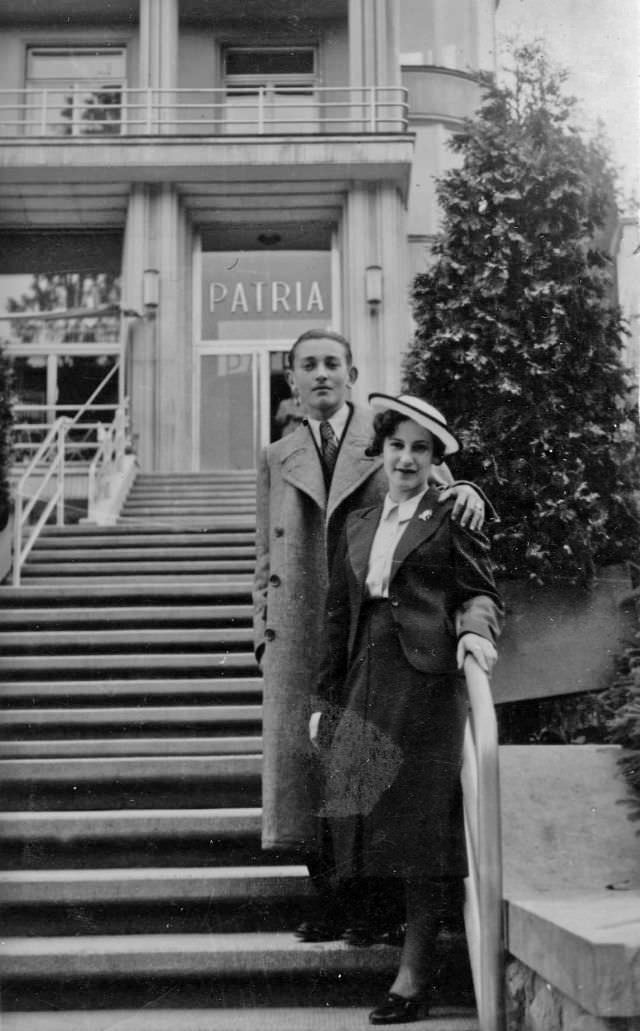
Hats had been a firm part of women’s wardrobes for decades, and the 1930s were no exception. Women still wore them regularly, but their grip on fashion was slowly loosening. Styles became smaller and more decorative rather than large and structural, signaling a slow shift in how women thought about headwear.
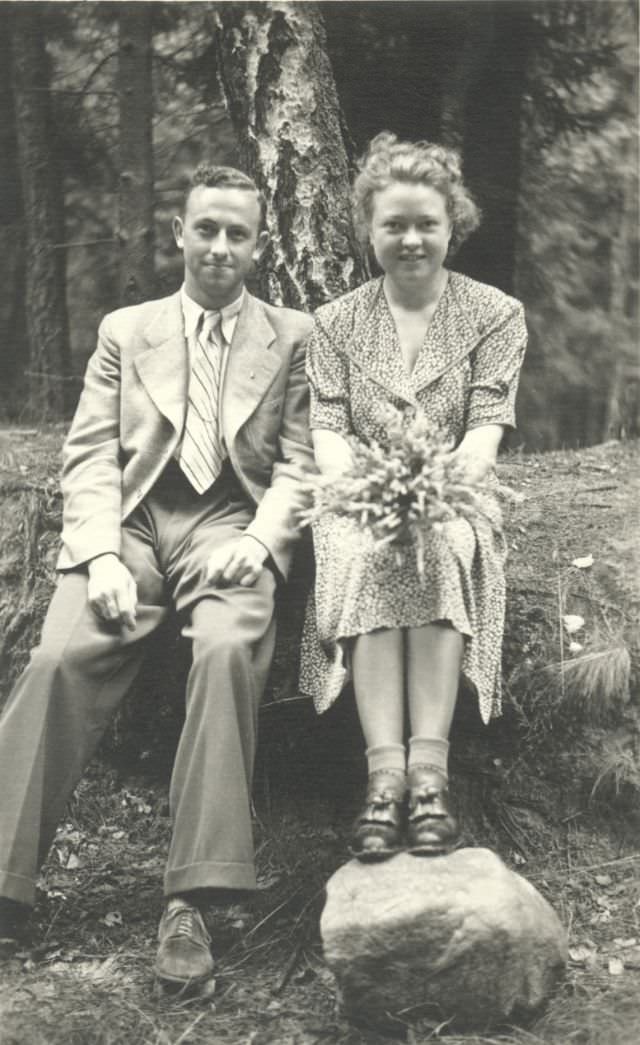
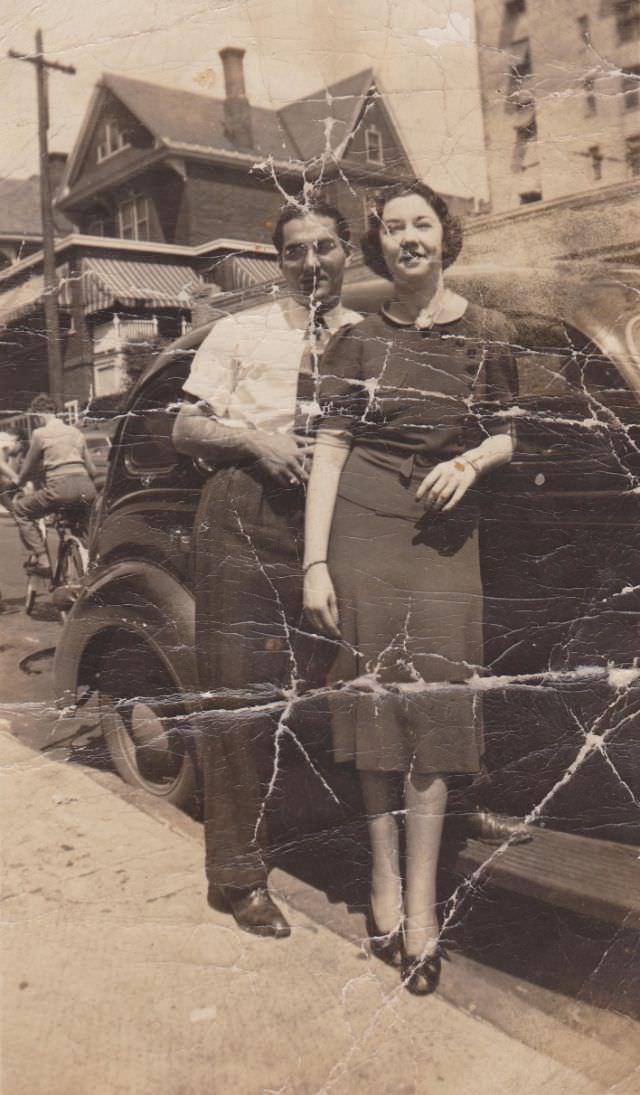
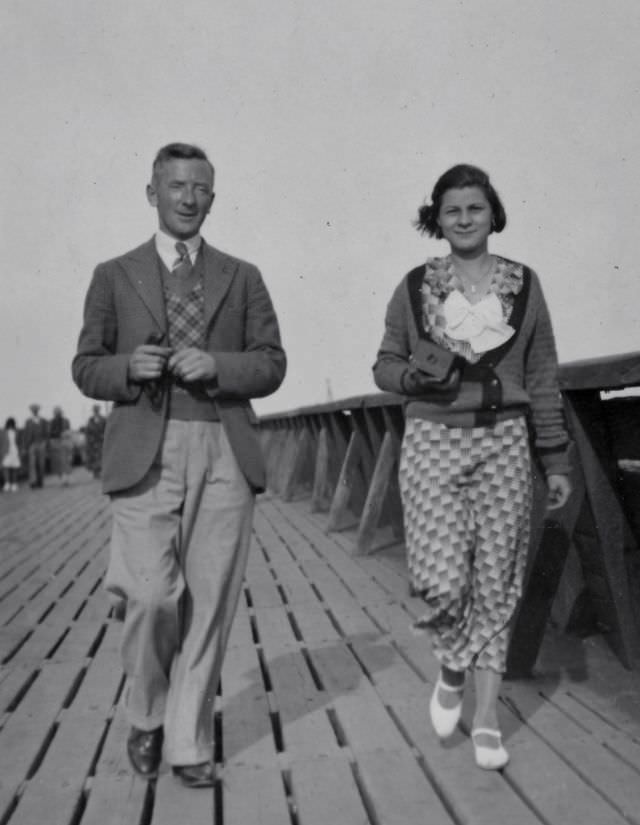
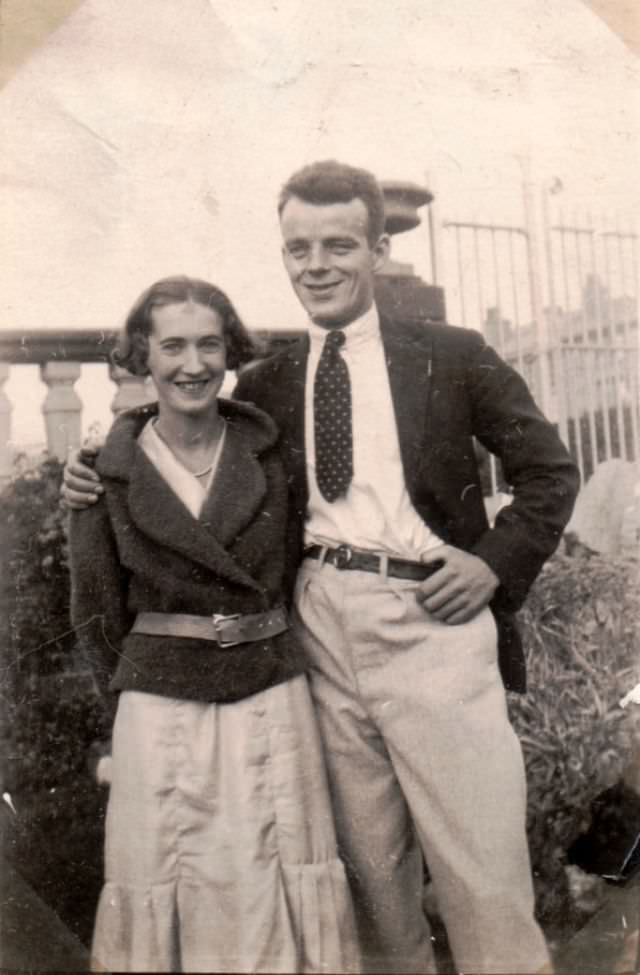
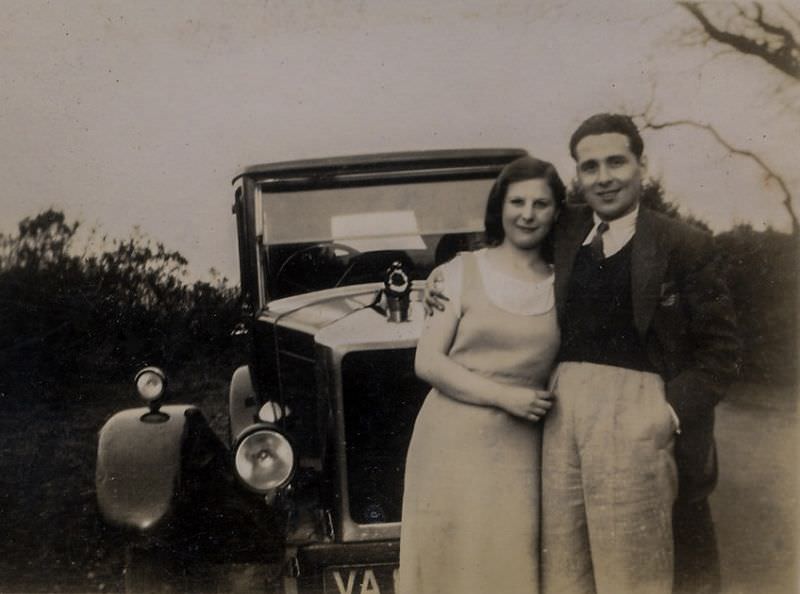
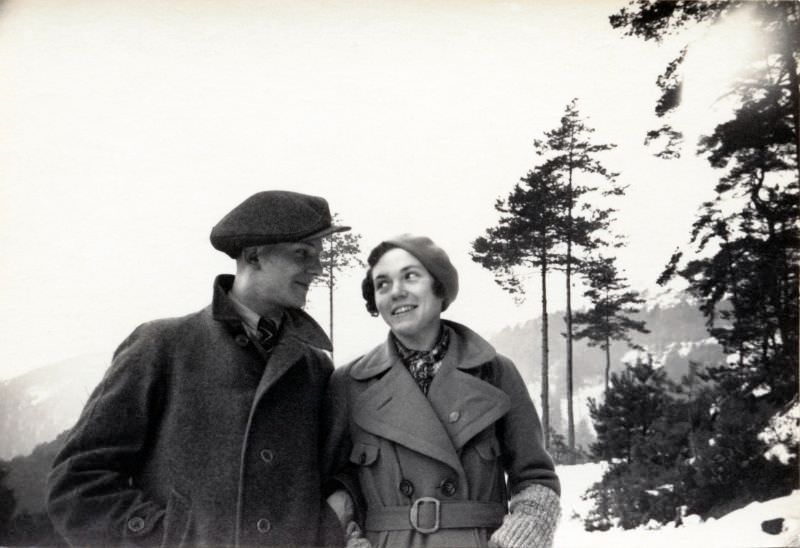
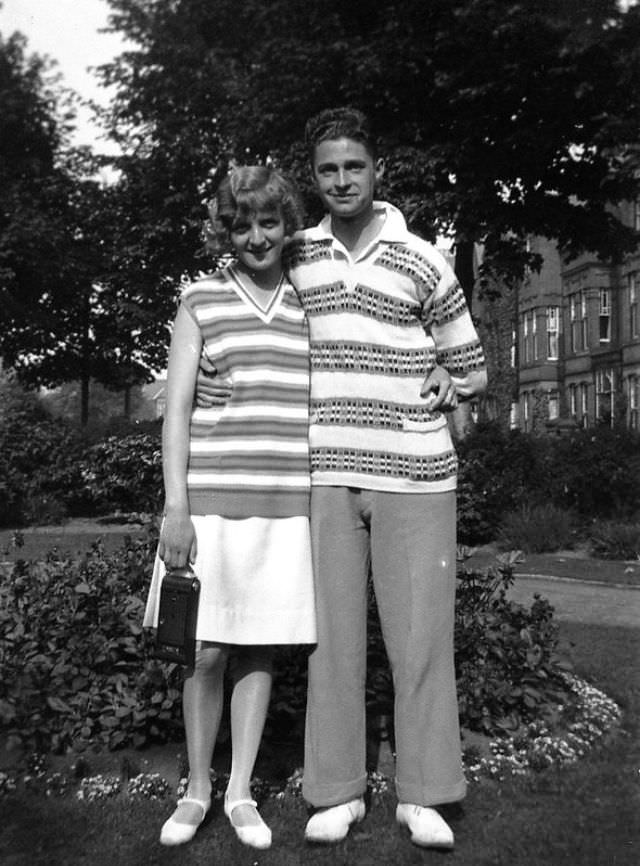
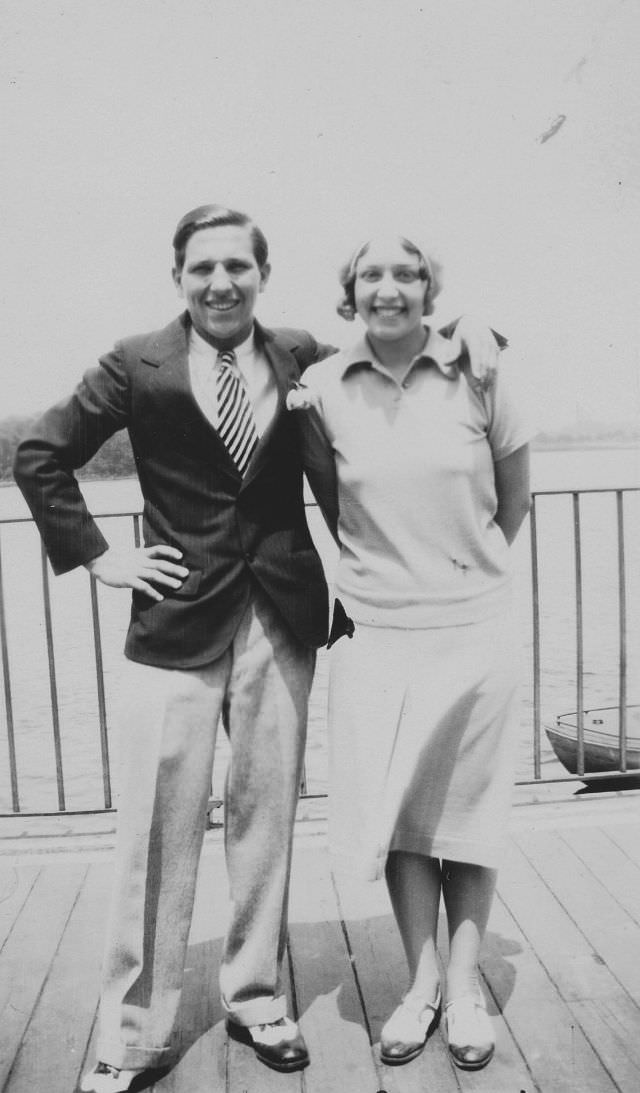
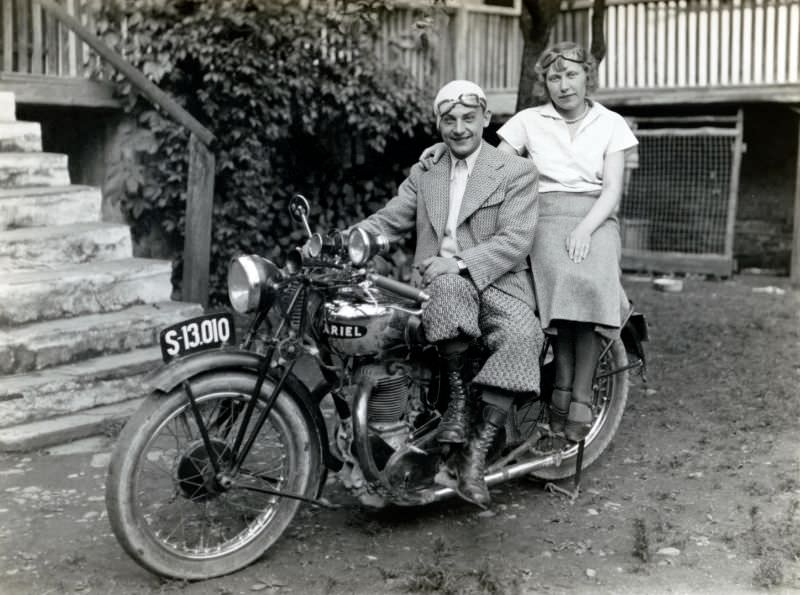
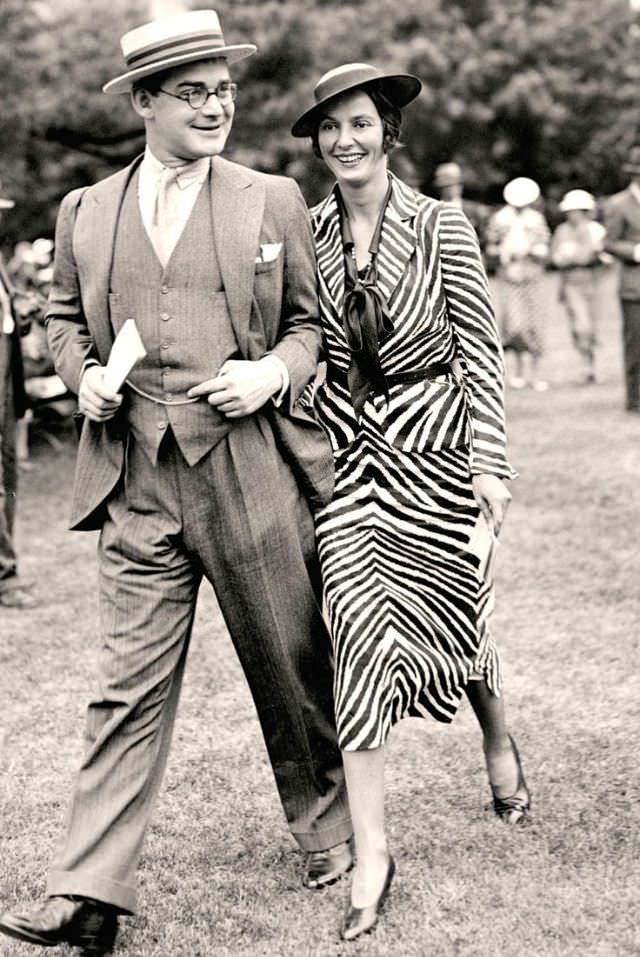
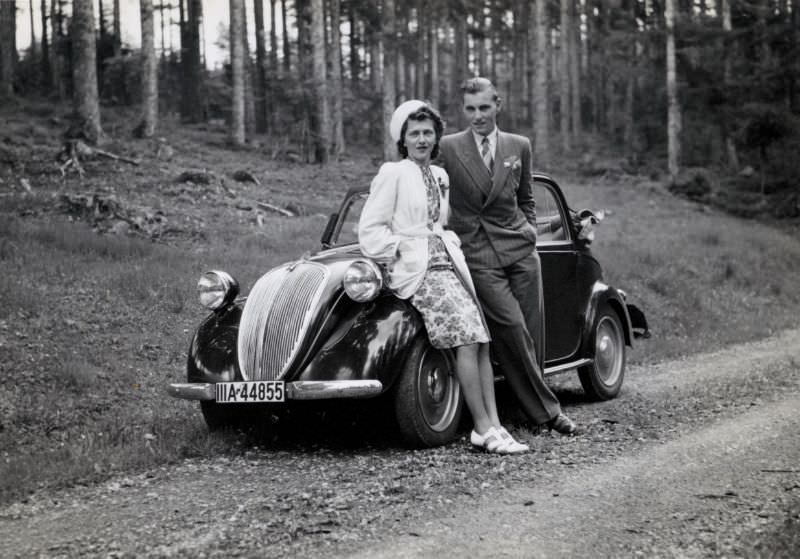
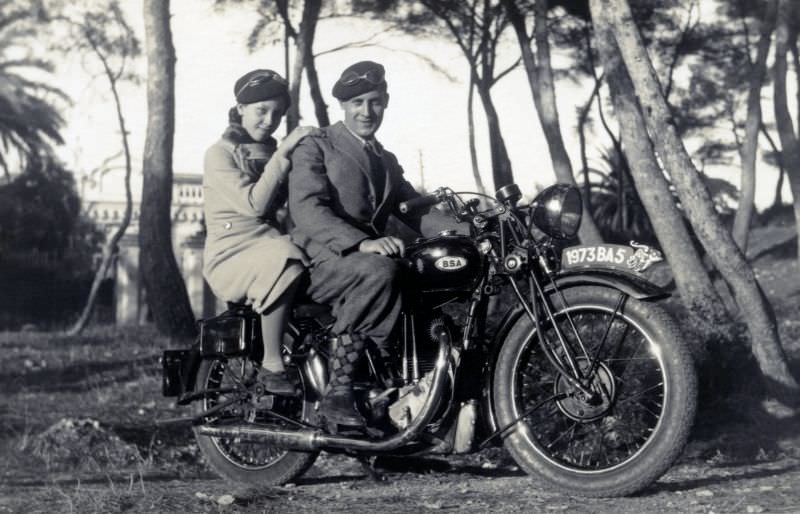
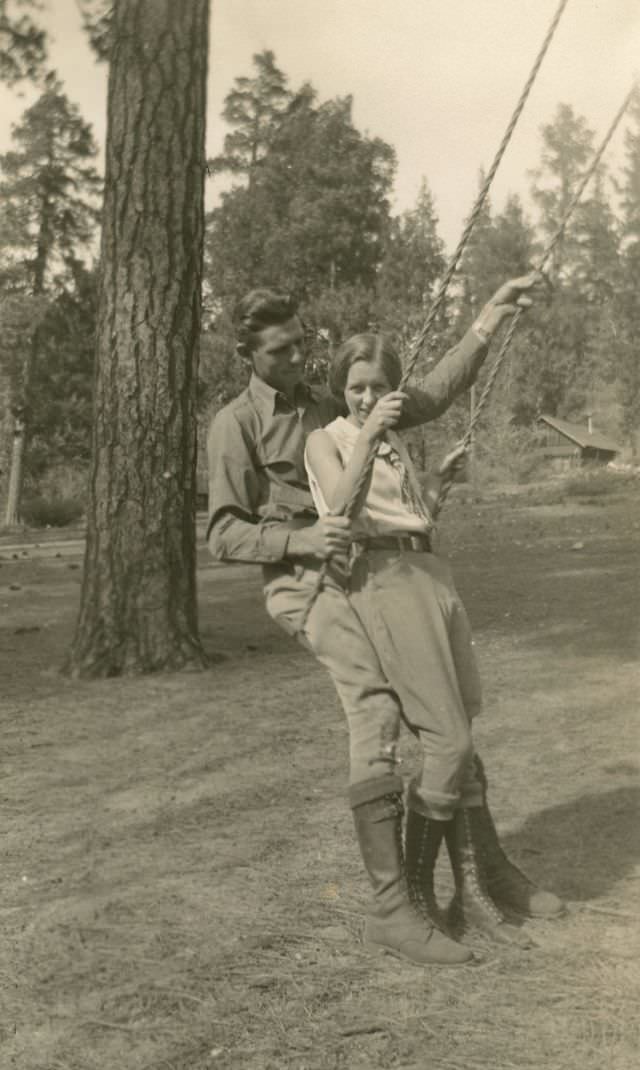
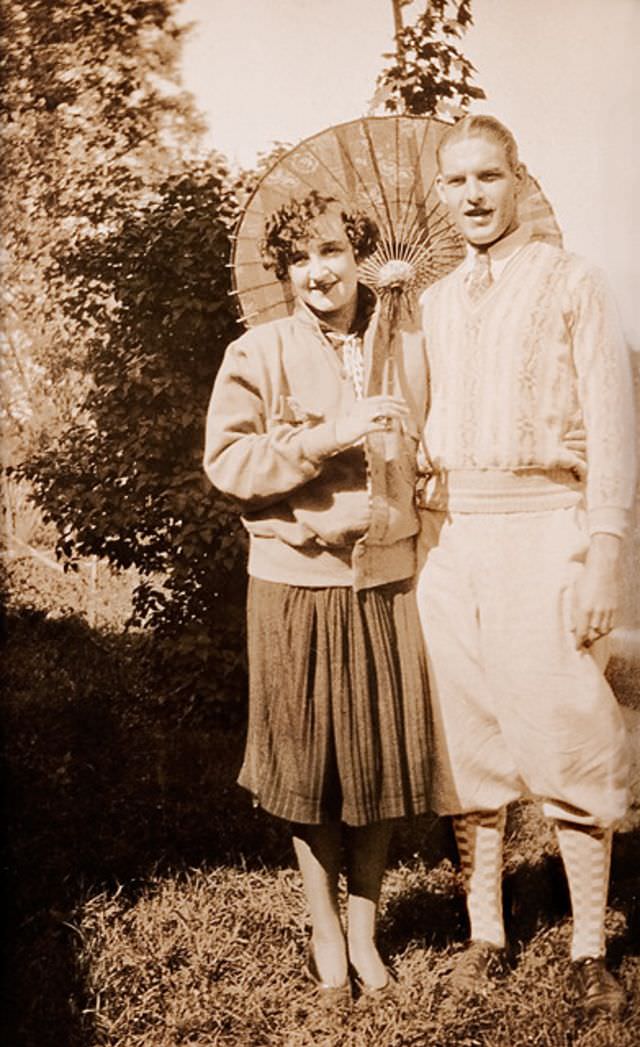
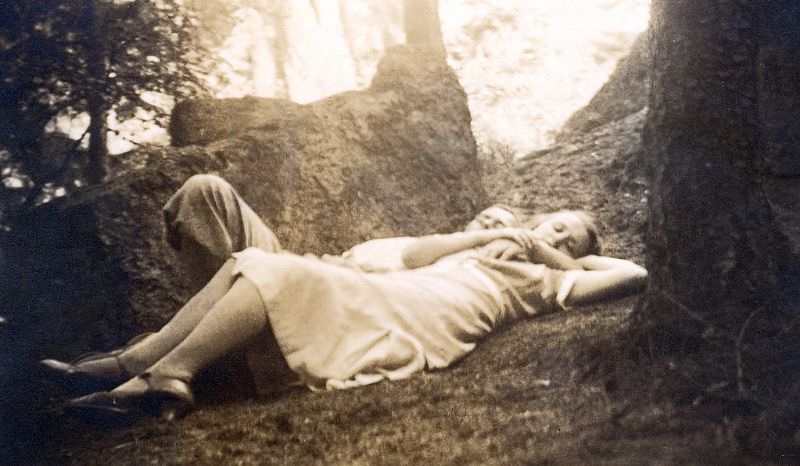
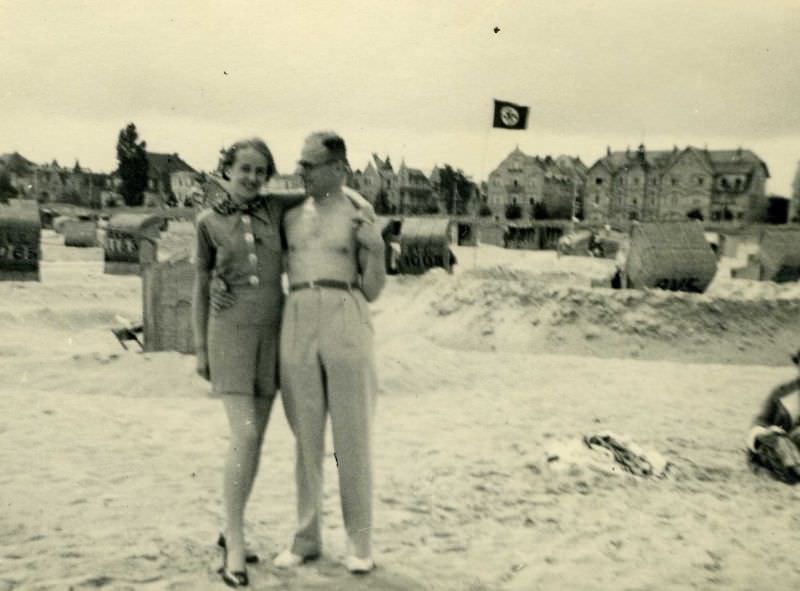
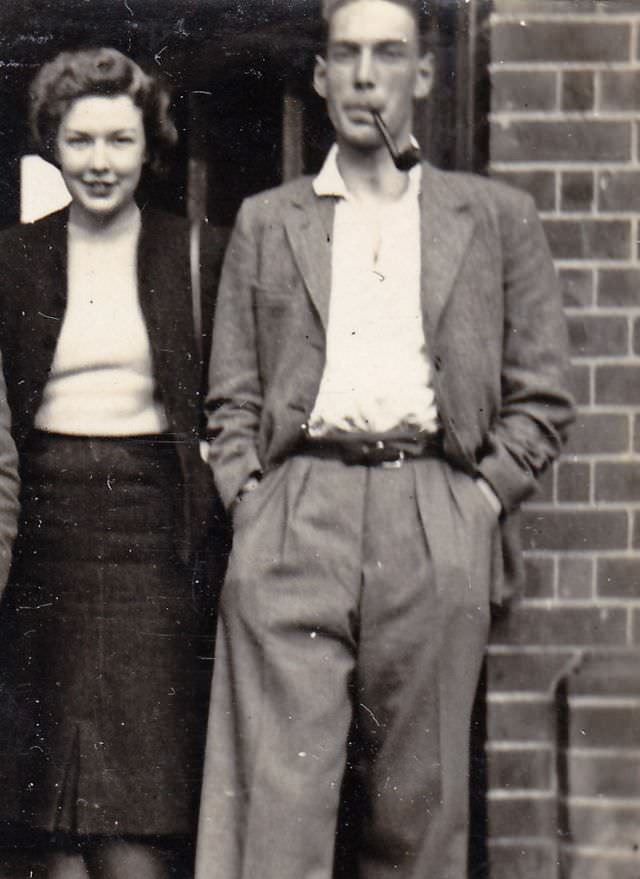
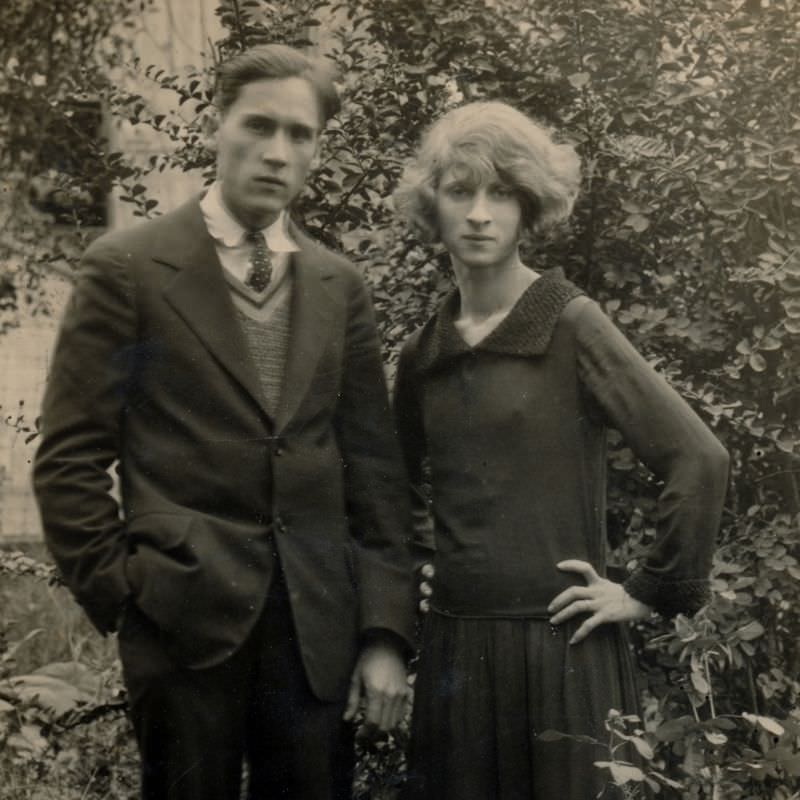
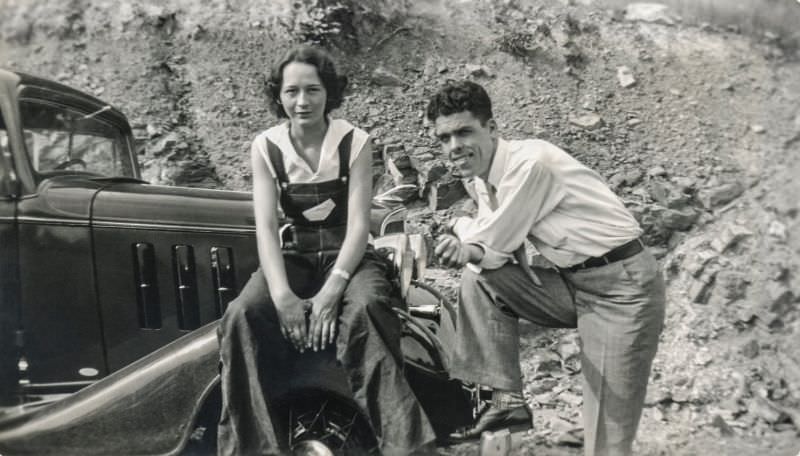
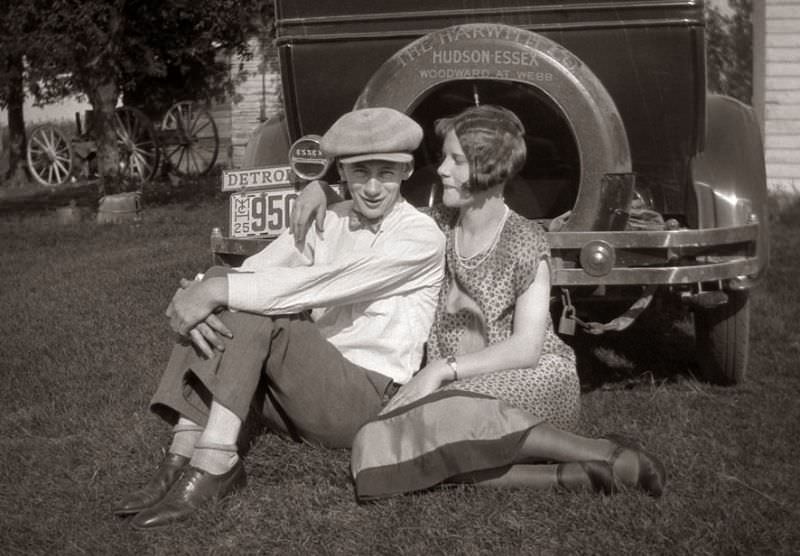
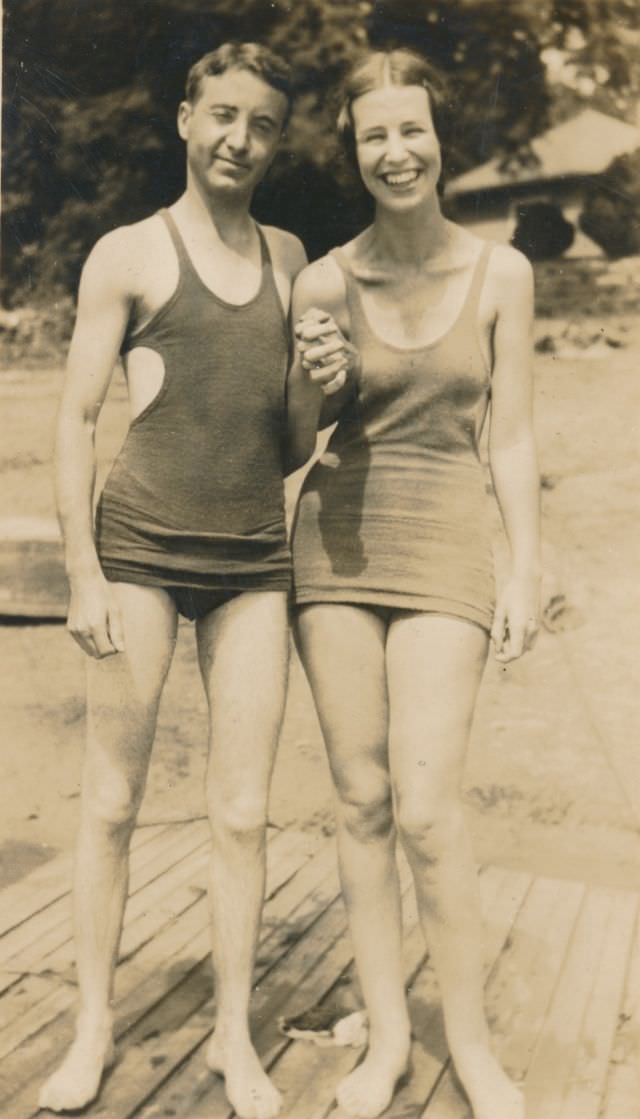
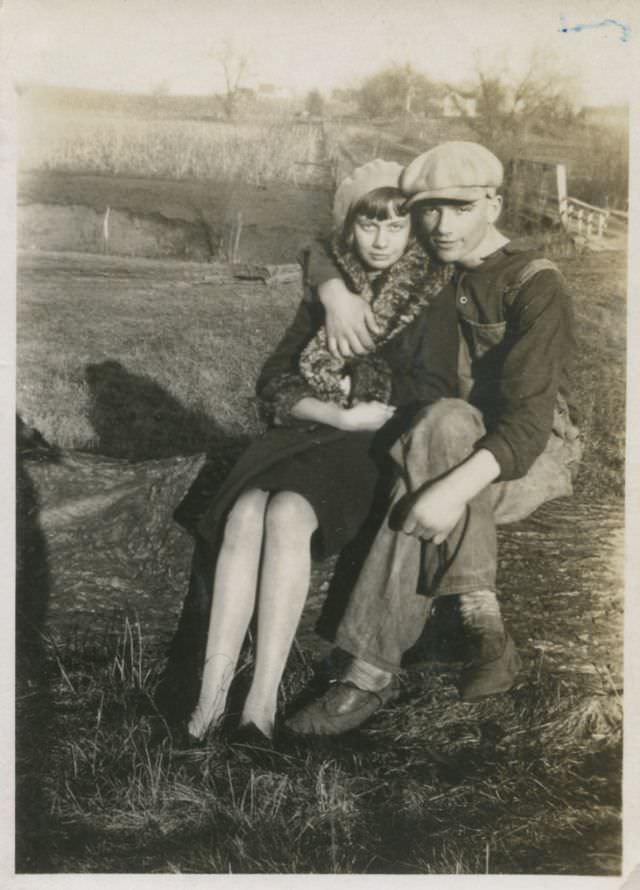
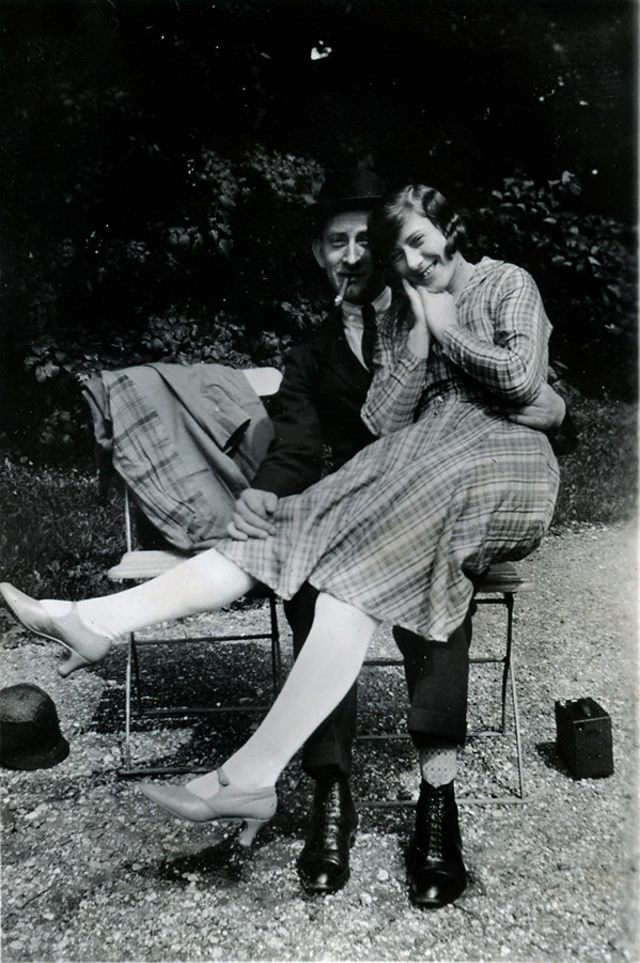
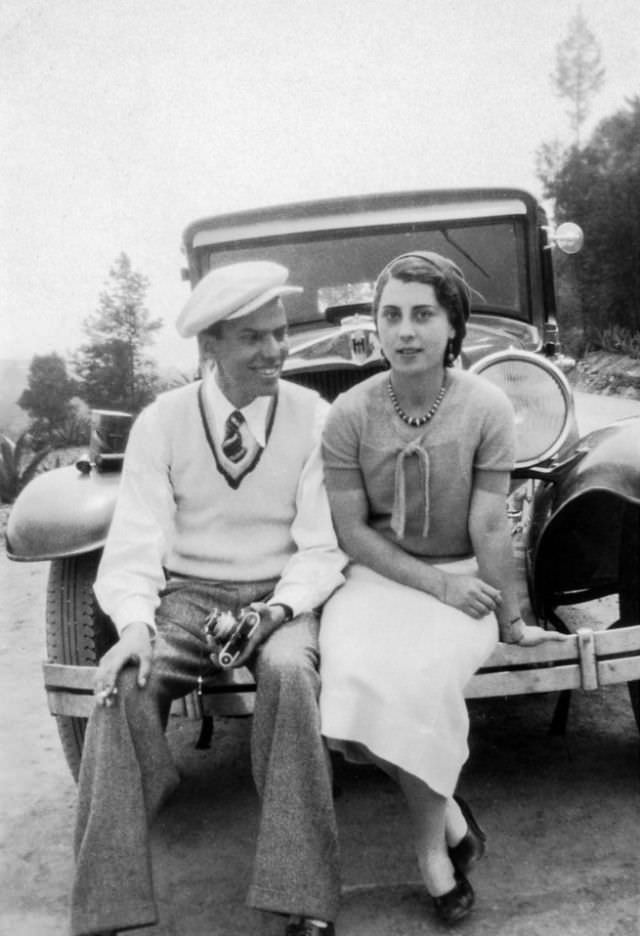
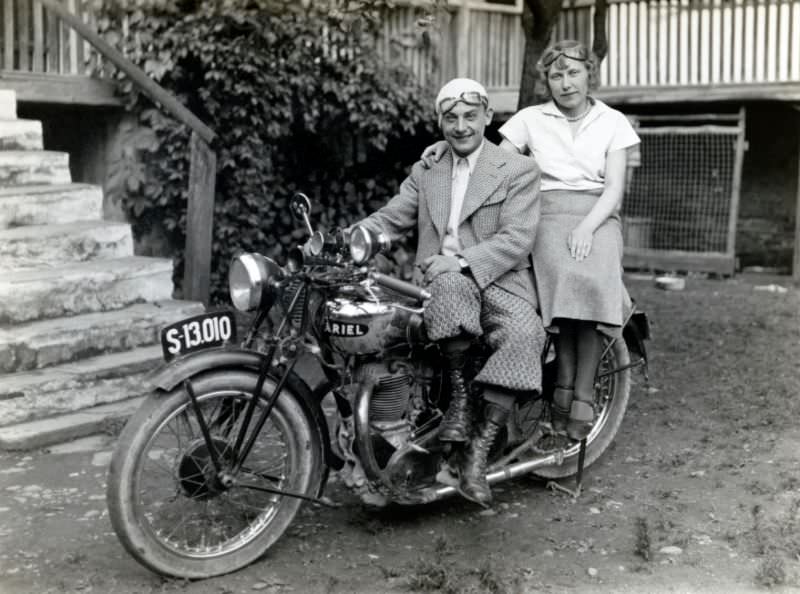
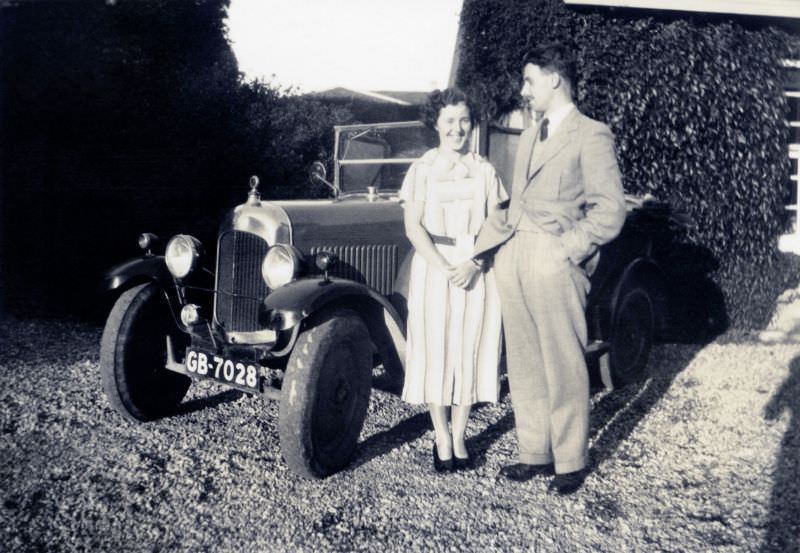
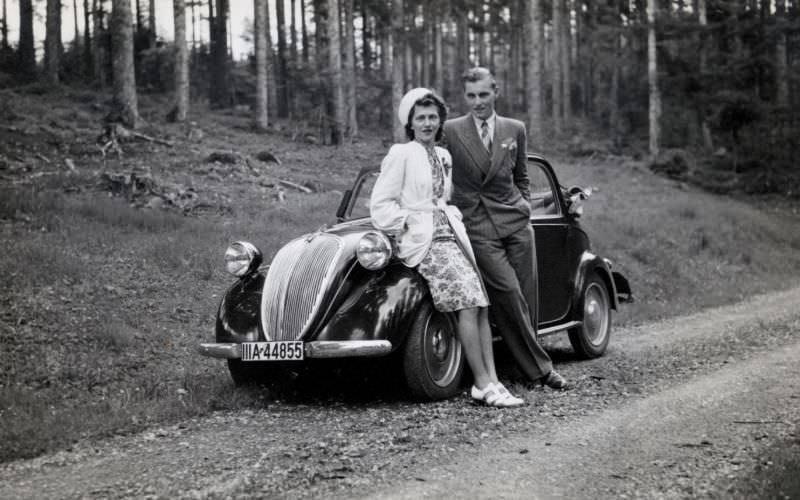
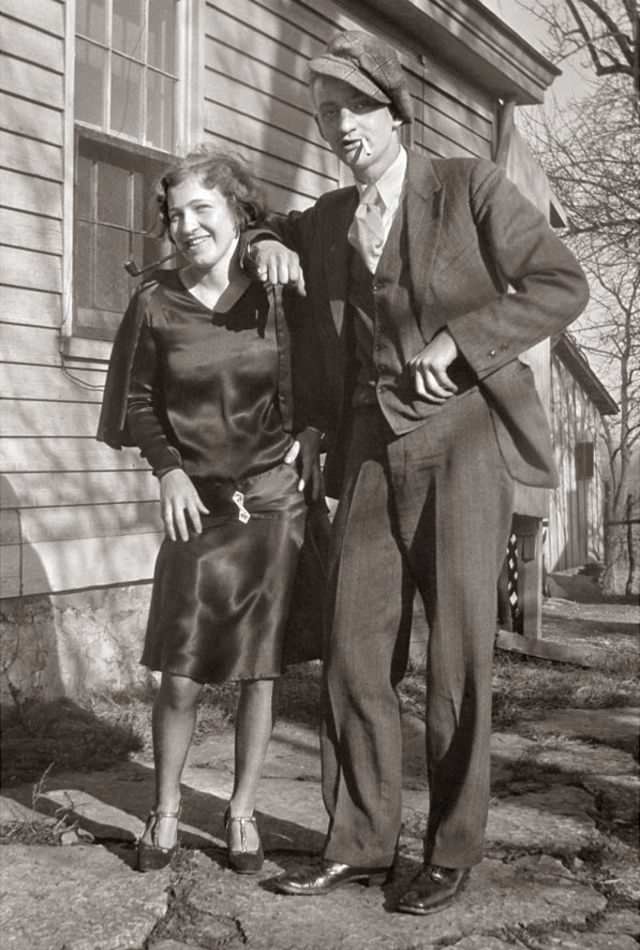
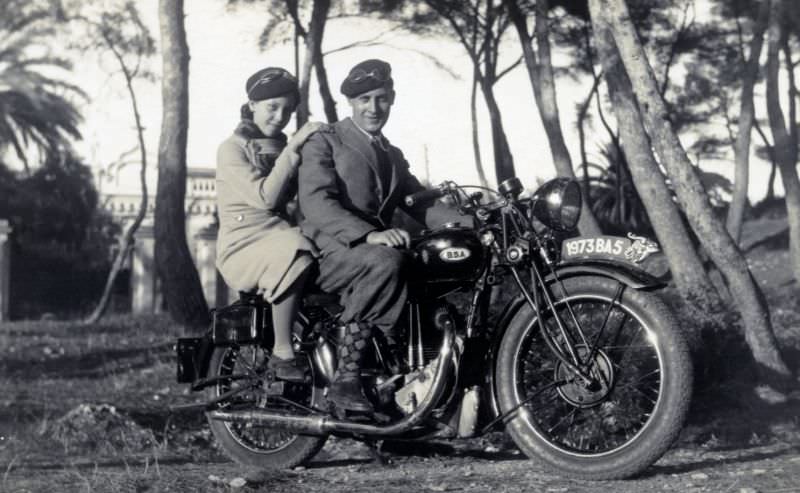
Couples in the 1930s often dressed to complement each other. A man in a sharp double-breasted suit beside a woman in a fitted dress and heels made for a coordinated, put-together pair. These vintage photos capture that attention to personal presentation that defined everyday life in the decade.