On March 21, 1963, the gates of Alcatraz Federal Penitentiary closed for the last time. For 29 years, the island prison in San Francisco Bay had stood as the most secure — and most feared — federal penitentiary in the United States. When the final prisoners were marched out in chains that morning, an era ended. Life Magazine photographer Leigh Wiener was there to document every moment of it.
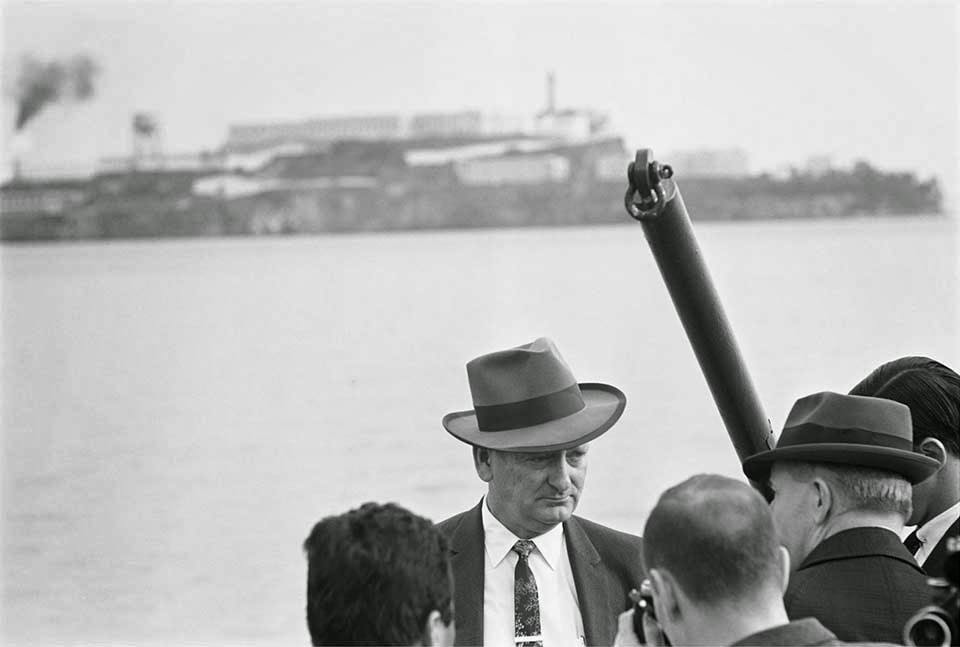
Warden Olin Blackwell faced the press as the day’s events unfolded around him. The closure had been announced just weeks earlier, driven largely by the enormous cost of running a prison on an island. Everything — food, supplies, even fresh water — had to be shipped in by boat. By 1963, it cost nearly three times more per inmate to operate Alcatraz than a mainland federal prison.
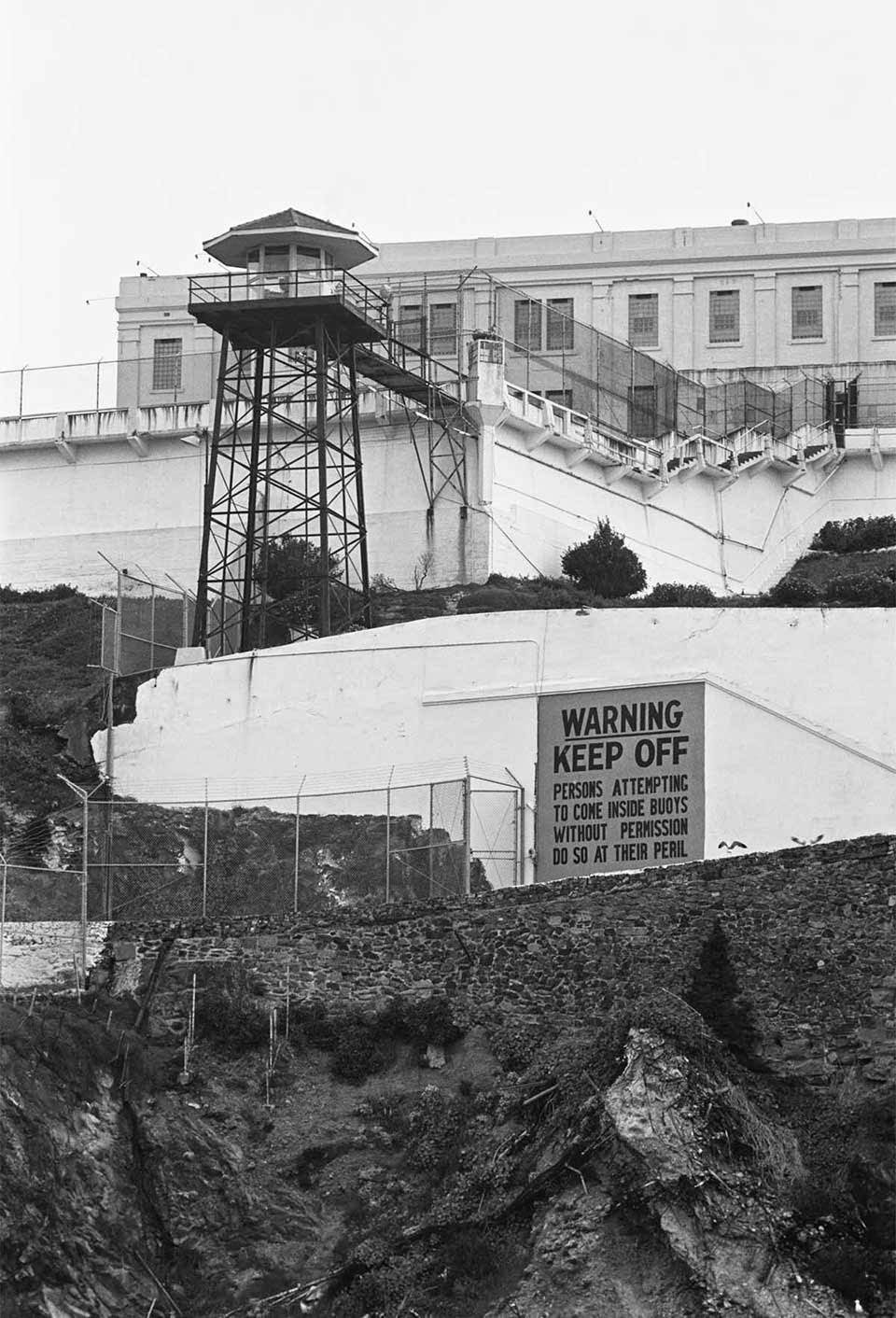
The island’s physical layout was built around the idea that escape was impossible. Guard towers kept watch over the surrounding water, and strict rules kept civilian boats at least 200 yards from shore at all times. The cold, fast-moving currents of San Francisco Bay did the rest. Of the 36 men who attempted escape during Alcatraz’s 29-year run, none are confirmed to have made it to the mainland alive.
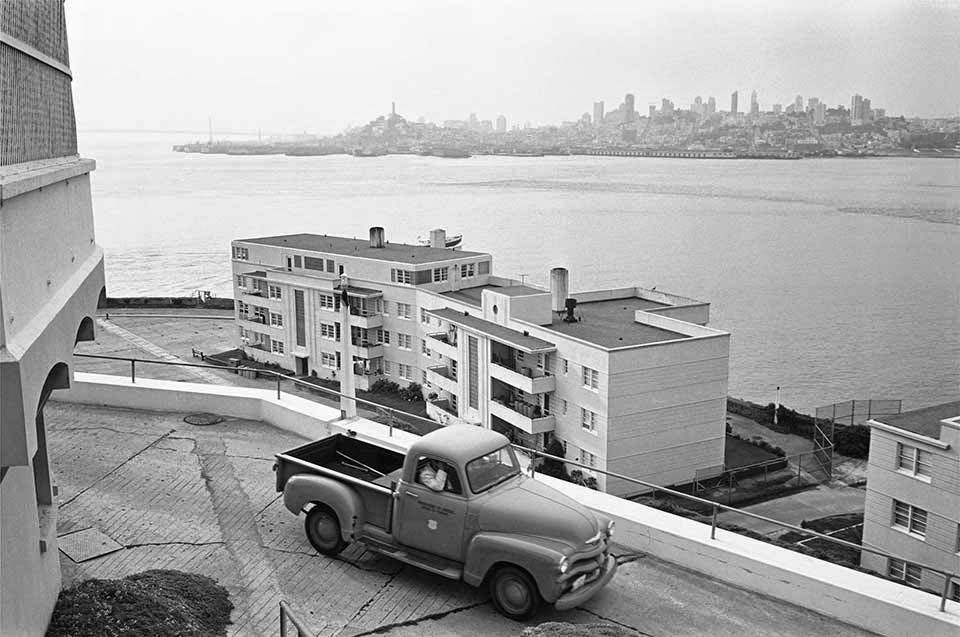
Alcatraz was more than a prison — it was a small, self-contained community. Correctional officers and their families lived on the island full-time, in apartment buildings and houses built into the rock. Children grew up there, took ferries to school in San Francisco each morning, and returned each afternoon to a home surrounded by federal inmates and armed guards. On closing day, those families prepared to leave their unusual home for the last time.
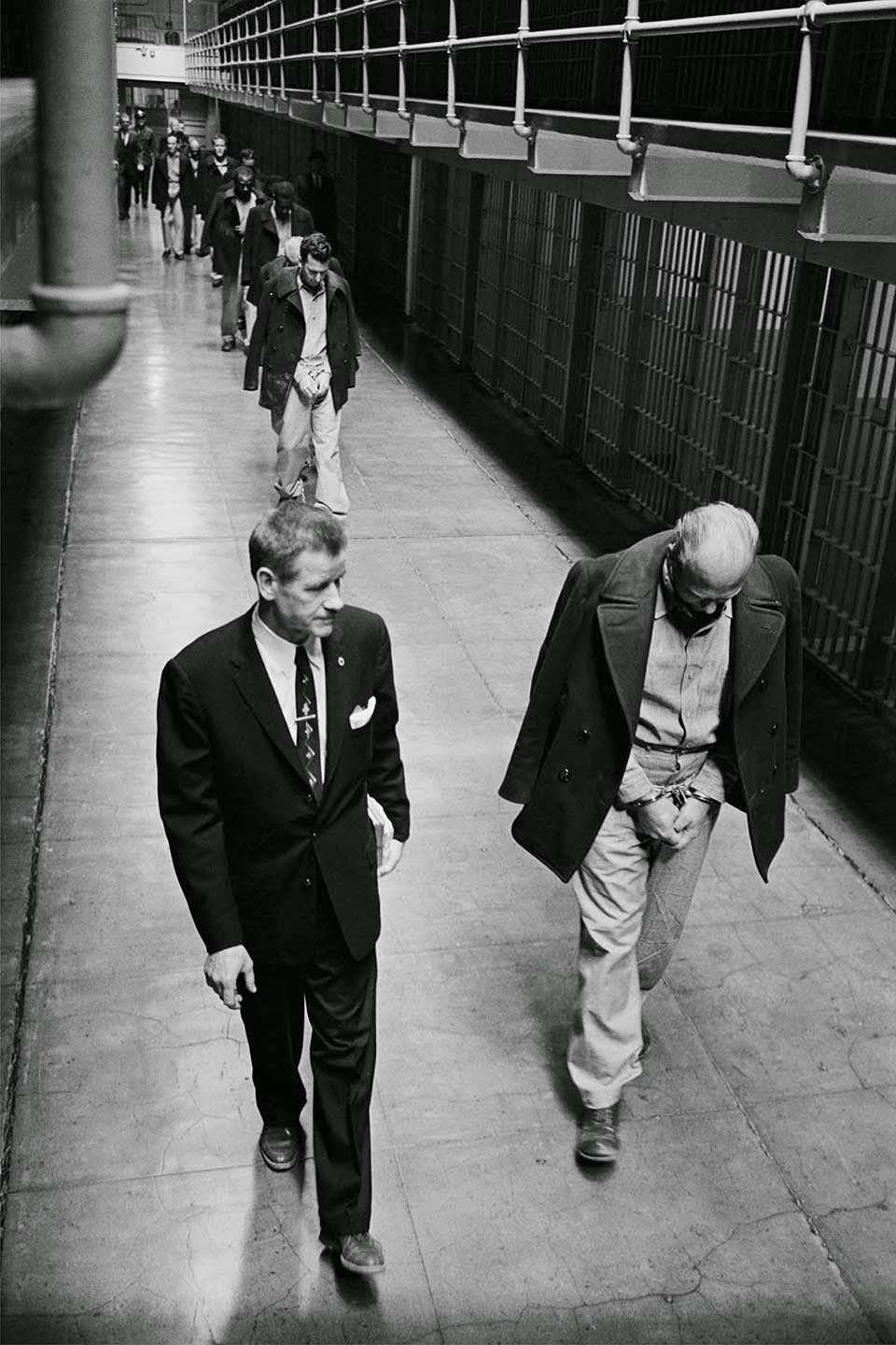
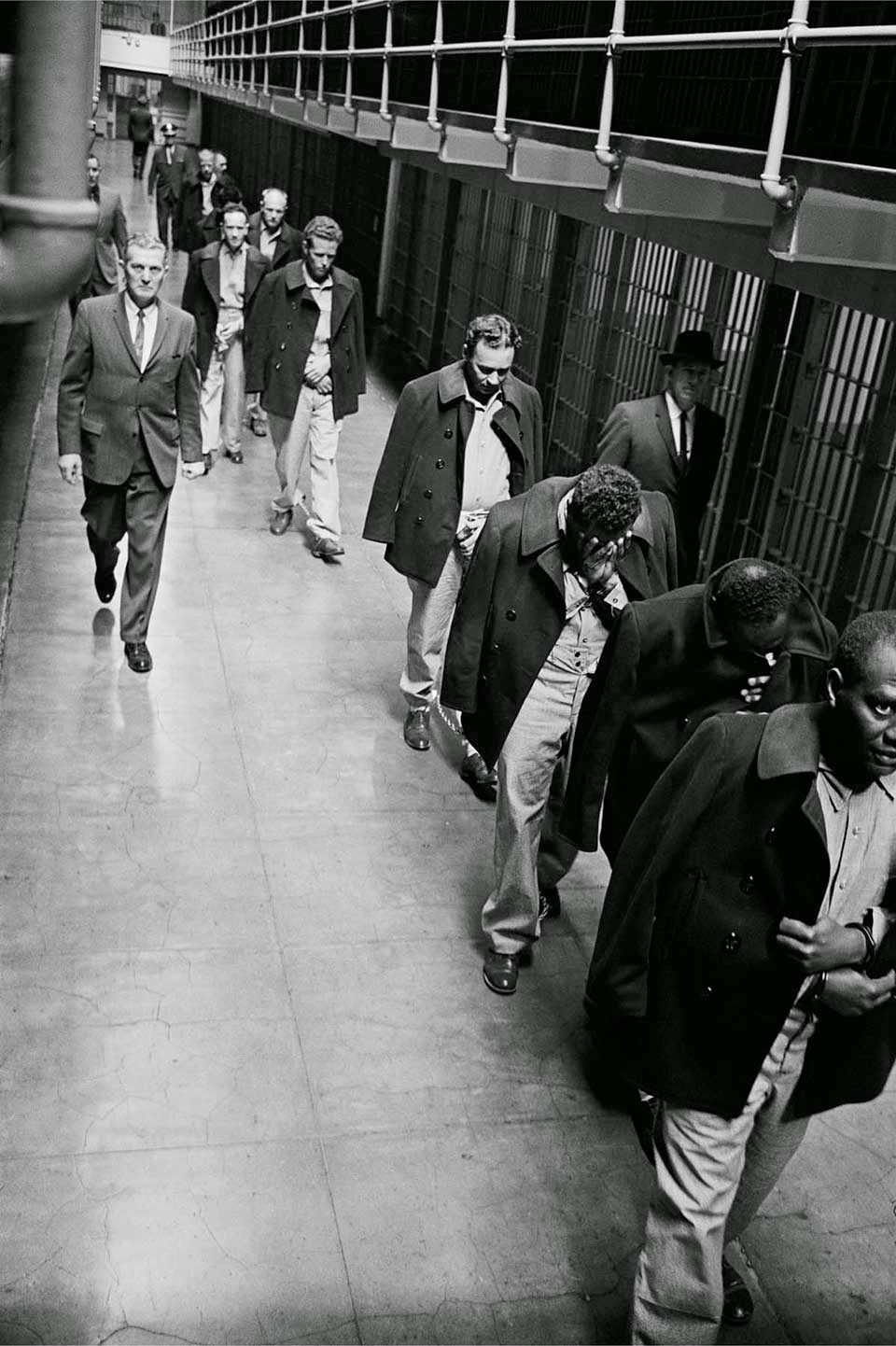
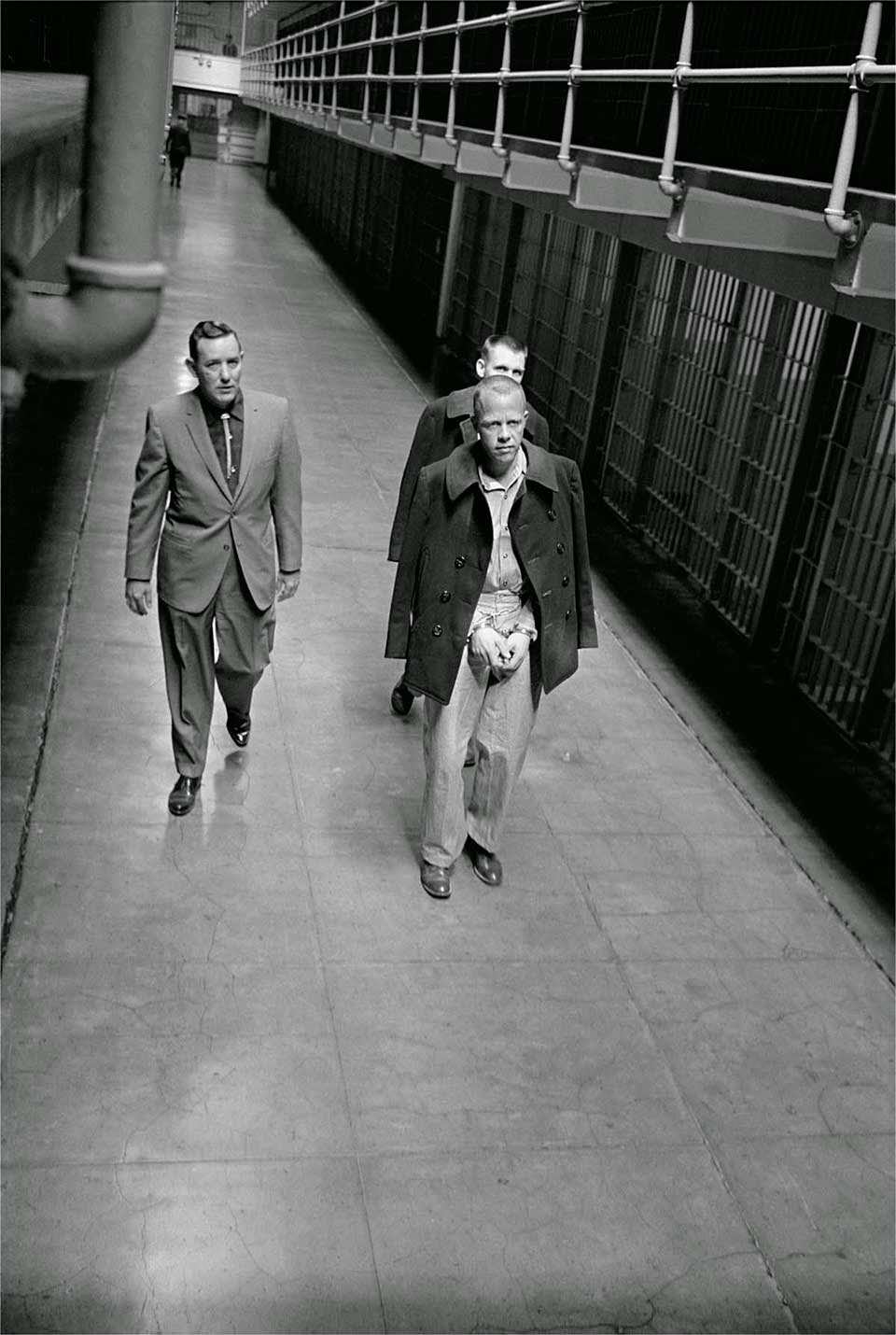
The main corridor of the cellhouse — known as Broadway — saw its last procession on March 21. Handcuffed, shackled, and chained, the remaining convicts were marched single-file out of the building. News crews lined the route, capturing every step. The last prisoner to leave the island was Frank Weatherman, a gun smuggler and repeat escape artist, who reportedly summed up his time on the Rock without any fondness.
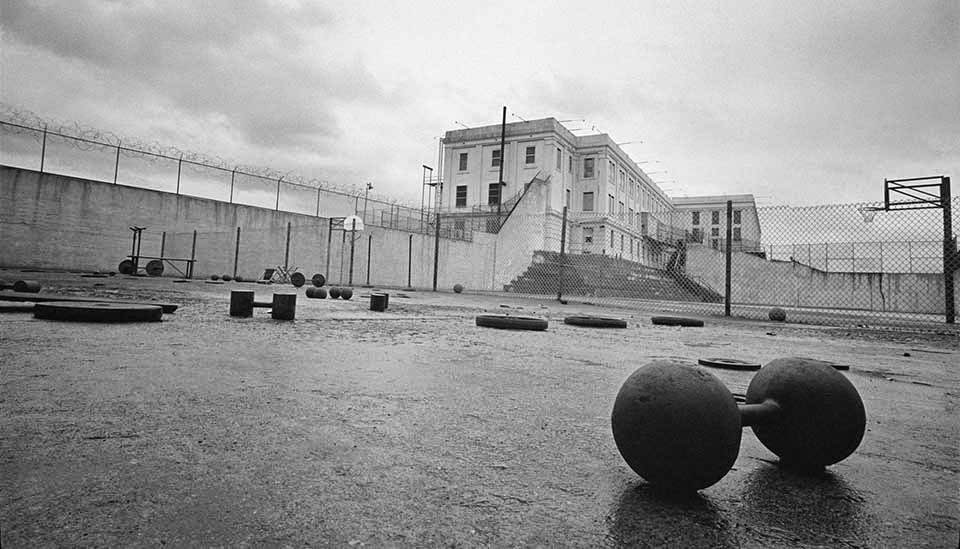
As the prisoners were moved out, the recreation yard sat empty. Weights and equipment were left exactly where they had last been used. The yard had been one of the few places inmates could move freely, exercise, or simply stand in the open air. For men who spent most of their hours locked in a cell measuring roughly five feet by nine feet, that outdoor time was a rare relief.
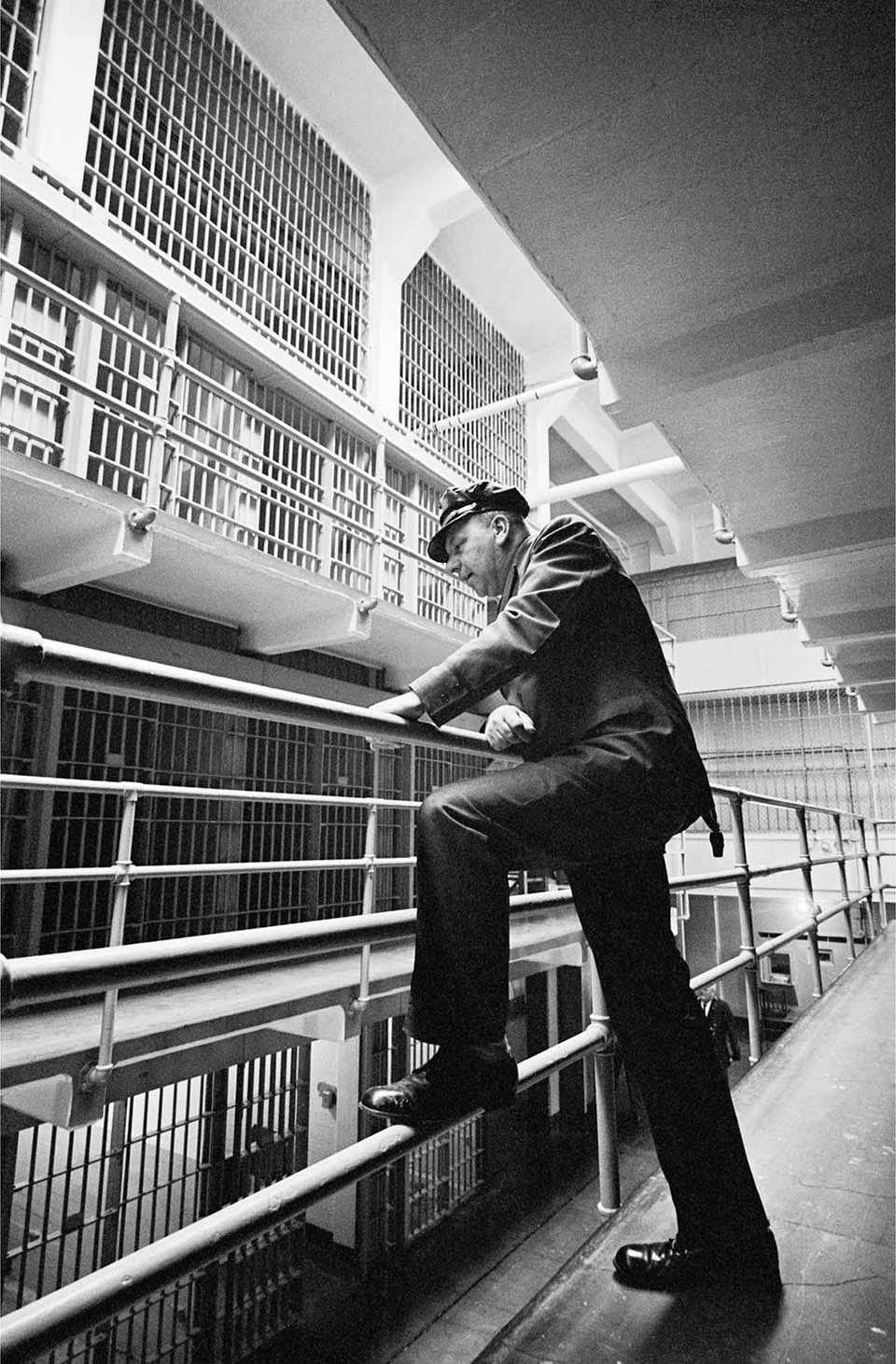
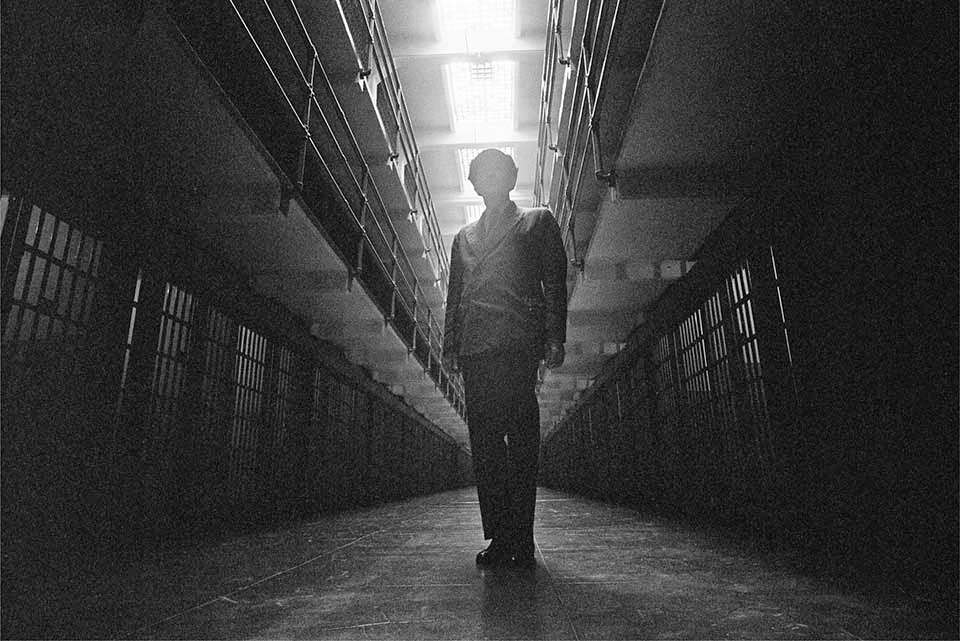
Once the last prisoners were removed from the cellhouse, guards walked Broadway in a way they never had before — quietly, without the tension of managing dangerous inmates. Some paused to take in the silence of the long corridor that had defined their working lives for years. The contrast between the chaos of the morning’s prisoner transfer and this stillness was stark.
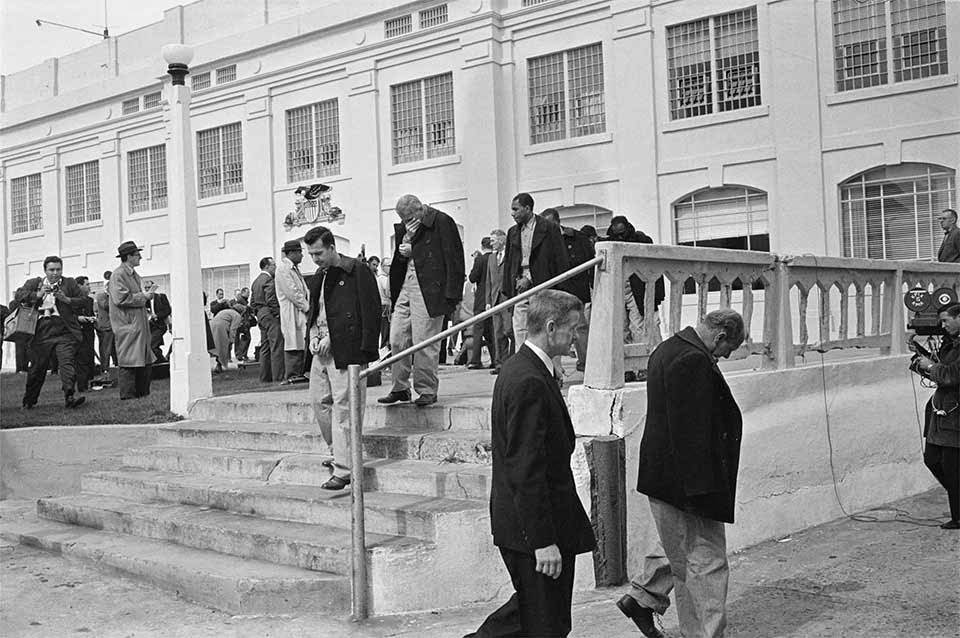
The press had been given access to document the transfer, and they took full advantage of it. Camera crews and photographers tracked the inmates from the cellhouse to the dock, capturing the chain-linked procession at every turn. Wiener’s photographs for Life Magazine stood out — but most of them went unseen for decades. His son Devik rediscovered the archive 45 years later, and in 2012, the Golden Gate National Park Conservancy published them in the book Alcatraz: The Last Day.
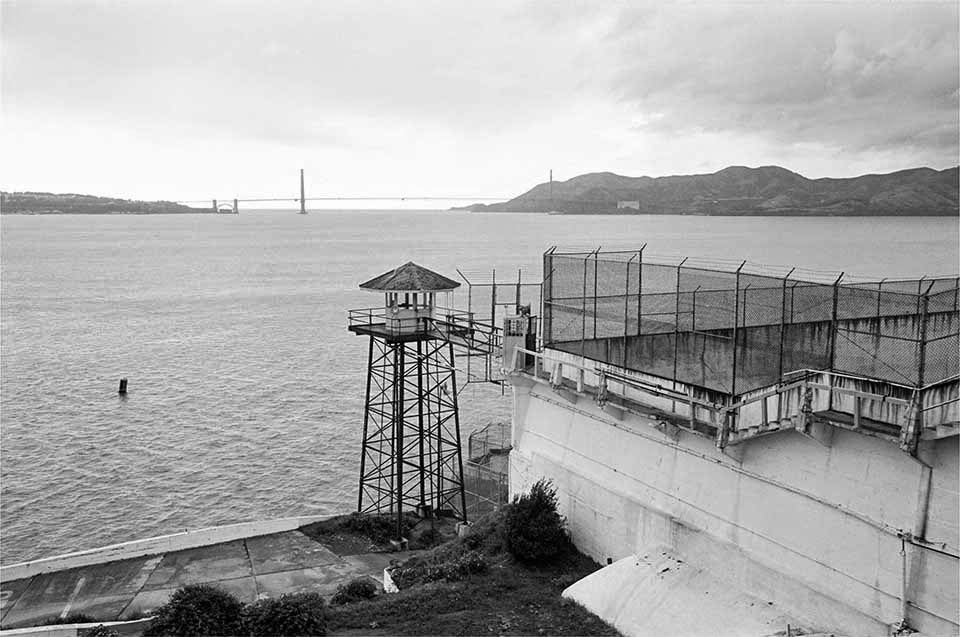
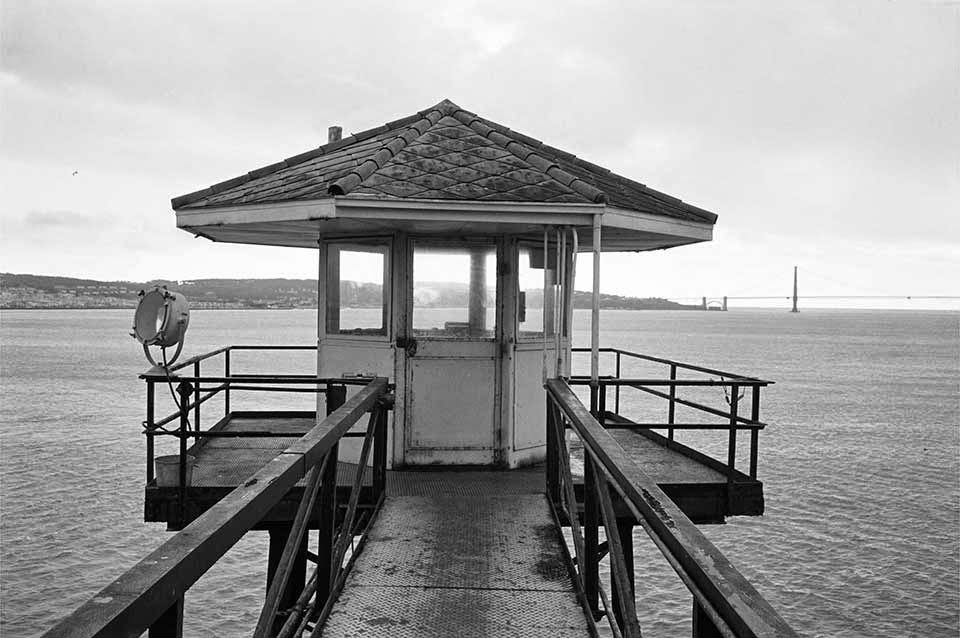
The guard towers that had kept a constant watch over the island stood empty for the first time since 1934. Battered by years of salt air and coastal weather, the towers overlooked a now-quiet prison with the Golden Gate Bridge visible in the background. They had been manned around the clock, every day, for nearly three decades.
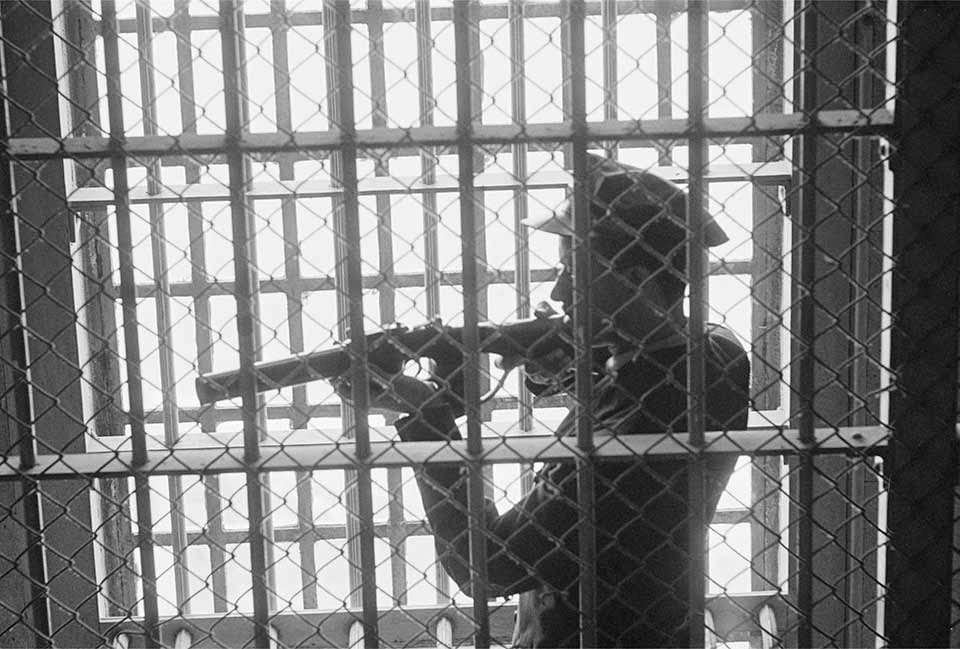
D-Block was Alcatraz’s disciplinary unit — the place where the most troublesome inmates were sent for long-term isolation. The gun gallery running alongside it allowed armed officers to monitor the block from an elevated, protected position. Guards stationed there were separated from inmates at all times and never entered the cellblock floor directly, a design intended to prevent weapons from being taken in a fight or riot.
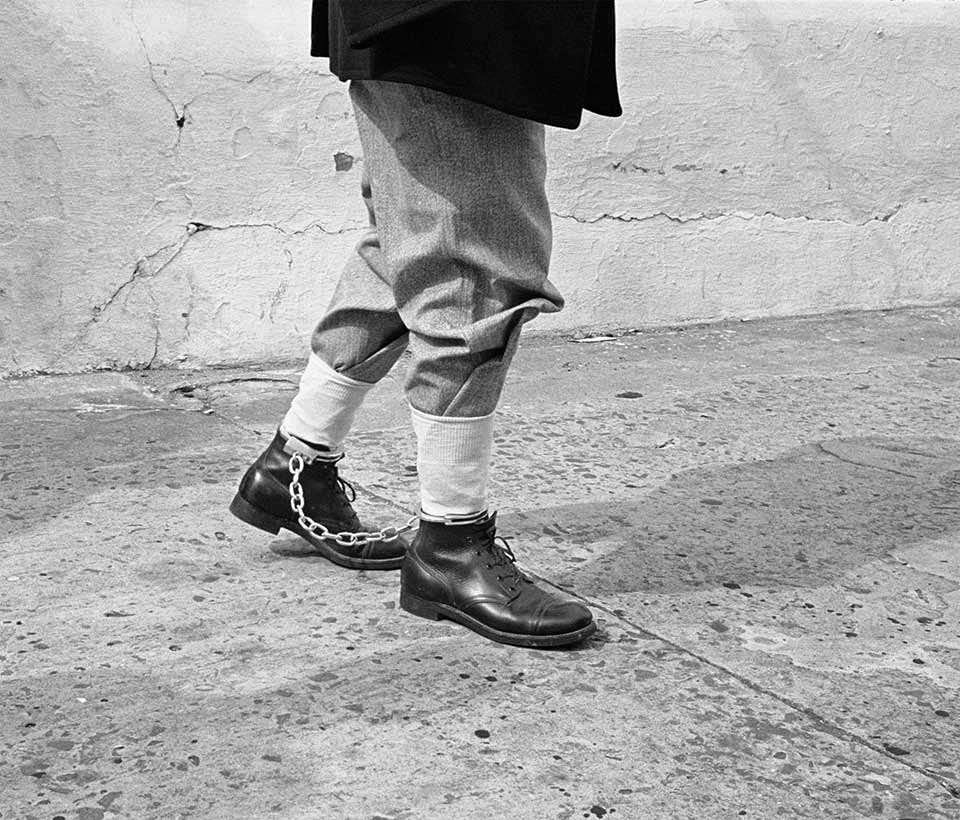
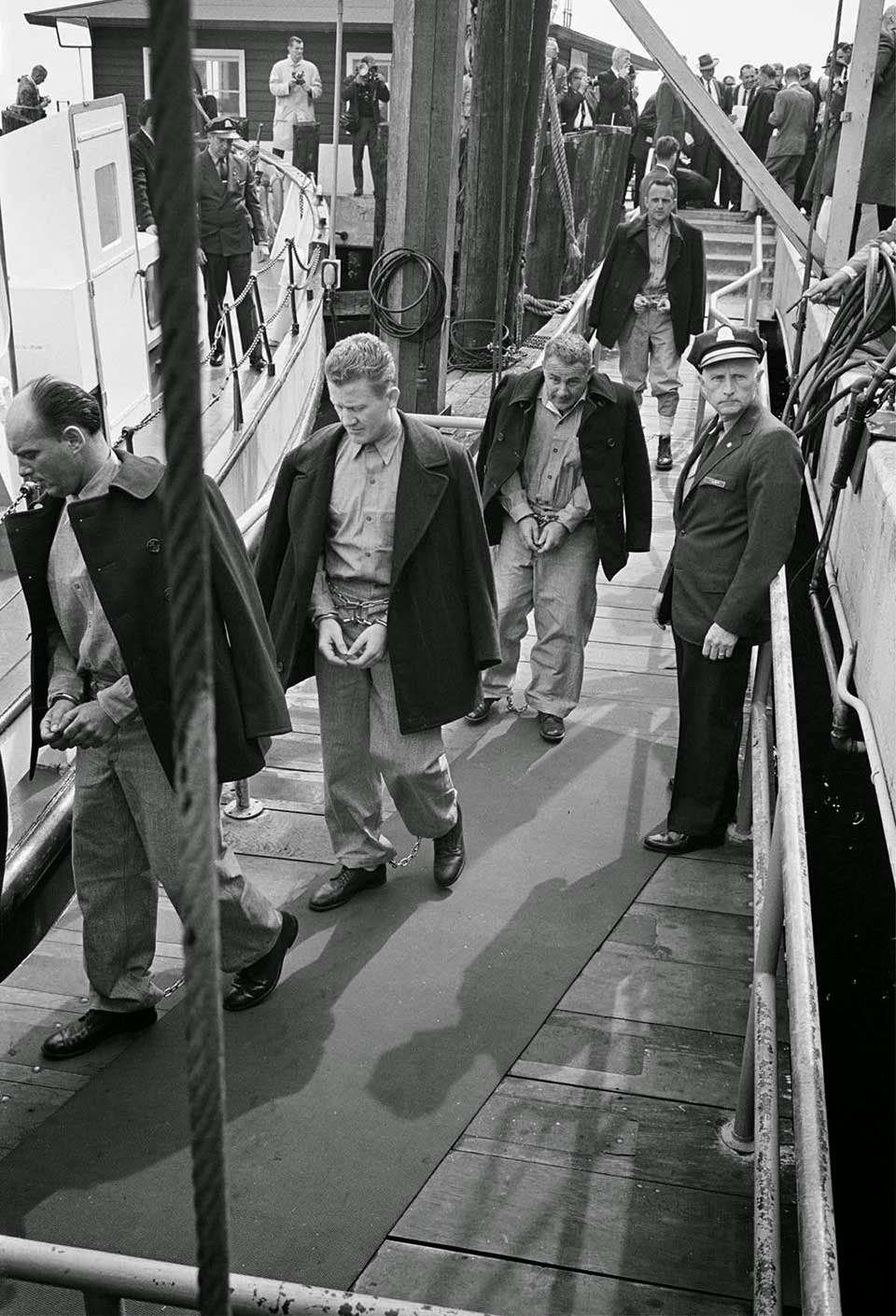
At the dock, the shackled inmates boarded the prison launch named Warden Blackwell for the short trip across the bay to San Francisco. From there, they were transported to other federal facilities around the country. The boat ride that had brought many of them to the island years earlier — in silence, under heavy guard — now carried them away from it for good.
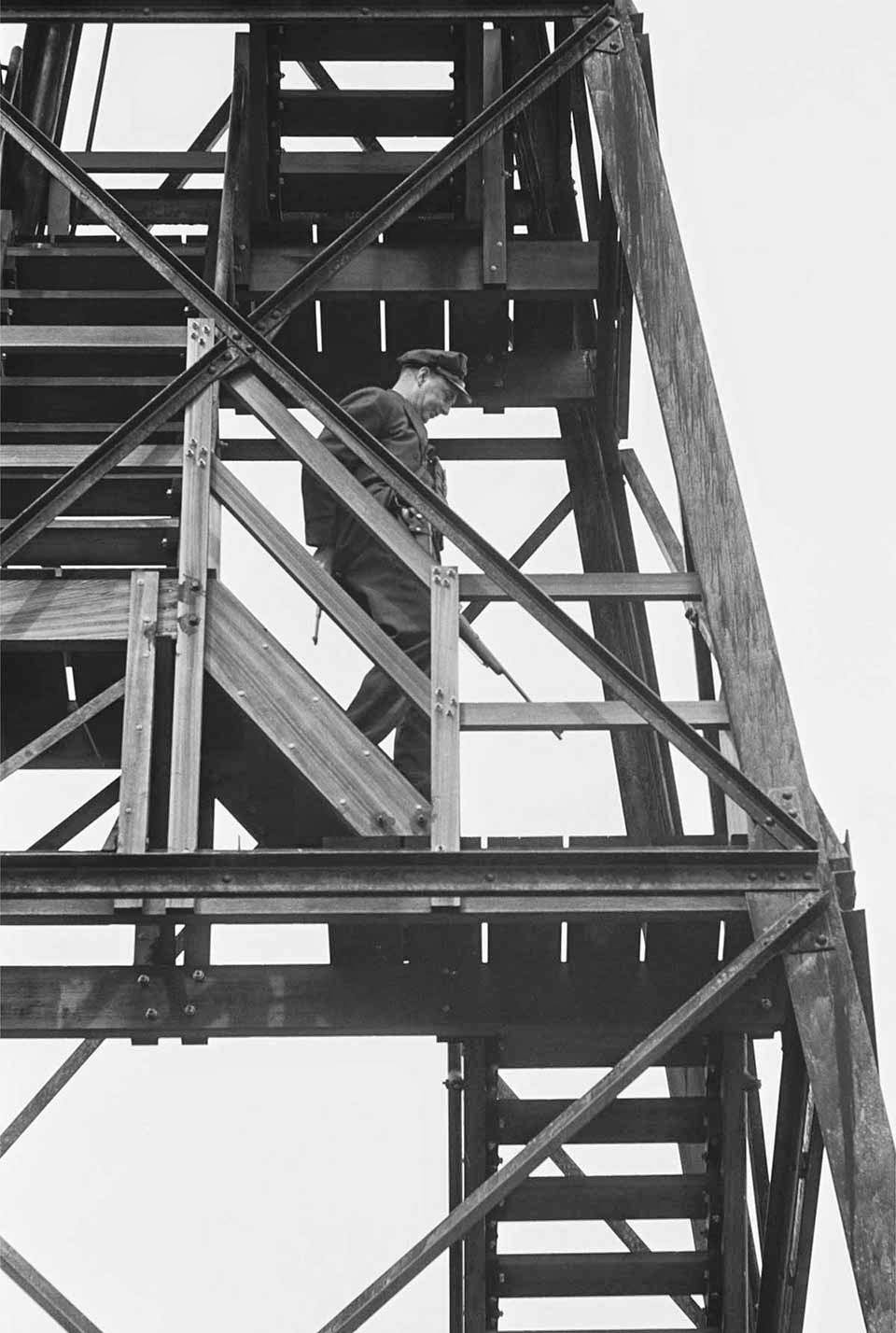
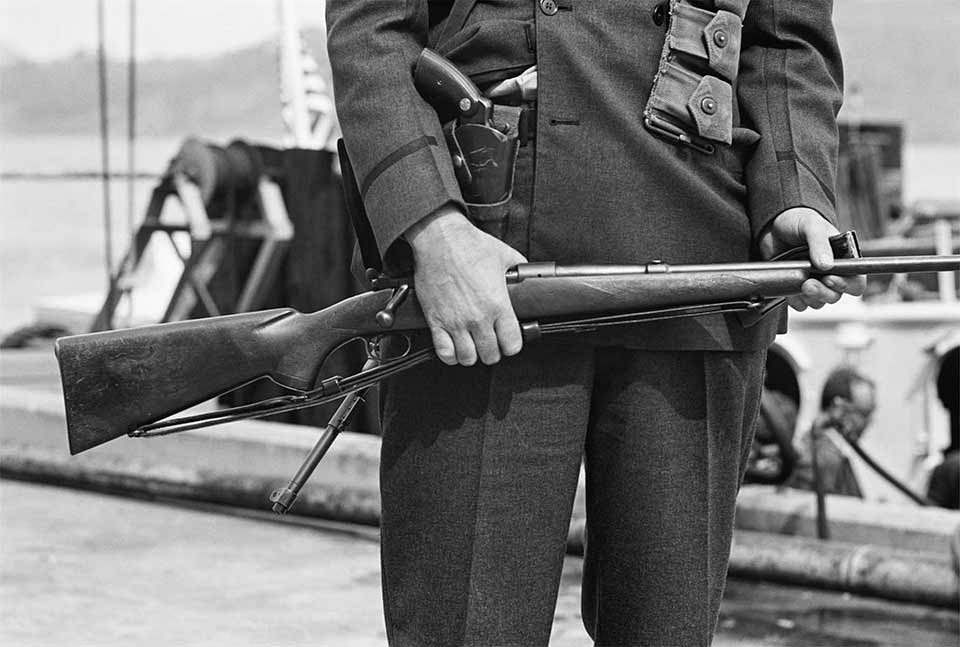
Correctional Officer Gordon Gronzo was among the last staff to remain on the island. Armed with a .30-06 rifle and a .38 police special revolver, he maintained his post until the launch had departed, then made his final walk down the dock tower steps. Wiener’s photographs of Gronzo are some of the most striking images from that day — a lone officer in a prison that had suddenly become a ghost of itself.
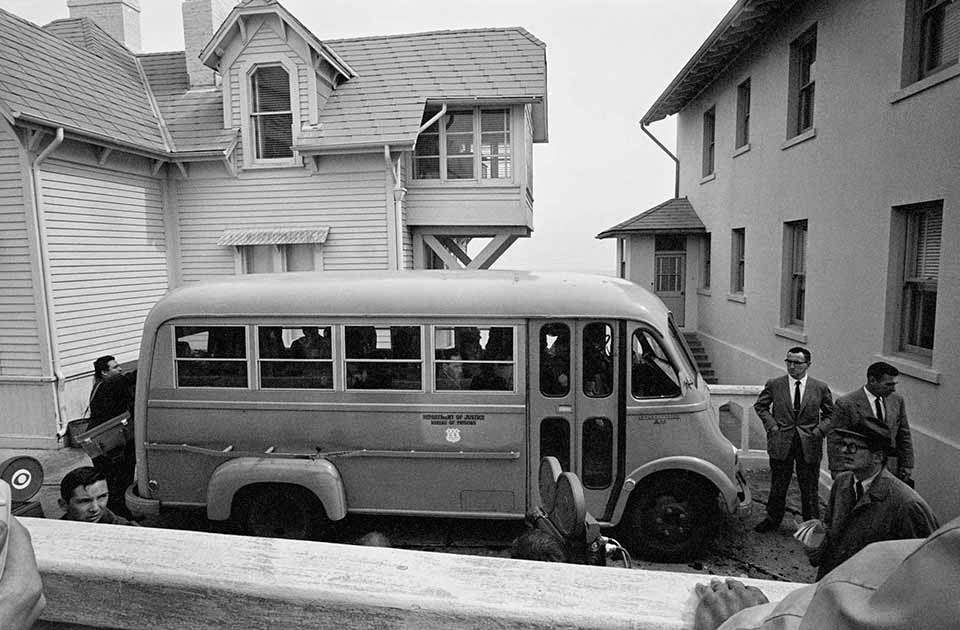
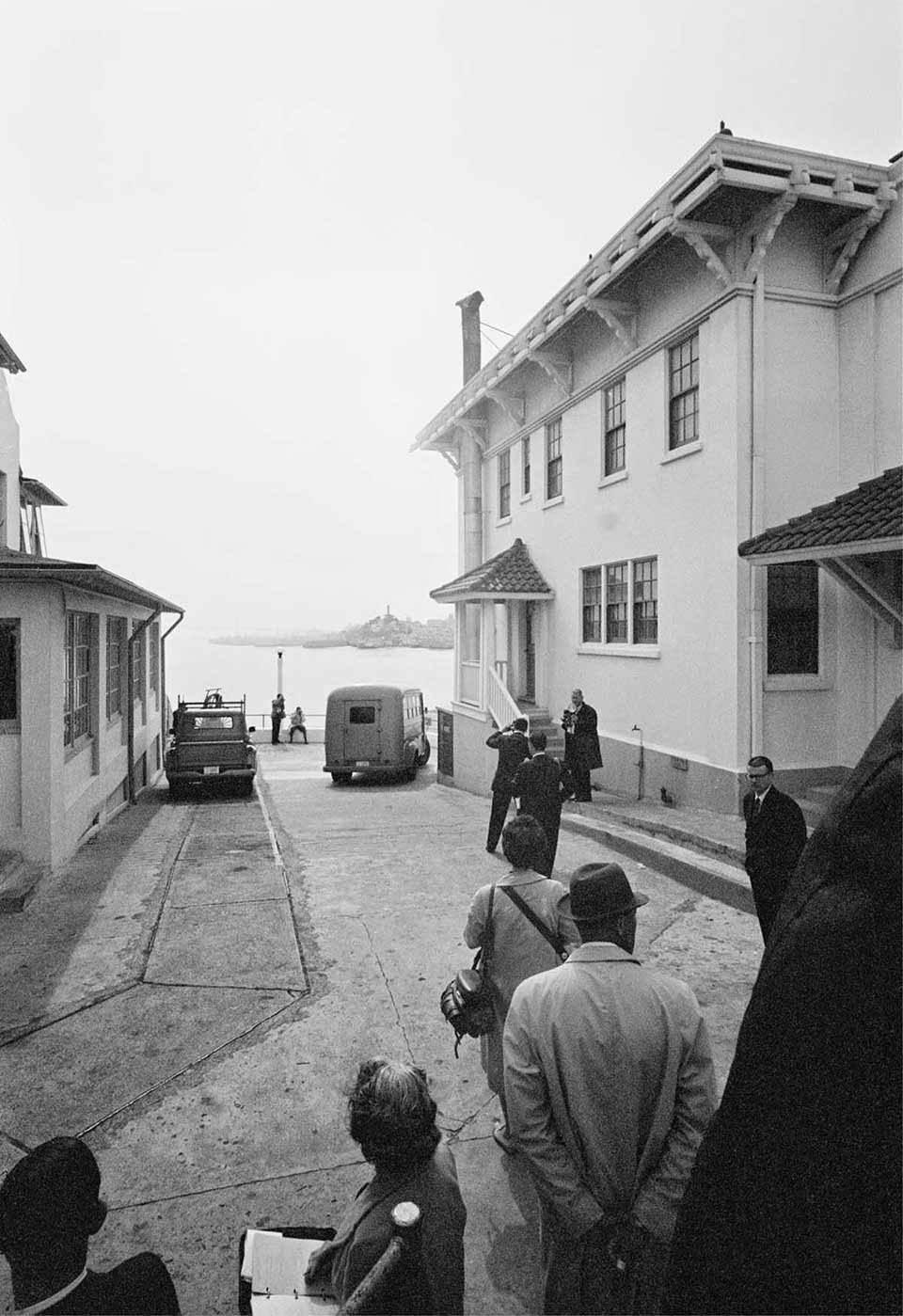
Before reaching the dock, the convicts were loaded onto a bus for the short drive across the island. The route passed the Warden’s House and the Lighthouse Keepers’ Quarters — the same buildings where staff had raised their families just steps away from some of the country’s most dangerous criminals. The bus drove past those homes one last time before reaching the water.
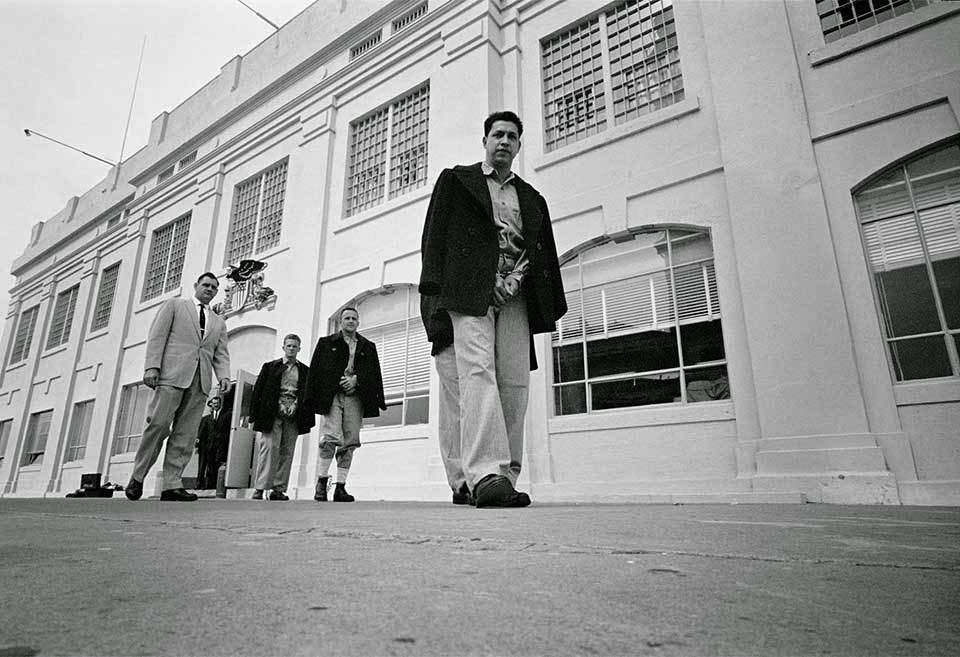
Correctional Officer Jim Albright escorted the final 27 convicts out of the Administration Building and into the open air. At its peak, Alcatraz had housed around 300 inmates. By March 21, 1963, only 27 remained. The population had been steadily reduced in the weeks leading up to closure, with transfers happening in waves until this last group walked out together.
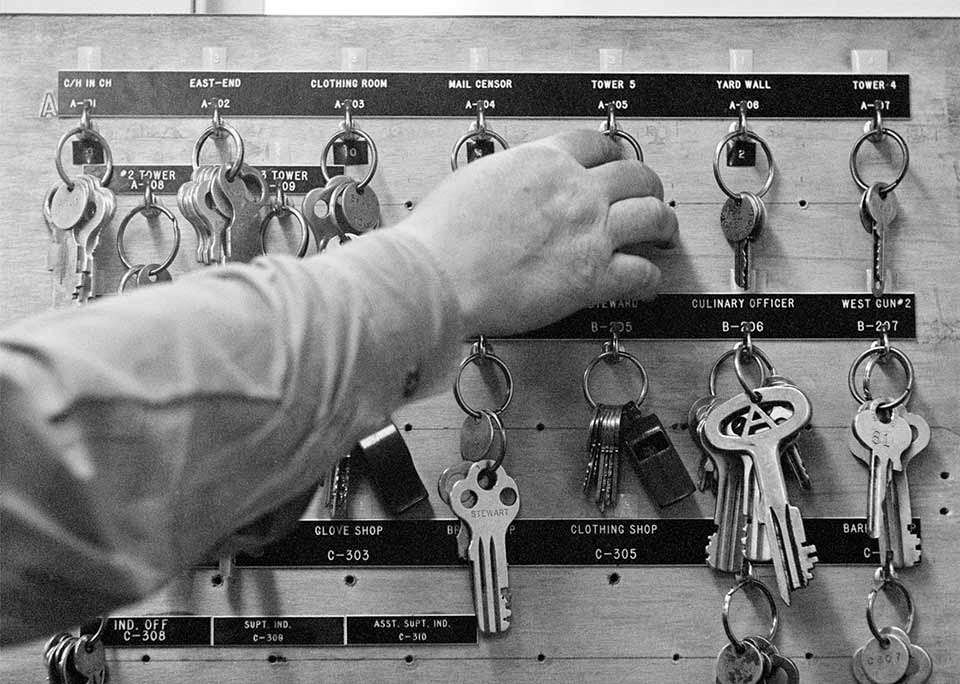
Keys governed every movement inside Alcatraz. Every gate, every door, every transition between areas of the prison required a key, and officers carried them at all times. The system of locks and controls was so layered that a breach in one area did not automatically compromise another. On closing day, those keys were handed over for the last time.
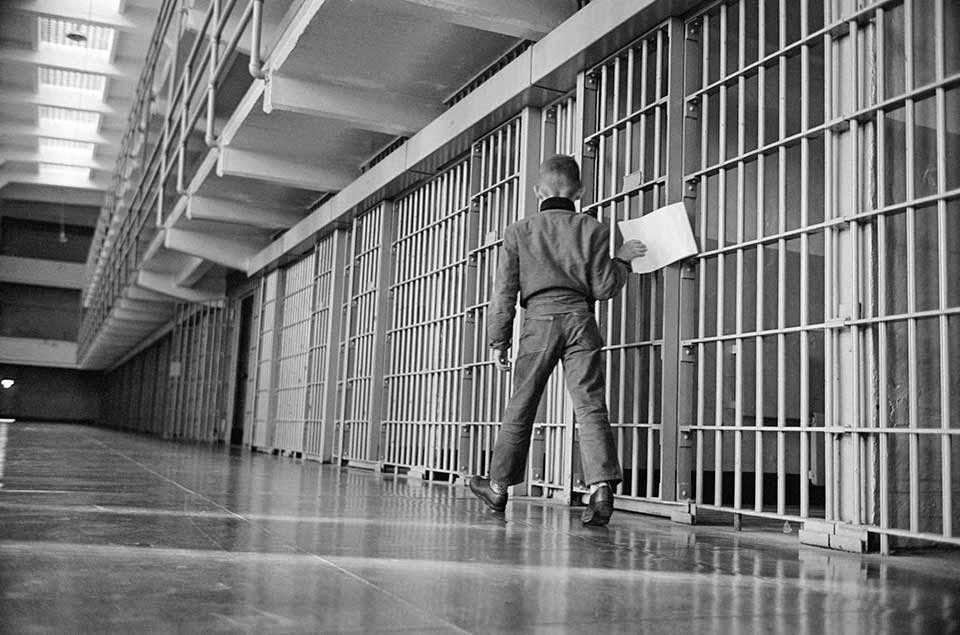
With the inmates gone and the cellhouse empty, something unusual happened. The children of staff members — who had grown up on the island but had never been permitted inside the prison walls — were allowed in for the first time. They explored the corridors and recreation yard of a place they had lived alongside for years but never seen up close.
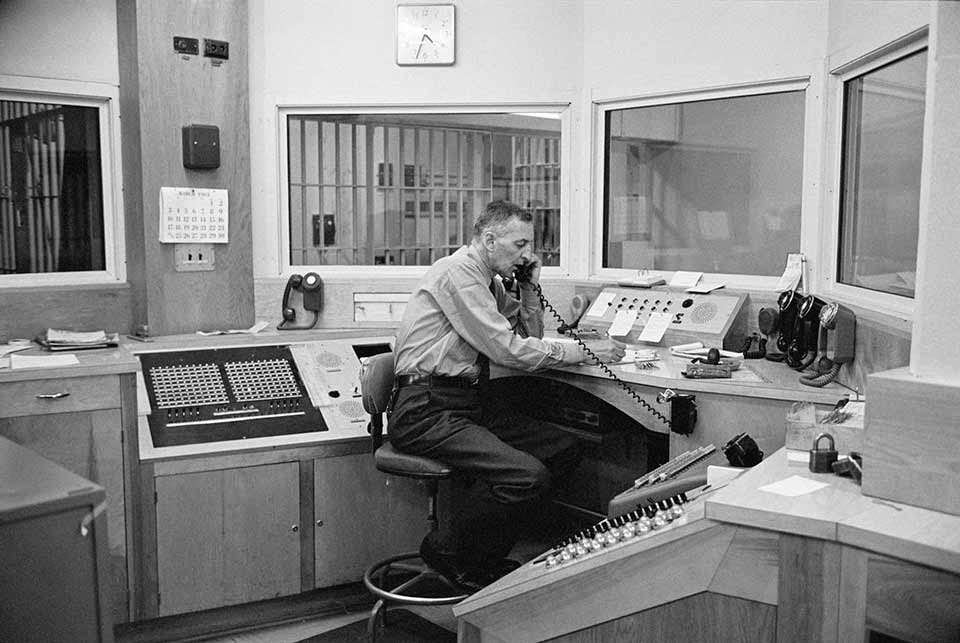
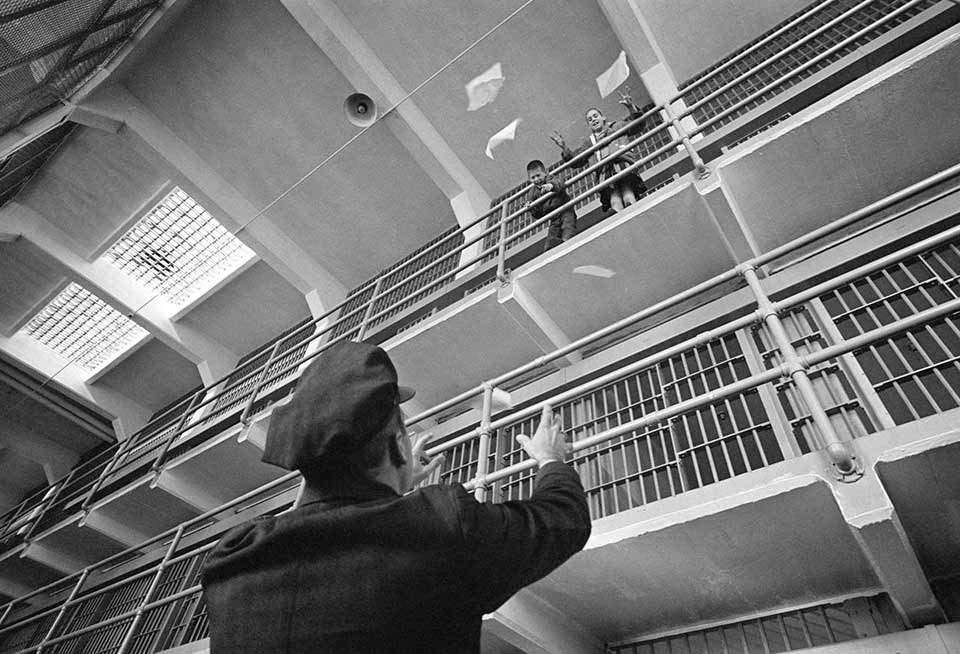
The control center had been the nerve center of the entire operation. From behind two inches of bulletproof glass, officers managed the movement of every inmate throughout the facility — controlling doors, monitoring areas, and coordinating with staff across the cellhouse. On March 21, that post went dark. Elsewhere in the empty prison, officers who had spent years watching over dangerous men now played with children in the quiet corridors.
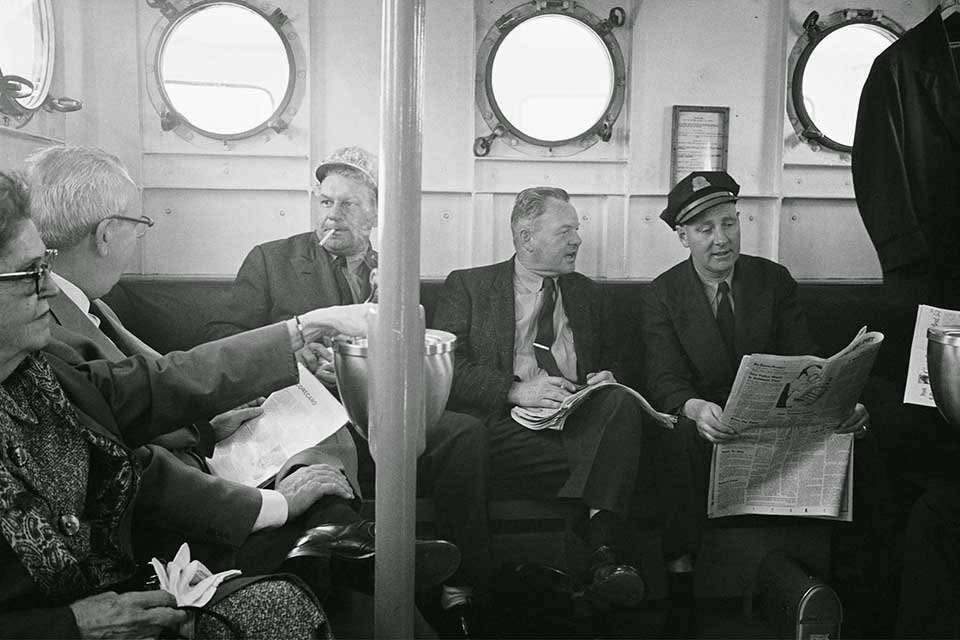
As the day drew to a close, the officers boarded the last boat back to San Francisco. They had started that morning running the most notorious prison in America. They ended it as the final crew to ever leave Alcatraz on duty. The island sat silent behind them, its cellblocks empty, its towers unmanned, its 29 years as a federal penitentiary finished.