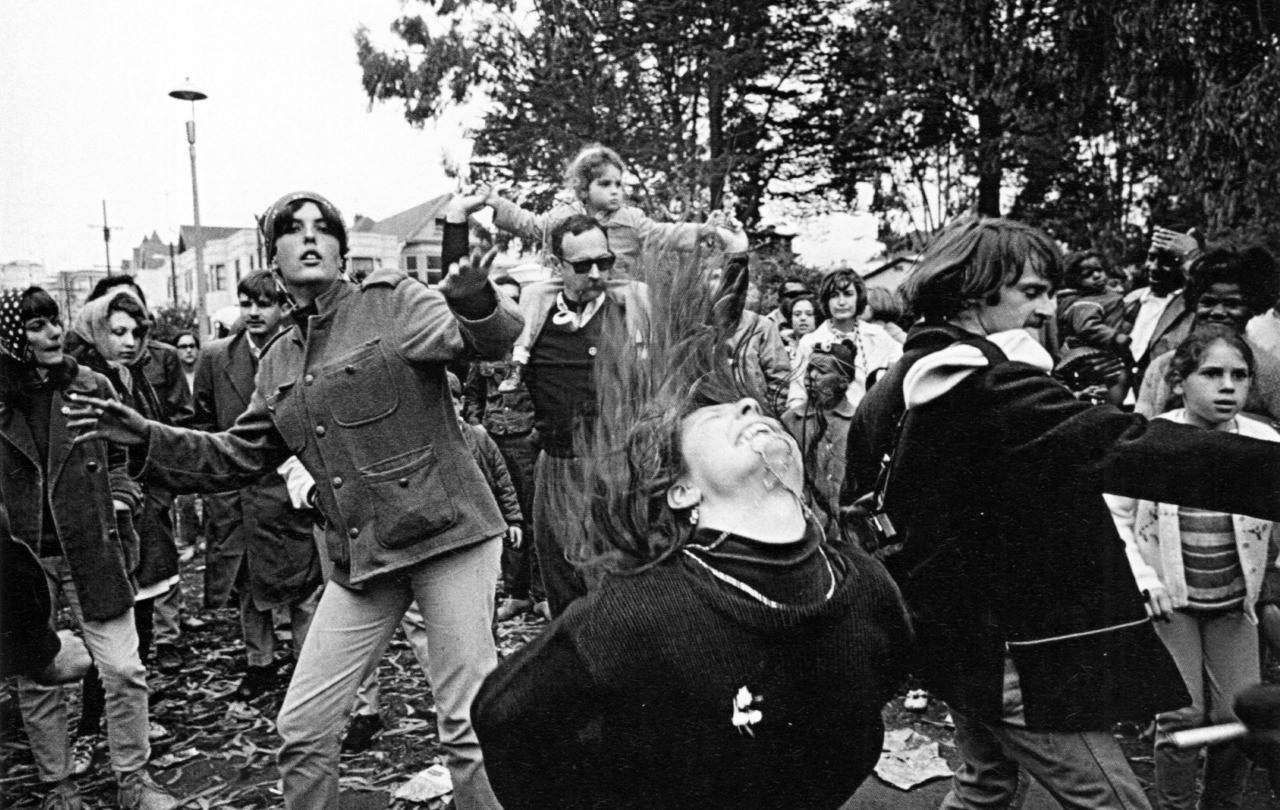
In the 1960s, one neighborhood in San Francisco became the center of a cultural earthquake. Haight-Ashbury wasn’t just a place on a map — it was a magnet for musicians, activists, artists, and young people from across the country who believed something entirely new was possible. Few people captured what that looked like better than photographer Jim Marshall.
Marshall built one of the most remarkable archives in the history of music photography. His work earned him Grammy recognition, and his lens pointed at nearly every major artist of the era. He was backstage, in the park, on the street — always close enough to catch the real thing. The result is a body of work that functions as a visual record of one of the most documented and debated decades in American history.
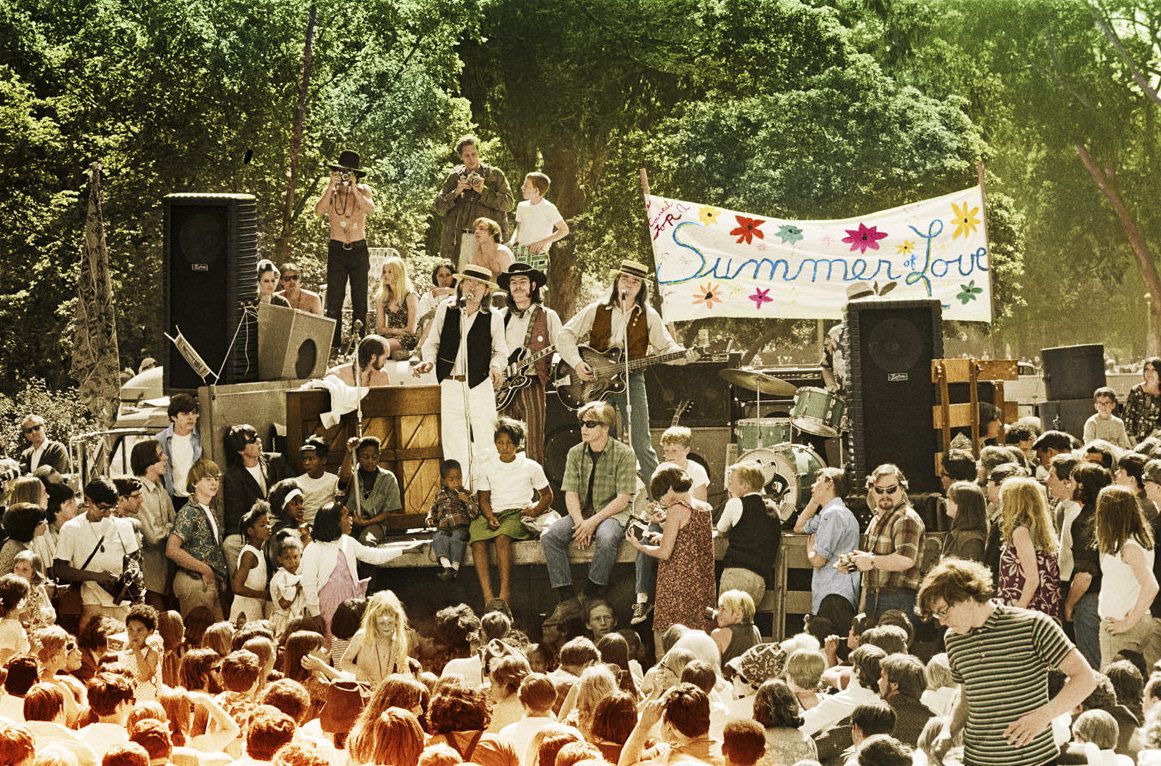
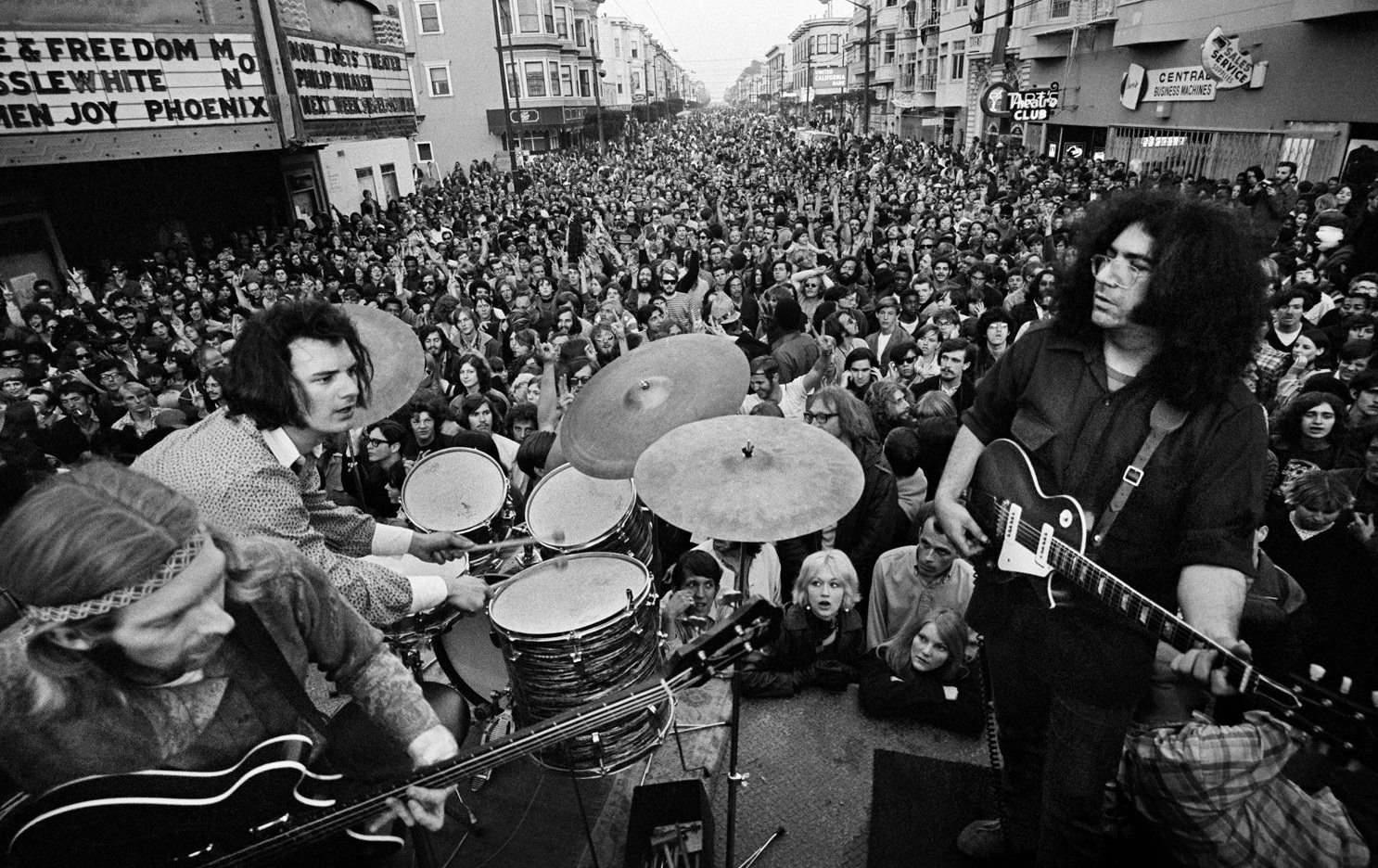
Free concerts in Golden Gate Park were a defining feature of the Haight-Ashbury scene. Bands played outdoors for crowds that gathered without tickets, without barriers, and often without much notice. The Grateful Dead were regulars, bringing their long, improvisational sound to the Panhandle — a narrow strip of parkland just east of the main park.
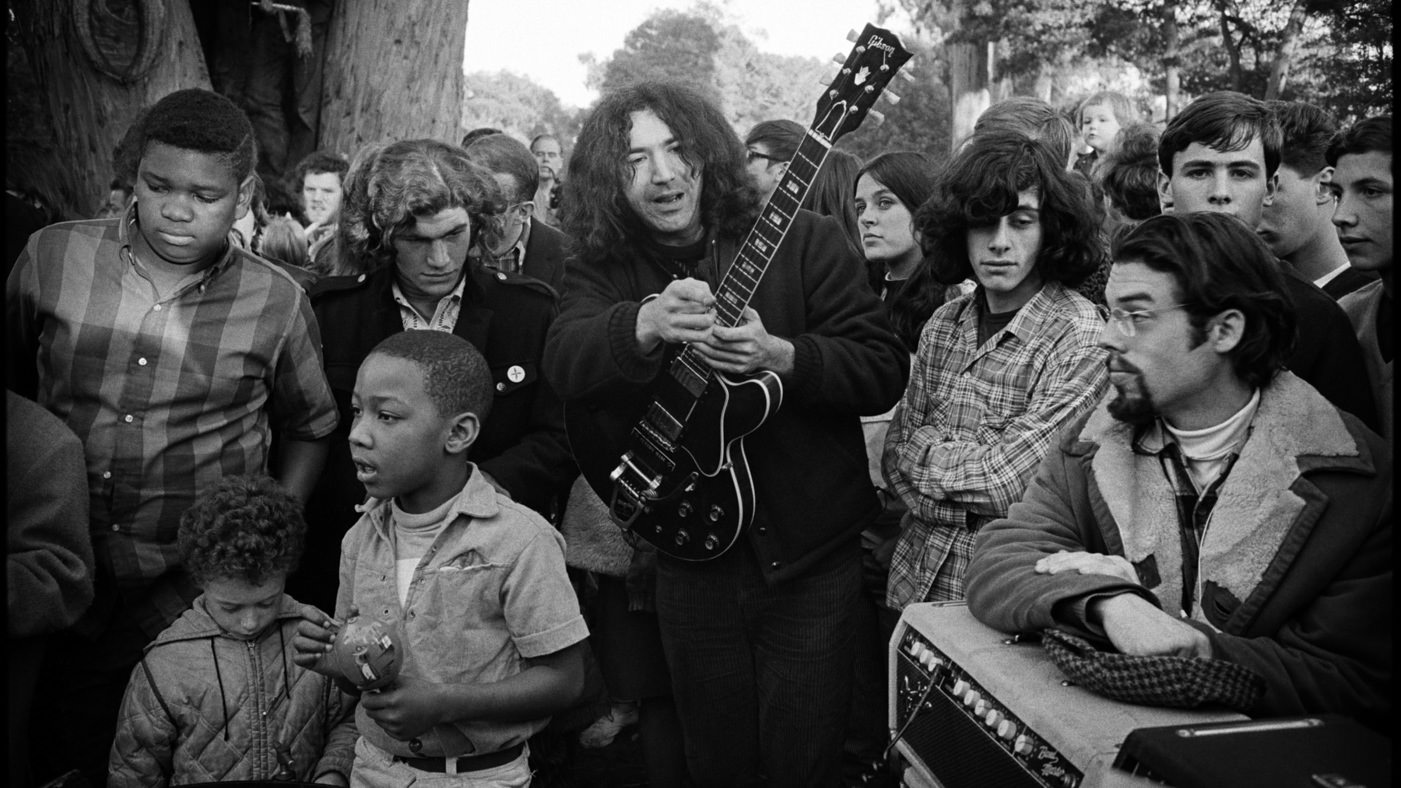
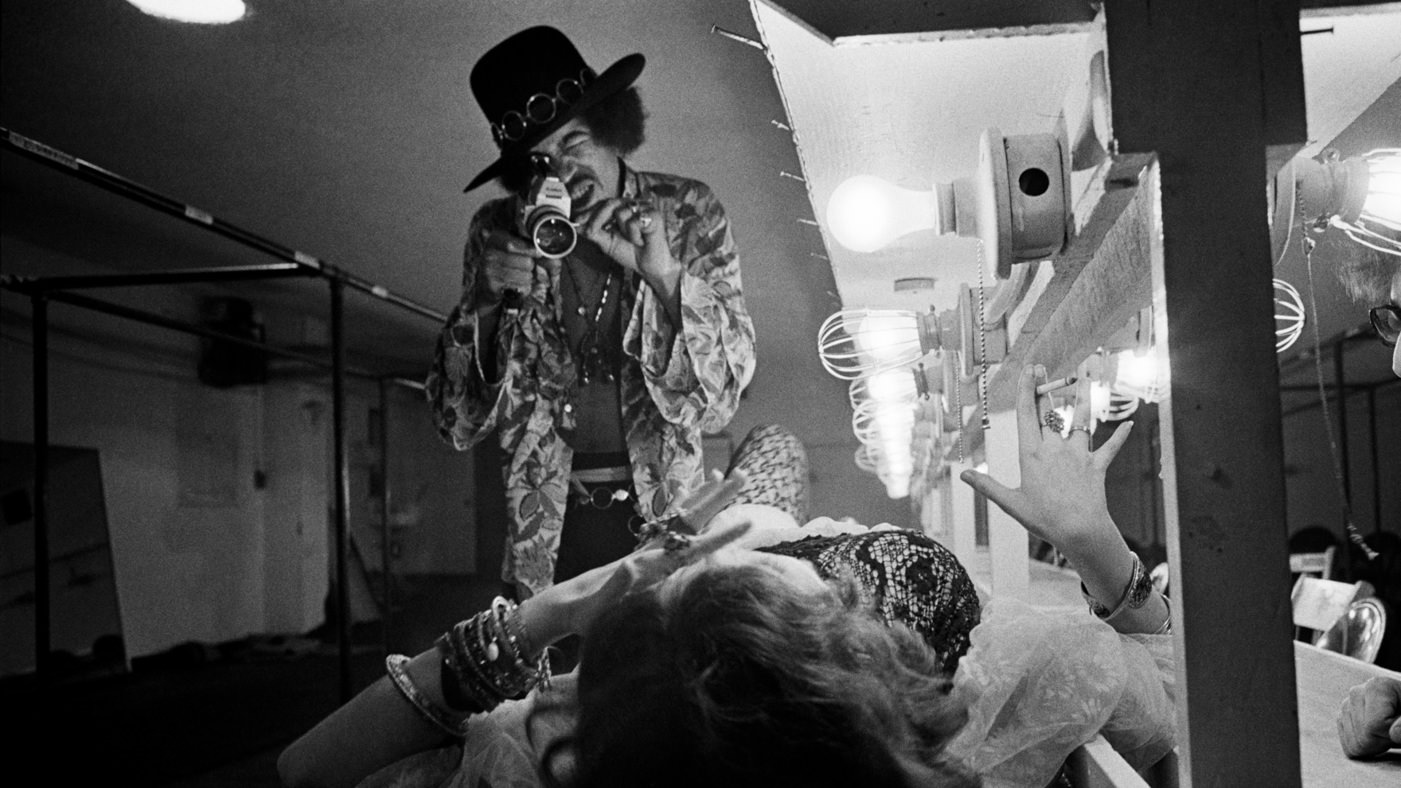
Marshall’s access extended far beyond the stage. He moved freely through backstage areas where other photographers simply weren’t allowed. At Winterland in 1968, he captured Jimi Hendrix filming Janis Joplin — two of the era’s most electric performers, caught in an unguarded moment behind the curtain.
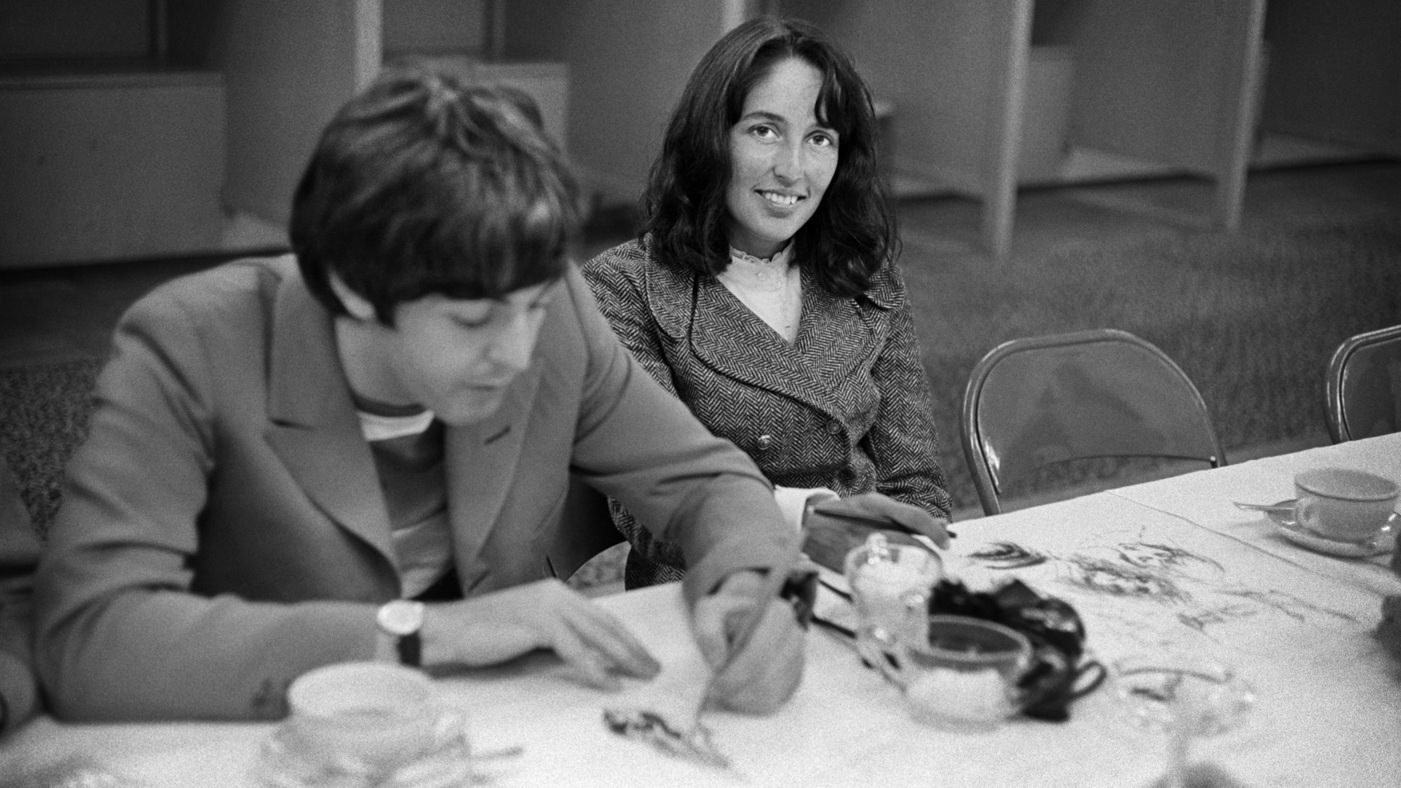
The world of 1960s music was full of these unexpected intersections. At Candlestick Park in 1966, folk icon Joan Baez and Beatles member Paul McCartney passed the time backstage with a casual sketch session — a small, human moment within a much larger spectacle.
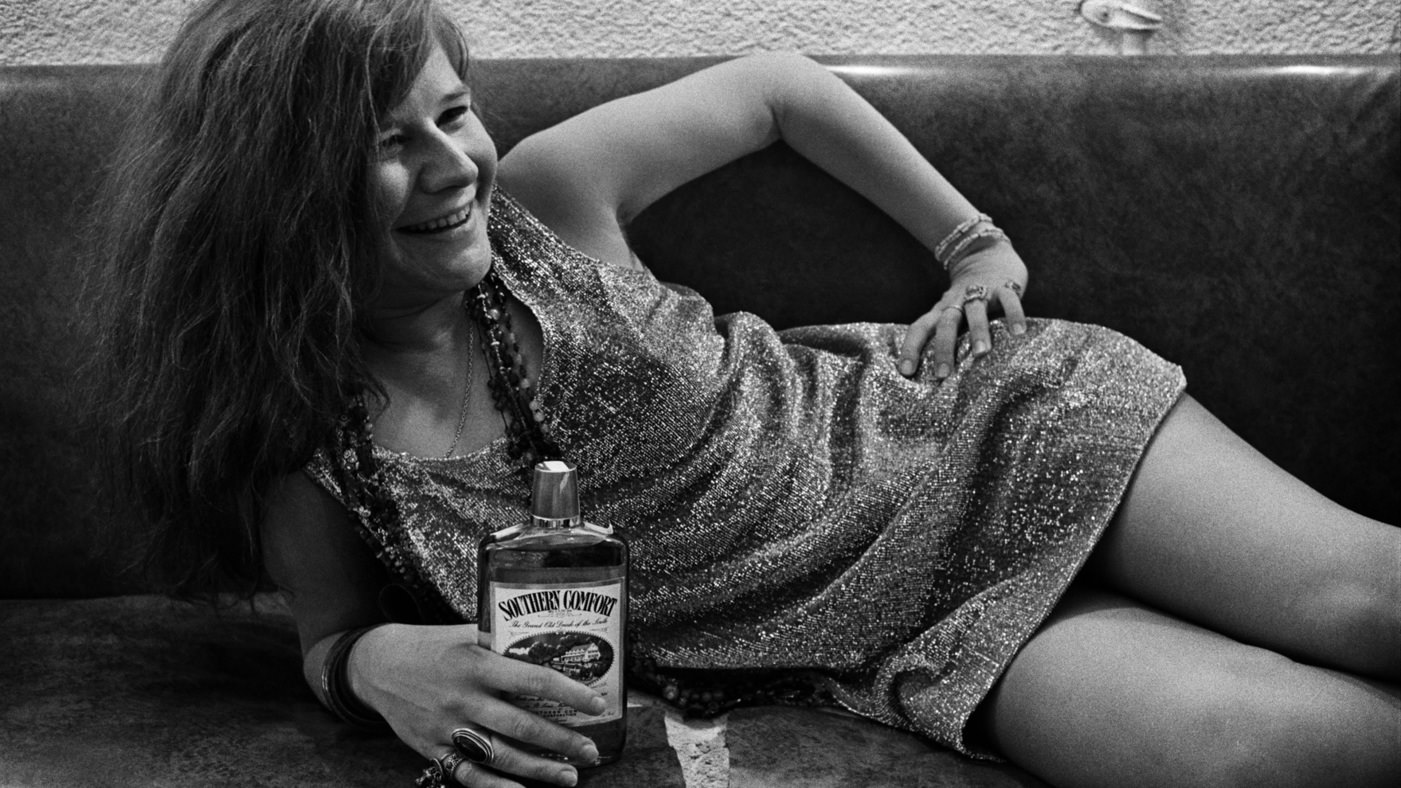
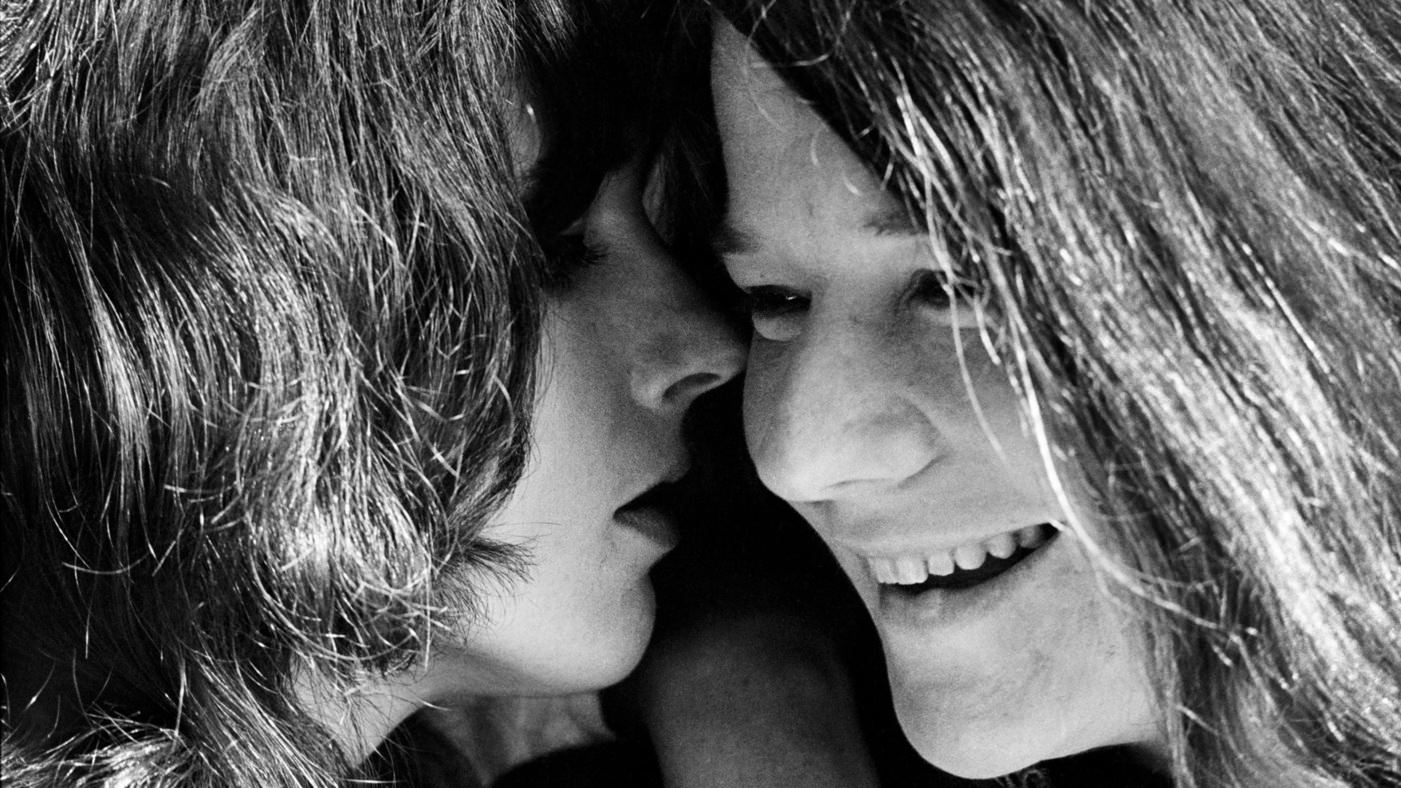
Janis Joplin appears throughout Marshall’s archive in ways that go well beyond performance shots. He photographed her backstage, in her own apartment on Lyon Street, and alongside other artists. She was one of the defining voices to emerge from the Haight, and Marshall’s images show her across multiple settings and moods.
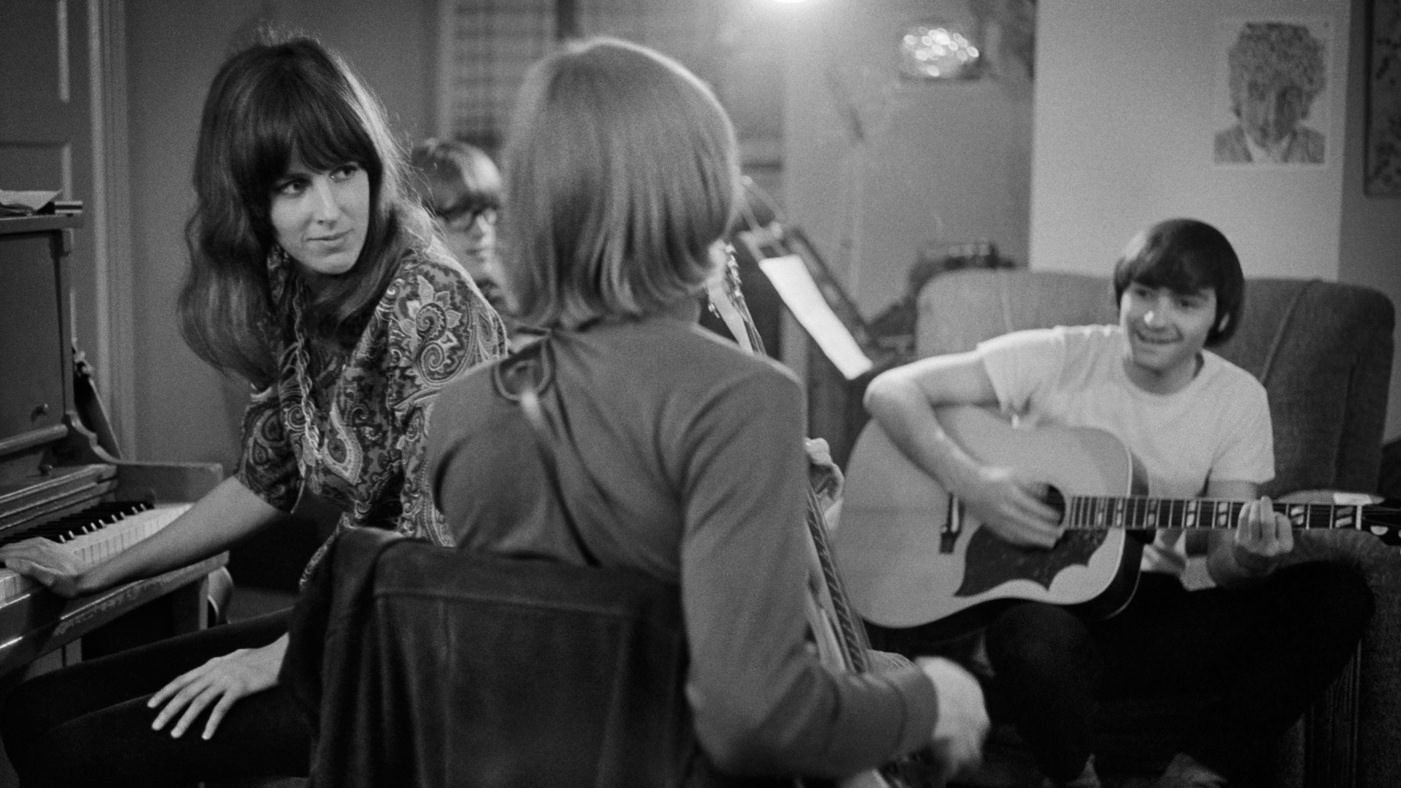
Jefferson Airplane was another band woven tightly into the fabric of Haight-Ashbury. Grace Slick had joined the group in 1966 and quickly became one of rock’s most distinctive voices. Marshall photographed her during a 1967 songwriting session, catching the quieter, working side of a band that was otherwise known for explosive live performances.
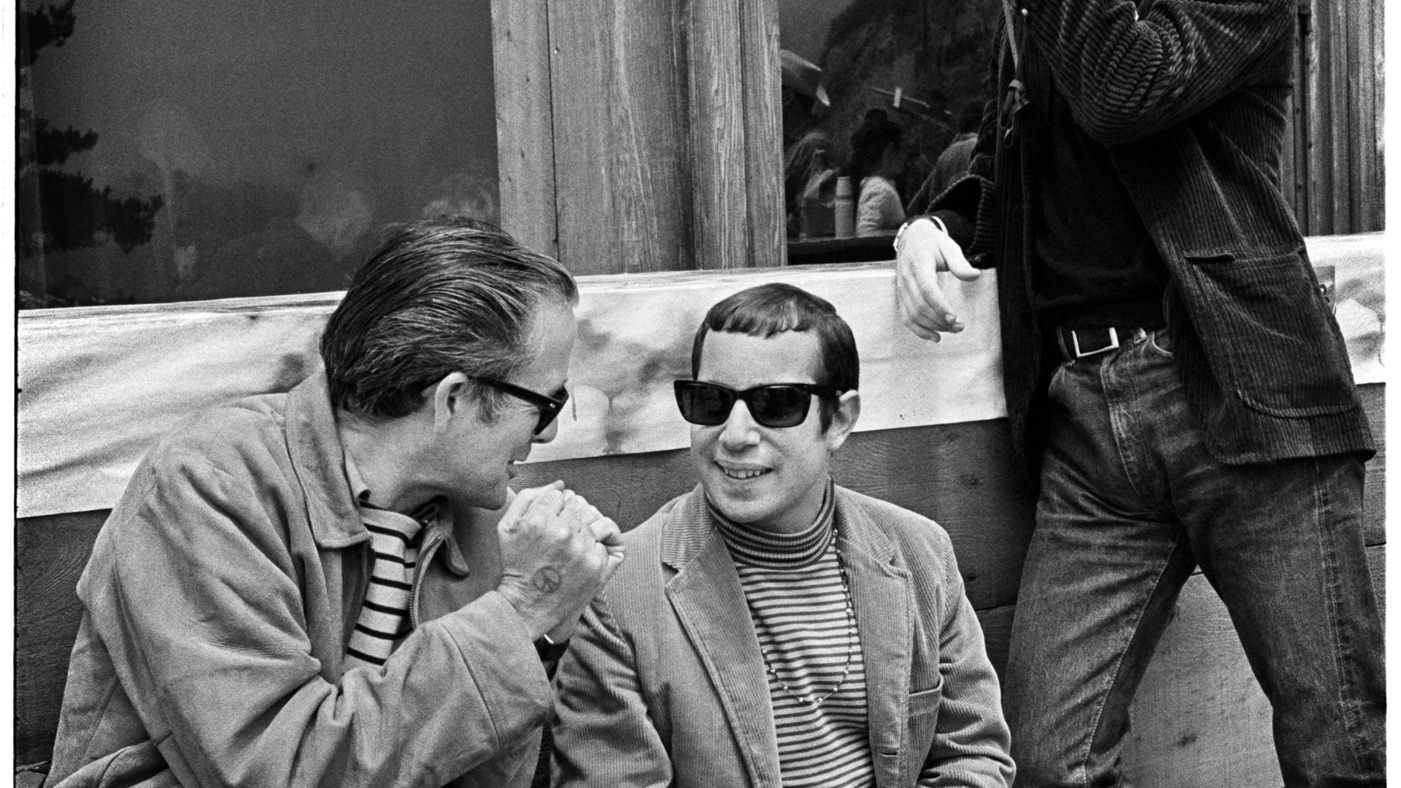
Marshall’s circle extended beyond musicians. Music critic Ralph Gleason, a co-founder of Rolling Stone magazine, was a key figure in bringing serious journalism to rock music. Simon and Garfunkel were among the many major acts whose paths crossed with the San Francisco scene during this period.
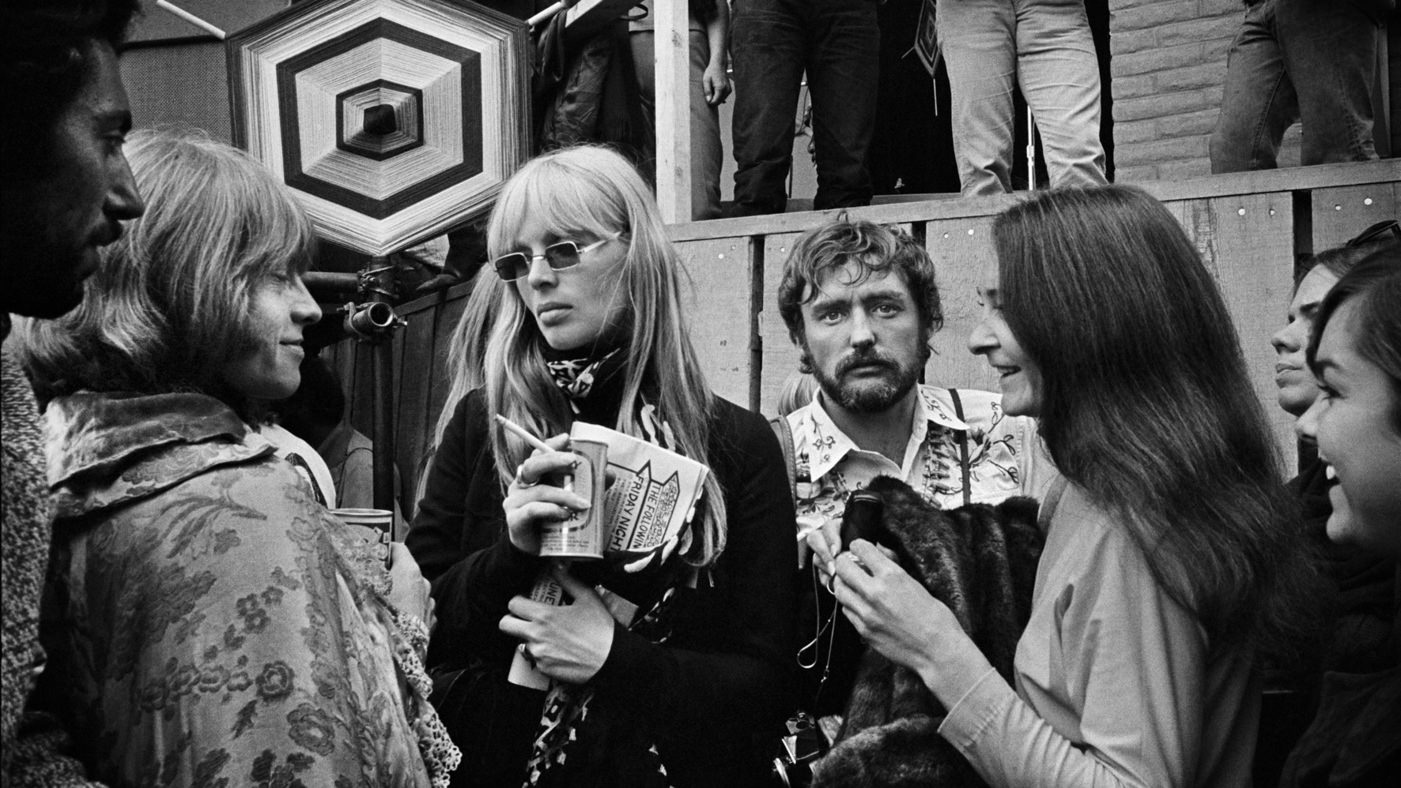
The connections Marshall documented weren’t limited to American artists. Brian Jones of the Rolling Stones, actress and singer Nico, folk singer Judy Collins, and actor Dennis Hopper all appear together in one frame. Hopper later said he based his character in Apocalypse Now on Marshall himself.
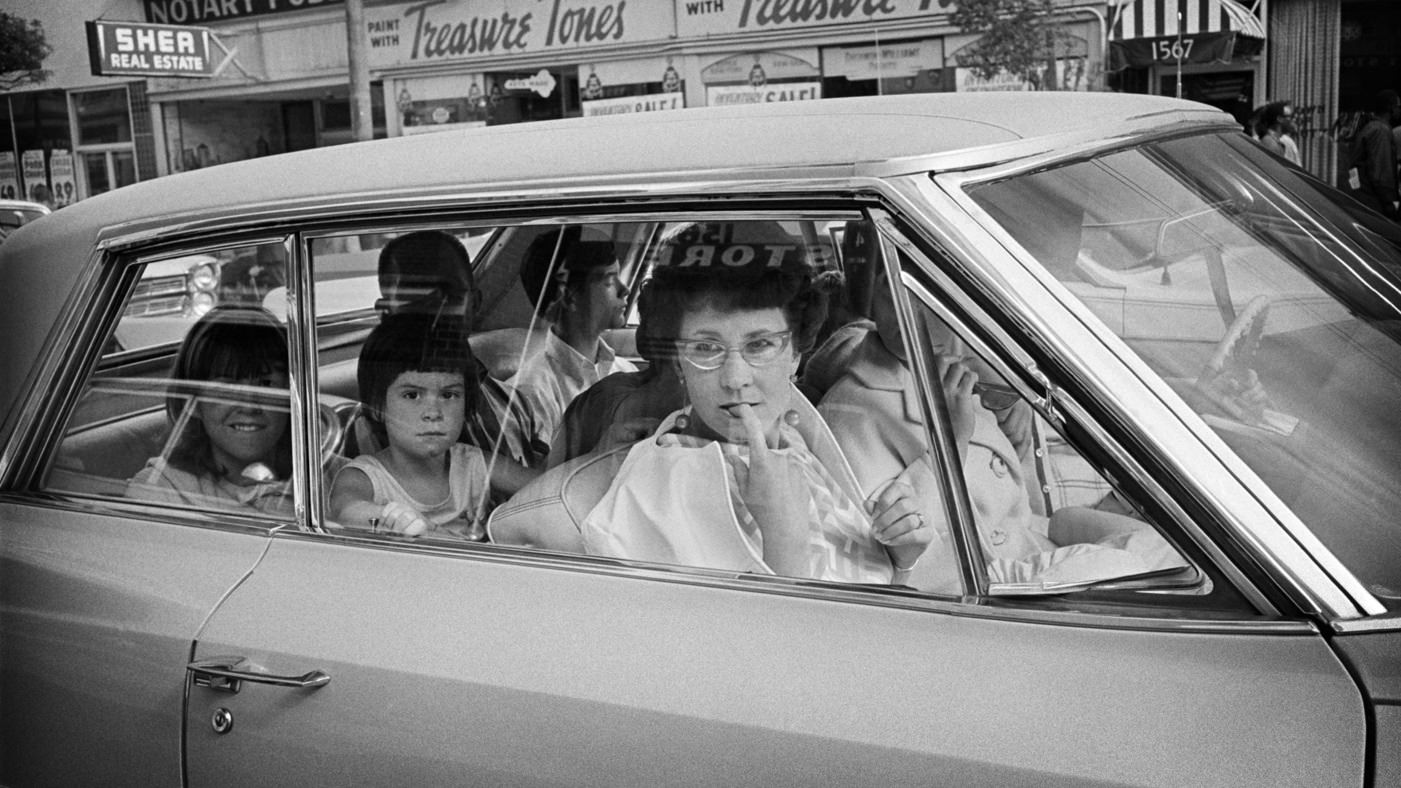
By 1967, Haight-Ashbury had become so well known that tourists were arriving to observe it. Residents of the neighborhood became, in a sense, an attraction. Marshall photographed people watching from their cars — a sharp contrast between the world driving past and the one living on the street.
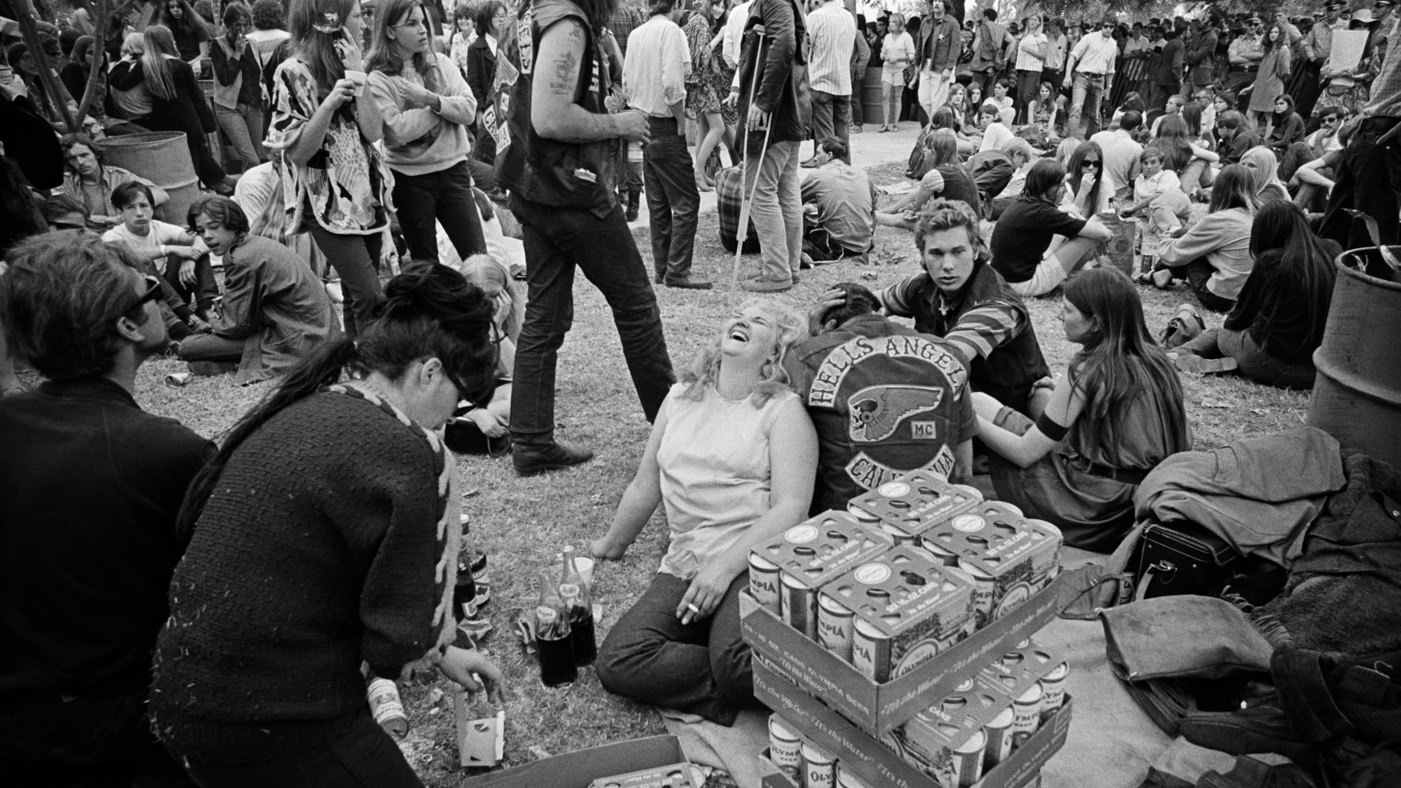
The Haight was never a single, unified community. The Hells Angels were a consistent presence at Golden Gate Park gatherings, mingling alongside the hippie crowds at events that drew thousands. Marshall captured both groups sharing the same space in 1968.
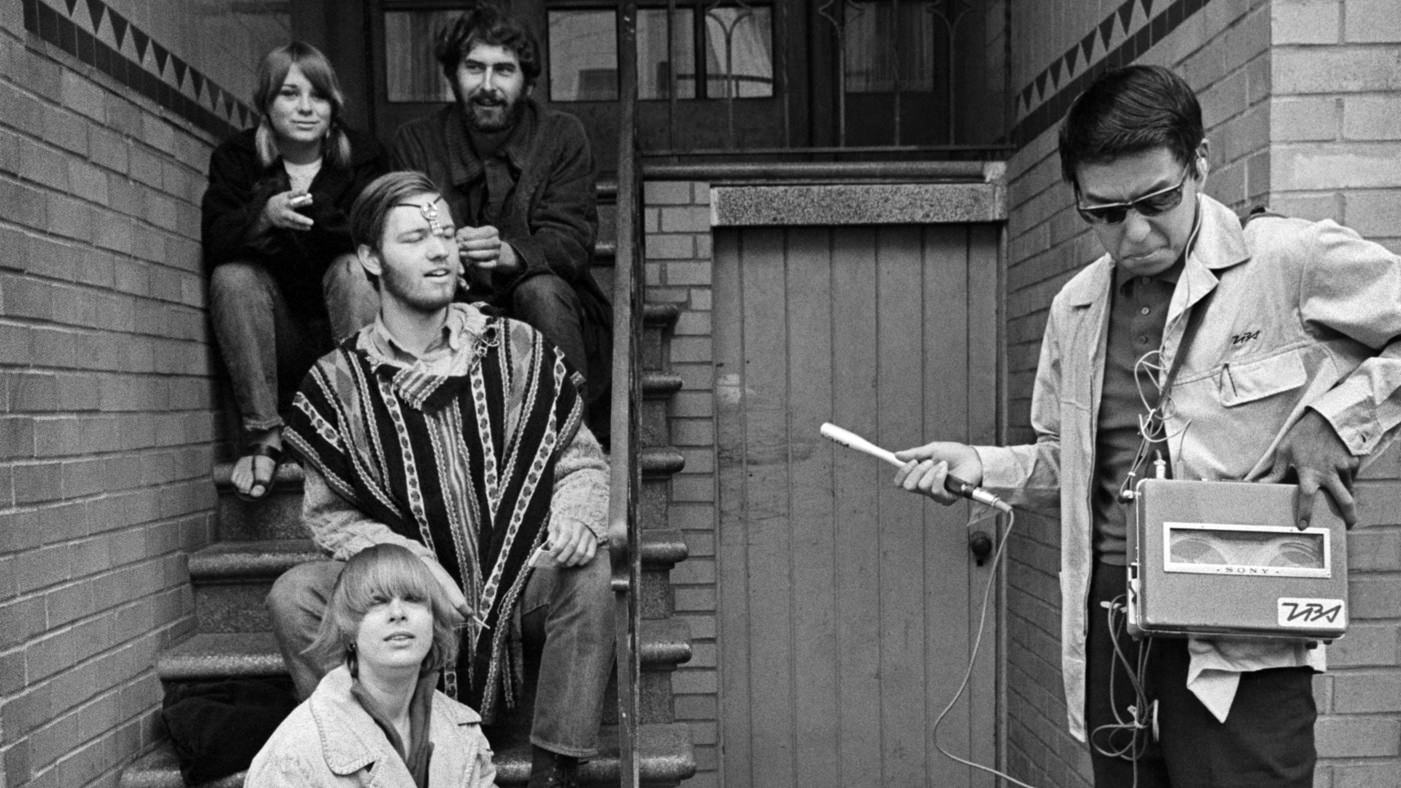
Rolling Stone magazine launched in San Francisco in 1967, and its writers were embedded in the very community it covered. Ben Fong-Torres, one of its most prominent editors and journalists, took to Haight Street to interview residents directly — bringing the voices of the neighborhood into print.
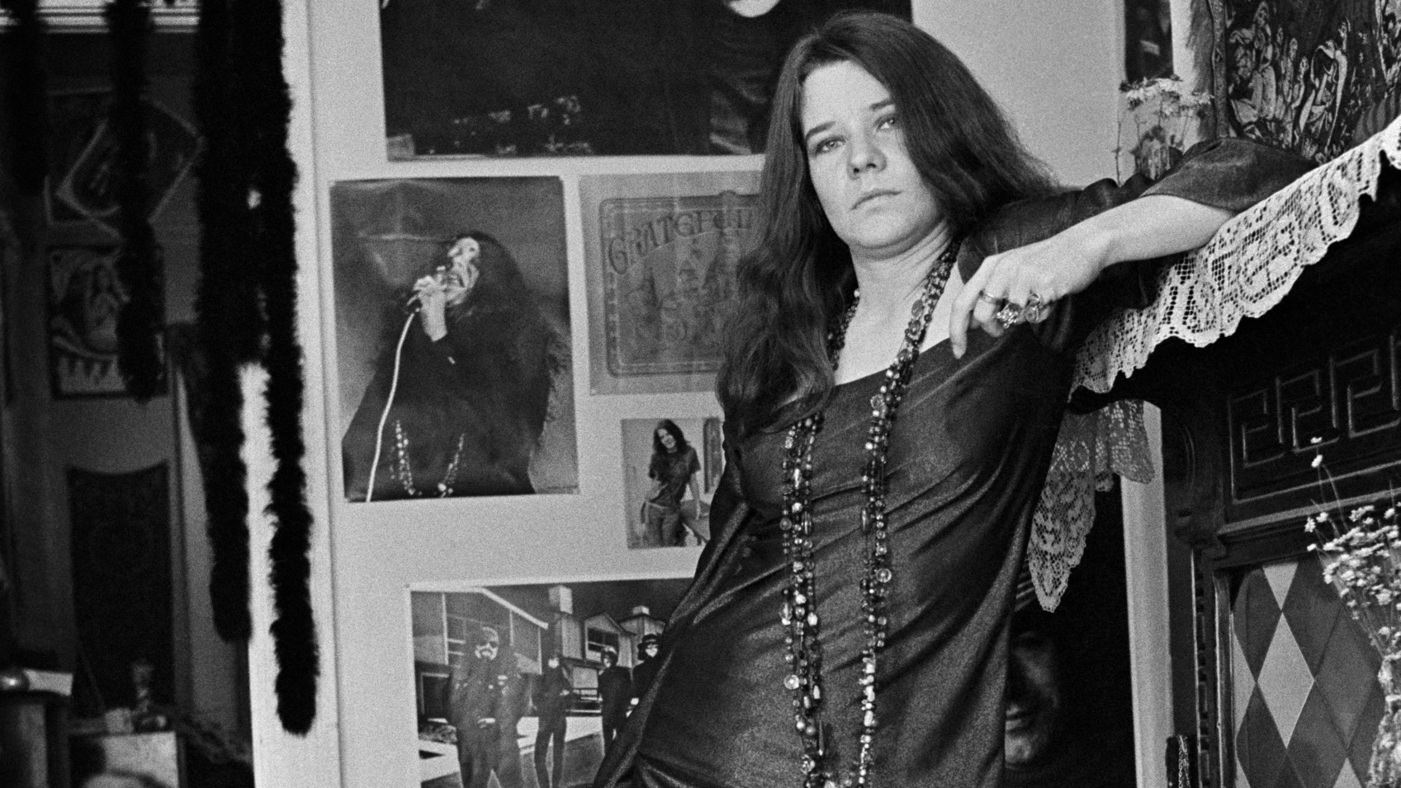
Marshall’s portraits of Joplin extended into her personal life. He photographed her at home in her apartment on Lyon Street in 1968, a more intimate look at an artist who was rarely seen outside the context of performance or chaos.
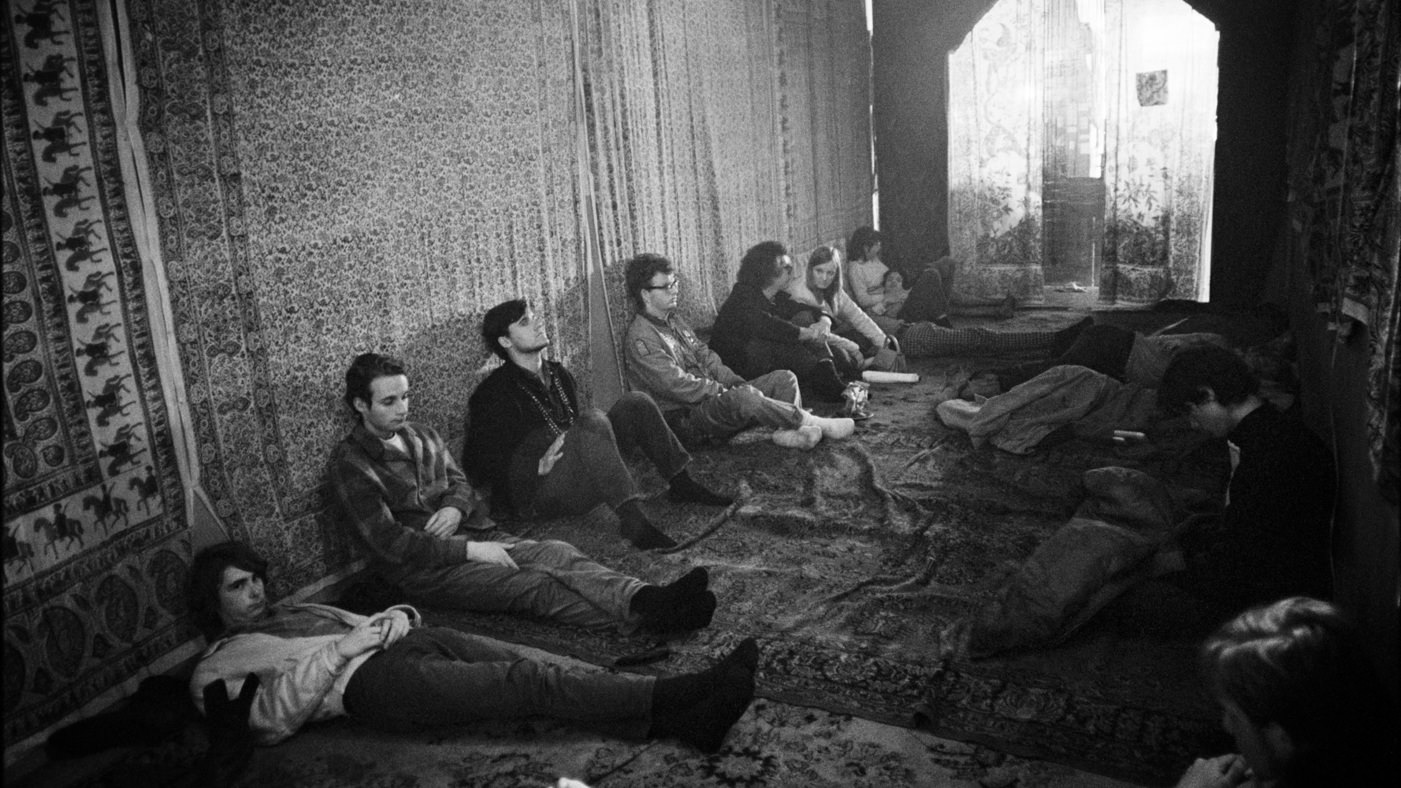
The neighborhood’s drug culture was open and visible. Marshall documented it plainly — including a drug den operating behind a storefront on Haight Street in 1967. The photograph is a direct record of what life on the street actually looked like, not a cleaned-up version of it.
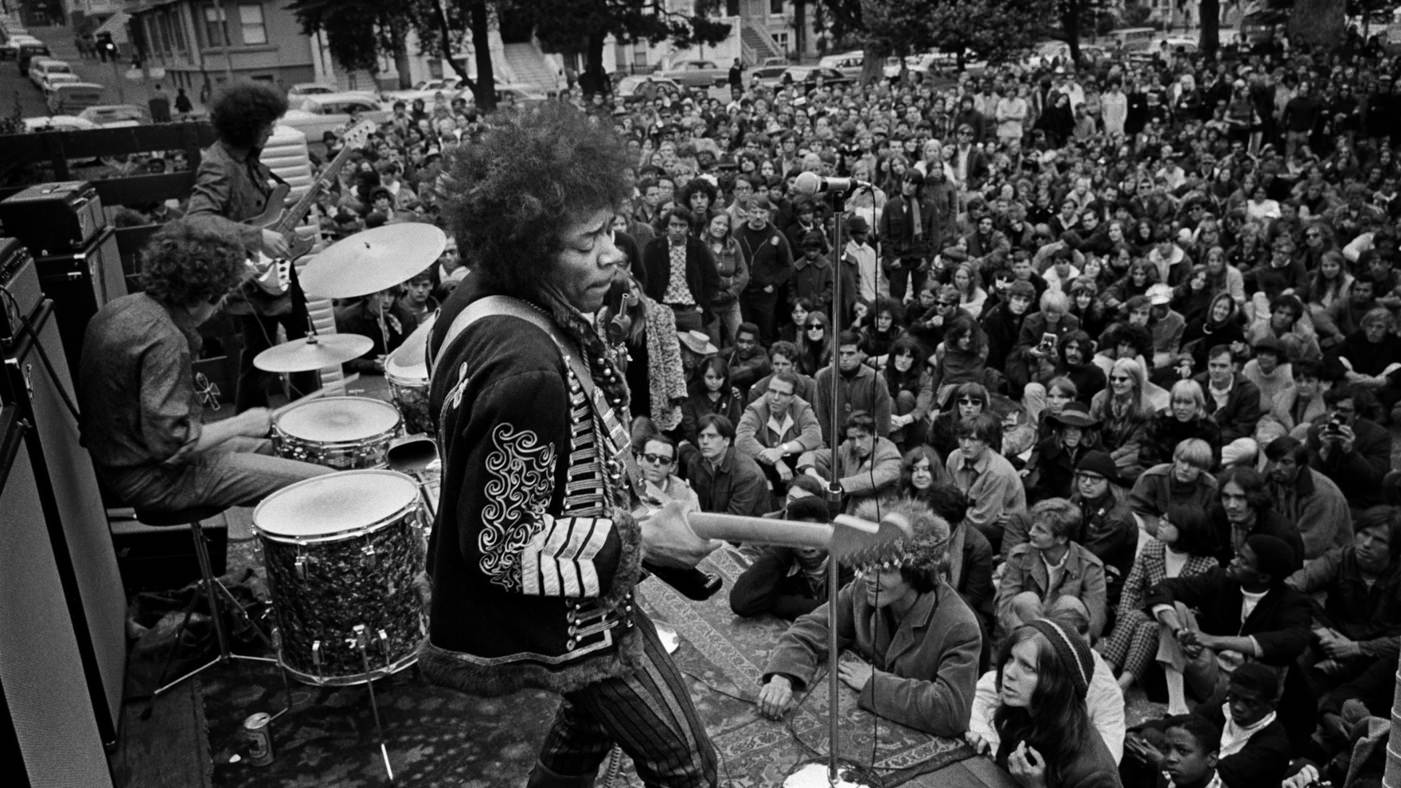
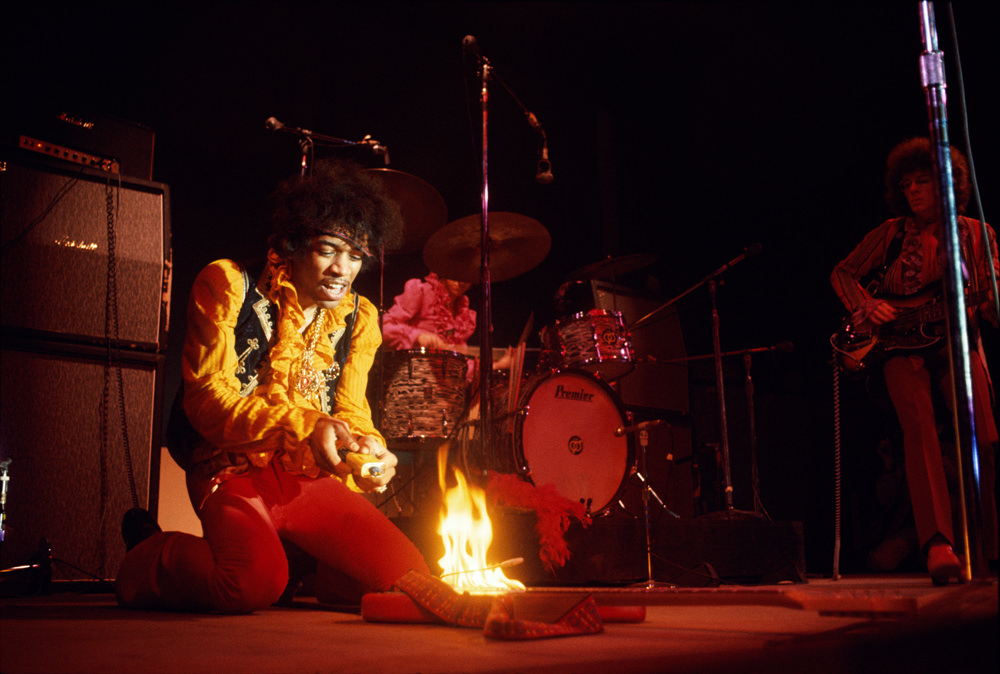
Jimi Hendrix appeared at the Panhandle in 1967, performing for the park crowds that had become a regular part of Haight-Ashbury life. Later that same year, he took the stage at the Monterey International Pop Festival — where he closed his set by lighting his guitar on fire, one of the most famous moments in rock history.
The bands of the Haight were not isolated acts — they formed a tight, interconnected scene. Jefferson Airplane, the Grateful Dead, Big Brother and the Holding Company, Quicksilver Messenger Service, and the Charlatans all shared bills, venues, and neighborhoods. Marshall photographed them together in 1967, putting a face to the community they collectively built.
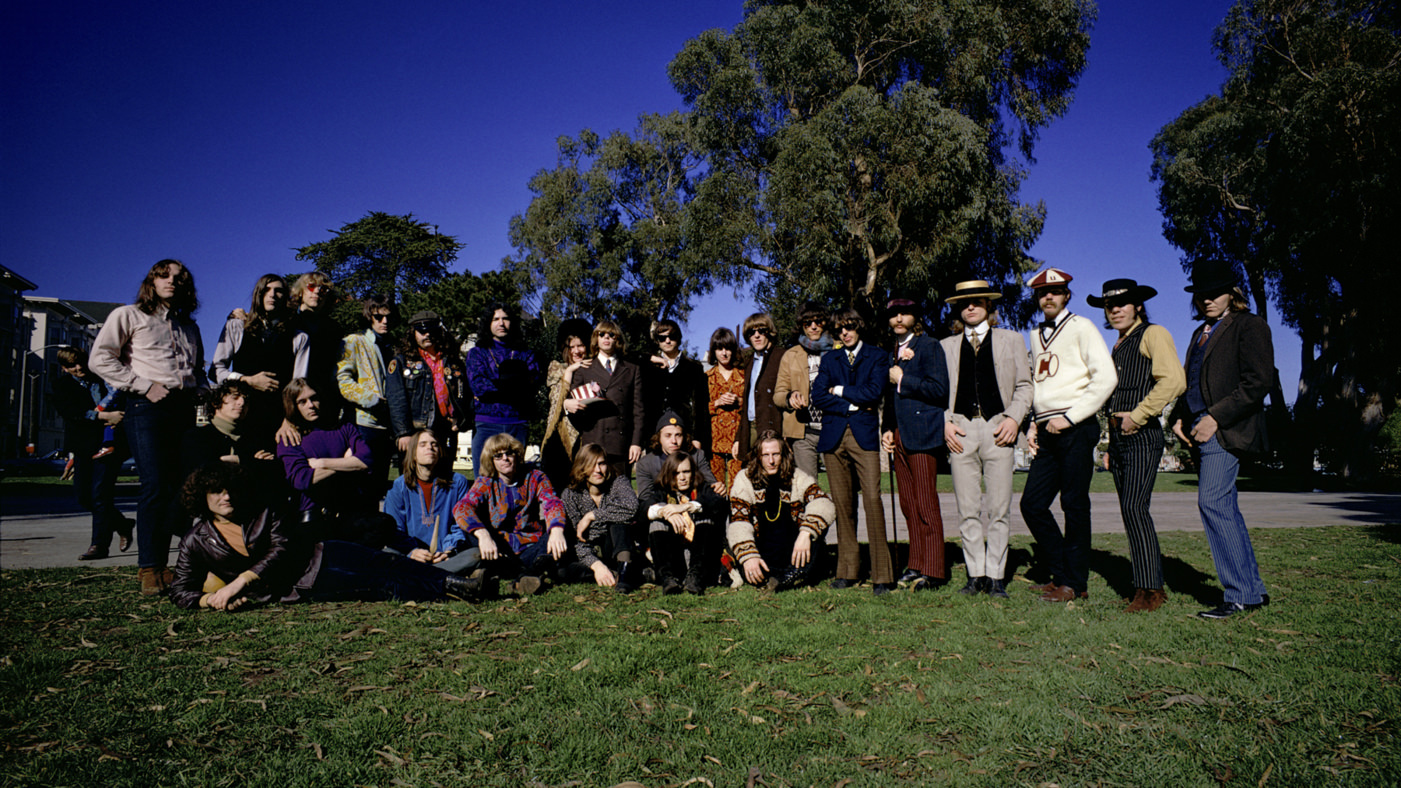
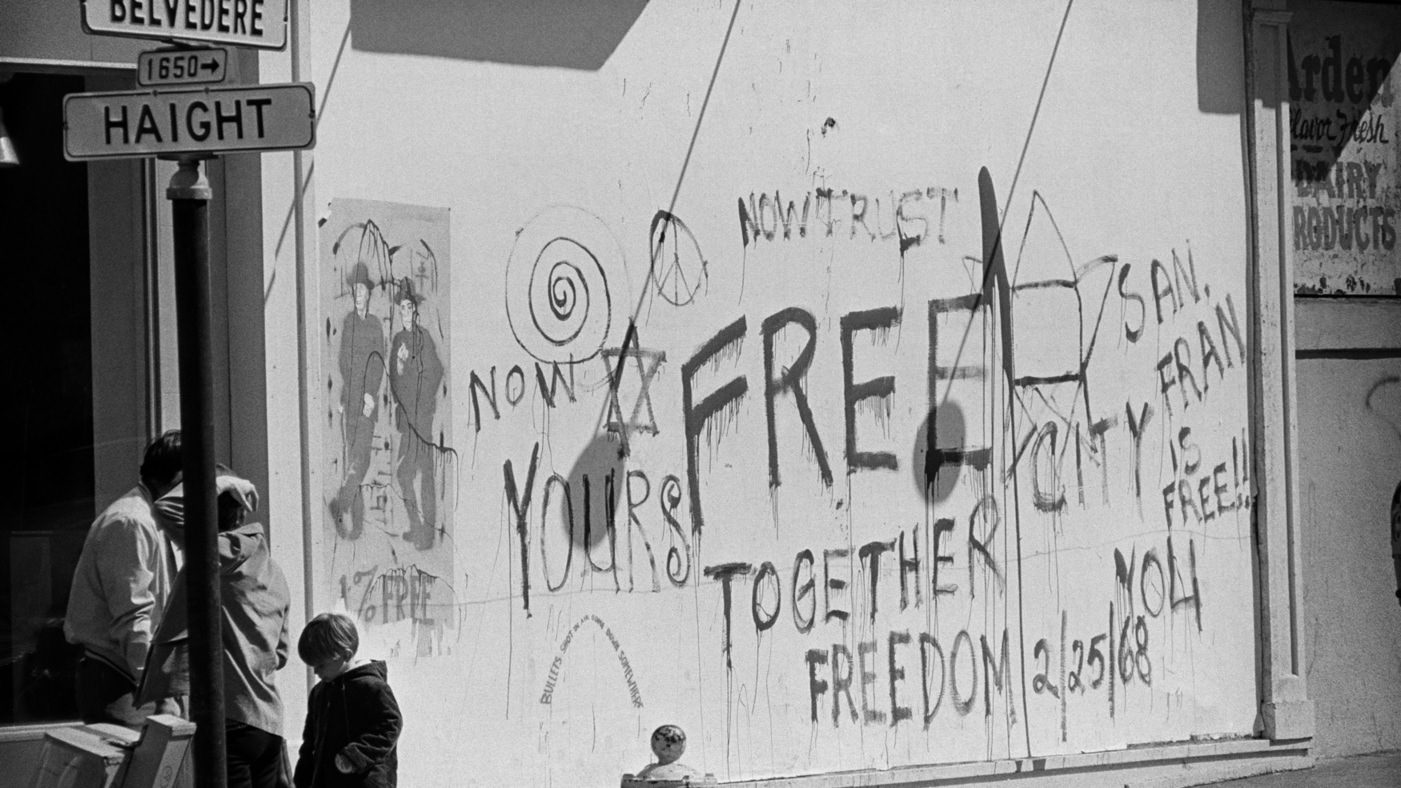
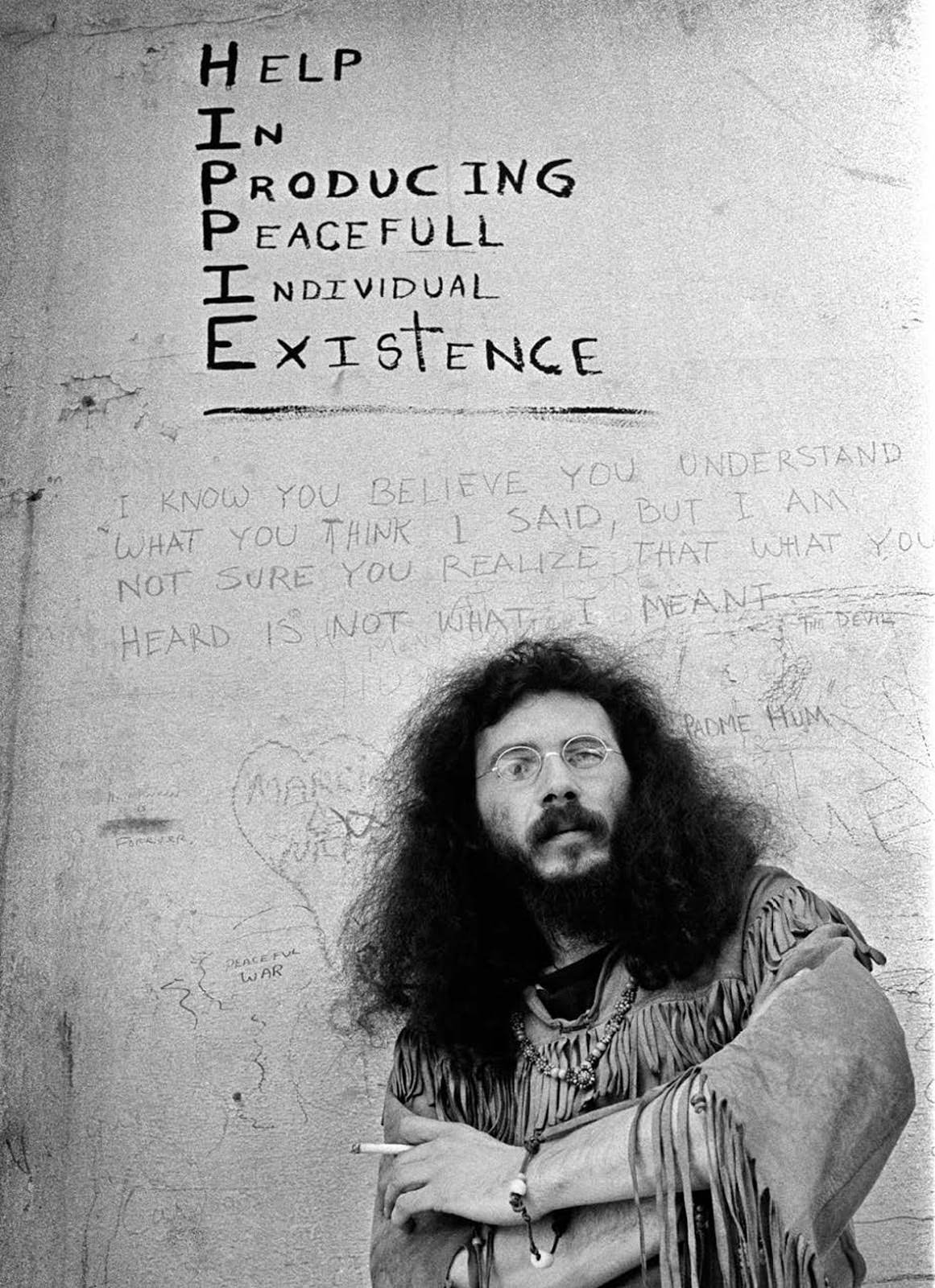
The streets themselves told the story. Graffiti covered the walls of Haight-Ashbury, and Marshall documented it as part of the neighborhood’s visual identity. At the intersection of Haight and Belvedere Streets in 1967, the writing on the walls was as much a part of the scene as the music.
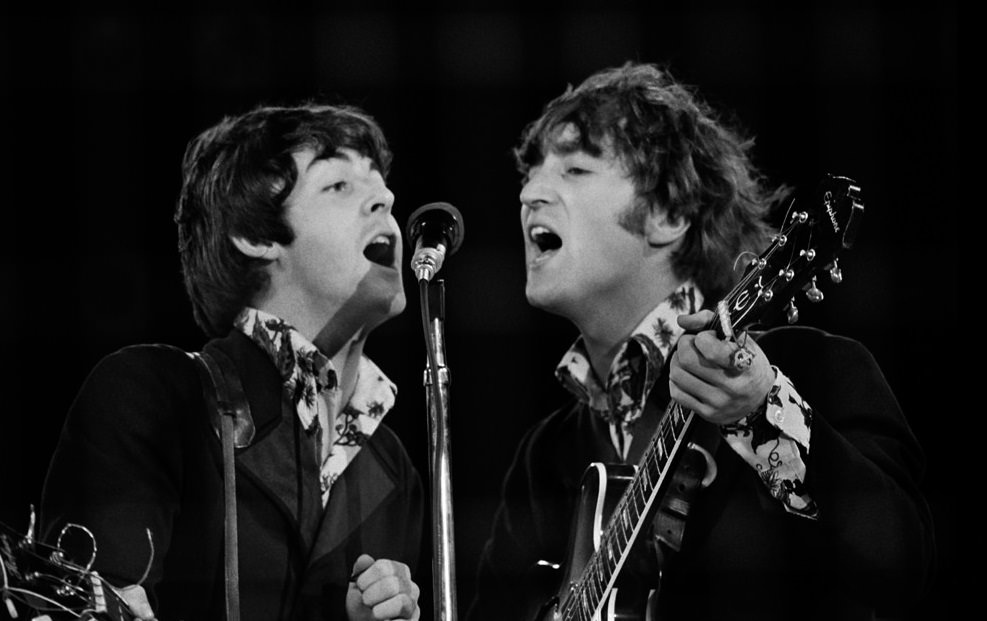
On August 29, 1966, the Beatles played their final concert at Candlestick Park in San Francisco. Marshall was there. Paul McCartney and John Lennon performing that night marked the end of the band’s touring career — a fact that wasn’t publicly known at the time, but that Marshall’s photographs now permanently document.
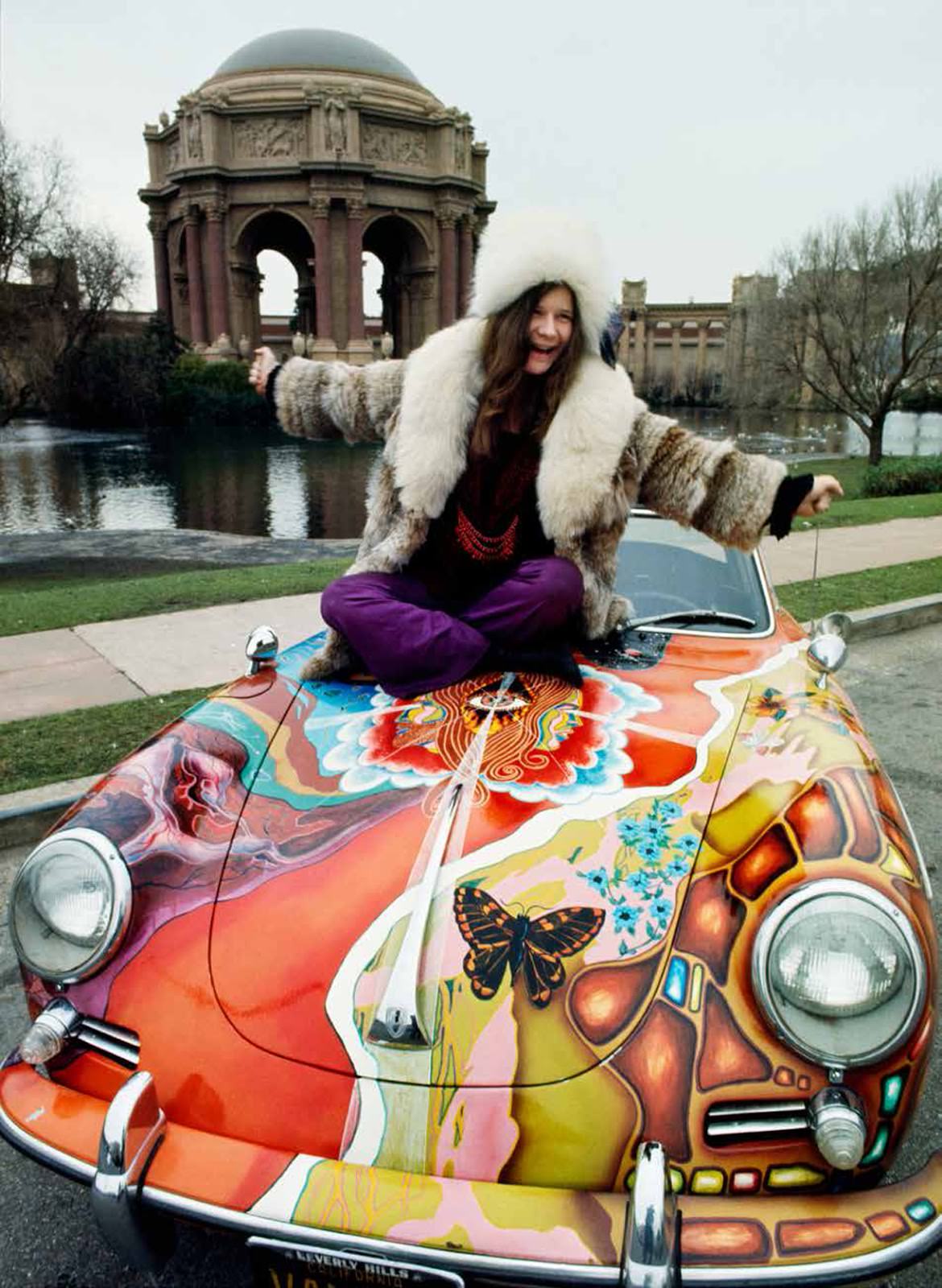
Joplin’s personality came through in everything she owned. Her Porsche 356C, hand-painted in a swirling psychedelic design by artist Dave Richards, became one of the most recognizable objects associated with her. Marshall photographed her with it in 1968 — the car as vivid and loud as the woman standing beside it.
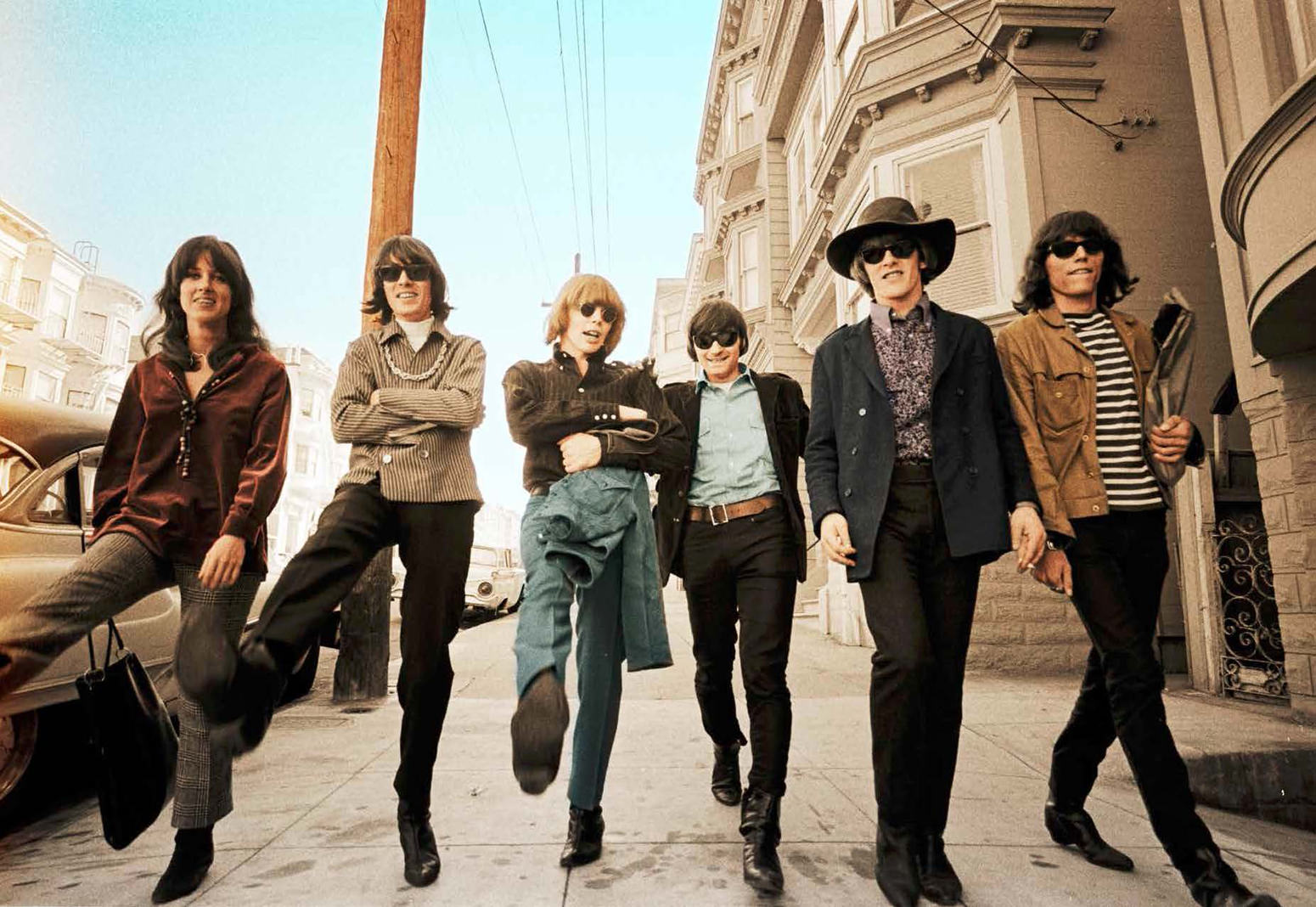
Jefferson Airplane became one of the bands most identified with Haight-Ashbury specifically. Marshall photographed them in the neighborhood in 1967, placing the musicians in the physical space that shaped their sound and public identity.
The Grateful Dead were known for their irreverence as much as their music. Marshall’s 1967 photo of the band flipping the bird is a straightforward example of the attitude that ran through the Haight — rebellious, unfiltered, and completely aware of the camera.

By 1968, the original energy of the Haight-Ashbury scene was winding down. The Grateful Dead played their last free concert on Haight Street that year, marking a clear endpoint for a chapter that had defined the block for nearly two years.
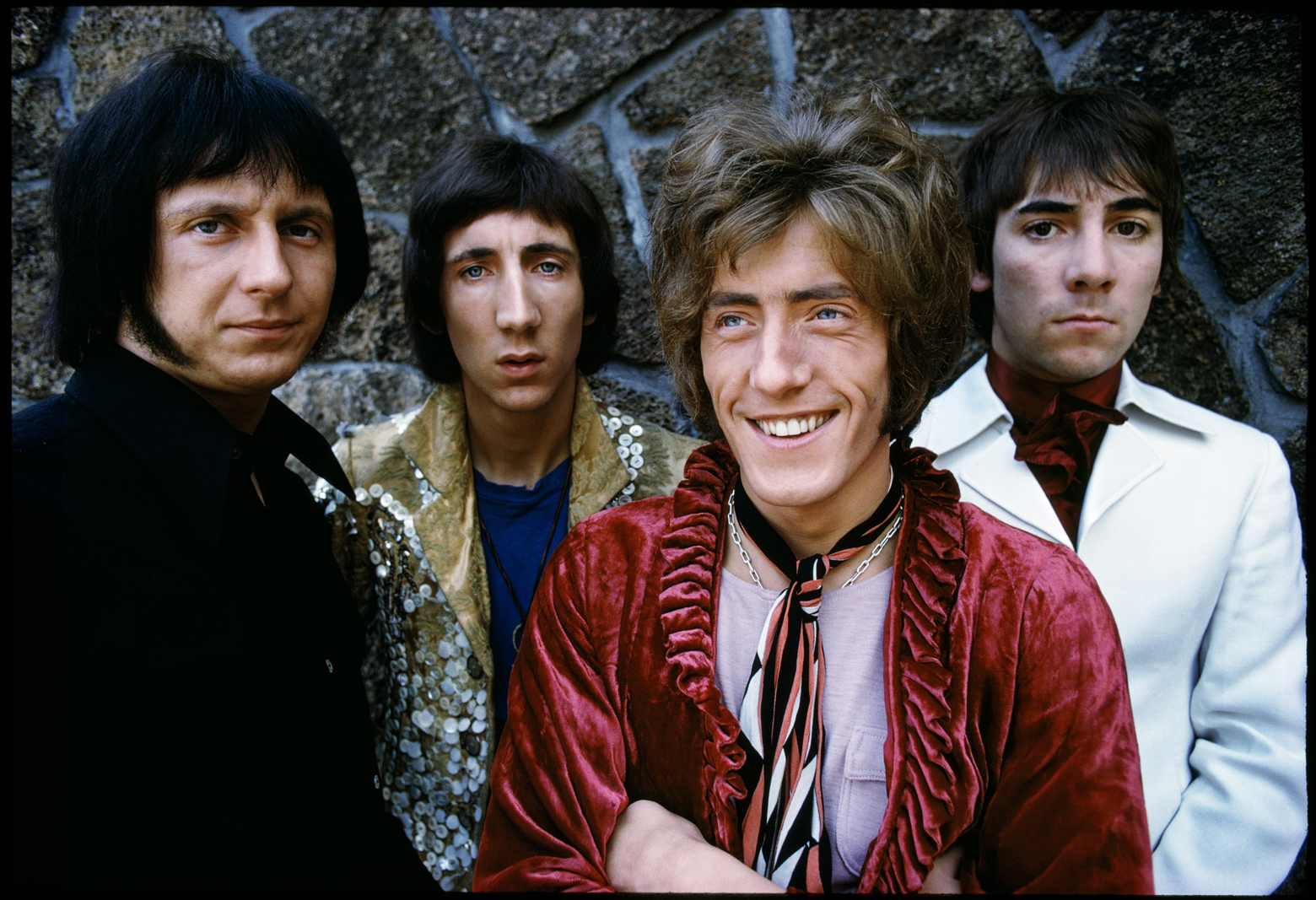
The scene wasn’t only homegrown. British bands moved through San Francisco regularly during this period. The Who played the city in 1967, part of their American push that included a landmark set at Monterey Pop. Marshall photographed them there, adding another international thread to the archive.
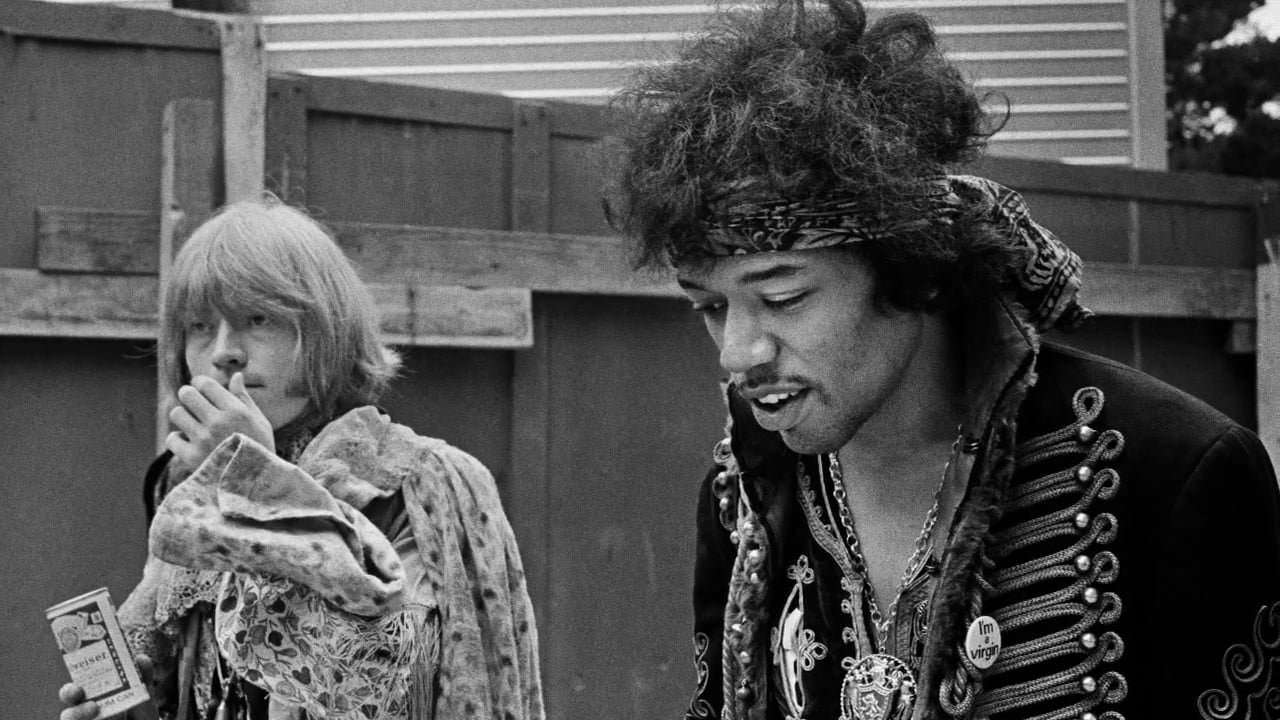
The Monterey Pop Festival in June 1967 brought many of these worlds together in one place. Brian Jones and Jimi Hendrix backstage that weekend — two musicians from opposite sides of the Atlantic, both near the peak of their fame — is exactly the kind of moment Marshall’s camera was built for.
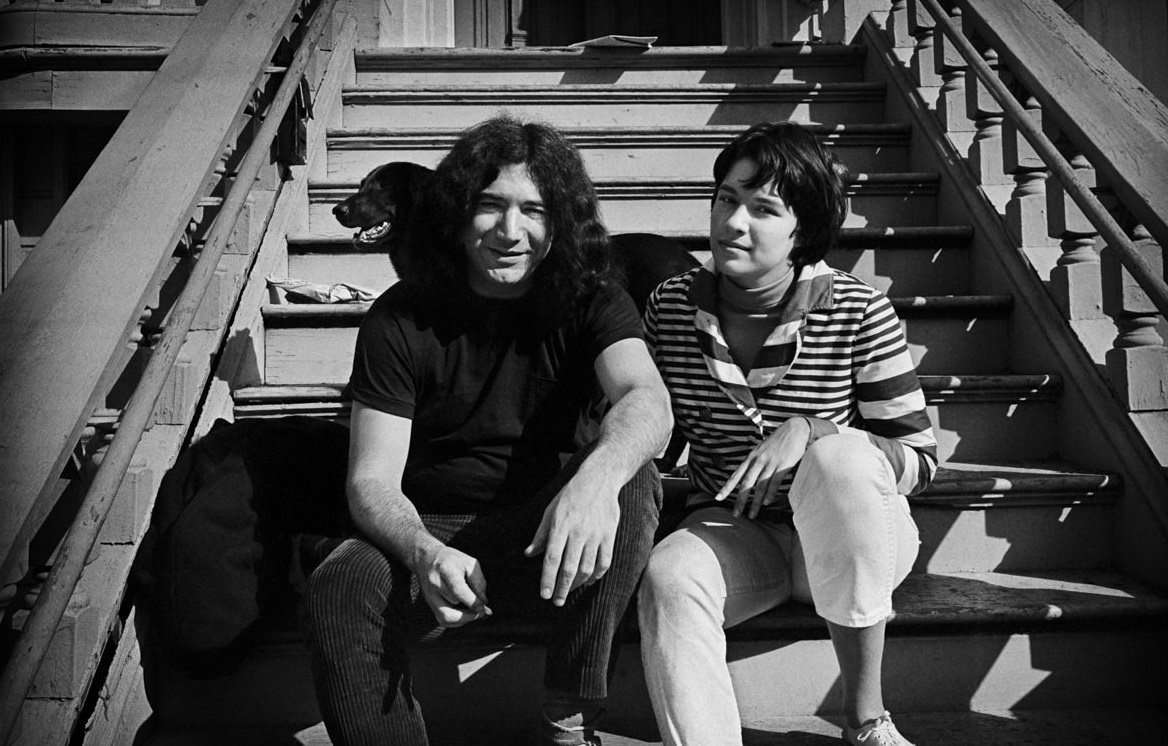
The Grateful Dead lived communally at 710 Ashbury Street, a house that became a well-known address in the neighborhood. Marshall photographed Jerry Garcia and his partner Mountain Girl on the front steps in 1967 — a domestic, grounded image of a band that was quickly becoming something much larger than the street they lived on.
The Panhandle wasn’t just a concert venue — it was a gathering place where people danced, socialized, and spent entire afternoons. Marshall photographed dancers there in 1967, capturing the spontaneous, everyday energy that defined the neighborhood as much as any headlining act.