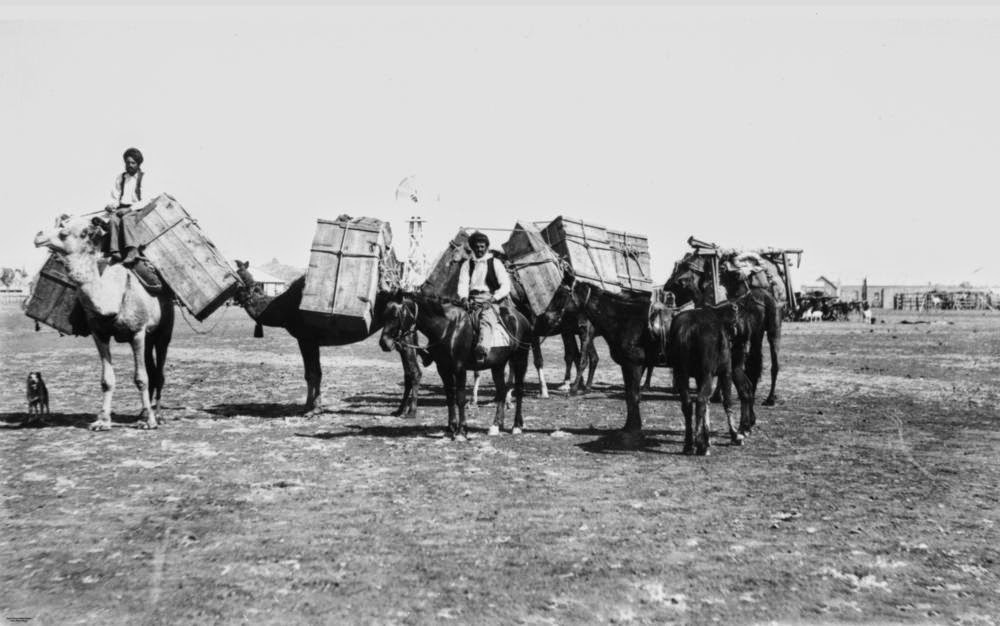
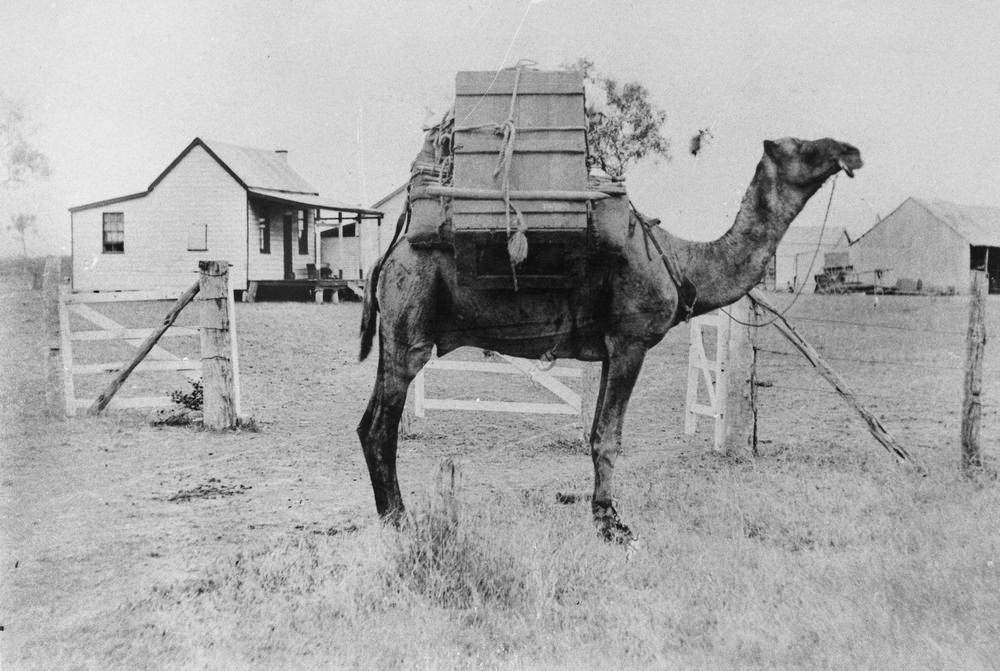
Long before roads and railways reached Australia’s remote interior, Muslim cameleers from Afghanistan and British India were already threading their way through the heat and dust. These men were not simply hired hands — they were skilled specialists who understood desert travel in ways that most European settlers did not. Their work was essential to opening up the arid heart of the continent during the late 19th century.
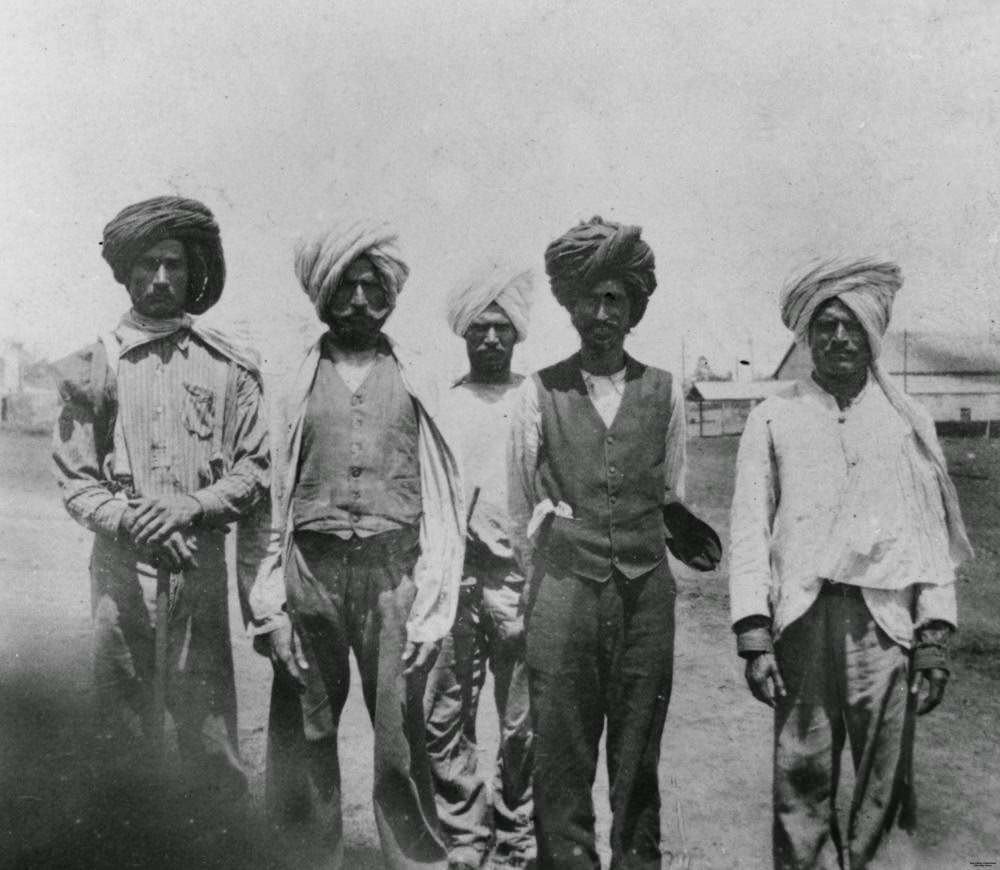
The cameleers built and maintained a vast network of transport routes that crossed Queensland’s outback. Camels were perfectly suited to the task — they could carry heavy loads across waterless stretches of land that would stop horses and bullock teams in their tracks. Without these supply lines, many remote stations and settlements would have been completely cut off.
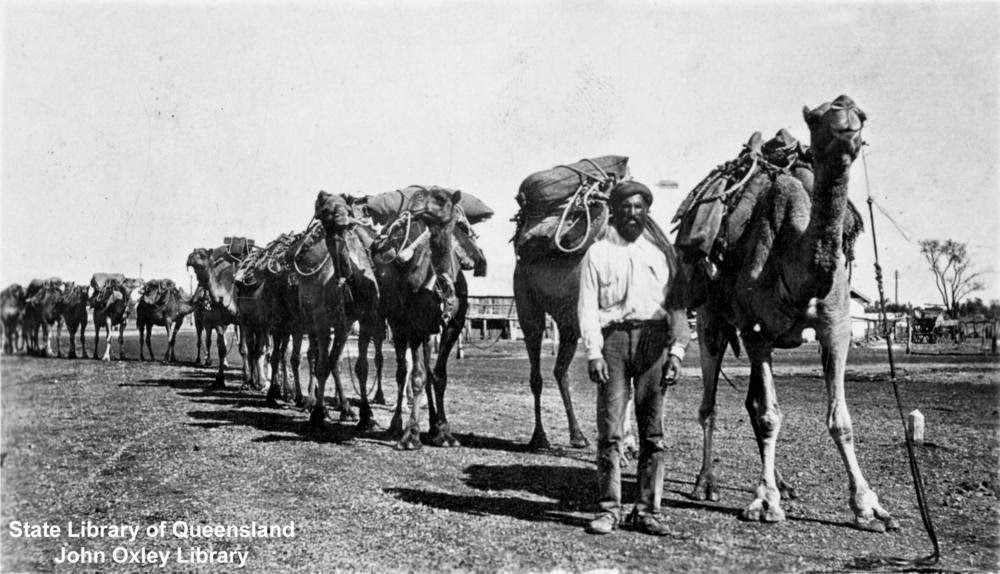
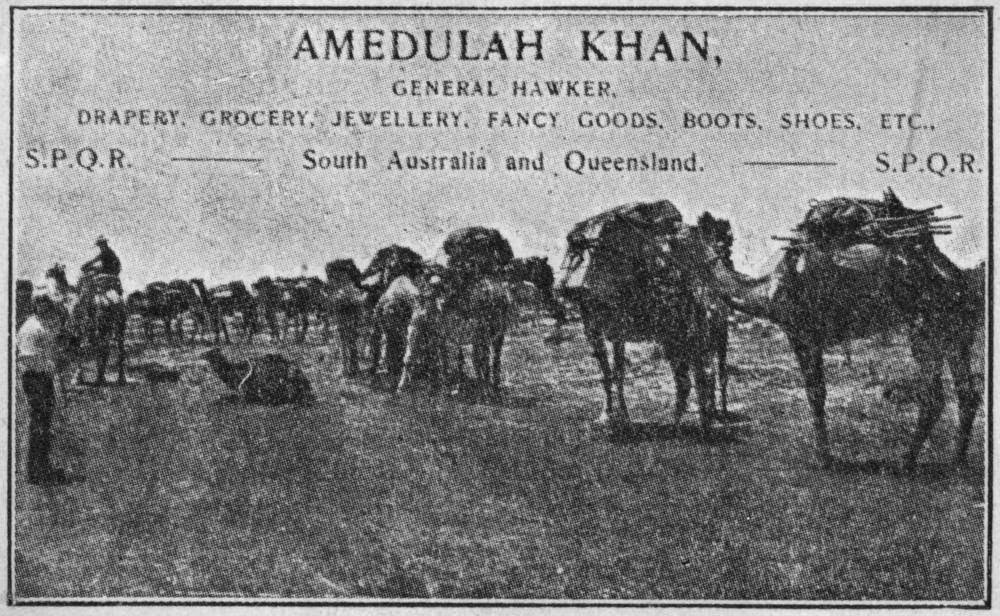
The cameleers didn’t only haul freight for mining operations and cattle stations. They also worked as hawkers — travelling merchants who carried household goods, fabrics, and haberdashery directly to isolated communities. For women living in Queensland’s outback, the arrival of an Afghan hawker was a genuine event. He brought not just goods, but news from the wider world, and the kind of everyday items that were otherwise impossible to source without a long journey to town.
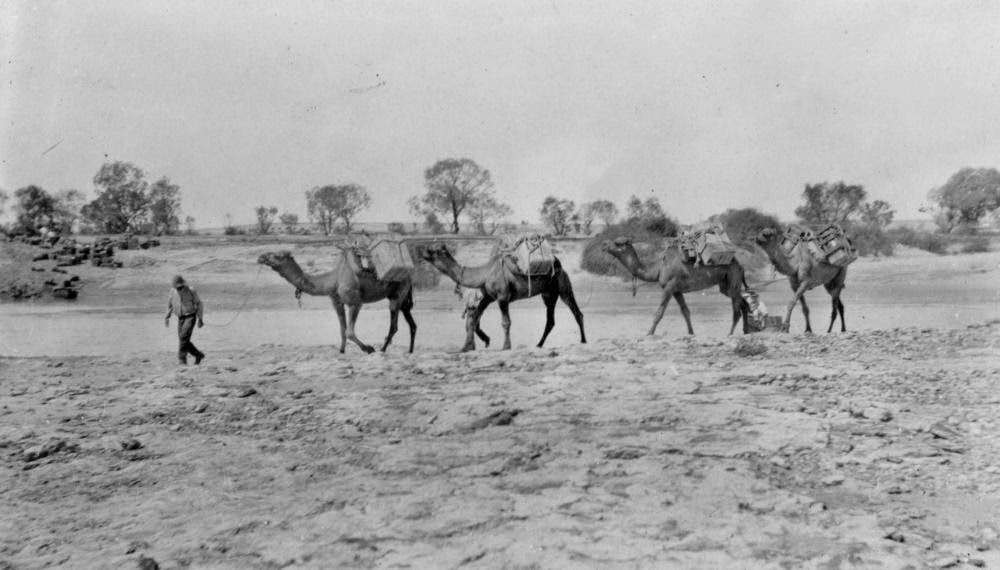
The cameleers were a constant, recognisable presence across Queensland. They moved through towns like Richmond, Cloncurry, Boulia, and Birdsville, as well as along the long stretches between Bourke and Cunnamulla. Their camel trains were a familiar sight — slow-moving lines of loaded animals guided by men who knew exactly how to manage them across difficult terrain. Tensions with local European populations occasionally flared, as documented in reports of unrest in towns like Richmond in 1907.
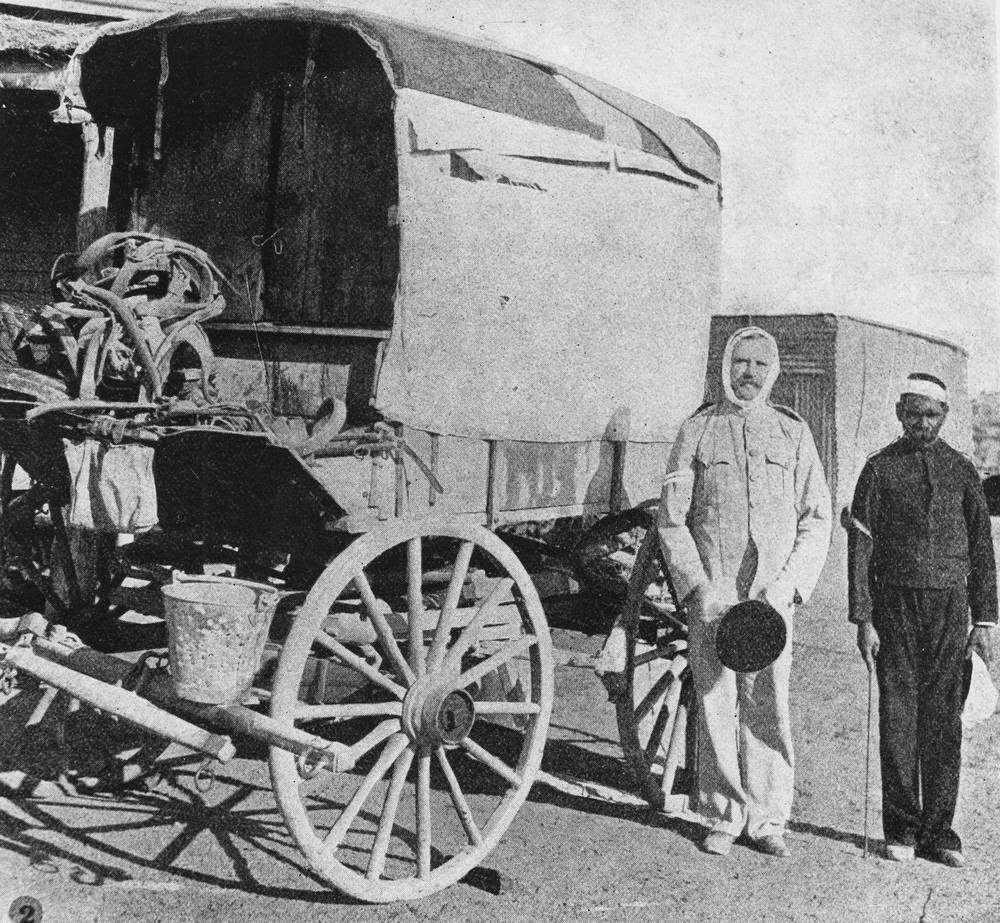
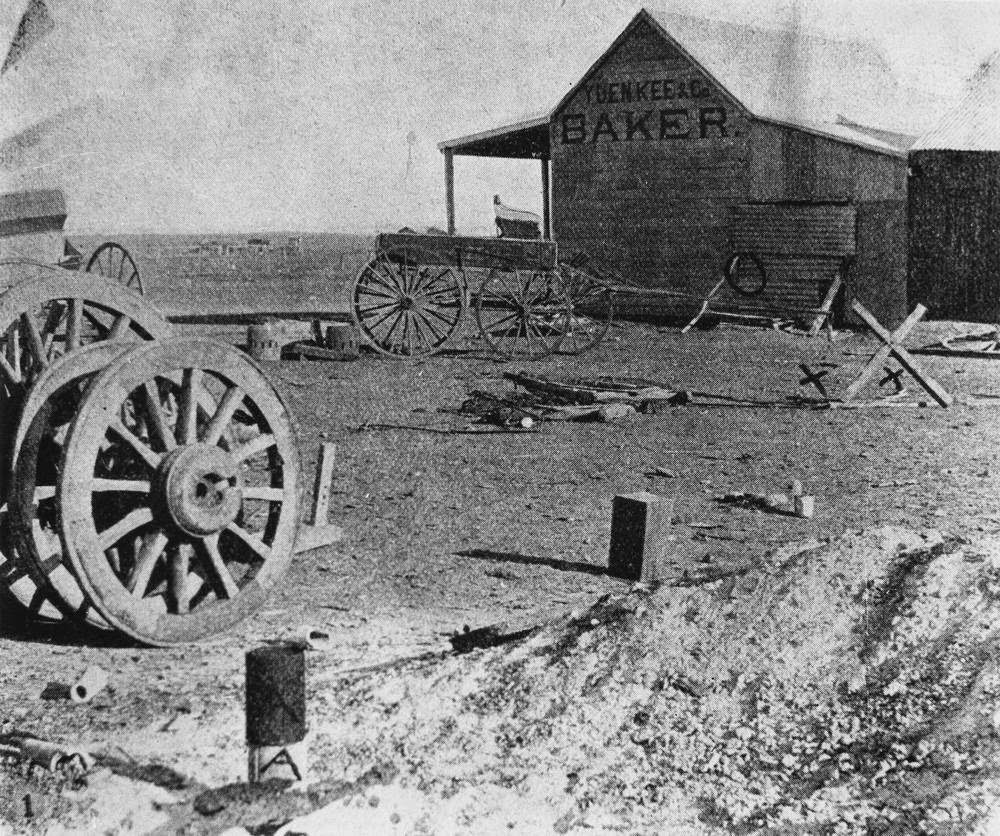
Despite the hardships and the discrimination they faced, individual cameleers built names for themselves and established regular routes that communities came to depend on. Hawkers like Amedulah Khan and Petti Khan were known figures, operating camel trains that became part of the rhythm of outback life. Their animals were as well-known as their owners — a camel team arriving at a station meant supplies were coming.
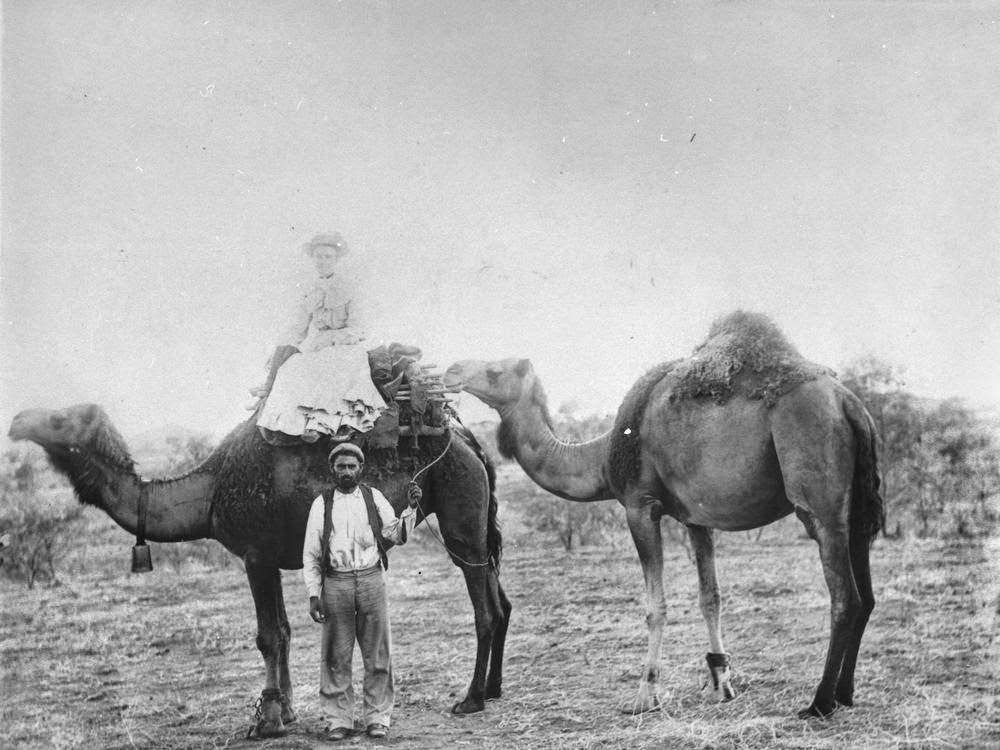
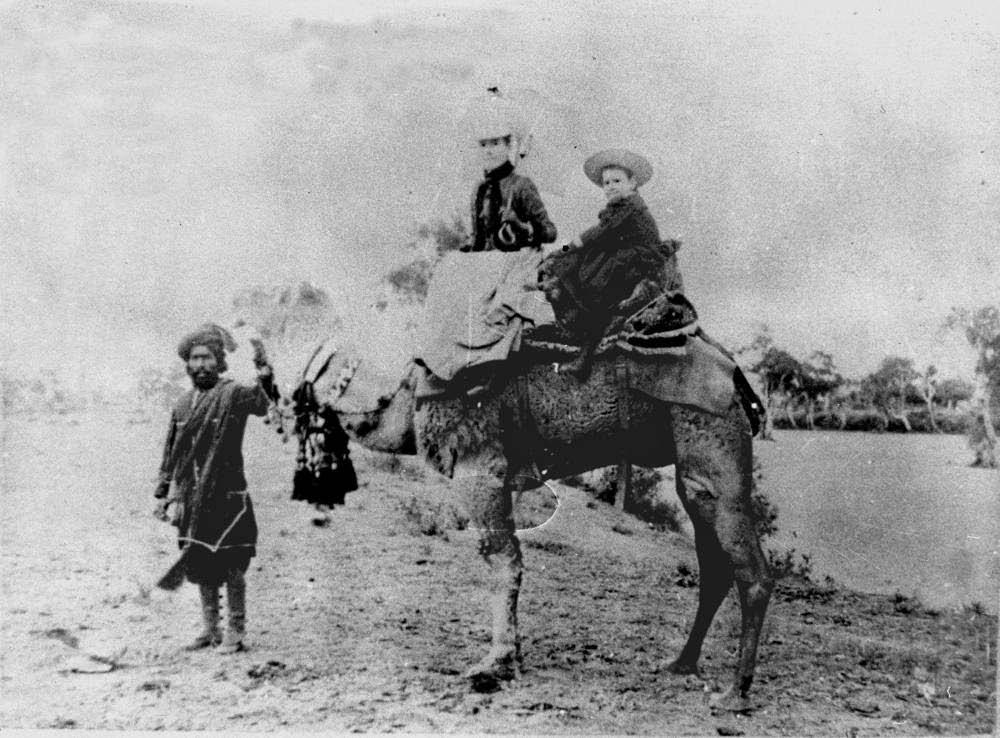
Camels were also used to transport people, not just goods. Settlers and travellers in remote districts regularly relied on camels as a practical mode of transport across long, trackless distances where no other option existed.
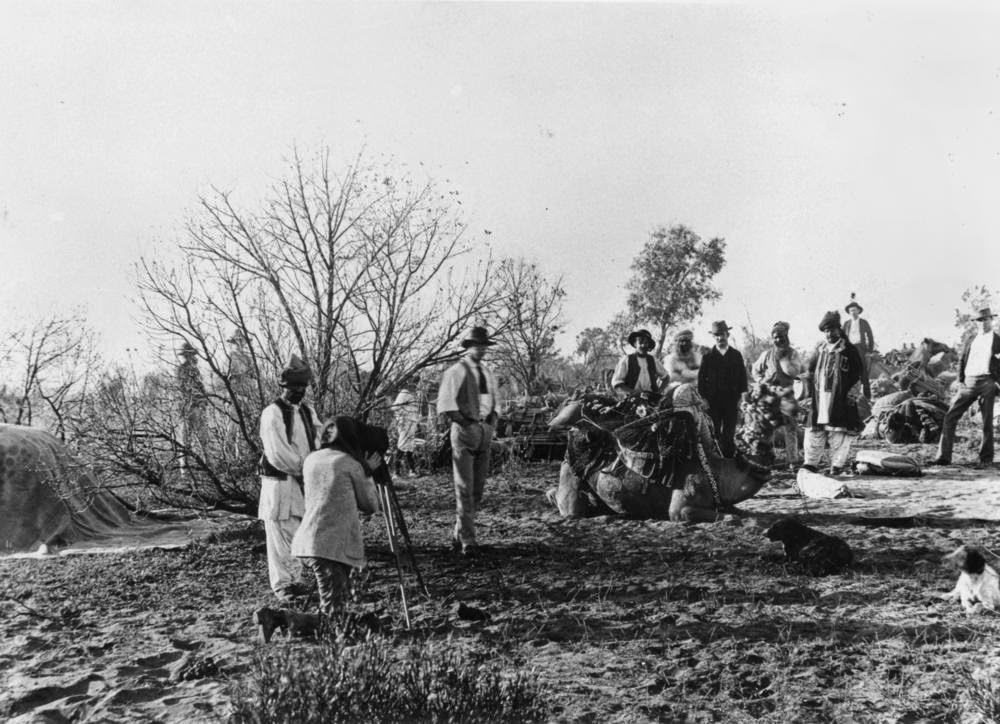
The scale of the operations these cameleers ran was considerable. Loaded camel teams departing from staging points between Bourke and Cunnamulla in 1895 were carrying bulk supplies — wool, food, equipment — across hundreds of kilometres of open country. Unloading those same teams at a remote outback store was a major logistical undertaking, done with precision by men who had made the journey many times.
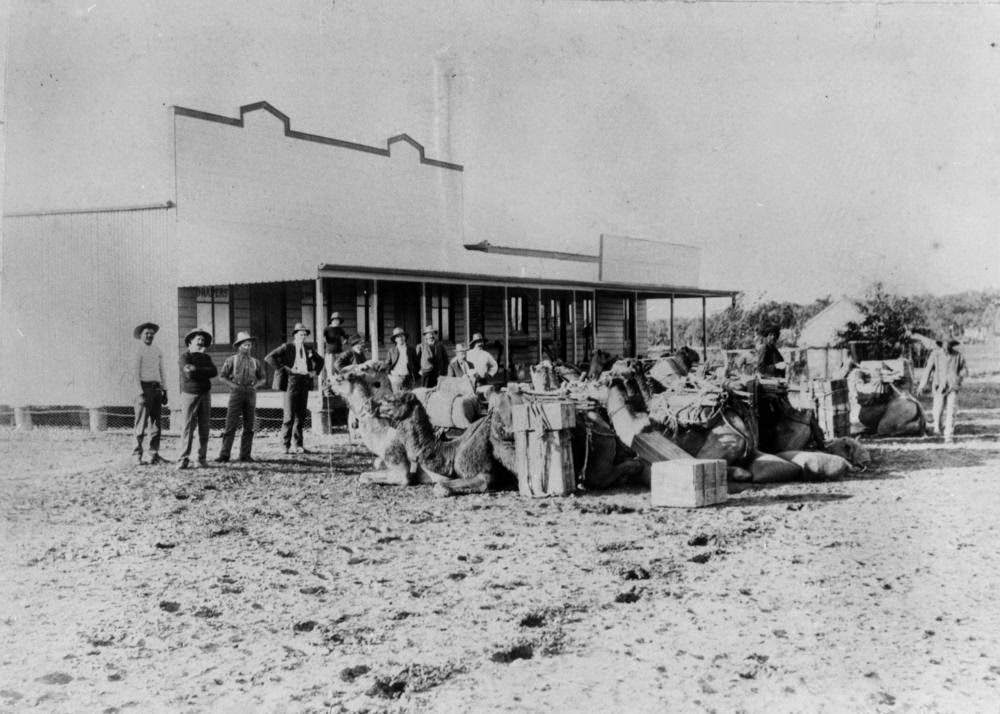
By the early 20th century, the camel transport network was still running, though the introduction of motorised vehicles was beginning to change things. In towns like Cloncurry, camels and horses worked alongside each other, reflecting a period when old and new methods of transport overlapped. At remote stations like Canobie, individual camels remained working animals well into that era.