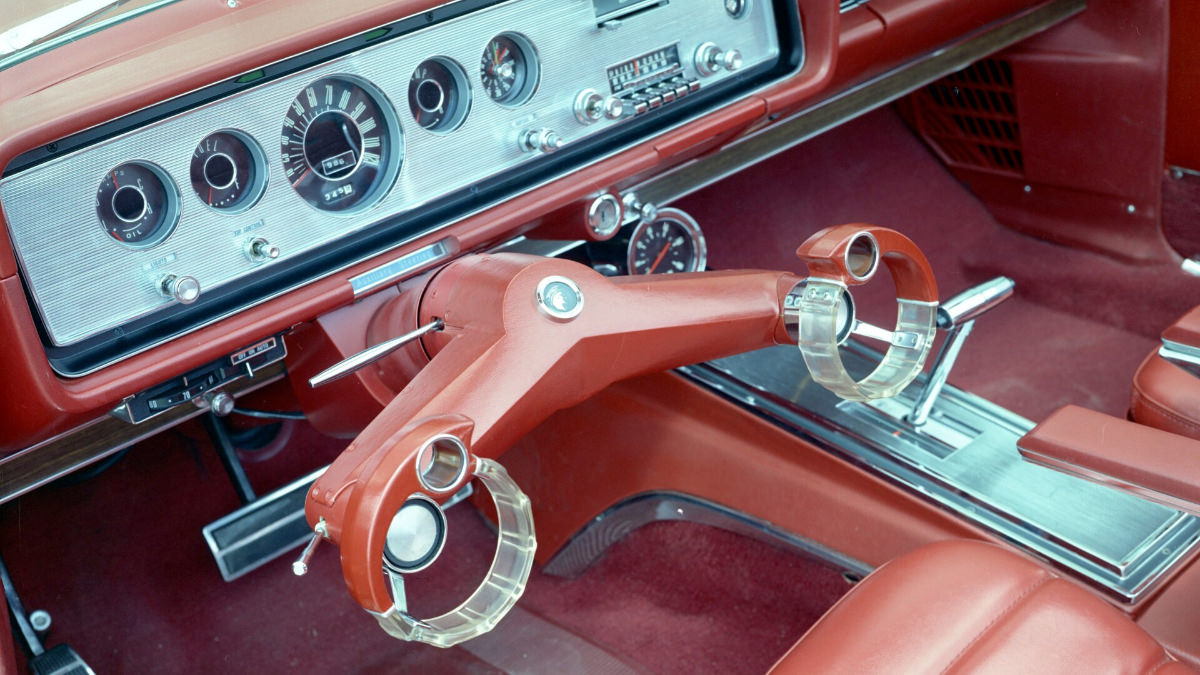
In 1965, Ford unveiled one of the most unusual steering concepts in American automotive history: the “Wrist Twist” system. It was a bold departure from the standard steering wheel that drivers had relied on for decades, and it was aimed squarely at a new target audience — women.
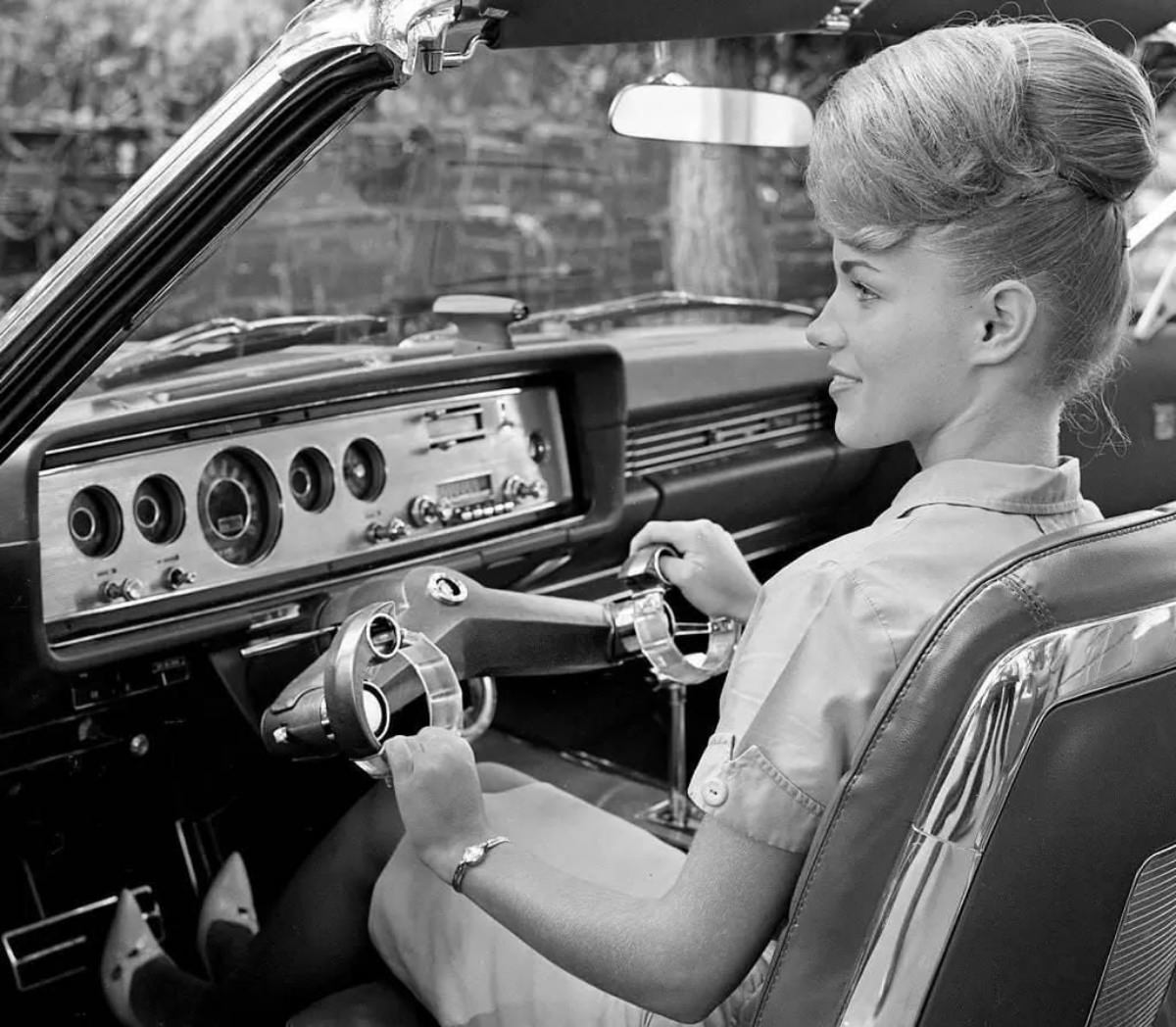
Instead of a traditional round steering wheel, the Wrist Twist replaced it with two small, side-by-side circular controls mounted where the horn would normally sit. Drivers steered the car using only their wrists — no hand-over-hand turning required. A gentle rotation of one or both of the small wheels directed the vehicle left or right.
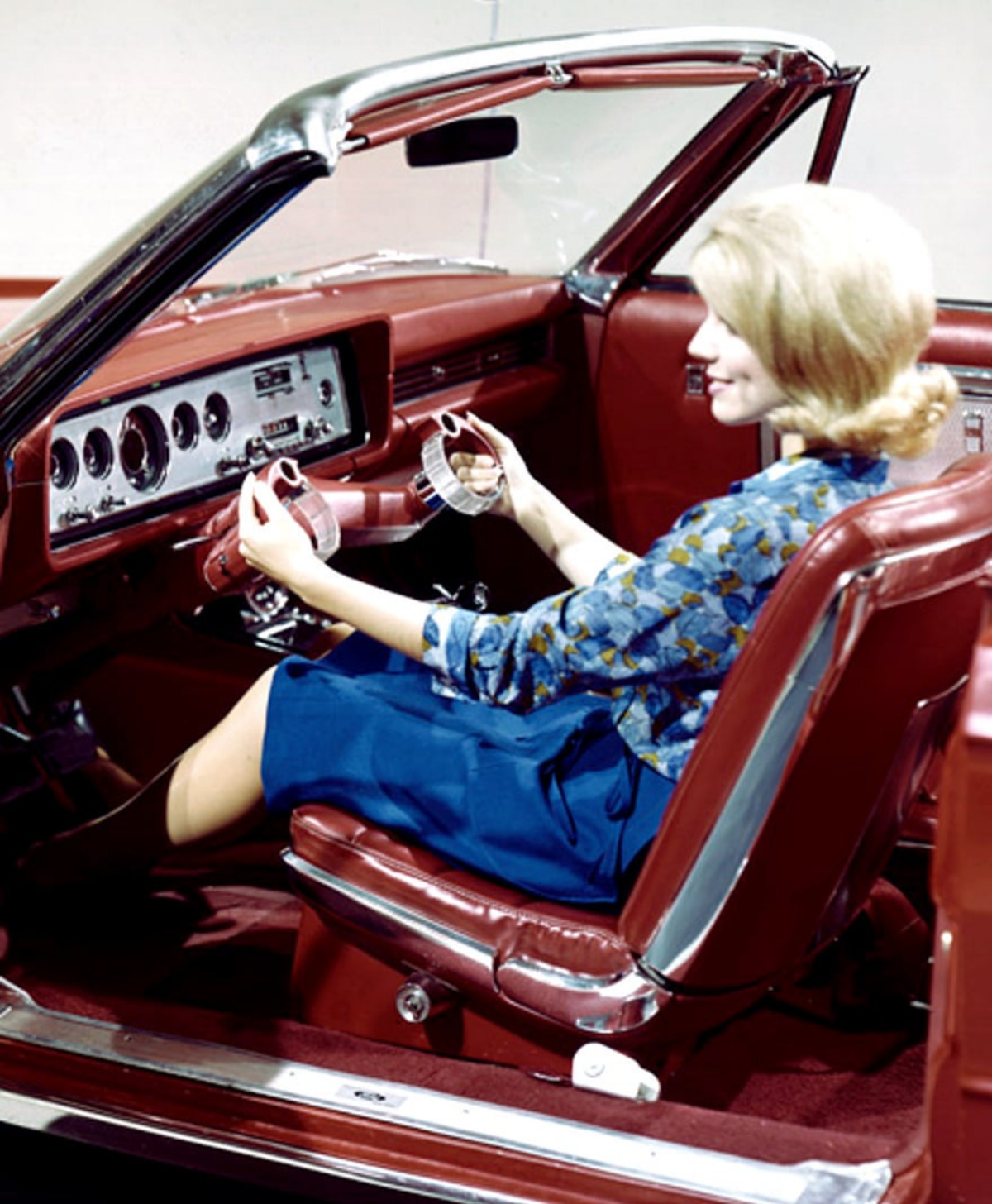
Ford’s reasoning was straightforward. The 1960s were a period of rapid experimentation across every industry, and the auto world was no different. Engineers and designers were actively looking for ways to make cars easier to operate. Ford believed that reducing the physical effort needed to steer would make driving more appealing and accessible for women, who at the time were a largely untapped segment of the car-buying market.
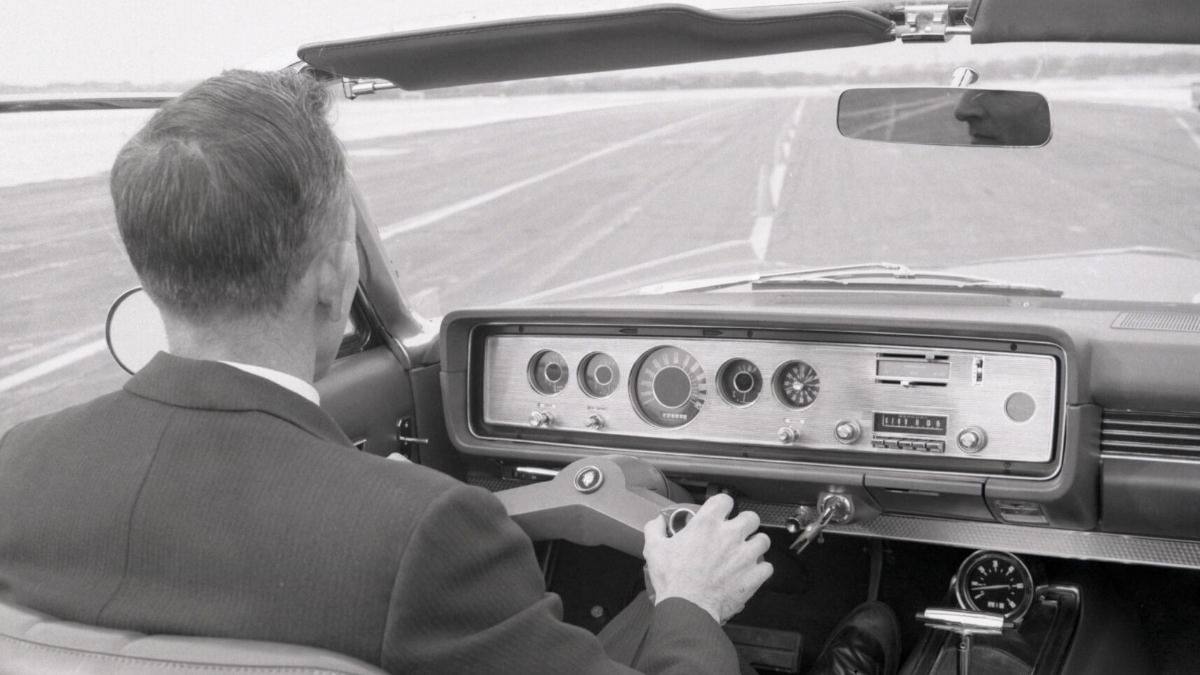
The system had a practical advantage that went beyond comfort. Power steering in the mid-1960s was not yet standard equipment on most vehicles — it was either unavailable or underdeveloped on many models. Parking and executing tight turns demanded real physical effort from drivers. The Wrist Twist reduced that effort significantly, making low-speed maneuvers noticeably easier.
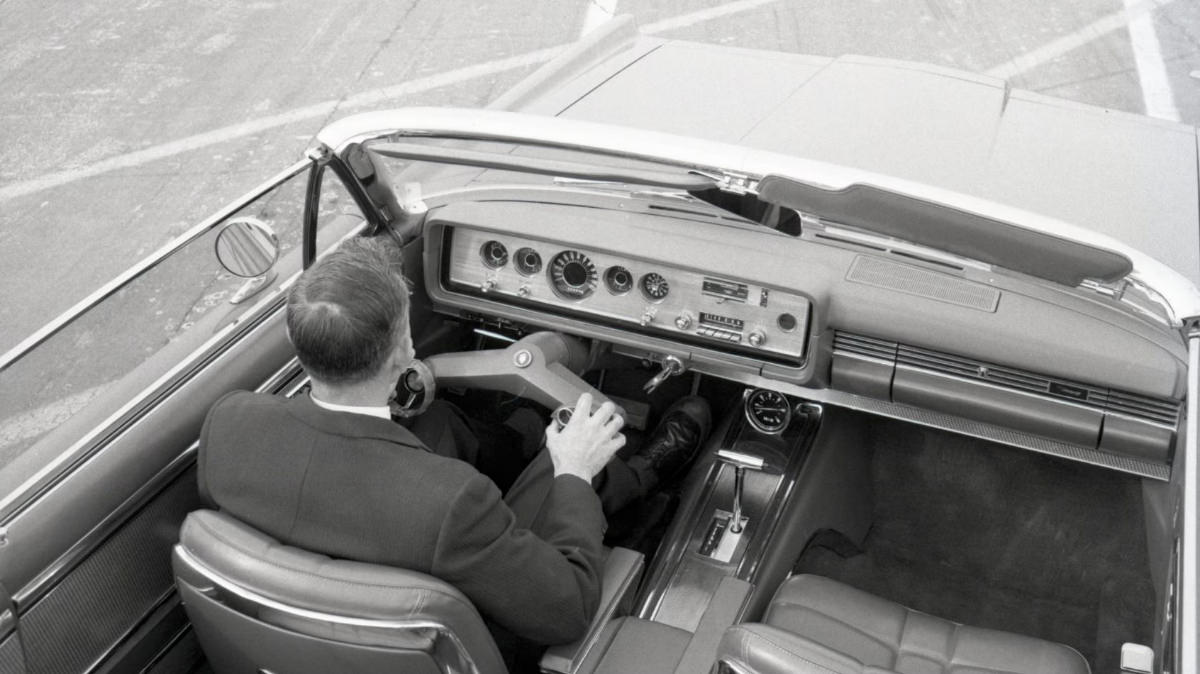
Ford promoted the system as ergonomic and modern, framing it as the kind of forward-thinking design that matched the era’s optimism. The 1960s saw the space race dominate headlines, and technology was reshaping daily life. Ford positioned the Wrist Twist as part of that same wave of progress.
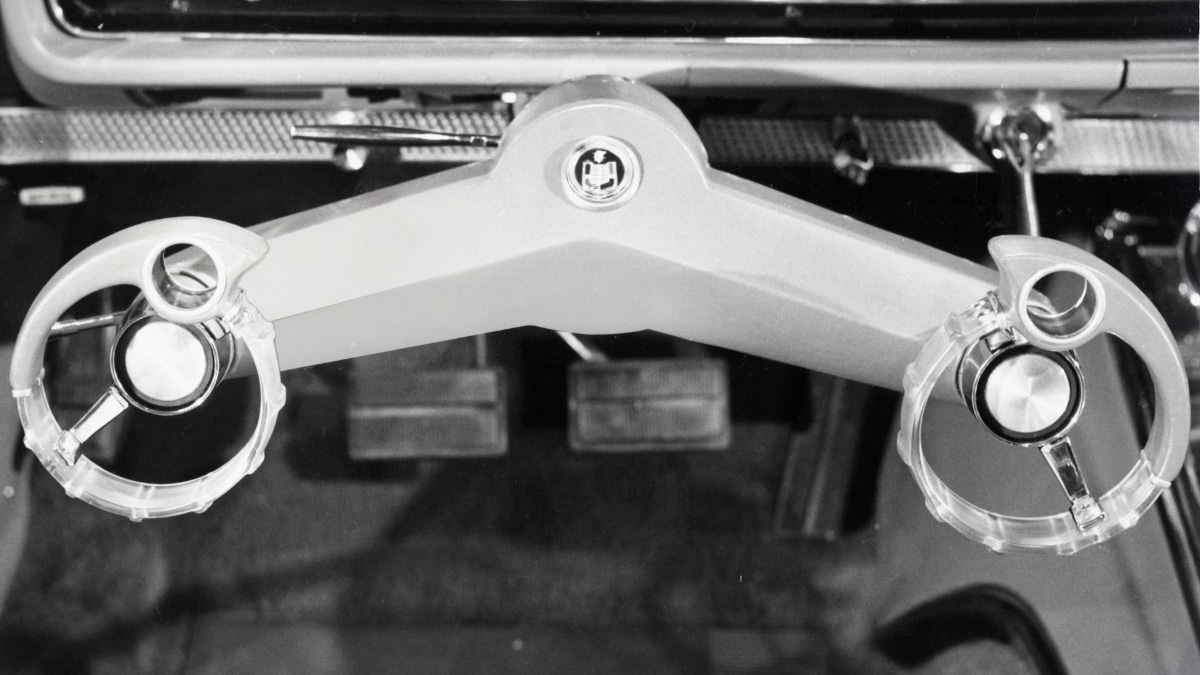
Despite the attention it attracted, the Wrist Twist never made it into production vehicles. Driver habits were deeply ingrained, and a fundamental change to how a car was steered was a difficult sell. Most drivers were simply unwilling to relearn something as instinctive as steering.
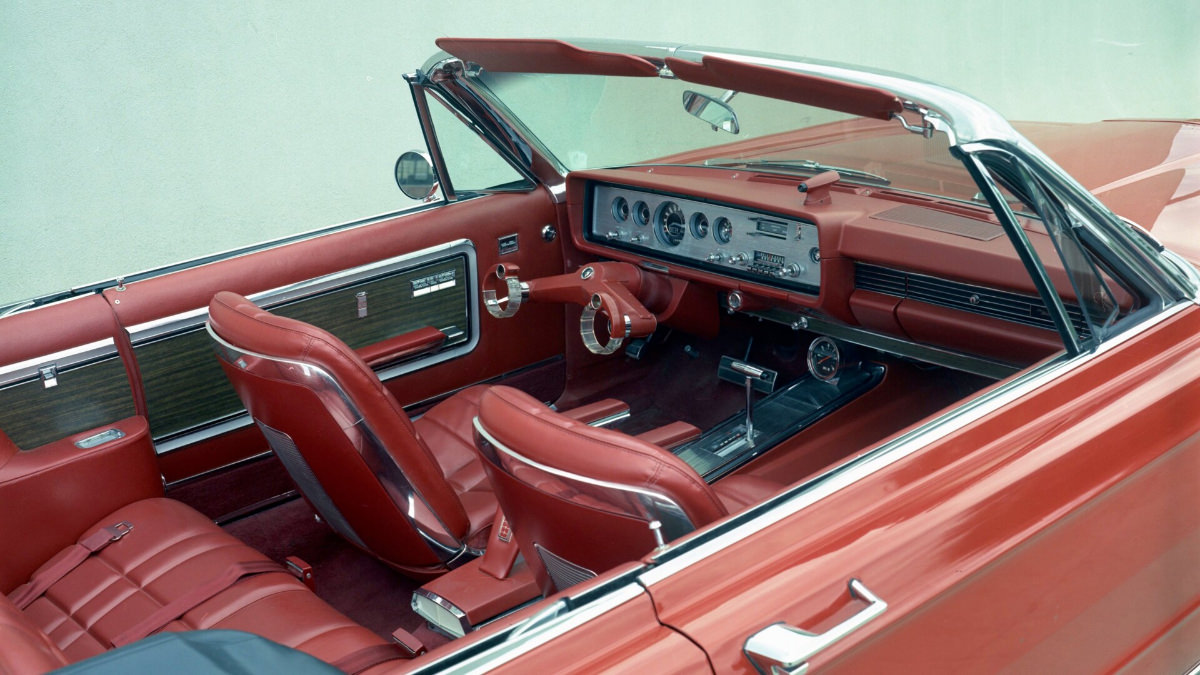
Safety concerns also shadowed the concept. Questions arose about how the wrist controls would perform during high-speed driving or in an emergency situation. Critics doubted whether two small wrist-operated circles could deliver the same level of control and feedback that a full-sized steering wheel provided under pressure.
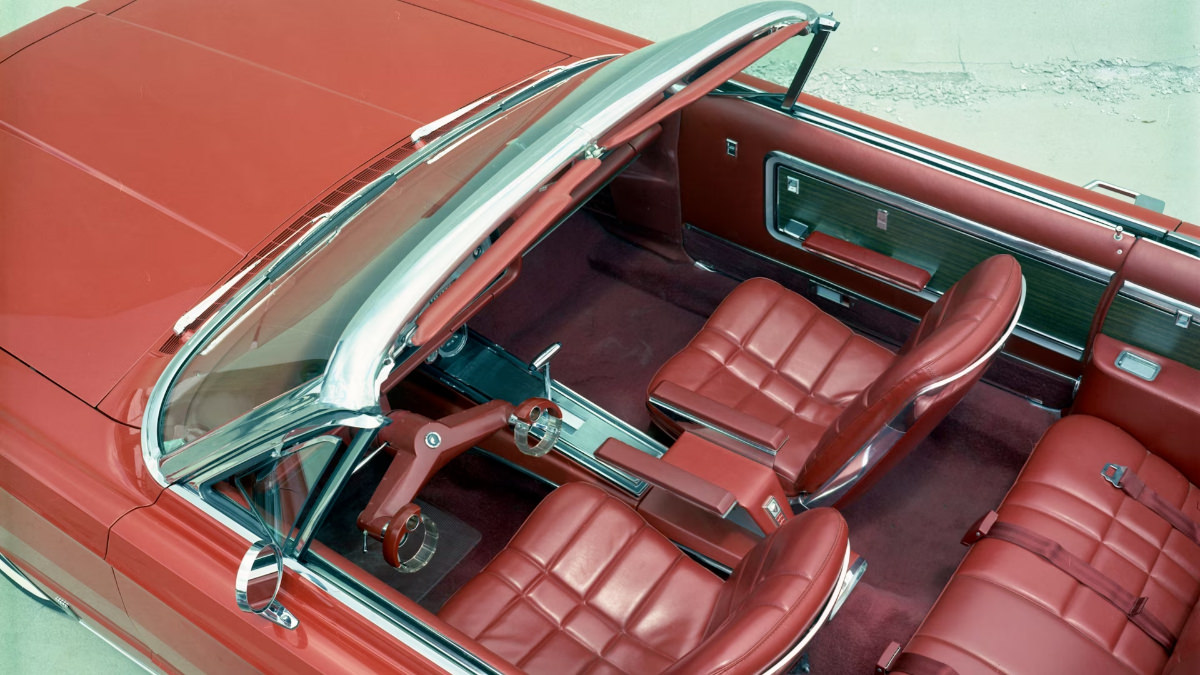
There were also structural concerns about crash performance. A standard steering wheel, for all its limitations, was a known quantity in accident scenarios. The Wrist Twist was untested in real-world collision conditions, and that uncertainty made both regulators and consumers uneasy.
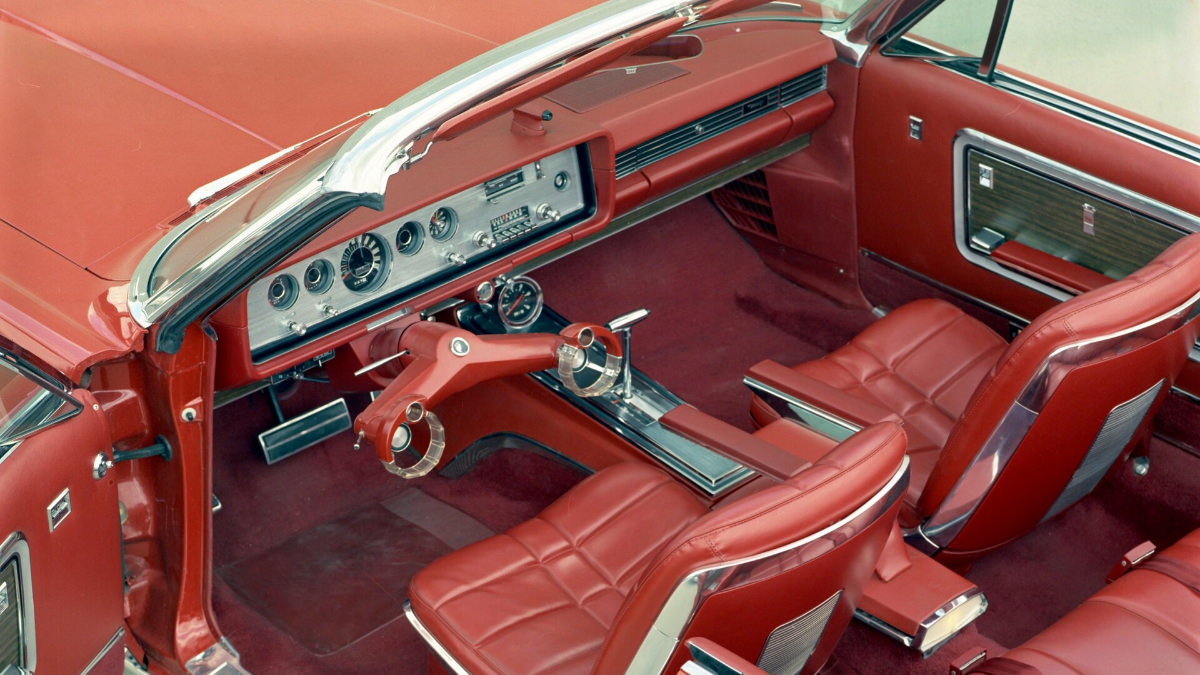
The Wrist Twist never moved beyond the concept and prototype stage. Ford’s ambition to redesign the driving experience for women was genuine, but the execution ran headfirst into the realities of habit, safety standards, and public skepticism. It remains one of the more distinctive what-ifs of 1960s automotive design.