
Passover is one of the most important festivals in the Jewish calendar. It marks the liberation of the Israelites from slavery in Egypt more than 3,300 years ago. The story is described in the Book of Exodus, where Moses leads the people out of Egypt under God’s guidance. Passover celebrates freedom, remembrance, and family traditions.
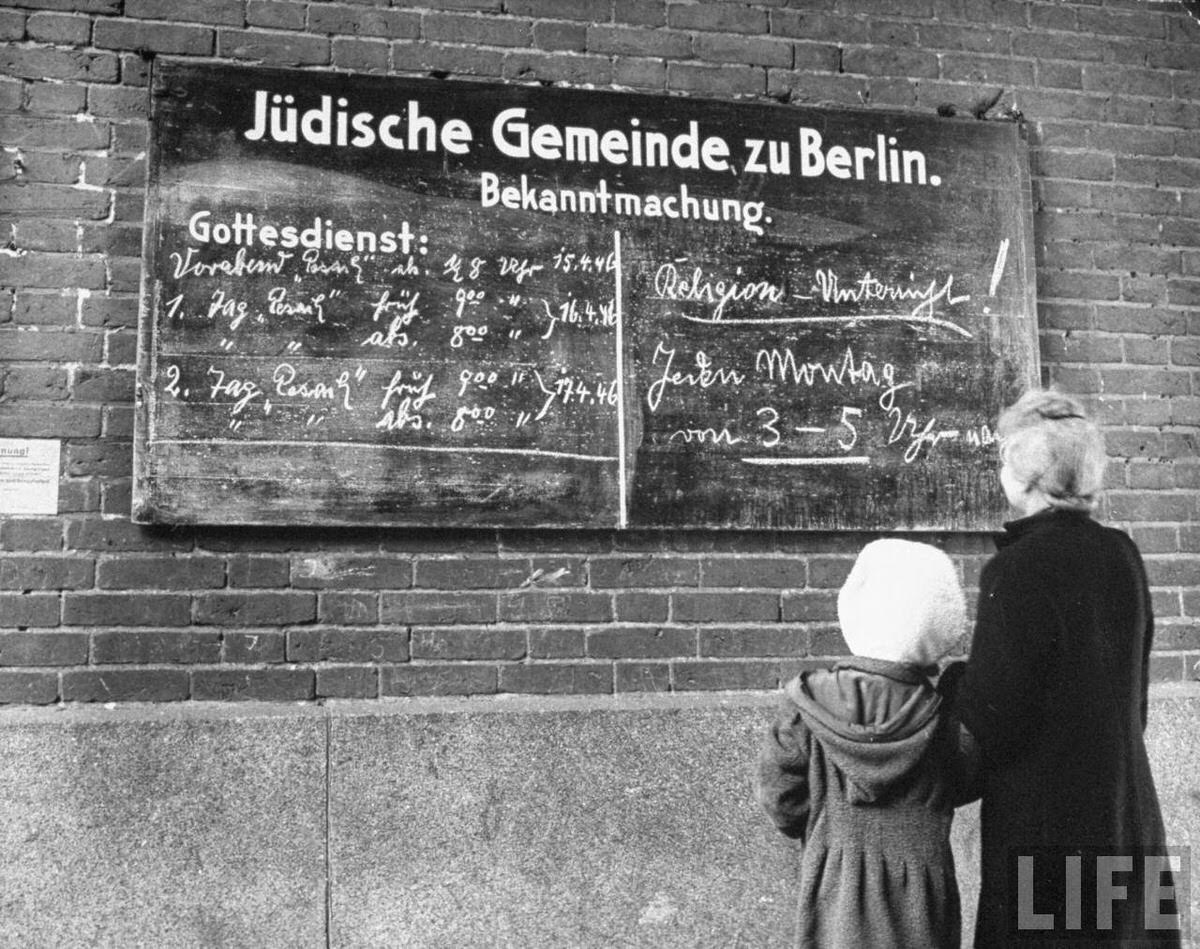
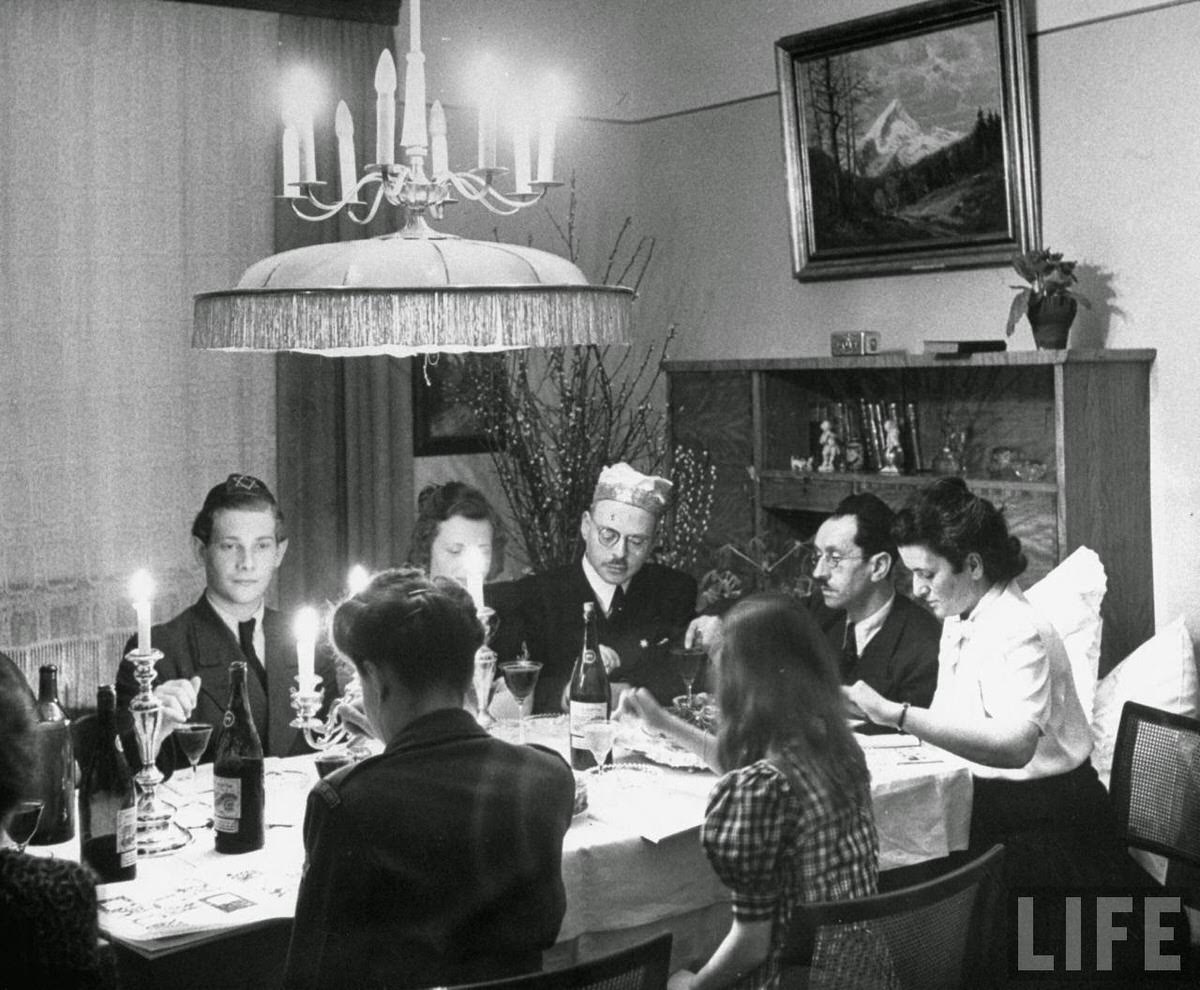
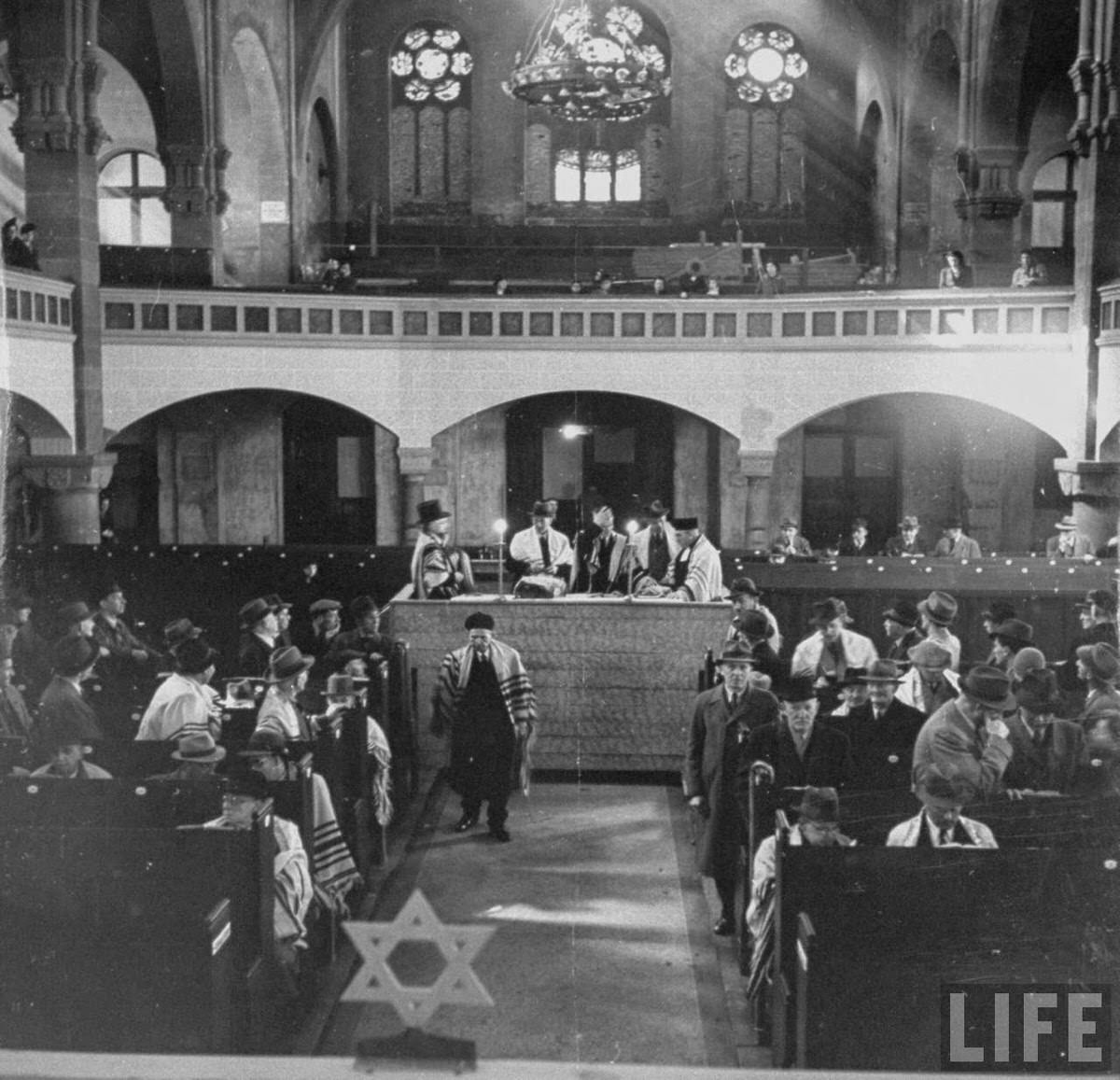
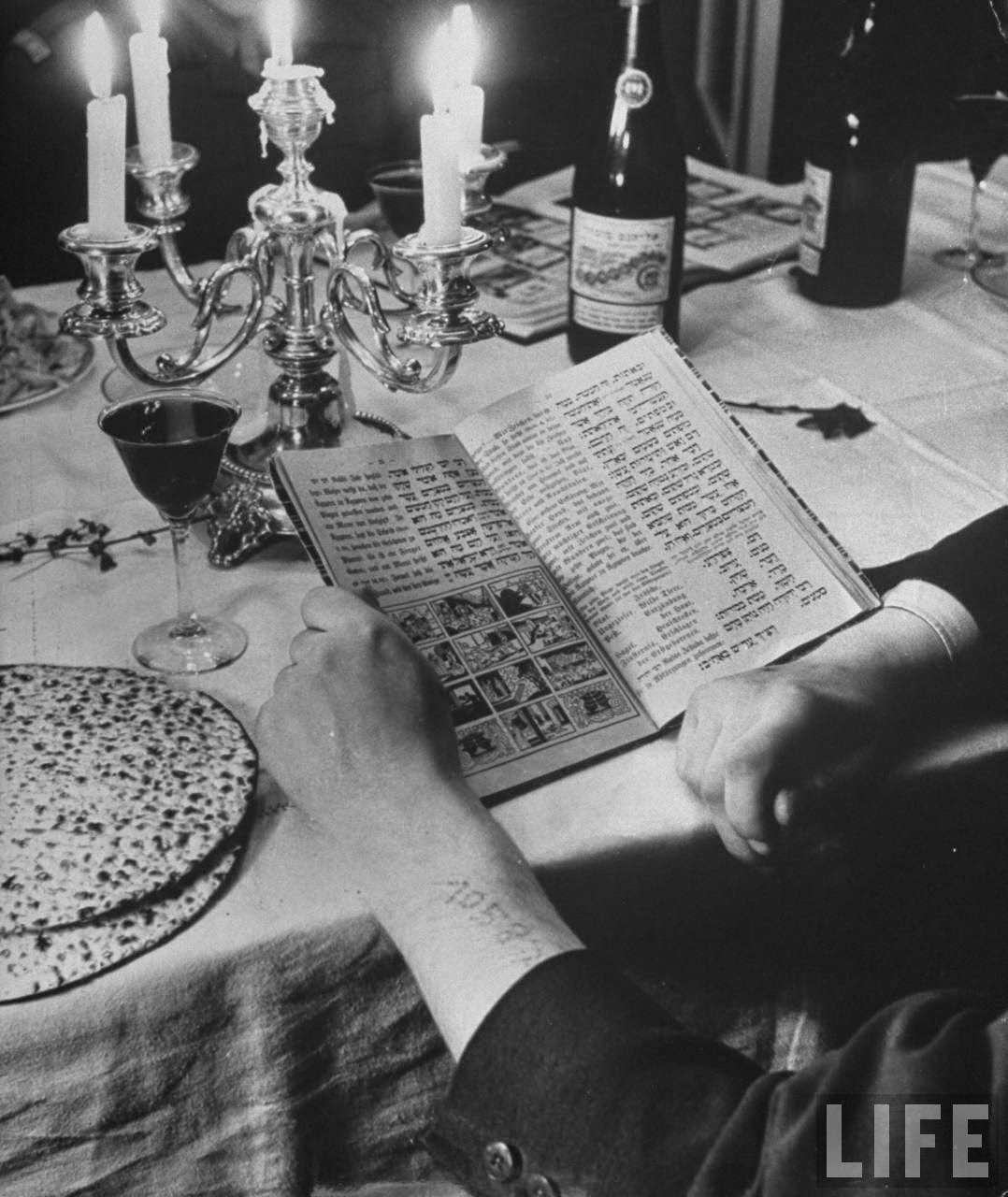
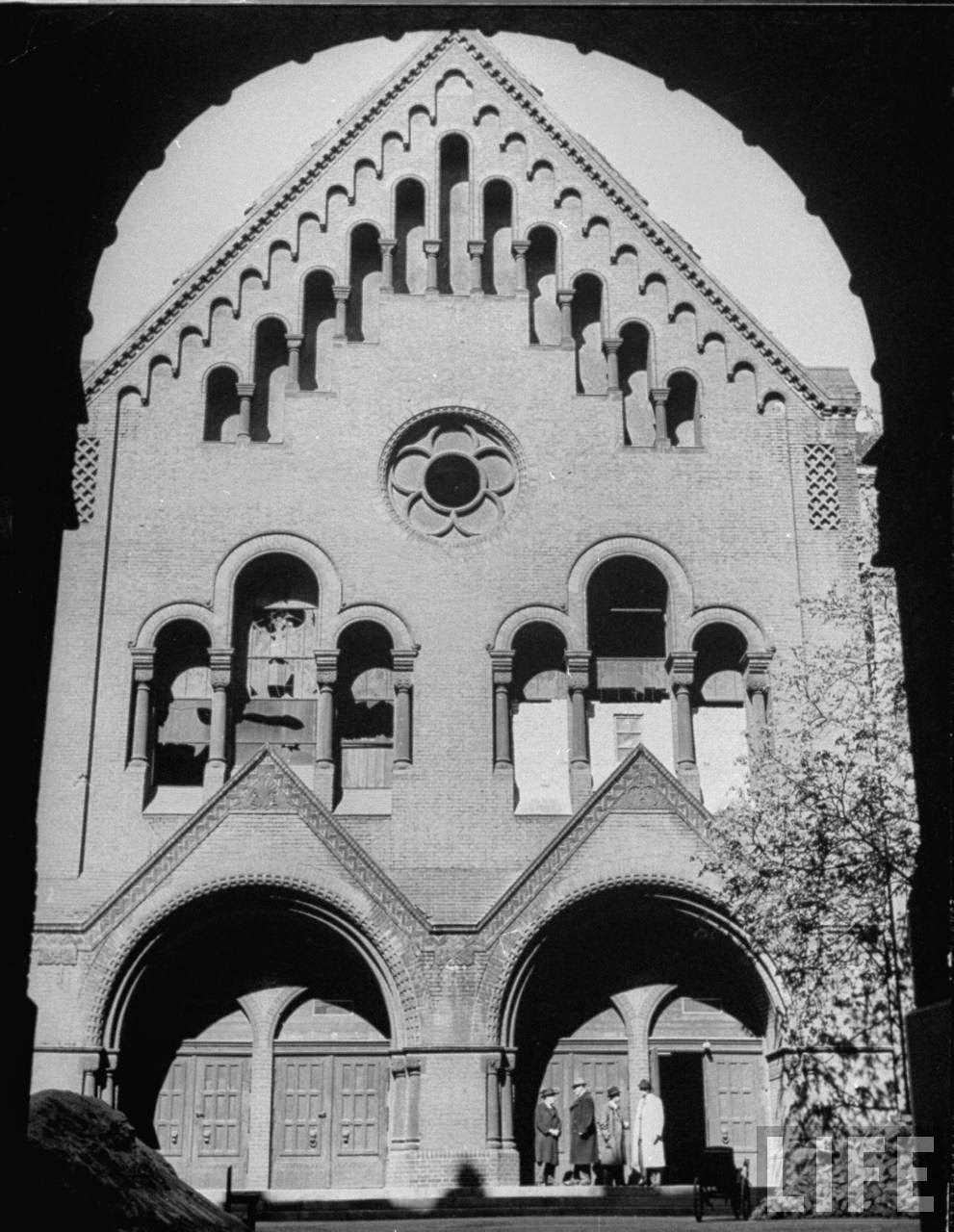
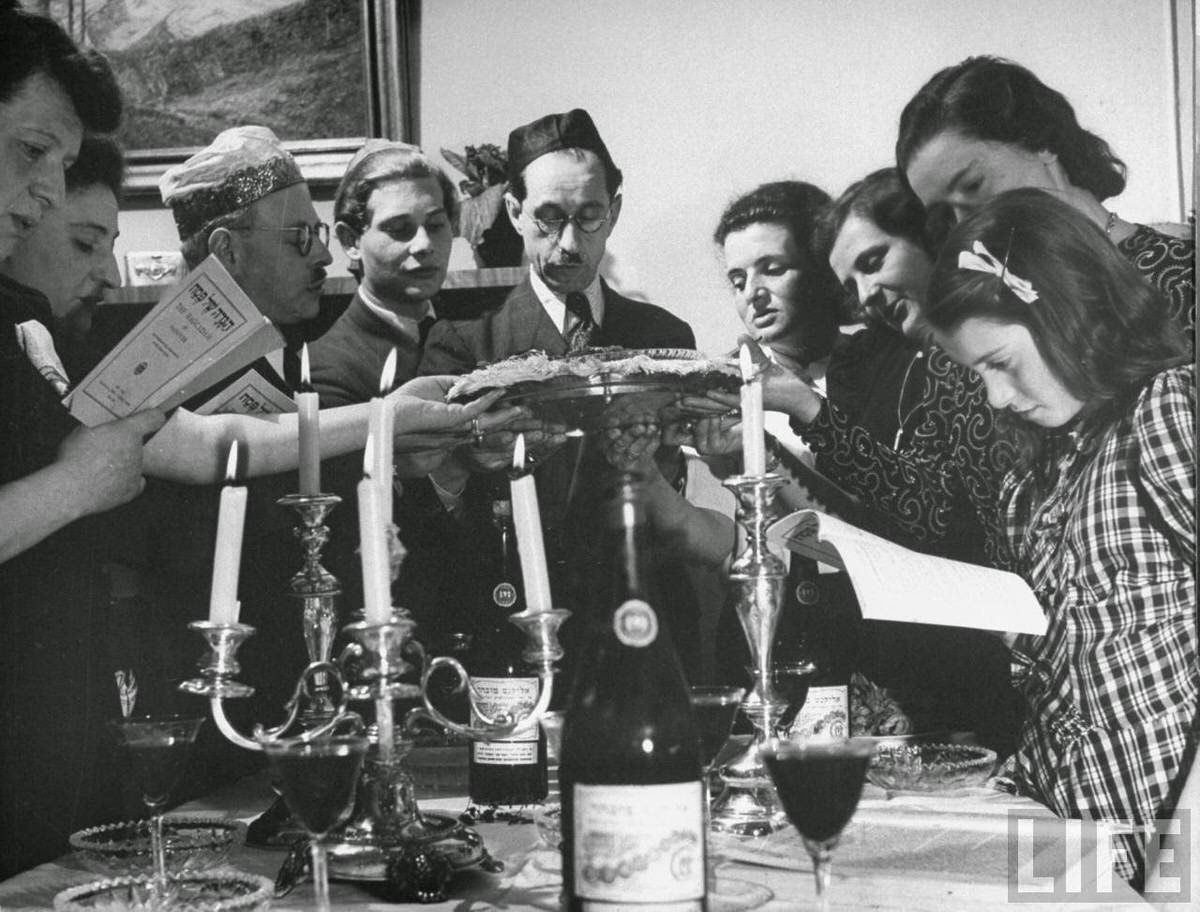
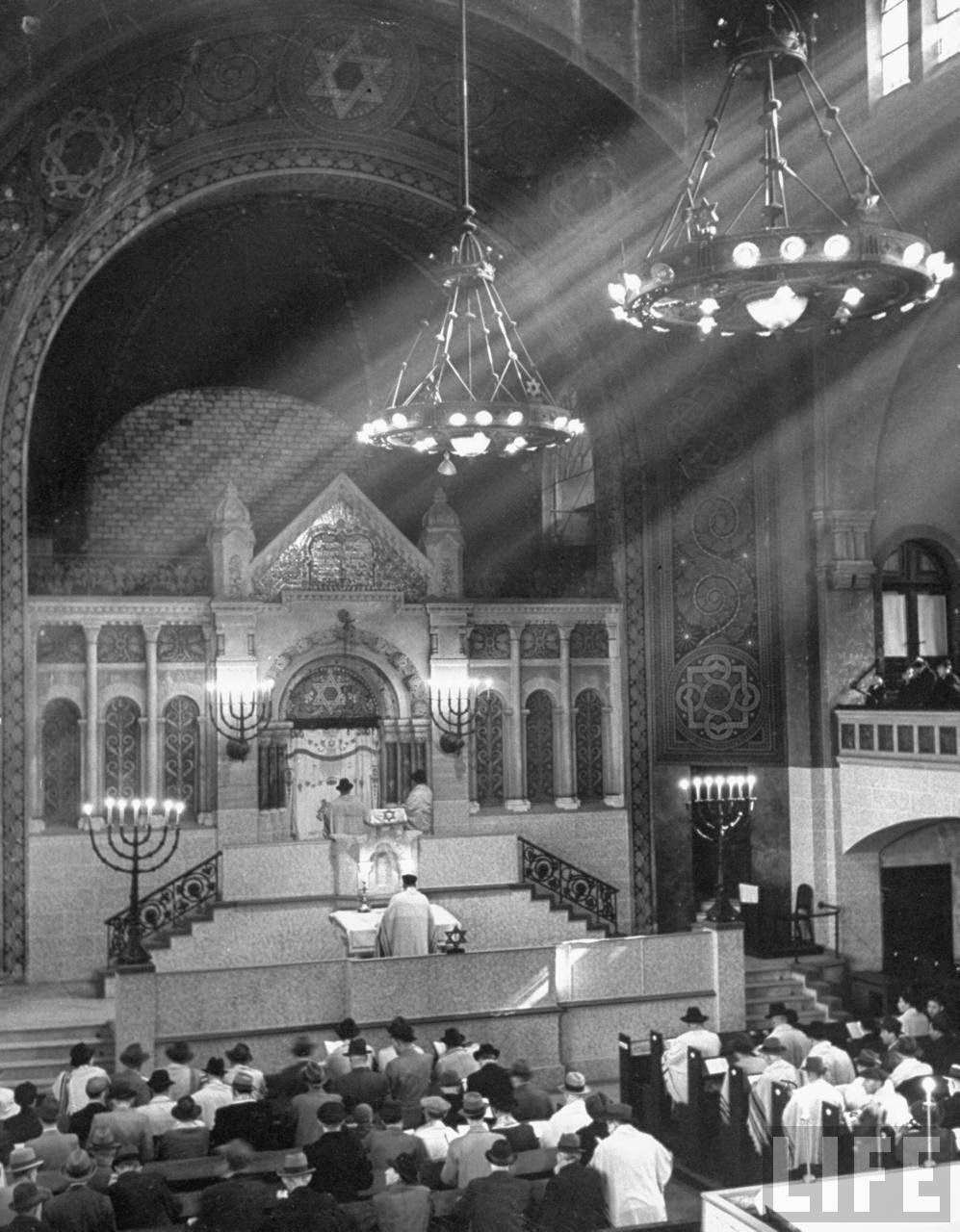
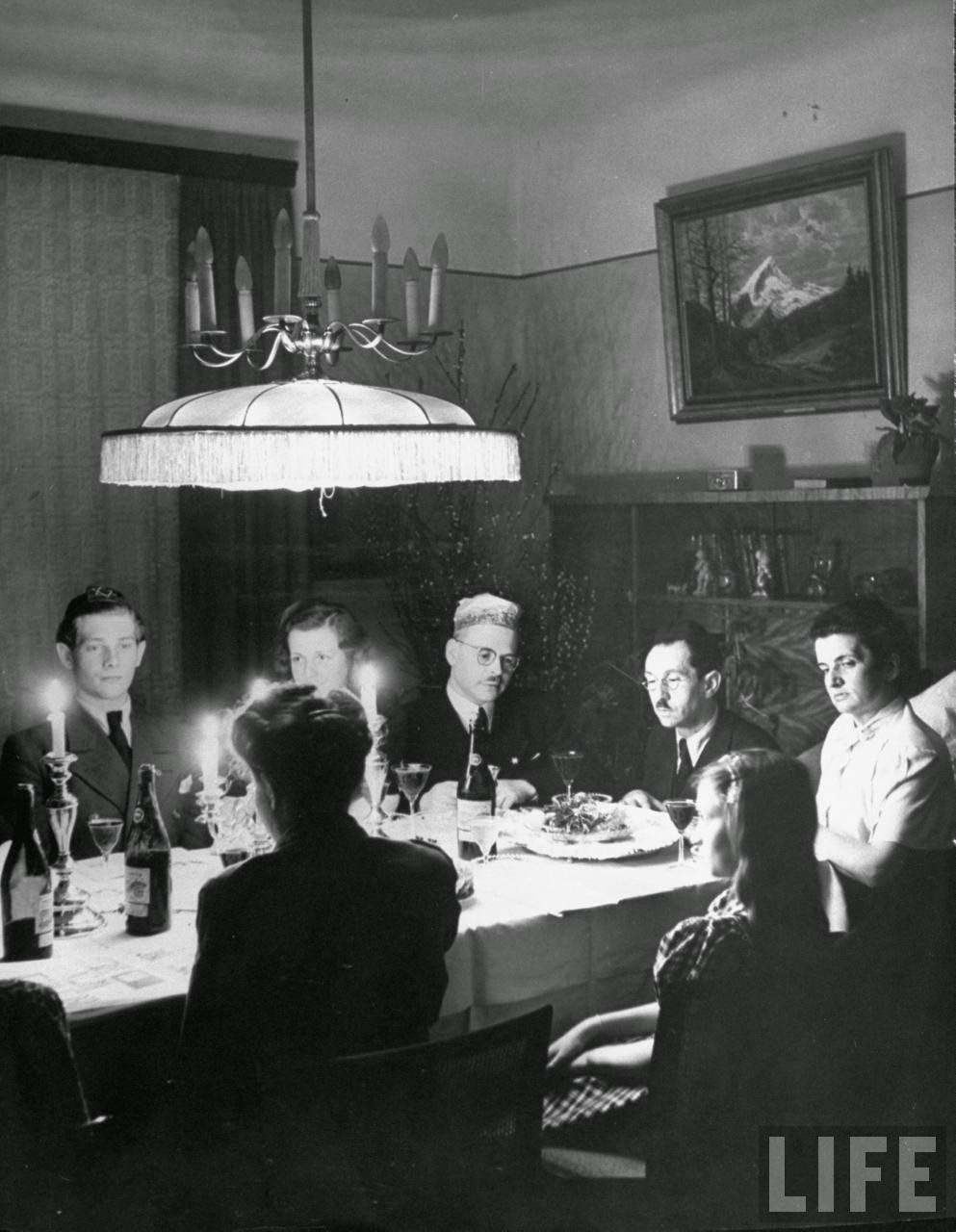
In Berlin, from around 1946 into the 1950s, Jewish families observed Passover both at home and in synagogues. Homes were carefully prepared for the festival. Tables were set with white cloths, candles, and ceremonial dishes for the Seder. Families cleaned their houses thoroughly to remove chametz, or leavened bread, which is prohibited during the holiday.
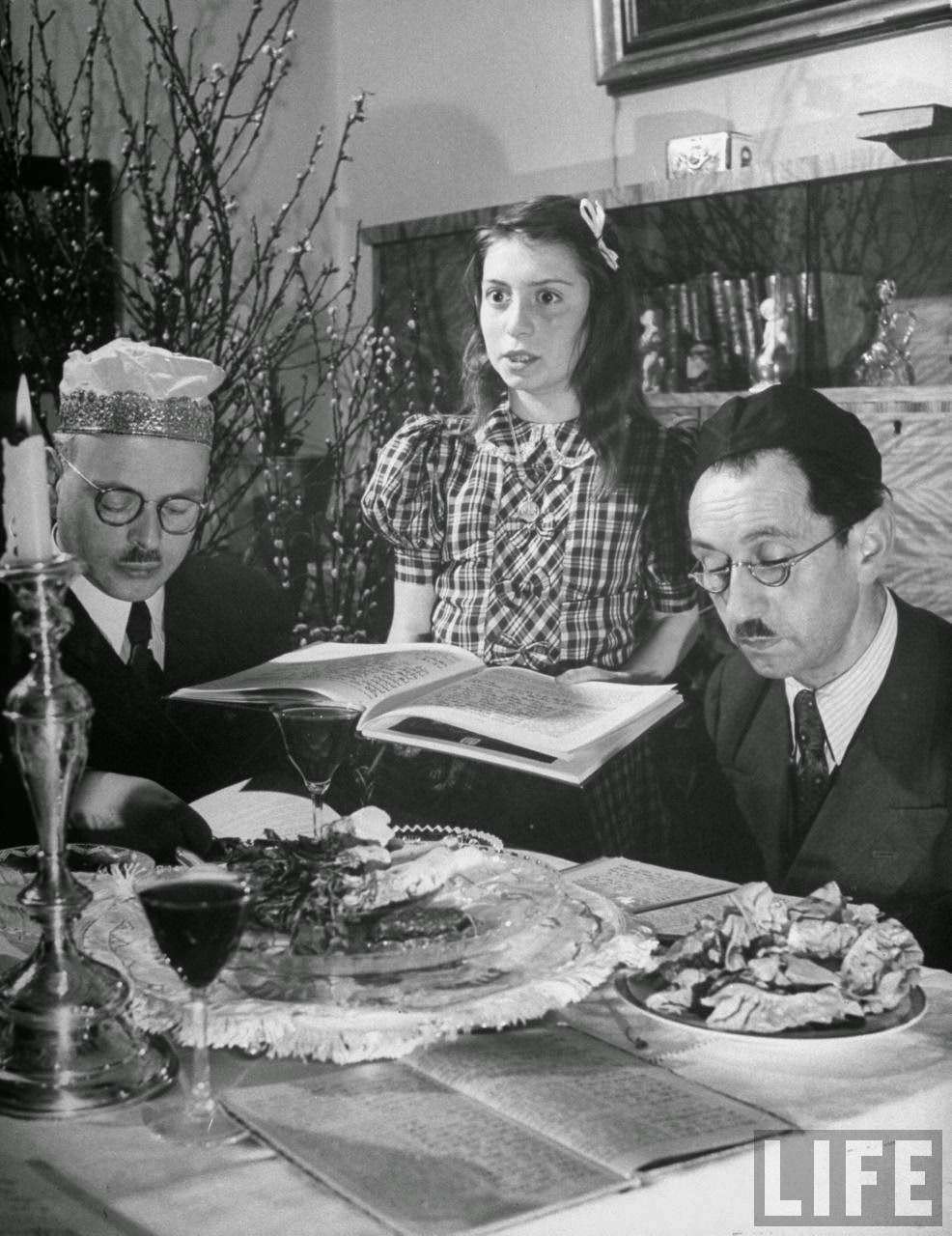
The Seder, a ritual meal held on the first nights of Passover, followed a strict order. Families read from the Haggadah, reciting prayers, singing songs, and recounting the story of the Exodus. Special foods were arranged on the Seder plate, including matzah, bitter herbs, charoset, and a roasted lamb bone. Children played an important role, asking the Four Questions to learn about the festival’s meaning.
Read more
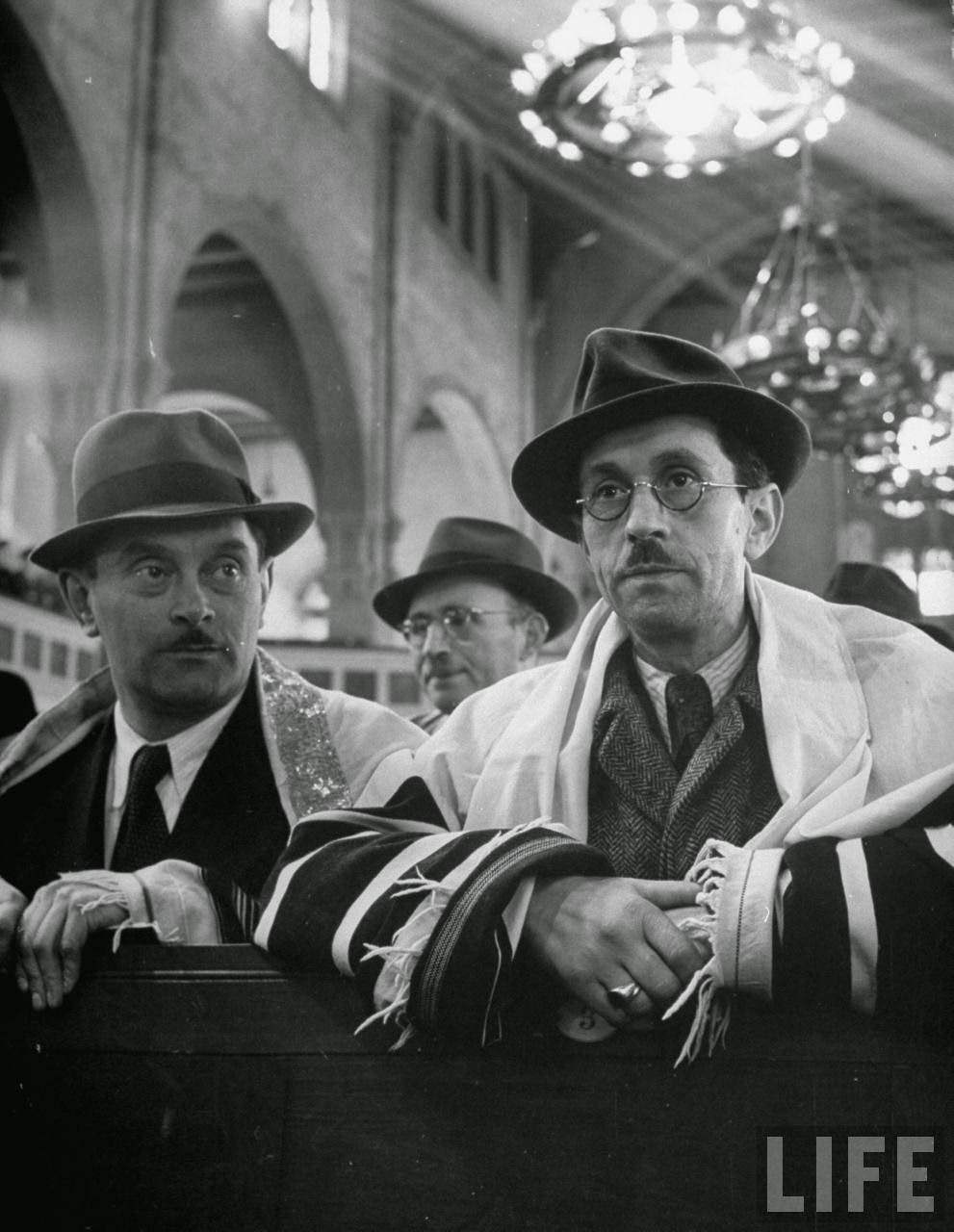
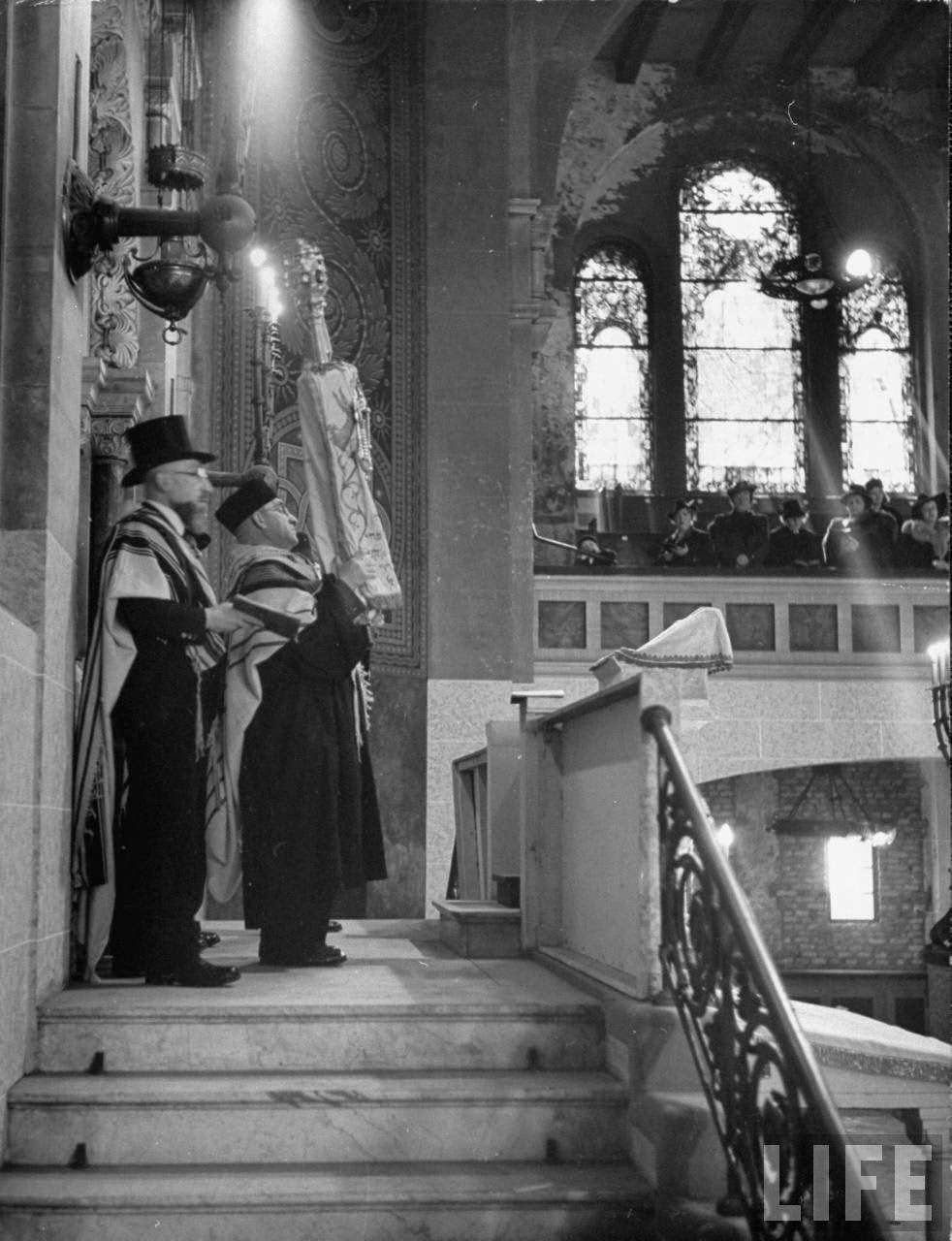
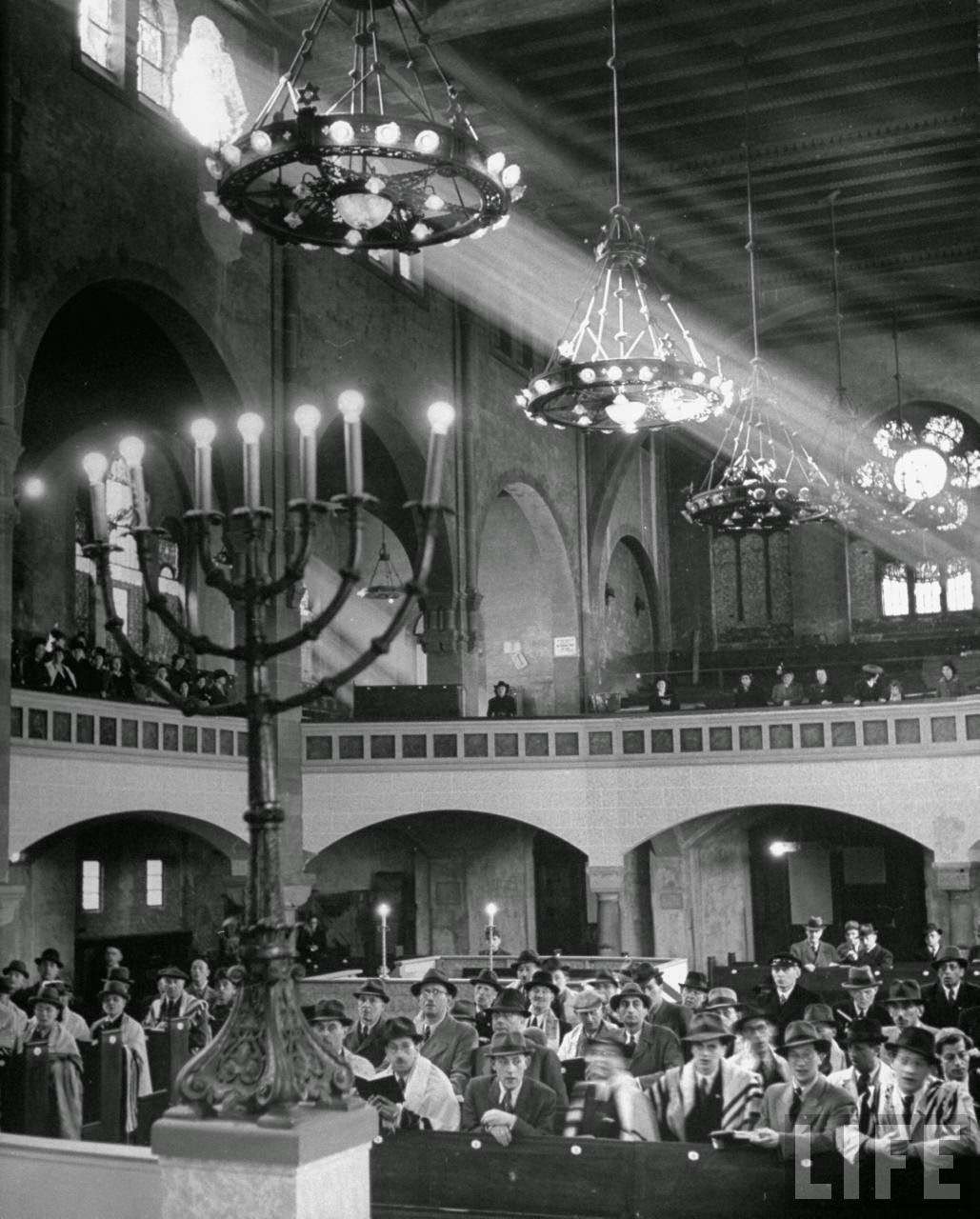
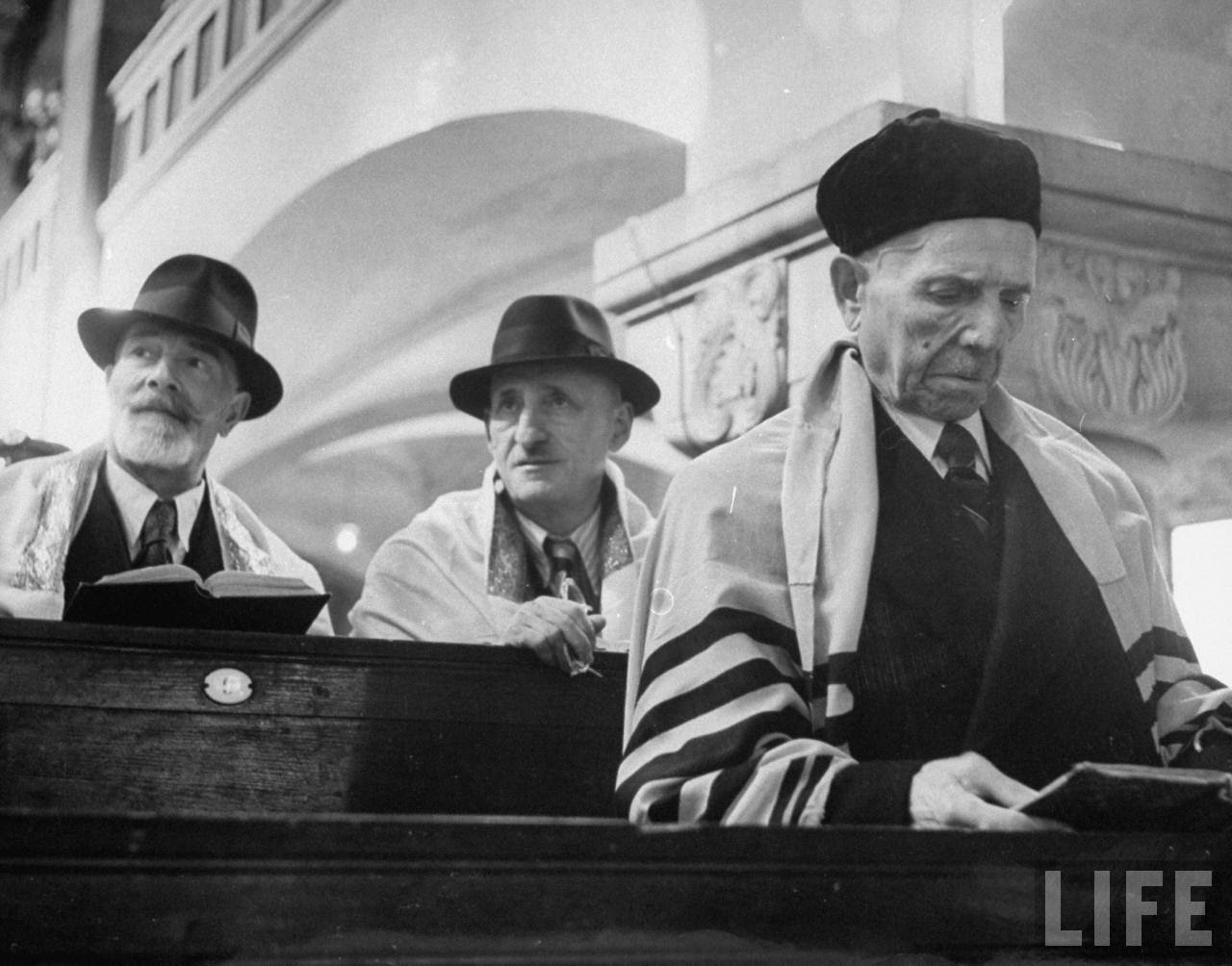
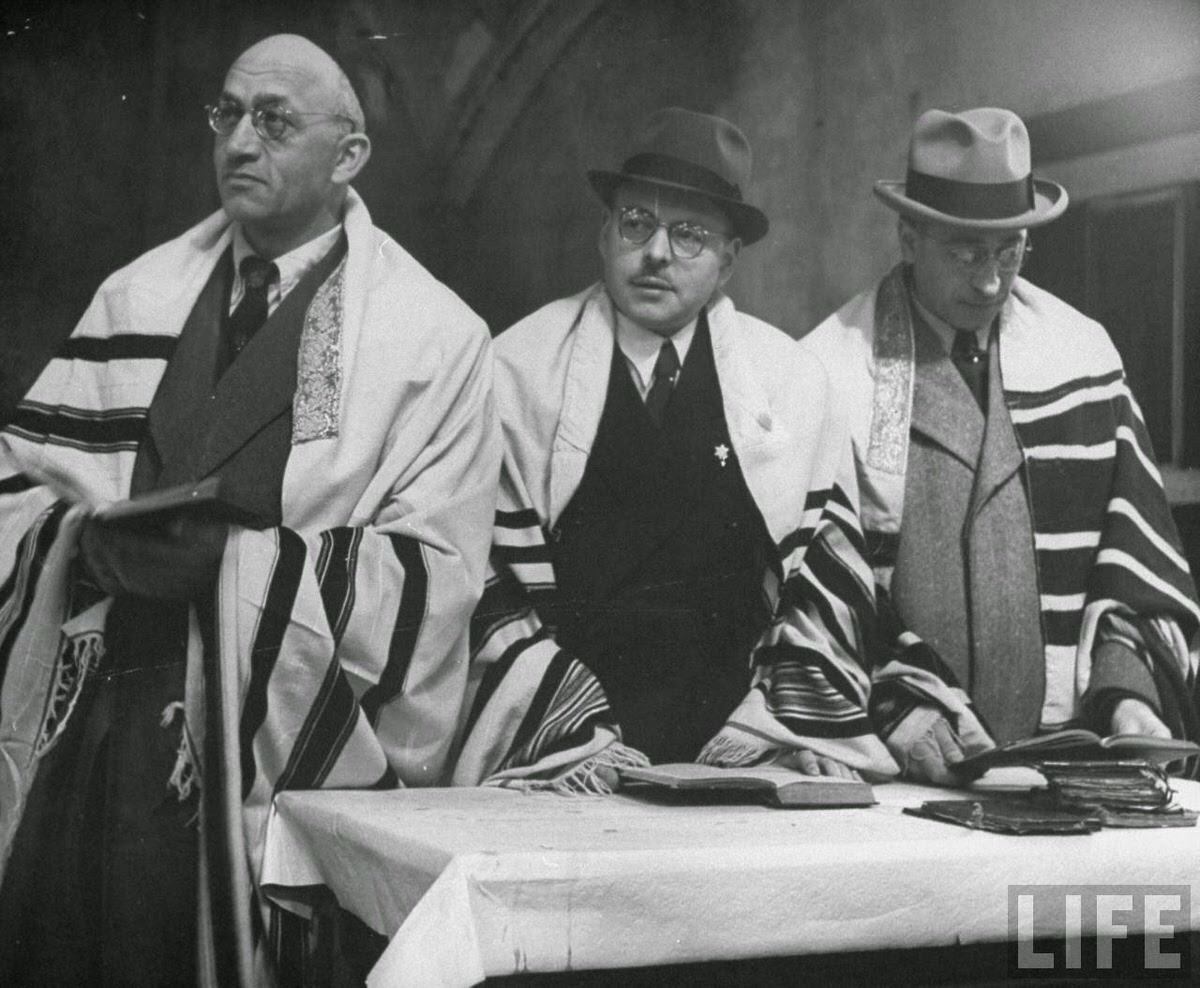
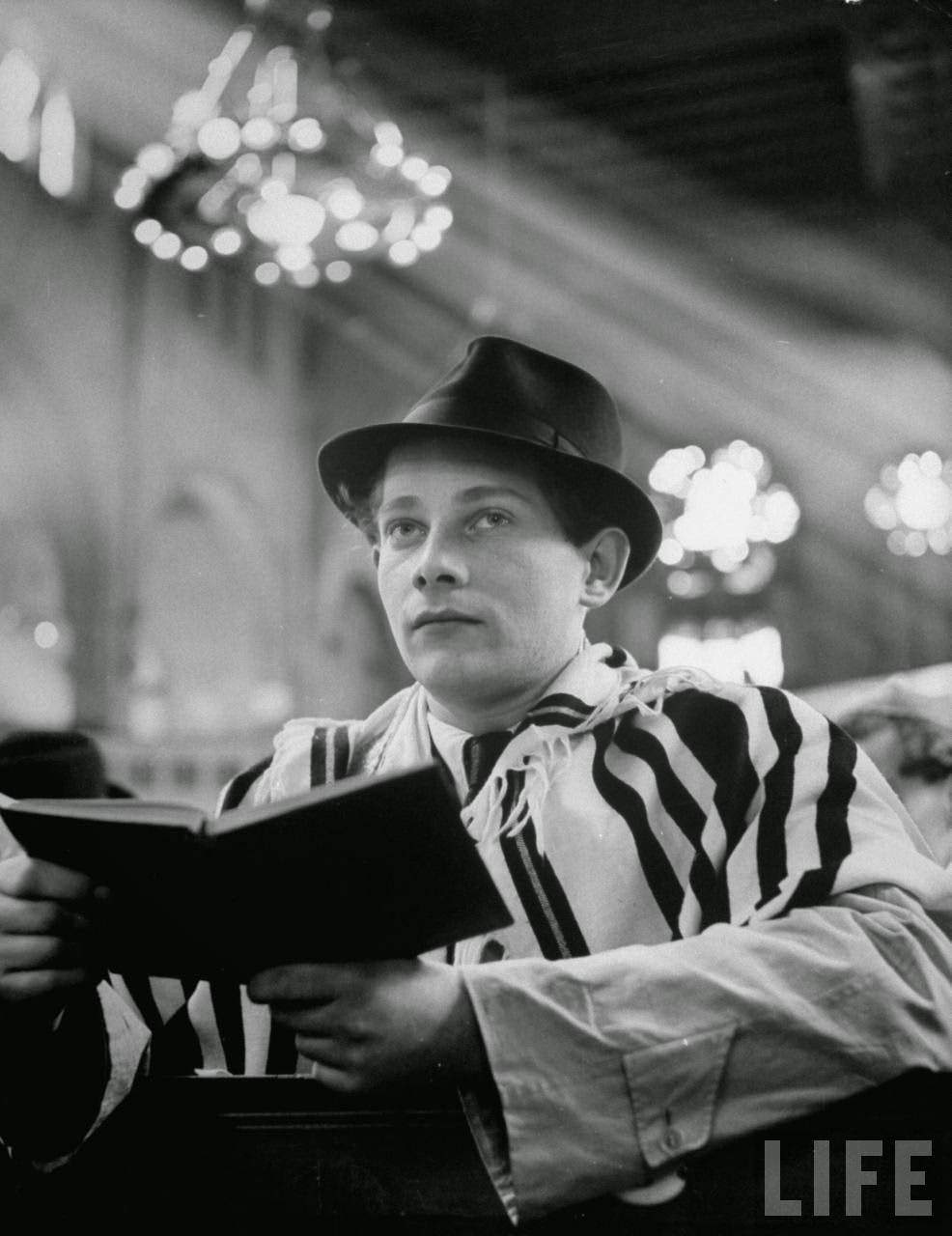
At home, families gathered around the table in close quarters. Homes also reflected the rebuilding of Jewish life after the devastation of World War II. Congregants dressed formally for services. Men often wore kippot or hats, and women covered their heads according to custom. Services included readings, songs, and collective prayers that connected the community.
Children were present both at home and in synagogue. Their participation was essential for passing on traditions. They sang songs, lifted cups for blessings, and sometimes helped in the preparation of ceremonial foods.
In the postwar years, Passover observances also represented resilience. Families who had survived persecution rebuilt their rituals despite economic and social challenges. Special care was given to preserve the religious practices, from the Seder meal at home to the synagogue ceremonies.