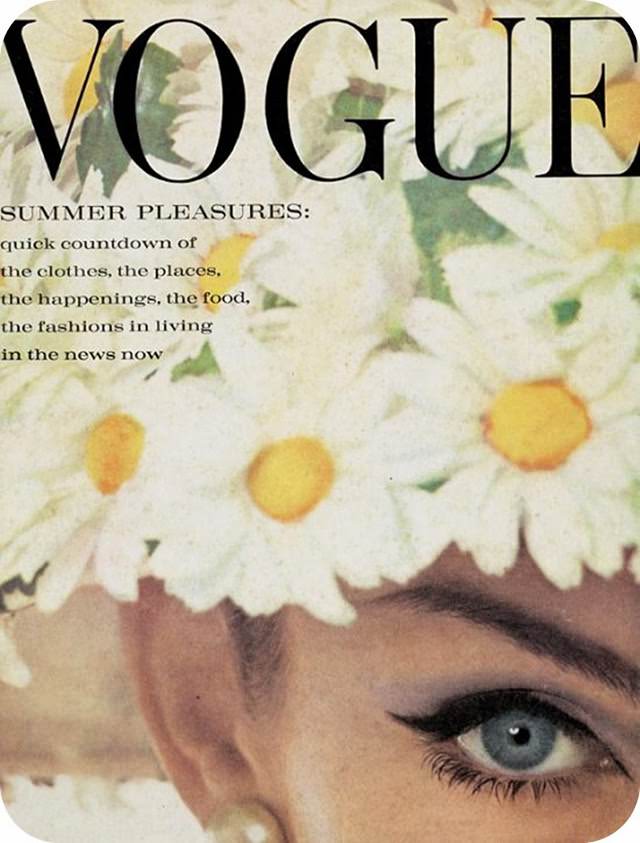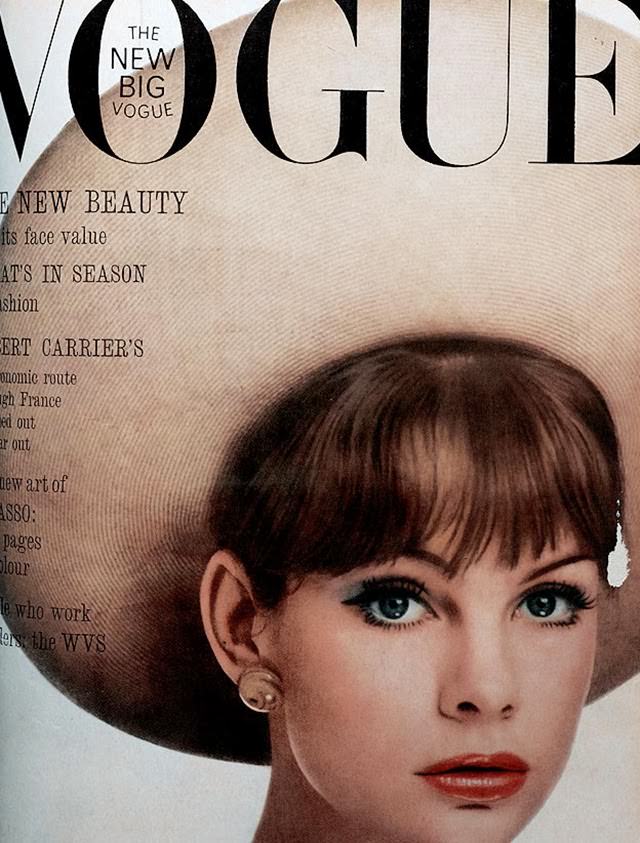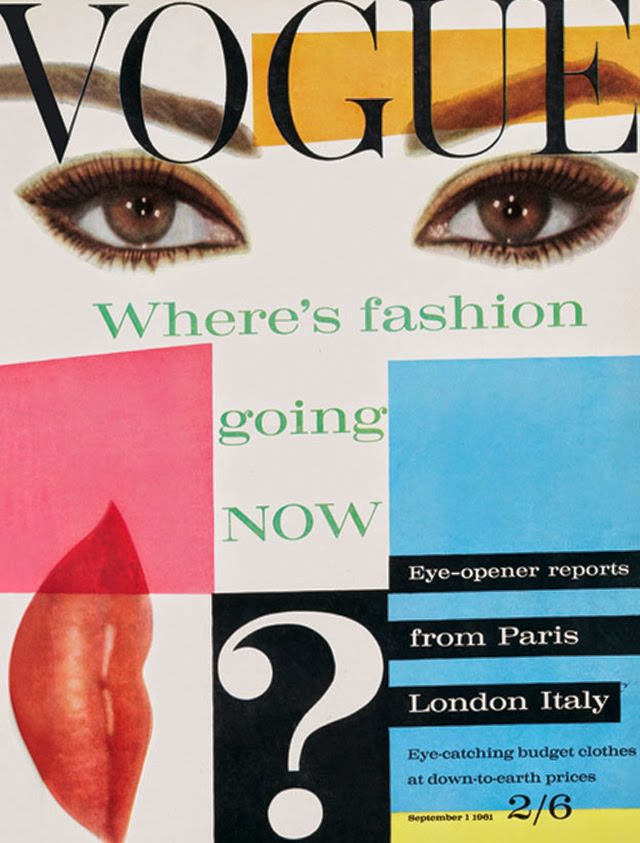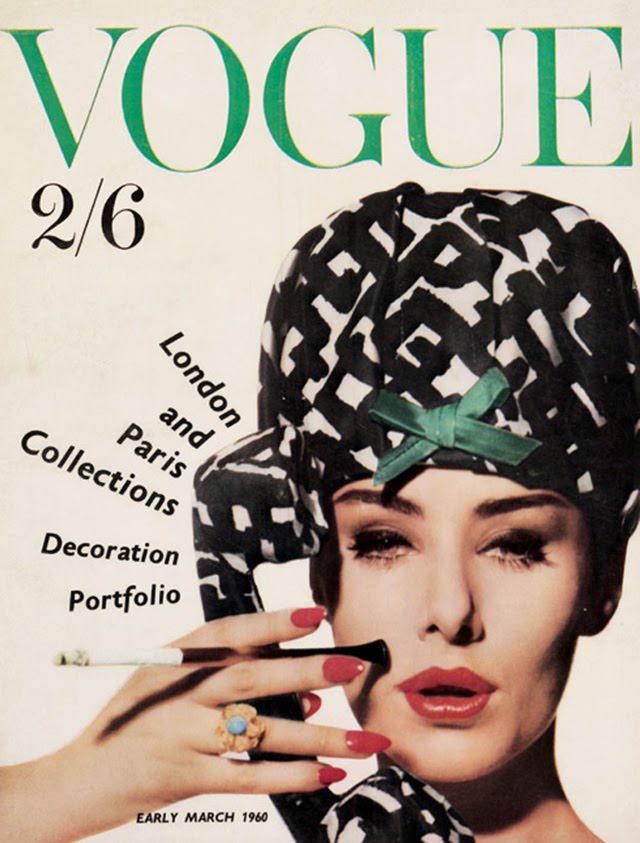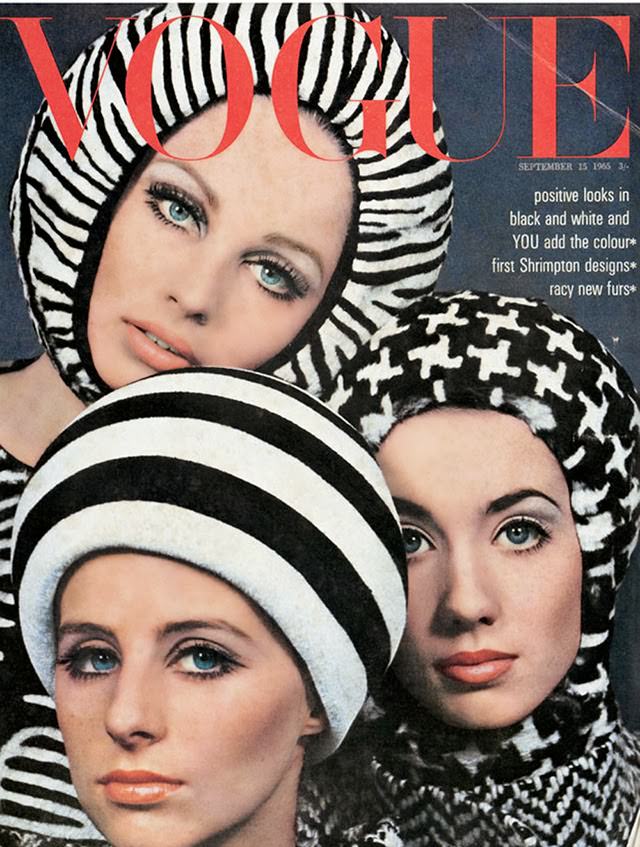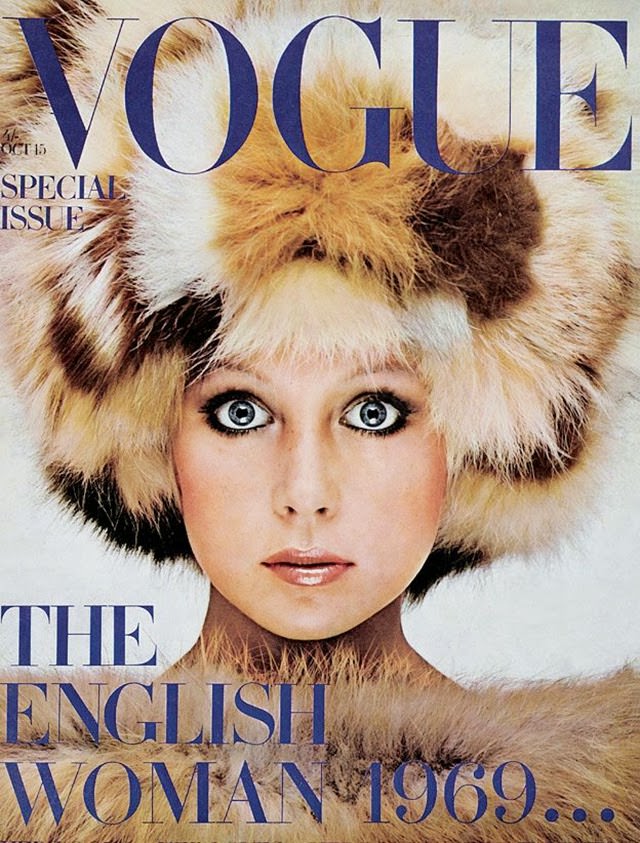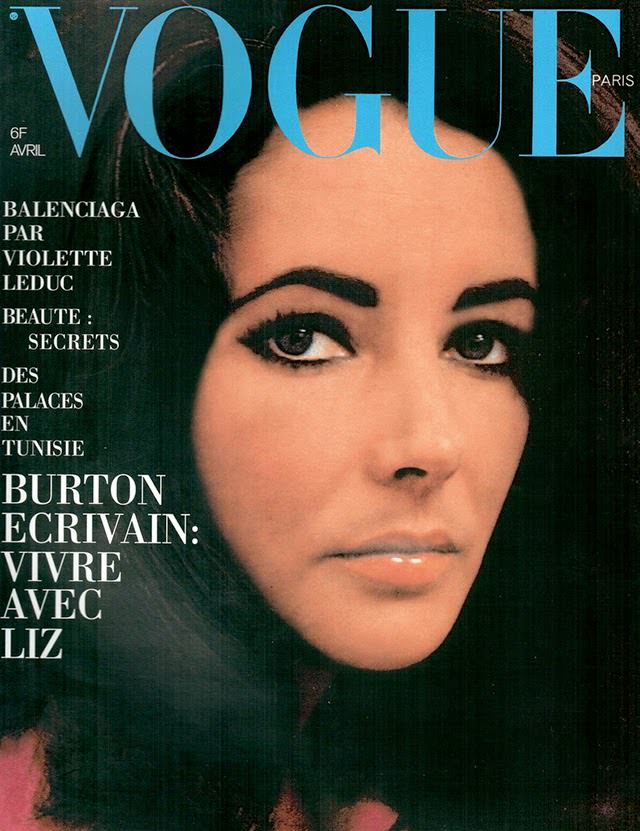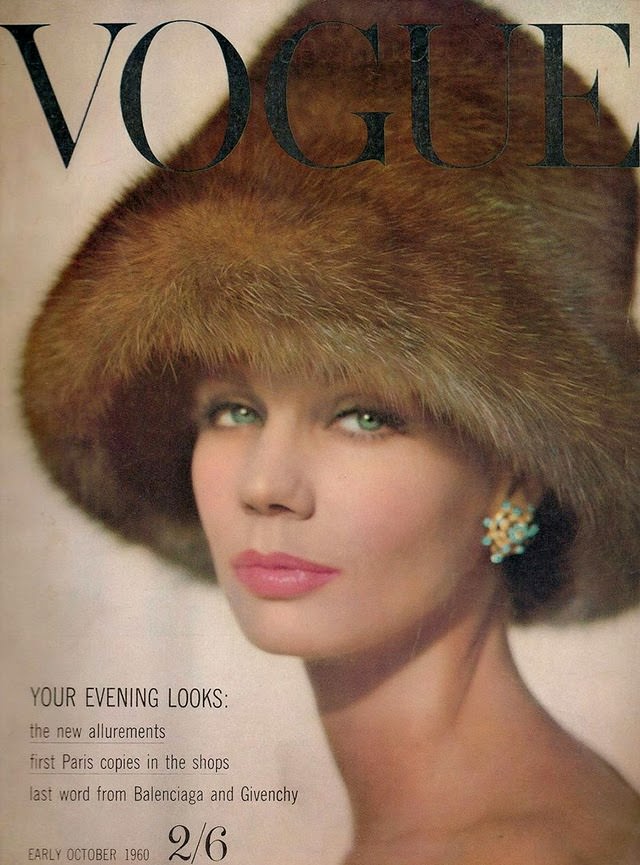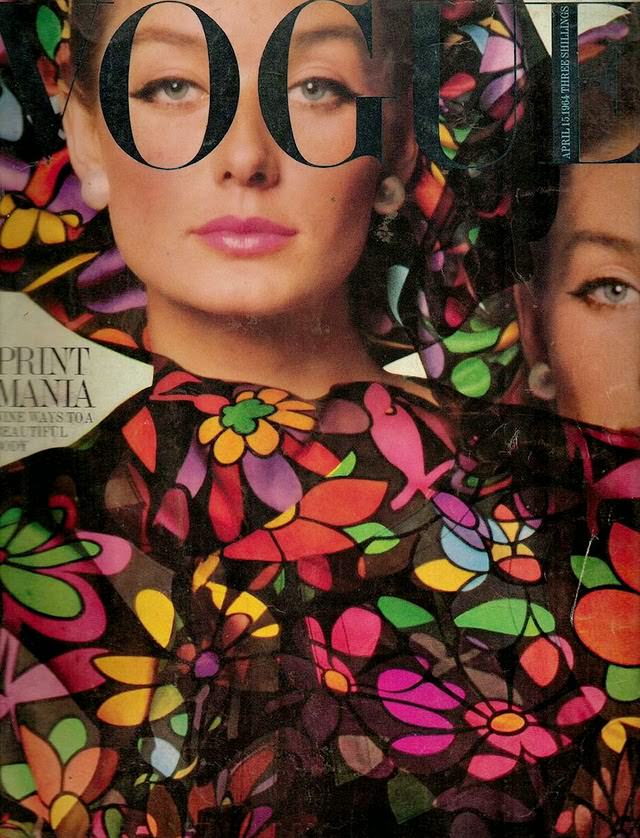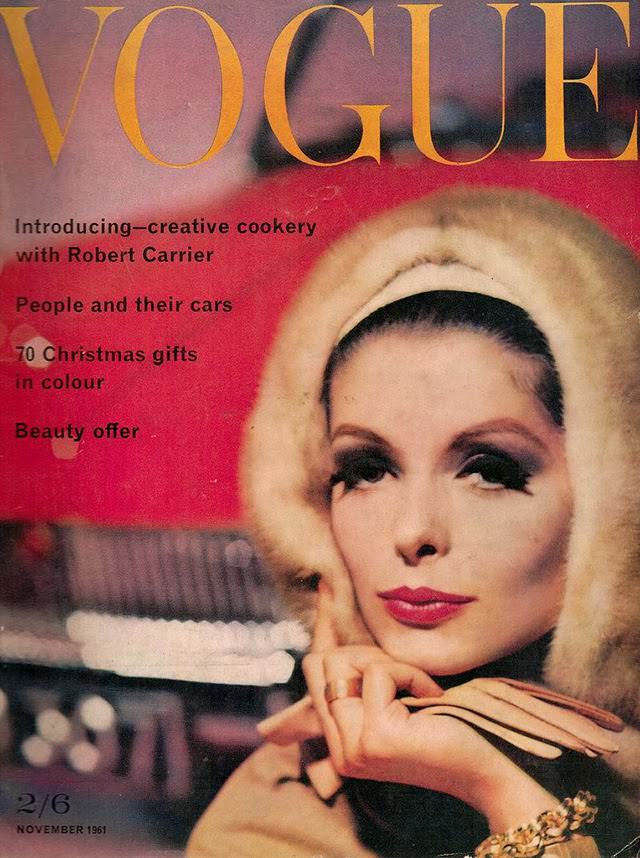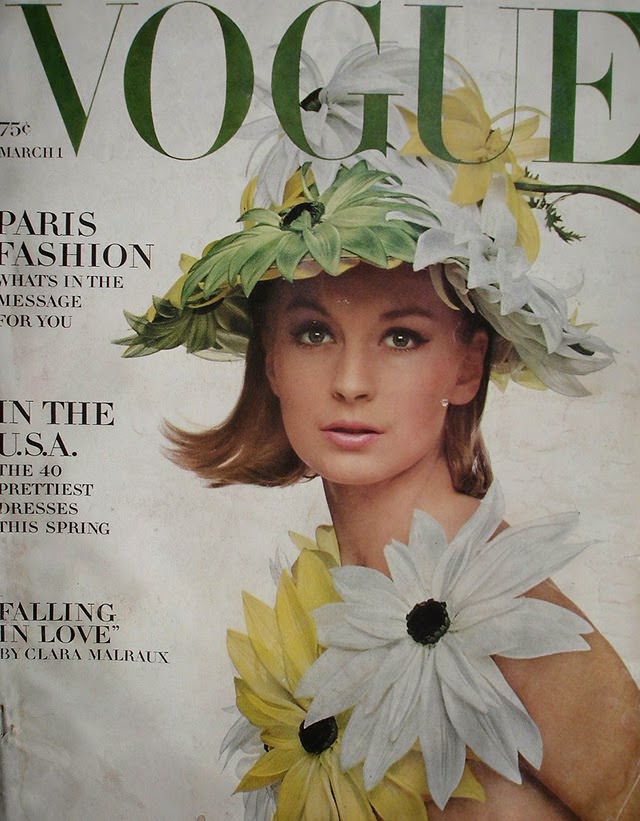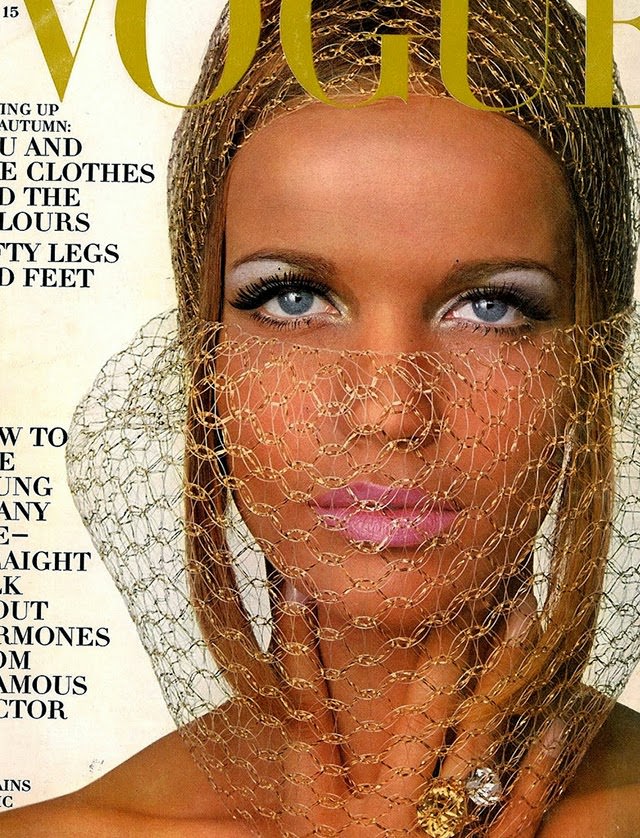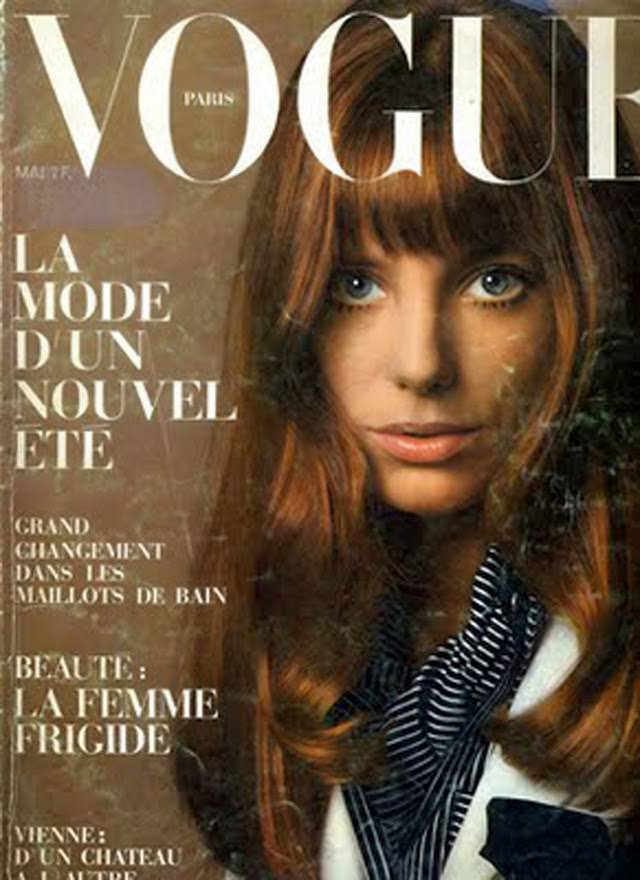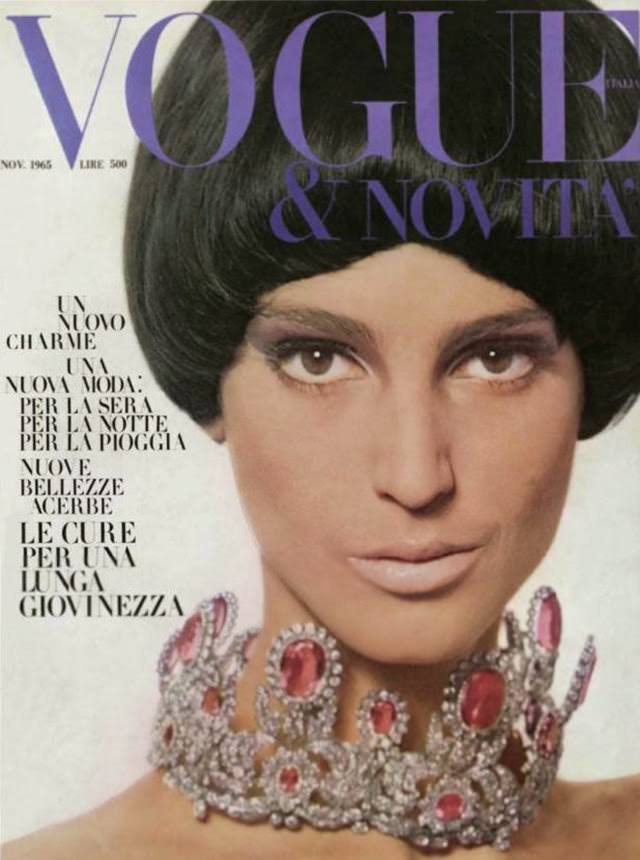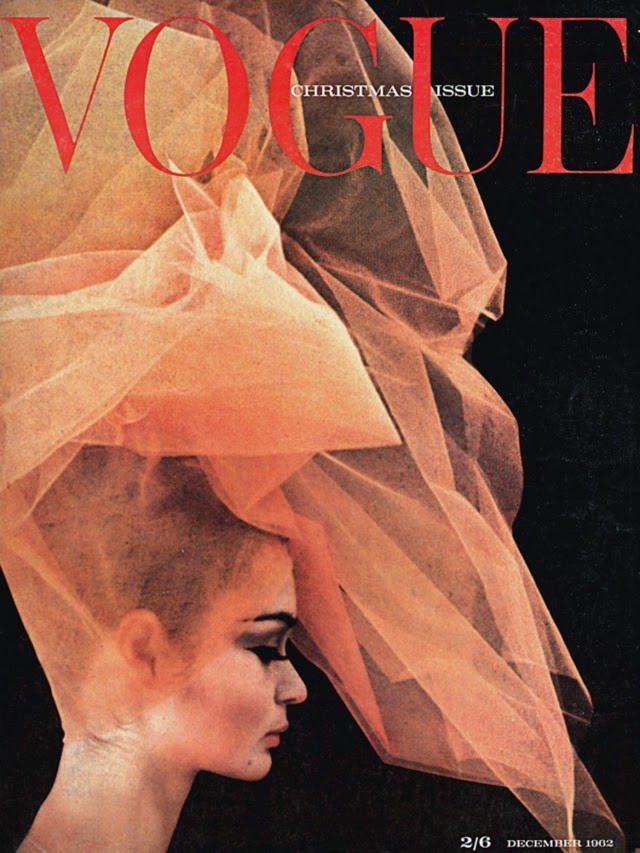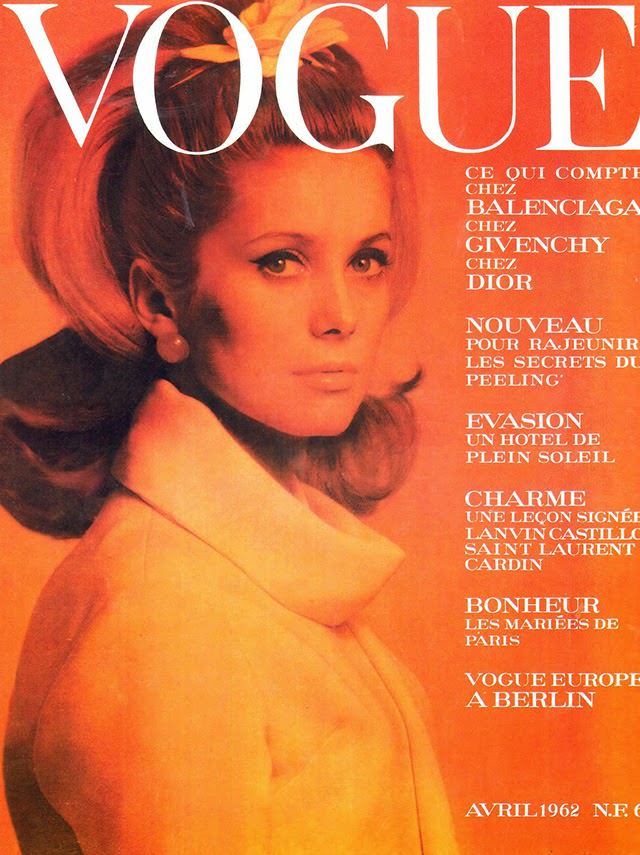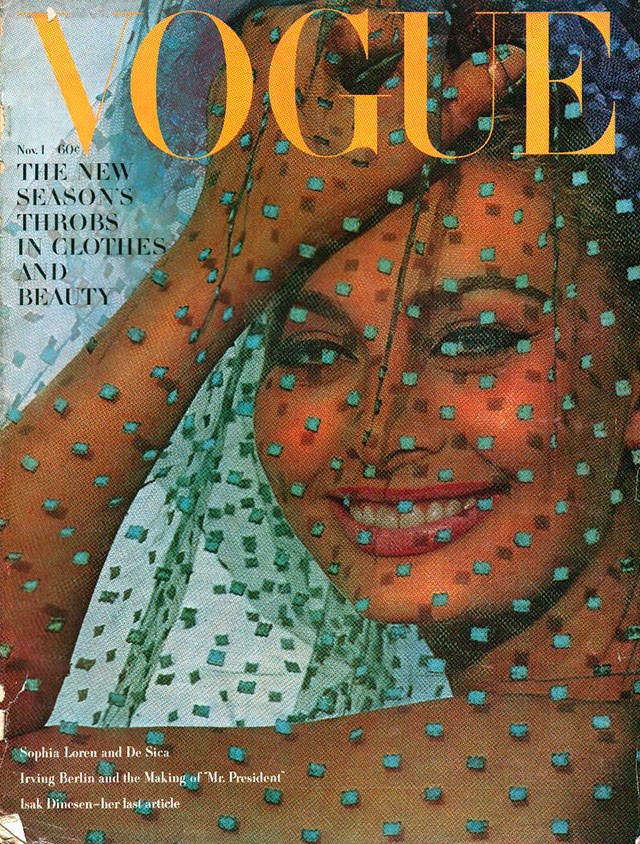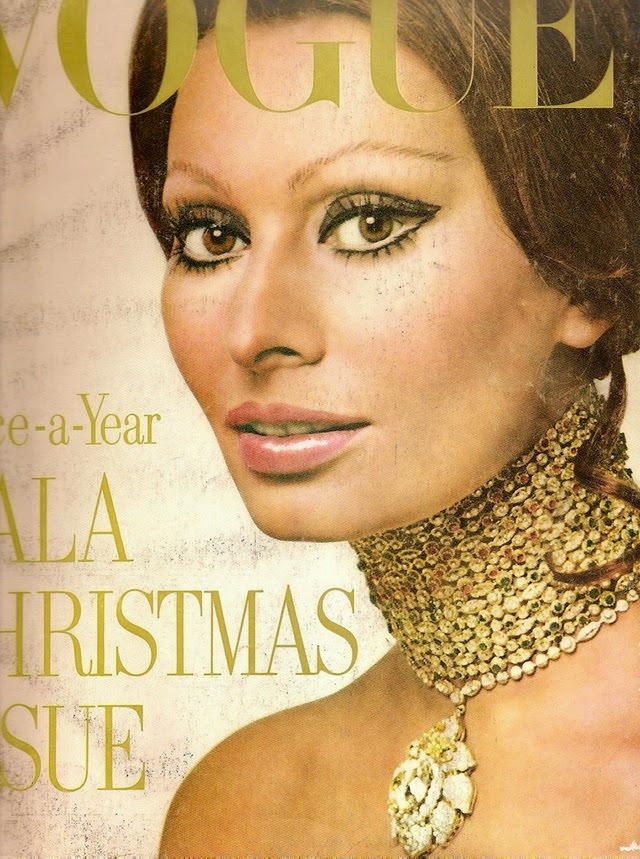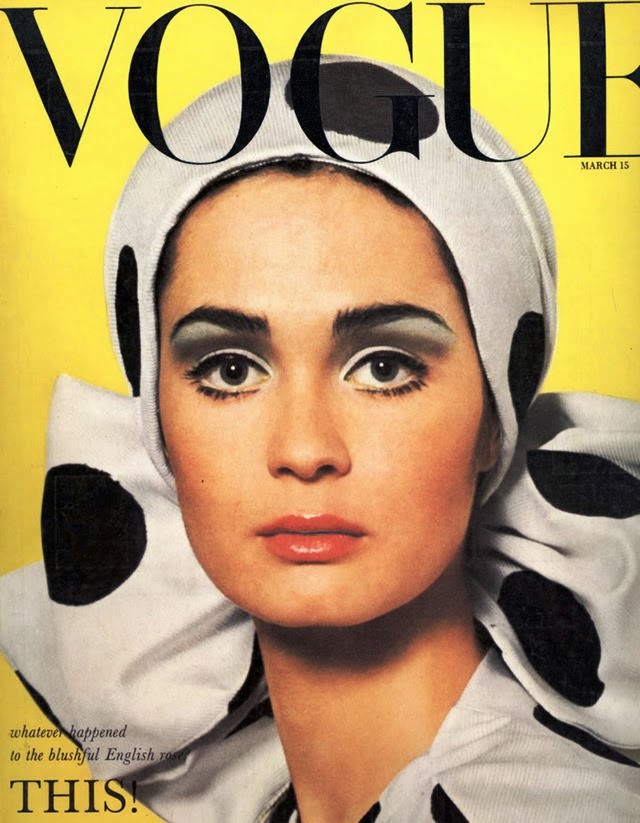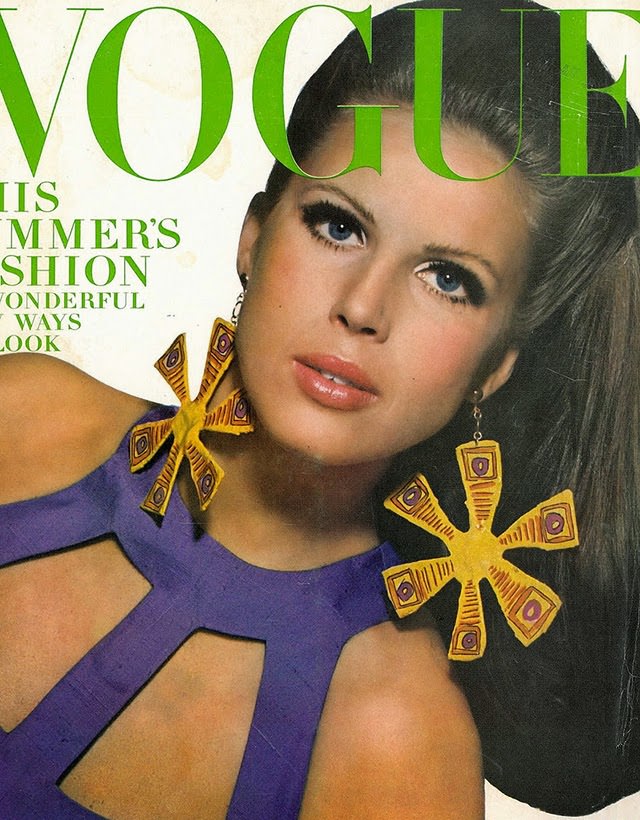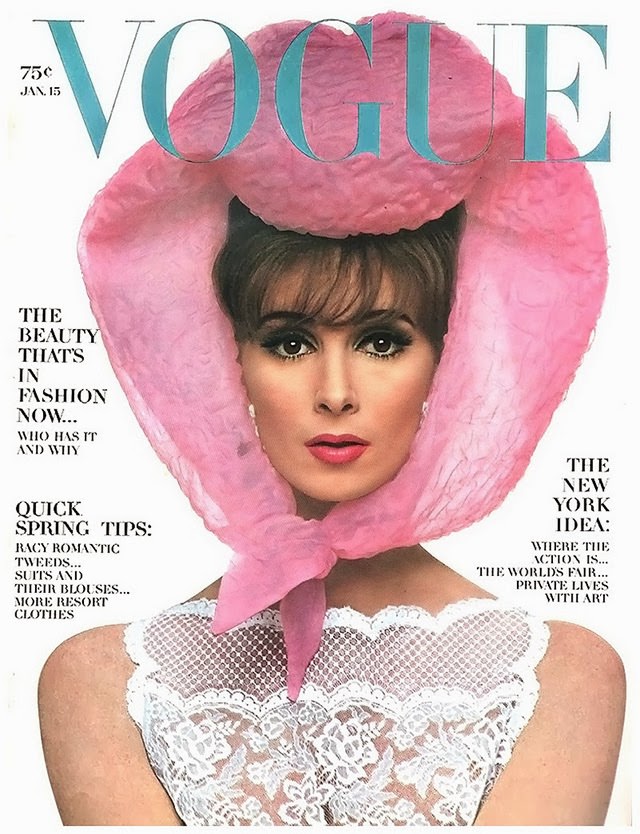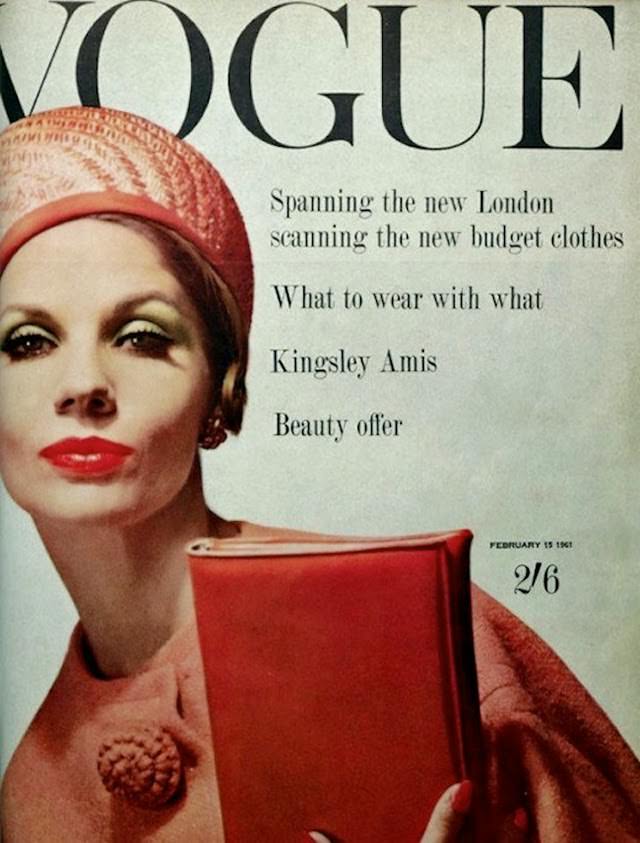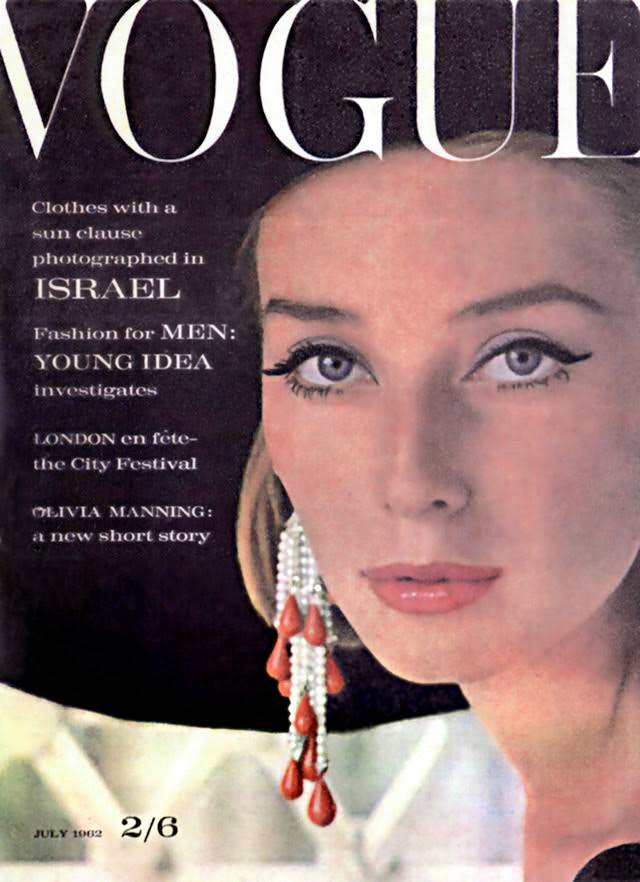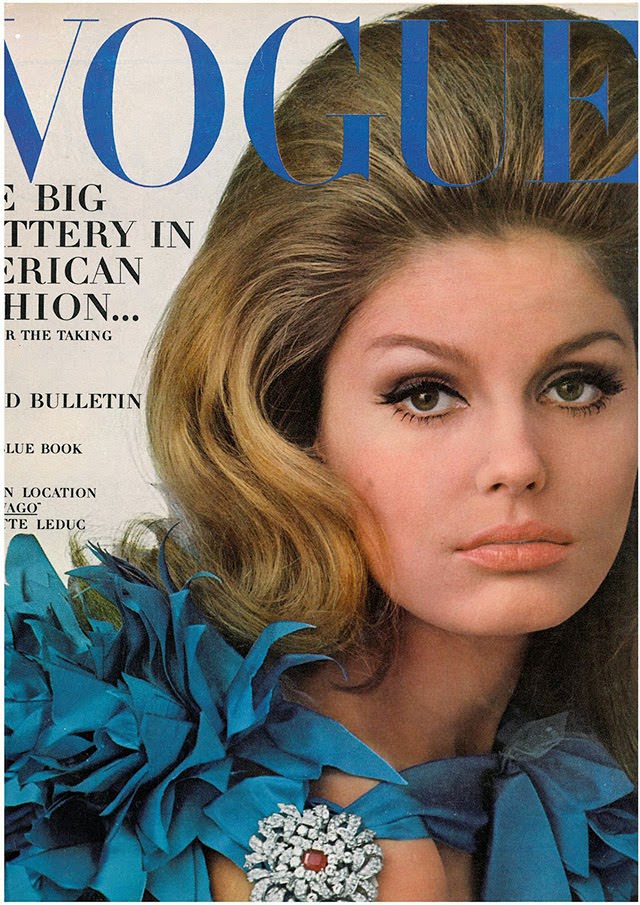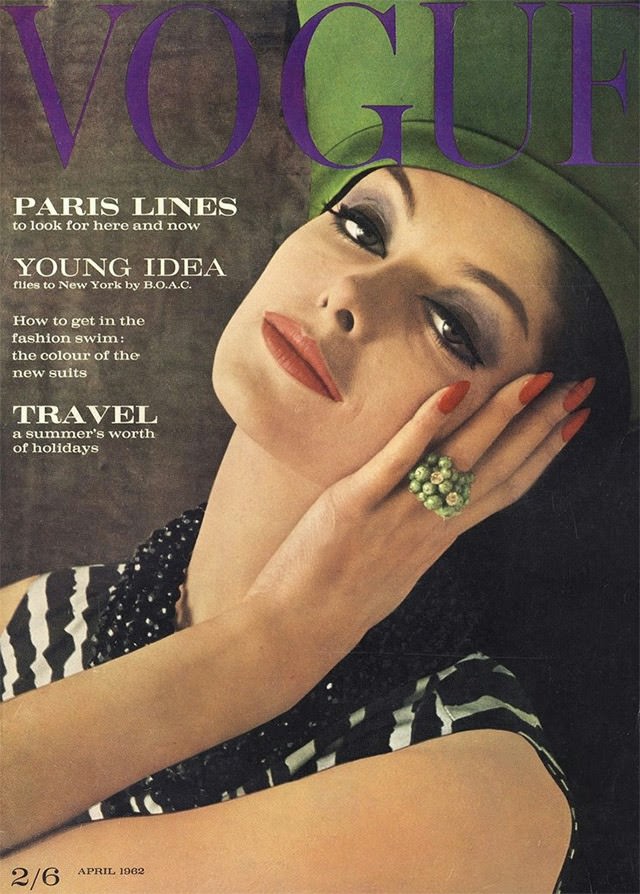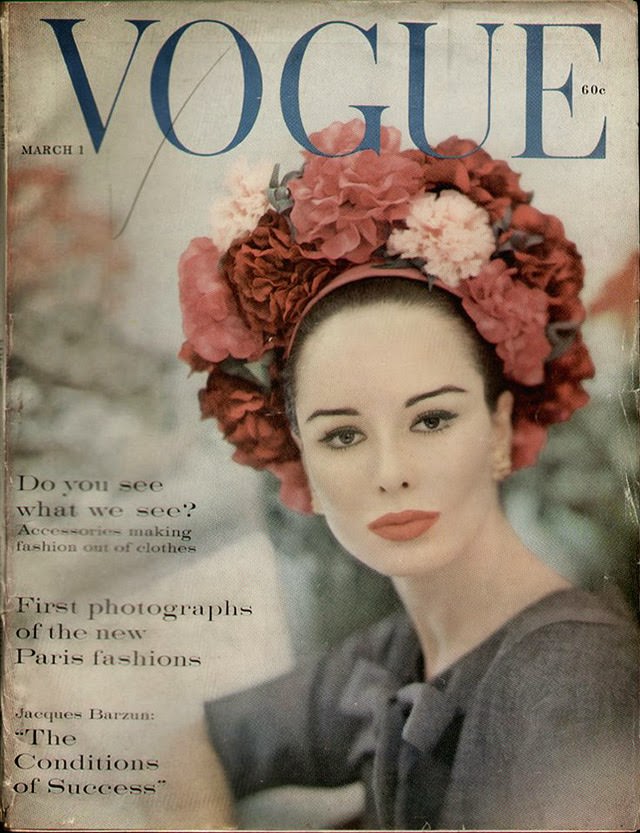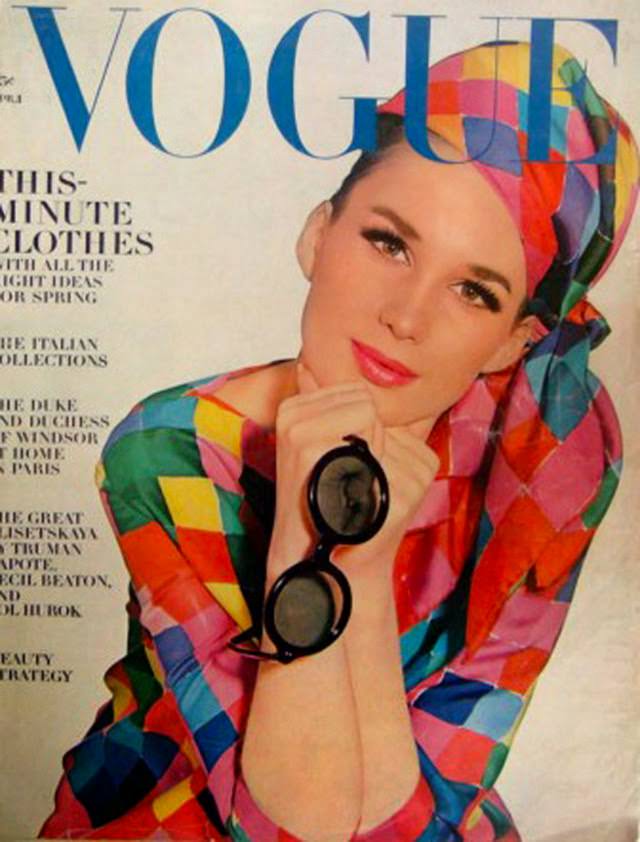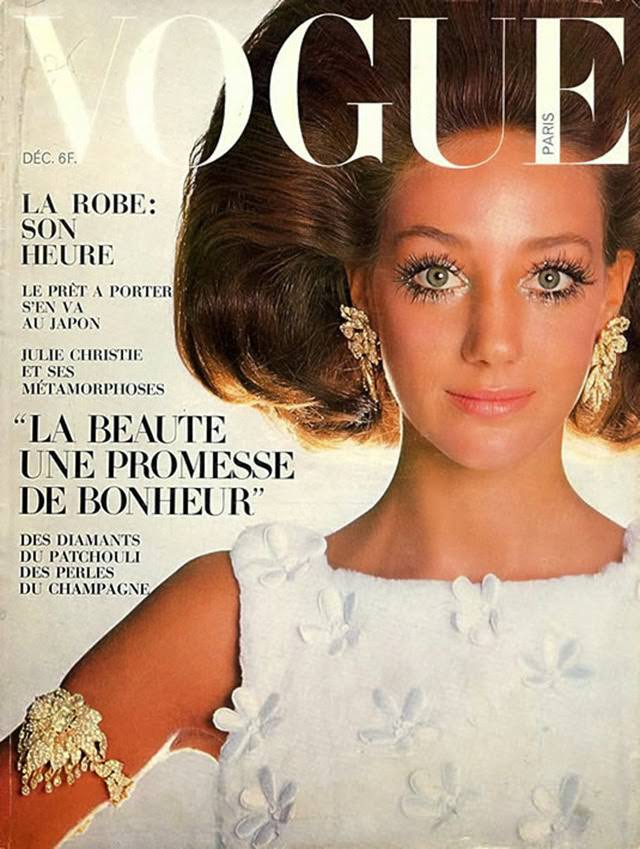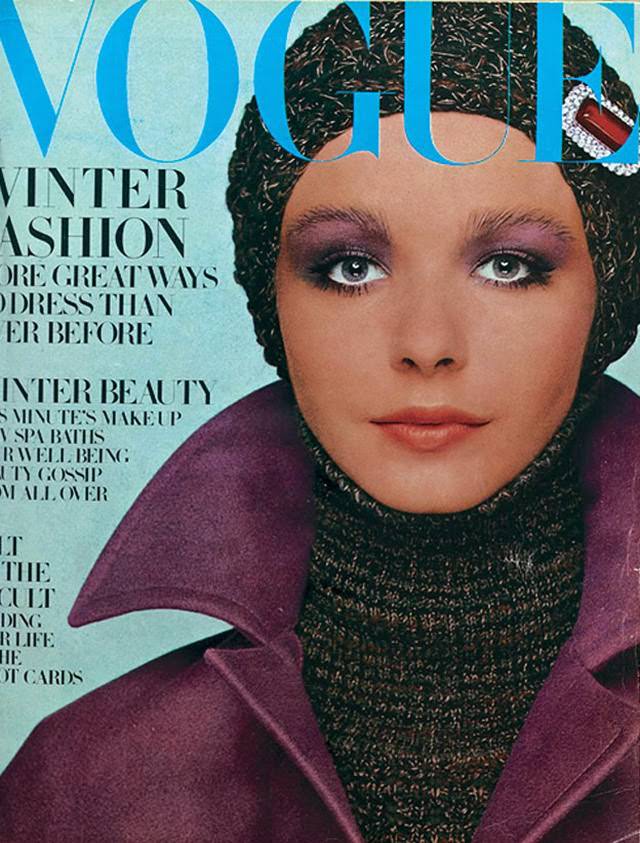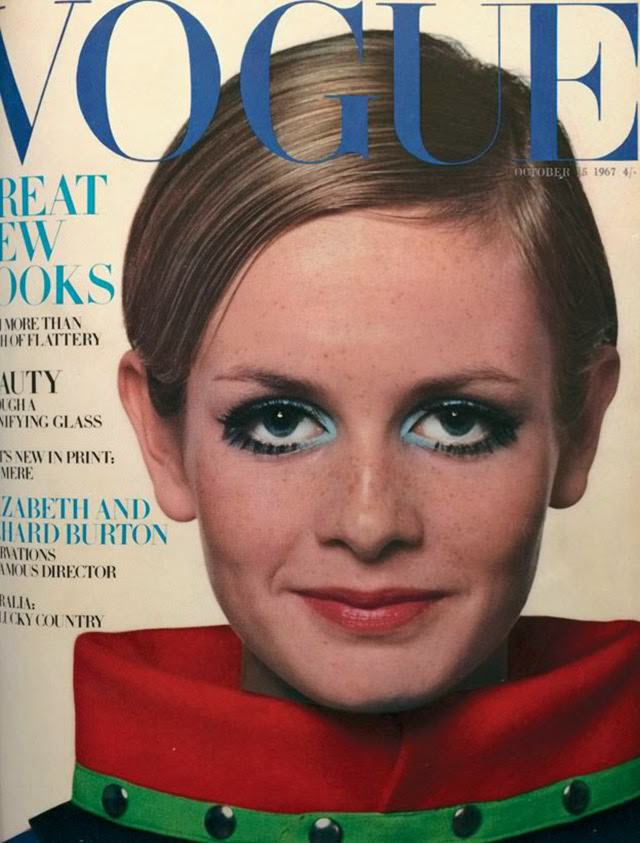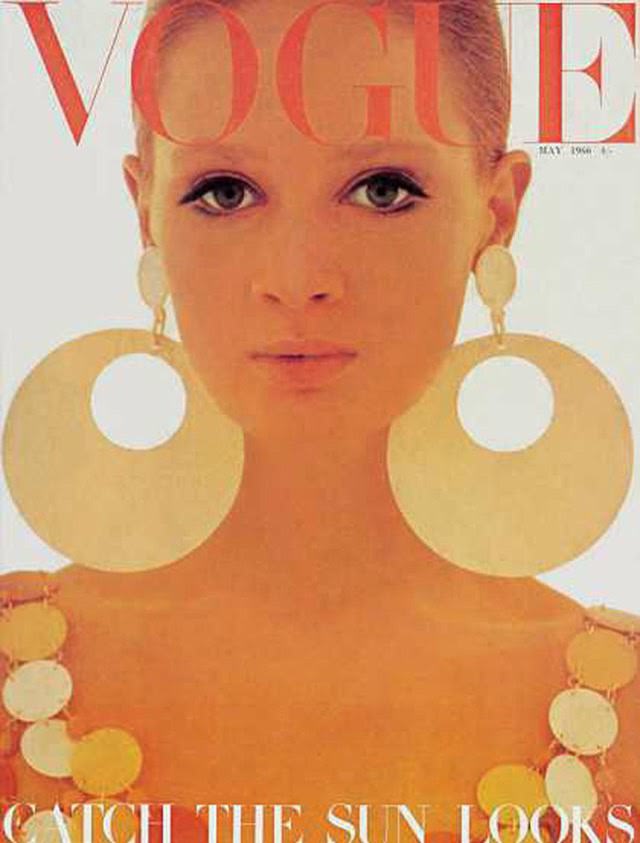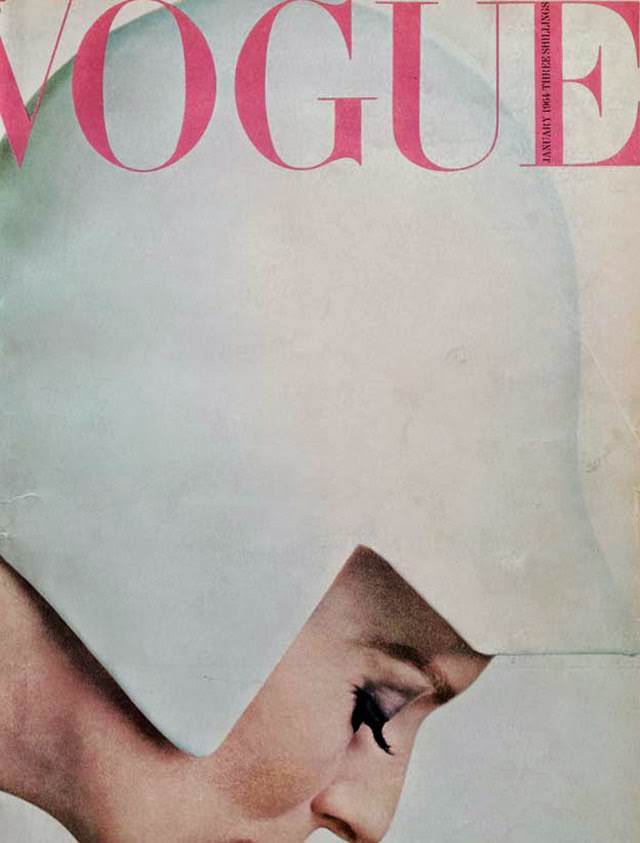

In the early 1960s, Vogue covers abandoned the distant, lady-like poses of the 1950s. The camera moved in for extreme close-ups. Photographers like Irving Penn filled the entire frame with a model’s face, often cropping out the hair and neck entirely. This technique forced the viewer to focus on the eyes. Makeup artists applied heavy black eyeliner, false lashes, and pale lipstick to create the “doe-eyed” look. This aesthetic signaled that the magazine was now speaking to a younger, bolder generation.
The Disappearing Masthead
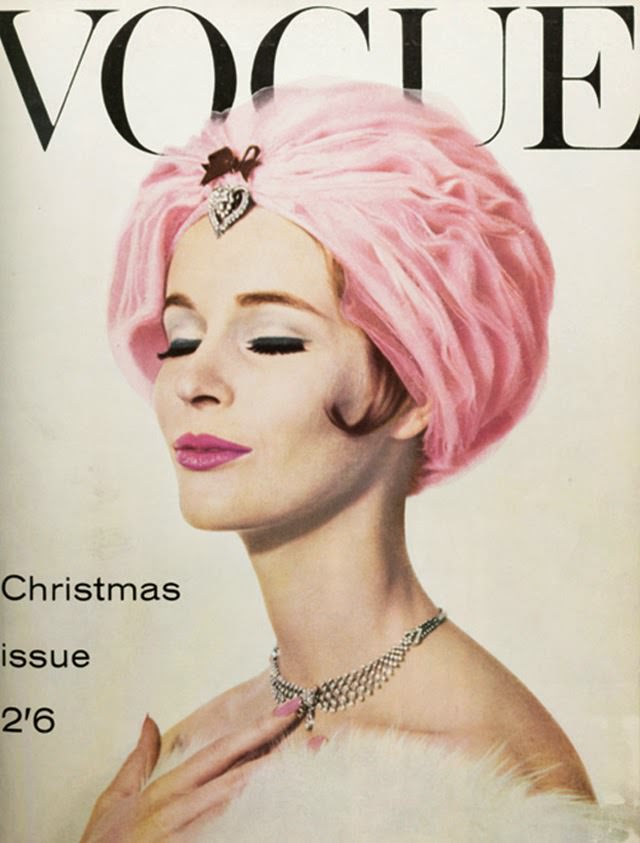
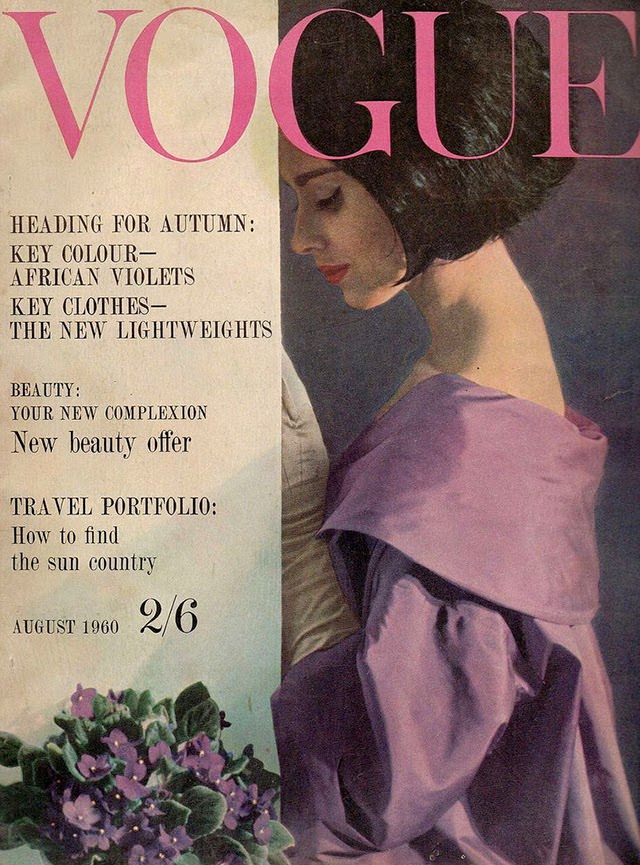
For decades, the word “VOGUE” at the top of the magazine was sacred. No object was allowed to block the letters. During the 1960s, art directors broke this rule. They allowed the models to interact with the title. In several iconic issues, a model’s head, hat, or hand covered parts of the “V,” “O,” or “G.” This design choice proved that the brand was so strong it did not need to be fully visible to be recognized. It integrated the text and the image into a single, cohesive piece of art.
The Reign of Jean Shrimpton
One face dominated the newsstands more than any other. Jean Shrimpton, a British model nicknamed “The Shrimp,” appeared on 19 Vogue covers. She represented the “Youthquake” movement. Unlike the haughty, statuesque models of the past, Shrimpton looked approachable and modern. She often appeared with windblown hair and minimal jewelry. Her covers captured a sense of spontaneity, replacing the rigid studio portraits with images that looked like caught moments in time.
Read more
Movement and Action
Richard Avedon introduced kinetic energy to the cover slots. He refused to let his subjects stand still. He directed models like Veruschka to leap, run, or twist their bodies. On the cover, this translated to blurred edges and flying garments. A 1965 cover featured Marisa Berenson with bright green, feathered accessories whipping around her head. This emphasis on motion reflected the fast-paced lifestyle of the “Jet Set” era.
The Psychedelic Shift
As the decade moved toward 1967 and 1968, the covers embraced the psychedelic art movement. The backgrounds shifted from solid colors to swirling, acid-trip patterns. Bright neon greens, pinks, and oranges clashed deliberately. On some covers, the model’s face was painted with flowers or geometric shapes. In 1969, a cover featured a model with her eyes closed, covered in trippy, colorful makeup, symbolizing the dreamlike state of the counterculture ending the decade.