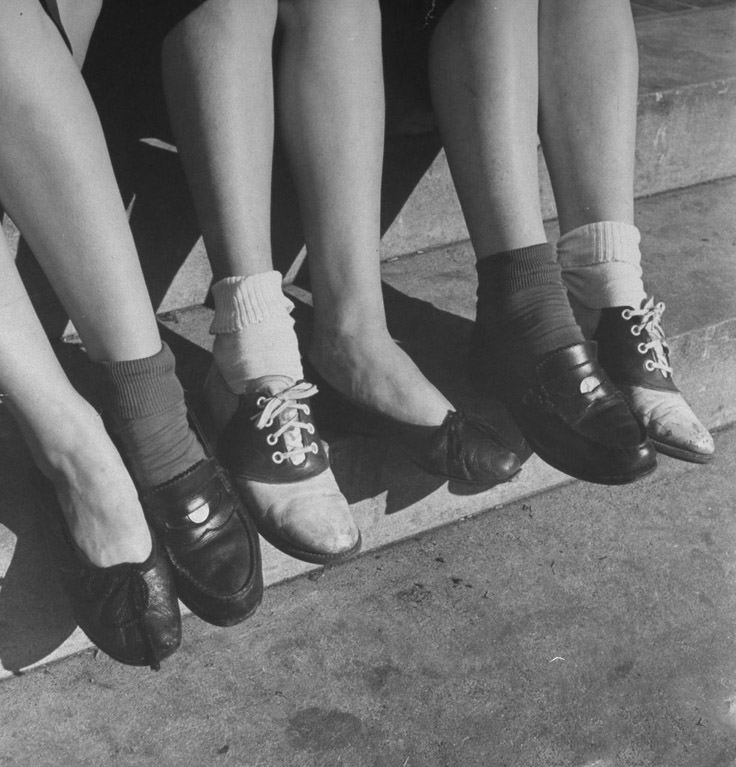
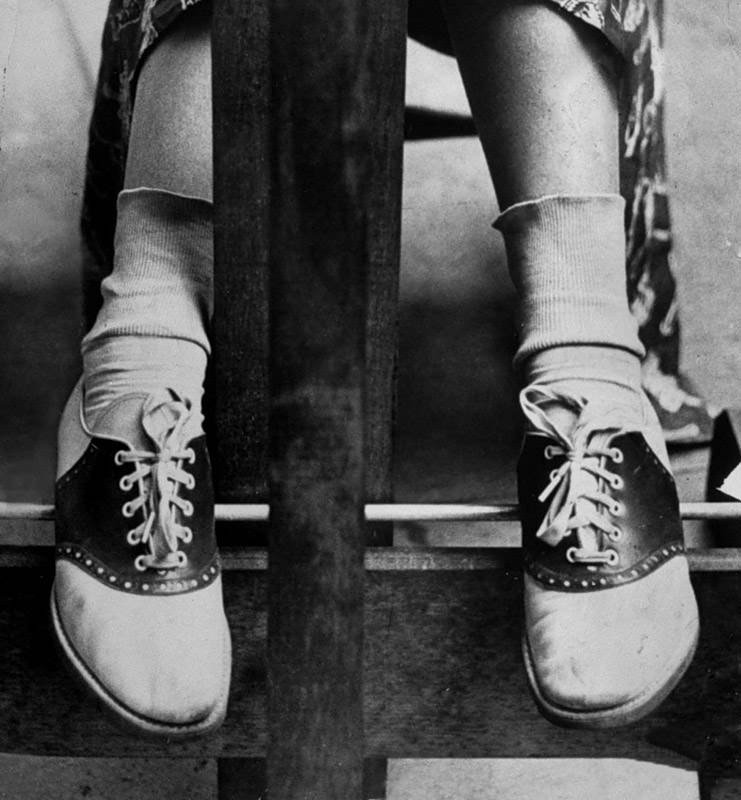
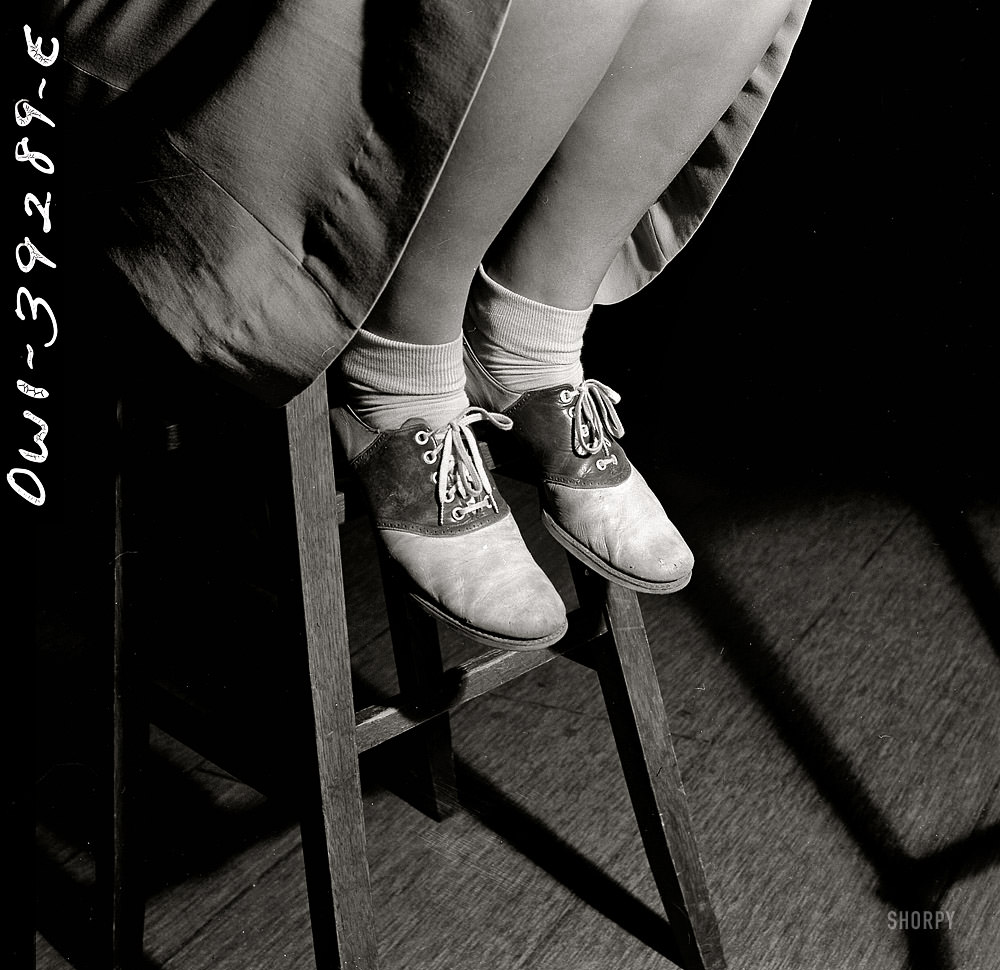
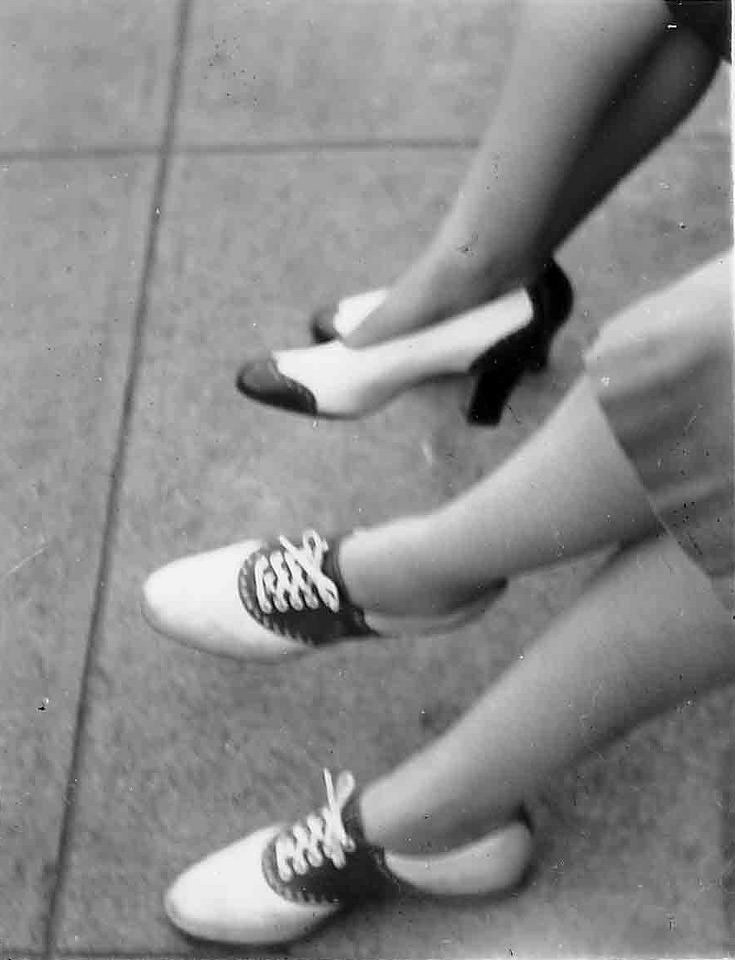
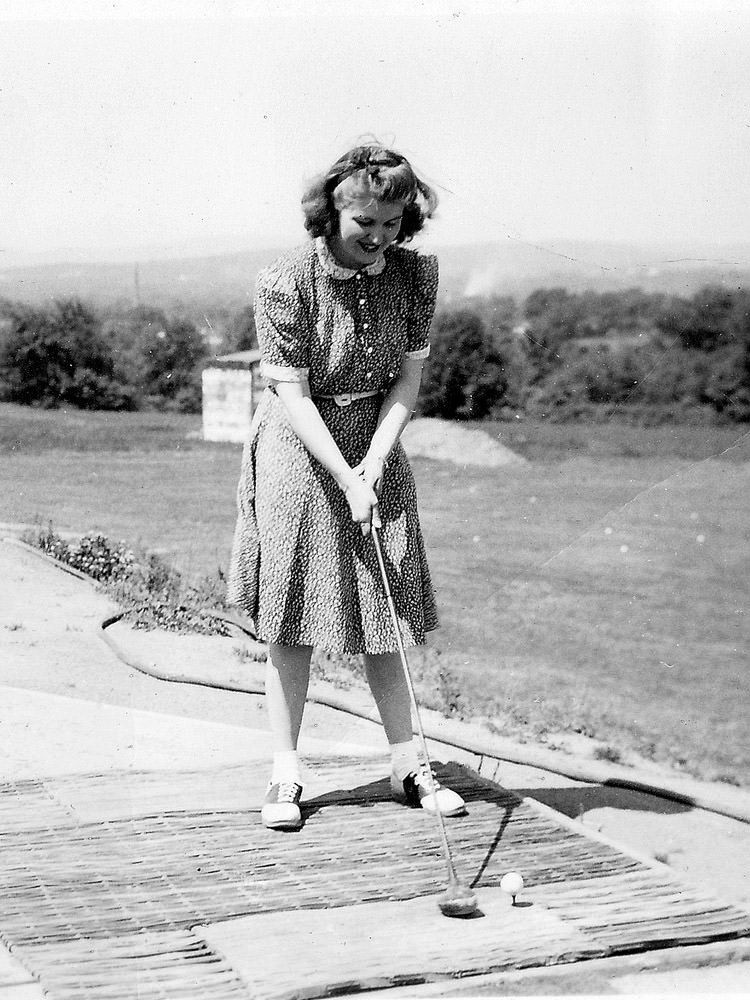
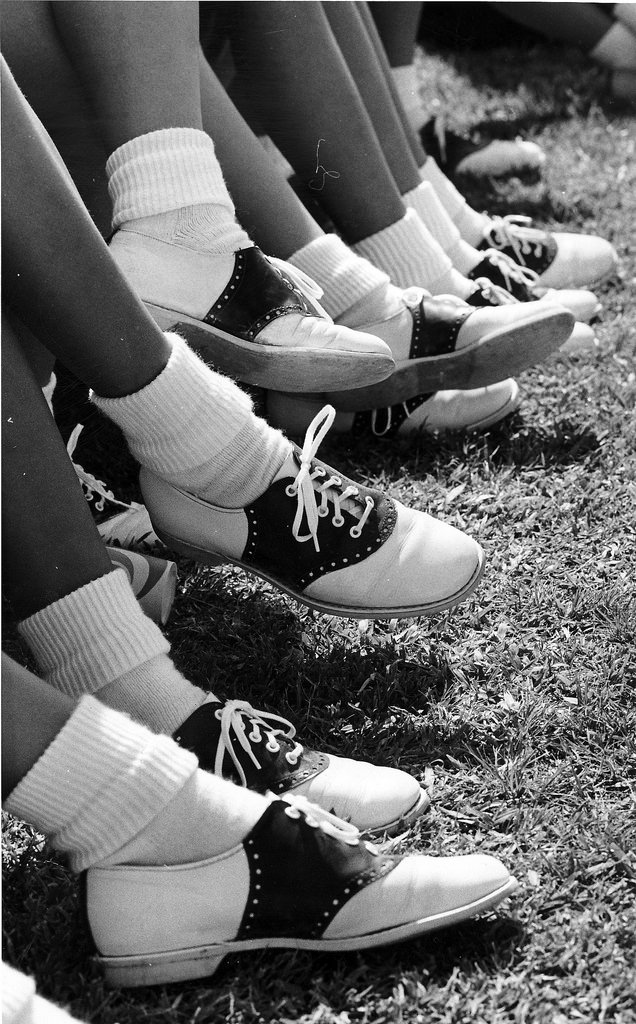
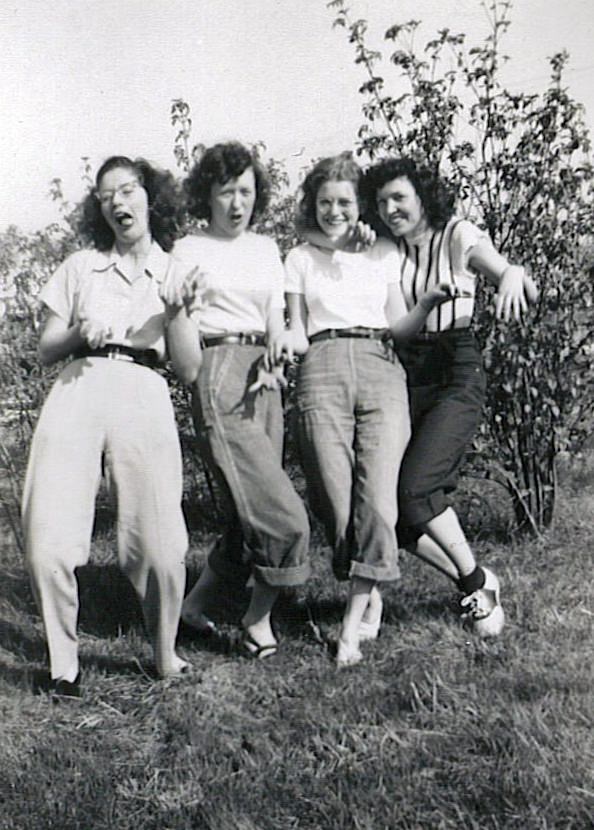
Saddle shoes first showed up in 1906, and they were built for a purpose. Designers created them for indoor sports, adding a reinforced instep to give extra support during strenuous activity. Young golfers were among the first to adopt them on a wide scale. The shoe’s construction was simple but smart: an oxford-style, lace-up leather upper with a red clay-colored rubber sole, one color at the toe and heel, and a contrasting panel in the middle — the “saddle” — that cradled the instep. That classic look, originally white with a black saddle, became one of the most recognized silhouettes in American footwear history.
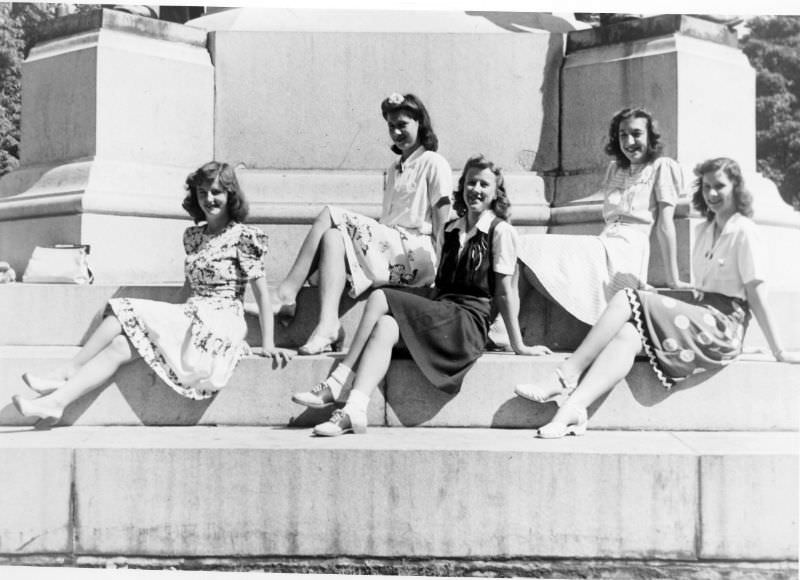
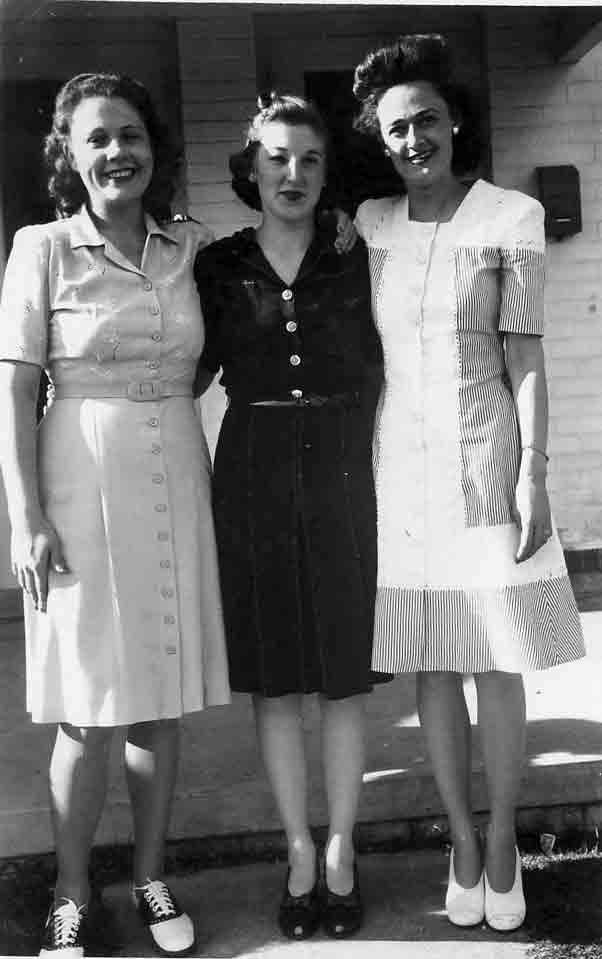
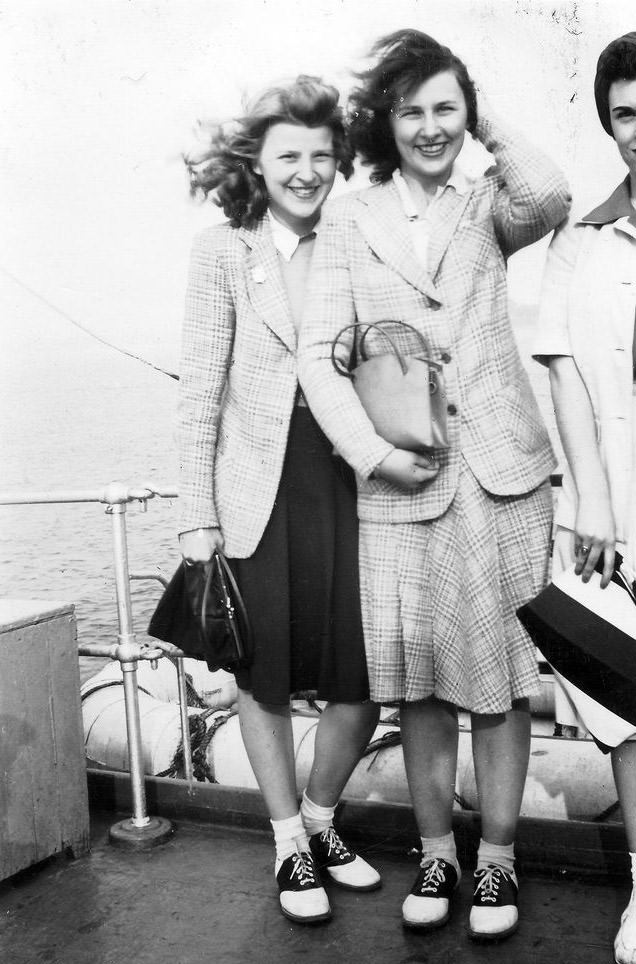
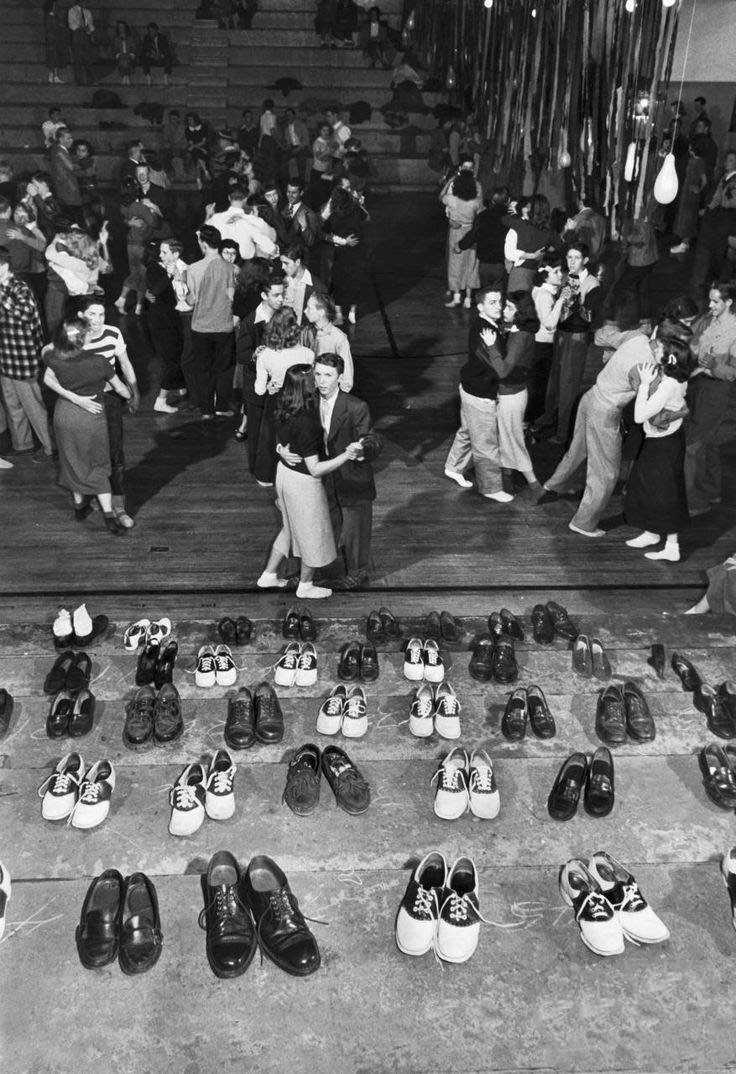
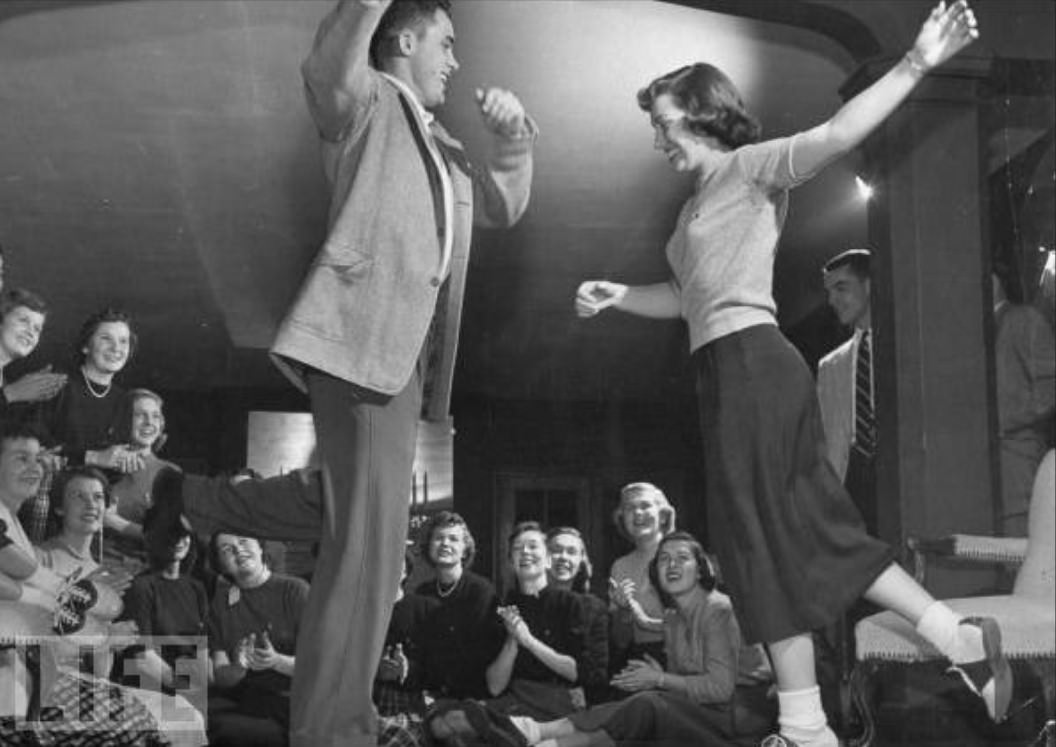
The shoe moved off the sports field and onto the dance floor as the Jitterbug and Lindy Hop swept across the country. Dancers needed footwear that could handle fast footwork without slipping, and saddle shoes delivered exactly that. By the 1940s, the shoe had shed its strictly athletic identity and become a staple of everyday American fashion.


The 1950s were the shoe’s true golden era. Nearly every American girl owned a pair. Manufacturers expanded far beyond the original black-and-white combination, offering brown leather with blue saddles, brown with pink, white with yellow, and dozens of other pairings. That range of color options gave the shoe a second life and made it feel fresh rather than dated.

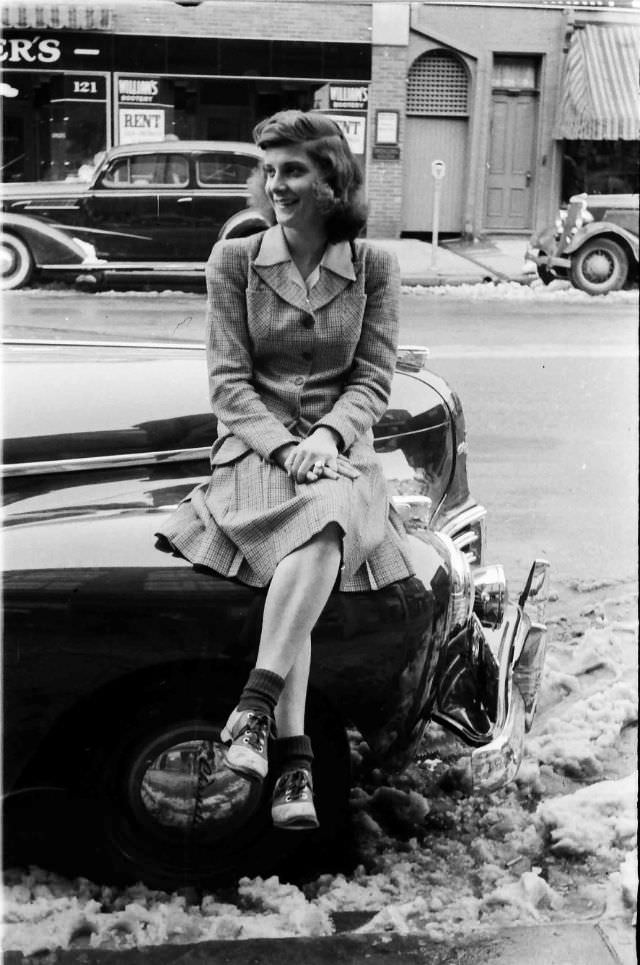

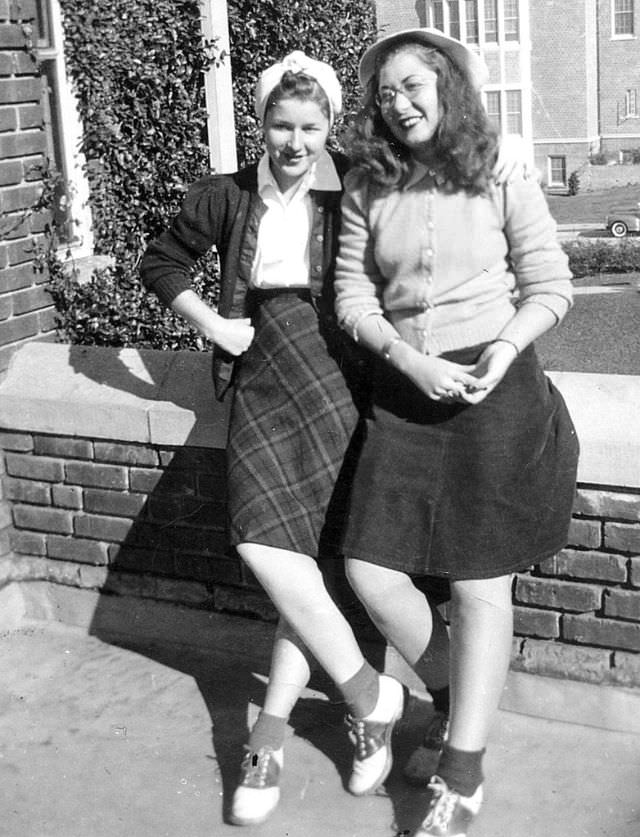
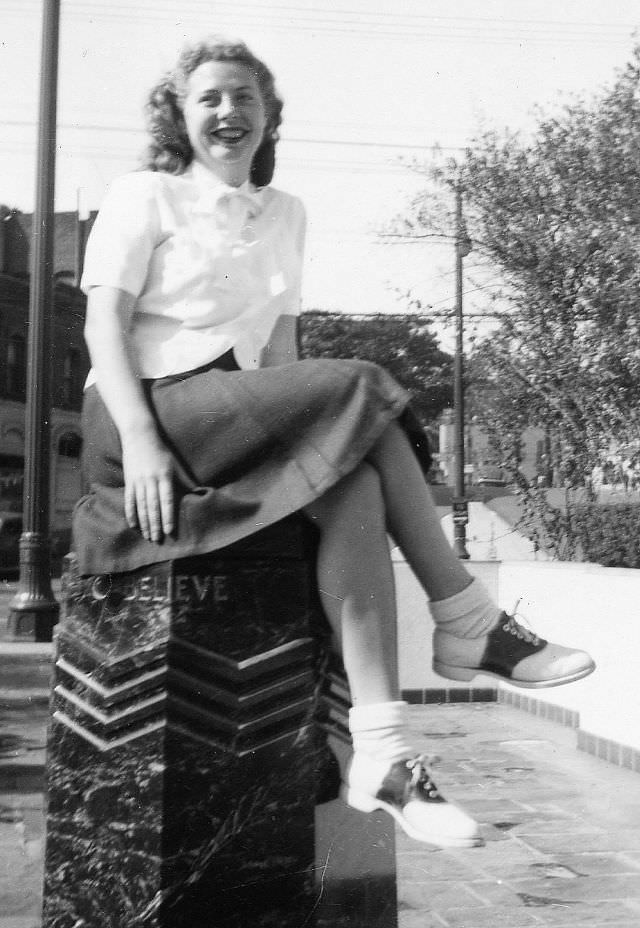
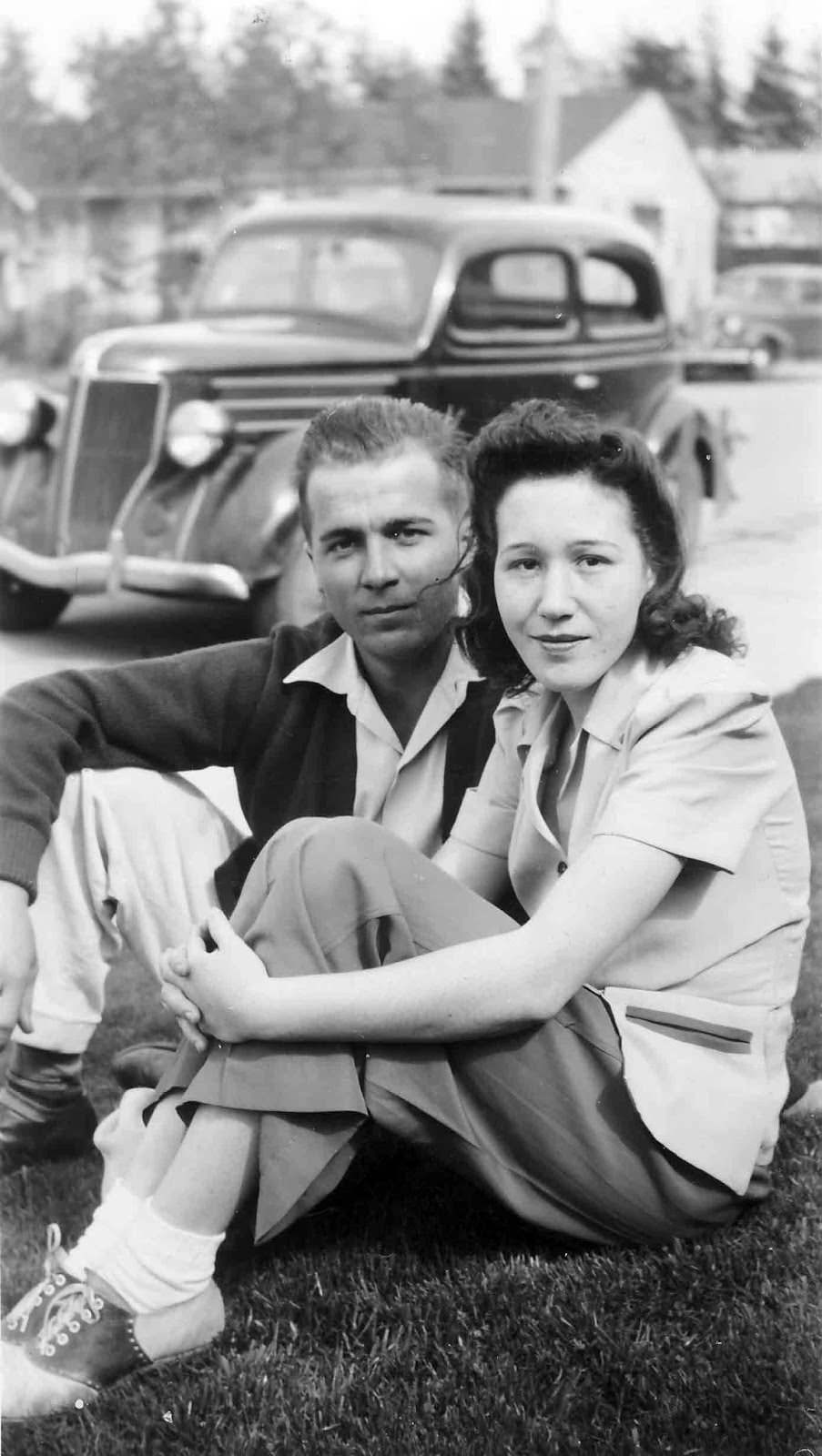
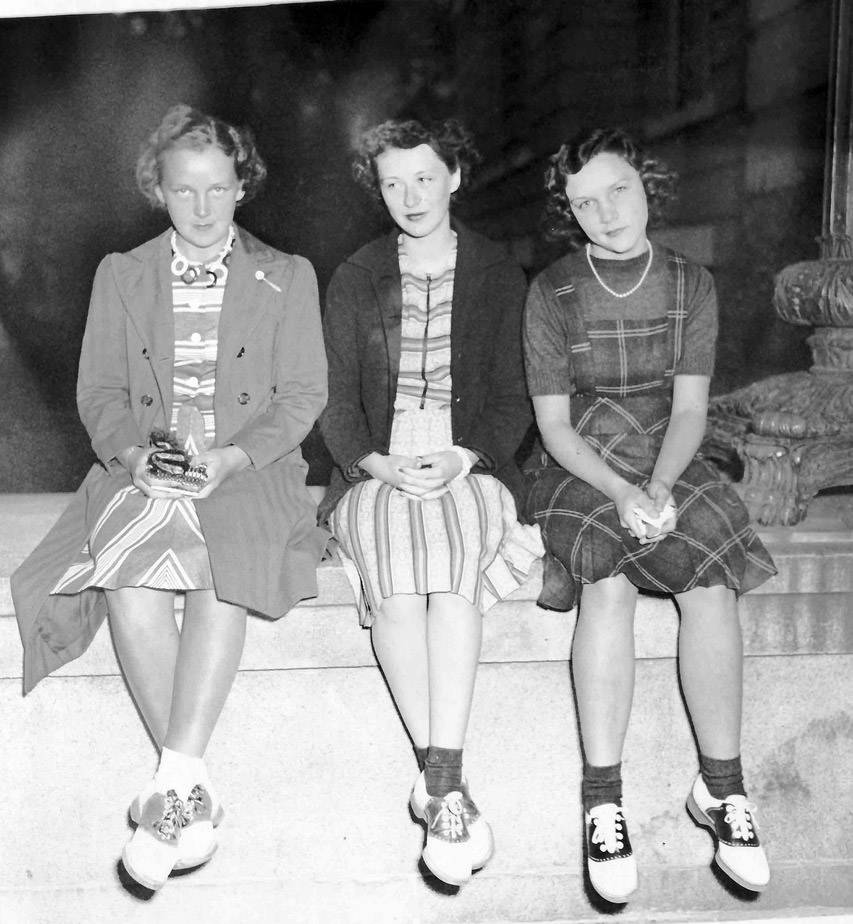
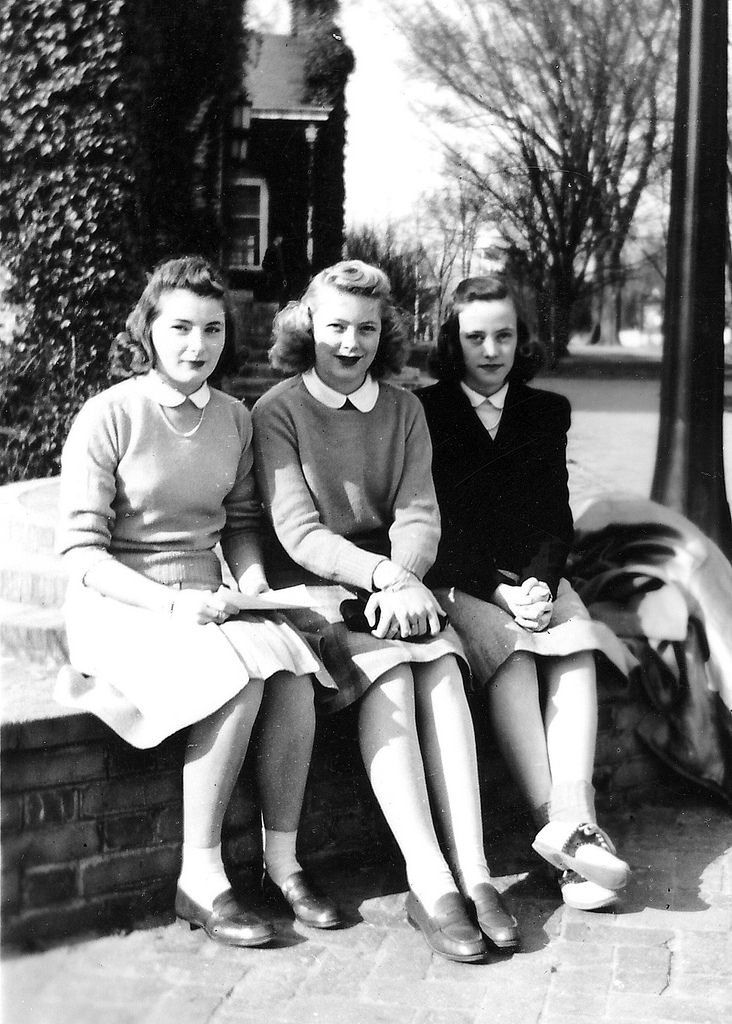
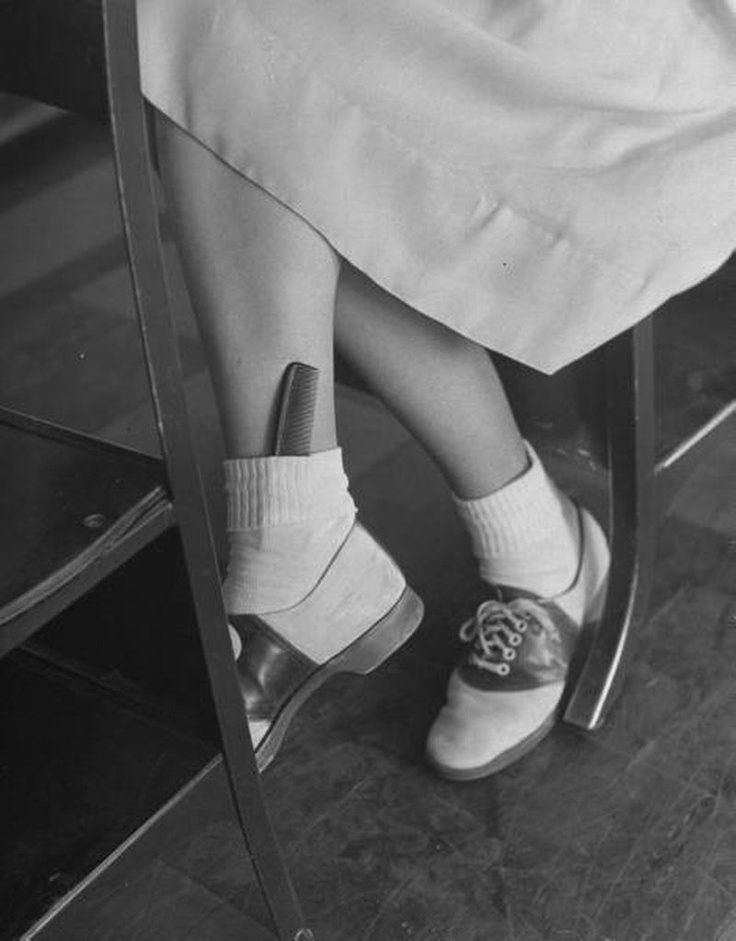
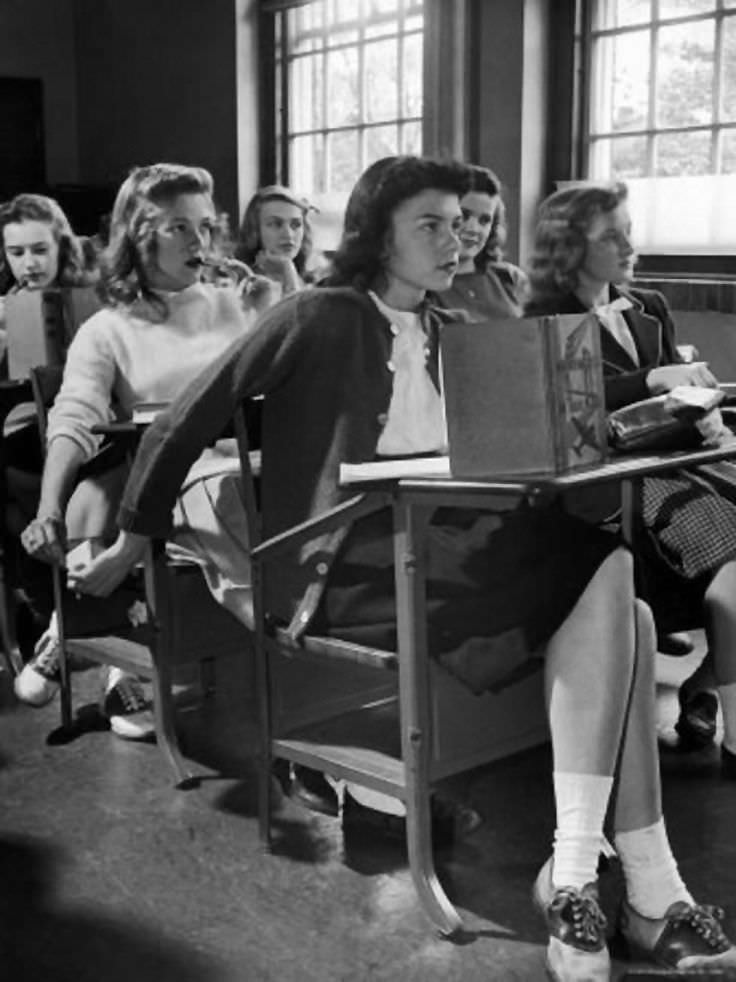
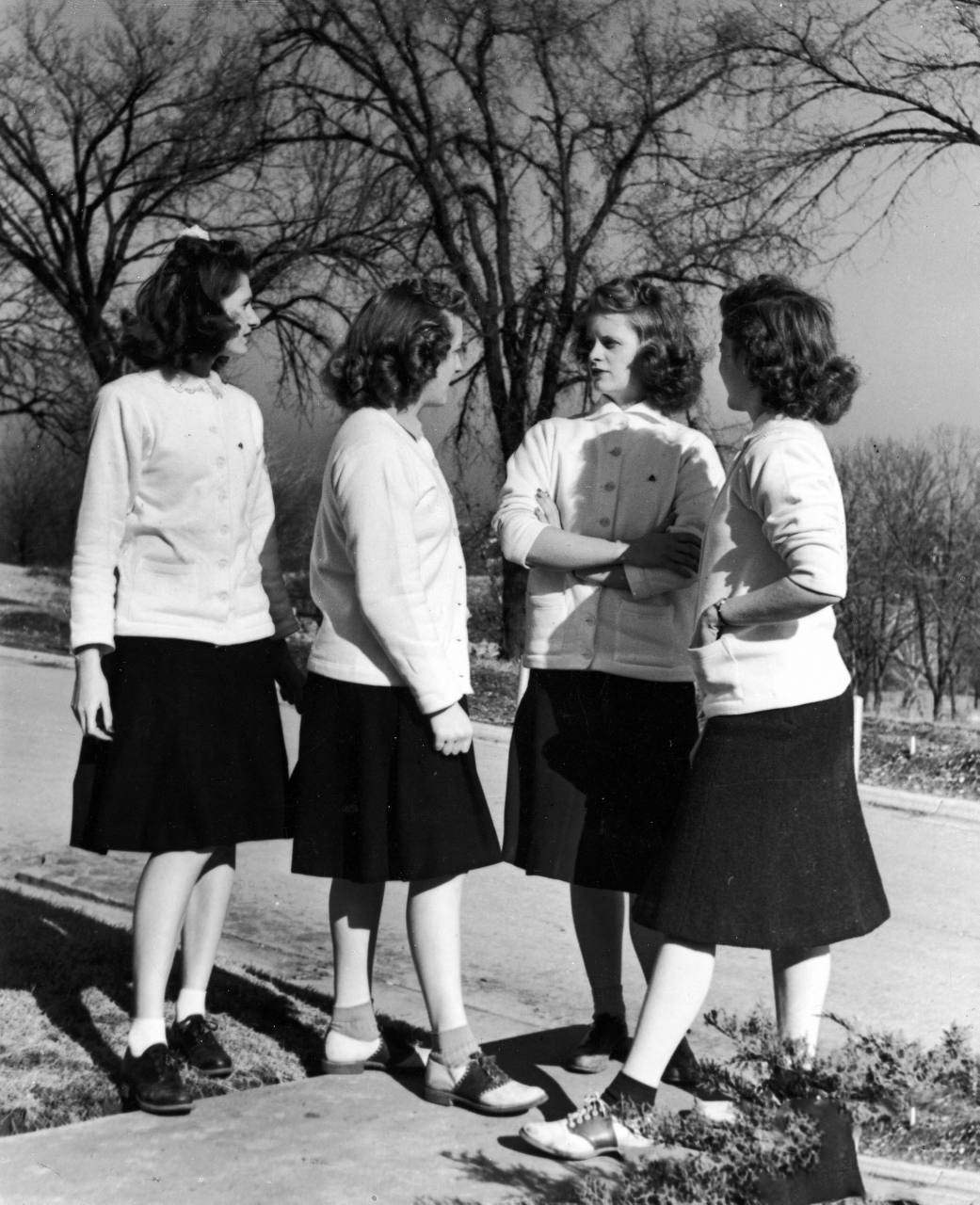
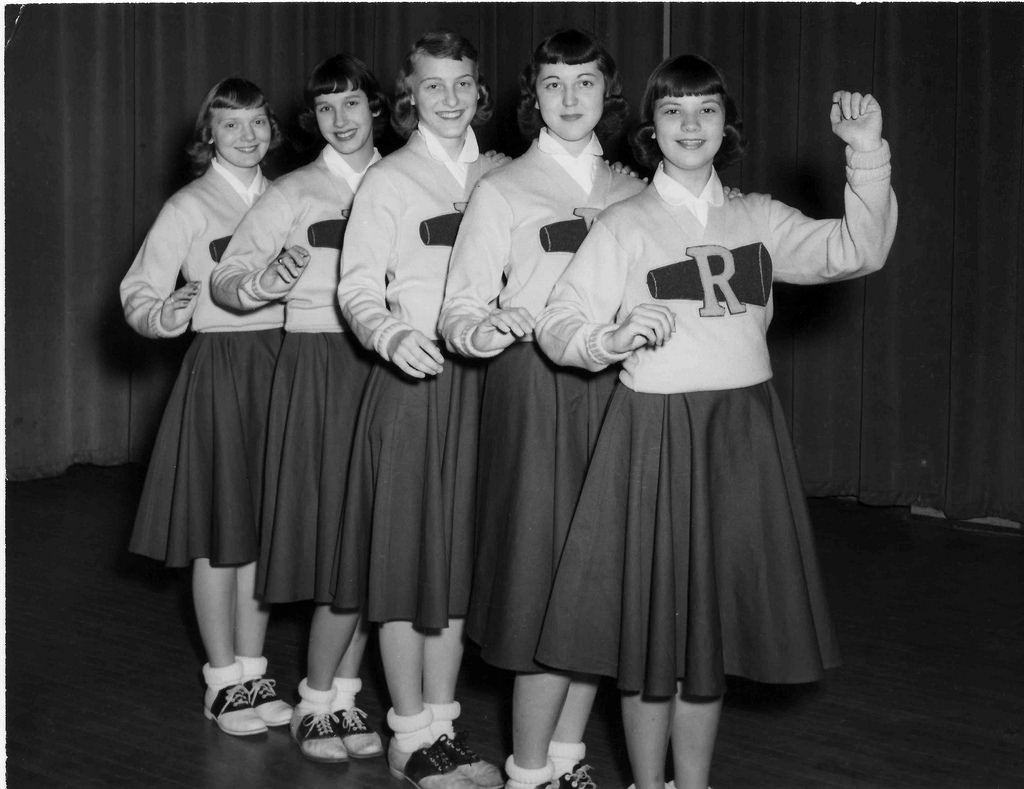
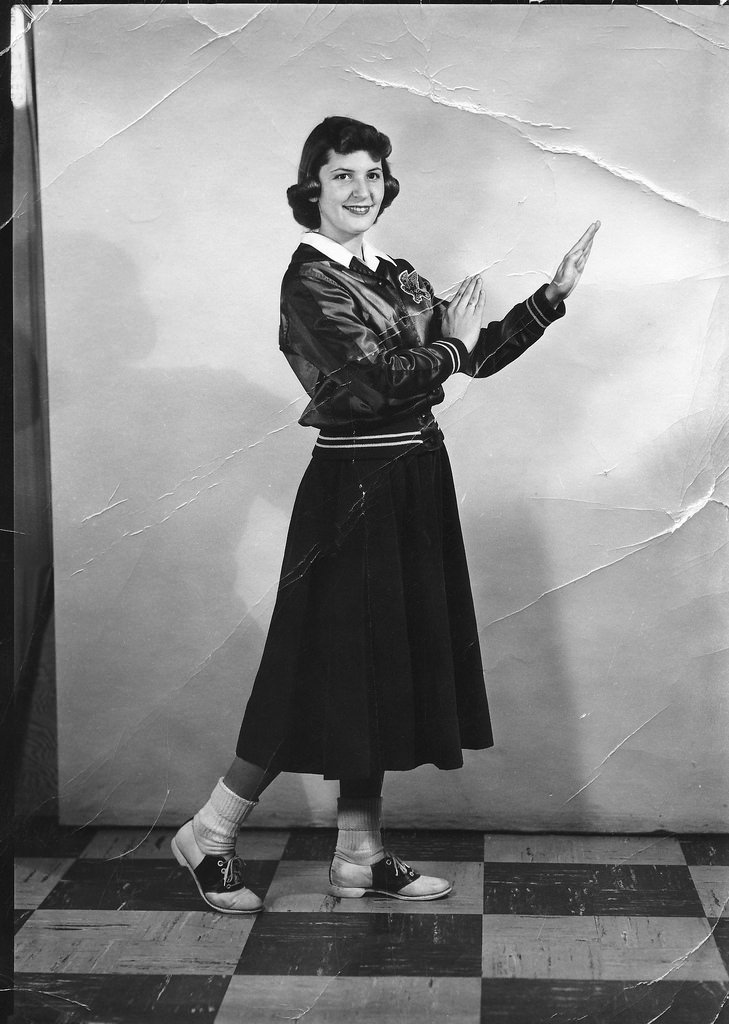
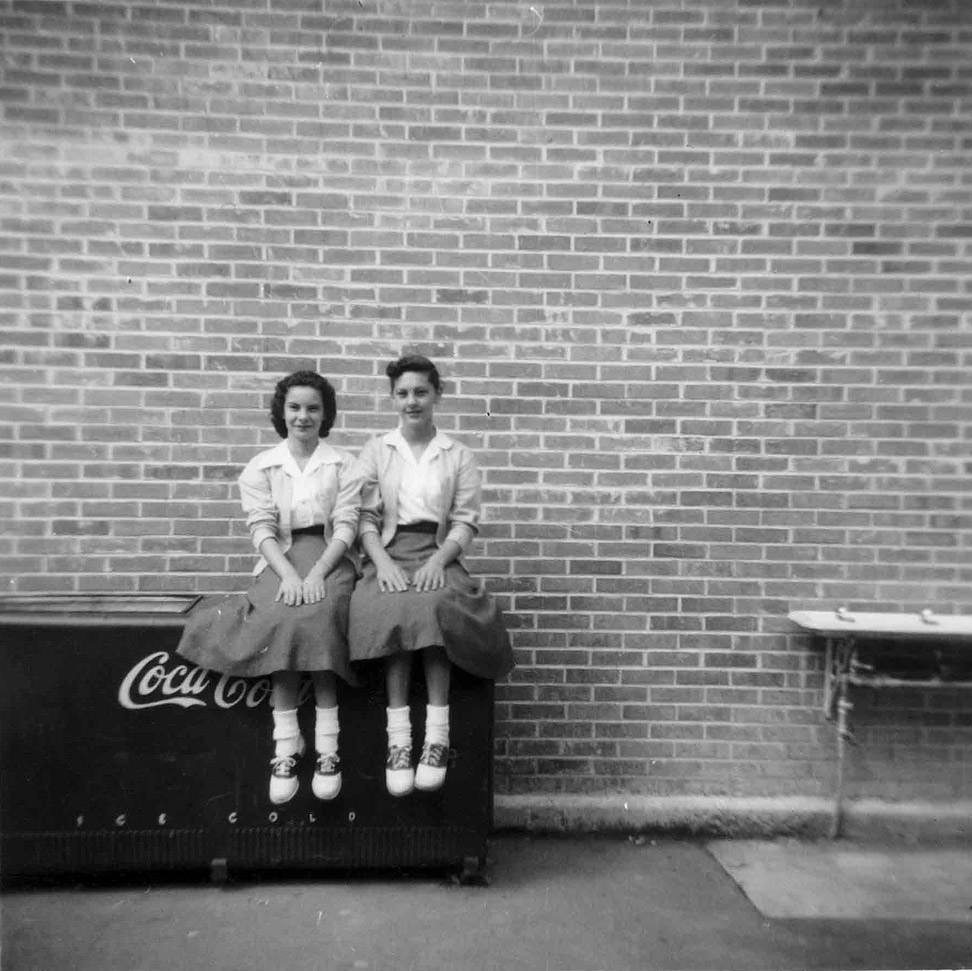
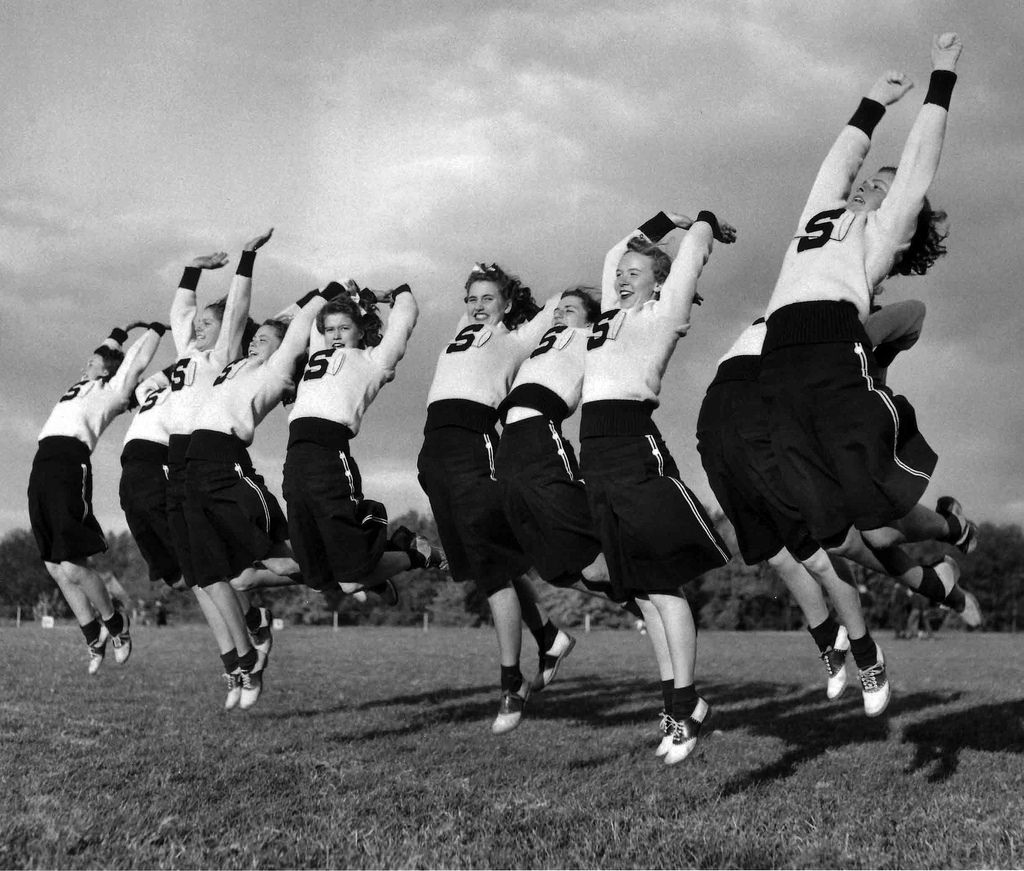
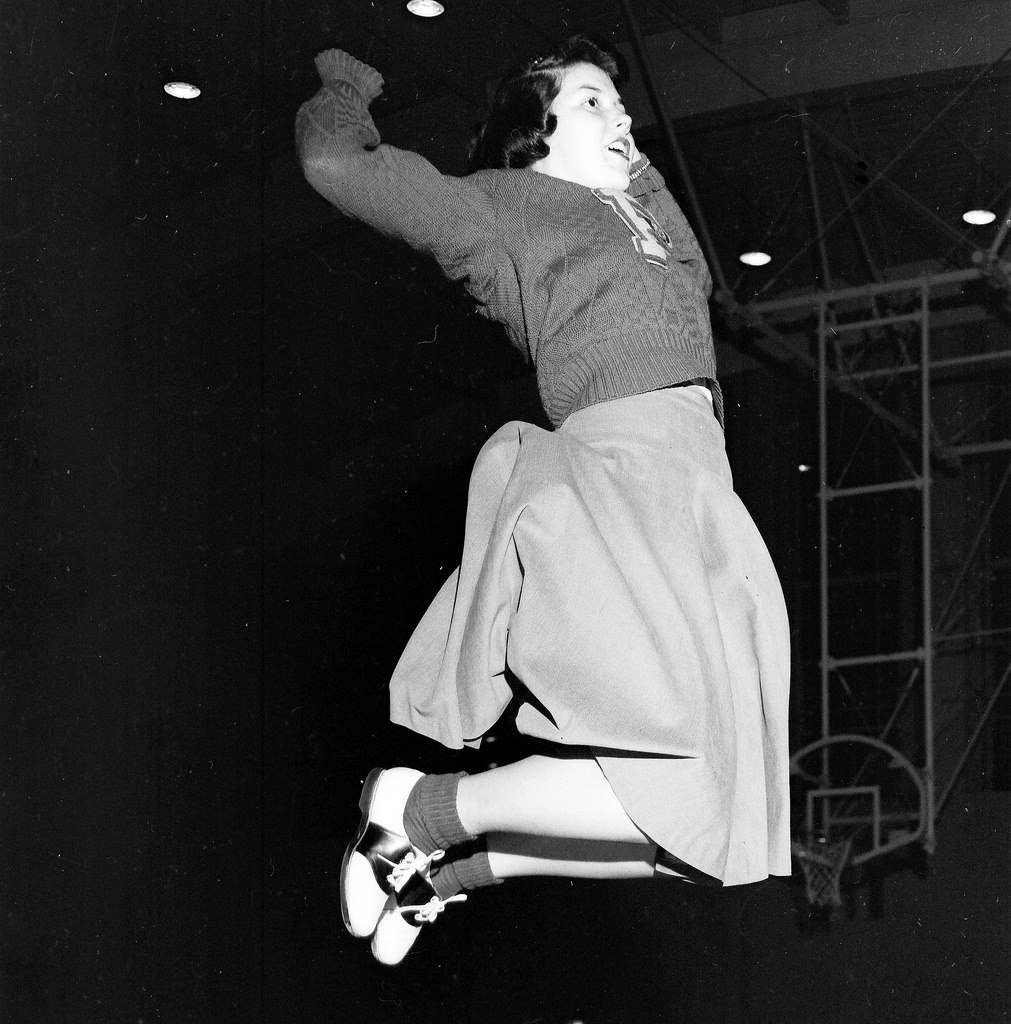
Teenage girls, cheerleaders, and prep school students all claimed the saddle shoe as their own throughout the late 1950s and into the 1960s. The shoe carried a clean, put-together look that fit neatly into the era’s idea of wholesome American style. It paired well with poodle skirts, bobby socks, and pleated skirts alike.
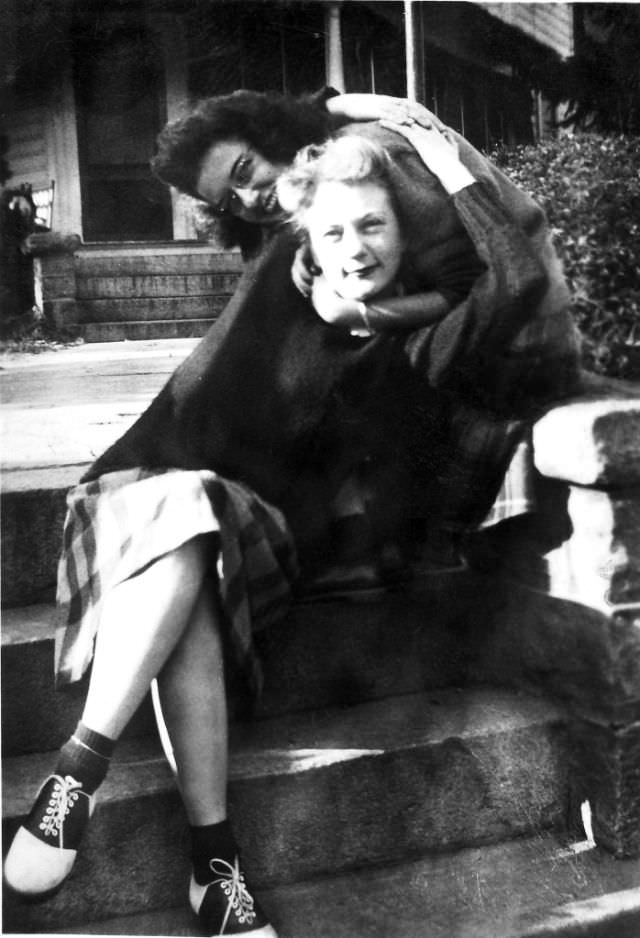

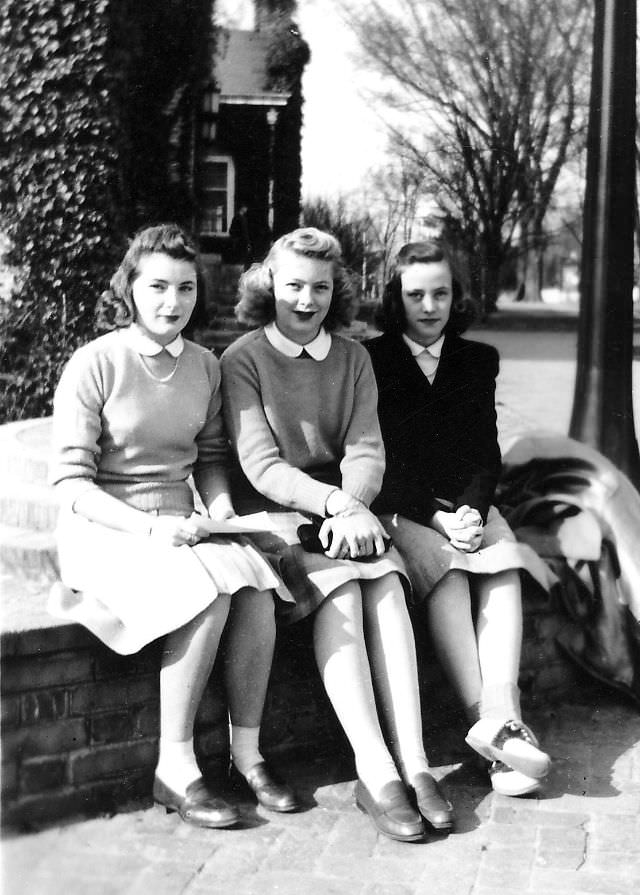
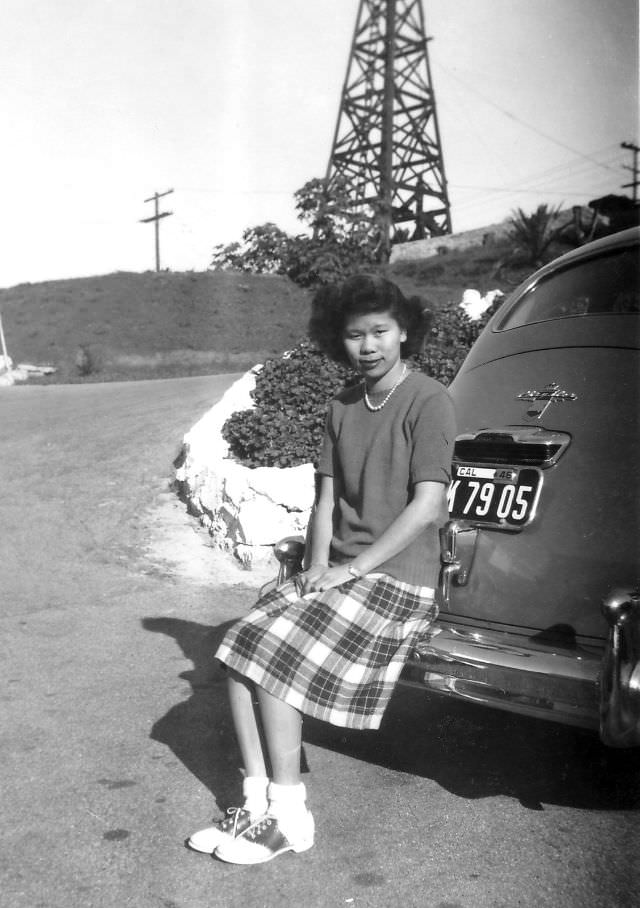
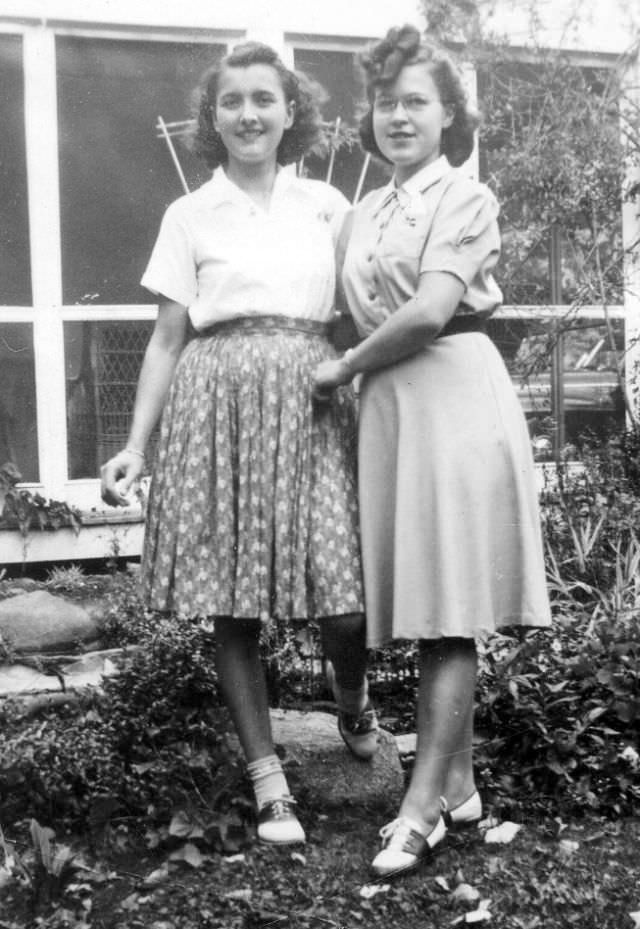
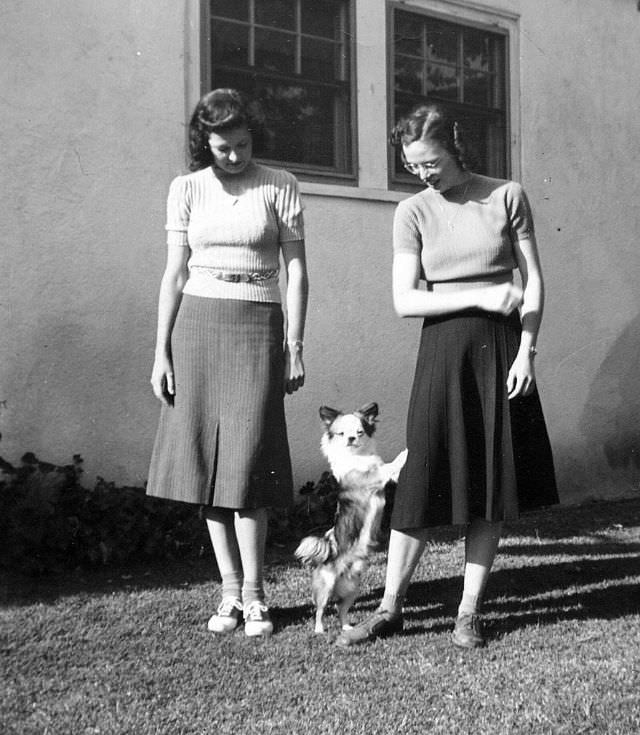
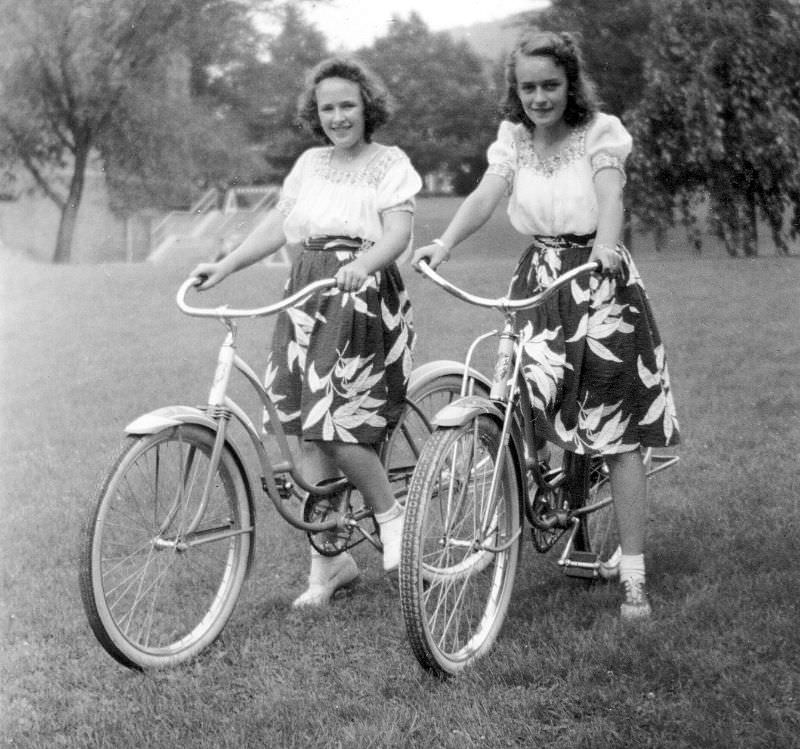
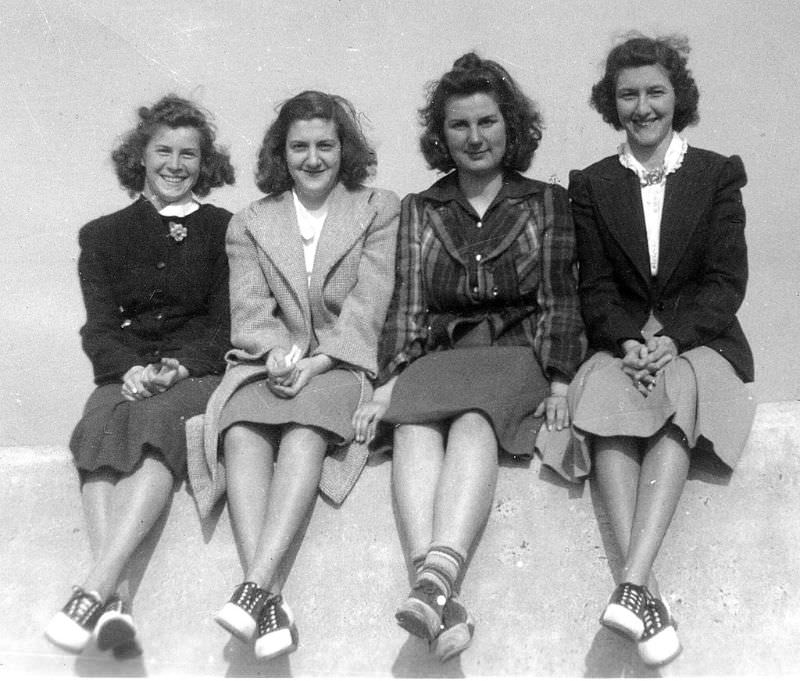
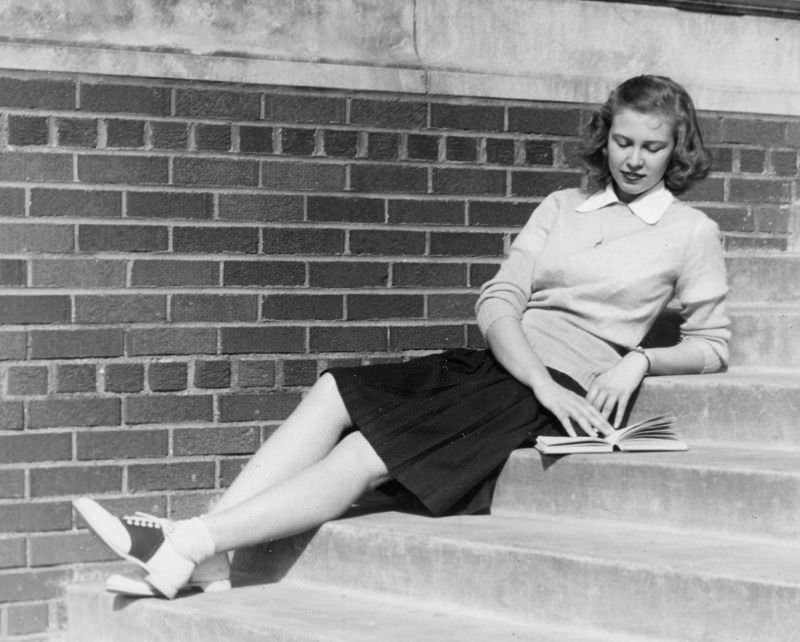
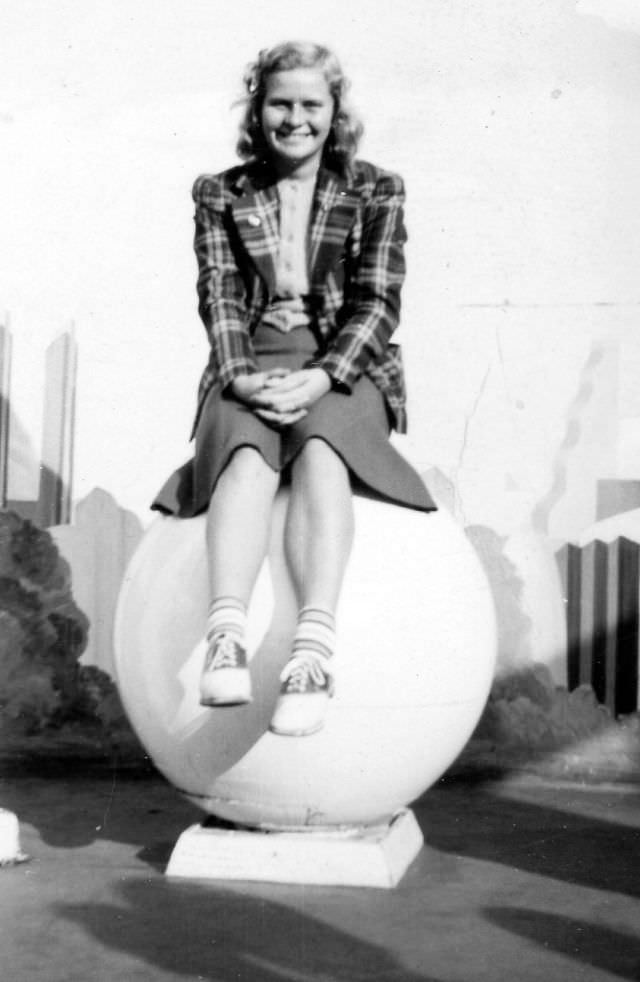
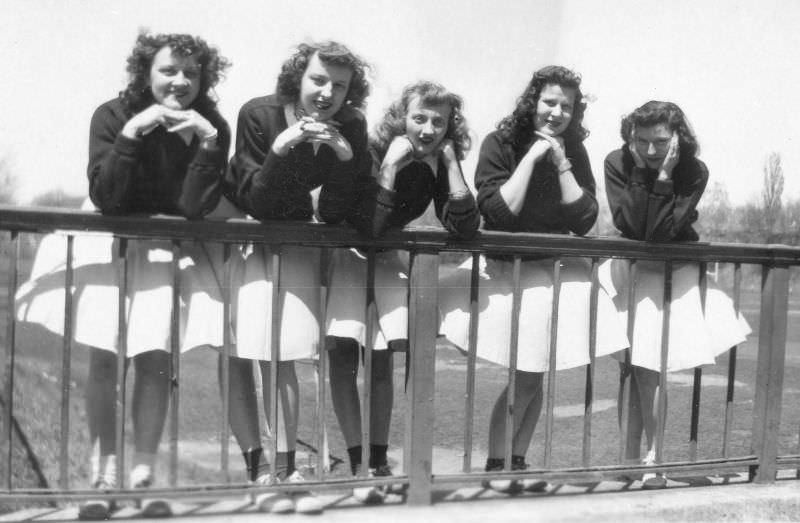
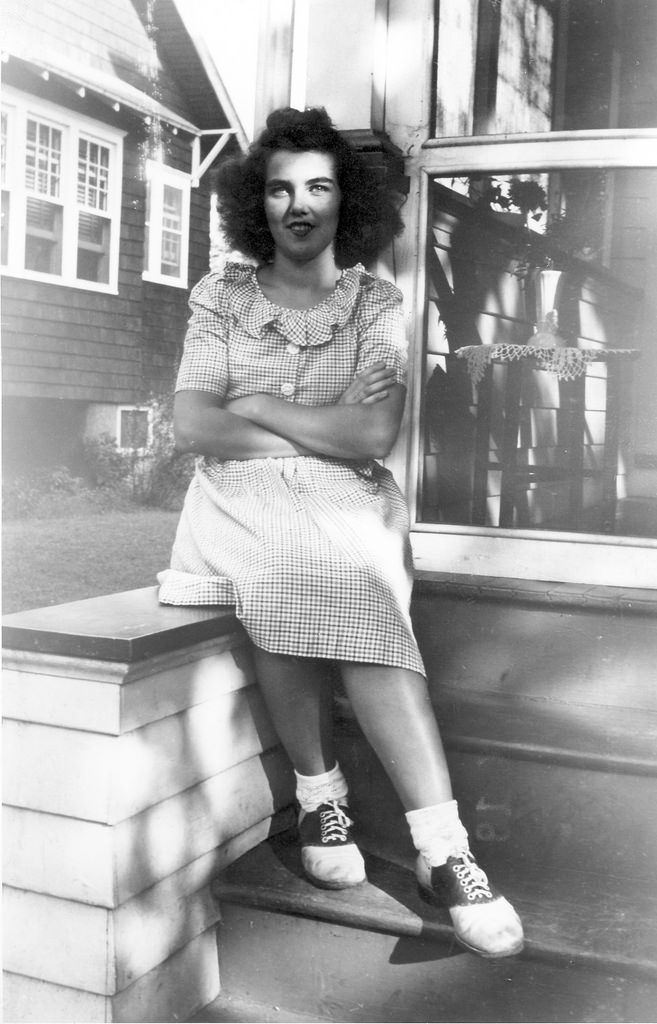
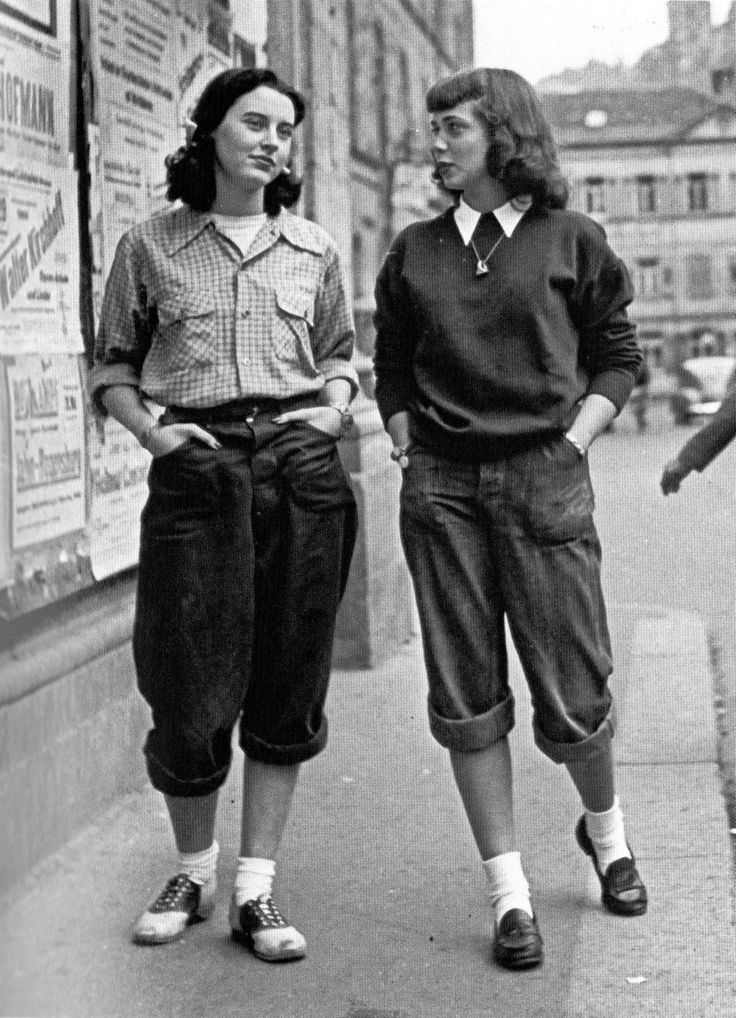
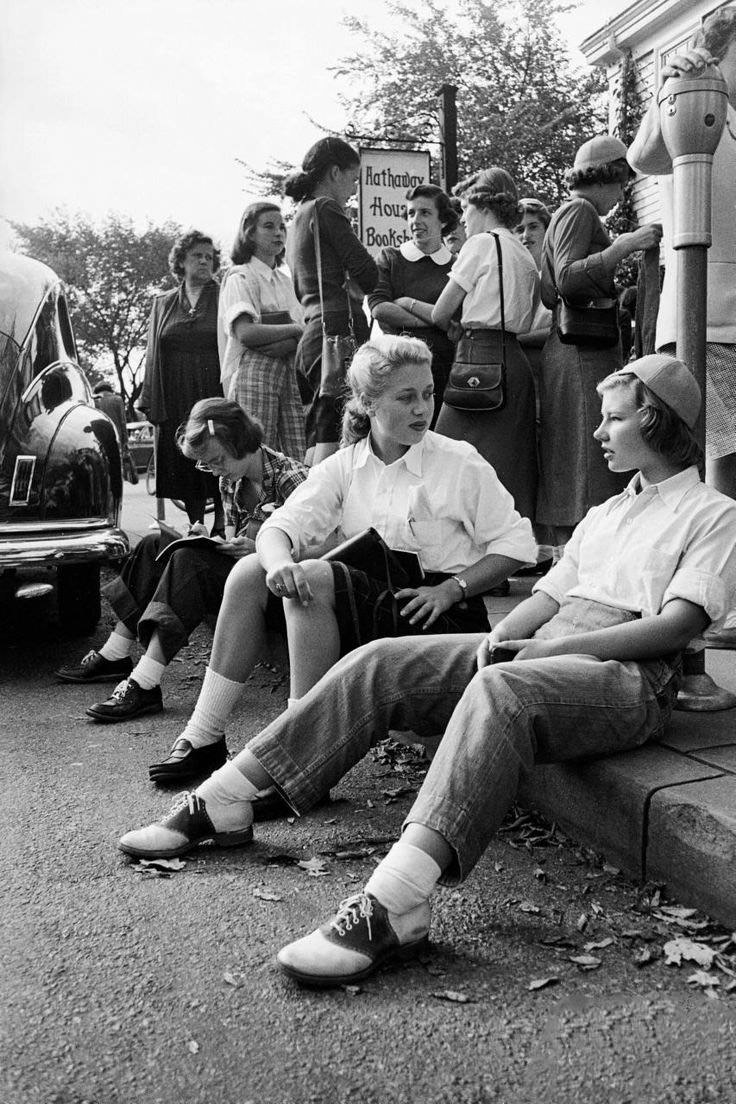
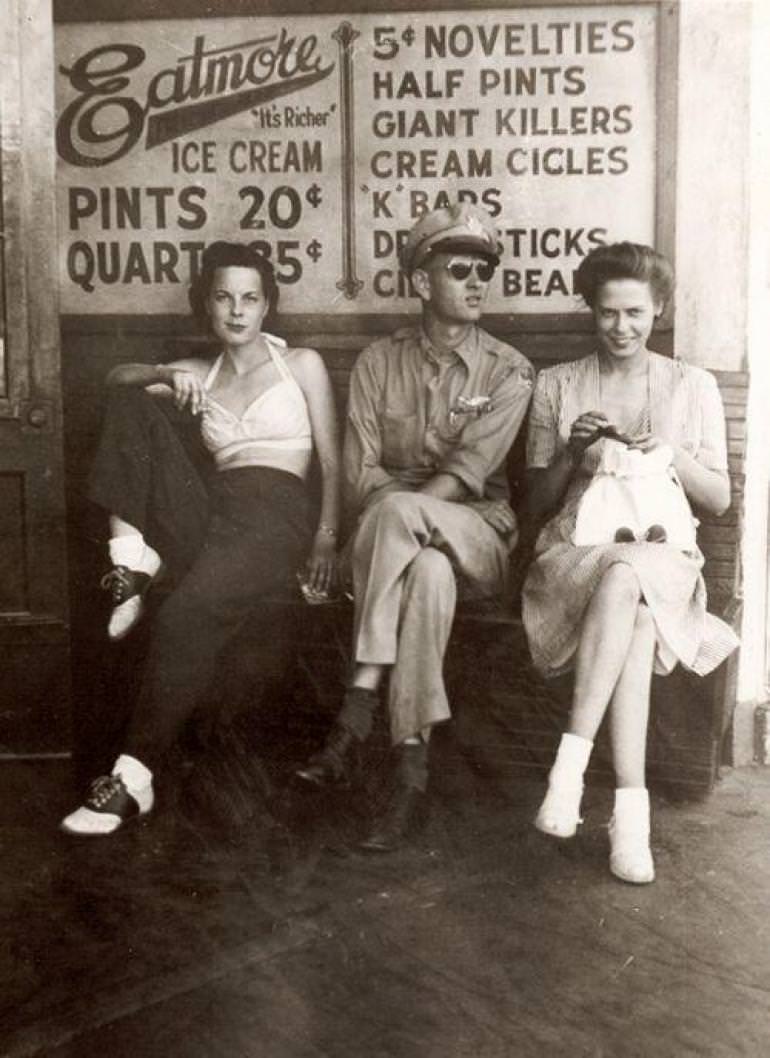
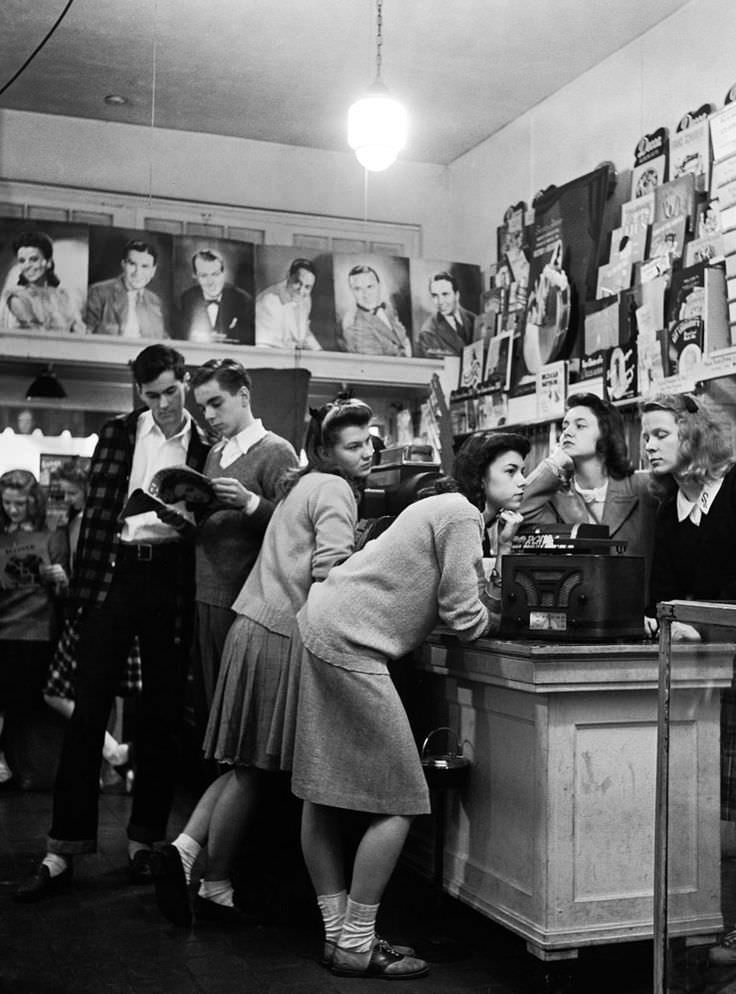
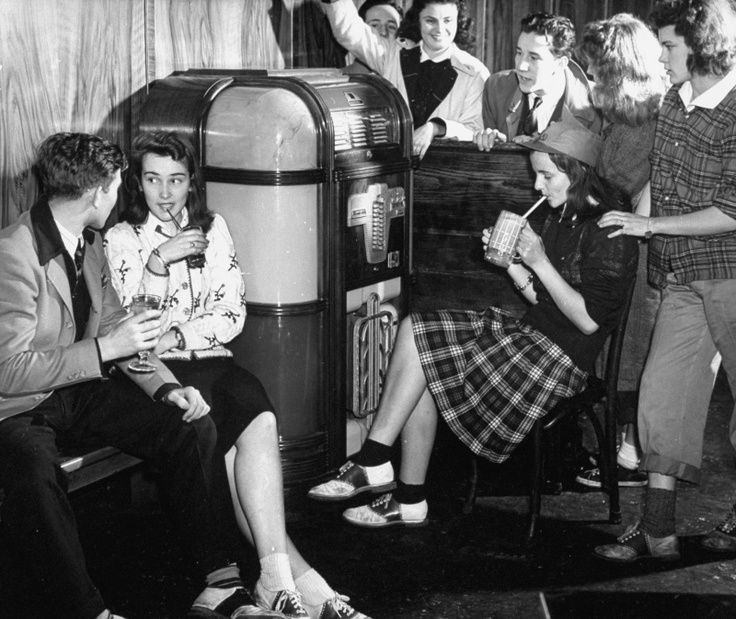
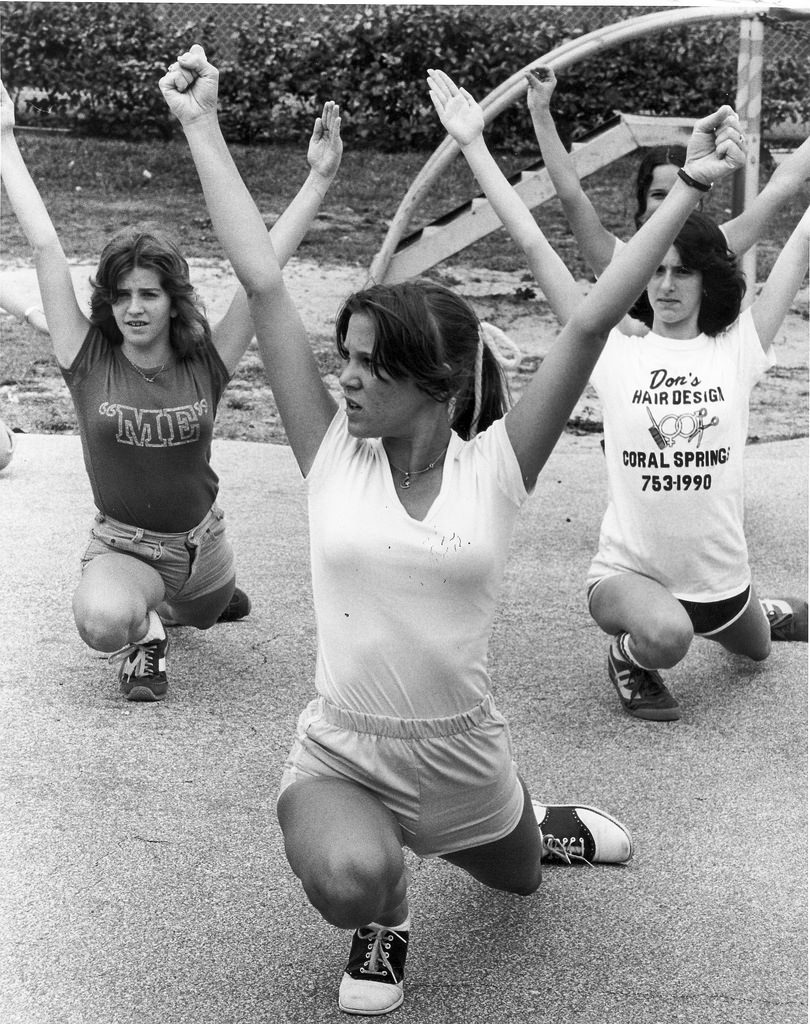
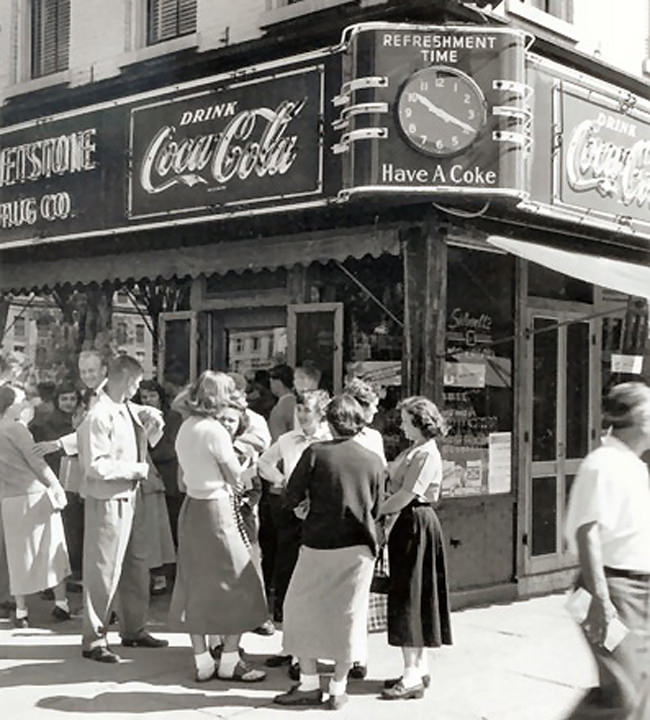
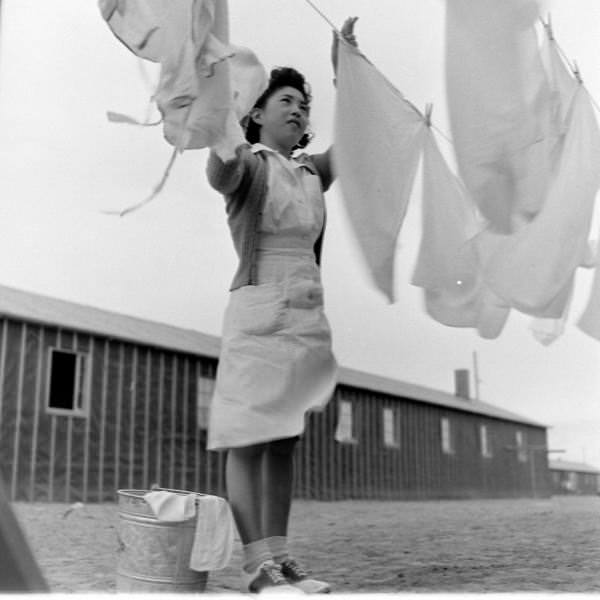
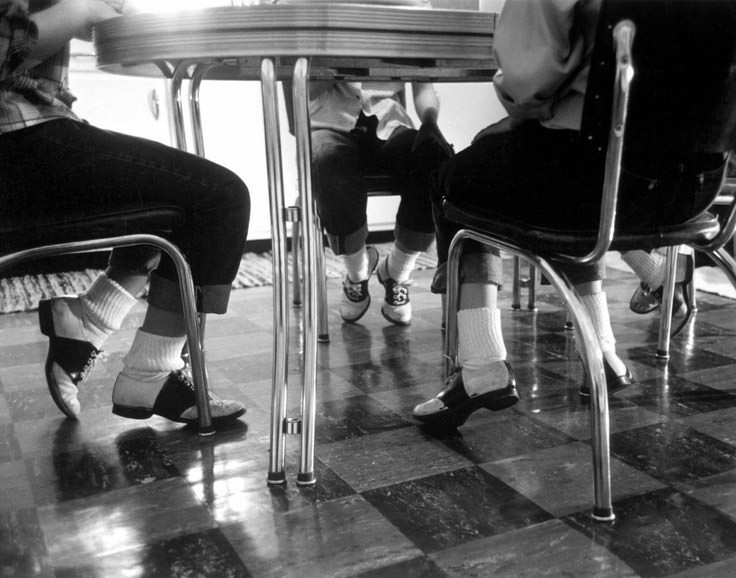
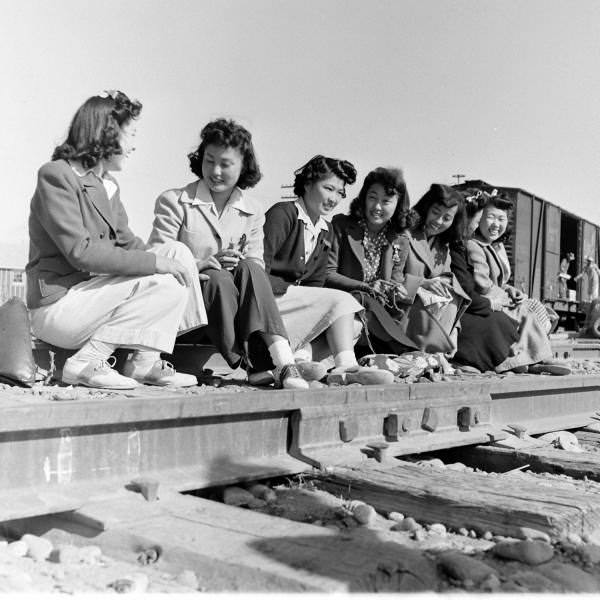
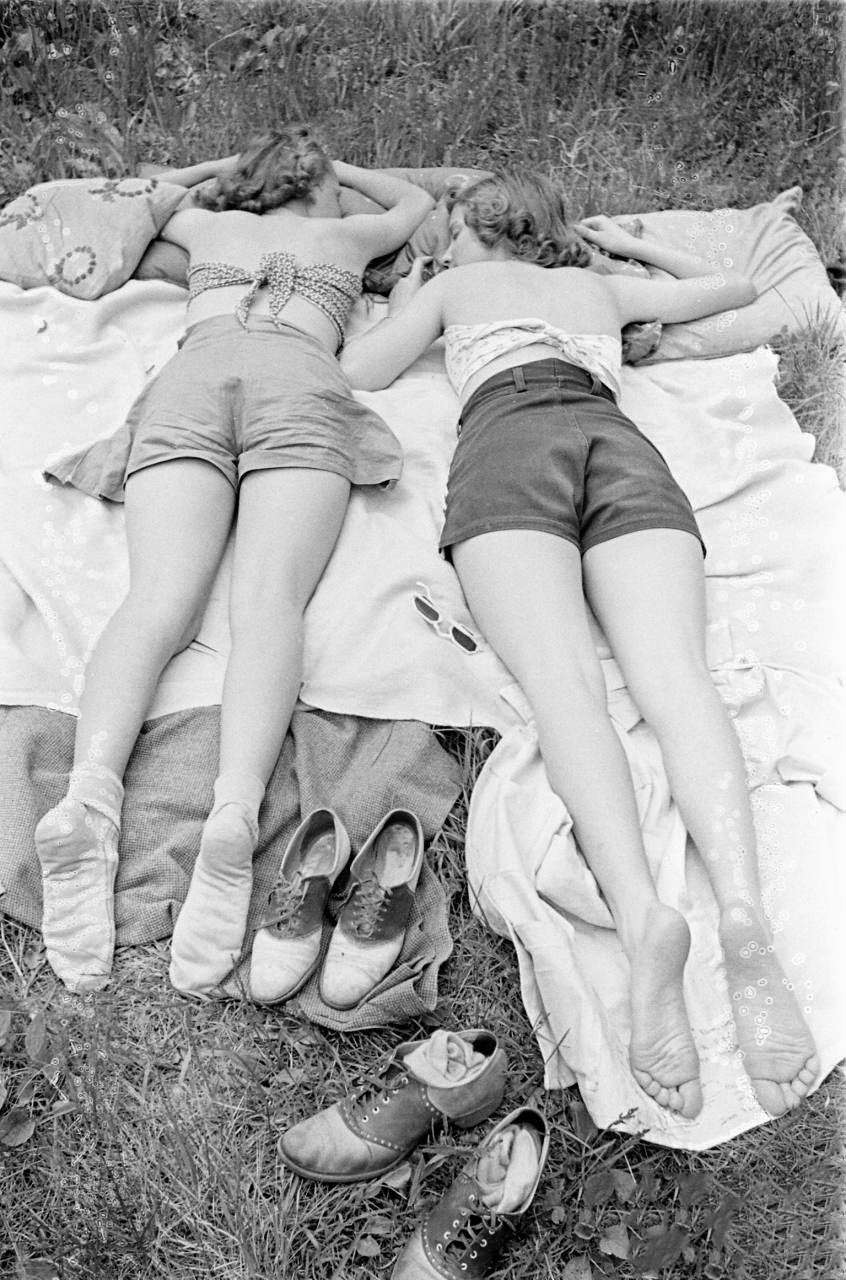
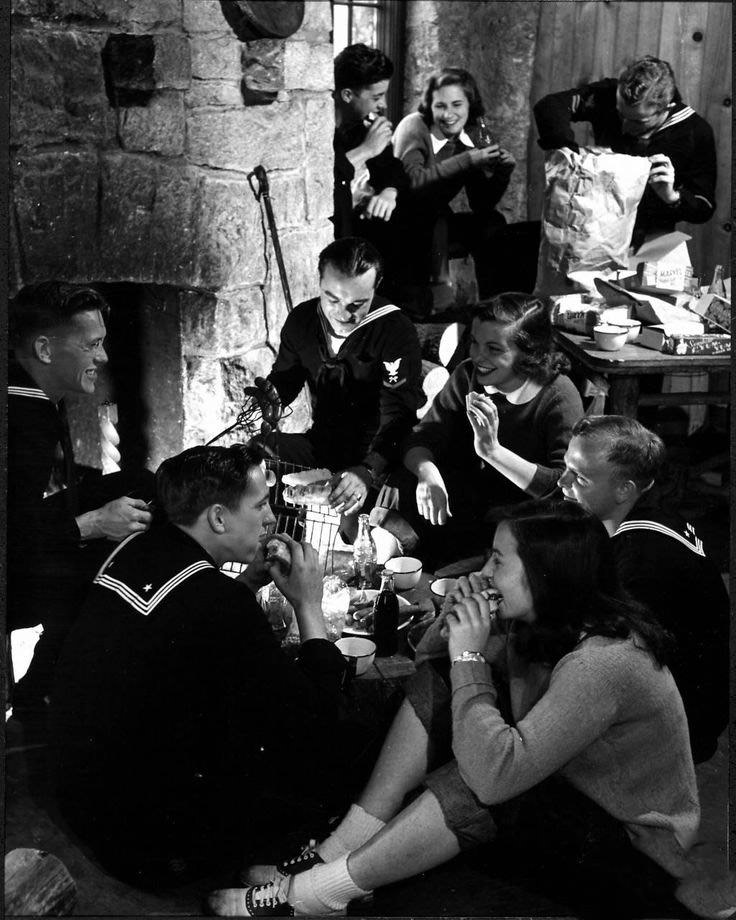
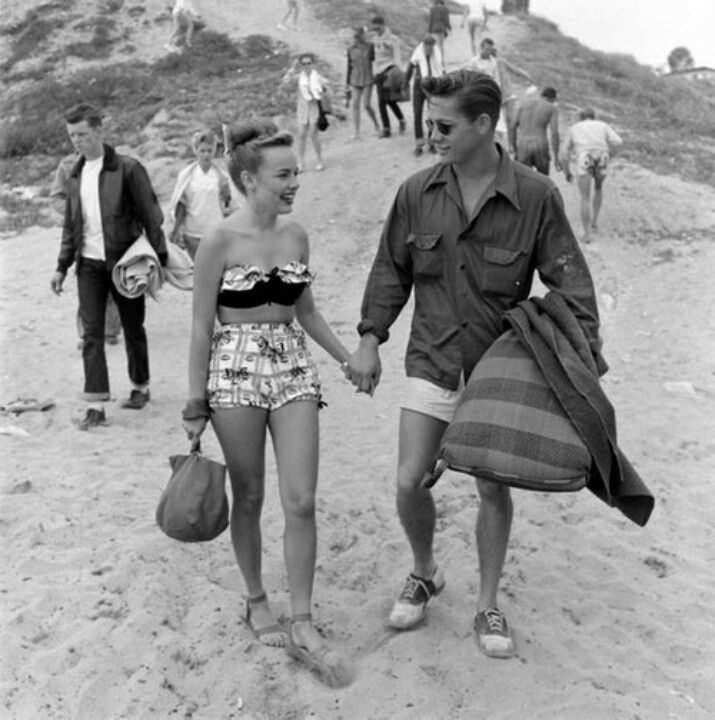
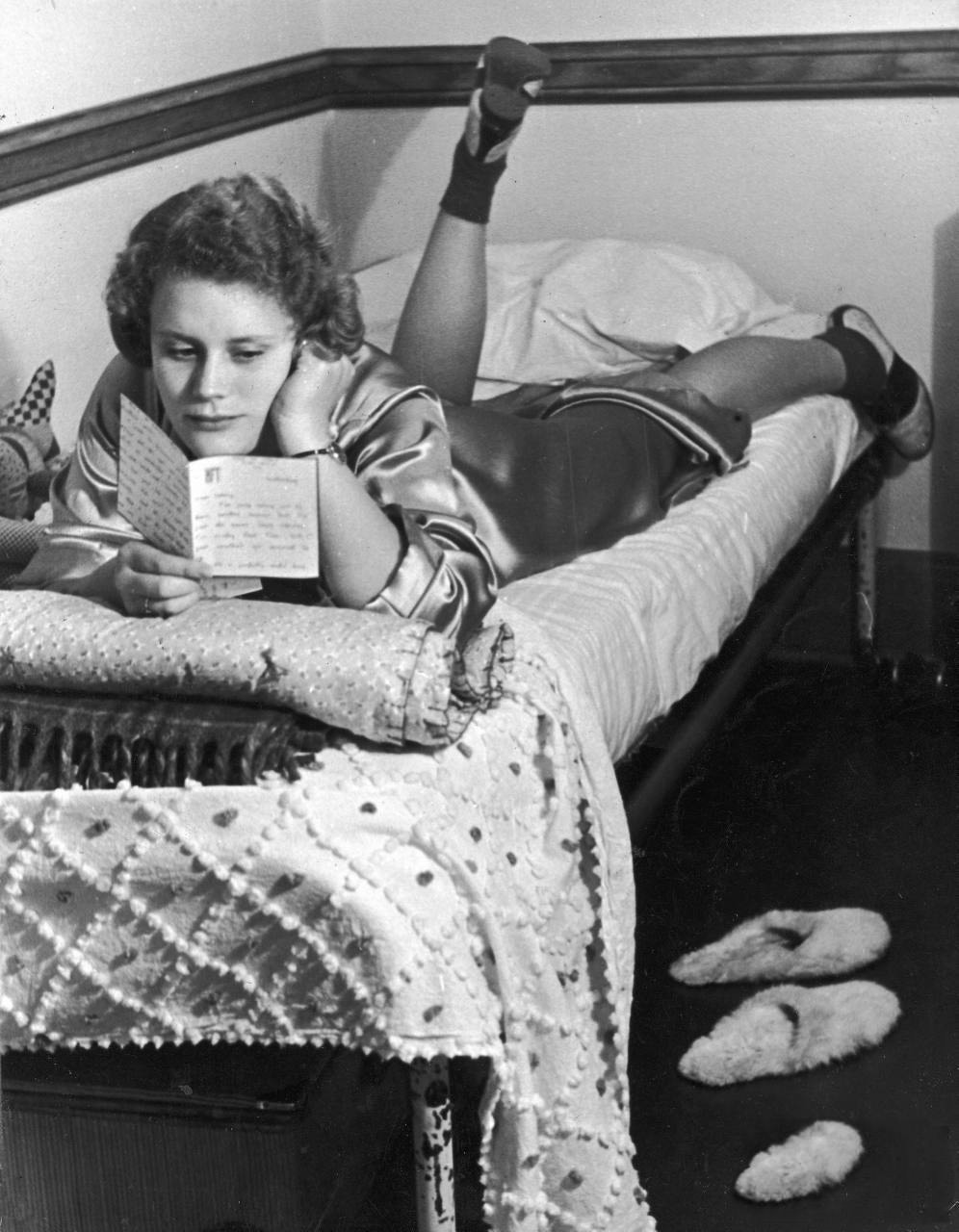
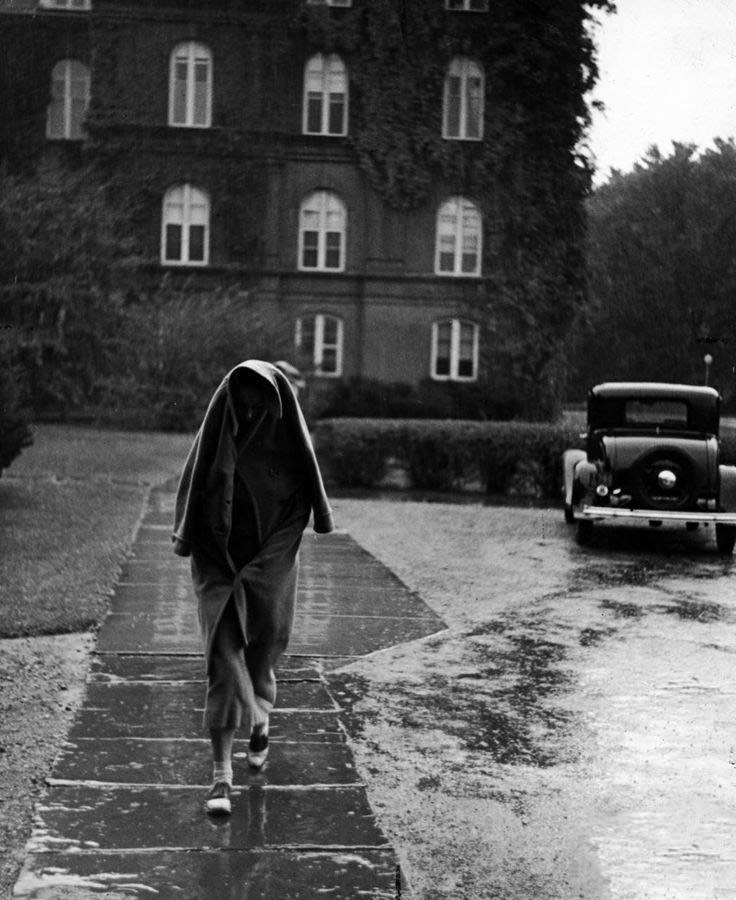
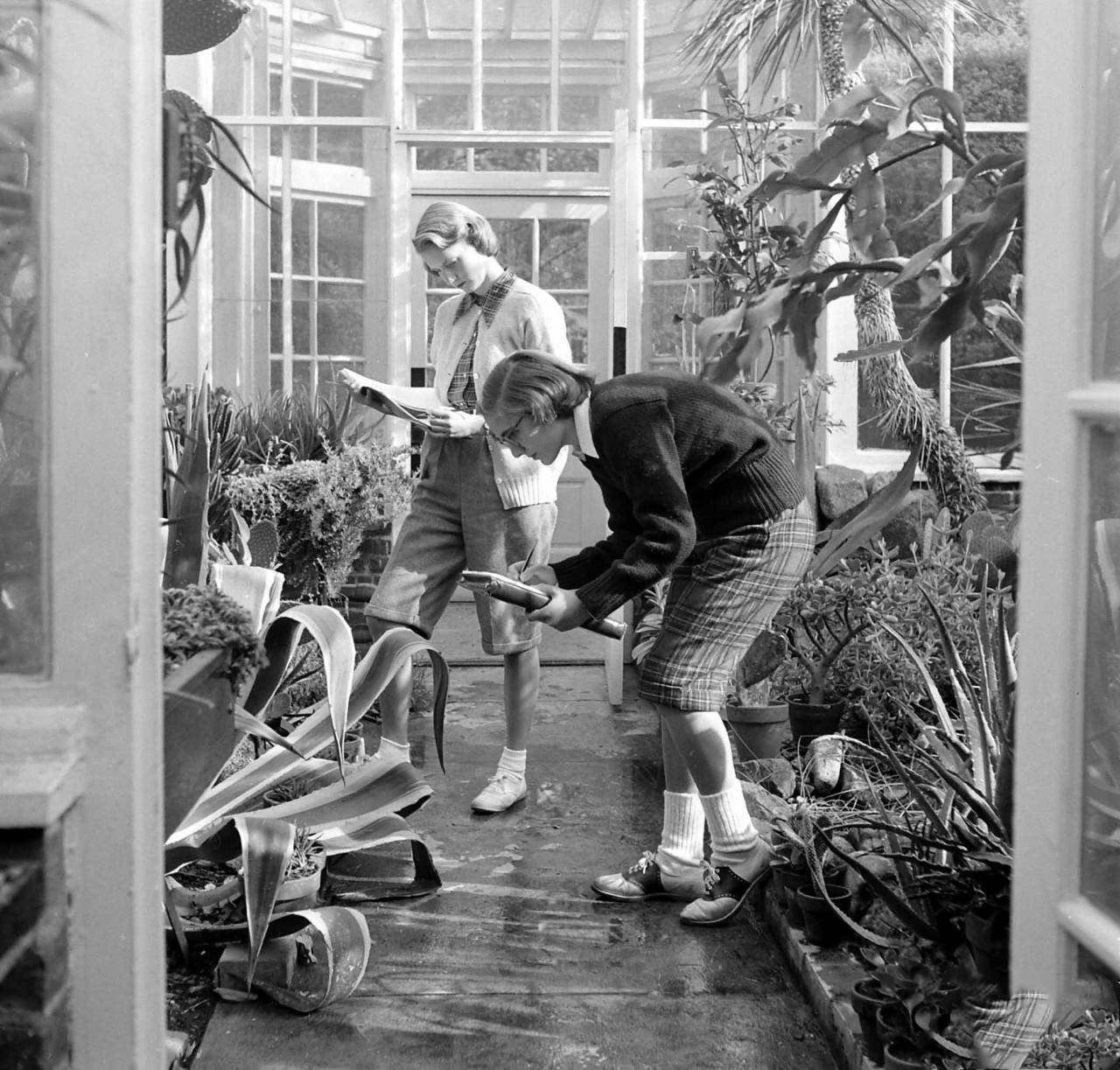
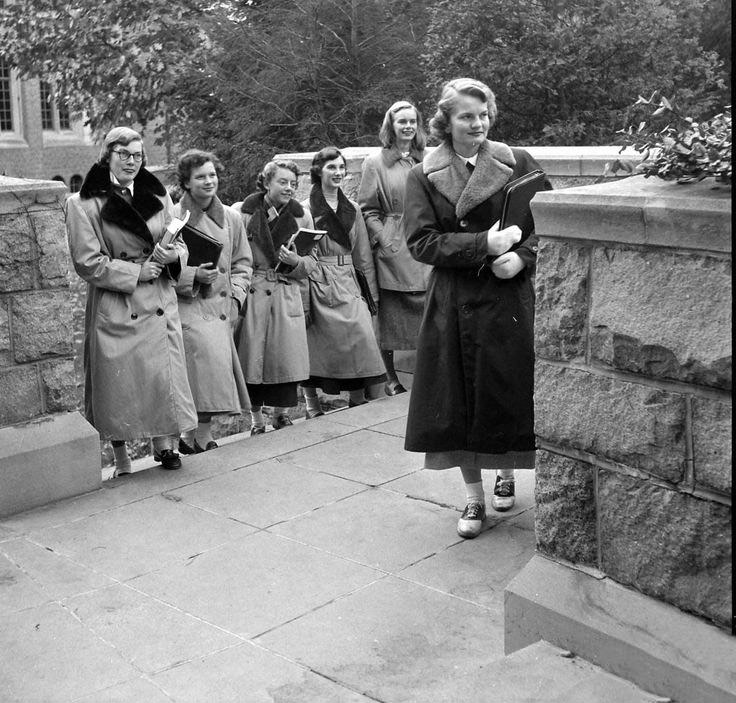
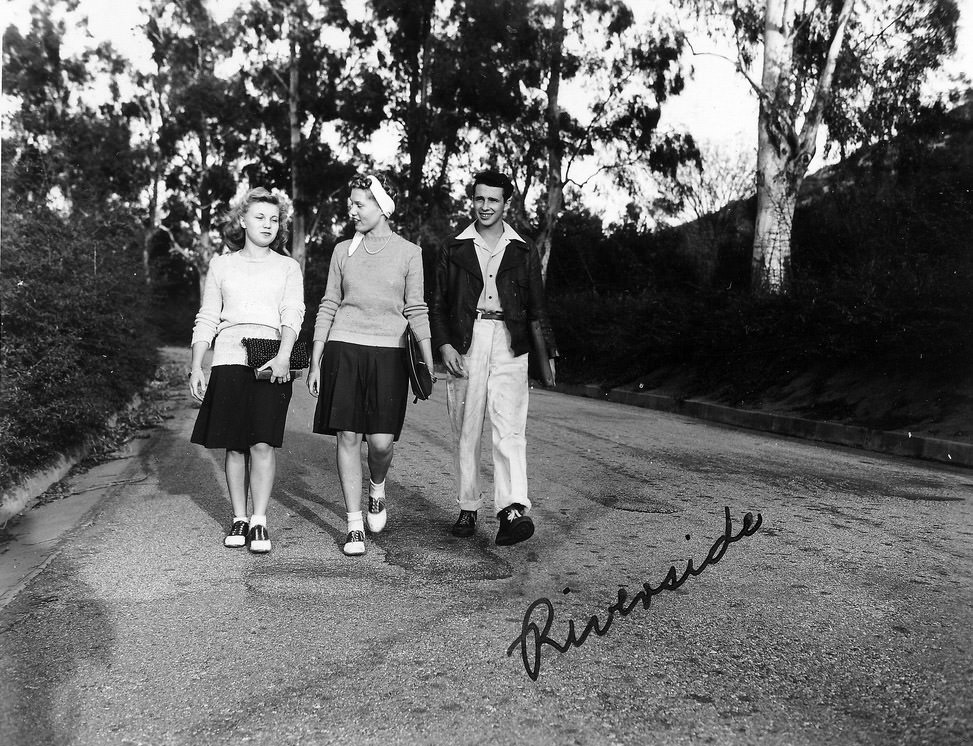
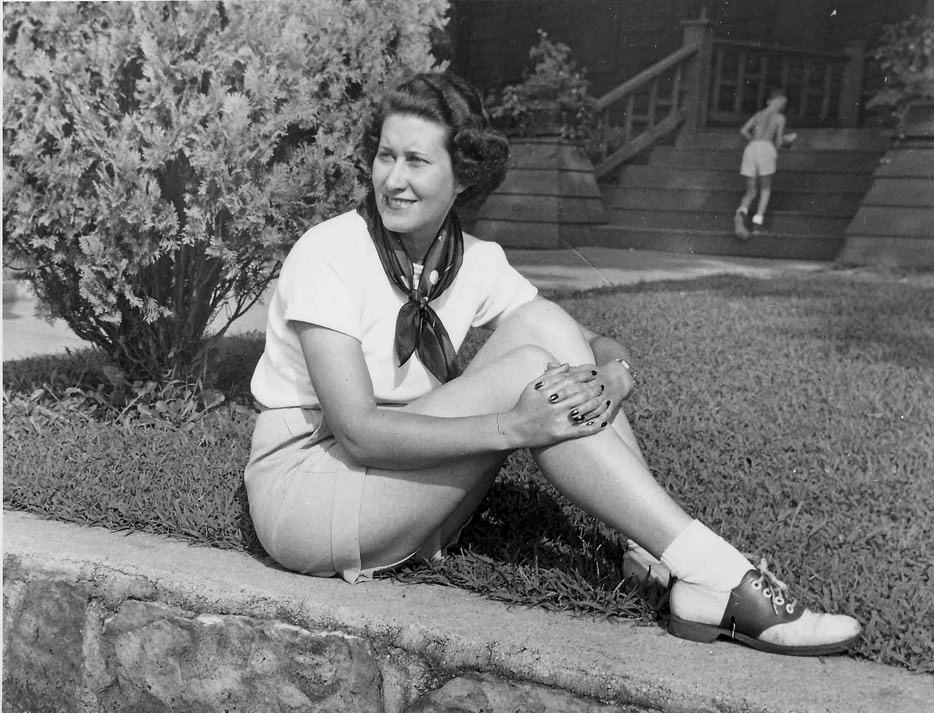
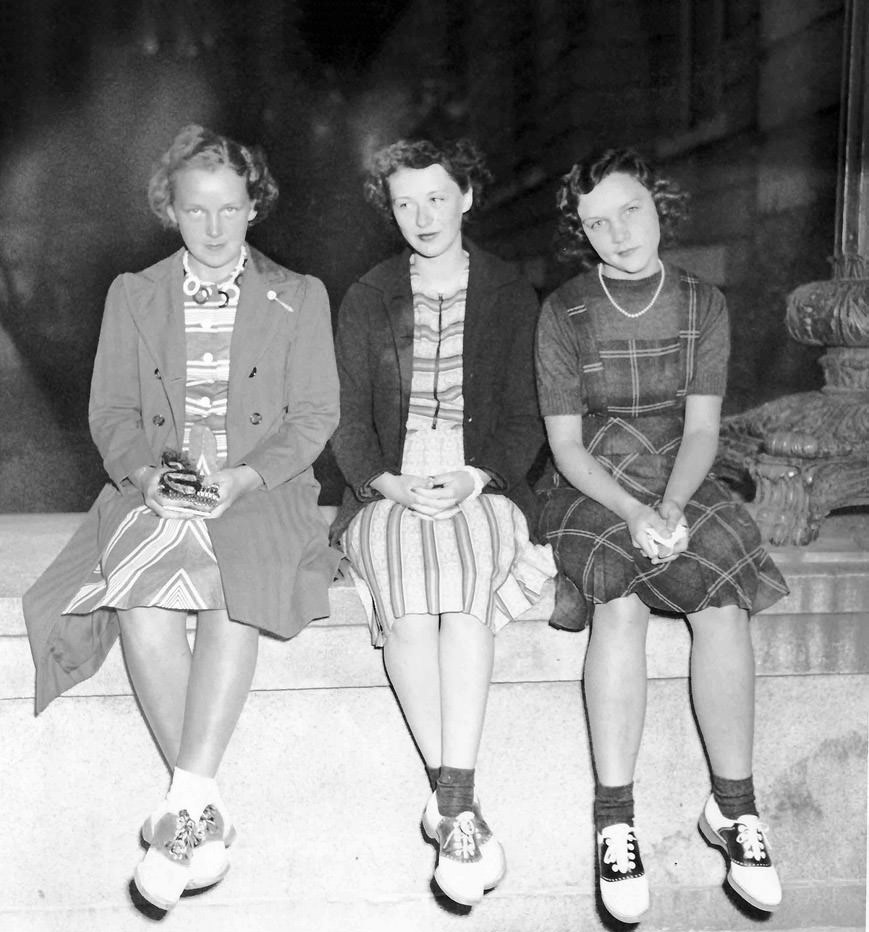
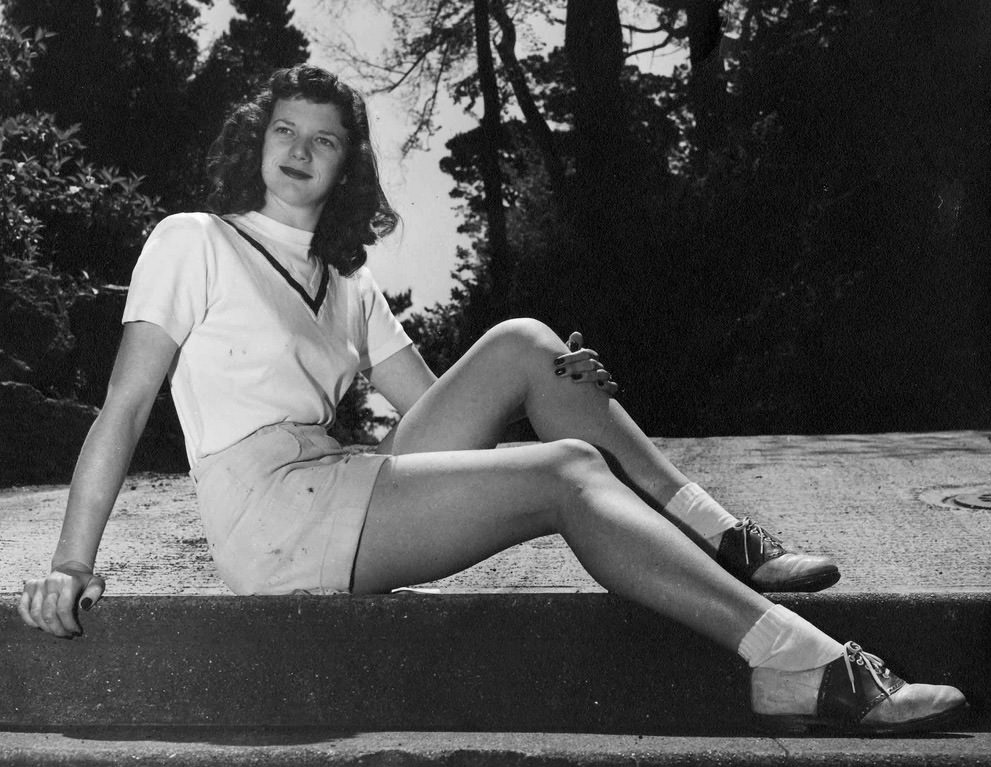
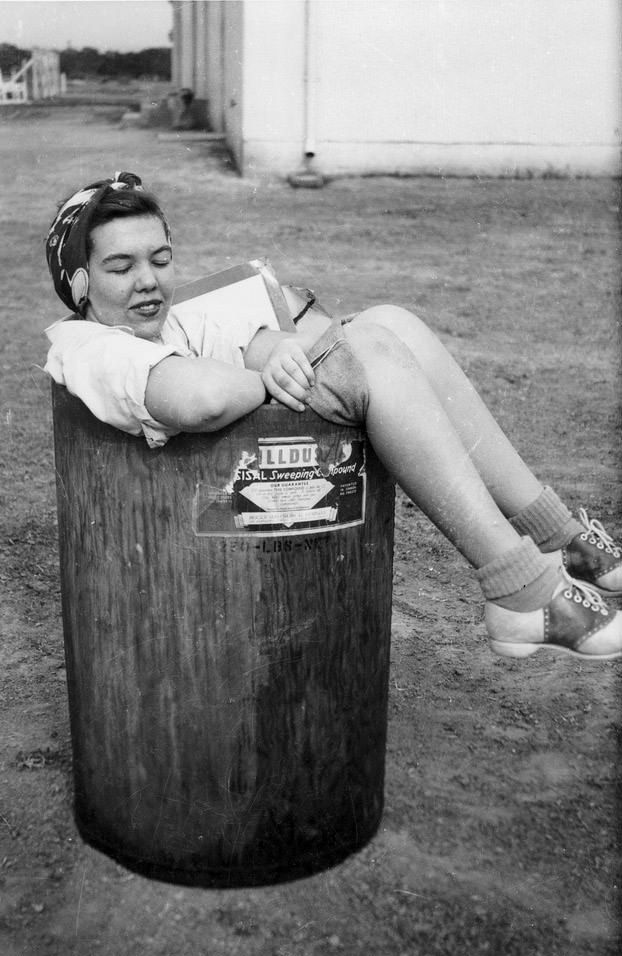
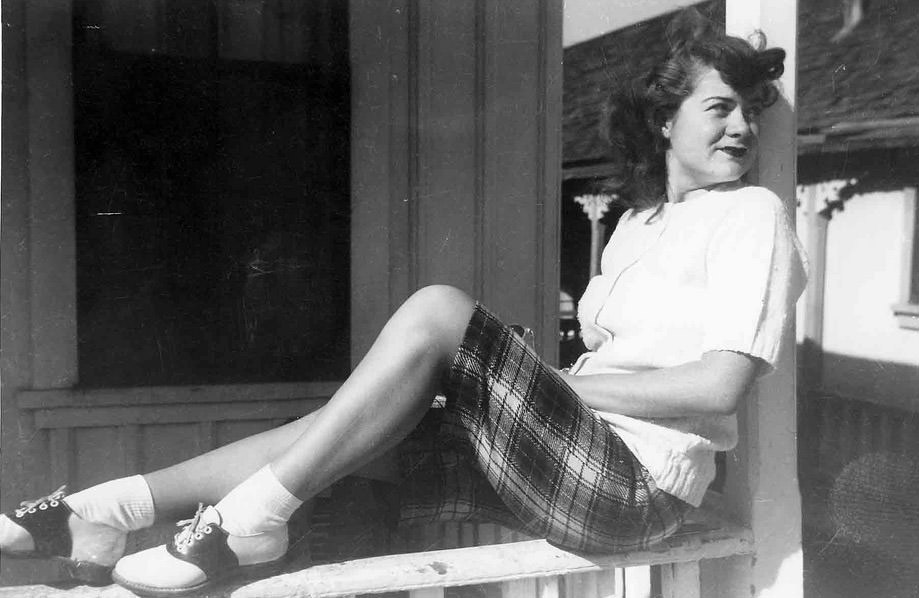
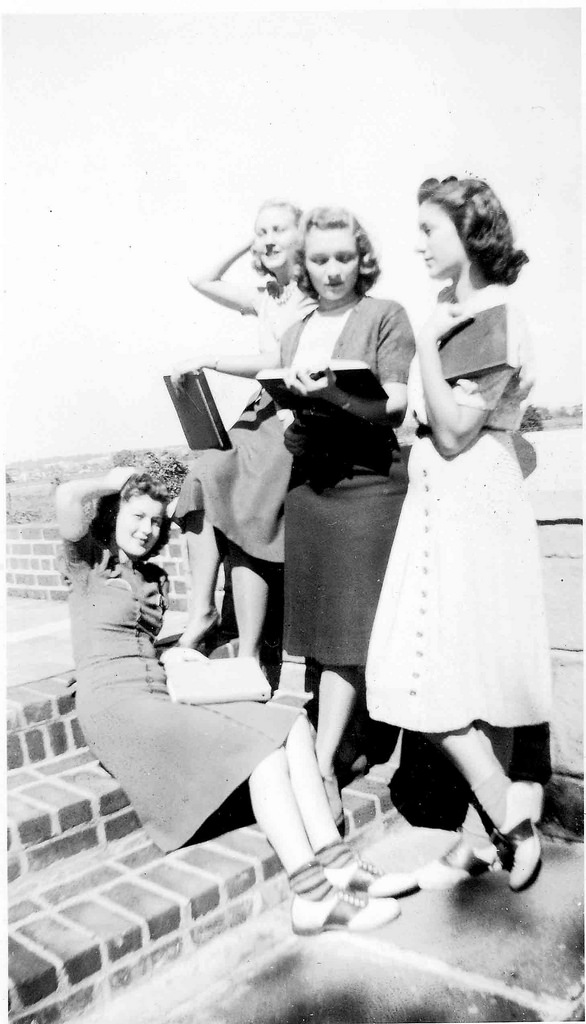
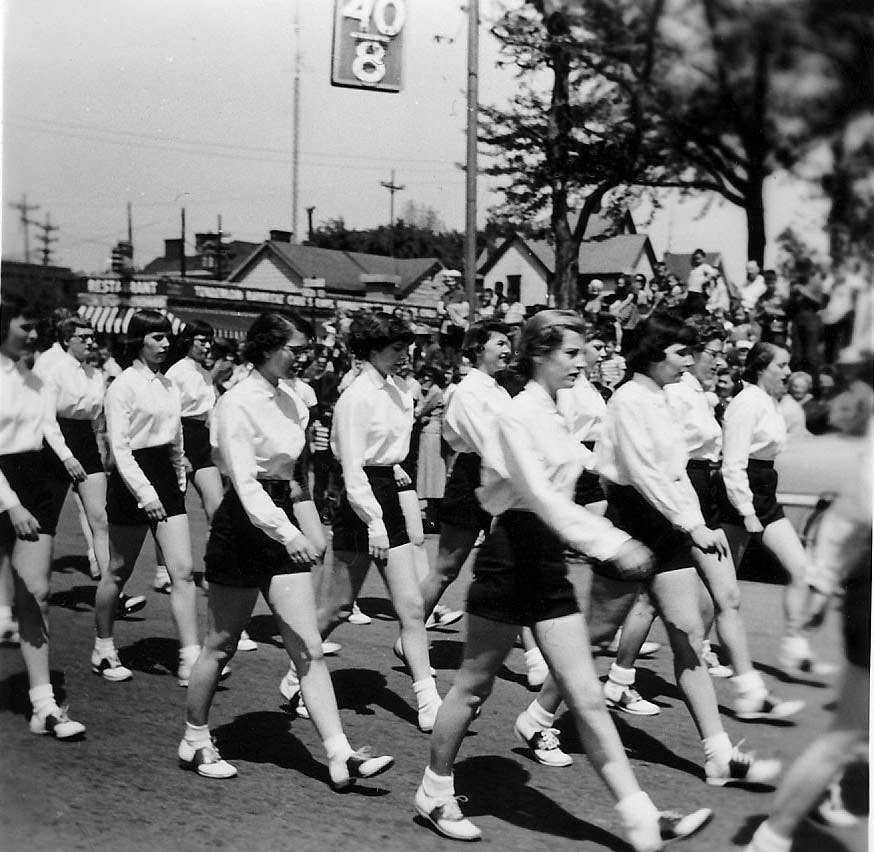
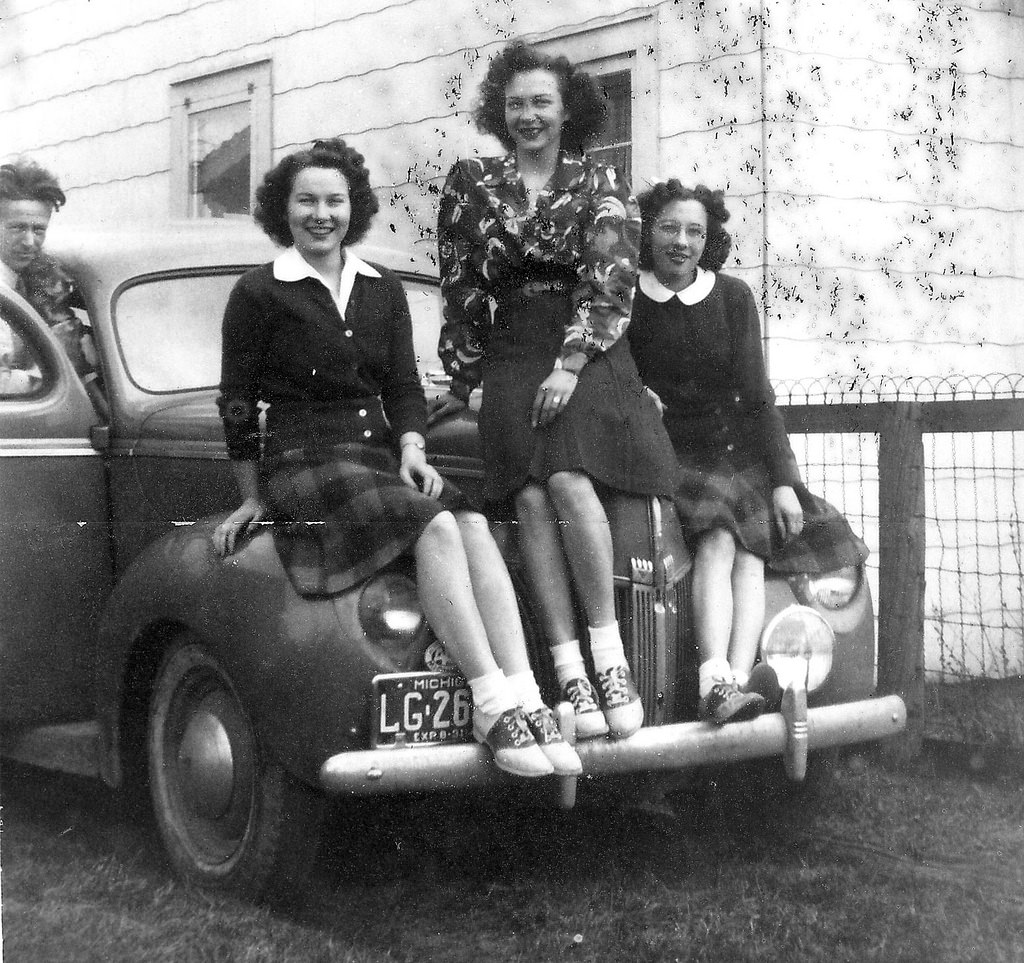
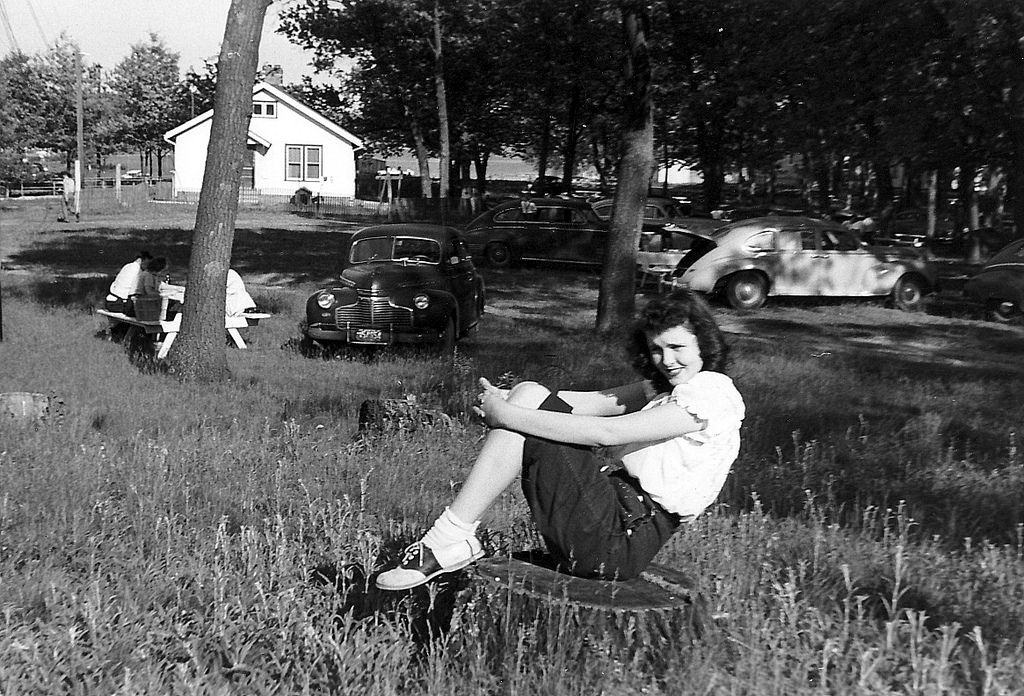
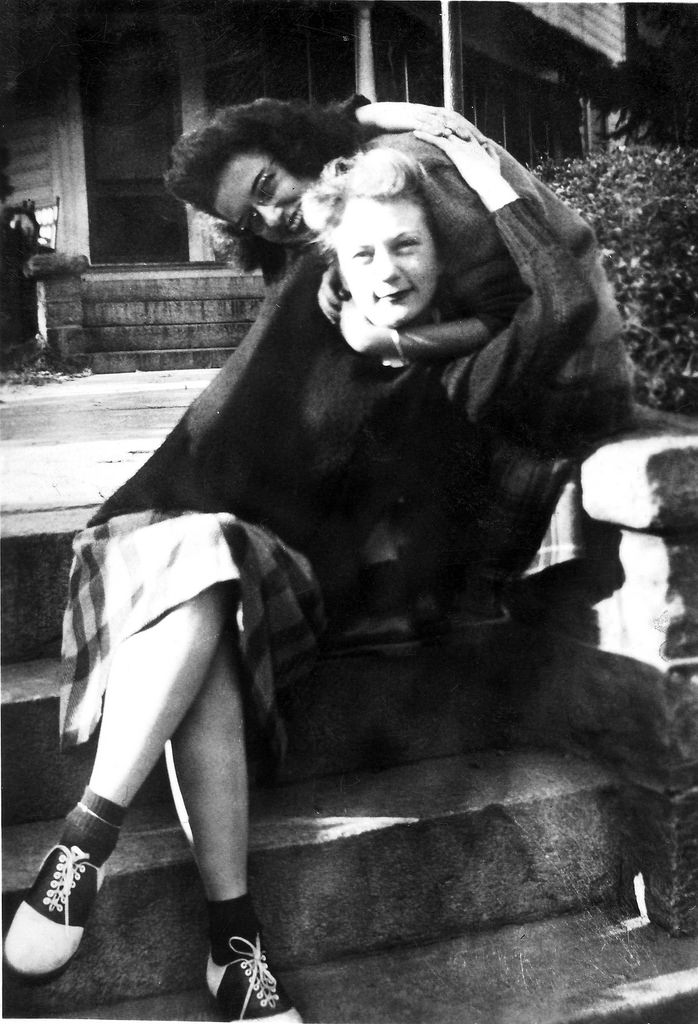
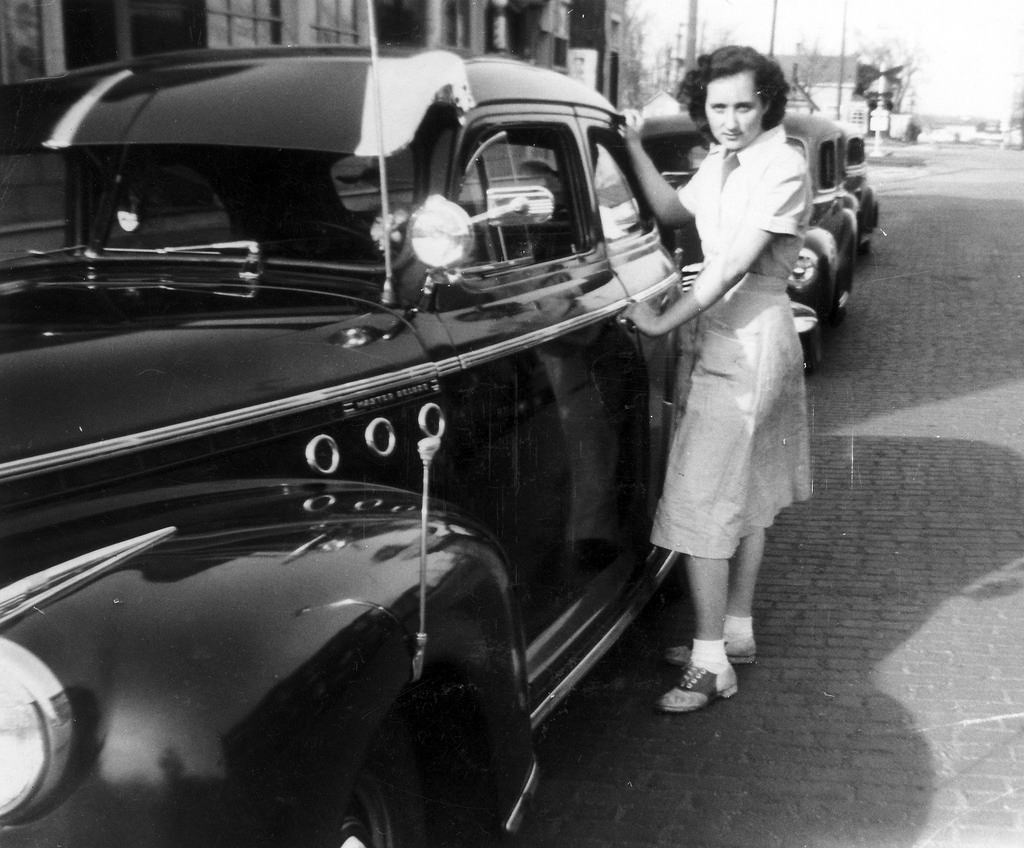
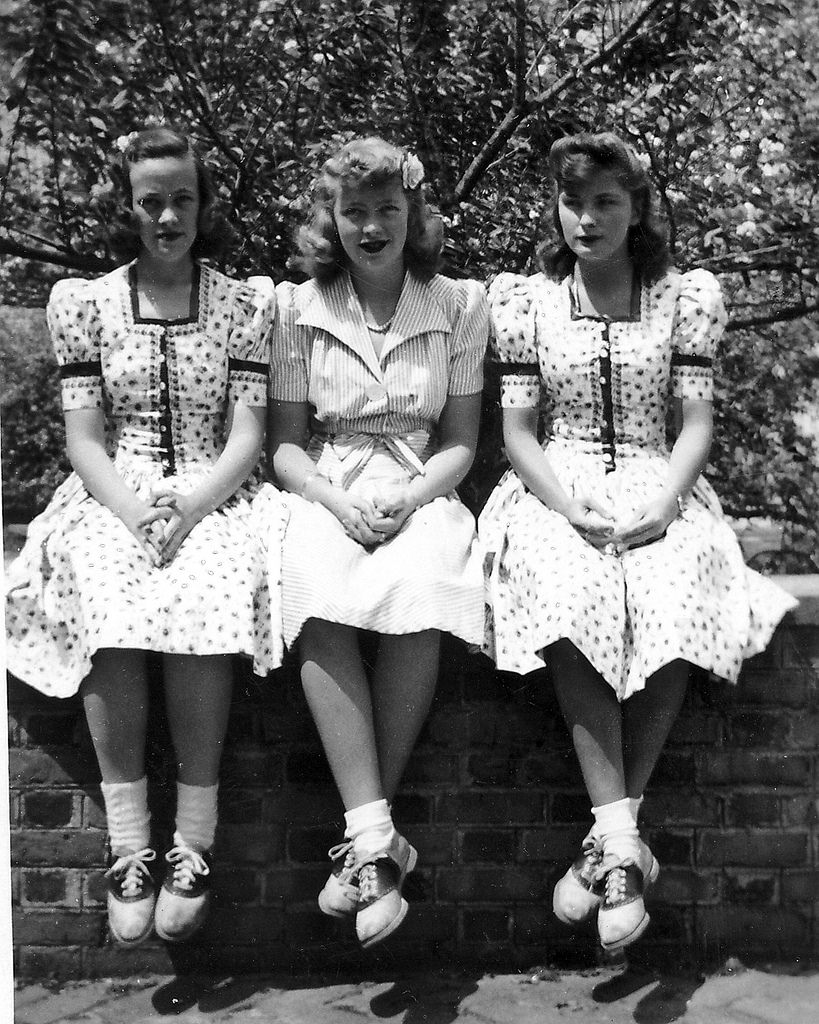
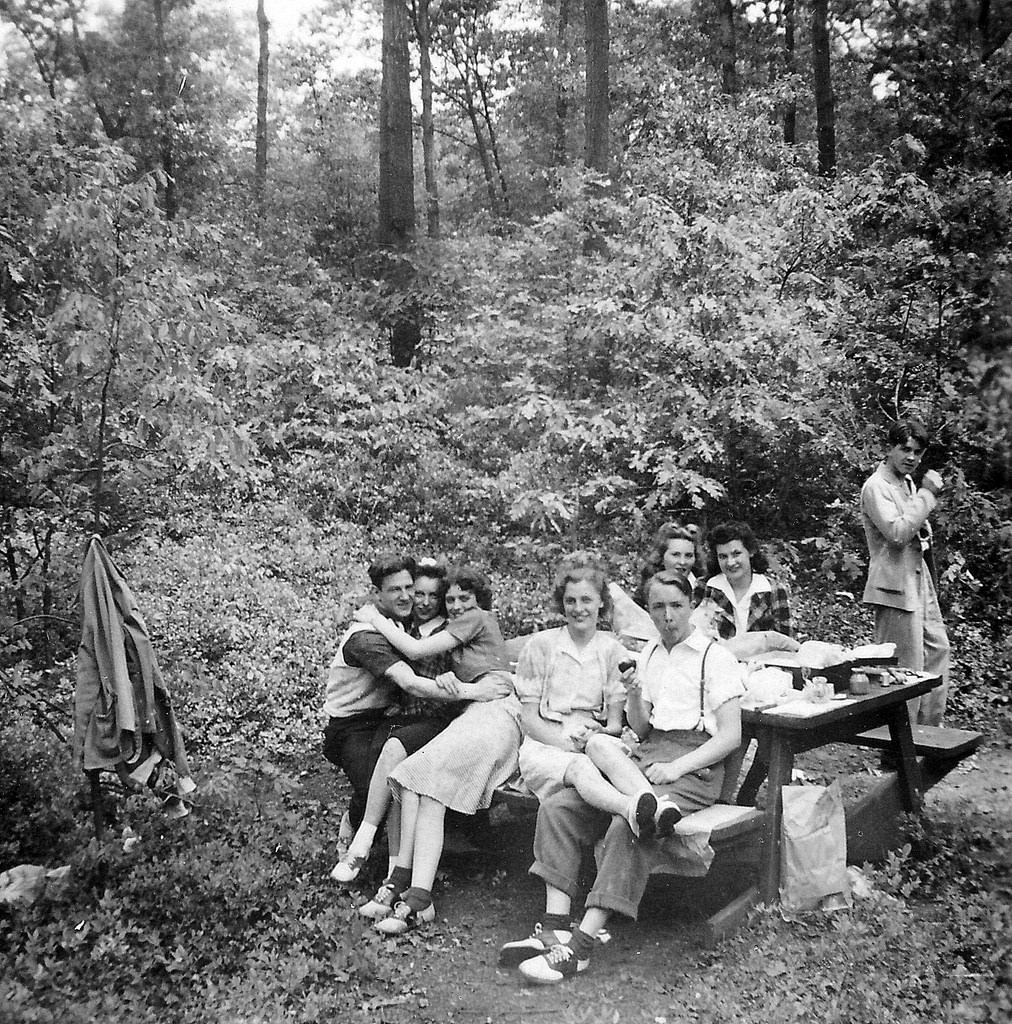
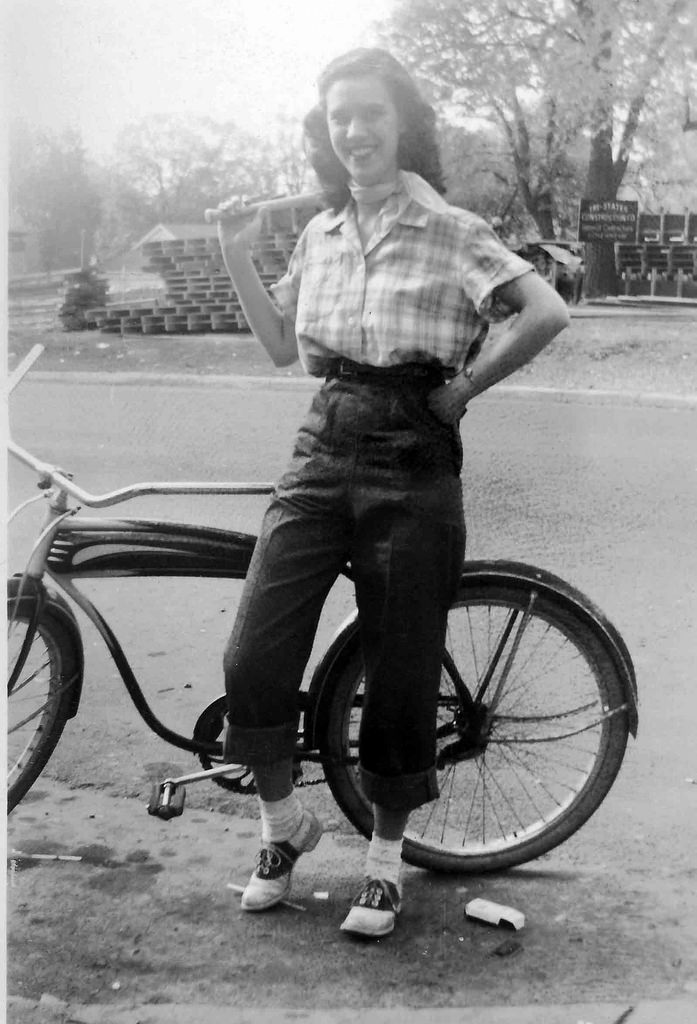
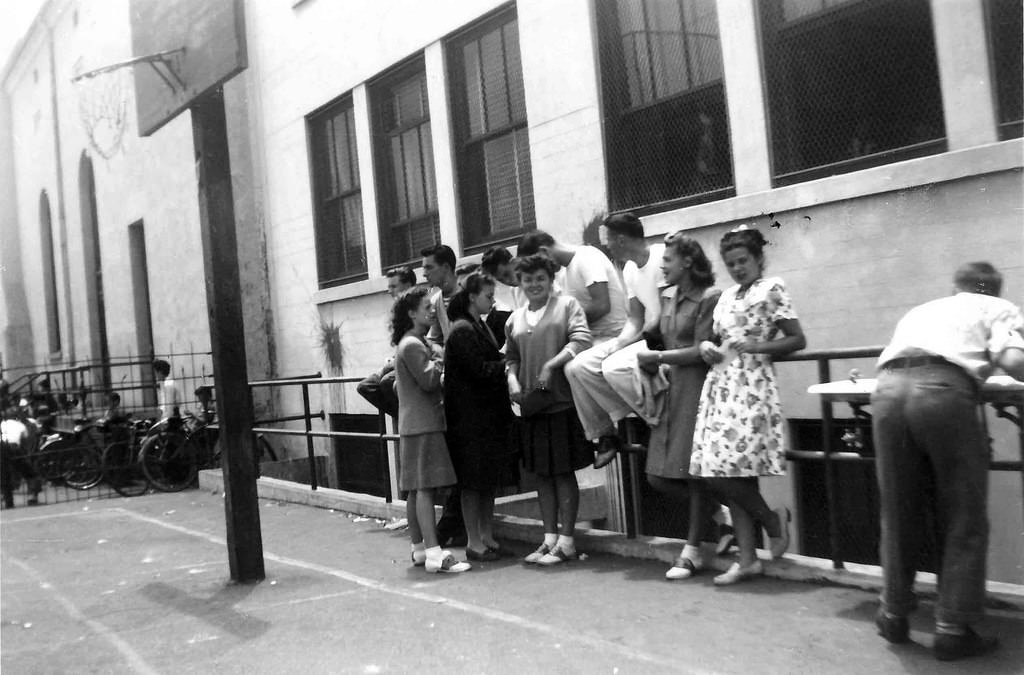
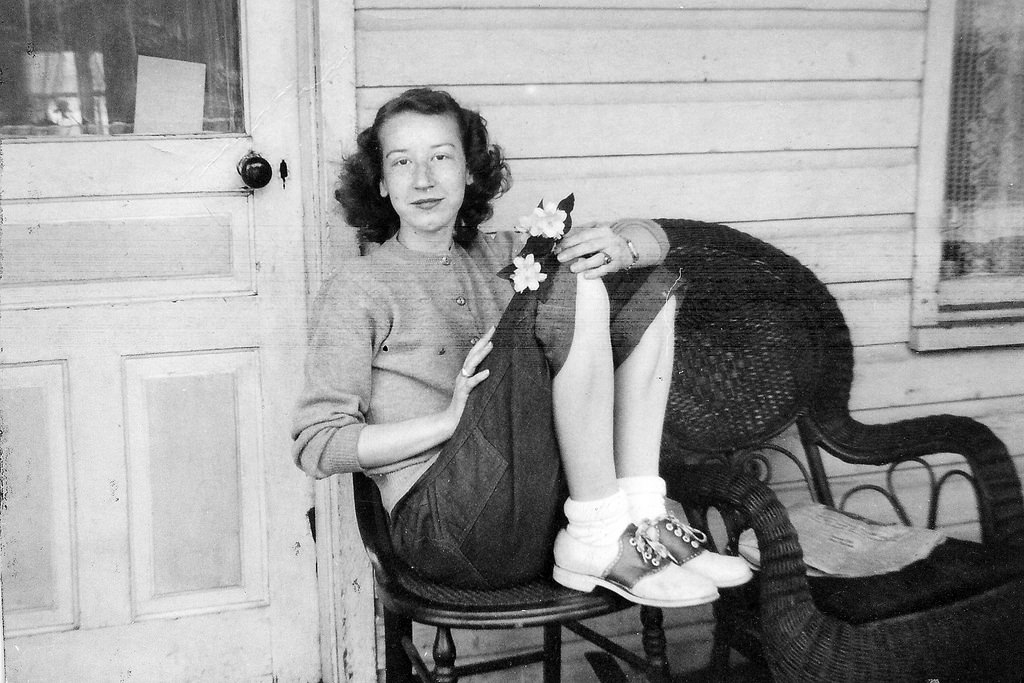
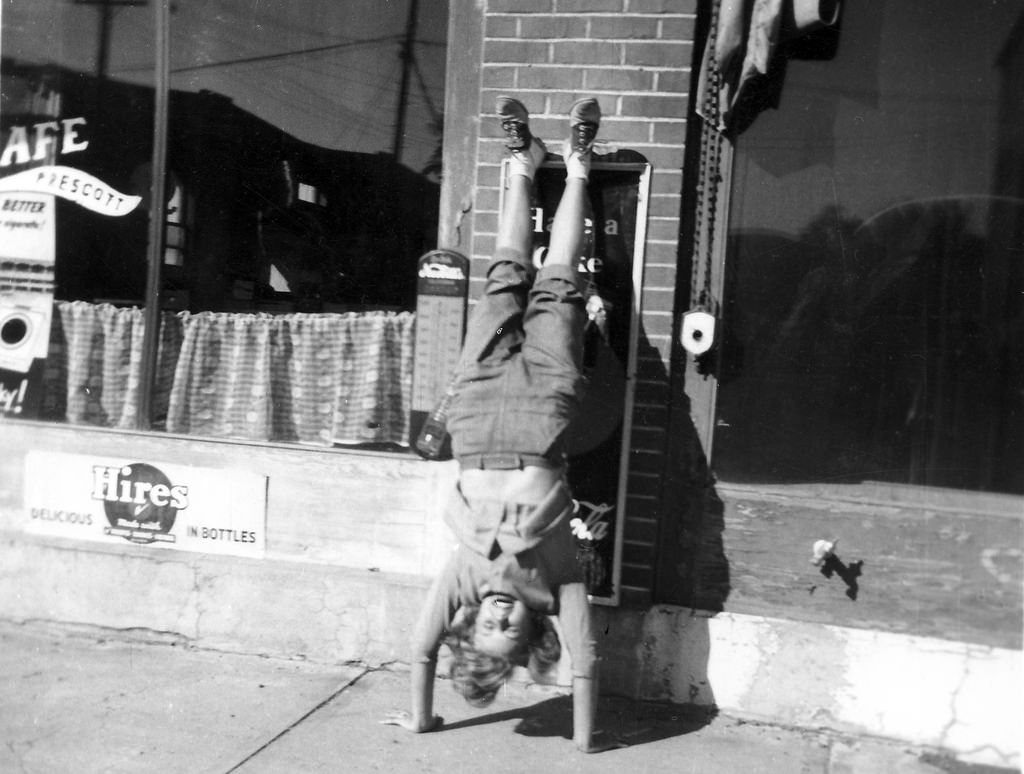
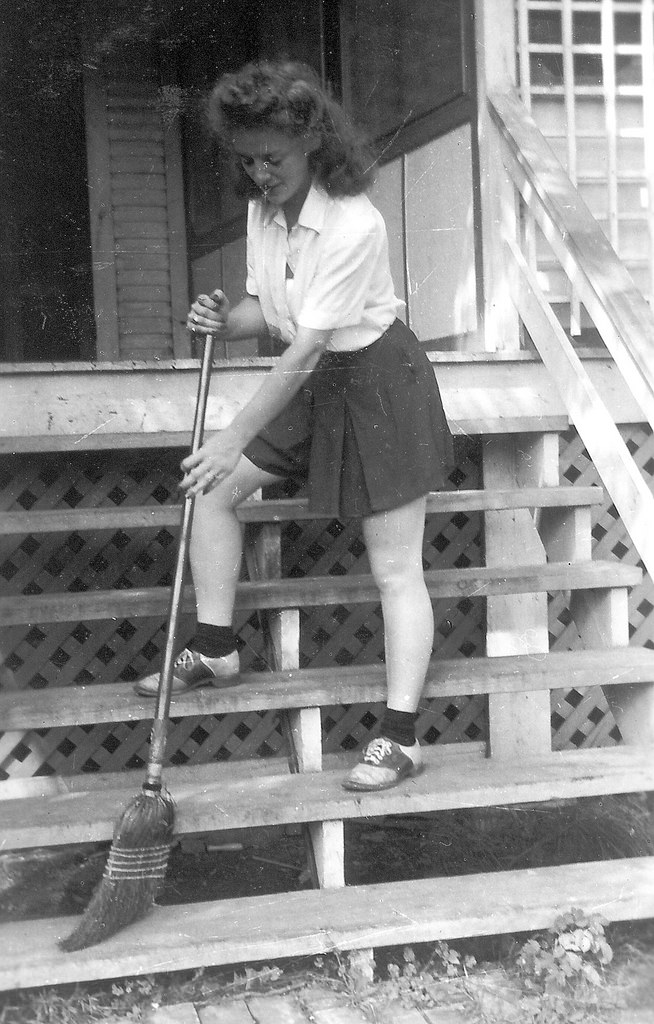
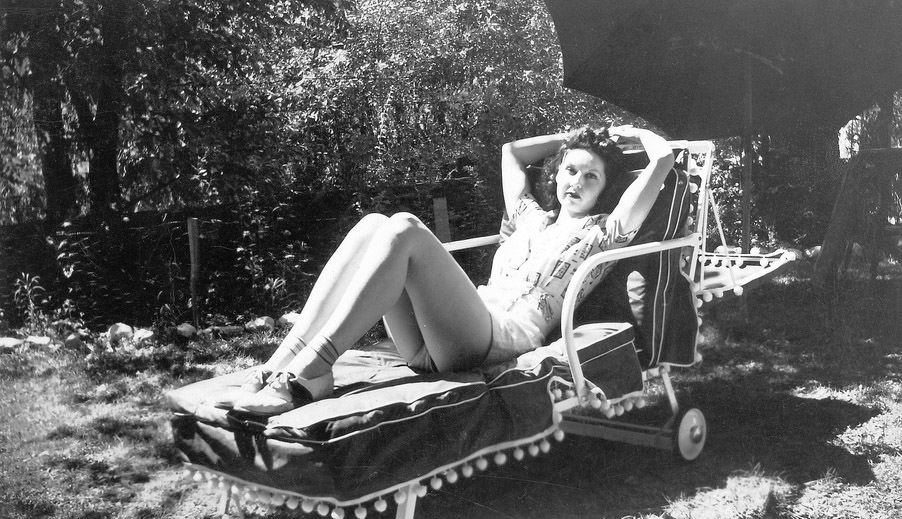
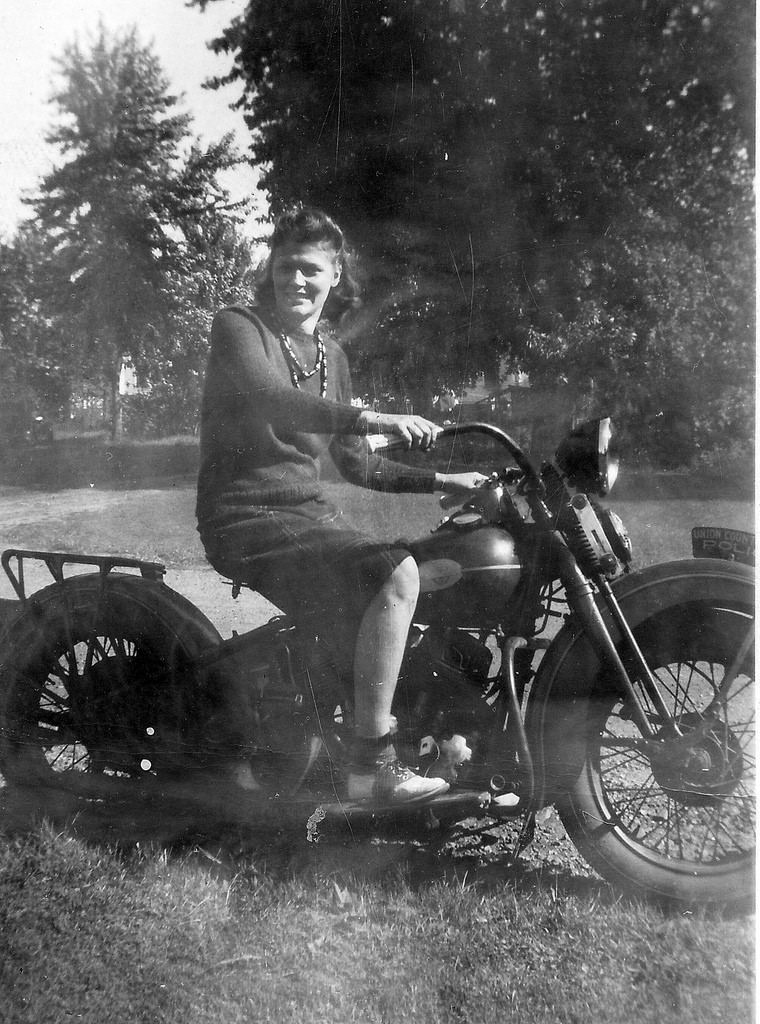
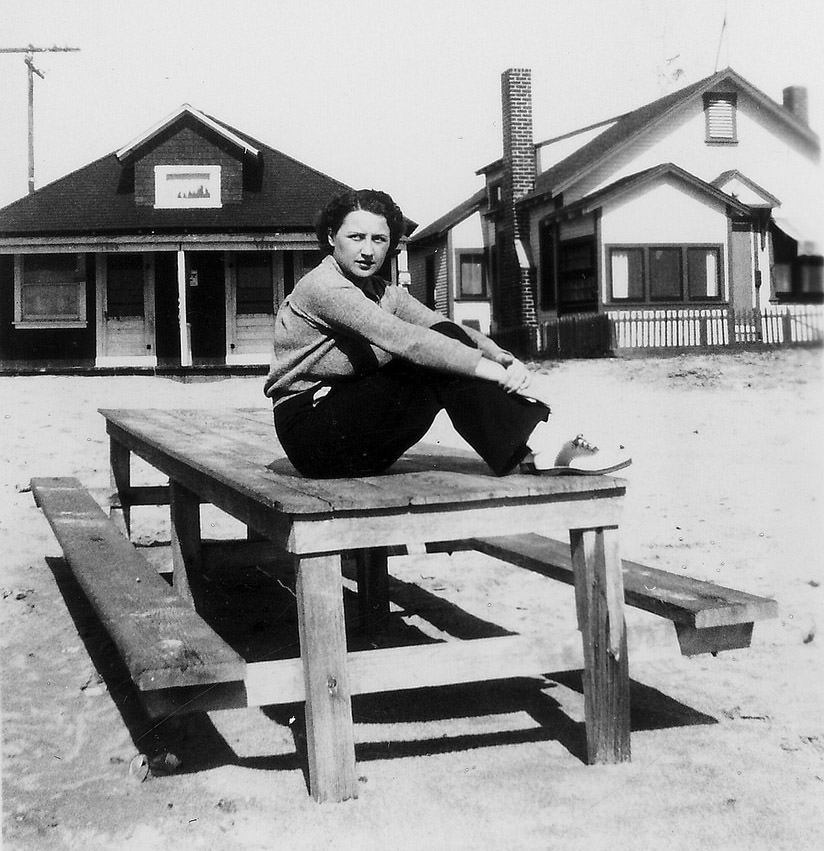
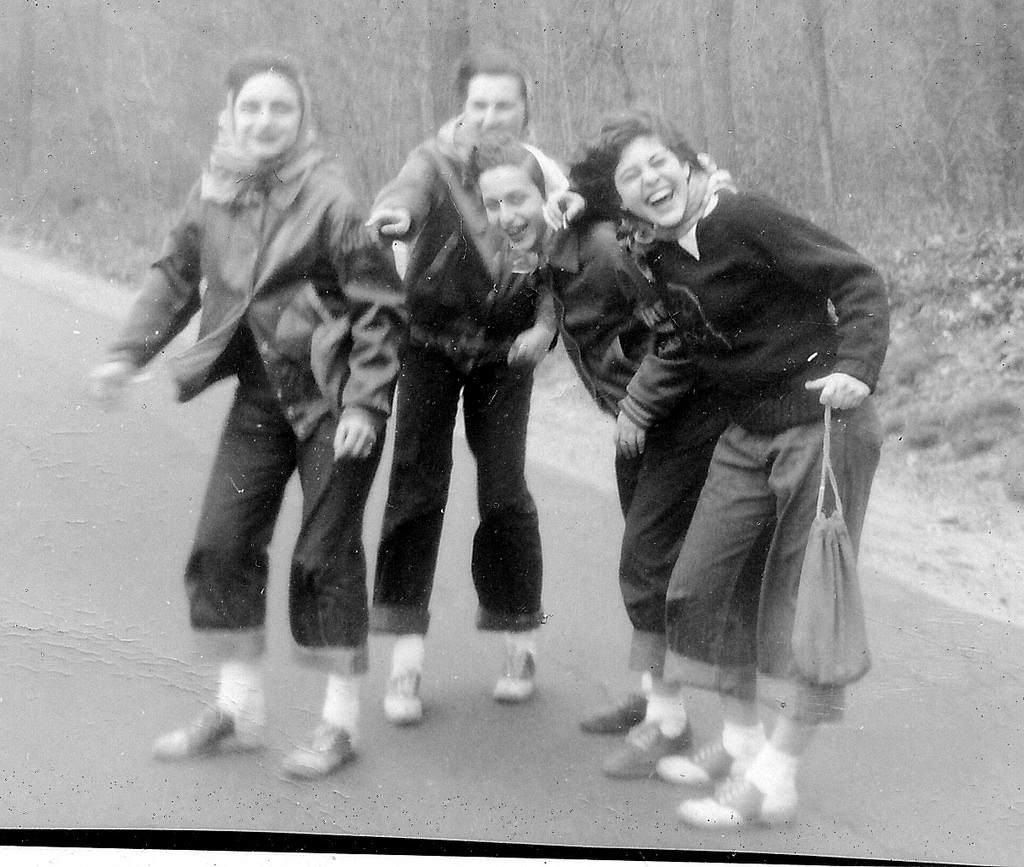
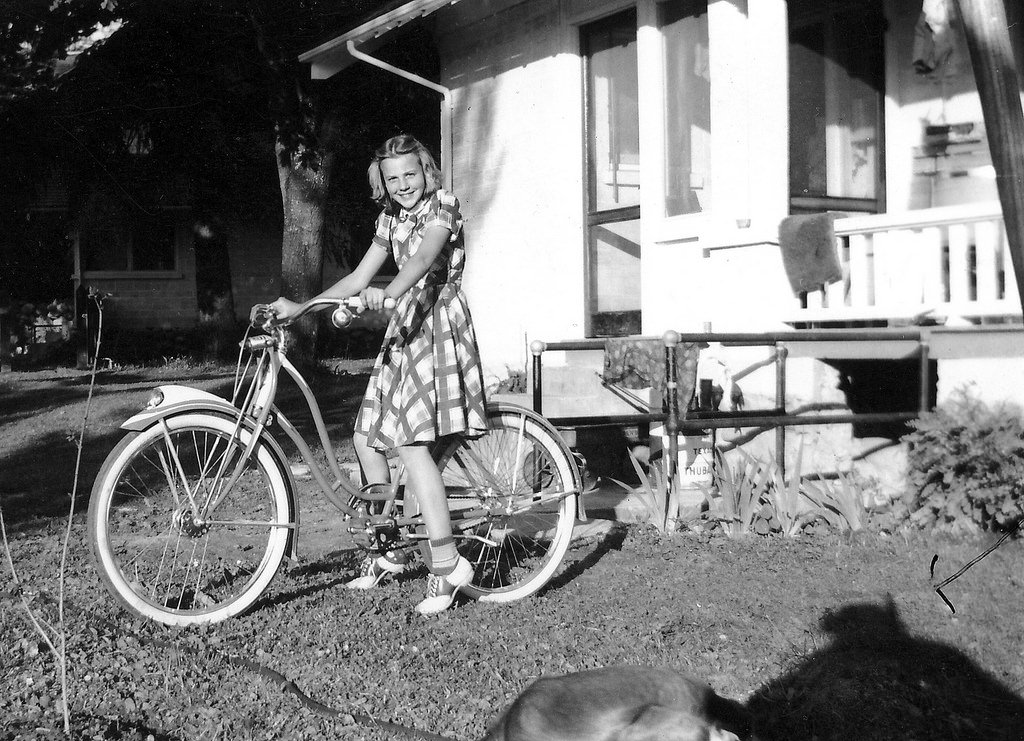
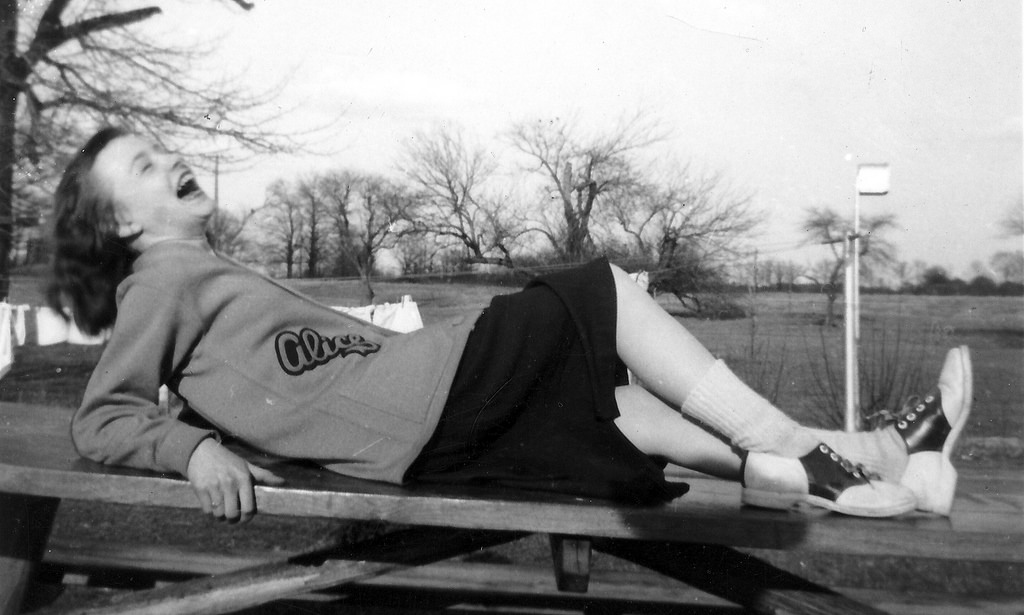
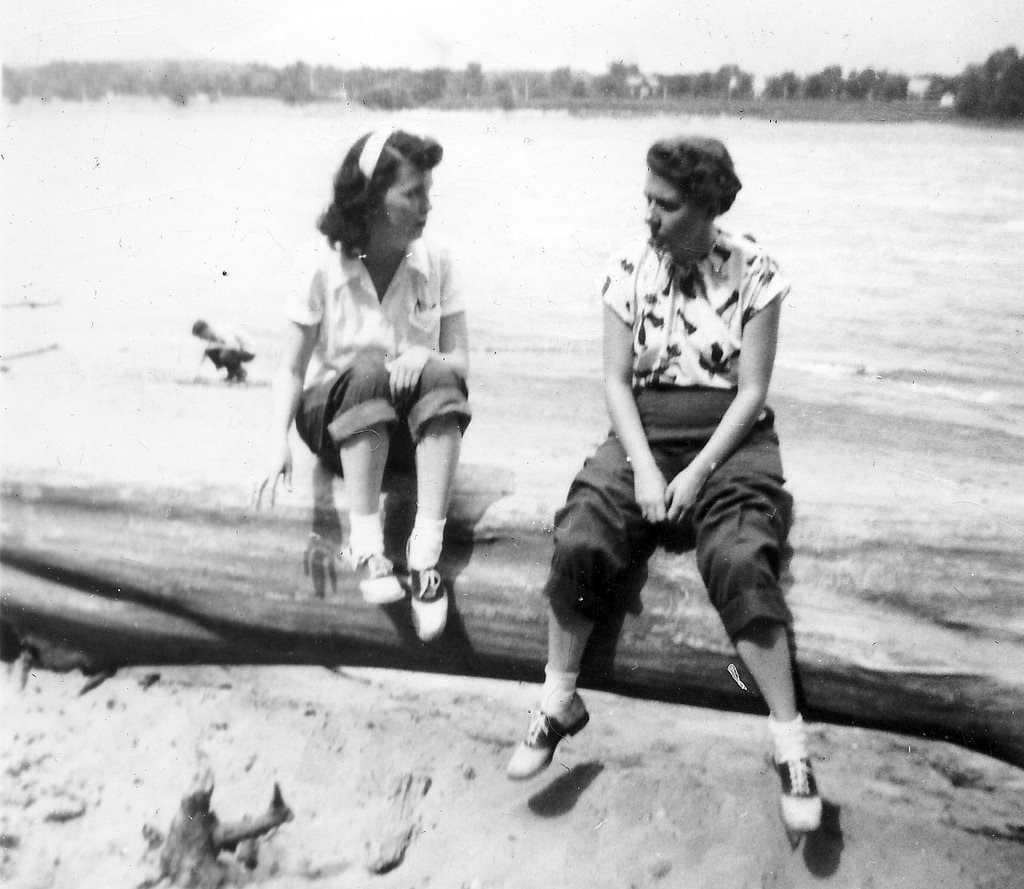
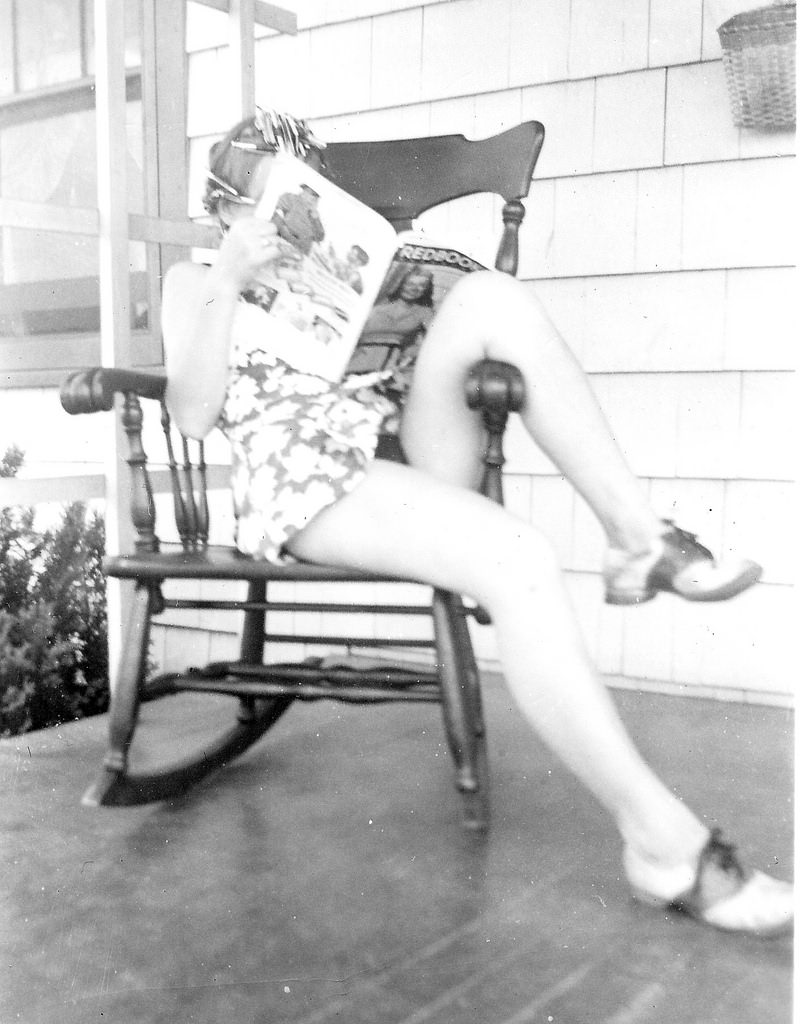
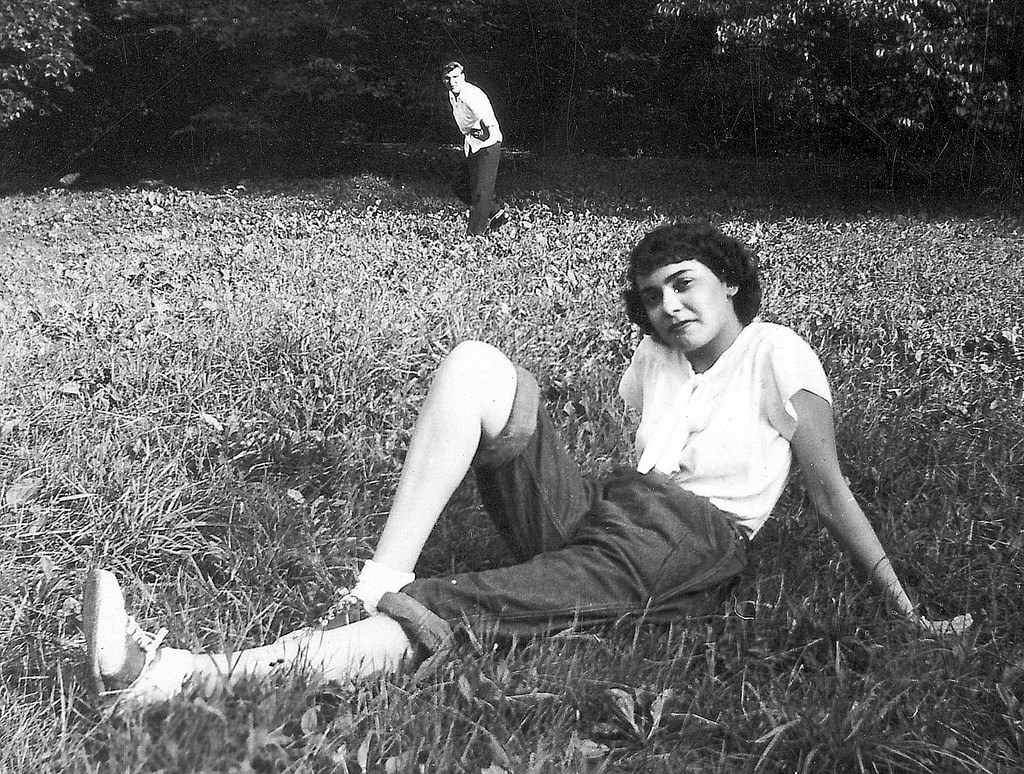
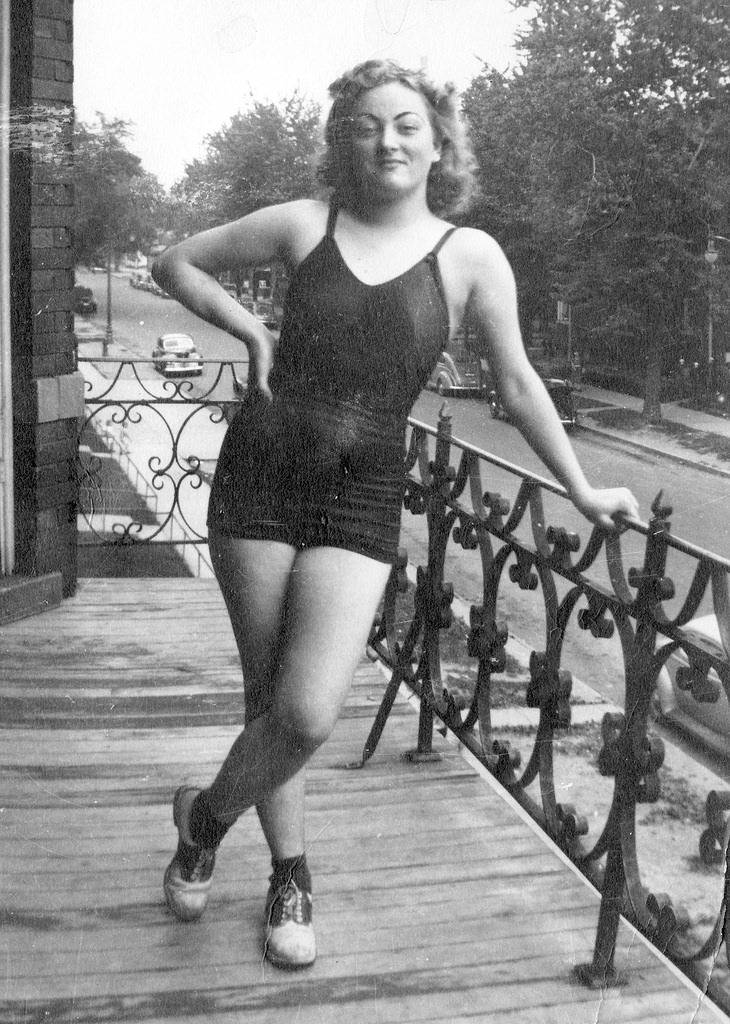
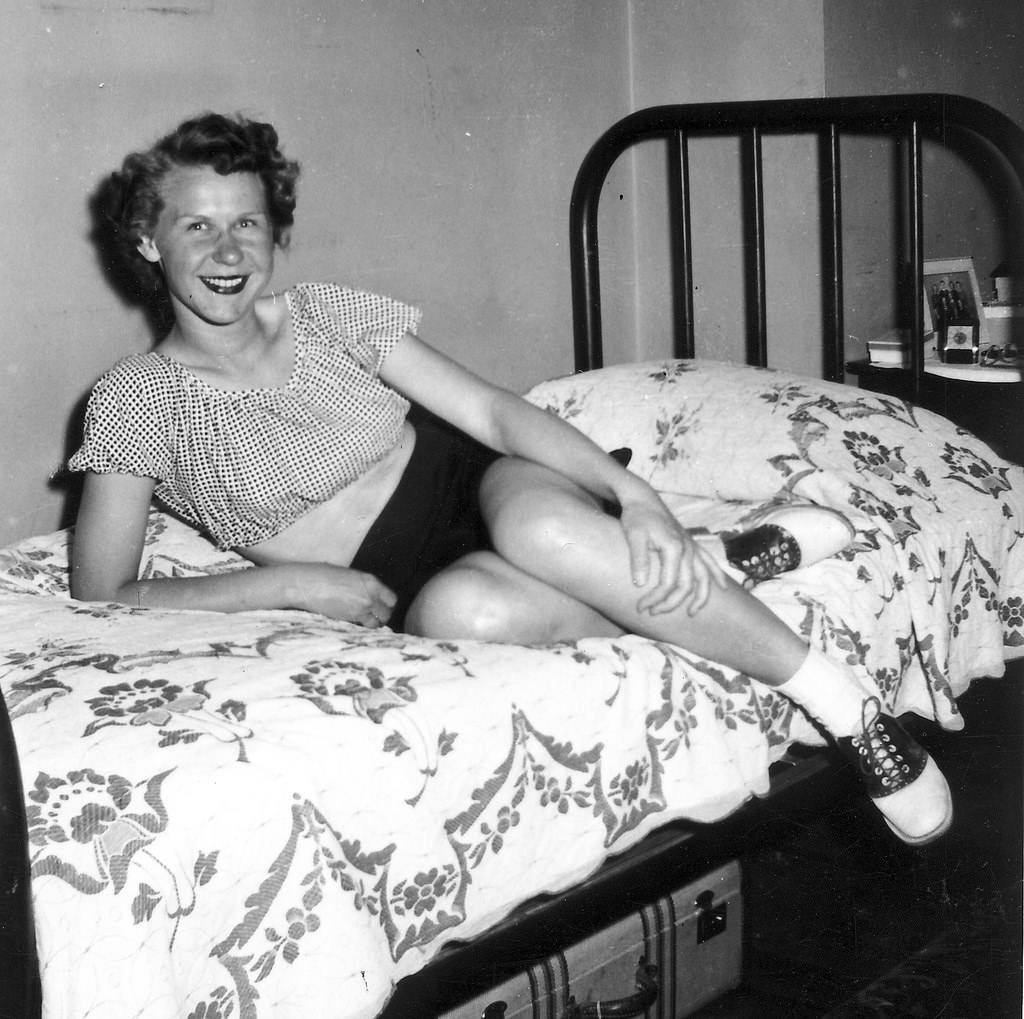
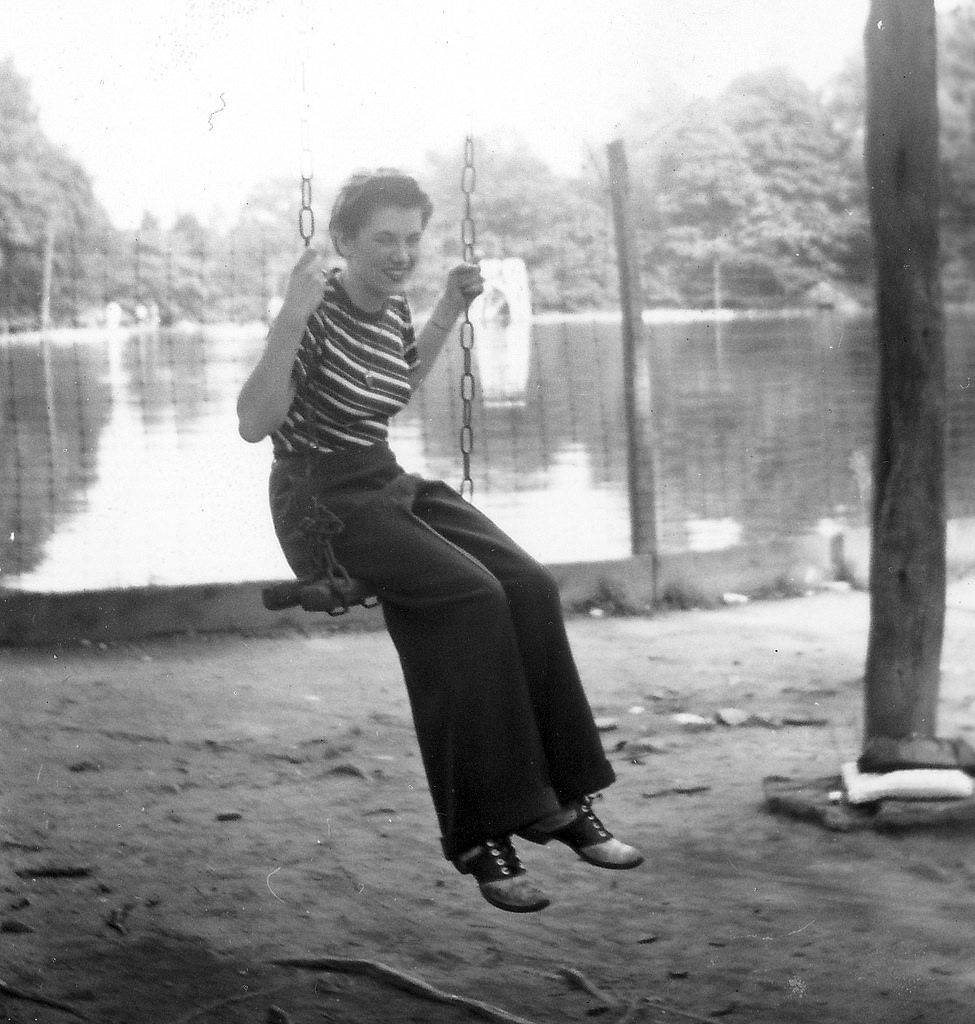
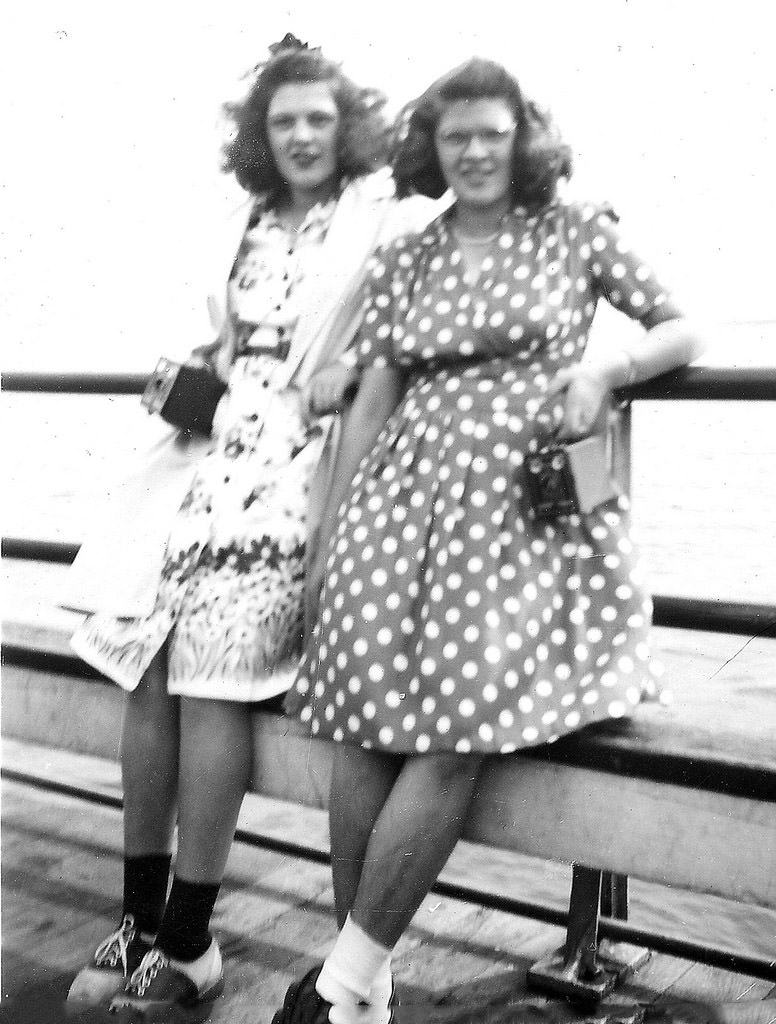
The photos in this collection capture that peak period — the 1940s through the 1960s — when saddle shoes were everywhere. From casual afternoons to school events, women and girls wore them as a matter of course. The shoes appear in these images on dance floors, sidewalks, school steps, and backyards, showing just how deeply they worked their way into daily American life.

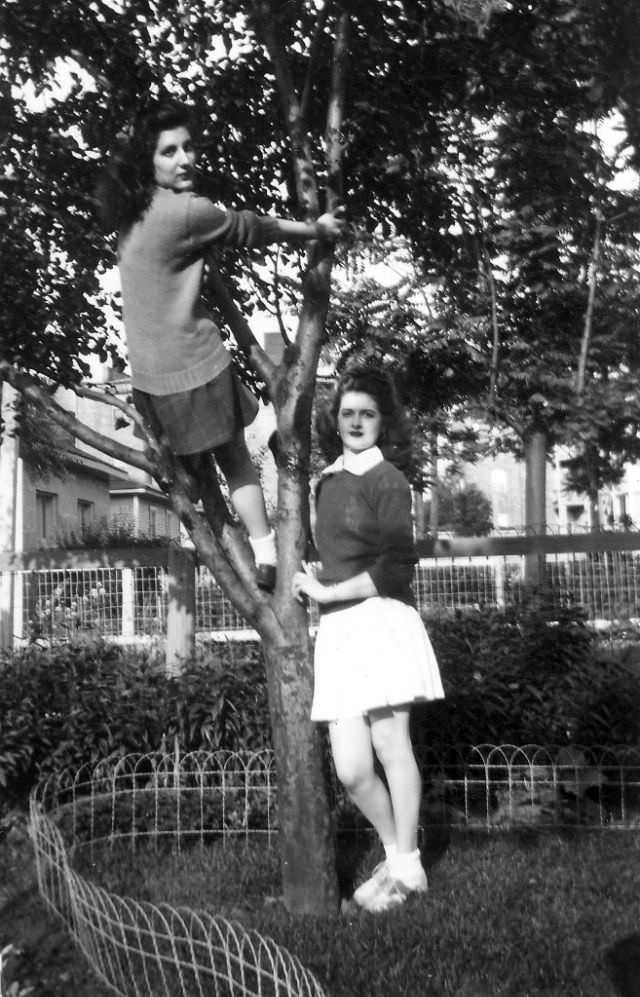
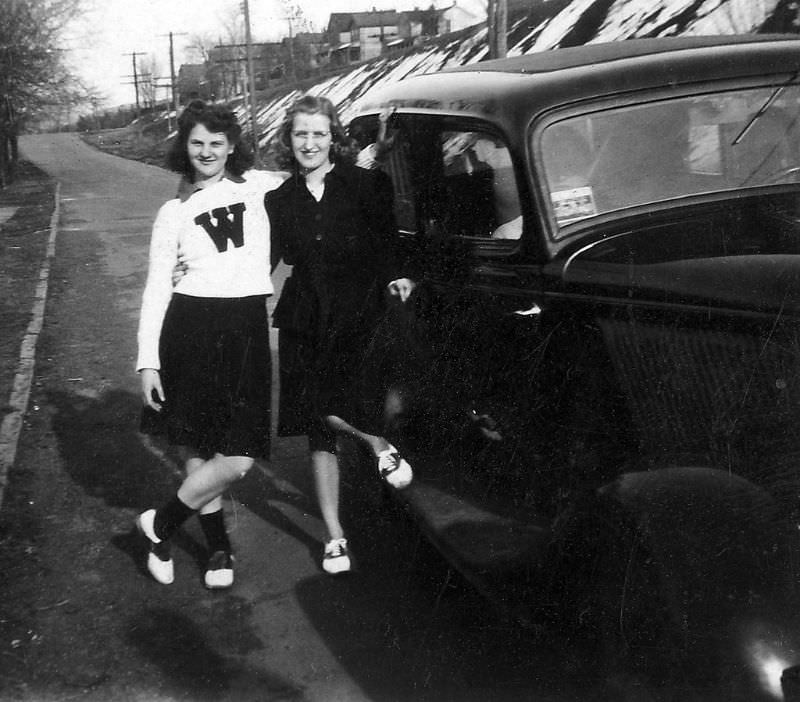

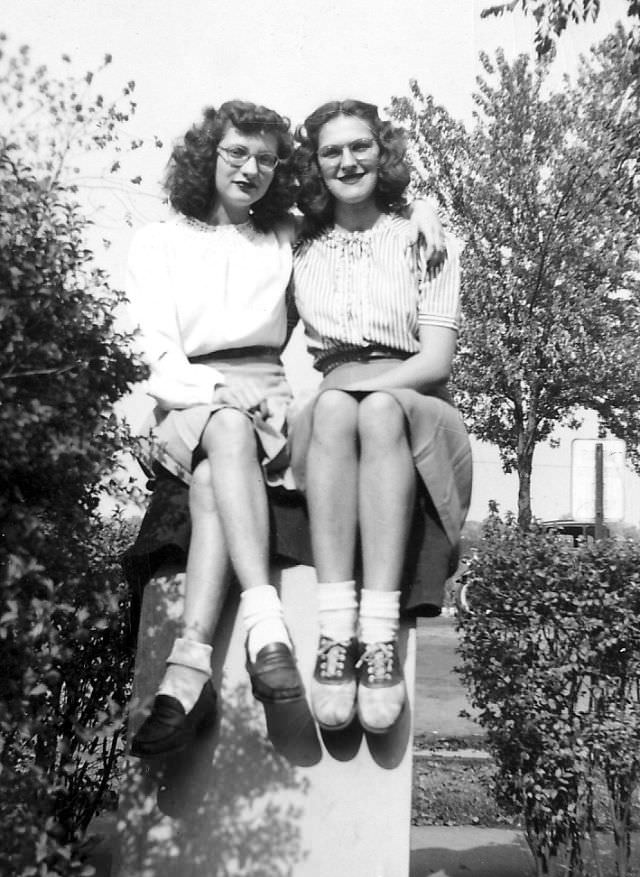
What made the saddle shoe so enduring was its design simplicity. The two-tone construction required no ornamentation. The shoe did not rely on buckles, straps, or decorative stitching to stand out. The contrast between the saddle and the rest of the upper did all the work, and that clean visual clarity is why it aged so well across multiple decades.
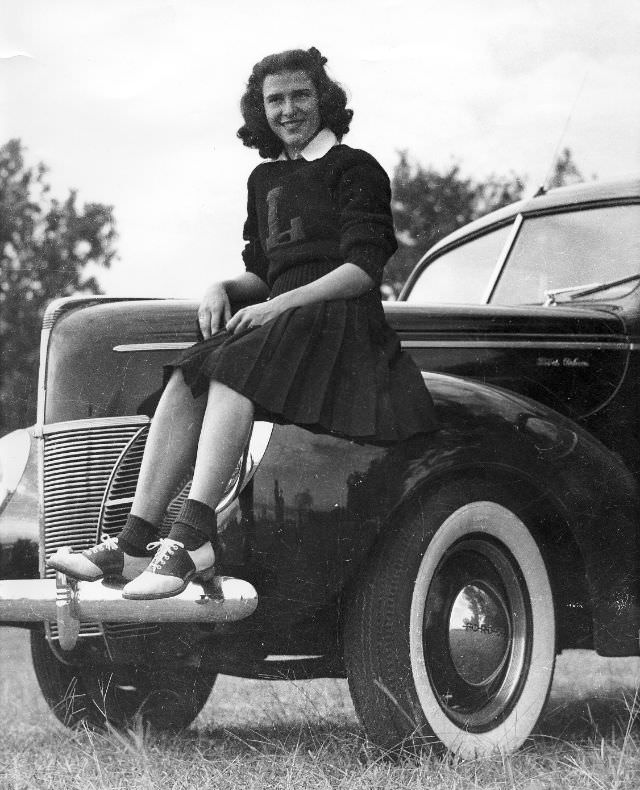



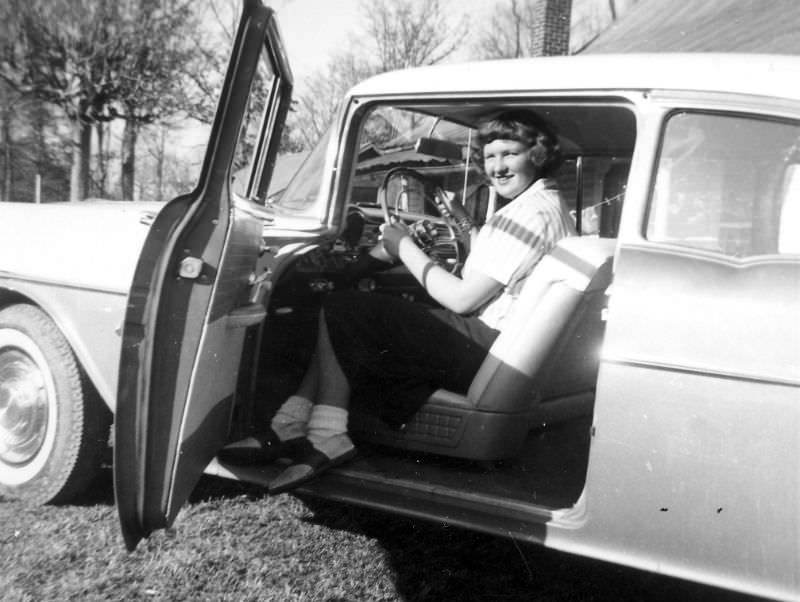
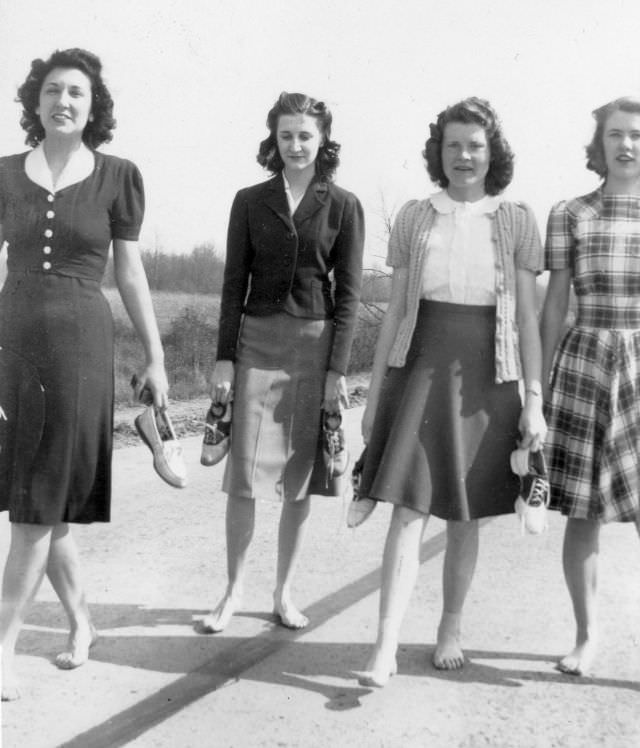
Historians often point to the saddle shoe as a direct ancestor of the modern athletic sneaker. Its reinforced sole, supportive instep, and durable leather construction set a template that later shoe designers built on. It was performance footwear dressed up as casual wear — a combination that became the foundation of the entire athletic shoe industry.