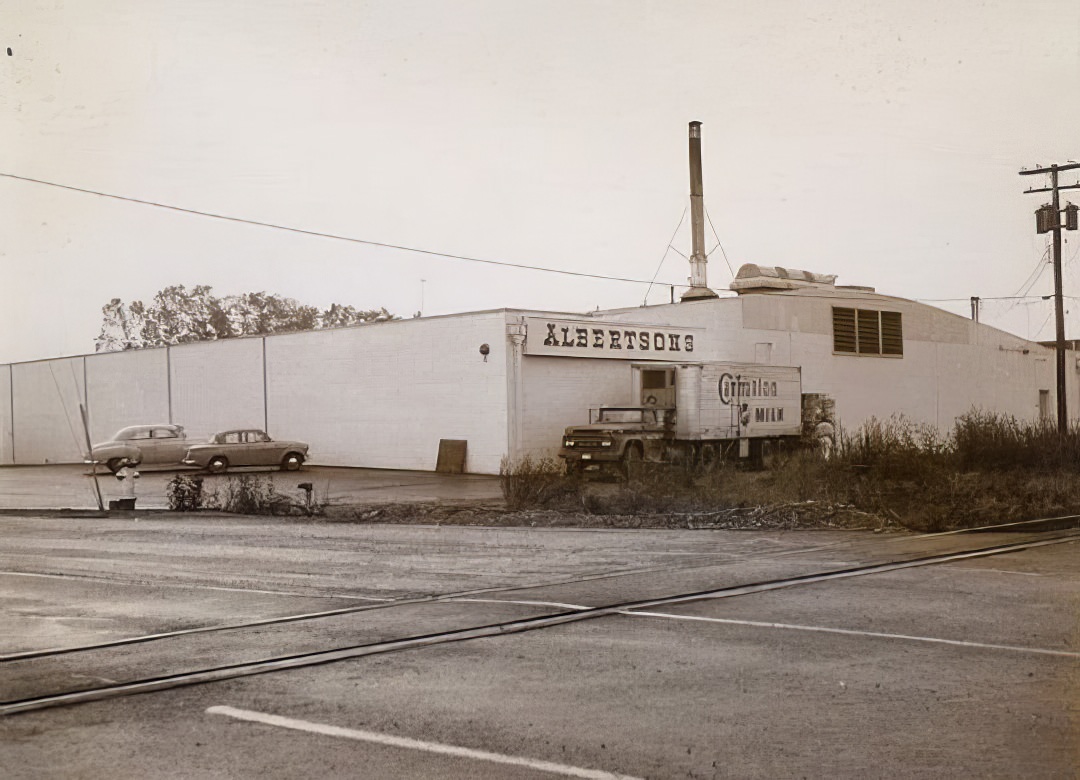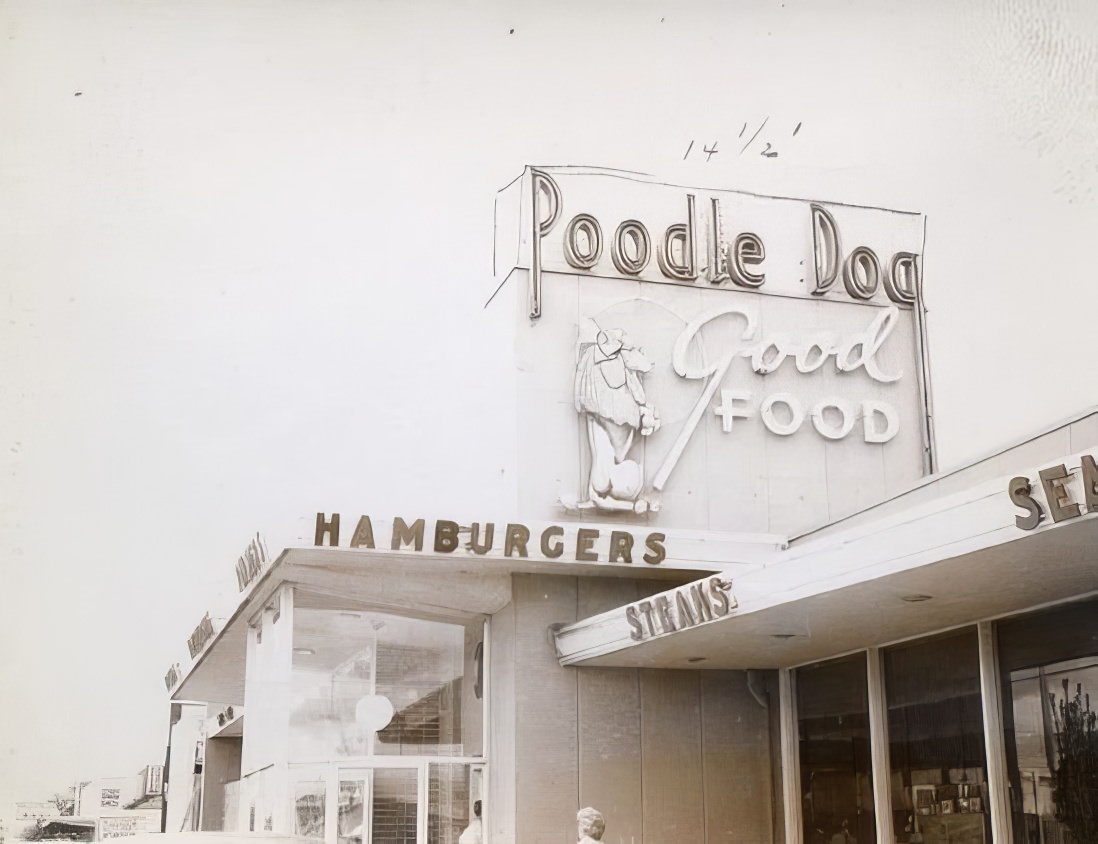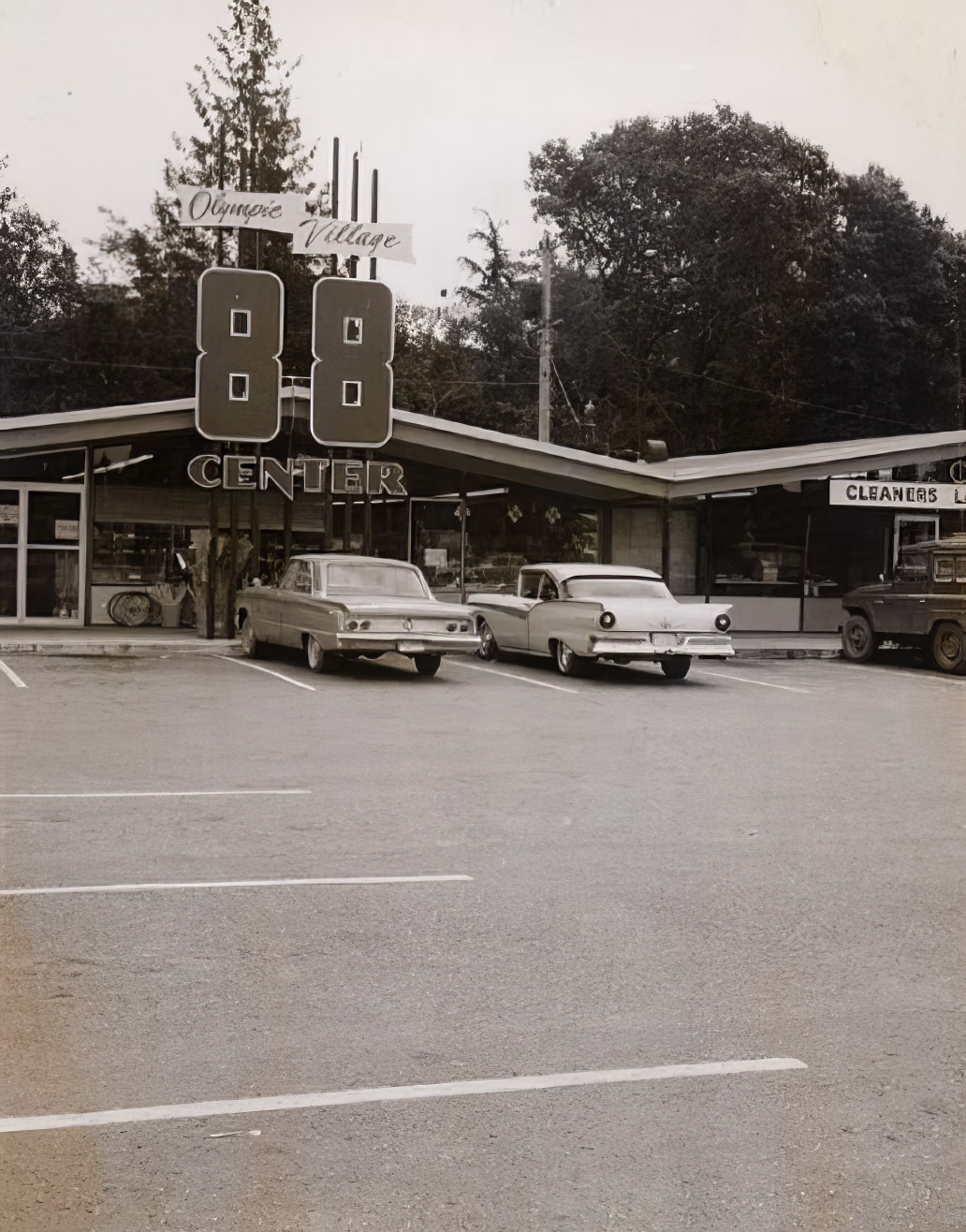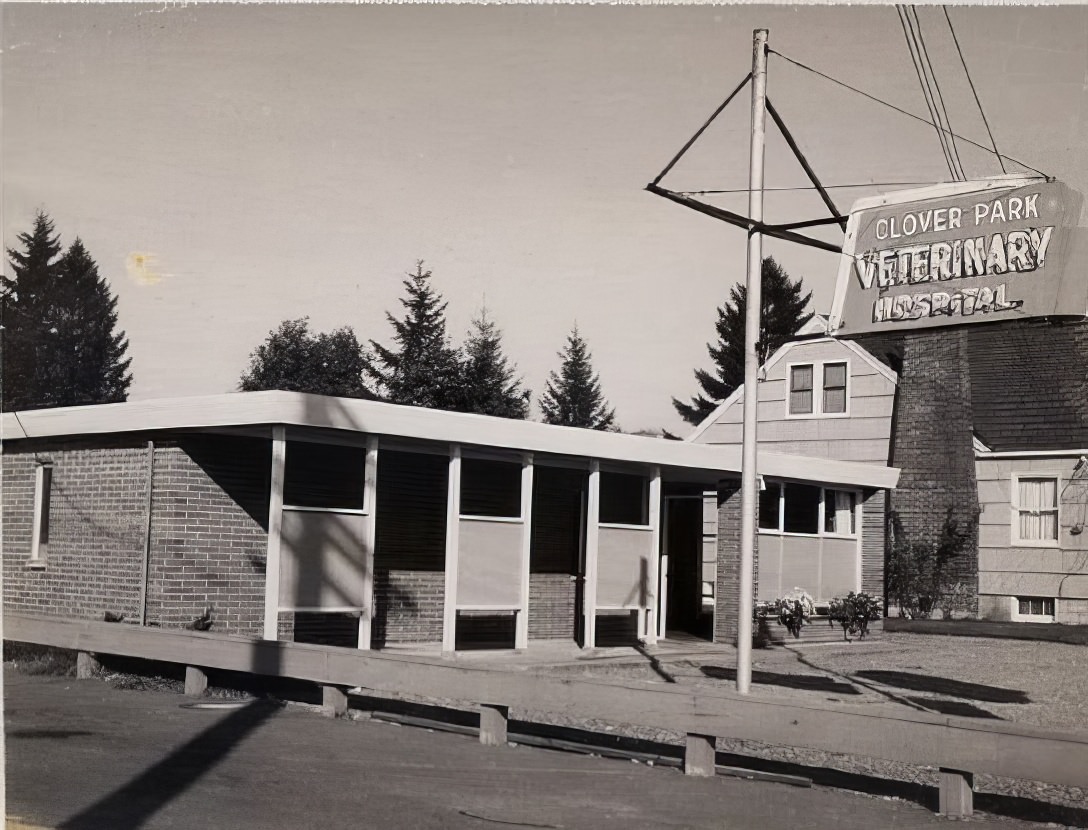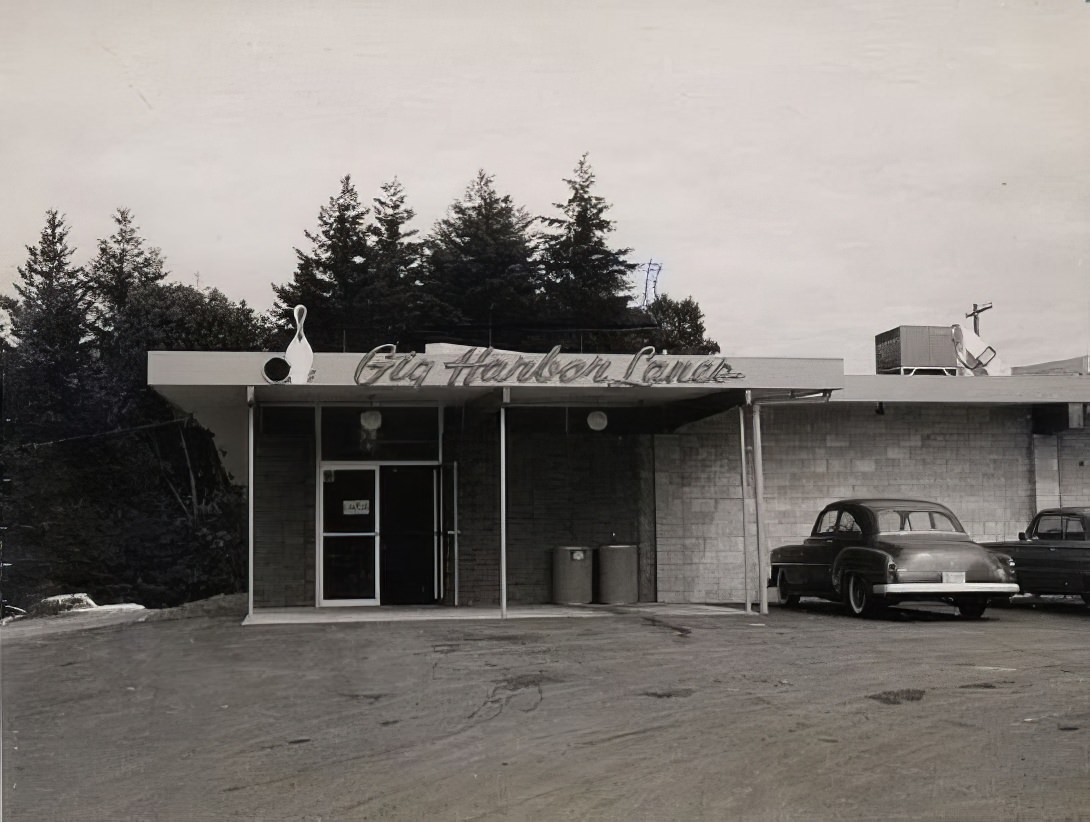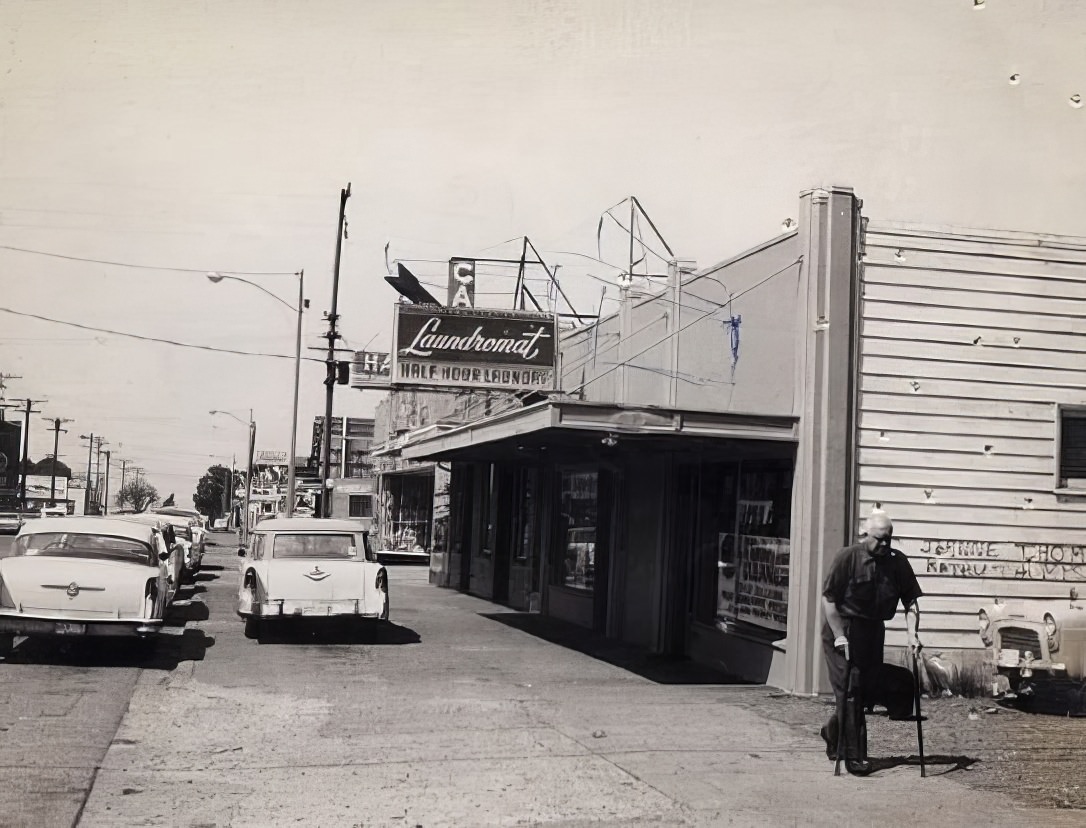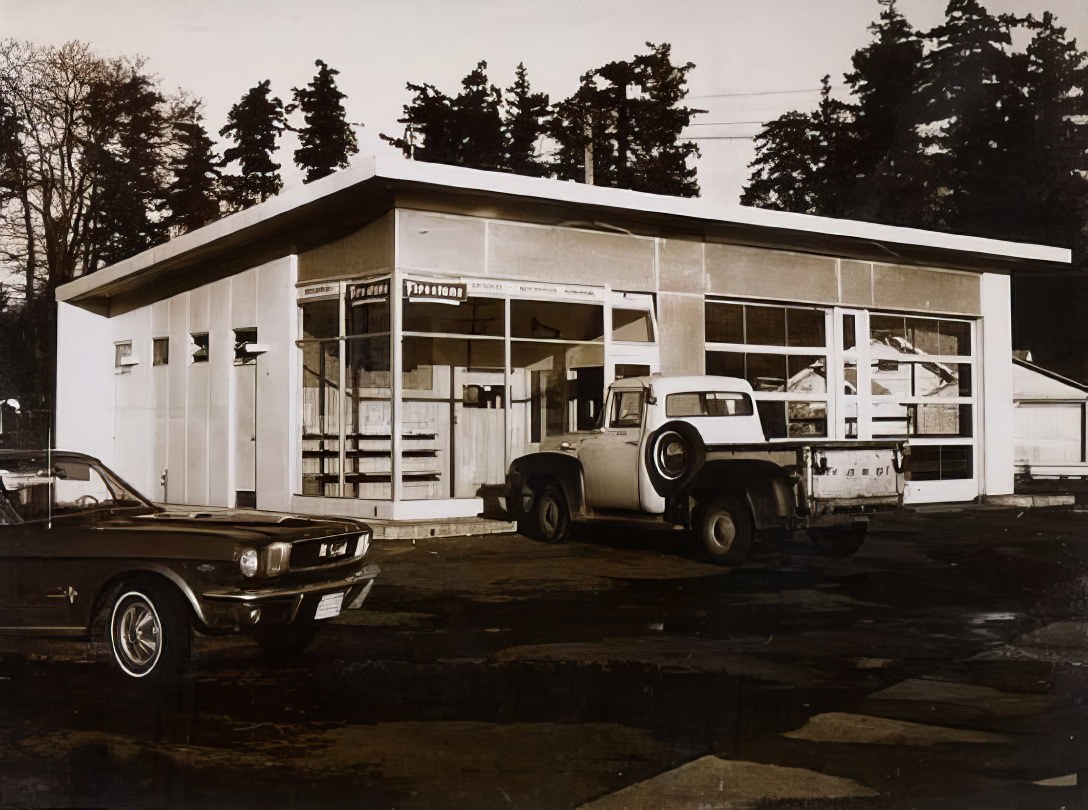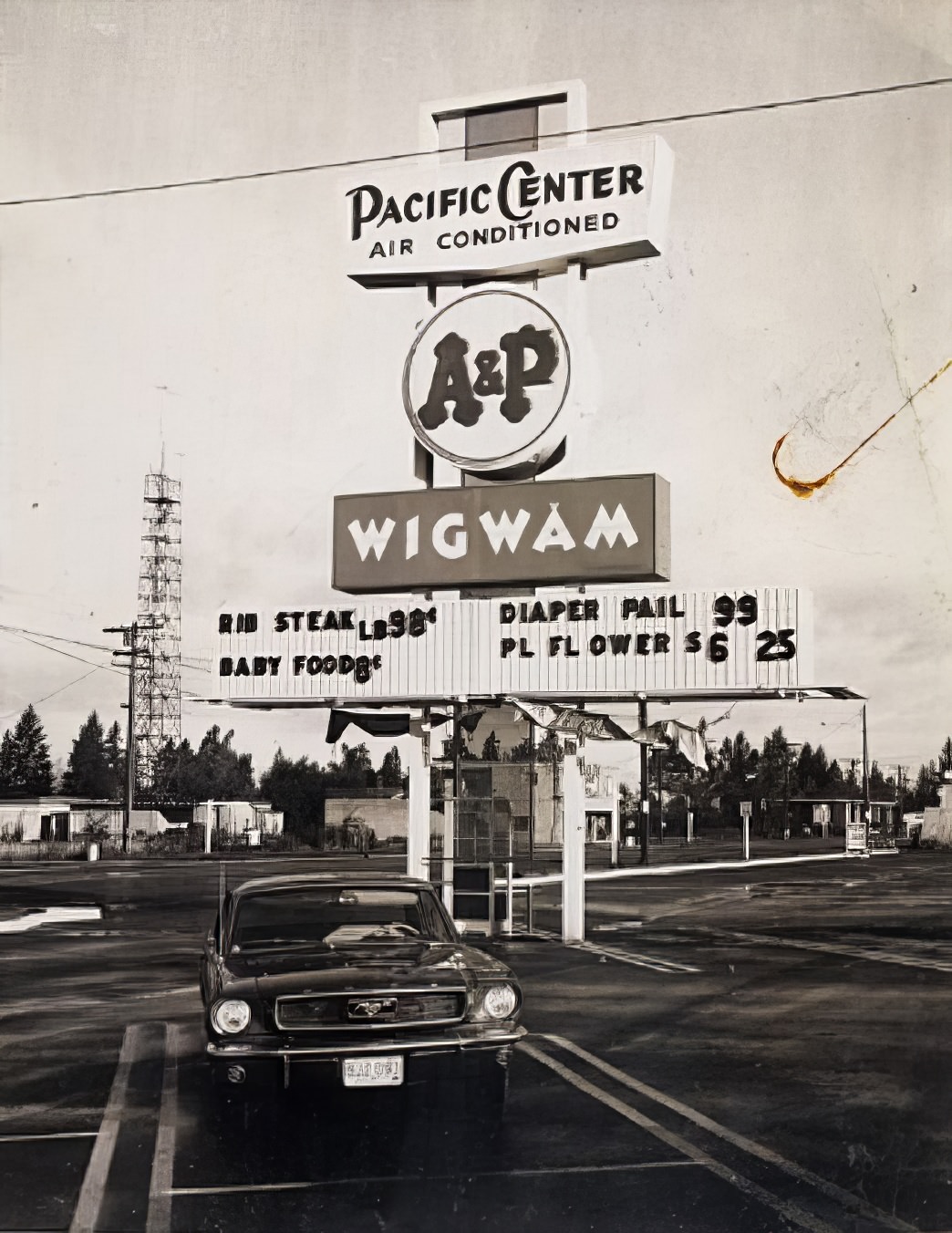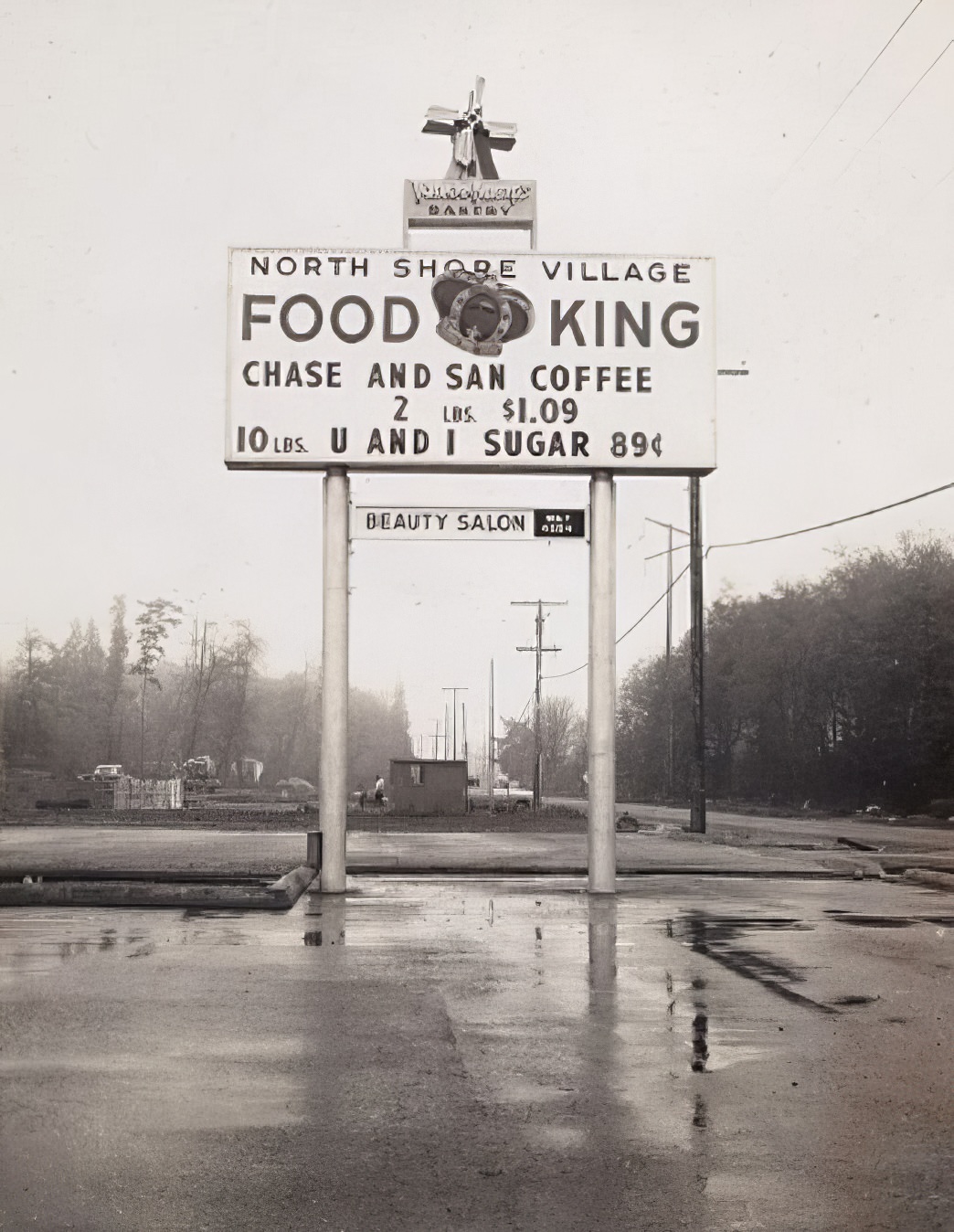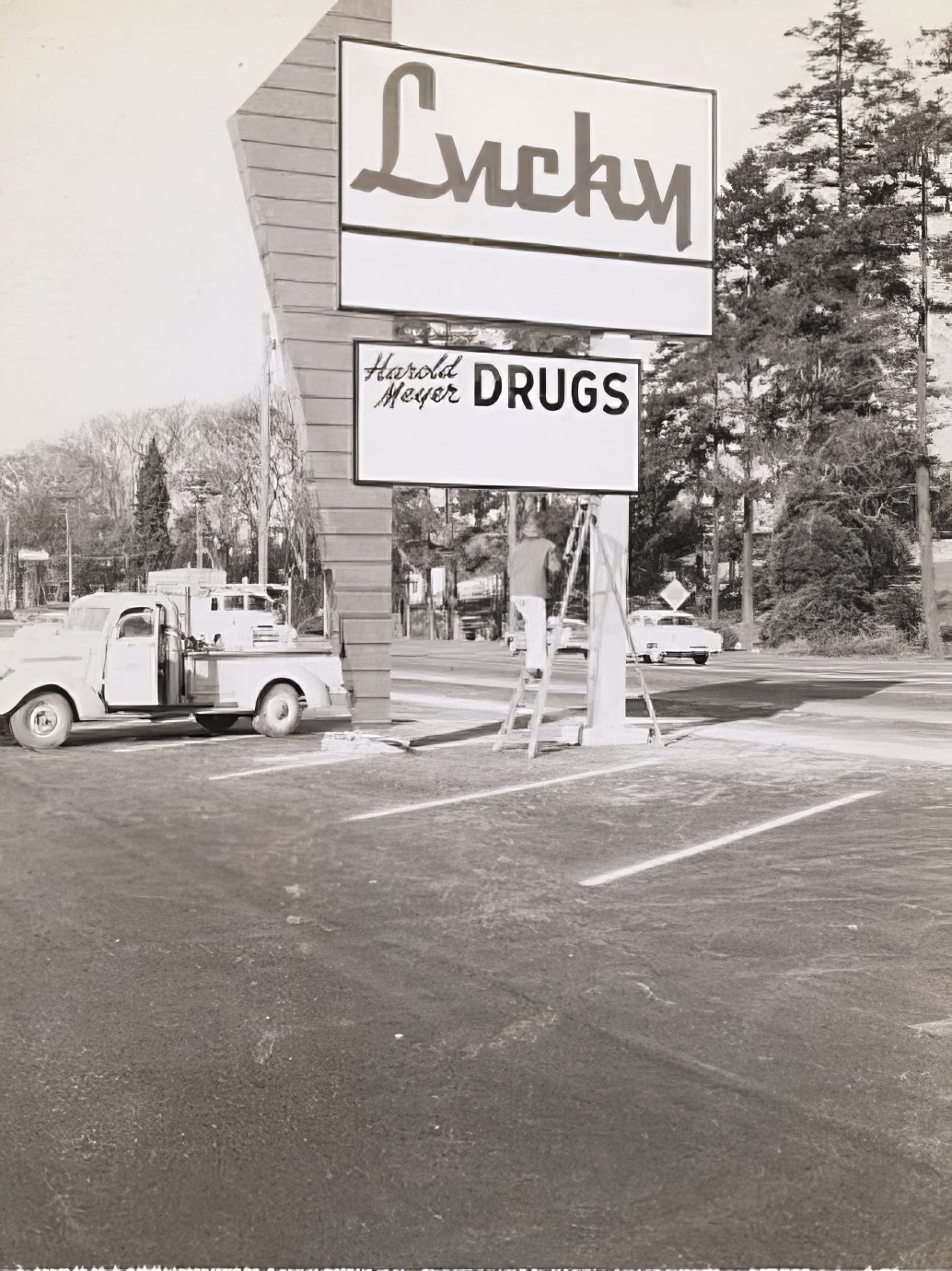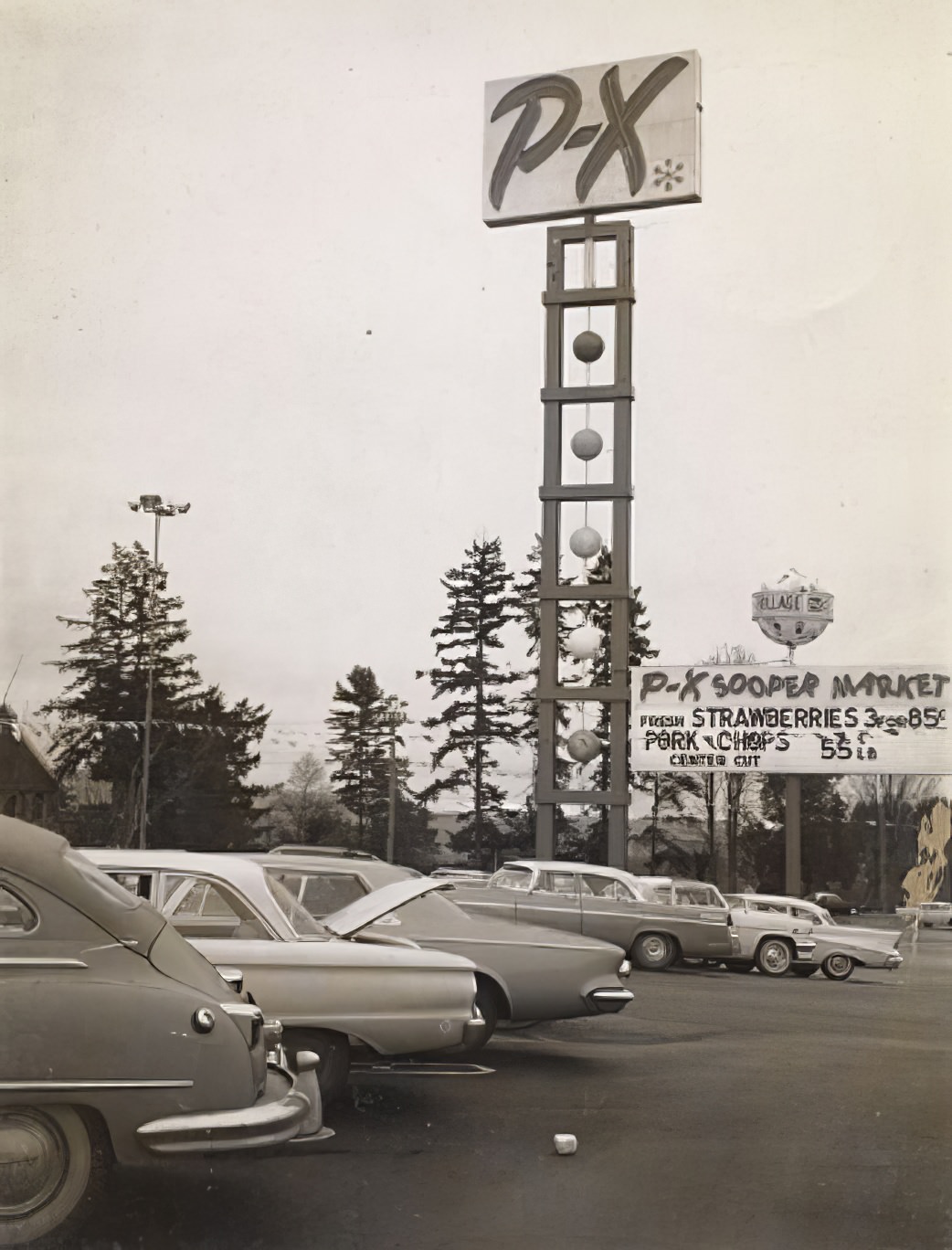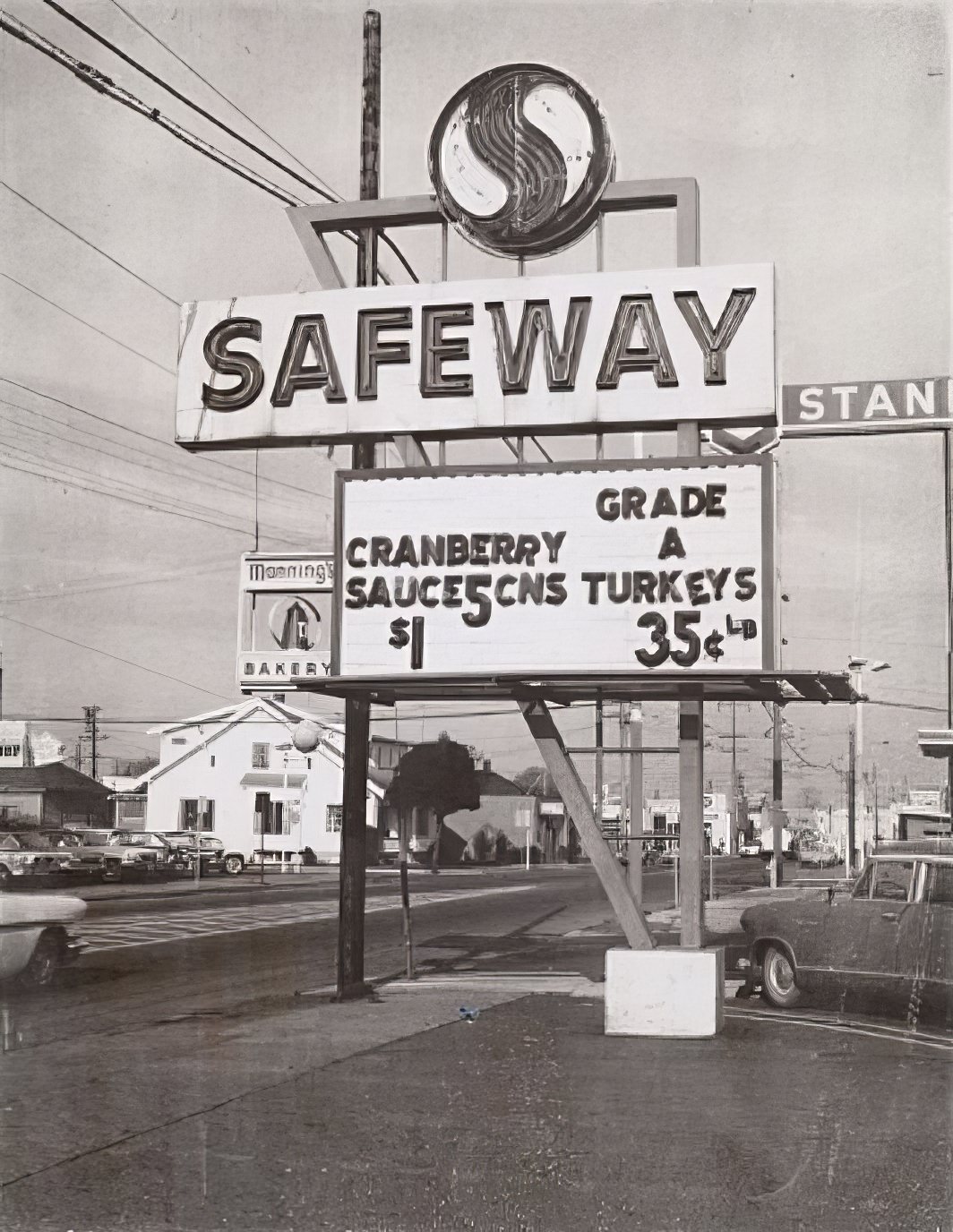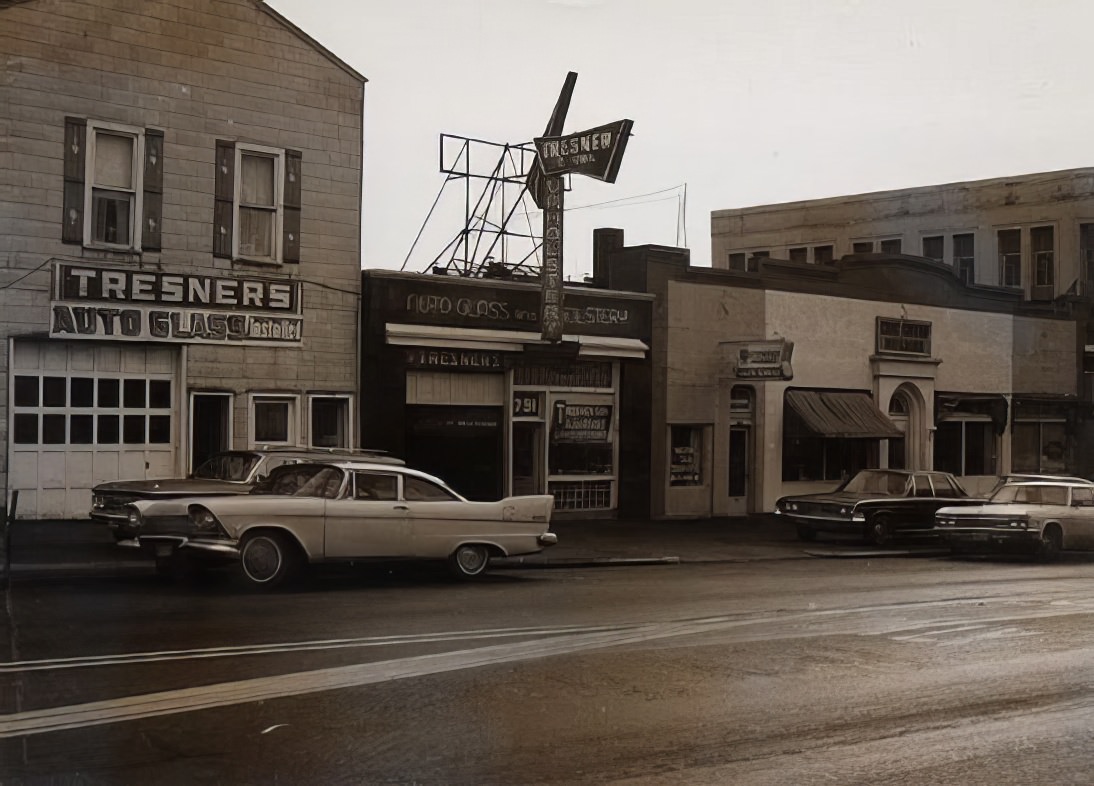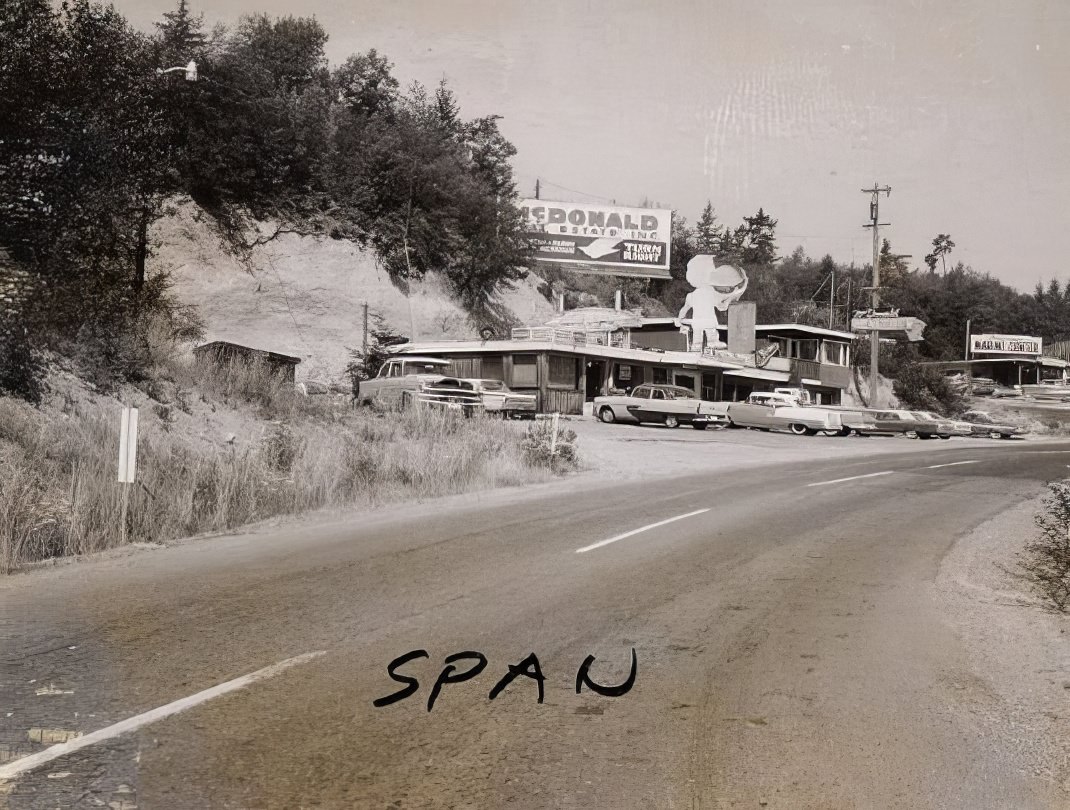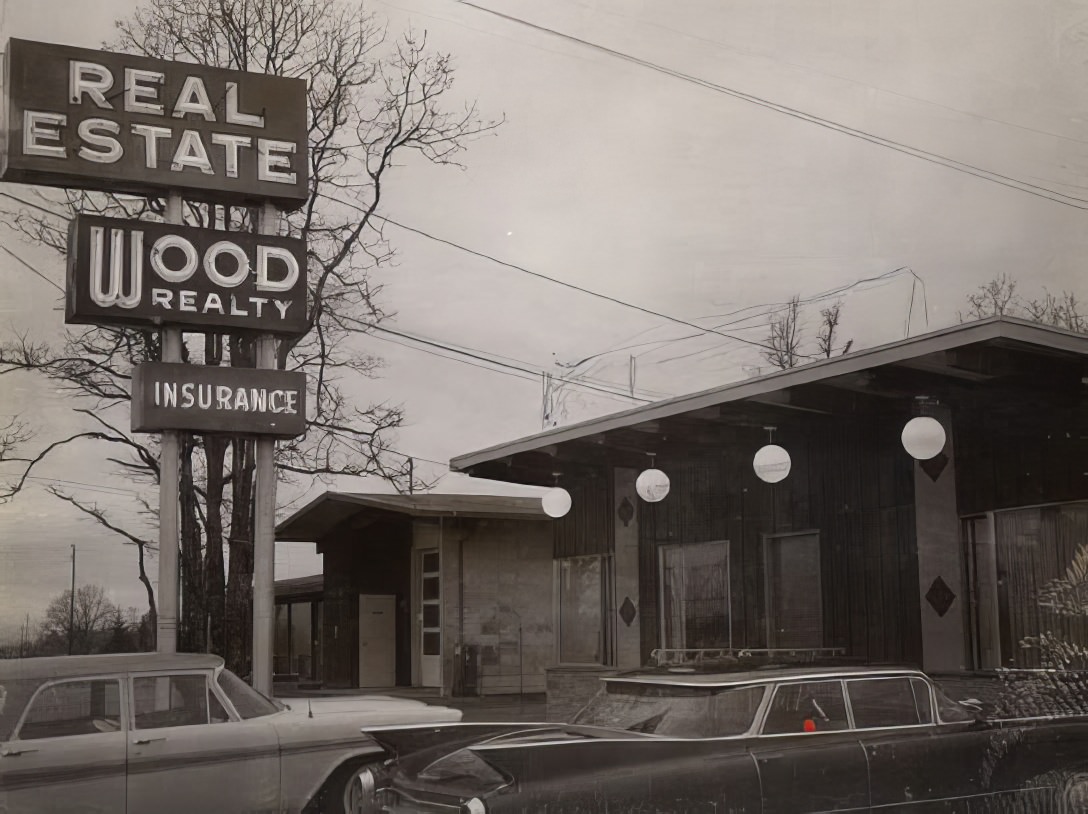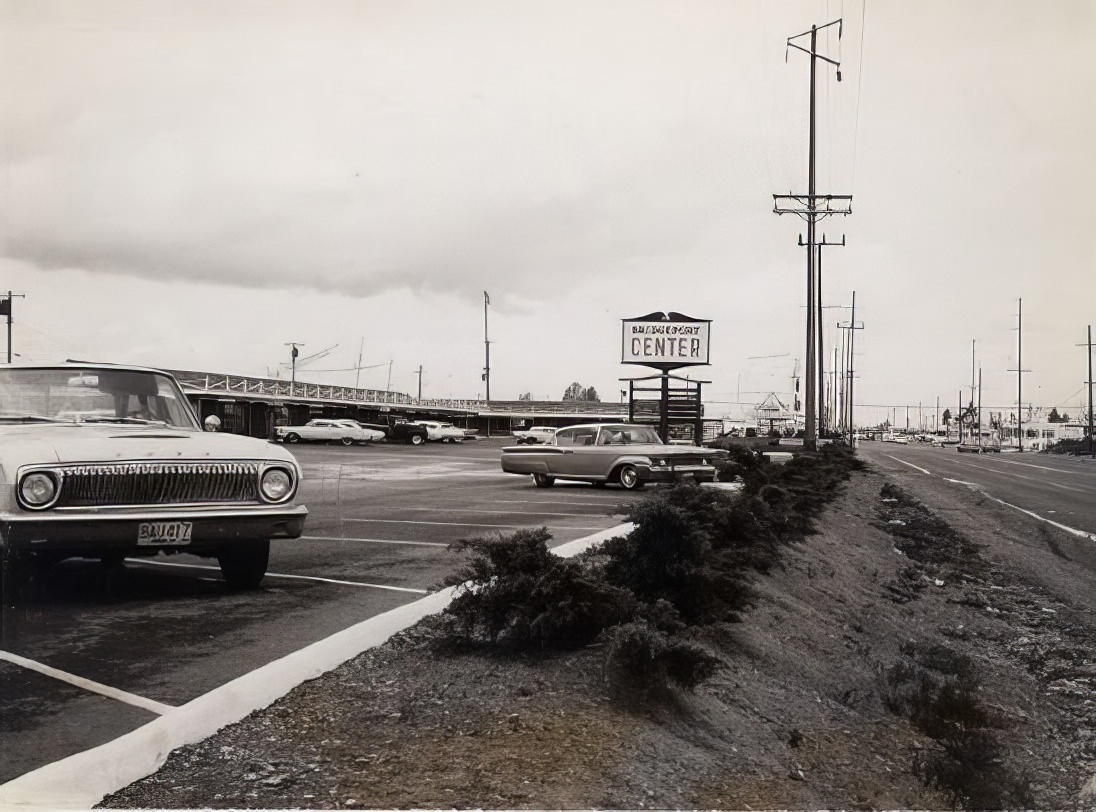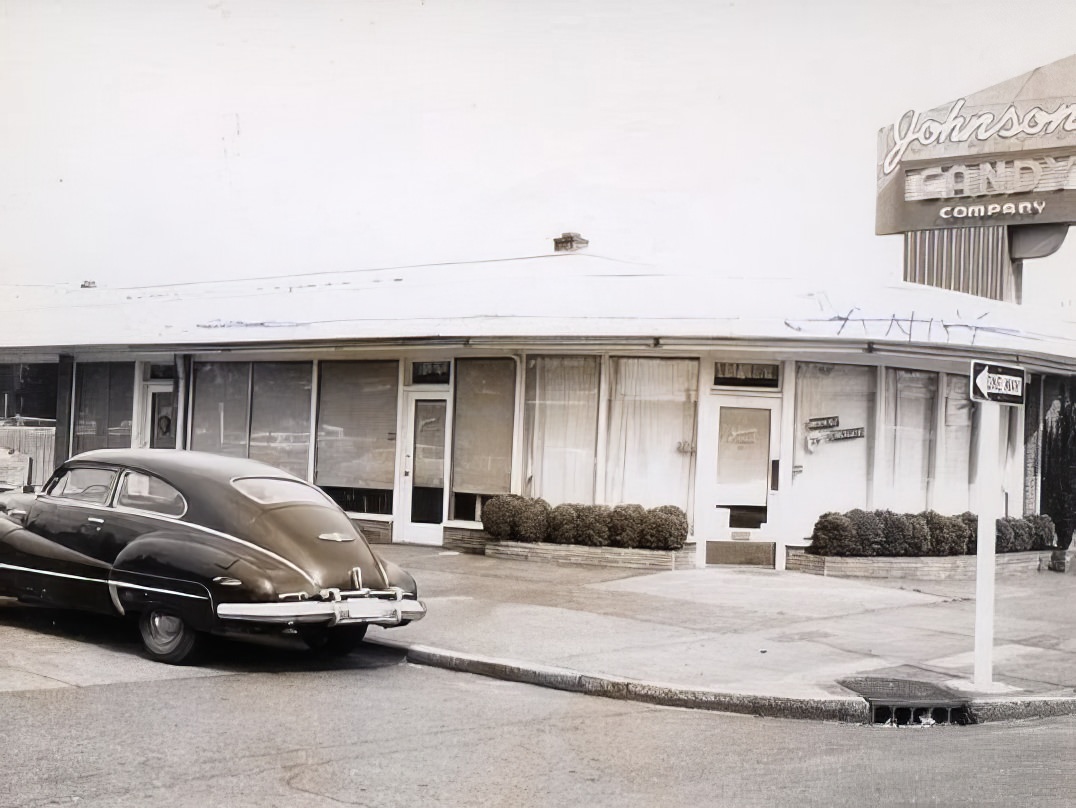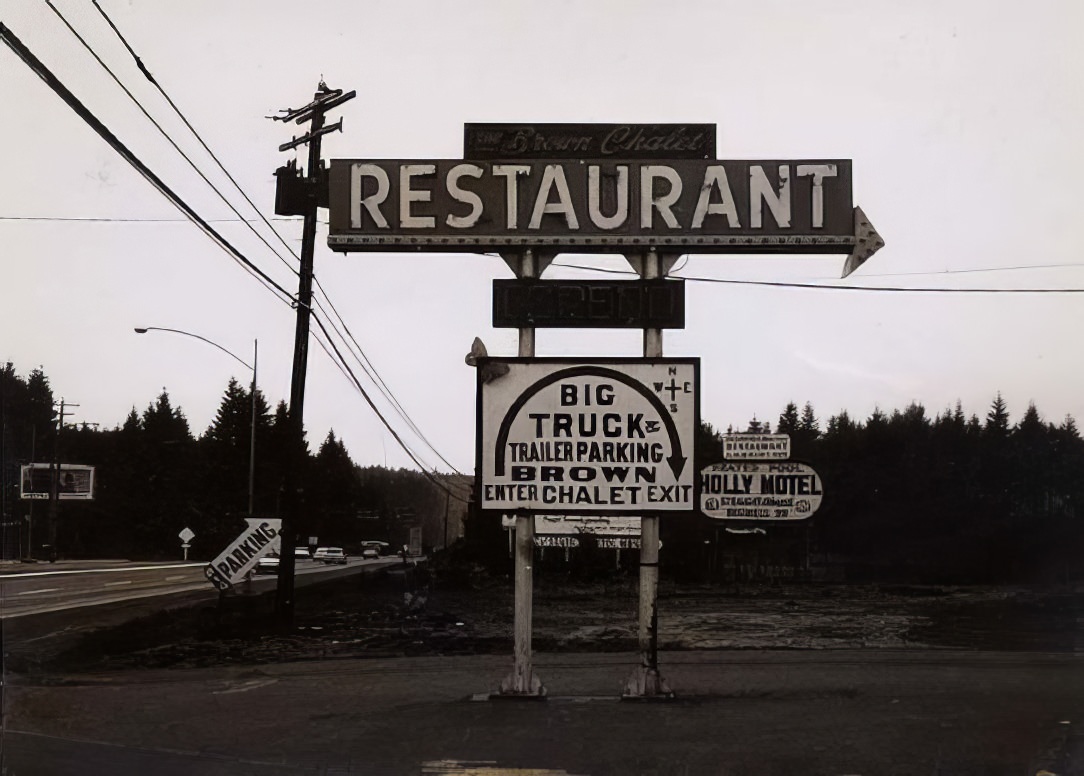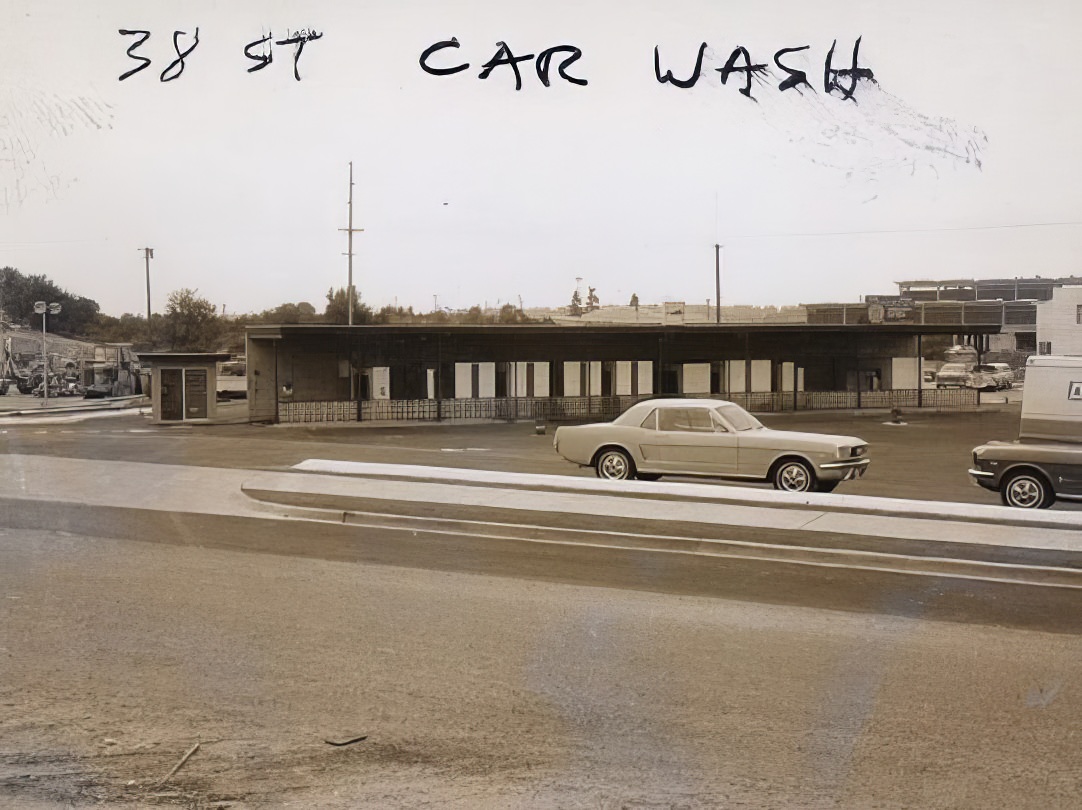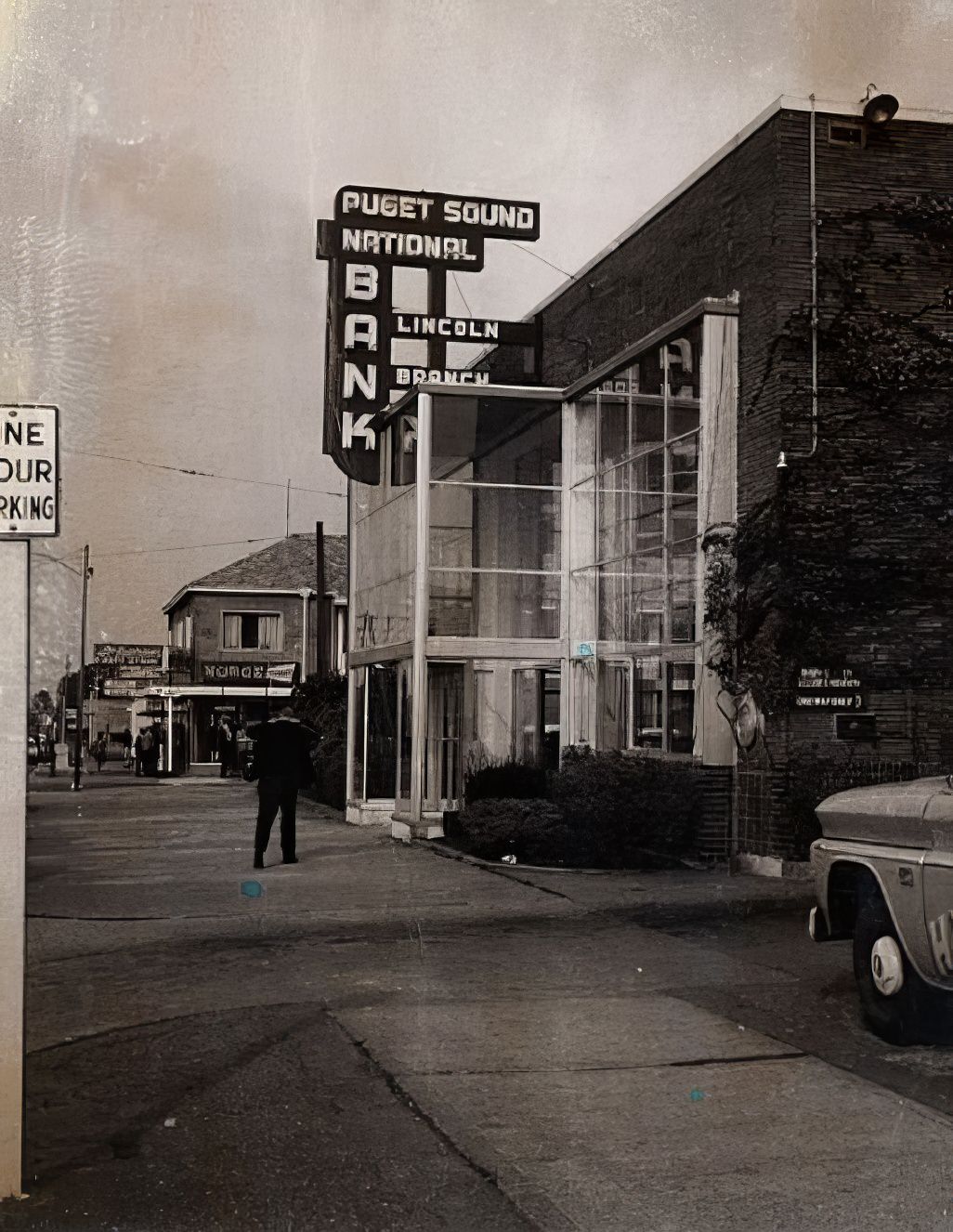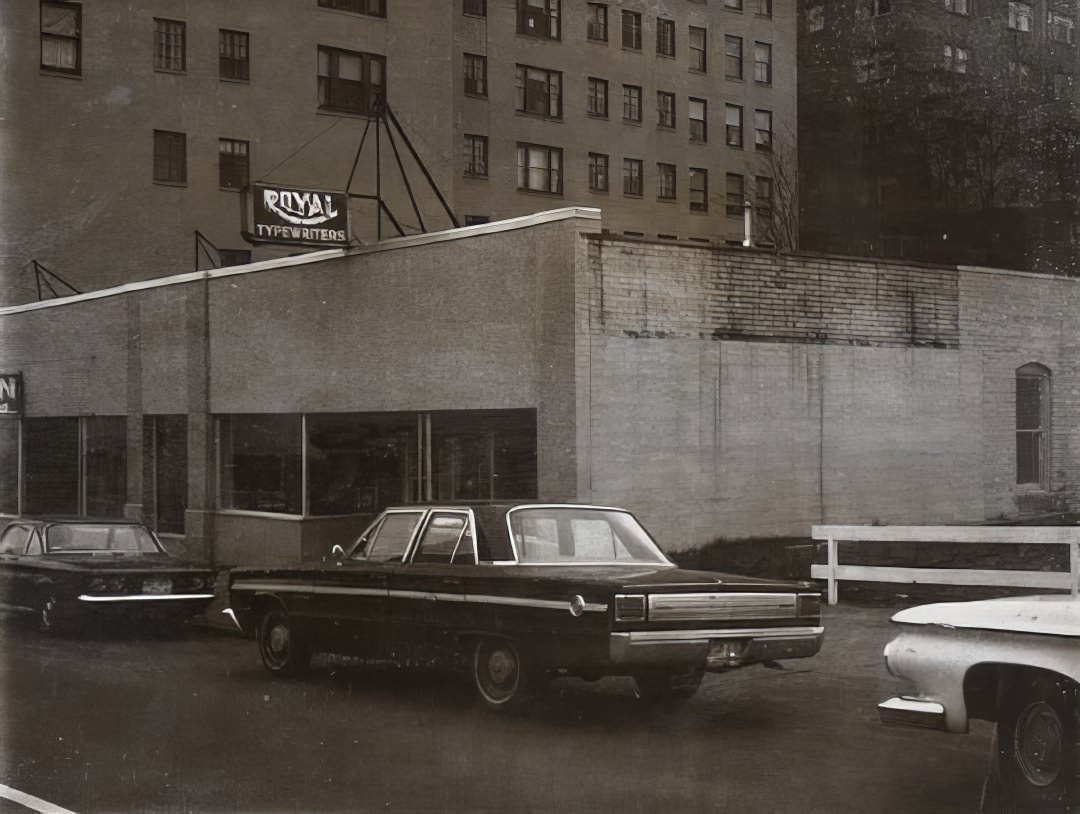

In 1960s Washington, D.C., the streets carried their own story. A sign company employee documented it all with a Polaroid camera, shooting the businesses, theaters, and storefronts that lined the city’s blocks. The result is a ground-level record of a city mid-transformation.
After dark, neon signs took over. The Hot Shoppes rooftop sign featured a giant steaming coffee cup visible from a distance. The Casino Royal theater flashed its name in bright letters to draw in crowds. Even corner drugstores used neon mortar-and-pestle signs to stand out on busy streets.
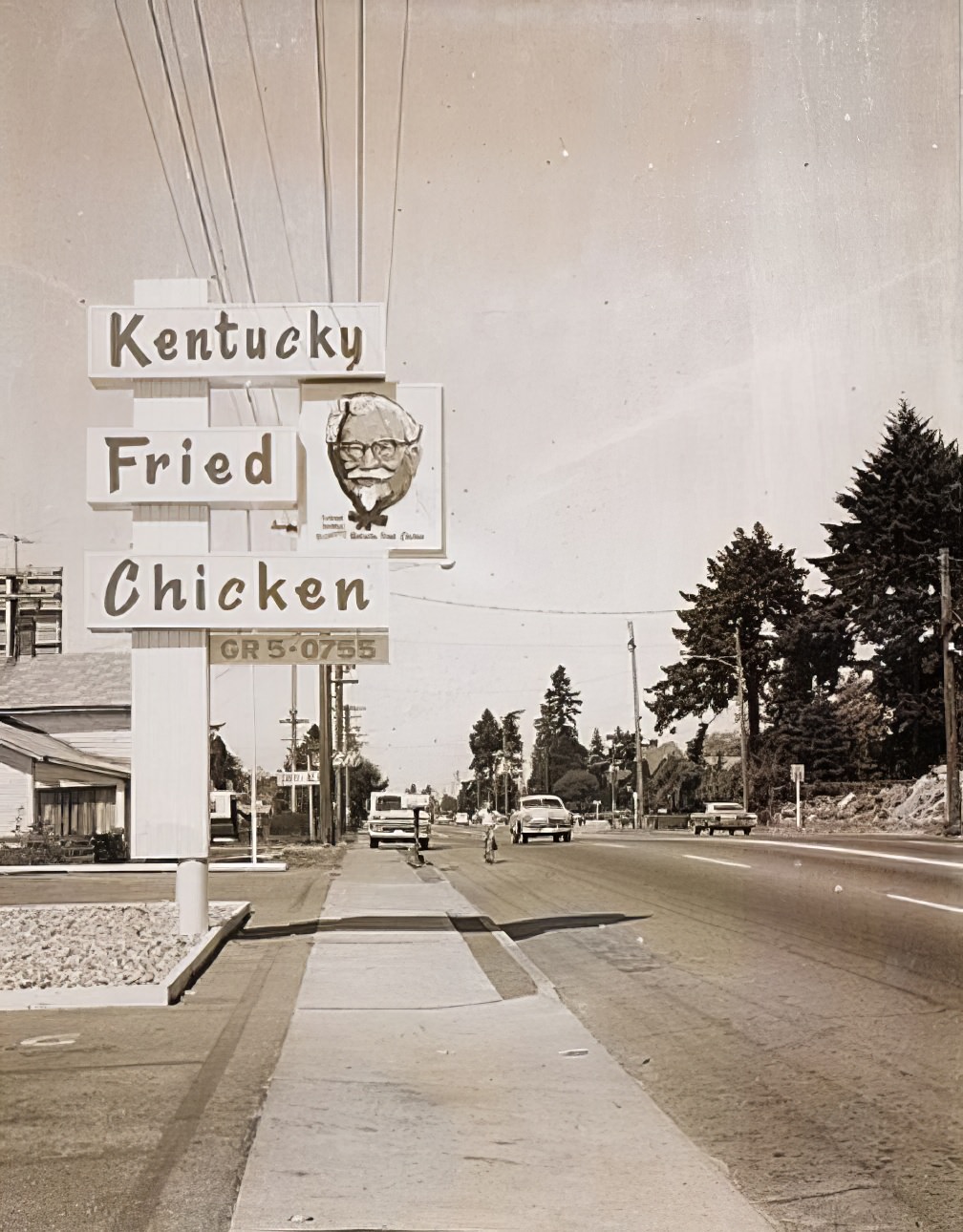
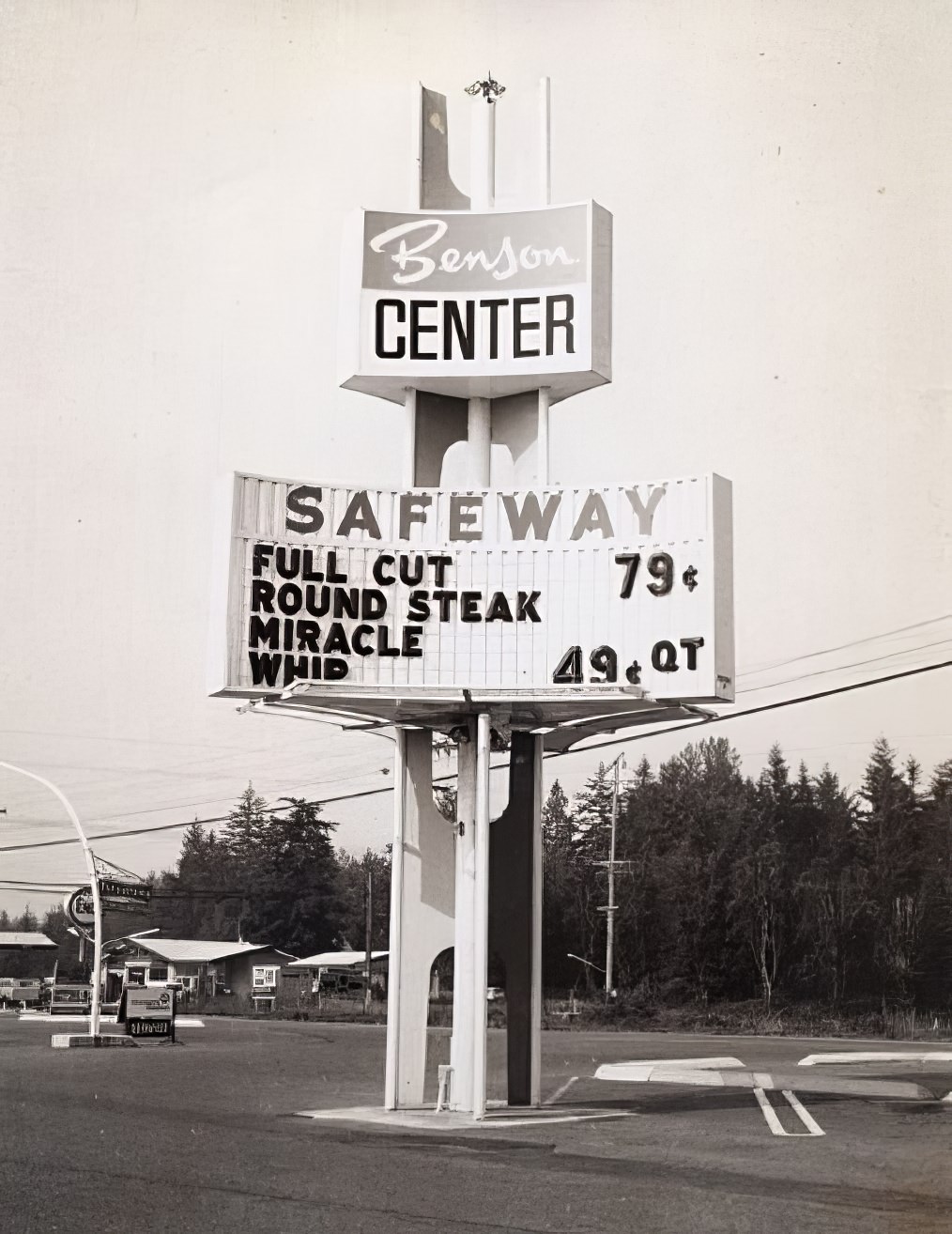
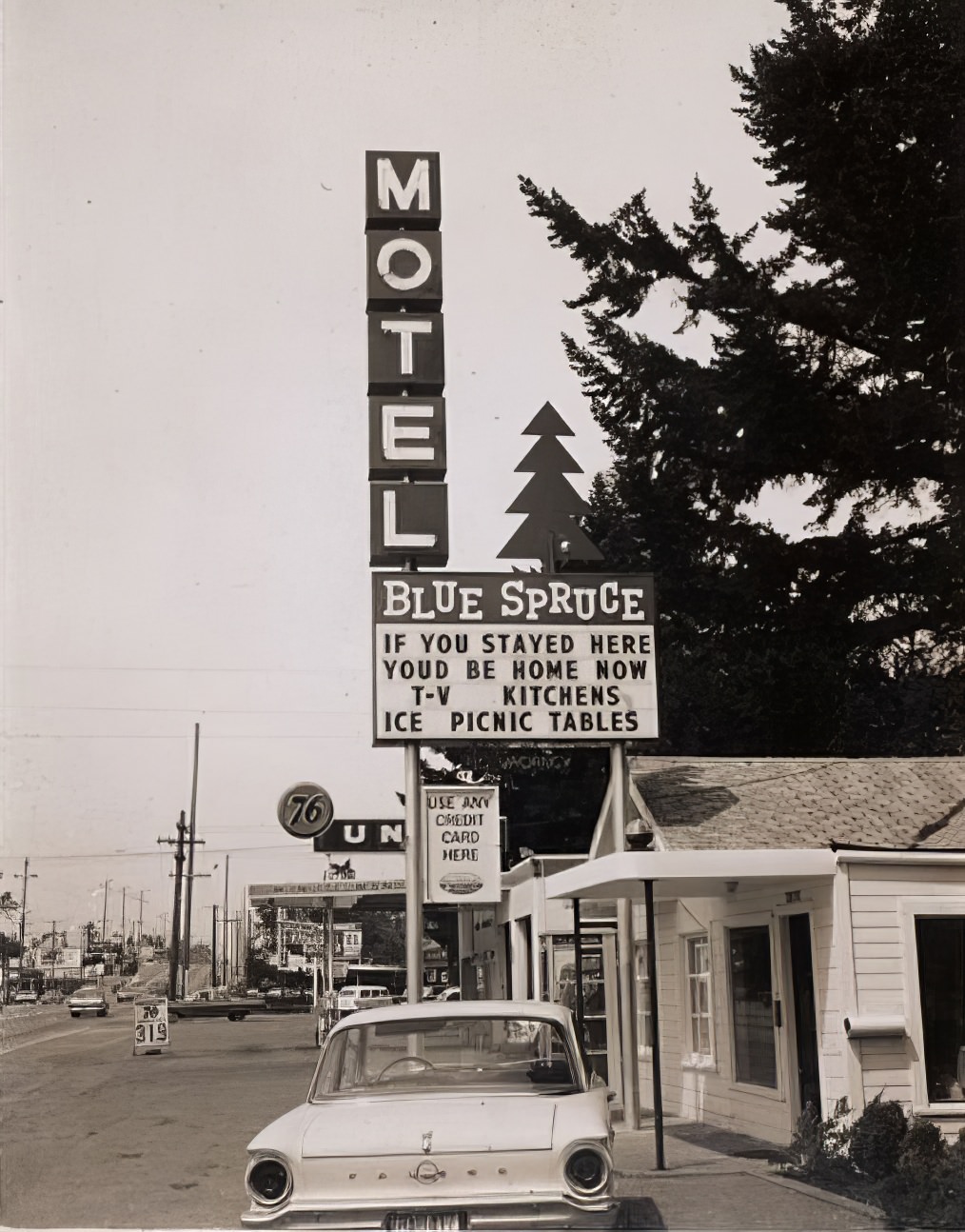
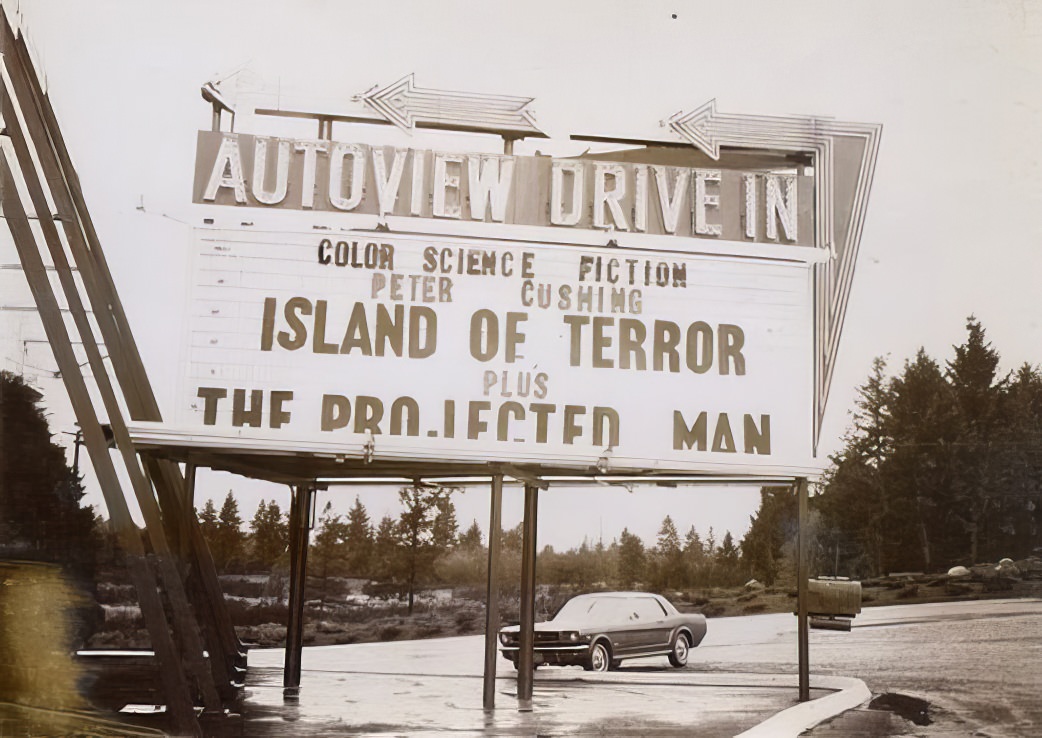
Not every sign used electricity. Hand-painted signs were common, each one reflecting the hand of a local artist. Hardware stores used bold block lettering. Bakeries favored looping script. Movie theater marquees carried detailed illustrations that stretched across the front of the building.
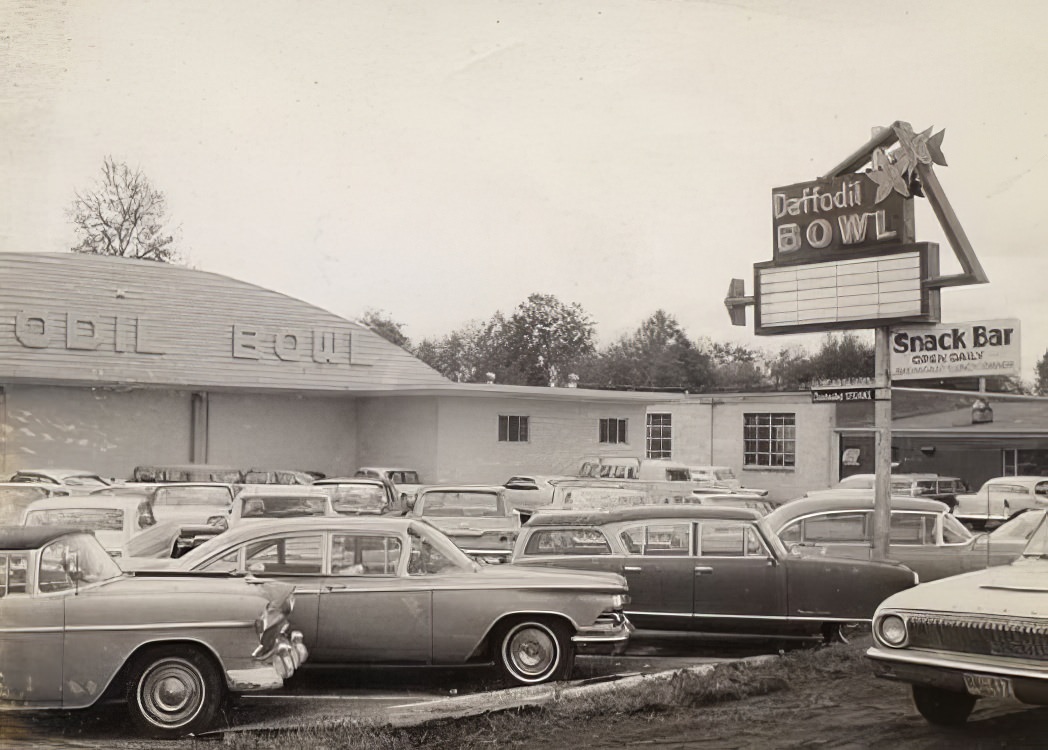
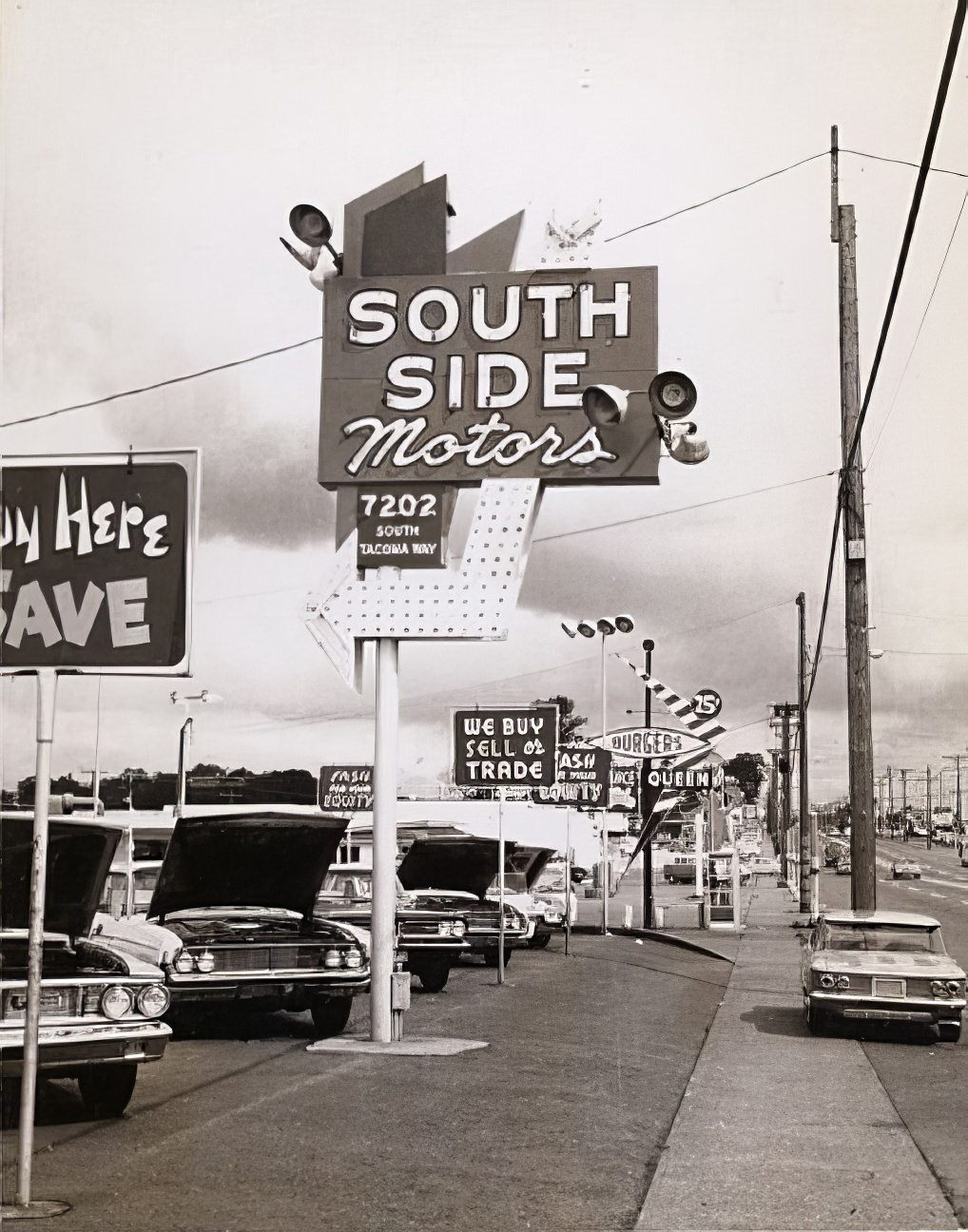
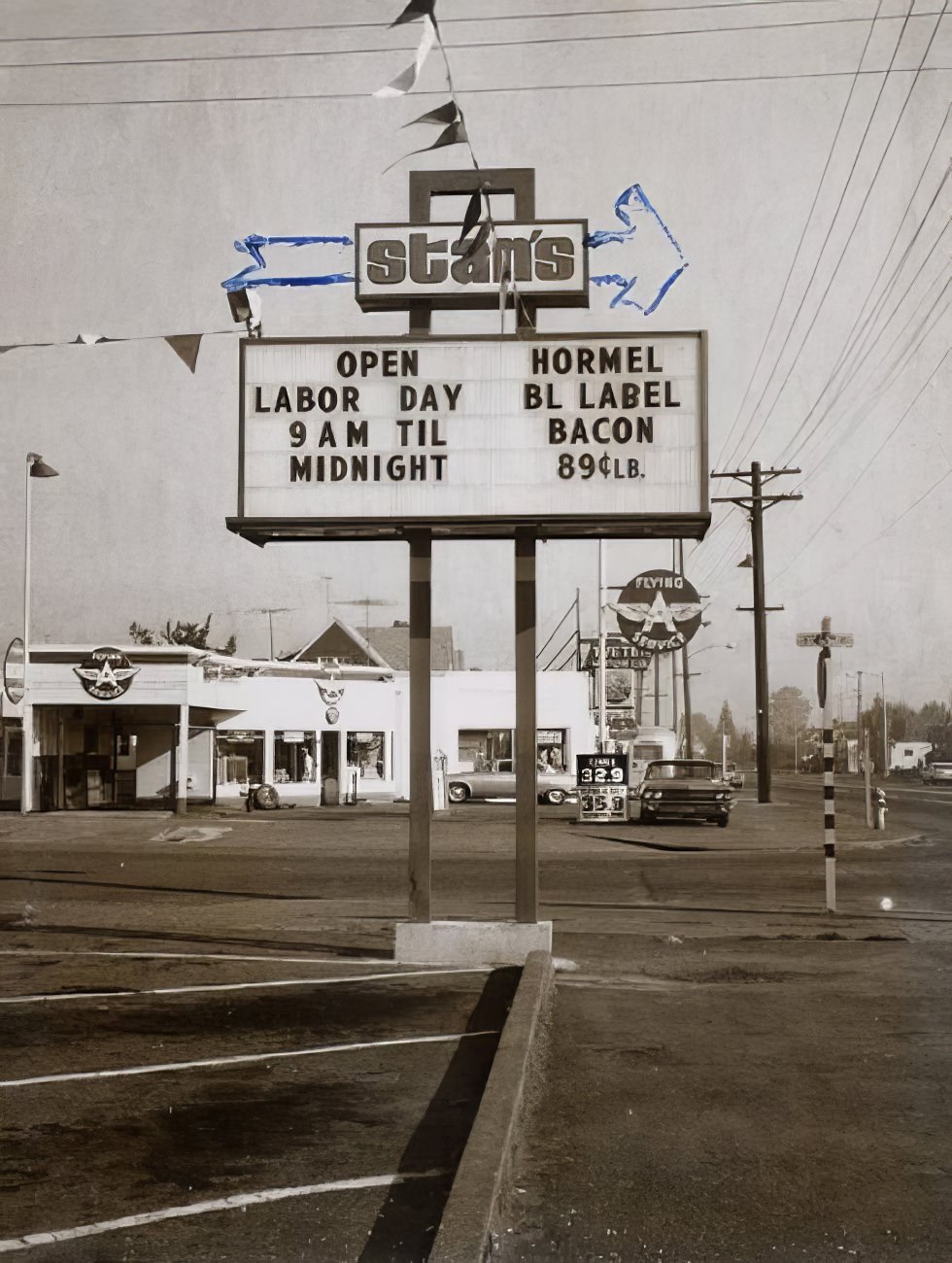
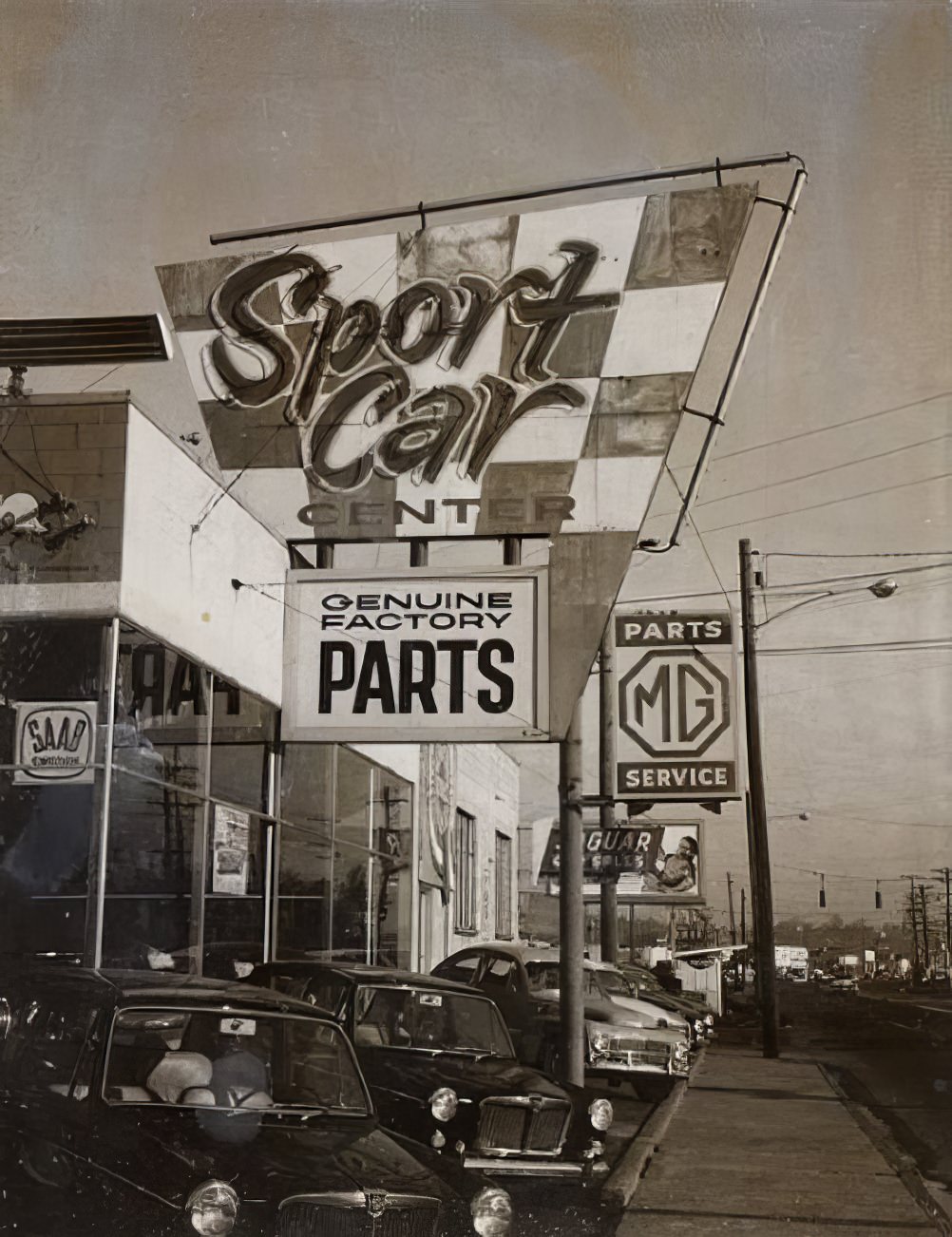
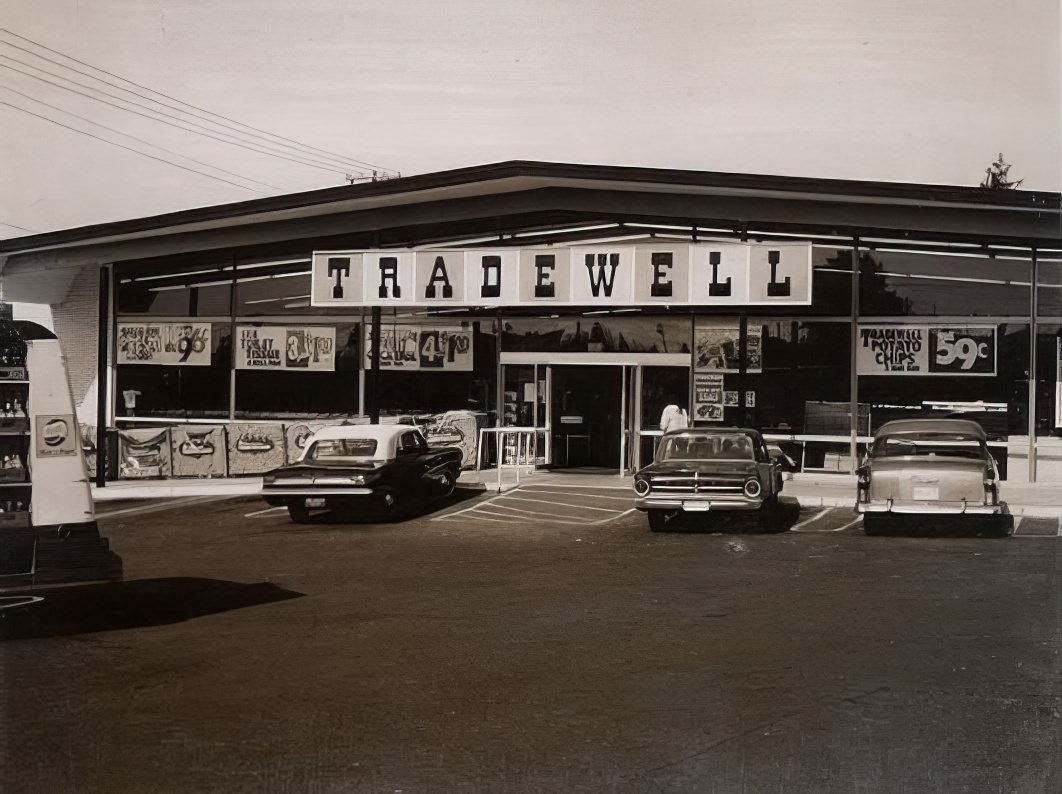
Gas stations, laundromats, and barbershops all had their own signage. These were the everyday markers of Washington life — practical, unpolished, and completely genuine.
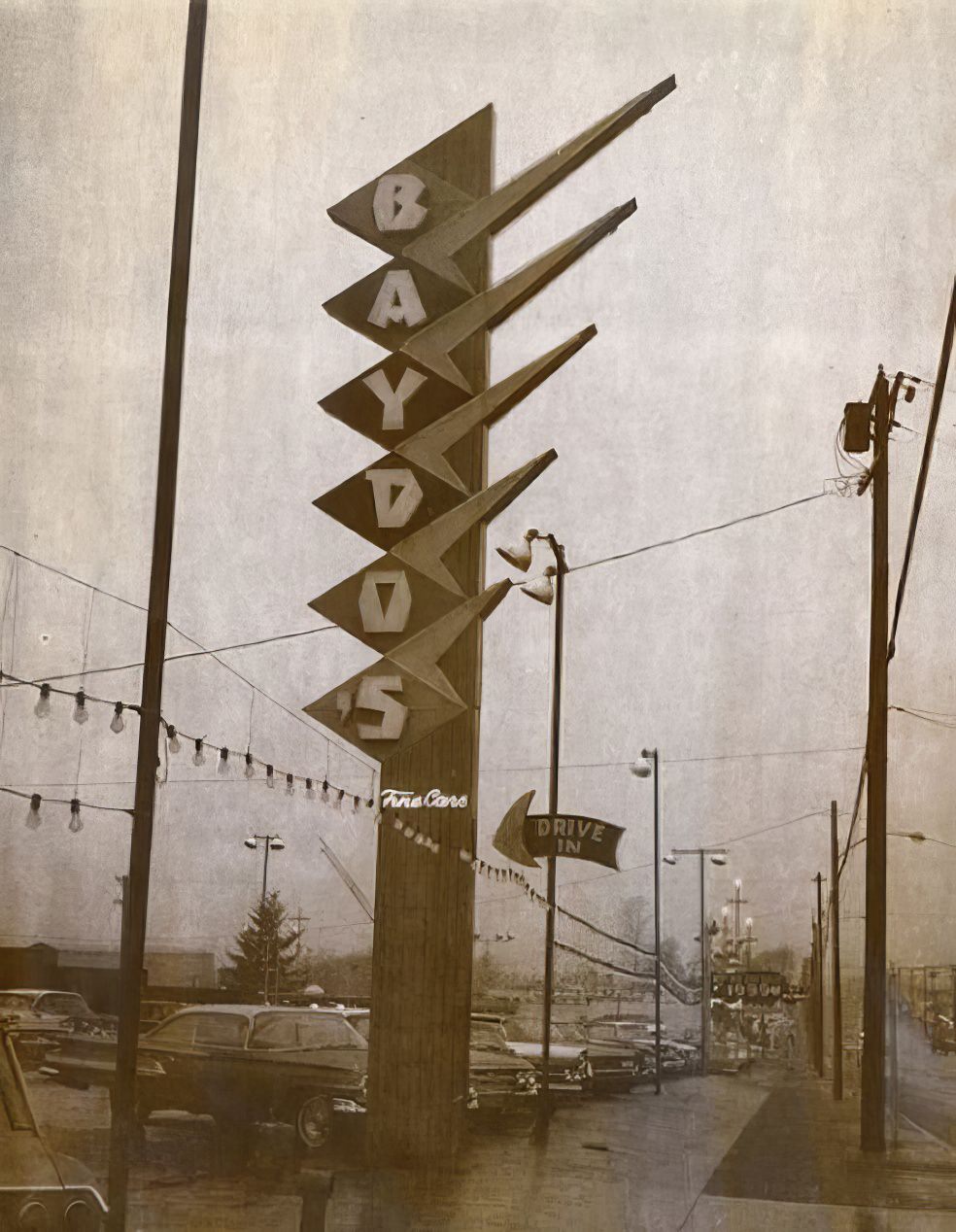
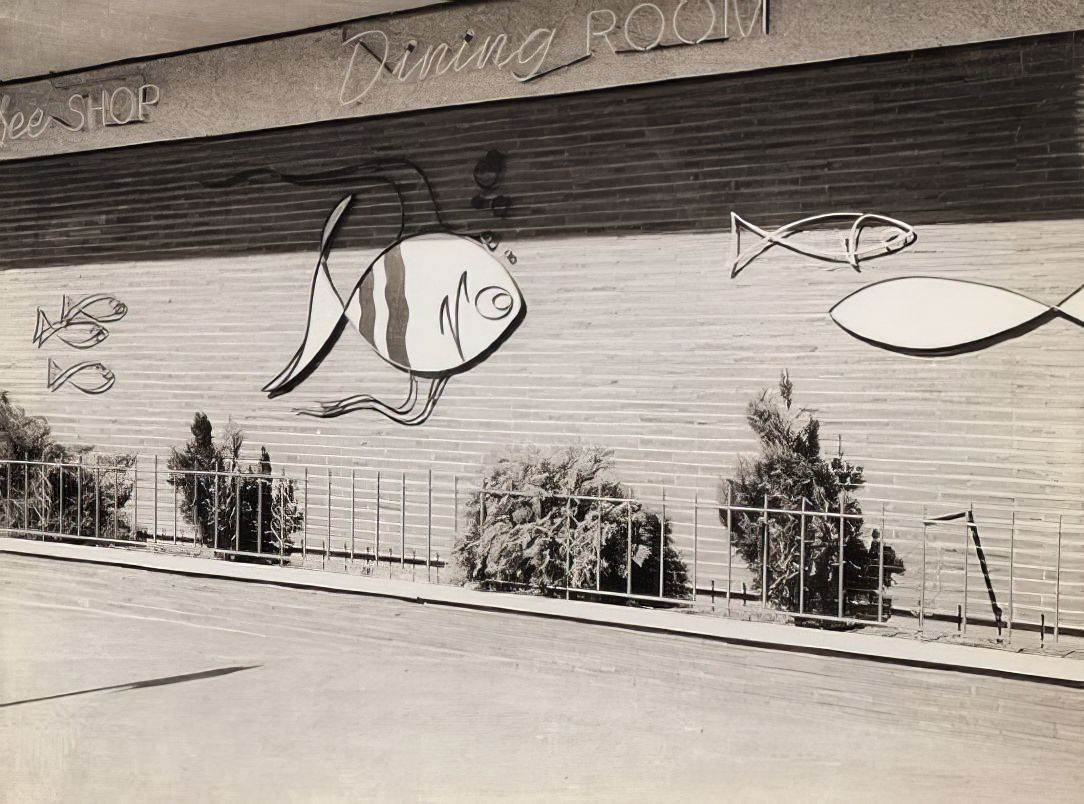
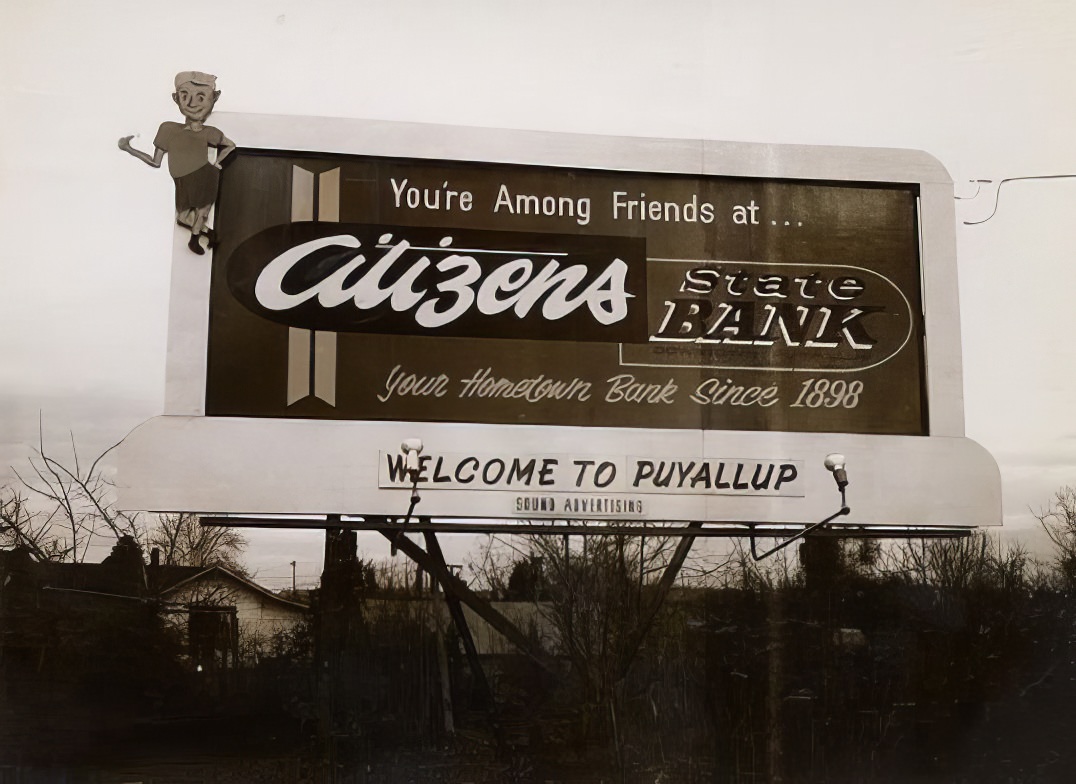
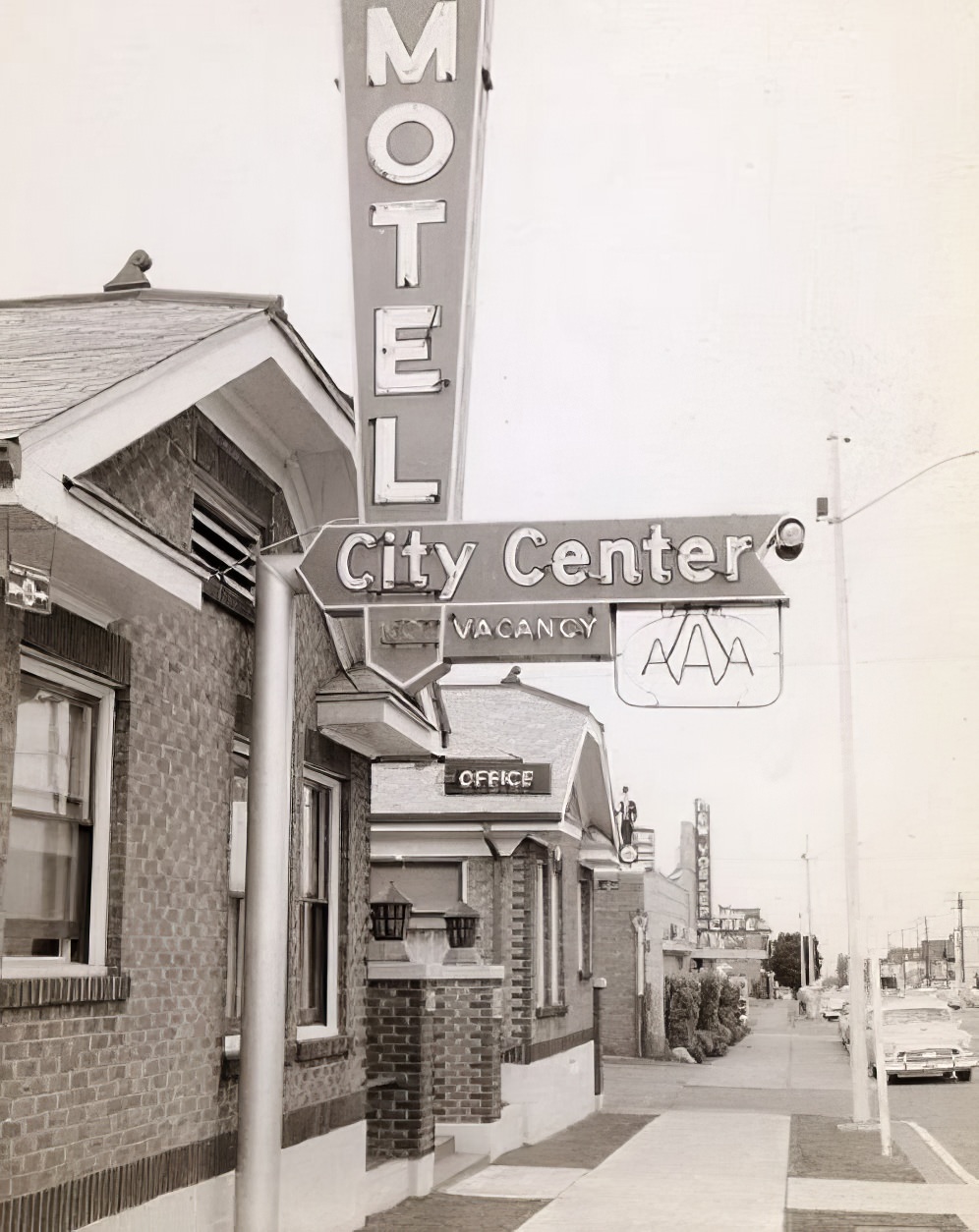
New business signs reflected the city’s expanding economy. Developments going up across D.C. advertised themselves with large, confident lettering aimed at drawing in customers and tenants alike.
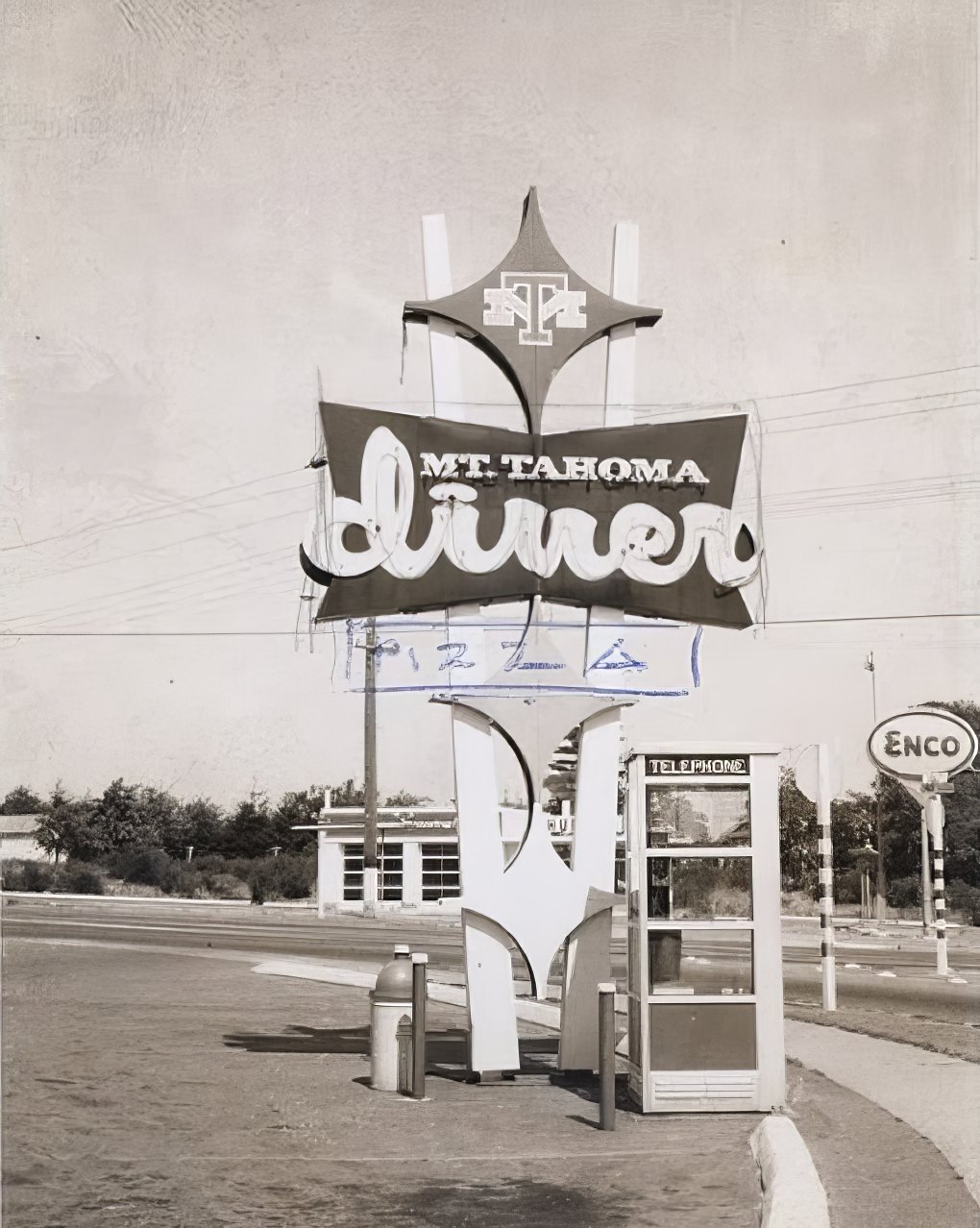
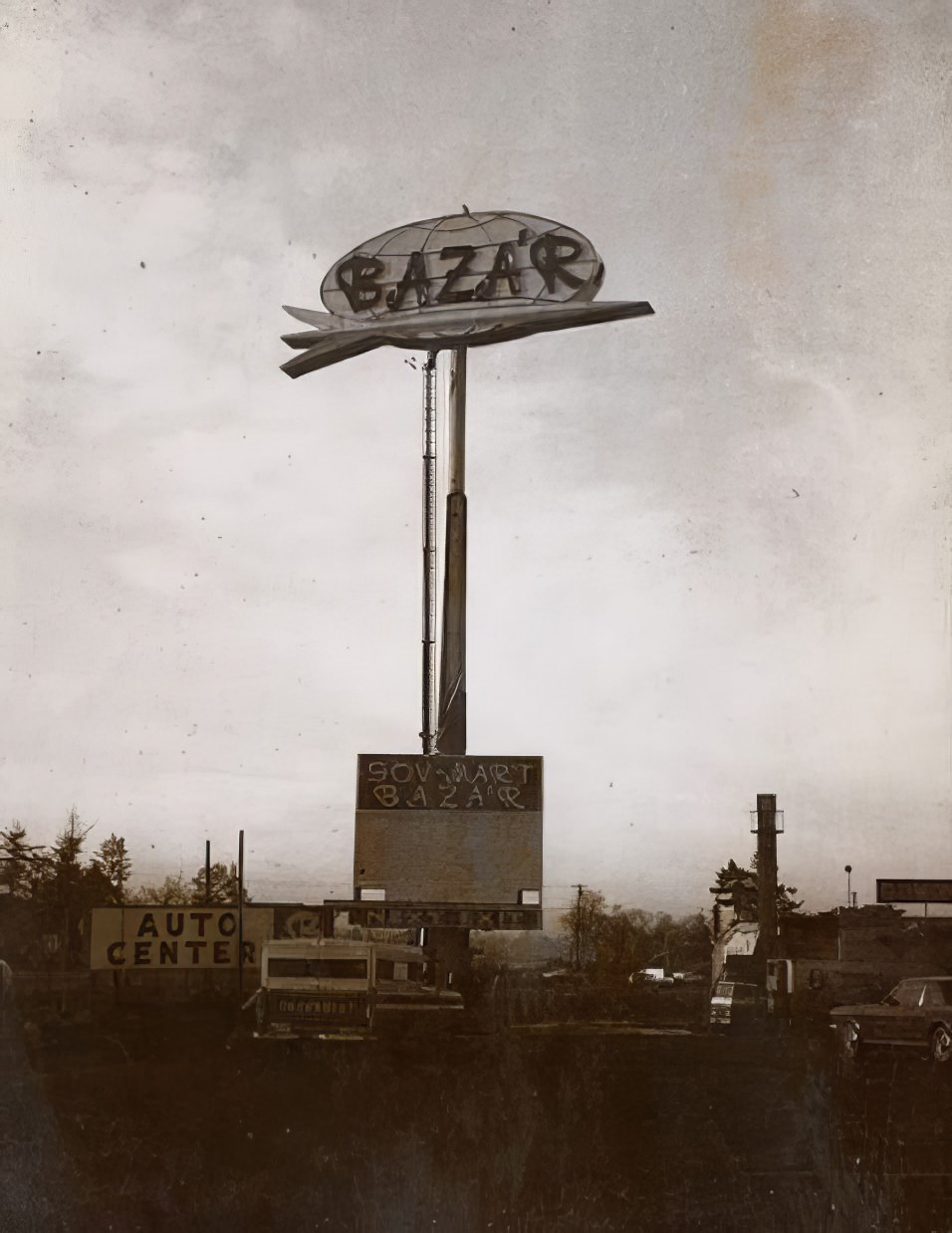
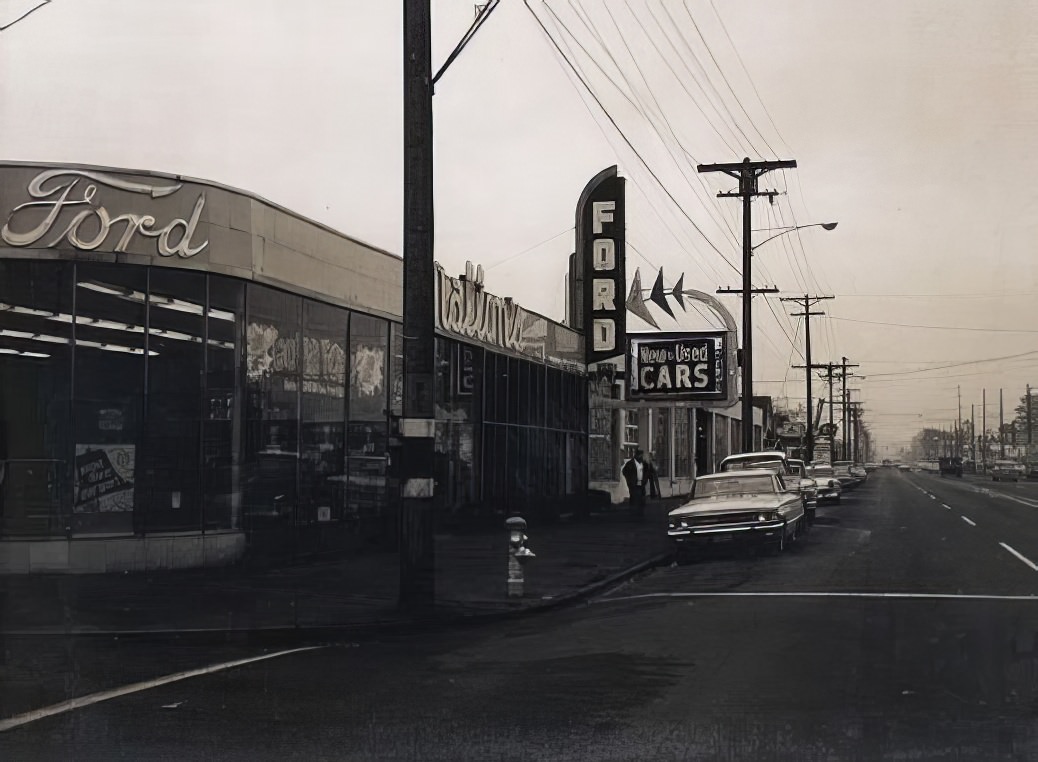
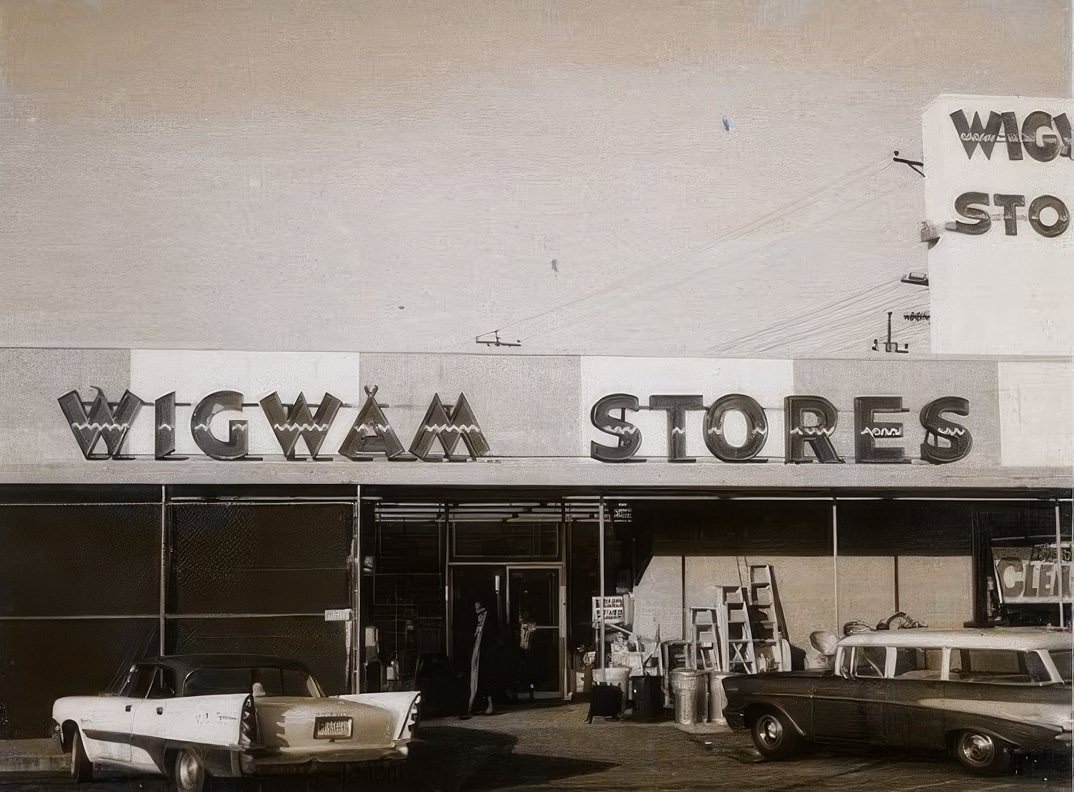
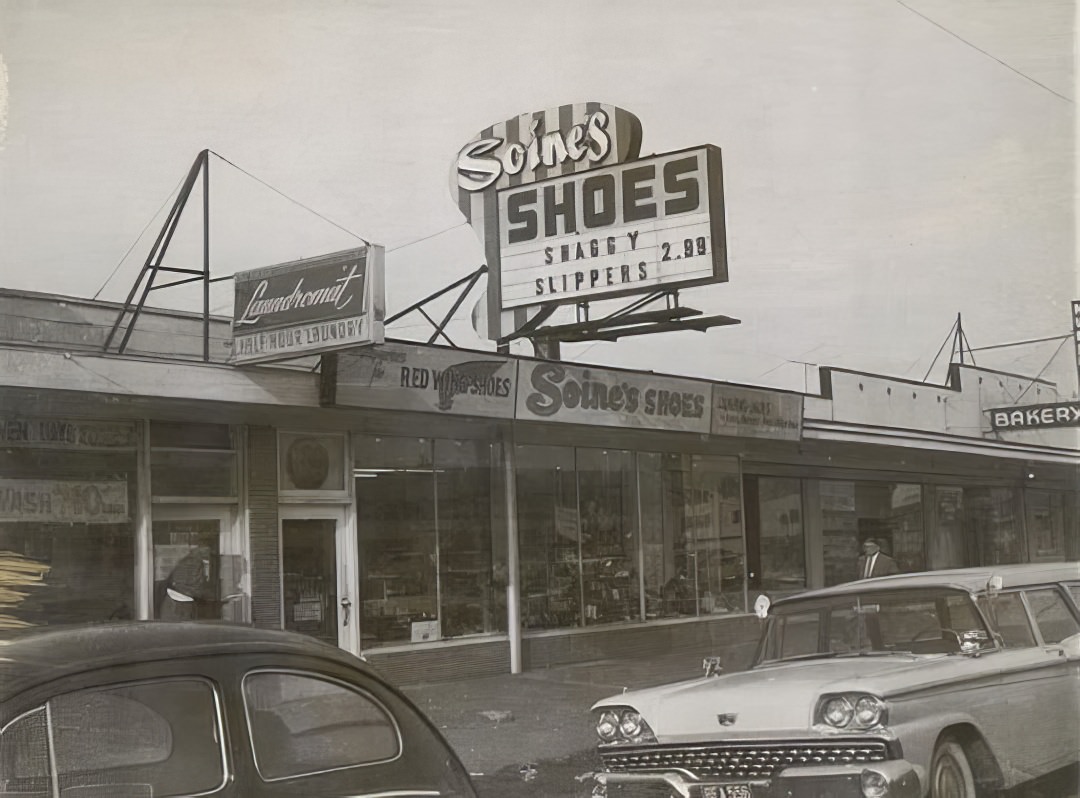
Taken together, these Polaroids form a visual archive that no official photographer set out to create. They survive because one person on the job thought the signs were worth saving.