
Vancouver, Washington in the 1950s and 1960s was a city caught between growth and disruption. The waterfront was active, the downtown streets were busy, and local industry kept thousands of workers employed. But beneath that surface energy, major decisions were already being made that would change the city’s shape for decades. The photos in this collection offer a ground-level look at what Vancouver was like during those two pivotal decades.
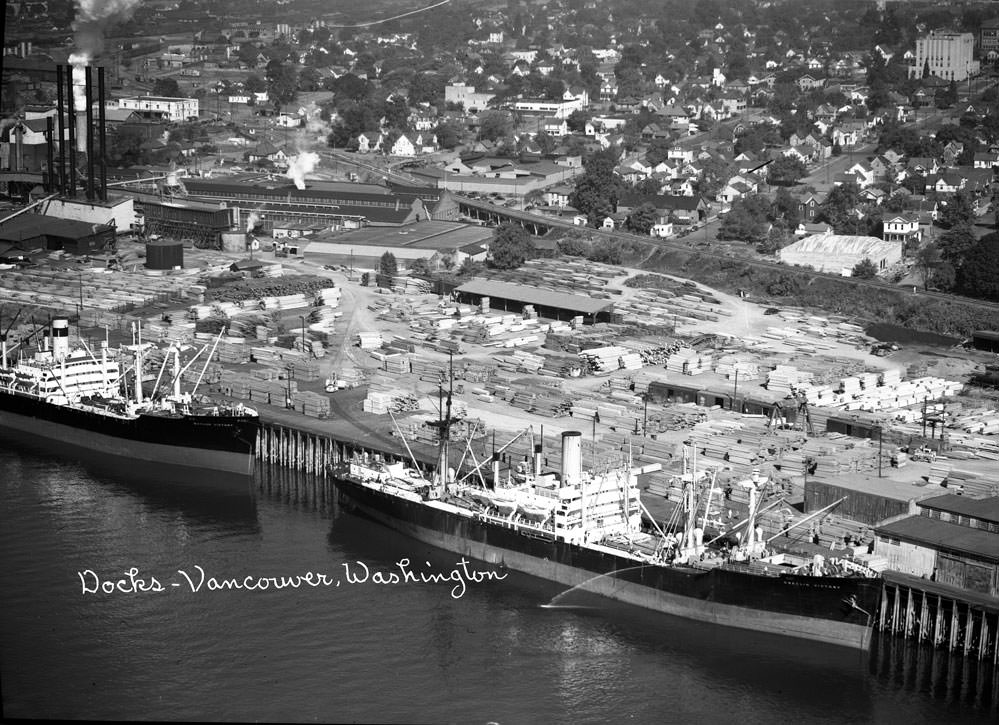
The Columbia River waterfront was one of Vancouver’s most active zones in 1950. Lumber piles lined the docks, and large cargo ships moved goods in and out of the port. The S.S. Oberlin Victory was among the vessels docked there, with what appears to be the S.S. Baylor Victory nearby. The town’s buildings rose in the background, framing a working waterfront that was central to the regional economy.
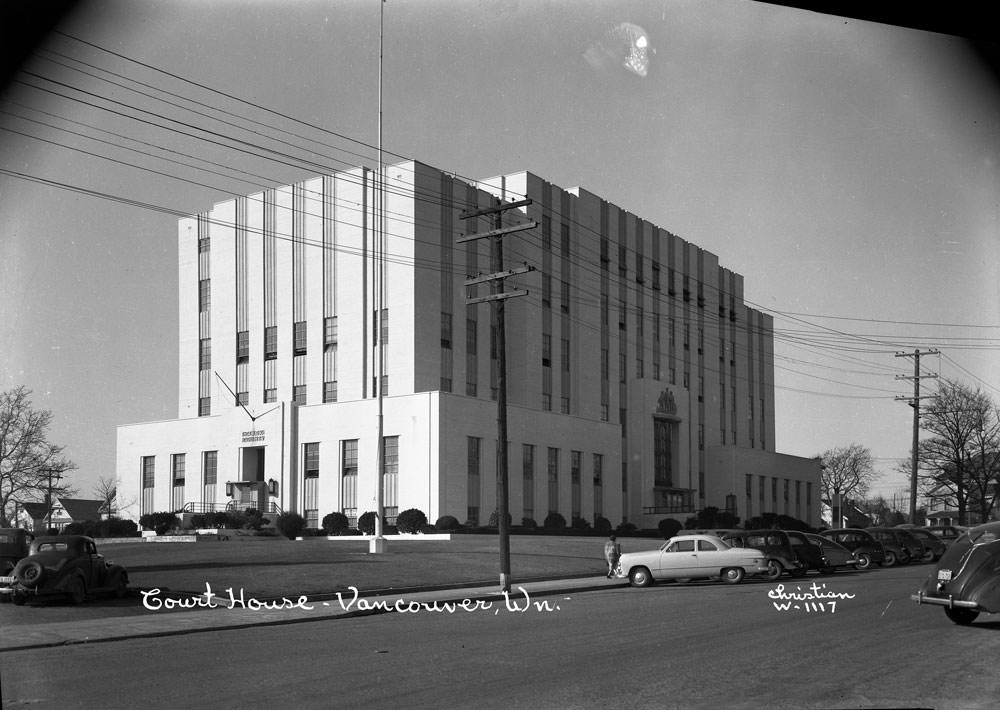
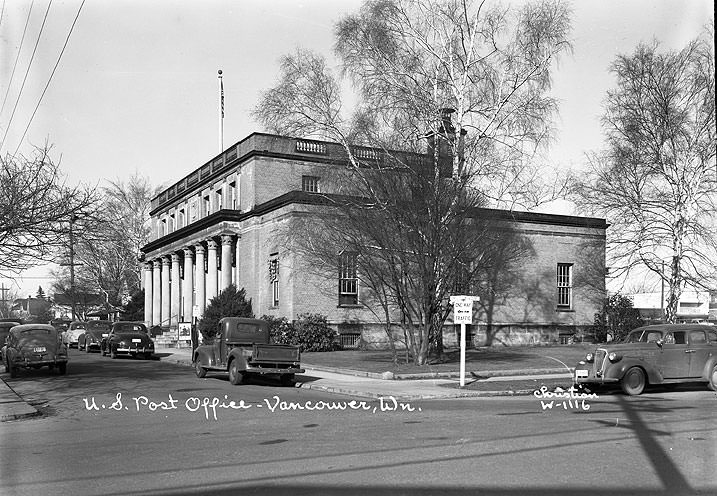
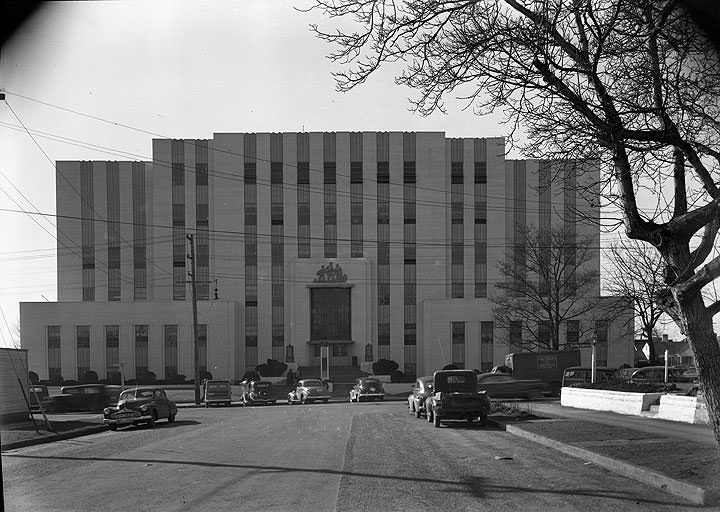
The city’s civic buildings gave Vancouver a solid, established look in the early 1950s. The courthouse and post office stood as anchors of local government, reflecting the city’s growing administrative role in Clark County. These structures were familiar landmarks to anyone living or working in the area.
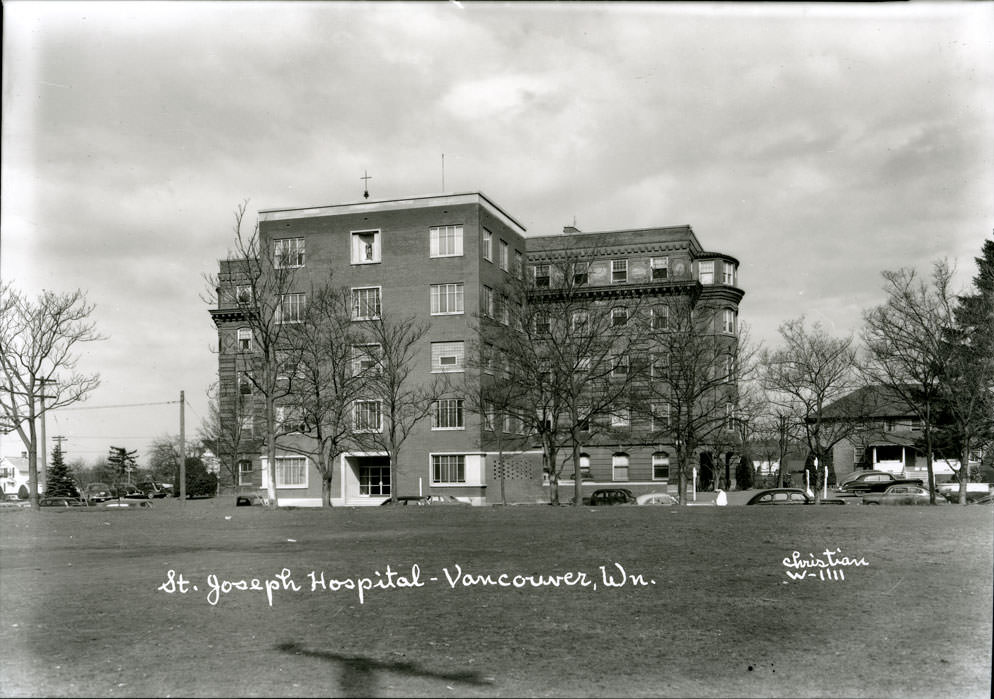
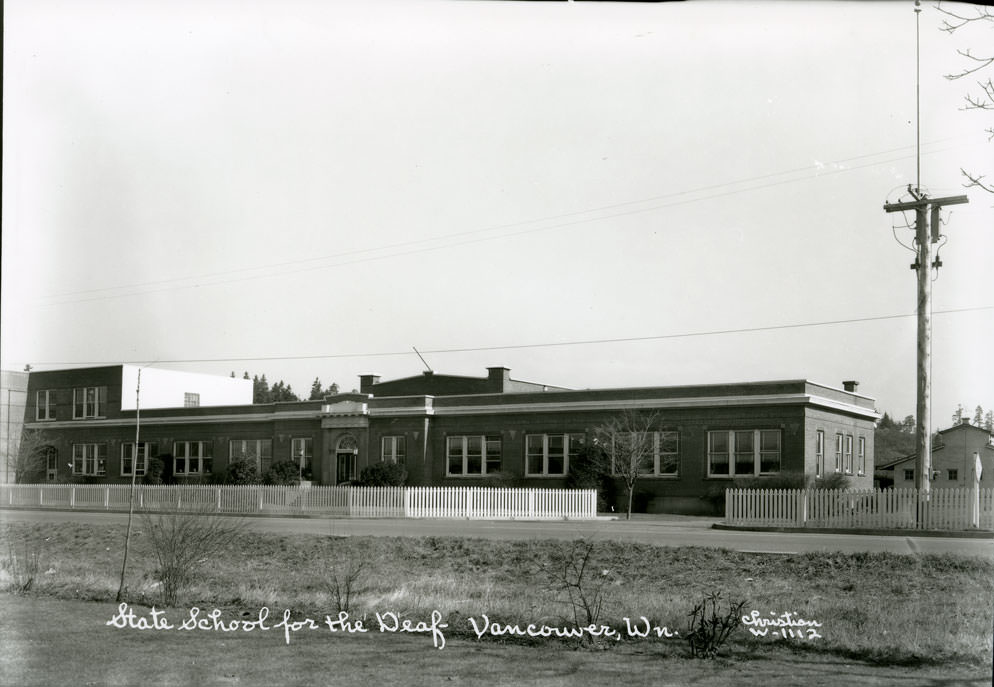
Medical and educational institutions were also well established in Vancouver by this time. St. Joseph Hospital served the community’s healthcare needs, while the Washington State School for the Deaf educated students from across the region. The school’s low, sprawling buildings sat behind a picket fence — a quiet setting for an institution that served a specialized and often underserved population.
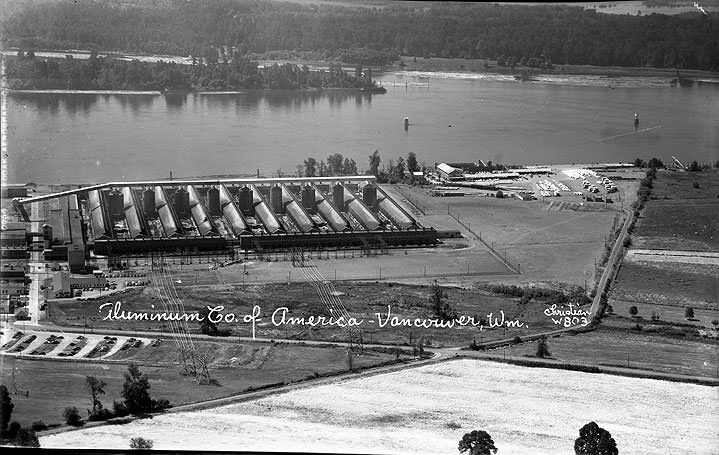
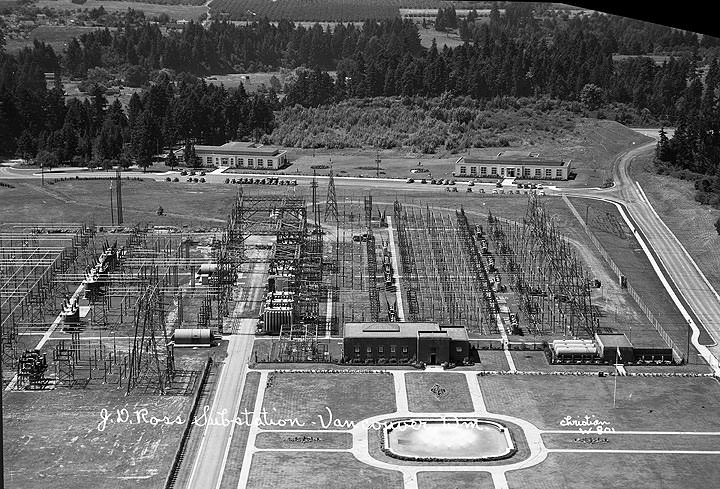
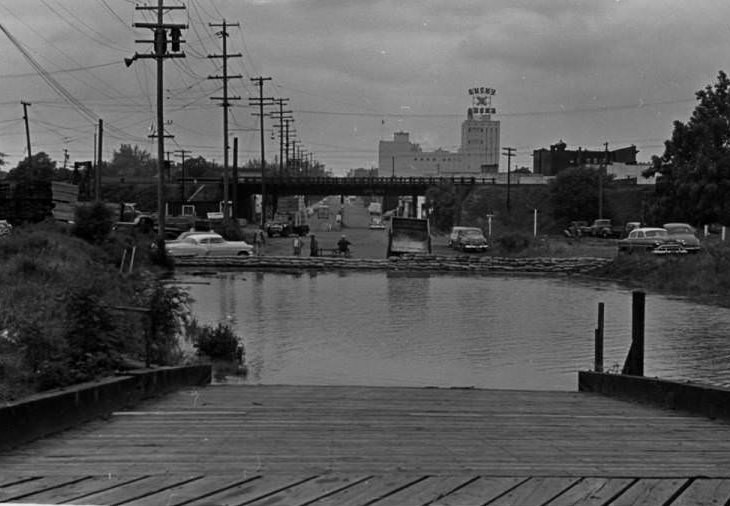
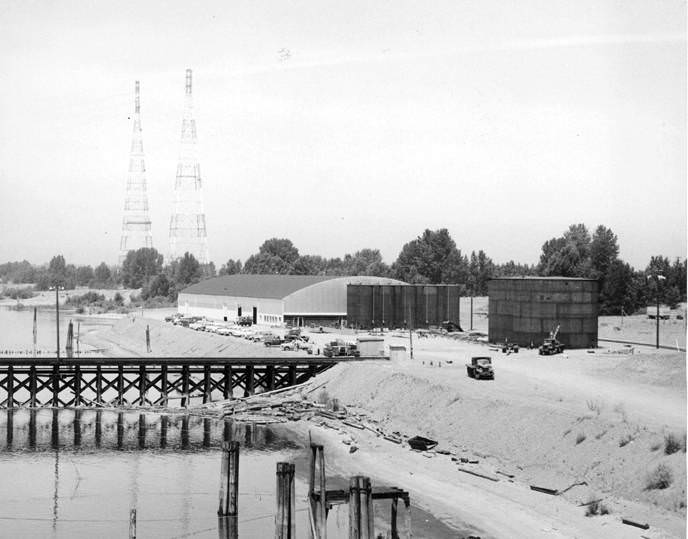
Heavy industry defined much of Vancouver’s economic identity. The Aluminum Company of America operated a large facility near the Columbia River, taking advantage of the region’s cheap hydroelectric power. The J.D. Ross Substation in Clark County was part of the electrical infrastructure that made industrial operations like this possible. Vacant land still surrounded these facilities in 1950, reflecting how recently this industrial corridor had developed.
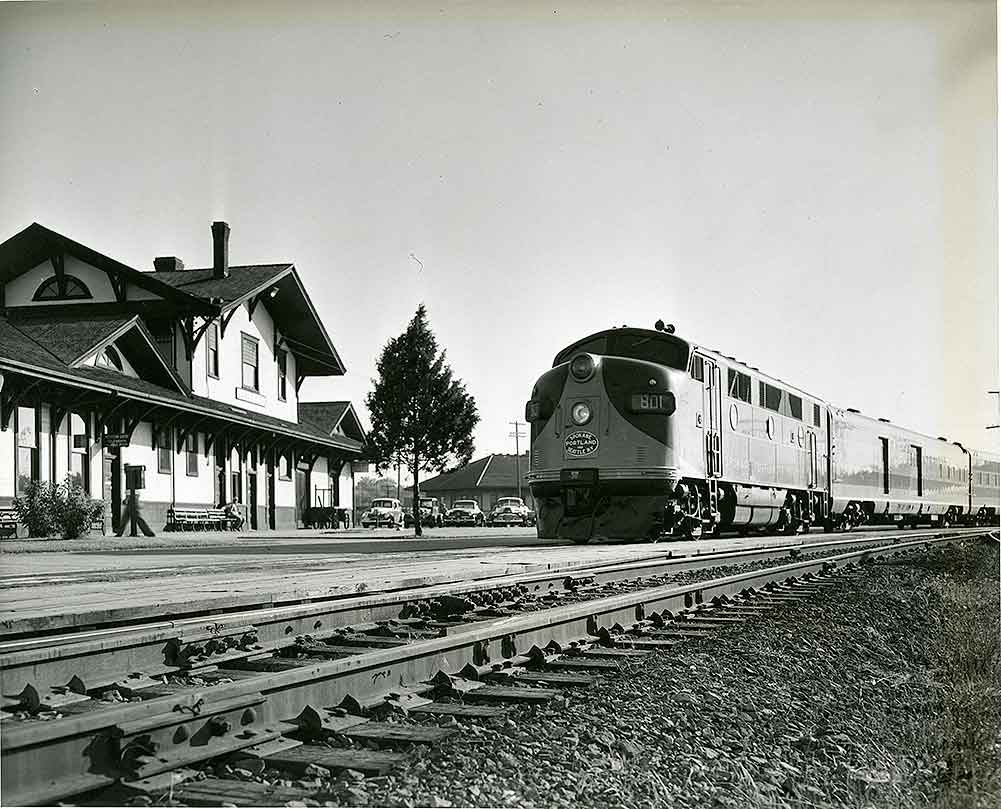
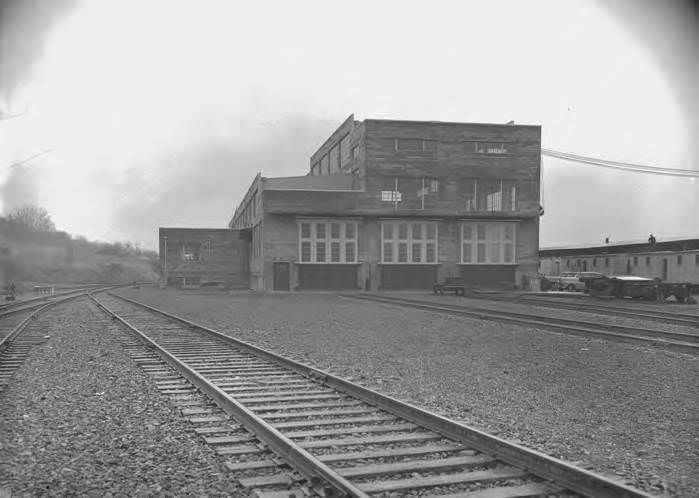
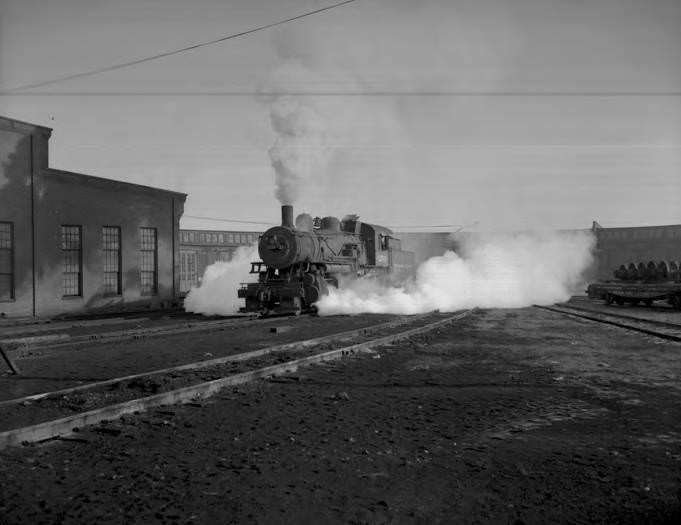
Rail transport was essential to Vancouver’s commerce in the early 1950s. The Spokane, Portland and Seattle Railway ran westbound trains through the city, and its diesel shop at the local rail yard kept equipment running. The Great Northern Railroad also ran through Vancouver, with Engine 261 photographed heading southbound in 1952. A Northern Pacific engine was photographed leaving the roundhouse in 1953. These rail lines connected Vancouver to regional markets and kept freight moving efficiently.
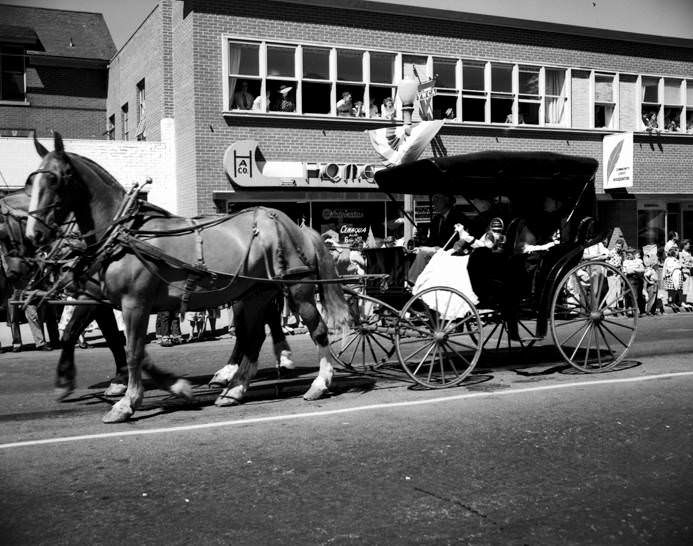
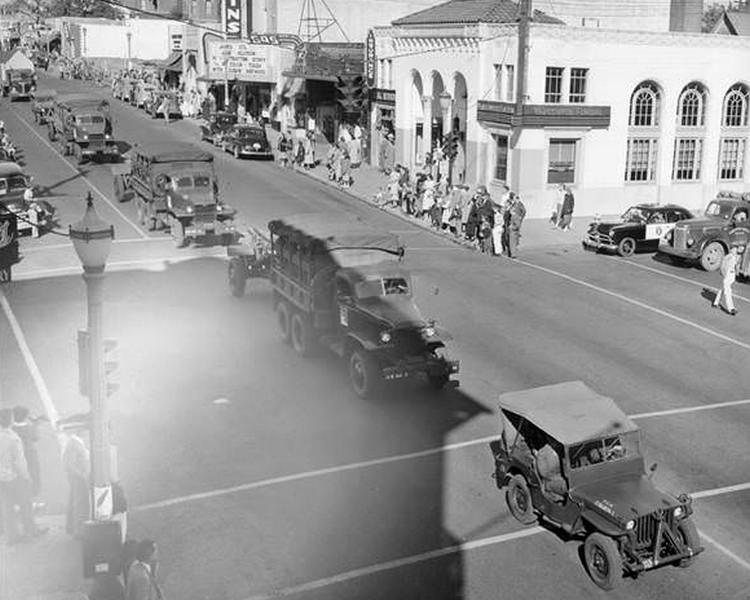
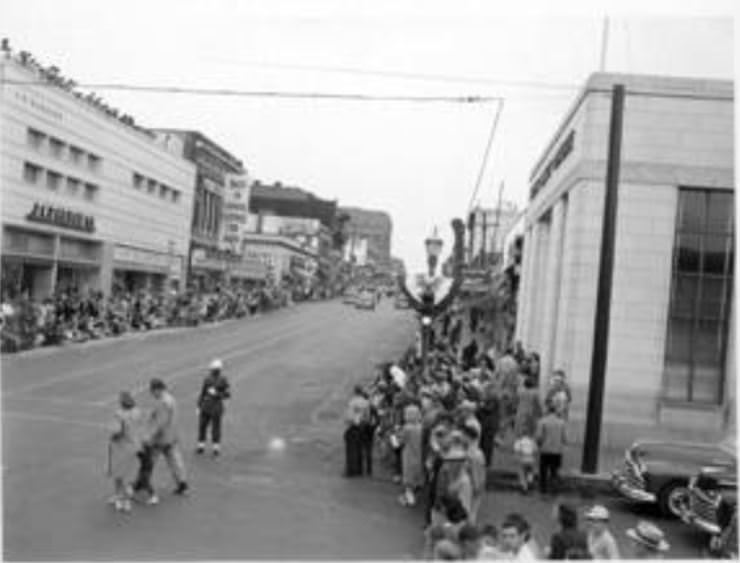
Vancouver’s streets came alive during public events. The 1950 Armed Forces Parade drew crowds along the city’s main thoroughfares, as did the Cenaqua Parade on August 6 of that same year. Military vehicles rolled down the street while residents gathered along the sidewalks to watch. These events reflected the city’s close relationship with the military, rooted in its long history as home to a major Army post.
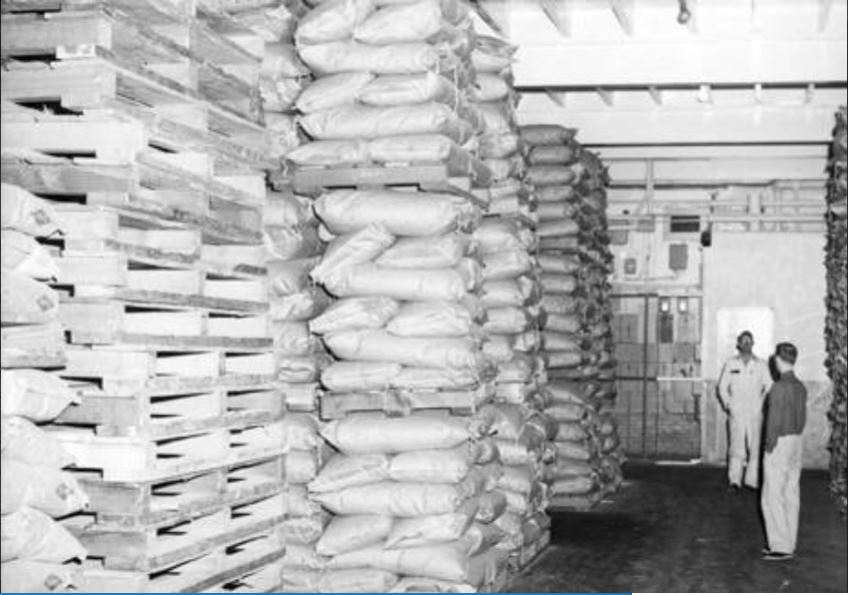
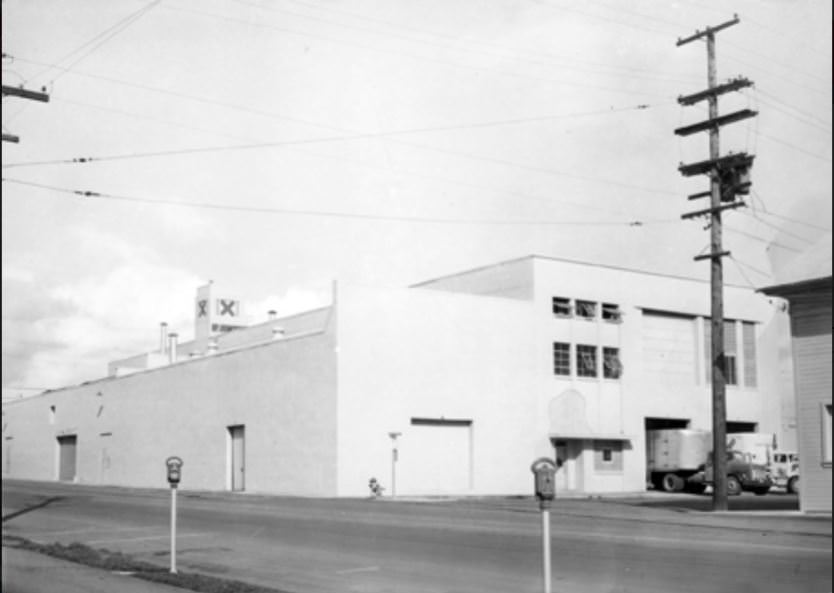
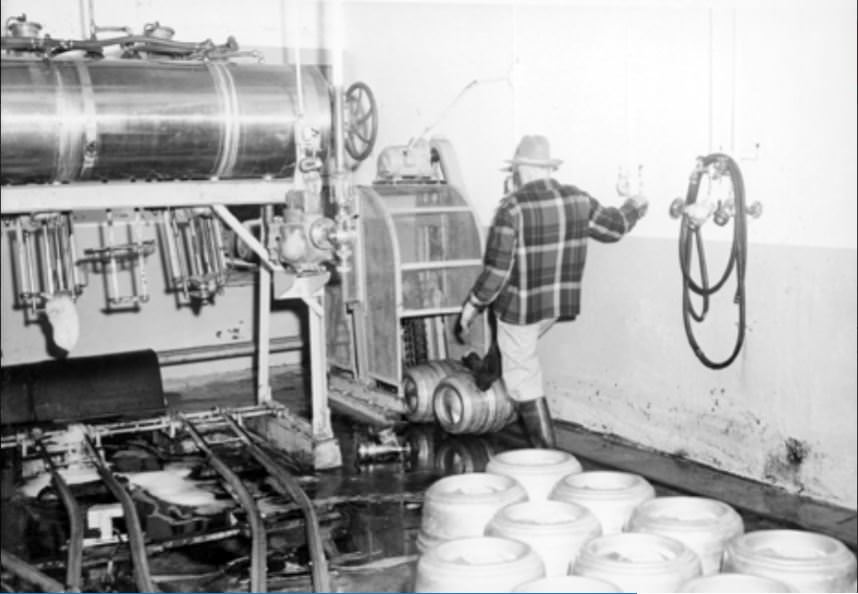
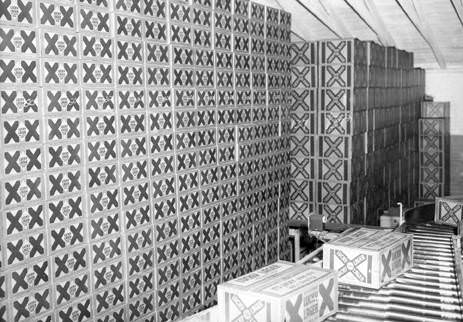
The Lucky Lager Brewery was one of Vancouver’s most recognizable industrial employers in the early 1950s. Workers handled bags of brewing ingredients, pushed kegs along the production floor, and managed a steady output of bottled beer. Boxes of finished product lined up beside the production line, ready for distribution. The brewery was a major local employer and a well-known part of the city’s commercial landscape.
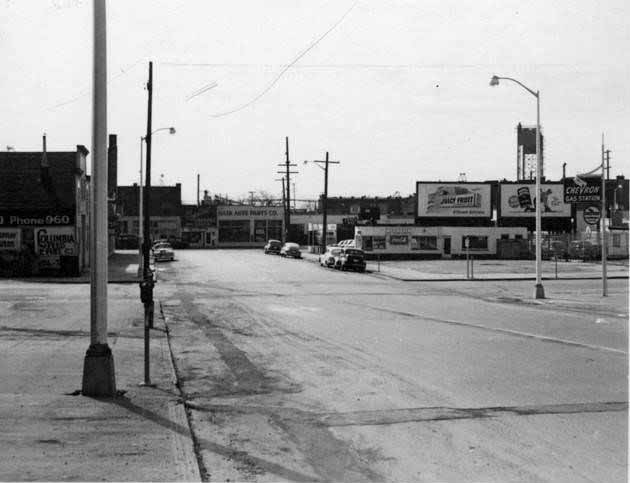
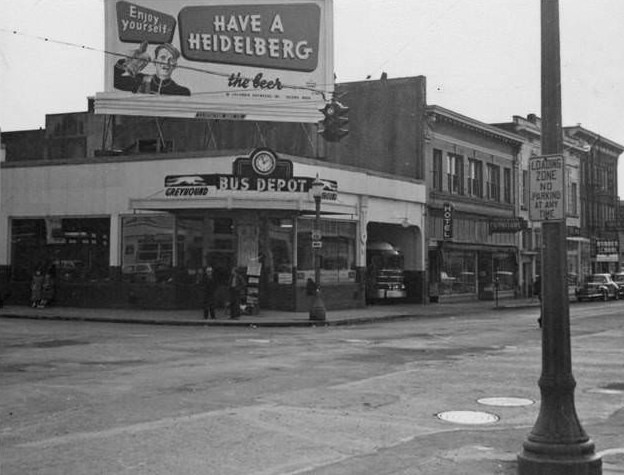
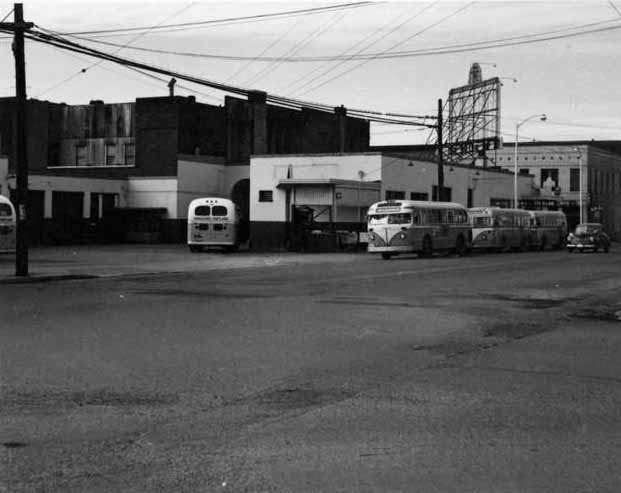
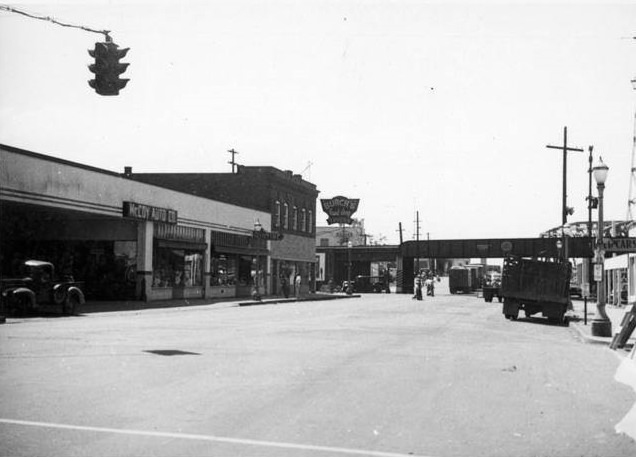
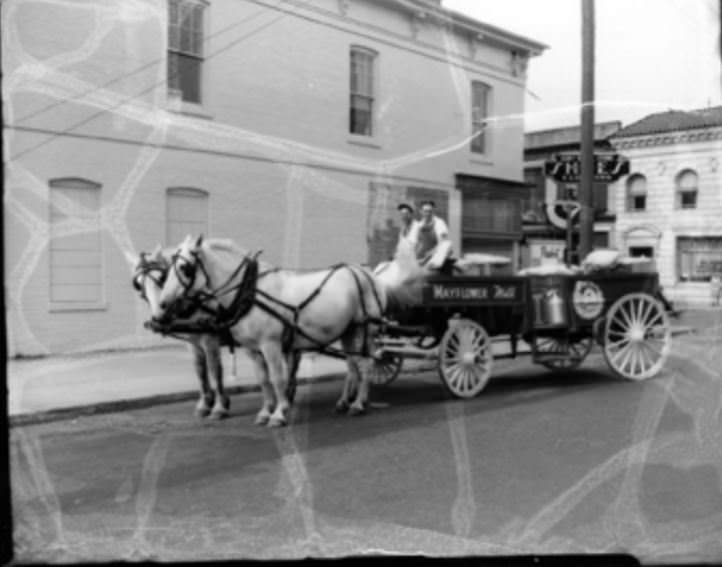
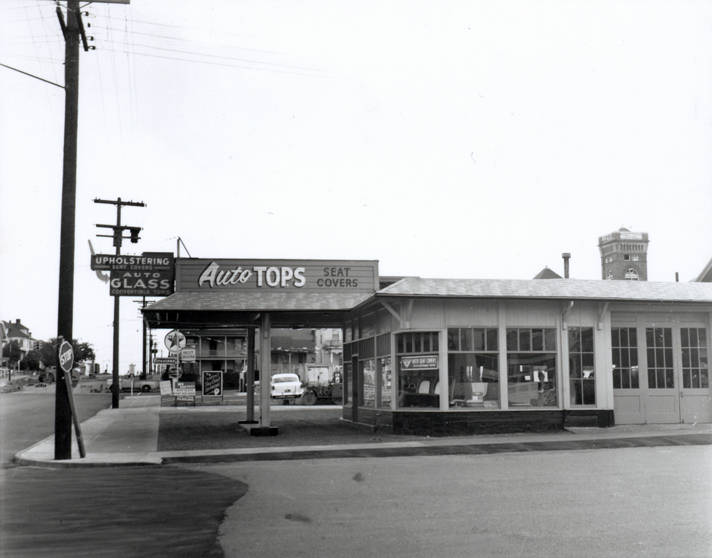
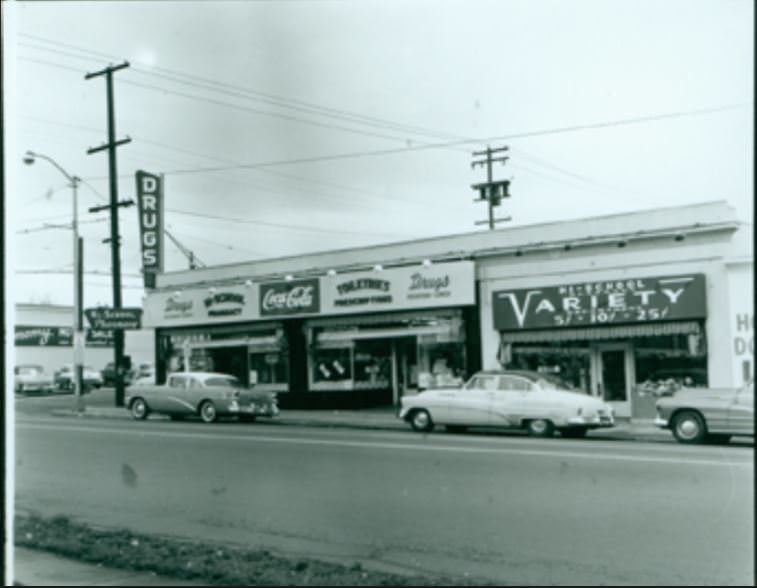
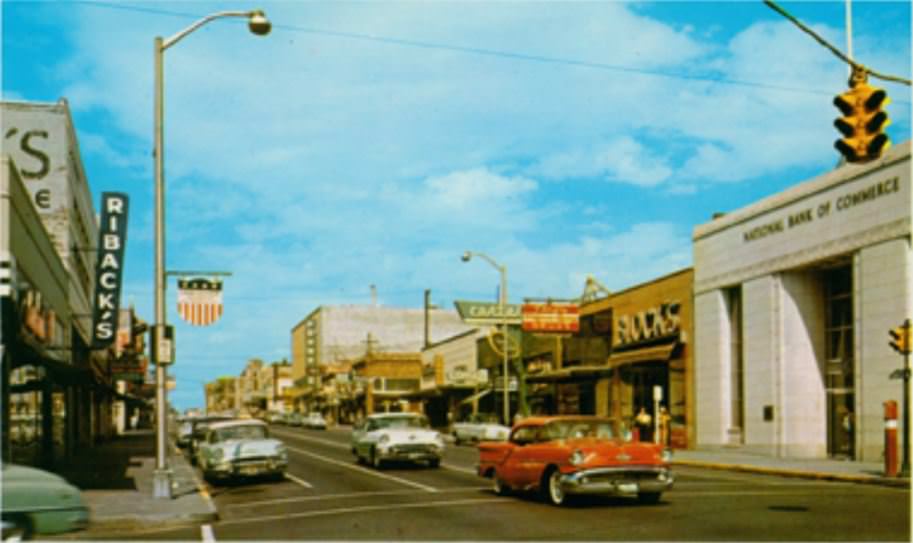
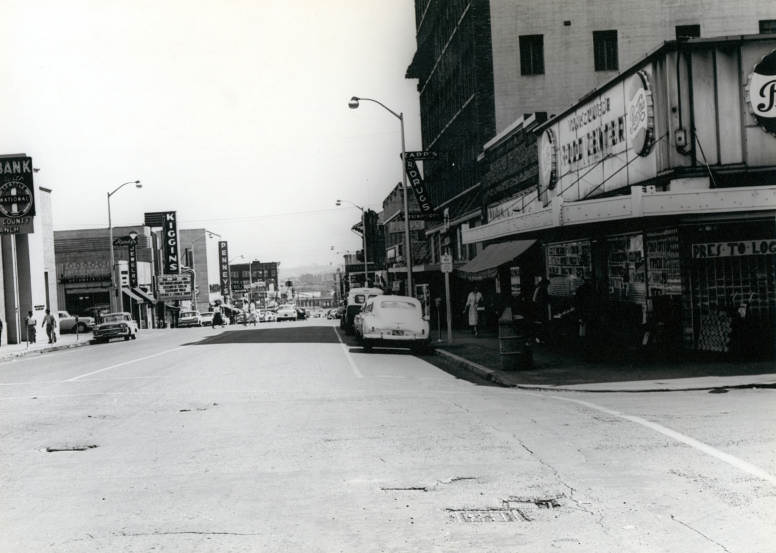
Downtown Vancouver in the early 1950s had a walkable, commercial character. Columbia Street, Broadway, and Main Street were lined with storefronts and served by bus lines. The 5th and Main Bus Station was a hub of local transit. A two-man horse-drawn Mayflower Milk wagon still made deliveries in 1950, a sign that not every business had fully shifted to motorized transport. Broadway Seat Covers operated out of 1411 Broadway by 1956, and the High School Pharmacy anchored the corner of Main and Fourth Plain Boulevard the same year.
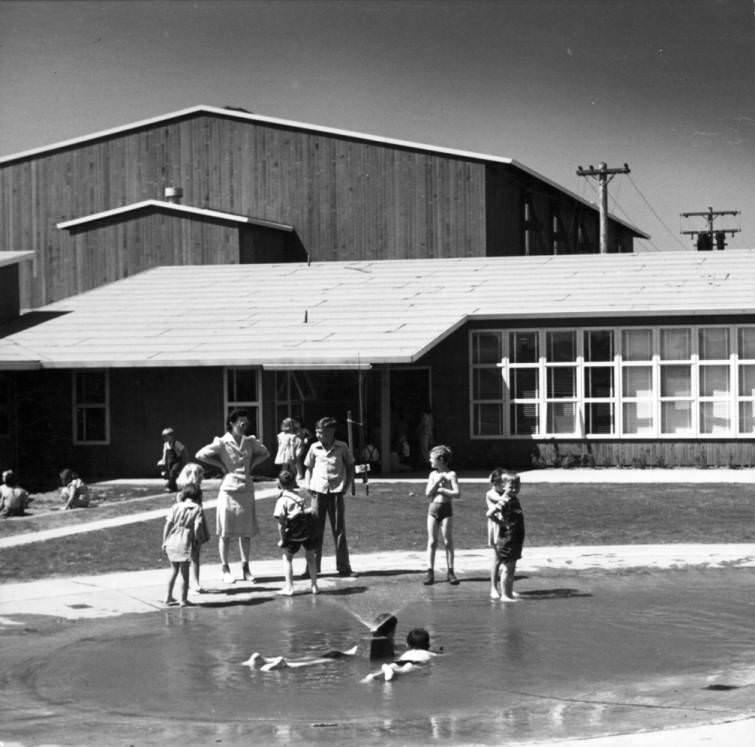
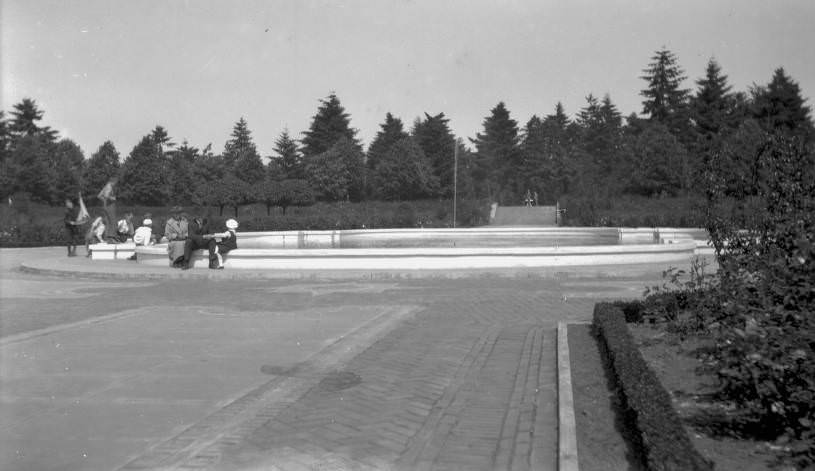
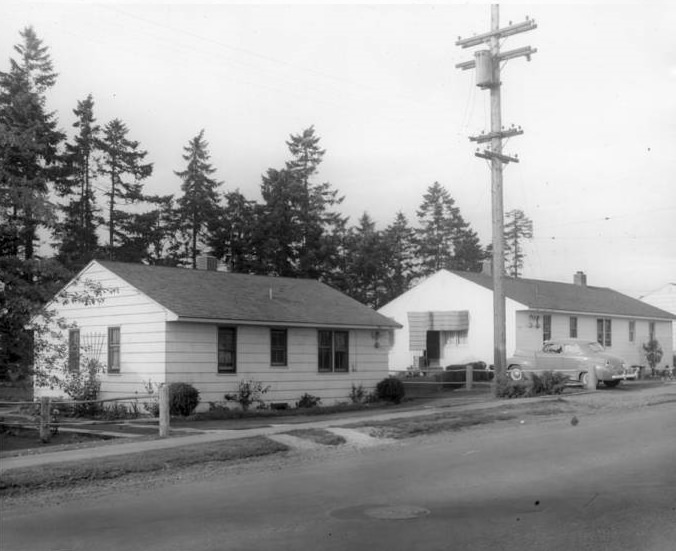
In 1952, Vancouver established the Mayor’s Commission on Open Housing, a body with diverse membership working to make sure housing was available to everyone regardless of background. Residential areas like McLoughlin Heights were active neighborhoods during this period, and children could be seen using outdoor wading pools and park spaces near the Vancouver Housing Authority.
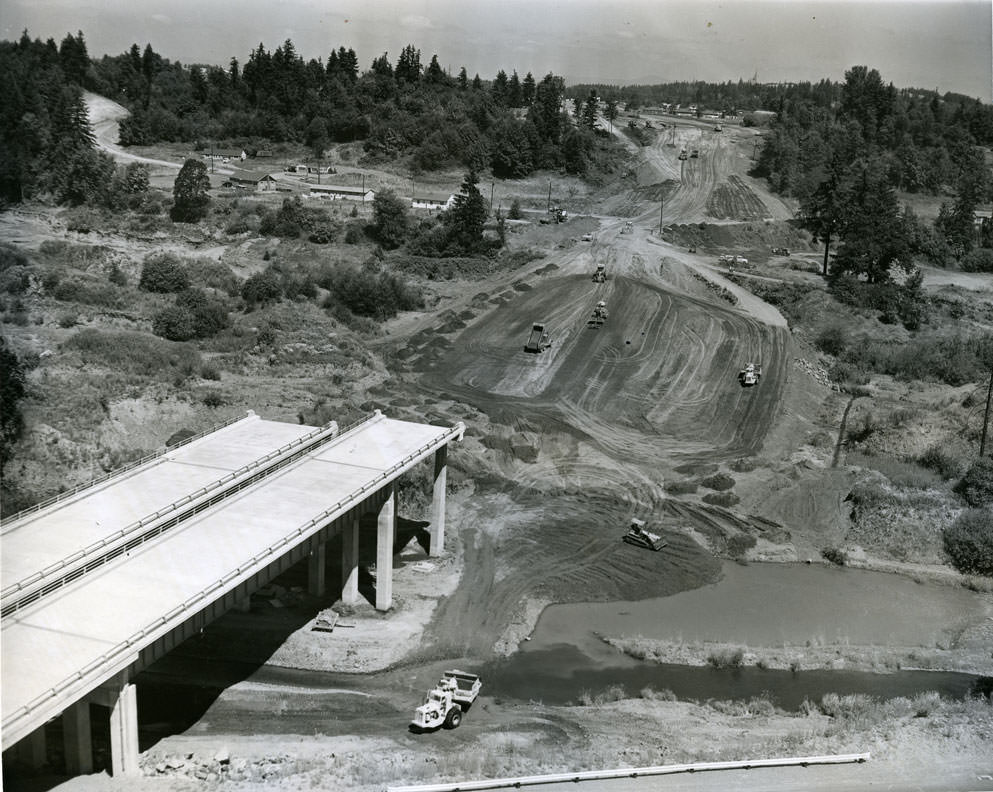
On March 31, 1955, Governor Arthur Langlie cut the ribbon on Interstate 5 as it opened through Vancouver. The new highway crossed the former military reservation, permanently closing 5th Street — previously one of the city’s main arterials and the only road across that land. The freeway also cut off easy access to downtown, and the effects were severe. The city’s commercial core began to deteriorate. Urban renewal in 1965 relocated residents from the downtown area, and the loss of foot traffic drove many merchants toward the growing suburban shopping malls. The construction of I-5 continued through the 1960s in segments between Olympia and Vancouver.
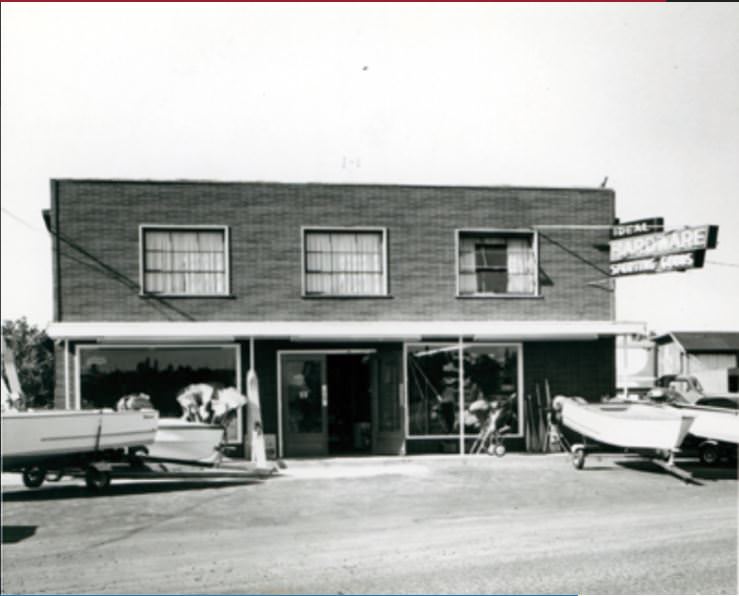
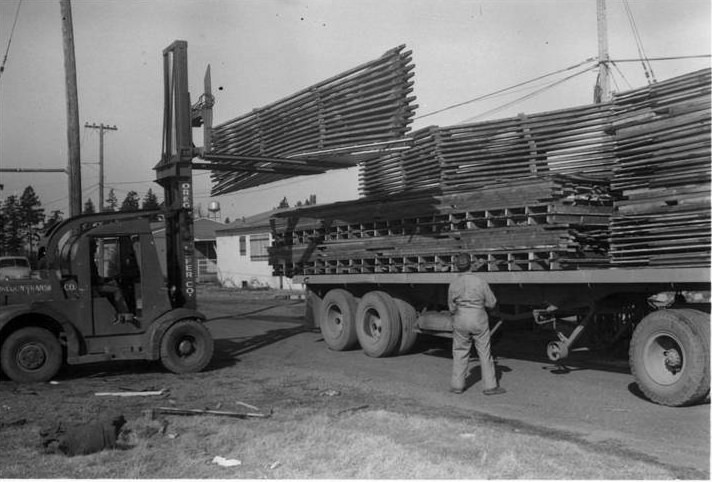
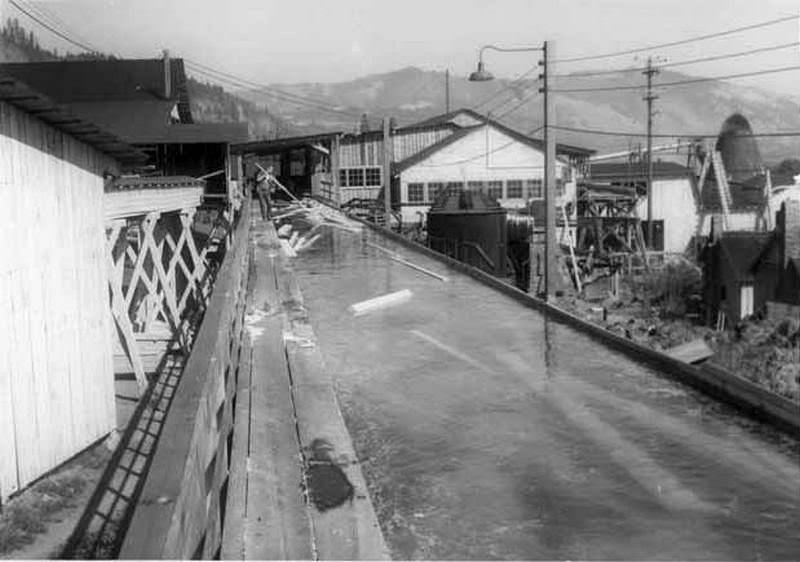
Other parts of the city continued operating steadily through the mid-1950s. Ideal Hardware ran a store at 5910 E. Fourth Plain Boulevard in 1955. The Pacific Glue Manufacturing Company and the McGuire Chemical Company plant at the Port of Vancouver were both active industrial operations. Vancouver Fast Freight trucks were being loaded for delivery runs in 1957. The Broughton Lumber Company, photographed in 1965, was part of the timber industry that had long been central to the regional economy.
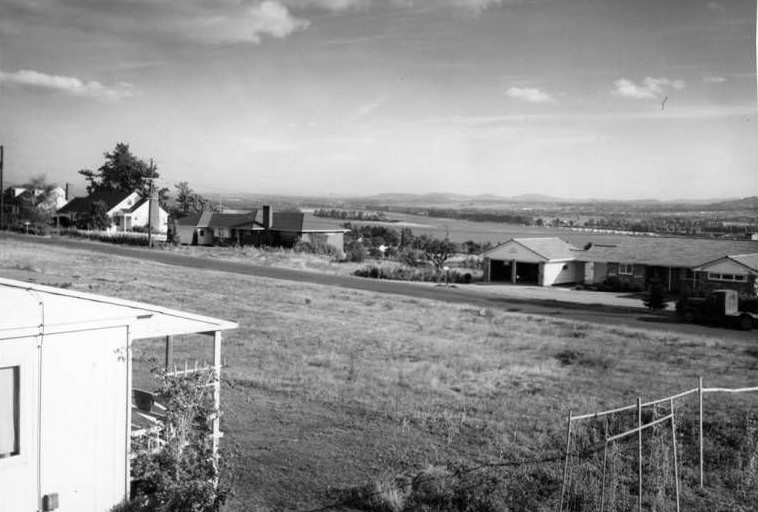
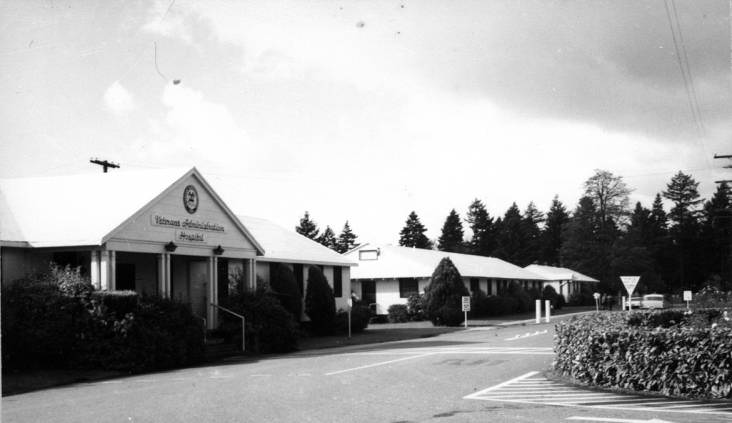
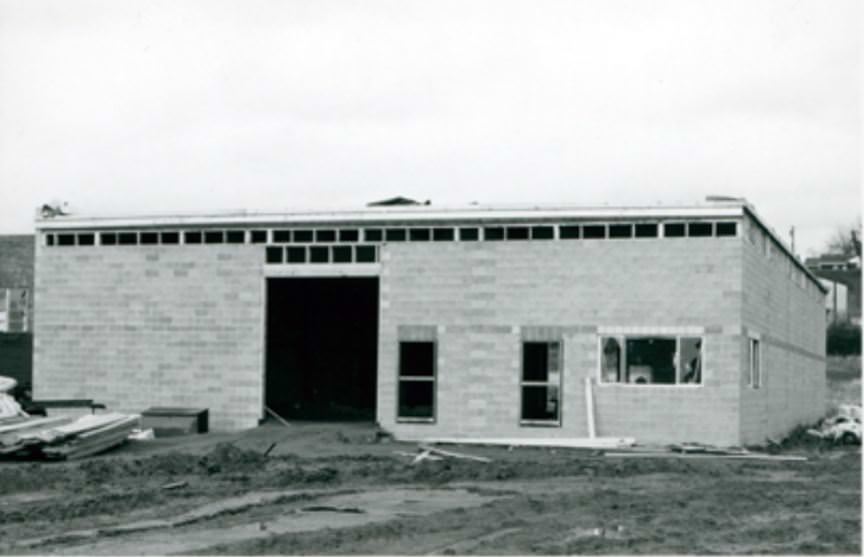
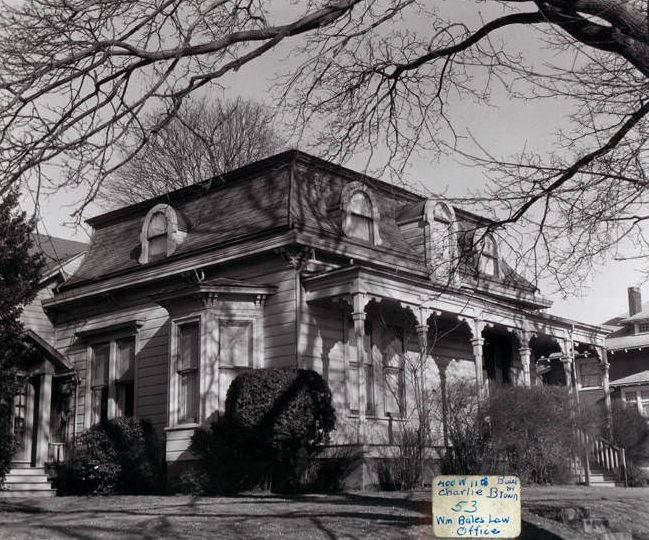
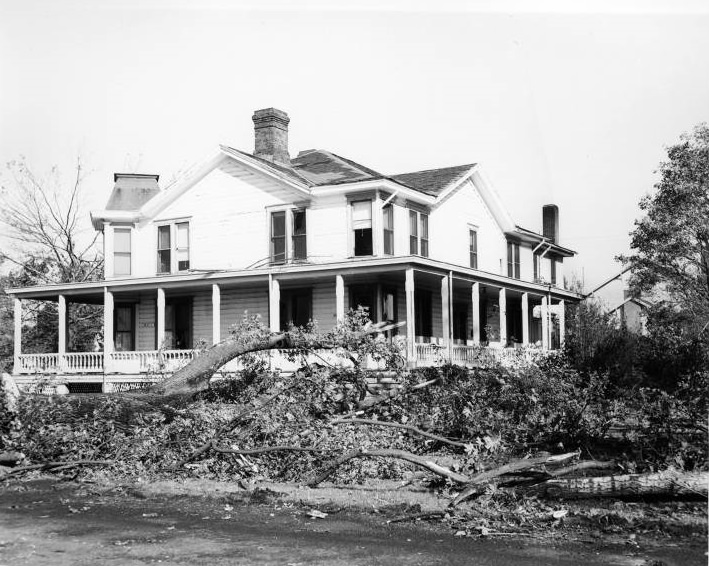
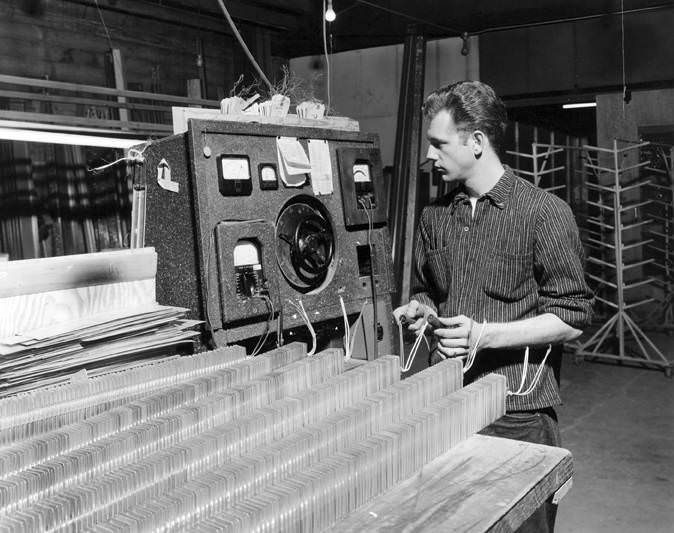
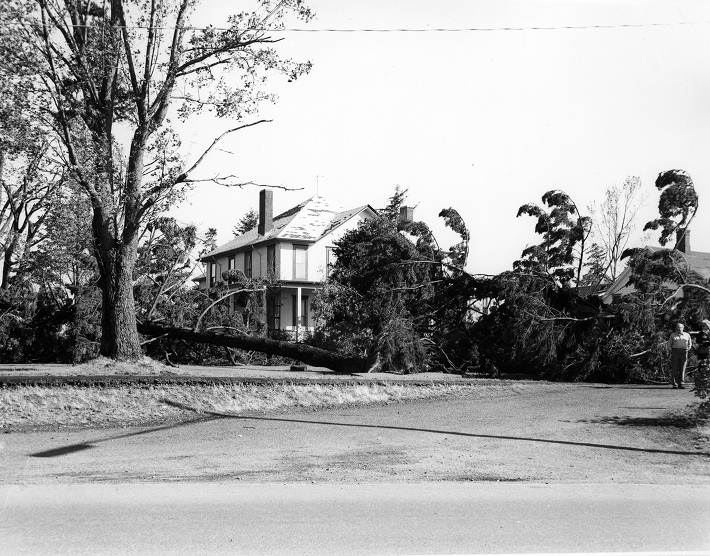
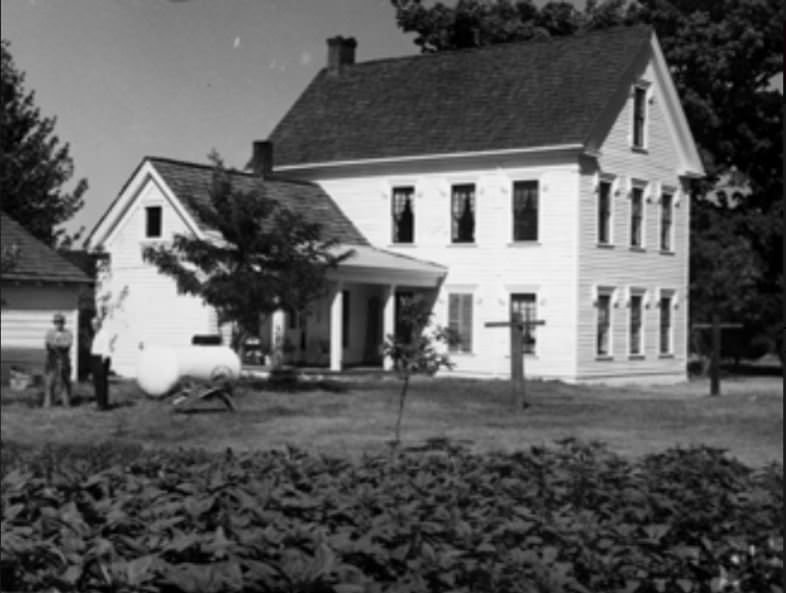
The 1960s brought new institutions and dramatic weather events to Vancouver. The Washington State School for the Blind was photographed in 1960, and the Electro Ray Manufacturing Company had workers on site in 1961. The Columbus Day Storm of 1962 left visible damage across the area, including at the McCarty House. That same year, the Bates House at 400 W. 11th Street was documented as part of the city’s built environment.
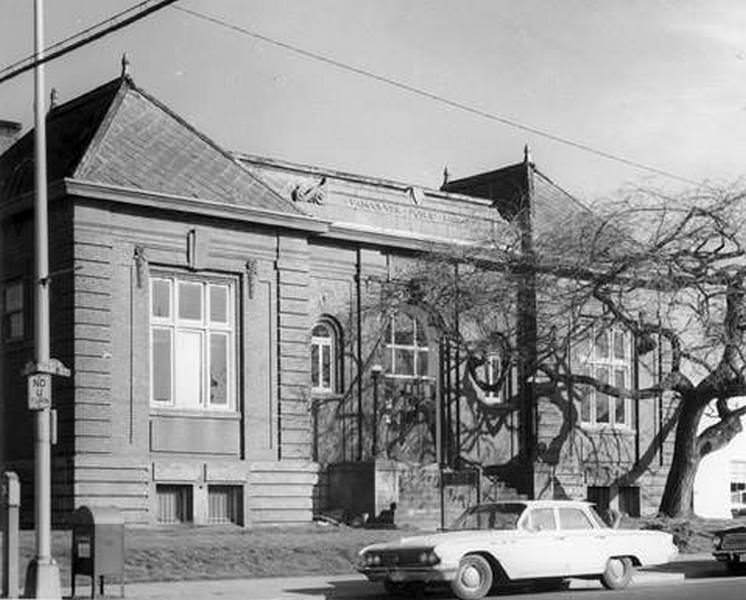
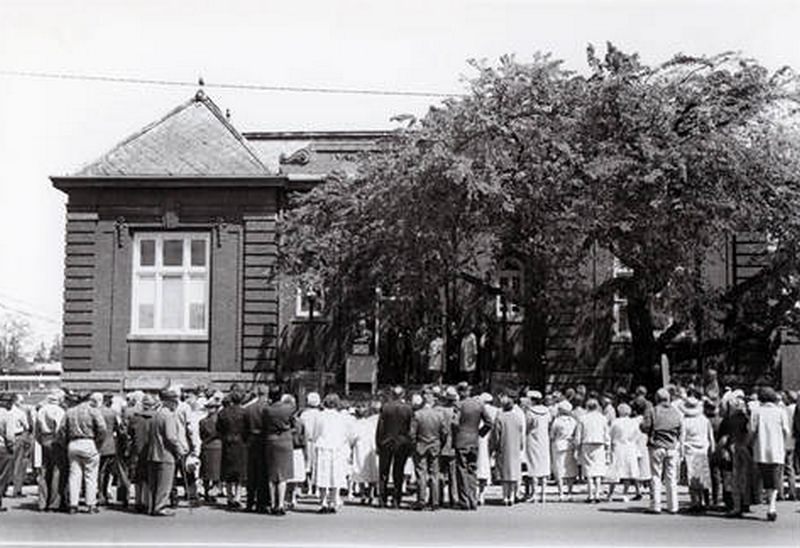
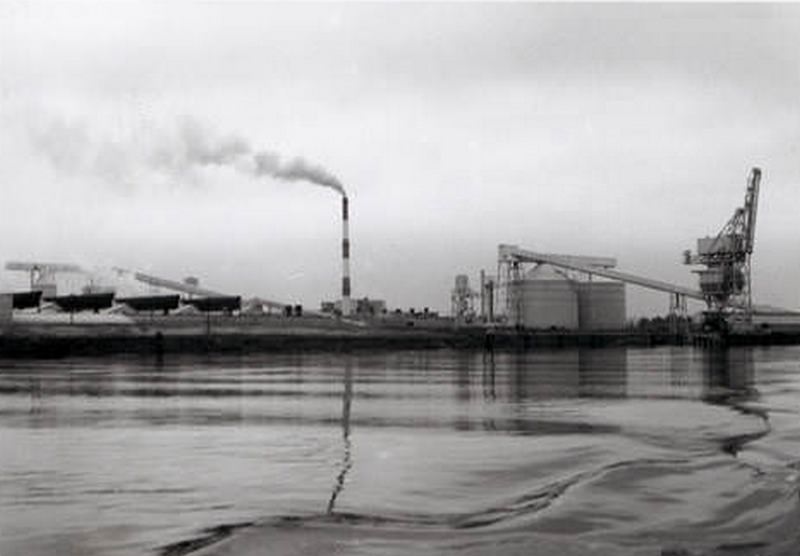
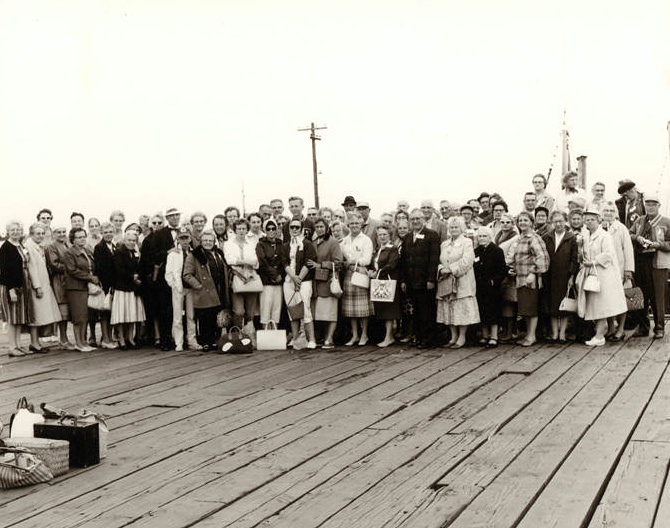
In 1964, the Clark County Historical Museum was dedicated — a milestone for preserving the region’s past. That same decade, the Fort Vancouver Historical Society organized trips to document the area’s history from the water. A 1968 boat trip along the Columbia River provided views of the Kaiser Aluminum Plant and the Fort Vancouver National Site visitor center alongside Officer’s Row. These efforts to preserve and interpret local history ran alongside ongoing changes at the former military reservation, where the Army had begun disposing of surplus property.
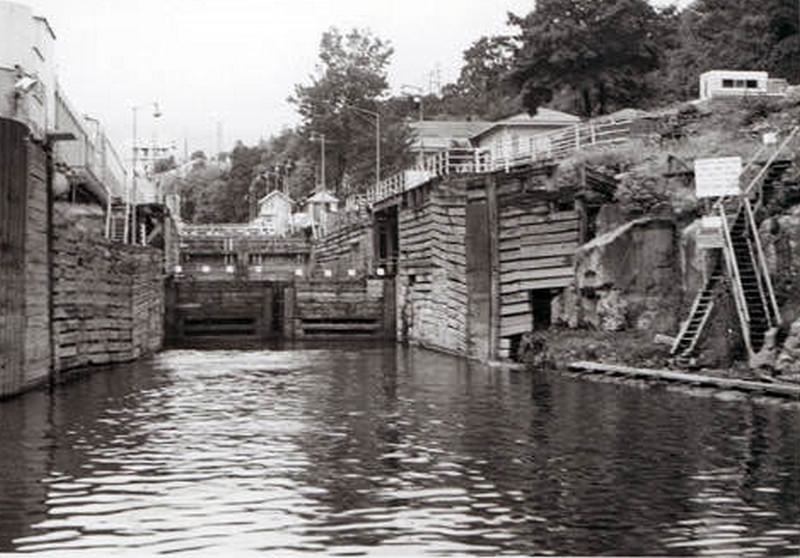
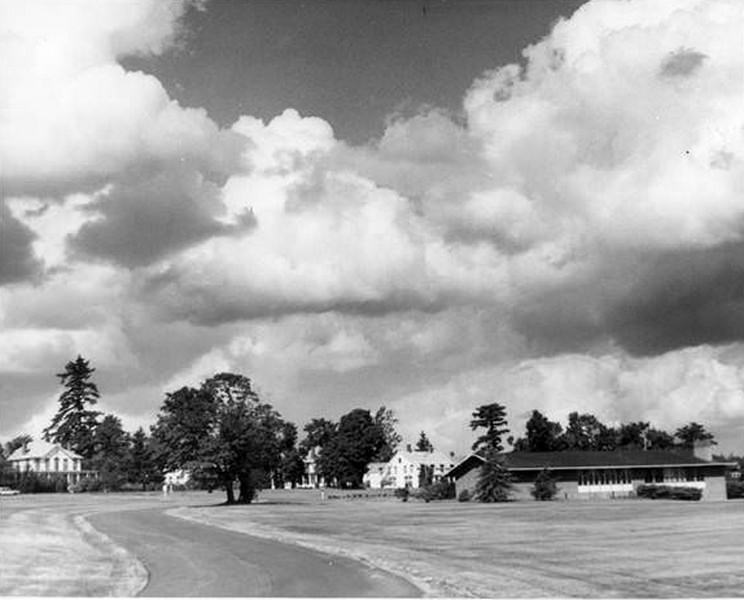
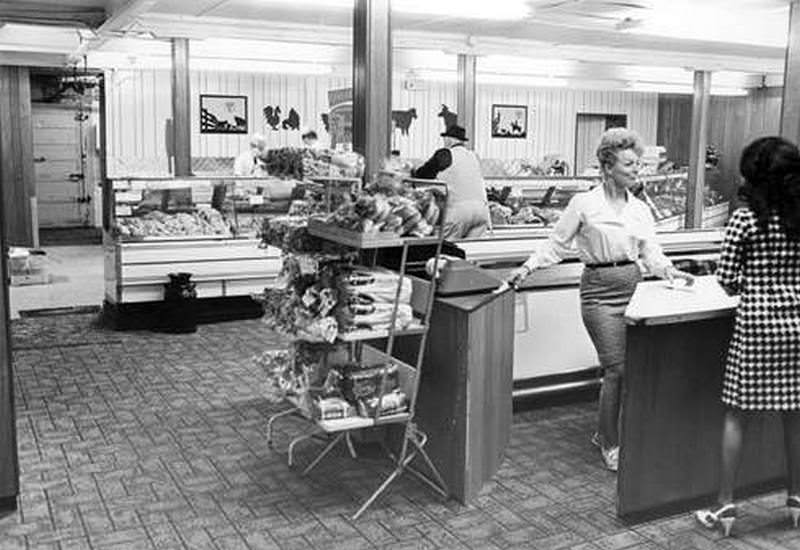
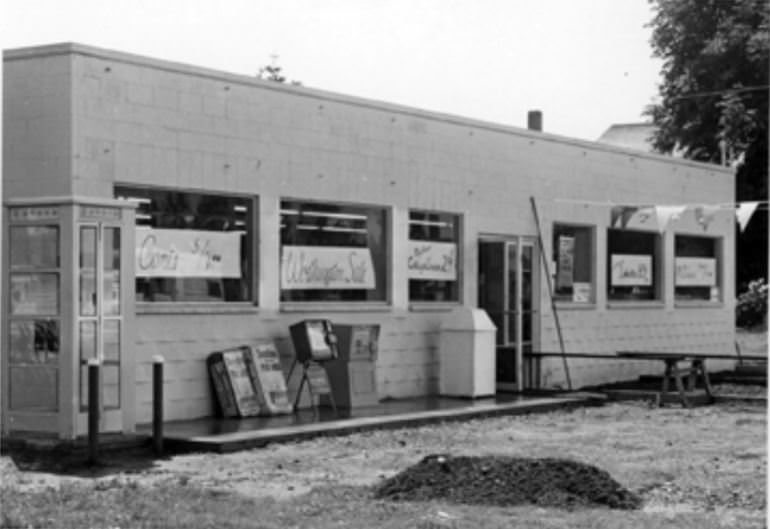
As the 1960s came to a close, neighborhood commerce continued in Vancouver’s outlying areas. Jake’s Market at 4600 St. Johns Road was well stocked and operational in 1969, and the New Meadow Glade Store north of the city served that rural community the same year. Meanwhile, planners working with Clark County, Clark College, the Washington State Department of Transportation, and the Vancouver School District were drafting an ambitious plan called “A Park For the People” — a proposal to convert the surplus military land north of the parade grounds into public green space without sacrificing its natural character. Historic Borst Park and Fort Borst, photographed in 1967, showed the kind of preserved open space that planners hoped to replicate on the reservation grounds.





Thank you for sharing this wonderful collection. I personally enjoyed the courthouse photos the most, but since I am a train enthusiast, the rail station pictures were also fantastic. Additionally, the bonus Tacoma shots were fascinating as well.
Love old pictures of our city! I have a few displayed in my own home. Thank you for sharing this collection!
It’s always a pleasure to observe these historic photos of our city.
That top one looks just the same!!!
I love that little train station.
Thank you for sharing these photos. I am in my 80’s writing about life in the mid to late 1940’s. I was hoping to verify my memories of downtown Vancouver in that era. Your collection helped me greatly. The National Bank of Commerce, The Kiggens Theater and the Bus Depot photos matched the images in my head. With deep appreciation I cannot thank you enough. Sharon Mack Yankee [email protected]