
Mathew Brady was one of the most important photographers of the 19th century. During the Civil War years of 1861 to 1865, he and his team documented Washington D.C. with a level of detail never seen before. Their photographs turned the camera into a tool of historical record. The city itself was changing fast — from a modest government town into the nerve center of a nation fighting for its survival.
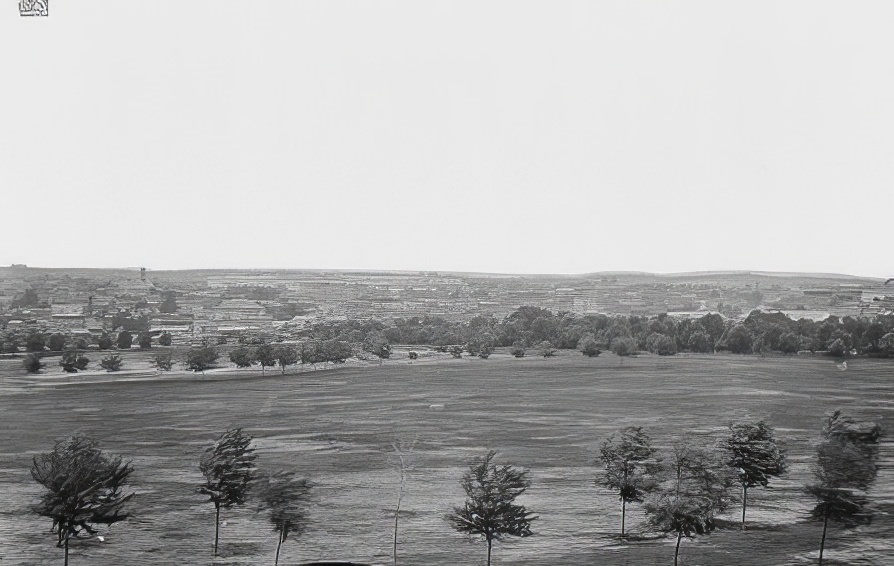
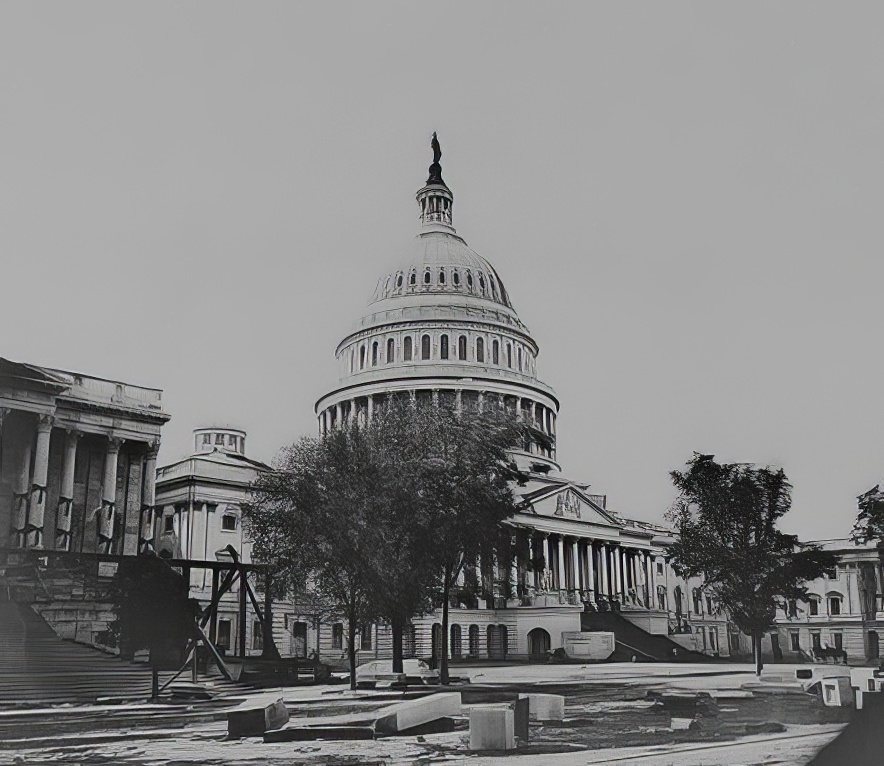
Washington D.C. was the headquarters of the Union government and a major staging ground for the Union Army. Every corner of the city reflected the war effort. Brady’s camera captured that transformation across landmarks both grand and practical. The Capitol Building, still being constructed during the war years, appears in several images with its unfinished dome rising above the city — a symbol of a nation in the middle of crisis and change.
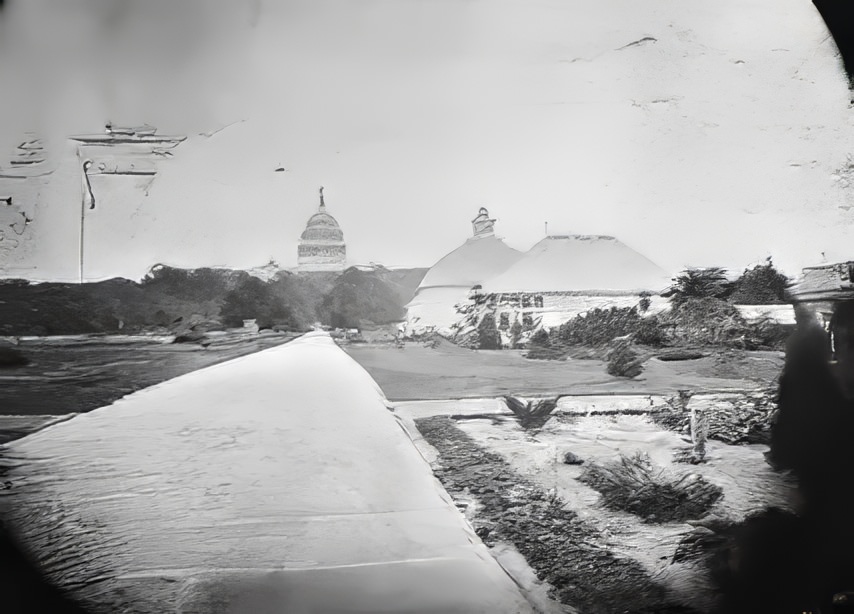
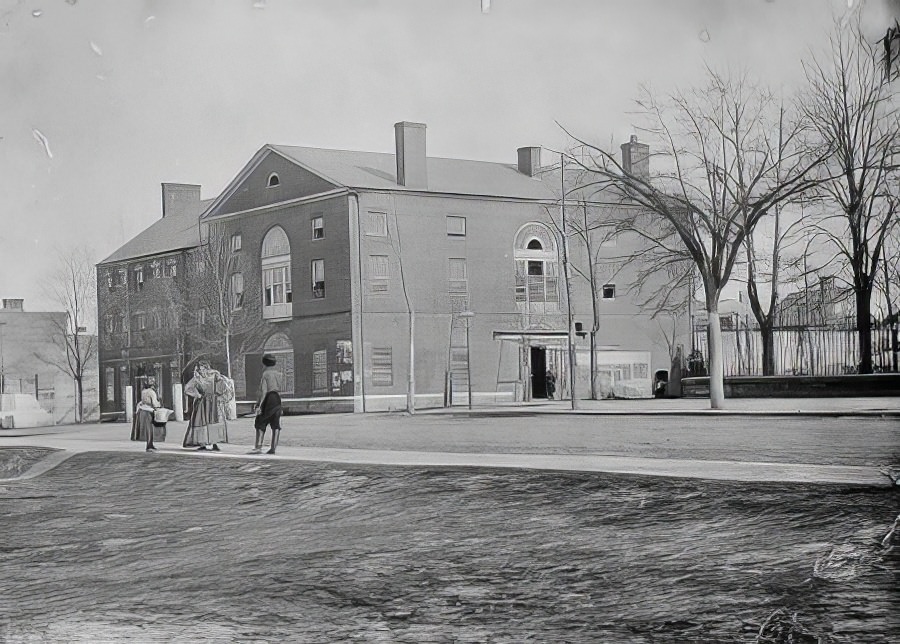
The city’s green spaces, like the Botanical Gardens, stood in quiet contrast to the military buildup surrounding them. Meanwhile, the Old Capitol Prison held Confederate prisoners and political detainees just blocks from the seat of government.
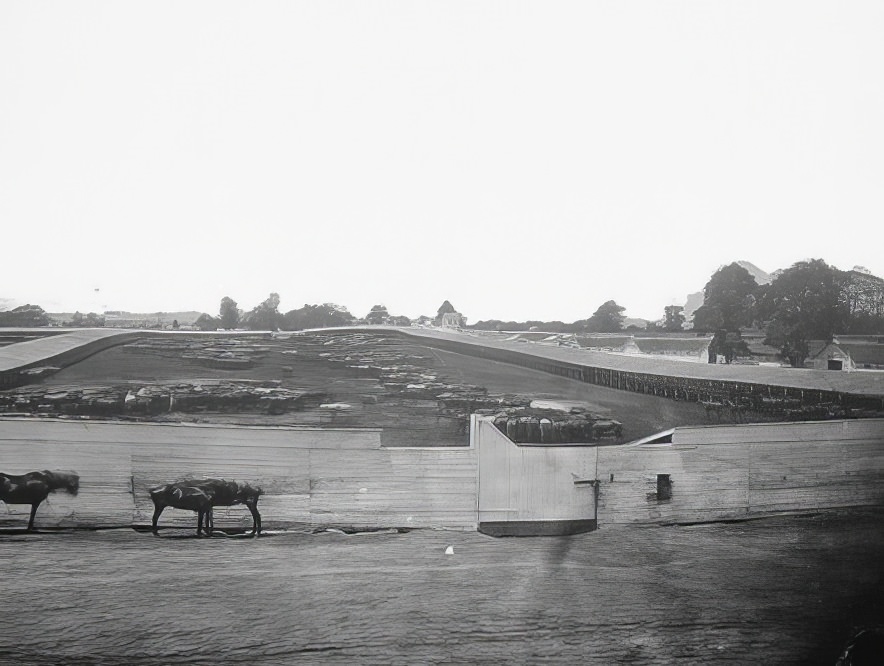
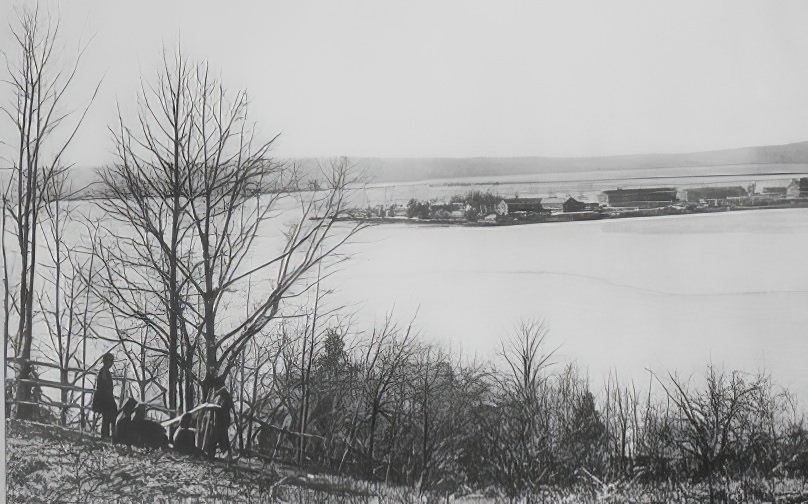
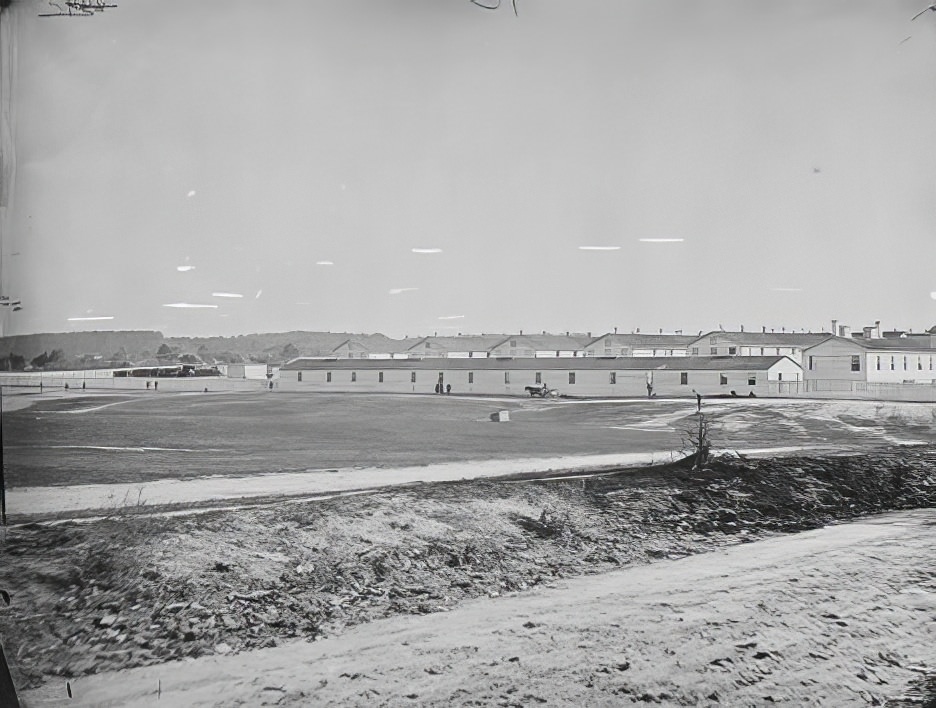
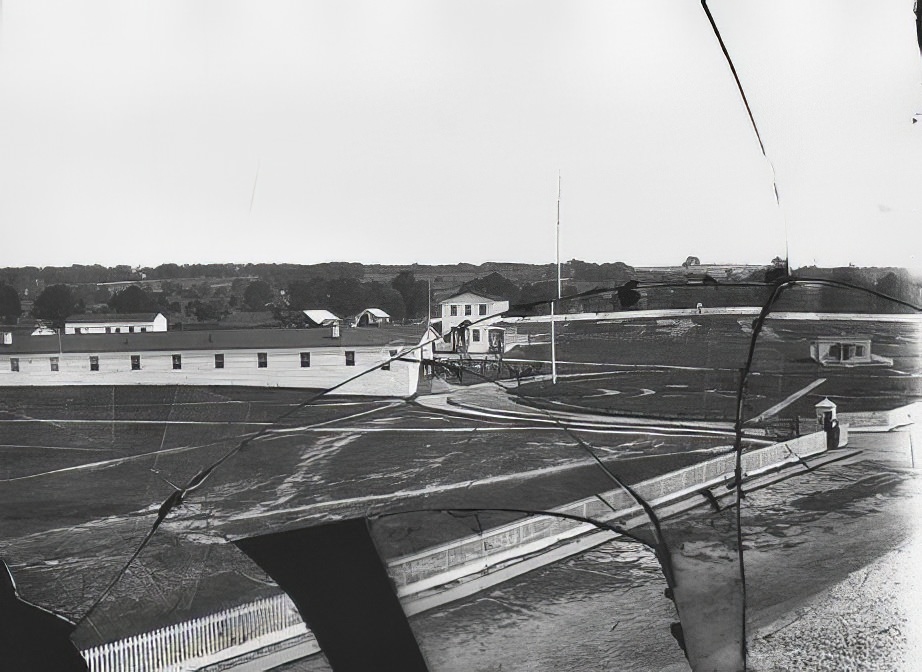
Giesboro Point, south of the city, became one of the largest cavalry depots in the country. Brady’s team photographed its stables, corrals, and headquarters in detail, preserving a record of the massive logistical operation that kept Union horsemen in the field.
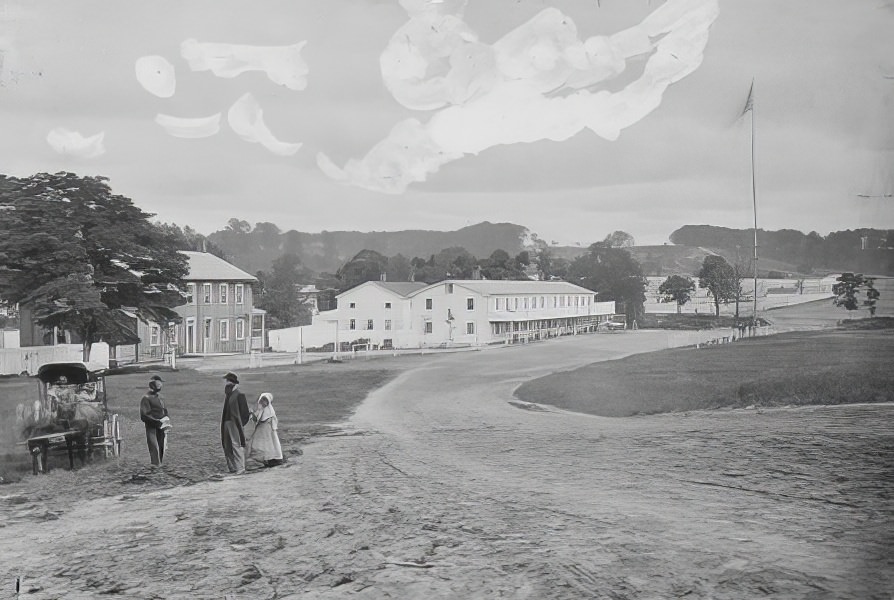
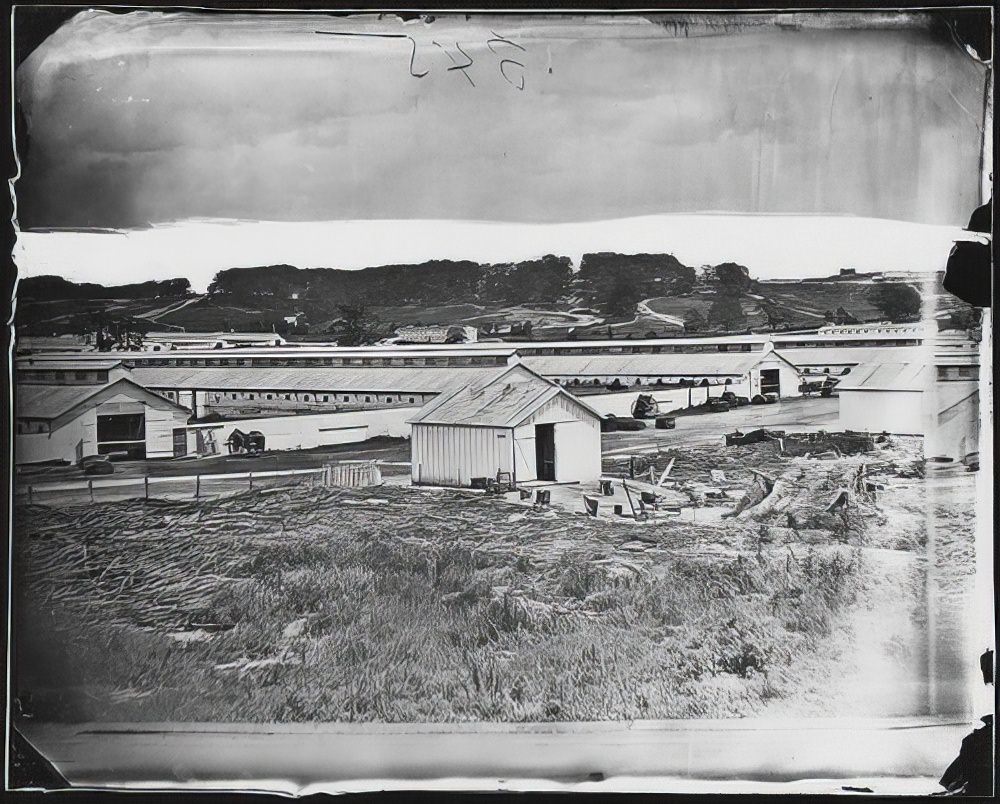
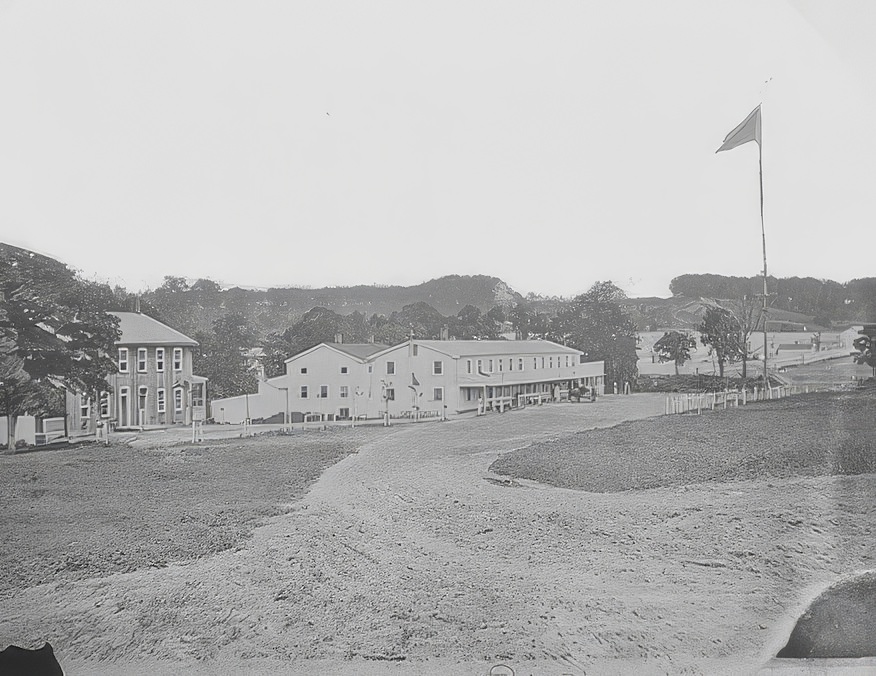
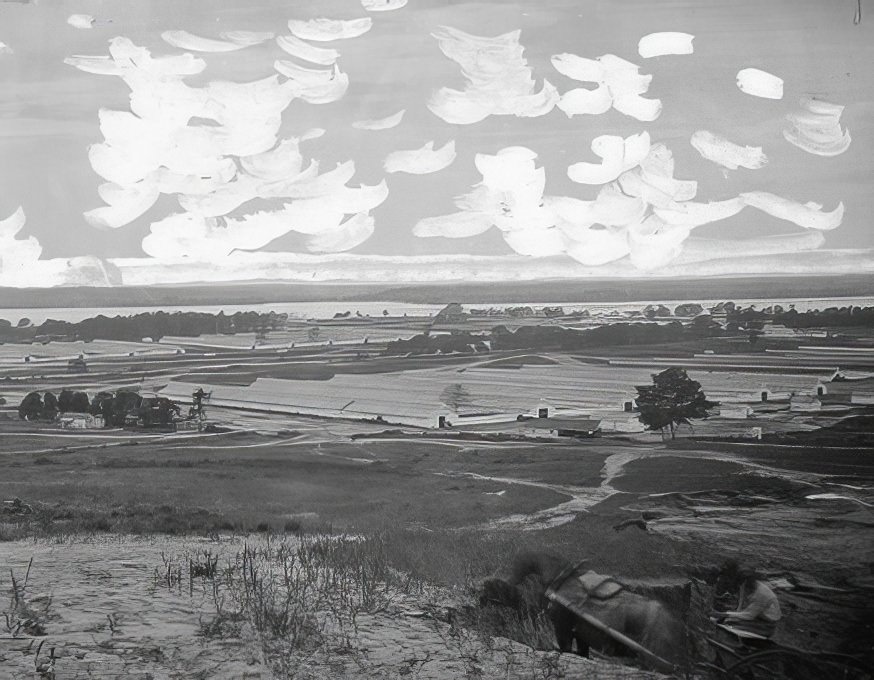
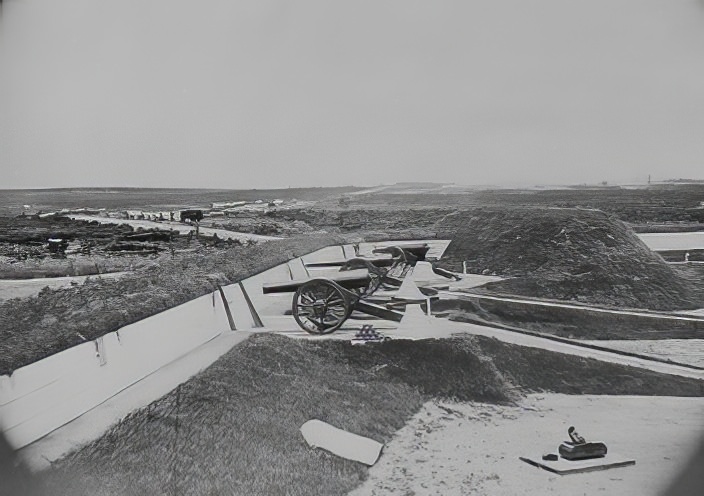
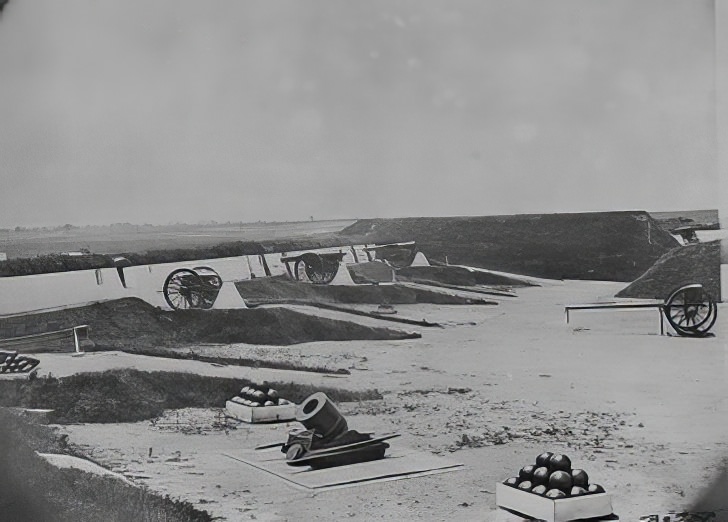
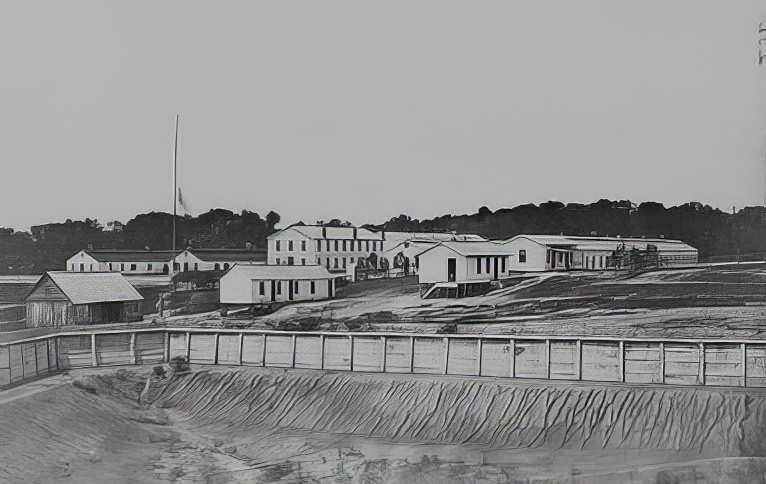
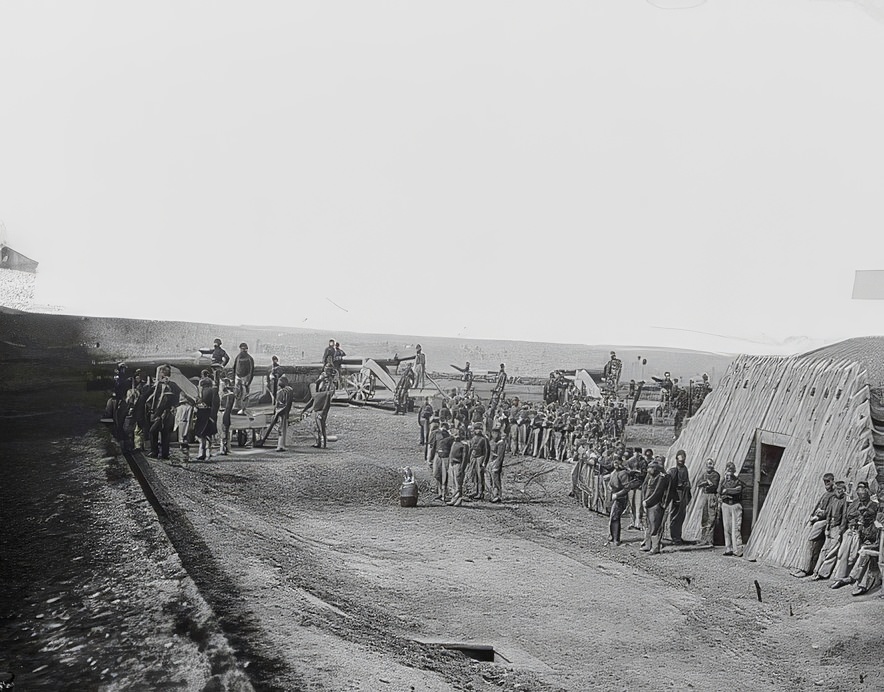
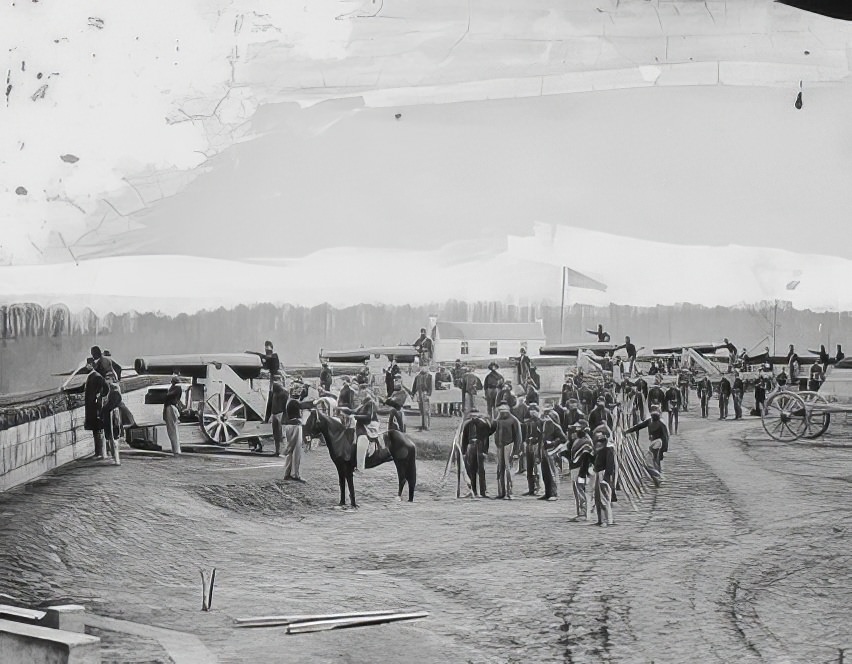
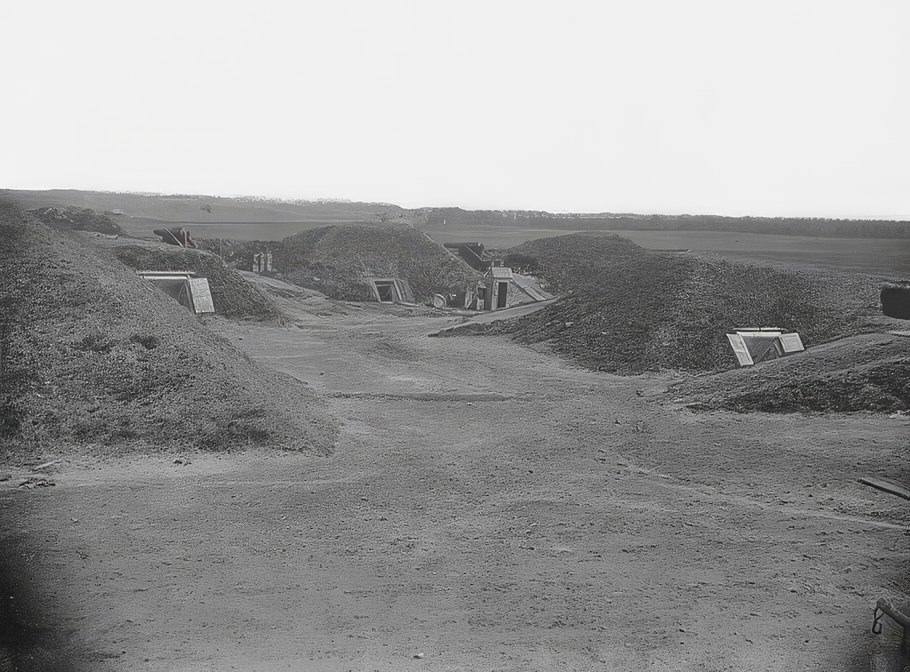
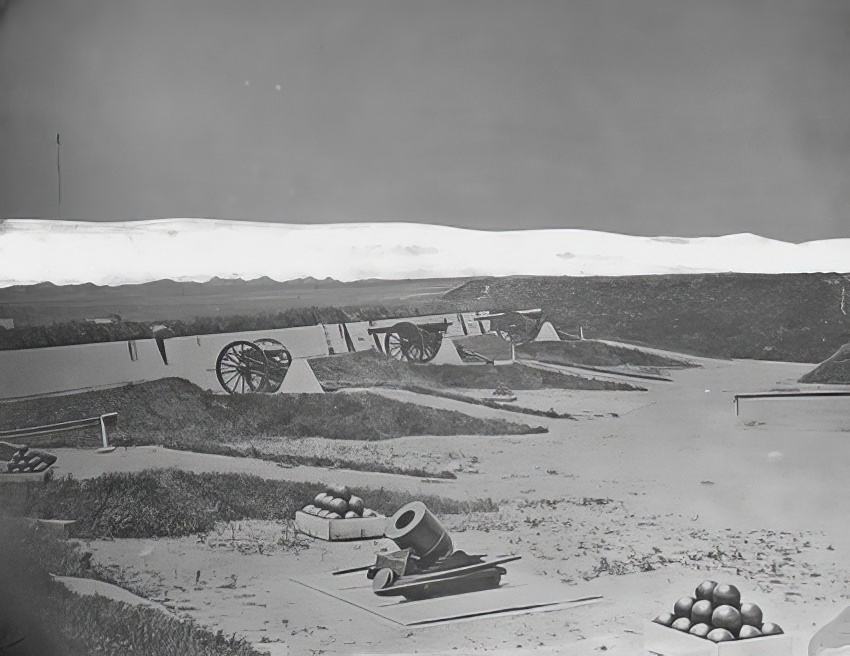
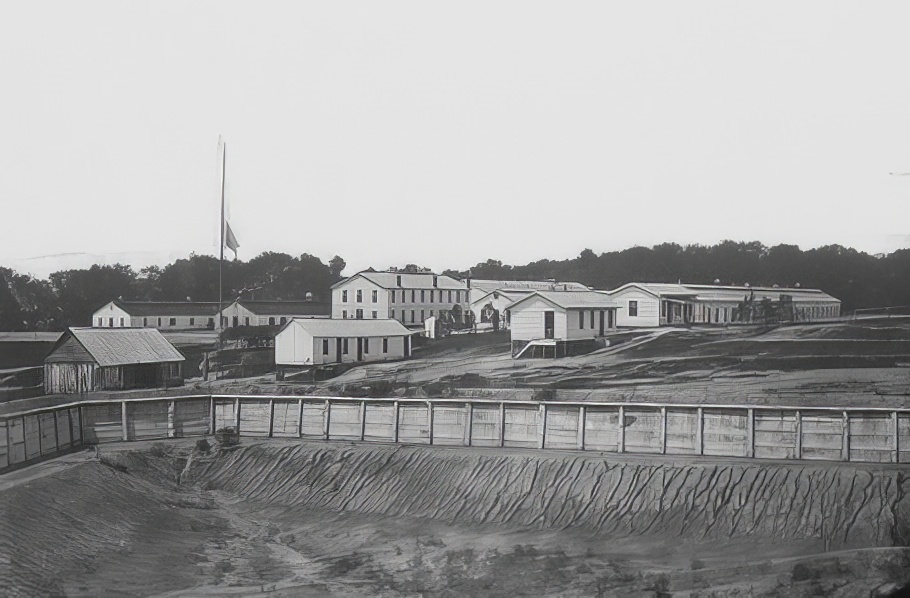
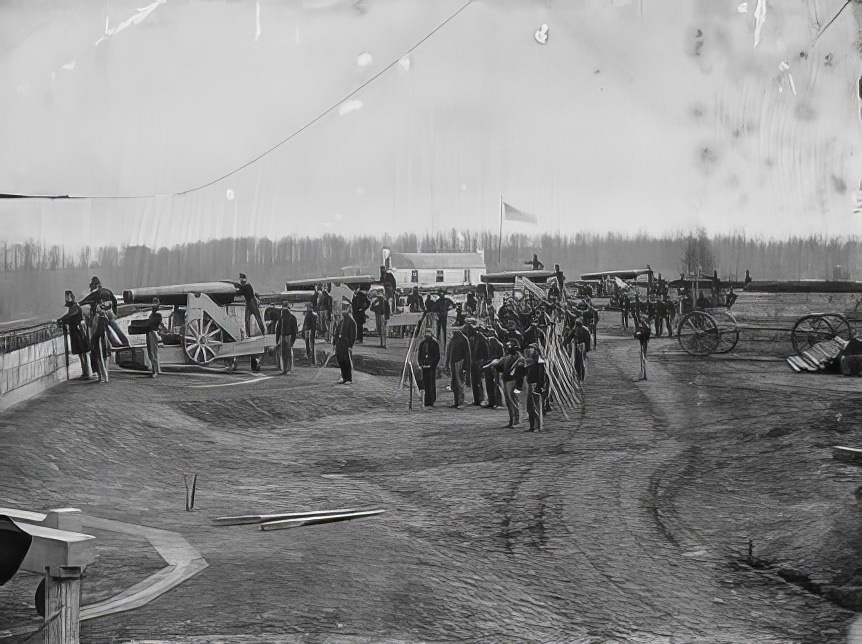
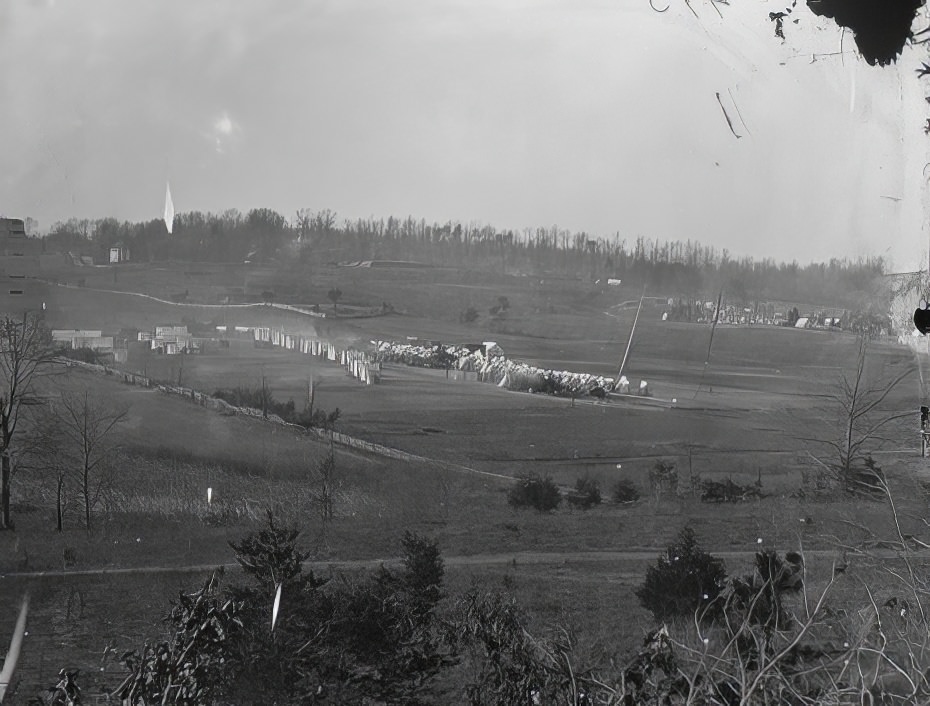
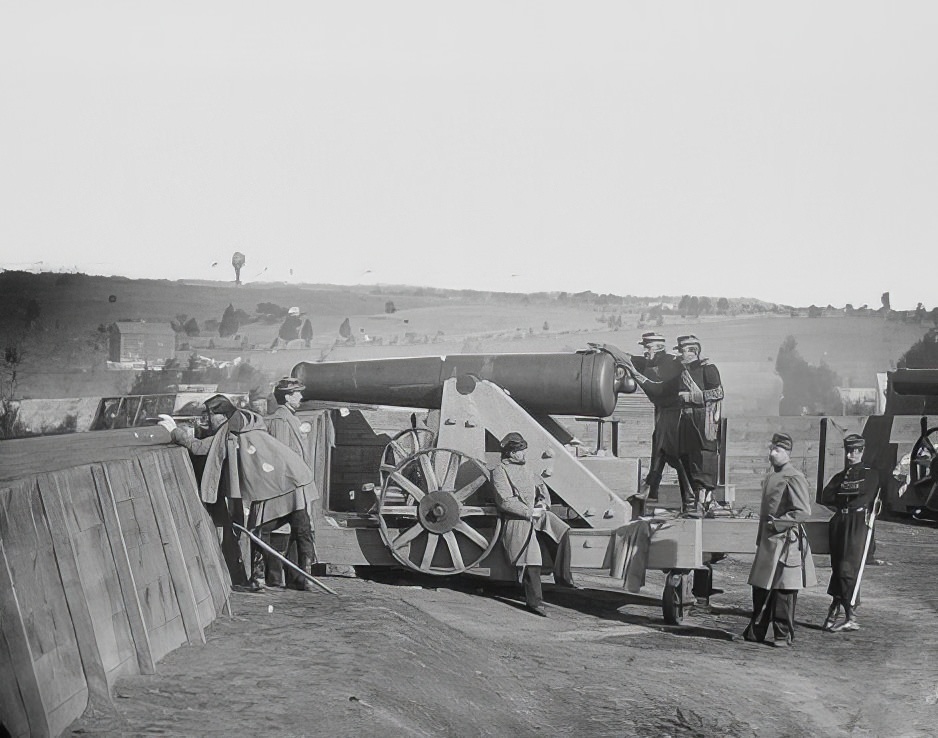
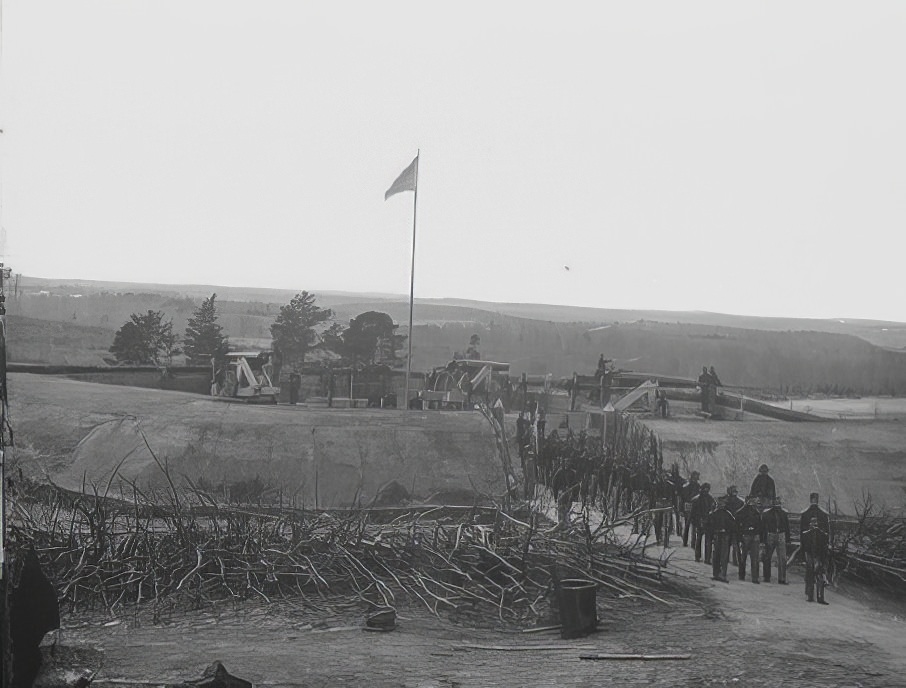
A ring of fortifications protected the capital. Fort Carroll, Fort Totten, and Fort Meigs were among dozens of earthwork forts built to repel Confederate attack. Brady’s photographs show their gun emplacements, interior layouts, and barrack buildings in sharp detail.
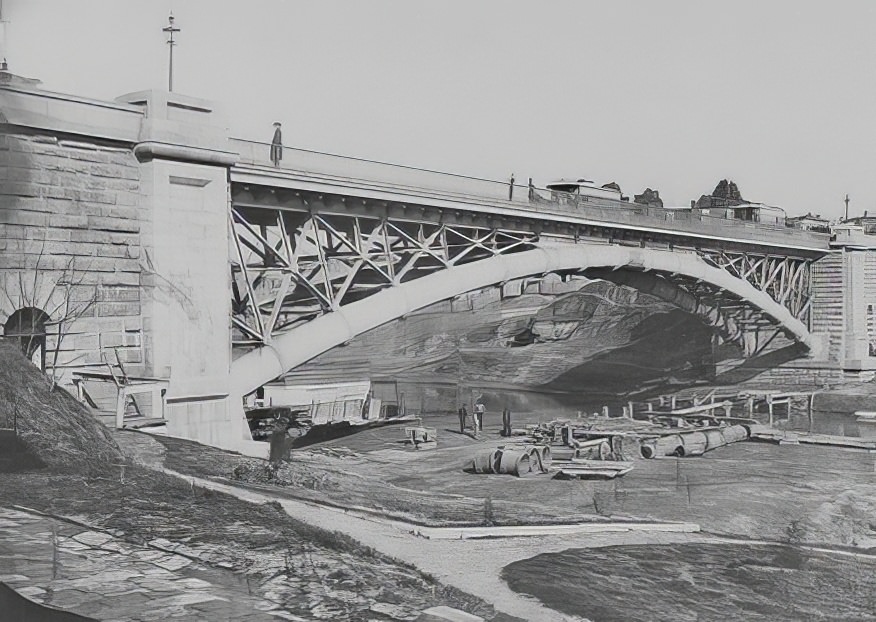
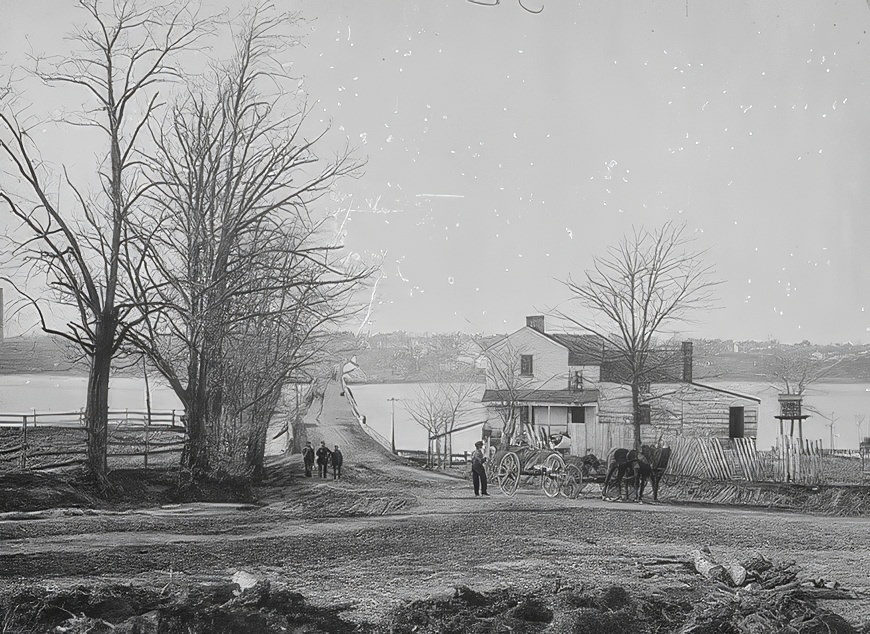
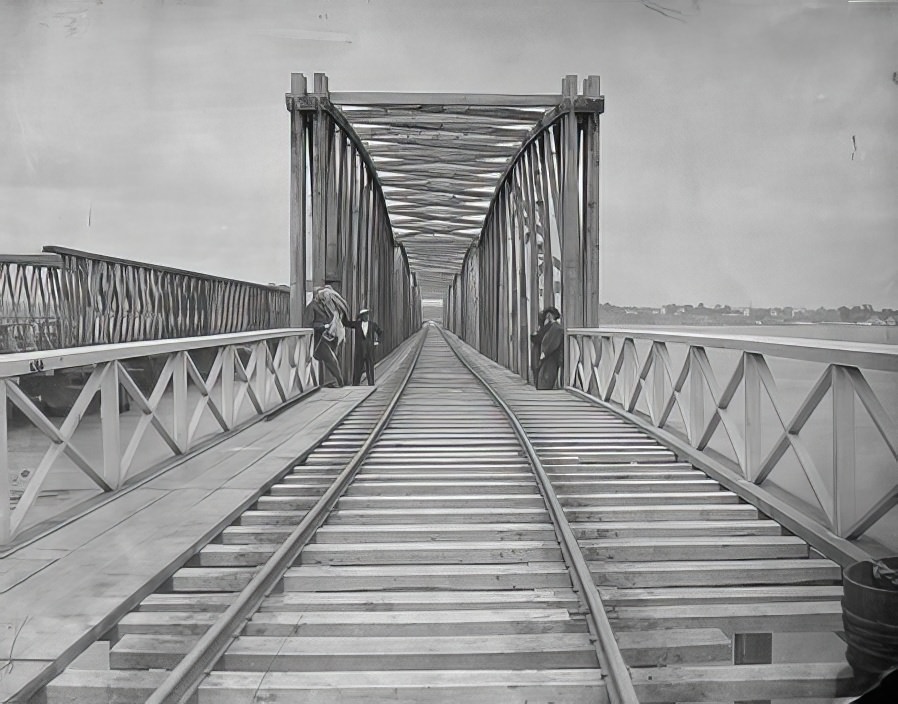
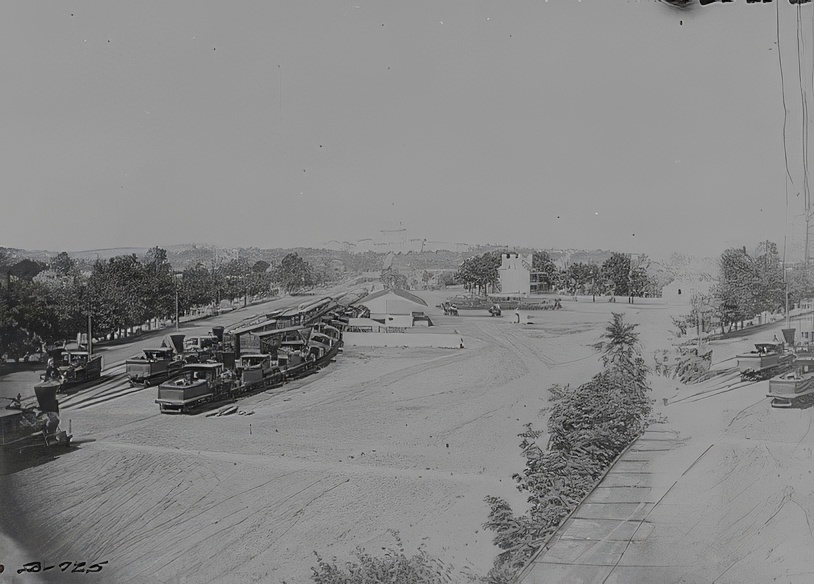
Bridges and transportation routes were critical military assets. The Aqueduct Bridge at Georgetown and the Long Bridge over the Potomac moved troops and supplies in and out of the city constantly. Brady documented both, along with the Maryland Avenue rail depot that connected Washington to the broader Union supply network.
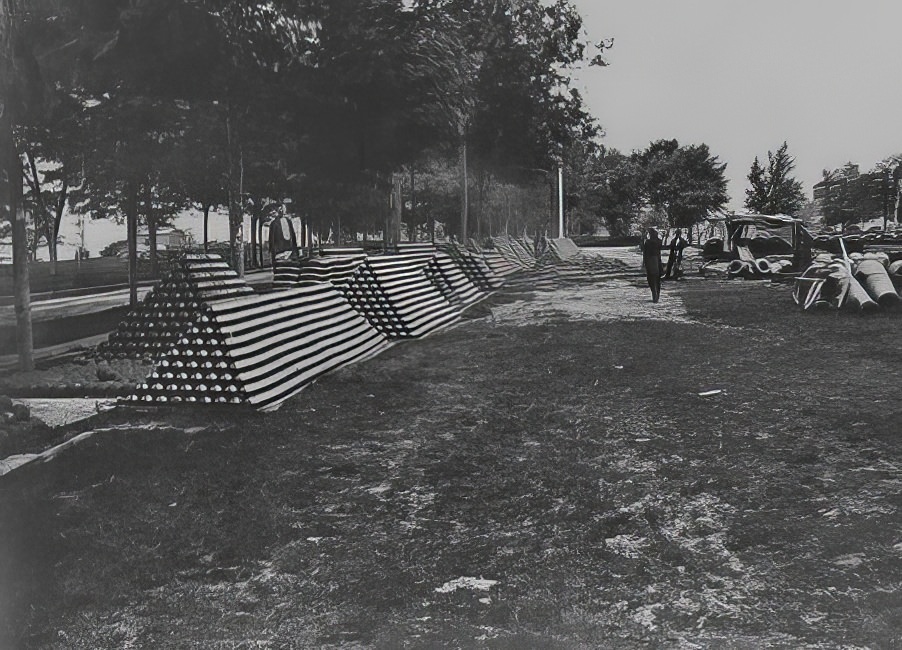
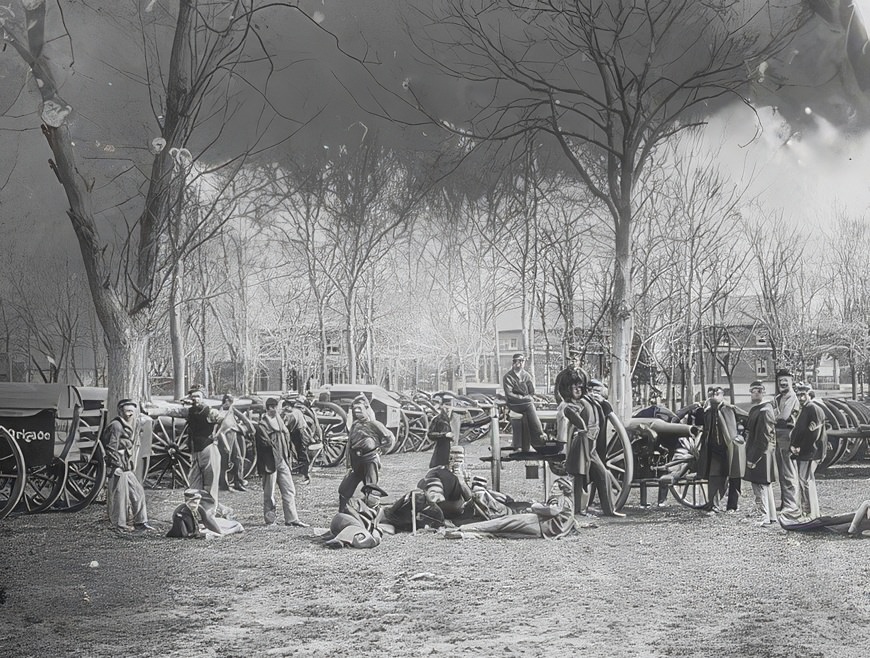
The Washington Arsenal housed artillery and munitions throughout the war. Brady captured Wiard six-pound guns on the Arsenal grounds, alongside the Excelsior Brigade soldiers stationed there.
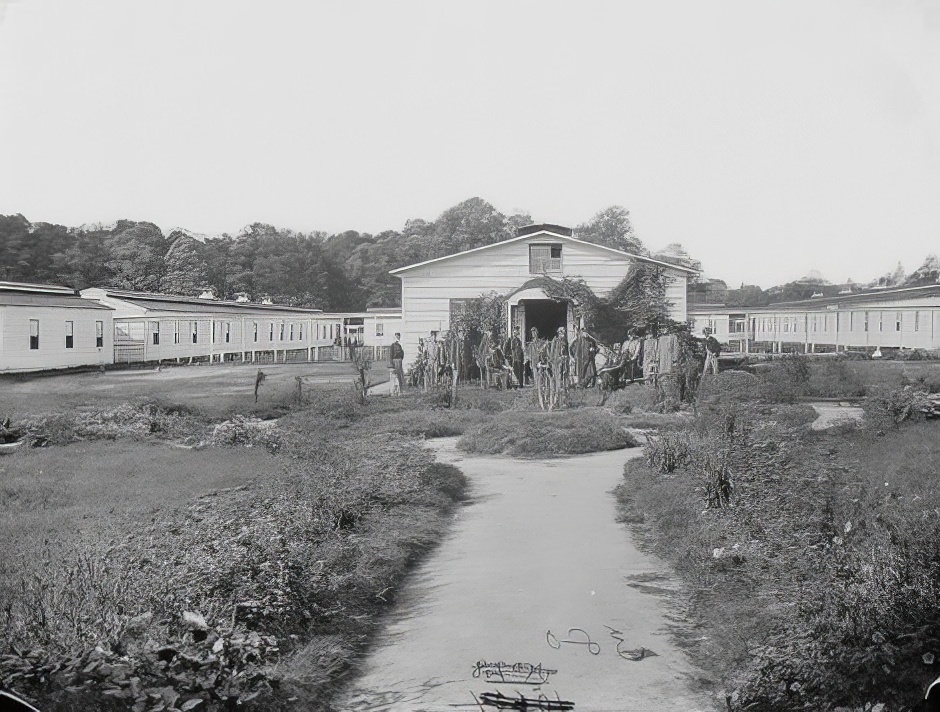
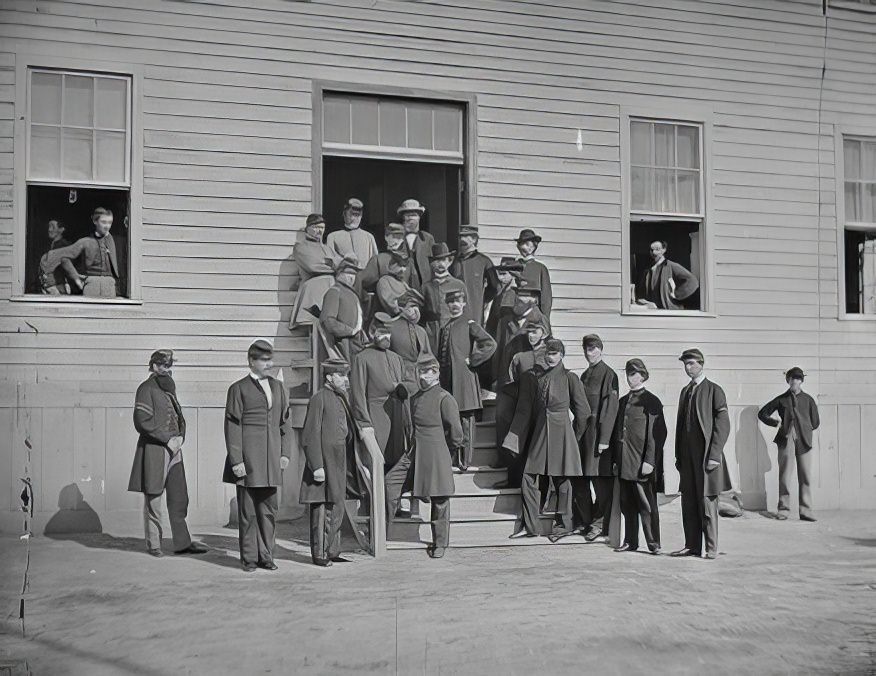
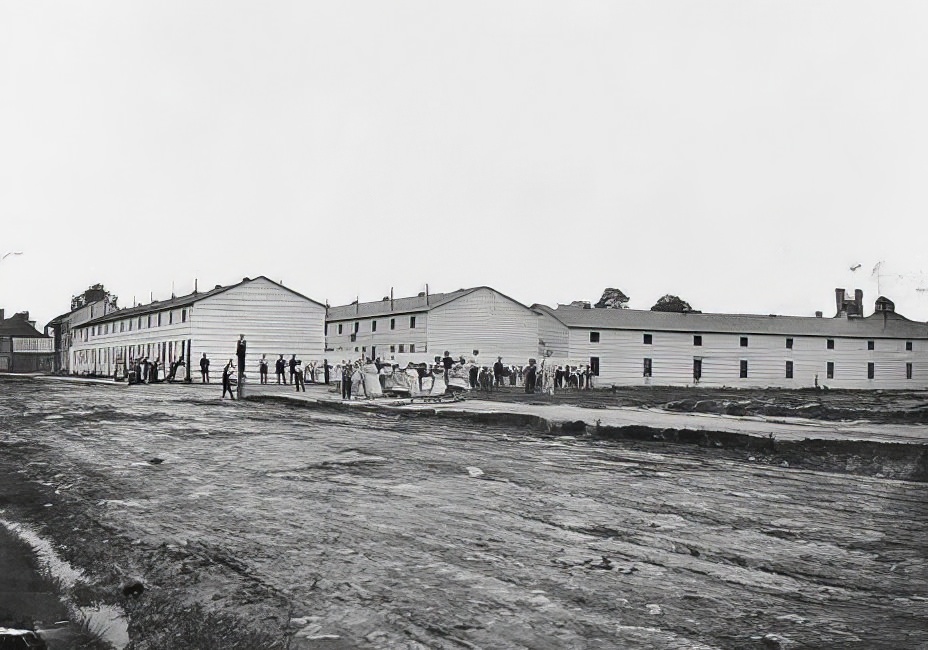
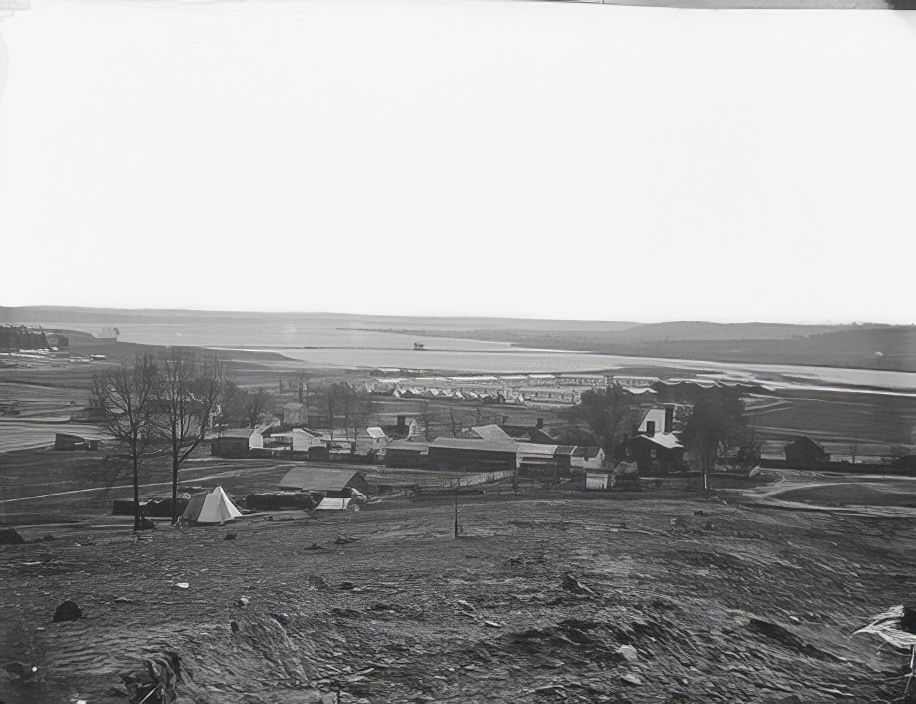
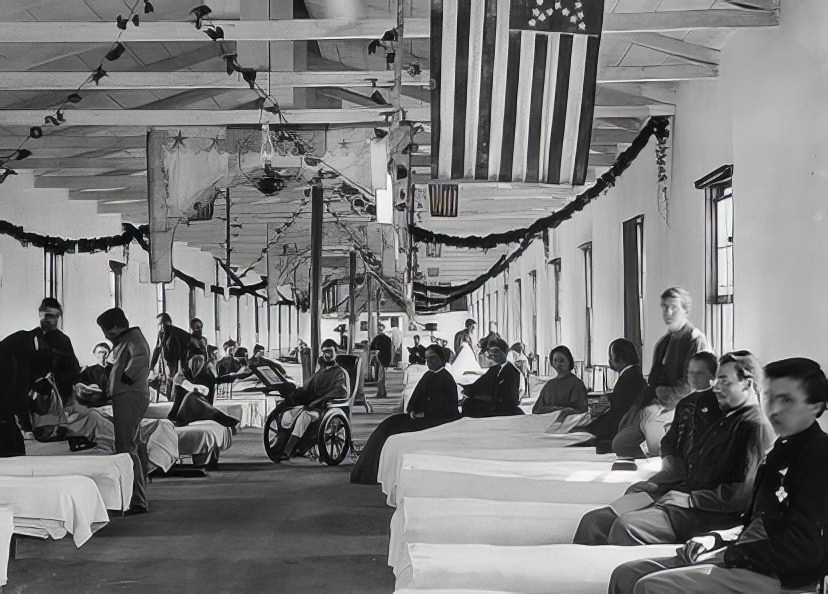
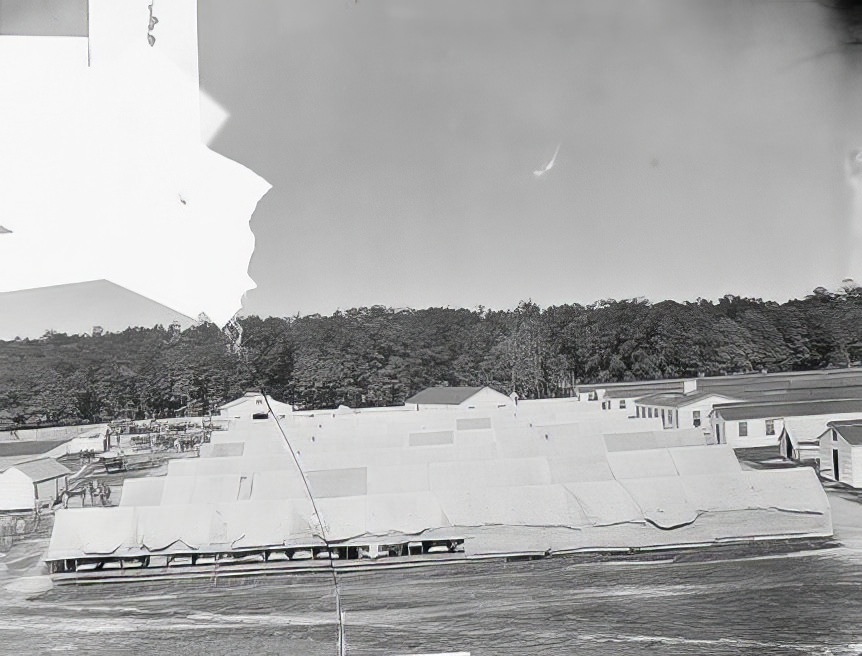
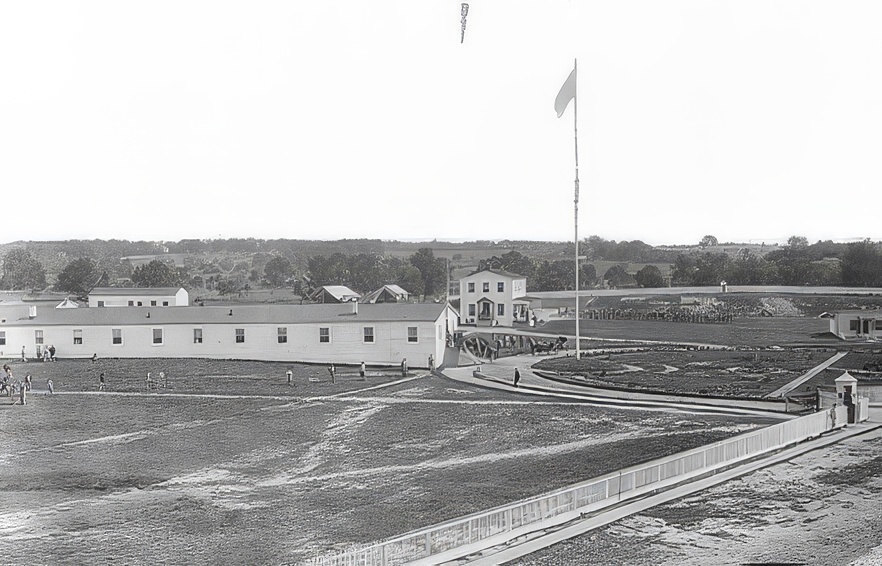
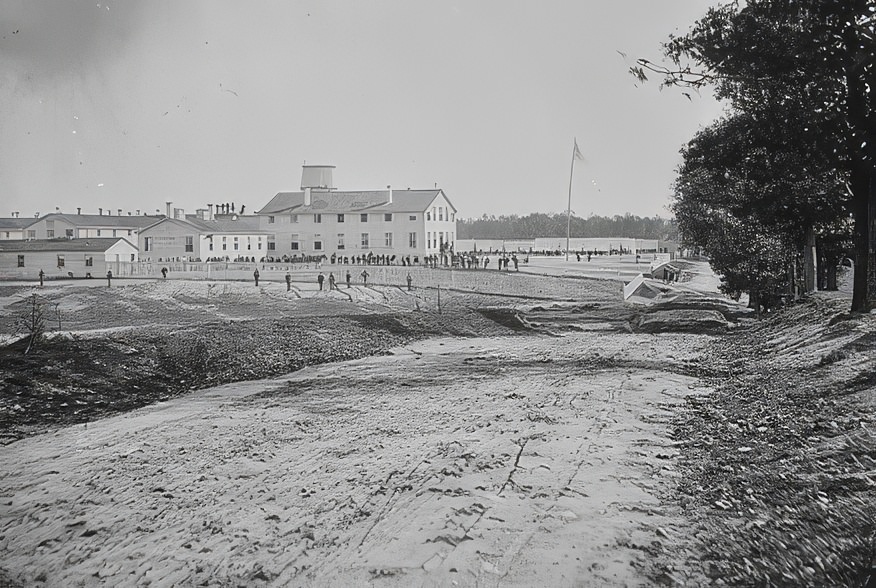
Hospitals were a constant and grim presence in wartime Washington. Harewood Hospital, Carver Hospital, and several unnamed field hospitals received thousands of wounded soldiers. Brady’s photographs show ward interiors, surgical staff, and the sprawling facilities that defined medical care in the Civil War.
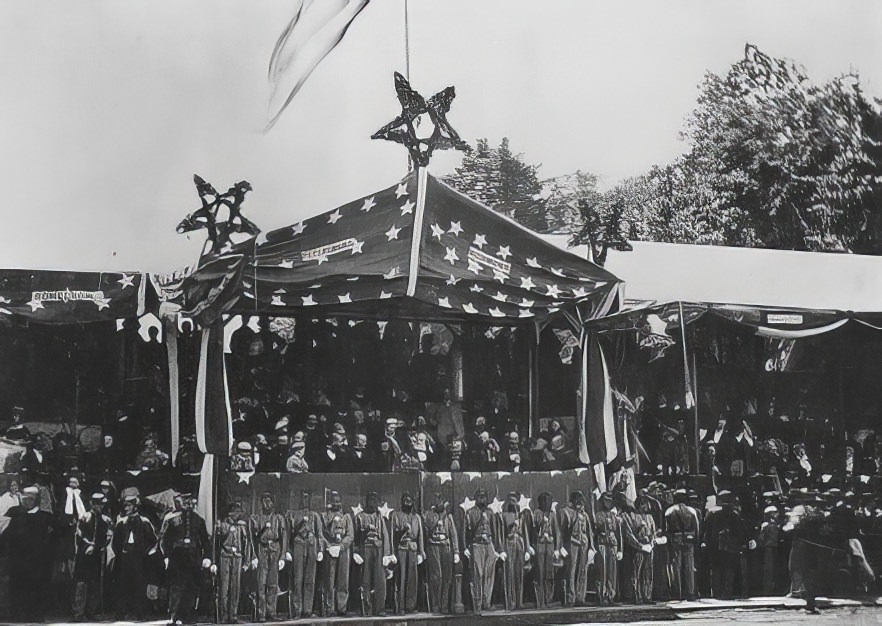
The war ended in the spring of 1865. On May 23 and 24, the victorious Union armies marched through Washington in what became known as the Grand Review. Brady’s camera was there. General Ulysses S. Grant and members of Lincoln’s Cabinet watched from a reviewing stand as hundreds of thousands of soldiers filed past — the largest military parade in American history to that point.





So there’s this pretty good book about DC during the Civil War era called ‘Lincoln’s Citadel’ by Kenneth Winkle. It talks about what DC was like before the war, and the role it played as effectively the Union’s main forward base during much of the conflict. Worth looking into if you like local history.
Going to the Fort parks that encircle the city is a really must do – they have placards for history at each too.
Reveille in Washington is a terrific (and Pulitzer winning) book about DC during the Civil War. https://en.wikipedia.org/wiki/Reveille_in_Washington,_1860%E2%80%931865
The first Civil War.