

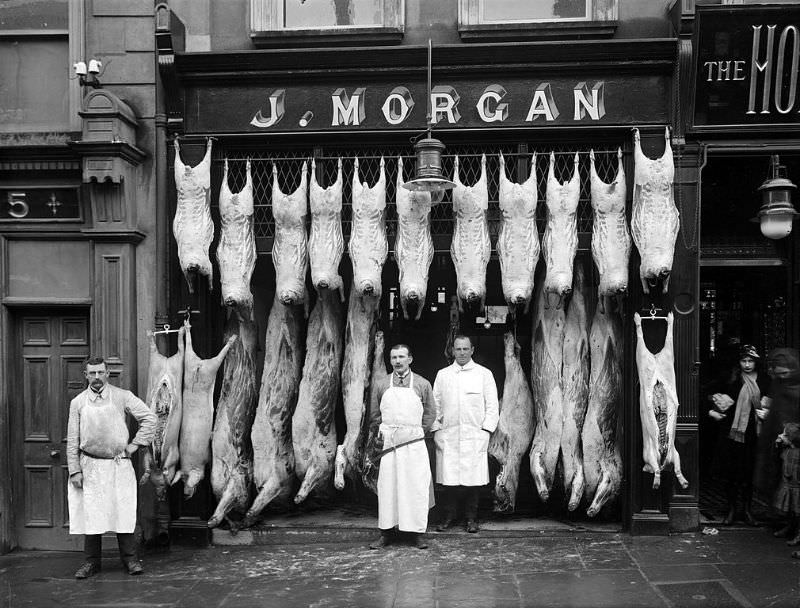
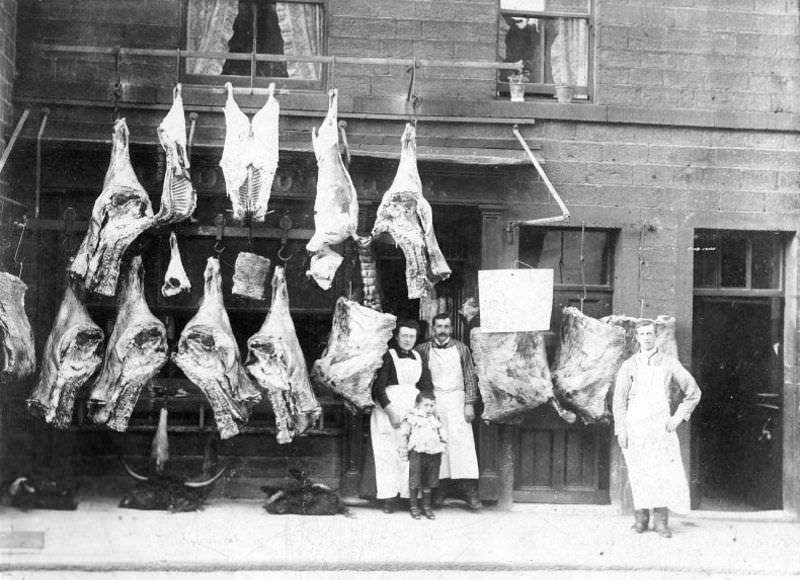
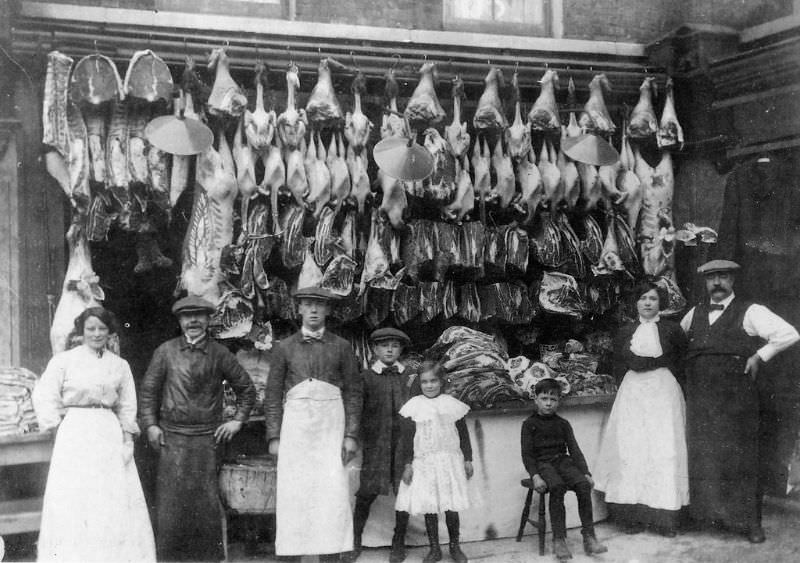
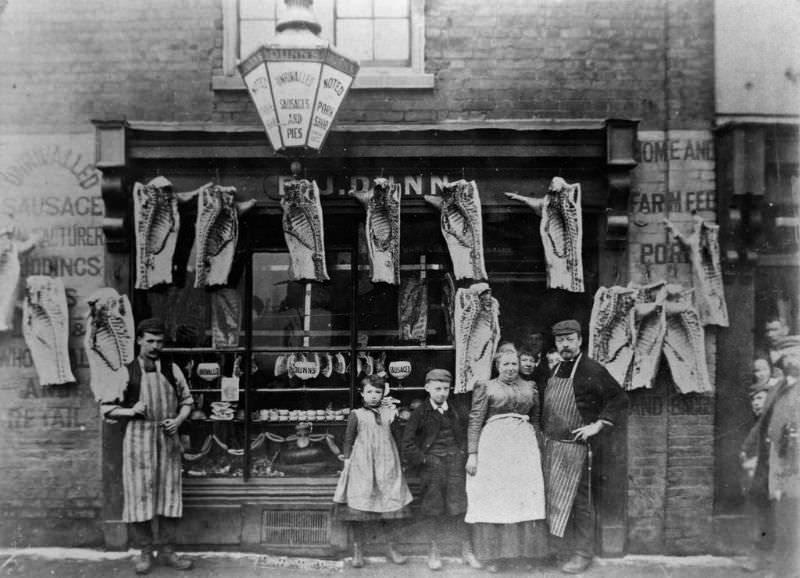
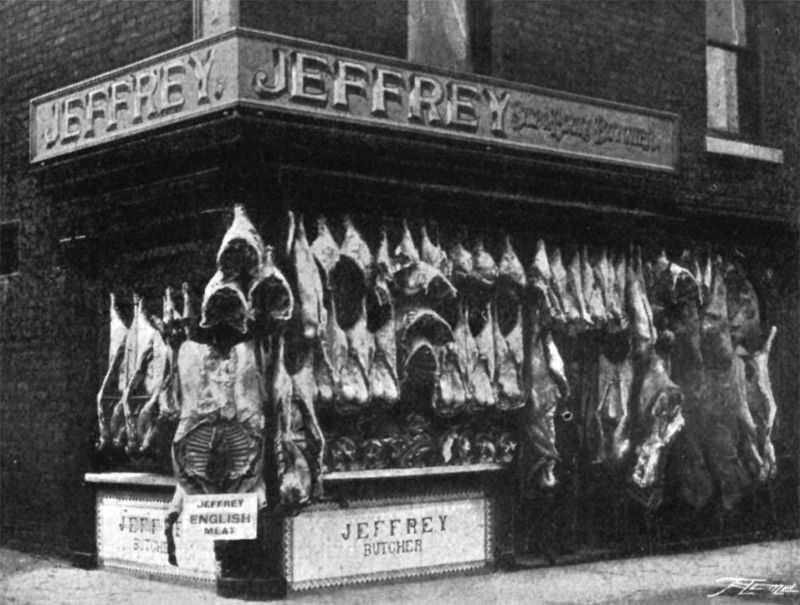
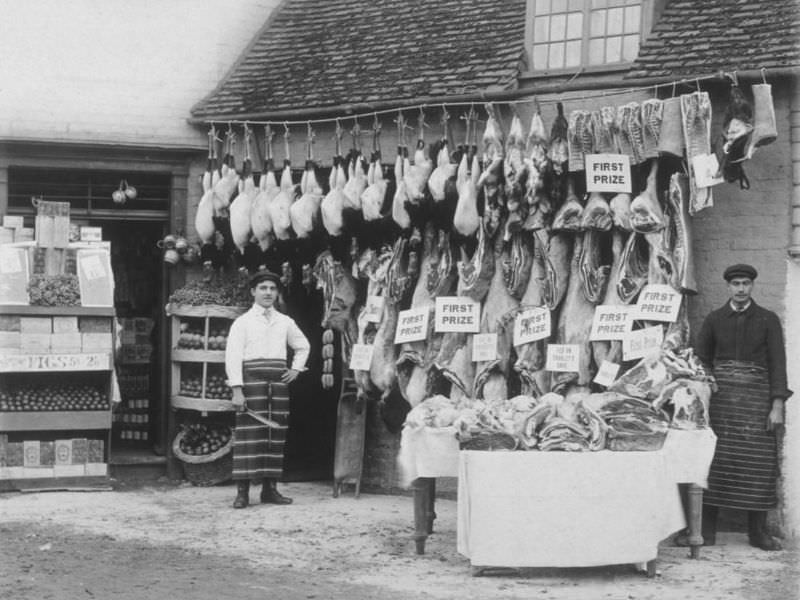
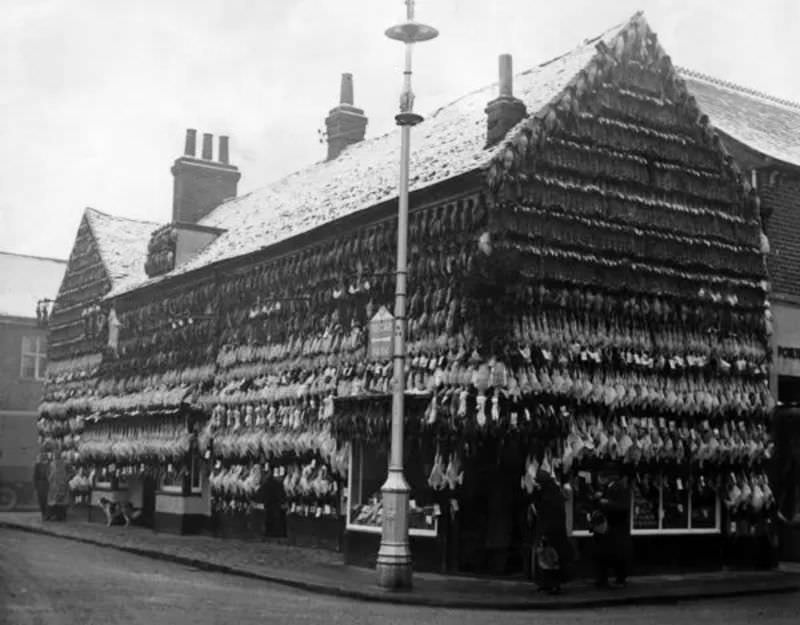
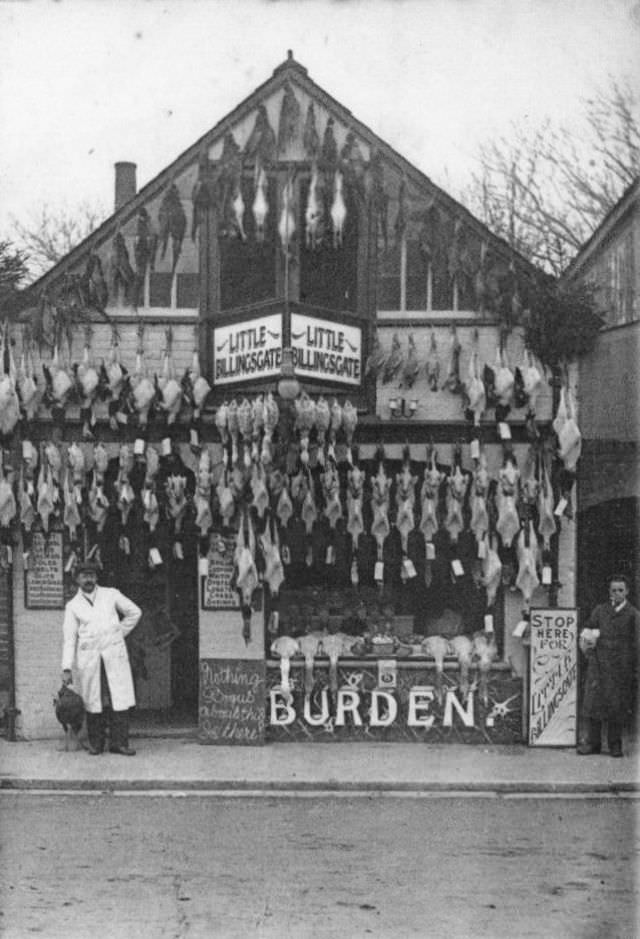
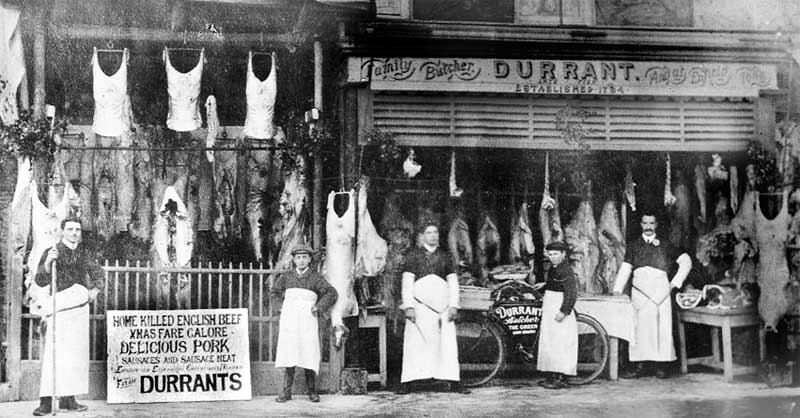
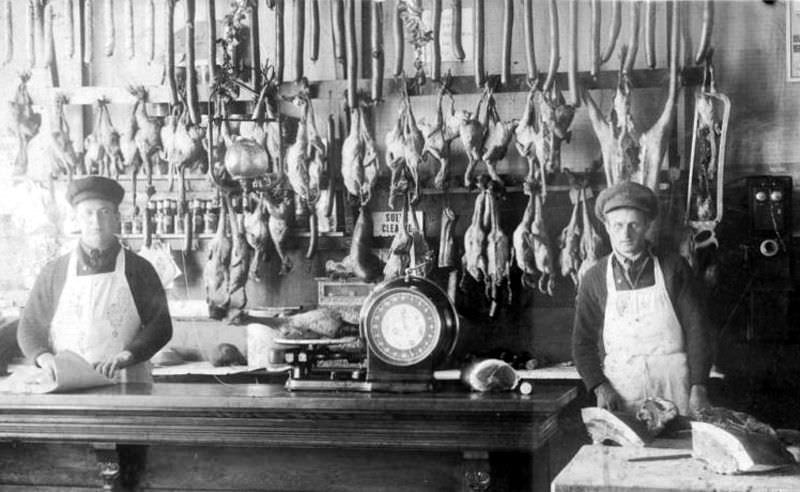
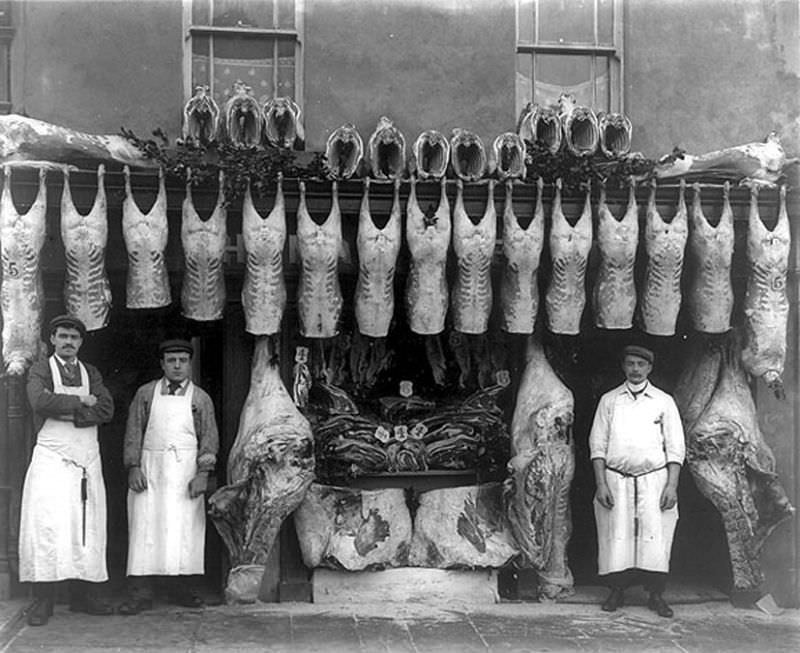
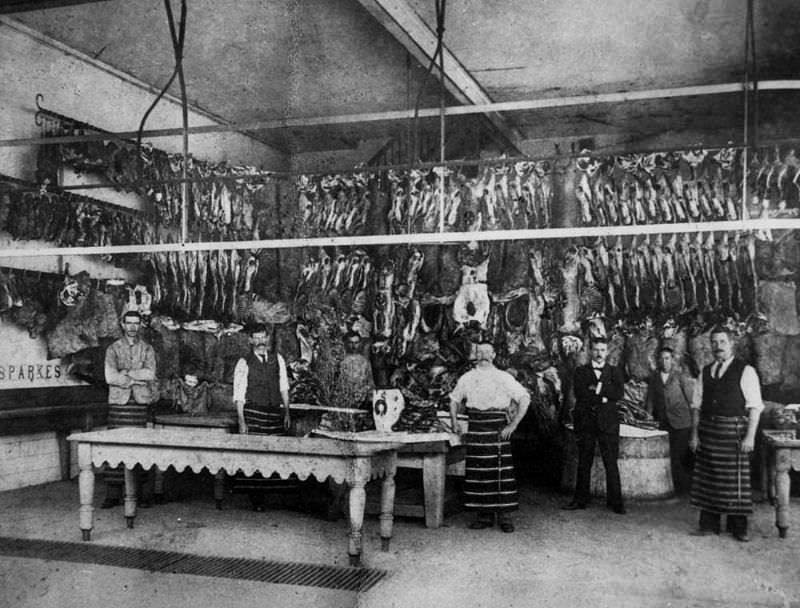
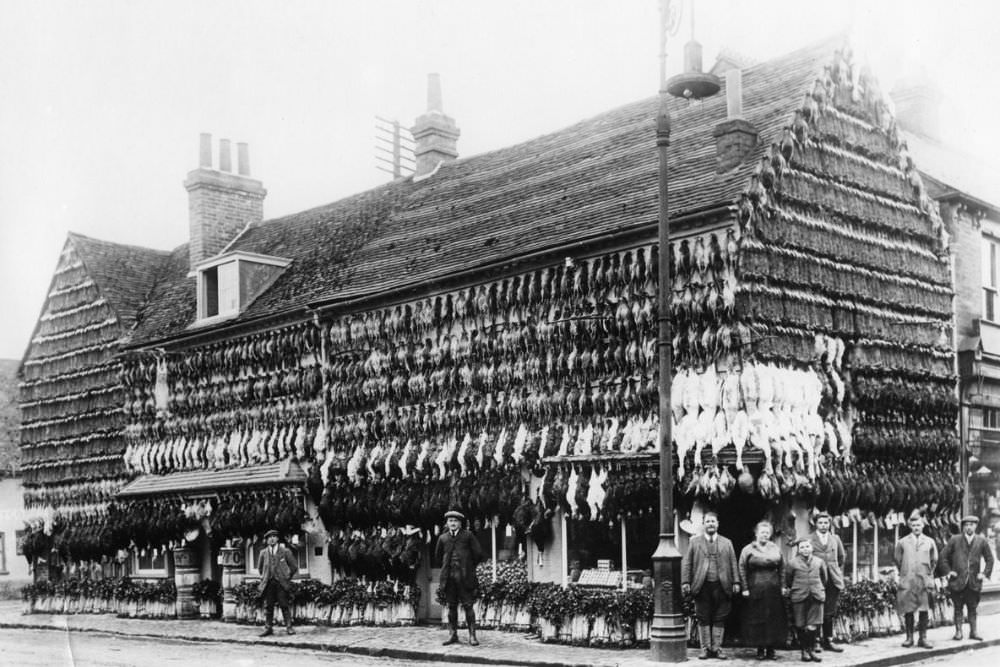
The meat was an essential part of Victorians’ meals, and they didn’t waste even a single piece of meat. The meat was divided in terms of cuts and their tenderness. The upper classes bought fresh and large feasting joints; for their meals, bones were bought to flavors soups. Less meaty and fewer tender cuts were sold to the poor, including salted fat for nutrition. There are even stories of the blood being sold by the pint for drinking – supposedly good for combating Tuberculosis. People used to buy meat daily due to a lack of refrigeration. Some butchers used salt to preserve and helped to take pieces of meat fresh for longer during warmer times. At the end of the 19th century, ice blocks were used to preserve meat. These ice blocks were delivered daily in horse-drawn carts. Animals were taken from rural areas to cities and markets, where they were slaughtered on the spot and sold. Animals and birds were hung up outside the butcher shops, arranged by categories and size. Some butchers slaughtered hundreds and even thousands of animals at once and hung outside the shops, as you can see in the photos below.
in Weird
Butchers Shops Of Victorian Era: Photos Show Slaughtered Animals Hung Outside The Shops
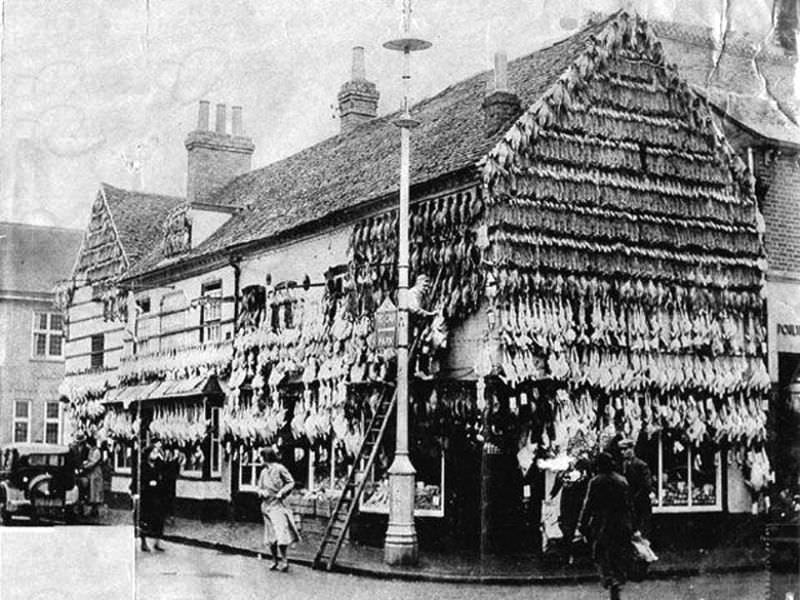
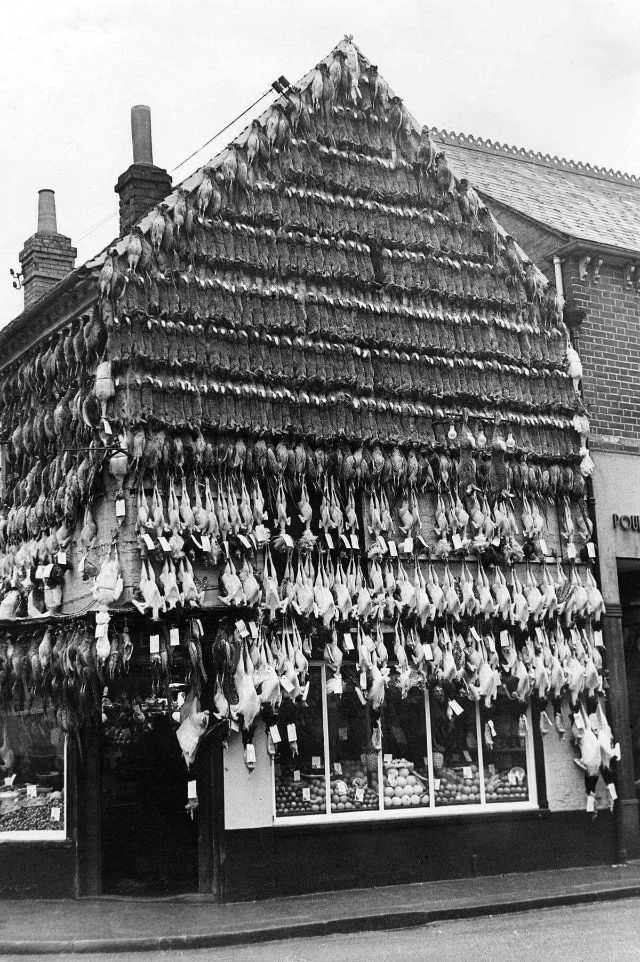
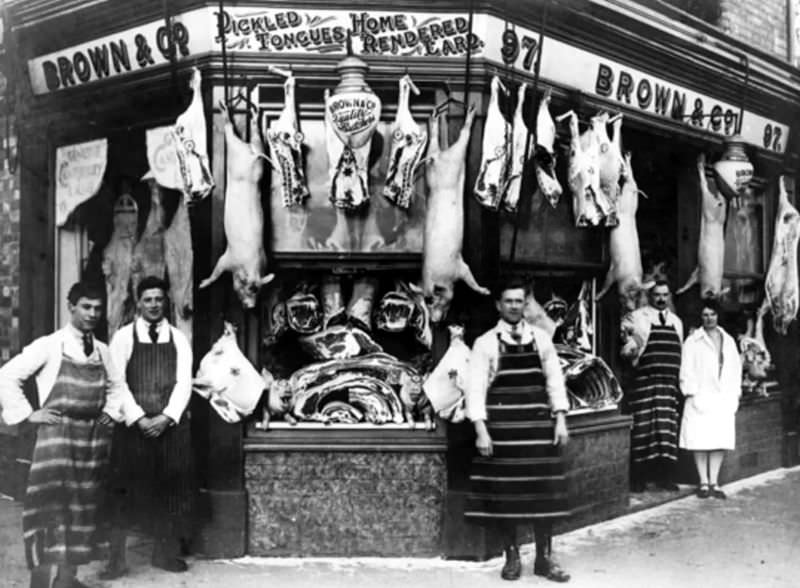
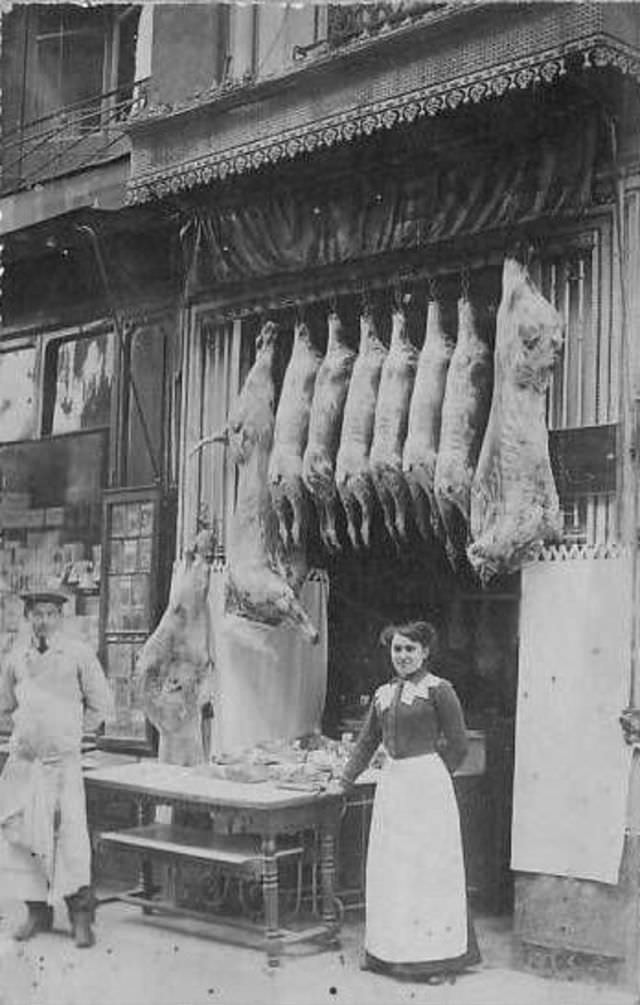
Enjoyed this post? Get new ones in your inbox.

Ok, the photo doesn’t look like the Victorian era to me…look at the women’s dress length.
Exactly.
I see hosiery, shoes with a heel that aren’t tall boots, “long” dresses that don’t cover the hosiery to almost ground level… and what looks like a wrap dress that shows the wearers legs from just below the knee down.
Also shorter, not pinned up hair on the woman wearing the below the knees wrap dress.
While this practice of showing sellers’ wares on the side of the building would have been a holdover from Victorian and earlier times, this photo I am going to guess is from around the 1930s or late 1920s. Before WWII.
You are prob right. I should have specified just photo 1 seems to be later. Thank you!
Iwould say certainly several of the photos in the collection are Victorian.
Still used to be done with game in covered markets till the ‘80s!
So what. It’s still like that in the Grainger Market in Newcastle.
In the Smithfield meat market in London in the 19th century, and probably earlier, they penned and slaughtered sheep in the cellars and dumped the blood and offal in alleys for dogs and rats.
Sanitation health was a bit