

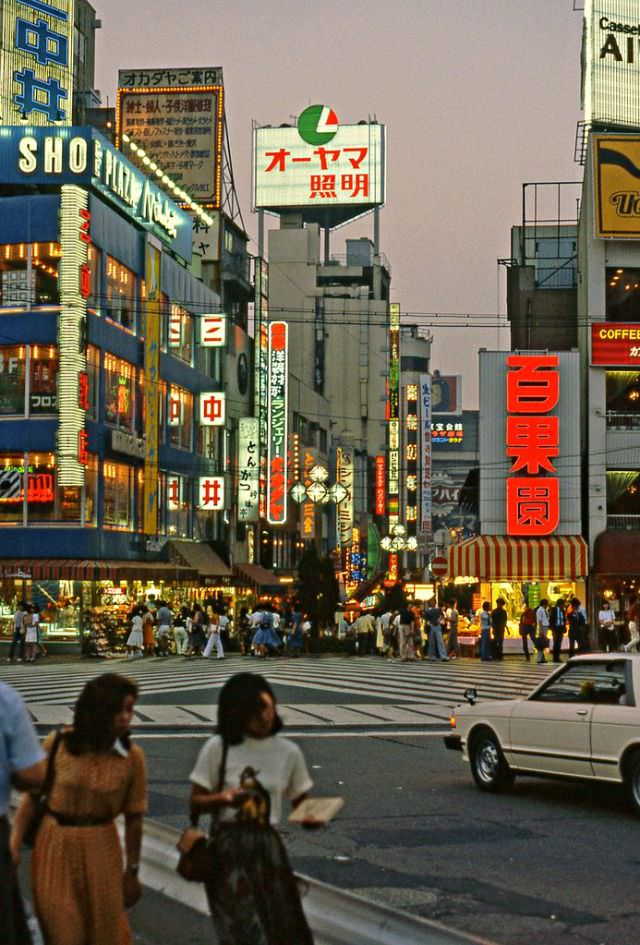
During the 1980s, Tokyo experienced an economic boom, as its unemployment rate was only 4.9%, compared to higher numbers in the succeeding decade. The city also experienced a massive increase in urban land prices. High-rises and skyscrapers were built in business districts; large department stores surrounded by public squares thrived near mid-range railway stations. Modern concrete buildings gradually replaced old wooden houses in residential areas. Despite tight controls by the public authorities, the modernization process resulted in an unruly collection of skyscrapers that overwhelmed the city’s streets and exacerbated parking problems. During this era, anime and manga flourished and the television industry. As a result, the Japanese entertainment industry was a significant force to be reckoned with in years to come.
The following decade would see Japan’s economic decline substantially, giving rise to the Lost Decade’s name. During the 1980s, the birth rate in Japan continued to drop significantly, dropping from about 14 to about ten births per thousand. In the late 1980s, the aging of the population was already evident in the aging labor force and the shortage of young workers, which could impact employment practices, wages, benefits, and the role of women in the workforce.
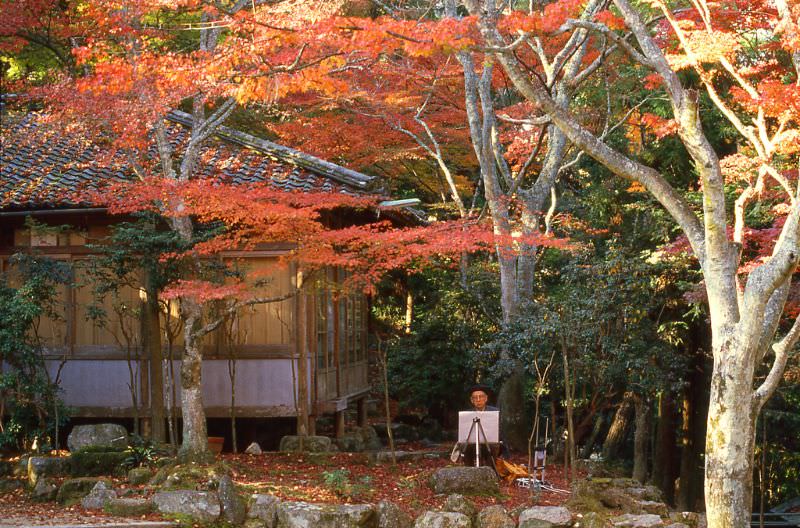
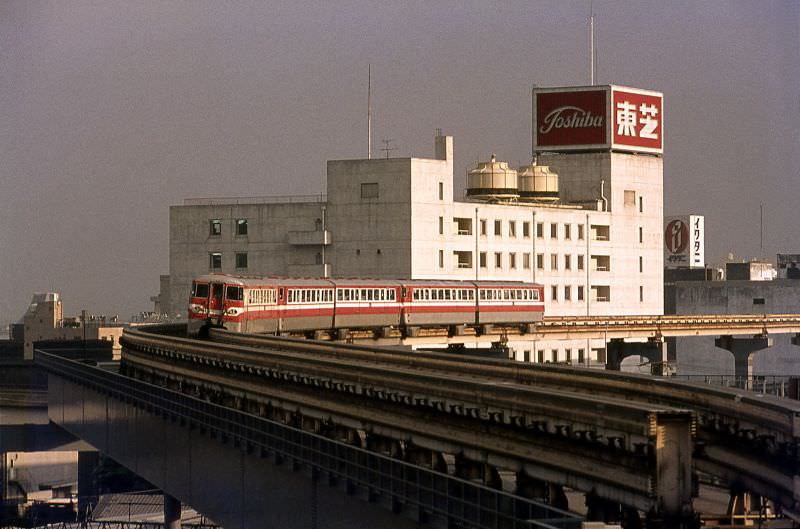
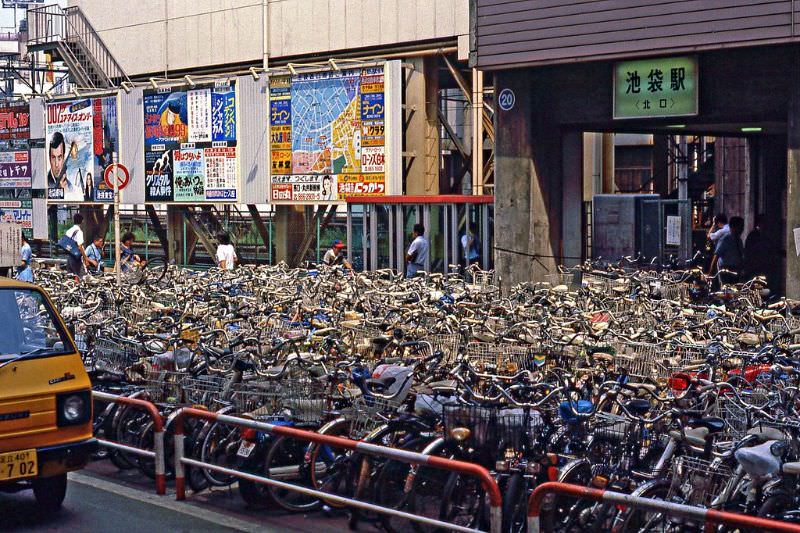
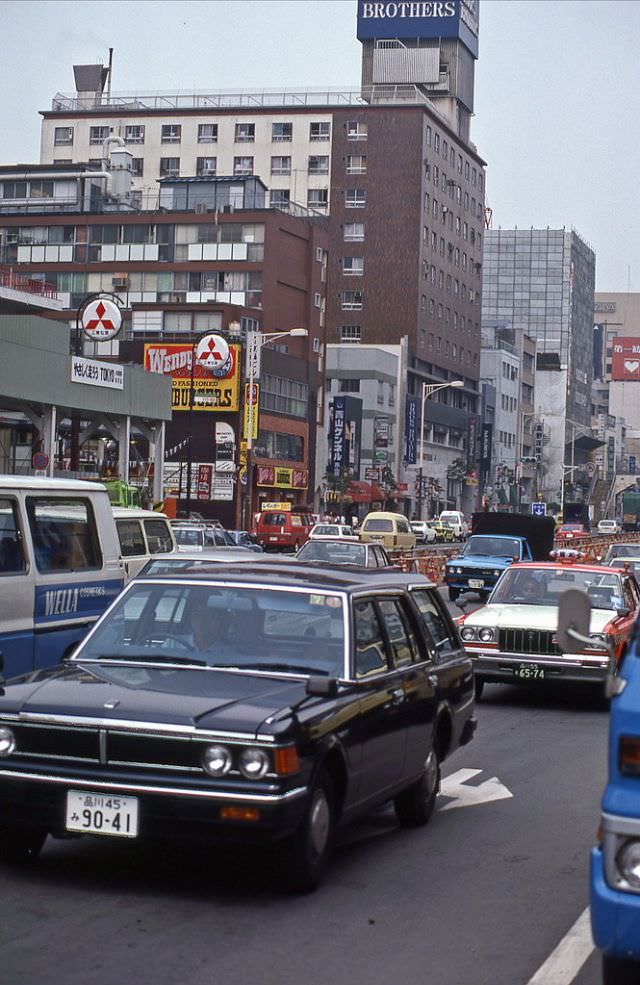
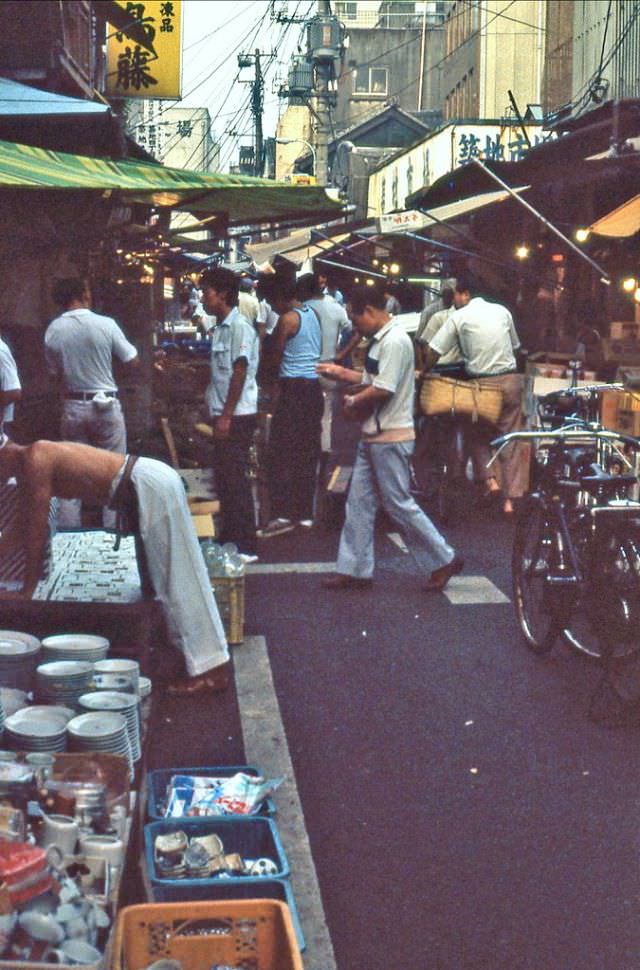
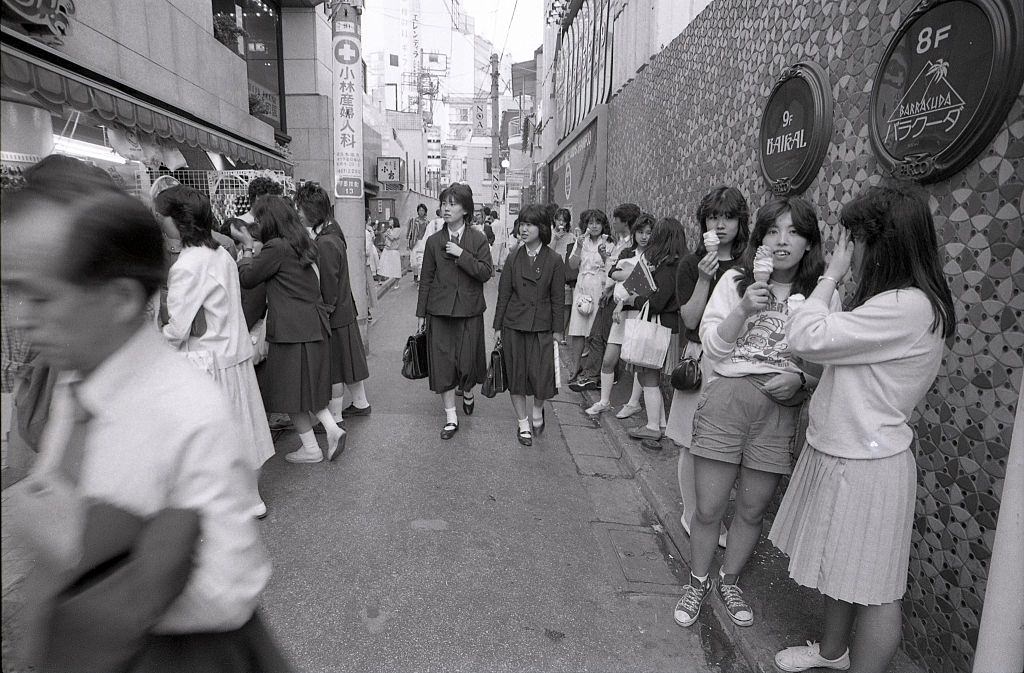
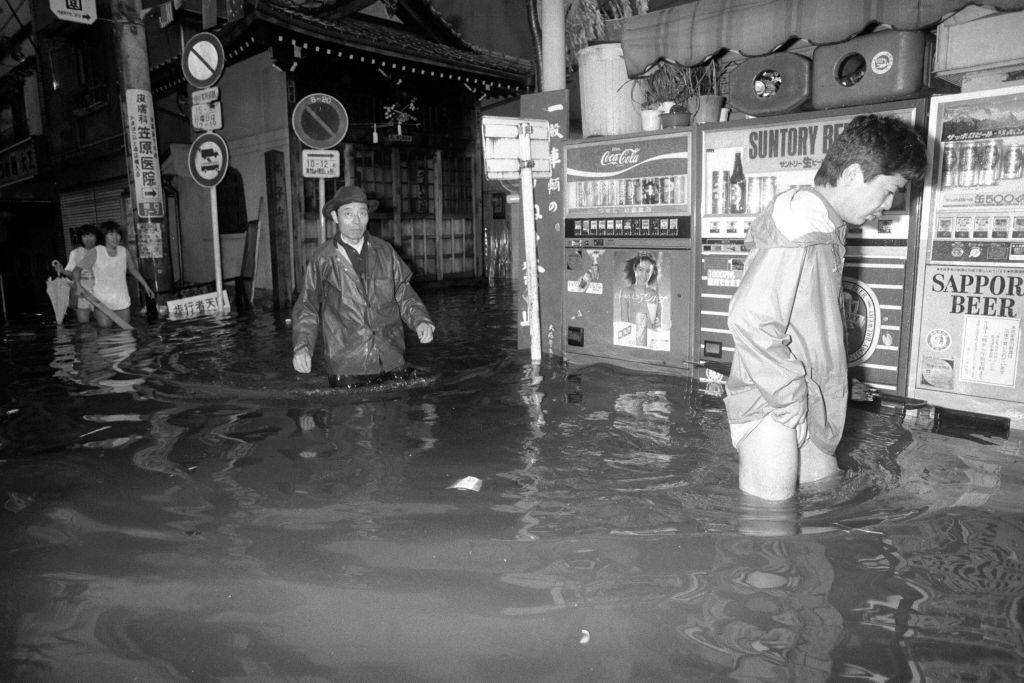
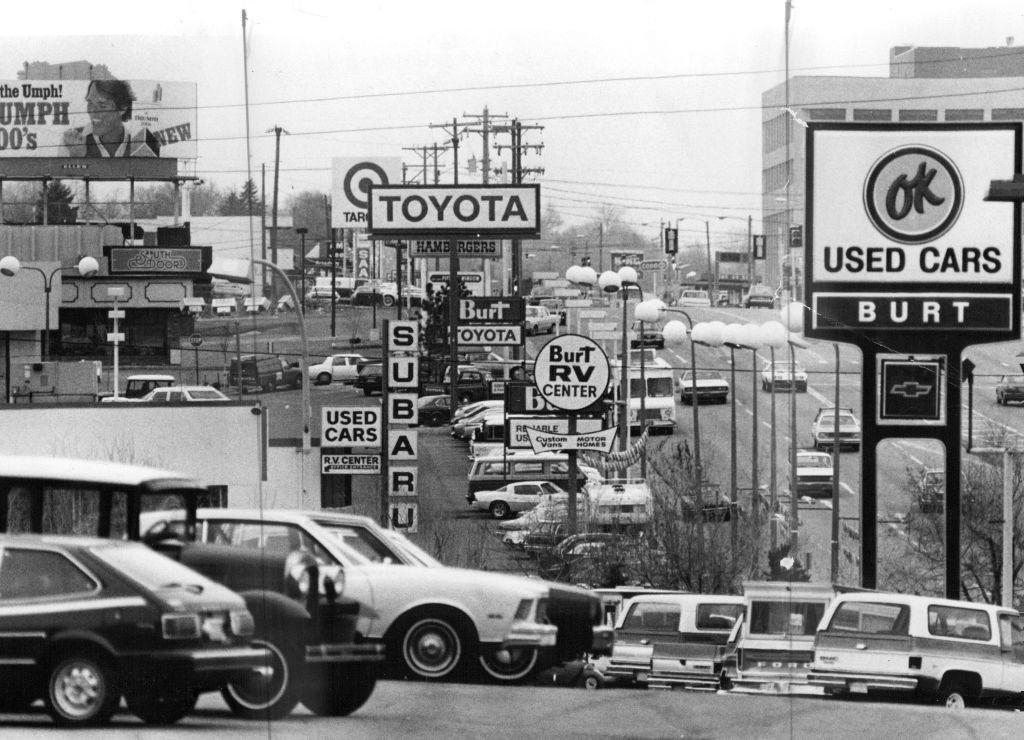
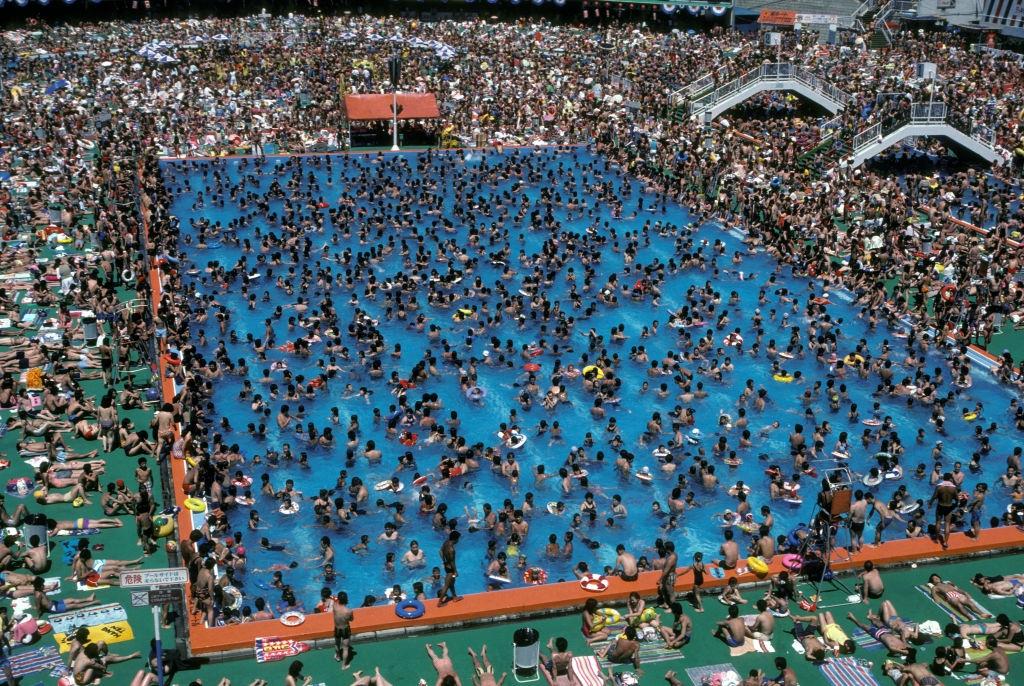
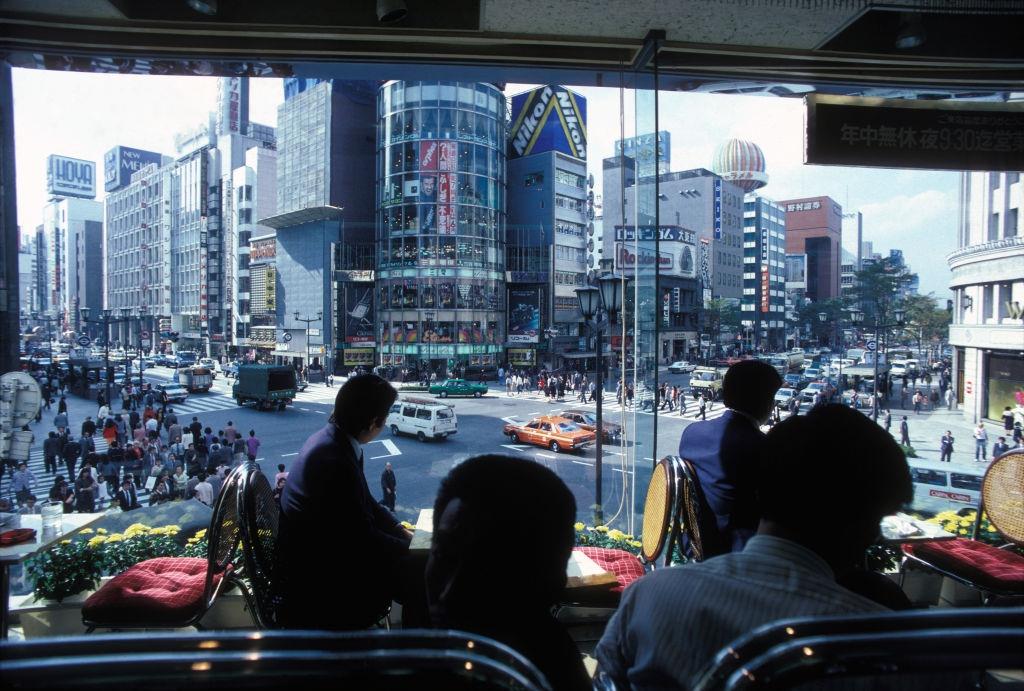
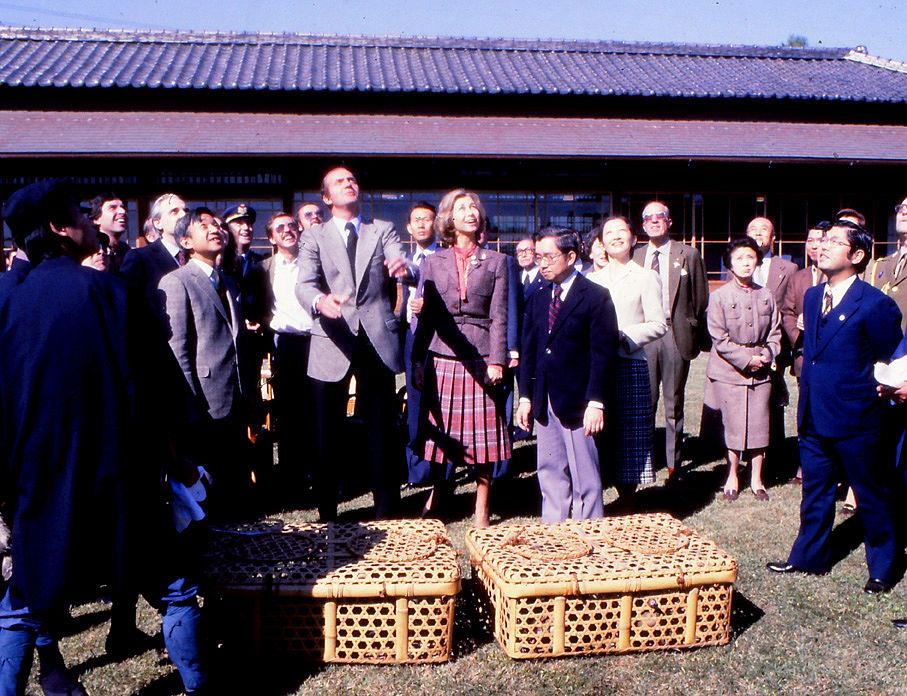
Below are stunning photos that will take you back to the 1980s in Tokyo.
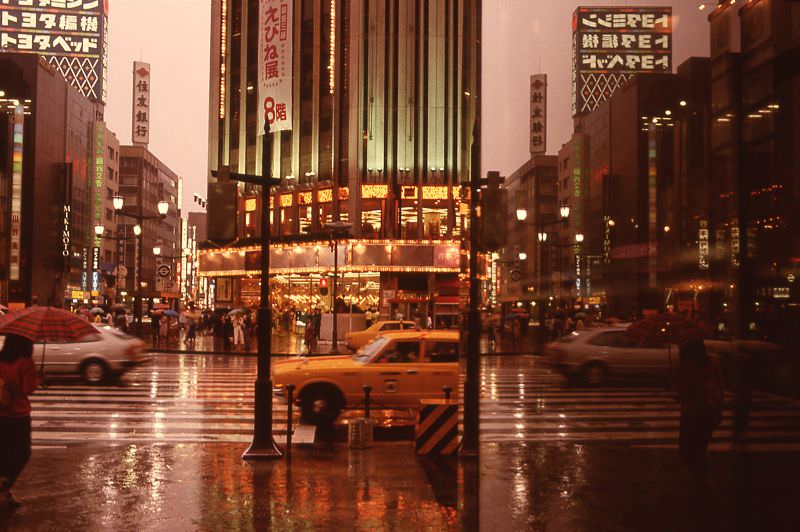
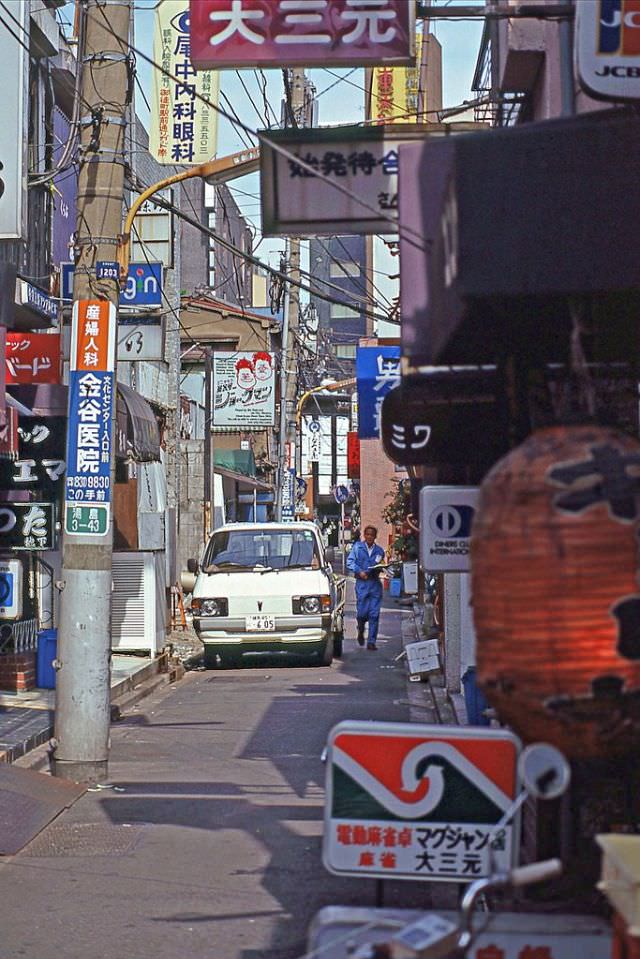
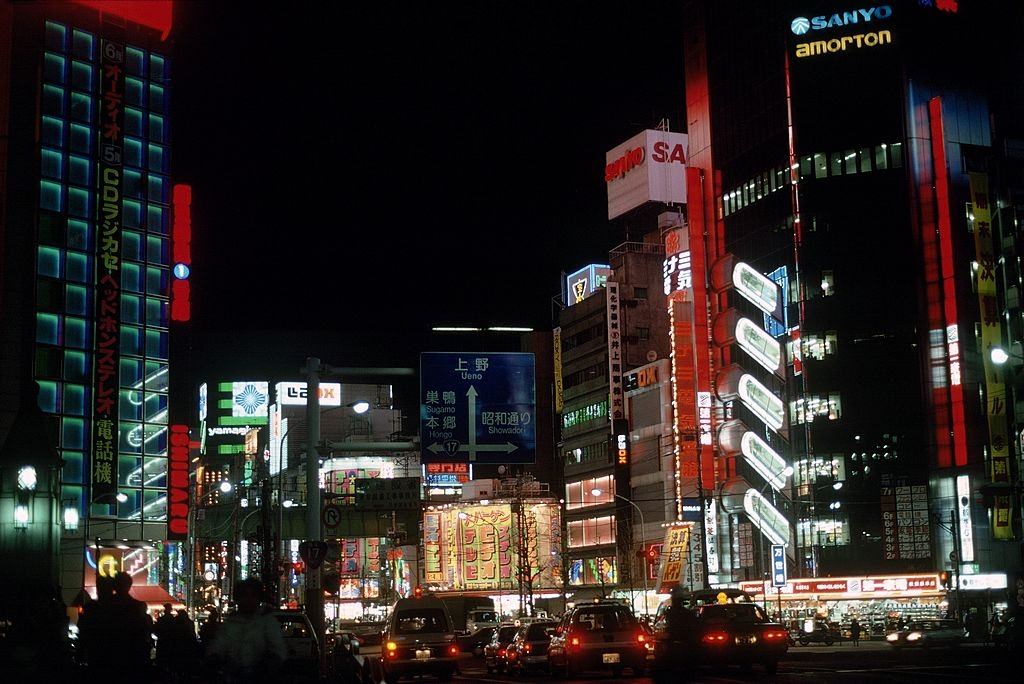
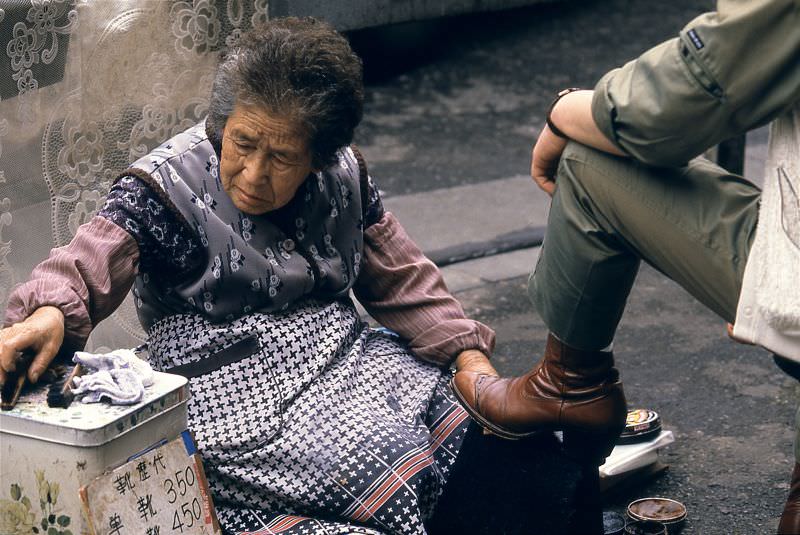
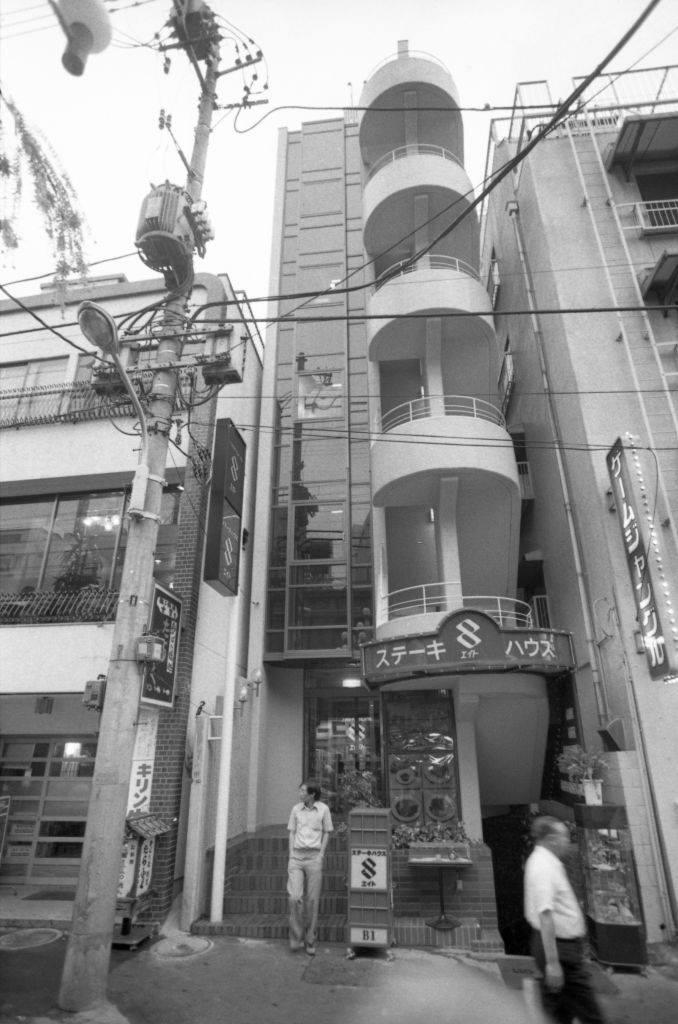
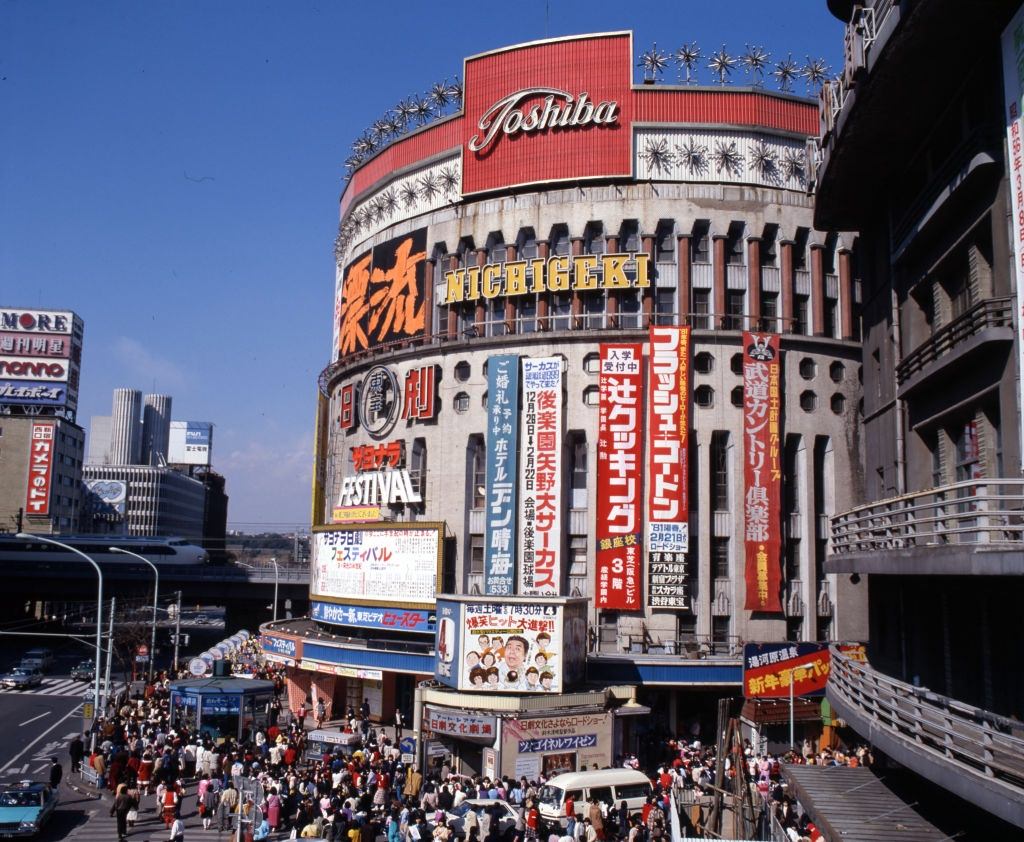

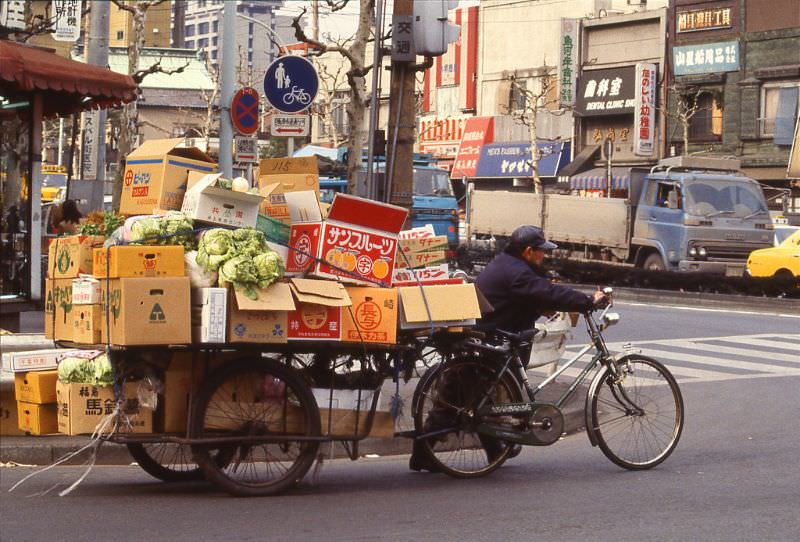
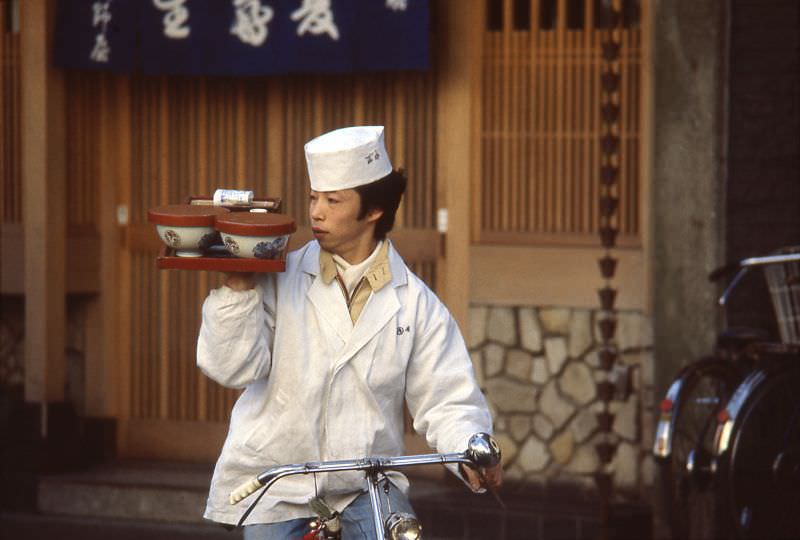

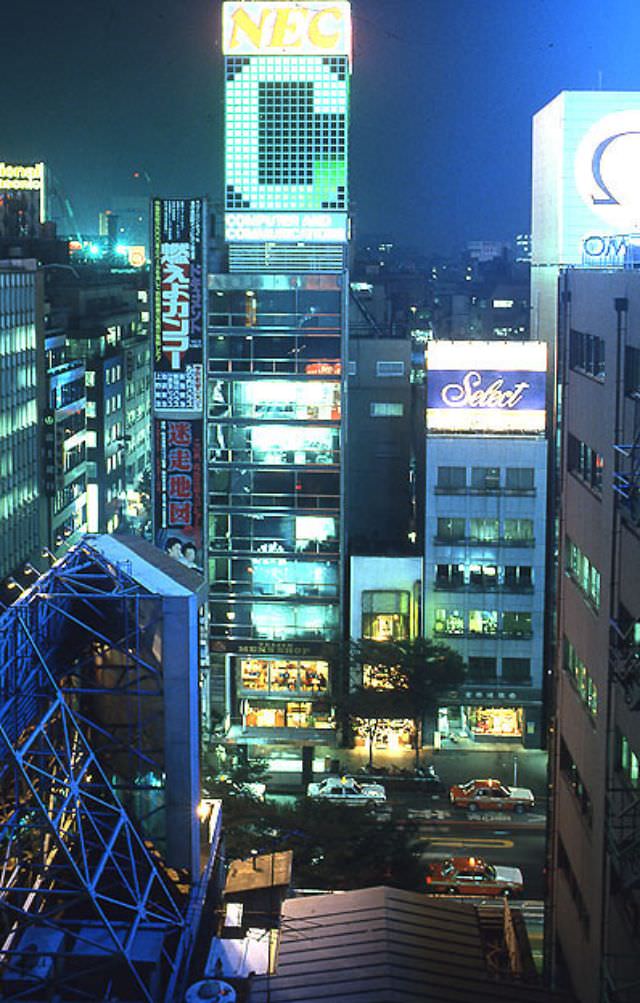
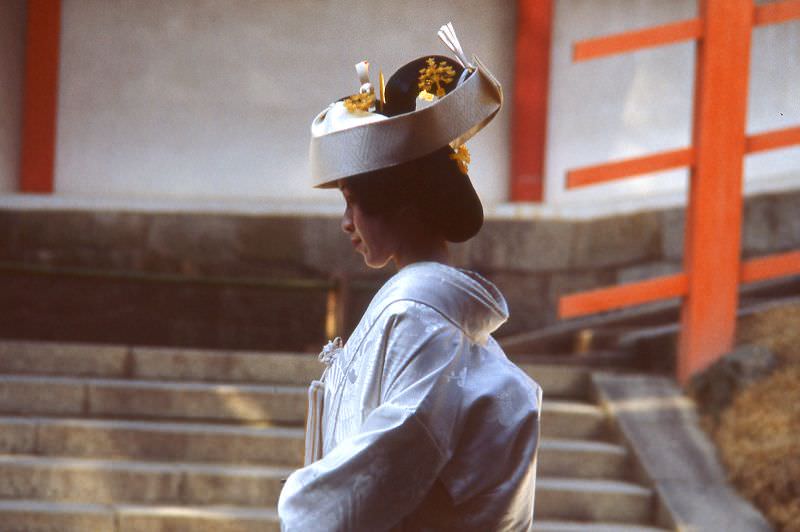
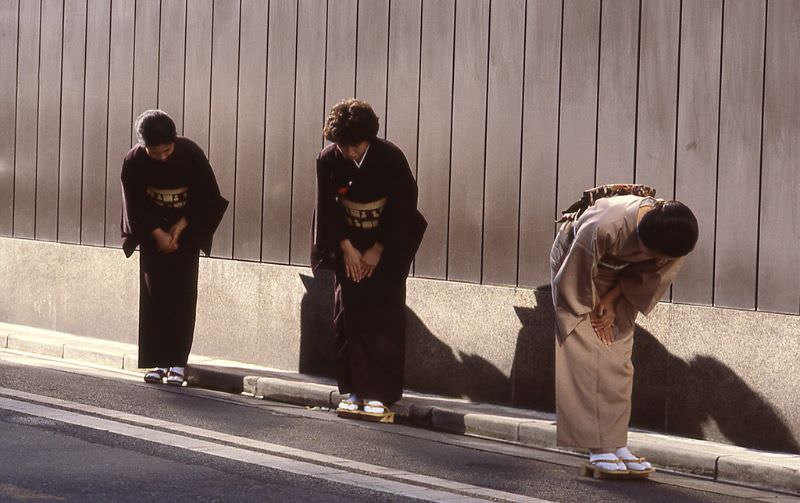
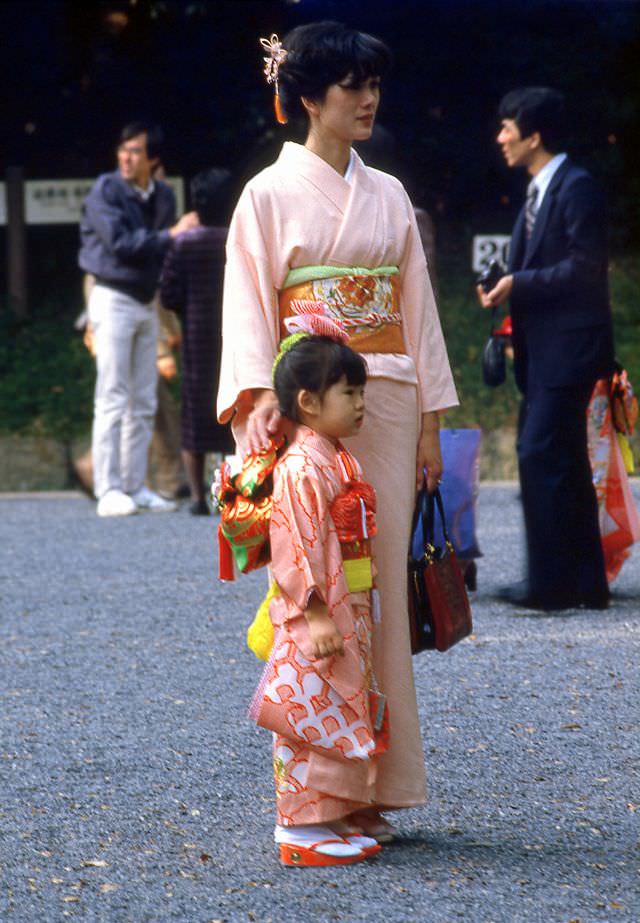
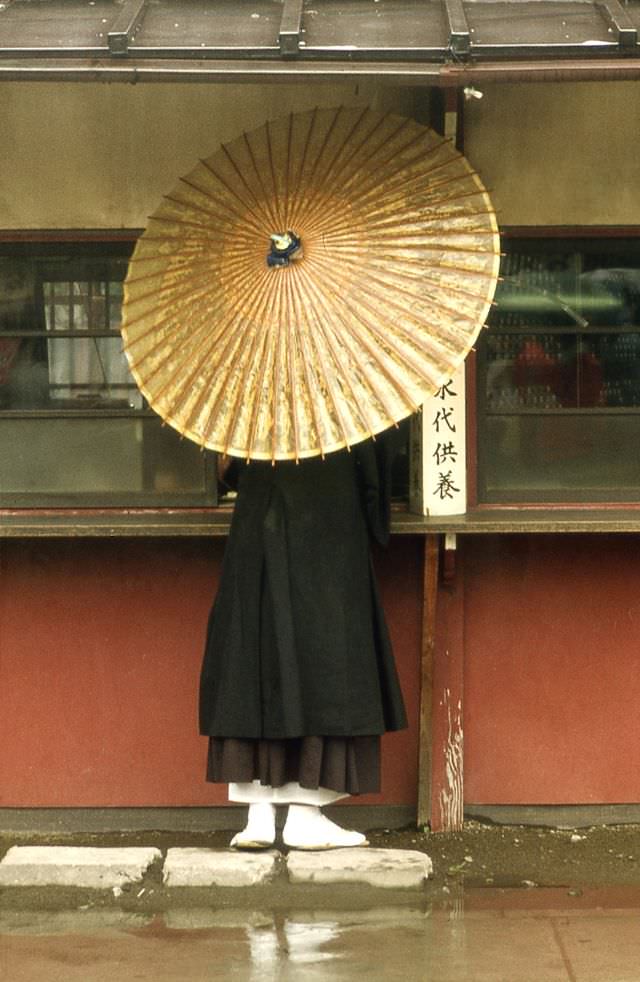
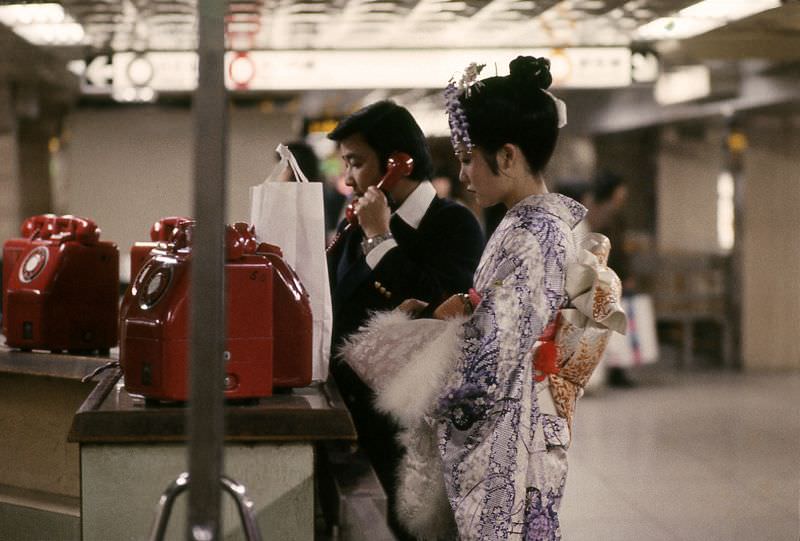
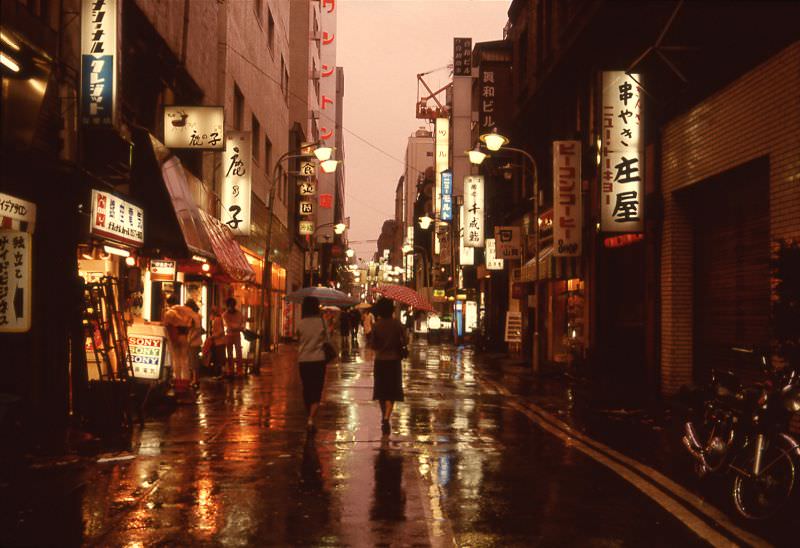
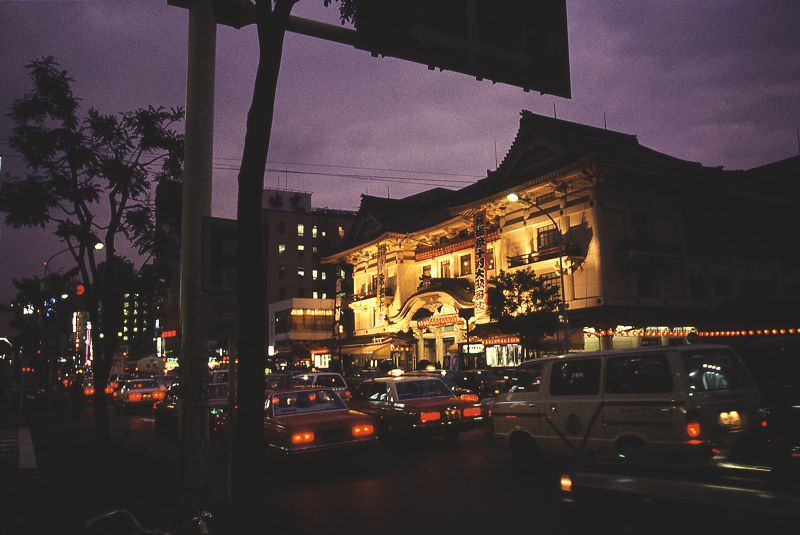
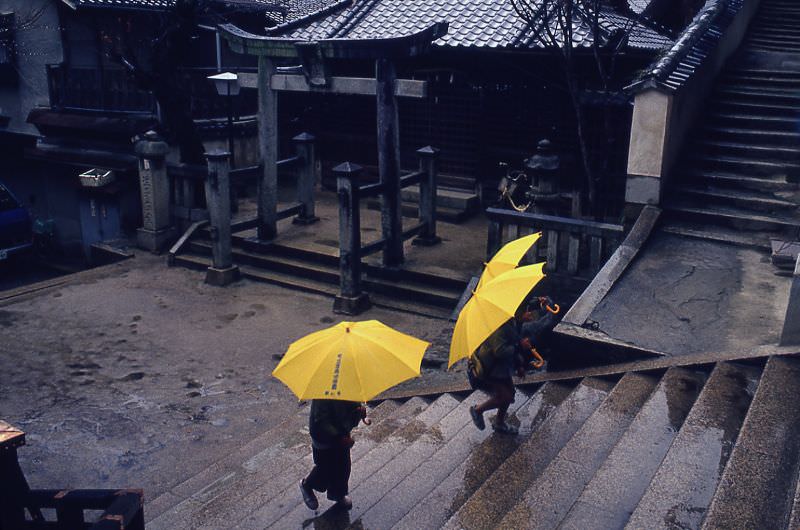
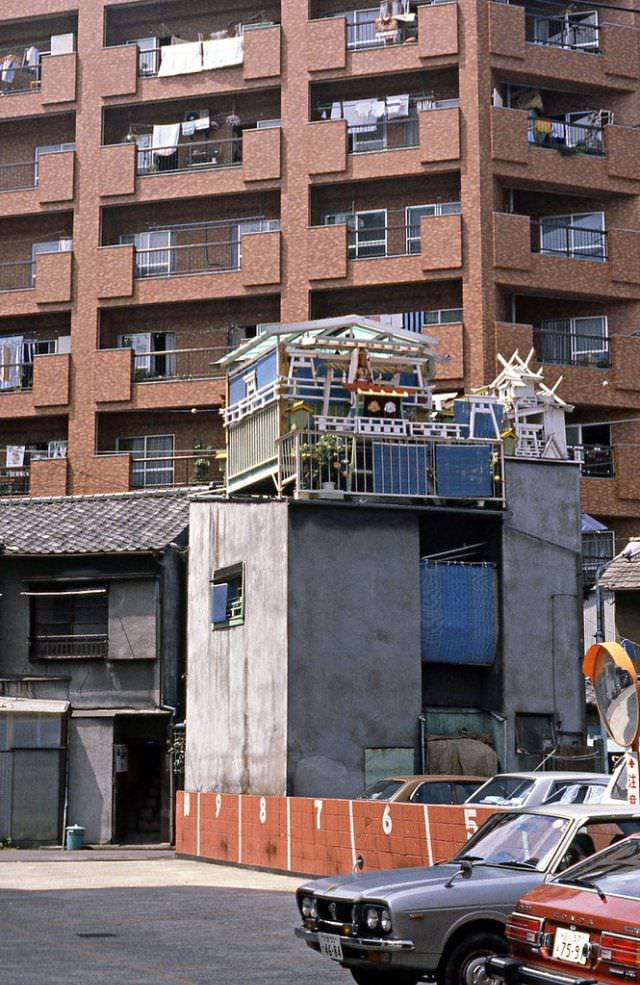
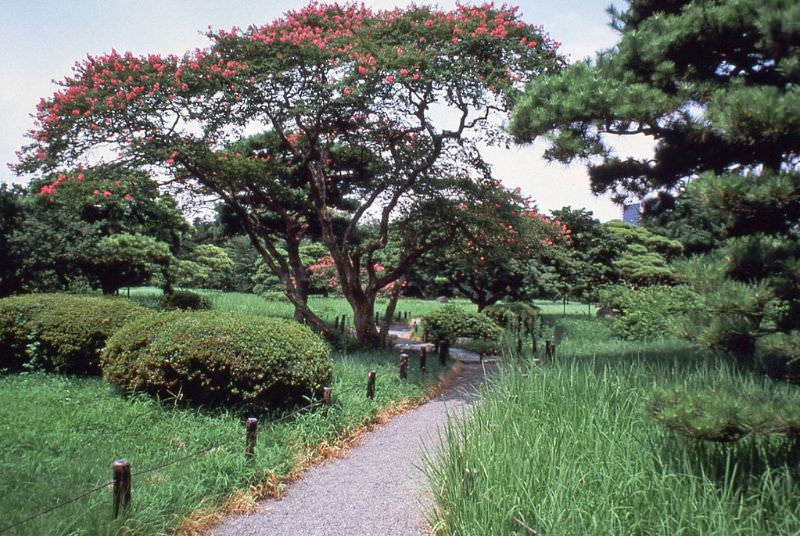
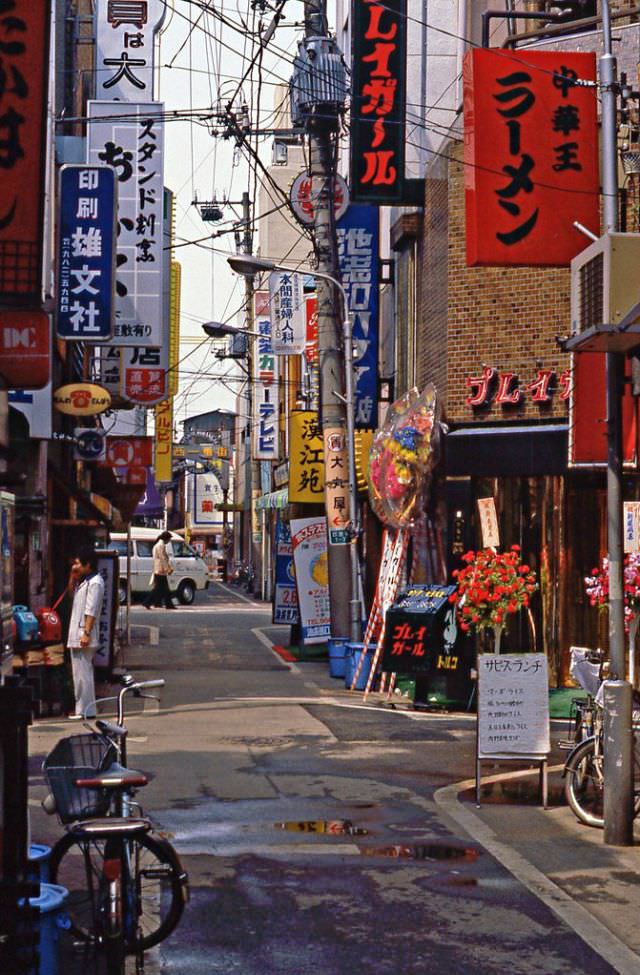
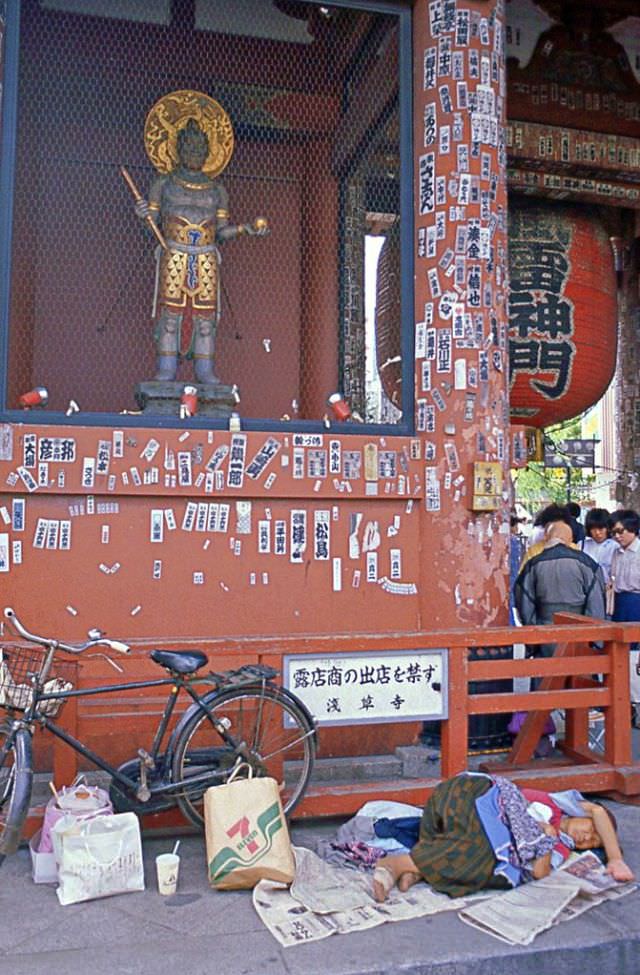
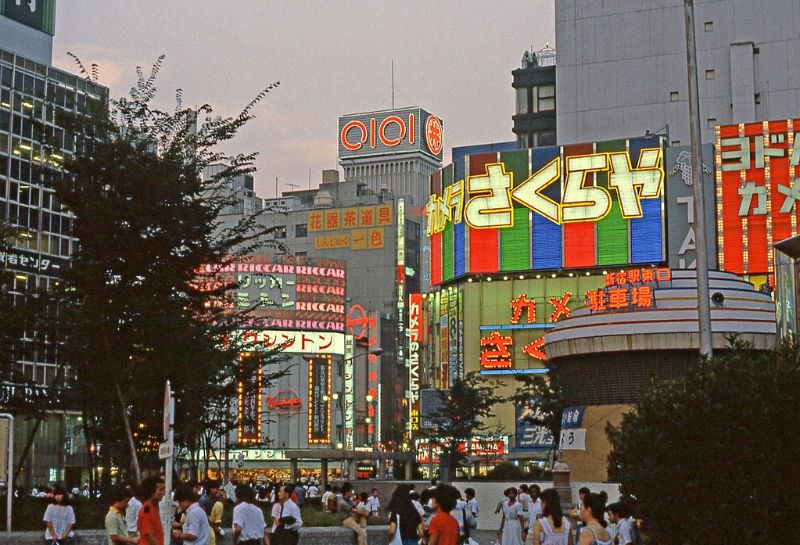
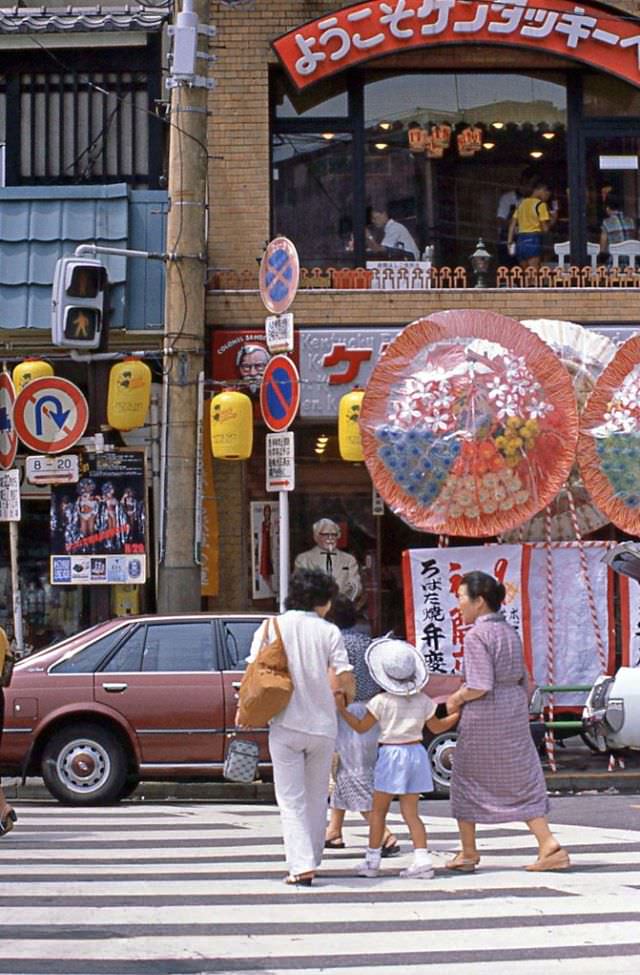
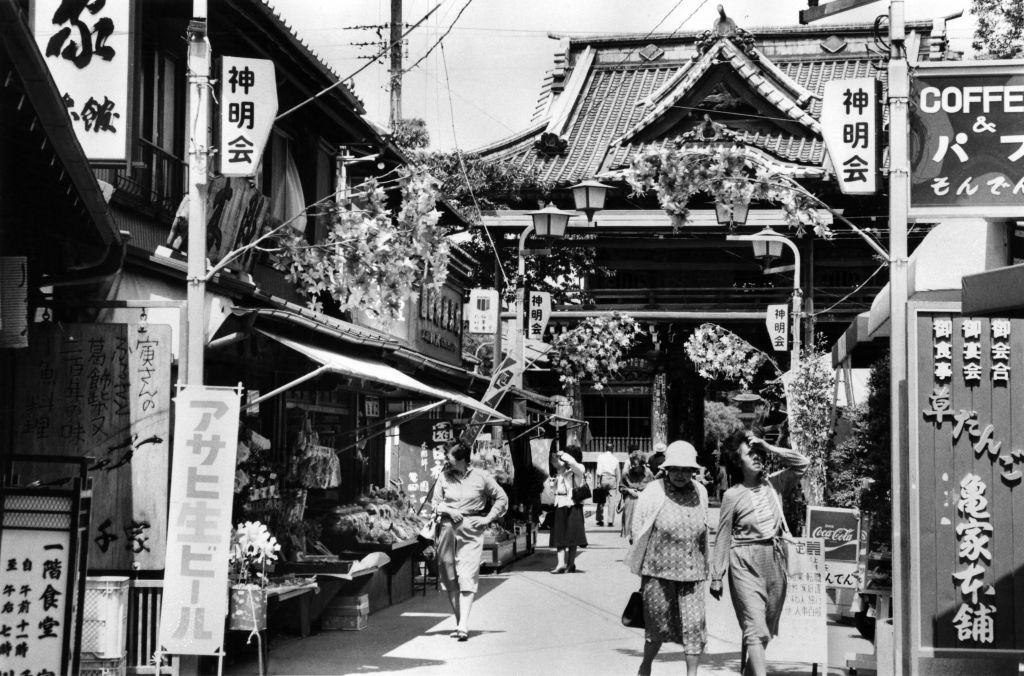
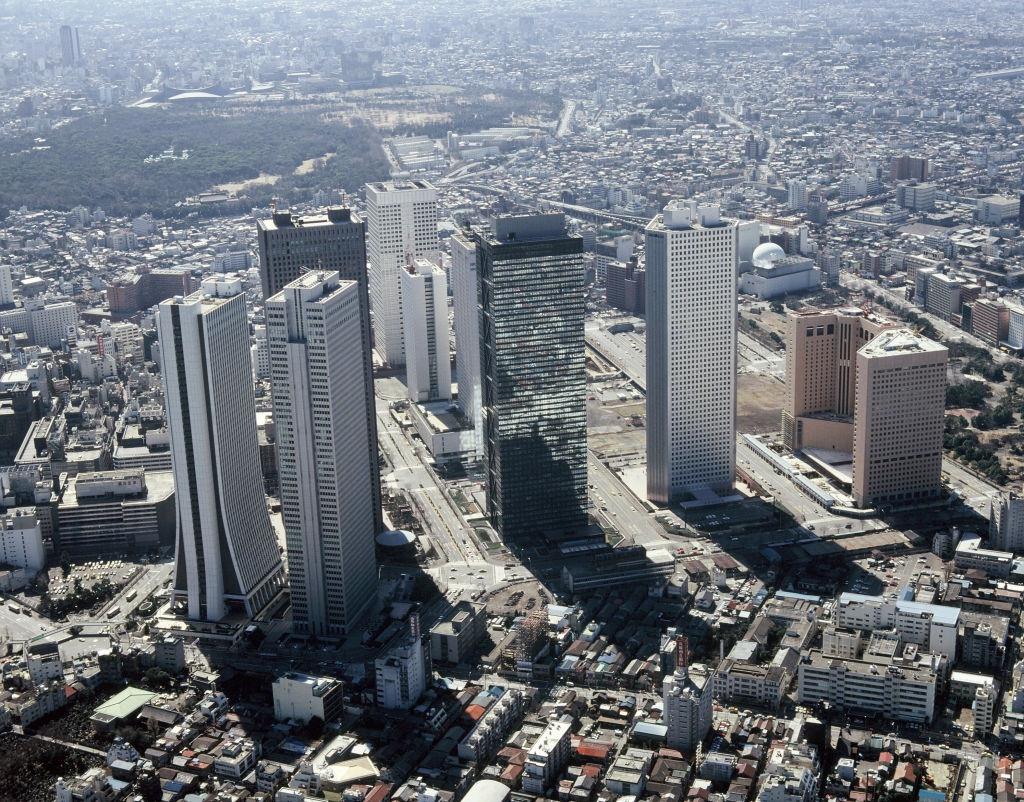
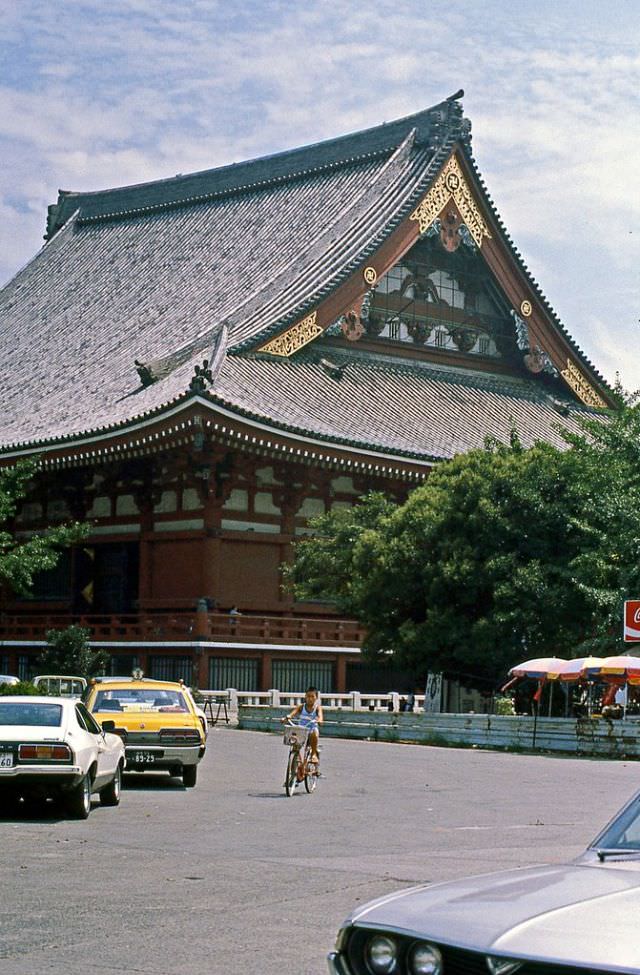
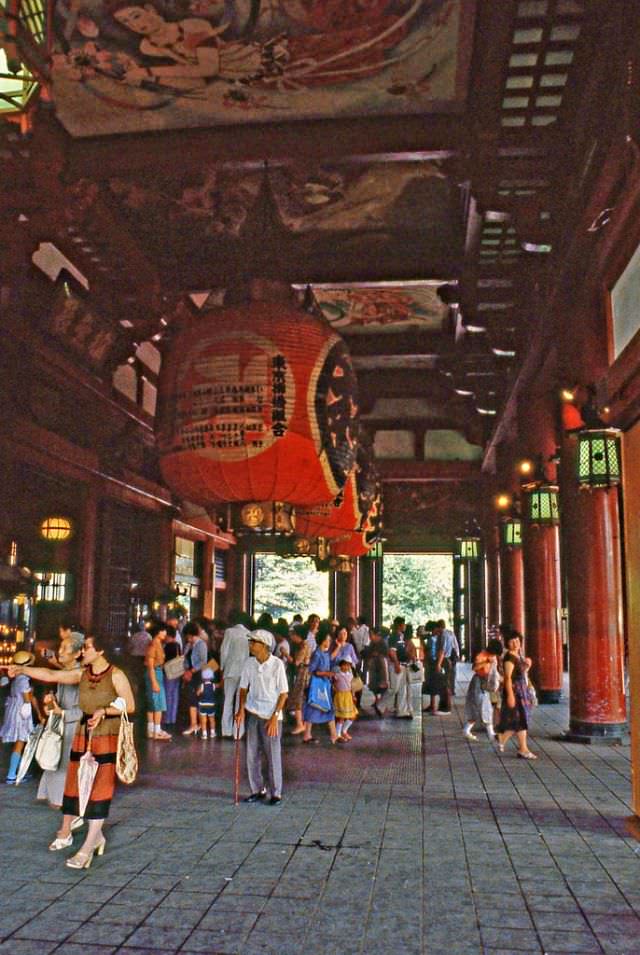
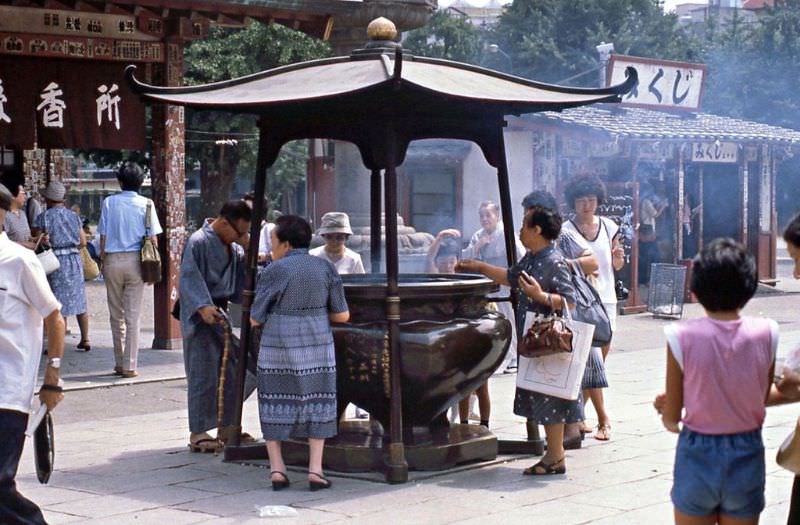
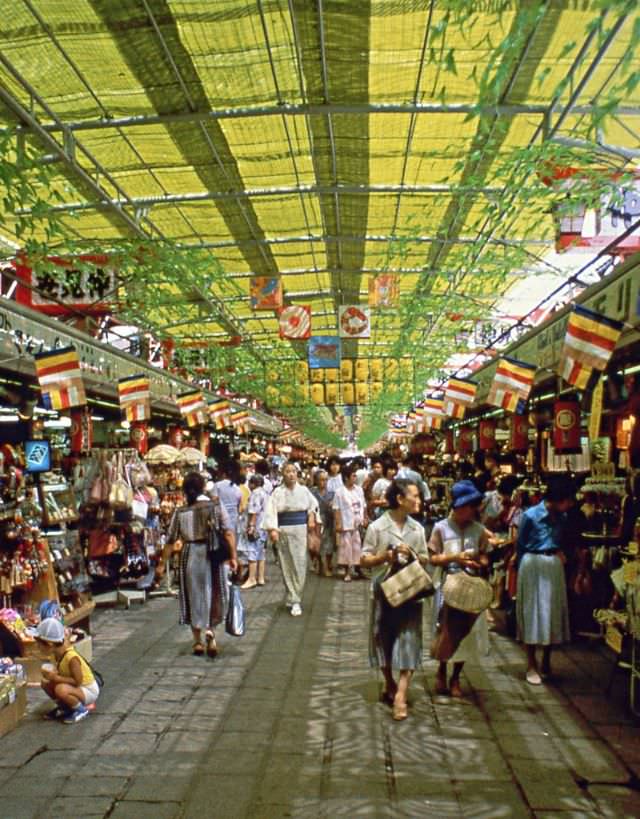

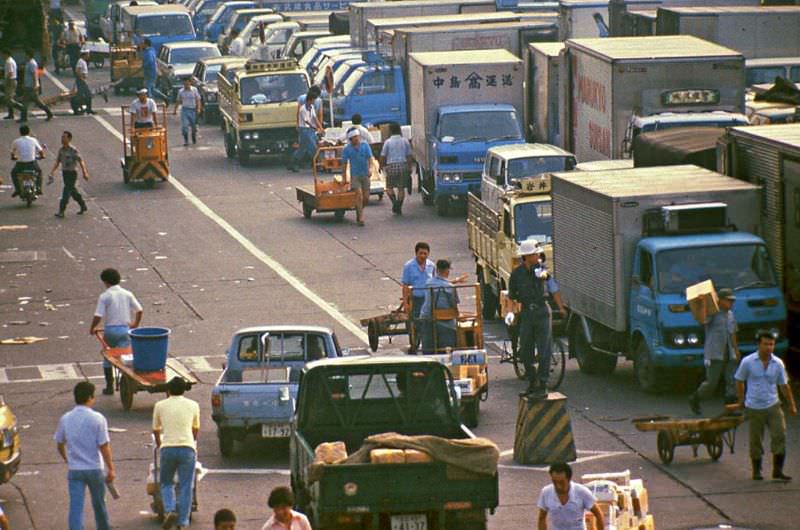
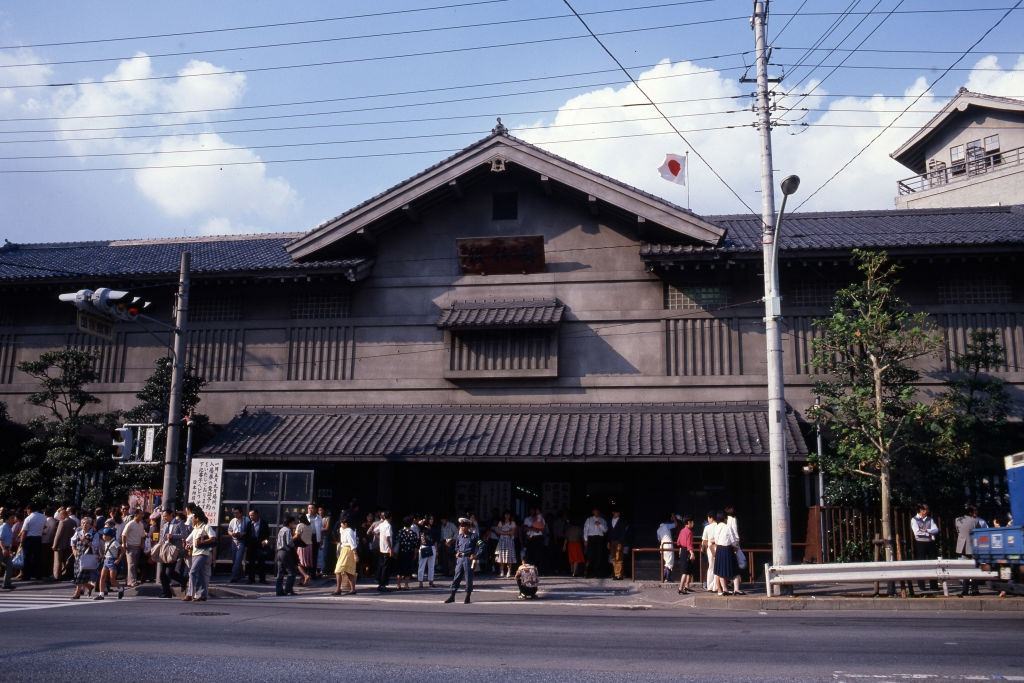
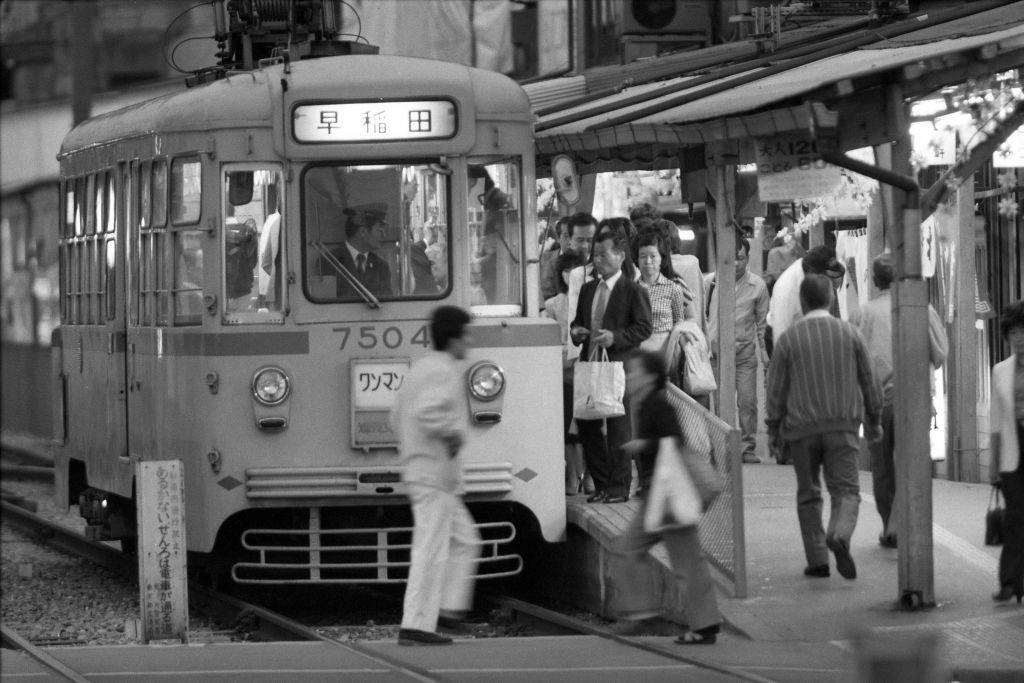
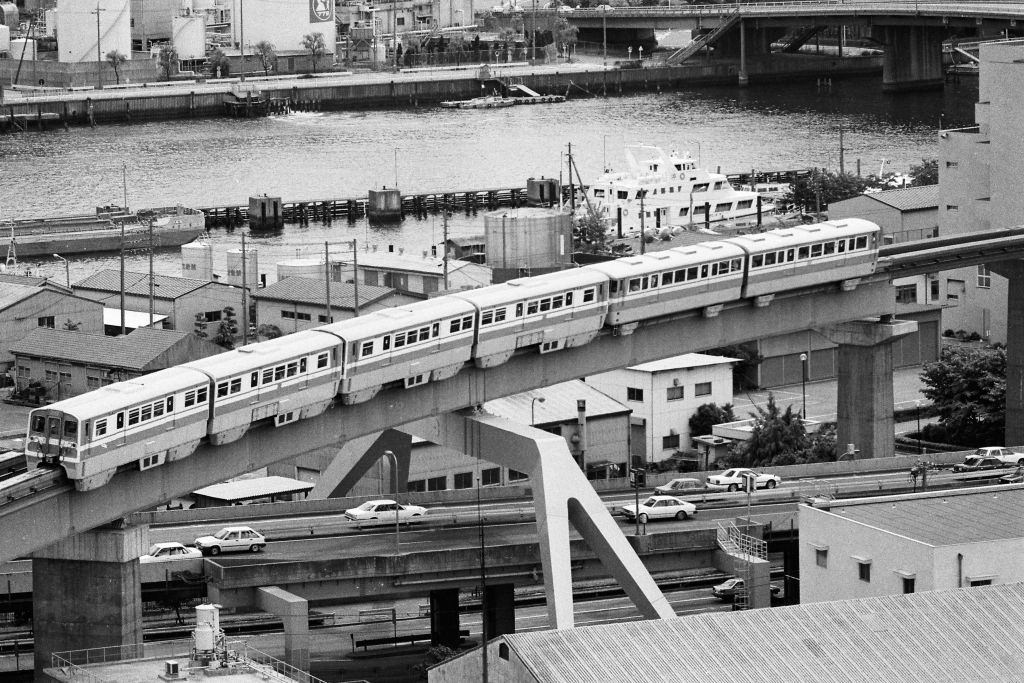
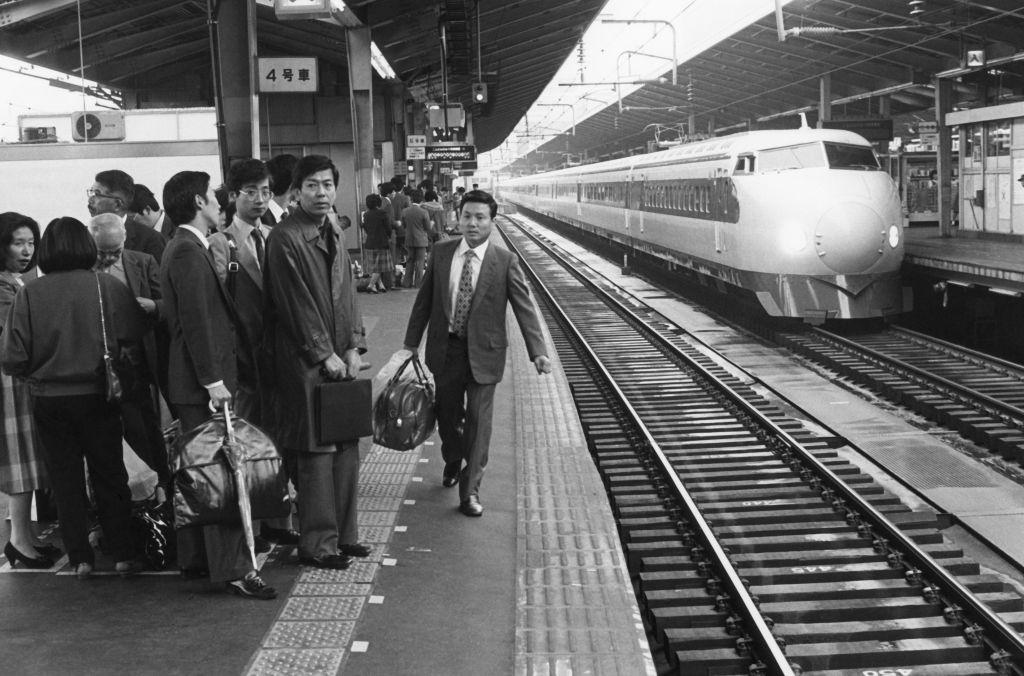
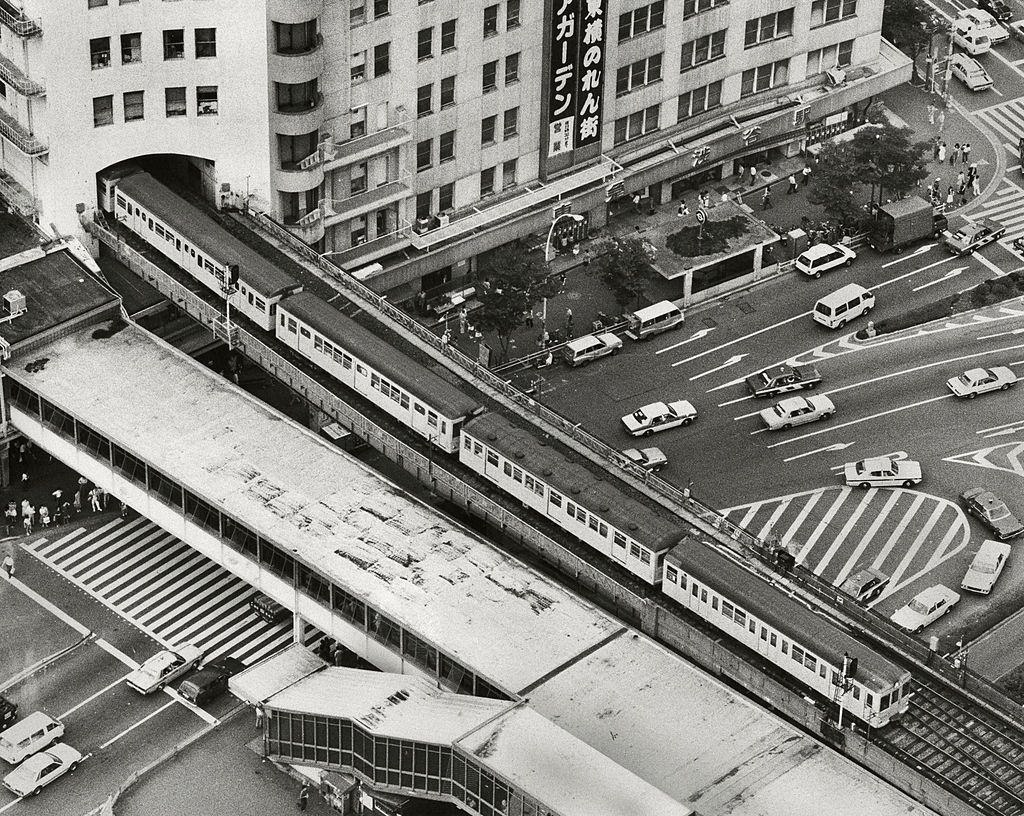
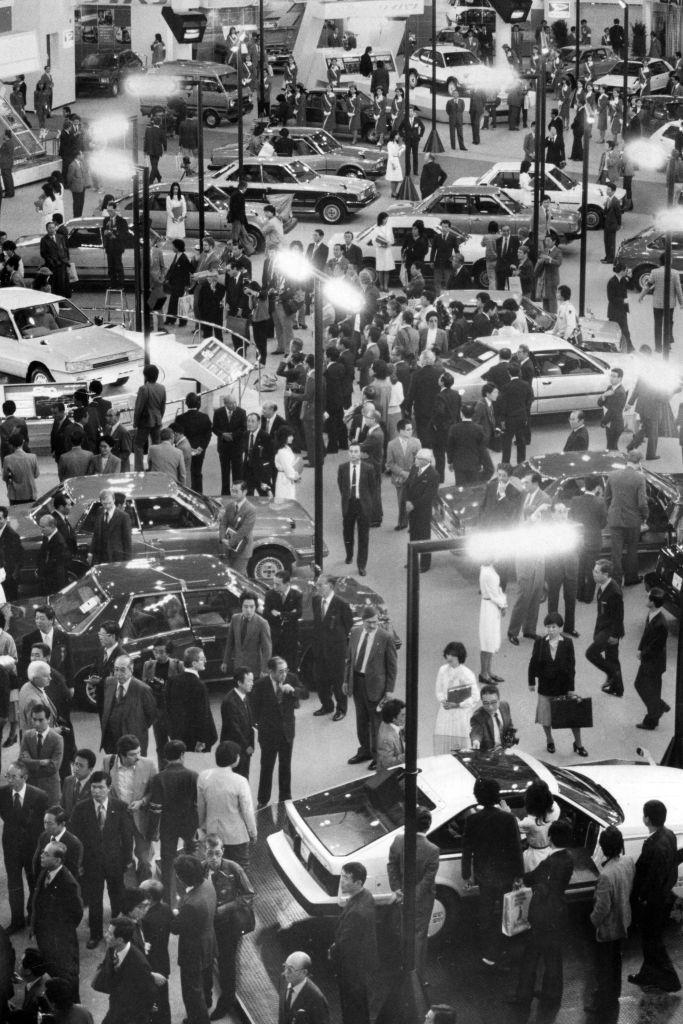
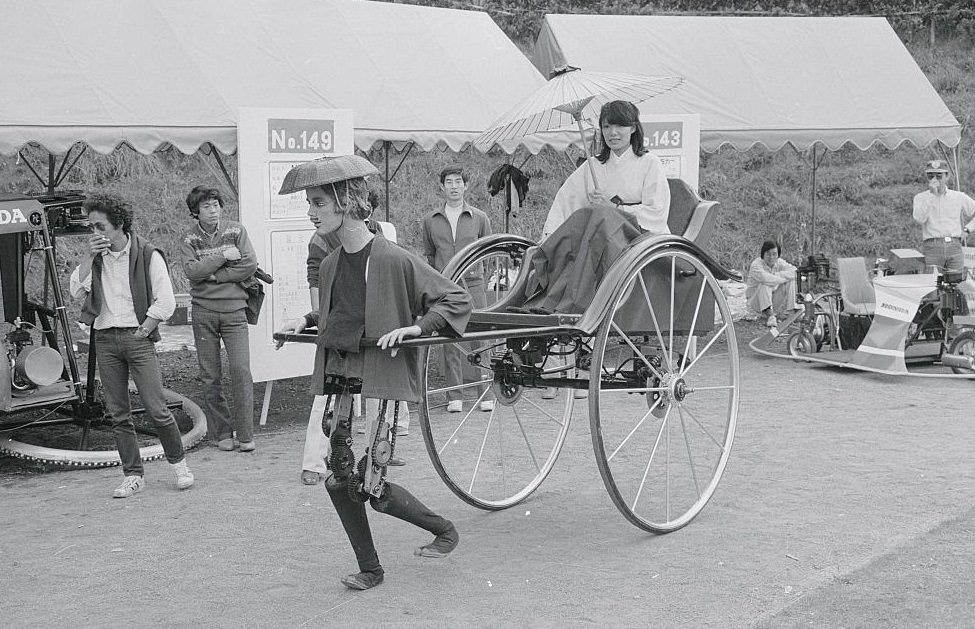
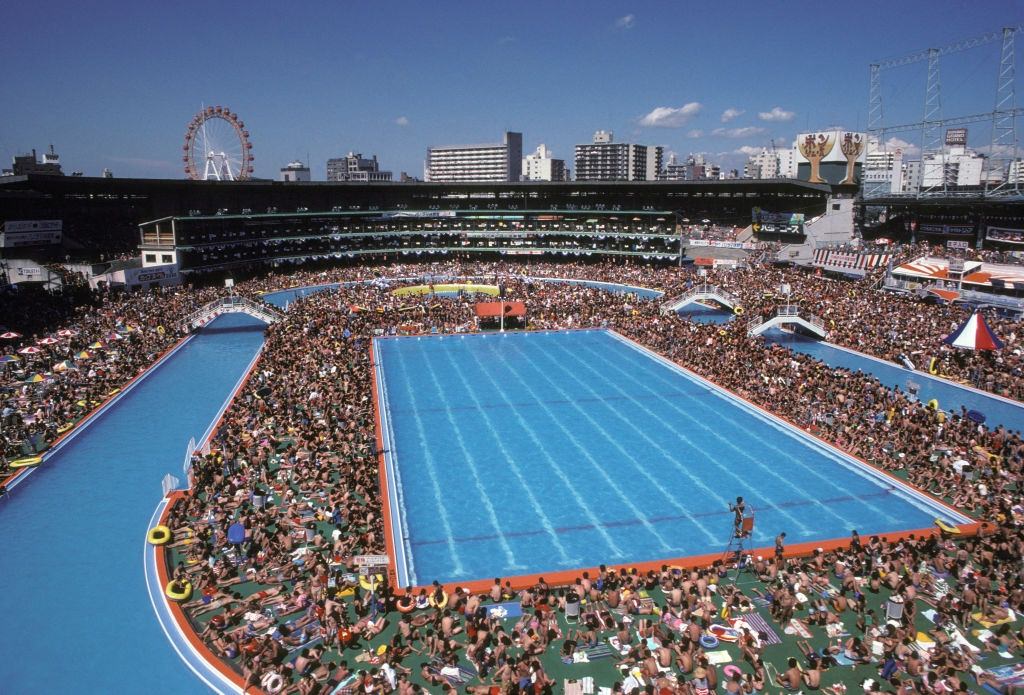
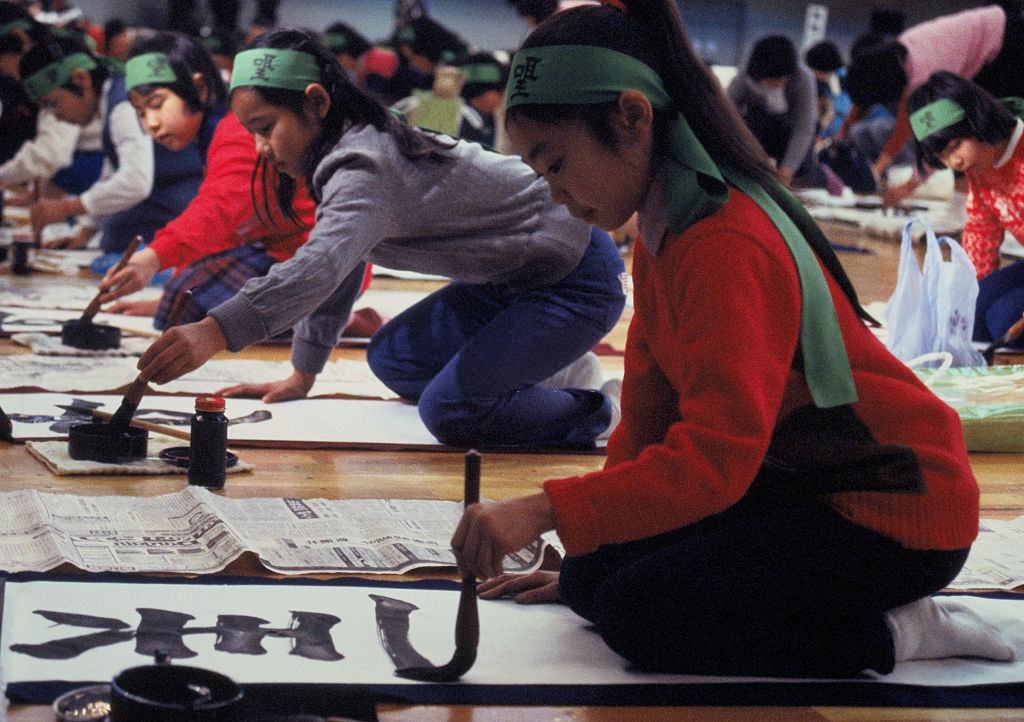
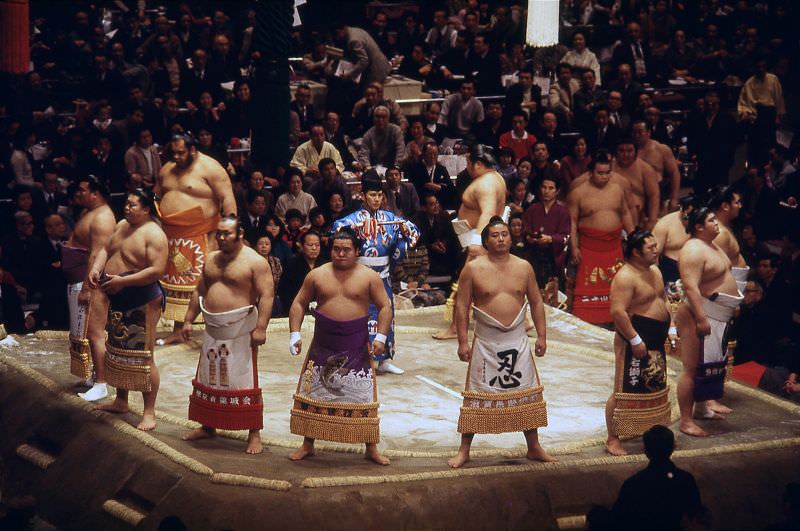
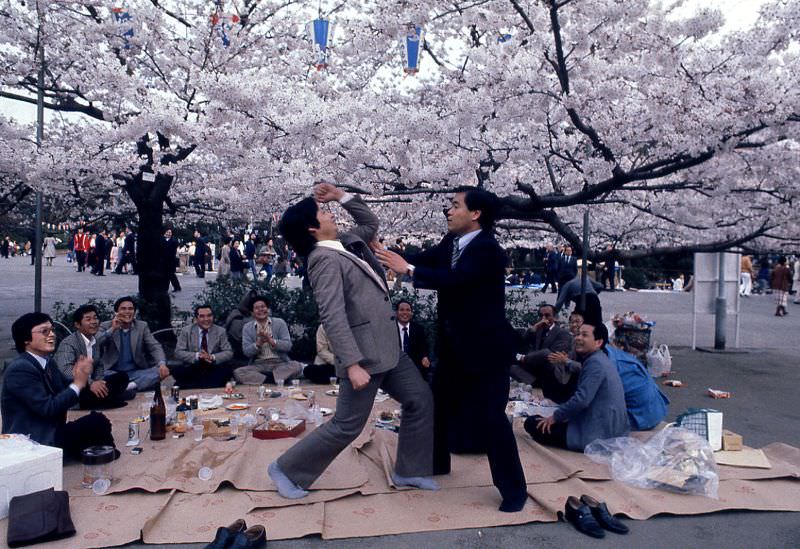
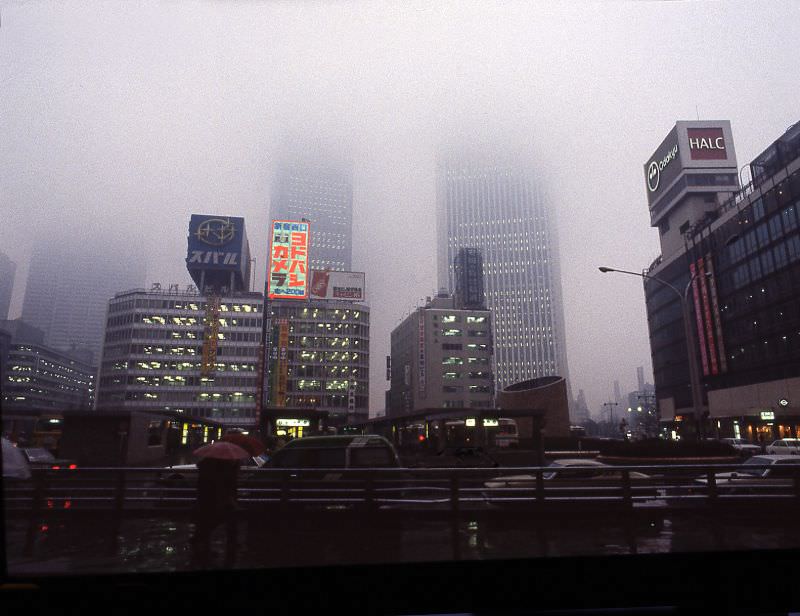
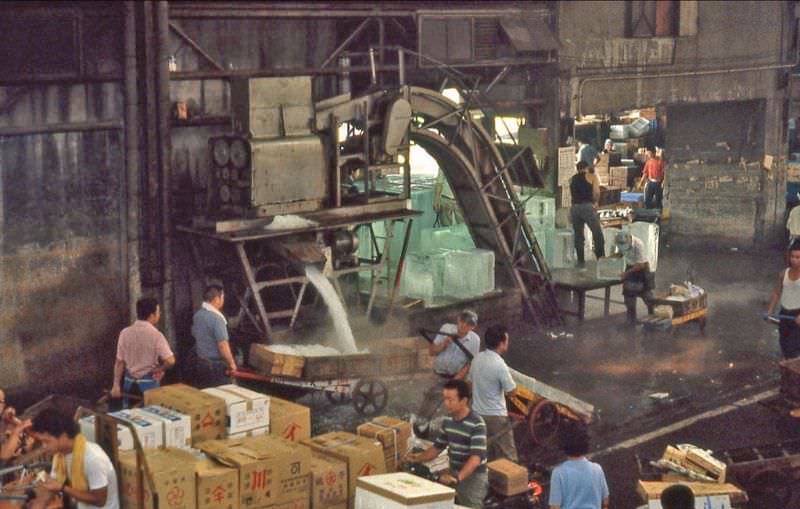
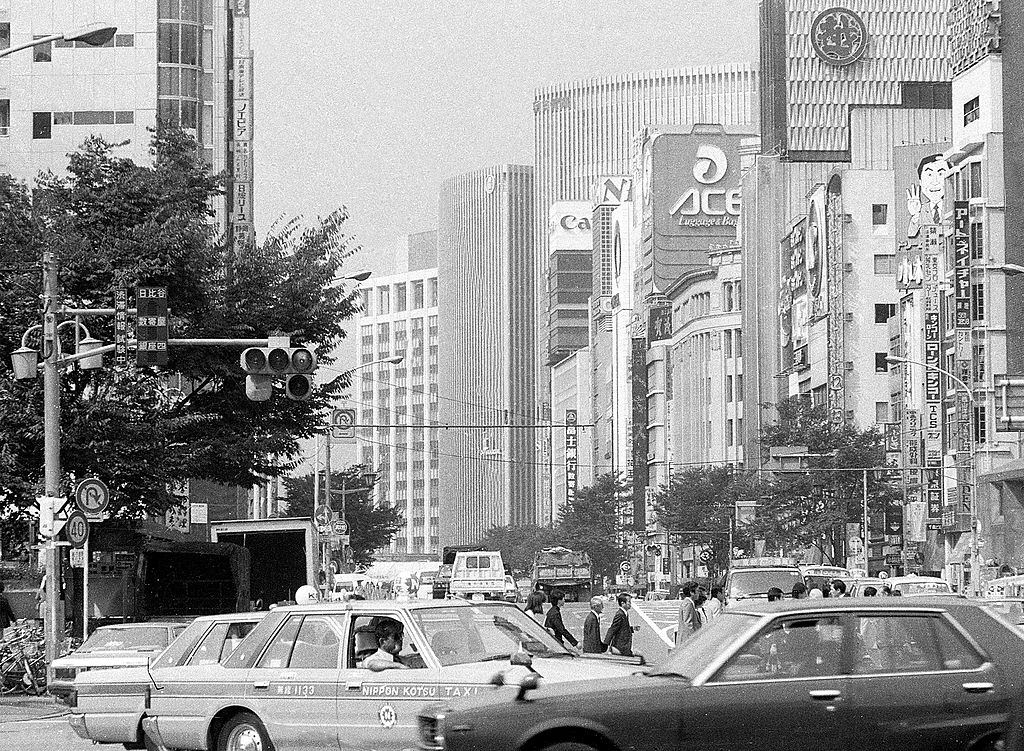
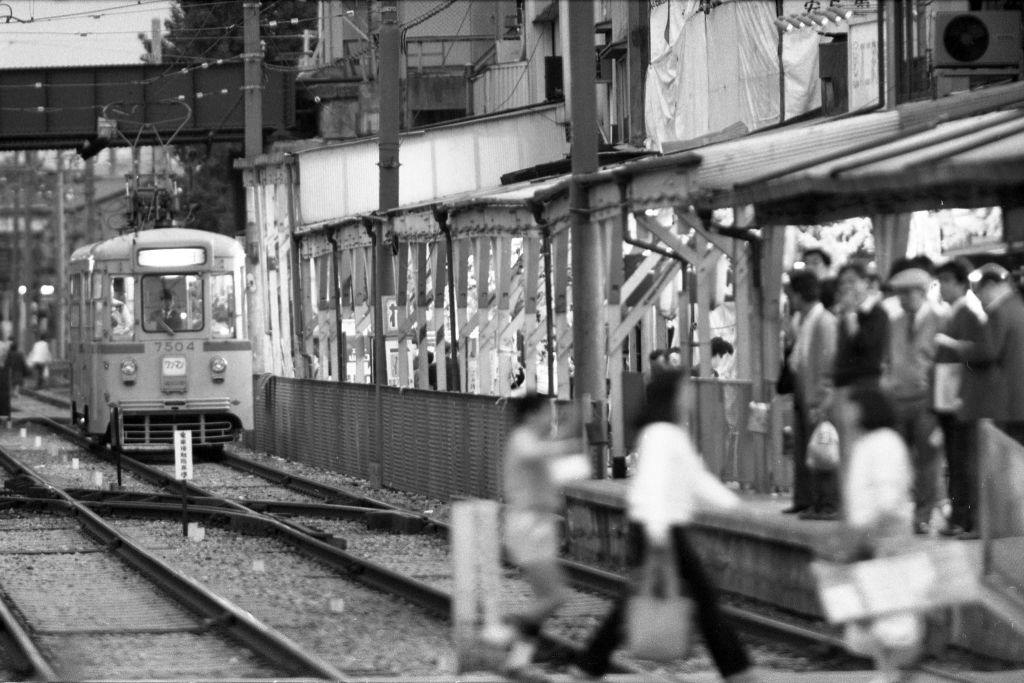
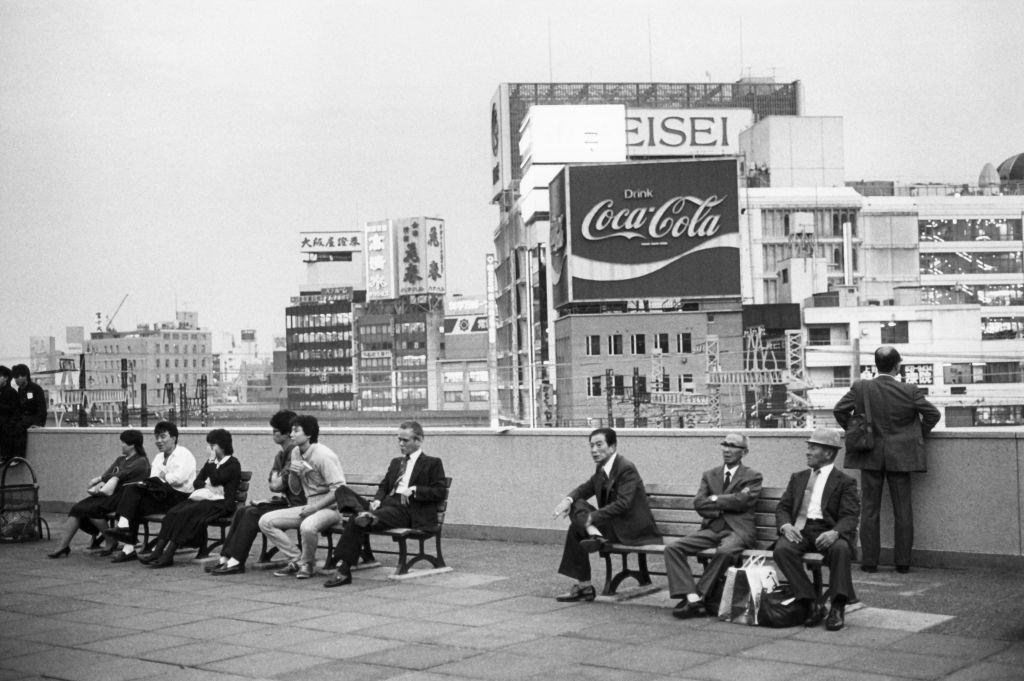
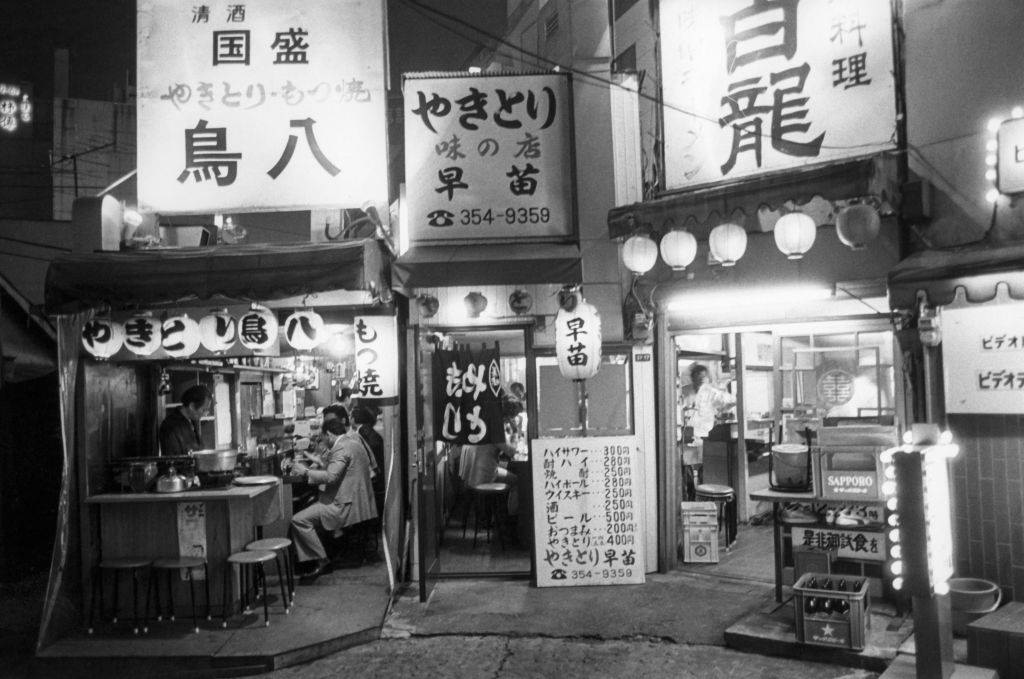
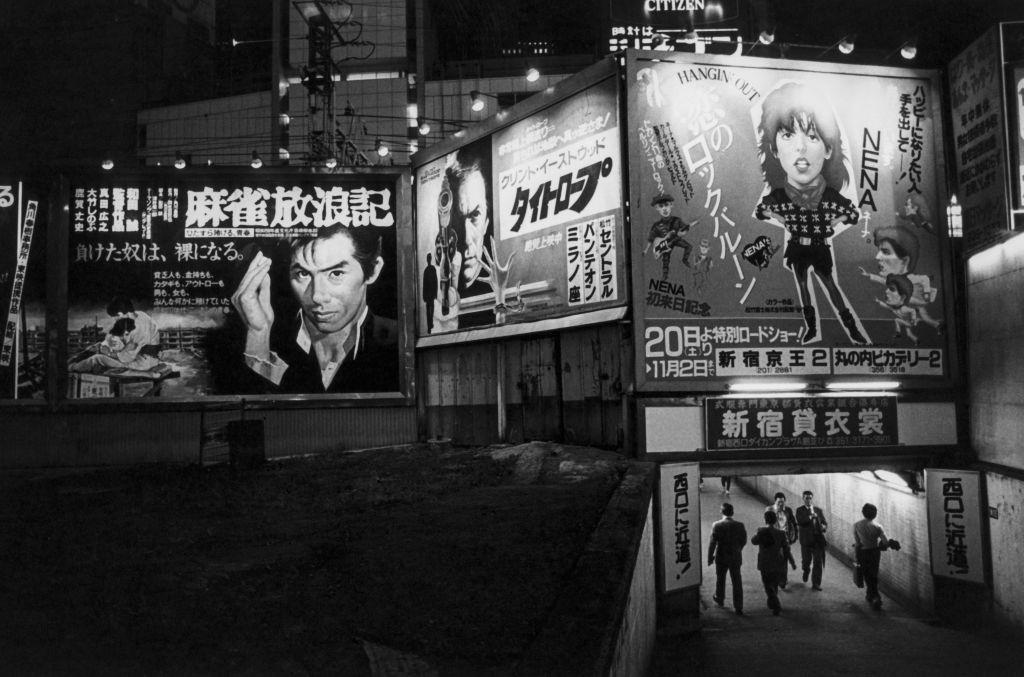
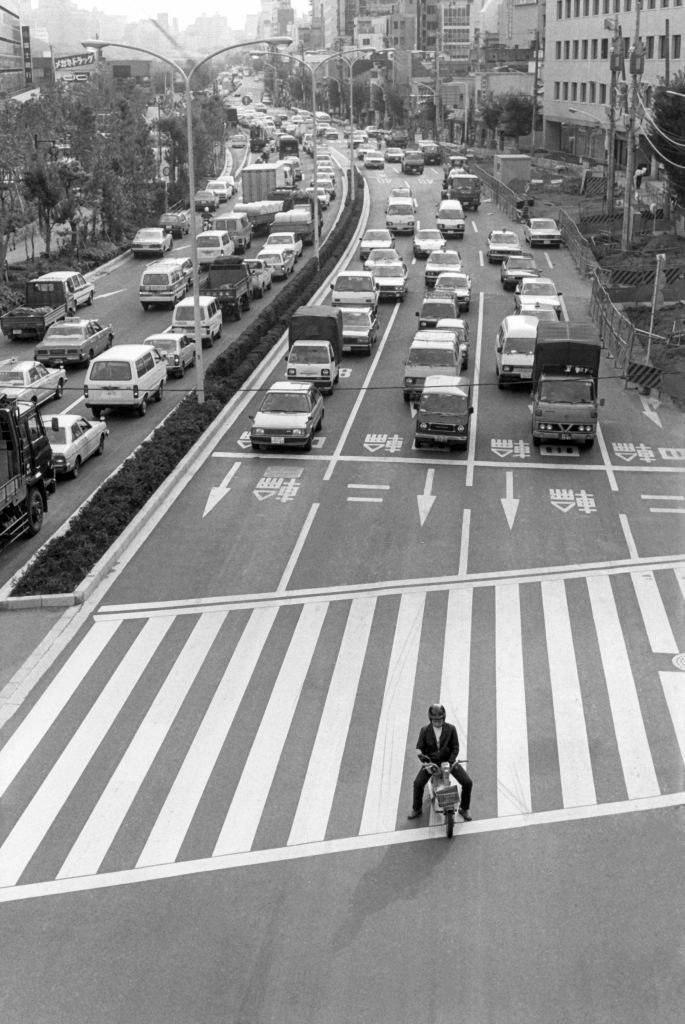
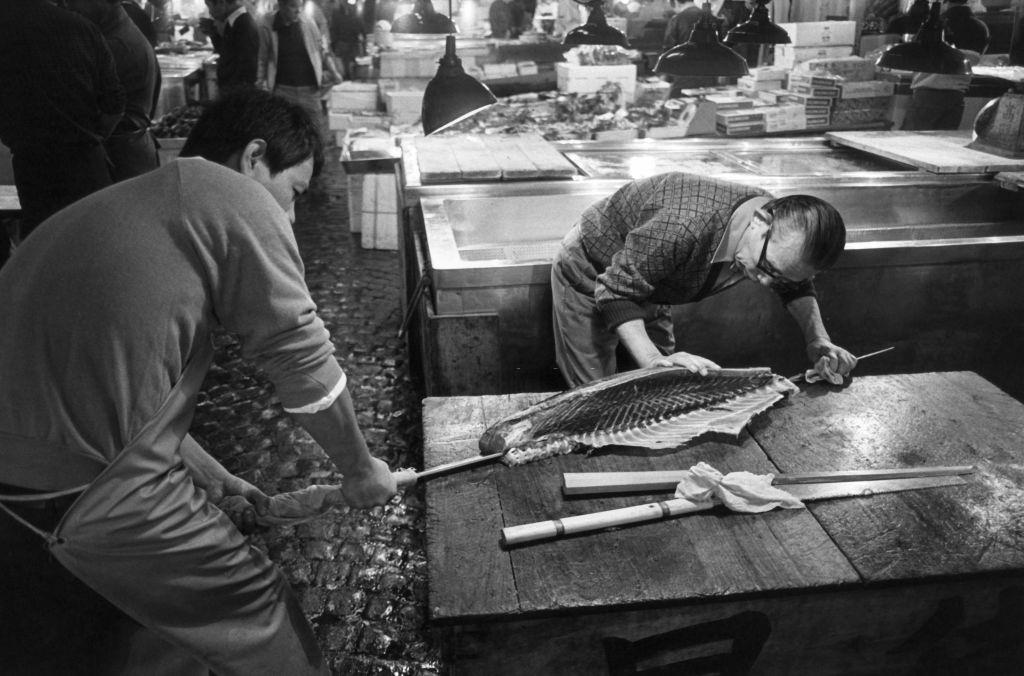
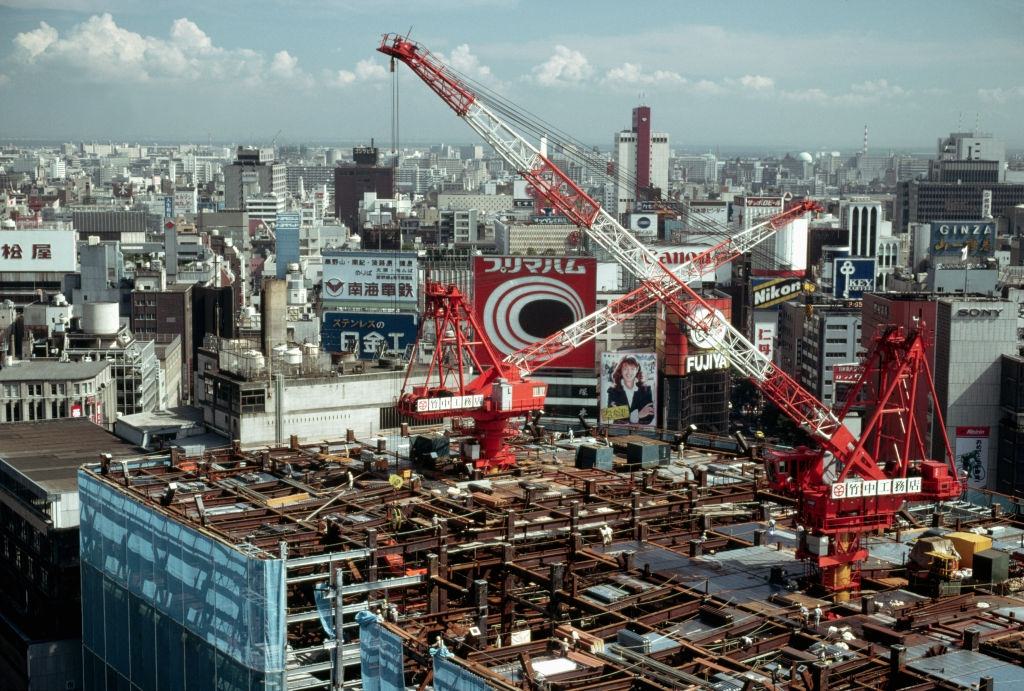
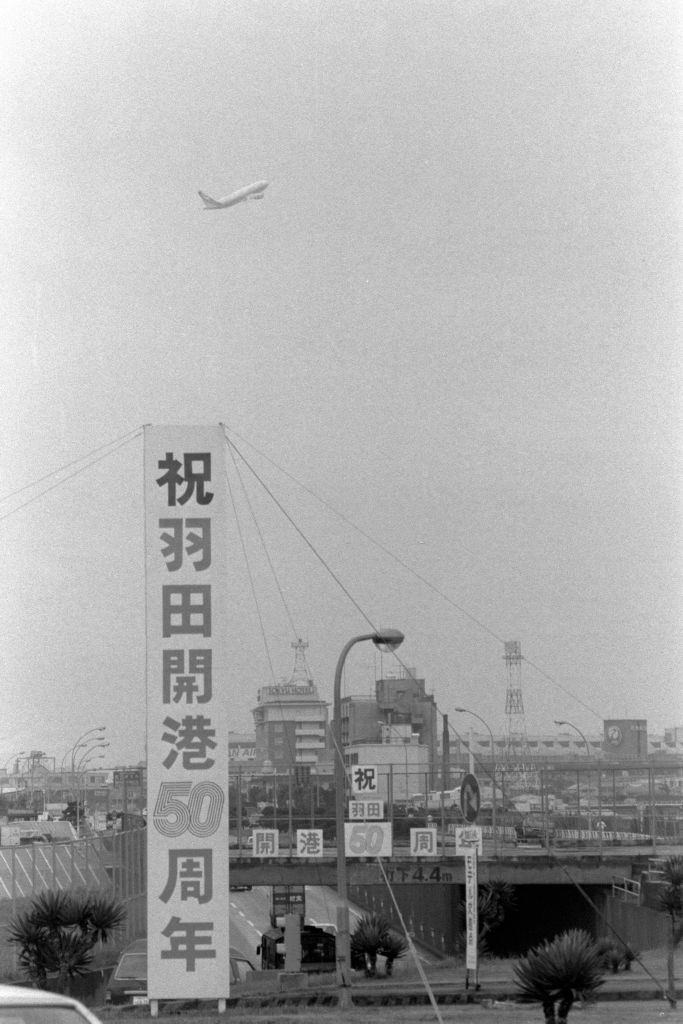
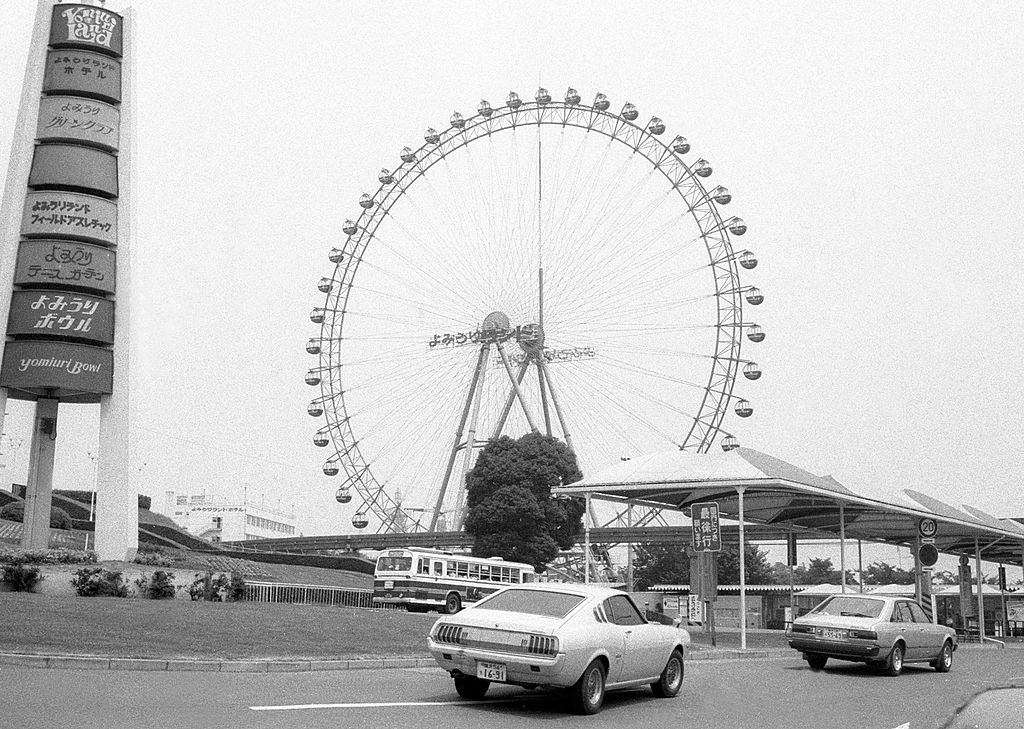
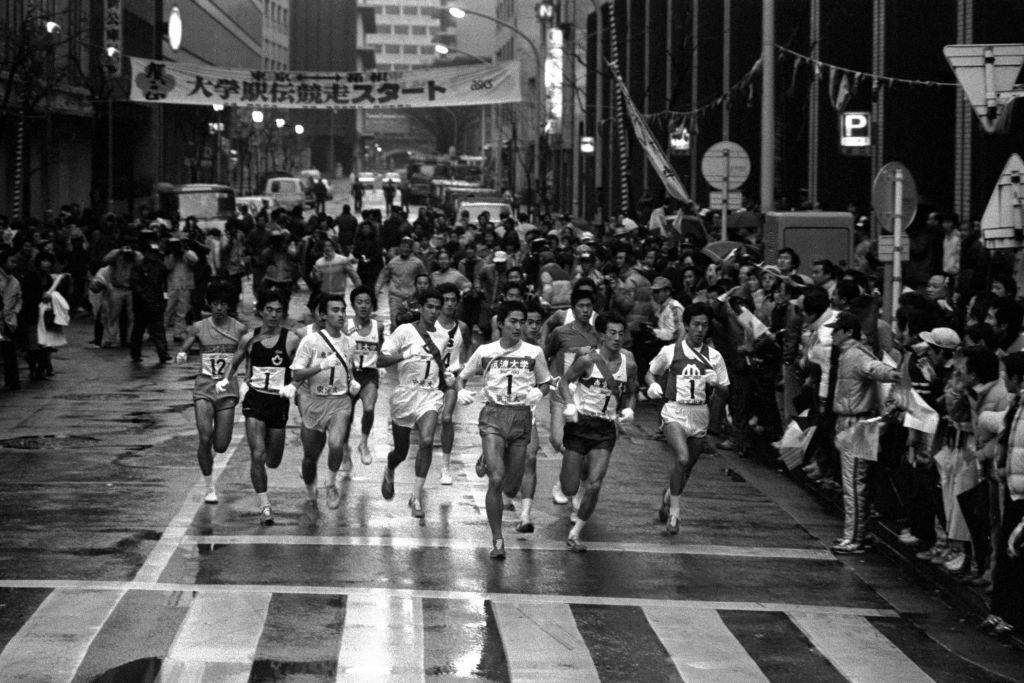
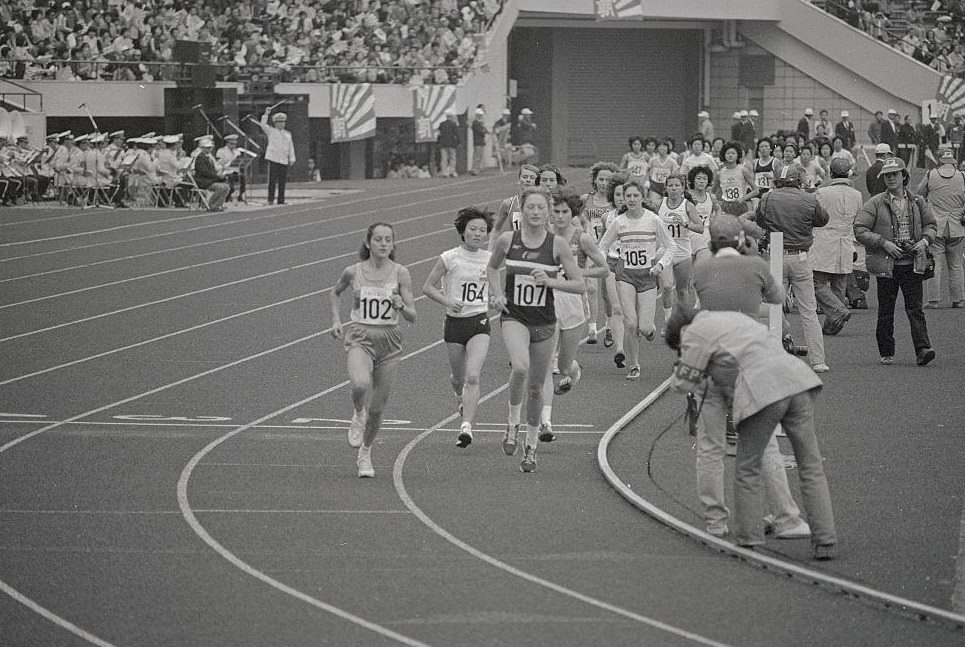
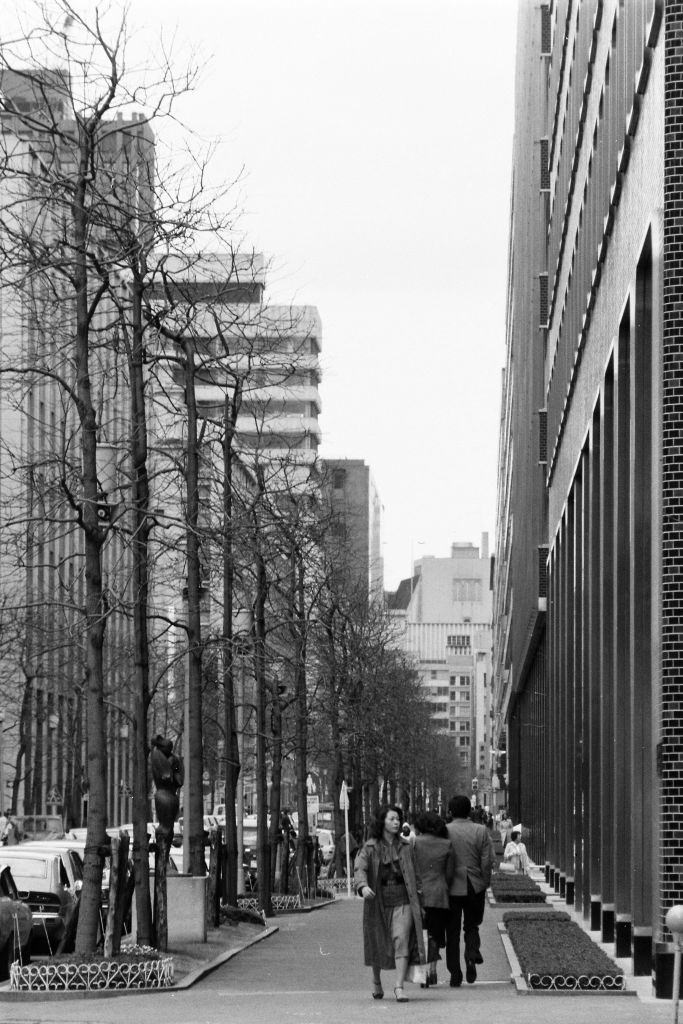
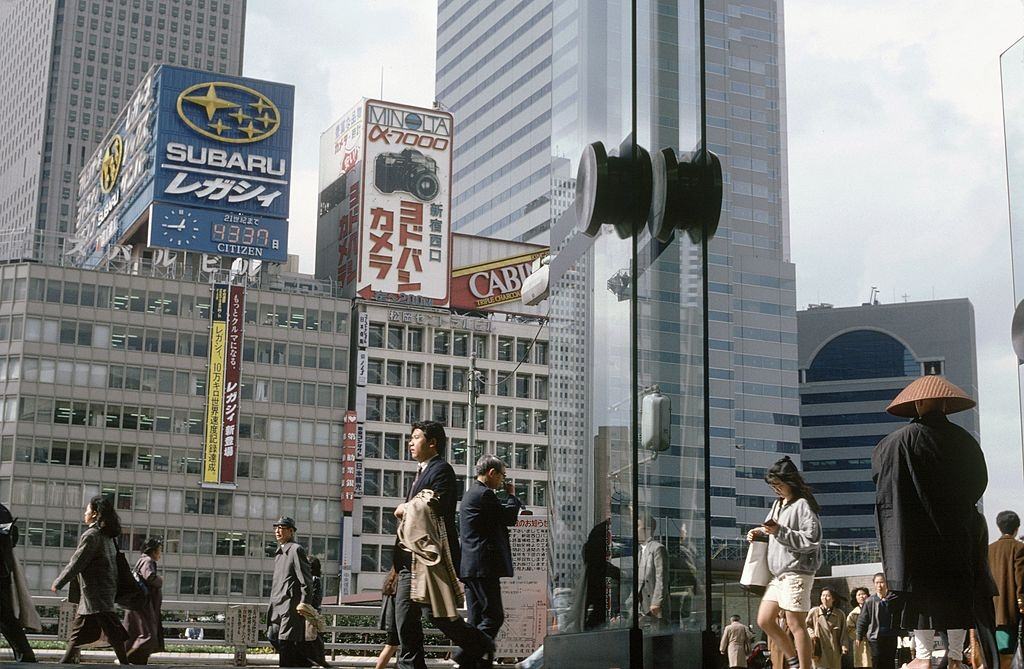
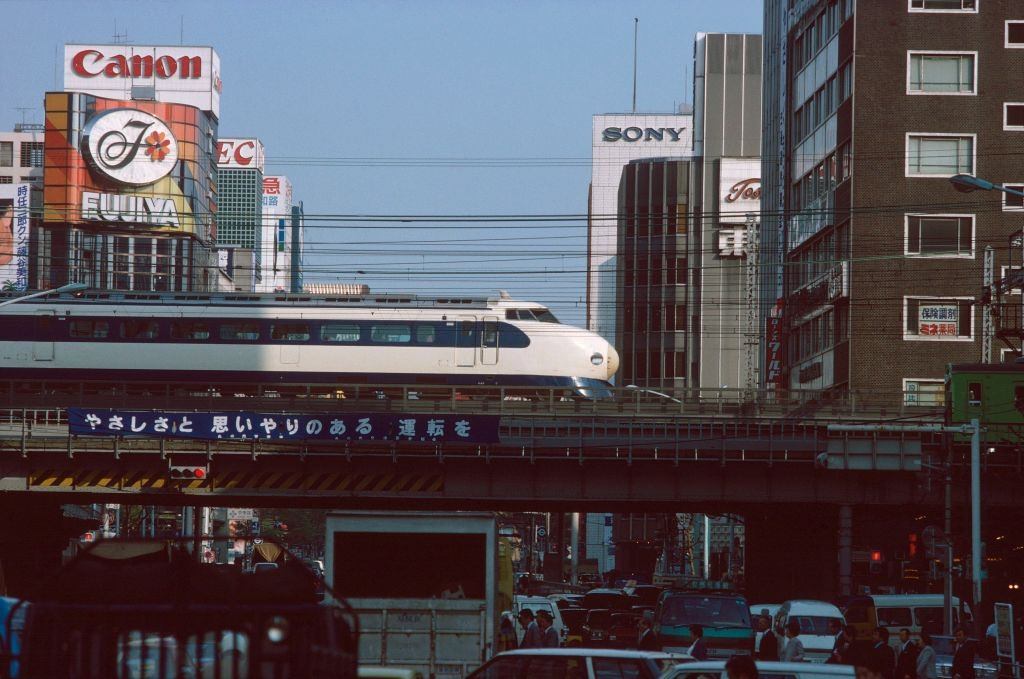
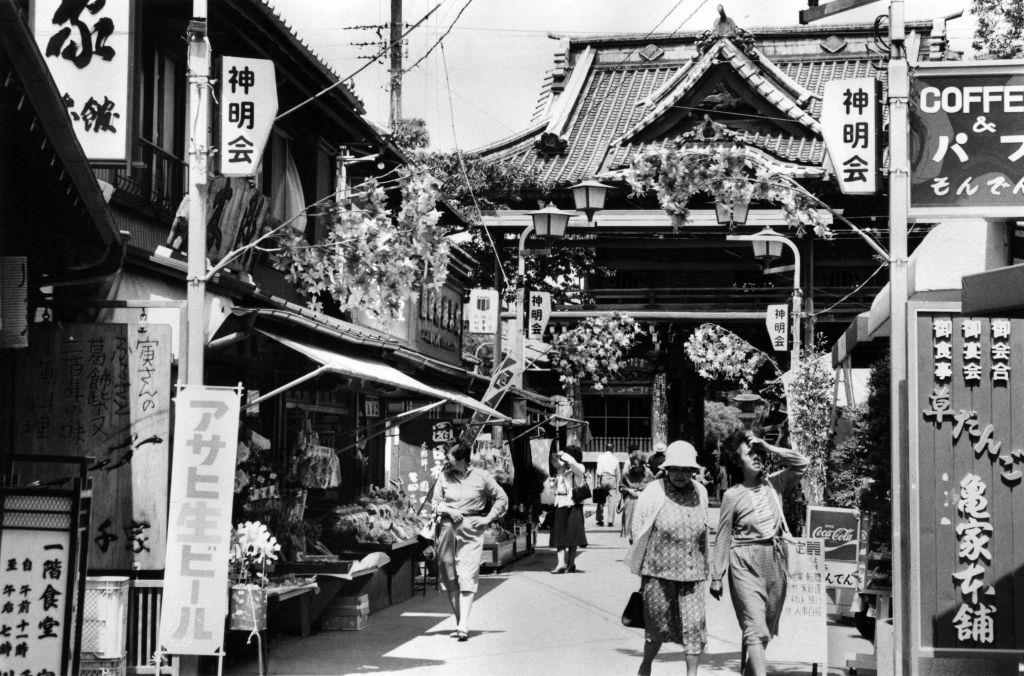
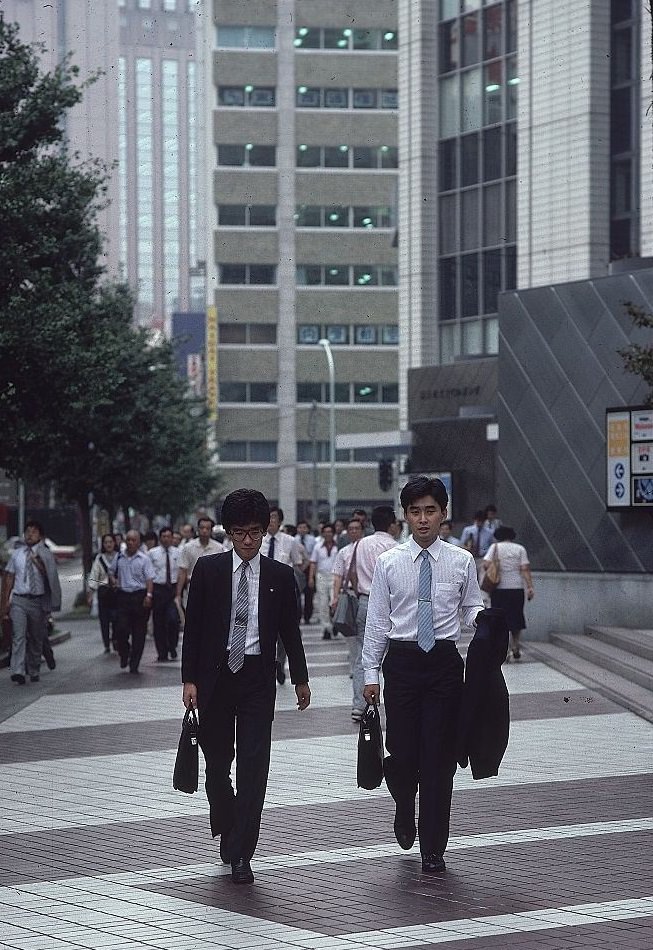
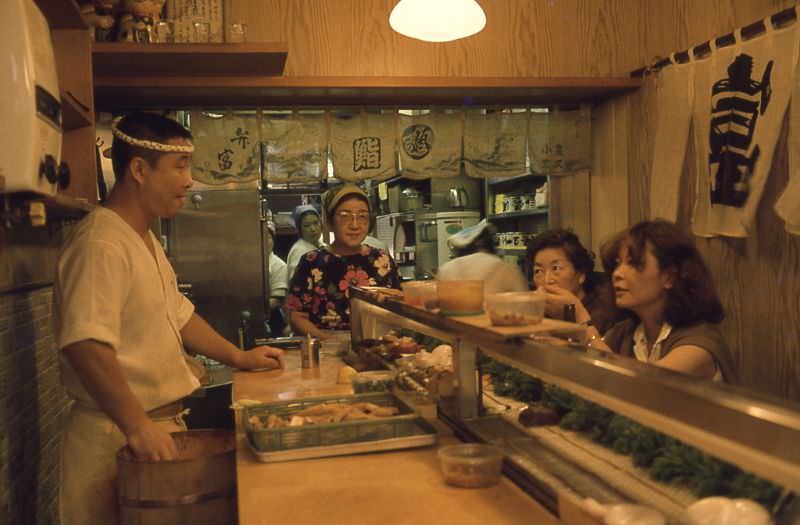
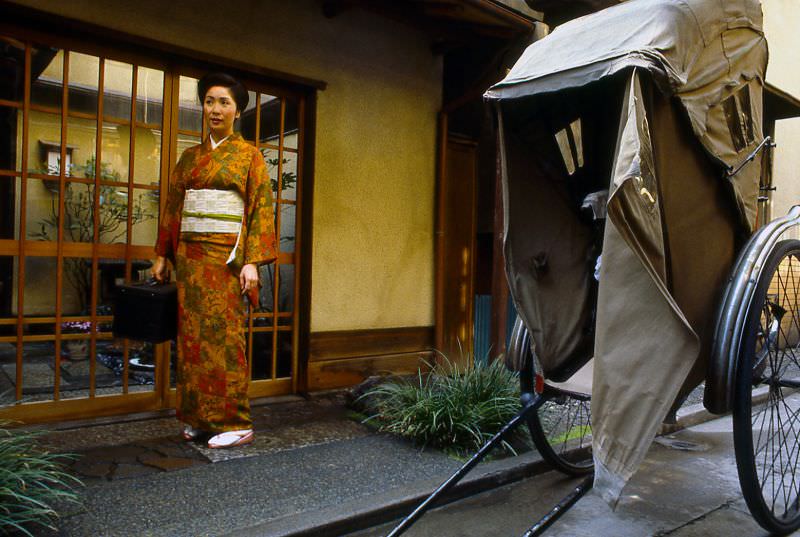
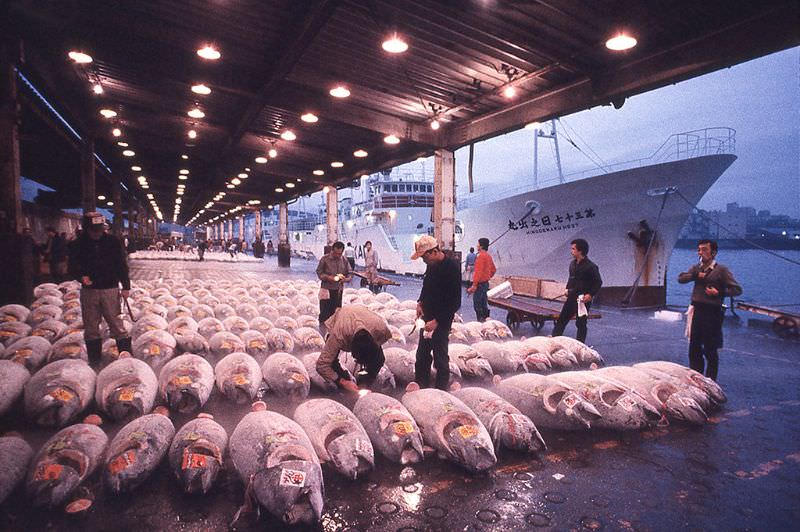
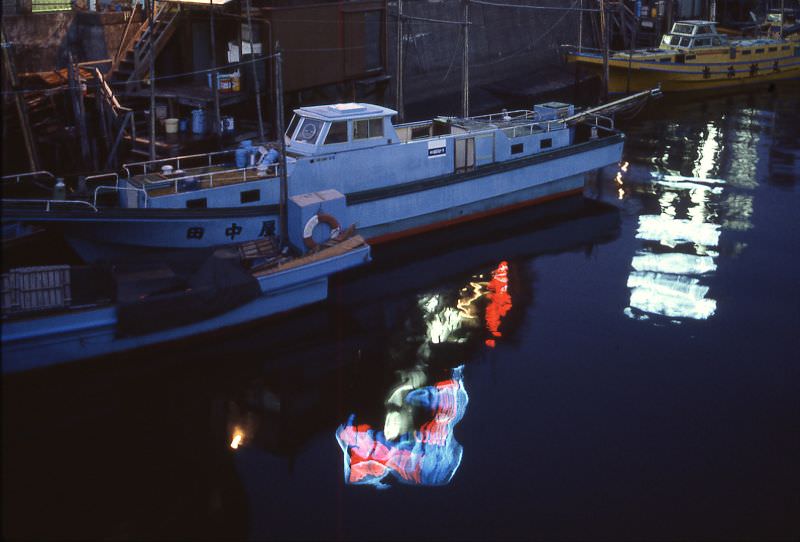
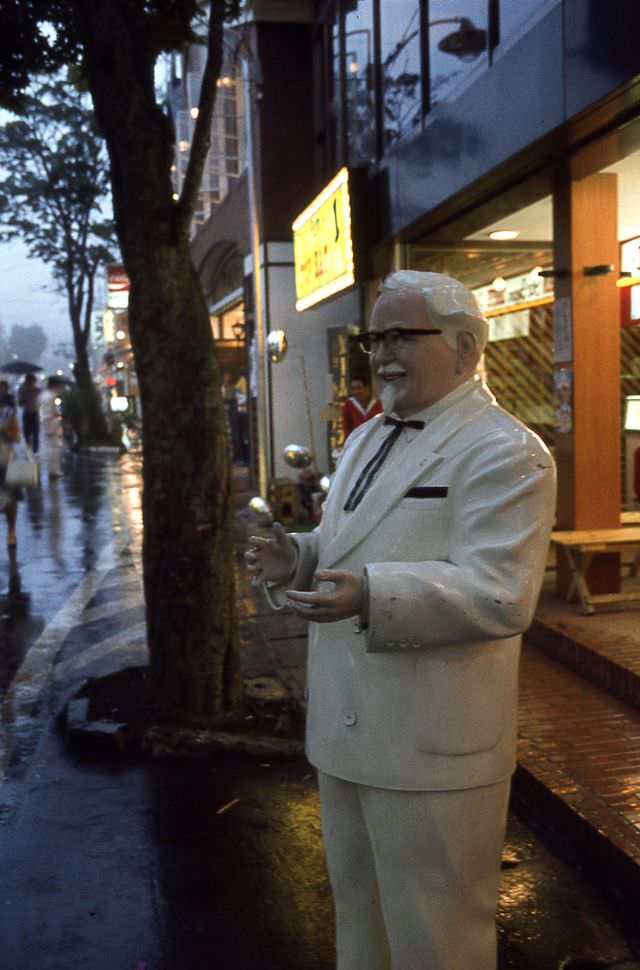
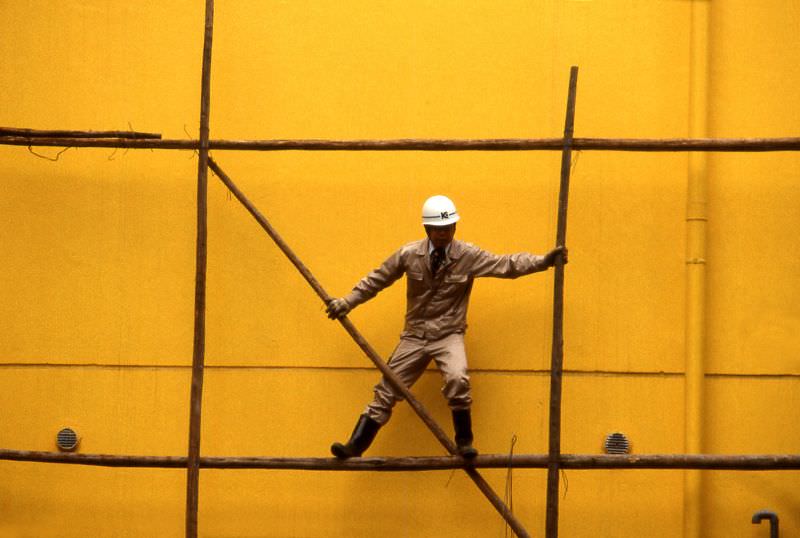
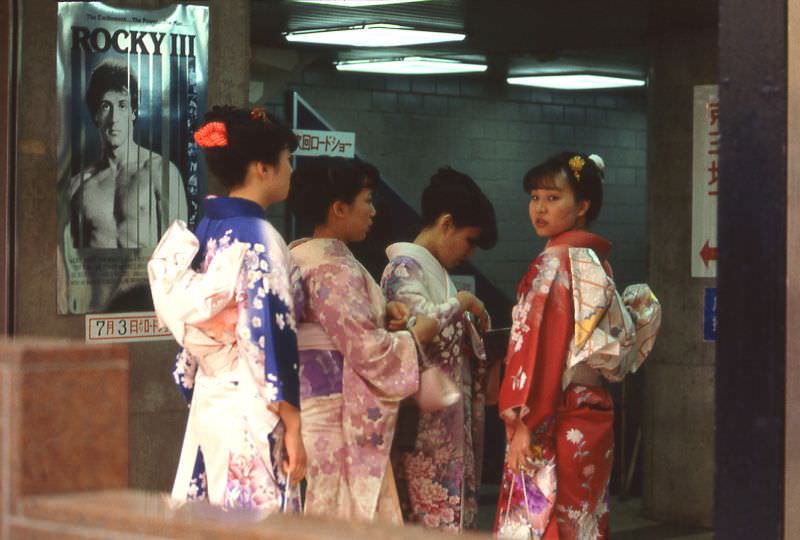
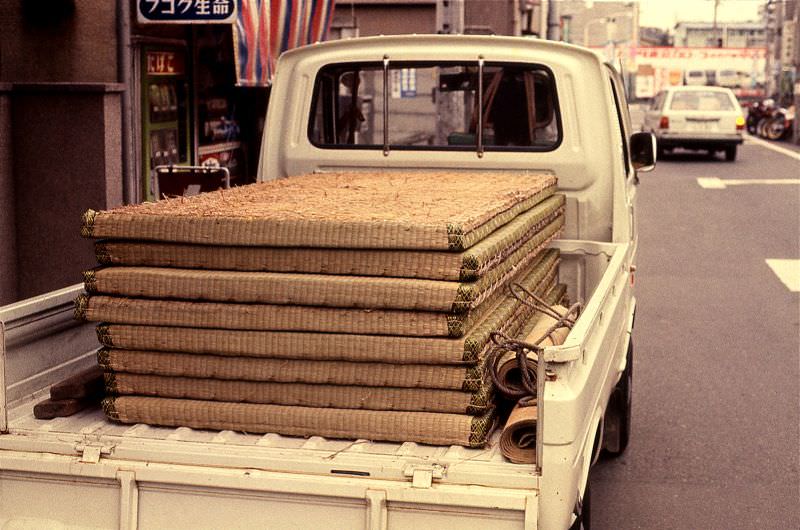
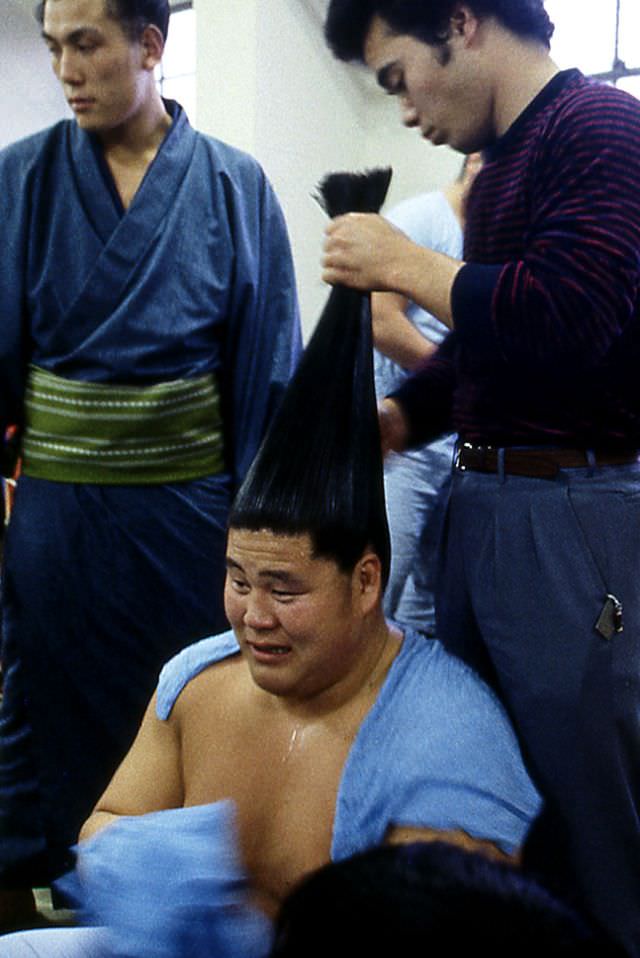
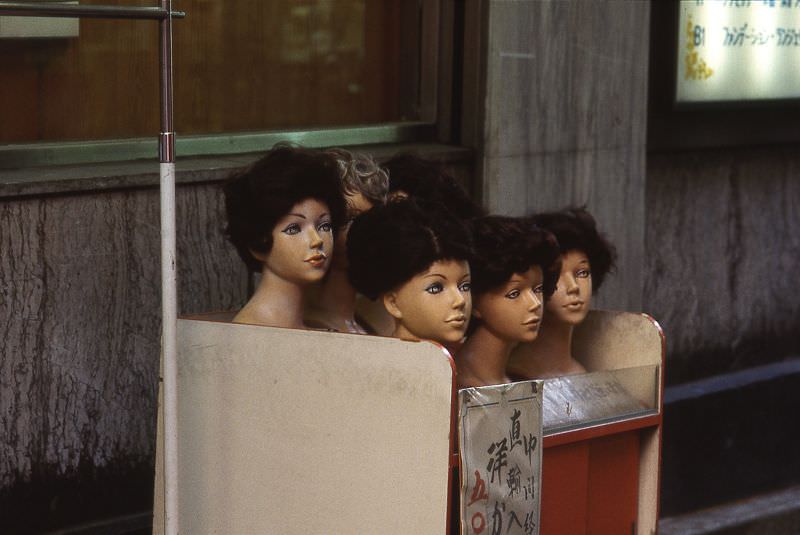
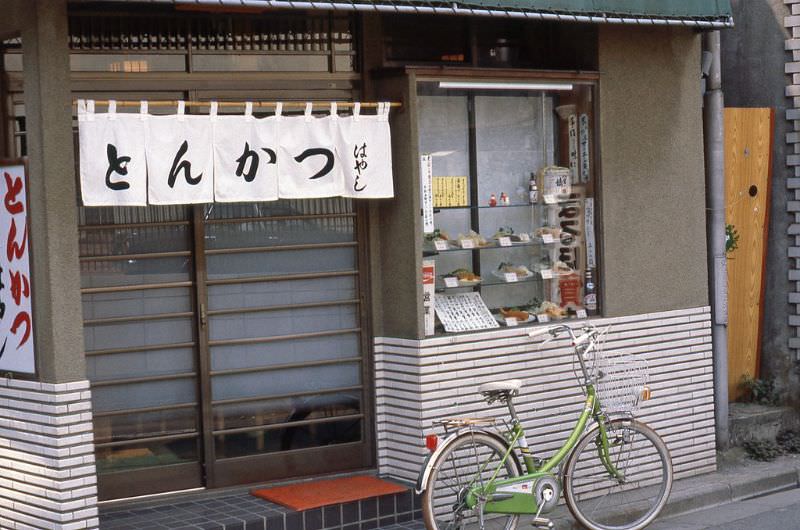
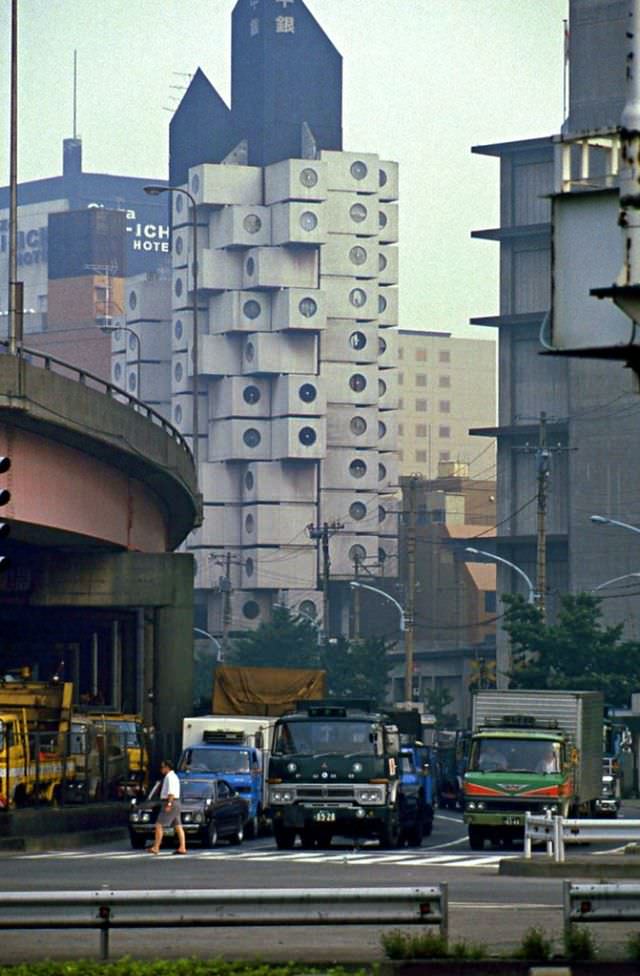
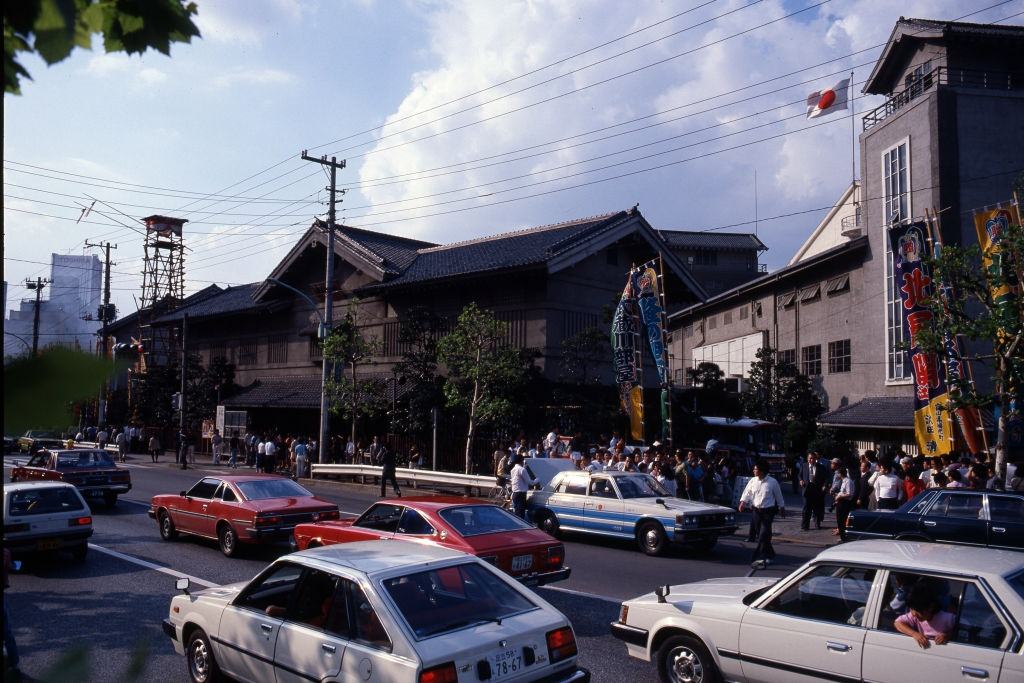
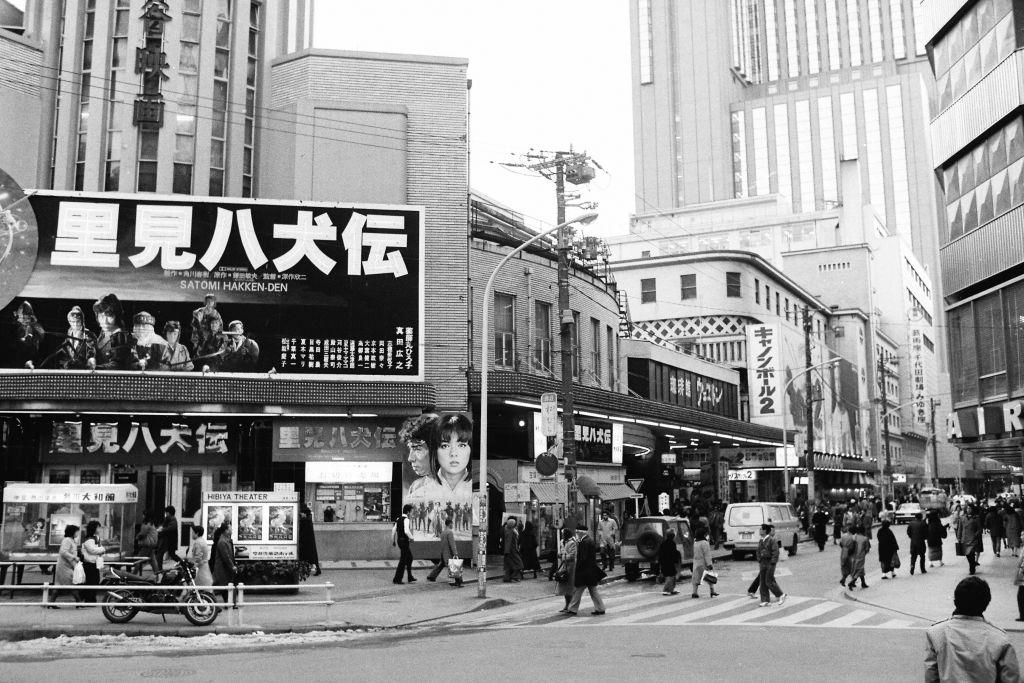
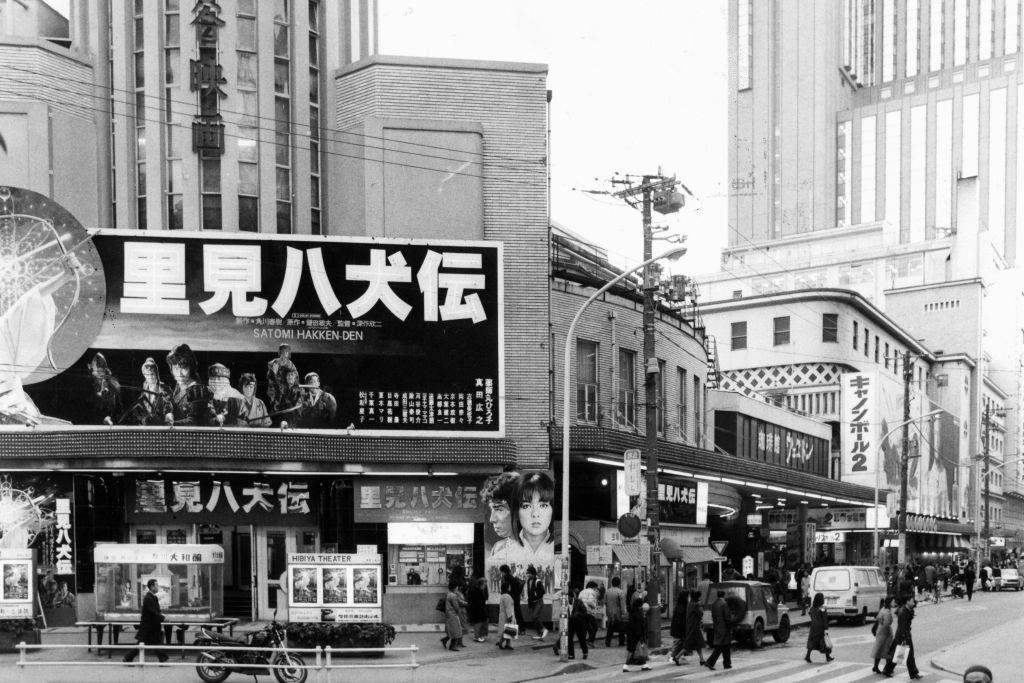
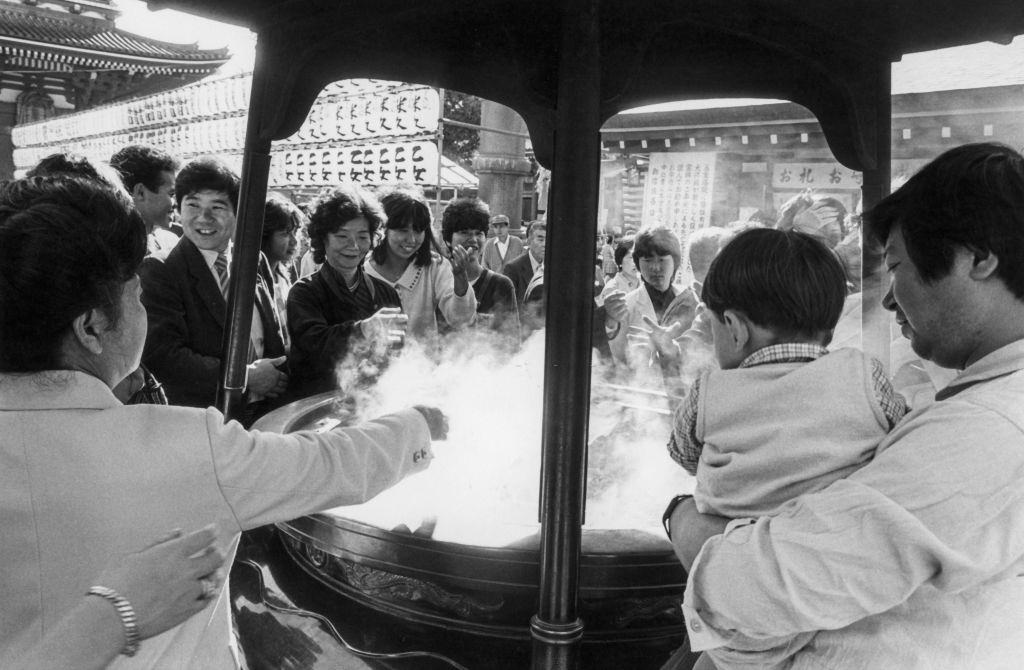
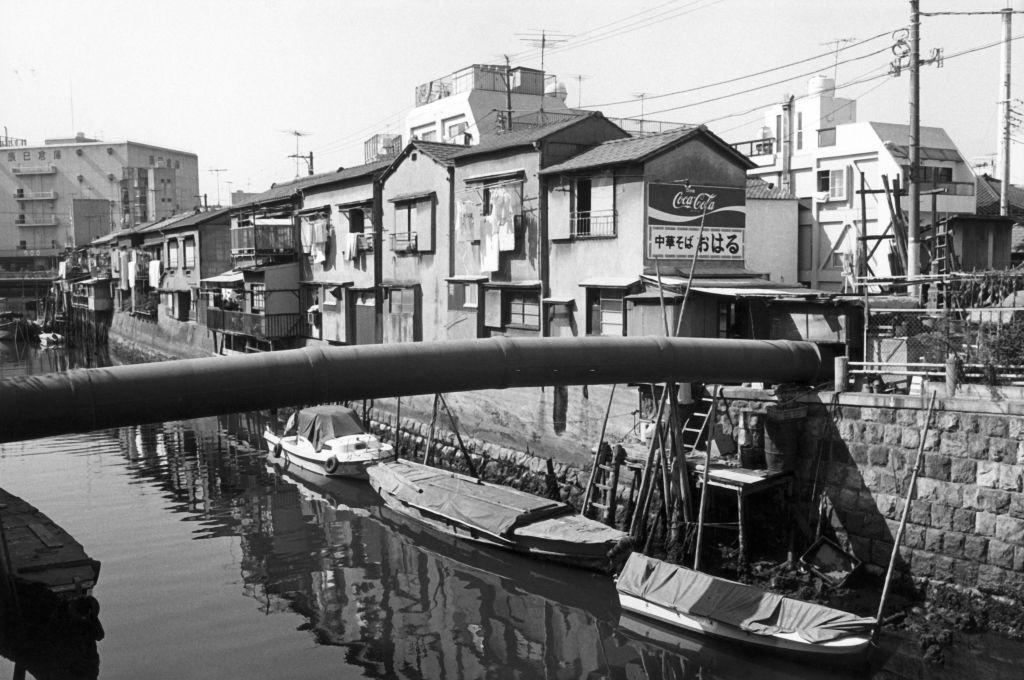
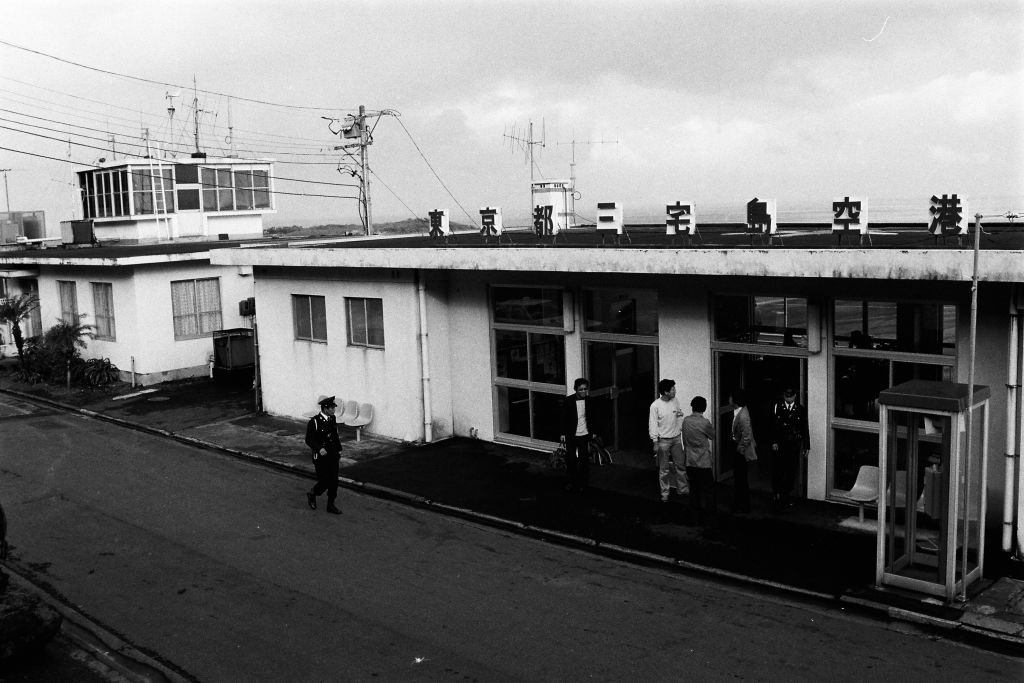
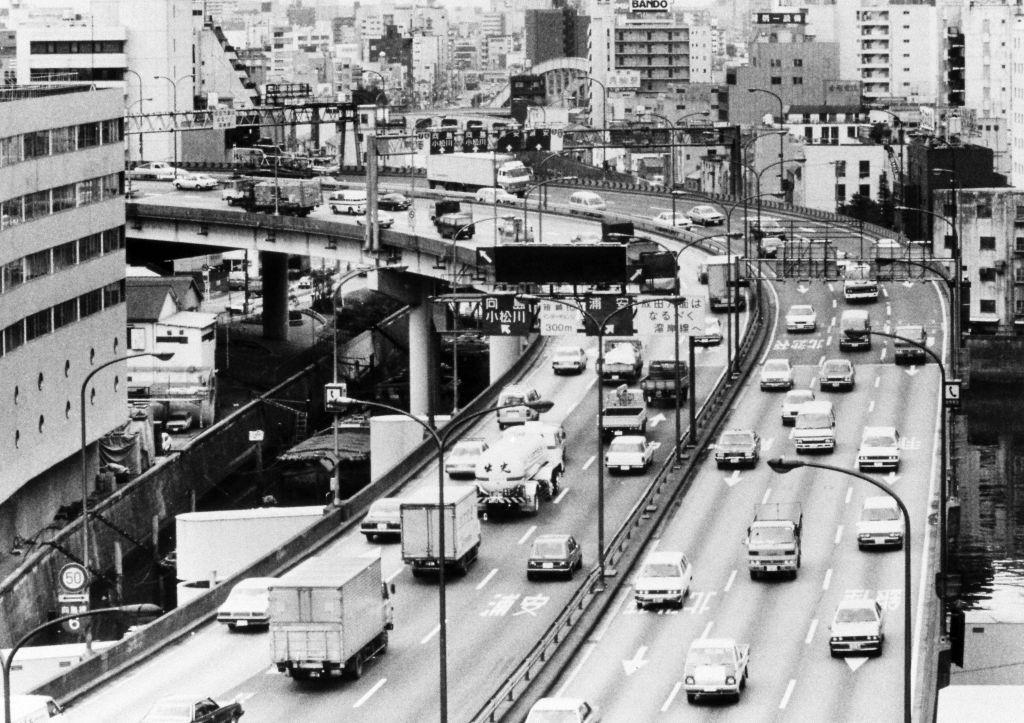
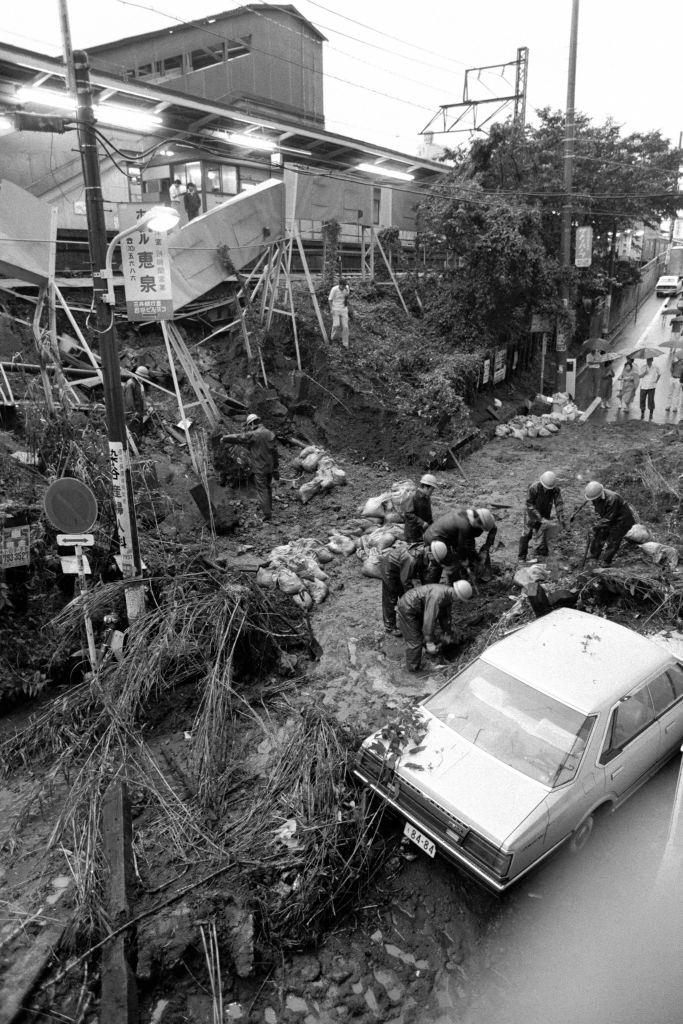
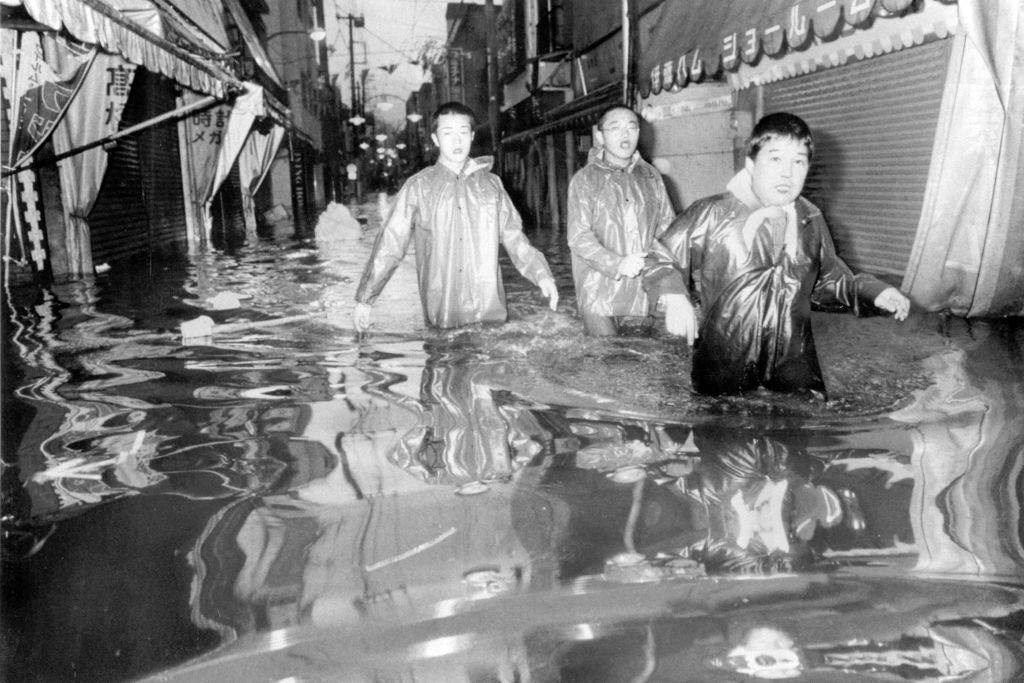
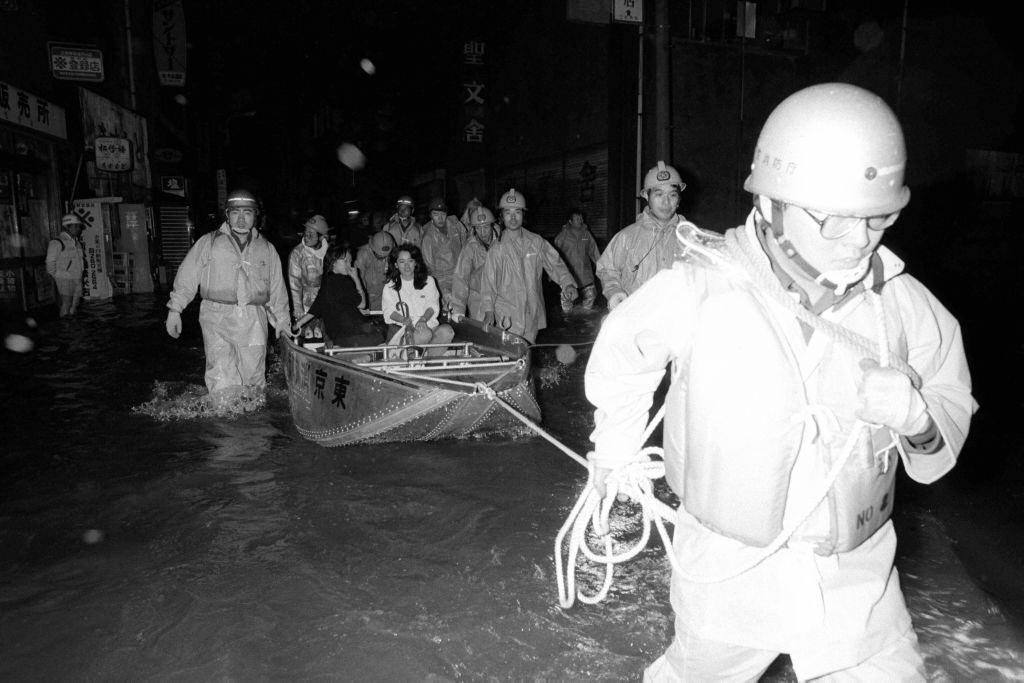
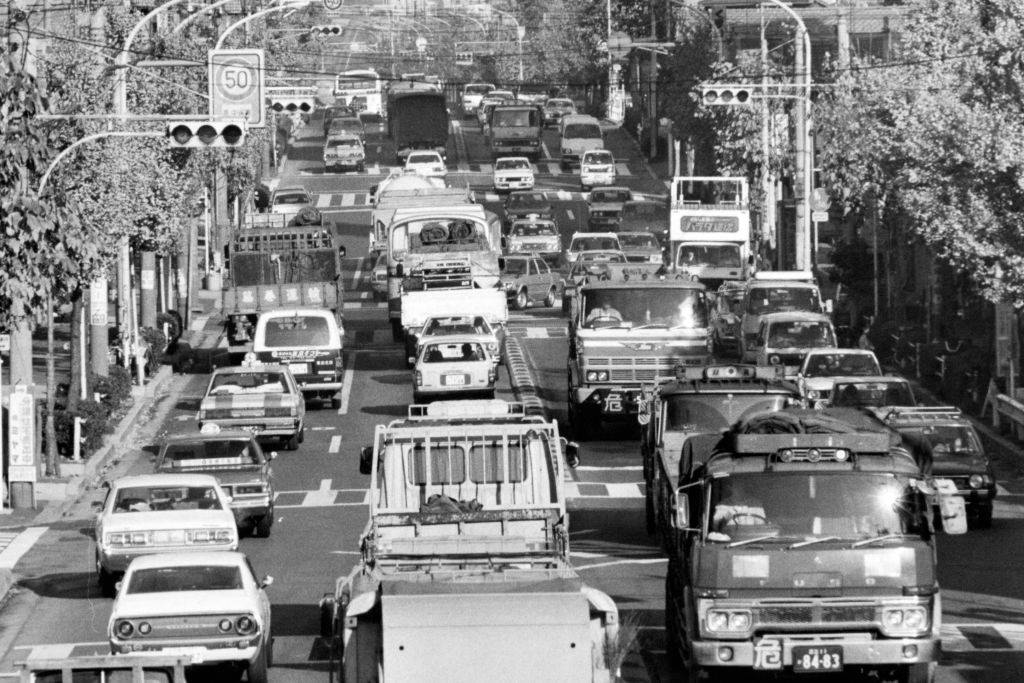
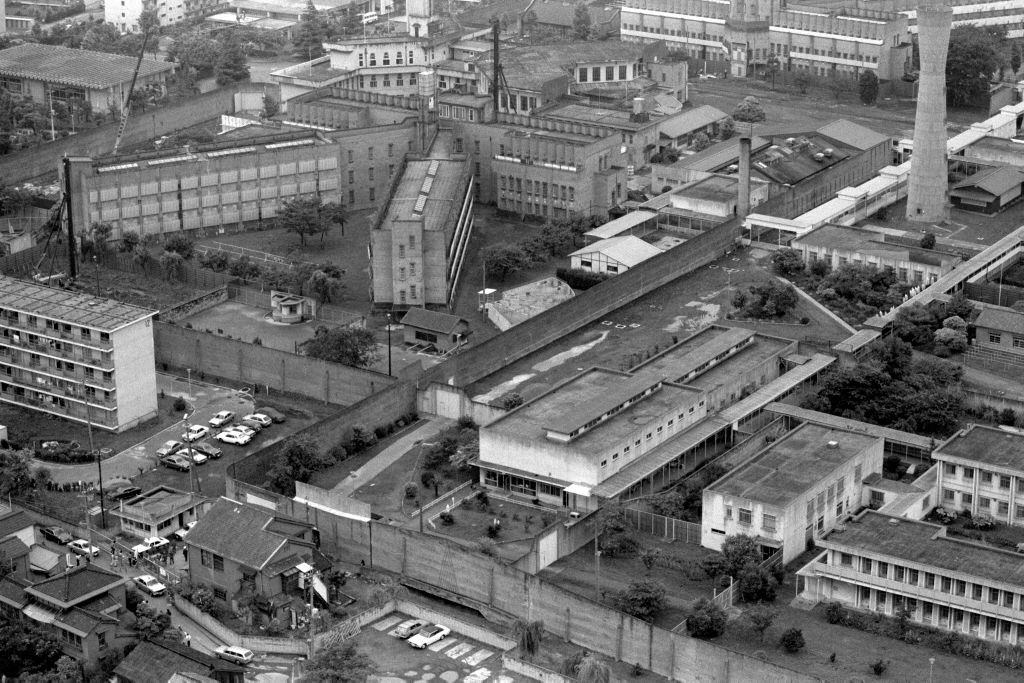
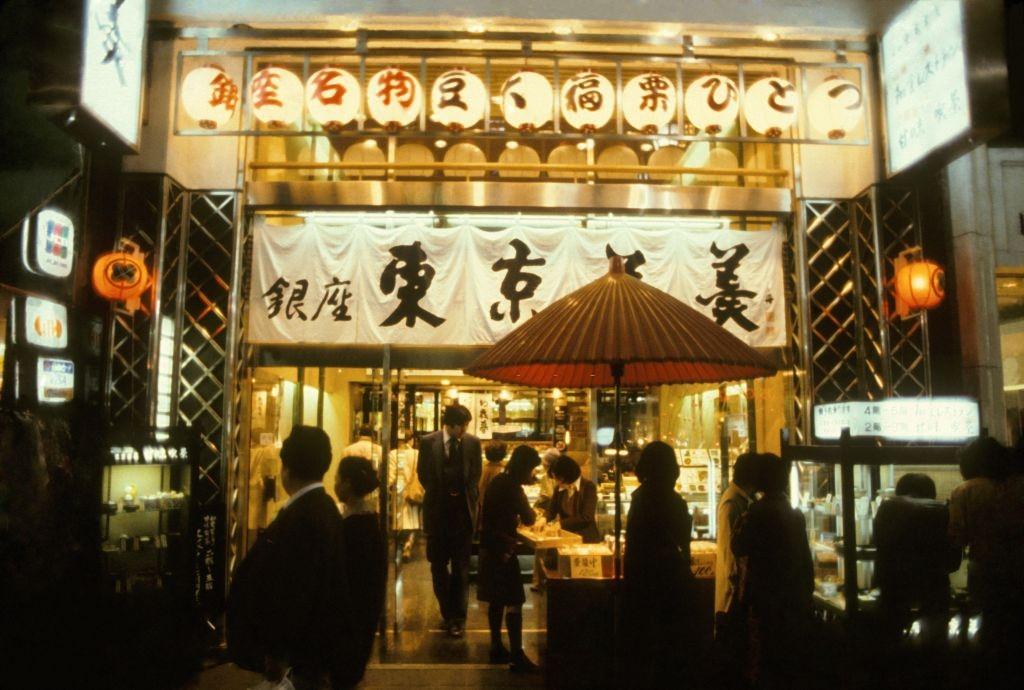
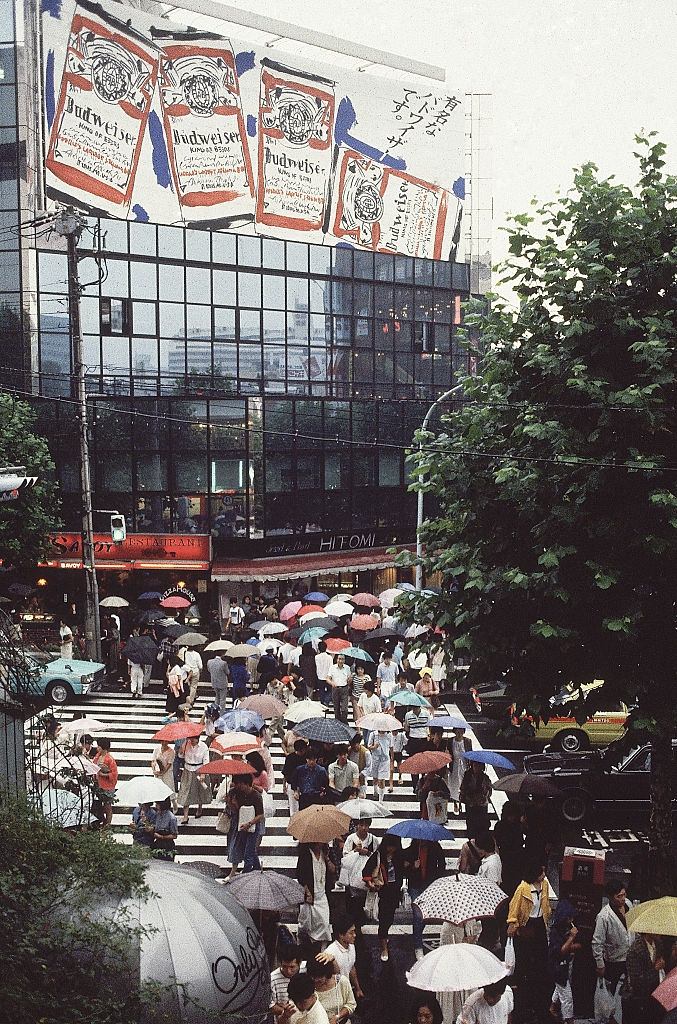

Even today walking the streets of Tokyo (and Japan in general), I get a constant sense of feeling like things have changed here since the 1980s much less compared to the USA.
Tokyo has changed more in the last 20-30 years than NYC, IMO. And that’s not just in terms of redevelopments (of which there have been a ton), but also all sorts of infrastructural stuff.
Interesting, could you elaborate?
These photos don’t do a great job of highlighting this point.
They’re from the 80s, of course they don’t elaborate the point.
Massive redevelopment everywhere – all the Hills complexes, the new department stores and multiuse facilities and total revamps. Odaiba and all the reclaimed land, both airports totally overhauled. Tourism infrastructure completely streamlined. Public transit unified under Suica/Pasmo; I remember when the IC cards were regional and before that when you needed paper tickets. Plus all the new lines.
In NYC they preserve everything and that’s why half the city is under scaffolding at any time. In Tokyo, because of ever-shifting earthquake codes, they just tear a building down after 30-50 years and replace it.
Now, that’s Tokyo and not everywhere, and you’ll still find plenty of old storefronts out there. But this city changes way faster than a lot of American cities.
Weird to be a dick about it while simultaneously misinterpreting something rather easily understood. It’s not clear from the photos how much has changed because they look the same as today.
I was curious to hear your perspective here but since you want to be an asshole, you’re mostly wrong anyway.
we can look at your comparison of Odaiba and nyc. I have to imagine you don’t have background in civil engineering because this was a laughably tenuous argument to begin with.
Sure, Odaiba represents a dramatic departure from Tokyo’s usual incremental growth. But its development pales in comparison to the scale and ambition of New York City’s transformations. NYC’s projects, like Hudson Yards AND the Brooklyn waterfront, involve repurposing entire neighborhoods into hubs of luxury housing, commercial spaces, and iconic landmarks, reshaping the urban fabric in ways that prioritize global prestige and economic growth. These are huge changes, not preservation as you tried to insinuate.
In contrast, Odaiba, while bold in concept, remains relatively isolated and underutilized, lacking the deep integration or far-reaching impact seen in NYC’s redevelopments. I mean they even took out the gundam thing recently? As for innovation, maybe you mean copying the Statue of Liberty from New York??
Far from focusing on preservation, New York’s approach has been more transformative, while Odaiba’s change, though striking, remains an exception within Tokyo’s otherwise conservative urban evolution
Contrary to your insinuations, Tokyo’s approach has focused more on preserving its neighborhoods and cultural identity. That’s why the pics look the fucking same. Instead of big, sweeping changes, the city’s development has been gradual and small-scale, which has helped it hold onto its historical charm. Even as it modernizes, a lot of the city still feels rooted in its past. Compare LA to Tokyo, it’s not close.
Some of this has to do with the massive toll of so many people, but i think it’s also a cultural priority of conservation that is the reason we see more gradual change and adoption. I mean people still can’t determine whether to stand on both sides of the escalator or walk on one side.
Half of those photos simply don’t exist today – buildings that have been torn down or redeveloped. And Tokyo has had plenty of large-scale reformation projects of its own – including the ones that have happened that everyone continues to bitch about, and the ones that are coming like the Tsukiji waterfront.
Odaiba is just one example you’ve wildly blown out of proportion (you’re thinking of the Gundam thing in Yokohama), but on a greater scale I absolutely consider Japan to have more of a scrap-and-rebuild mentality when it can afford to do so.
I have lived in Tokyo, LA and NYC since the 80s. Tokyo wins hands down for the change section. It isn’t just Odaiba as you know. NYC has added like four subway stops in a century or something so embarrassing I can’t stand it. The list goes on.
May I ask how long you have lived in the cities you’re speaking about ?
I’ve lived In Tokyo since 1992 and everything you’ve said is spot on.
Everyone’s an expert on the internet except the people who actually live here and have witnessed these changes firsthand.
Tokyo is totally different from when I first came here in 2004, I can only imagine how radical the change has been for you.
Watch Sans Soleil by Chris Marker if you want a peek at Japan at its economic peak in the 1980’s.
I stayed a night at Shinagawa Prince Hotel main tower a few years ago and felt like nothing changed in 30 years. Same thing at the Tokyu place near Shimoda beach.
Its kinda crazy how in some of the photos there are only a few subtle hints that they are not modern photos. Also surprsed Wendys was in Japan as early as 1981