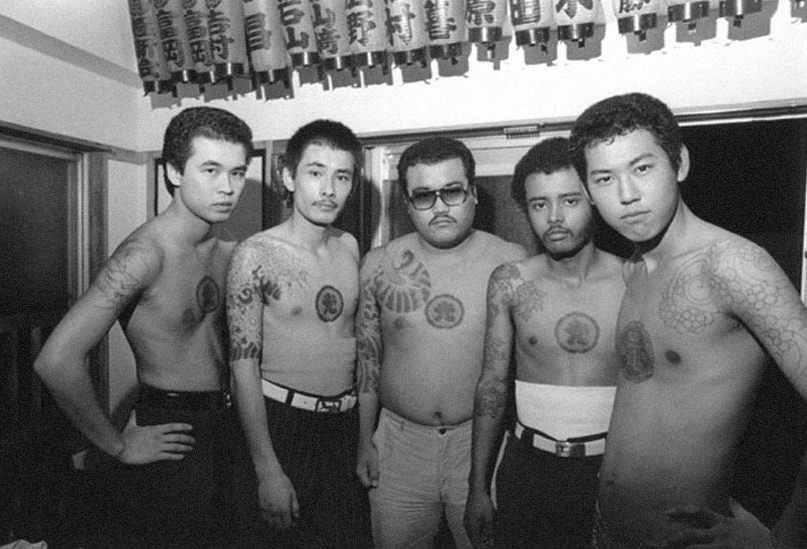
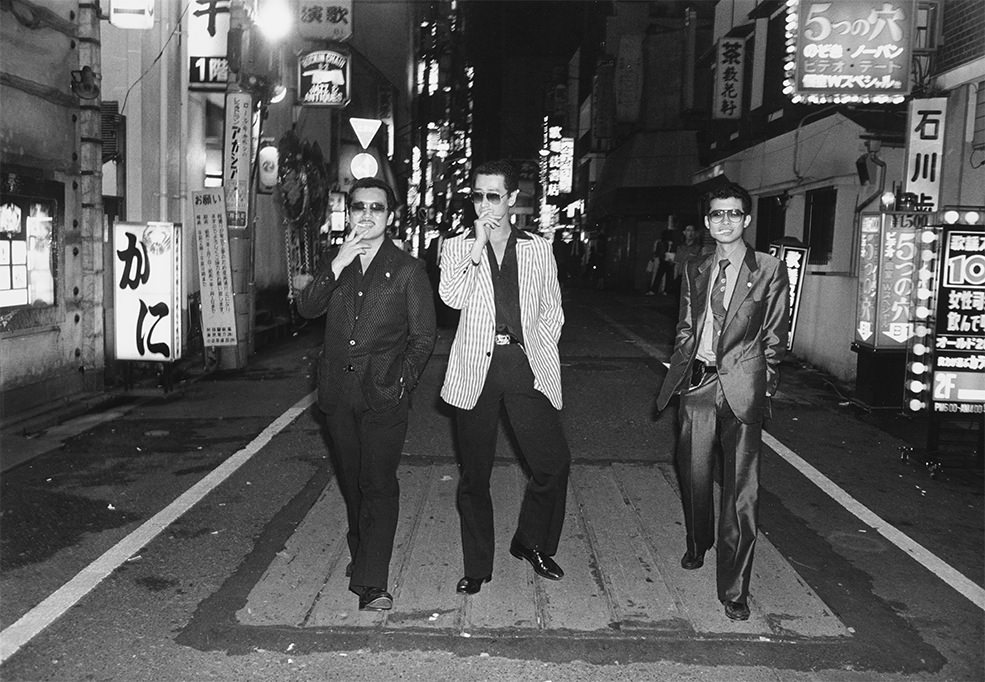
Kabukicho sits in Tokyo’s Shinjuku district, and by the 1960s it had earned the nickname “Sleepless Town.” The neon-lit streets ran 24 hours a day, packed with bars, clubs, gambling dens, and illegal prostitution rings. At the center of it all was the Yakuza — Japan’s organized crime syndicates — with roughly a thousand gangsters operating openly in the area.
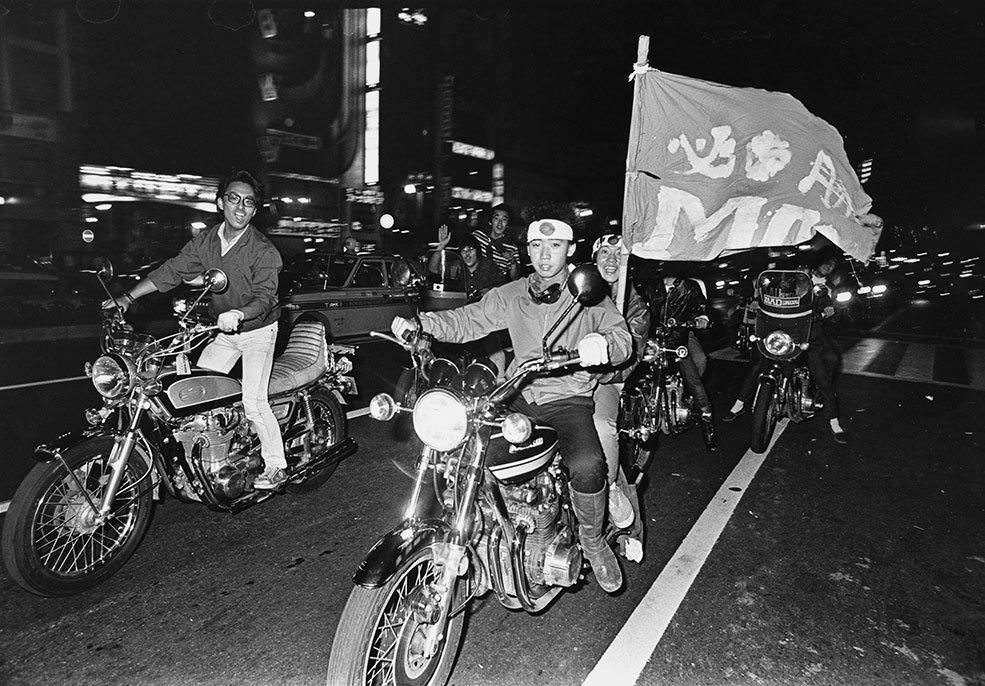
The Yakuza controlled most of Kabukicho’s nightlife. They ran host and hostess bars, managed clubs, collected protection fees, and settled disputes through violence. Fights and extortion were routine. Hostesses, prostitutes, and pimps filled the streets each night, all operating under the Yakuza’s watch.
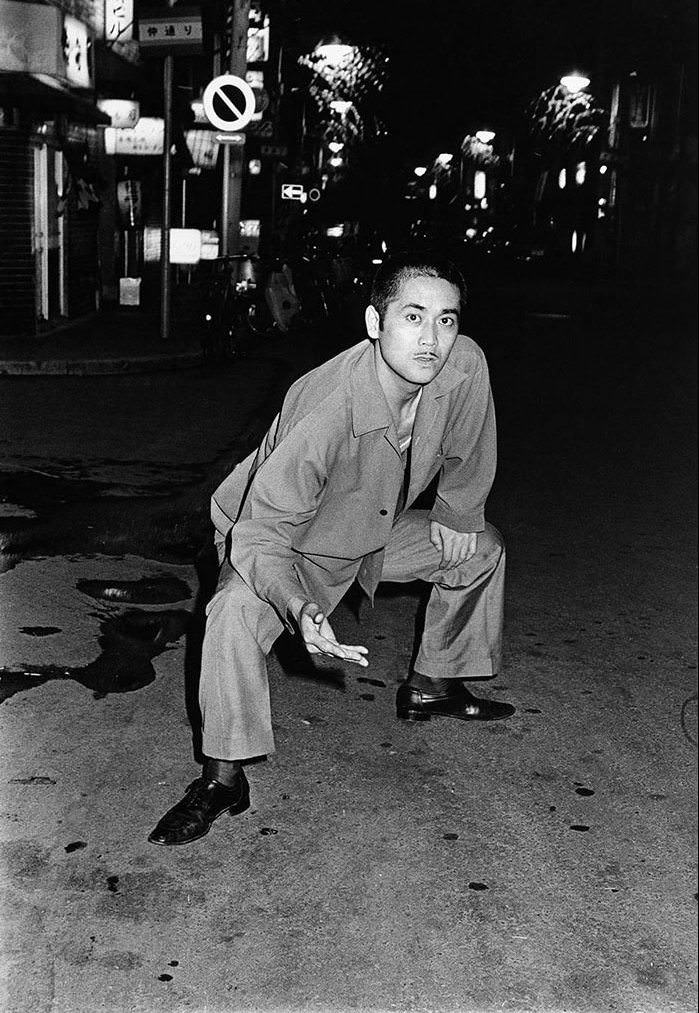
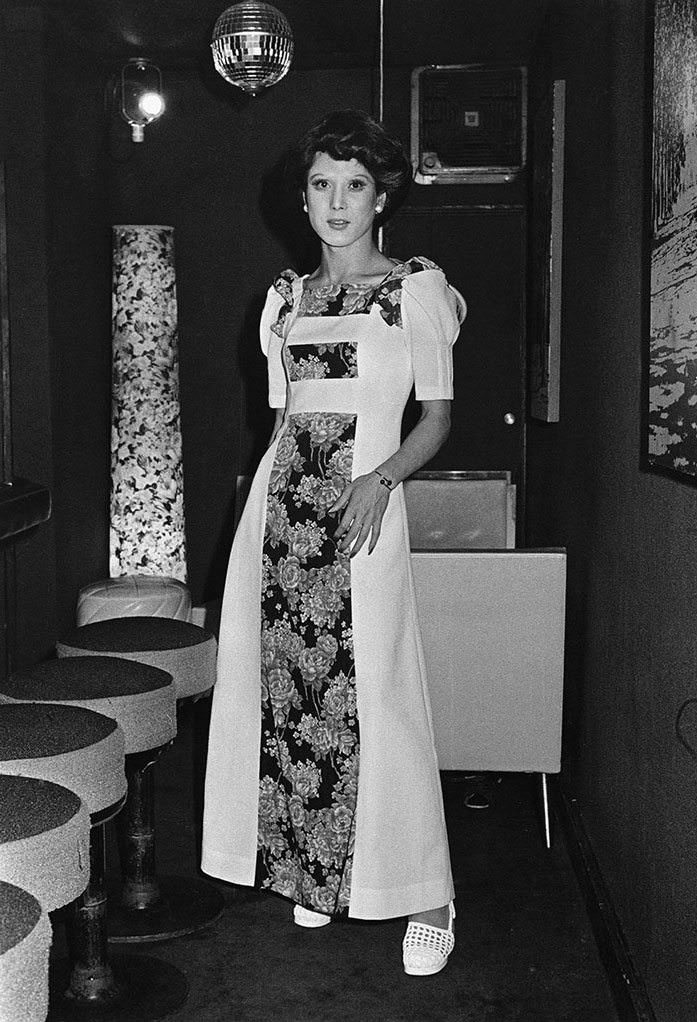
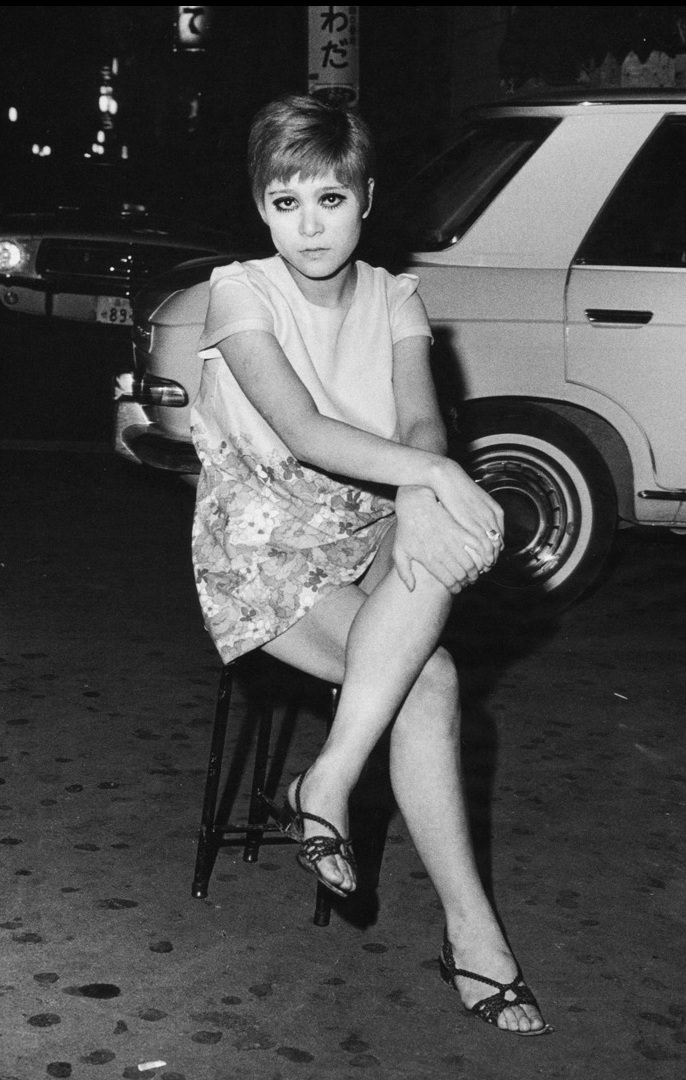
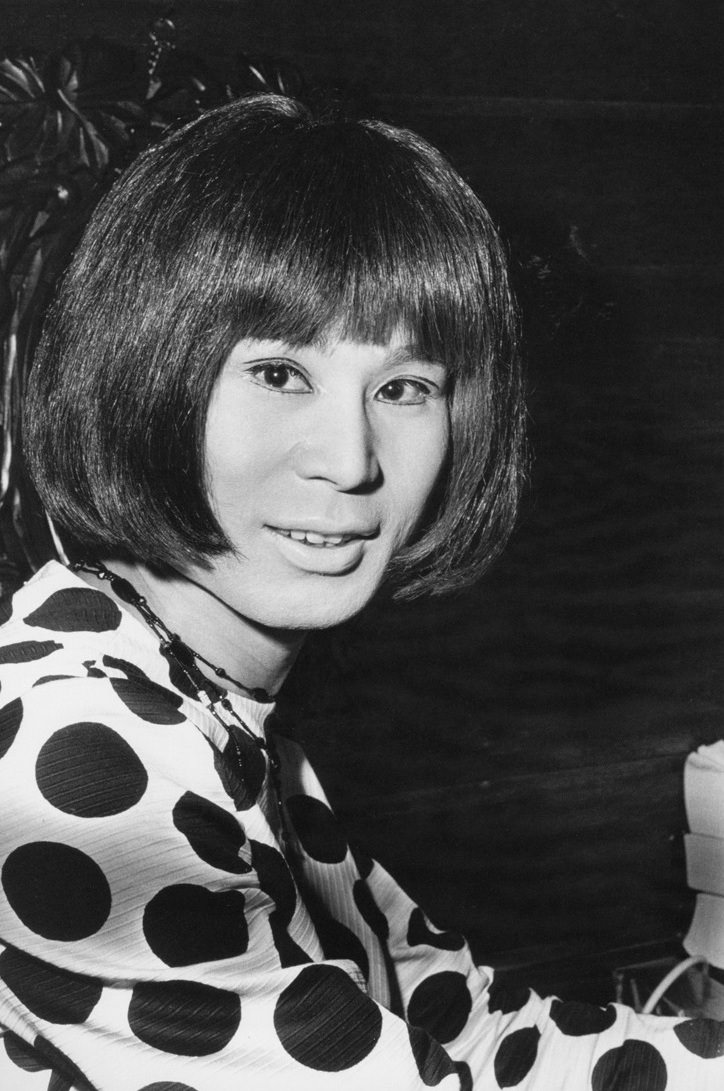
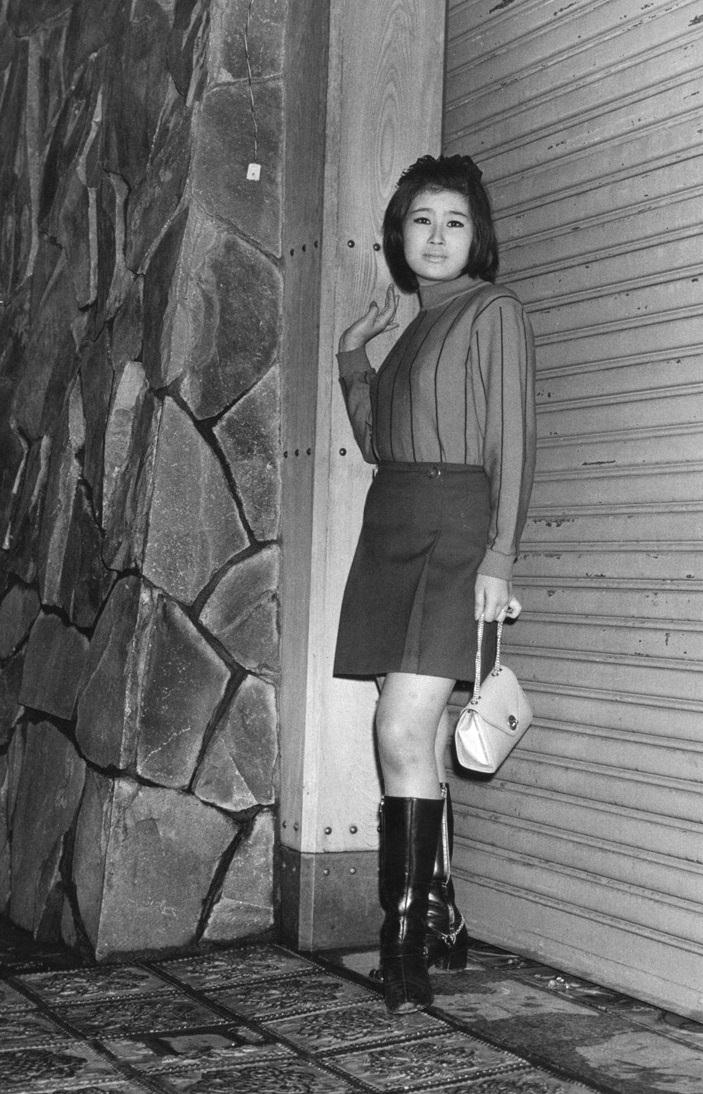
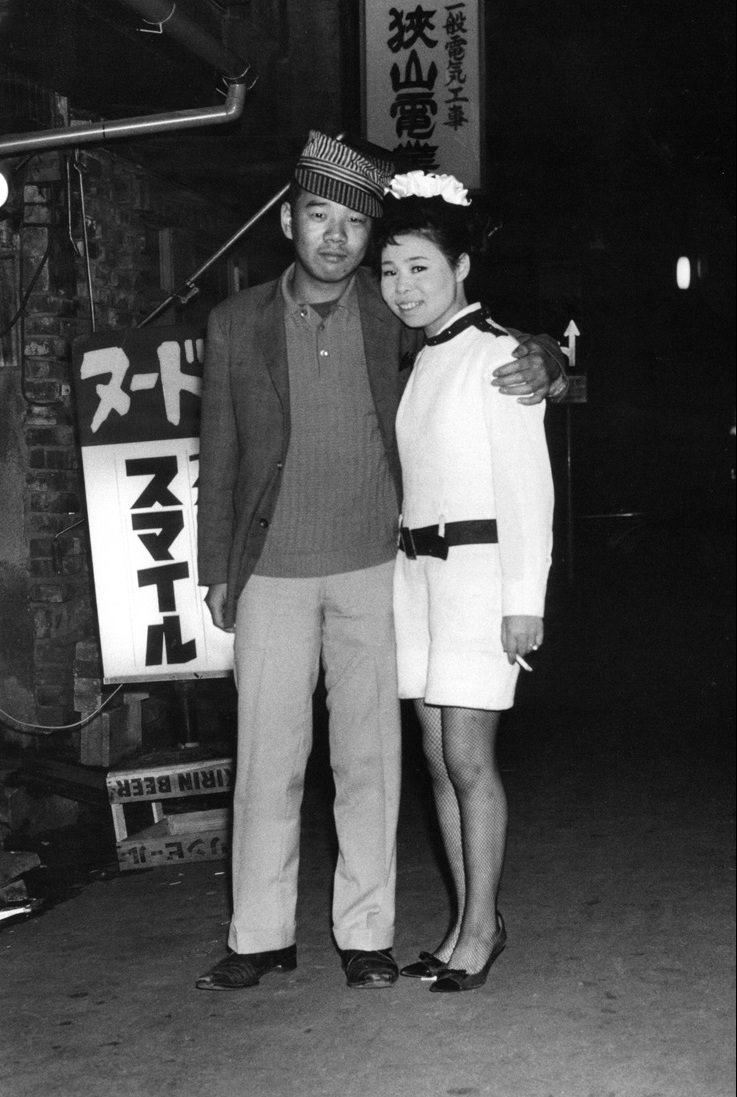
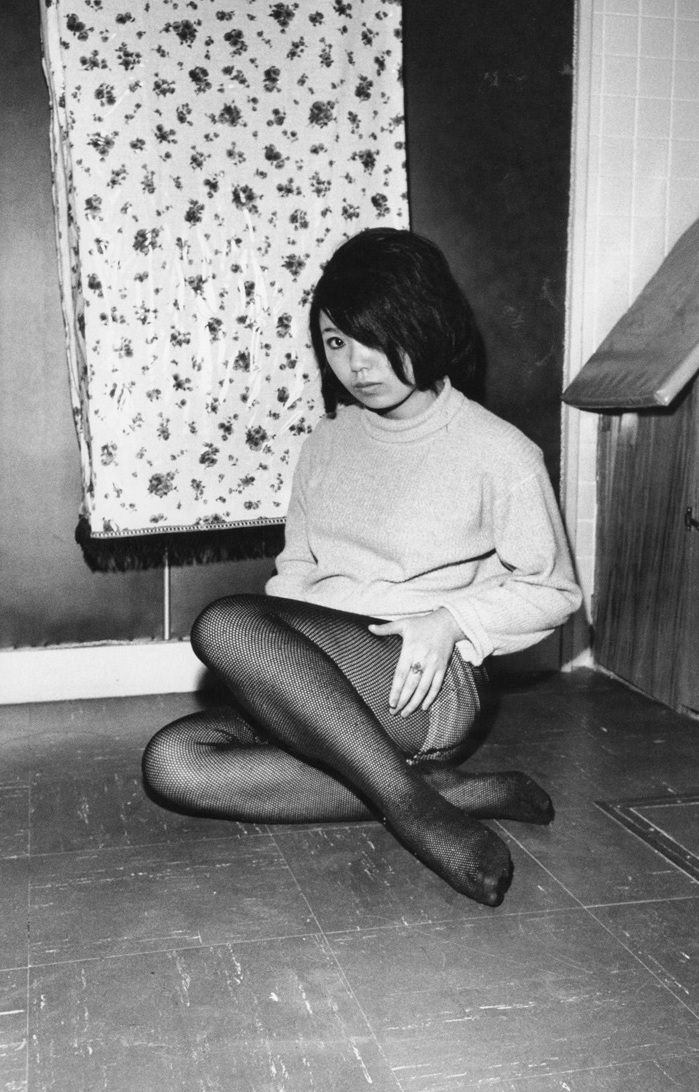
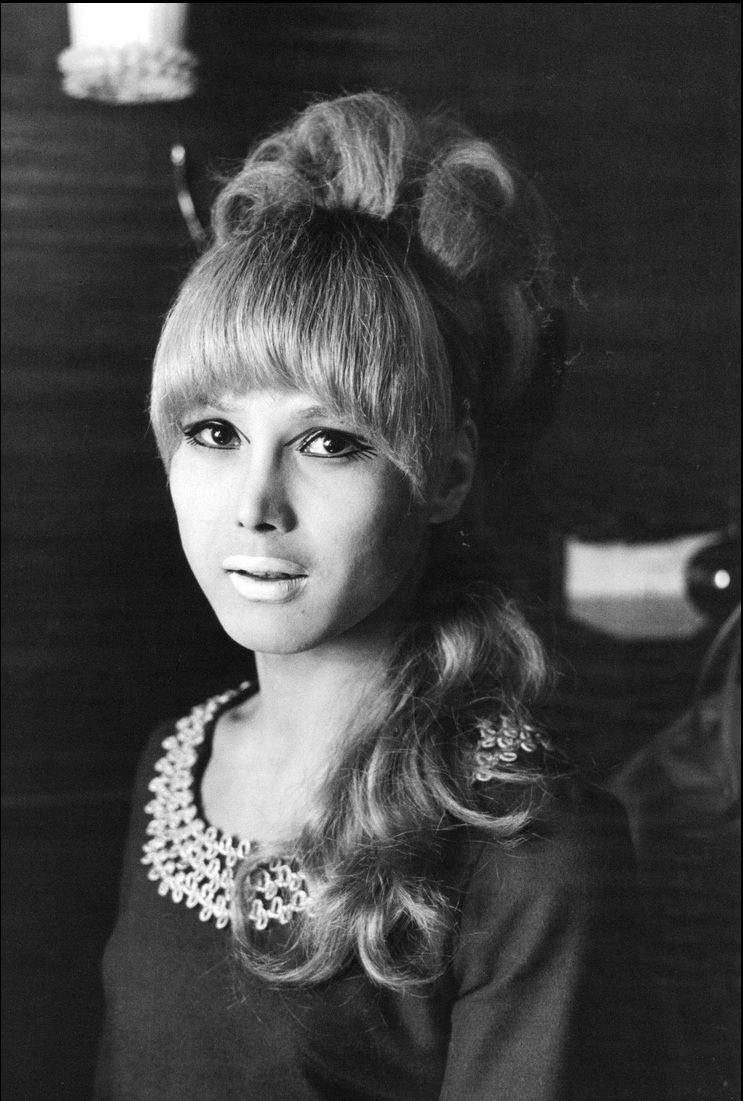
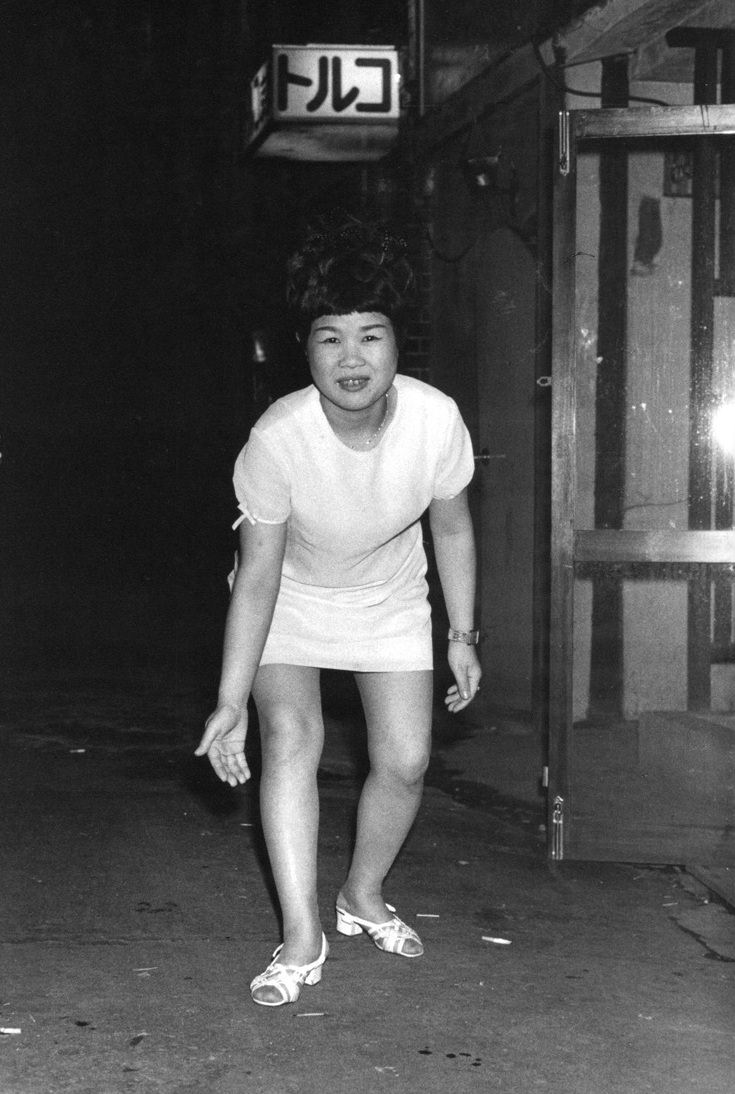
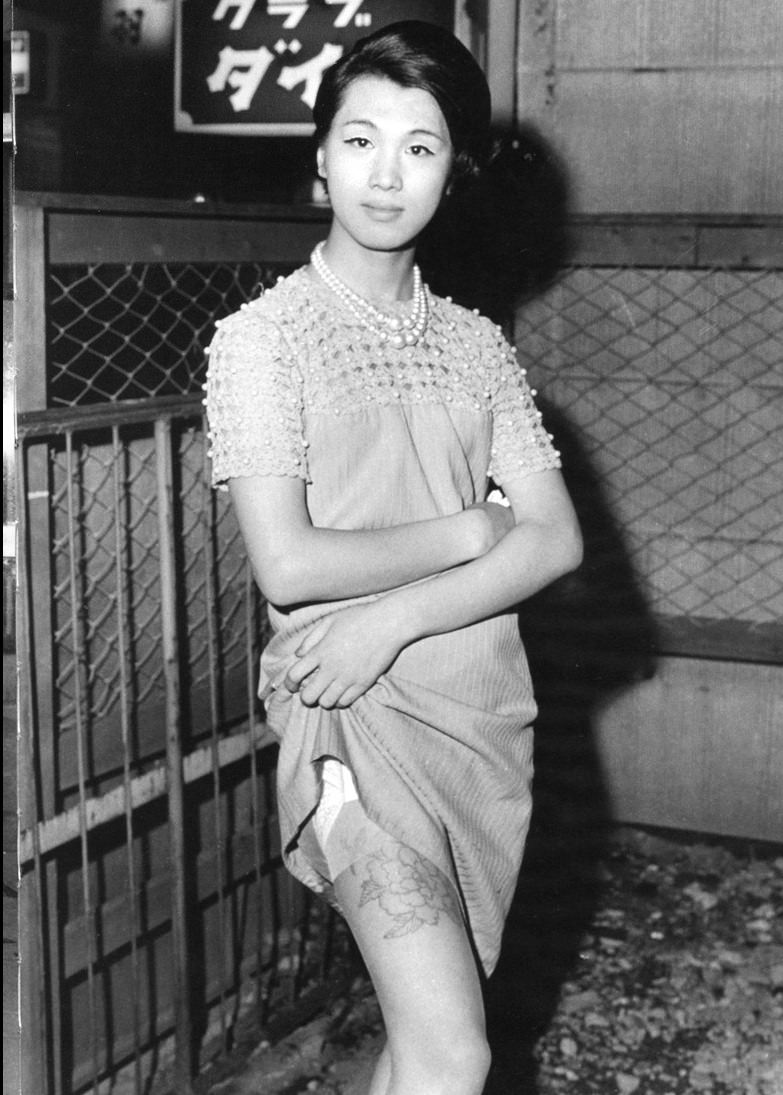
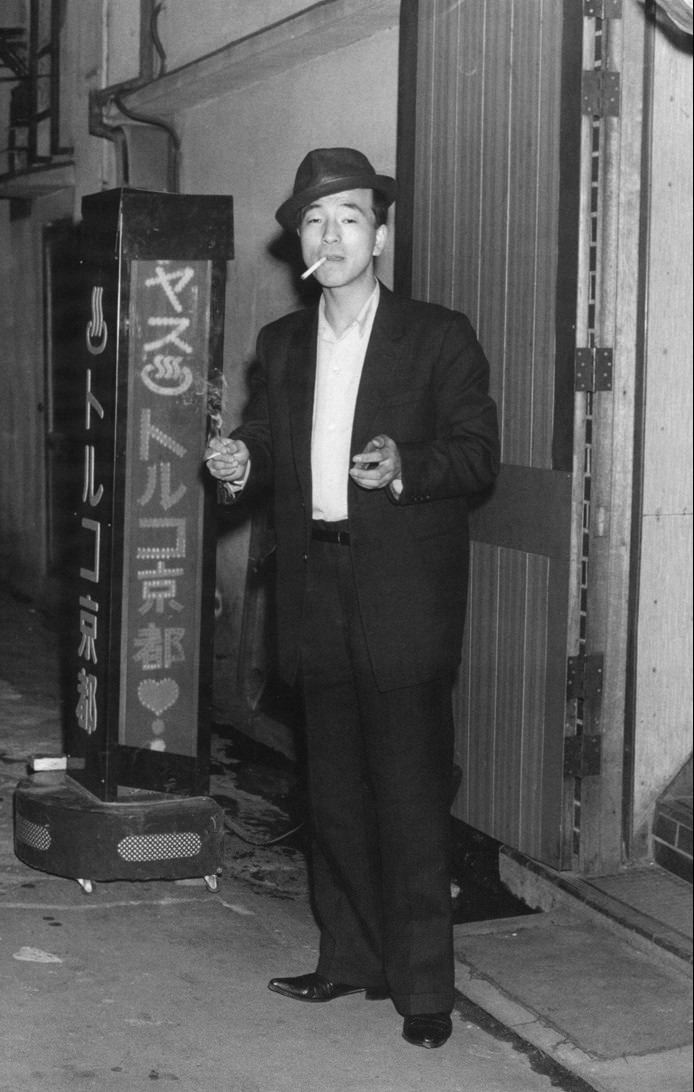
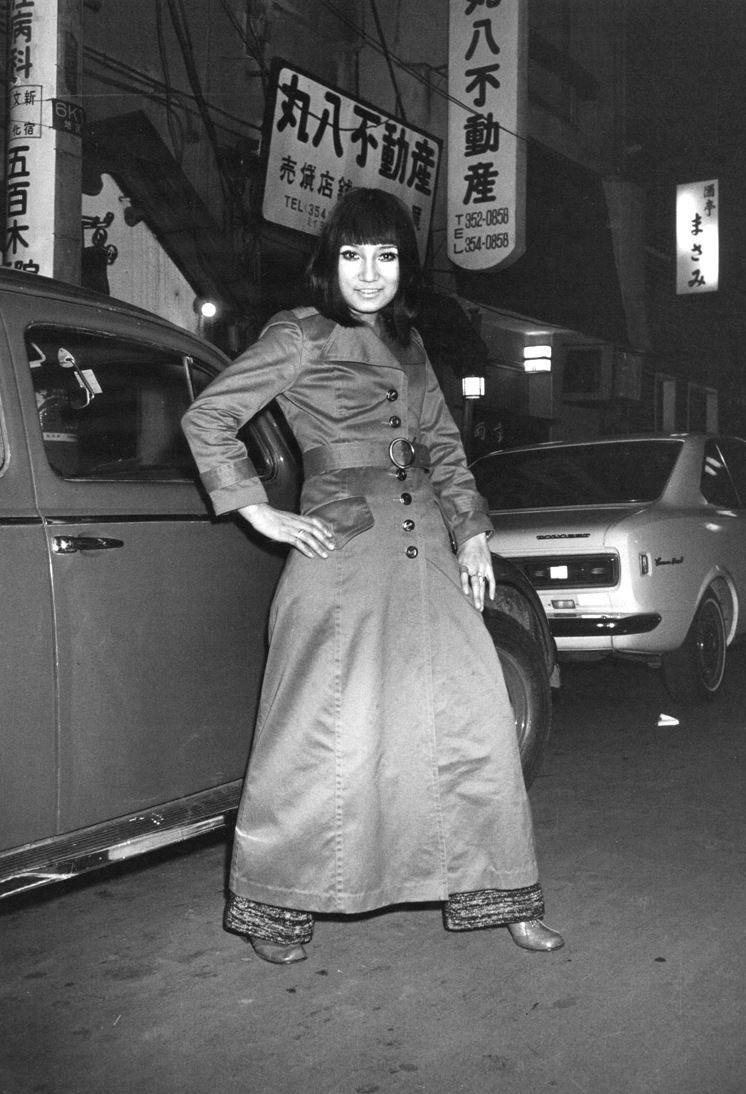
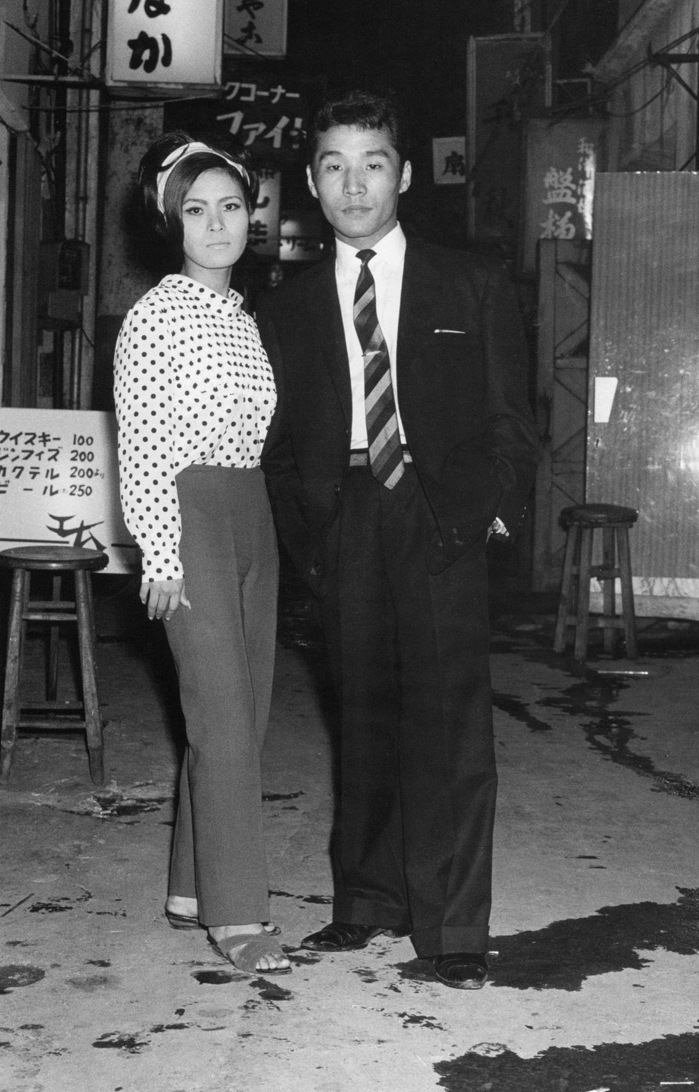
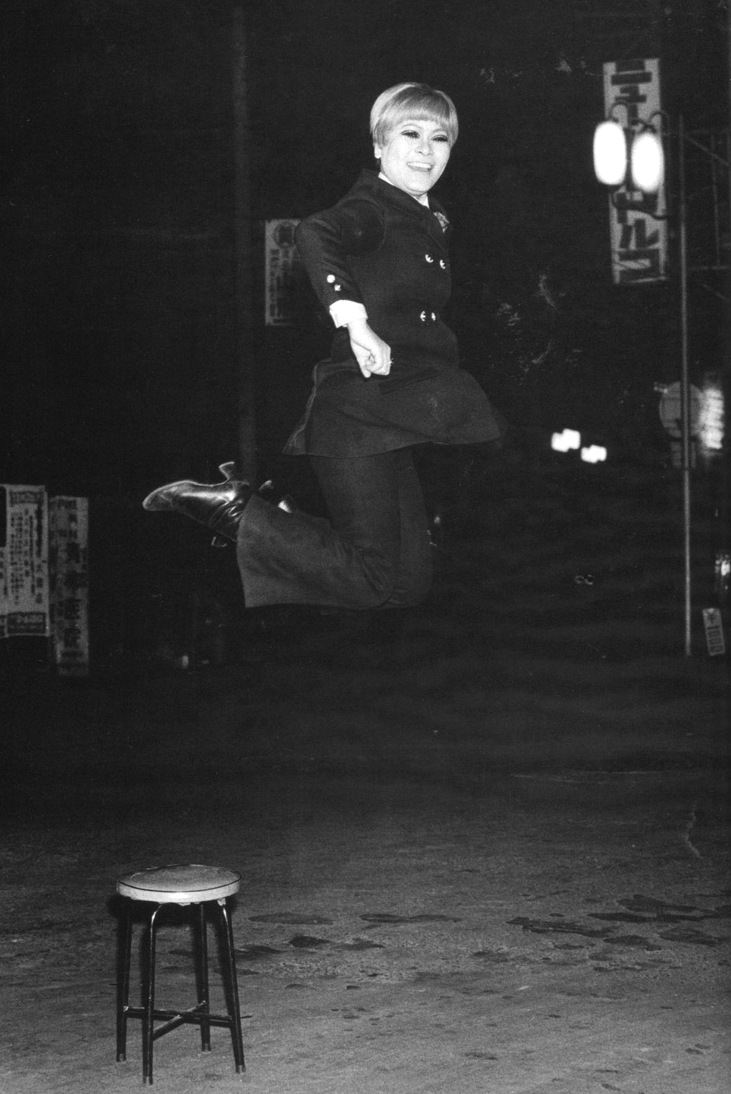
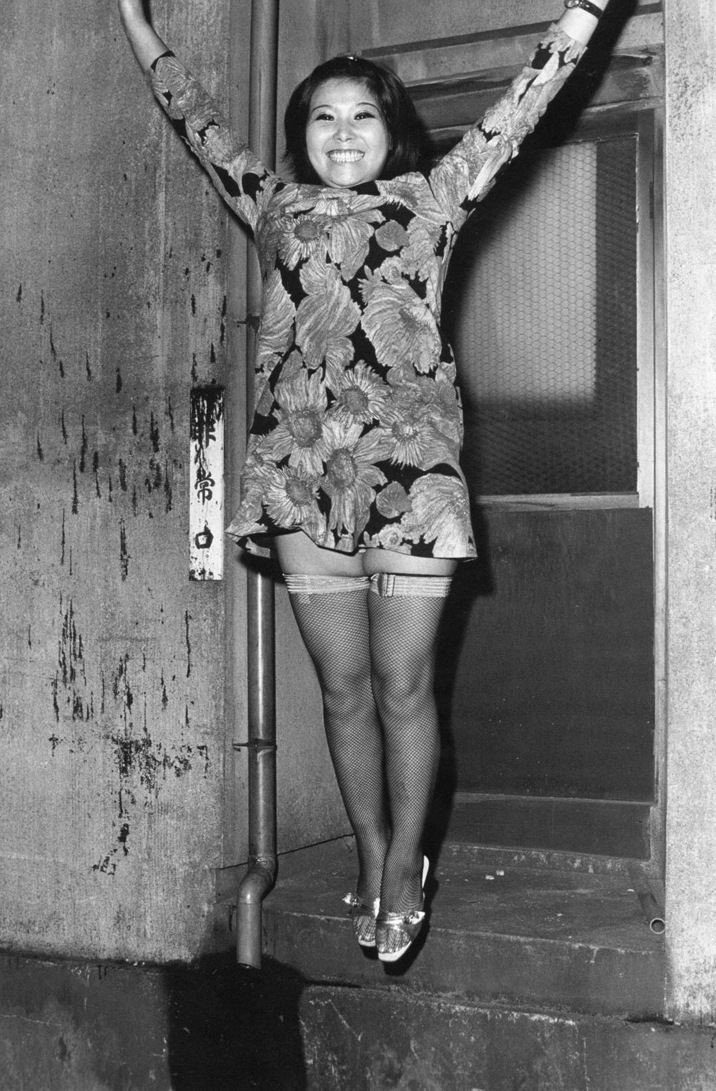
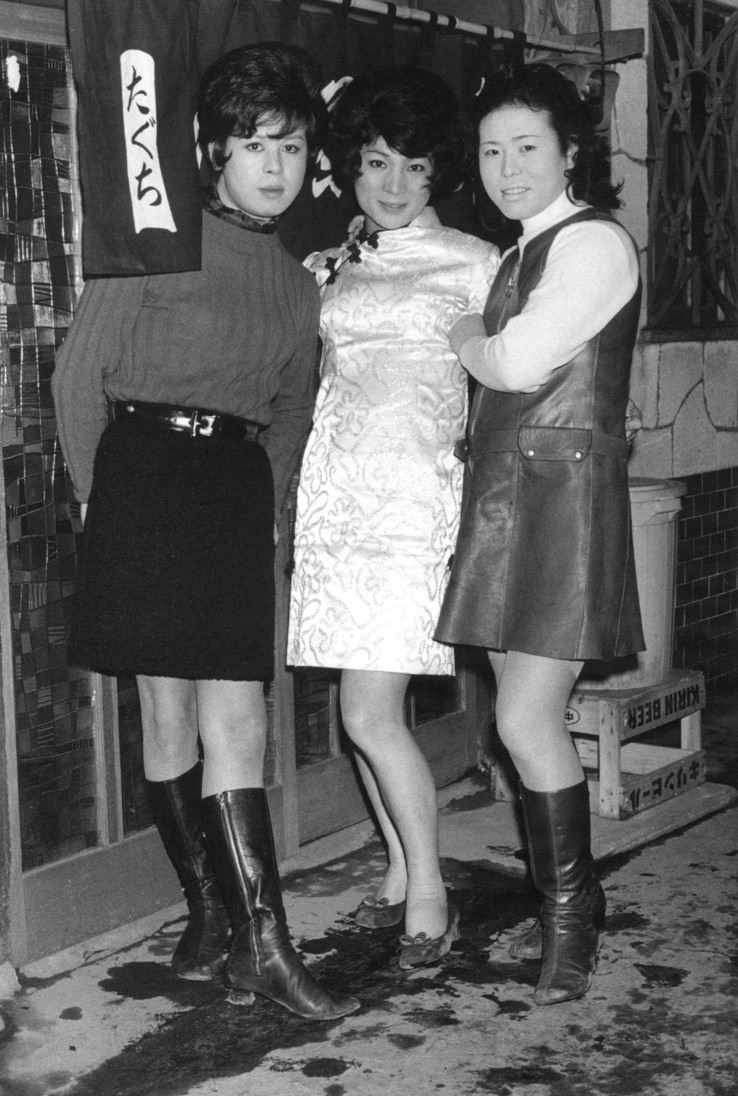
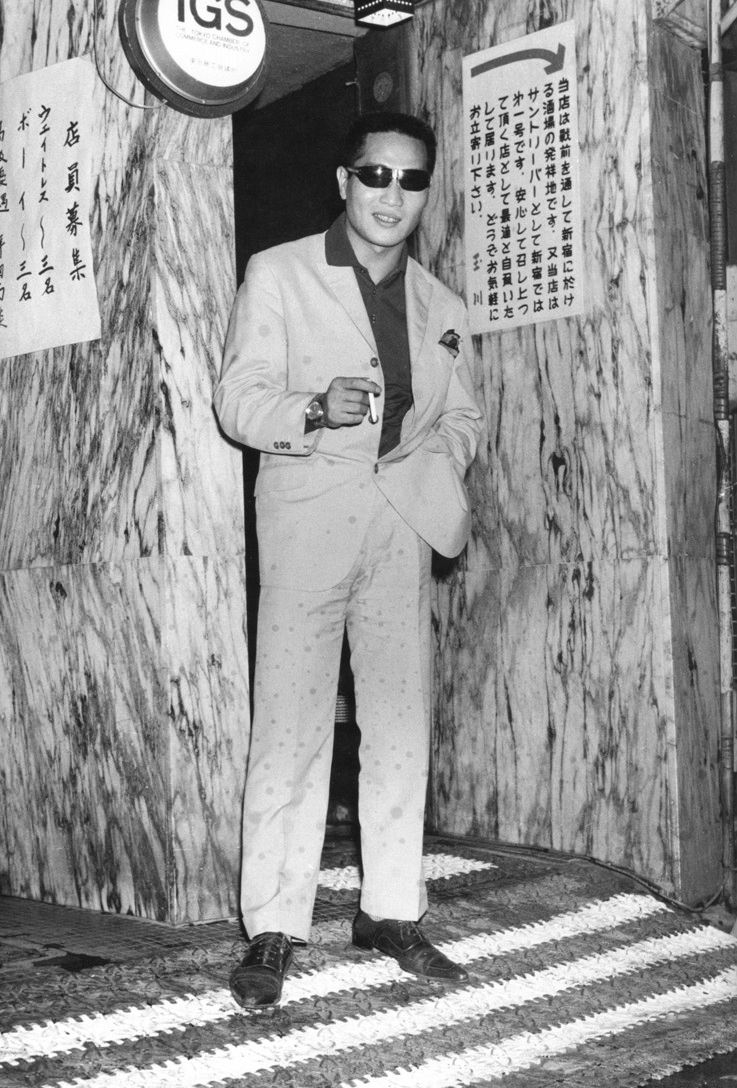
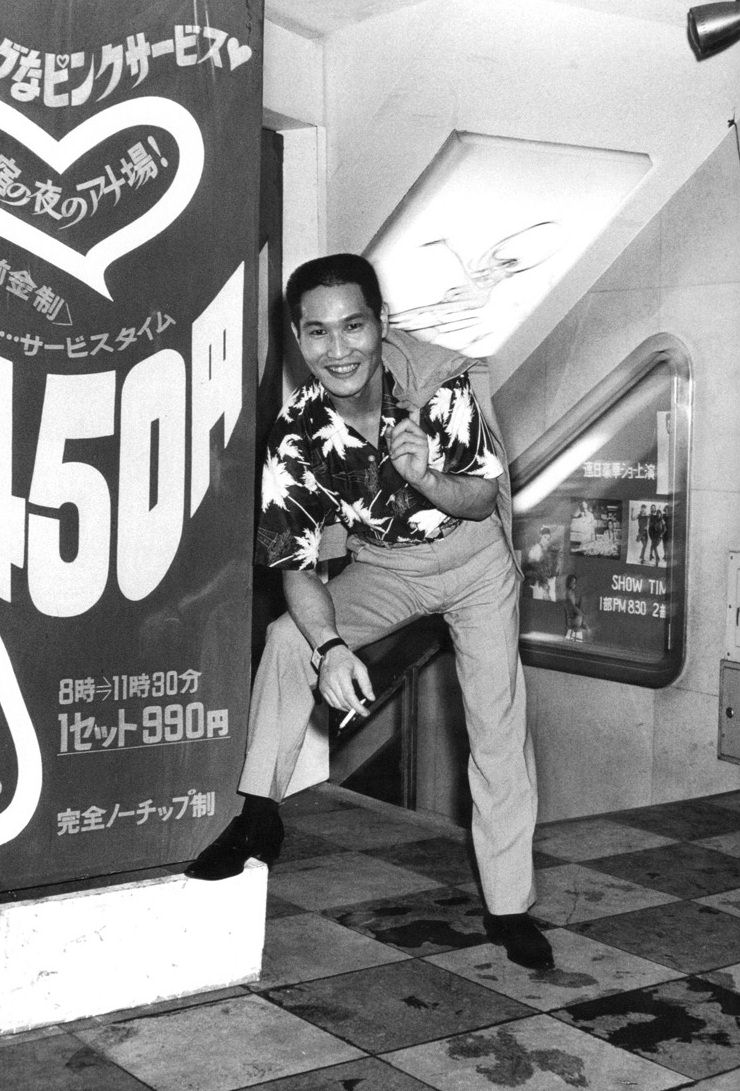
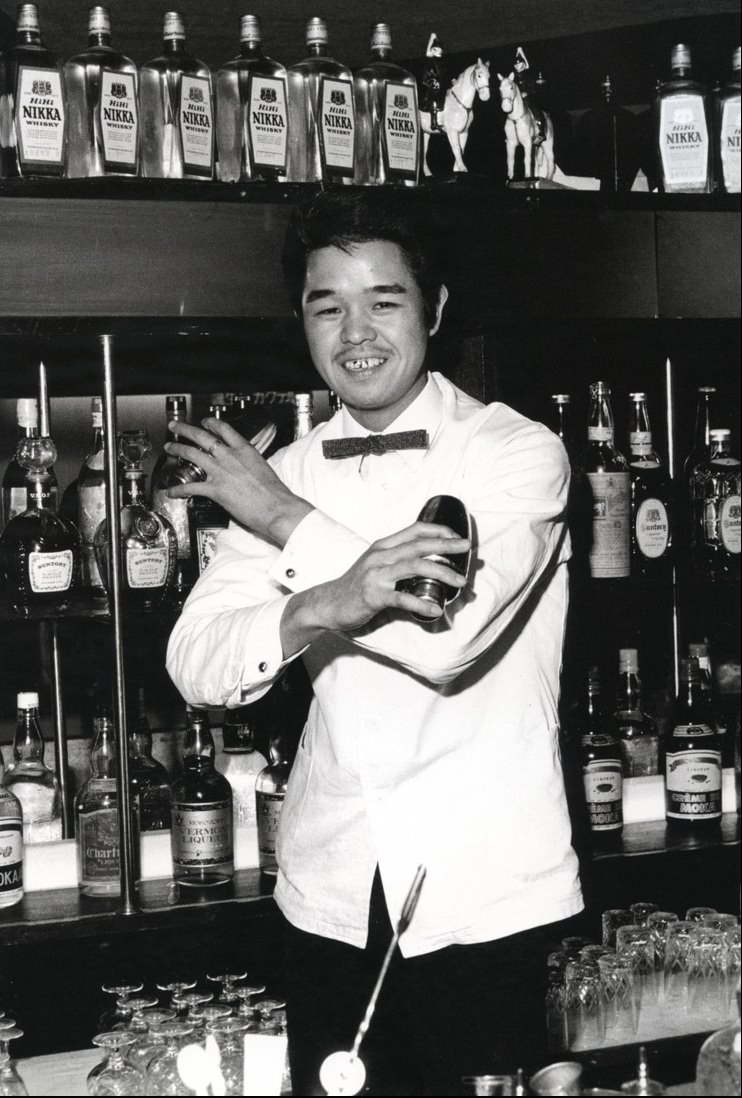
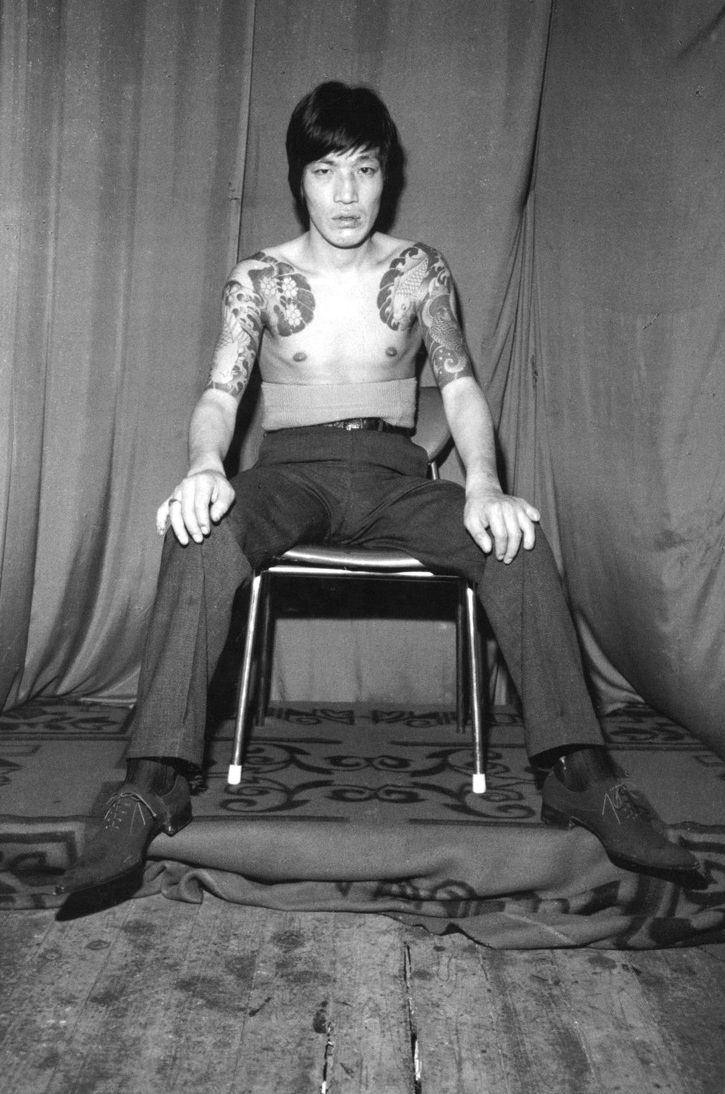
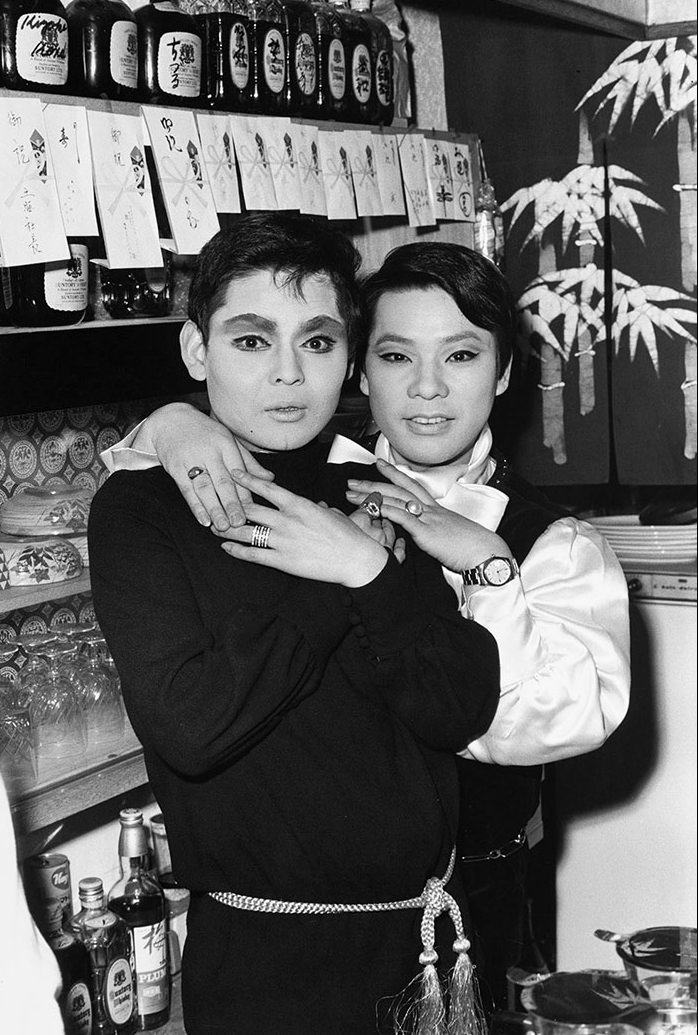
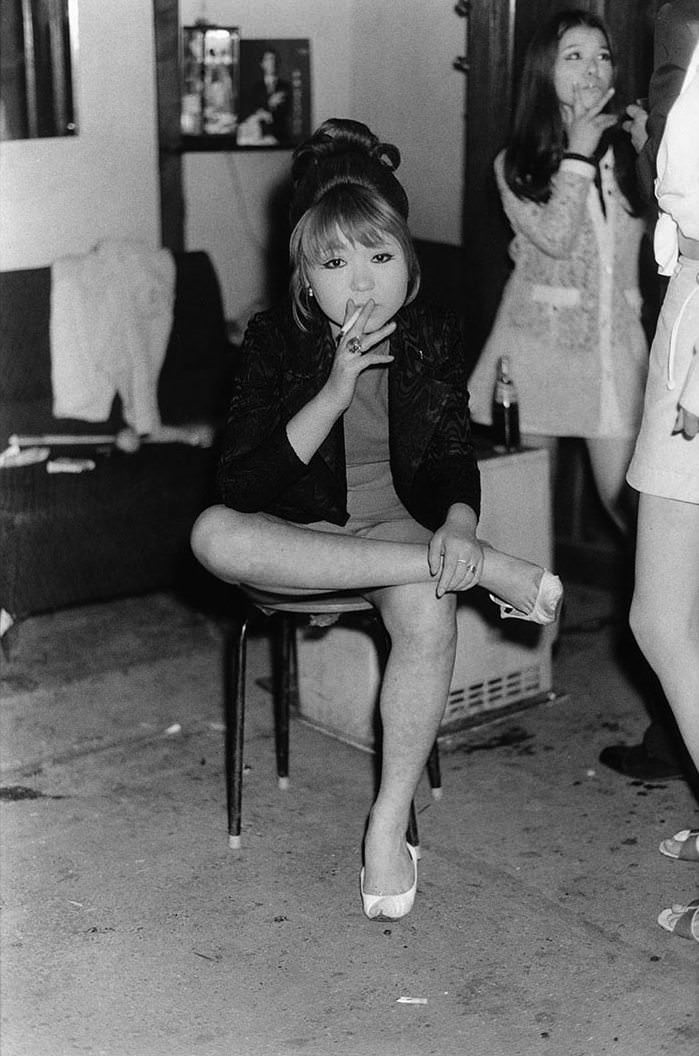
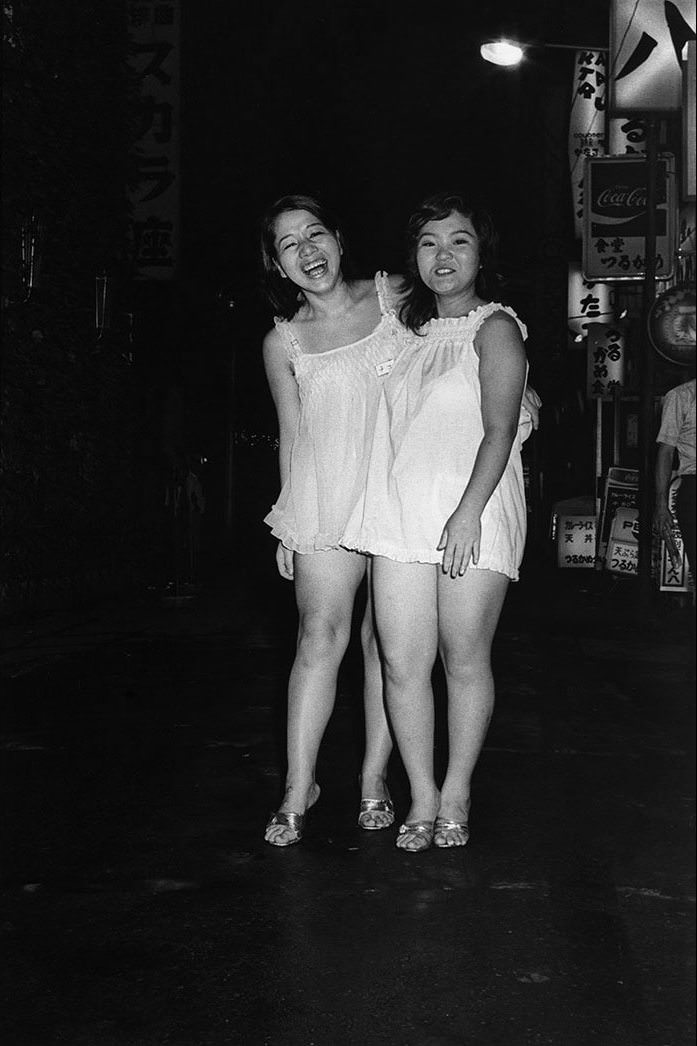
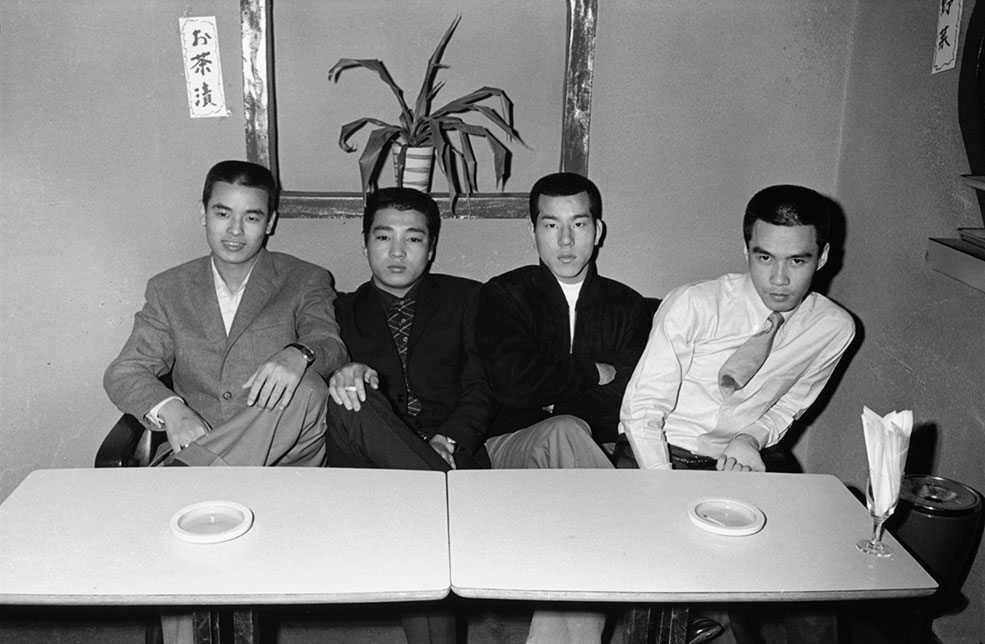
Photographer Katsumi Watanabe walked these streets with a camera, documenting the people who made Kabukicho run. He photographed Yakuza members, pimps, and sex workers alike. To fund his work, he sold prints directly to his subjects — three photos for 200 yen, roughly one U.S. dollar at the time.
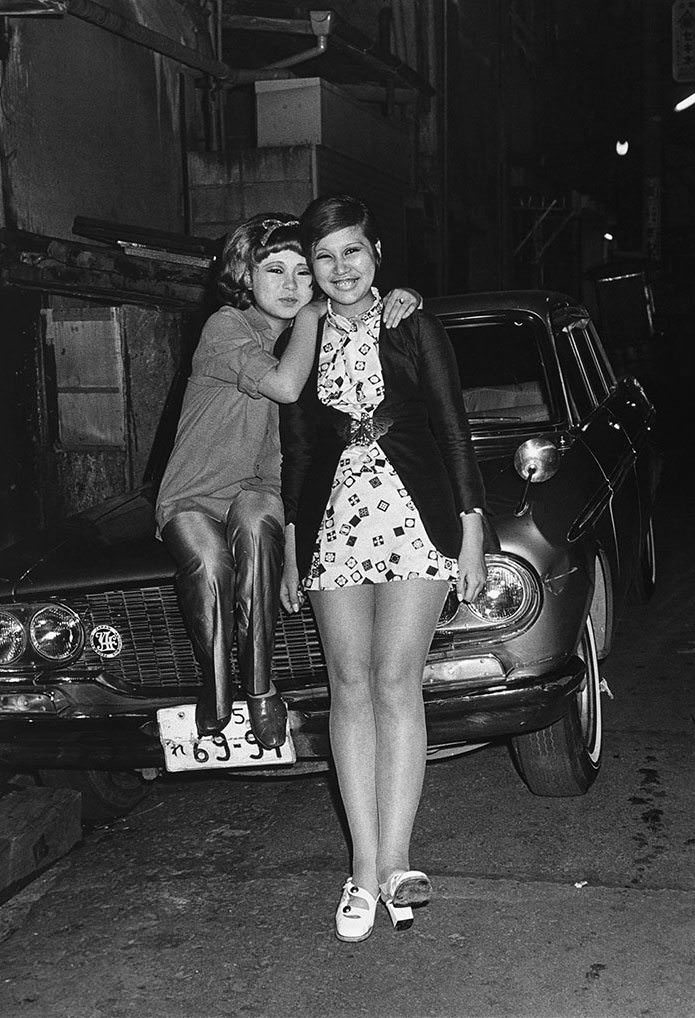
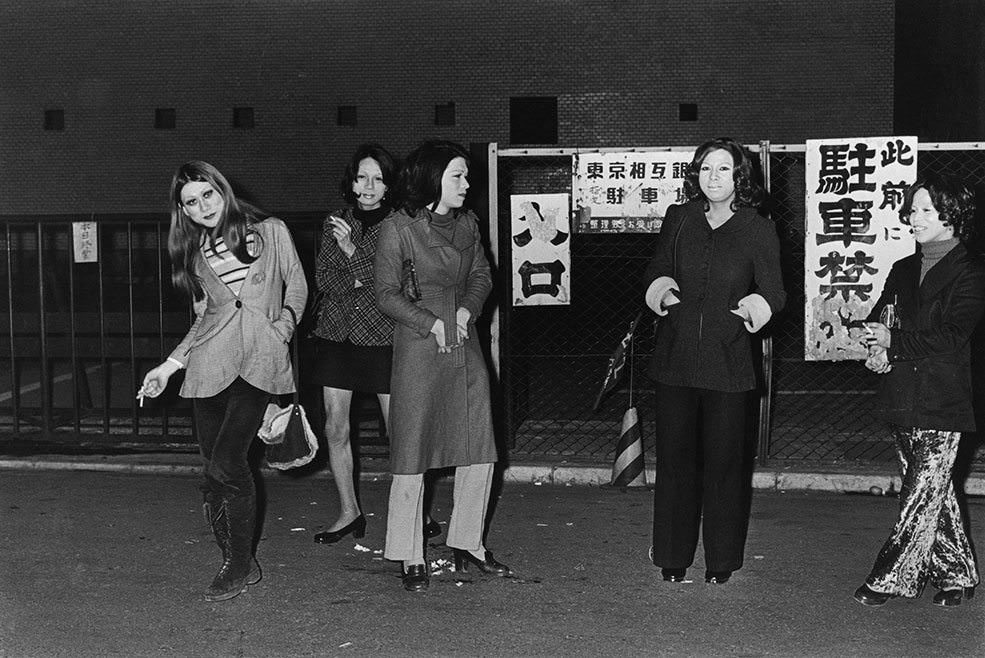
Watanabe’s style was candid and unposed. He let his subjects settle into their natural stances, which gave the photos an honesty that staged portraits never could. He treated Kabukicho as a stage and photographed its people in their true, unguarded form.
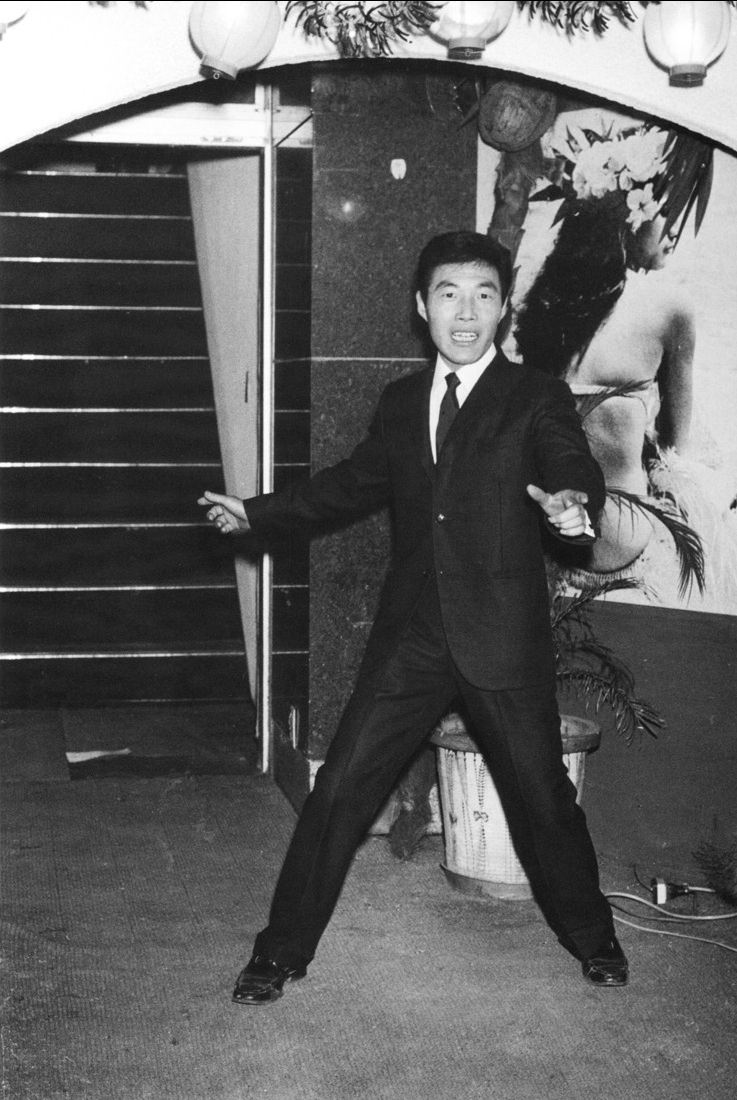
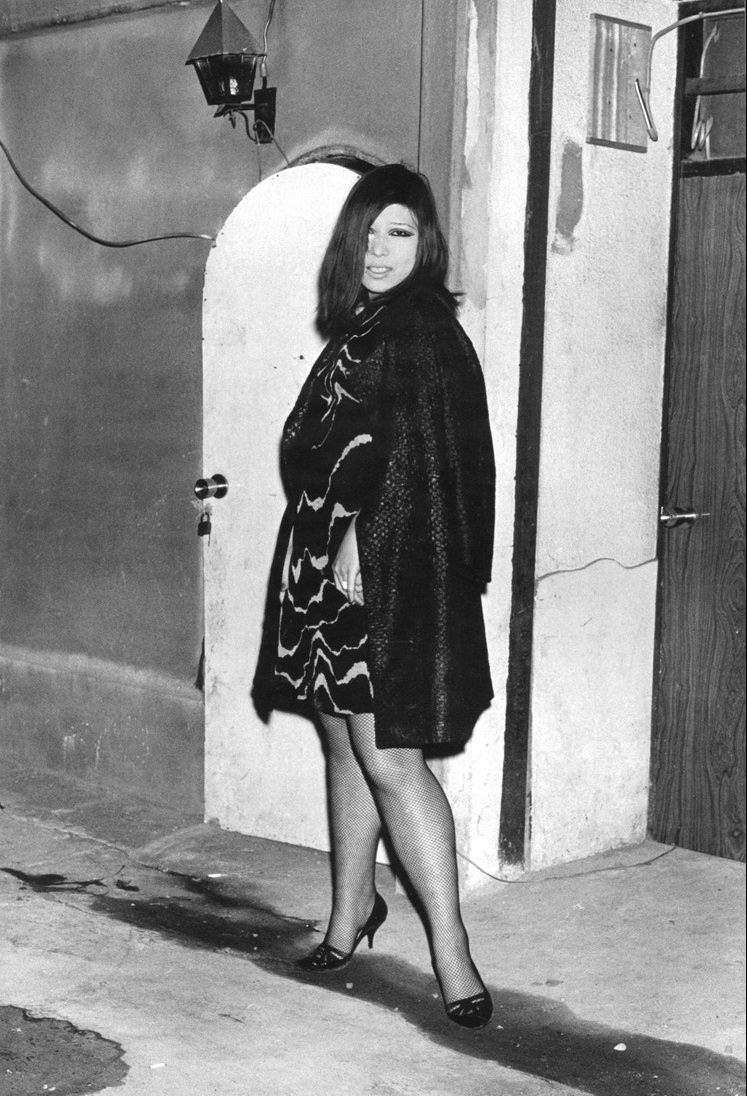
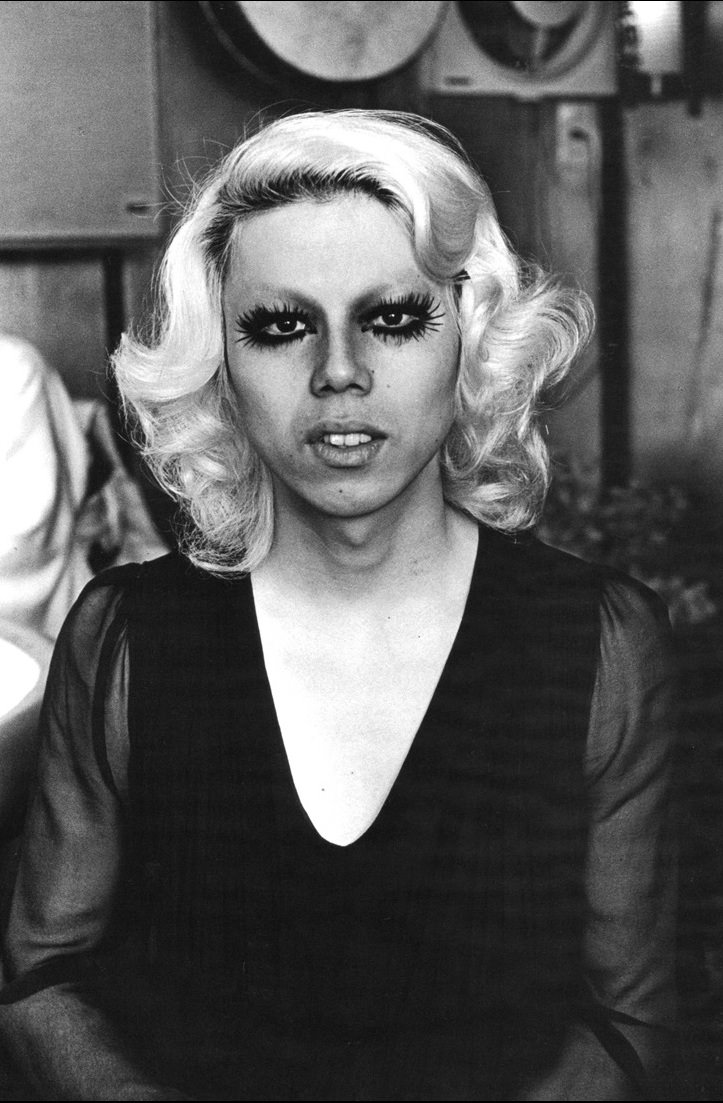
The clubs and bars drew both locals and tourists, offering excitement alongside real danger. For many workers in the district, Kabukicho was simply where the money was — regardless of what that required.
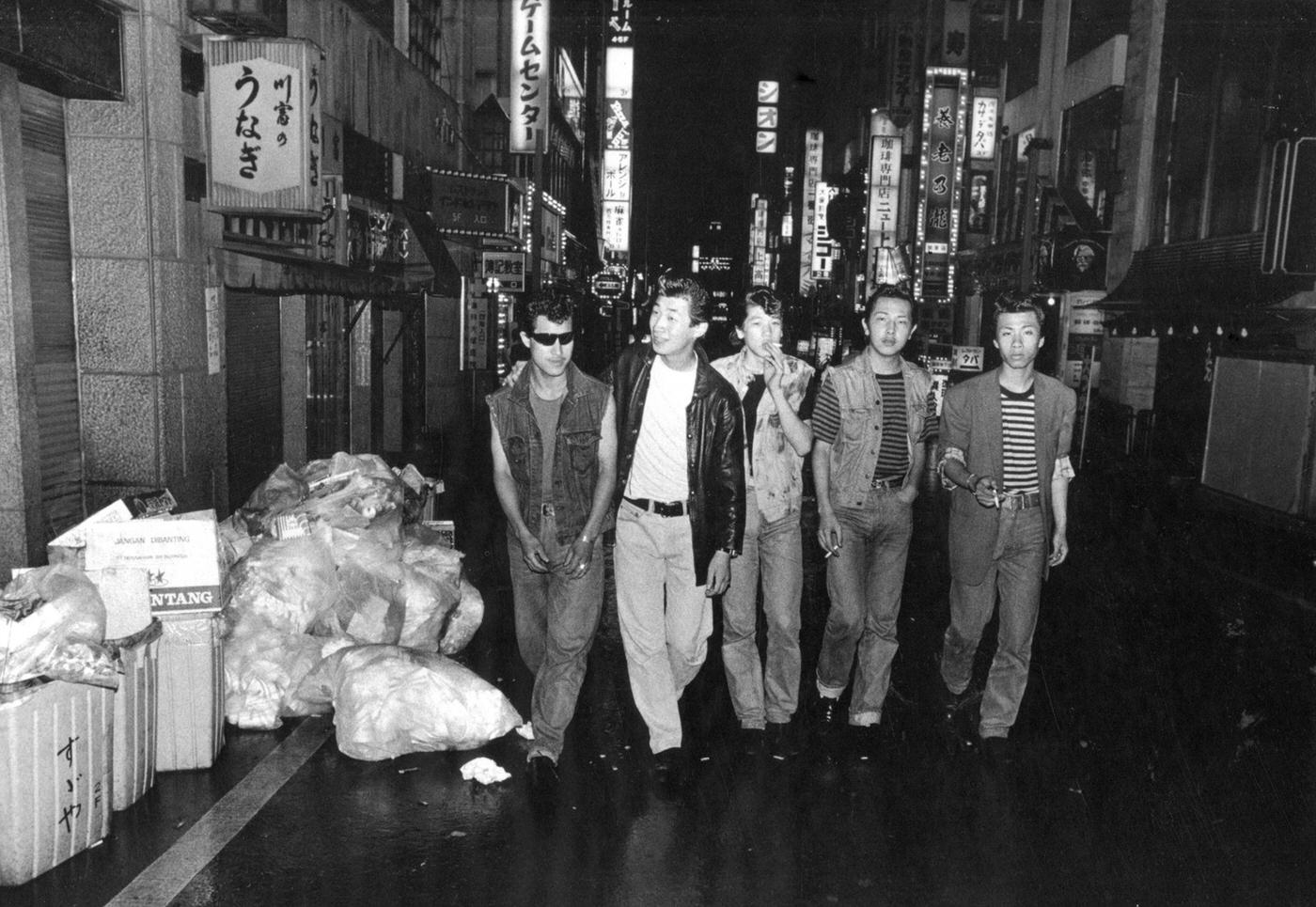
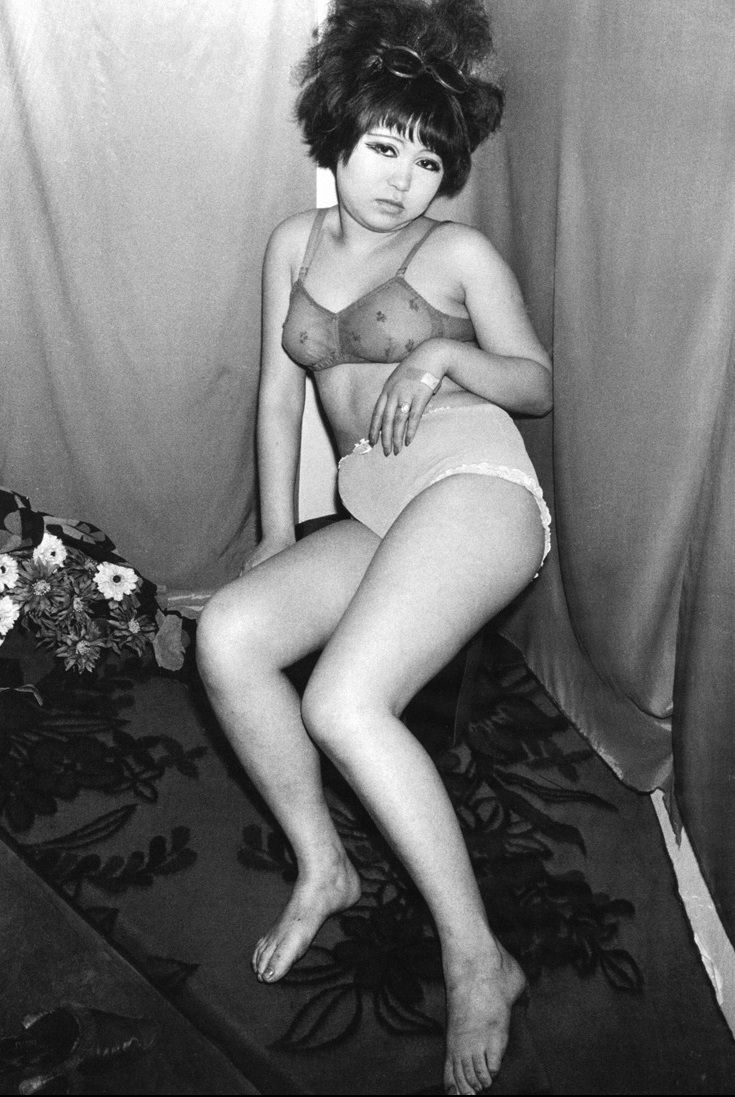
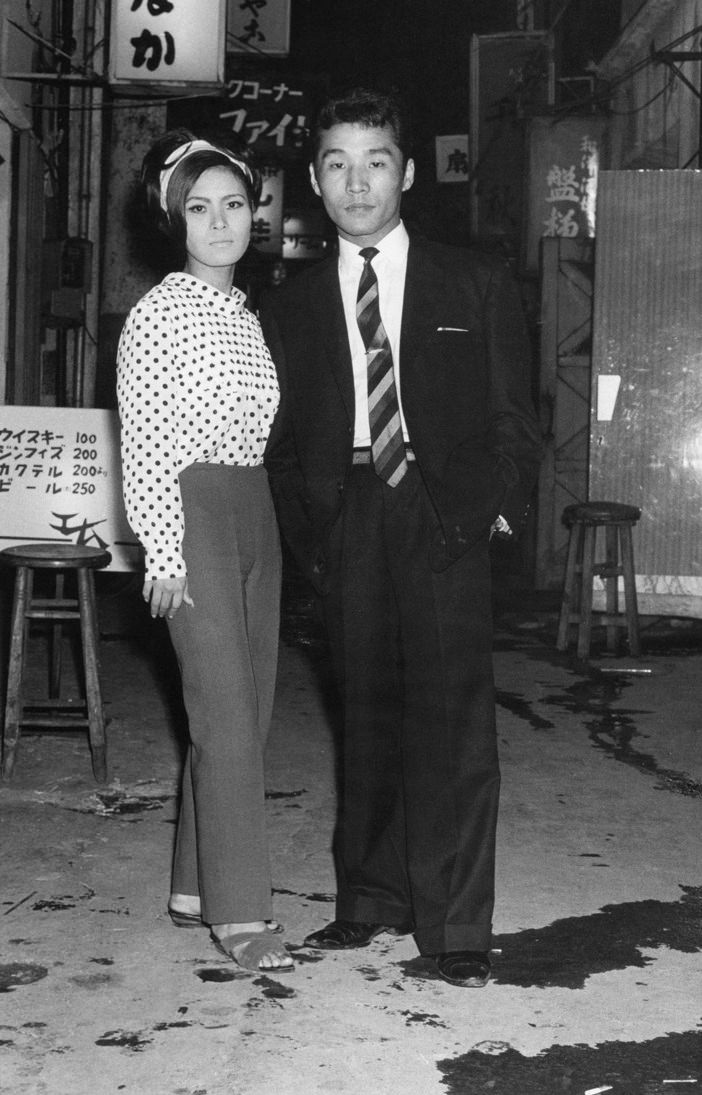
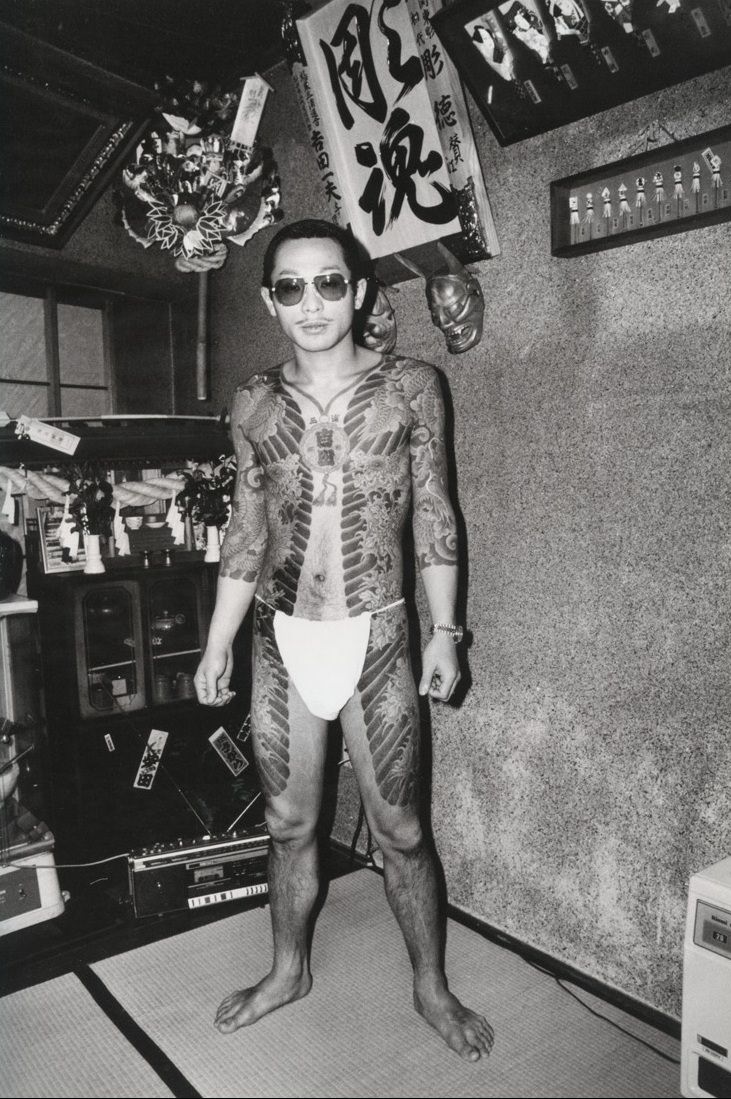
Because Kabukicho never slept, it was the ideal environment for criminal operations. Money and people flowed through constantly, and the Yakuza adapted to every shift in that flow, making the district a core part of their network across Tokyo.