
On the evening of August 12, 1985, Japan Air Lines Flight 123 took off from Tokyo’s Haneda Airport at 6:12 PM JST, bound for Osaka International Airport. It was a routine domestic route — the kind flown dozens of times a day. The Boeing 747SR, registered as JA8119, carried 524 passengers and crew members. Many were traveling for Obon, a Japanese holiday centered on family reunions. Thirty-two minutes after departure, the flight became the deadliest single-aircraft accident in aviation history.
The flight crew consisted of Captain Masami Takahama, First Officer Yutaka Sasaki, and Flight Engineer Hiroshi Fukuda. As the aircraft climbed to cruising altitude, passengers settled in — some chatting, others reading or sleeping. Nothing suggested what was about to unfold. At 24,000 feet, the rear pressure bulkhead failed catastrophically. The bulkhead gave way with explosive force, blowing out a section of the tail and severing all four of the aircraft’s hydraulic lines.
Hydraulic systems control an aircraft’s ailerons, rudder, and elevators — essentially every surface that keeps a plane flying straight and level. With all four systems gone at once, the crew lost almost all ability to steer the aircraft. The vertical stabilizer, a large fin at the rear of the plane that keeps it pointed forward, was torn away. The 747 began to pitch and roll violently, swinging through the sky in wide, uncontrolled arcs.
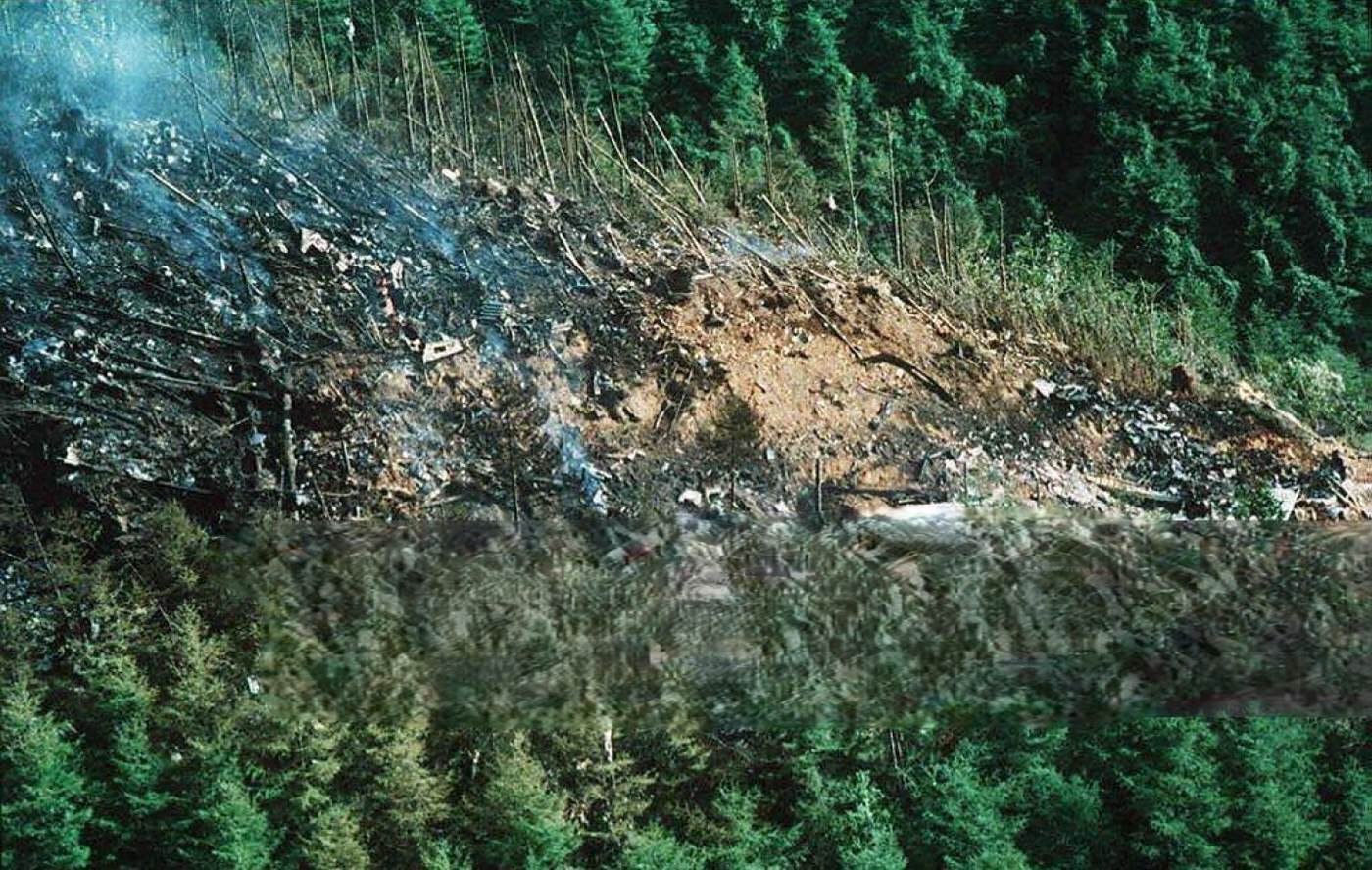
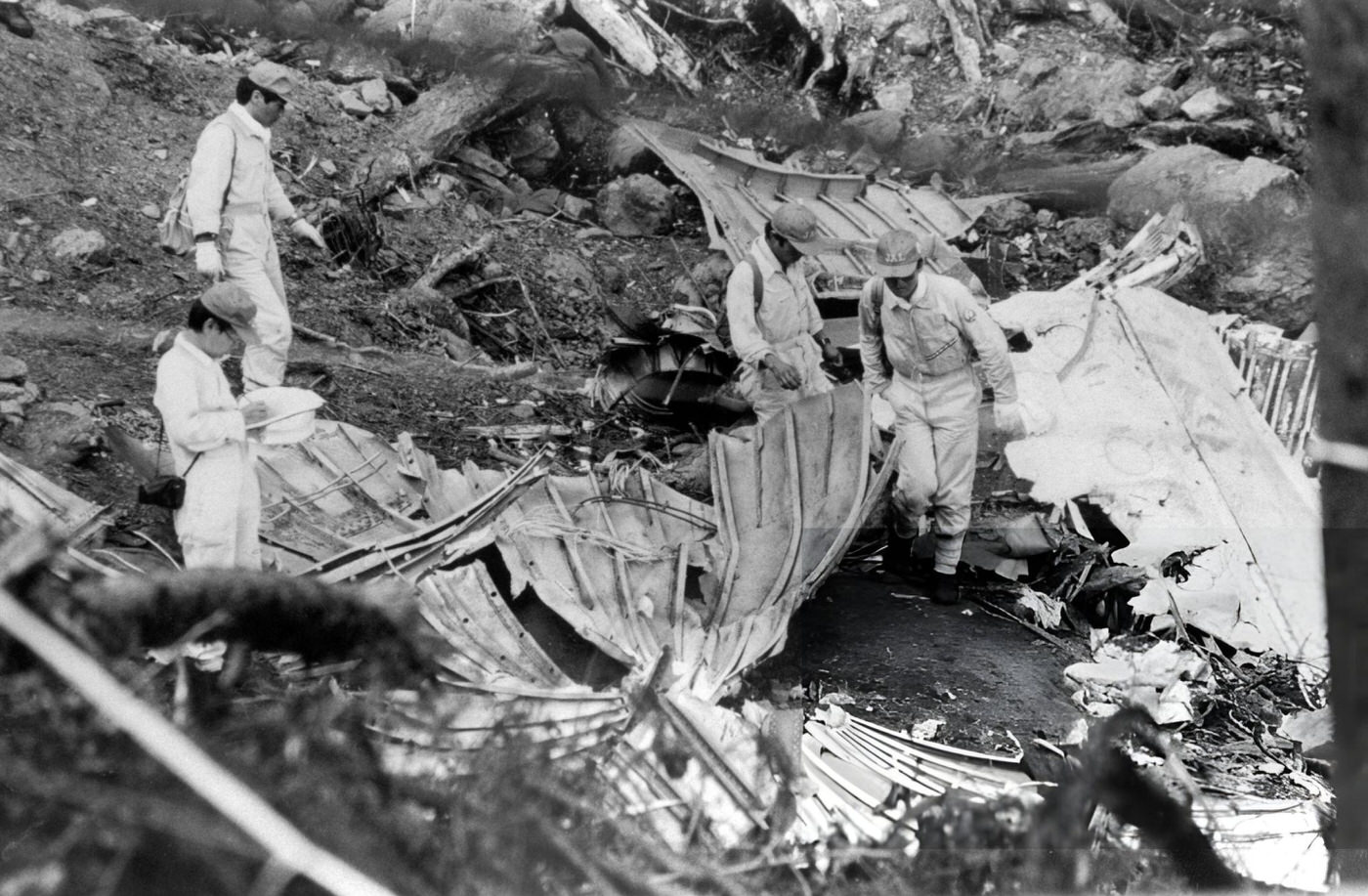
For the next 32 minutes, the crew fought to keep the plane in the air using only engine thrust — adjusting power to the four engines to try to influence the aircraft’s direction. It was an almost impossible task. They radioed air traffic control, declared an emergency, and requested a diversion to Nagoya. Despite their efforts, the plane continued to lose altitude and drift toward the mountains of Gunma Prefecture. At 6:56 PM, Flight 123 struck the slopes of Mount Takamagahara. The impact was total. The aircraft disintegrated on contact, scattering wreckage across a wide area of steep, forested terrain.
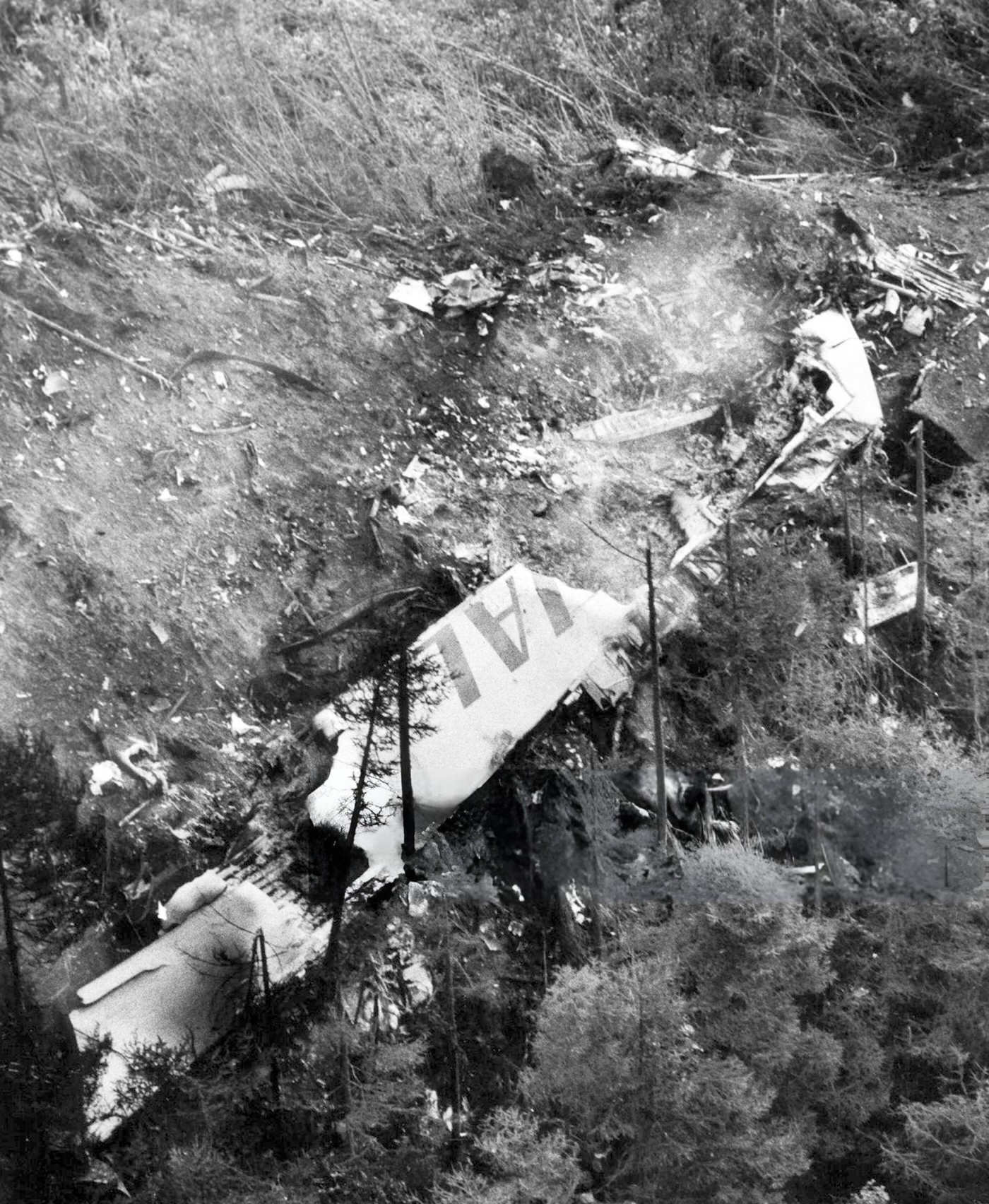
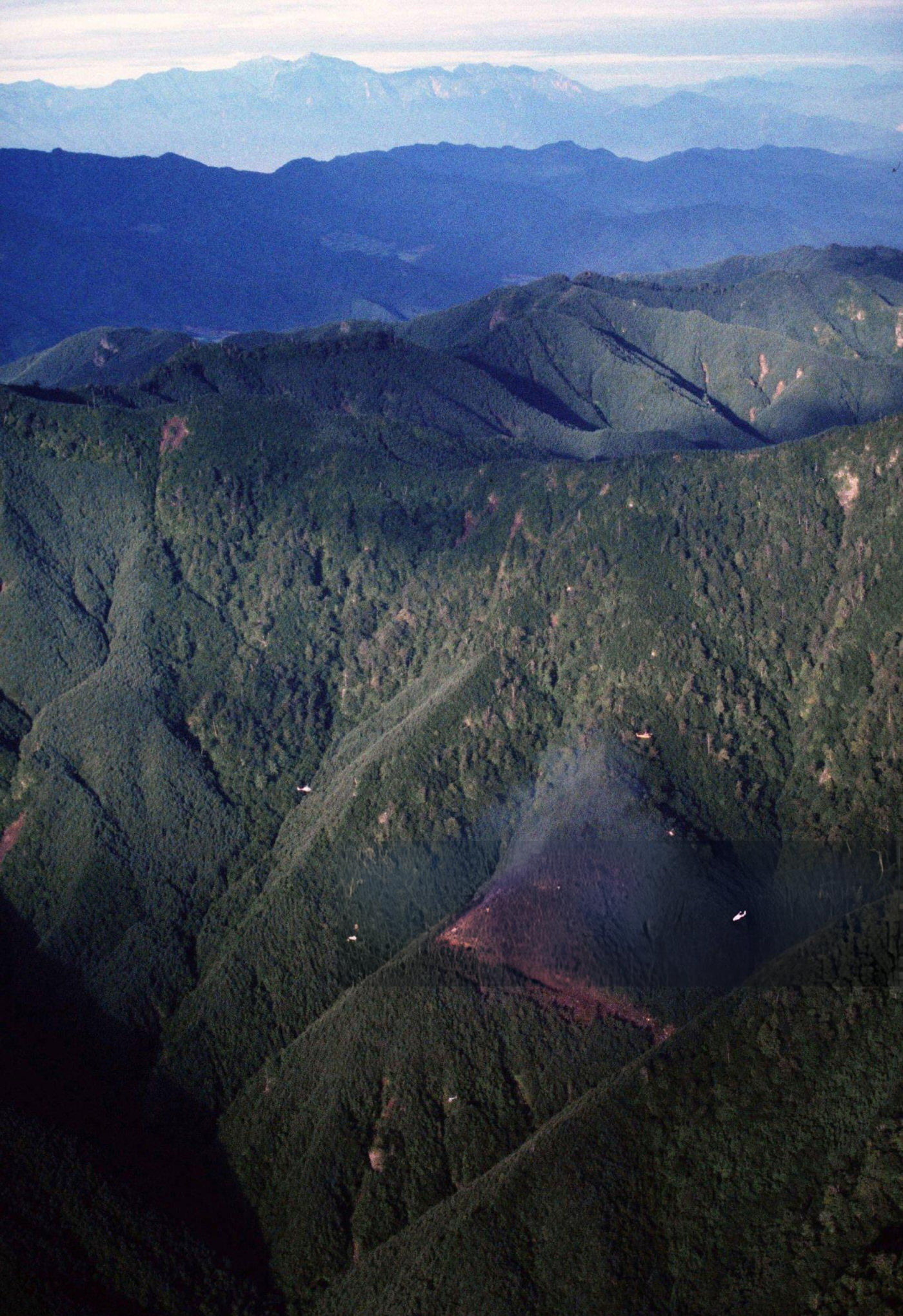
The crash site sat in one of the most remote and rugged areas of central Japan. Poor visibility and difficult terrain slowed the initial response. Military helicopters spotted the wreckage that night, but ground rescue teams didn’t reach the site until the following morning. When they arrived, they found a scene of near-total destruction spread across the mountainside.
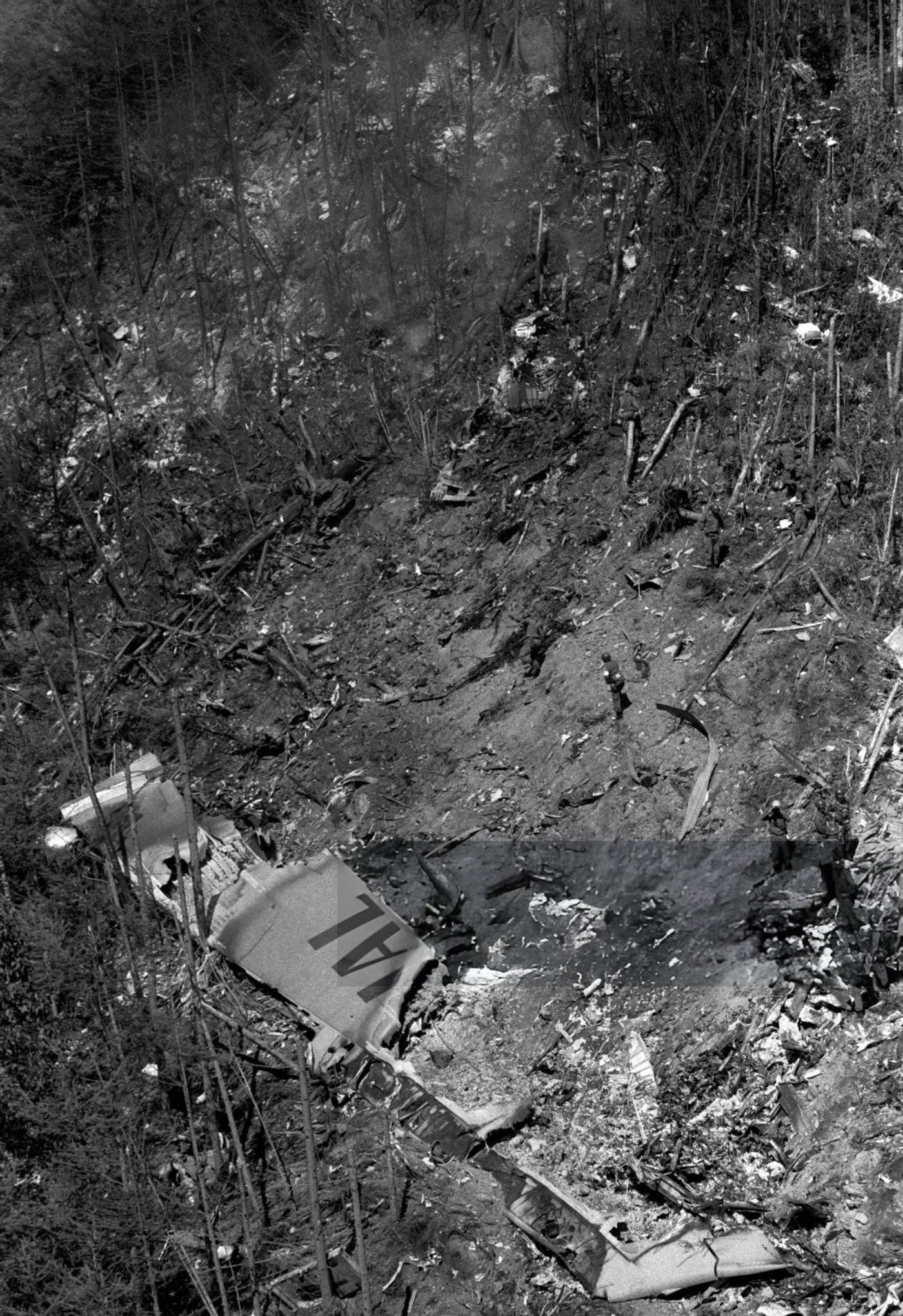
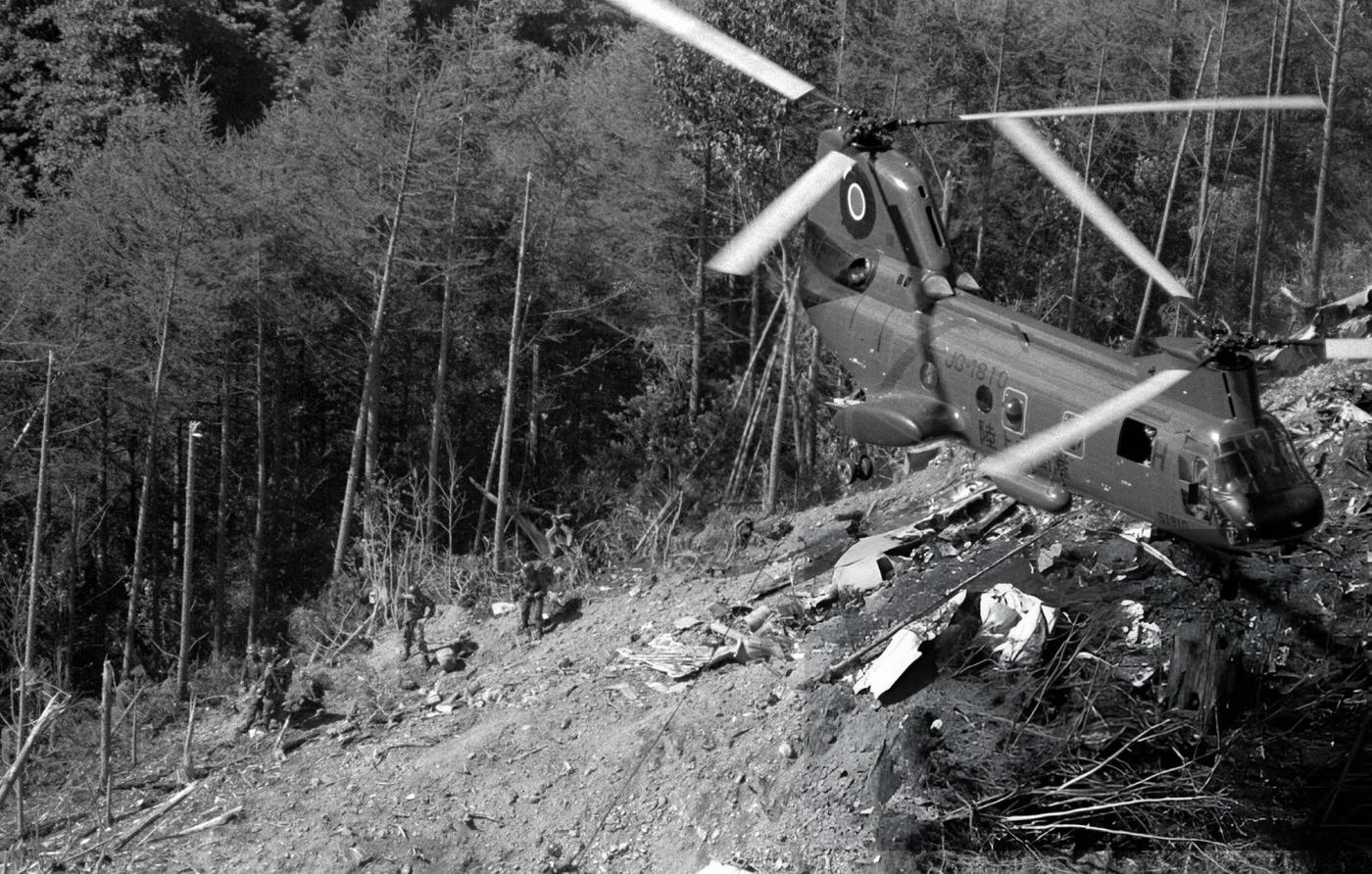
Among the wreckage, rescuers found four survivors: Yumi Ochiai, a 26-year-old off-duty flight attendant; Keiko Kawakami, a 12-year-old girl; and two women, Hiroko Yoshizaki and Mikiko Yoshizaki. All four were found in the same section of the aircraft — the rear — which had broken away before the main impact. They had spent the night exposed on the mountain, injured, before rescue teams reached them. Of the 524 people aboard, 520 died.
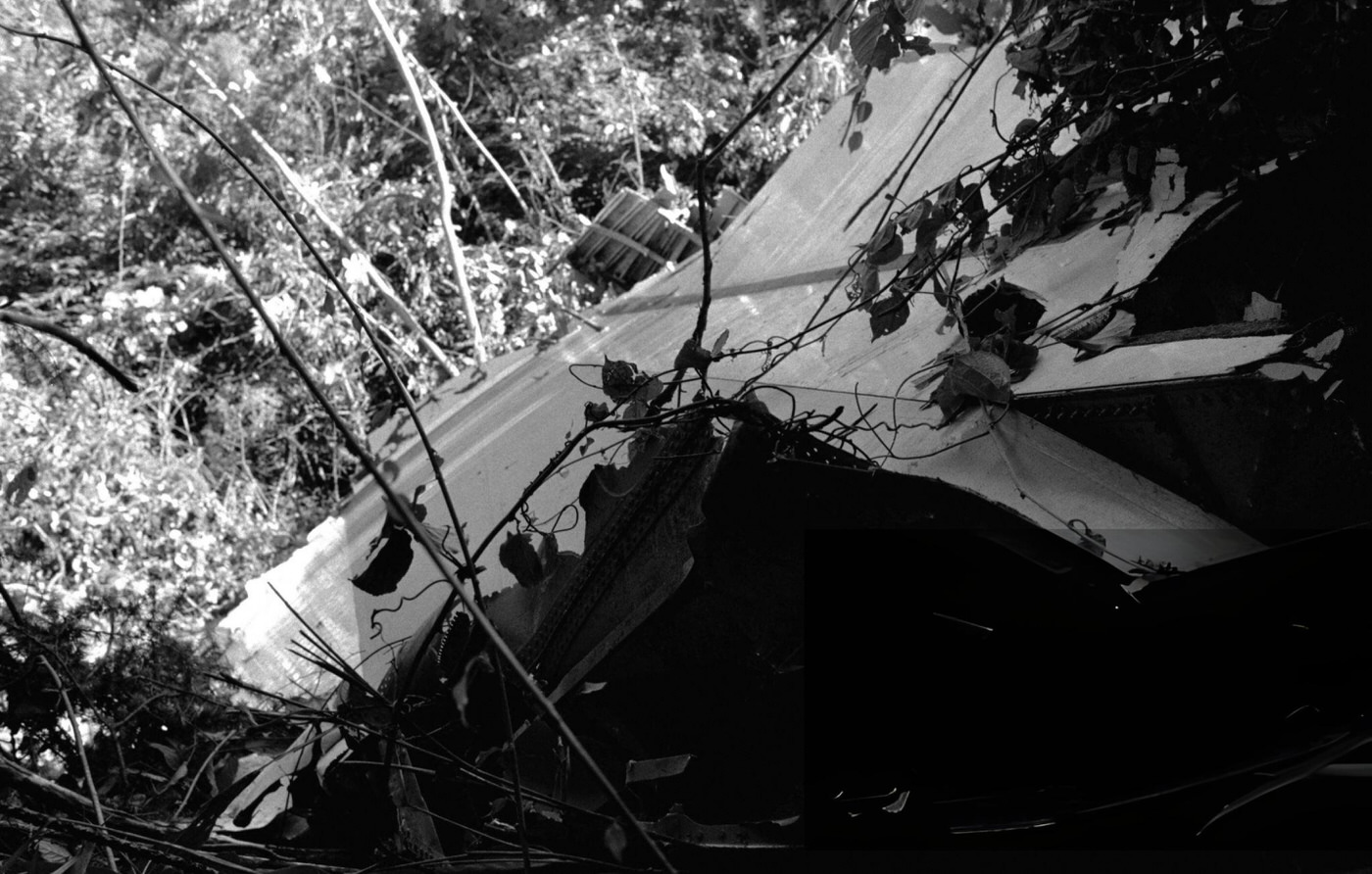
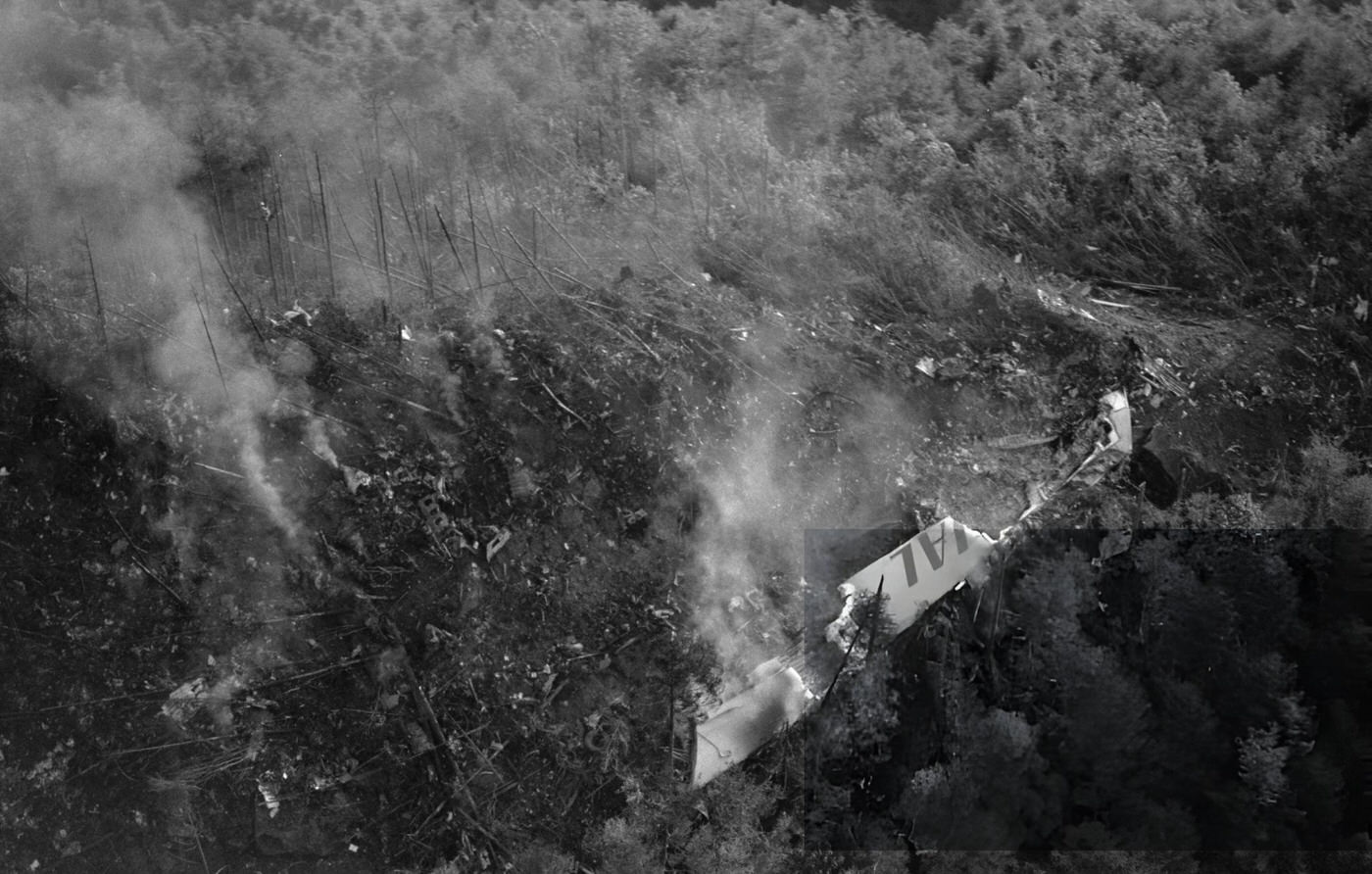
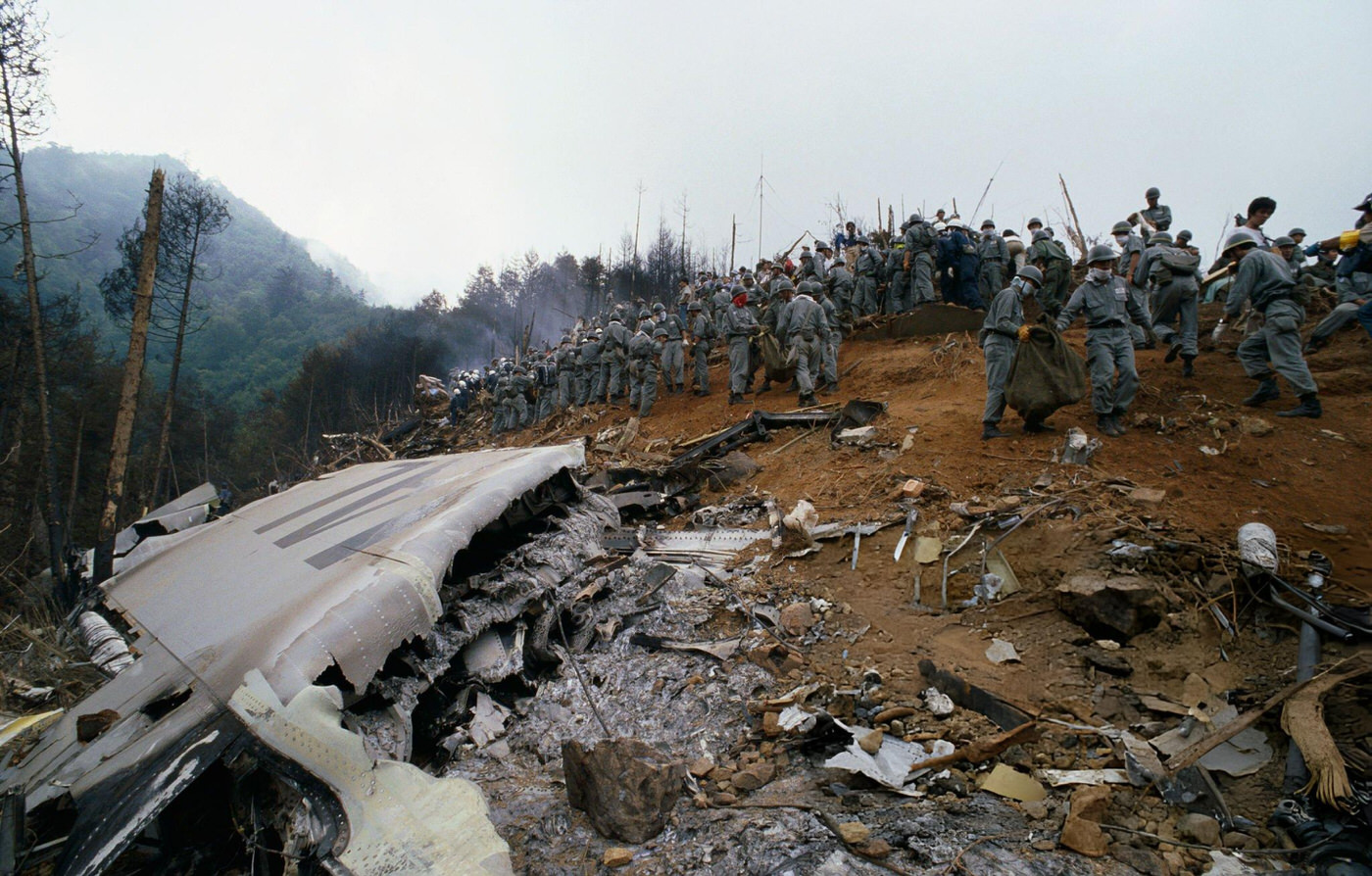
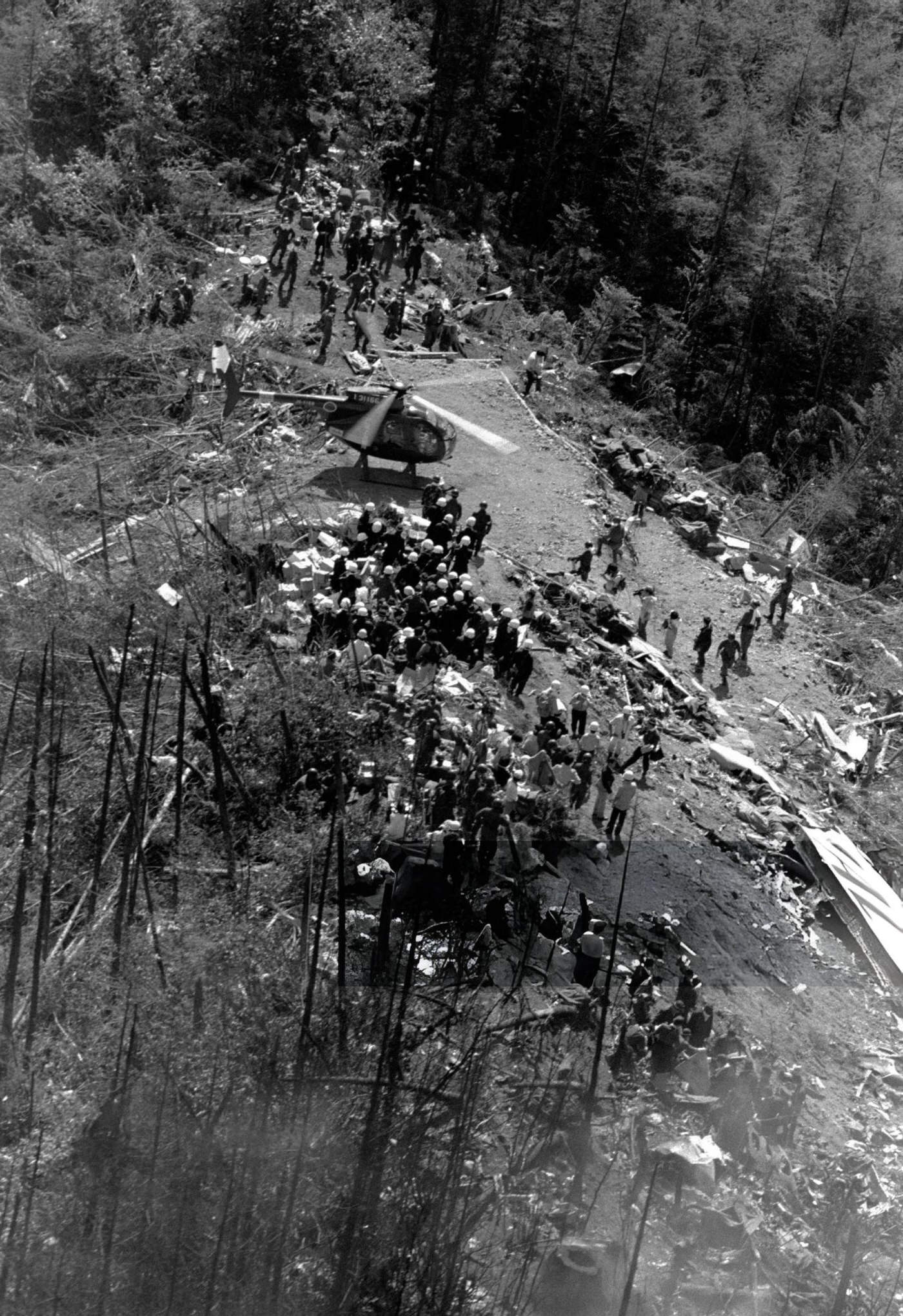
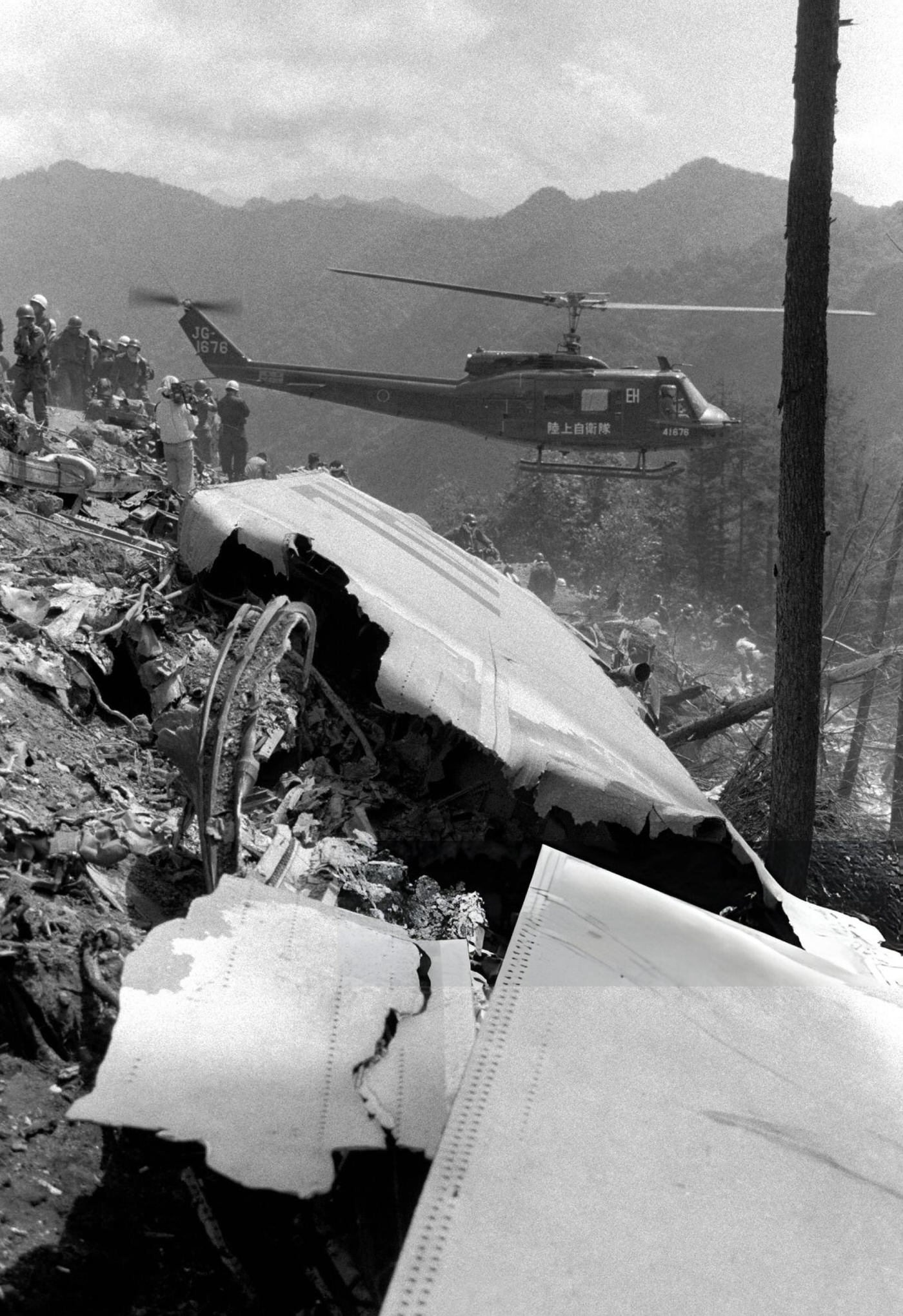
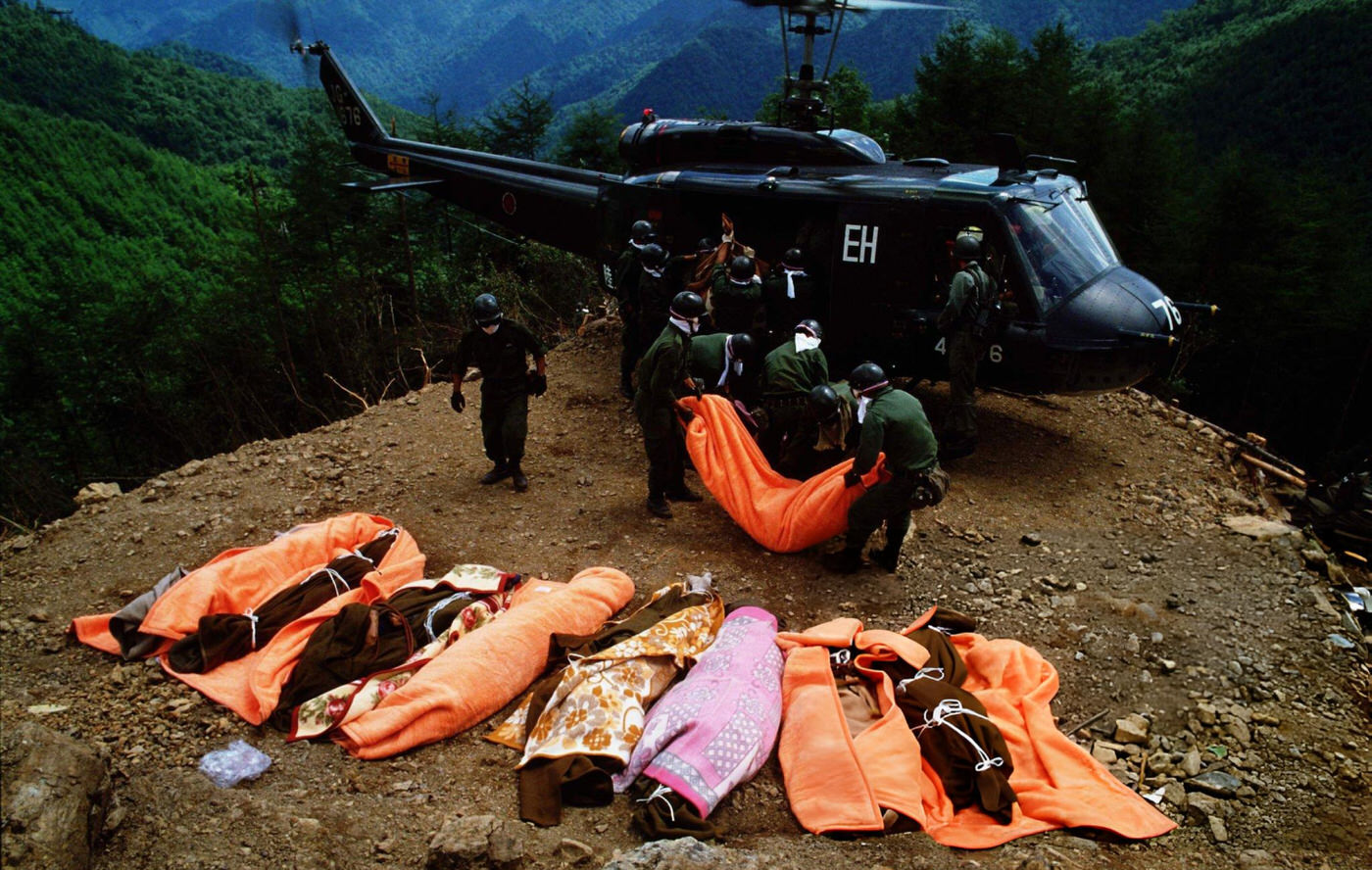
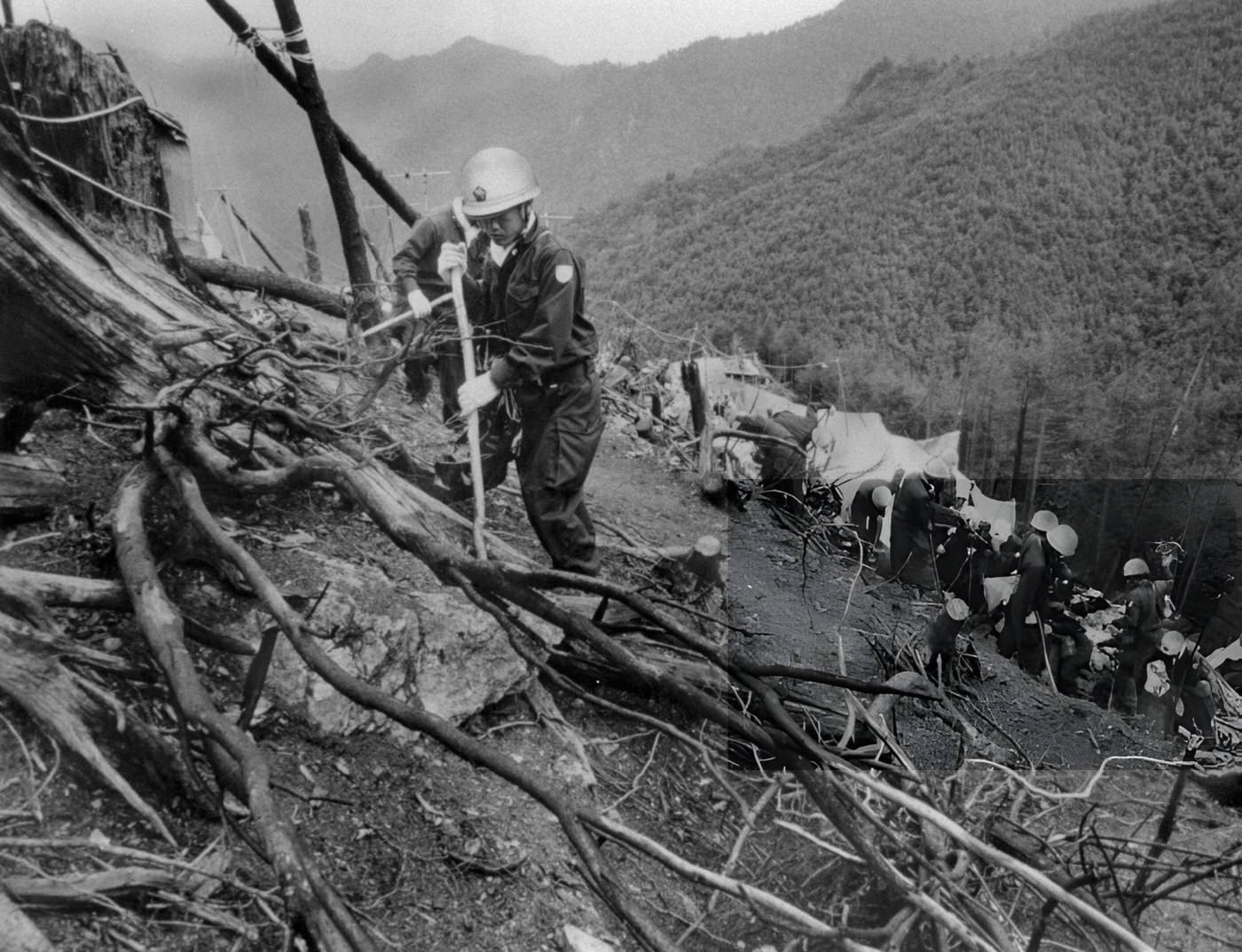
Japan Ground Self-Defense Force units were deployed in large numbers to the crash site. Soldiers worked across the steep ridgeline of Mount Osutaka, navigating dense forest and unstable terrain to reach victims. The recovery operation was physically grueling and emotionally harrowing. Bodies and debris were spread across a wide zone, requiring teams to systematically comb through the wreckage.
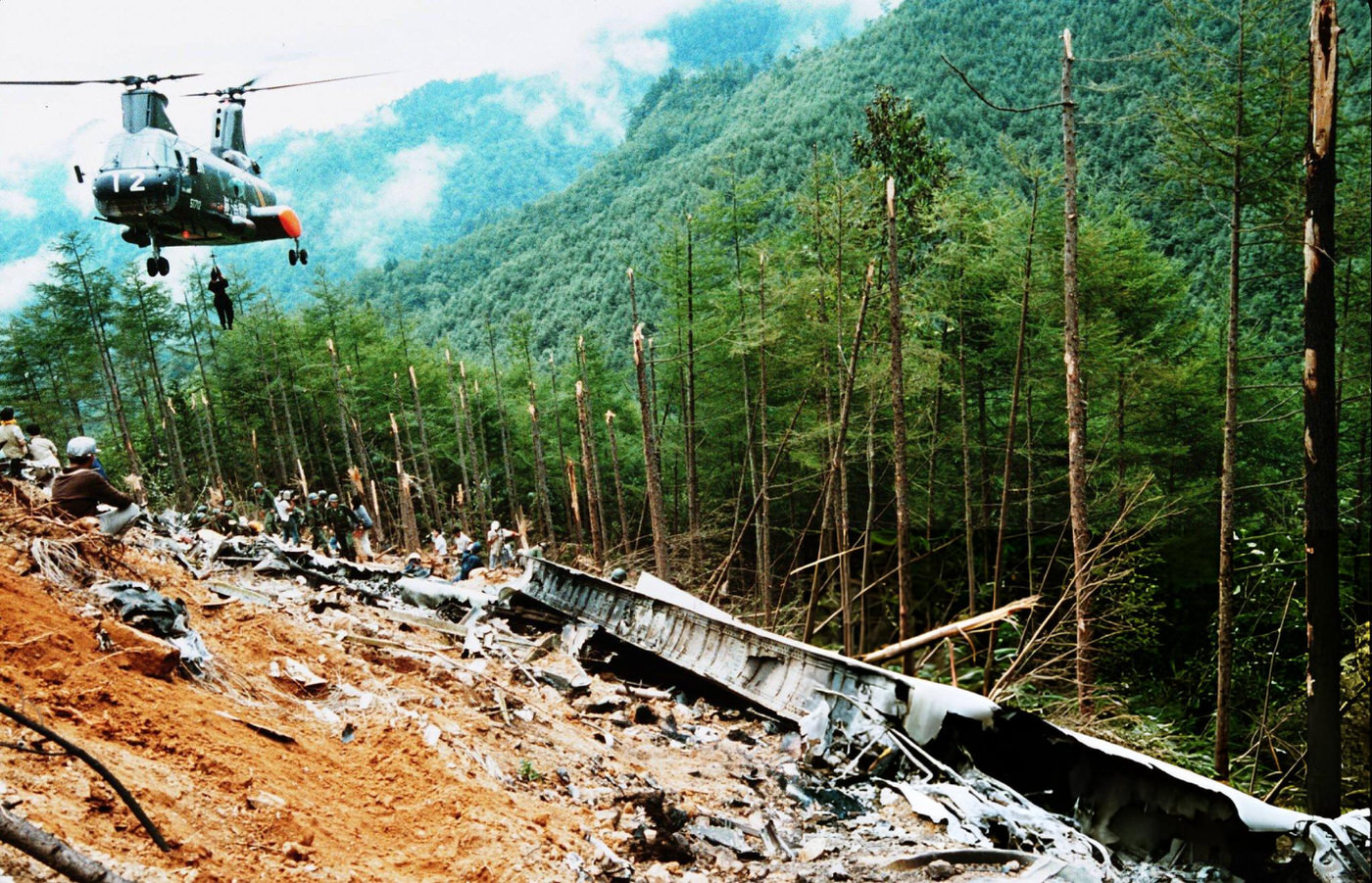
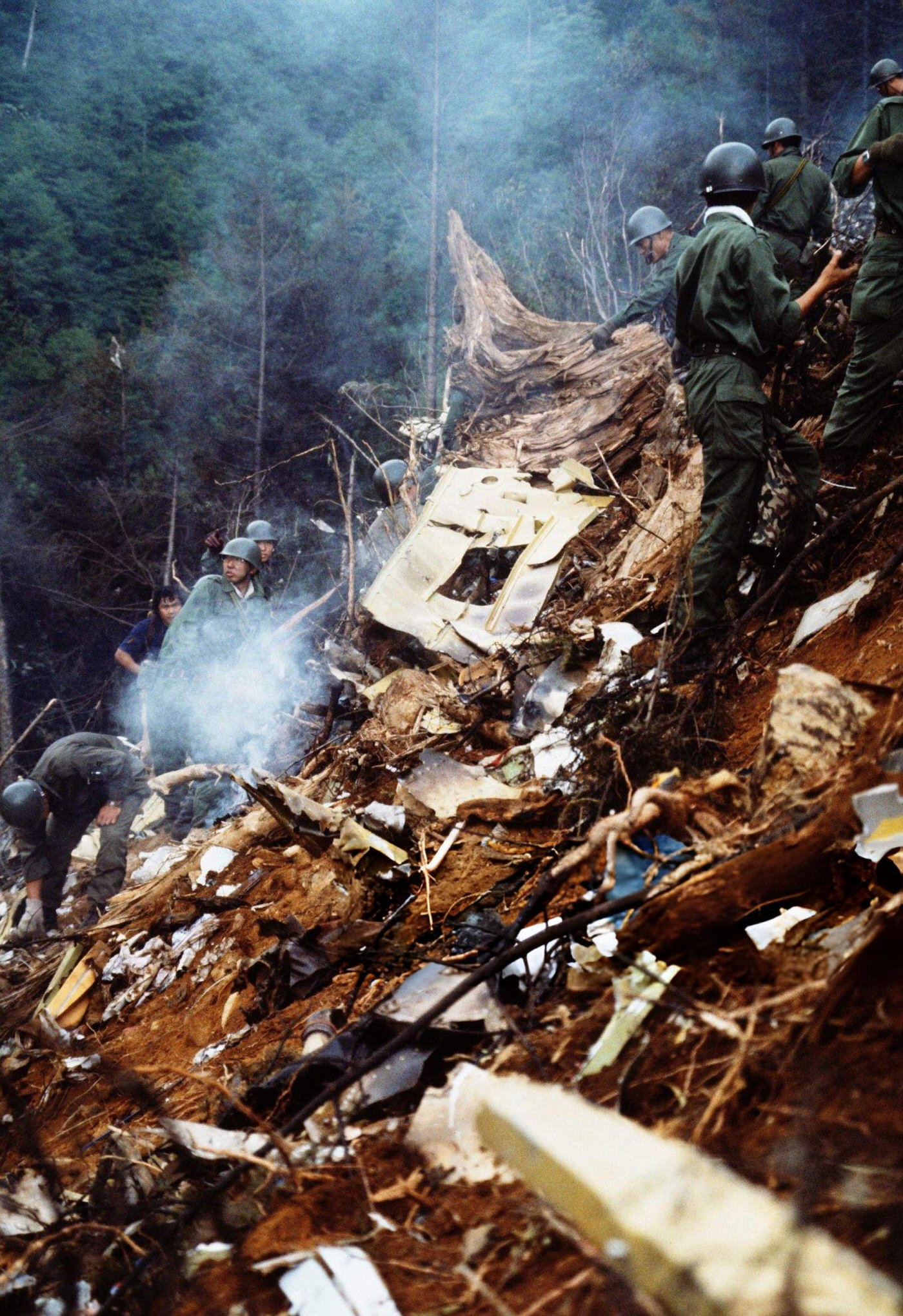
The body recovery operation continued for days. Soldiers carried the remains of victims down the mountainside, with helicopters used to transport them from the ridge. The scale of the task — 520 victims across remote terrain — made it one of the largest disaster recovery operations in Japanese history.
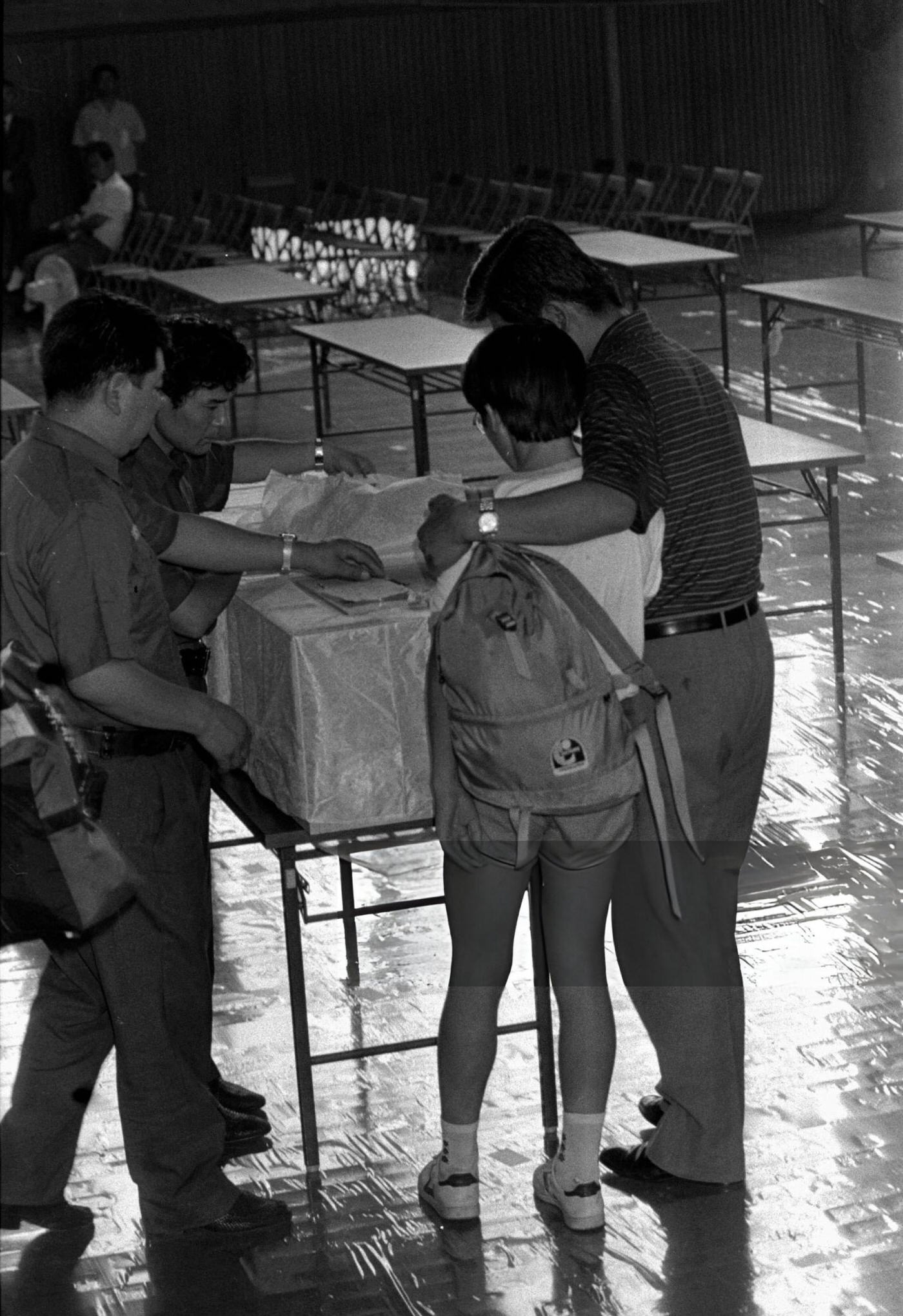
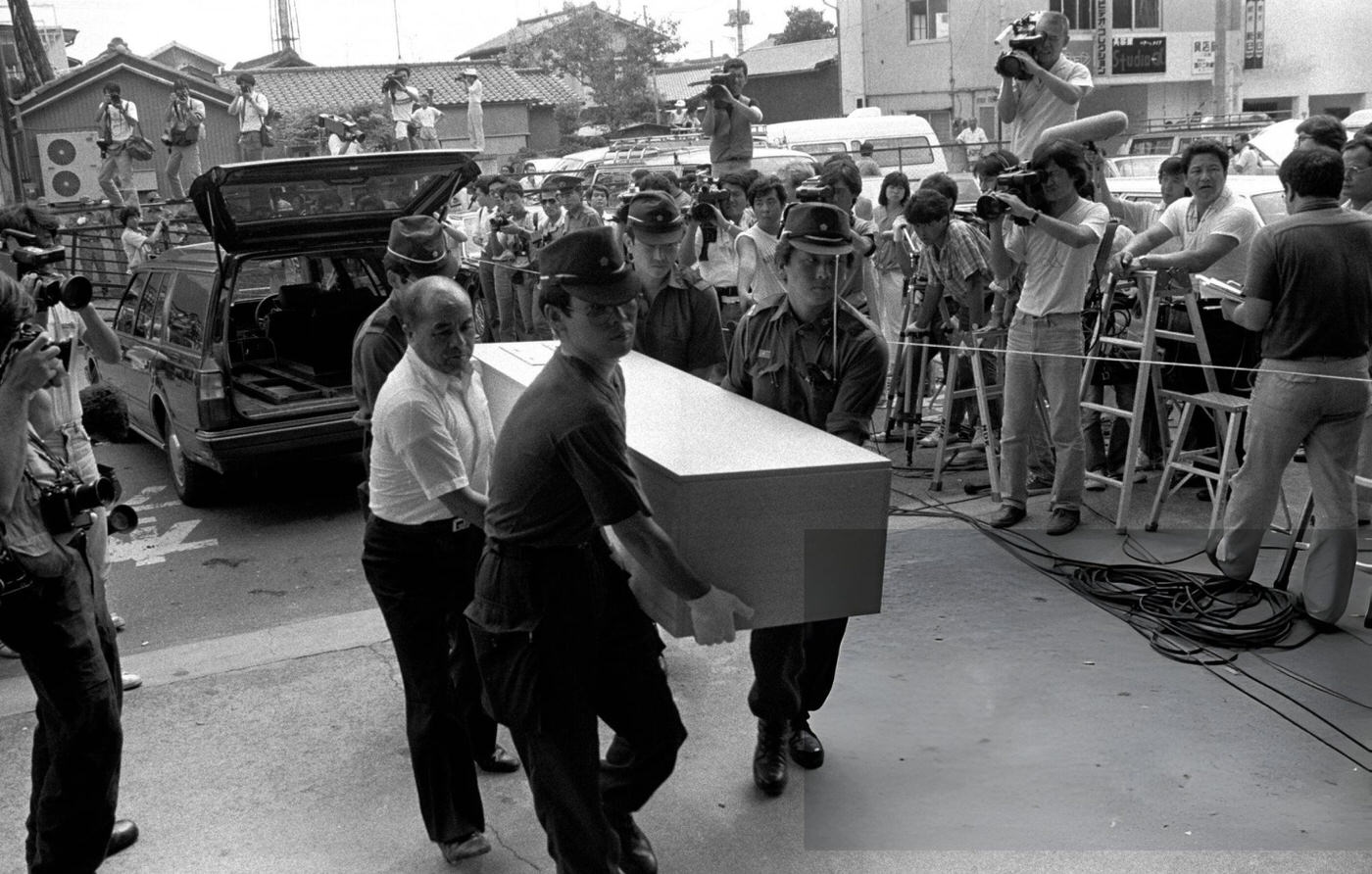
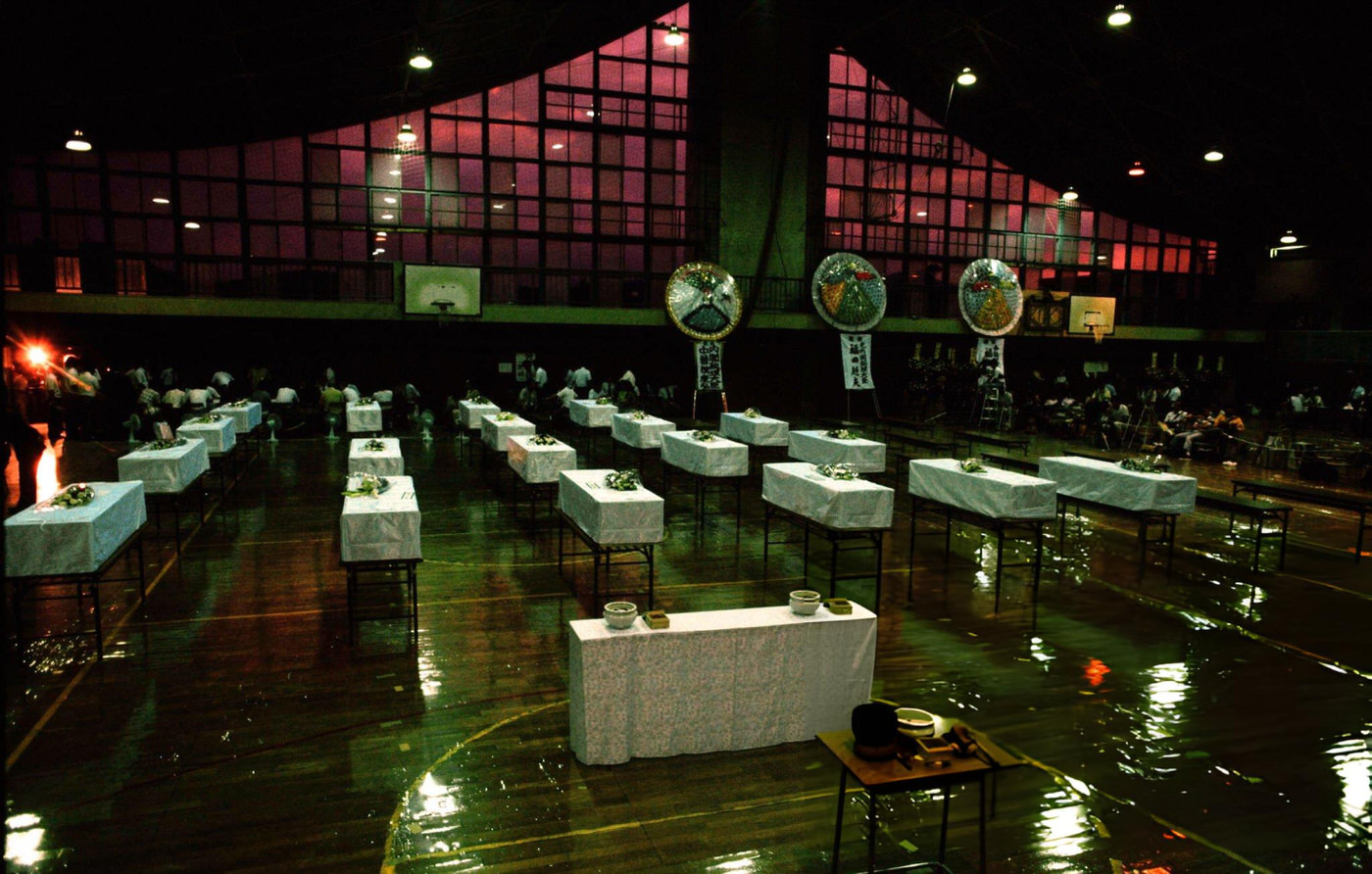
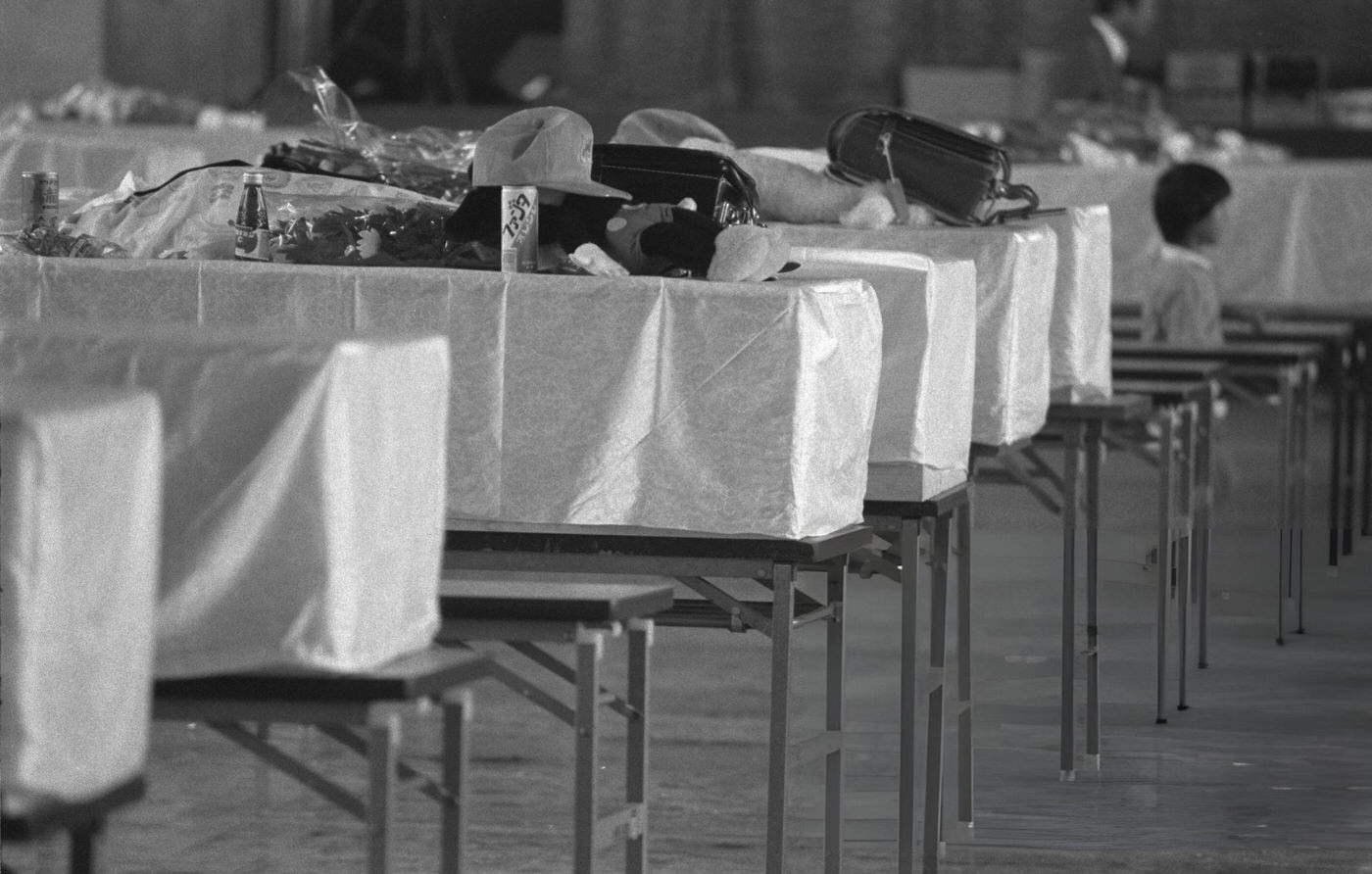
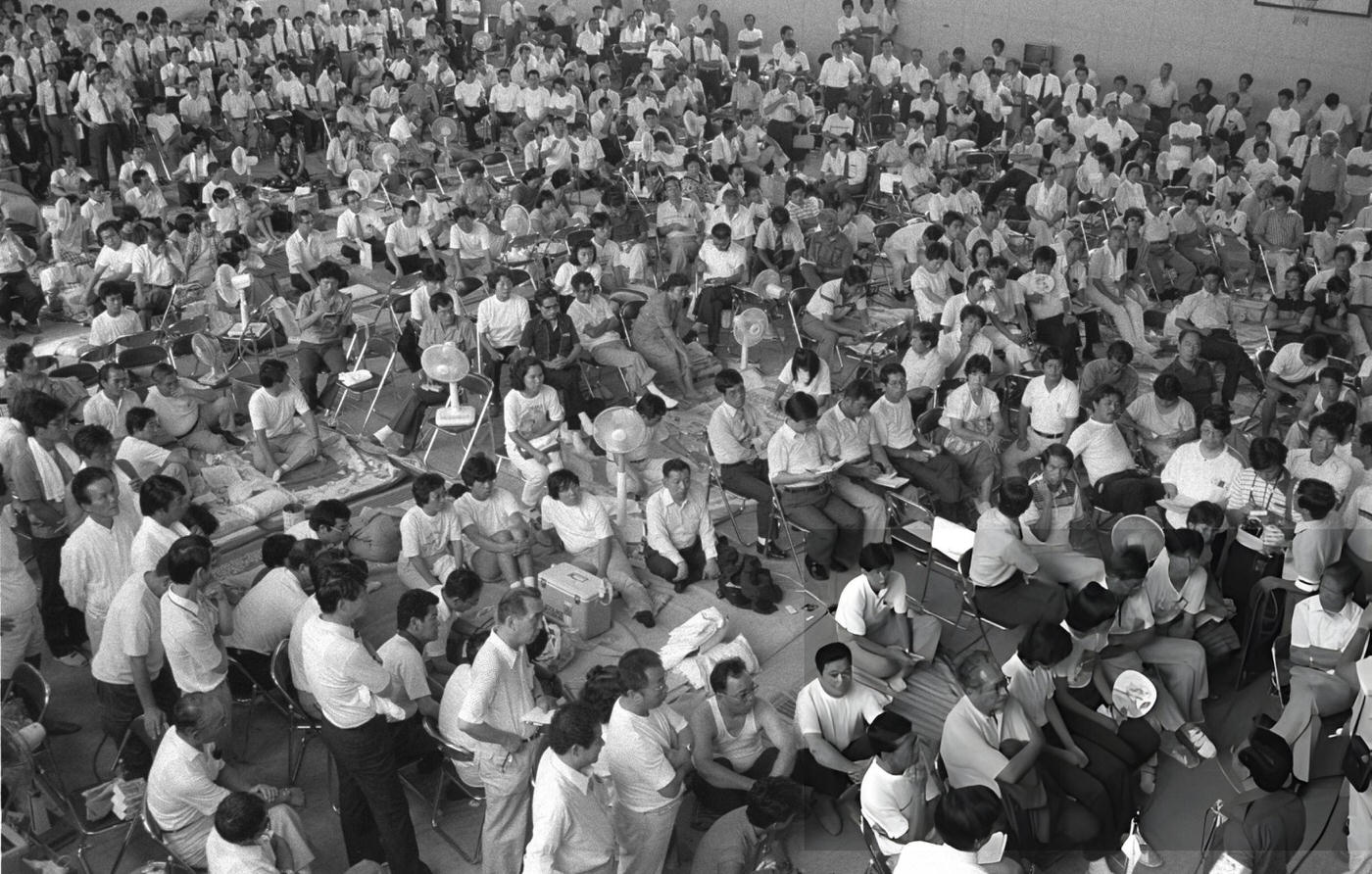
As bodies were recovered and brought to a gymnasium serving as a temporary mortuary, families gathered to wait. Many had spent the night hoping their loved ones were among the survivors. The gymnasium became a place of grief as coffins arrived one after another. Personal belongings — a baseball cap, a school bag — were placed on coffins to identify the dead and preserve some connection to who they had been in life.
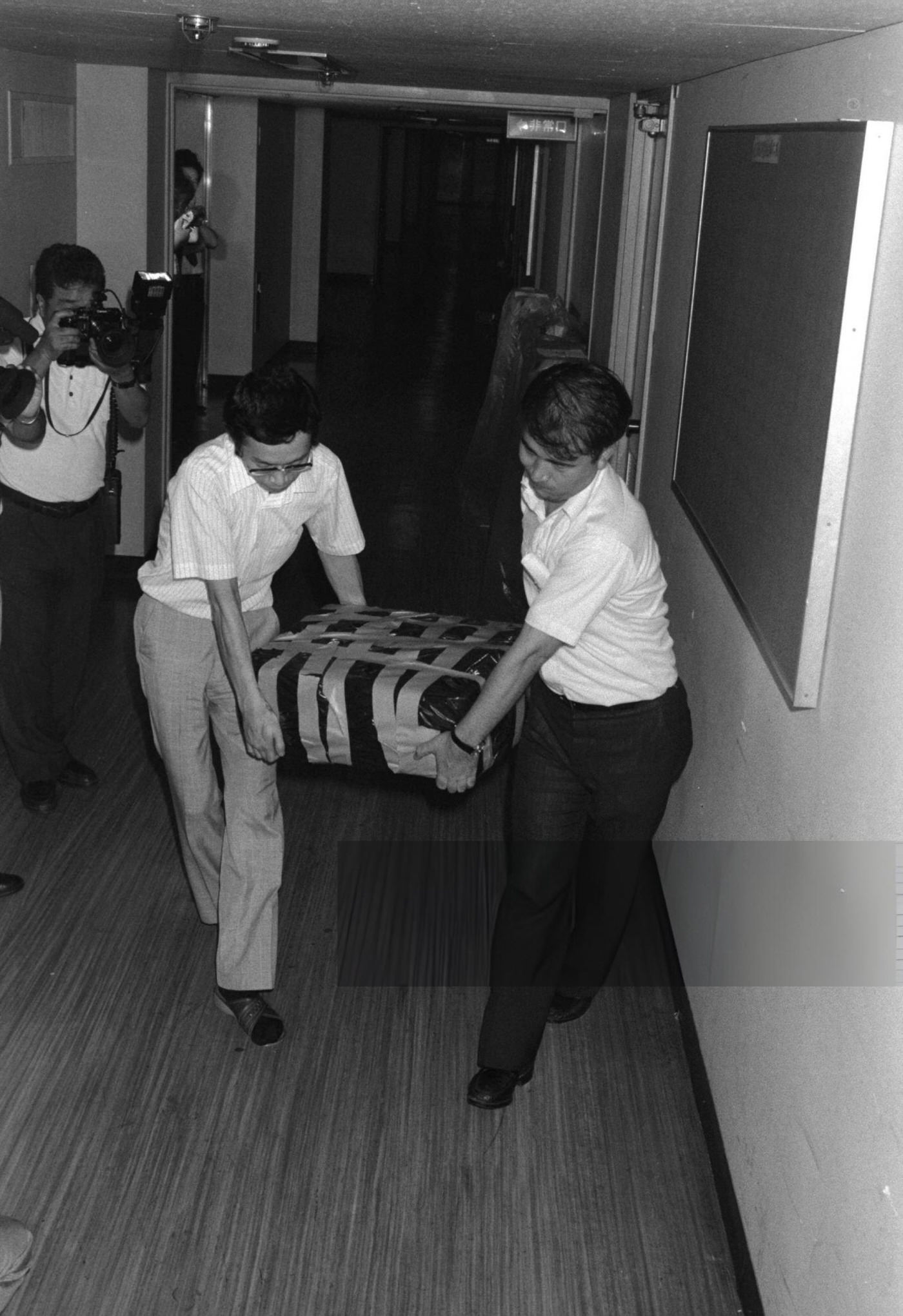
Investigators recovered the flight data recorder and cockpit voice recorder and delivered them to Japan’s transport ministry. The investigation that followed was extensive. It traced the disaster back to an event seven years earlier: a tailstrike incident in 1978 in which the rear pressure bulkhead was damaged. Boeing technicians repaired it using a doubler plate, a metal patch designed to reinforce the damaged area. The repair was done incorrectly. Instead of a single continuous plate covering the entire damaged section, the plate was cut into two pieces. This reduced its structural strength and created a zone of metal fatigue that grew with every pressurization cycle over the following years. By August 12, 1985, after roughly 12,000 flights, the bulkhead had weakened to the point of failure.
Investigators also found that Japan Air Lines had failed to catch the faulty repair during routine maintenance checks over those seven years. The airline’s oversight procedures were not rigorous enough to detect a non-compliant repair on a critical structural component. Both Boeing and JAL bore responsibility — Boeing for performing an improper repair, and JAL for failing to identify it.
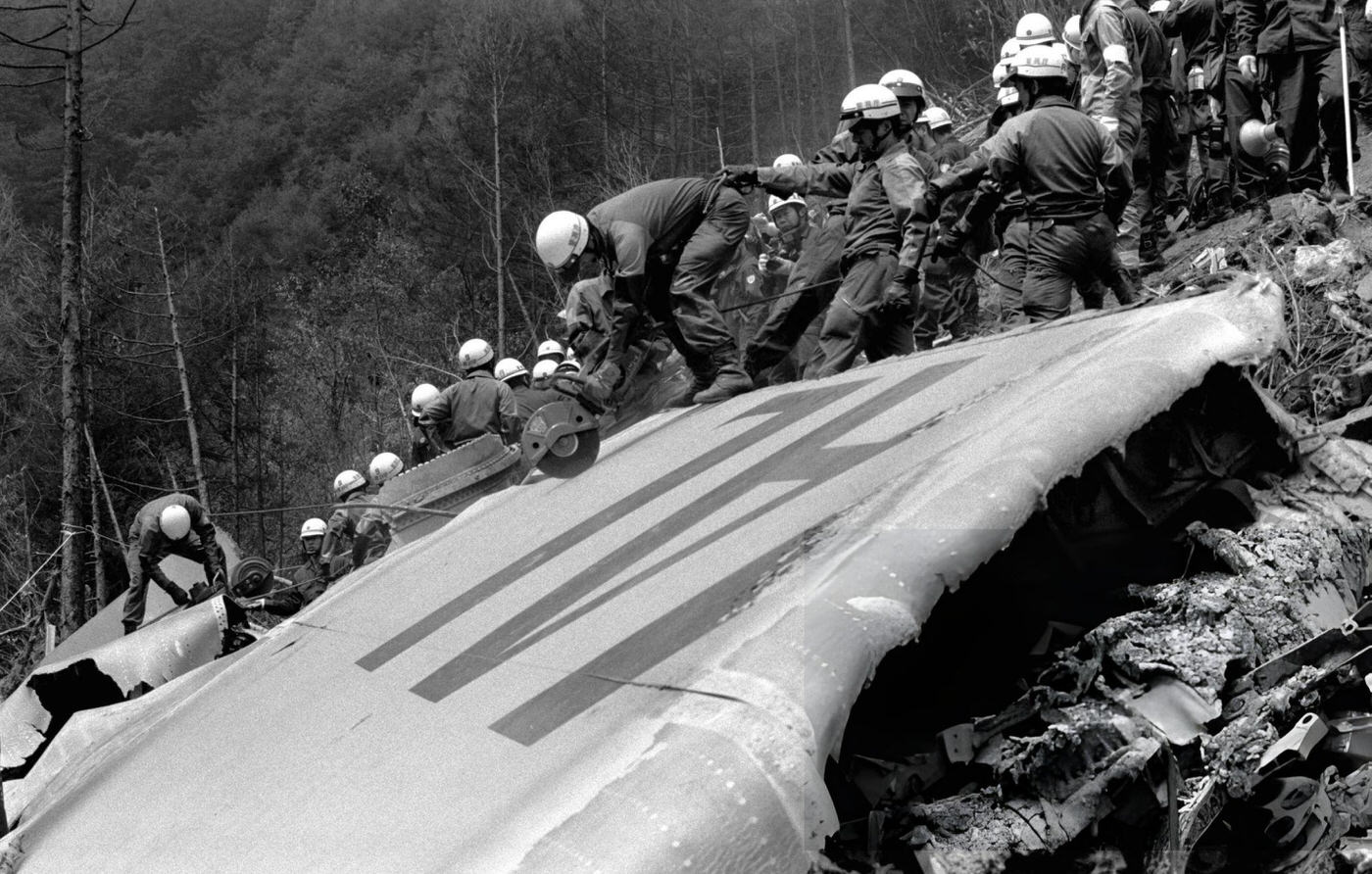
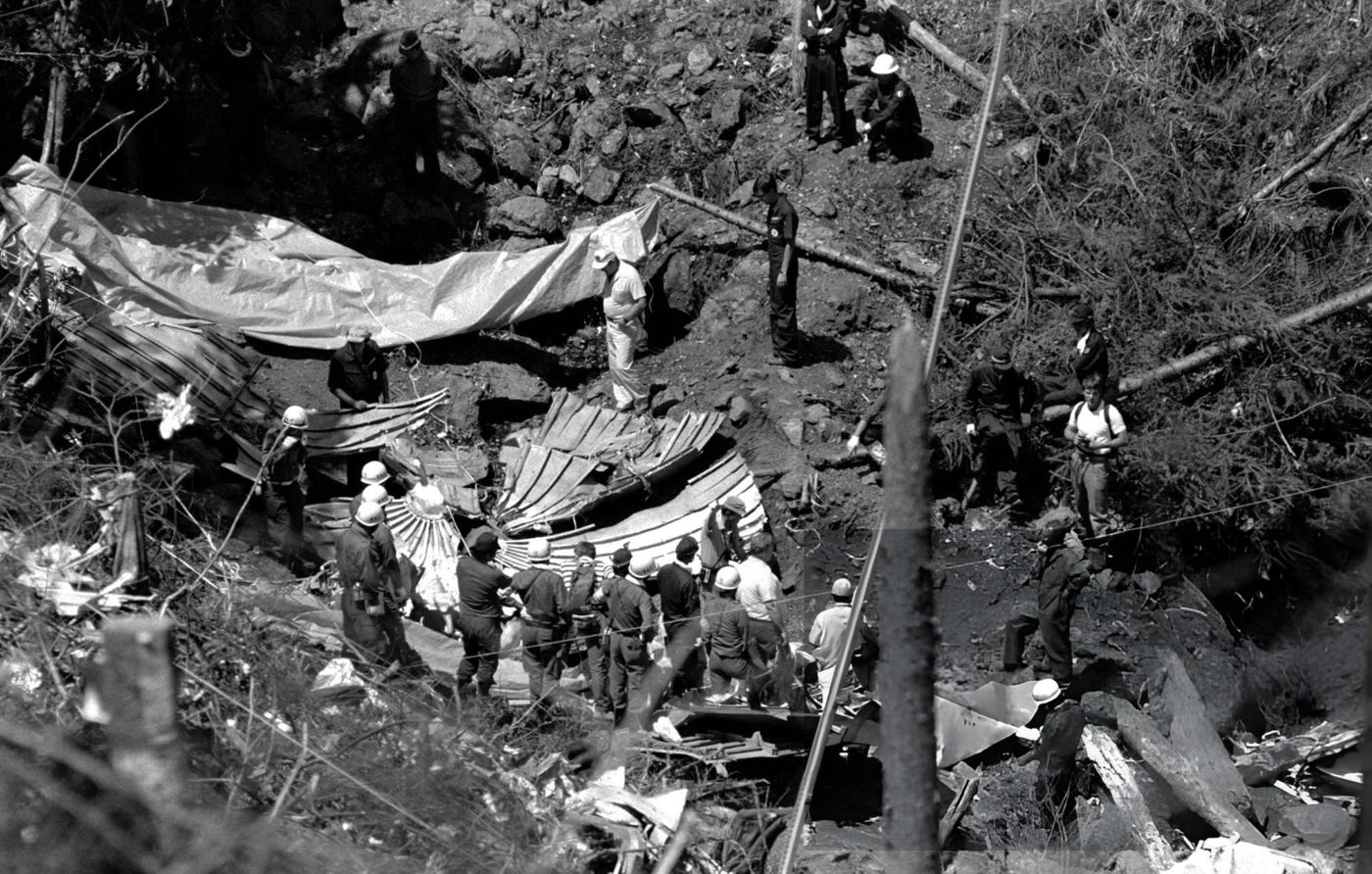
The delayed rescue response also drew scrutiny. Military helicopters had located the crash site on the night of August 12, but ground teams didn’t arrive until the morning of August 13. Survivor Yumi Ochiai later stated that she had heard other survivors in the wreckage during the night. Whether a faster response would have saved additional lives became one of the most painful questions surrounding the disaster. The recovery operation at Mount Osutaka pressed on until all victims were accounted for.


I find the saddest thing about this crash is the number of survivors that lived through the initial crash but soon perished as the Japanese government refused help from the US Military who was ready to go to the crash site almost immediately afterwards. One of the survivors stated that she heard people groaning and crying for help but as the night passed they got quieter and quieter.
Why did the Japanese government refuse help from the US military?
Ego or pride maybe? A similar incident to this one is the Sewol ferry tragedy that happened in South Korea. The ferry was sinking and the U.S Navy offered to help but South Korean officials initially refused their aid. Once they accepted it was too late and many lives were lost… who knows exactly why officials turn down help in situations like these
Green dot made a great video documenting the incident https://youtu.be/h3AWPhslRg4?si=uynpFGAdQcSTOqgQ