The A-Frame is one of the most recognized visual poses in popular culture. It features a figure with legs spread apart and the torso cropped or angled, forming a shape that mirrors the letter A. Since the 1960s, this pose has appeared on movie posters, comic book covers, album art, and VHS box covers, making it one of the most repeated compositions in visual media.
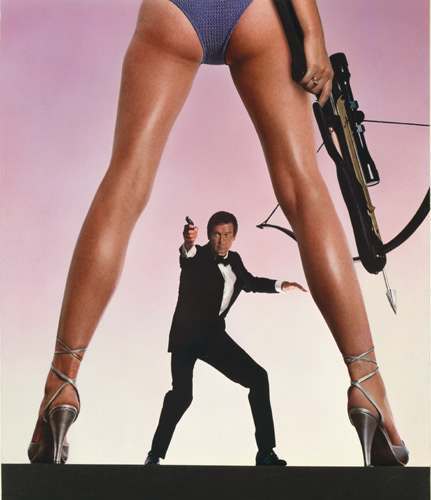
One of the most famous examples is the movie poster for *For Your Eyes Only*. James Bond stands in the A-Frame position, gun in hand, while a woman mirrors the pose beside him. The image is bold and direct — it signals action, danger, and control all at once.
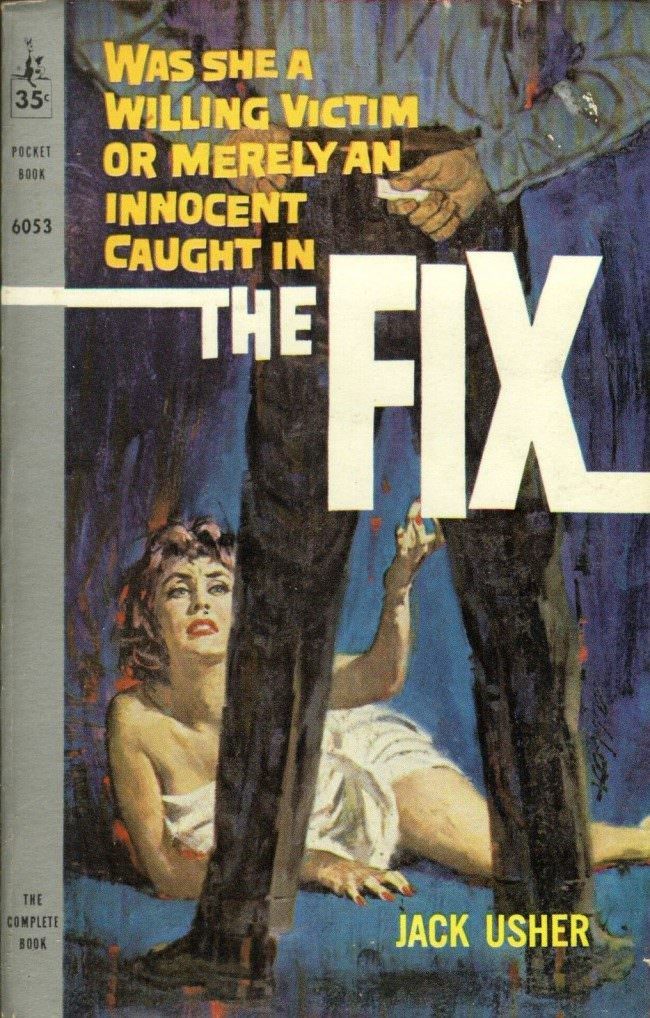
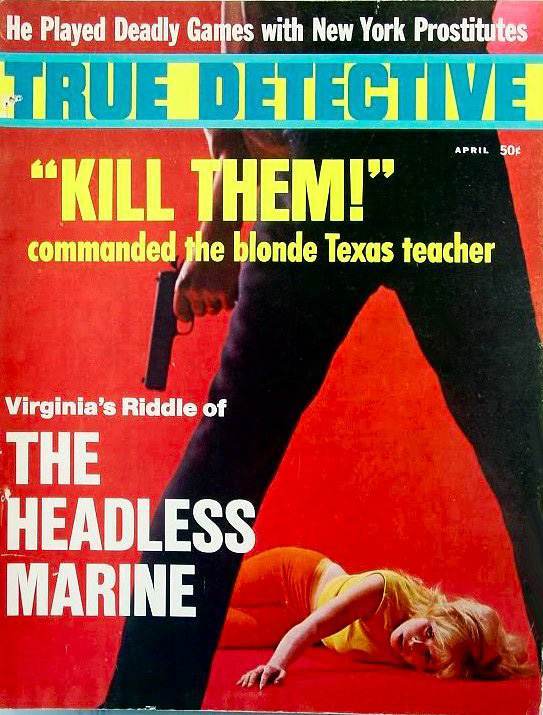
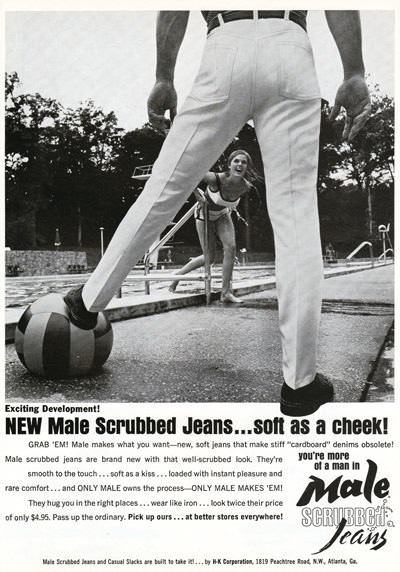
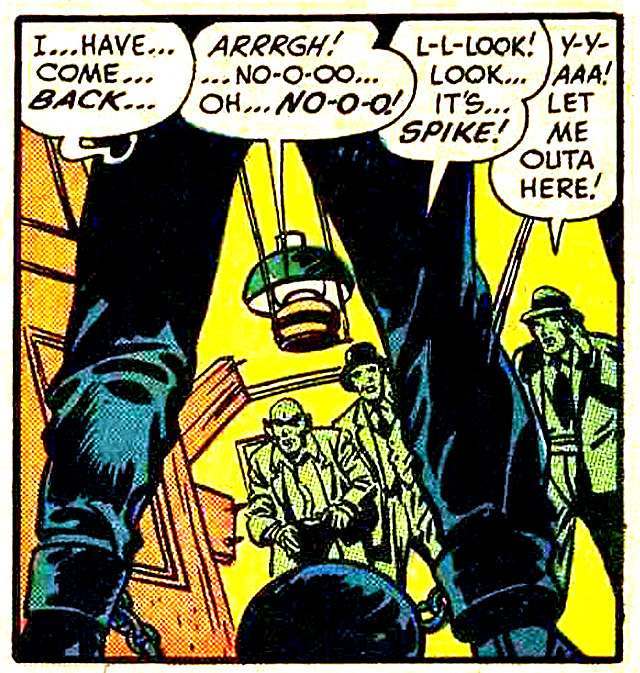
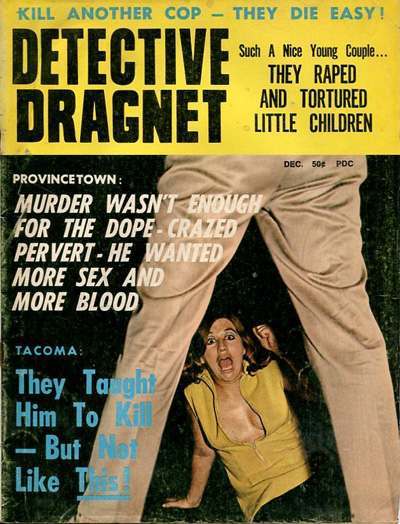
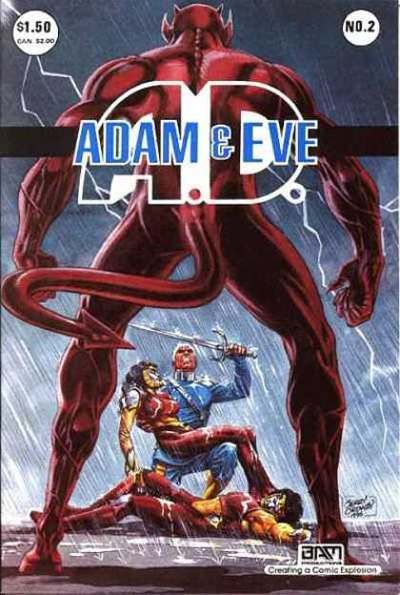
When a man takes the A-Frame stance, it typically signals conflict or readiness for violence. Think of a cowboy standoff or a hero squaring up against a villain. The wide stance reads as dominant and aggressive.
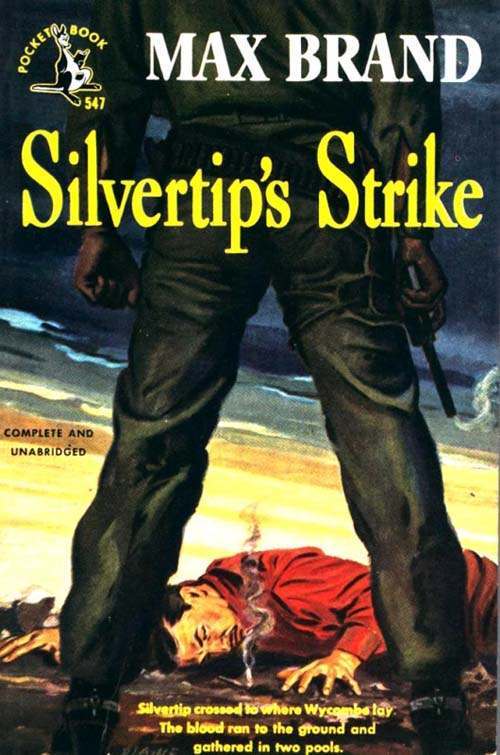
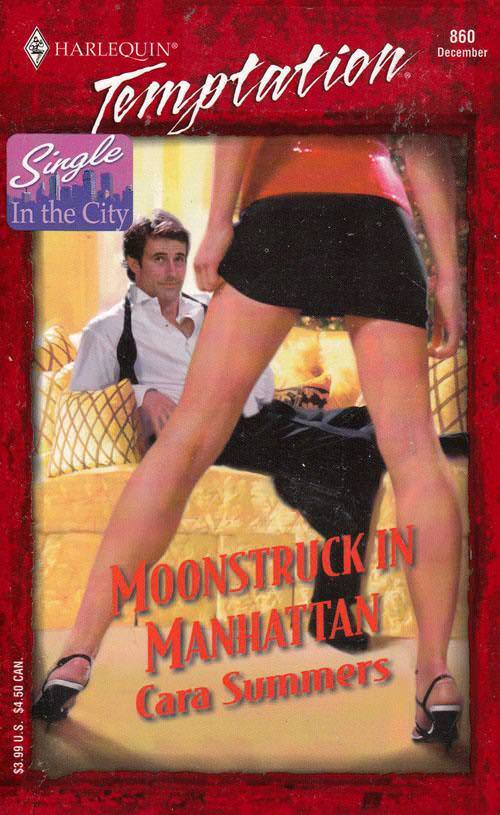
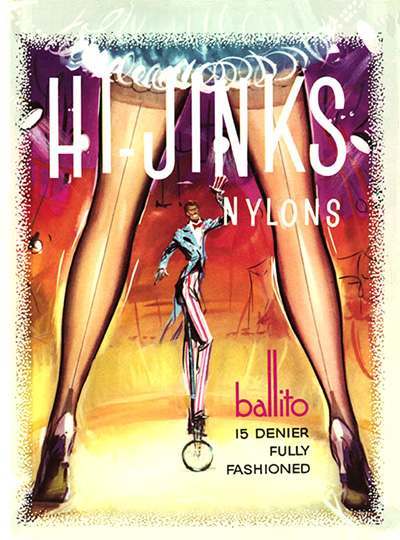
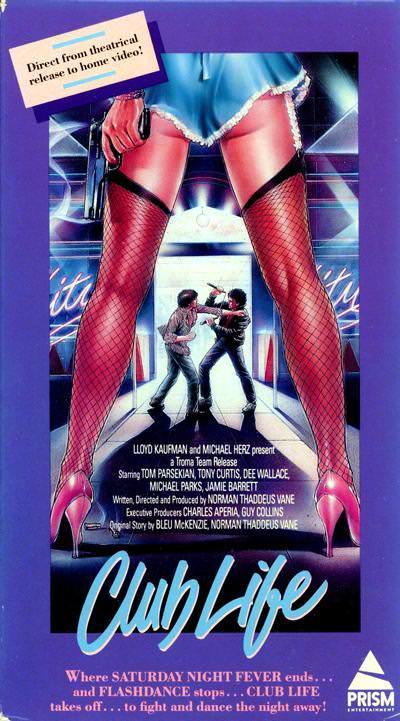
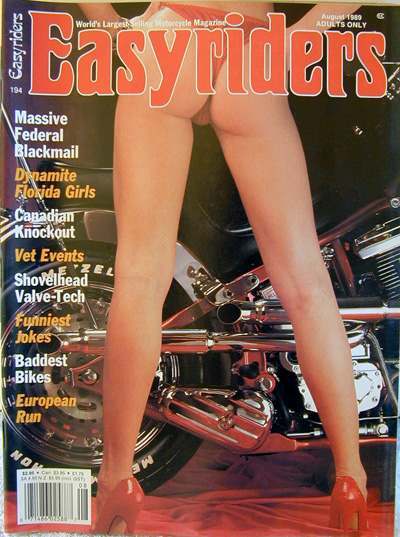
When a woman is placed in the A-Frame, the meaning shifts. The pose emphasizes her legs, often lengthened further by high heels, and the visual focus moves toward sexuality rather than threat. The same basic shape carries two very different messages depending on who fills it.
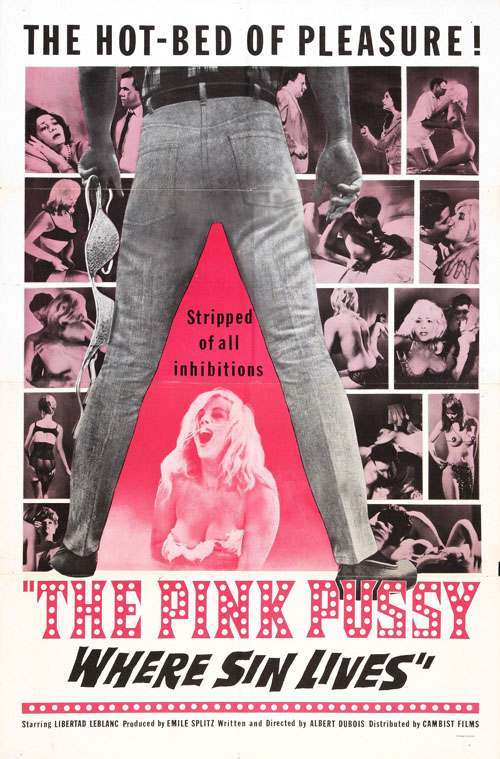
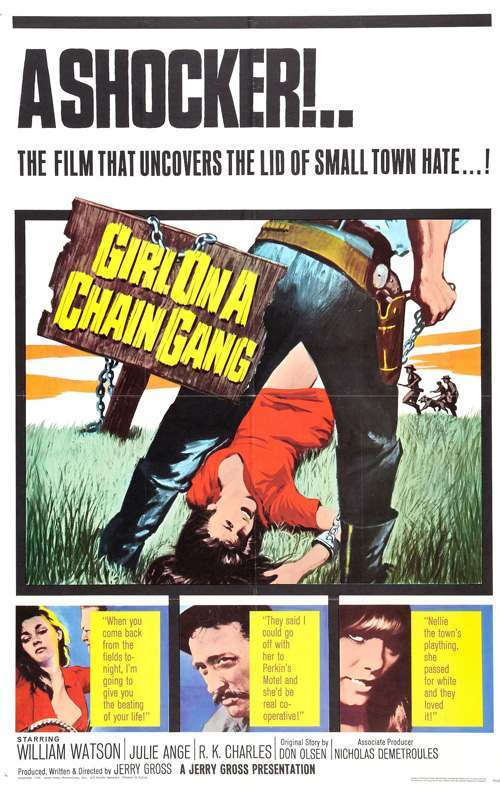
B-movie posters and cheap paperback covers leaned hard into both readings. These images often pushed the pose toward its most suggestive or most violent extremes. That edginess is a big part of why the A-Frame stuck around — it grabs attention fast.
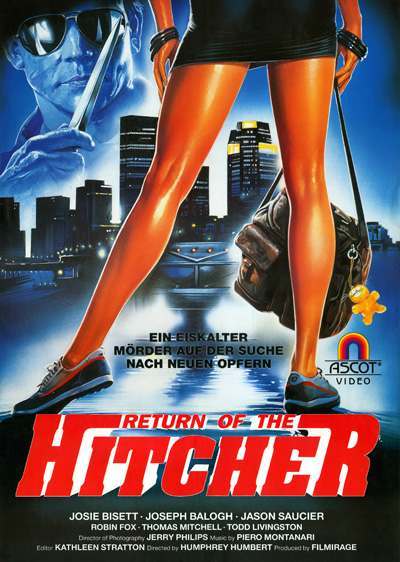
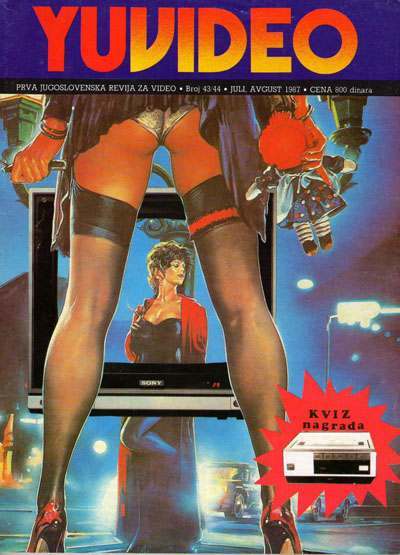
Part of what makes the A-Frame so effective is the cropping. By cutting off part of the figure, designers create a sense of motion and energy. A full-body shot of a character standing still rarely has the same pull. The partial view adds mystery and draws the eye inward.

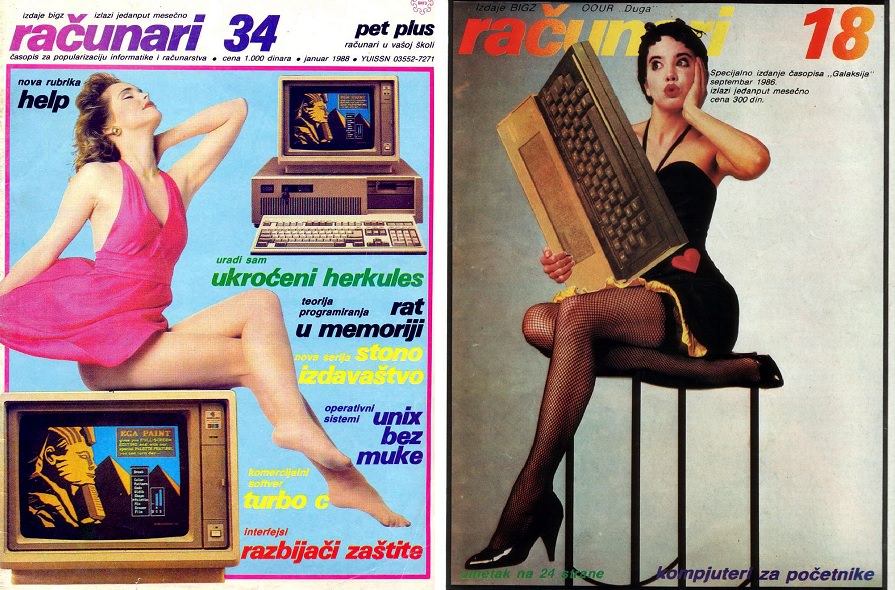
The pose also works well in fashion photography. Spread legs, strong posture, and a cropped frame communicate confidence and presence. Designers and photographers have used these same principles on magazine covers and advertising campaigns for decades.


Comic book covers brought the A-Frame to millions of readers every week. Superheroes and villains alike struck the pose on newsstands, using it to communicate power before a single word was read.
Album covers picked up the pattern too. Rock, soul, and pop artists used the A-Frame to project attitude and command attention on record store shelves. The pose translated just as well to a 12-inch square as it did to a movie billboard.
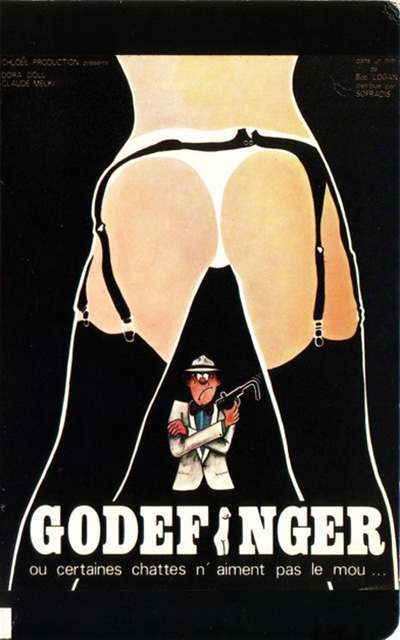

VHS box art of the 1970s and 1980s relied on the A-Frame constantly. With only a small rectangle of artwork to sell a film, designers needed compositions that hit hard at a glance. The A-Frame delivered every time.


The pose has changed in style across decades but its core structure stays the same. Whether rendered in painted illustration, photography, or digital art, the A-Frame remains instantly readable. Its geometry is simple, and that simplicity is the source of its staying power.