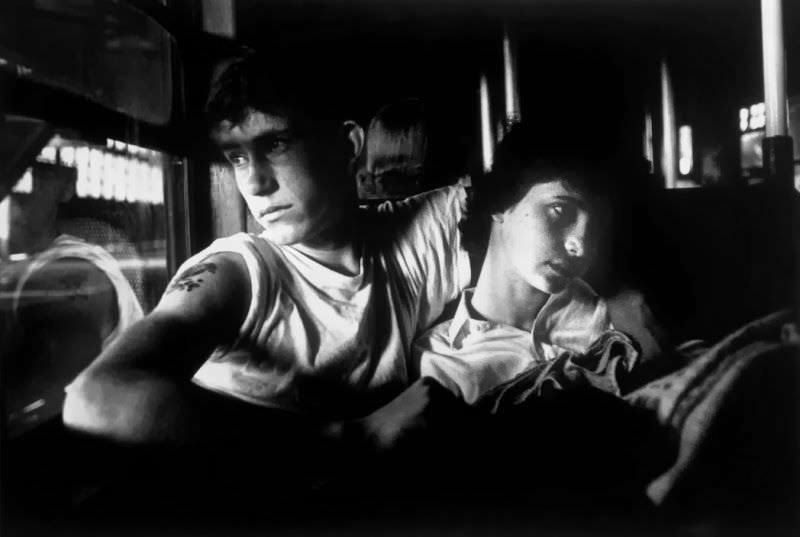
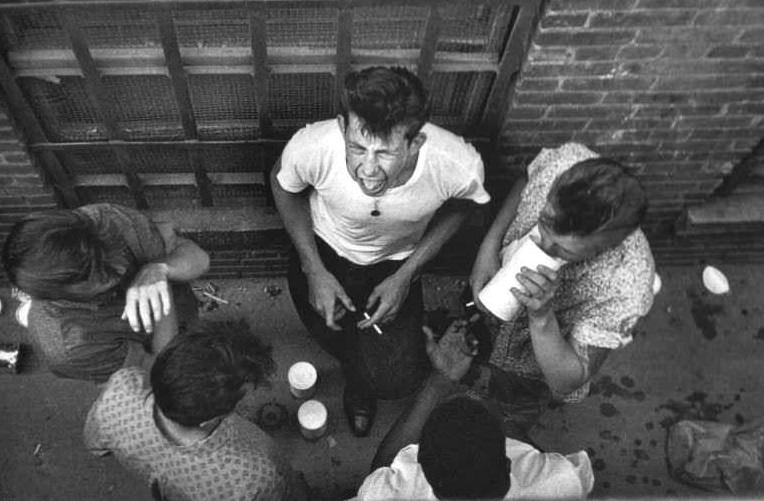
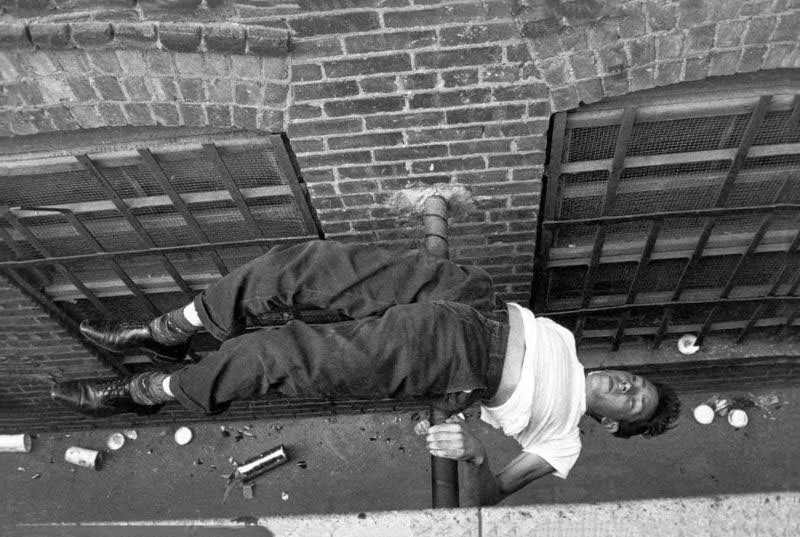
In 1959, New York City’s streets were alive with tension that most Americans preferred not to see. Teenage gangs claimed corners, alleyways, and entire neighborhoods across the five boroughs. Photographer Bruce Davidson read about these groups in the news and decided to get closer — not as a journalist chasing a headline, but as a quiet, patient observer willing to earn trust.
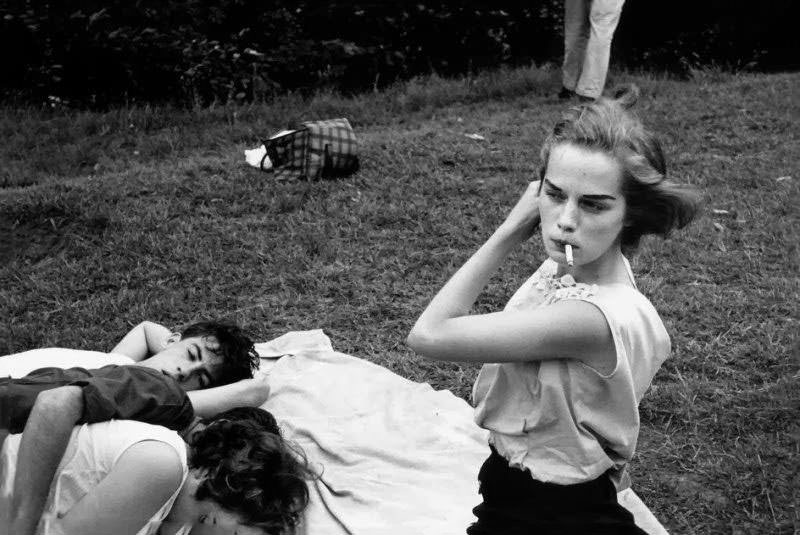
Davidson was 25 years old when he made contact with a Brooklyn gang called The Jokers through a social worker. The teenagers were around 16. He was close enough in age to blend in, and that made all the difference. He showed up day after day, camera in hand, until the kids stopped performing for the lens and started living in front of it.
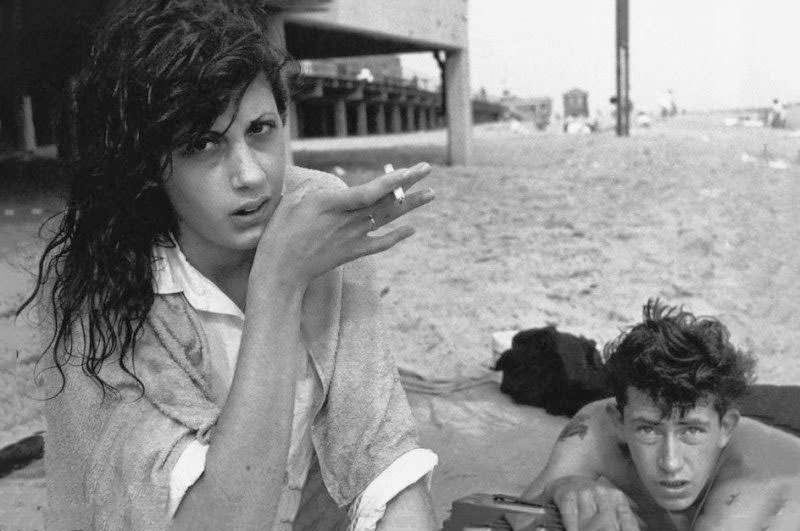
“I met a group of teenagers called the Jokers,” Davidson later recalled. “I was 25, and they were about 16. I could easily have been taken for one of them.” That closeness was not just physical — it became emotional. Over time, he stopped seeing them as subjects and started absorbing their world.
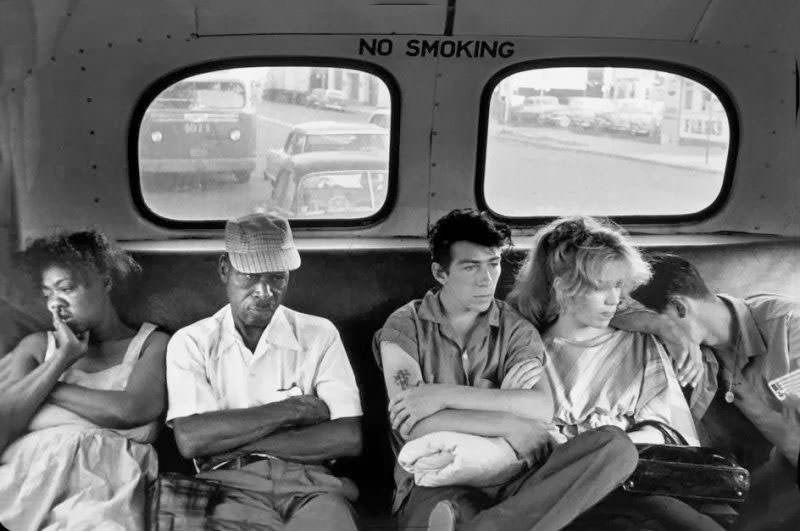
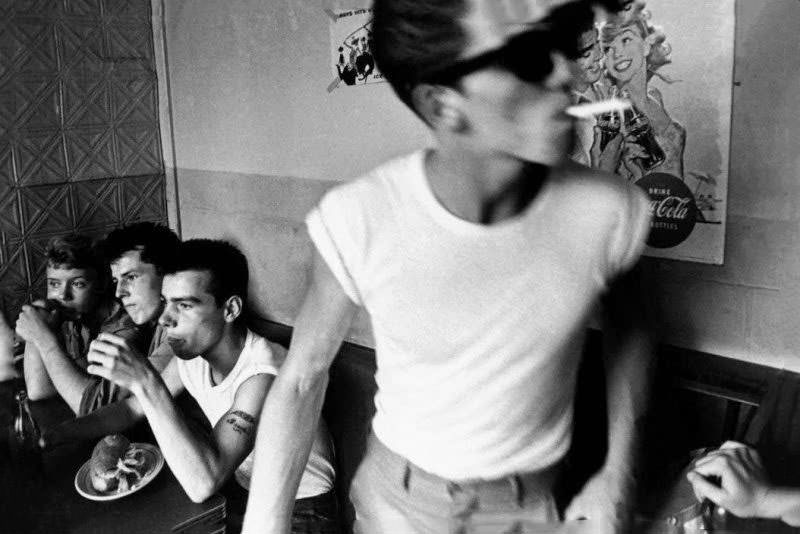
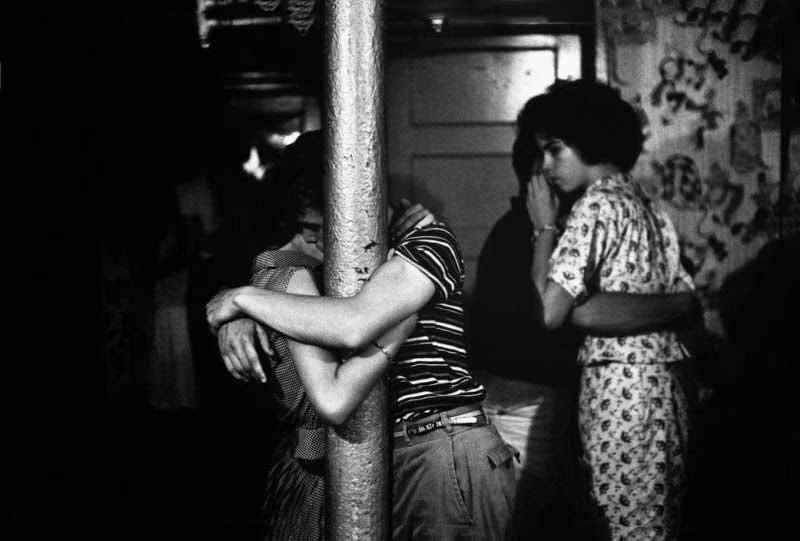
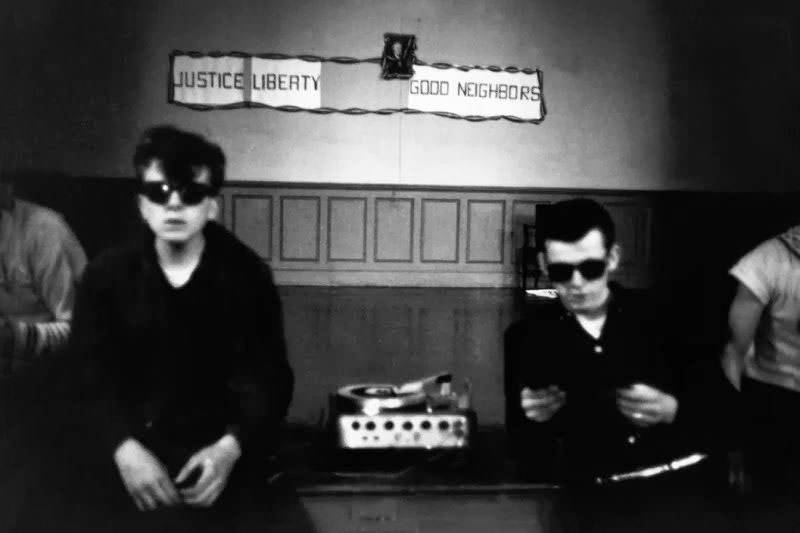
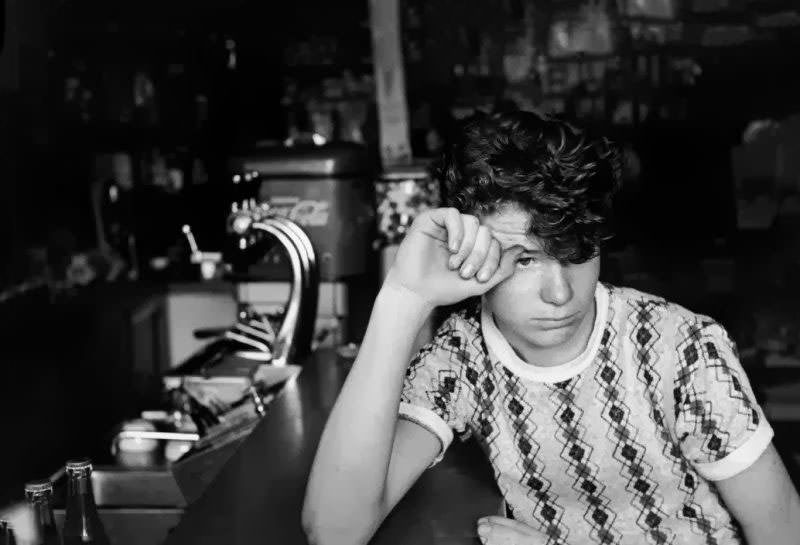
These were young people living with real fear, real depression, and real anger. They were poor, largely ignored by society, and keenly aware of both facts. Davidson did not sanitize any of it. His camera caught the slouch of boredom, the hard stare of someone who had already seen too much, and the rare, unguarded moments of tenderness between kids who had no reason to trust the world.
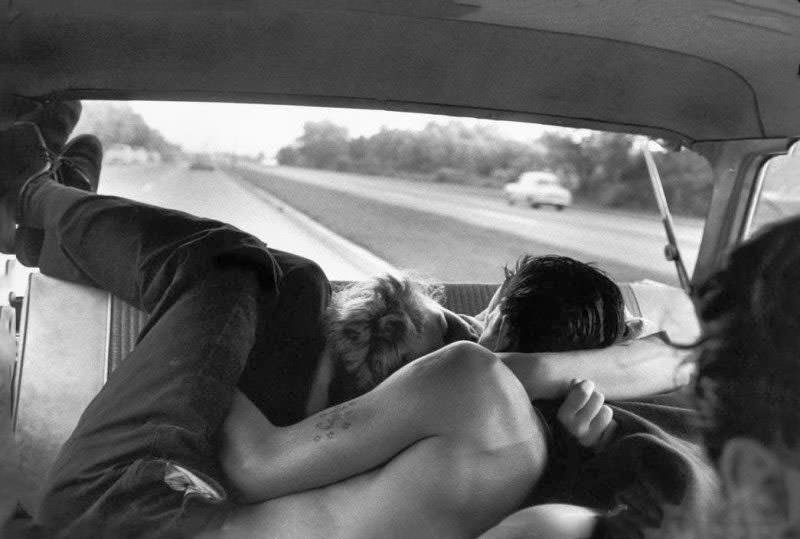
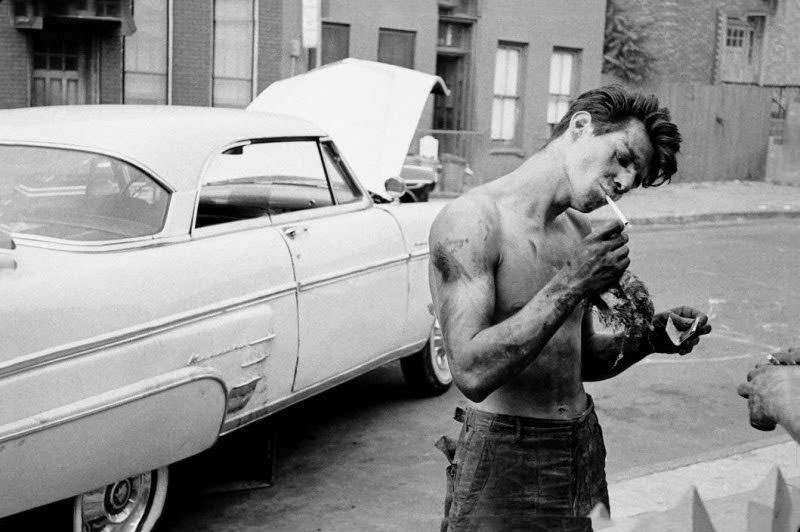
What Davidson found inside himself was just as revealing as what he found on the streets. Spending day after day with The Jokers, he uncovered his own feelings of frustration, failure, and rage. The project stopped being just an assignment. He described feeling their pain as his own, a blurring of the line between photographer and subject that made the work something rare.
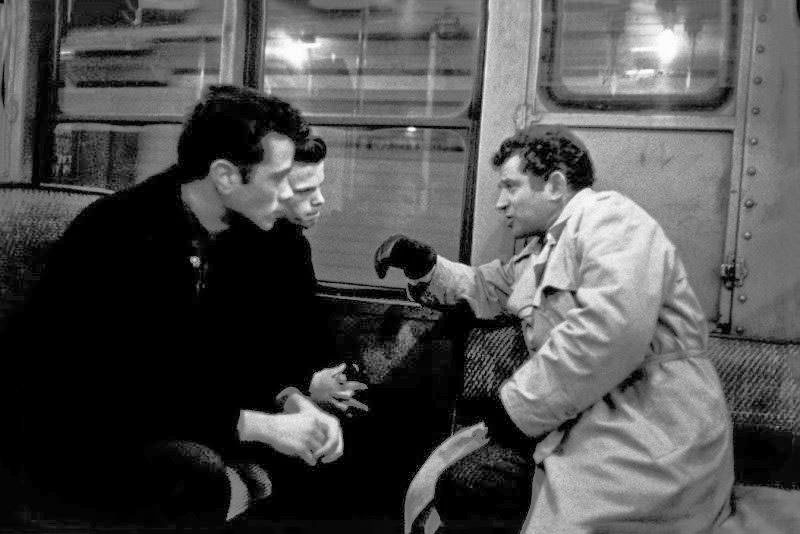
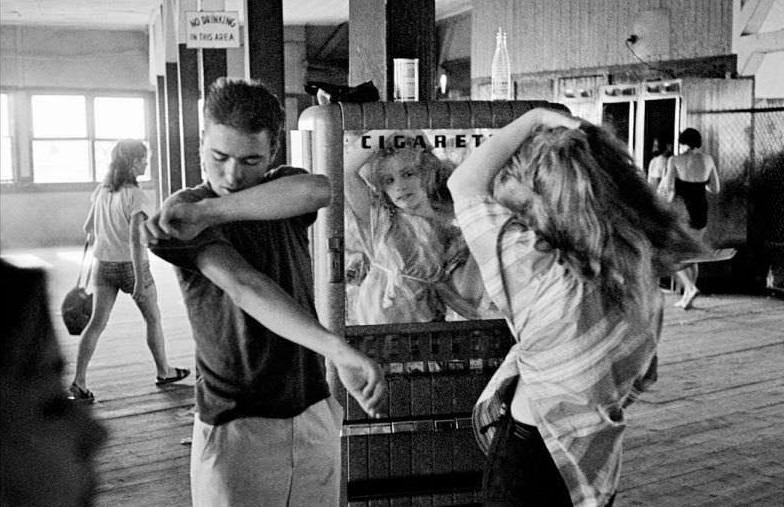
The 1950s are often remembered as a quiet, orderly decade — a time of suburban lawns, drive-in movies, and postwar optimism. Davidson’s photographs tear that image apart. His work proves that beneath the surface, American cities held entire communities of young people living in conditions that were anything but calm or comfortable.
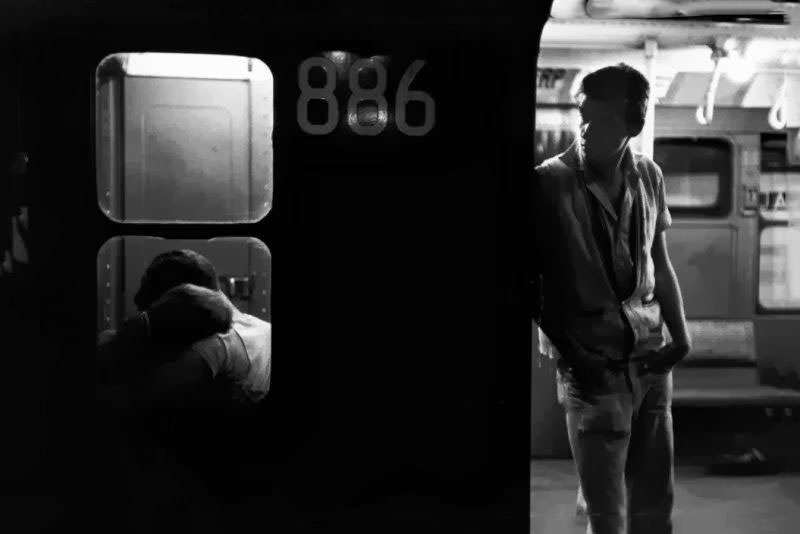
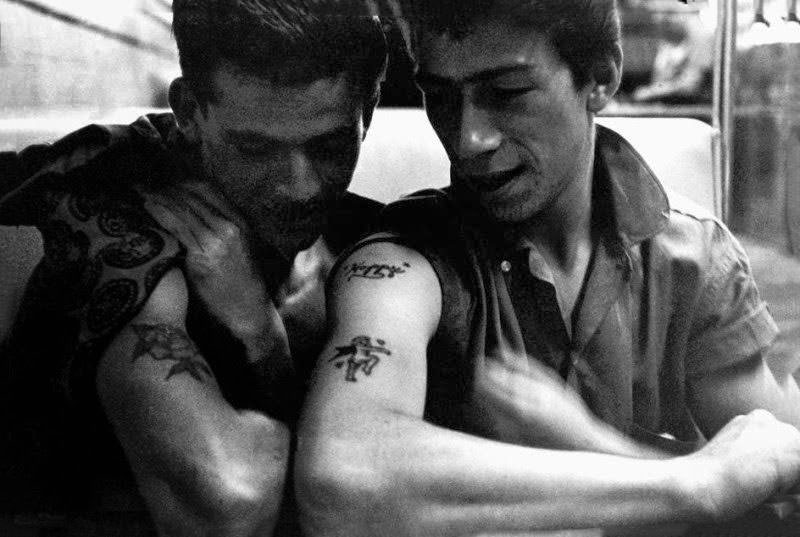
The Jokers dressed sharp, carried themselves with attitude, and projected toughness as a form of armor. Style was one of the few things within their control, and they used it. Davidson’s photographs show couples leaning into each other with a fierce kind of intimacy, groups of boys holding street corners like they were the only solid ground available to them.
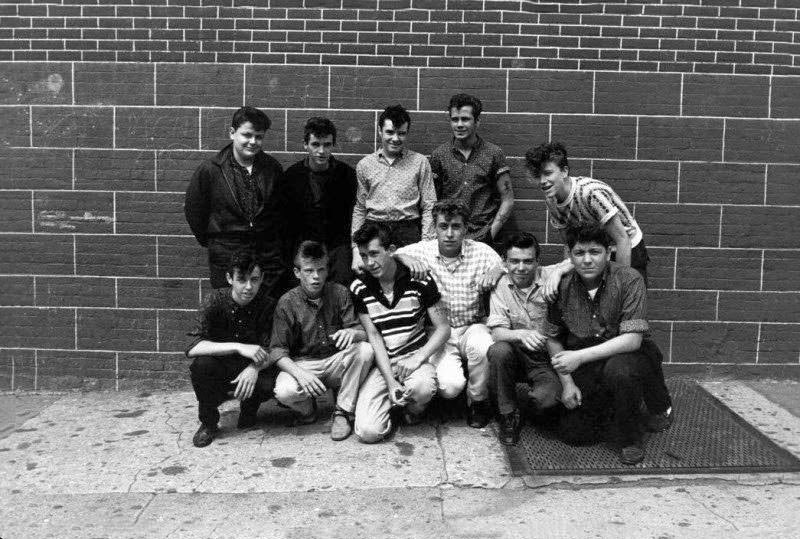
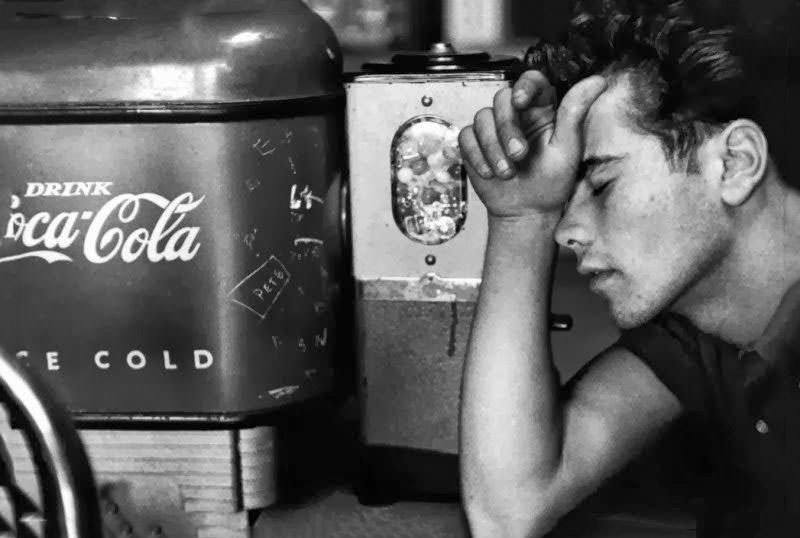
Davidson gave The Jokers something few adults in their lives had offered: consistent, non-judgmental attention. In return, they gave him access to moments that could not be staged. Fights, affection, idle hours, small rituals — all of it landed on film with a directness that formal portraiture never could have produced.
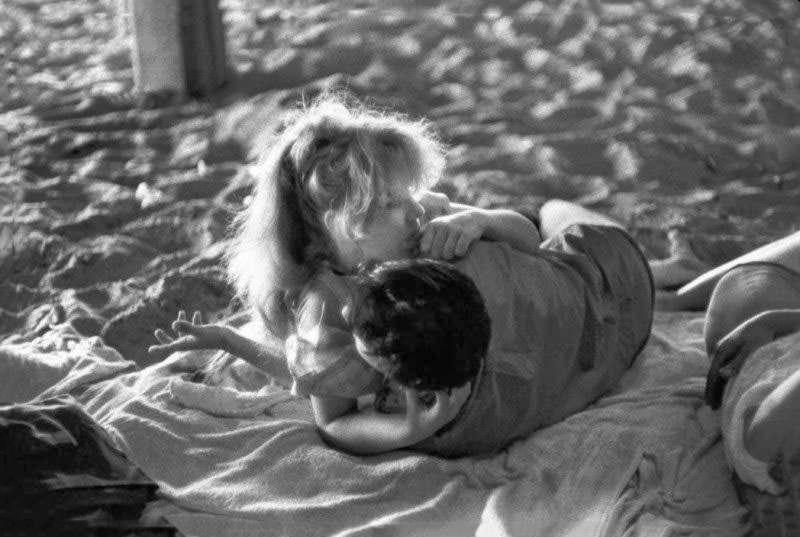
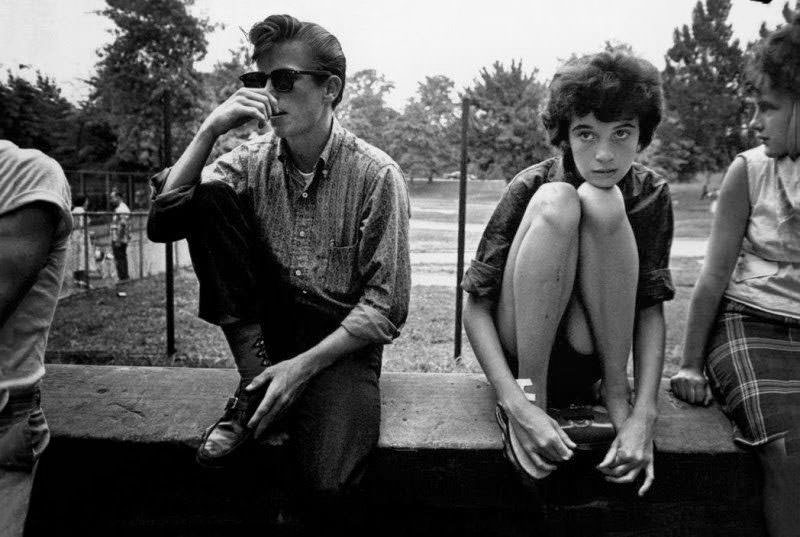
The series stands as one of the most unflinching records of working-class youth culture in mid-century America. Every frame holds a specific person in a specific moment — not a symbol, not a statistic, but a teenager navigating a world that offered very little room for error.