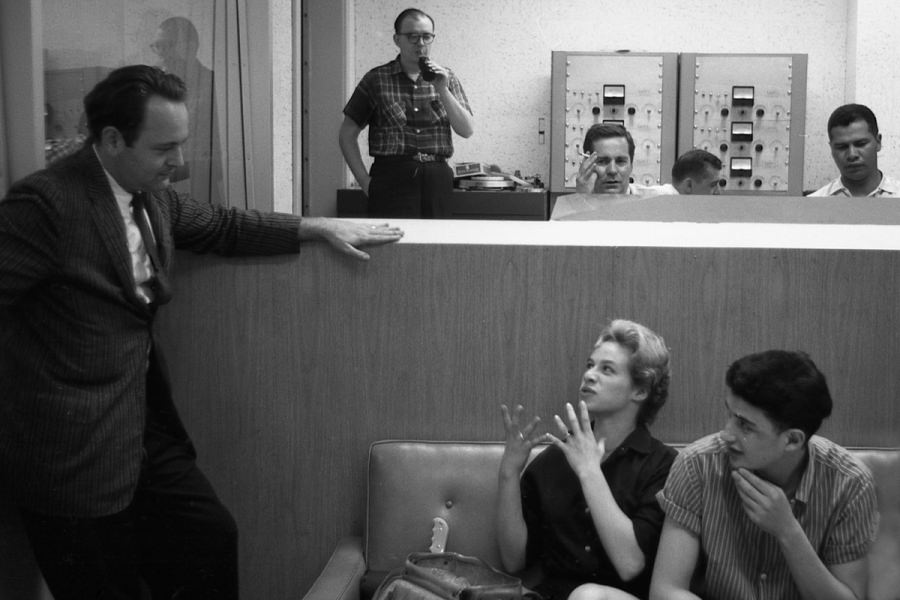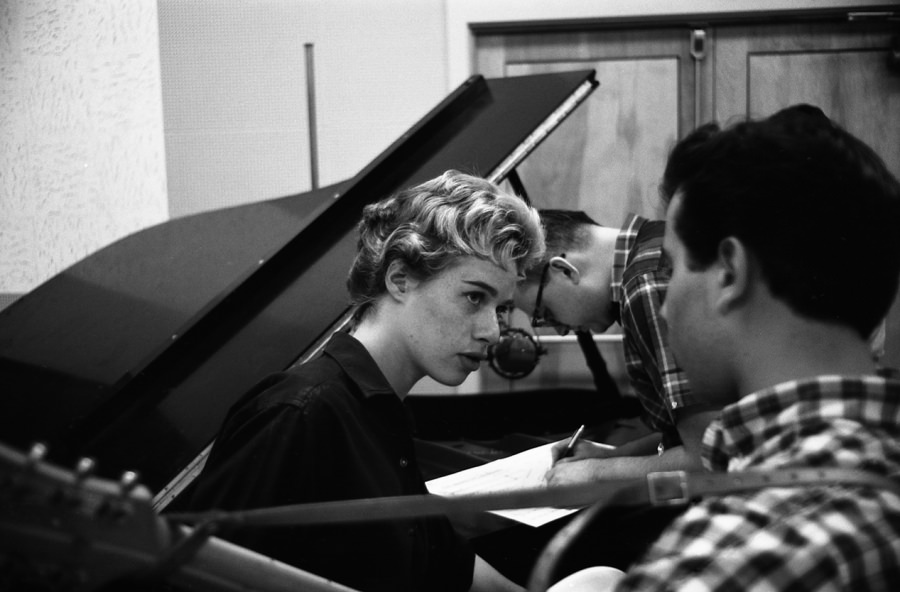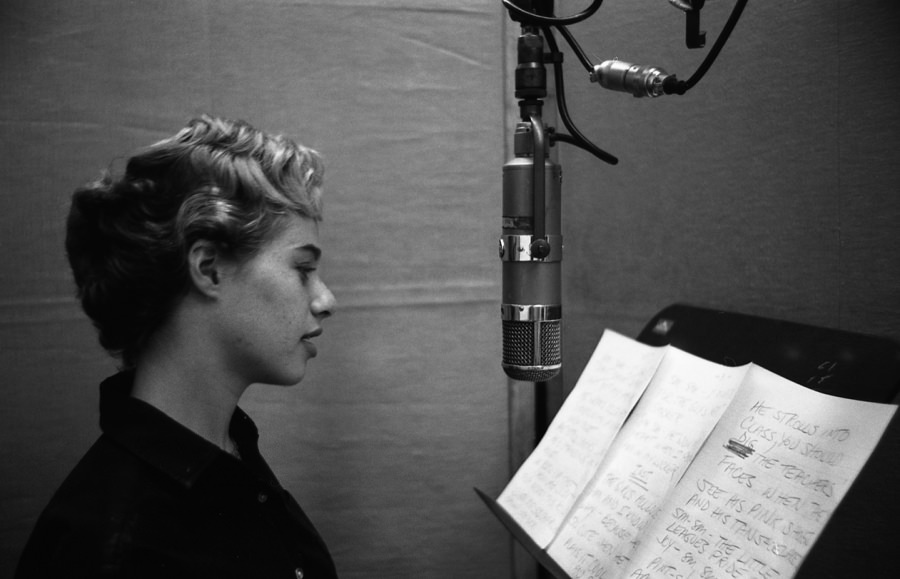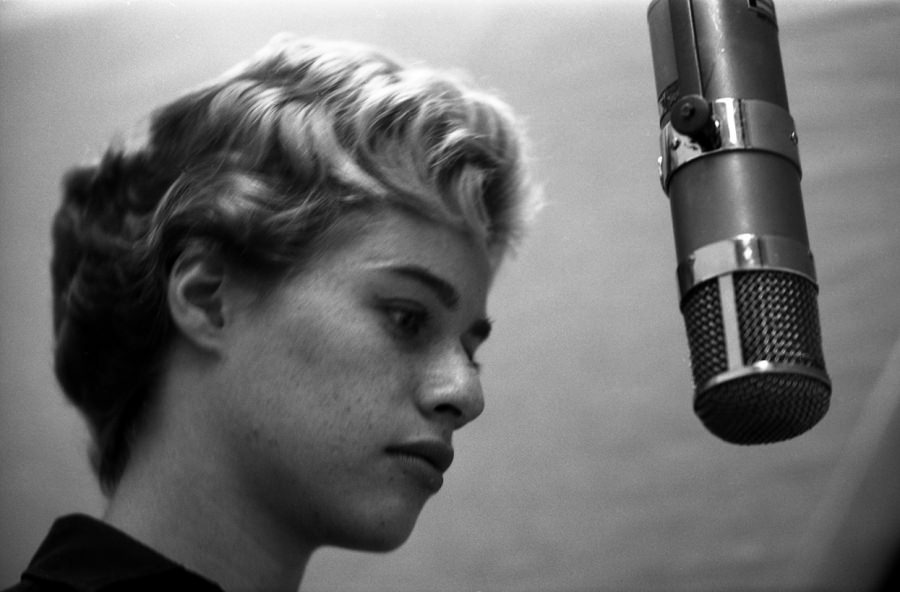

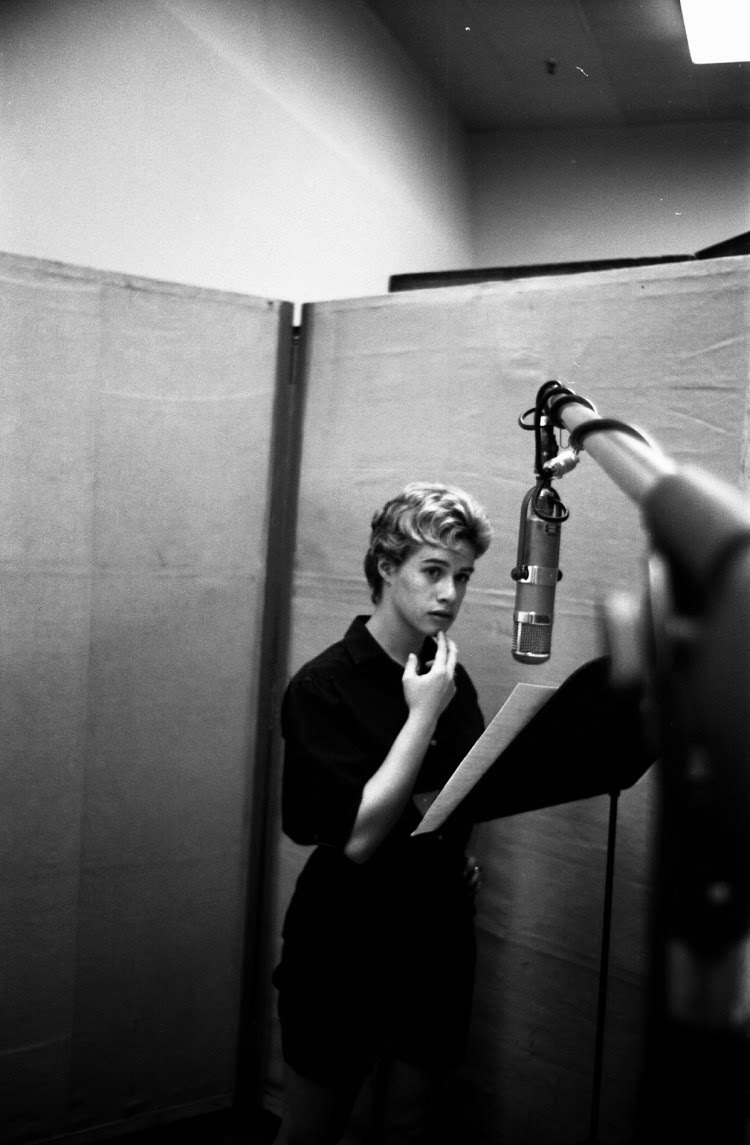
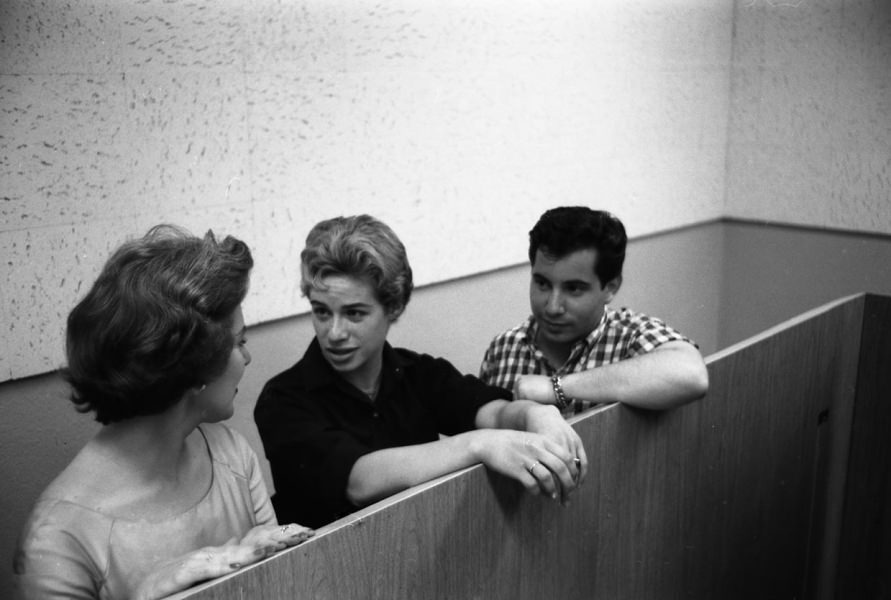
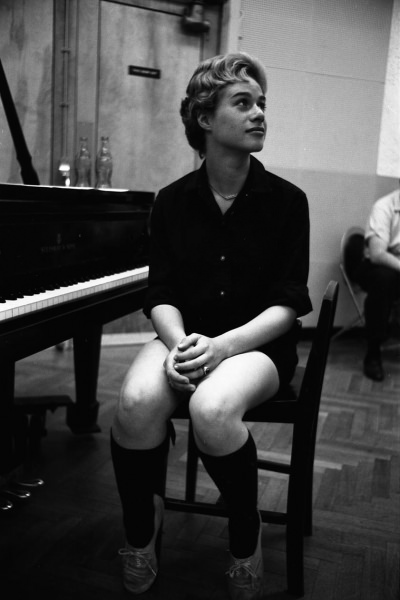
On June 9, 1959, a 17-year-old Carole King walked into Studio B at RCA’s New York City facility and got to work. She wasn’t there as a guest or an observer. She was there as a songwriter and recording artist, already operating at a professional level most adults never reach.
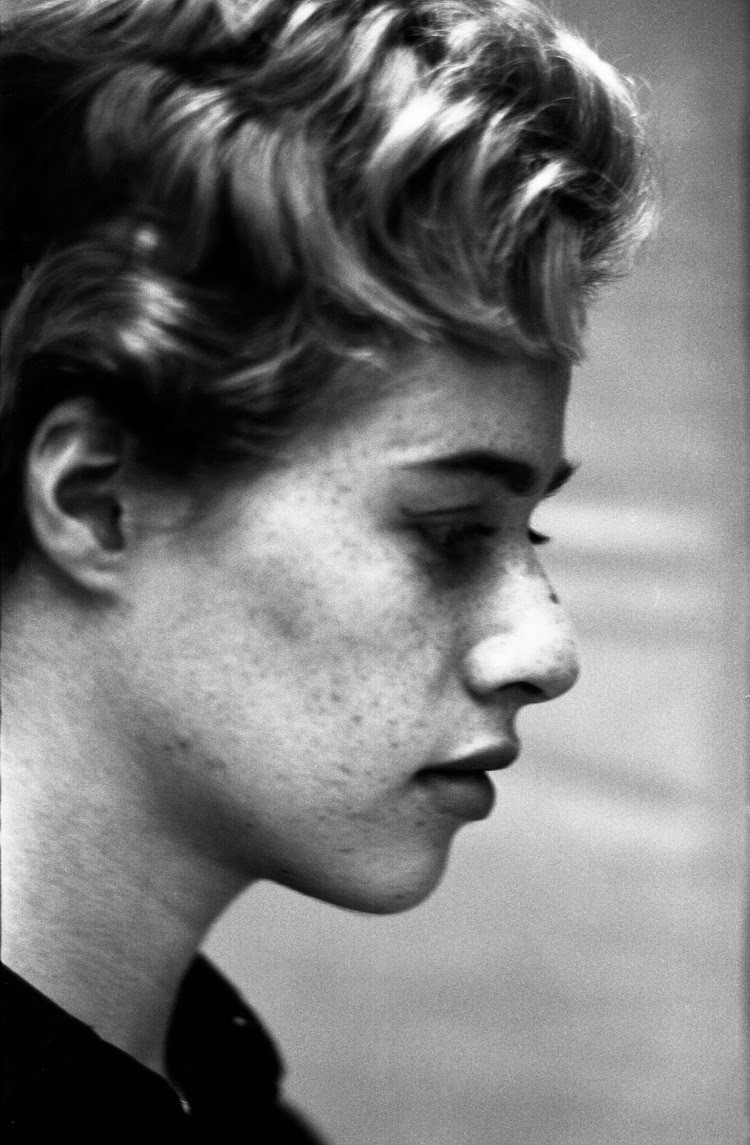
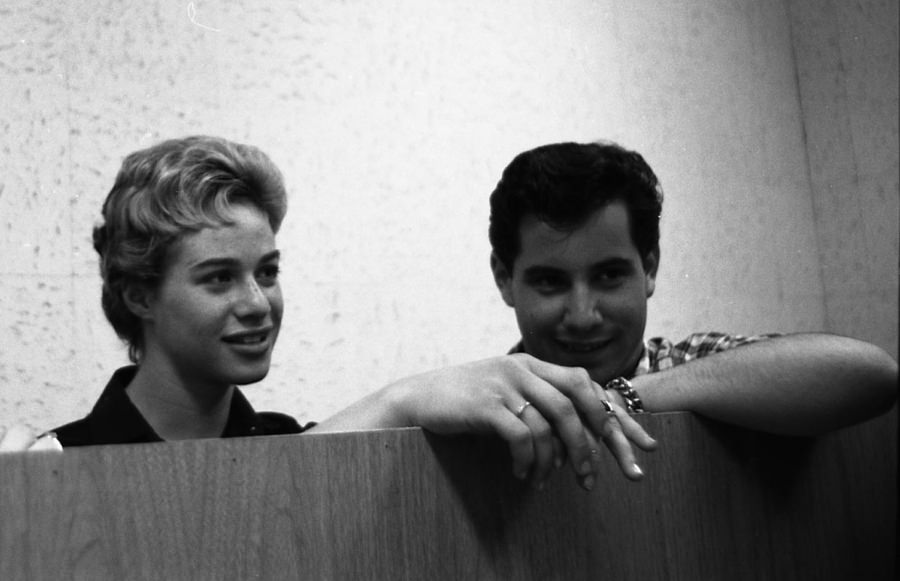
That session produced two tracks King co-wrote with her partner Gerry Goffin: “Short-Mort” and “Queen of the Beach.” Goffin was present in the studio, watching as King shaped the sound of the songs they had written together. The two were targeting the growing youth market, writing melodies and lyrics built around the teenage experience.
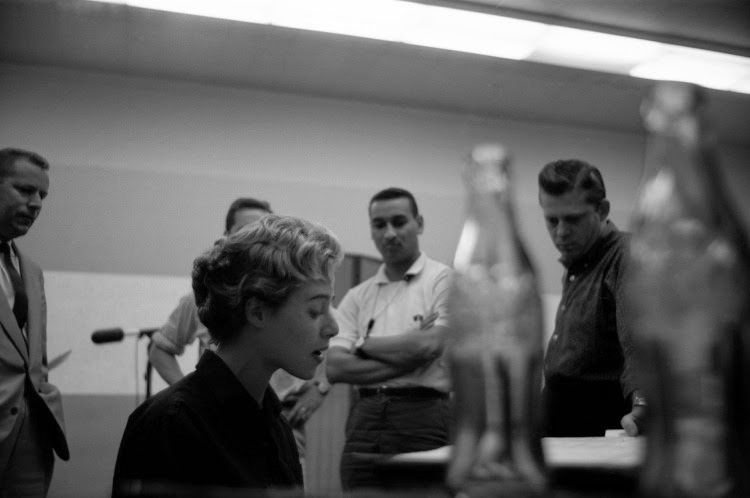
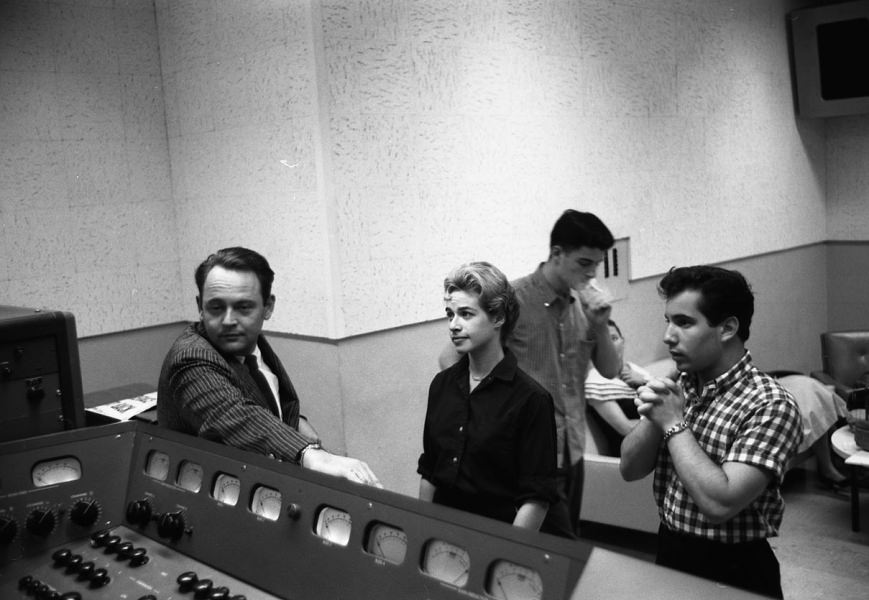
The room held more than just King and Goffin. Publisher Al Nevins was also there — a key figure in the Brill Building scene, the tight network of New York songwriters and music industry professionals who dominated pop music at the time. Also present was a young guitarist billed as “Jerry Landis,” playing in a checked shirt. That was Paul Simon, years before he became half of Simon & Garfunkel.
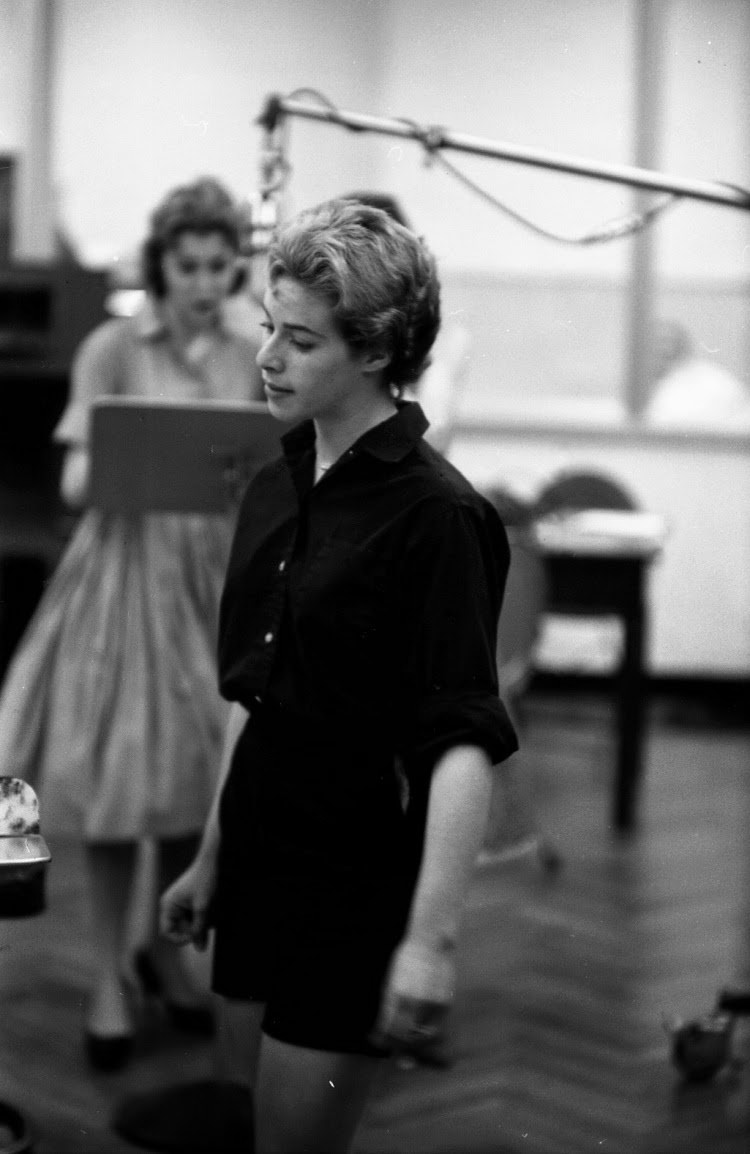
Studio B at RCA ran entirely on analog technology. Tape machines, ribbon microphones, and no digital editing meant every take had to be tight from start to finish. There were no fixes after the fact. Every musician in the room had to deliver.
The recordings from this period weren’t widely heard for decades. They finally surfaced on the 2012 release “Legendary Demos,” a collection that included these early 1959 tracks alongside later compositions like “Natural Woman” and “You’ve Got a Friend.” The collection traces King’s development as a writer across years of work.
The June 1959 session was one data point in a larger burst of teenage creativity. King was writing prolifically, and the people around her in that studio — Goffin, Nevins, Simon — were all on the edge of significant careers of their own.
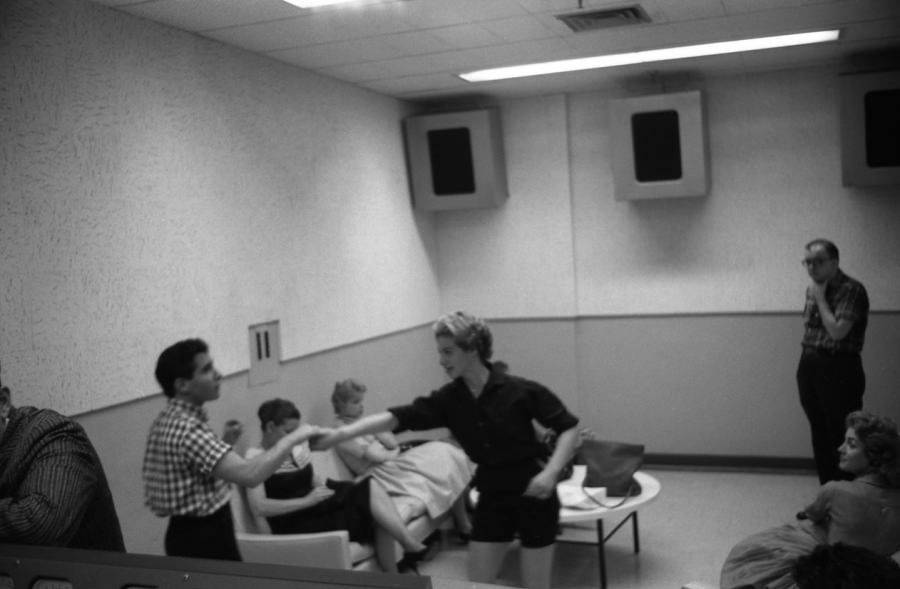
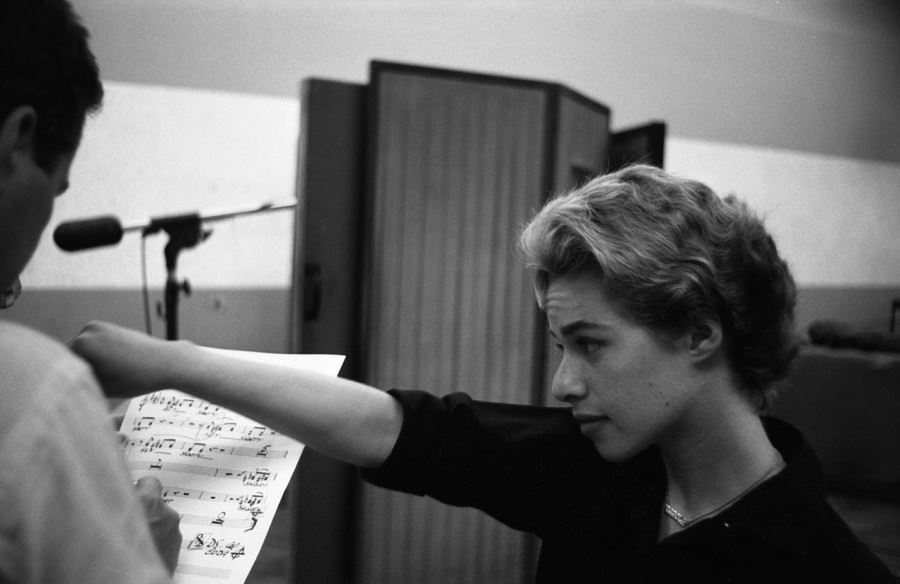
Studio B itself was a well-used room. Countless pop and rock recordings passed through its walls during this era. On this particular day, a teenager from New York was adding her voice to that history, working alongside people who would go on to define American popular music.