By the early 1980s, something was shifting underneath the surface of Soviet life. Mikhail Gorbachev’s policies of glasnost and perestroika — openness and restructuring — had cracked open the door just enough for a new generation to push through. Soviet youth didn’t just absorb Western music and fashion from afar. They built their own versions of it, loud and visible, right in the streets of Moscow, Leningrad, and cities across the USSR.
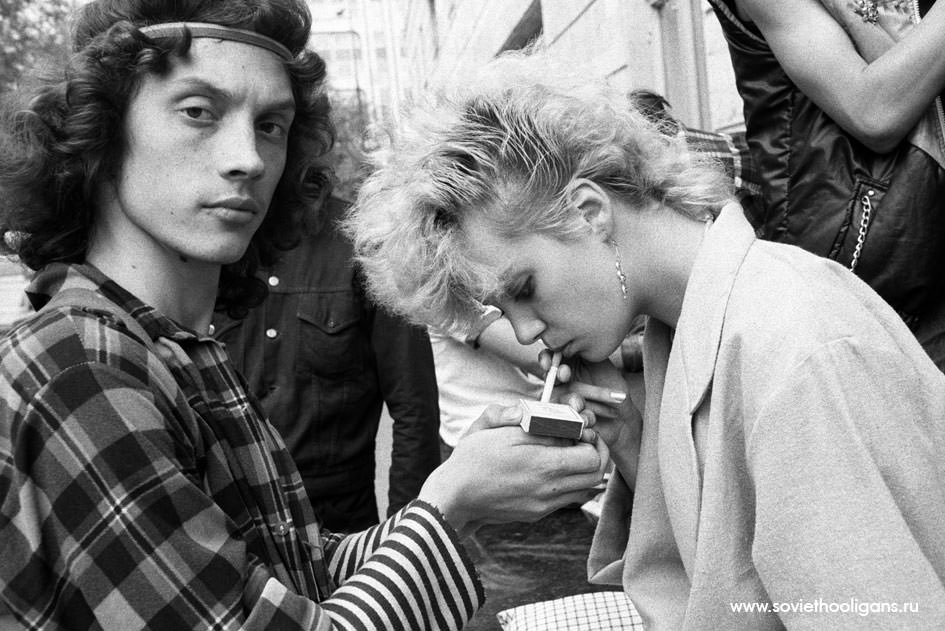
Punks, metalheads, rockers, goths, bikers, and rappers all carved out their own space in a society that had, until recently, demanded conformity above everything. These weren’t just fashion choices. Each subculture was a direct rejection of the Soviet ideal — the clean, obedient, collective citizen who dressed the same, thought the same, and kept quiet.
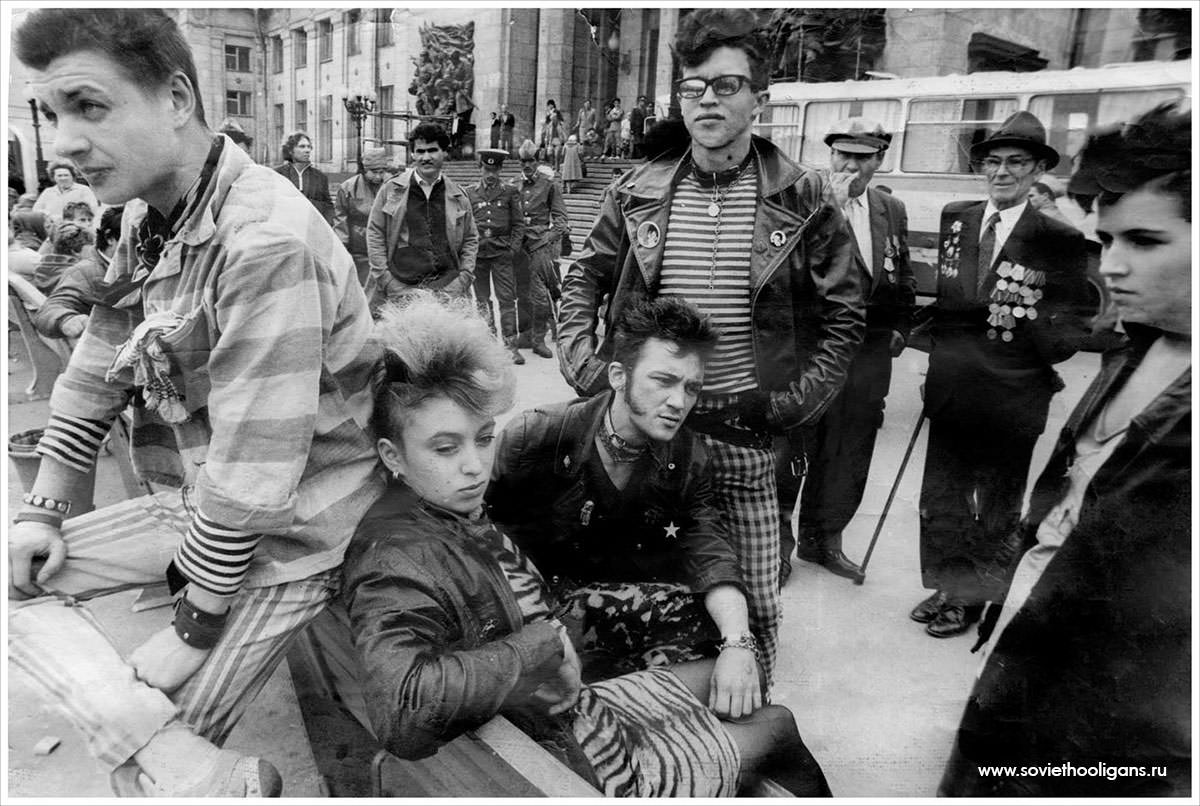
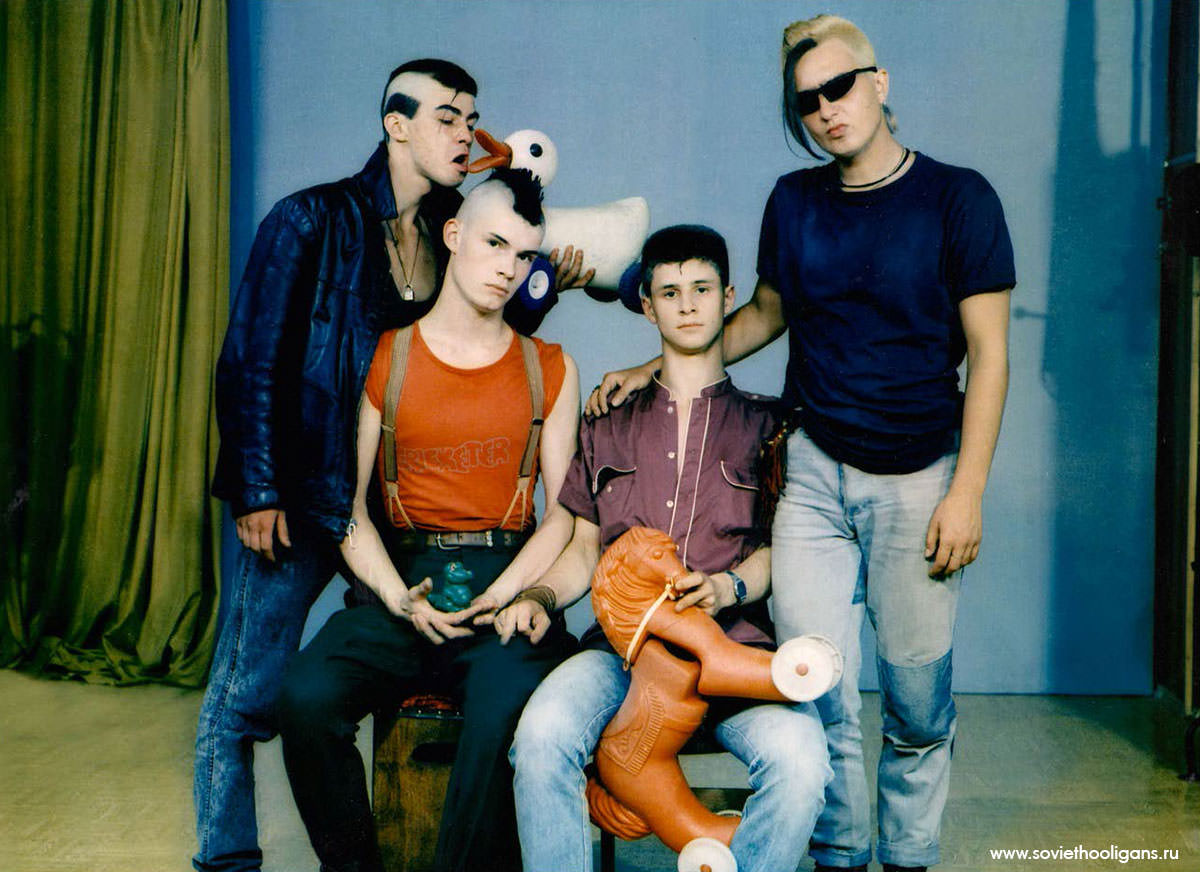
Soviet punks were among the most confrontational. They adopted the torn clothing, mohawks, safety pins, and aggressive music of their British counterparts, but wore these symbols in a country where state control had been absolute just years before. Walking through a Soviet city with a spiked collar and a painted leather jacket wasn’t just a style statement — it was a provocation. Authorities viewed these young people as mentally unstable, socially dangerous, or both.
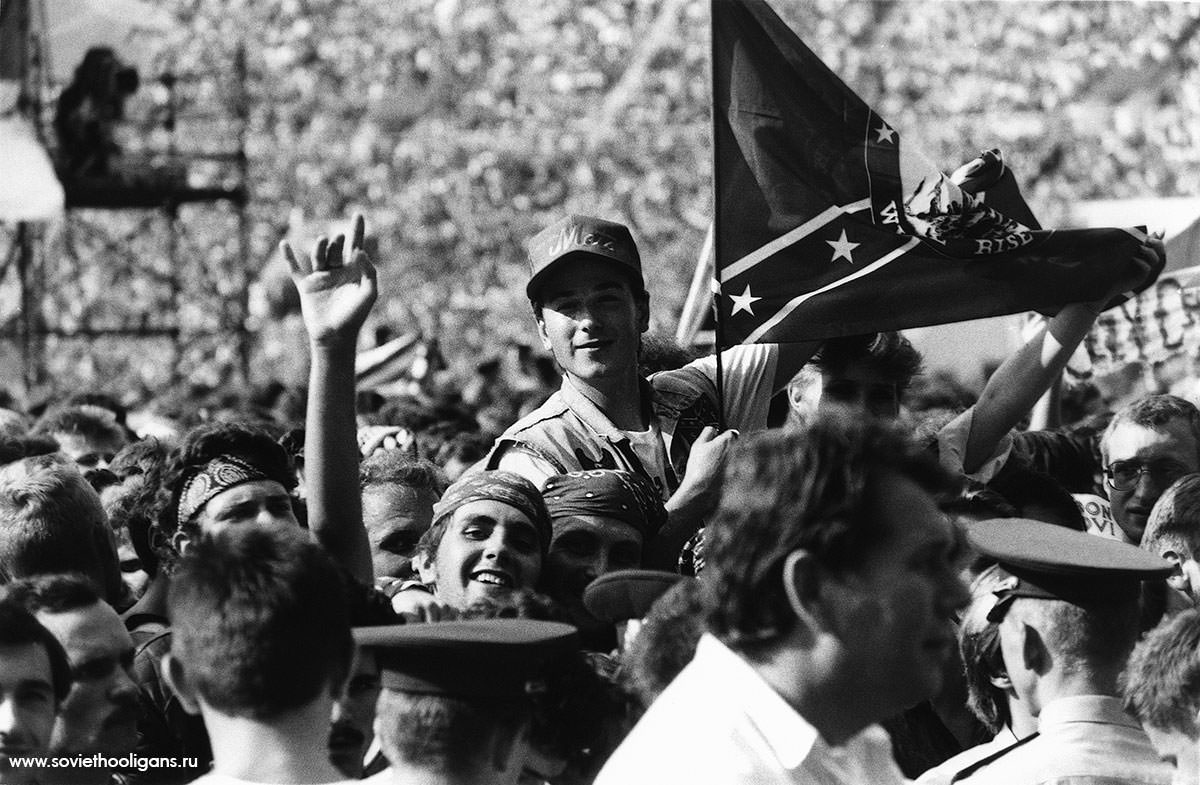
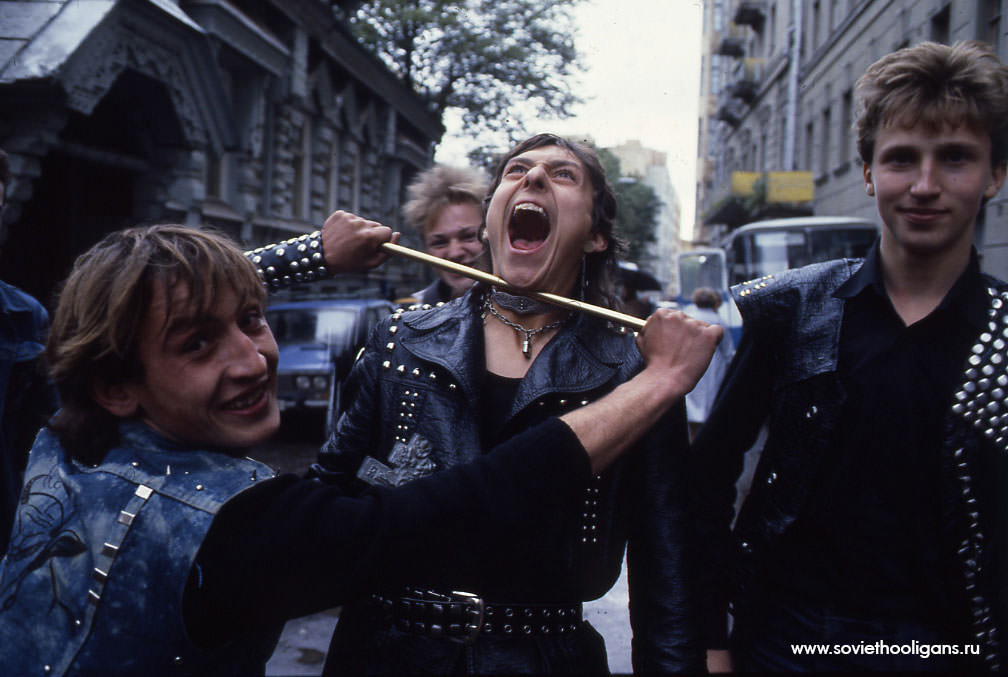
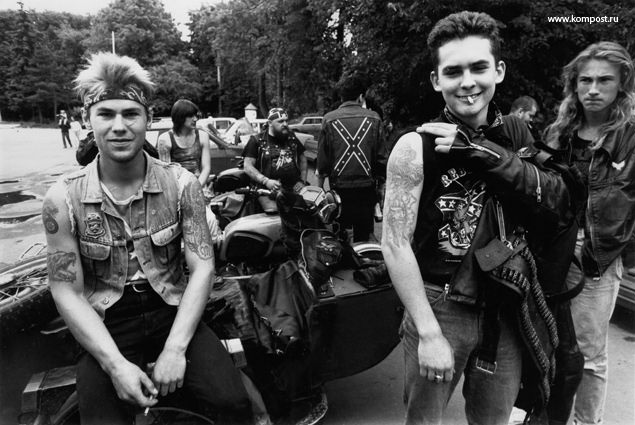
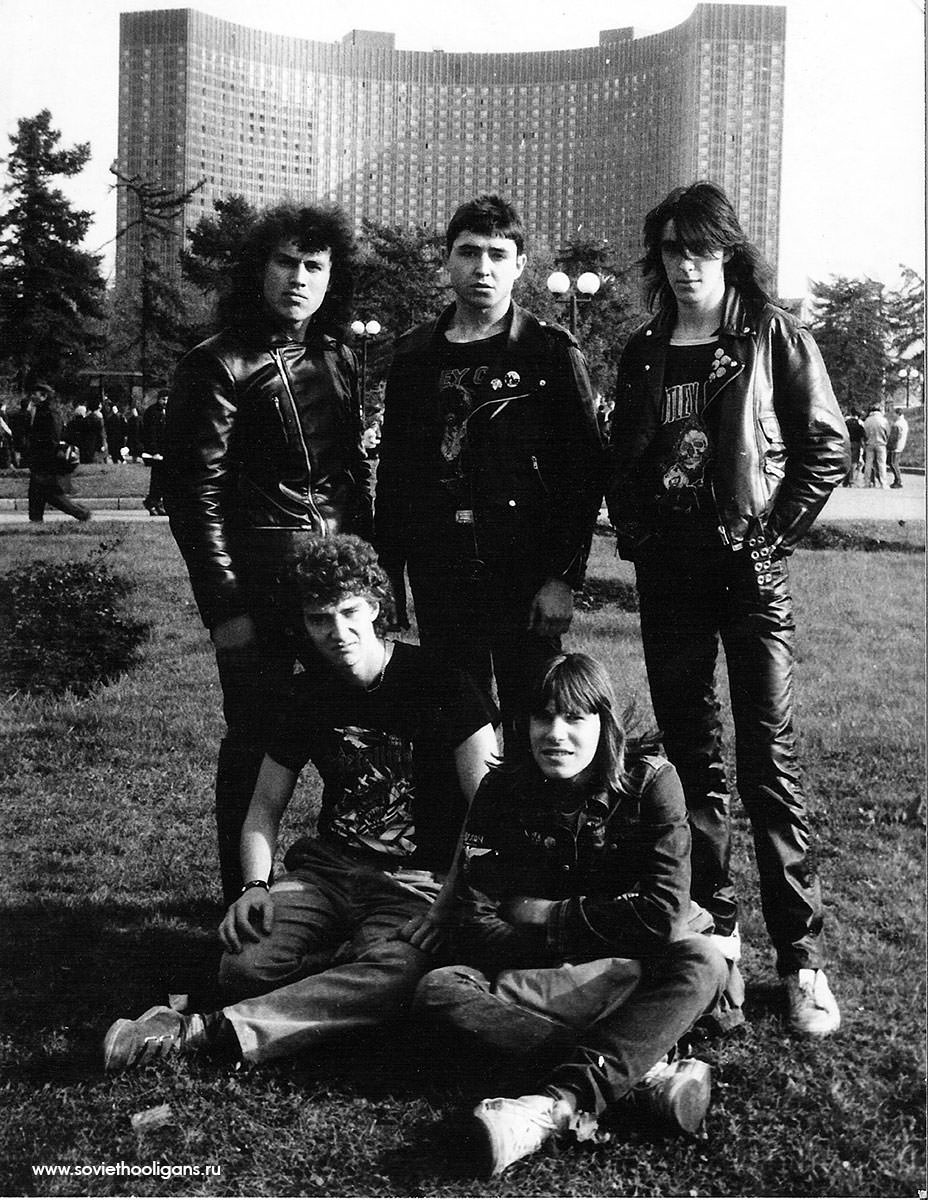
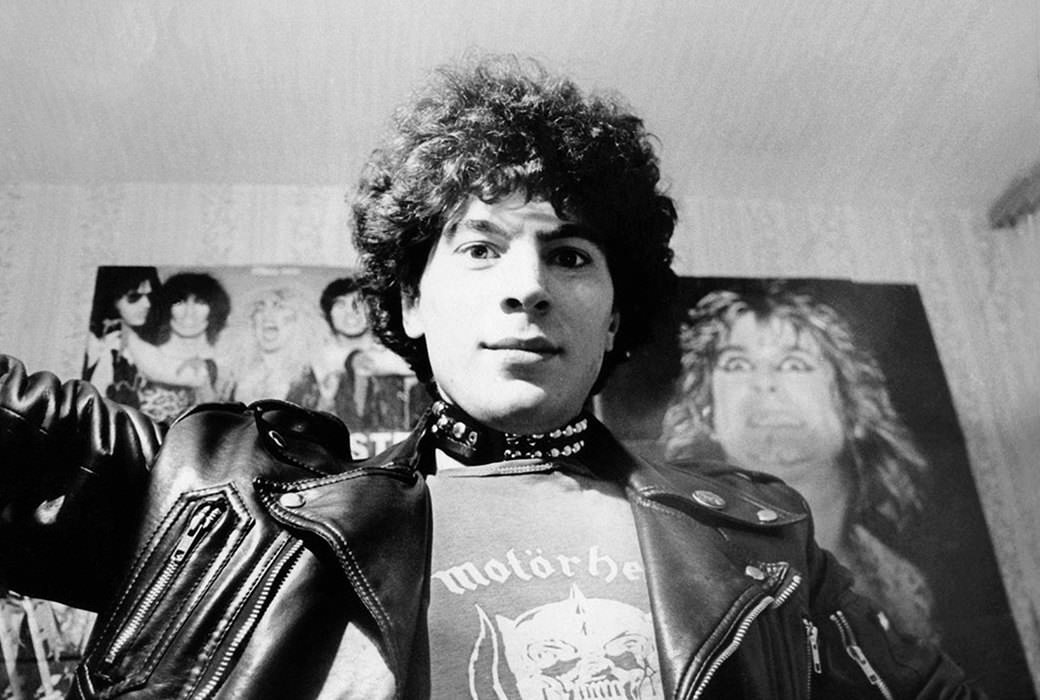
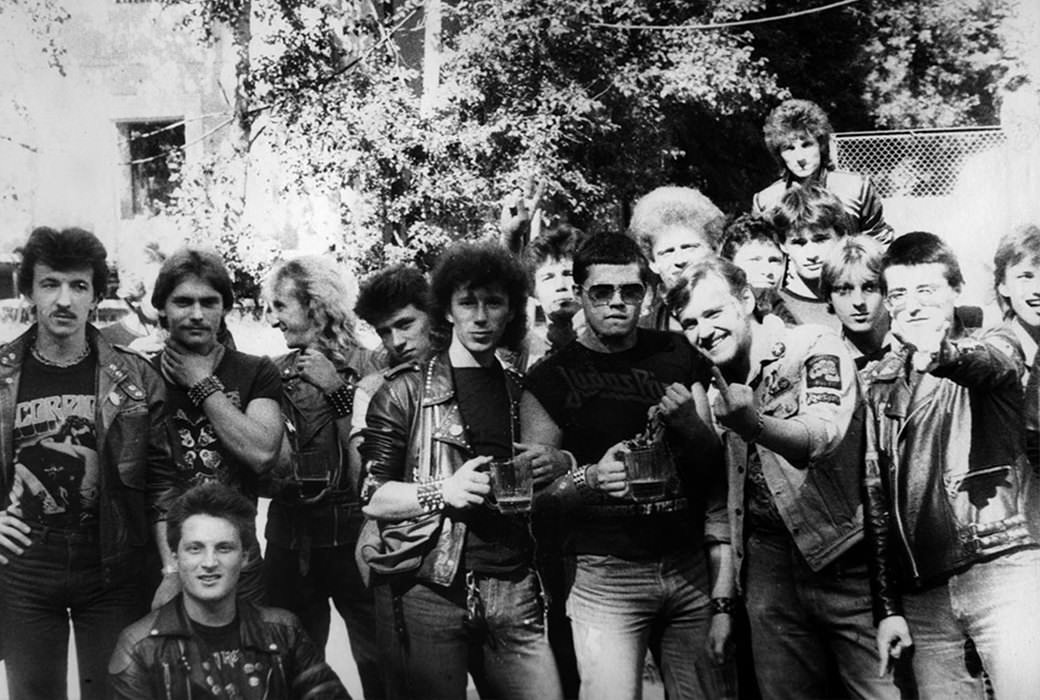
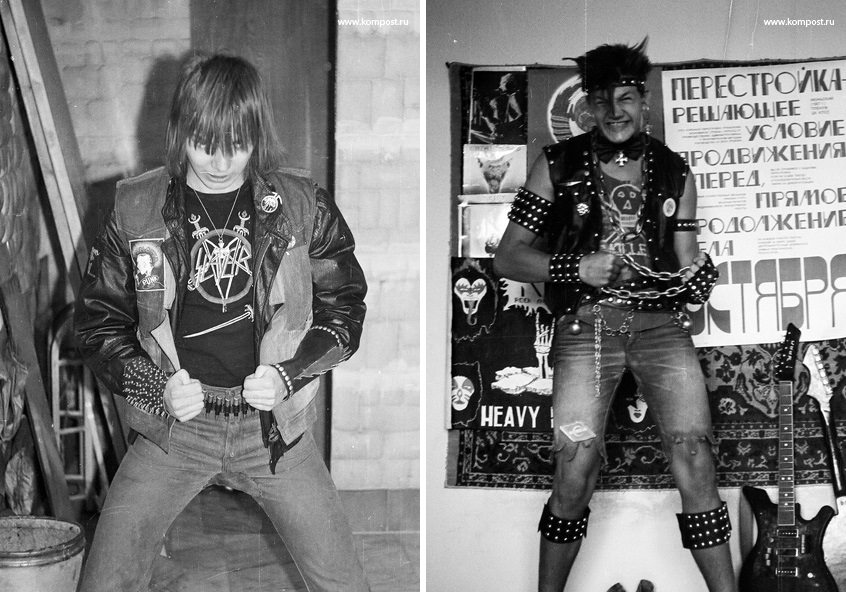
Metalheads brought their own energy. Heavy metal had been filtering into the Soviet Union through smuggled cassette tapes, radio broadcasts from abroad, and underground networks of music fans who copied and traded recordings obsessively. Bands like Black Sabbath, Iron Maiden, and AC/DC circulated through these informal channels. Soviet metalheads grew their hair long, wore denim vests covered in hand-stitched patches, and gathered in parks and underpasses to share music and drink cheap wine.
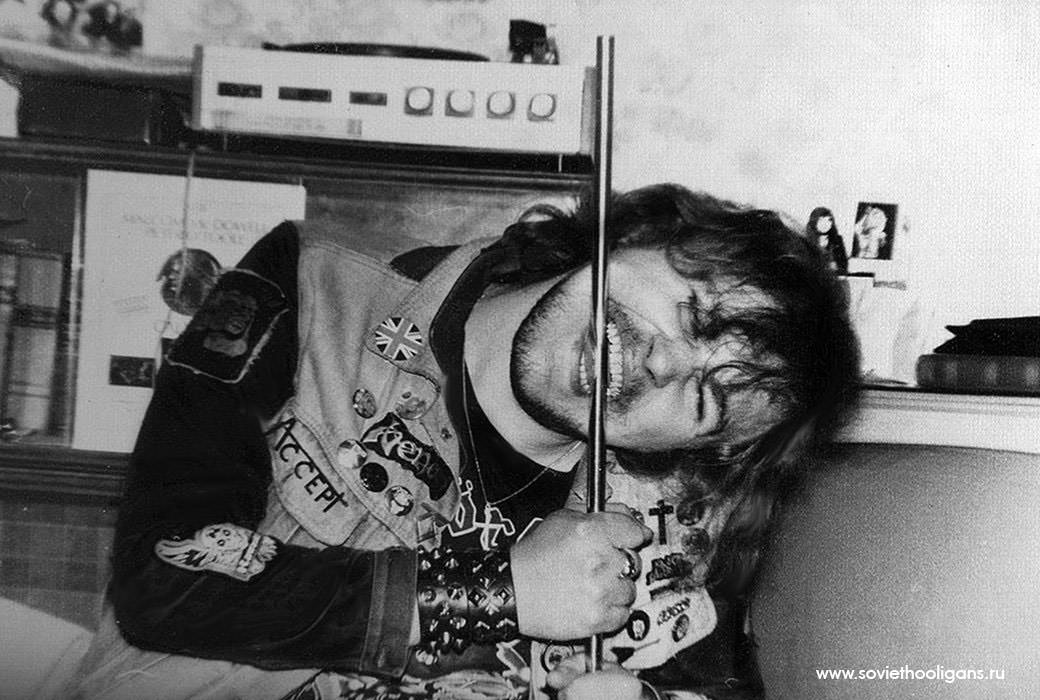
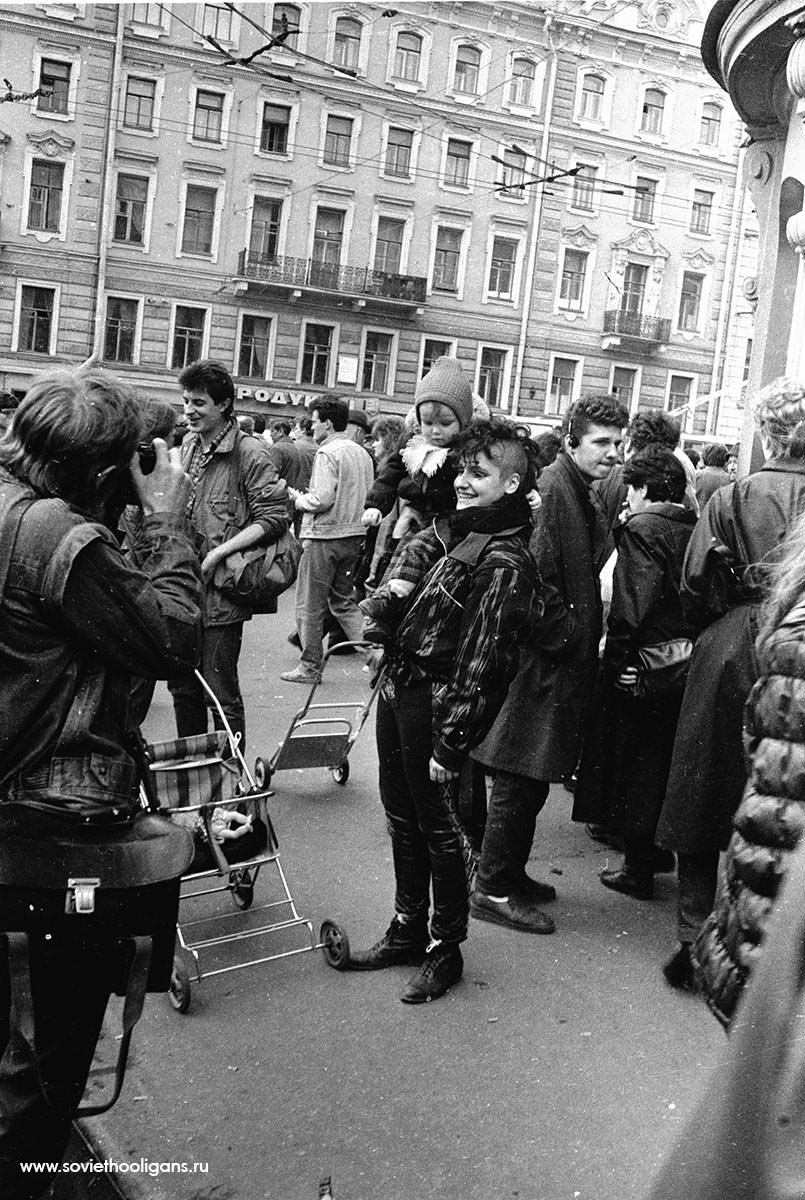
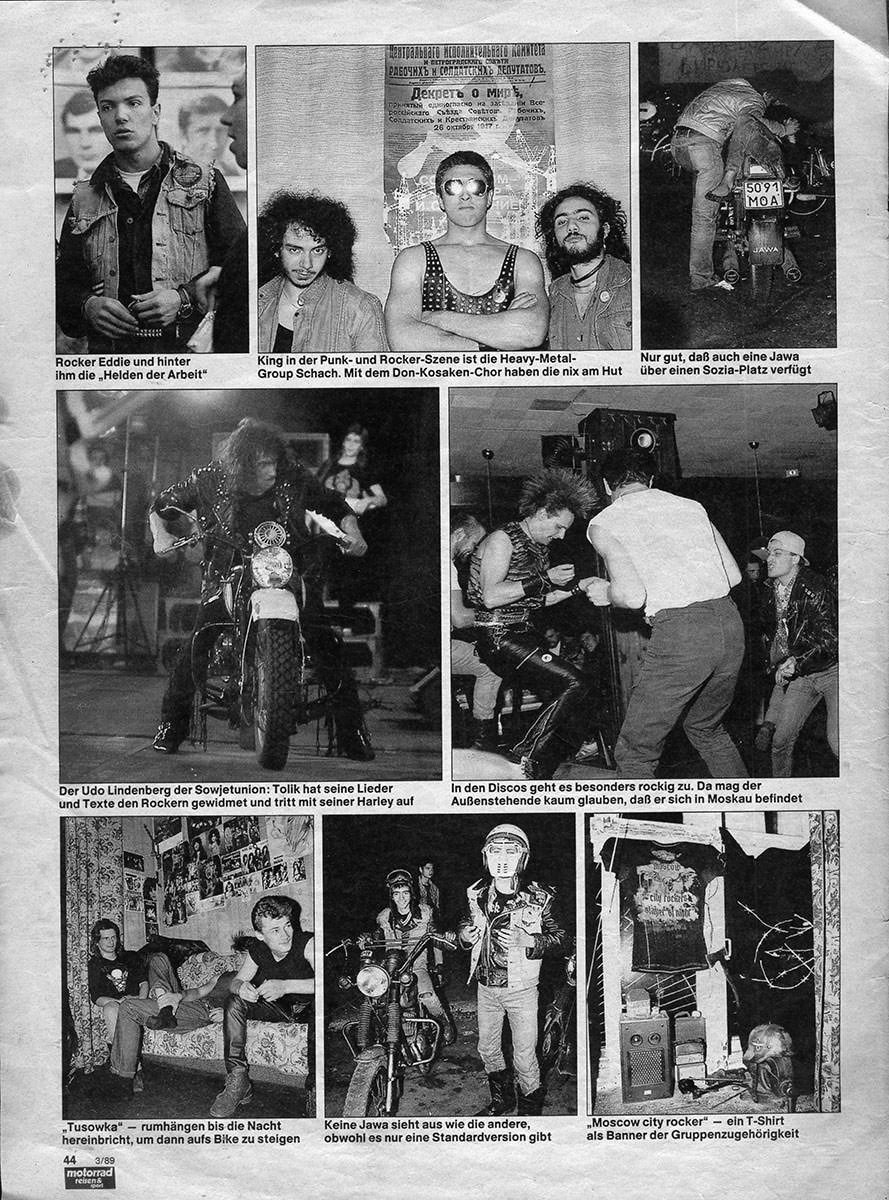
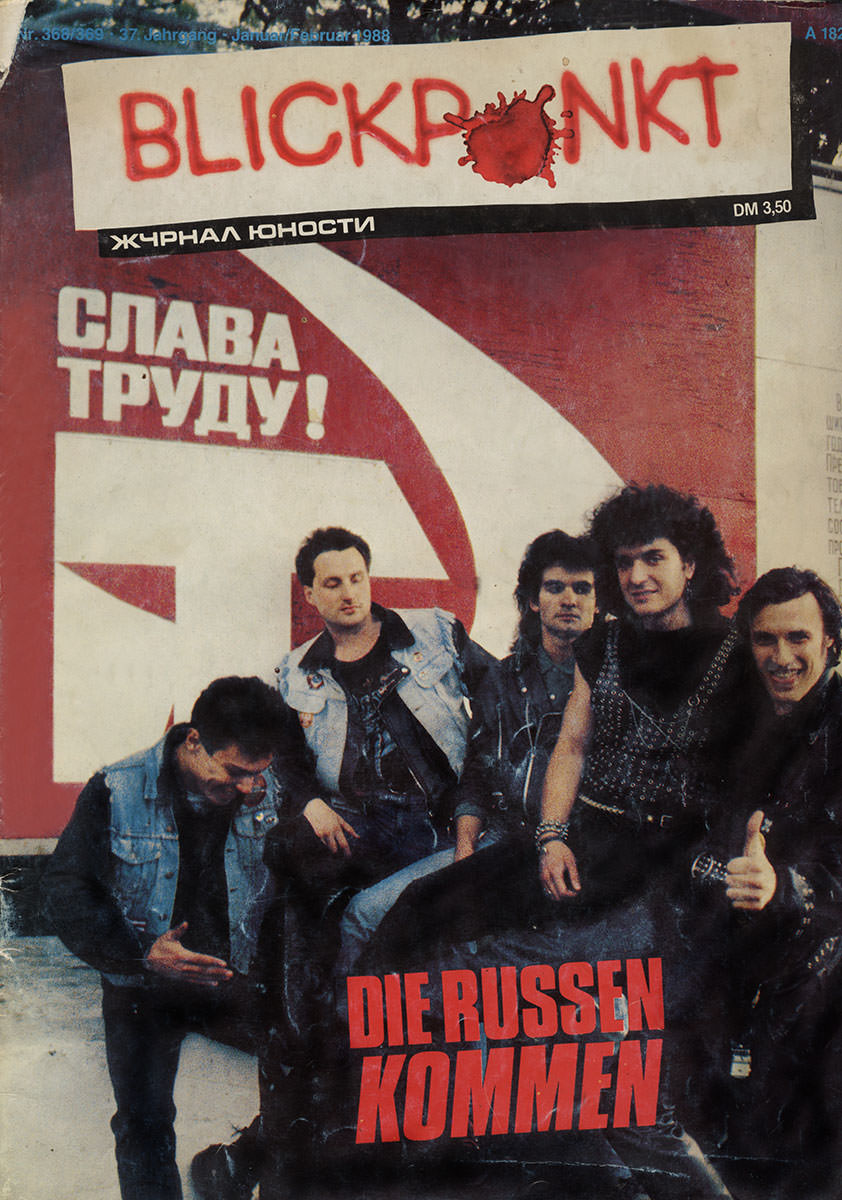
The Western press took notice. By the mid-to-late 1980s, foreign journalists and photographers were documenting Soviet youth culture with genuine fascination. Publications from Britain, Germany, and Spain ran features on Moscow’s rockers and street subcultures, treating them as proof that the Soviet monolith was fracturing from within.
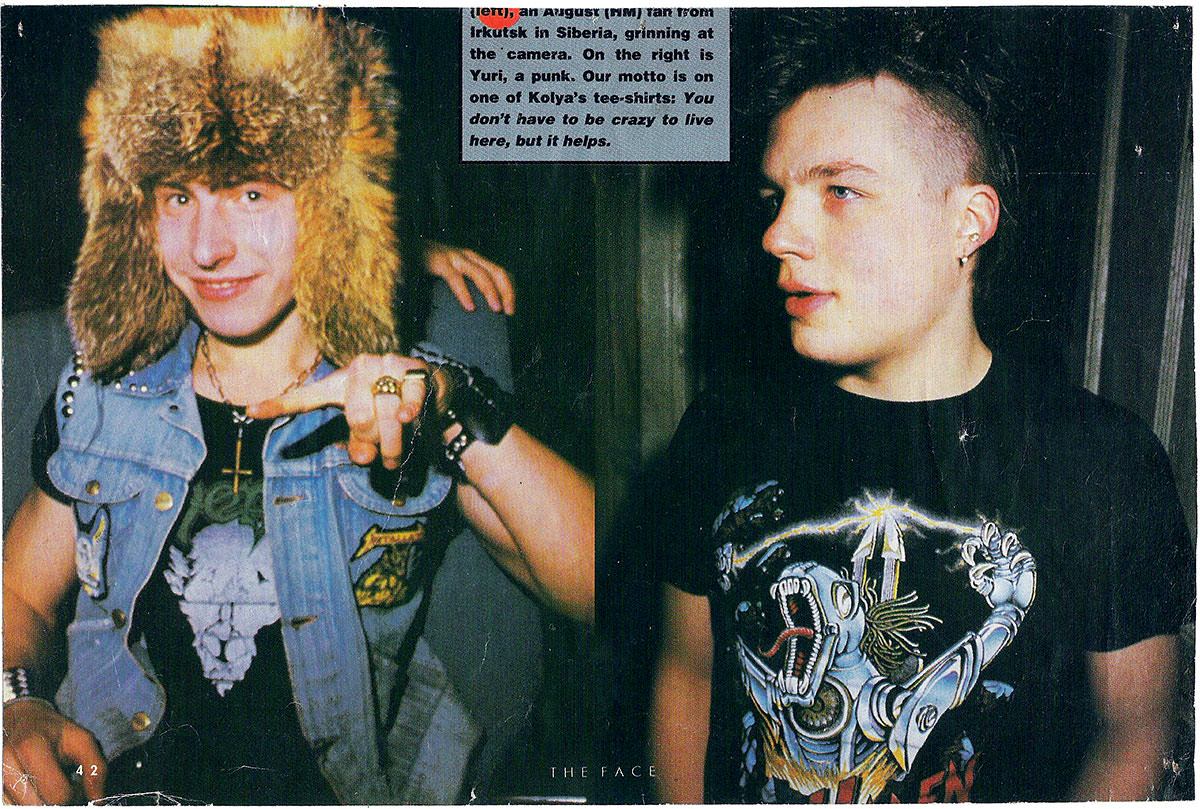
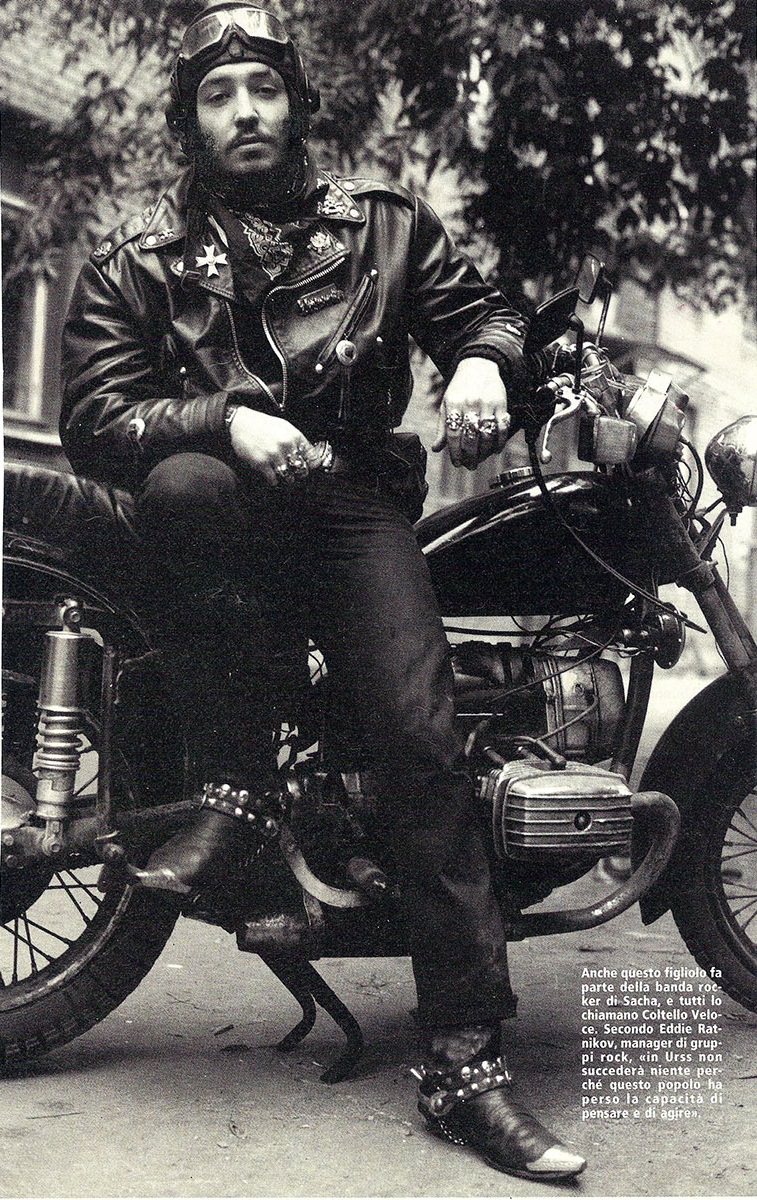
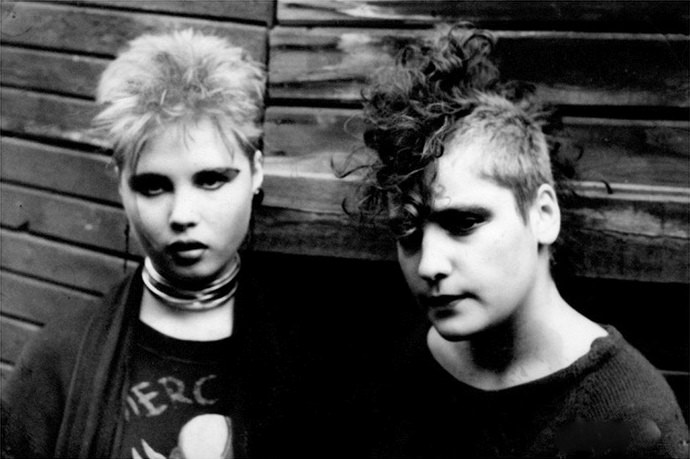
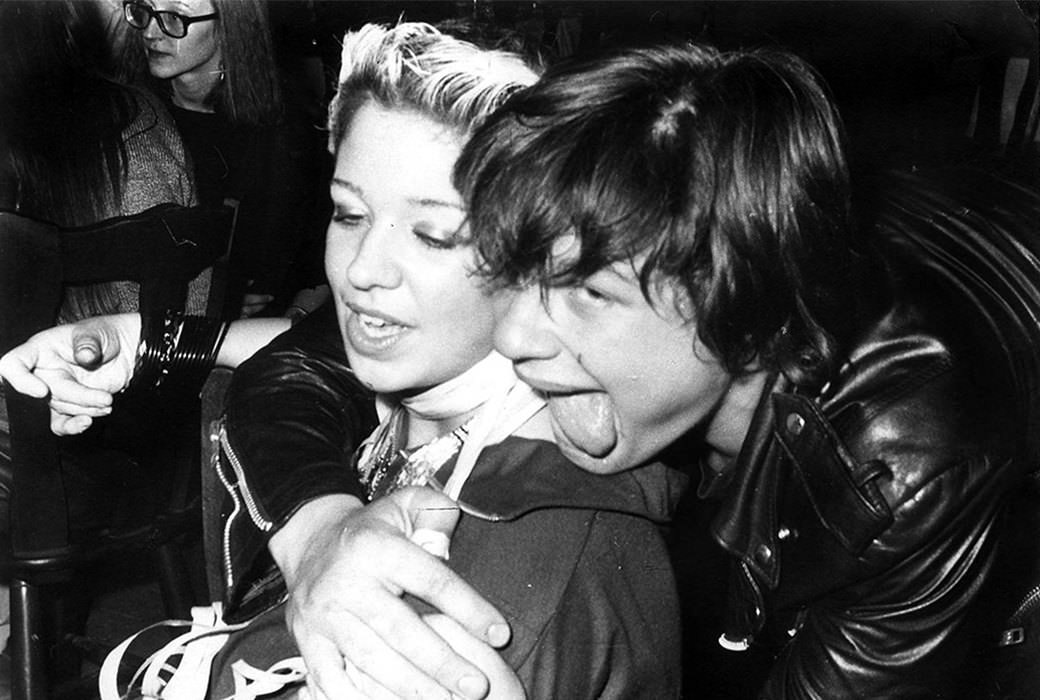
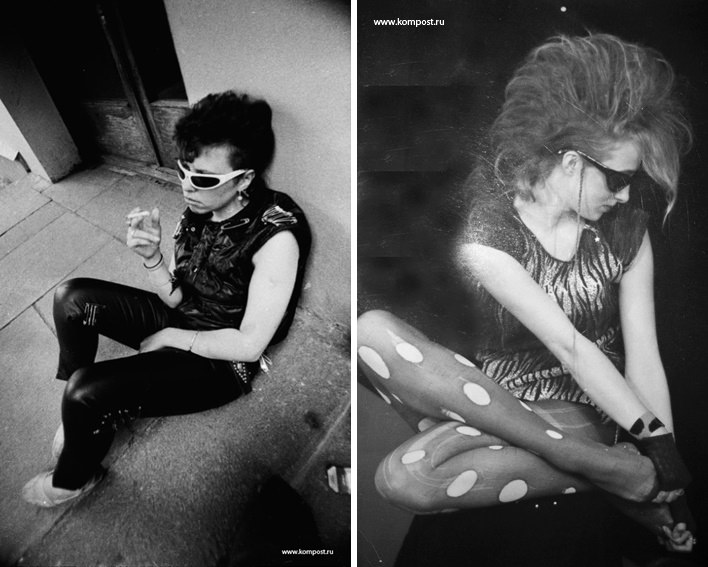
Soviet punk girls were a particularly visible force. They challenged not only state ideology but also deeply ingrained expectations about how Soviet women were supposed to look and behave. Shaved heads, heavy eyeliner, ripped stockings, and aggressive body language put them directly at odds with the wholesome image of Soviet womanhood that official media promoted.
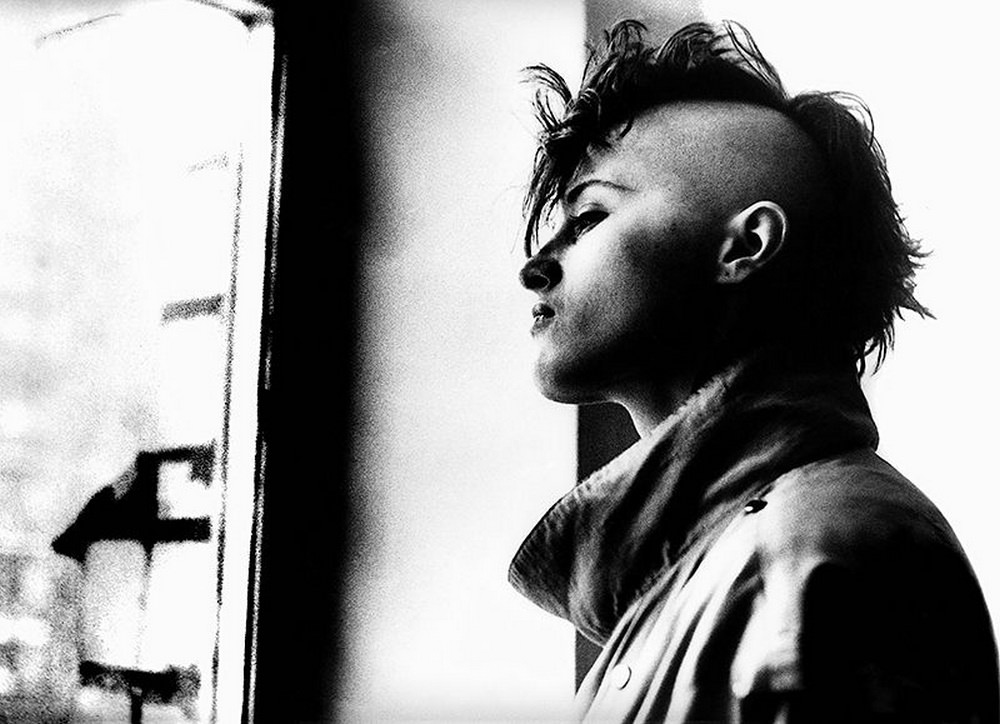
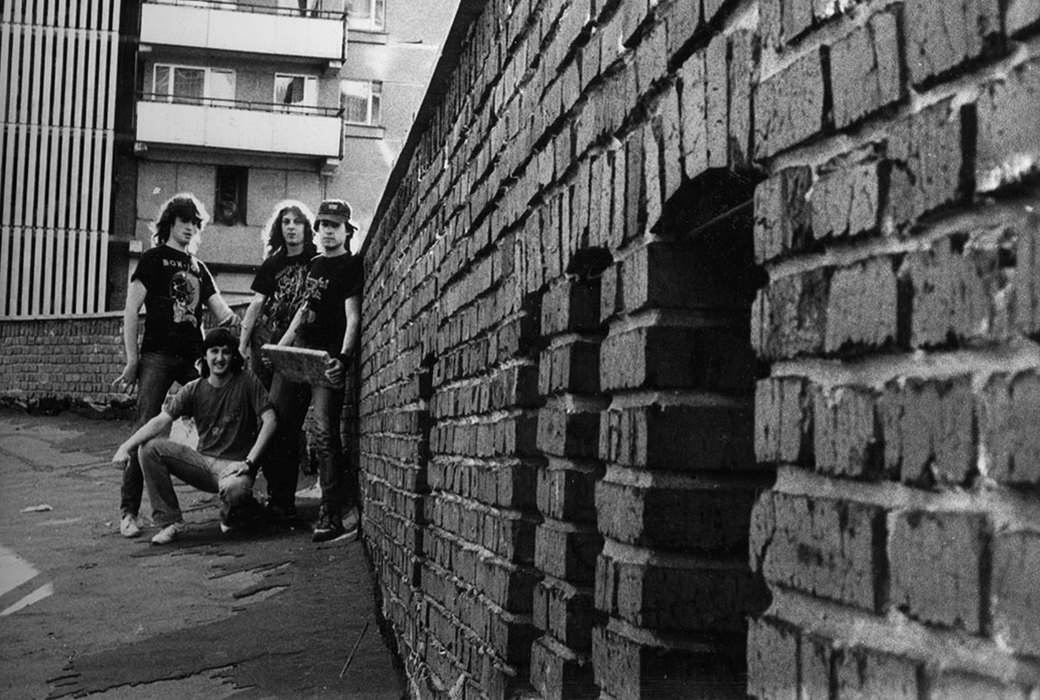
German magazine Blickpunkt sent photographers to Moscow specifically to document these scenes. The images they captured — young Soviets with mohawks and leather jackets, posing defiantly in front of grey apartment blocks — were striking precisely because they seemed so impossible inside the USSR. Yet there they were.
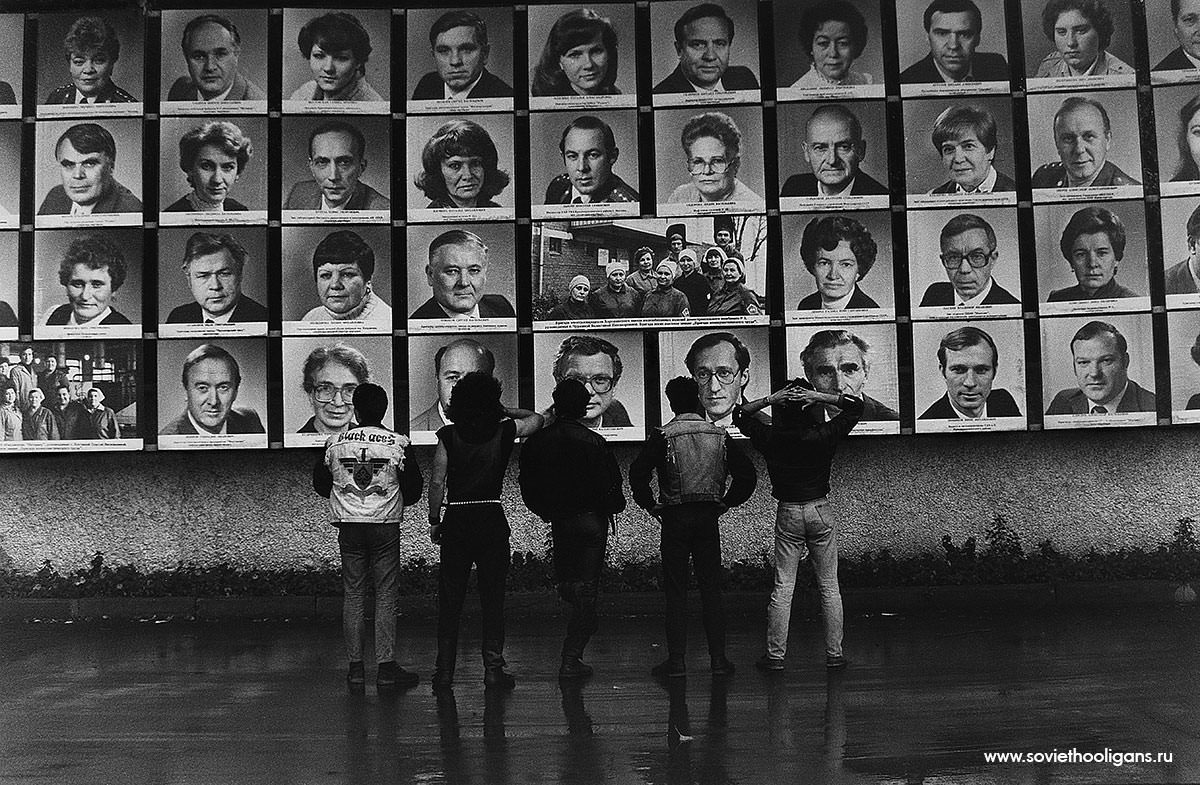
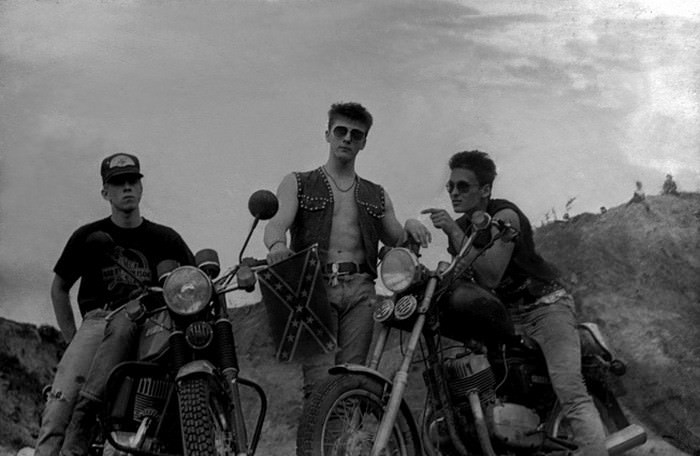
Soviet rock music had its own distinct identity. While it drew from Western rock and roll, it developed a homegrown sound shaped by Russian poetry, existential lyrics, and the specific frustrations of life under a system that controlled nearly everything. Bands formed, broke up, reformed under different names, and played wherever they could — in apartments, basement clubs, and eventually on outdoor stages as authorities gradually loosened their grip.
Leningrad — now Saint Petersburg — was a major hub. The Leningrad Rock Club, officially sanctioned by the authorities as a way to monitor musicians, became one of the most important venues in Soviet rock history. Bands like Kino, Aquarium, and Zoopark performed there, and the club’s concerts drew massive crowds of young people hungry for something authentic.
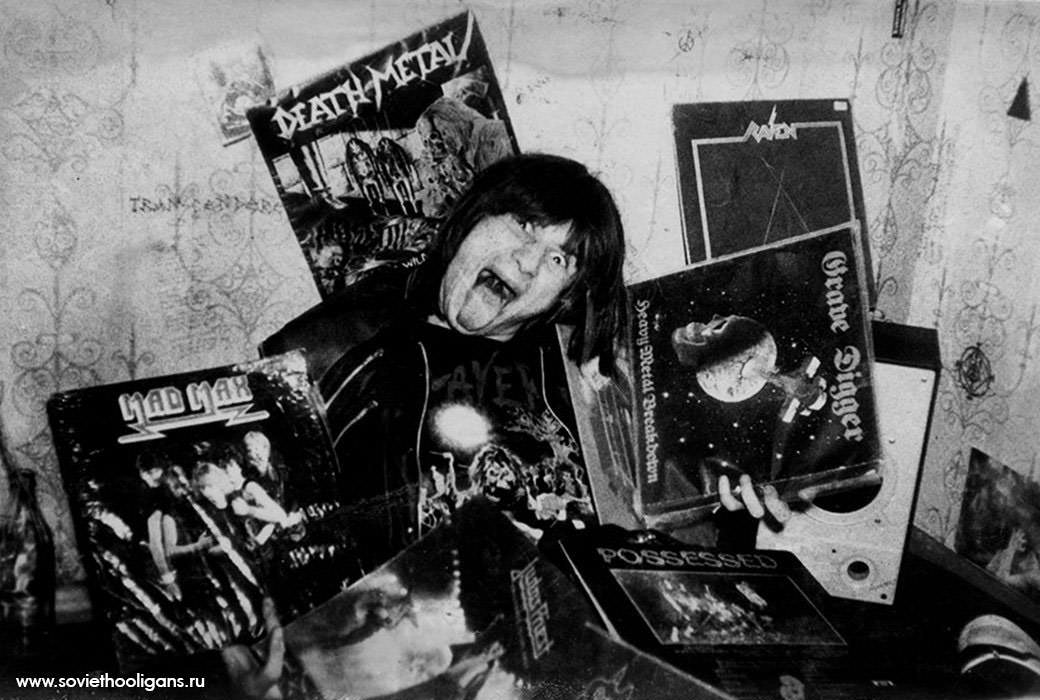
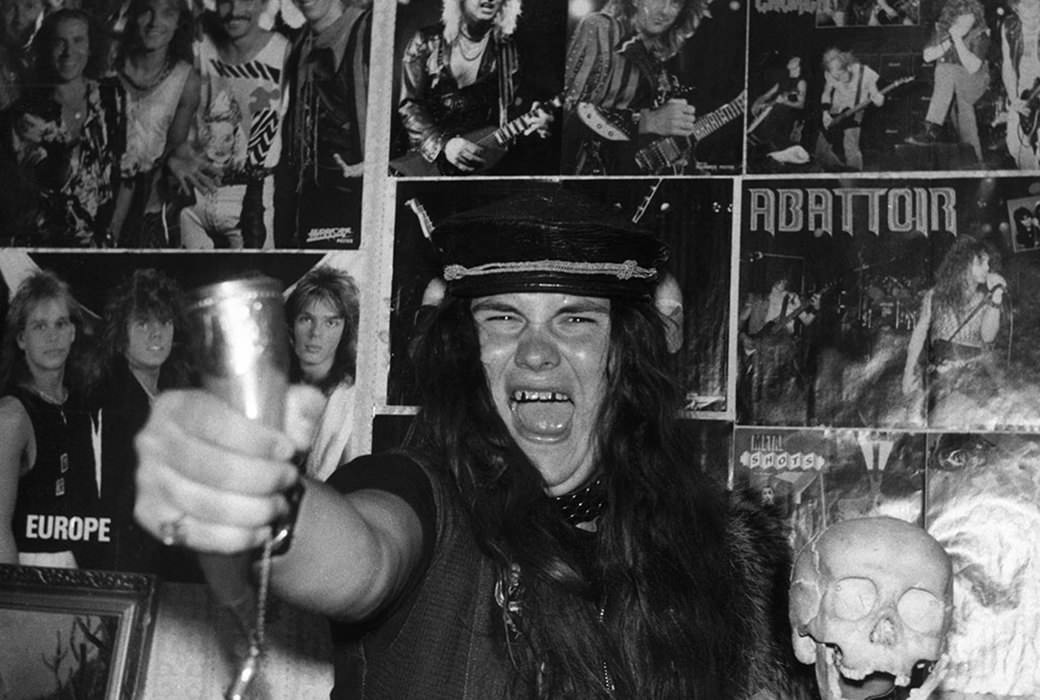
The look of Soviet subcultures was improvised out of necessity. Western goods were scarce and expensive on the black market. Punks and metalheads made their own patches, cut and distressed their own clothing, and tattooed each other using homemade tools. The results were raw and often rough around the edges, which suited the aesthetic perfectly. There was no high street to shop at. Everything was handmade or traded.
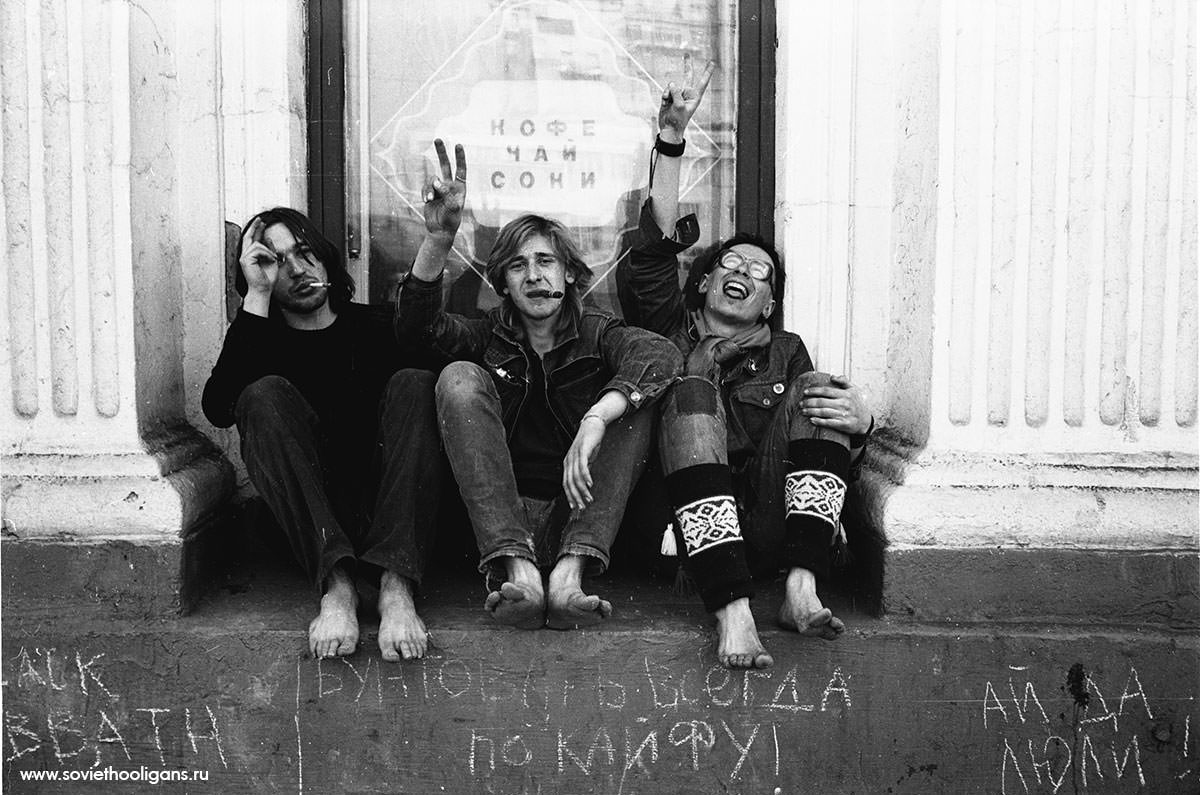
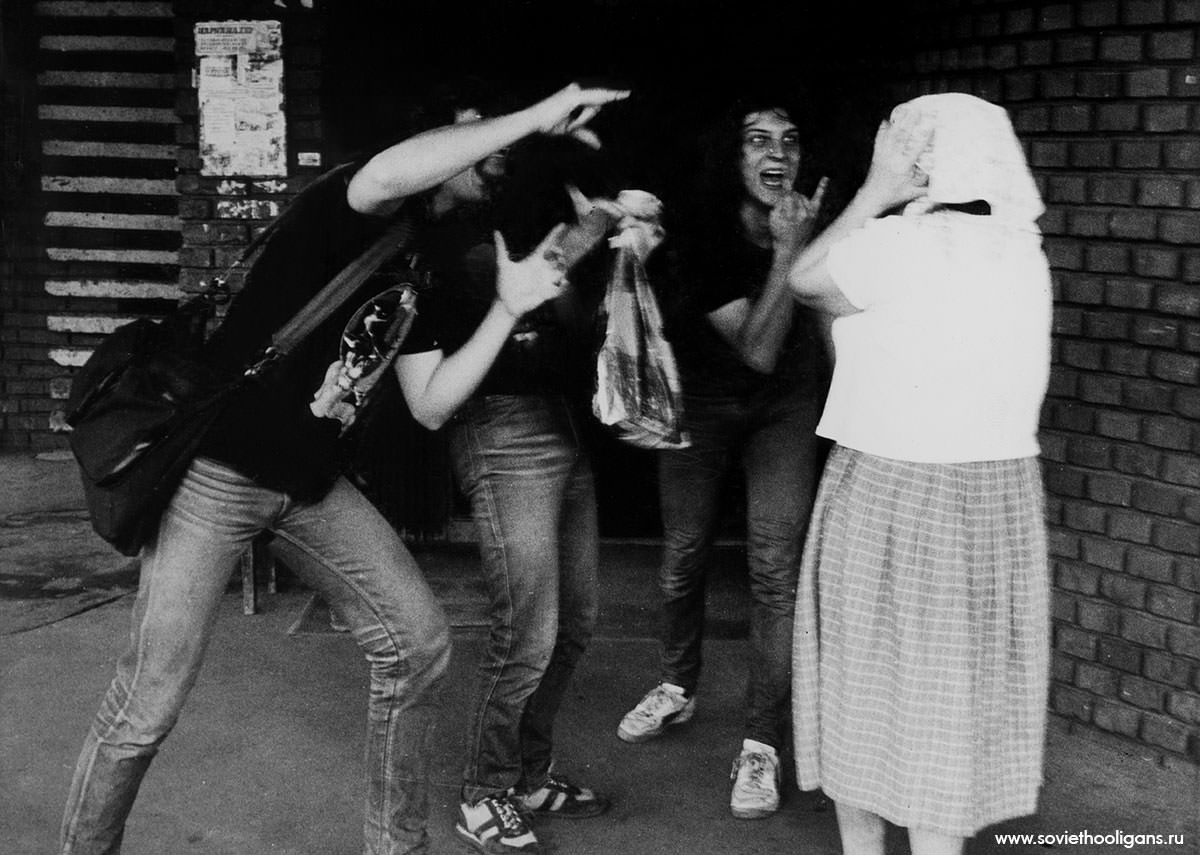
Squats and communal spaces played an important role in holding these communities together. Groups of young people shared abandoned buildings, turning them into informal cultural centers where music was played, zines were passed around, and like-minded people could exist outside the reach of Soviet social pressure. These spaces were not just hangouts — they were the physical architecture of a parallel society.
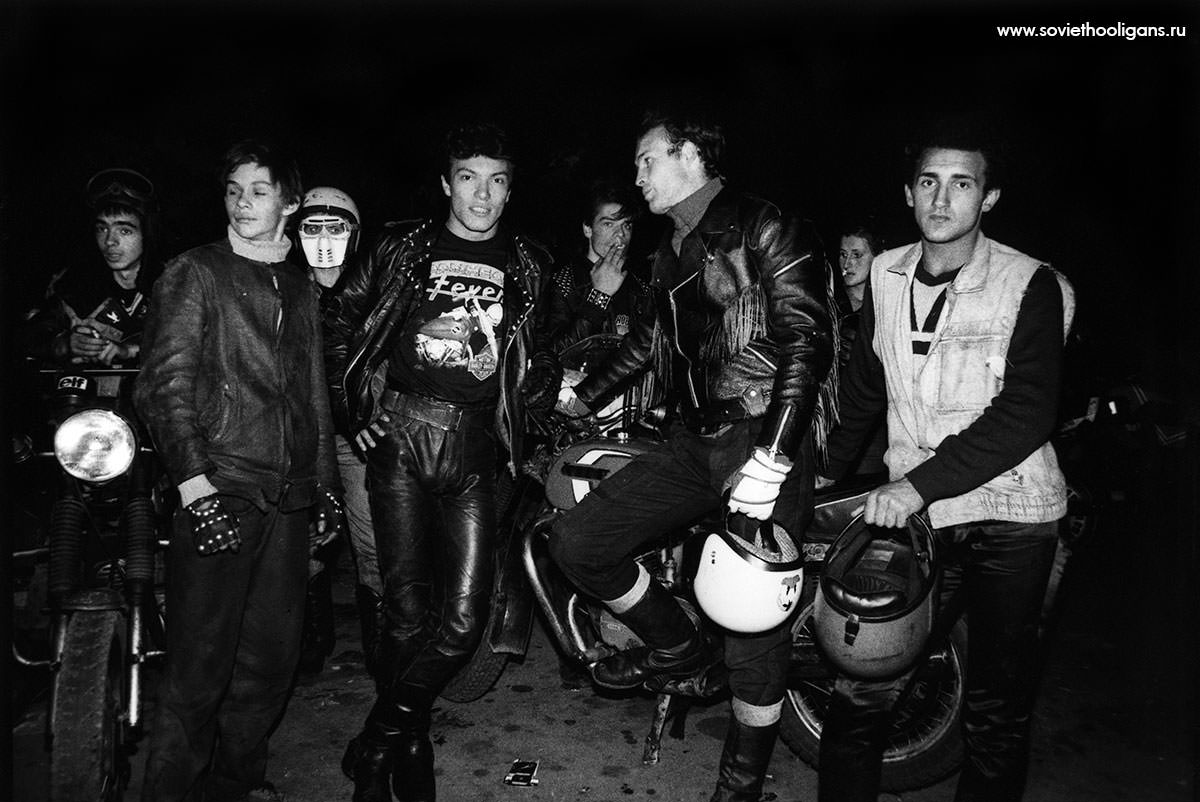
Soviet authorities initially responded with harassment and detention. Police would round up punks and metalheads from parks and city squares, cut their hair, confiscate their clothing, and hold them for questioning. In some cases, young people were committed to psychiatric institutions — a practice the Soviet state had long used against political dissidents and now applied to counterculture youth as well.
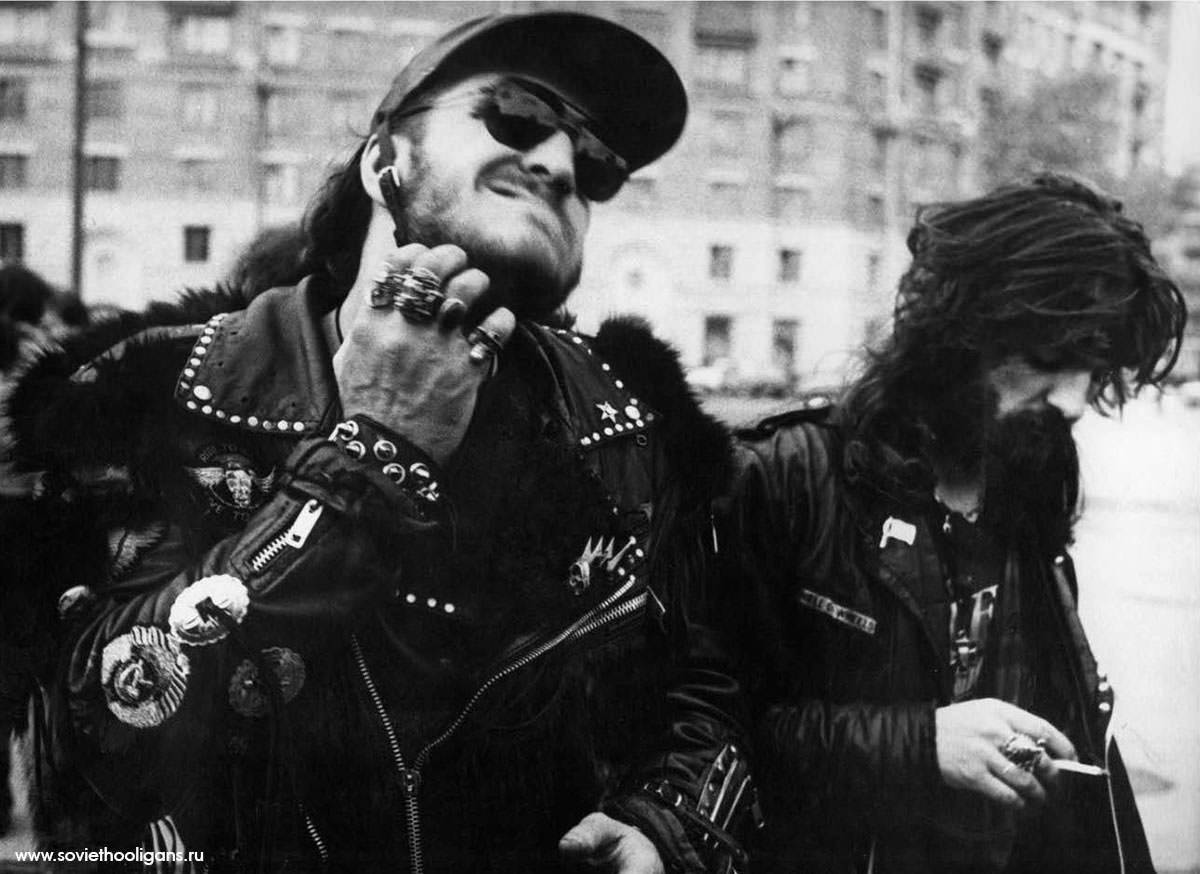
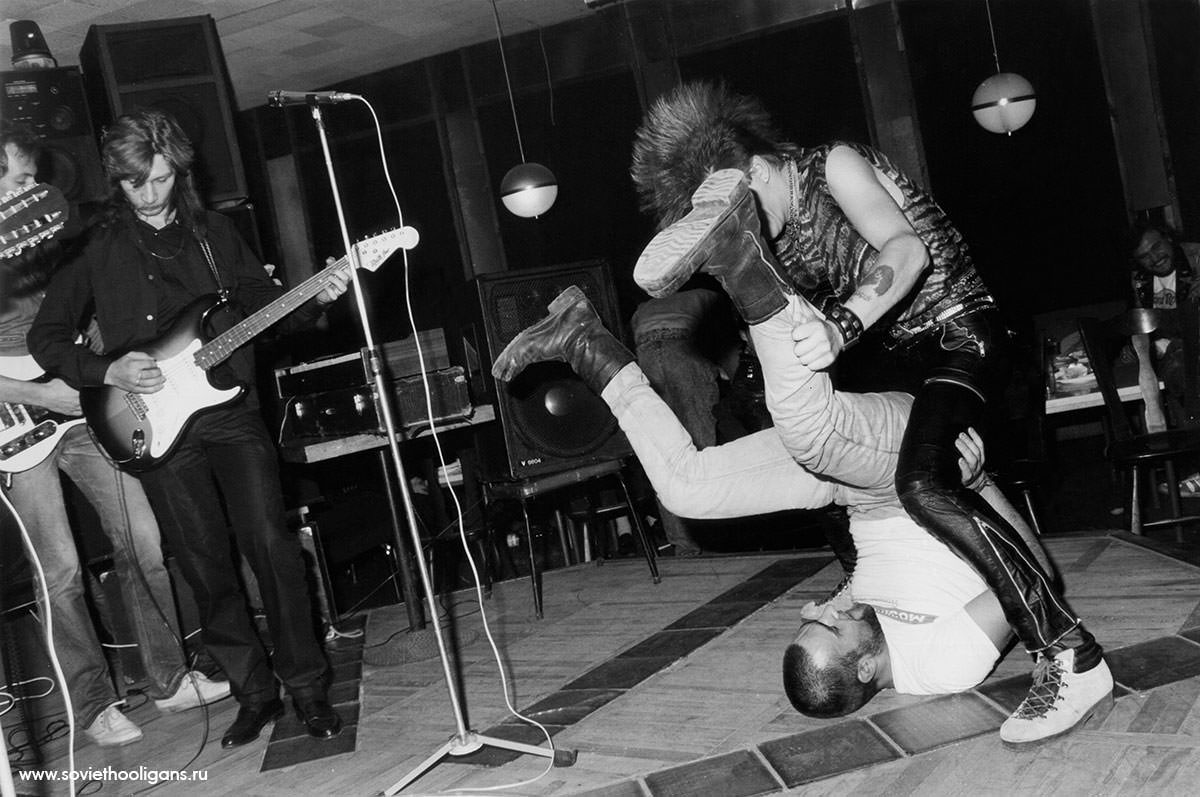
But suppression couldn’t keep pace with the growth of these movements. By the late 1980s, the numbers were simply too large and the political climate too unstable for the state to maintain total control. Subcultures that had existed in the shadows moved openly into public space. Concerts drew thousands. Tattoos and mohawks appeared on city streets without immediate consequence.
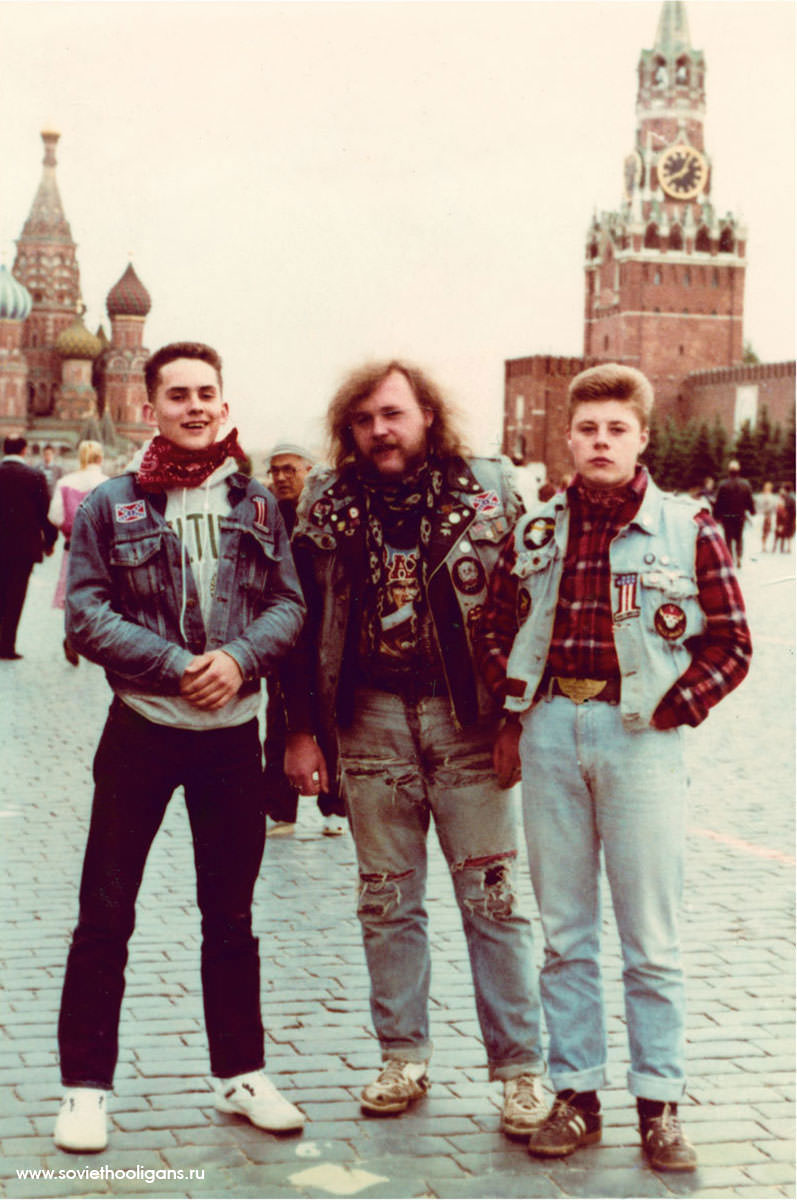
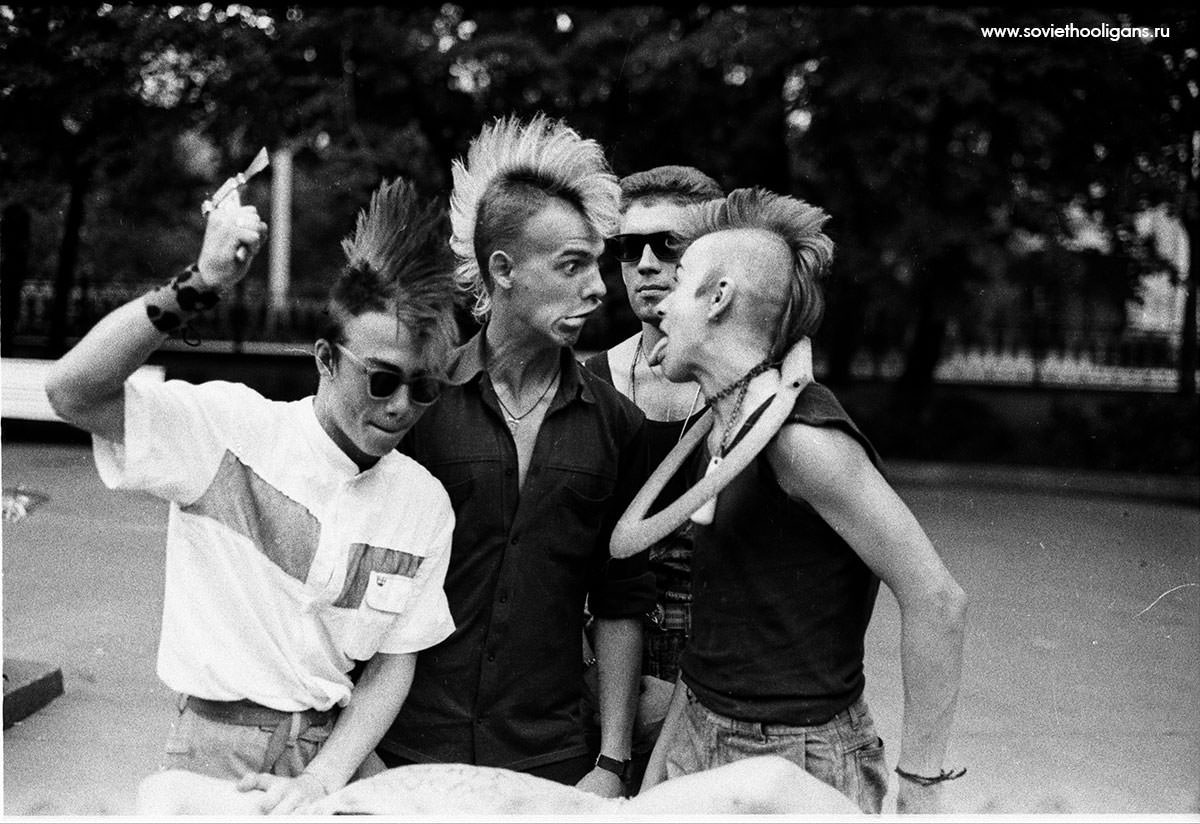
The mid-1980s photographs from Moscow show just how early some of these scenes were taking root — years before Gorbachev’s reforms had fully taken hold. Groups of teenagers in leather and denim were already gathering, already defining themselves against the grain of Soviet society.
Tattoos were a significant marker of subcultural identity. In Soviet prison culture, tattoos carried a complex coded language that communicated criminal history and social rank. Among youth subcultures, tattoos borrowed some of this outsider symbolism while developing their own meanings — band logos, skulls, crosses, and imagery lifted from album covers reproduced by hand using needles and ink.
Hair was another battleground. Long hair on men had been a target of Soviet authorities since the rock and roll scares of the 1960s. By the 1980s, mohawks, shaved sides, and brightly colored dye pushed the provocation even further. Hairstyle was one of the most immediate and visible ways a young Soviet could signal their rejection of mainstream expectations.
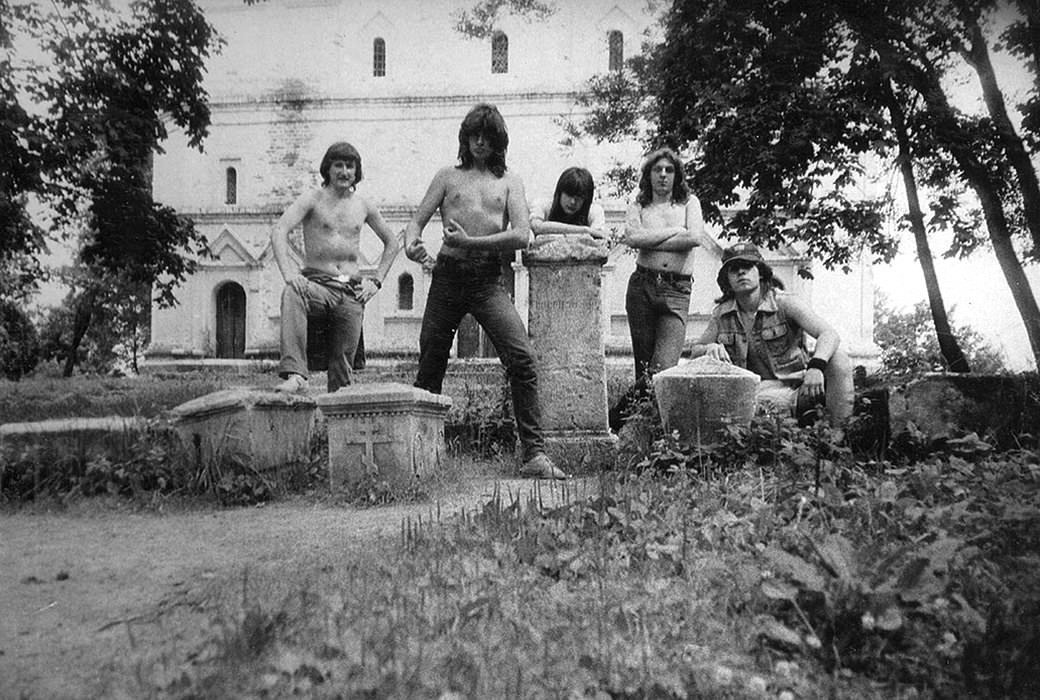
Soviet heavy metal produced its own bands with genuine followings. SHAH, formed in Moscow in 1983, was one of the earliest and most recognized Soviet metal acts. They played fast, aggressive music with Russian lyrics and built a dedicated fanbase through live performances and tape trading networks.
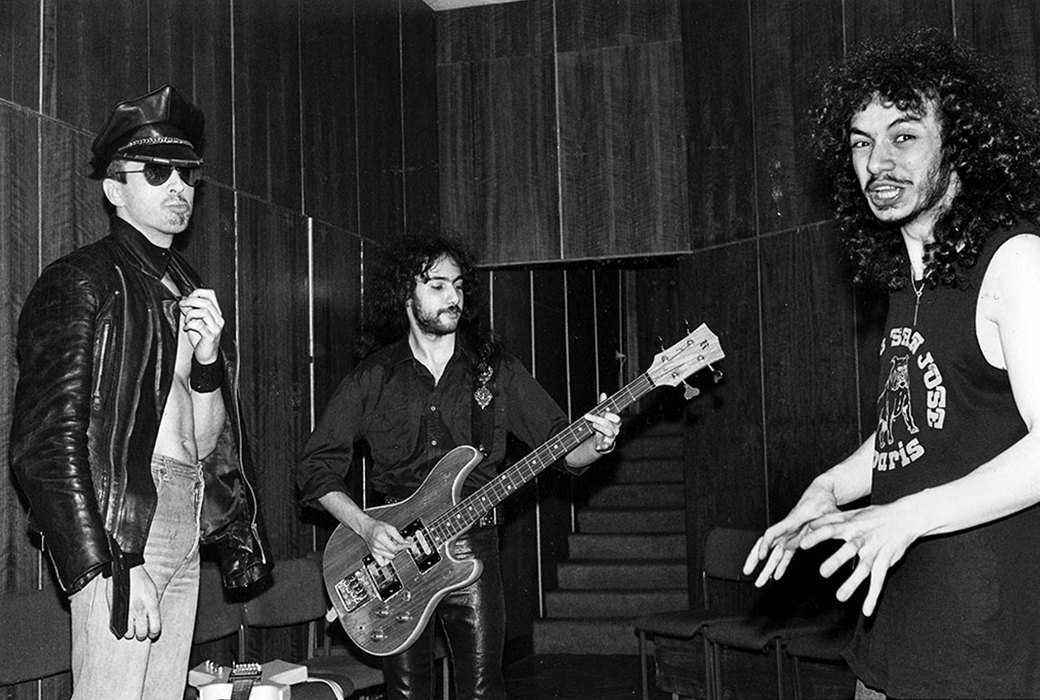
These subcultures weren’t limited to Moscow and Leningrad. Cities like Volgograd, Omsk, and others across the vast Soviet territory developed their own local scenes. Geography and distance meant each city’s scene had its own flavor, shaped by local musicians, local spaces, and the particular intensity of life in different parts of the country.
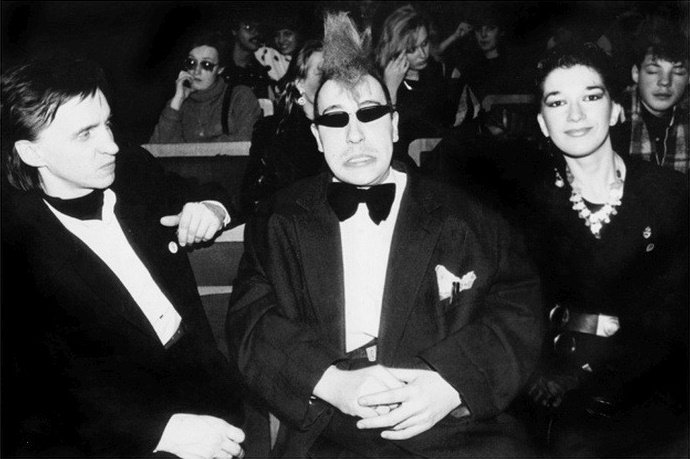
Makeup was part of the rebellion too — on both men and women. Heavy black eyeliner, pale foundation, and dramatic styling borrowed from goth and glam traditions made wearers immediately identifiable and immediately defiant. In a society where men’s appearance was expected to be plain and functional, a young Soviet man wearing black nail polish and smudged kohl was making a very deliberate statement.
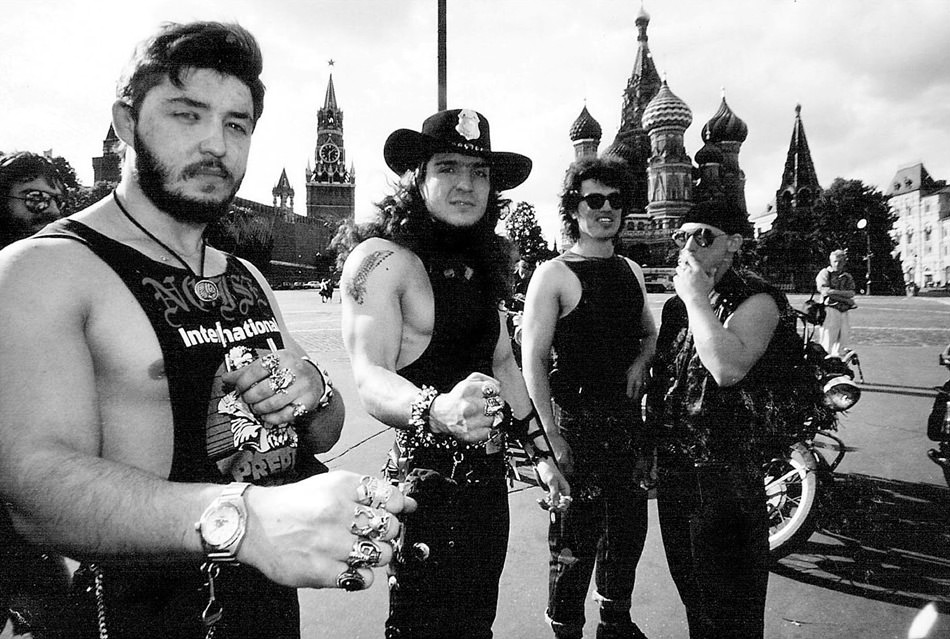
As the 1980s closed and the Soviet Union moved toward its final years, the subcultures that had once been treated as dangerous fringe movements were now simply part of the visible landscape of Soviet cities. The state had lost the ability — and in many cases the will — to erase them. What had started as a handful of teenagers trading cassette tapes in apartment kitchens had become a mass presence on Soviet streets, undeniable and unstoppable.